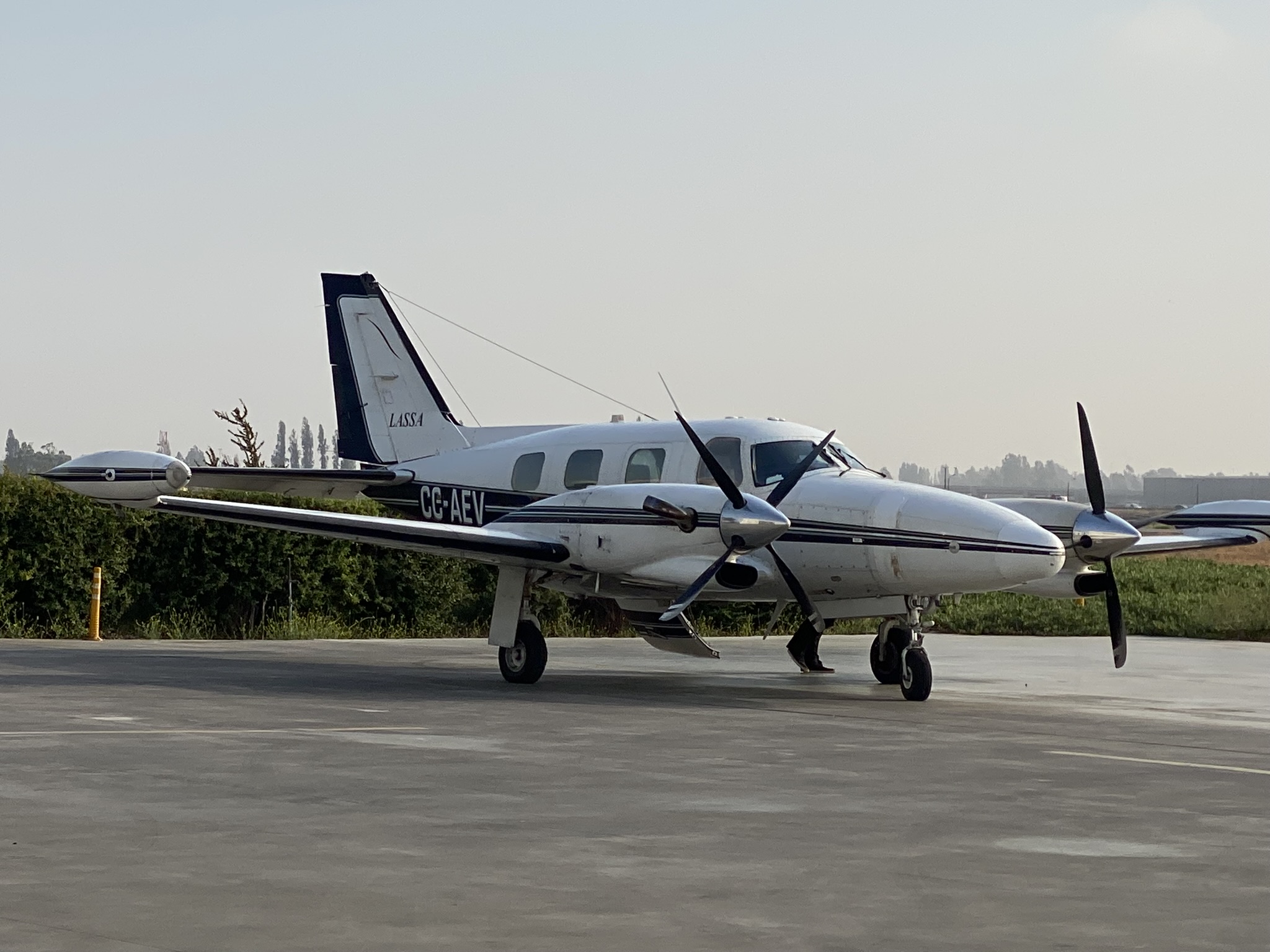
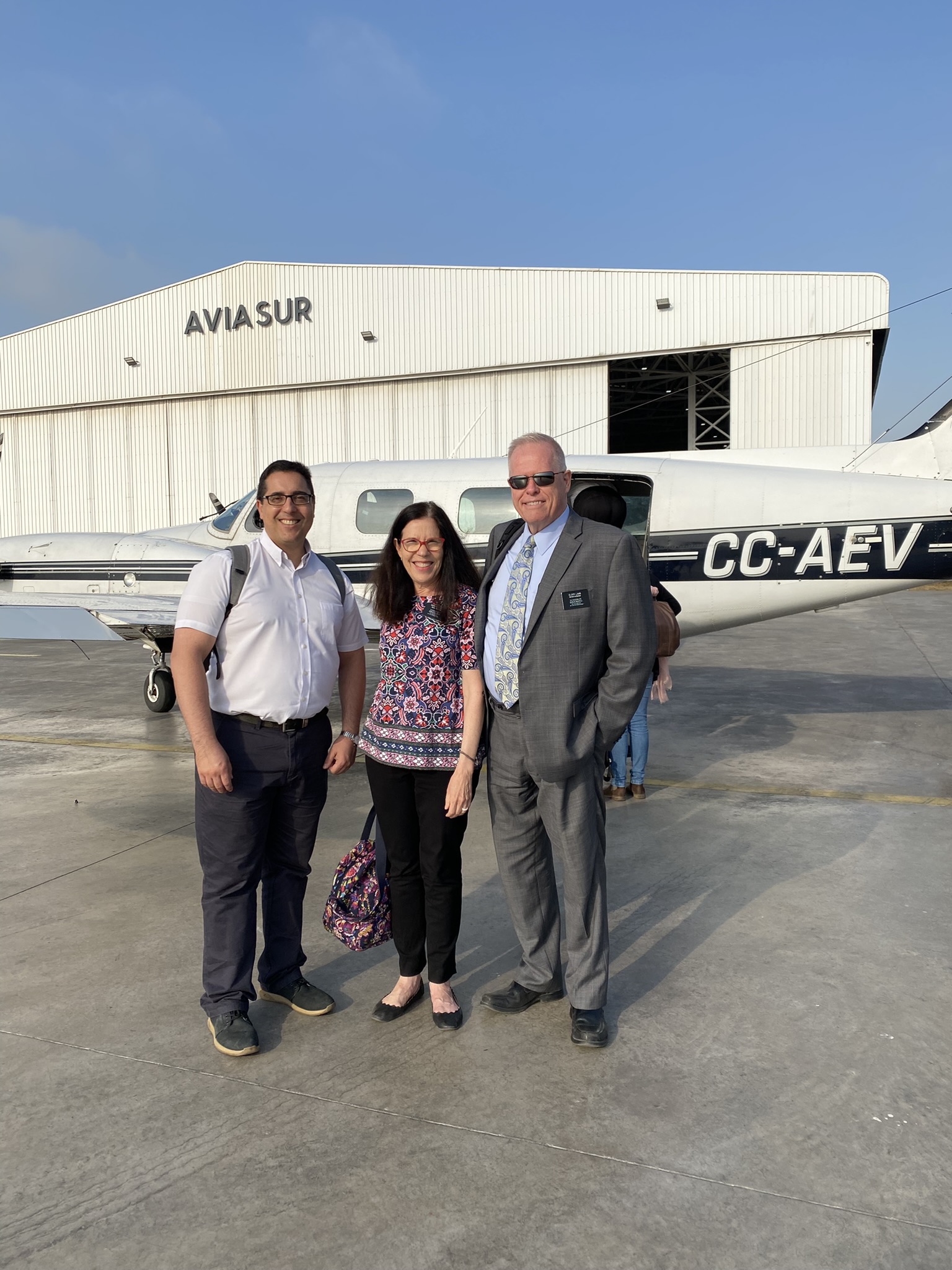
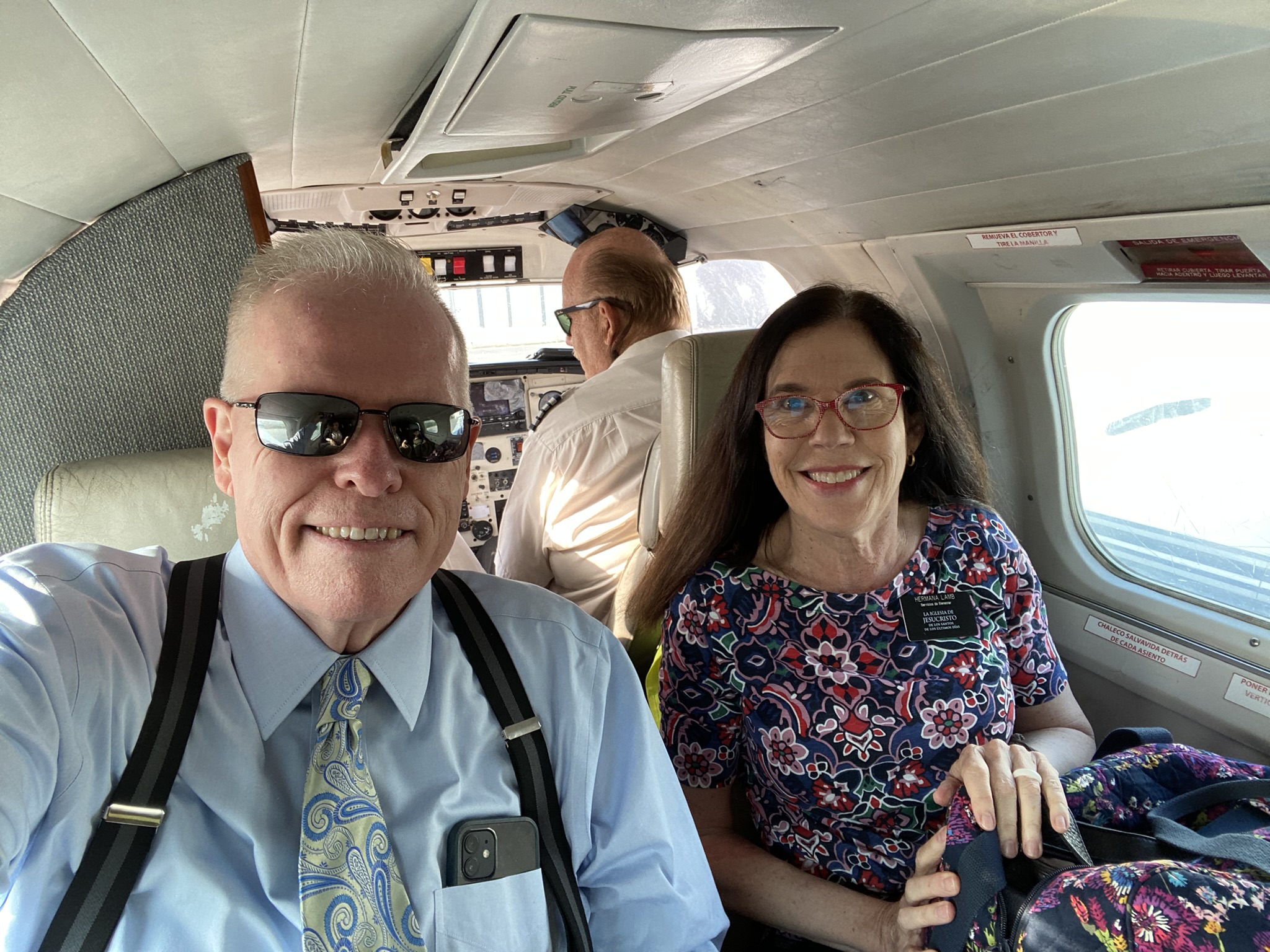
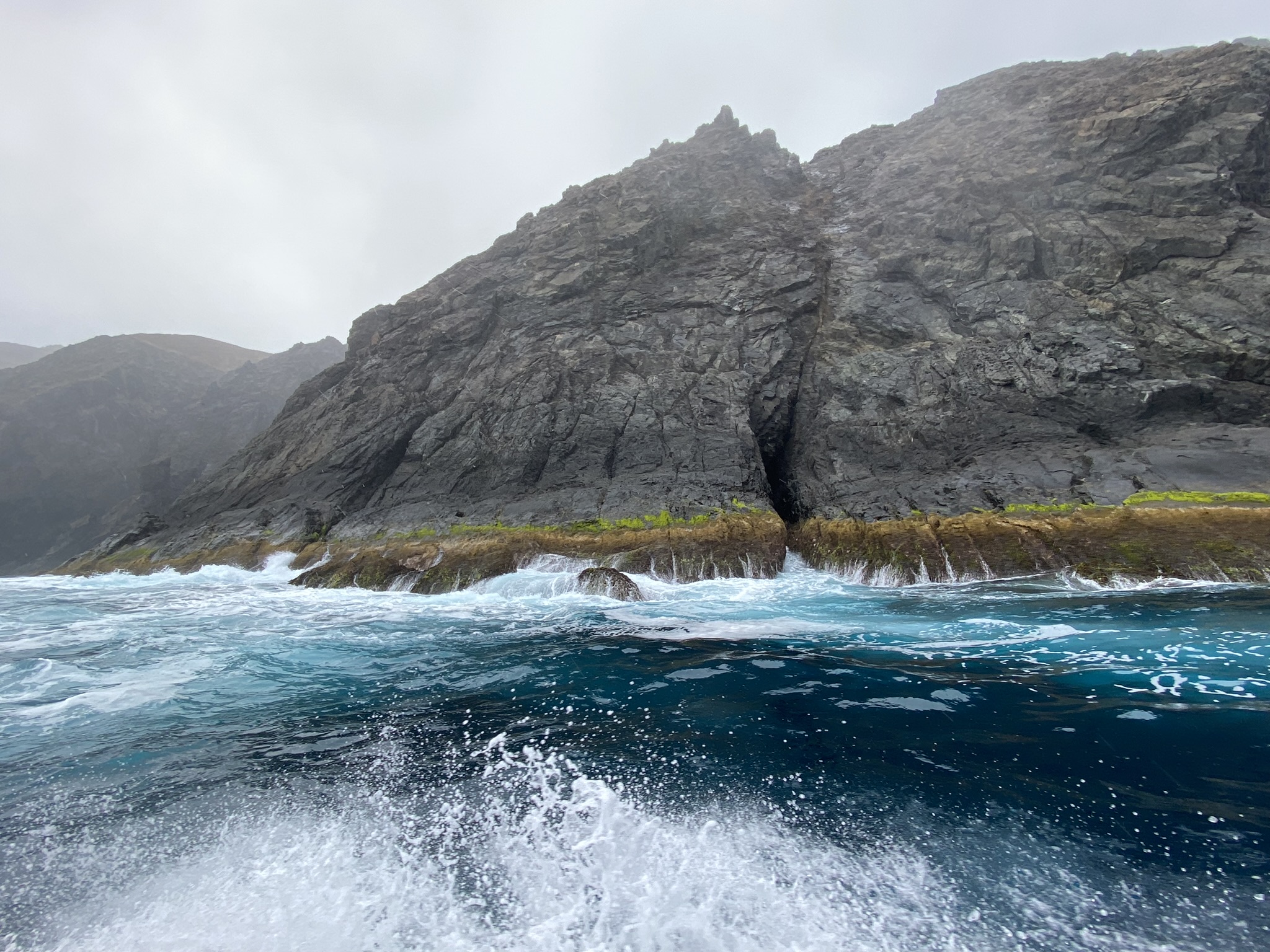
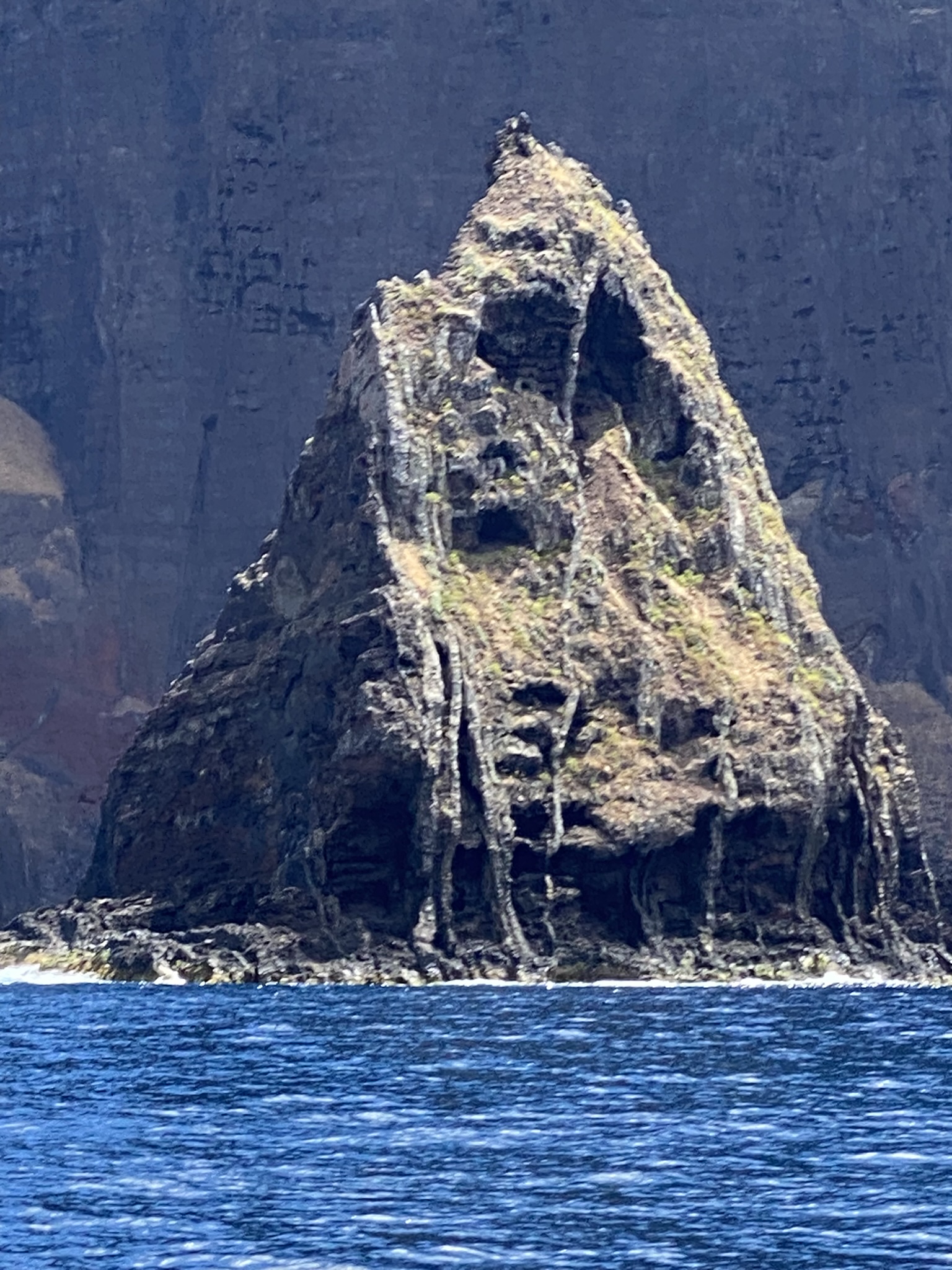
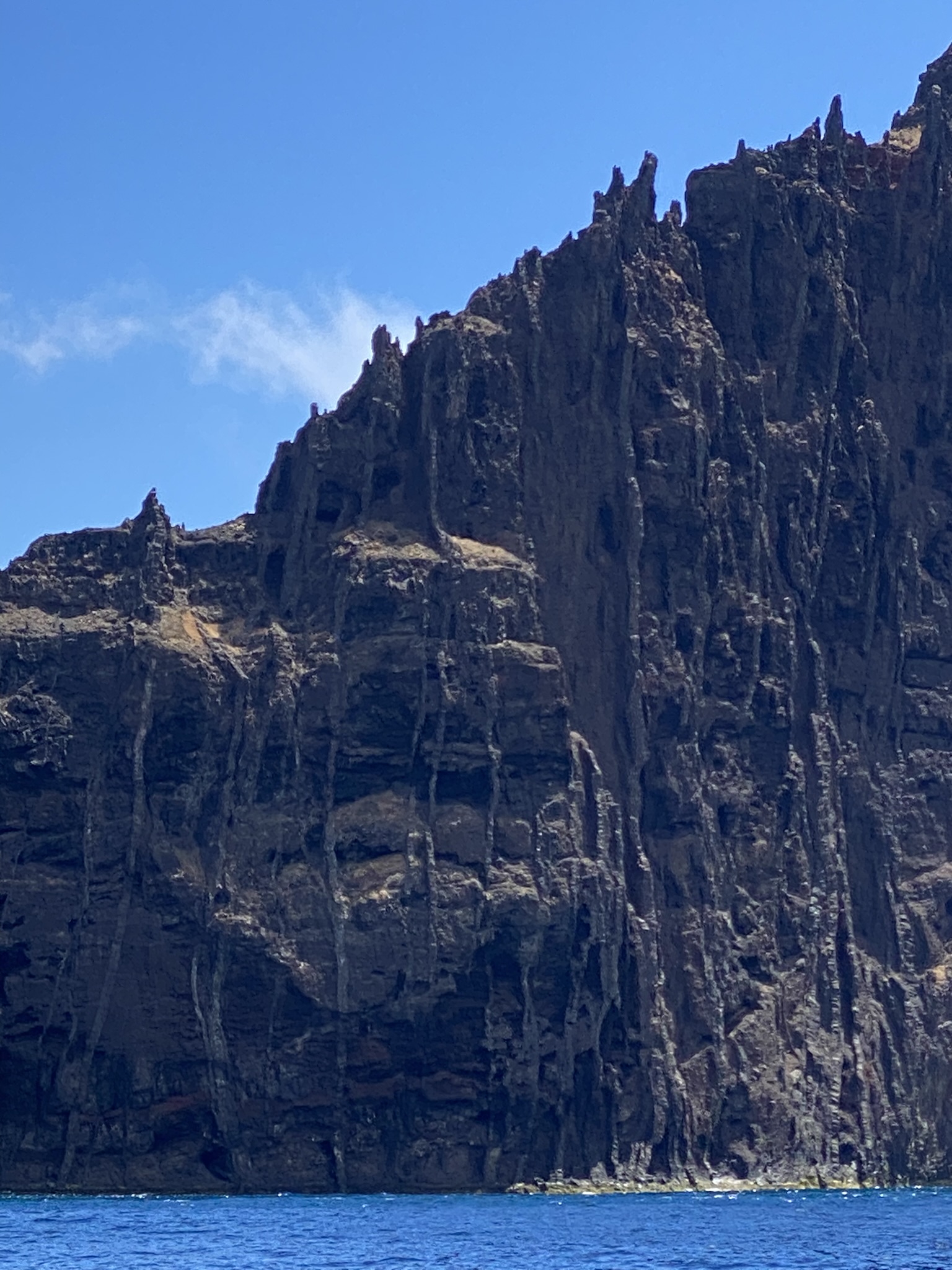
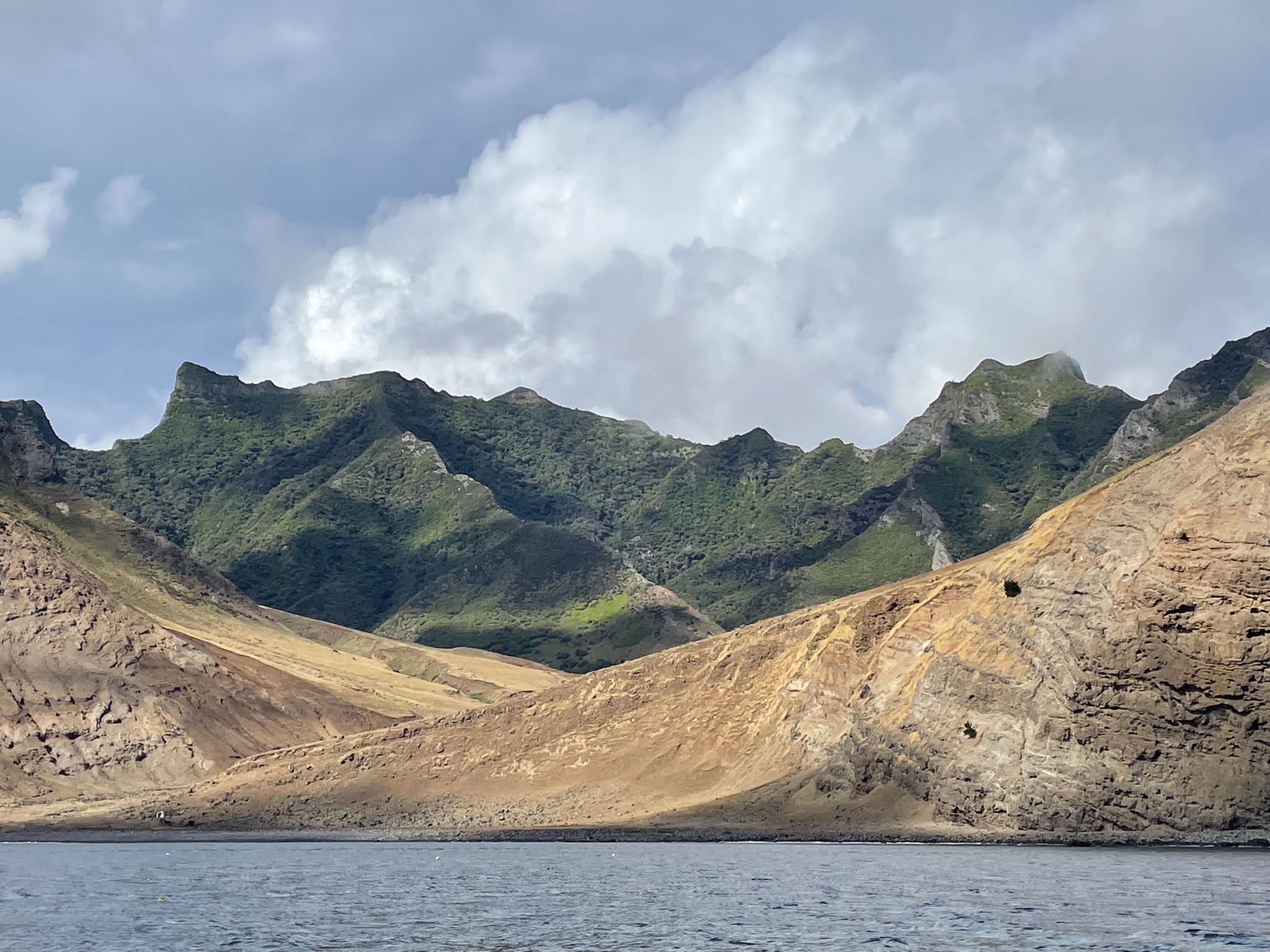
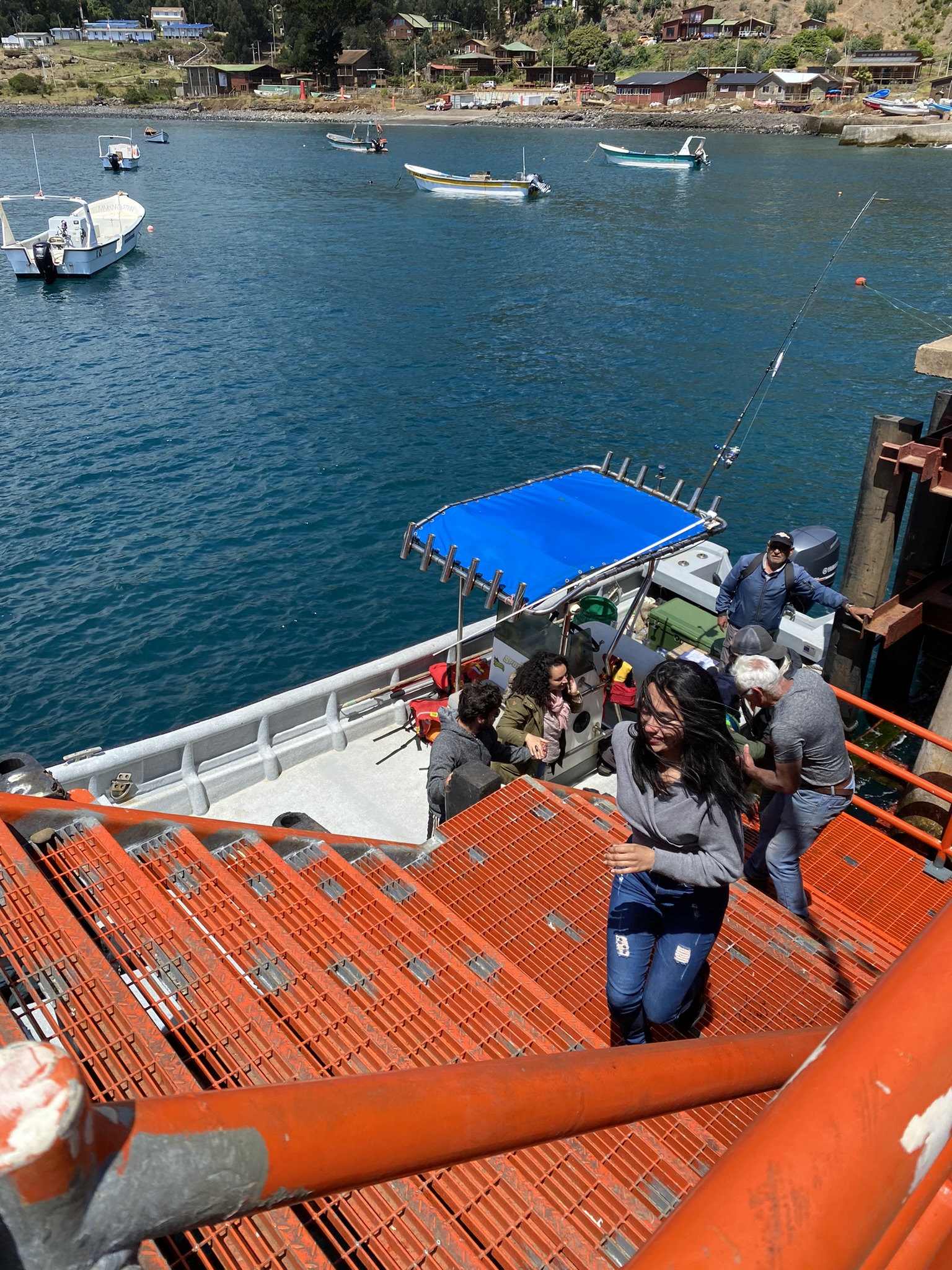
The Juan Fernandez archipelago is a group of islands located in the South Pacific, more than 670 km west off the coast of Chile. It is made up of the islands of Robinson Crusoe, Alejandro Selkirk, the Santa Clara islet, and smaller islets. We had the privilege of visiting Robinson Crusoe Island this week for five days. The island is accessible only by small airplane or boat. We flew for two hours in a small eight-seater plane, Piper Cheyenne.
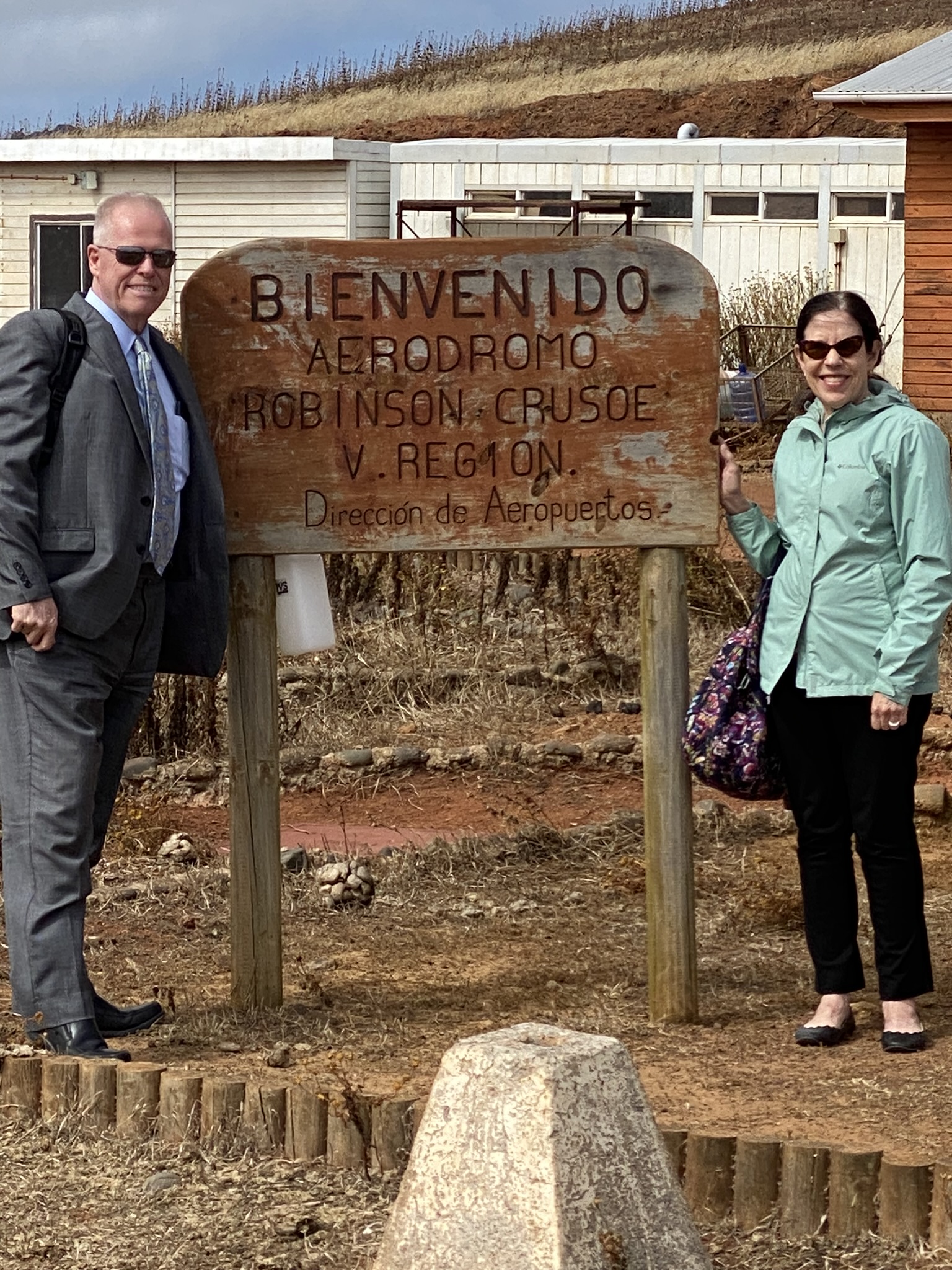
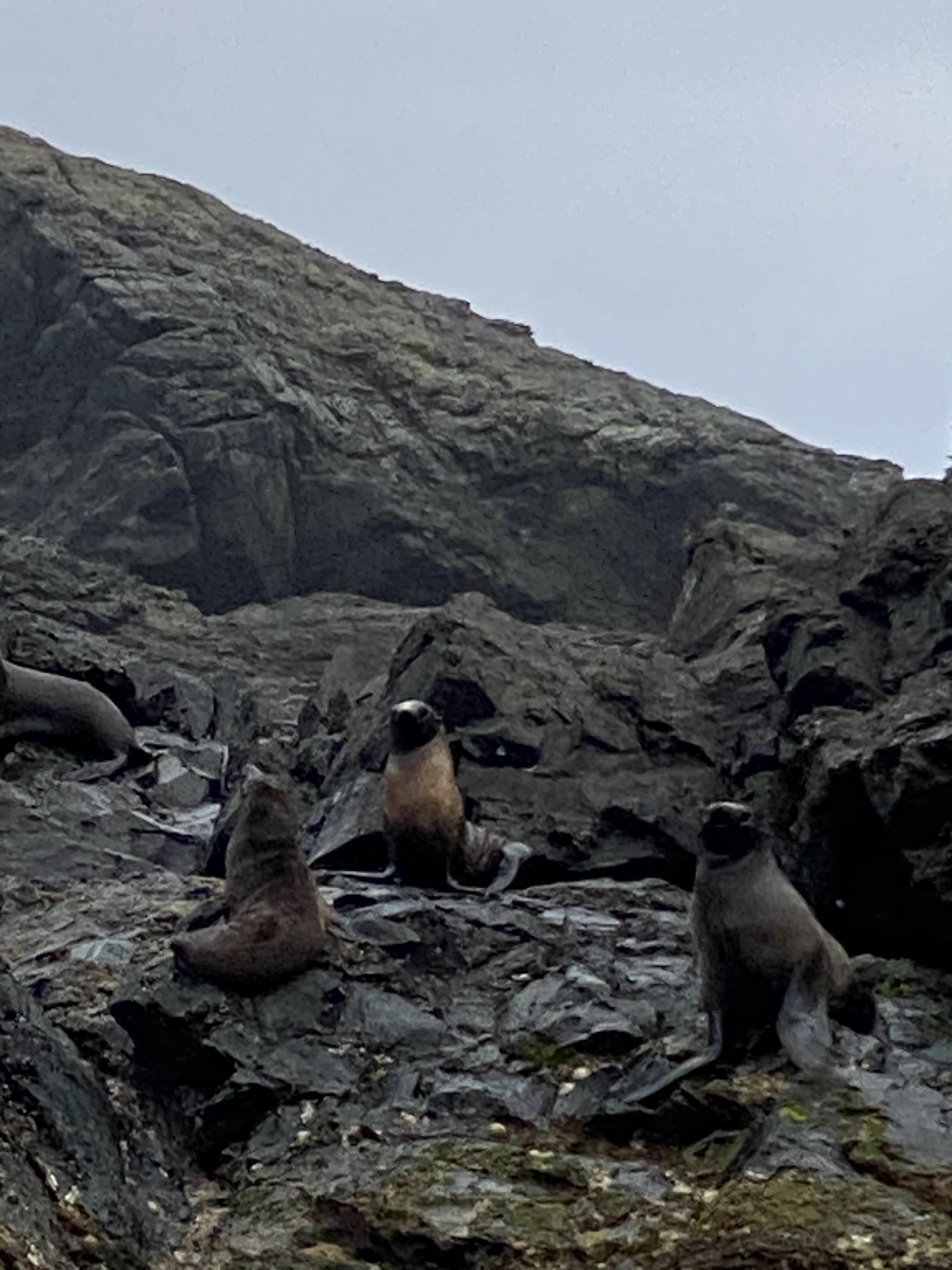
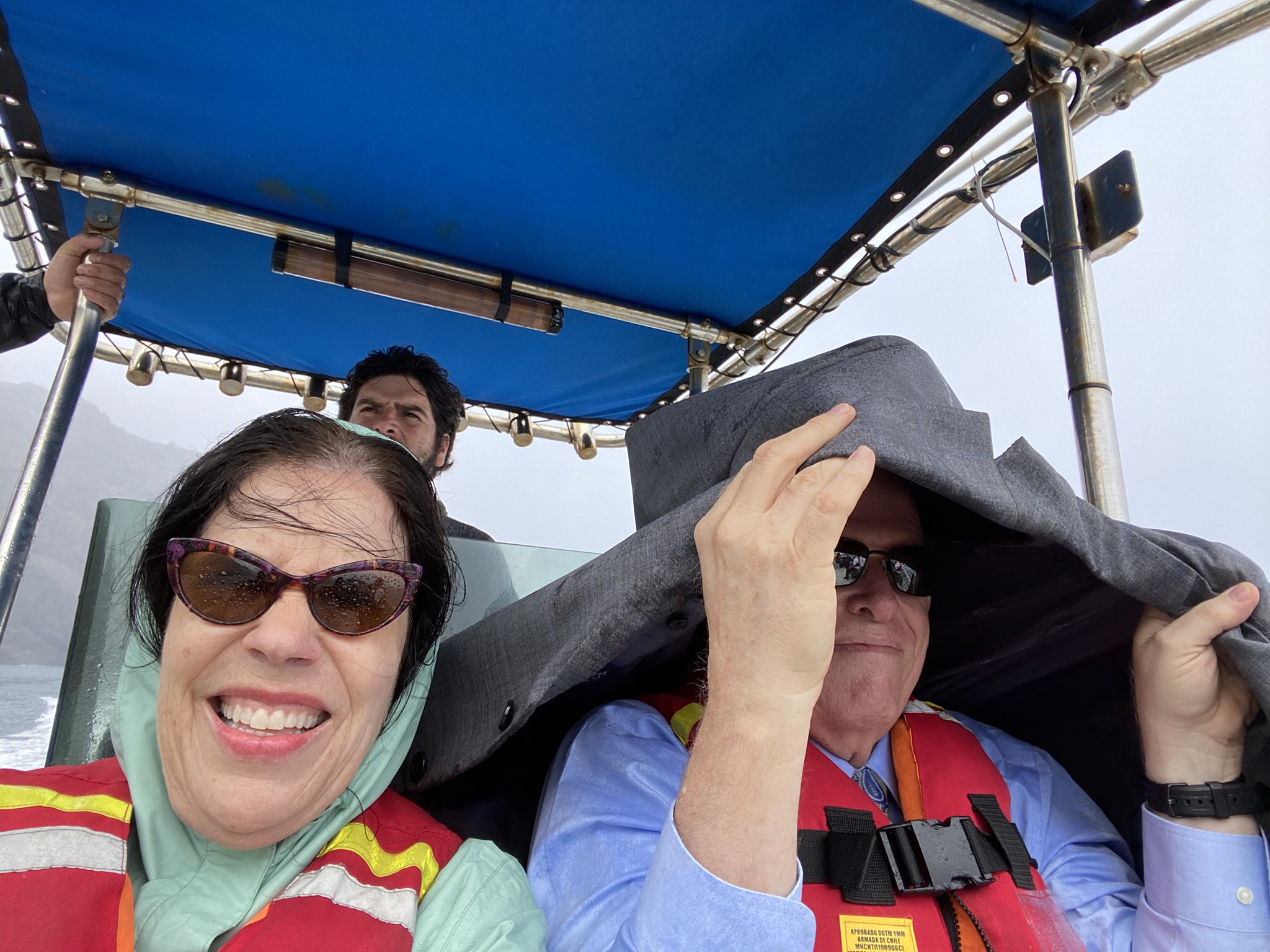
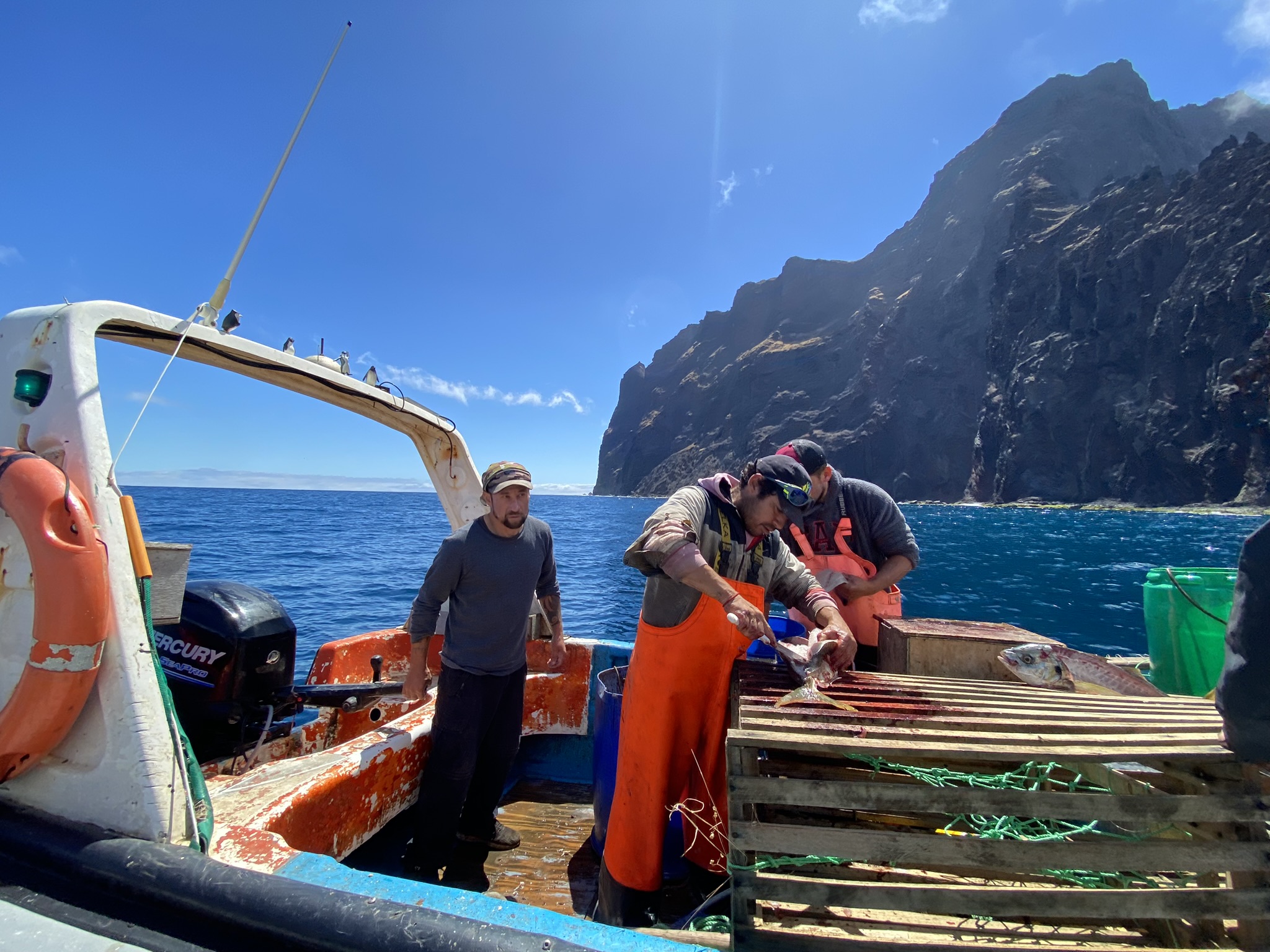
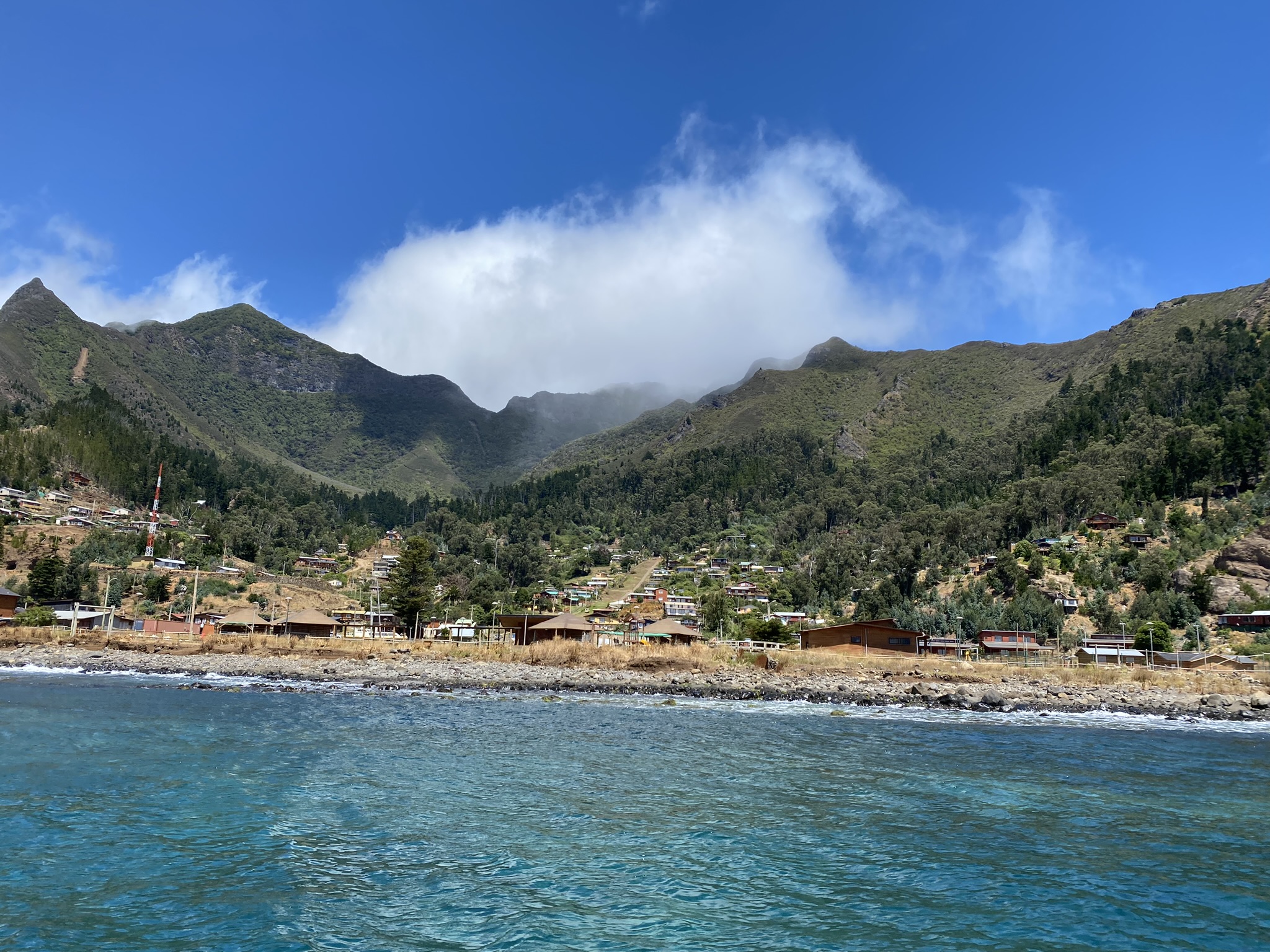
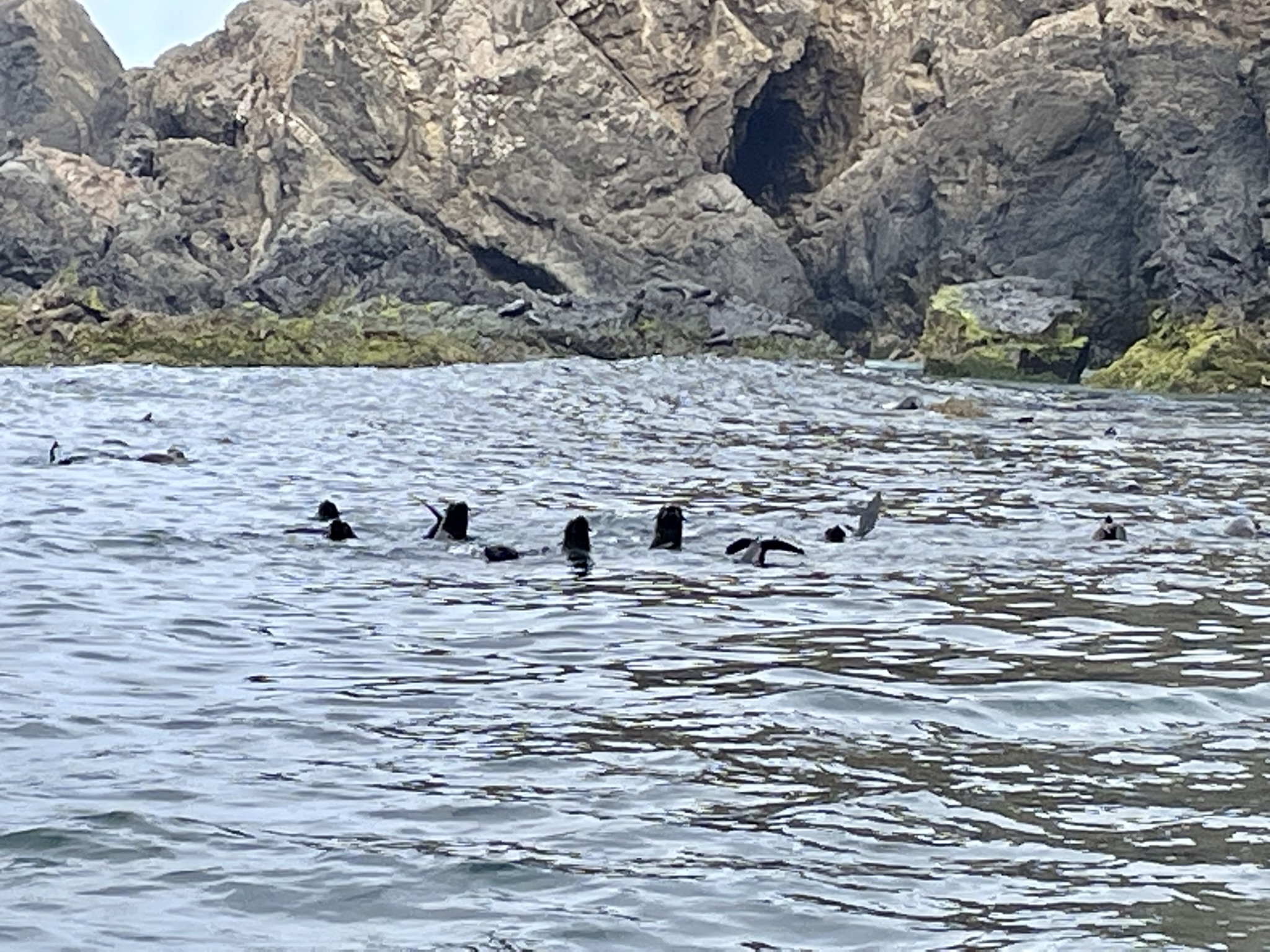
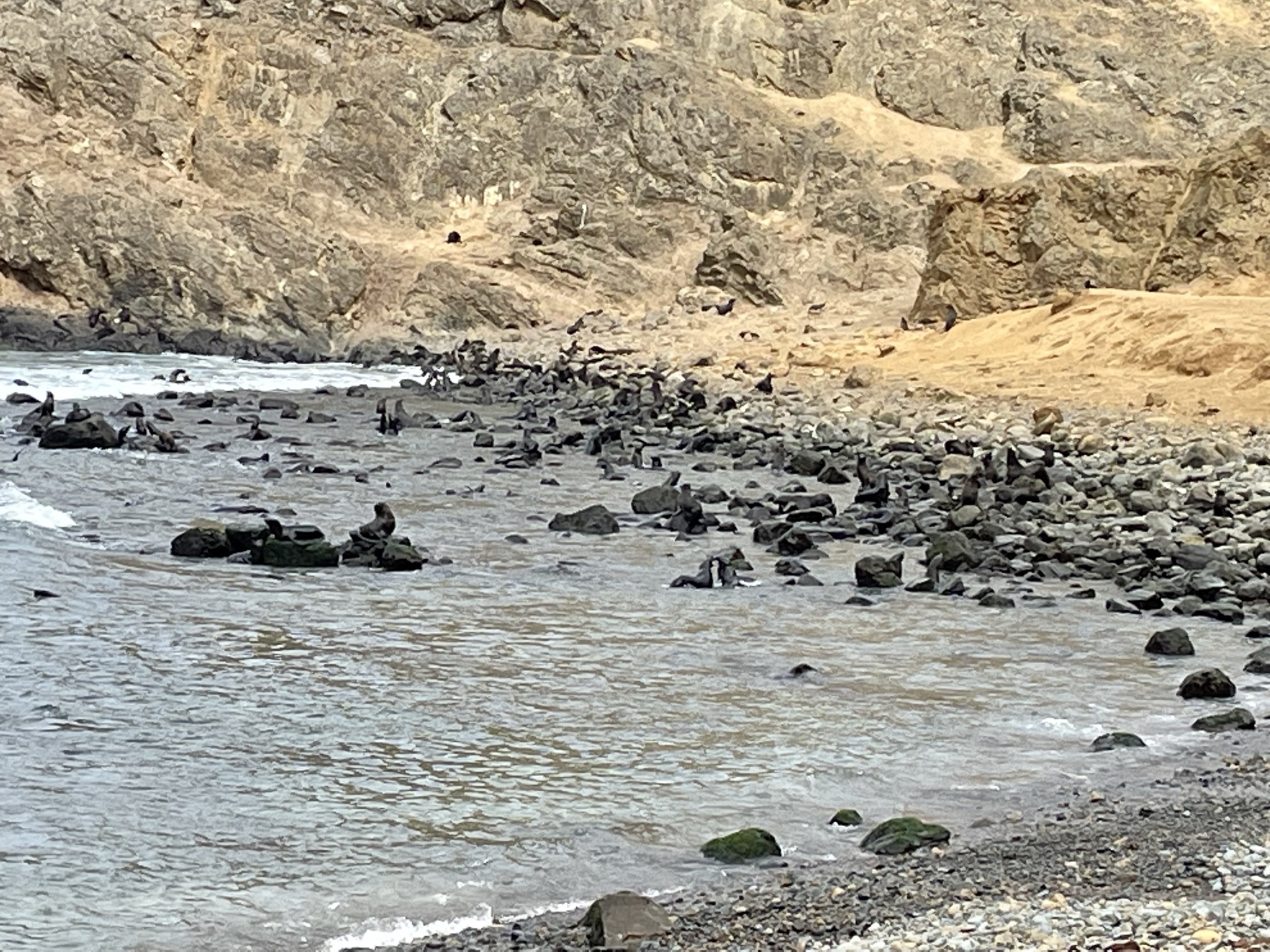
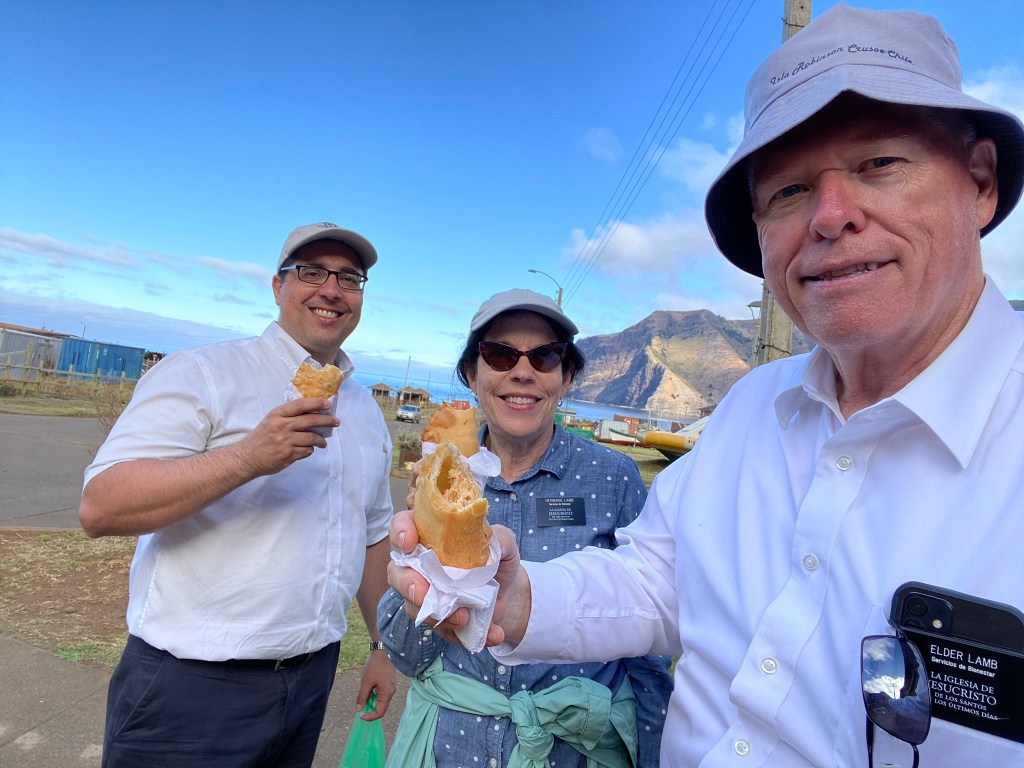
We then took an hour boat ride to reach San Juan Bautista, the only town on the island. Hundreds of Juan Fernandez fur seals frolicked by and followed our boat around the island from the airport to the town. We stopped to watch a fisherman filet his catch and took what he had finished to shore with us.

FYI-Daniel Defoe’s book Robinson Crusoe (1719) was inspired by the story of Alexander Selkirk, a Scottish seaman from Fife who was marooned on the Pacific Island of Juan Fernandez for four years and four months. Of course, we had to download the book and read it while here.

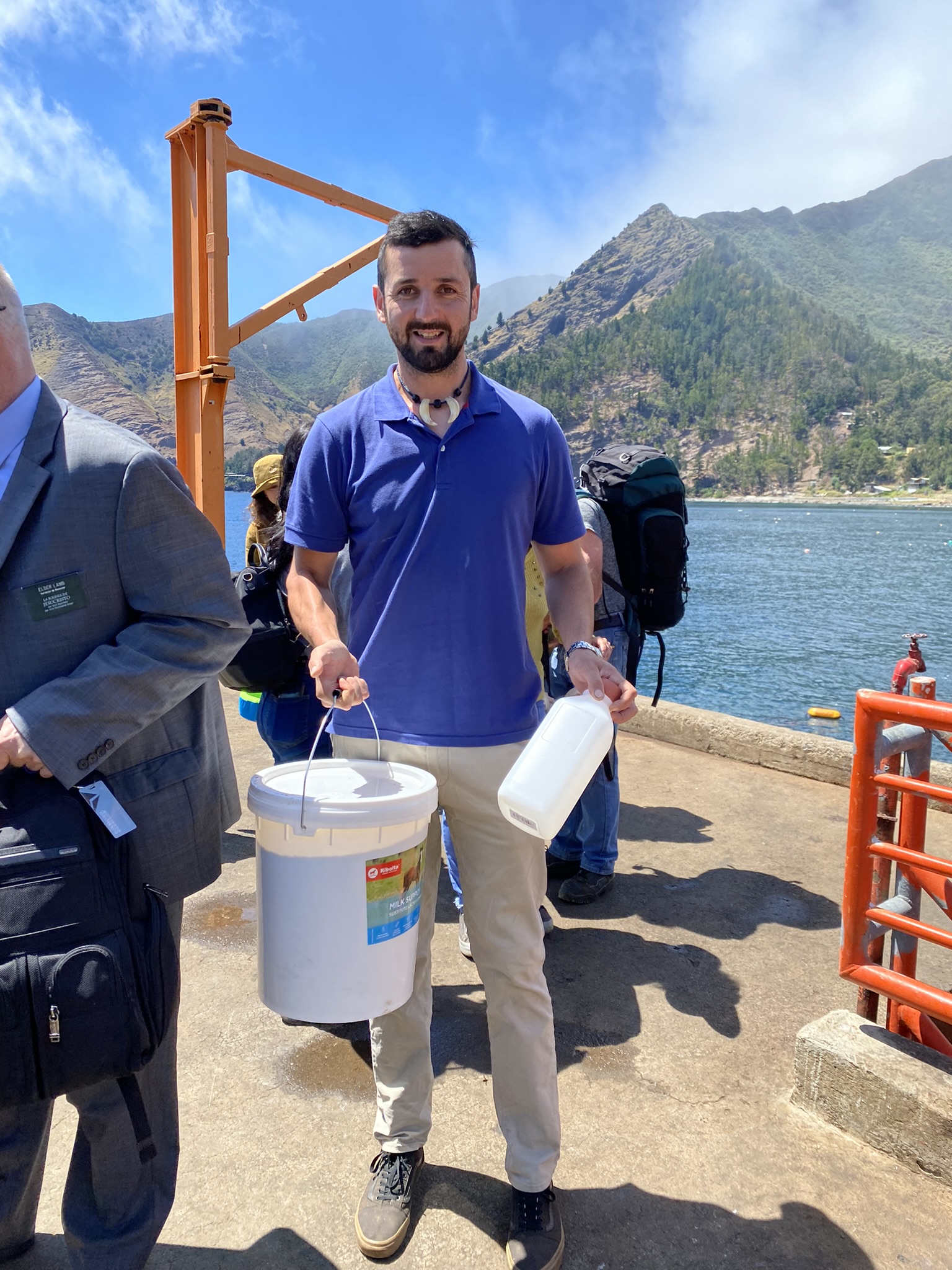
We received a message the night before we came asking us to bring colostrum for a baby colt whose mother died giving birth. We were met on the pier by a very grateful resident.
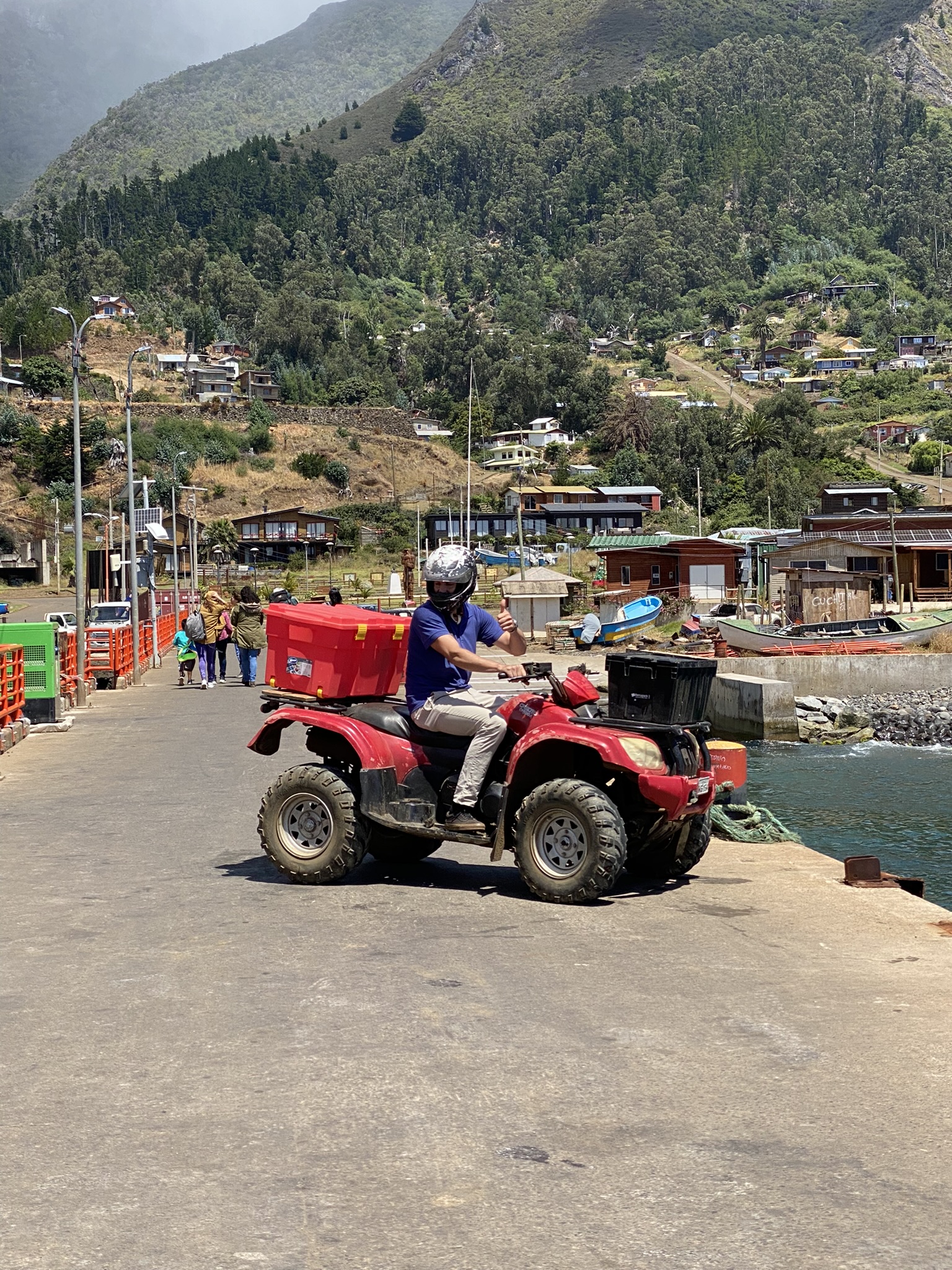
The town is built on a hill and has very little level terrain. It is a tranquil fishing village of 1500 people with stunning views. We walked to both edges of town. On one edge we saw shell impacts made by the Dresden during a naval battle in Cumberland Bay during the First World War. There is evidence on every block of the strategic location of the island during both World Wars.


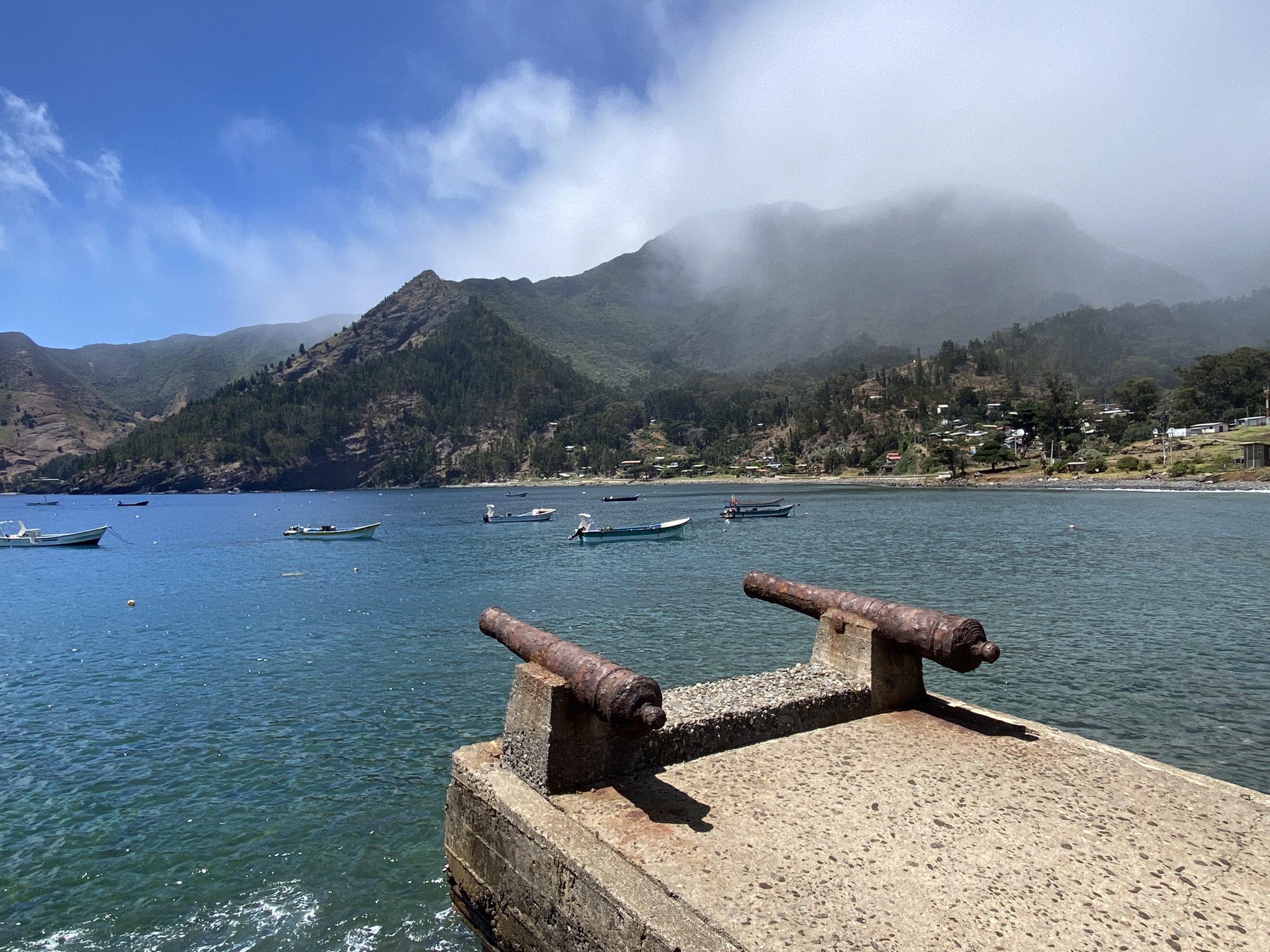

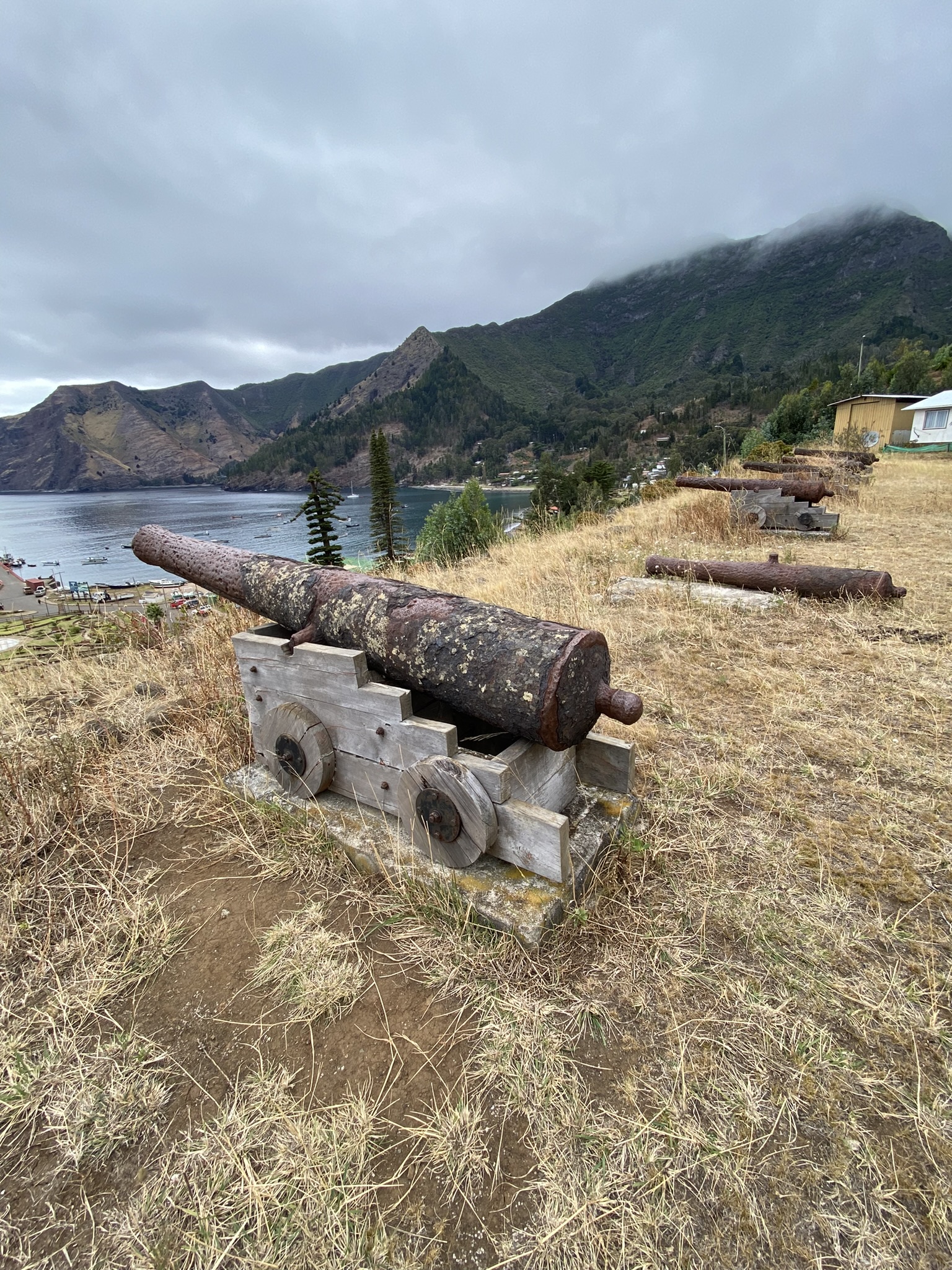
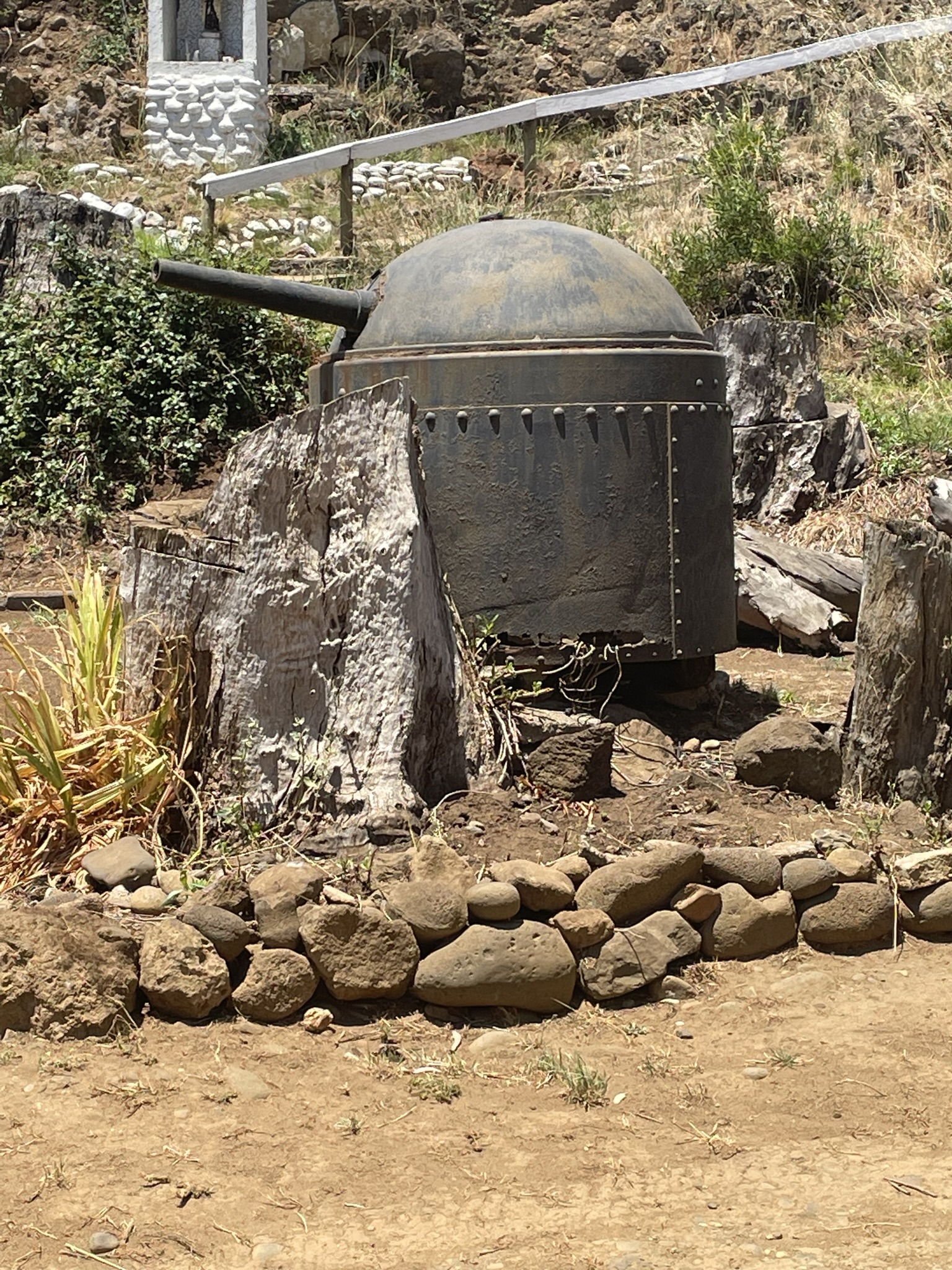
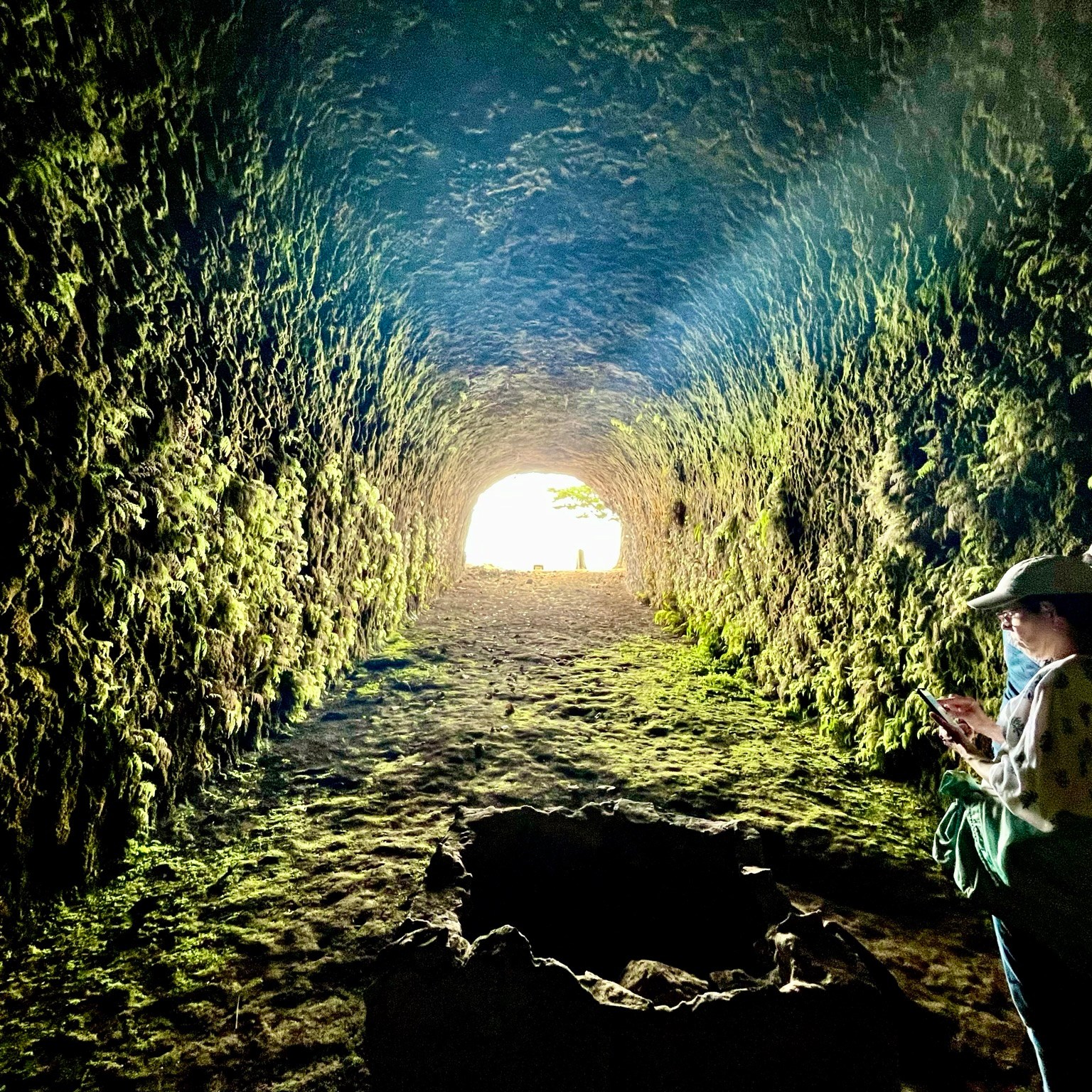
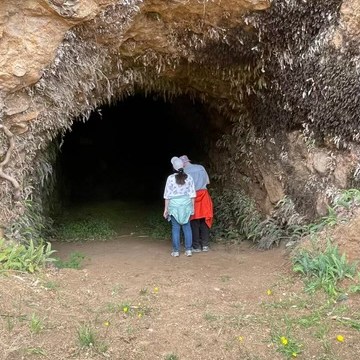
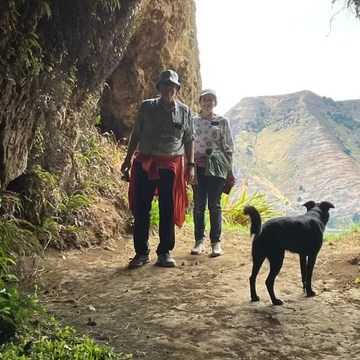
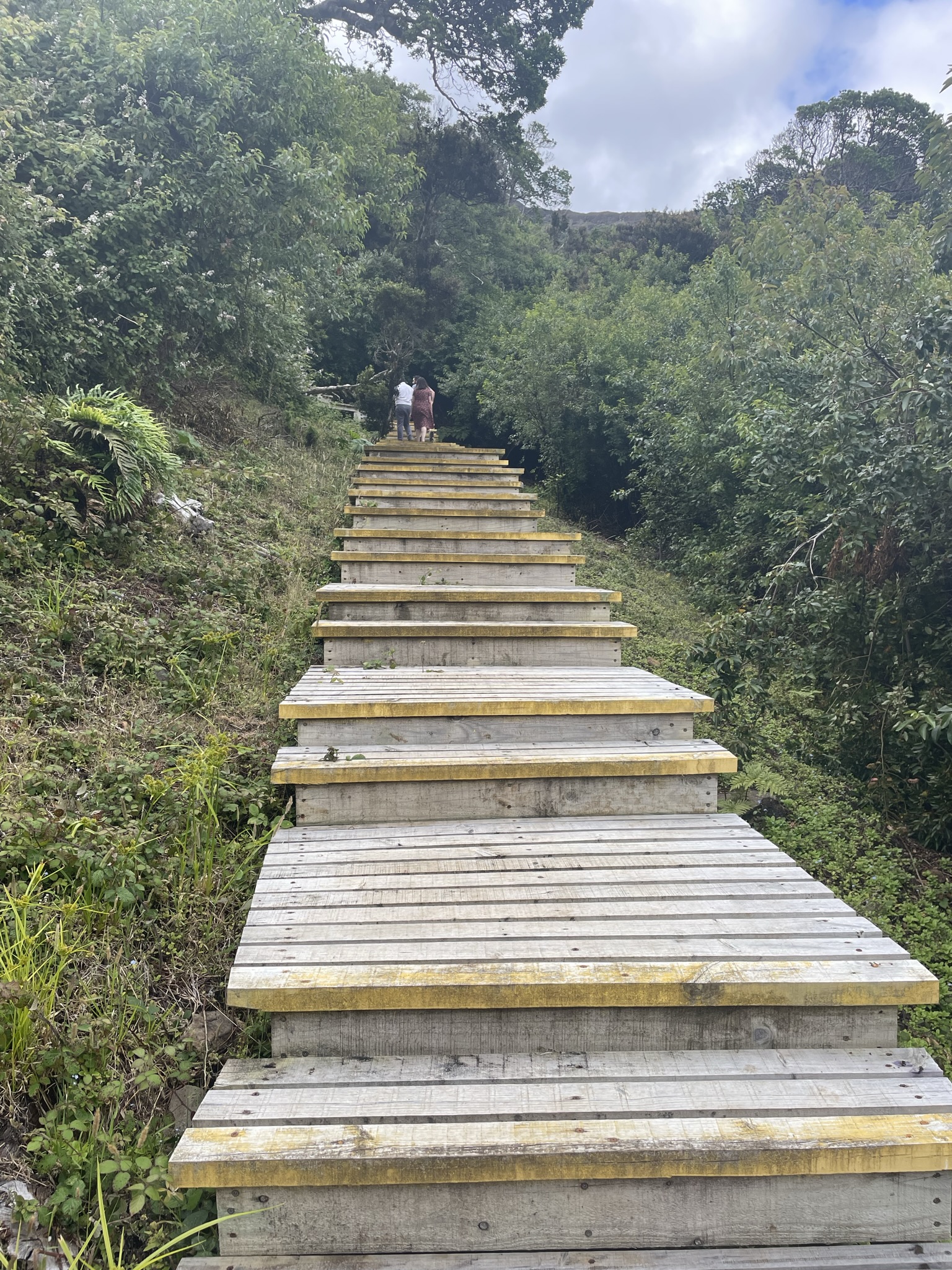
We climbed the hills to visit the remains of the 1749 Santa Barbara Fort and Patriots Cave. After the battle of Rancagua in 1814 when the Spaniards defeated the patrician patriots who sought independence for Chile, 50 intellectual politicians who had devised the attempt were brought to the island and imprisoned for 27 months in caves along this mountainside. Stray dogs led us on the trails and were great hiking companions.

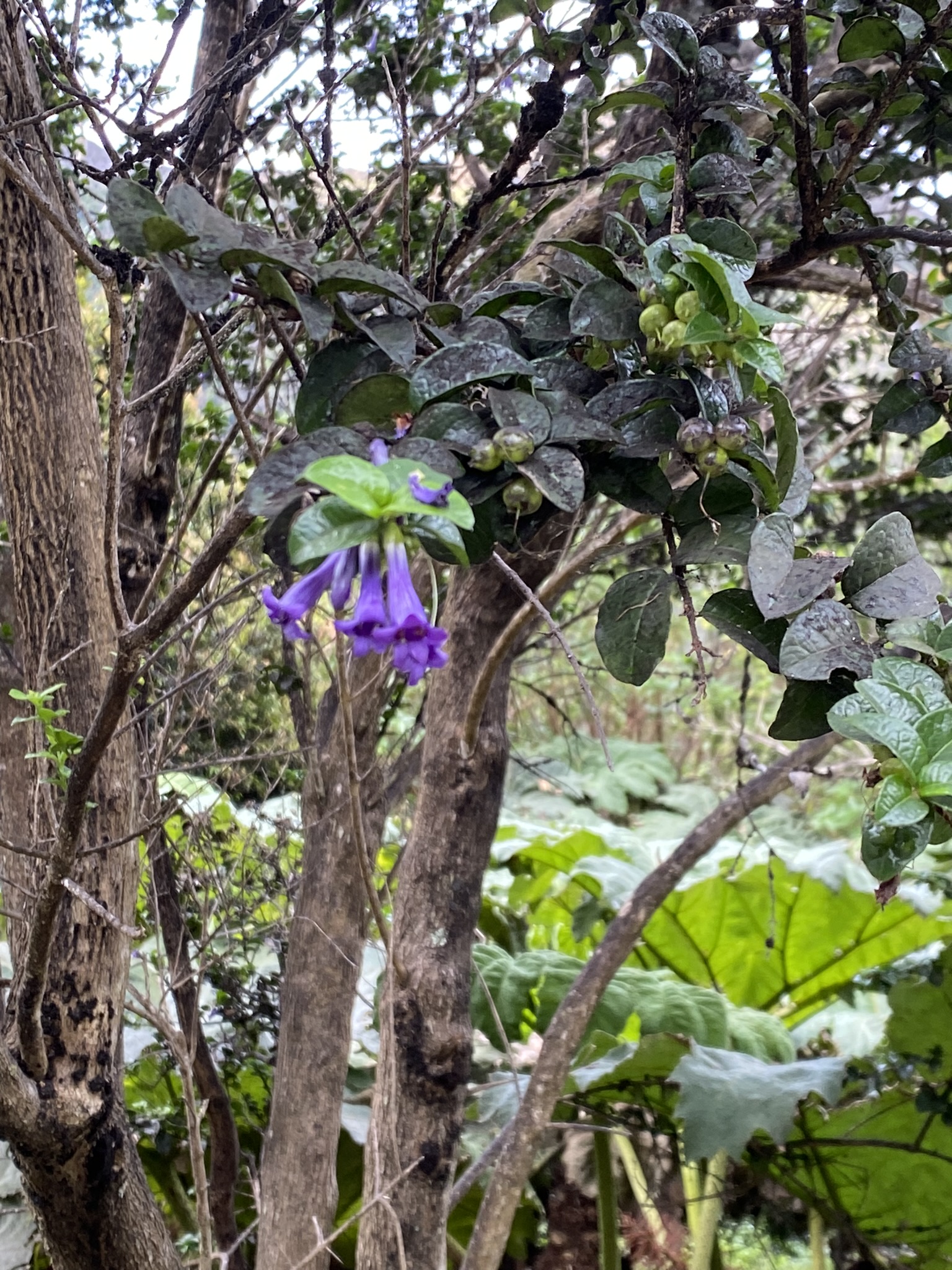
The “Col” plant grows only on this island. We were not able to spot the red Juan Fernandez hummingbird, called the “pica flor,” which eats from this flower.

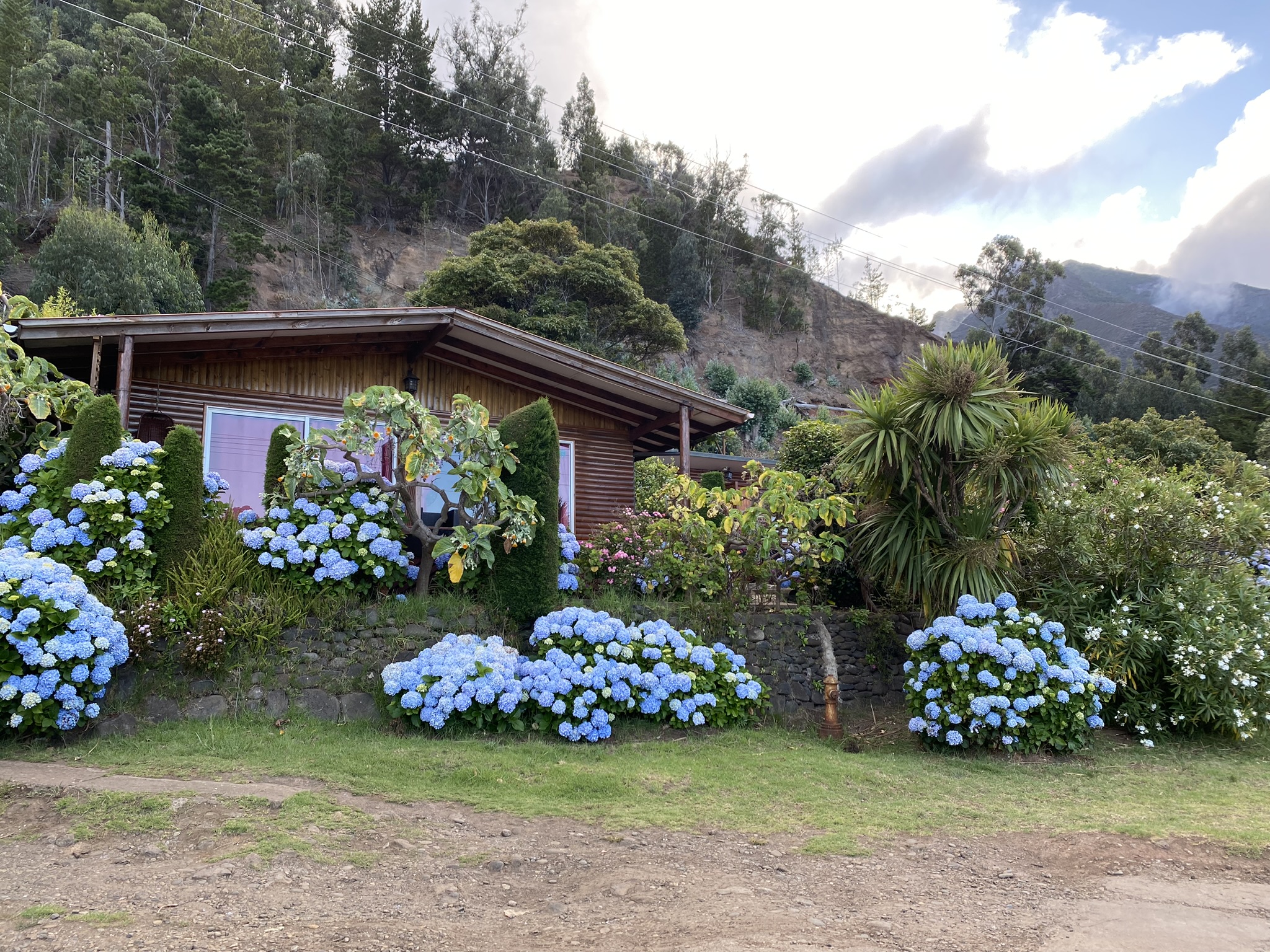
Roosters woke us each morning- that reminded us of Kauai. The Ecolodge served us delicious breakfasts.
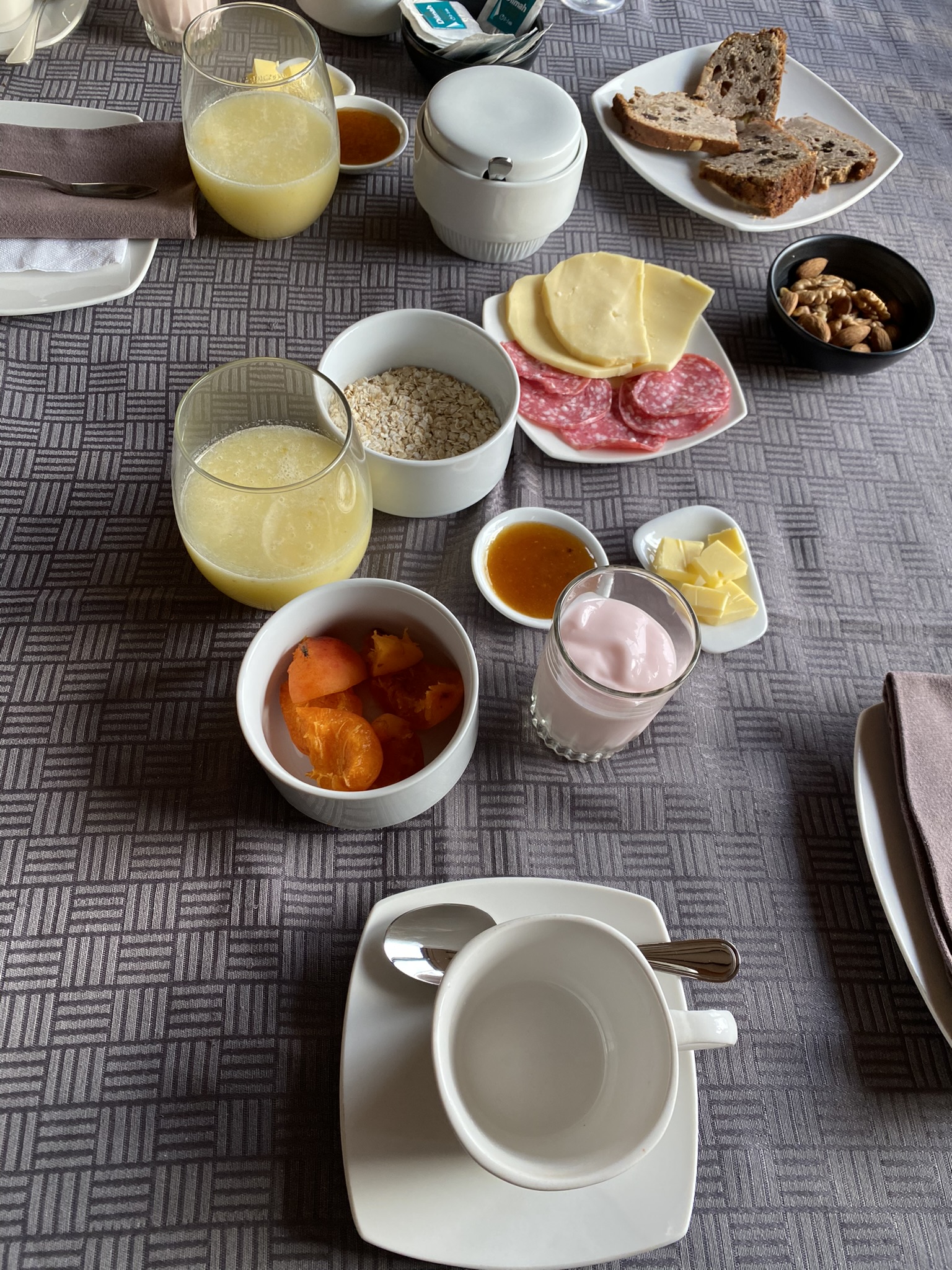
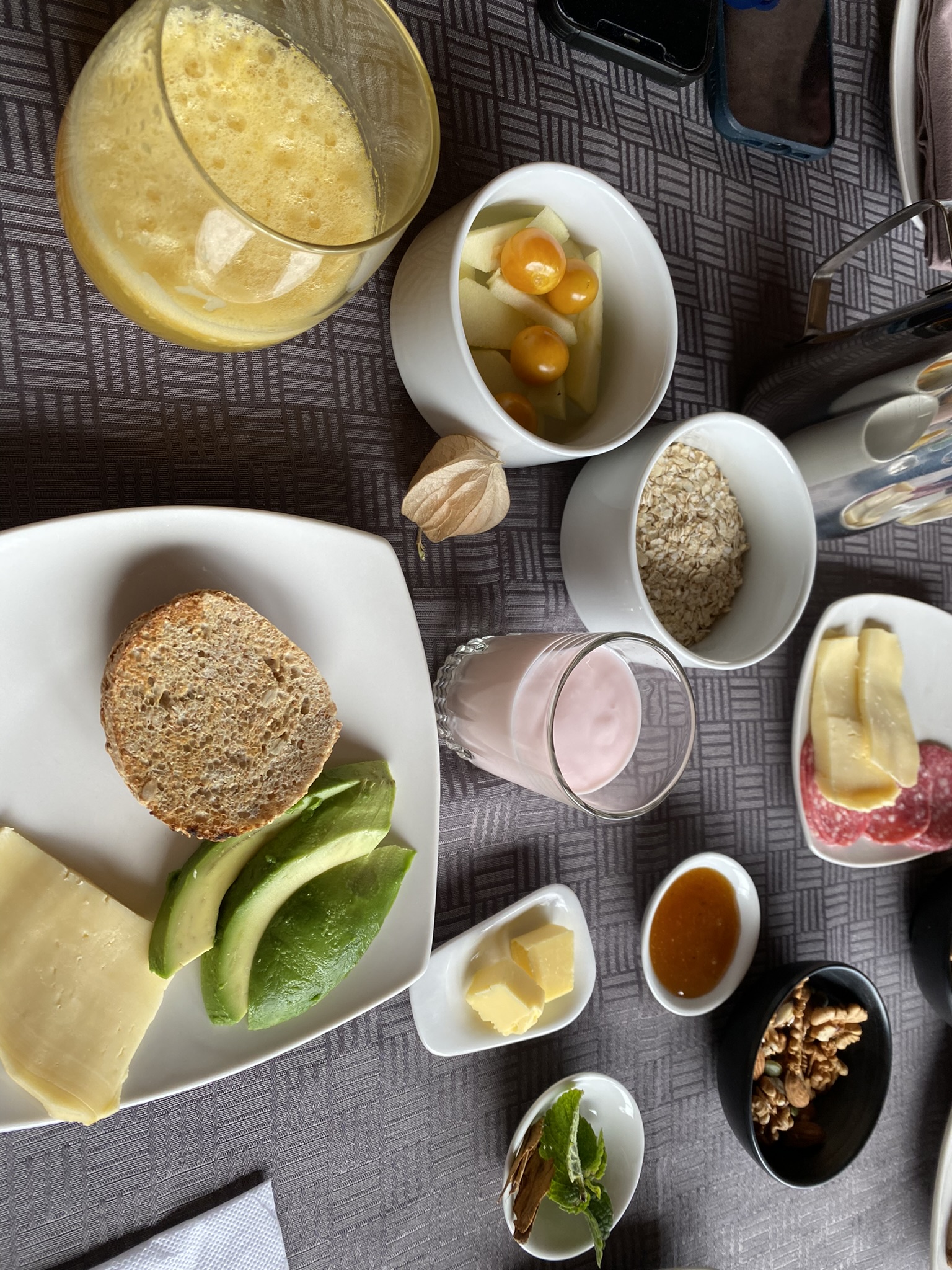
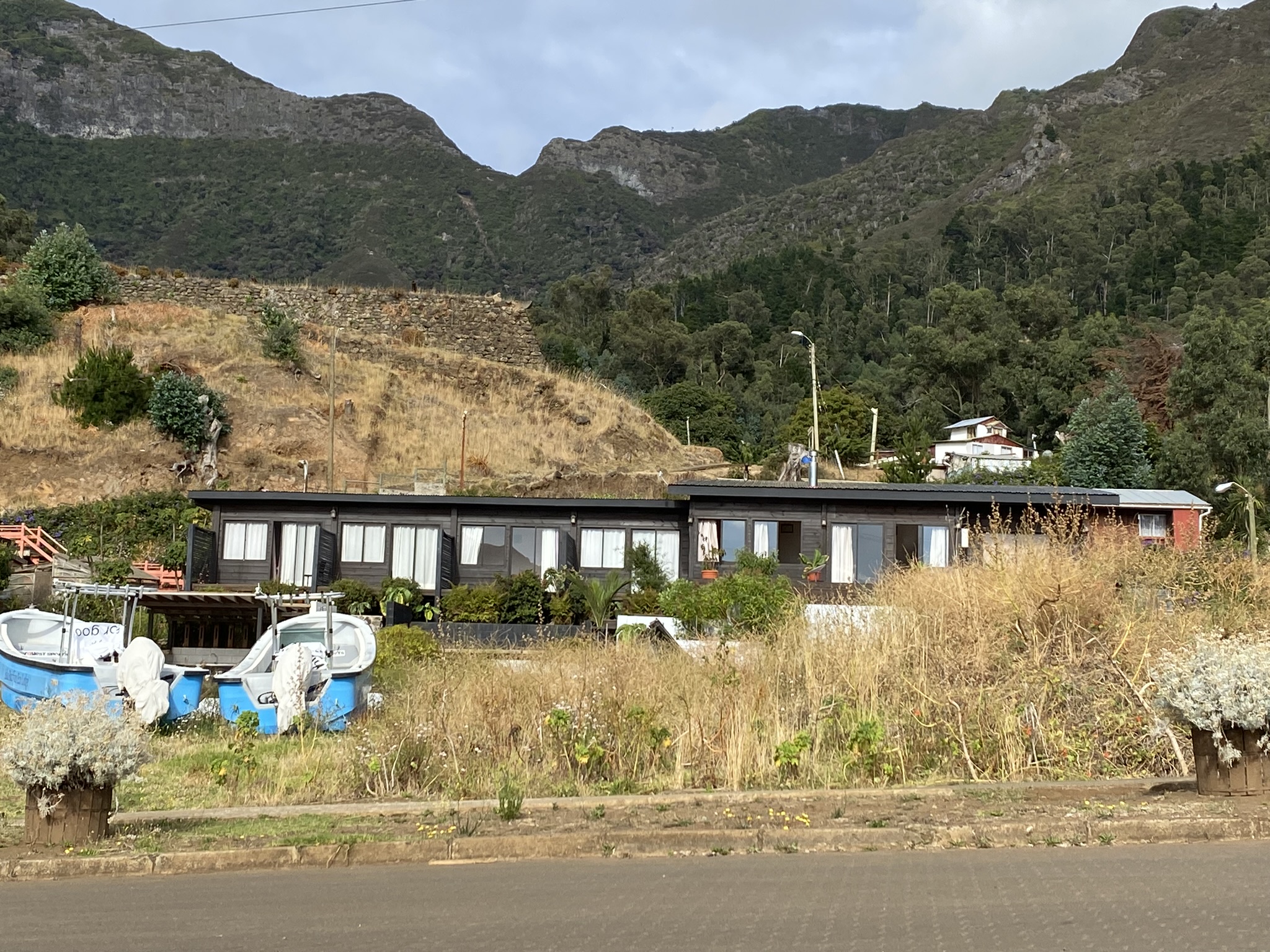
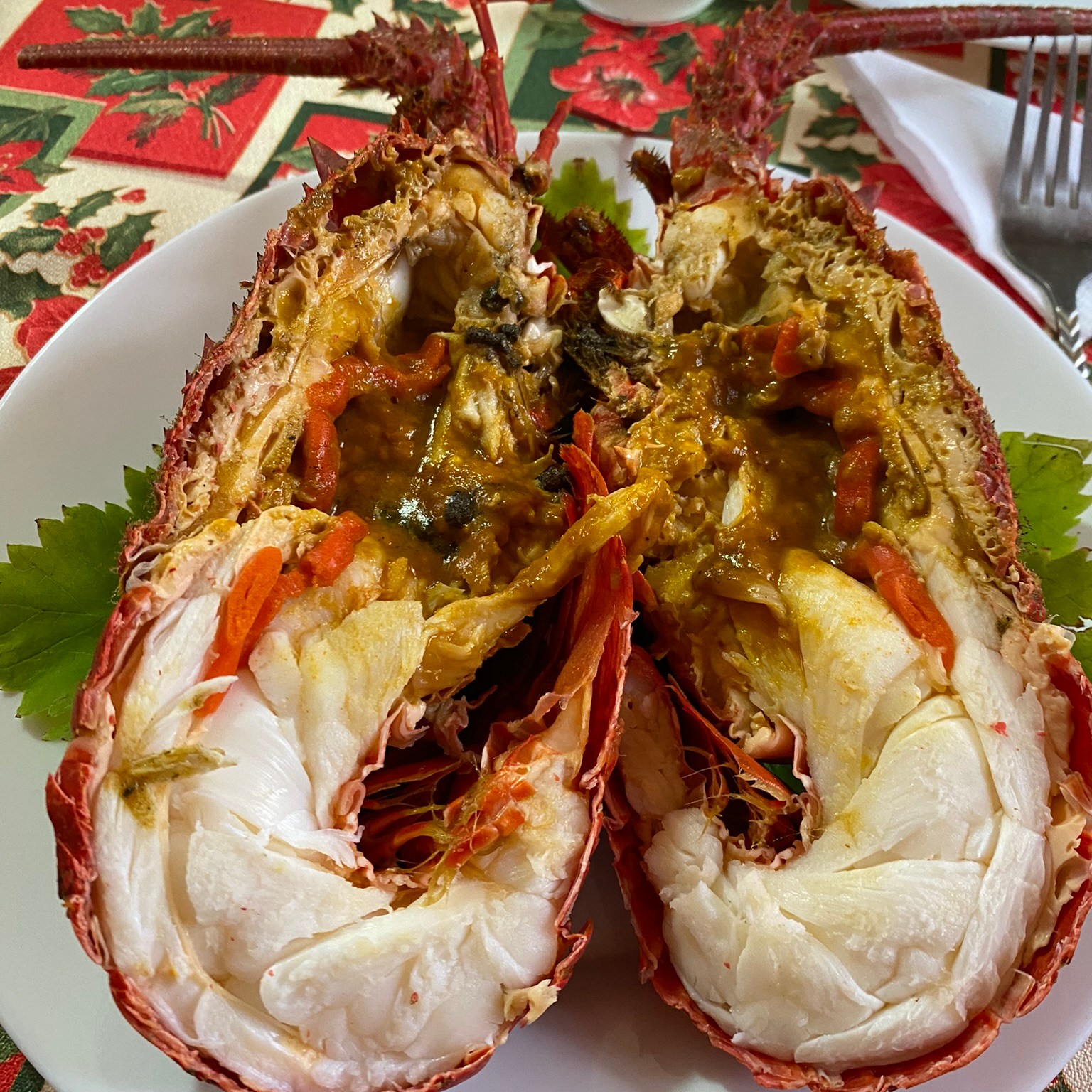
The main industry here is fishing, with lobster being the largest export. We enjoyed fabulous meals from the ocean in the one rotating restaurant that is open each day on the island.
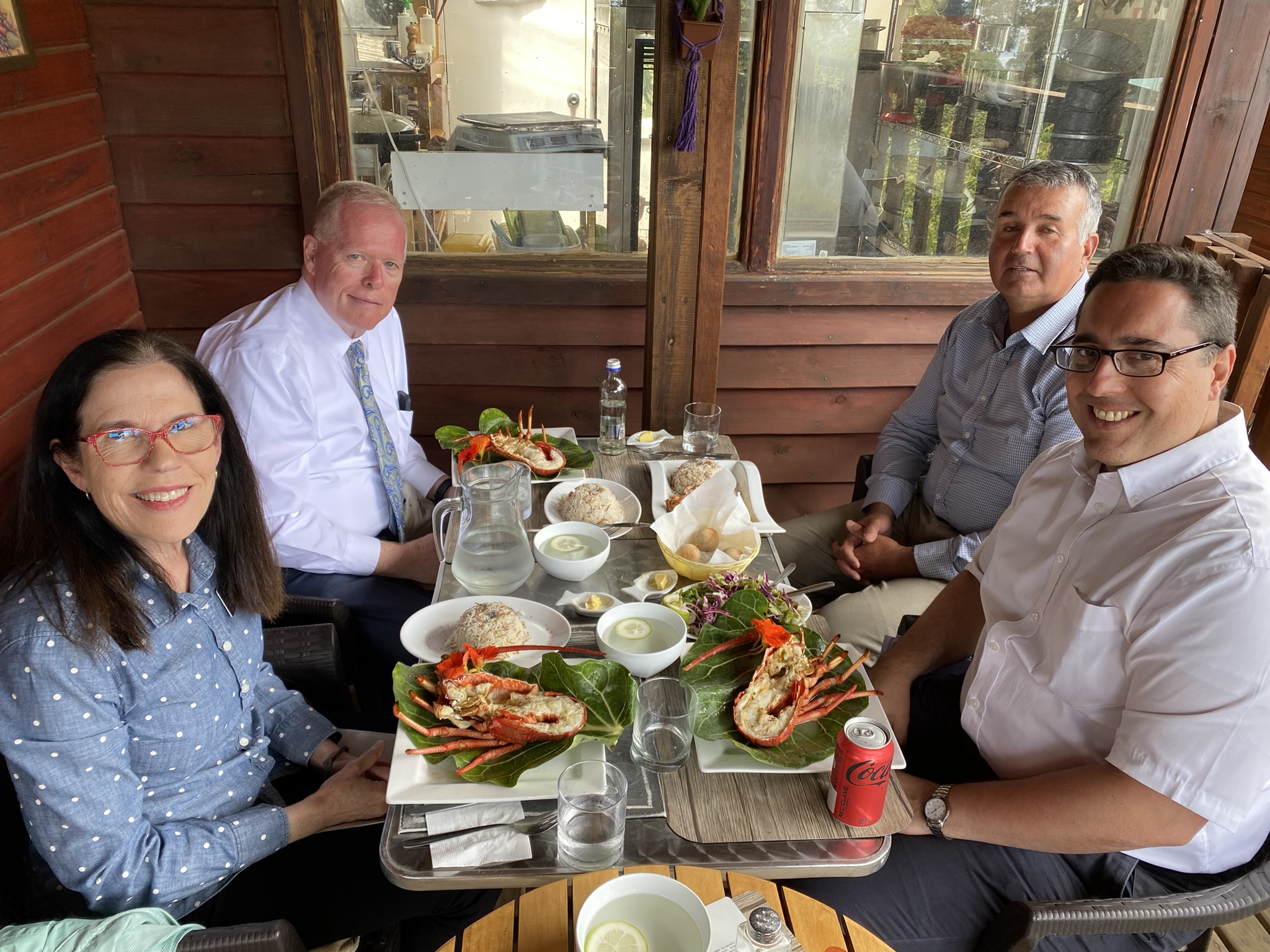
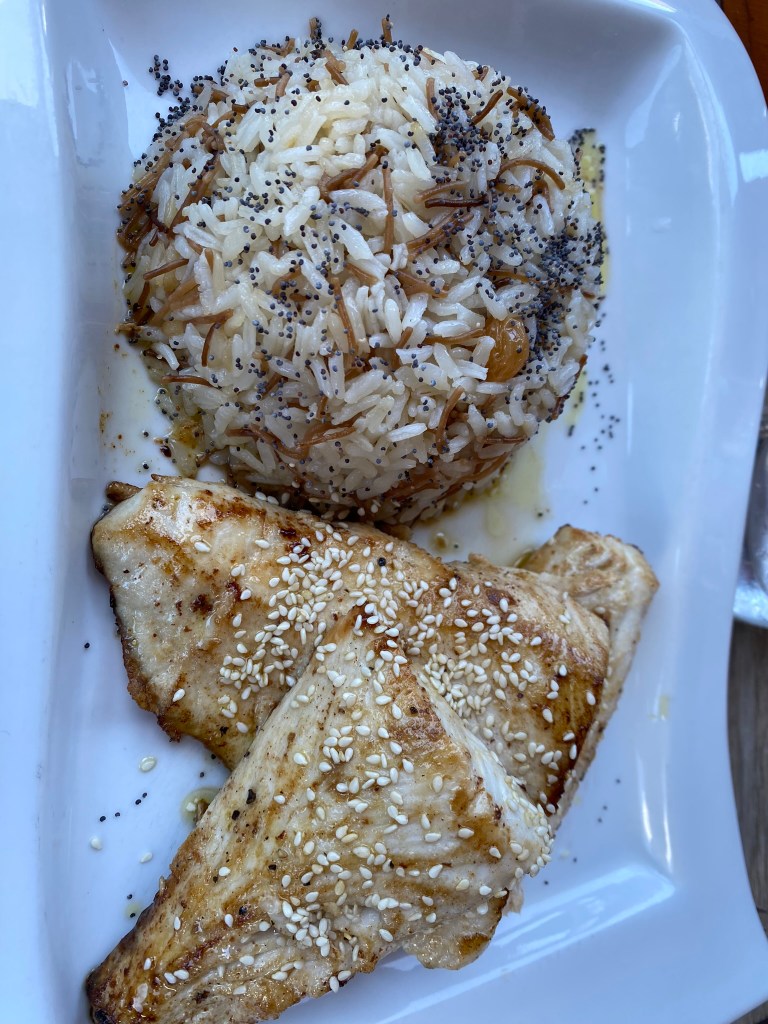

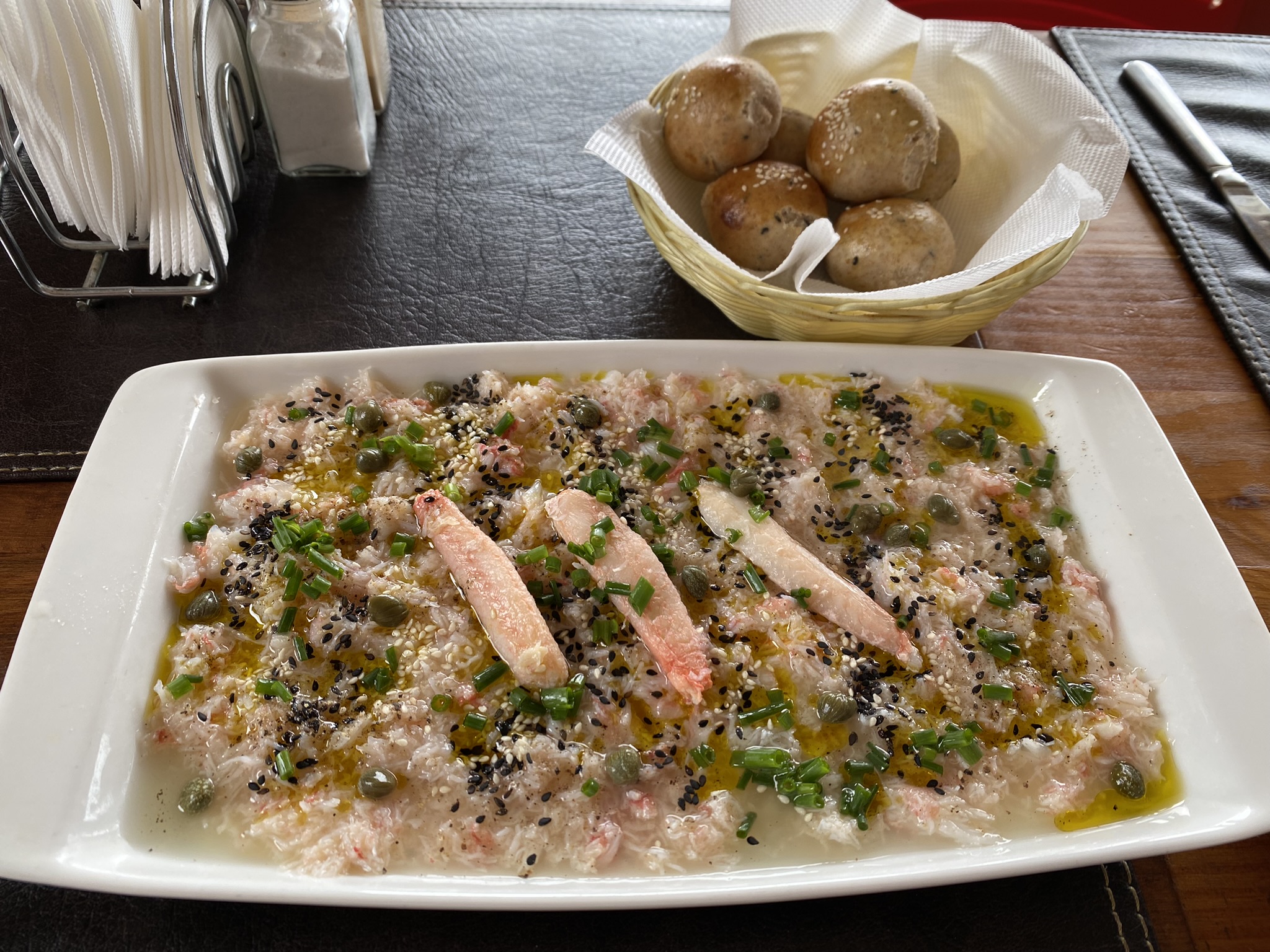
Vidriola and Crab Carpaccio

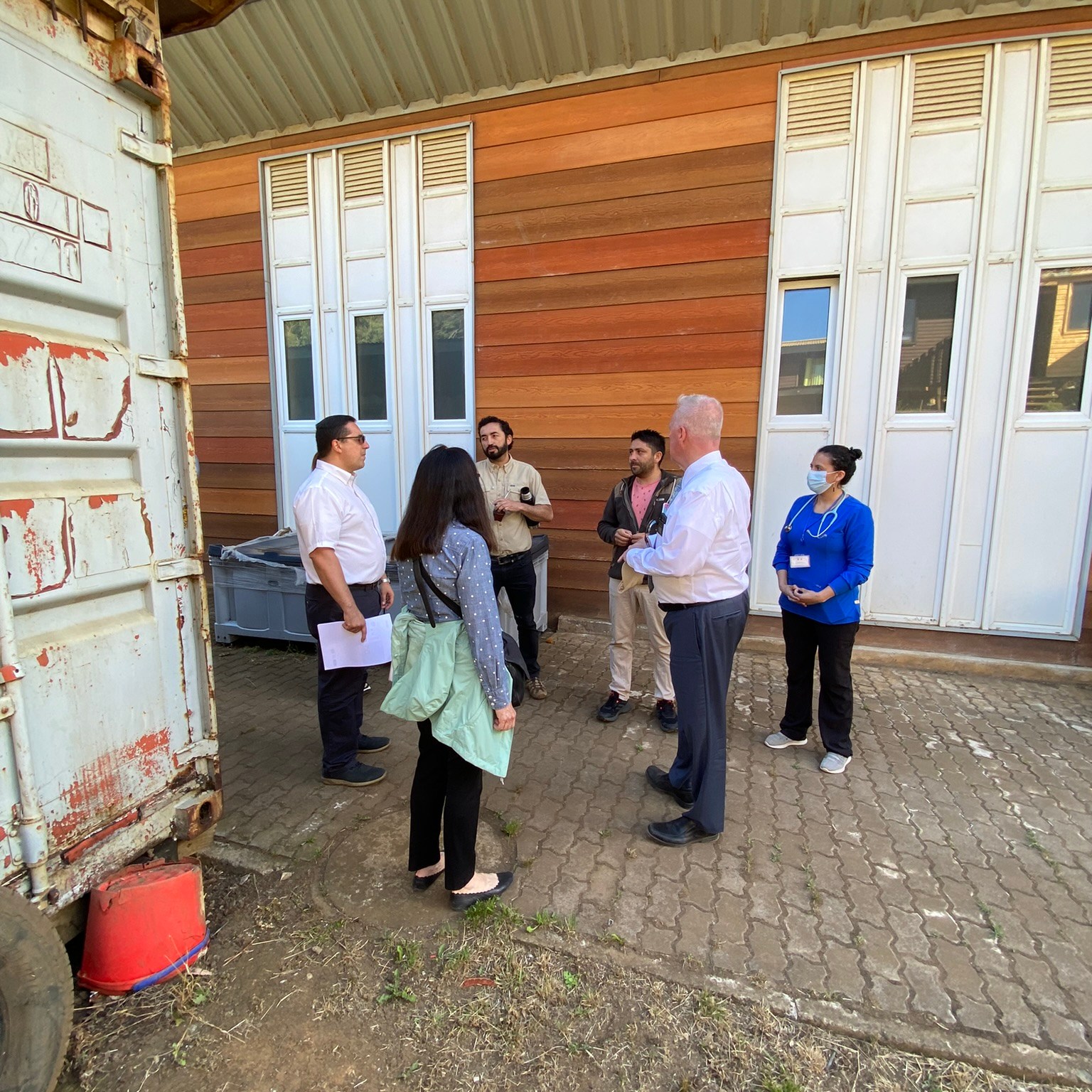
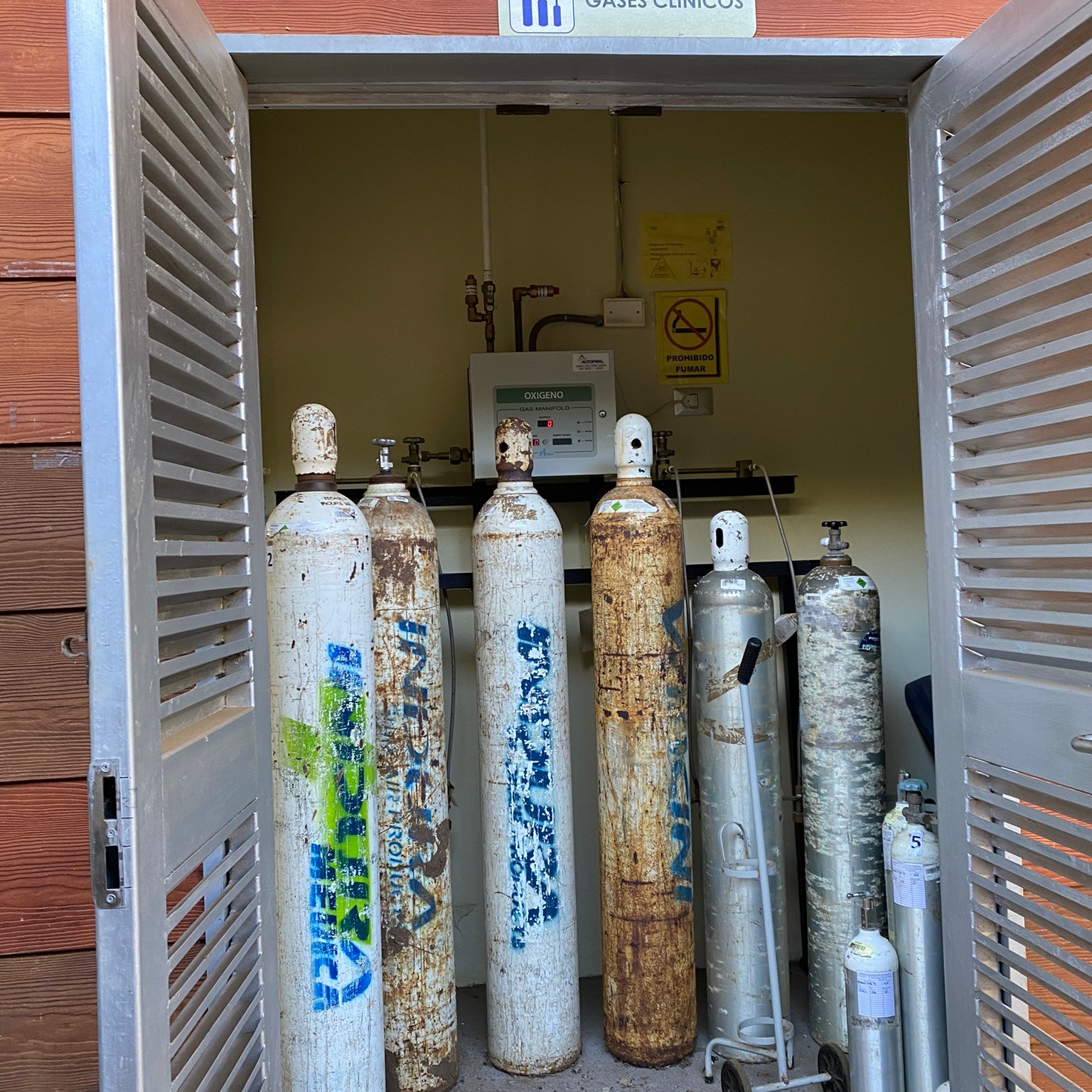
In 2010 an earthquake on the mainland triggered a tsunami that reached these islands with waves up to 15 meters high which basically destroyed infrastructure. Rebuilding has been slow and many of the basic healthcare and educational needs have been lacking. The inhabitants of the archipelago are extremely isolated and depend on one clinic for basic healthcare and stabilization in the event of a serious health crisis before they are transported to the mainland. We have been working with the mayor and department of health director via Zoom for the last six months on a project that will assist in re-equipping the clinic with basic medical equipment. This project includes an oxygen plant which means the island will no longer be dependent upon external resources on the mainland to fill, maintain and transport oxygen to the island. We brought our buyer, Richard Costa, with us to iron out the details of this major project. We came as soon as the island opened after closure due to COVID-19. We are the first visitors to the island in three years! We were welcomed with open arms. We were told we didn’t need to lock our hotel door because the island is so small and secure.
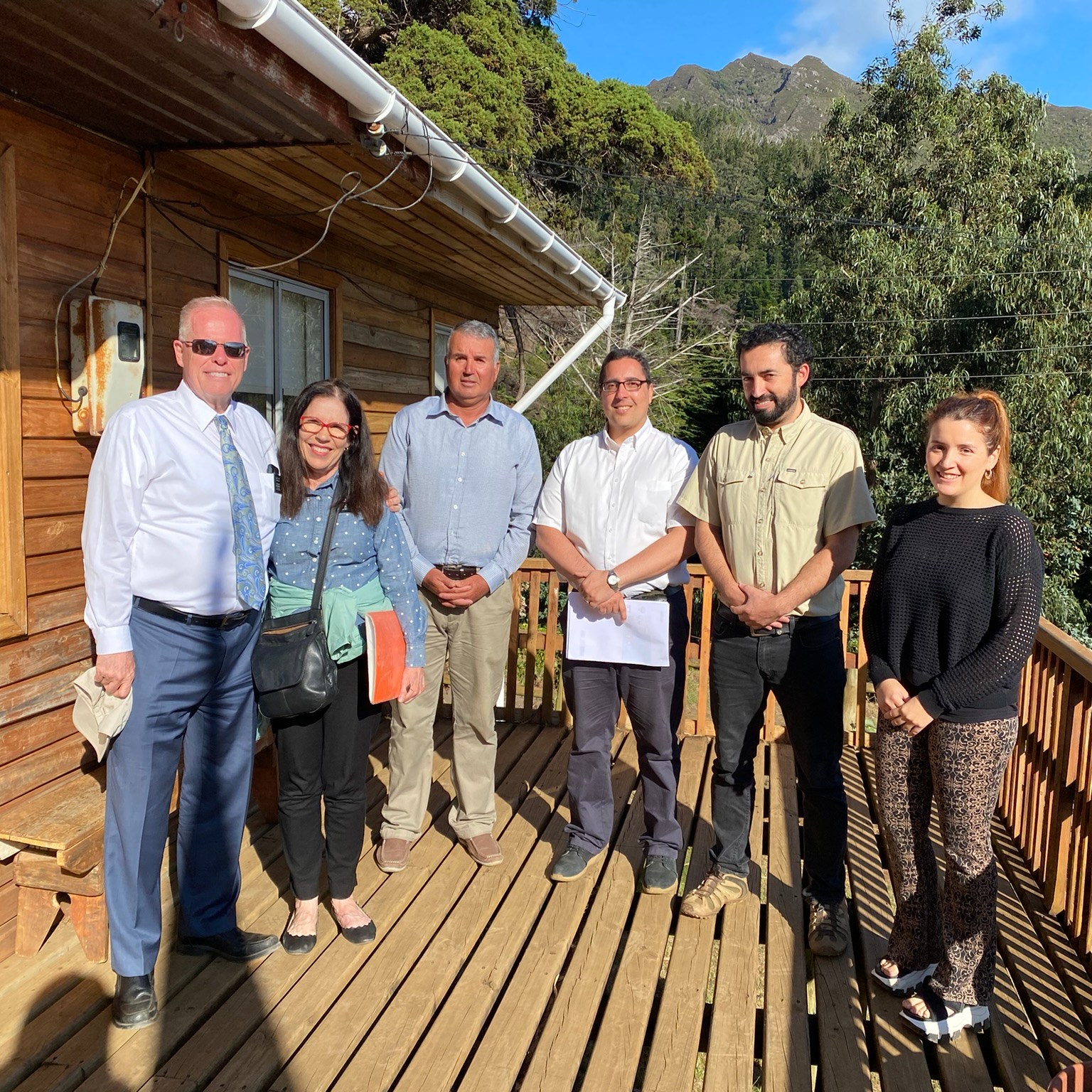
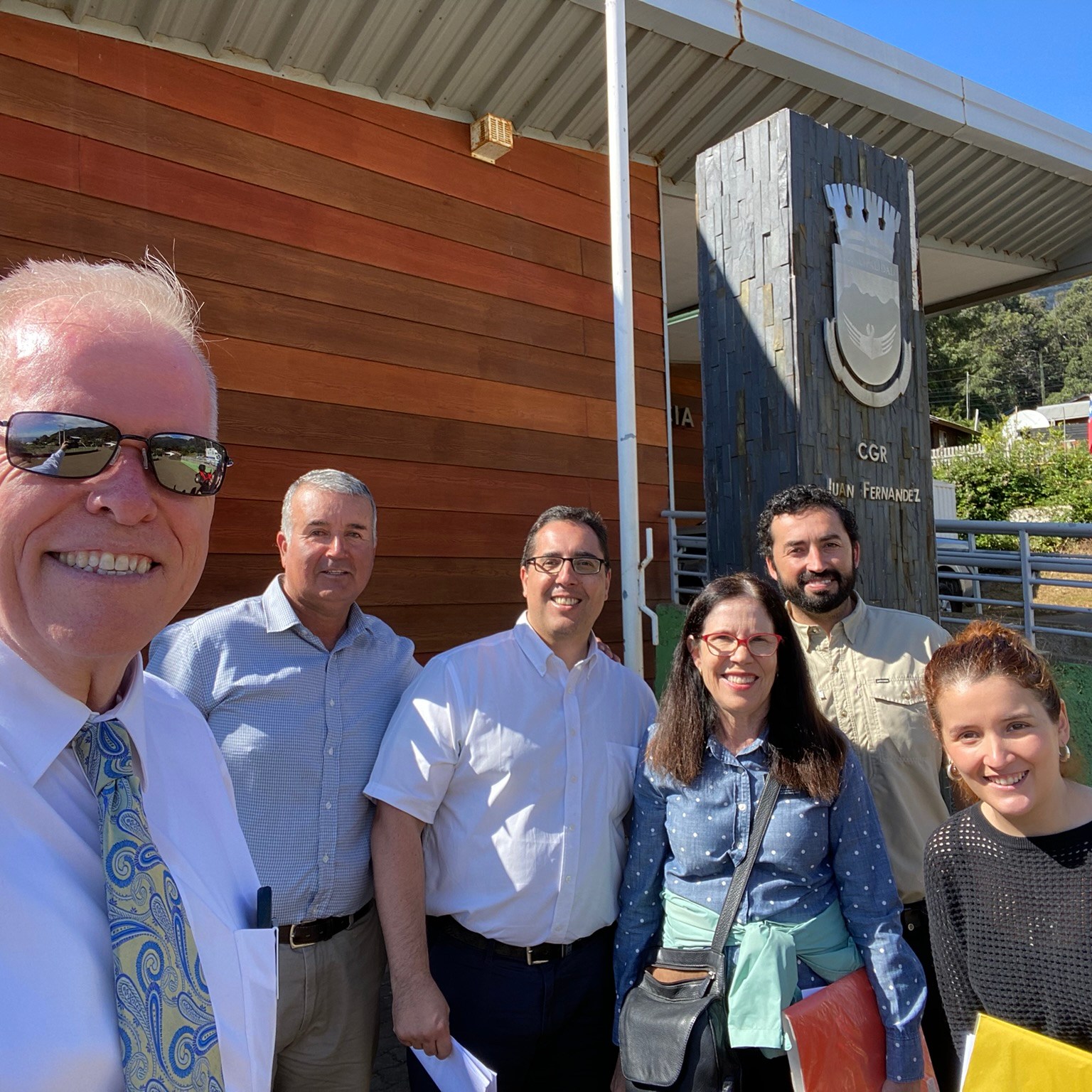
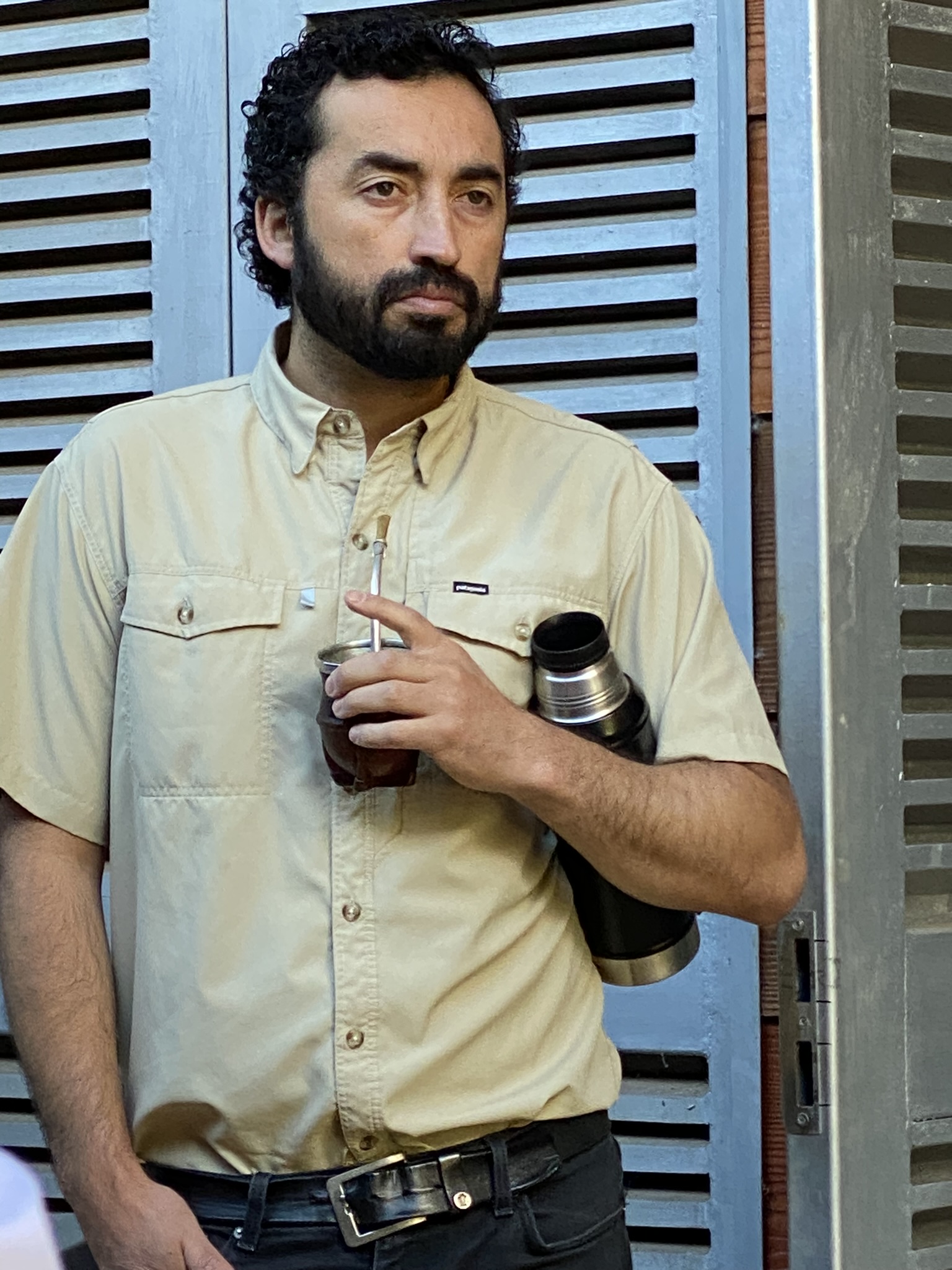
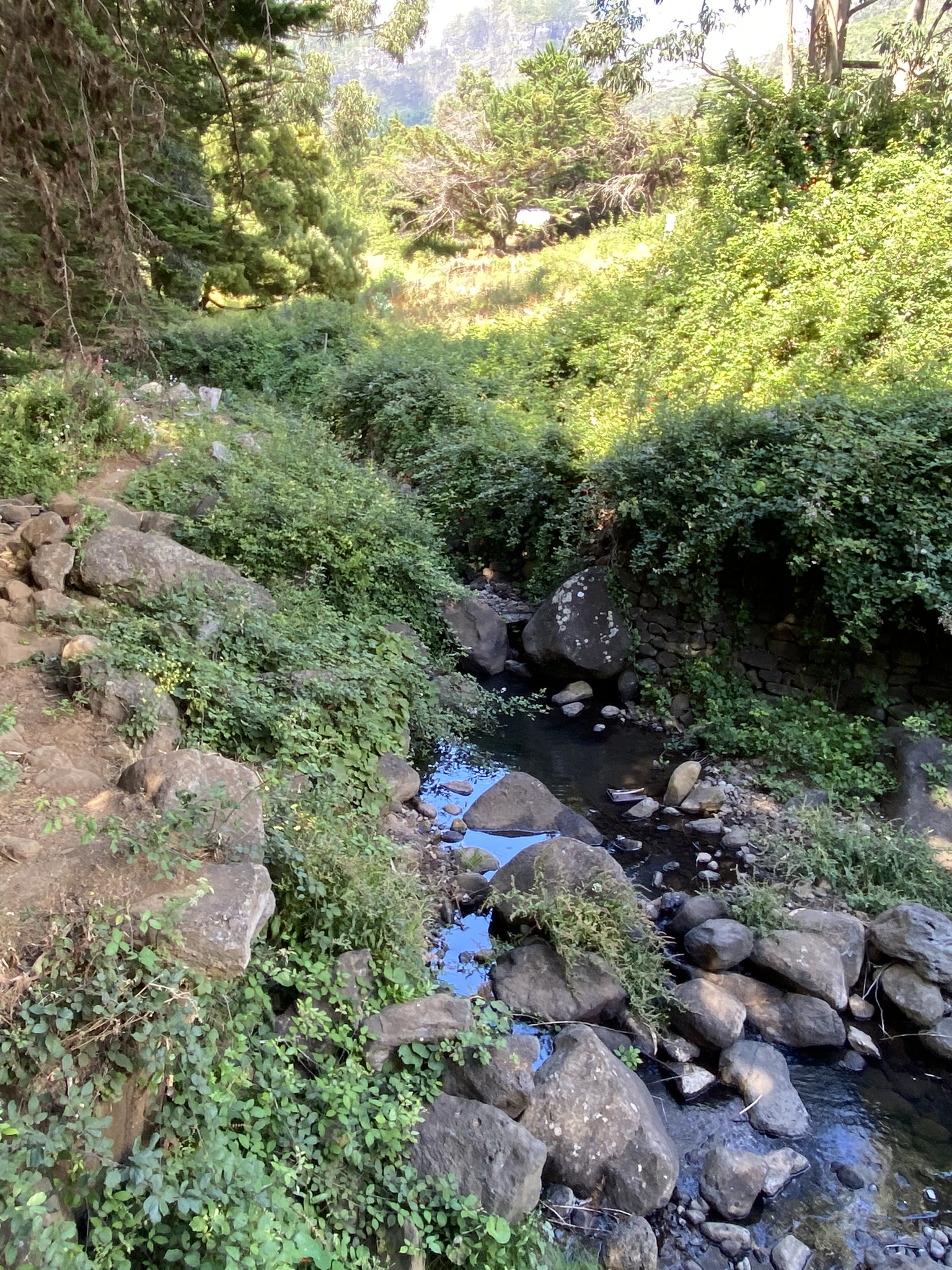
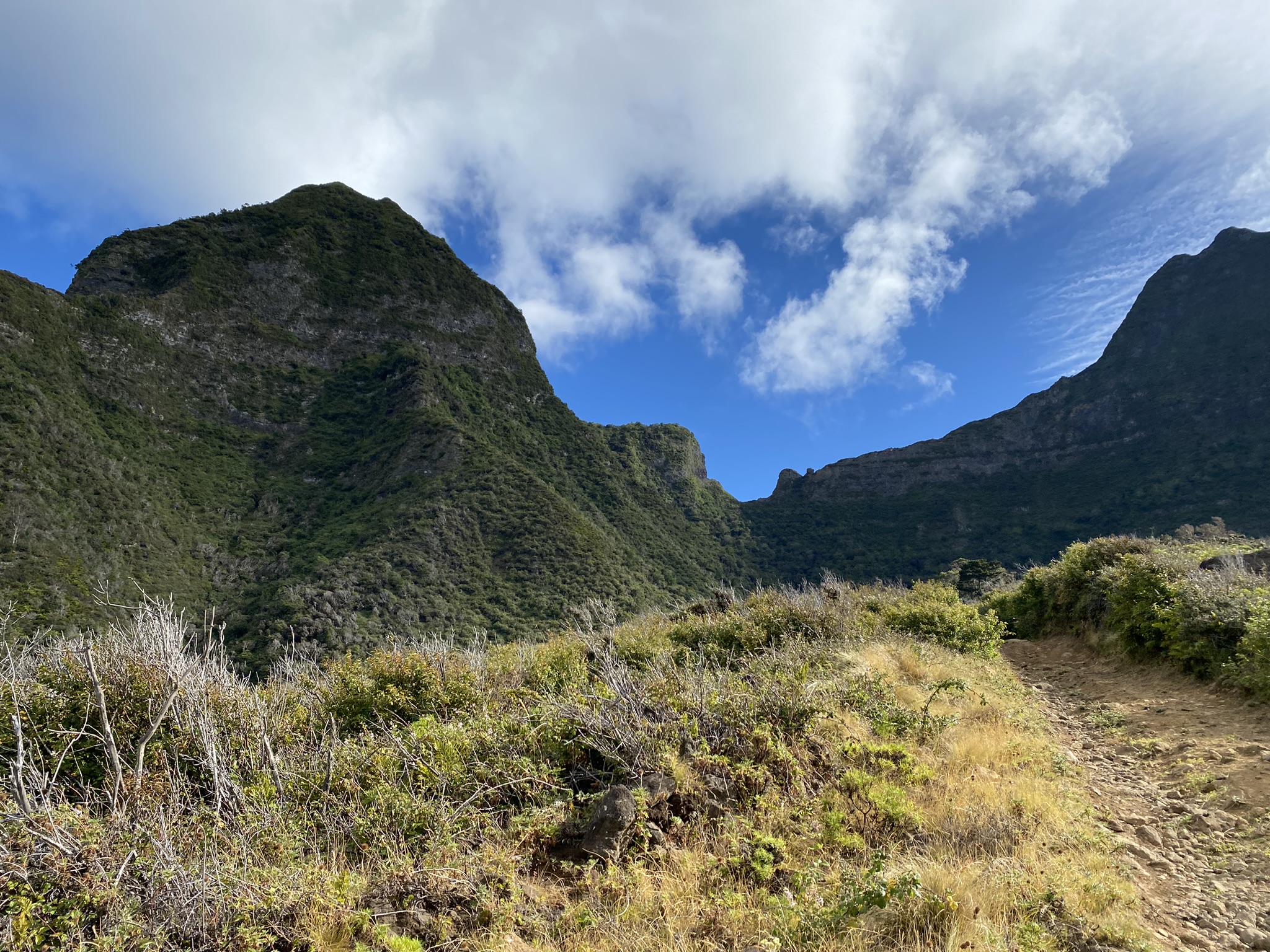
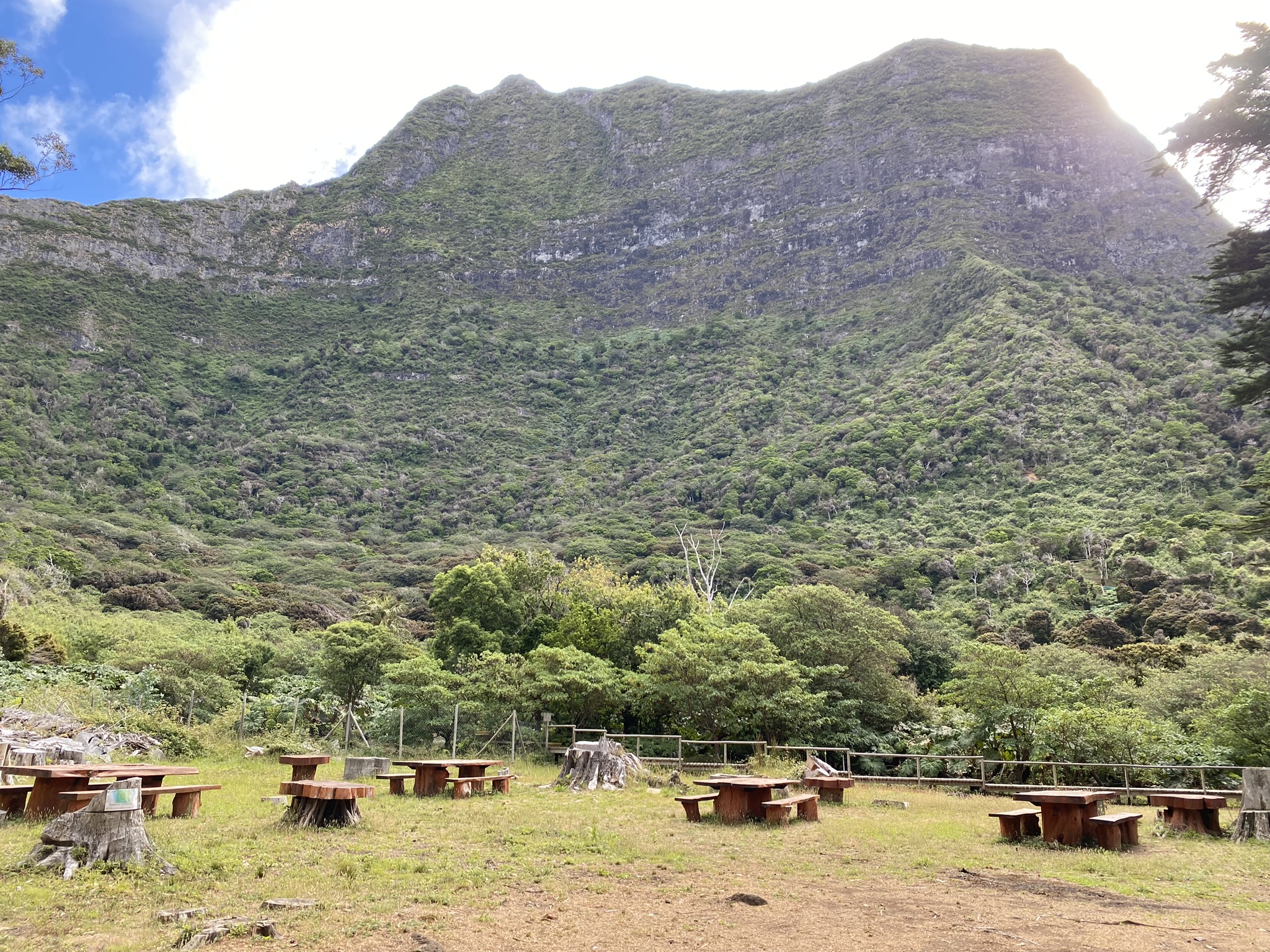
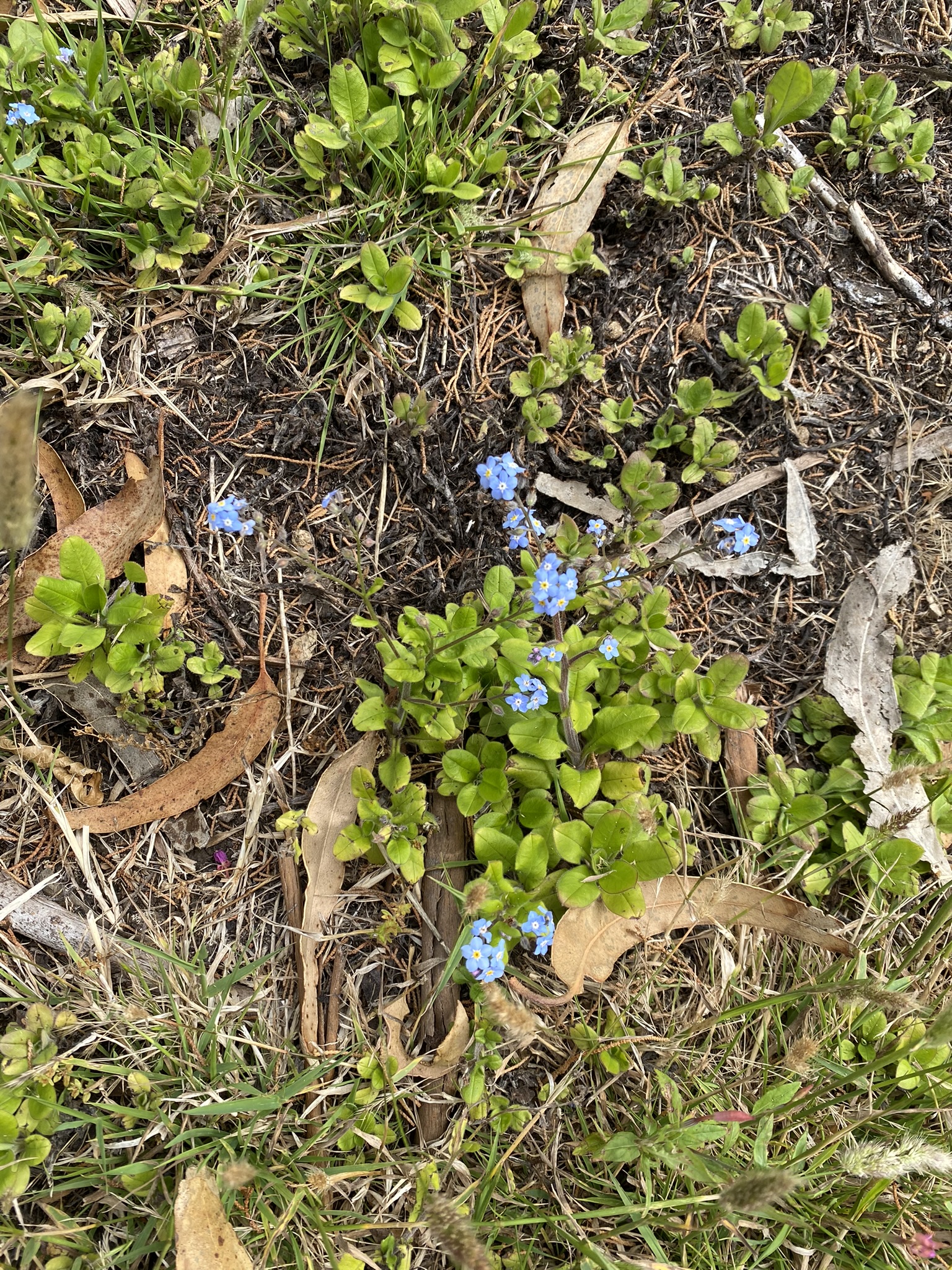
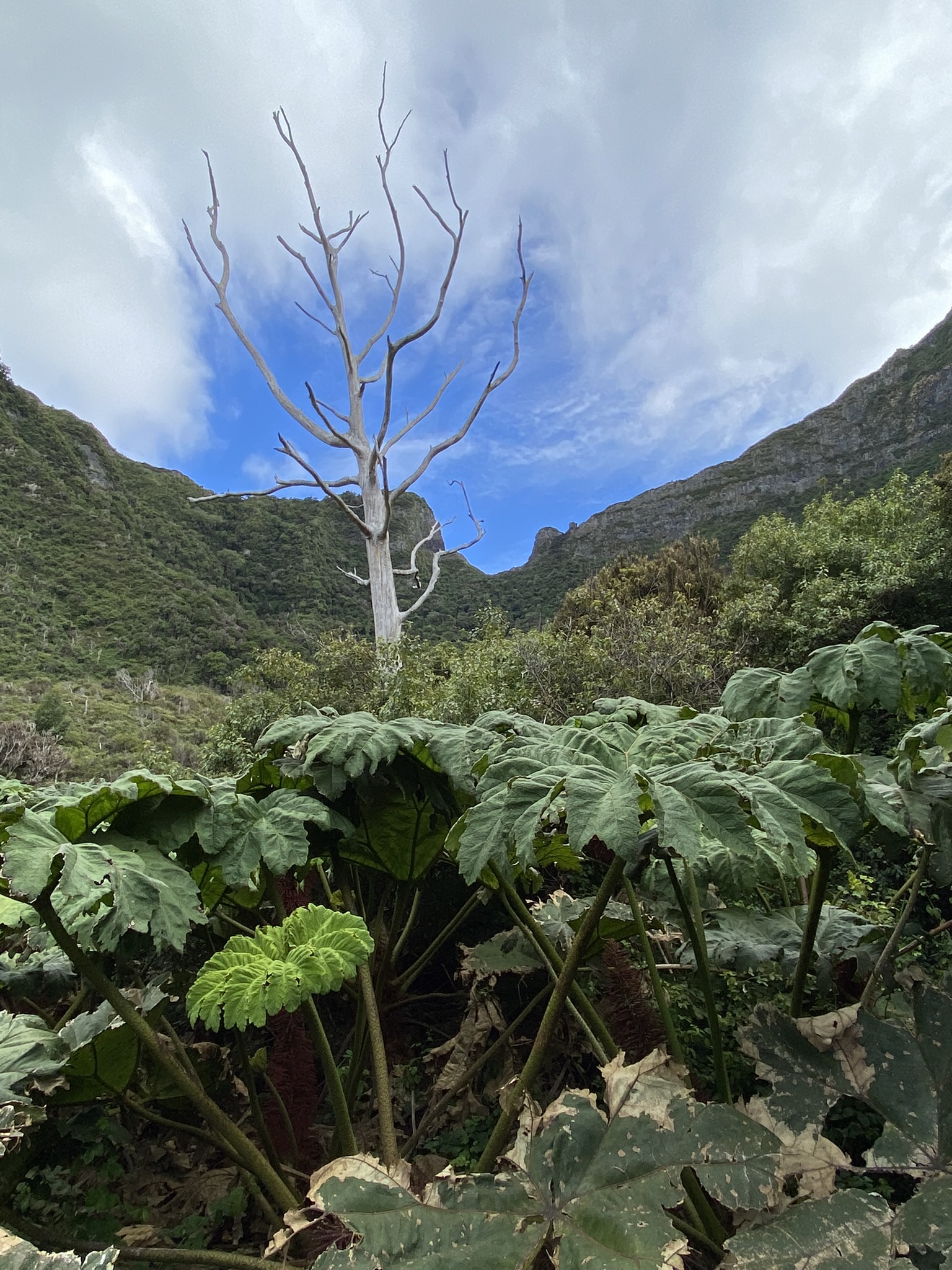
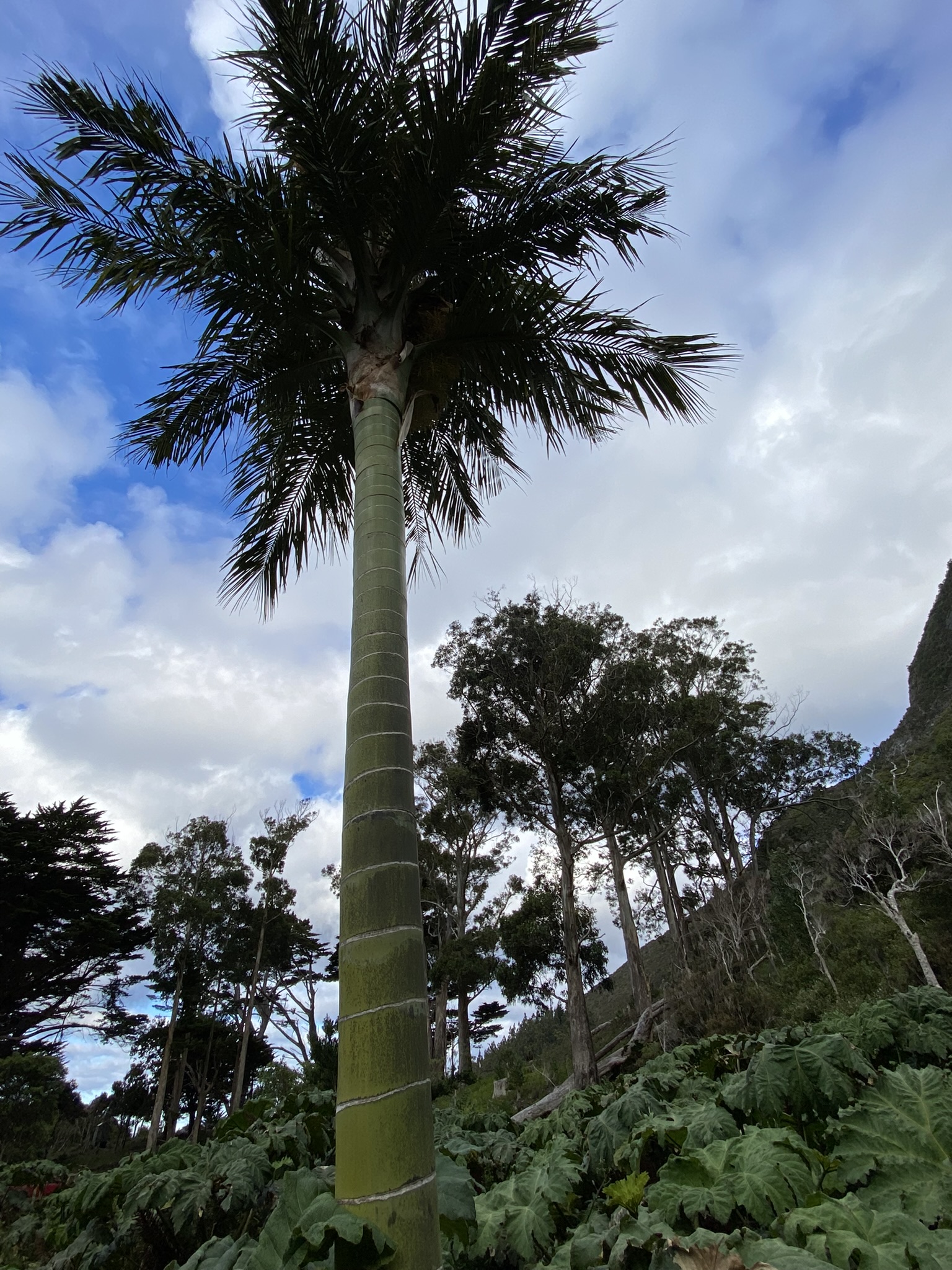
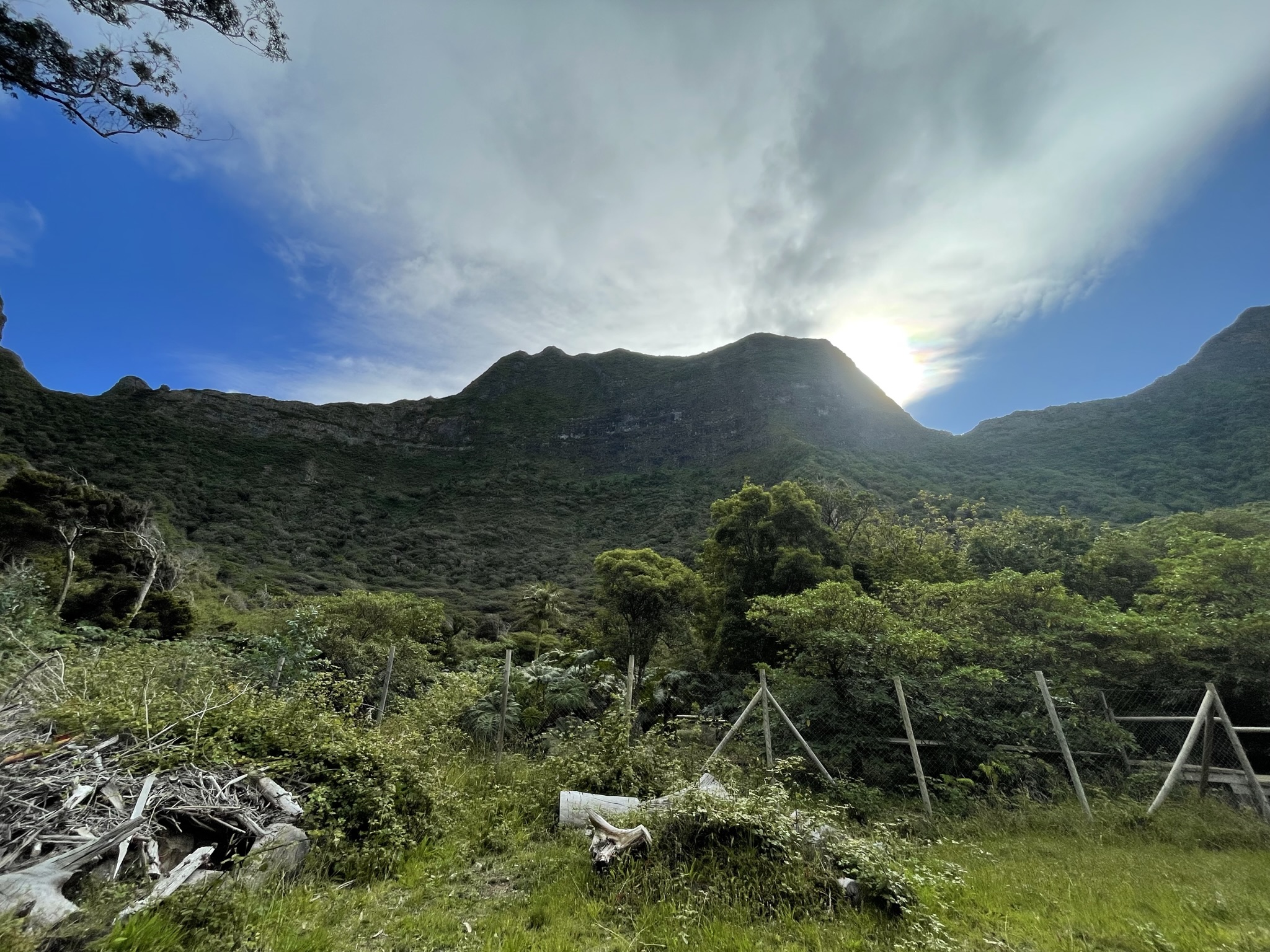
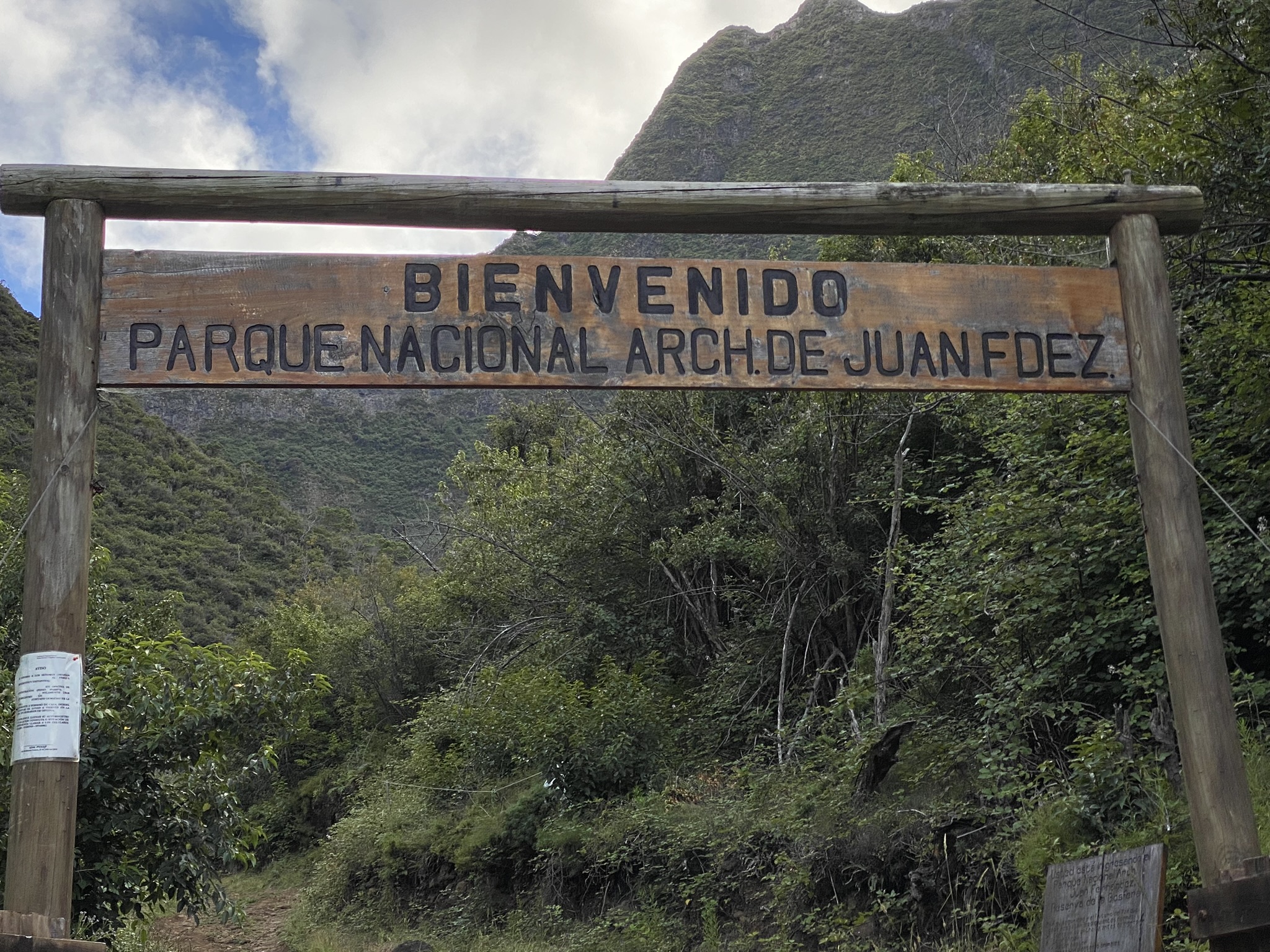
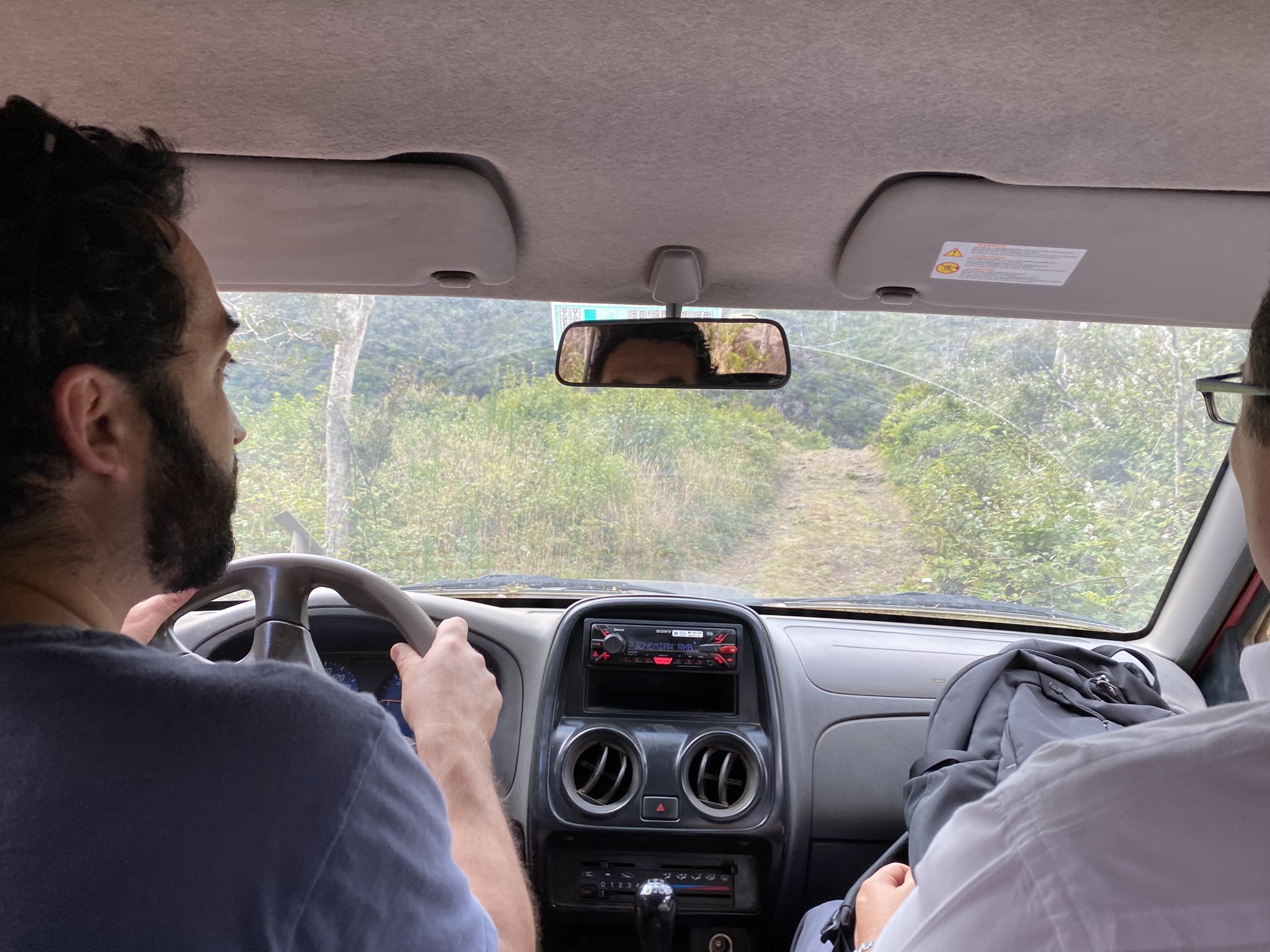
The alcalde carried his mate with him everywhere we went. He took us on a tour of the island showing us the school situation and took us in his four-wheel drive truck to Parque Nacional Arch de Juan Fernandez which is full of plants endemic to the island. This is more than rustic, it was a very rough and difficult ride up and down the mountain.
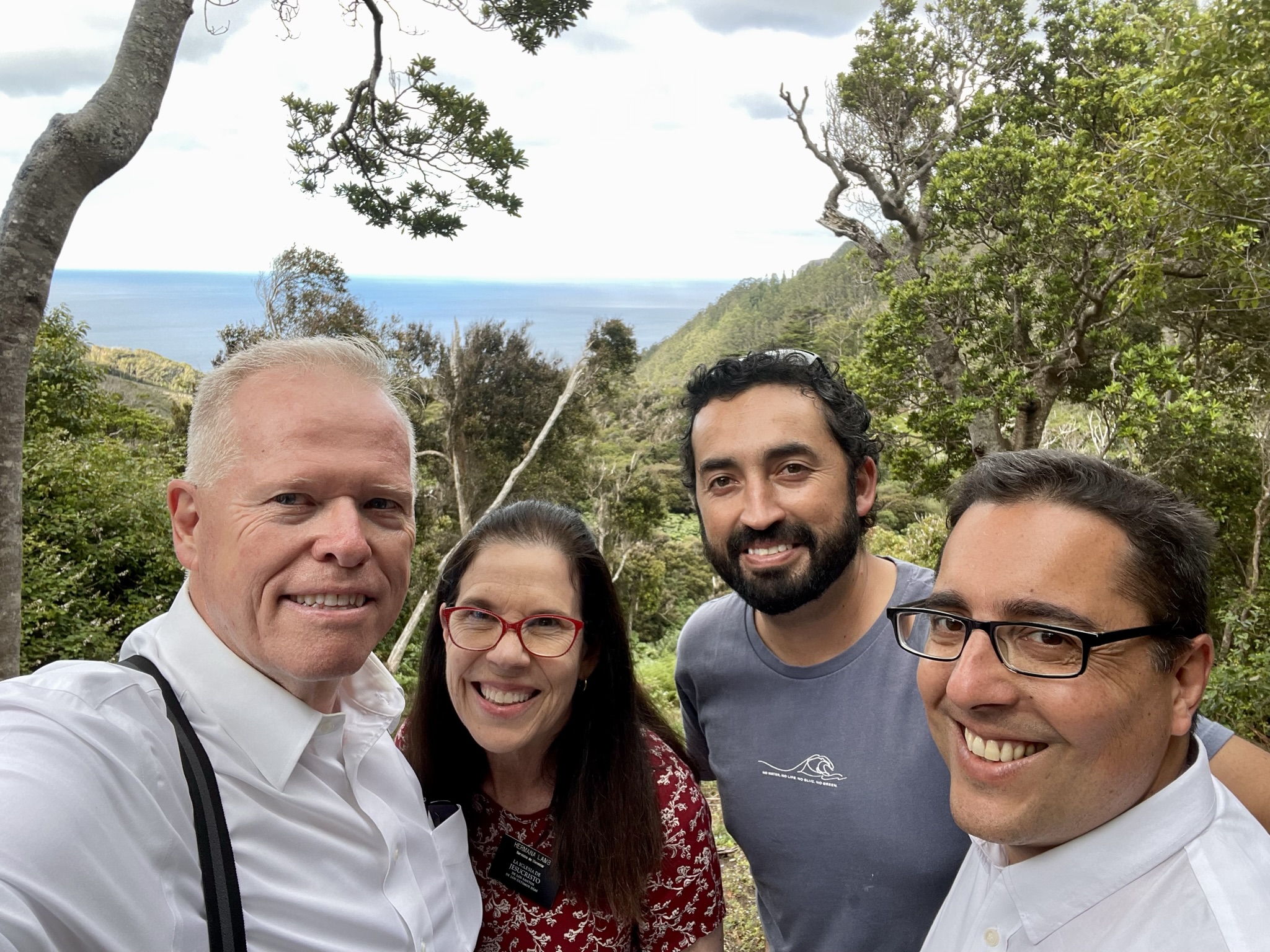

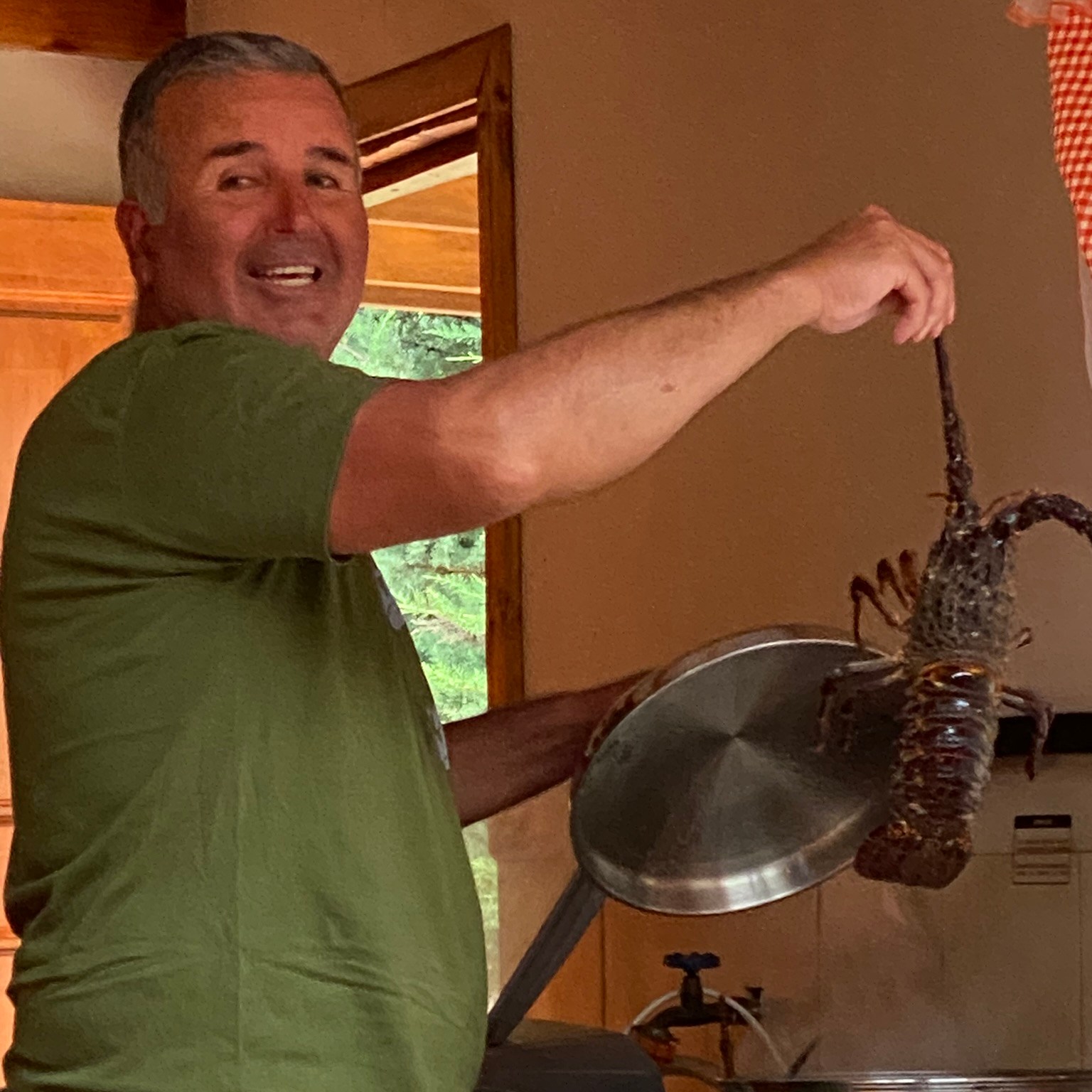
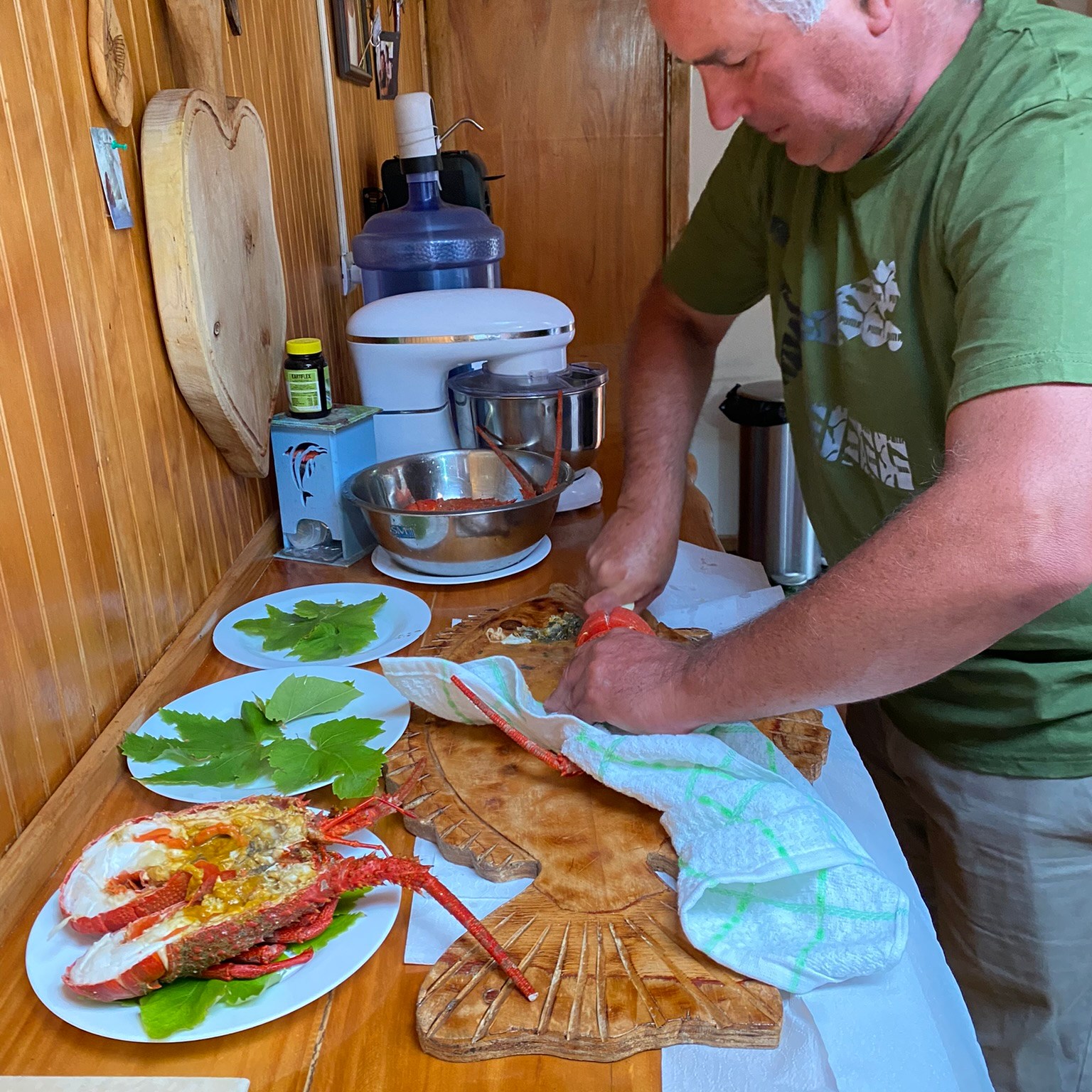
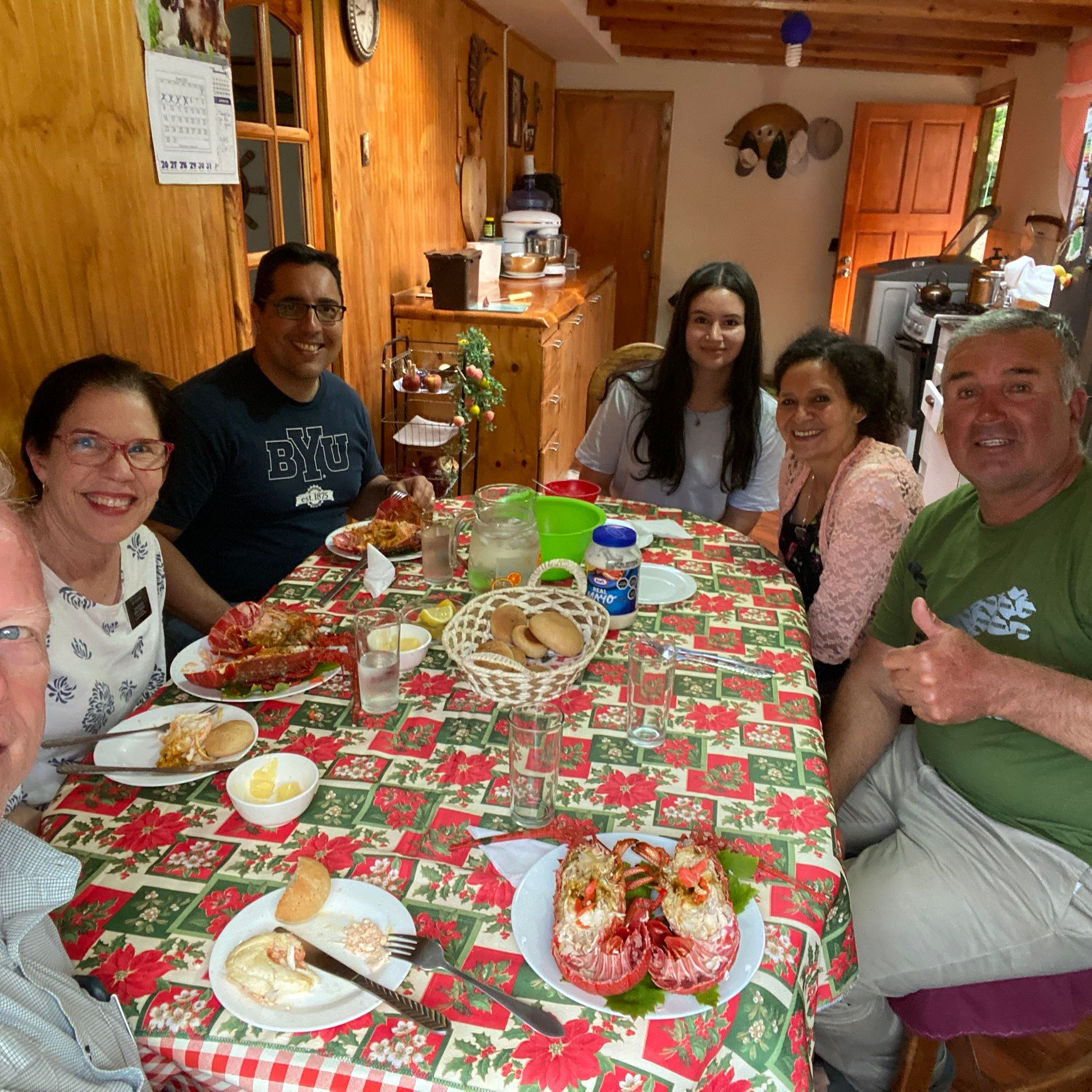
Our local church leader, branch president Eduardo Paredes, invited us to his home for dinner. He is a lobster fisherman. He insisted that we each eat a whole lobster while his wife and daughter ate other food. He quoted Alma 8:20 “I know that thou art holy (people) from God…Therefore, go with me into my house and I will impart unto thee of my food, and I know that thou wilt be a blessing unto me and my house.” Such a sweet, tender experience!
On Sunday we spoke in sacrament meeting in this small branch of 65 members. There were 20 people in attendance including the alcalde and the department of health director. Members meet in an old colonial home.
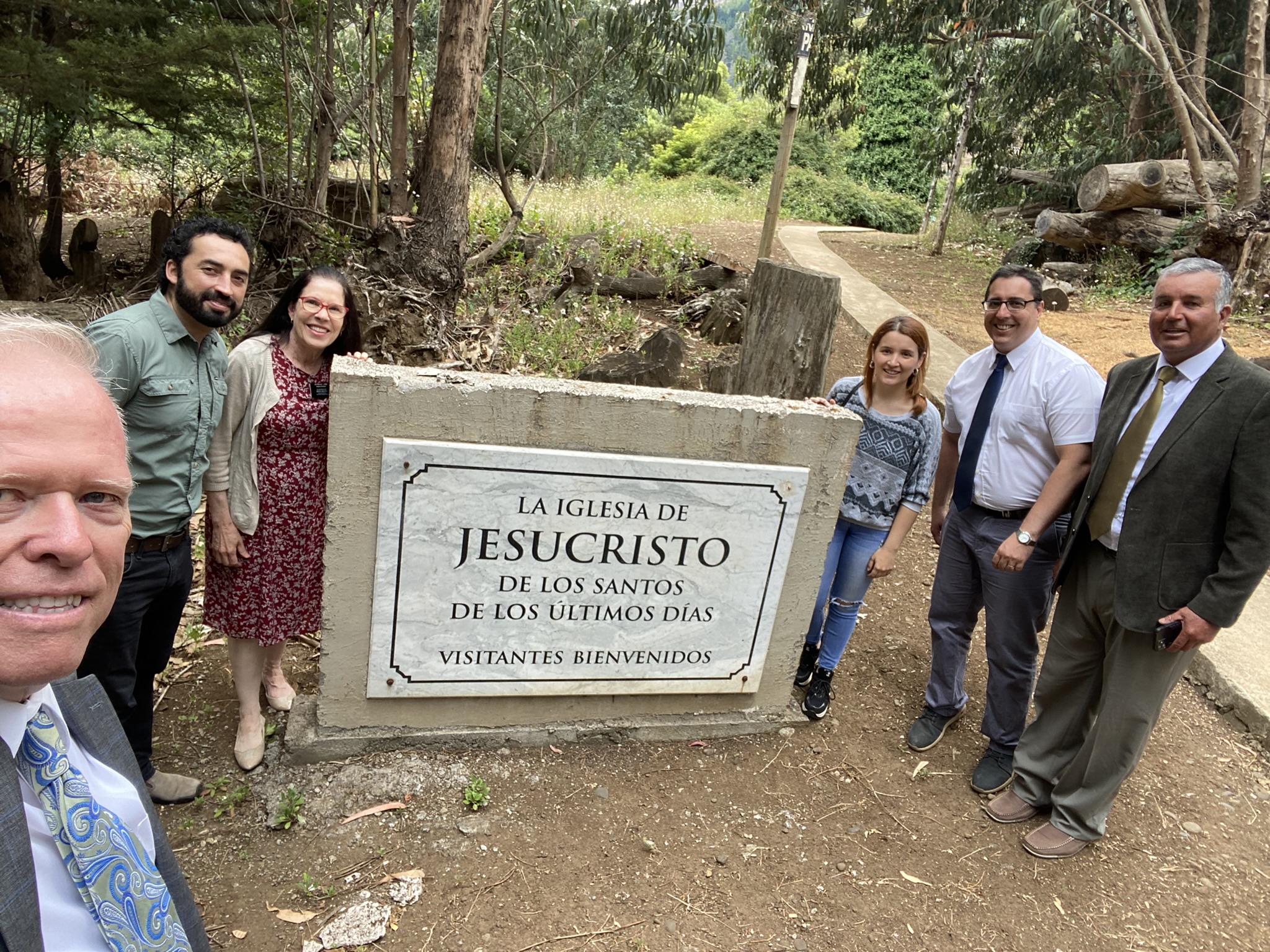

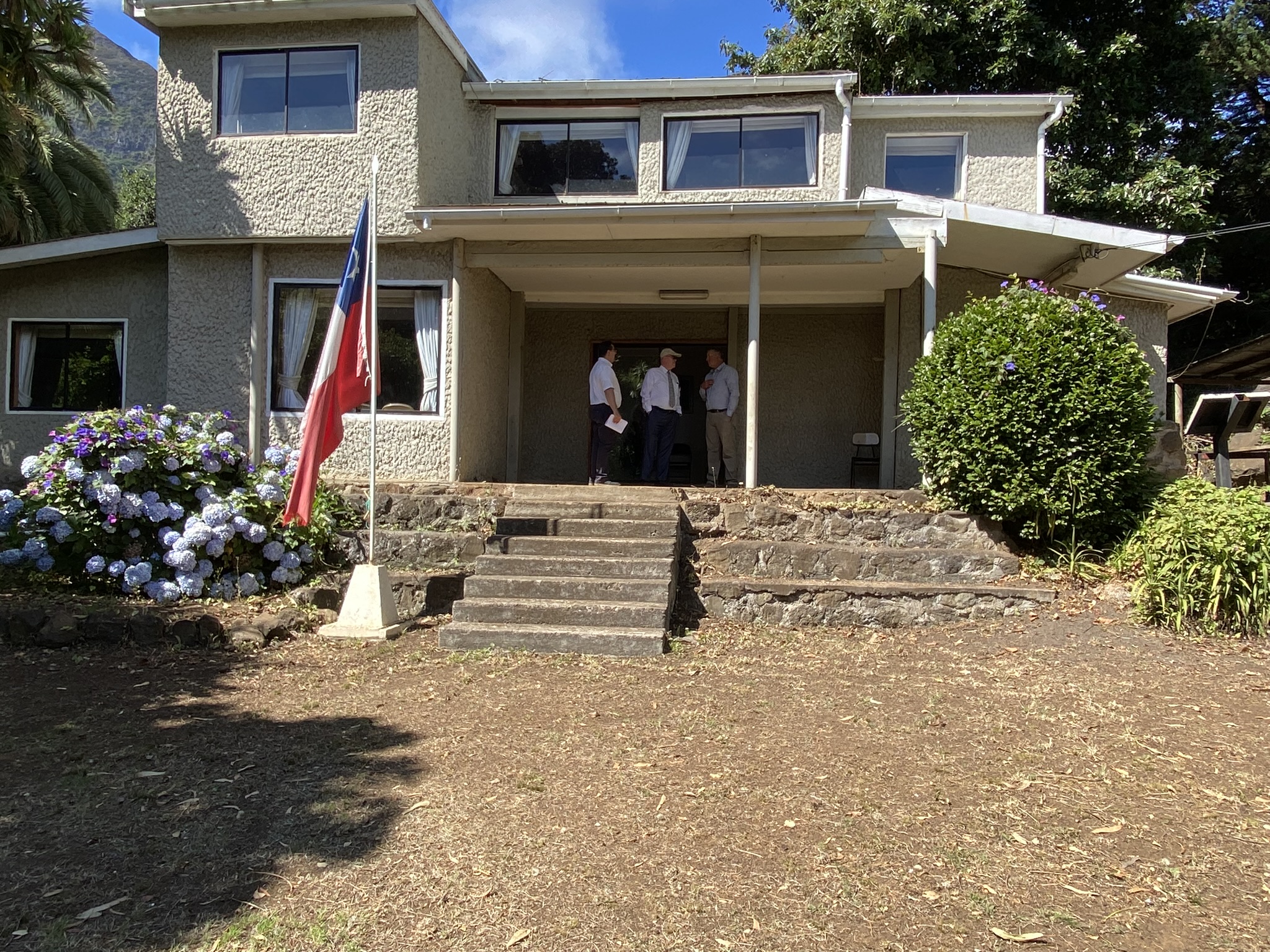
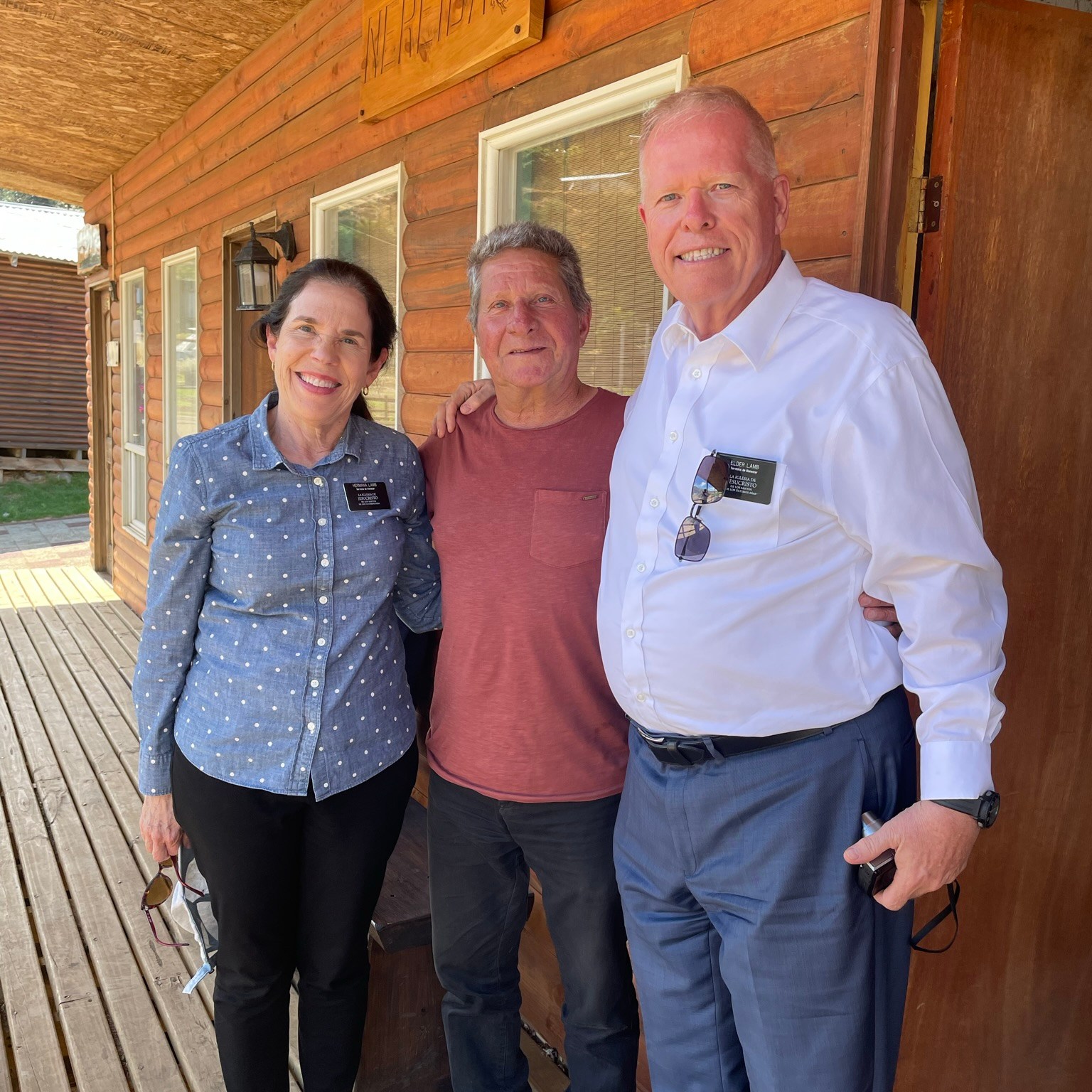
Our church has a deep connection to this island. Most Mormon pioneers crossed the American plains by wagon or handcart, but lacking means to travel overland some Saints answered the call to gather in the west by sailing from New York to what is today San Francisco on the ship Brooklyn. On February 4, 1846, the same day Nauvoo Saints started to cross the Mississippi River to head west, 238 men, women, and children sailed out of New York harbor to sail around South America’s Cape Horn. When the dreaded Cape Horn was skirted without incident, passengers thought their journey’s woes were over and the ship headed for Valparaiso, Chile to replenish supplies. Their drinking water had become so thick and slimy it had to be strained between their teeth. Rats abounded in the vessel and cockroaches and smaller vermin infested the provisions. But before they reached Chile, a storm hit and drove them back almost to the Cape. The skilled captain headed instead for the Juan Fernández Islands. Ashore, the passengers bathed did laundry, obtained fresh fruit and potatoes, caught and salted fish put 18,000 gallons of freshwater into the ship’s casks, and stocked up on firewood. If they would have gone to Valparaiso, it would have cost them hundreds of dollars. Residents of Robinson Crusoe Island are remembered with fondness by members of our church for the kindness and hospitality they showed to our people. When residents saw our missionary name tag, they stopped us to tell us their version of the story which has been passed down through generations. Leopoldo Gonzalez Charpentier introduced himself and told us his ancestors were on the island at the time the shop Brooklyn landed. These islanders are just as warm and generous now as they were almost 200 years ago. We are very grateful for the opportunity we had to visit this very special place.
Abrazos, Élder y Hermana Lamb, (aka Ed & Debbie, Mom & Dad, Pop Pop & Tu Tu)
 Lambs in Central Europe