Our dear friends, Roakes, came to visit us at the perfect time when work at the office is slow because of employee annual leave. It would be difficult to take a week off at any other time besides the time between Christmas and New Years like we did last year with our family.
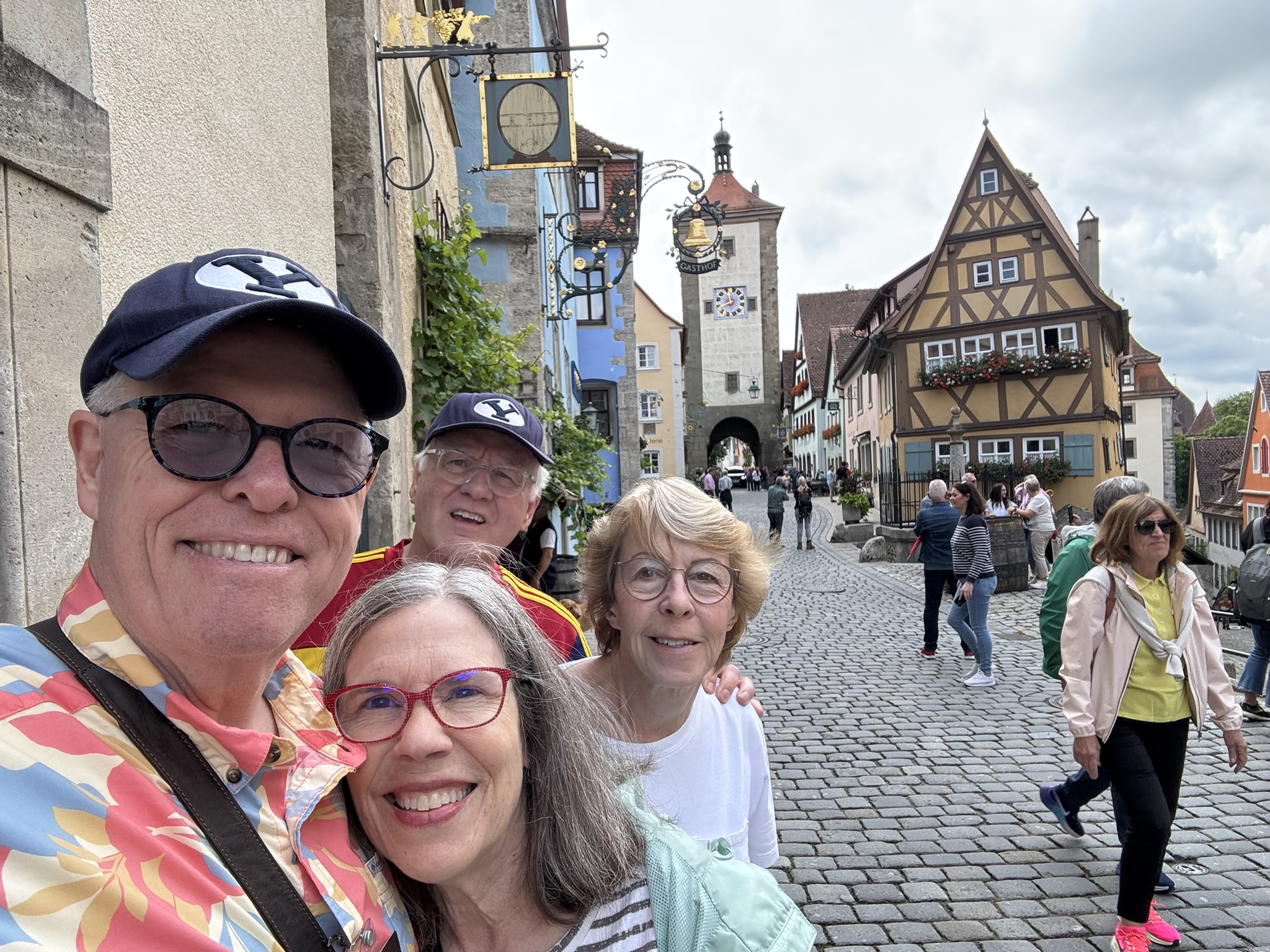
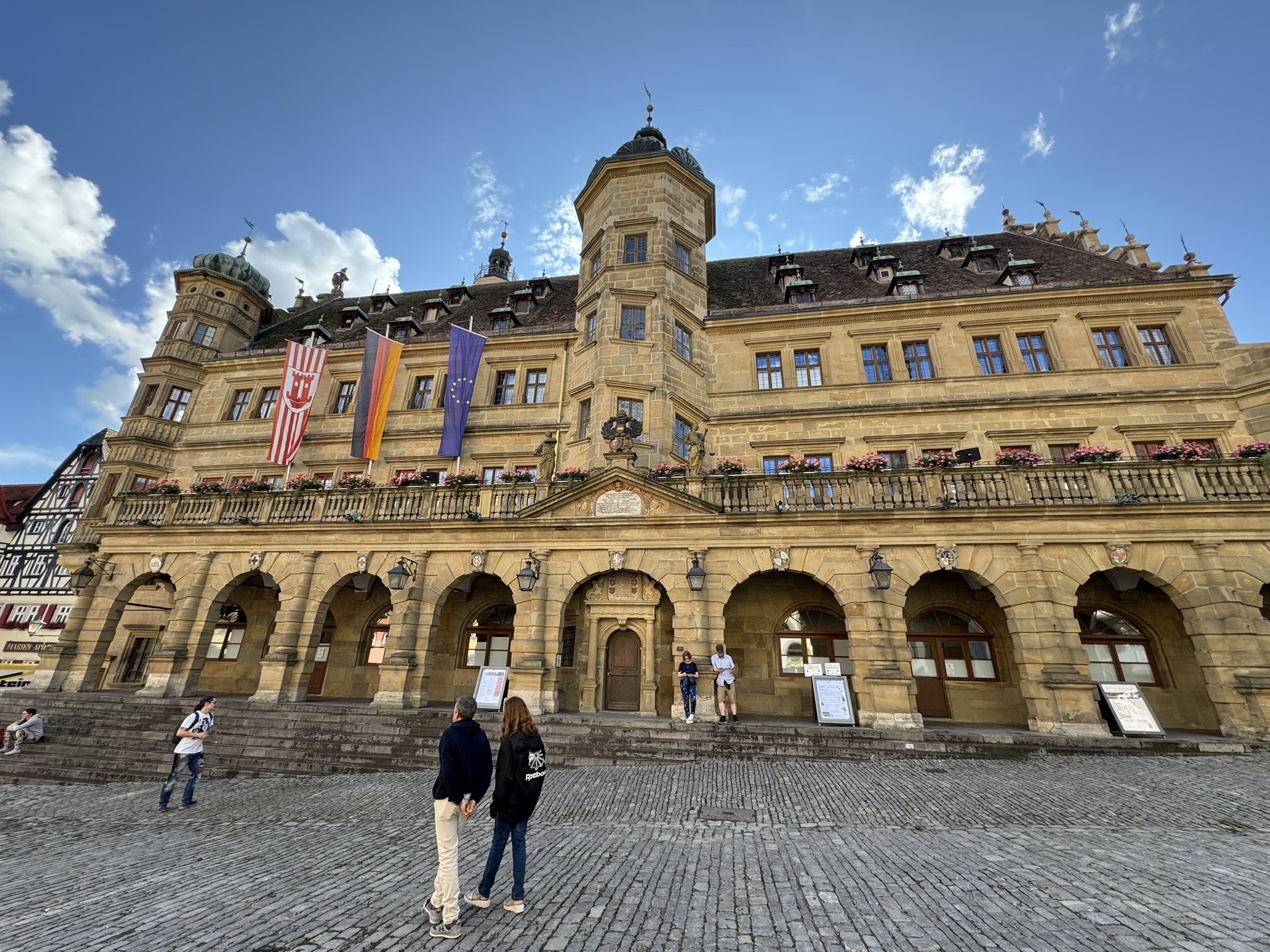
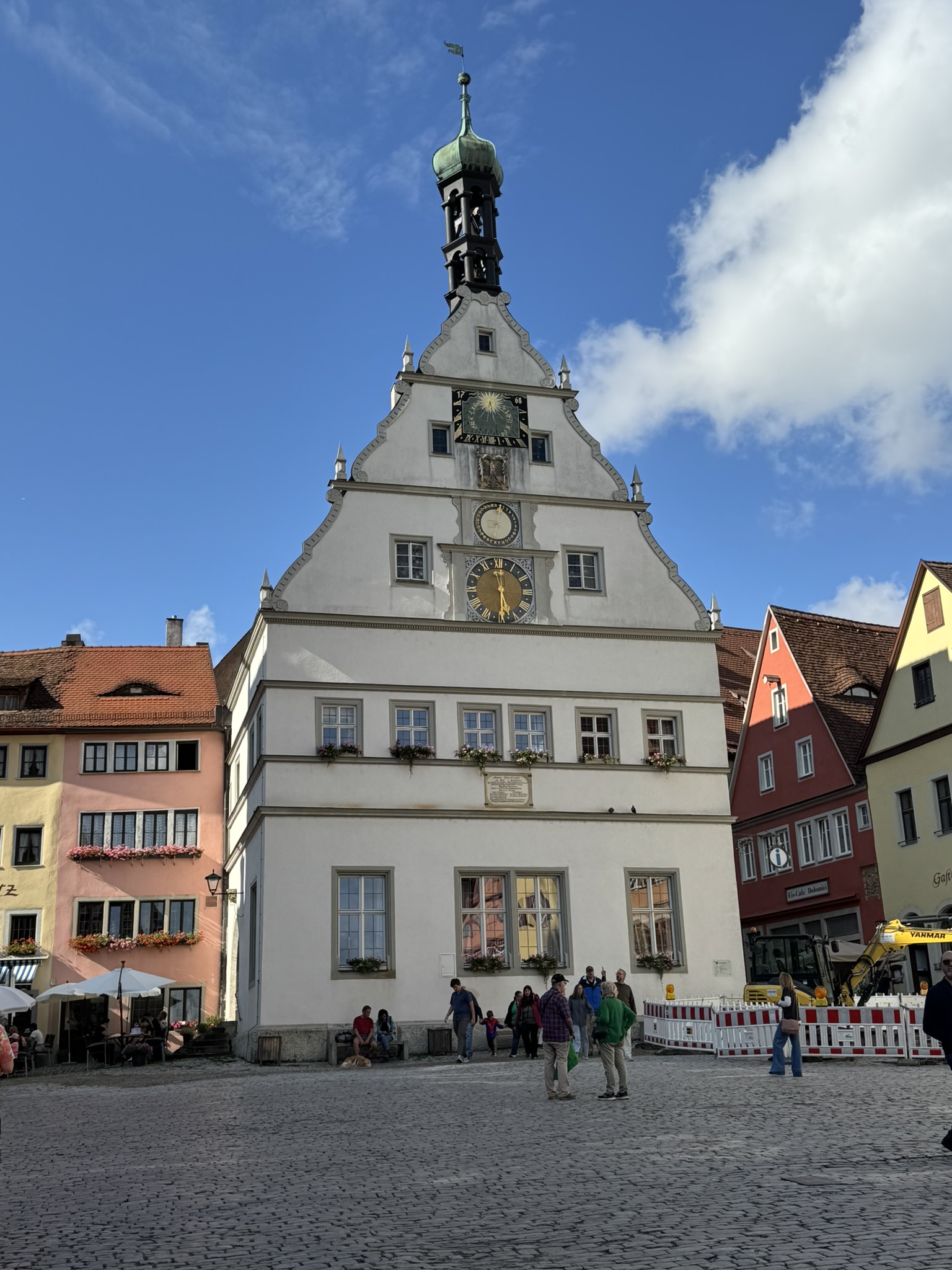
Rothenburg ob der Tauber, Germany
This is one of Europe’s most beautiful medieval towns, complete with a city wall.
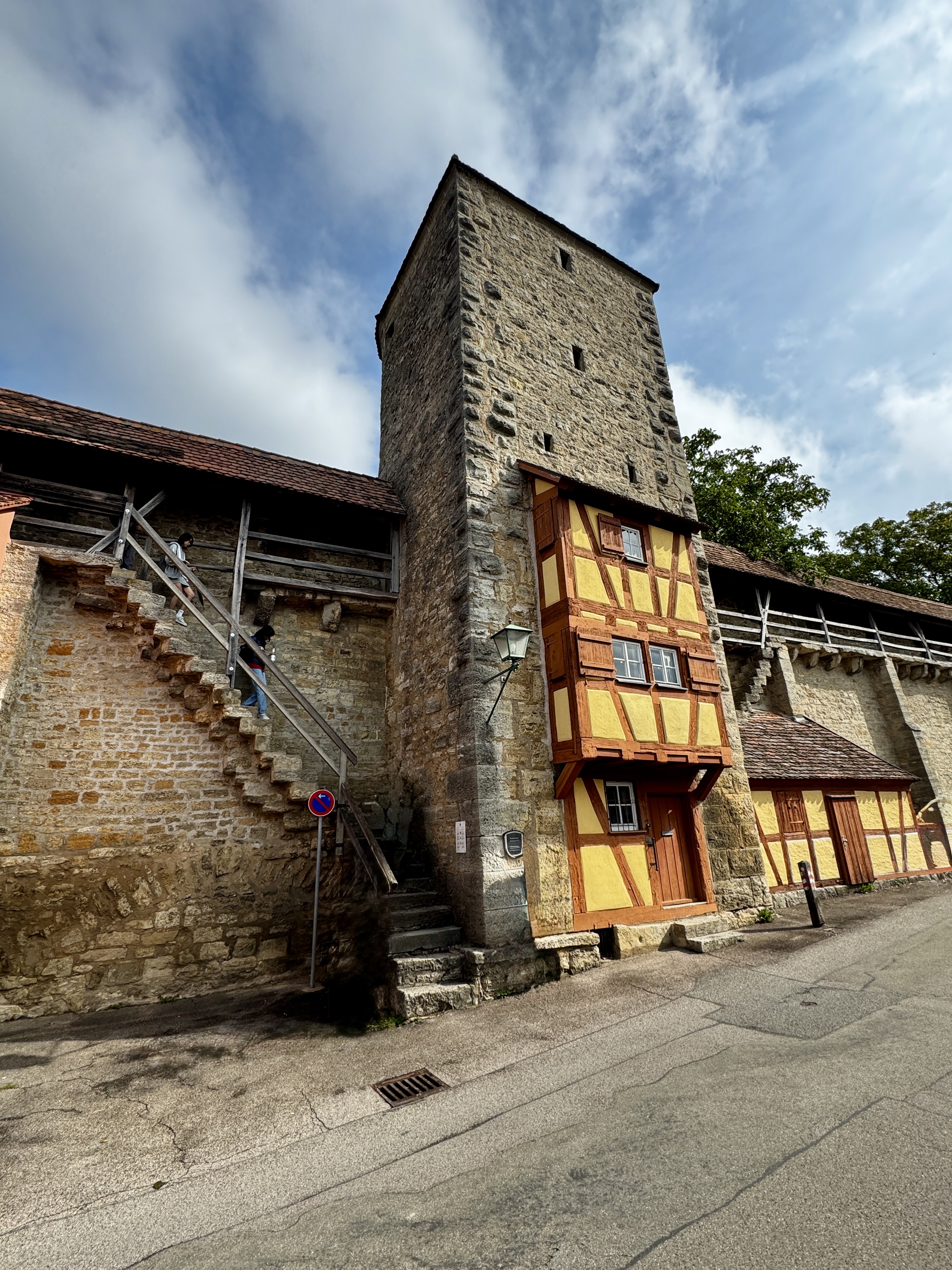
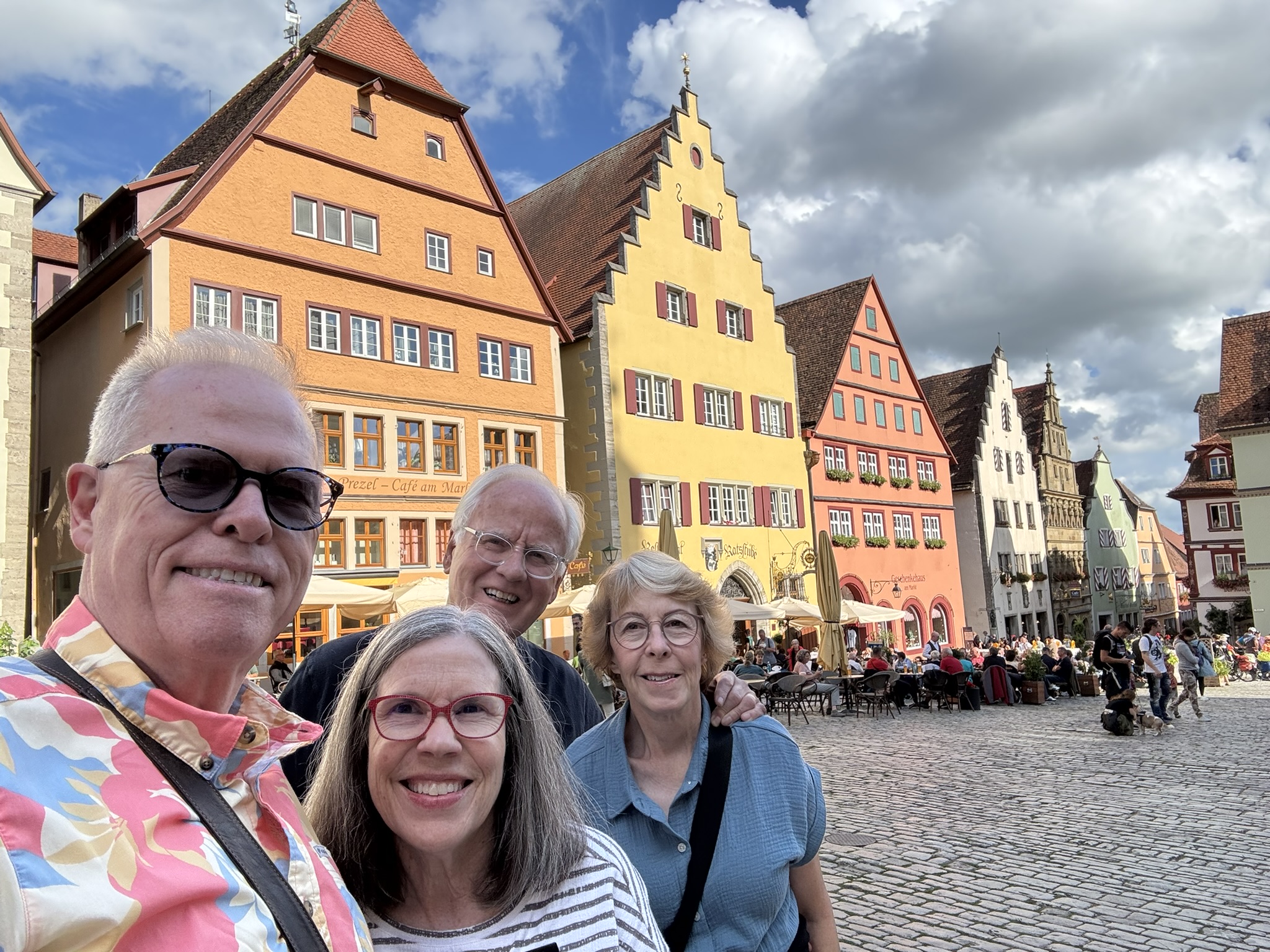
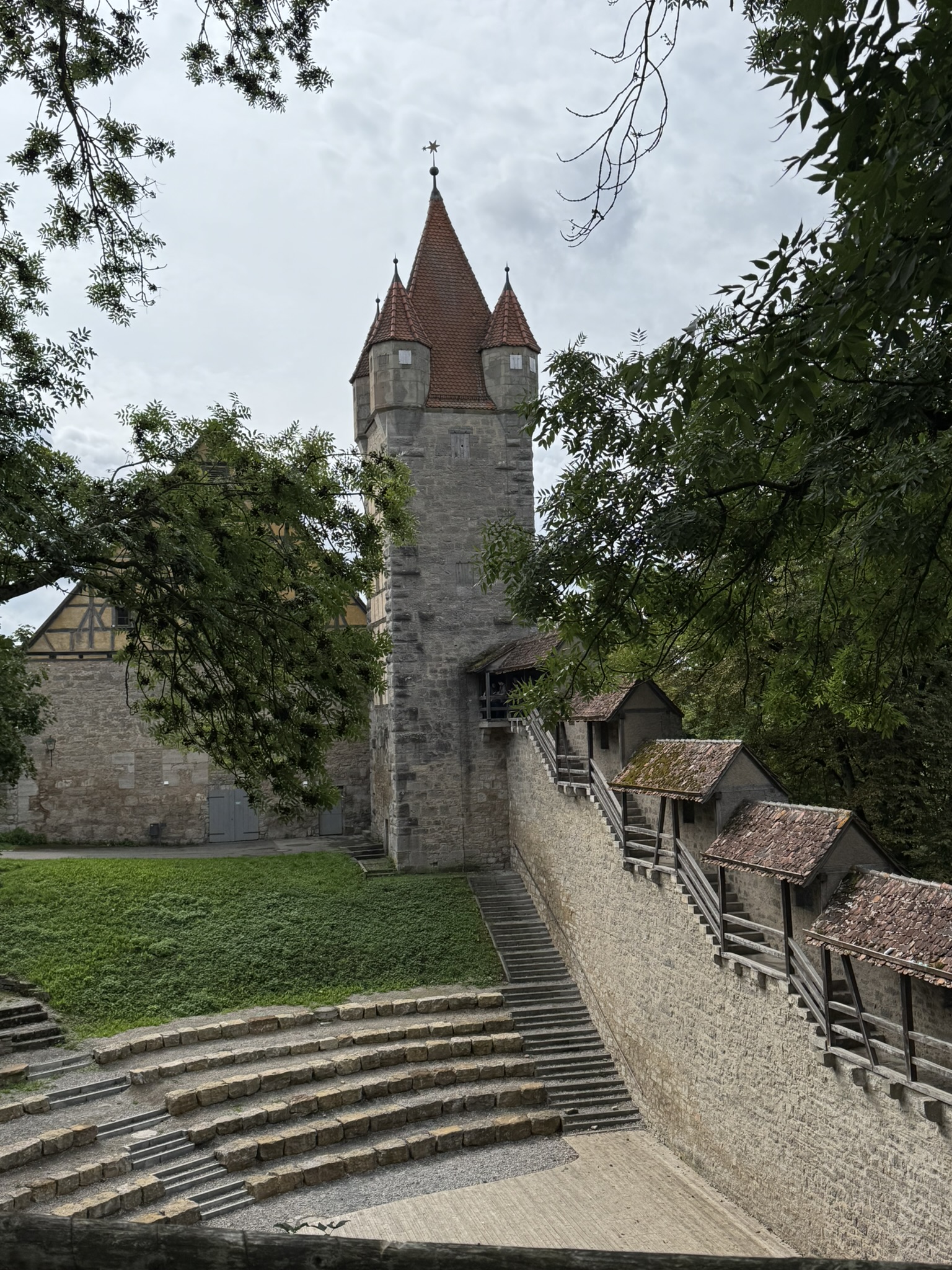
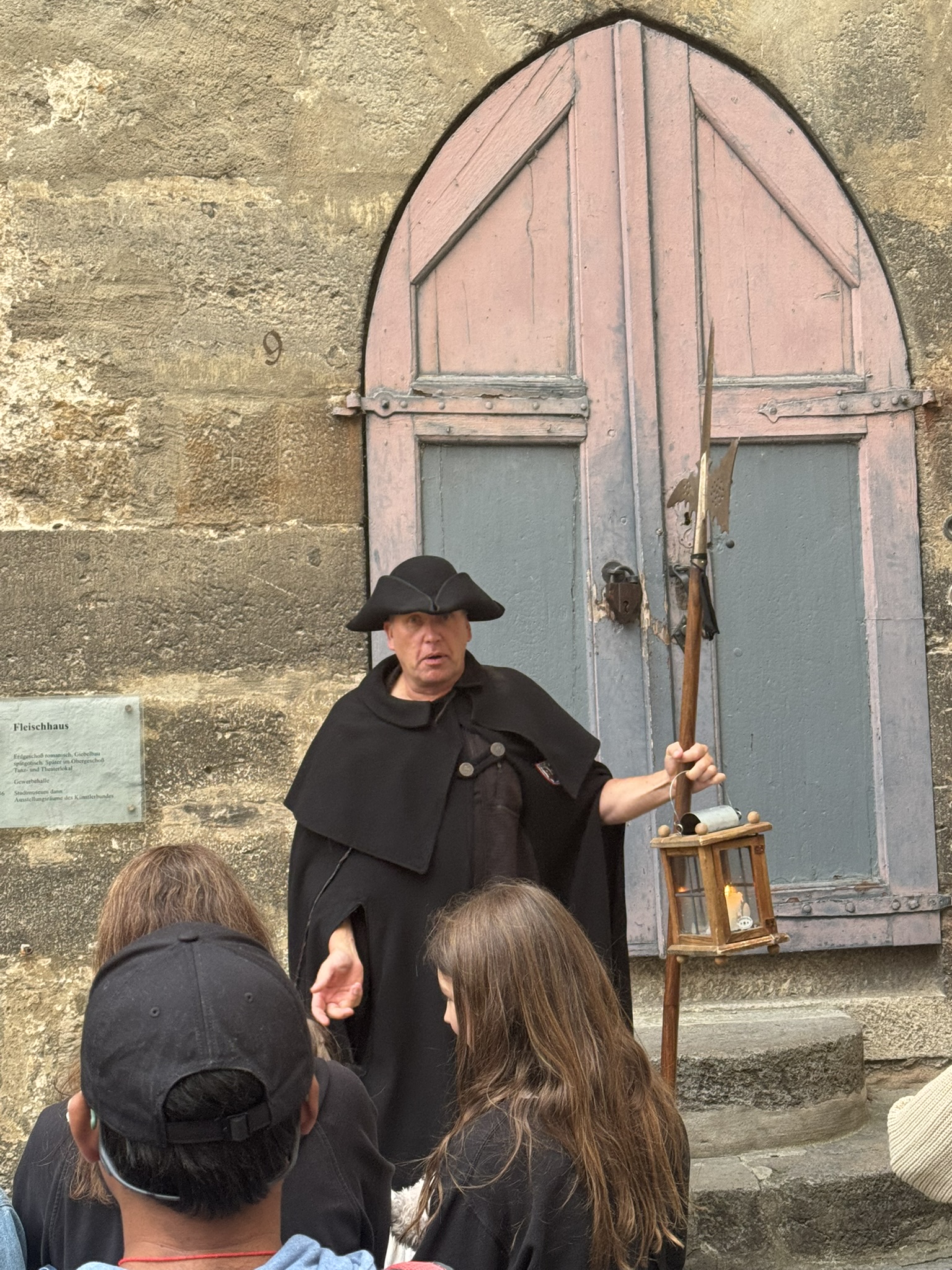
The nightwatchman led us through the streets regaling us with stories of medieval life here, of the Thirty Years war, and of the miraculous way this city was saved in the last days of WW2. In March 1945, a mission to bomb German oil storage facilities was canceled due to fog and Rothenburg was selected as an alternate site. After 40% of the city was destroyed. US assistant secretary of War, John J McCloy, knowing of its historical importance and beauty, gave orders not to use artillery in taking Rothenburg. Although McCloy had never visited himself, he had developed a fondness for the city because of the stories his mother had told him in his childhood and the pictures hanging in their home. He gave orders to negotiate for its surrender. On April 16, a six-man truce party approached German defensive lines. Although Hitler had ordered the city not be surrendered, Fritz Thommes, regimental commander risked his own life to disobey orders. He ordered a cease fire and ordered German troops to abandon the town. His actions allowed American troops to occupy the city the next morning without a battle.
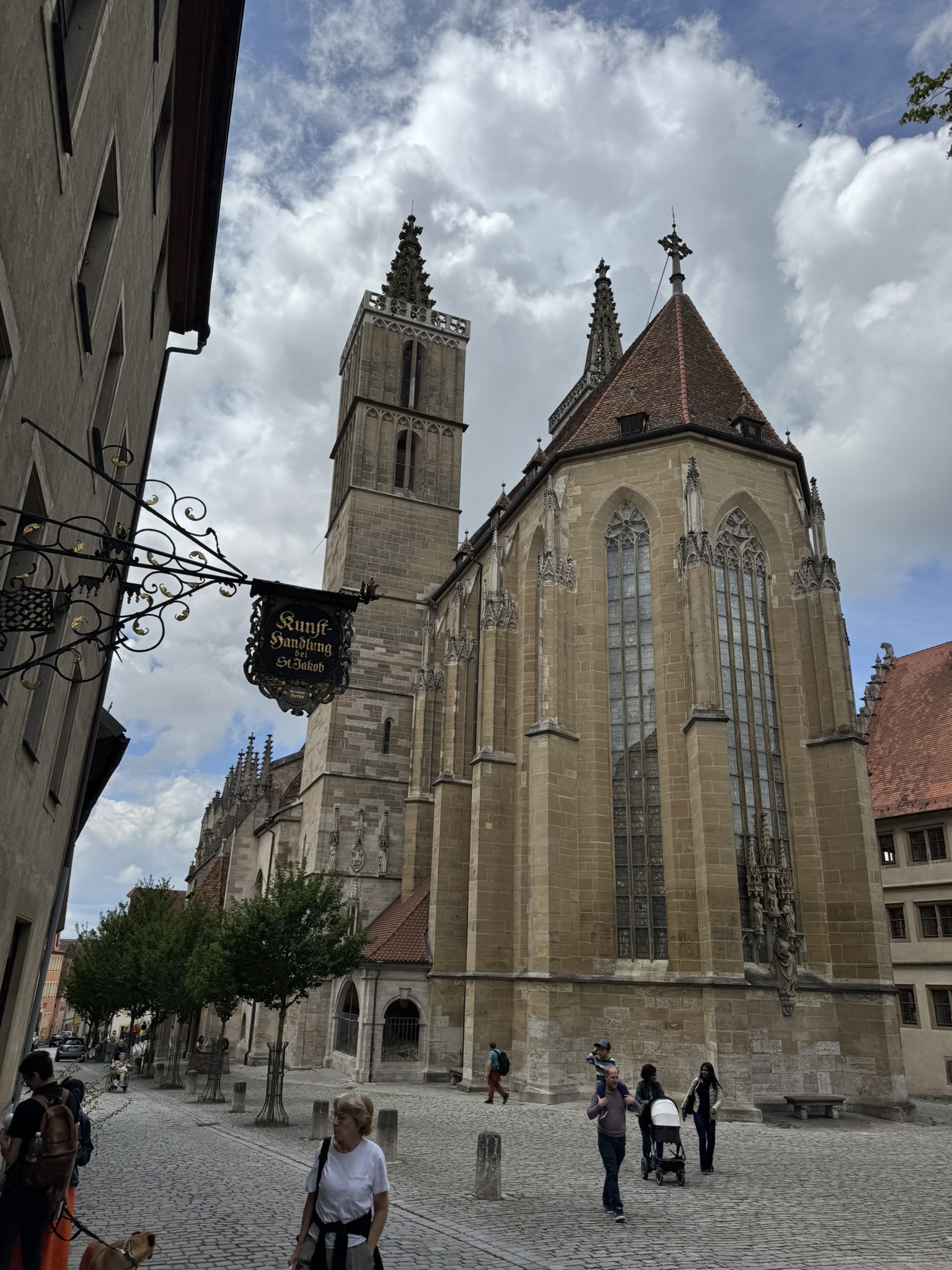
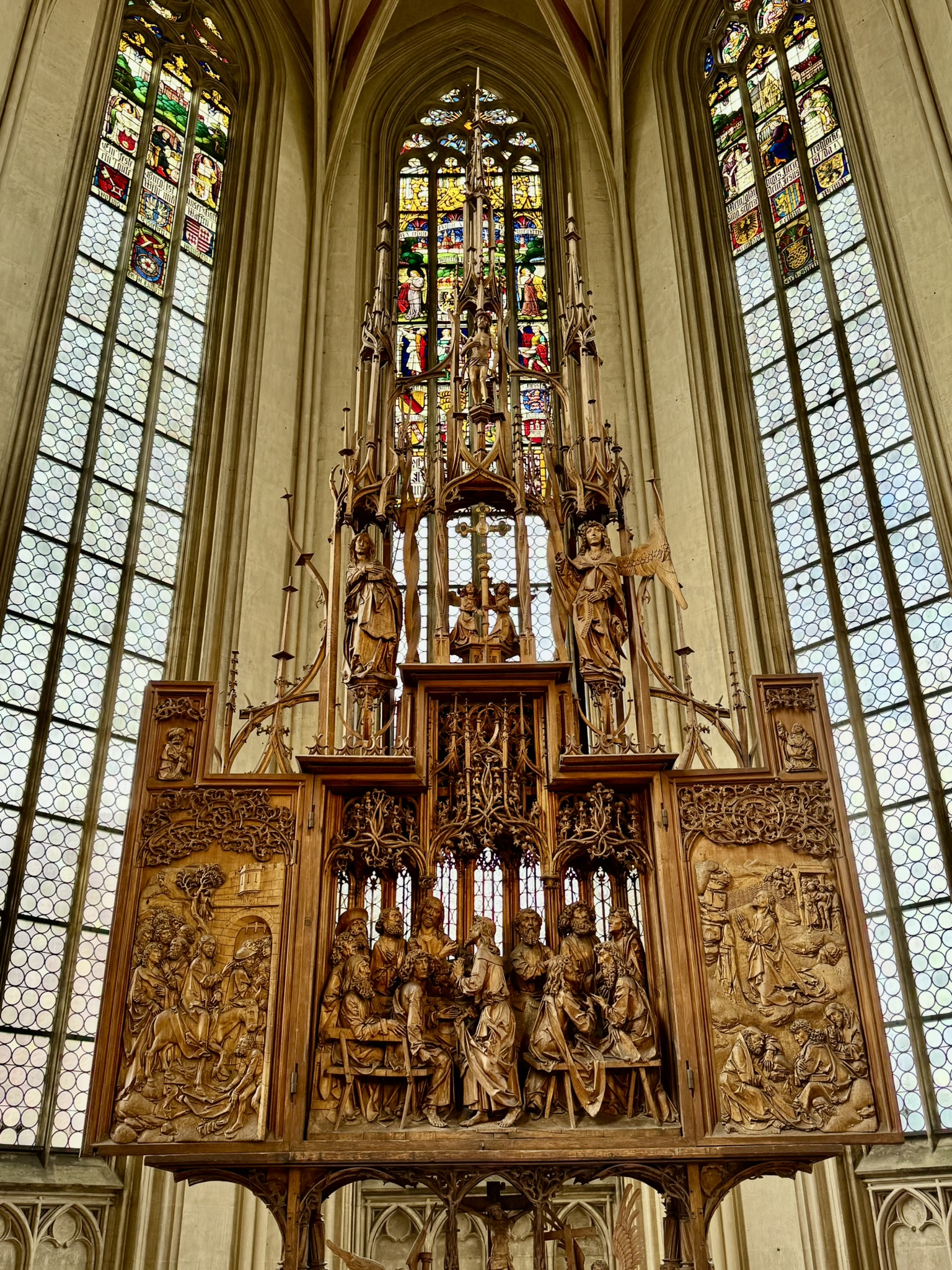
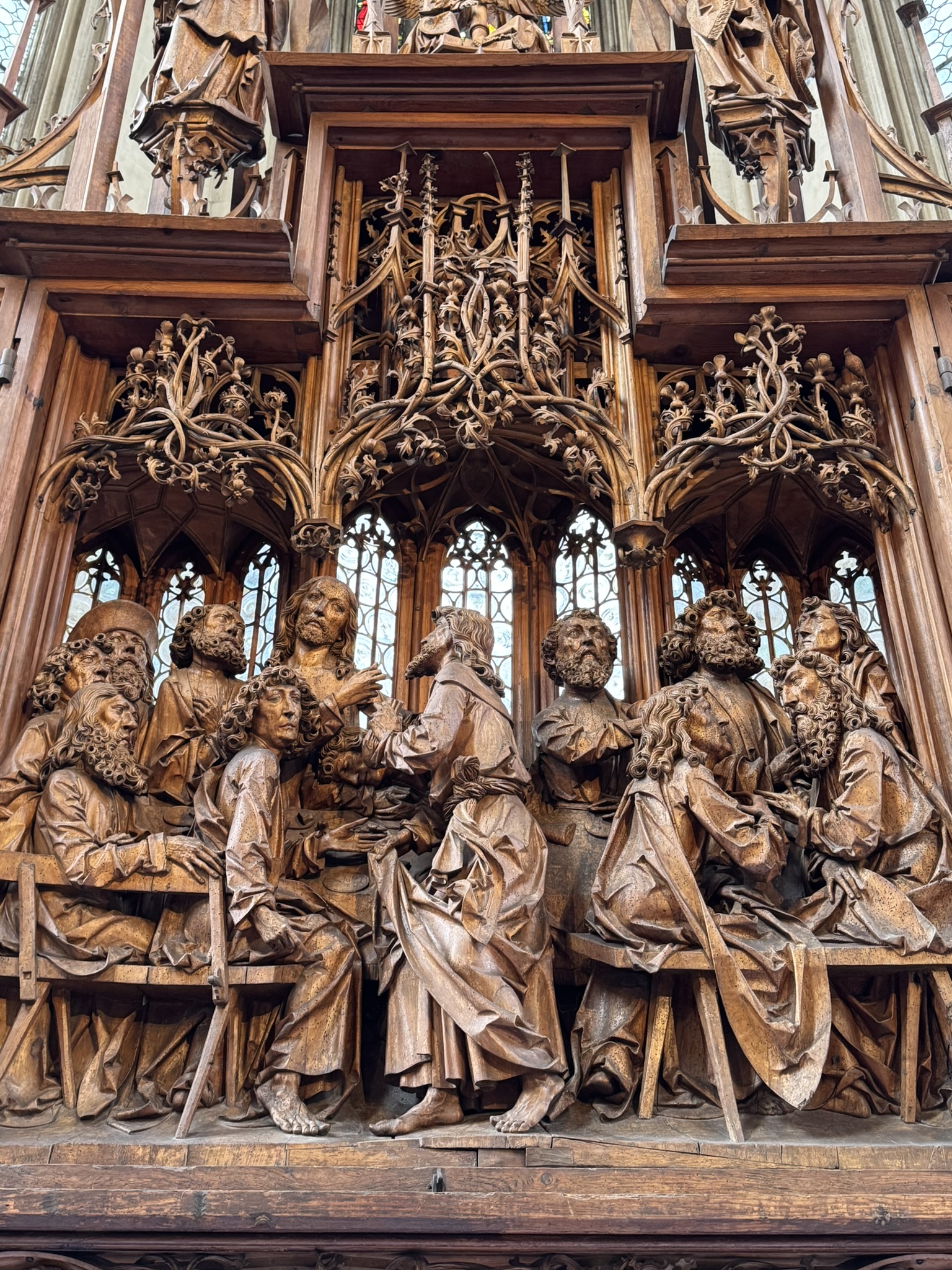
For hundreds of years St Jacobs Lutheran Church has been an important destination for pilgrims who come to see the Alter of the Holy Blood. This wooden masterpiece, by sculptor Tilman Riemenschneider, was carved between 1499-1505. The relic of Christ’s blood is contained in the crystal capsule set in the cross. We enjoyed an organ concert here.
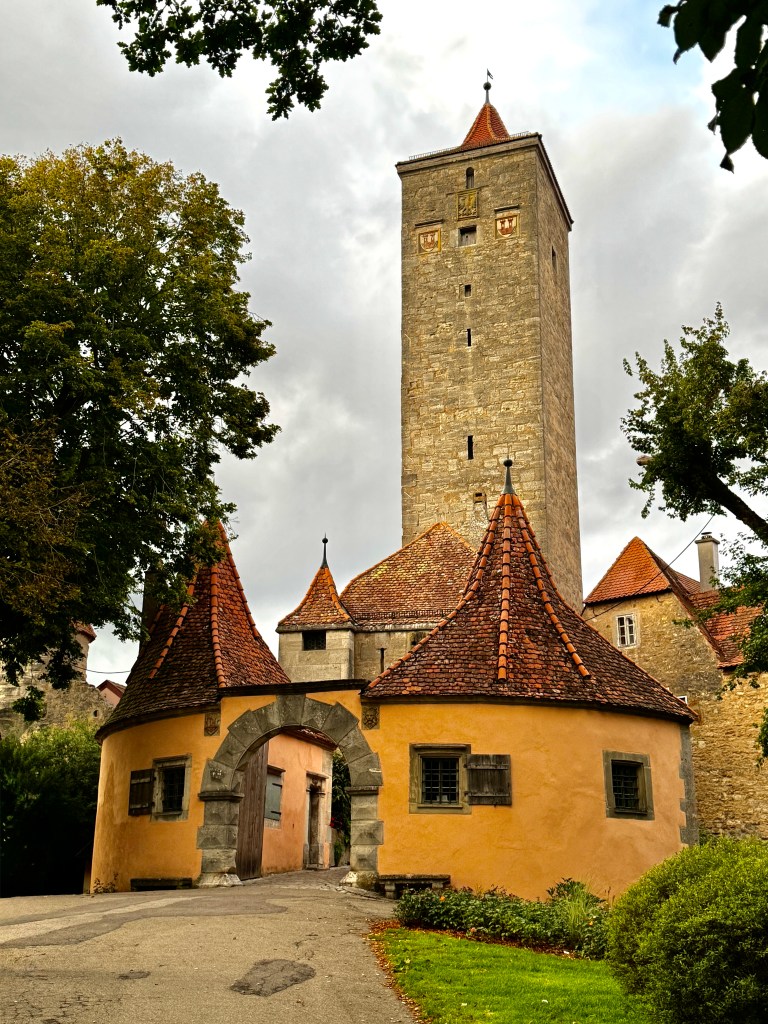
The Toppler castle is gone but the impressive gate remains.
Heilbronn, Germany
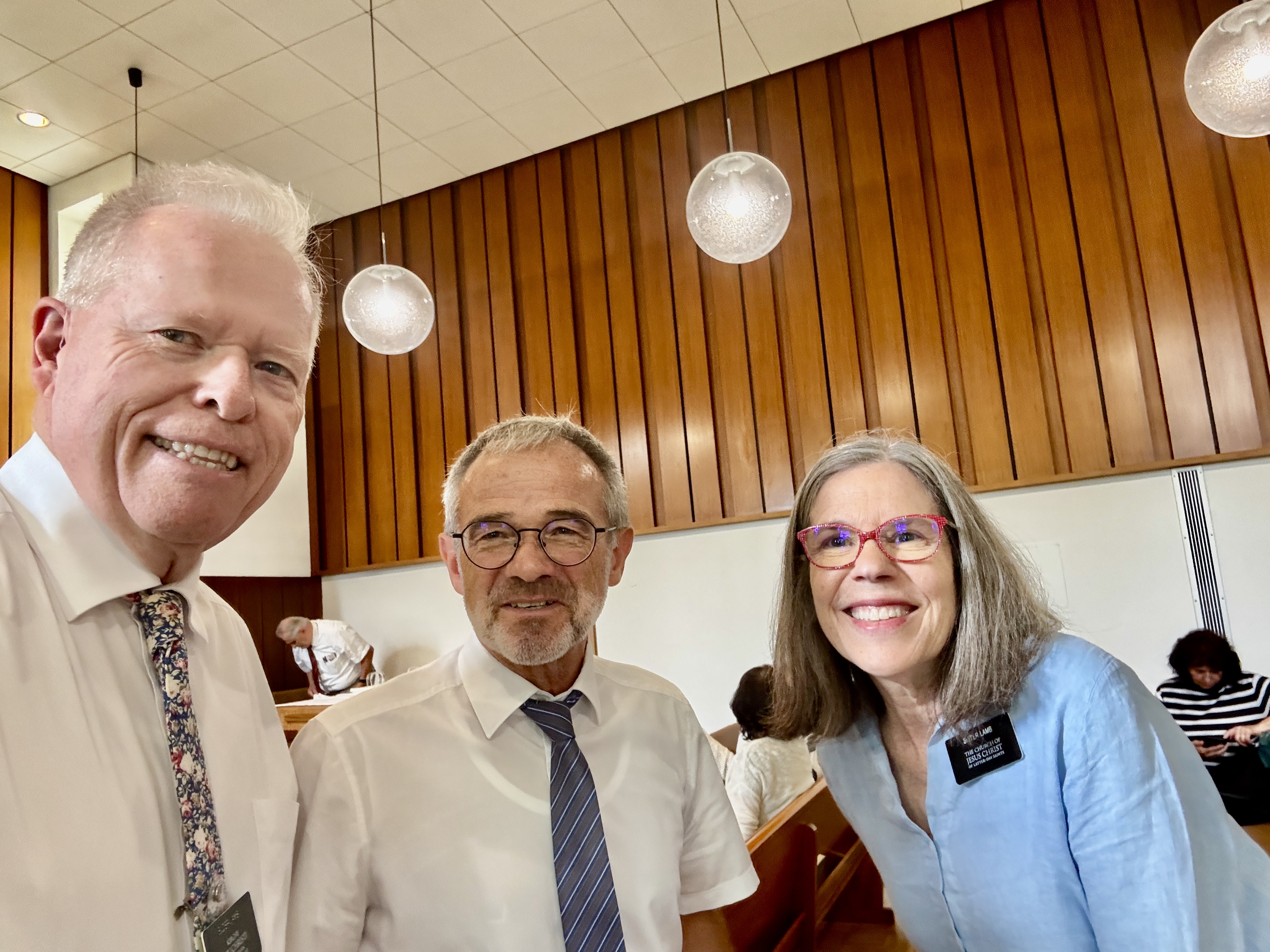
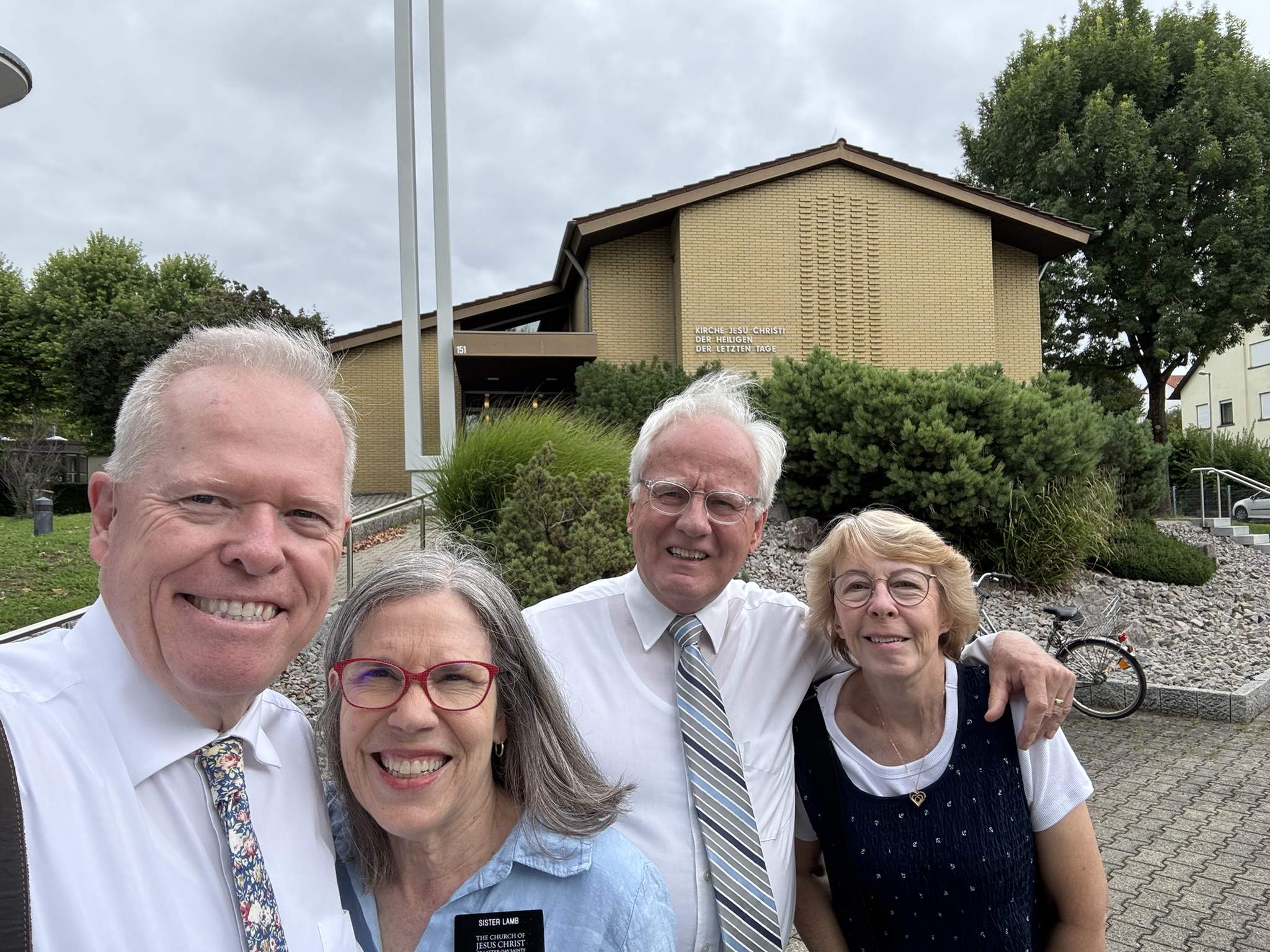
We attended sacrament meeting in a small branch in Heilbronn, Germany. There were 44 people in attendance, one deacon passing the sacrament, and a very sweet spirit. Peter Huber’s brother is the branch president here. We knew immediately when we saw him as the brothers look so much alike!
SEVEN STOPS ON LA ROUTE DES VINS D‘ALSACE- FRANCE
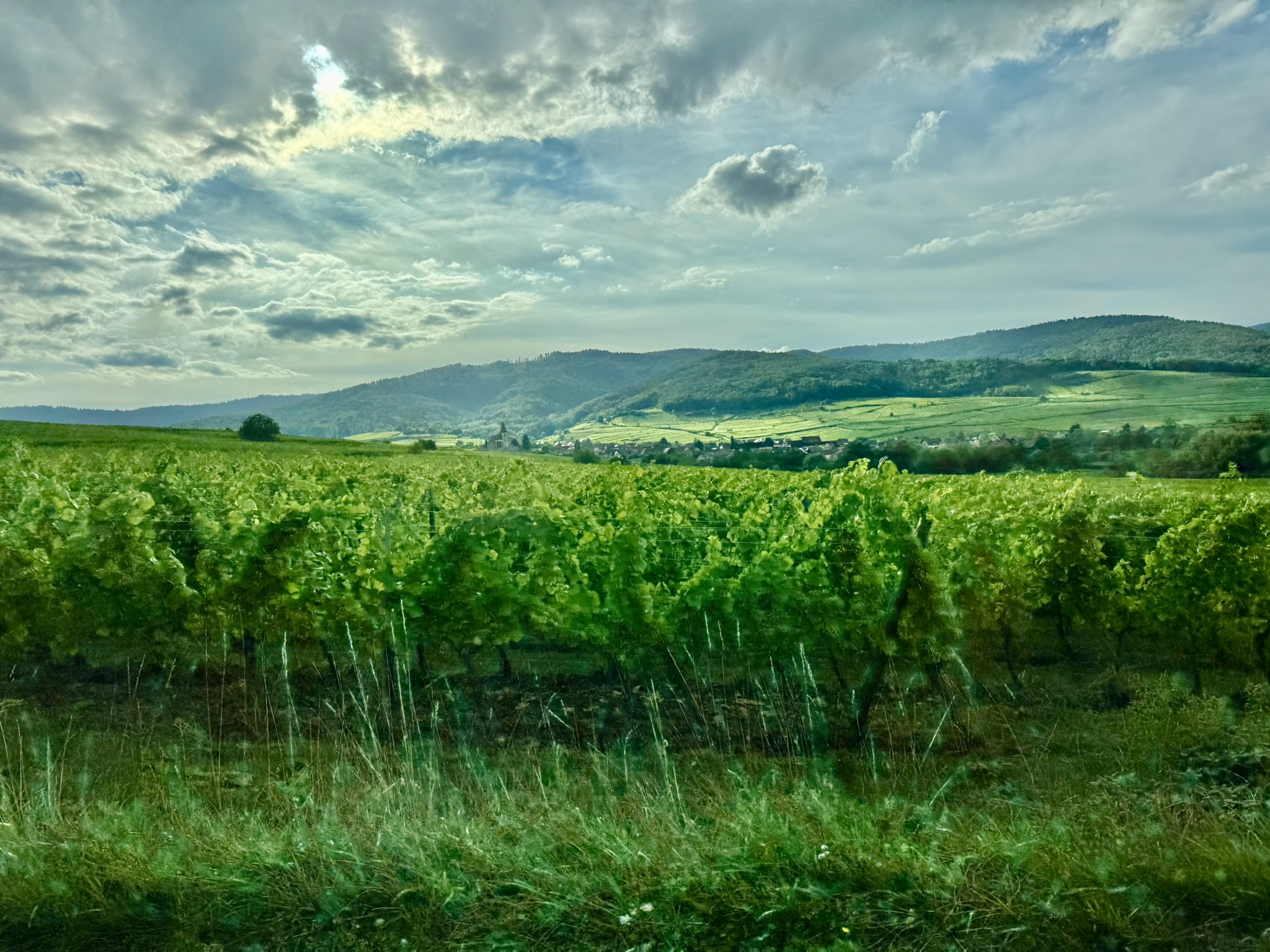
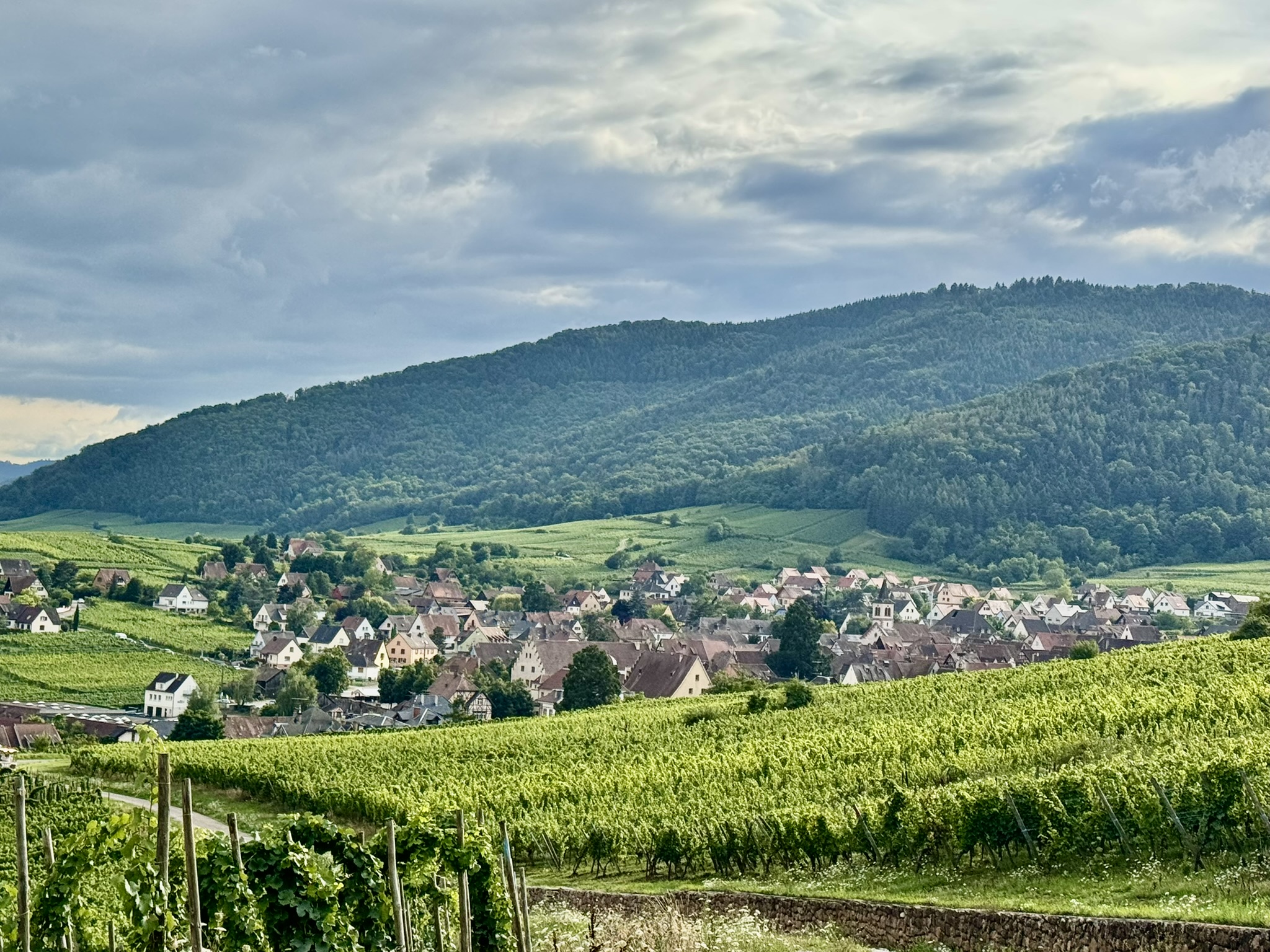
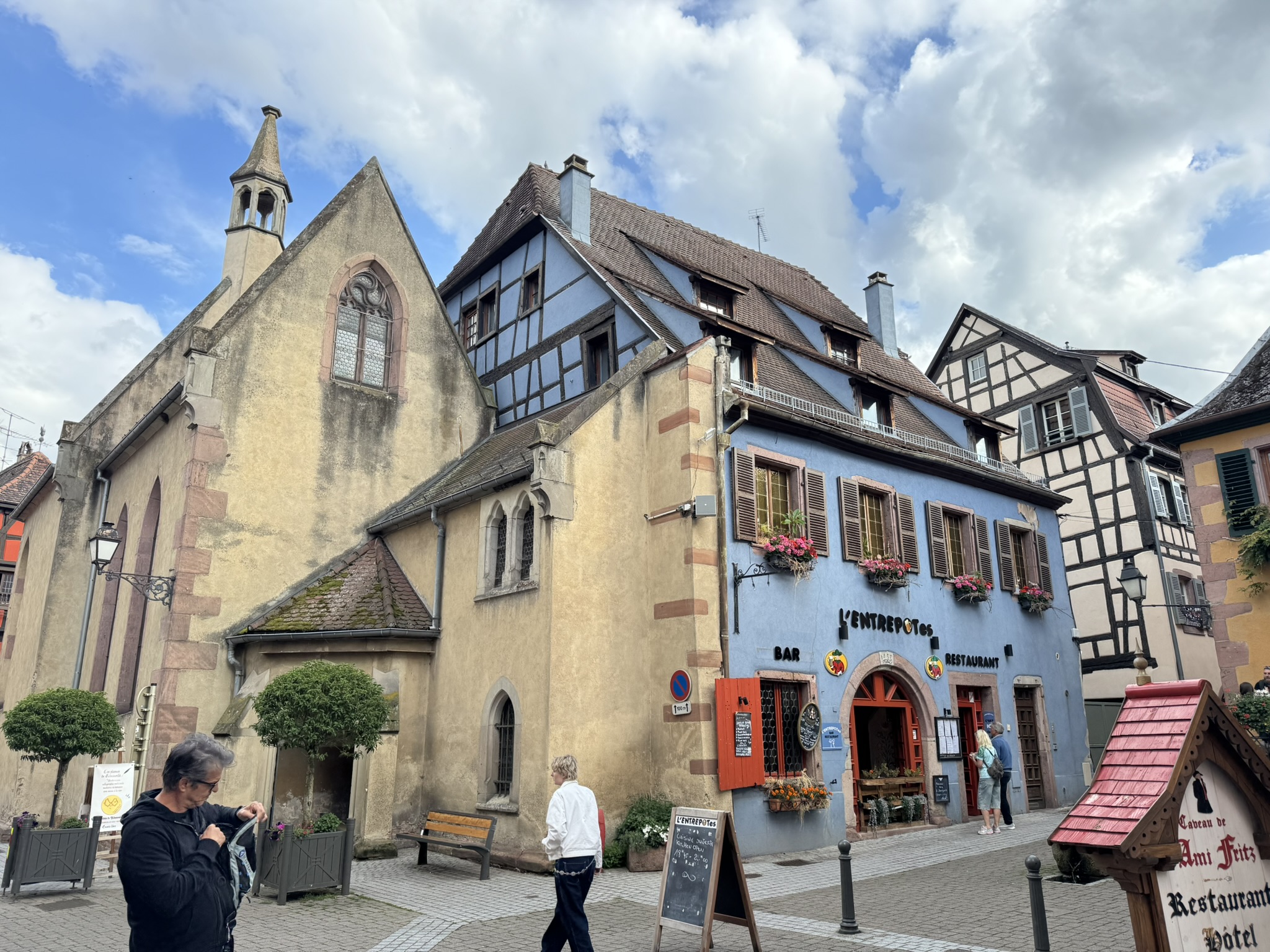
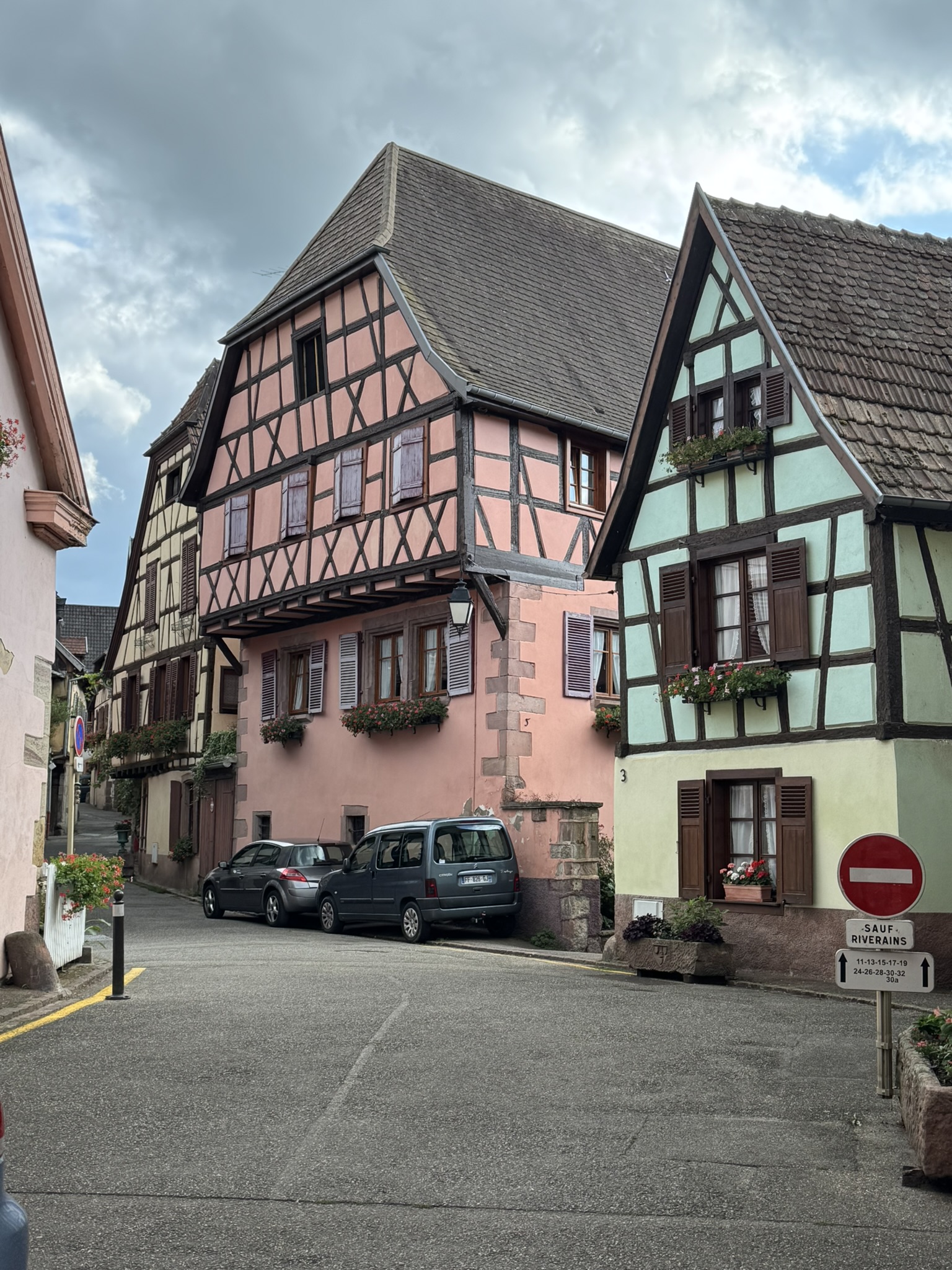
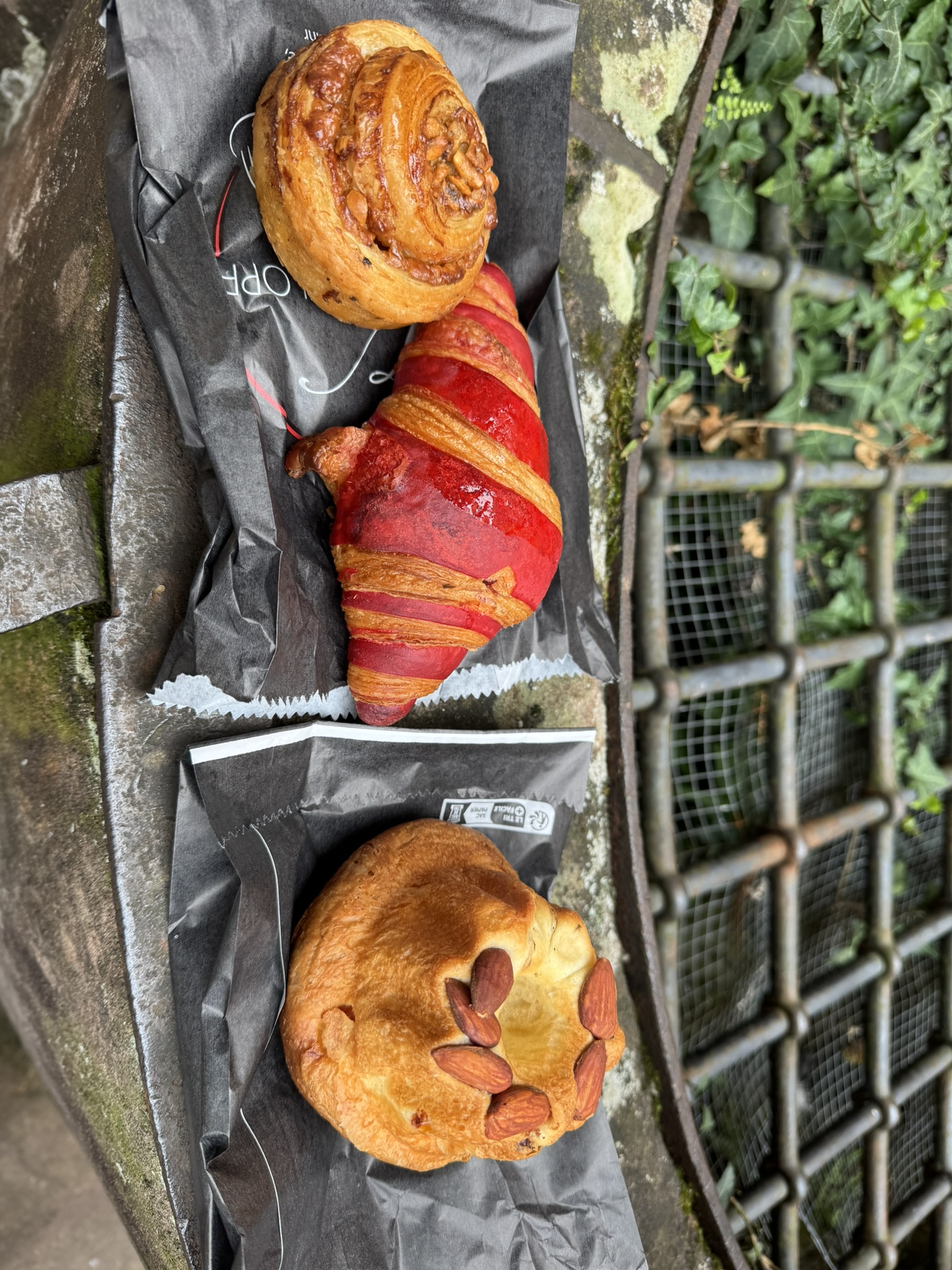
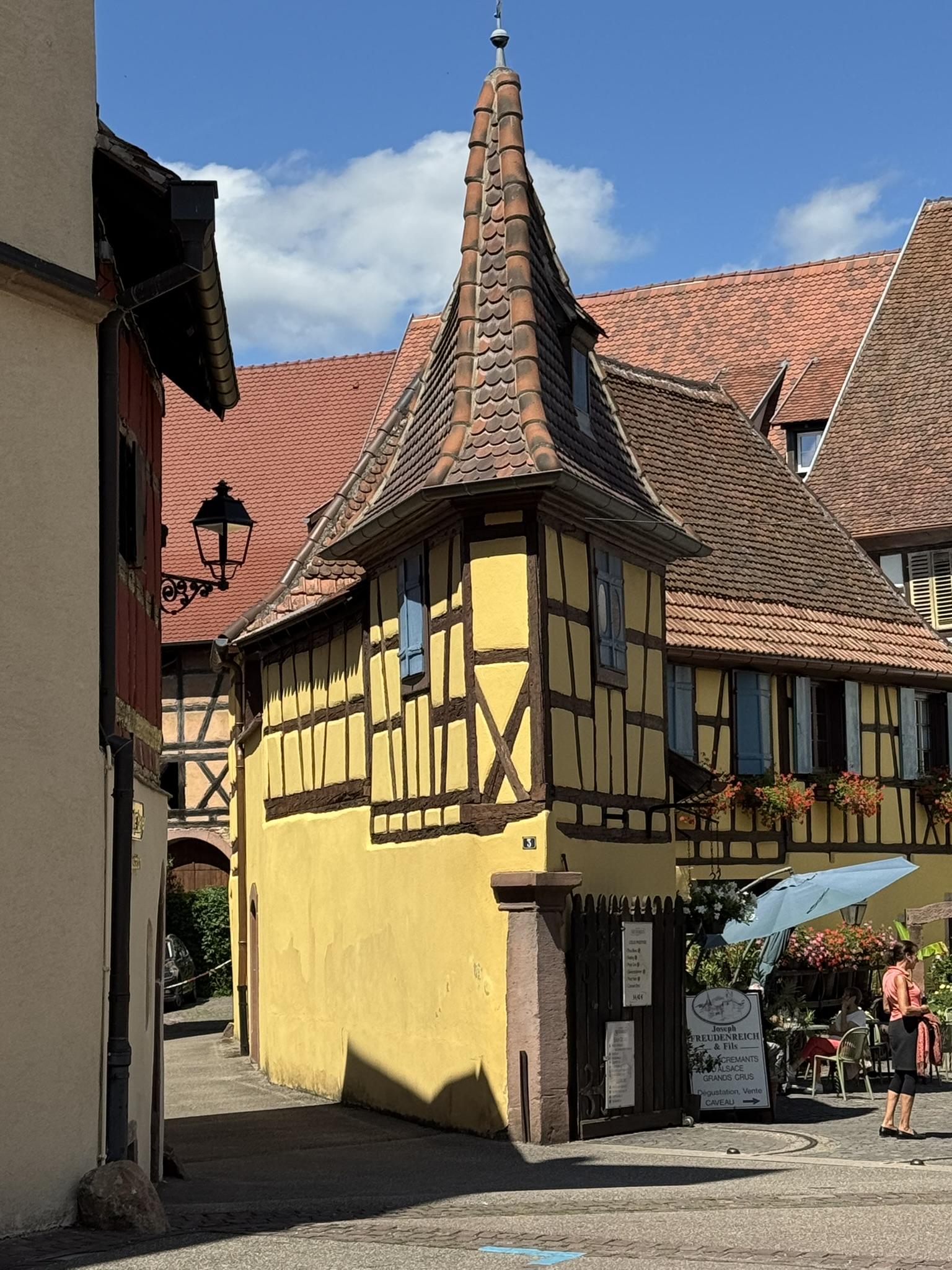
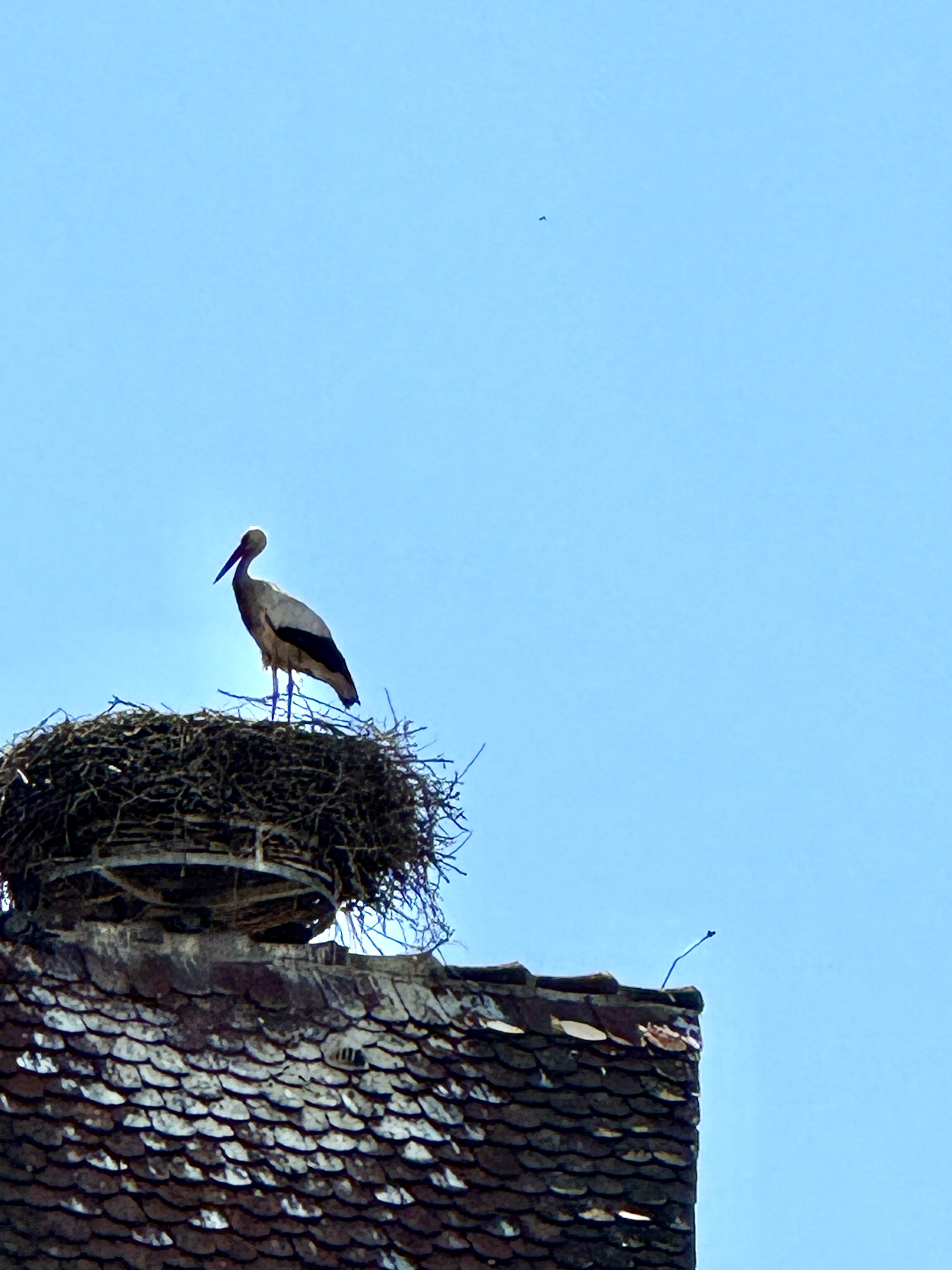
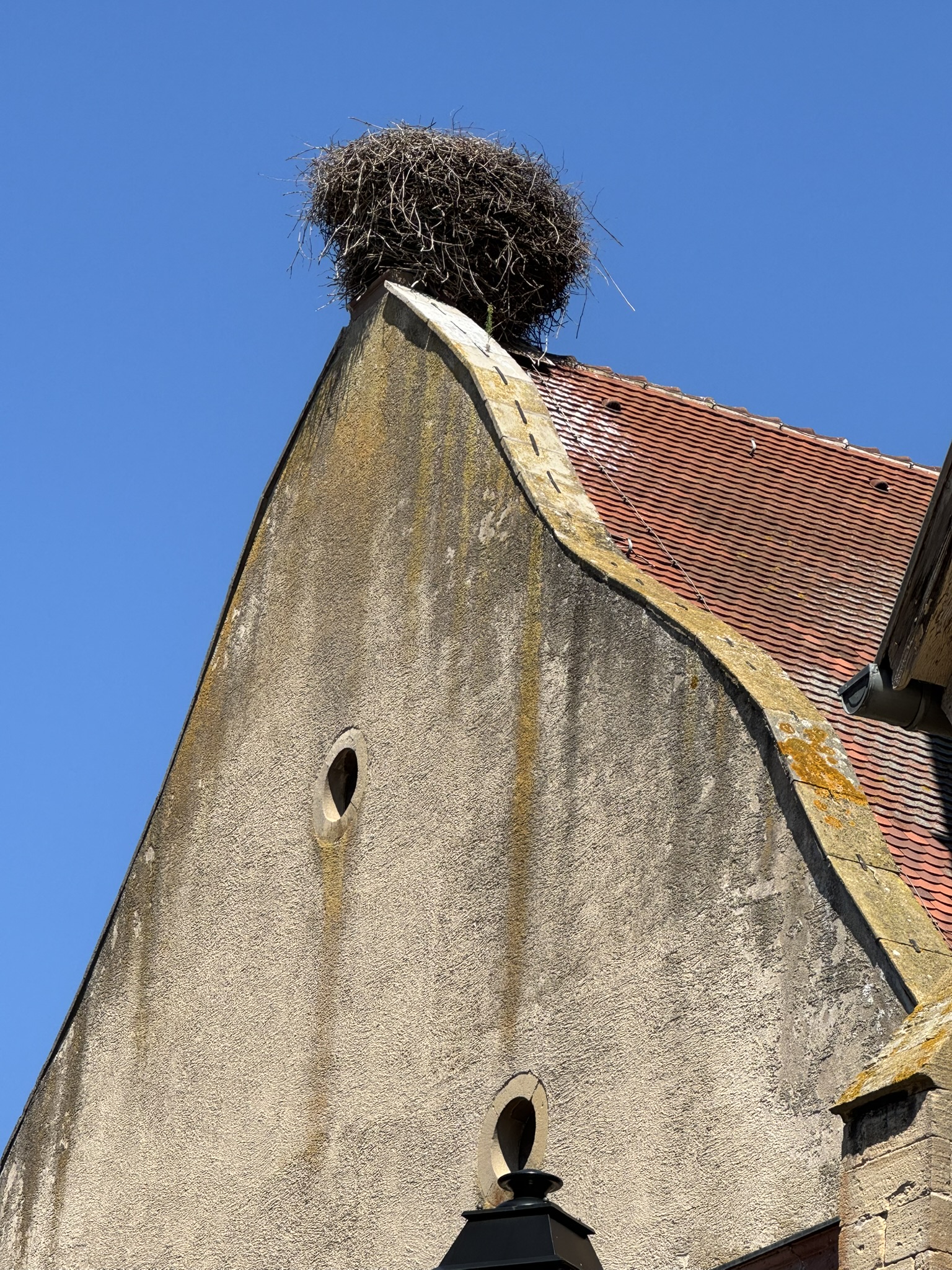
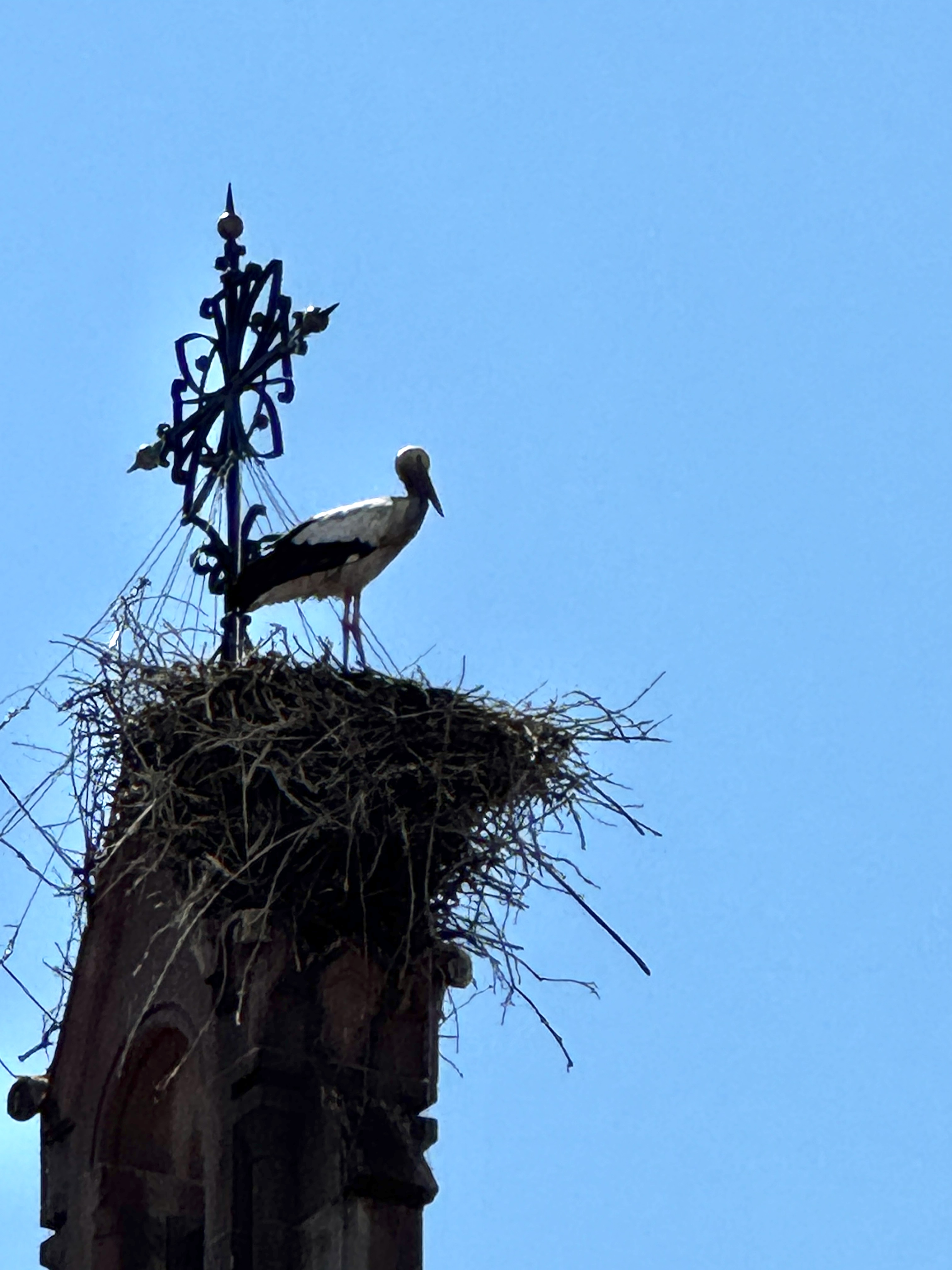
We spent two days driving a picturesque route through the French villages that inspired the backdrop for Beauty and the Beast. There were vineyards as far as the eye could see. Church bells ringing in medieval villages, storks sitting on nests, croissants & baguets, Beauty and the Beast music playing in our car- doesn’t get more magical than that!
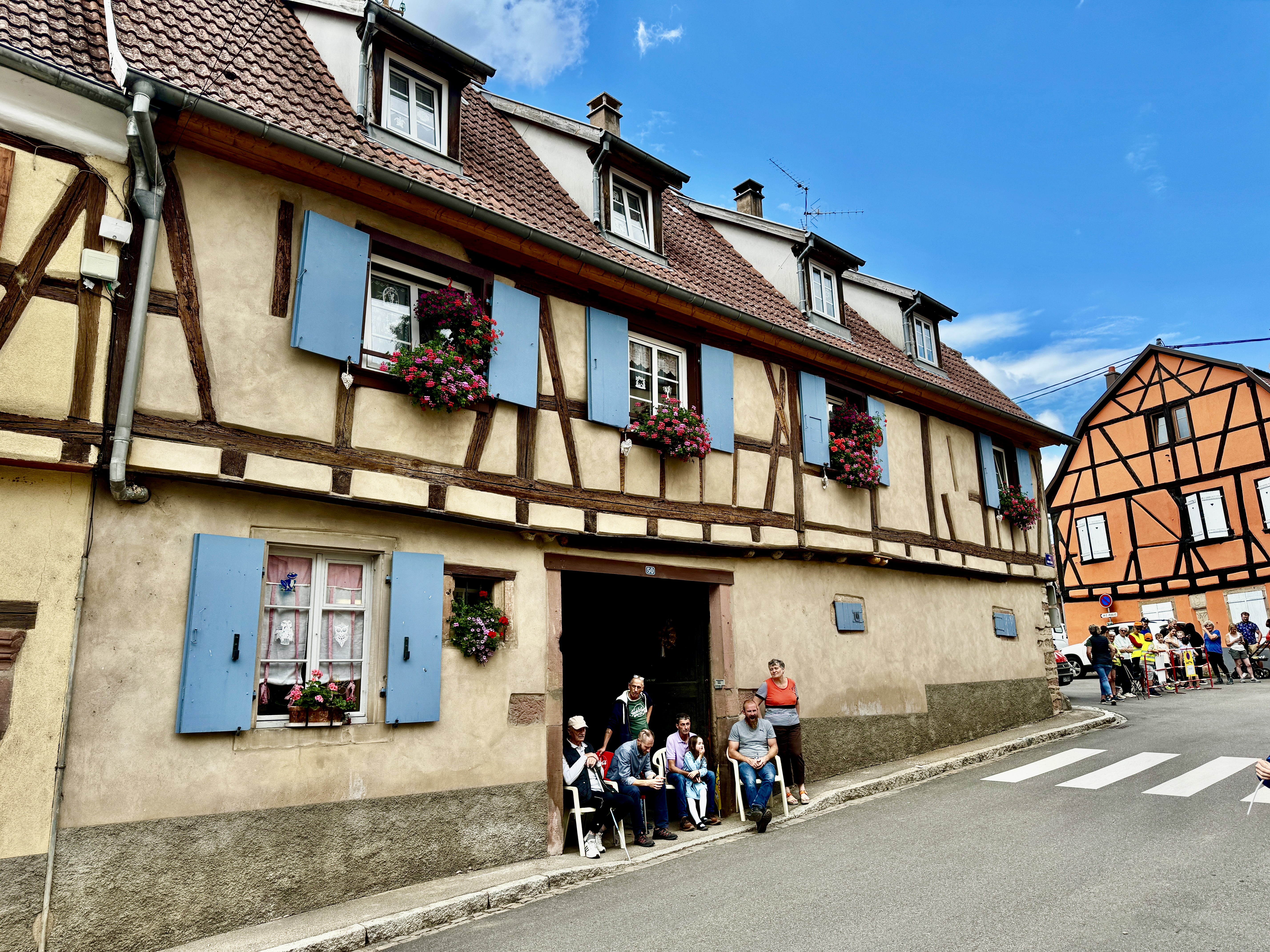
1 Heiligenstein
We enjoyed a scrimptions lunch here and witnessed locals cheering on a bike race.
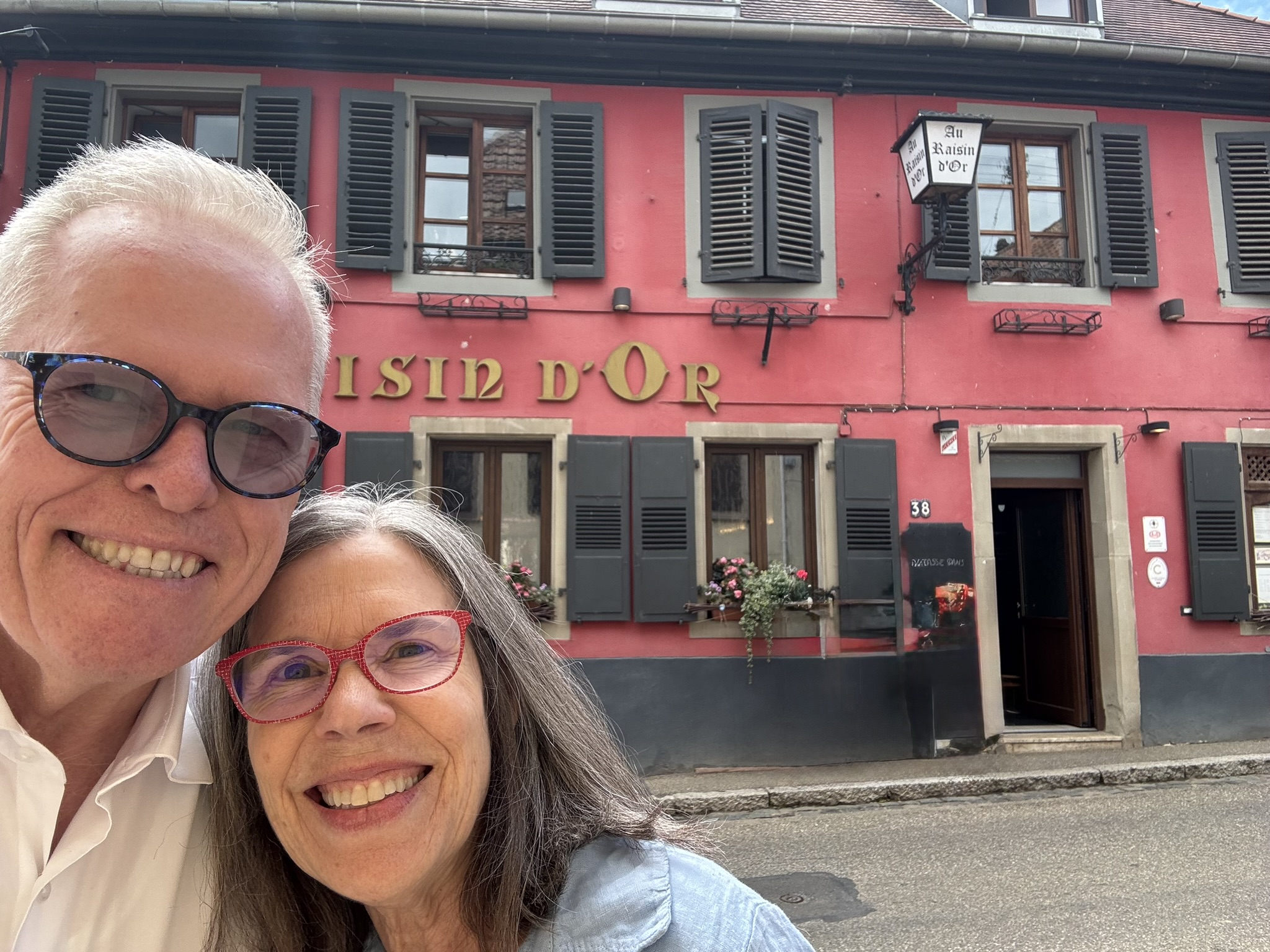
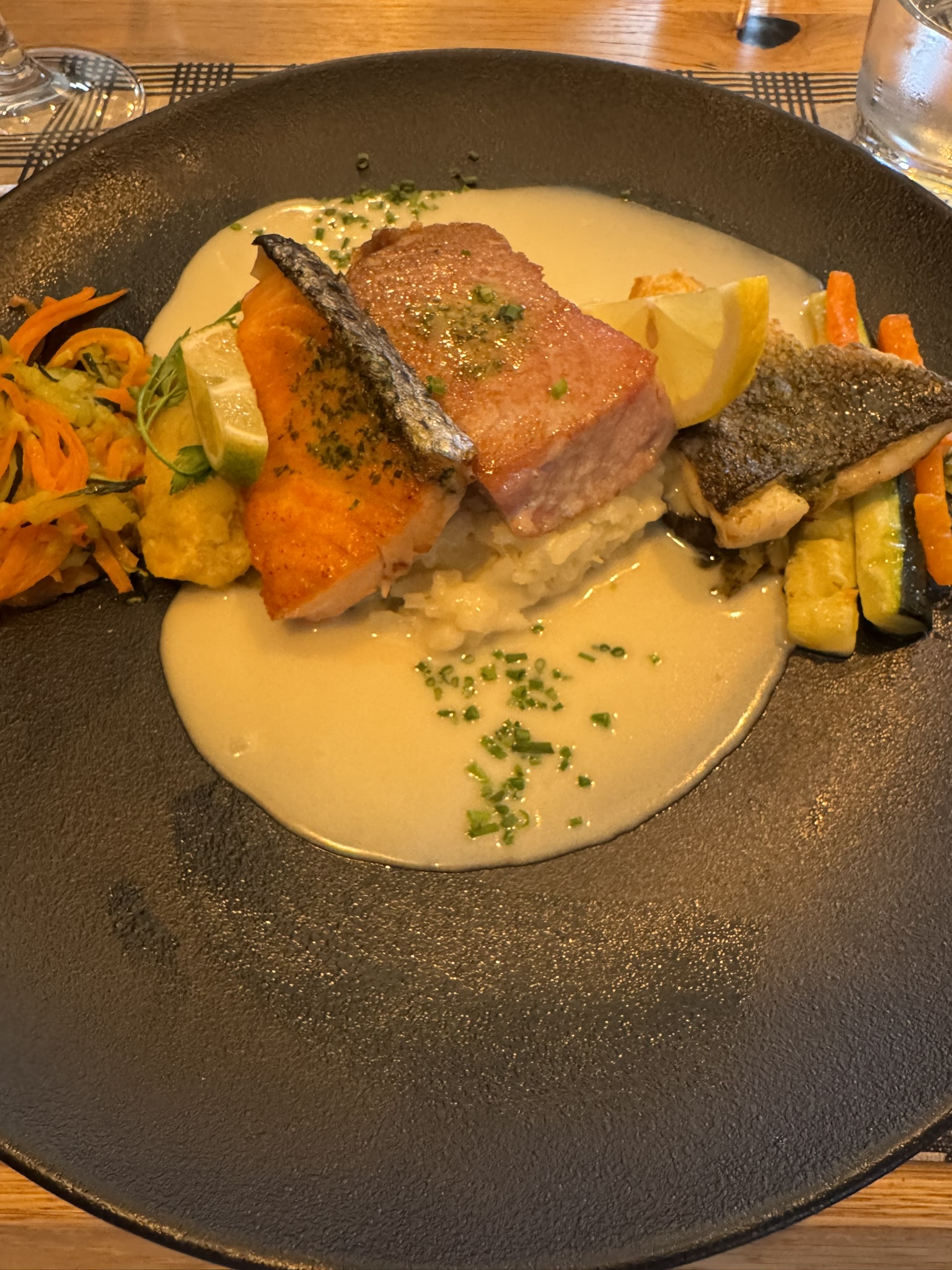
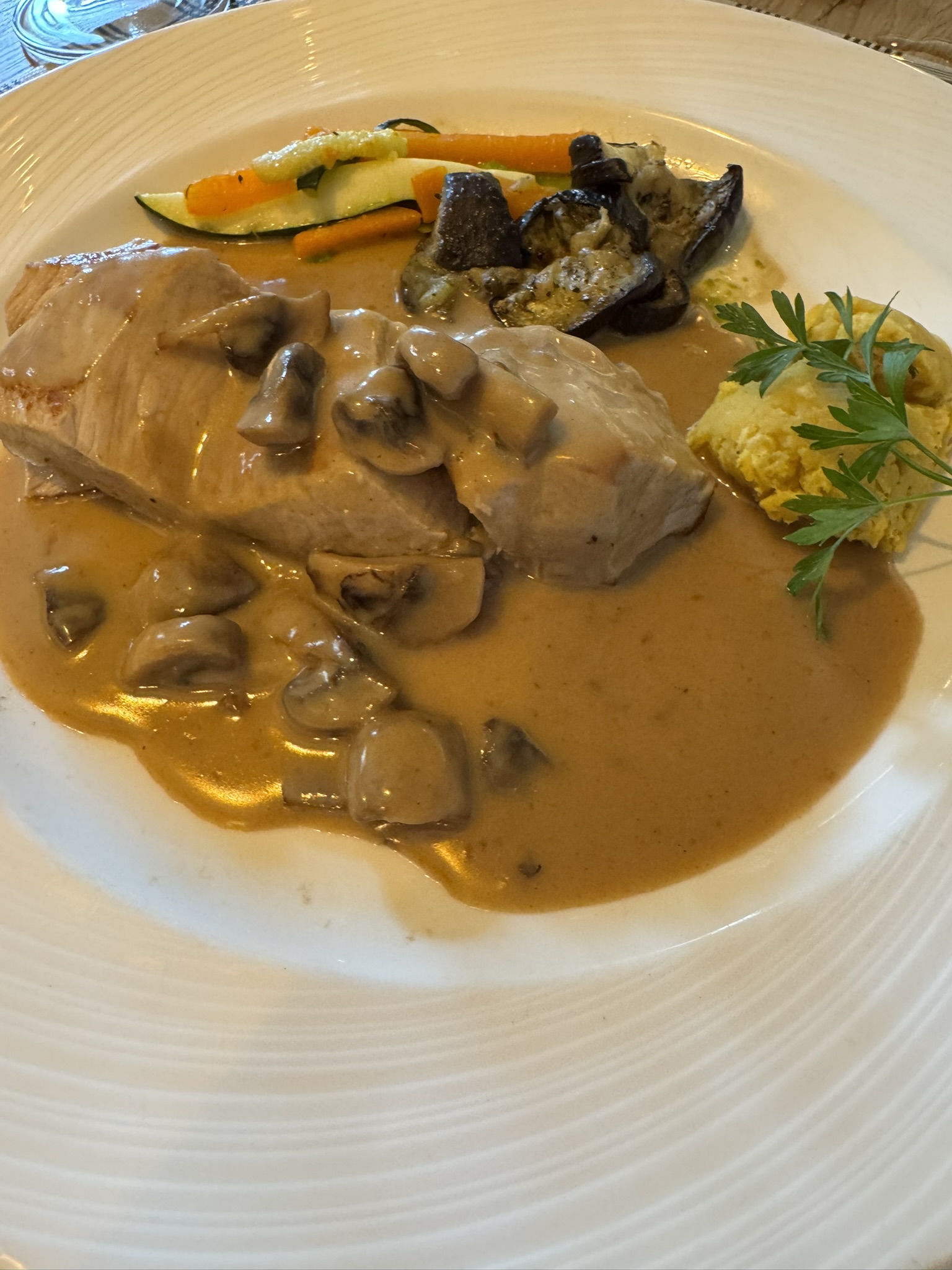
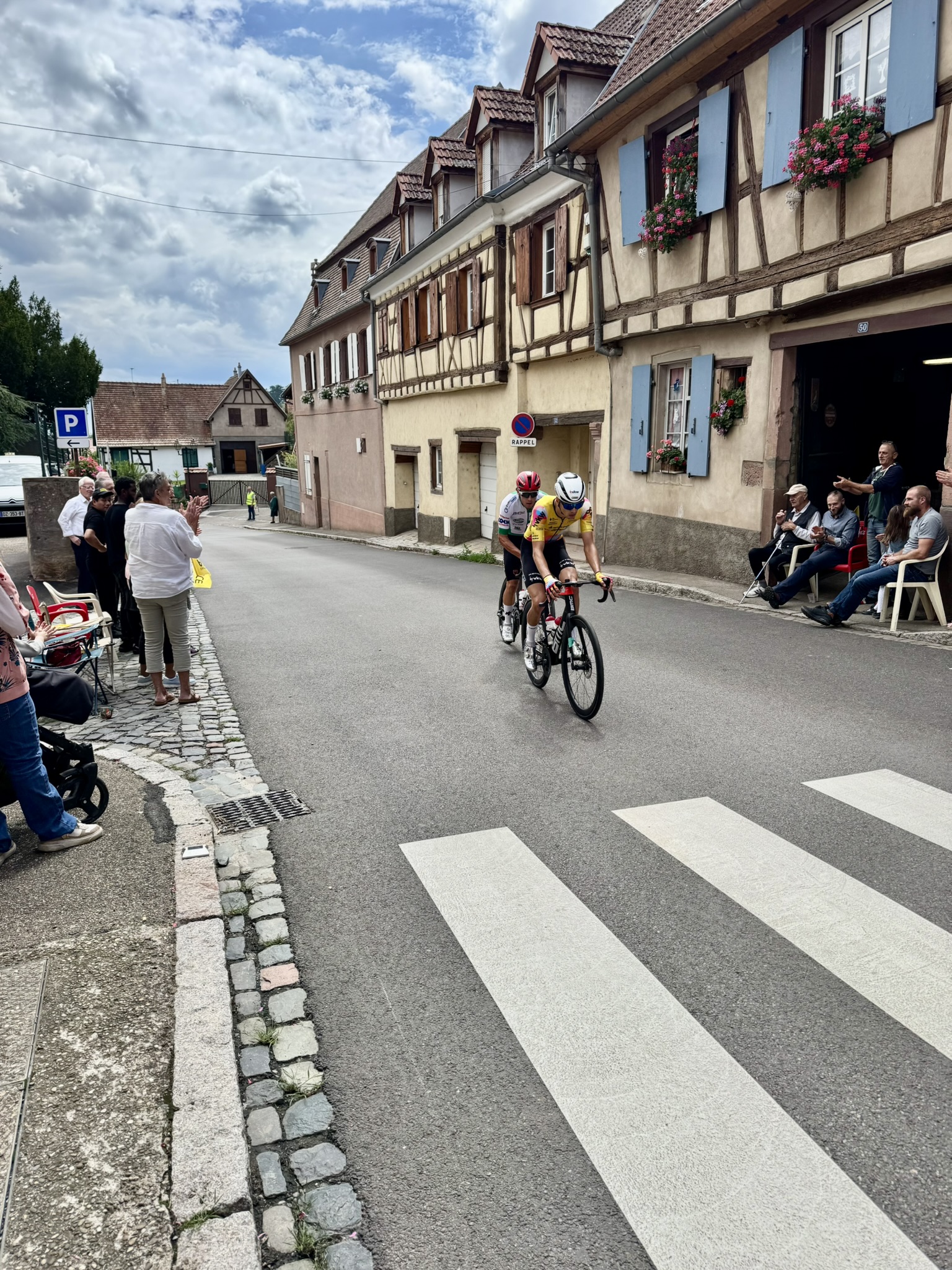
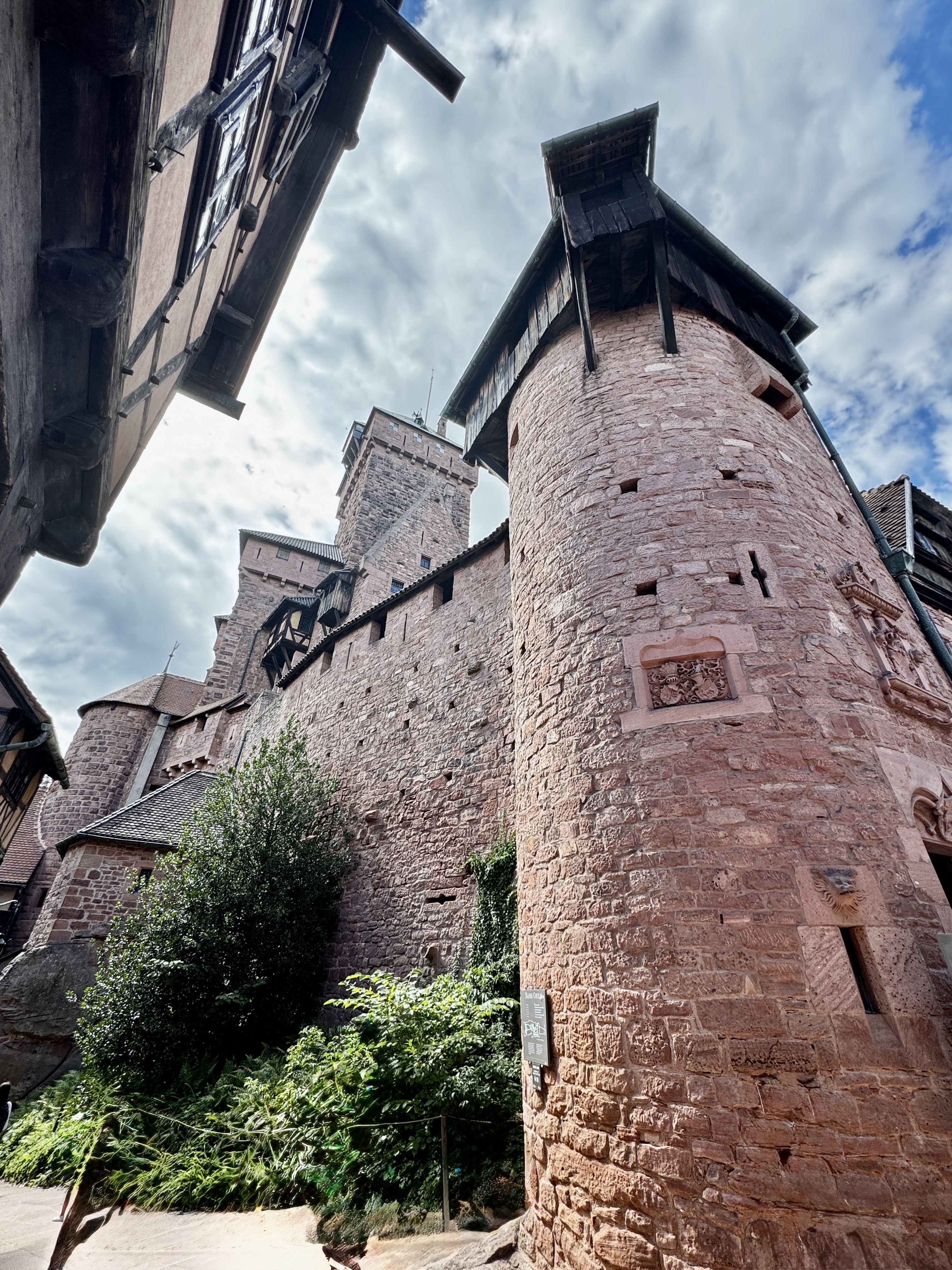
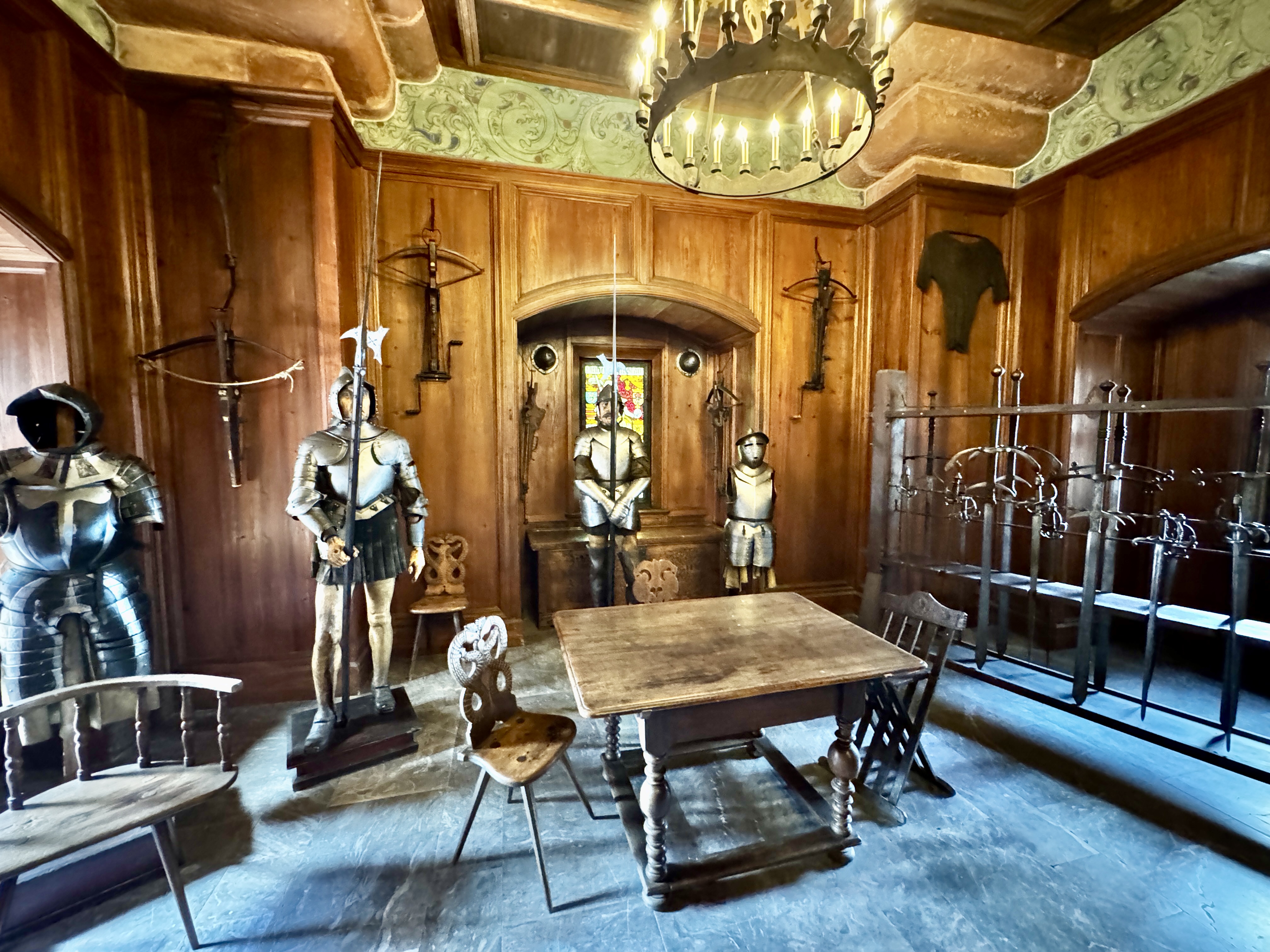
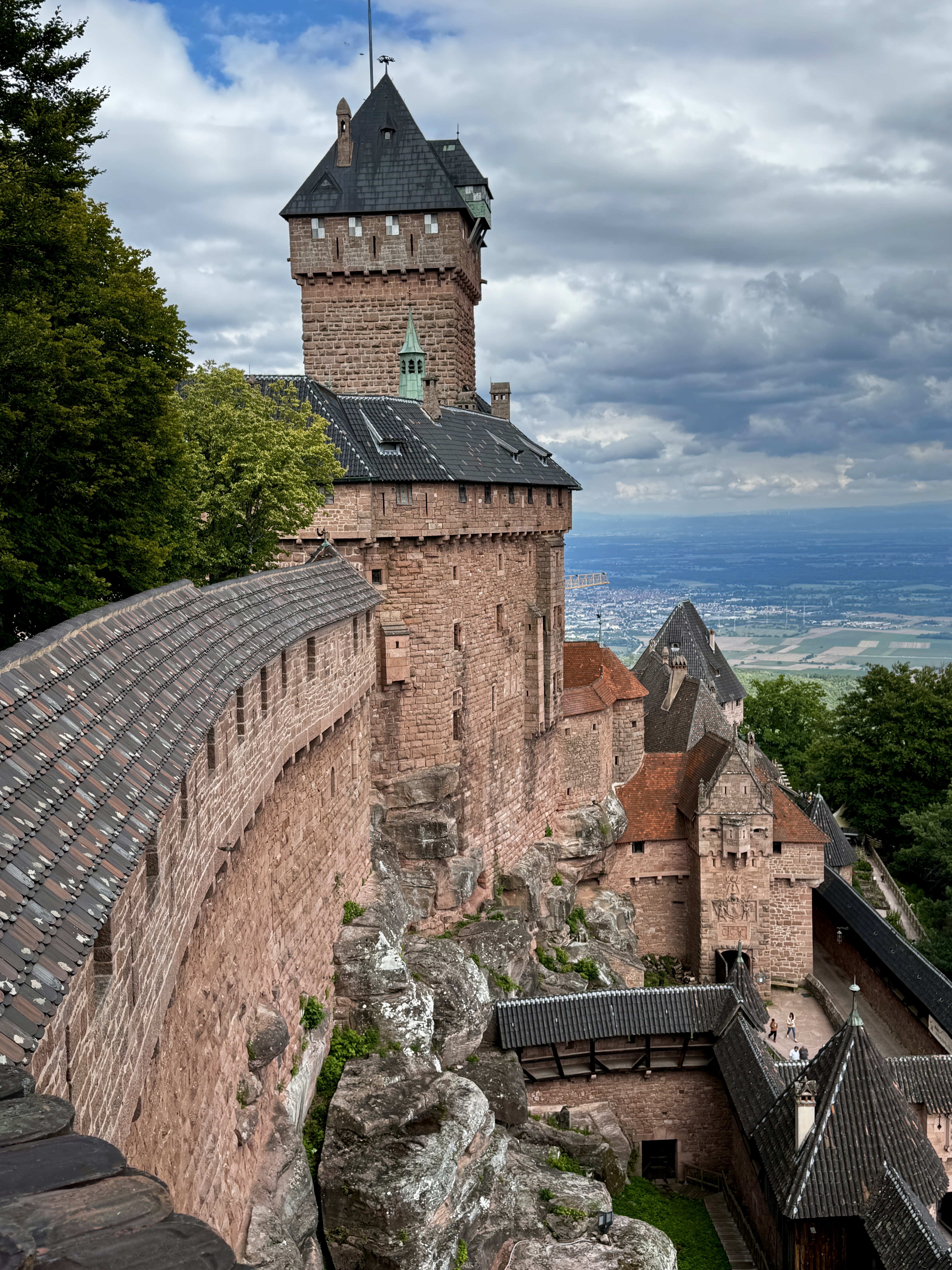
2 Haut Koenigsbourg Castle sits high on Stophanberch mountain. The castle is mentioned for the first time in the 12th century and stood at the junction of an important trade route (wheat & wine from north to south and salt & silver from west to east). During the 30 Years War the castle was looted and burned. It was restored in the early 1900’s.
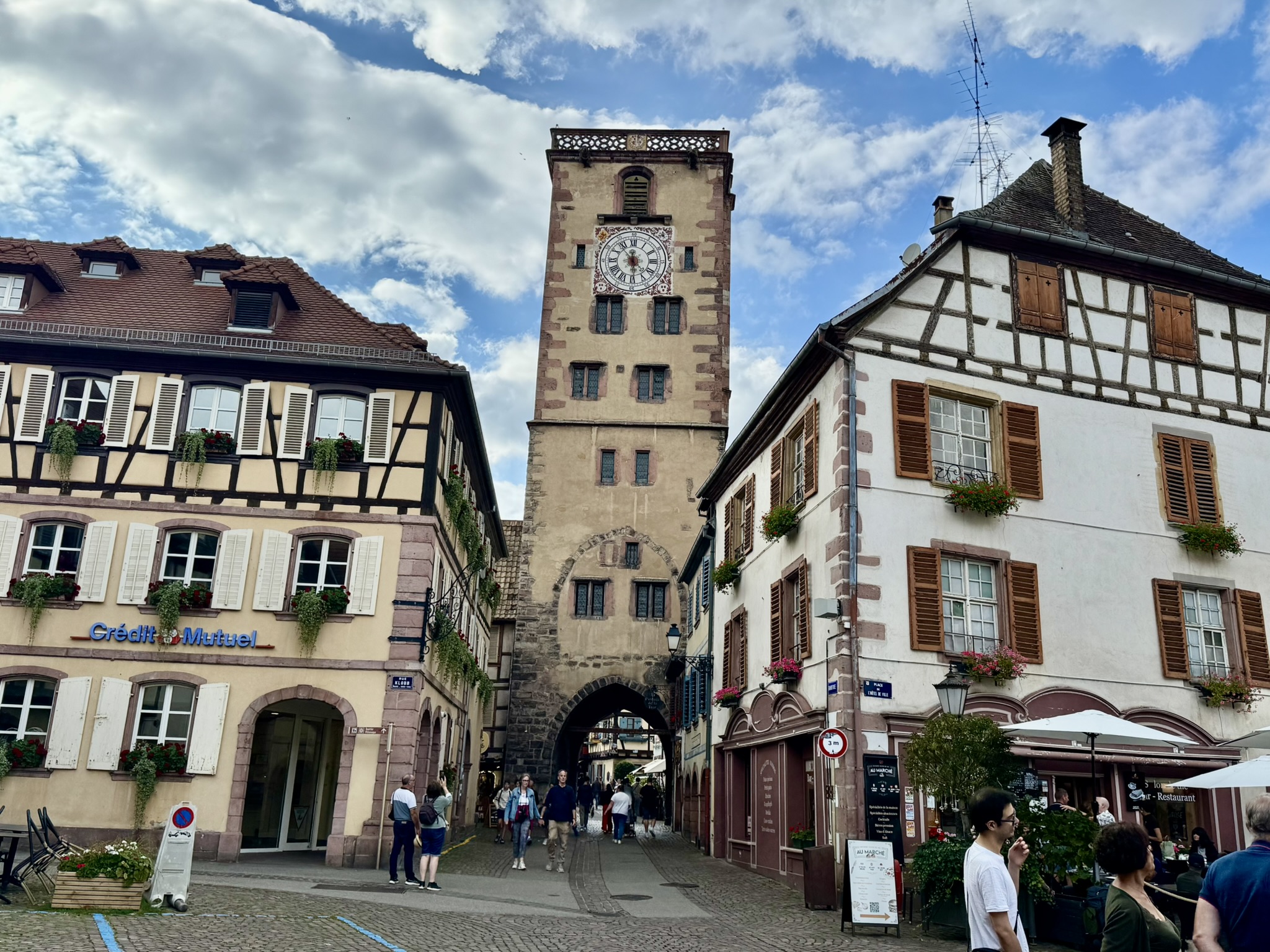
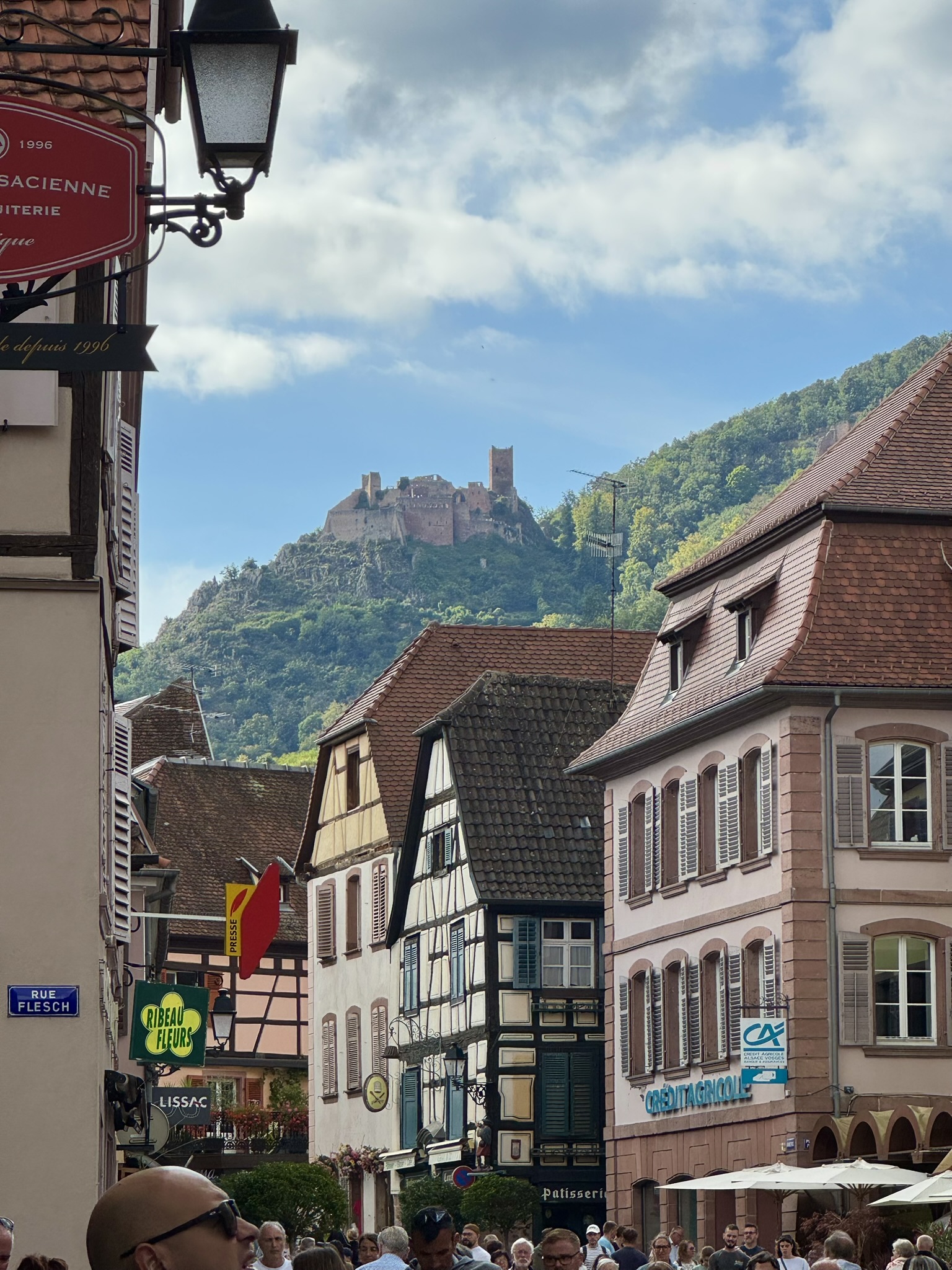
3 Ribeauvill
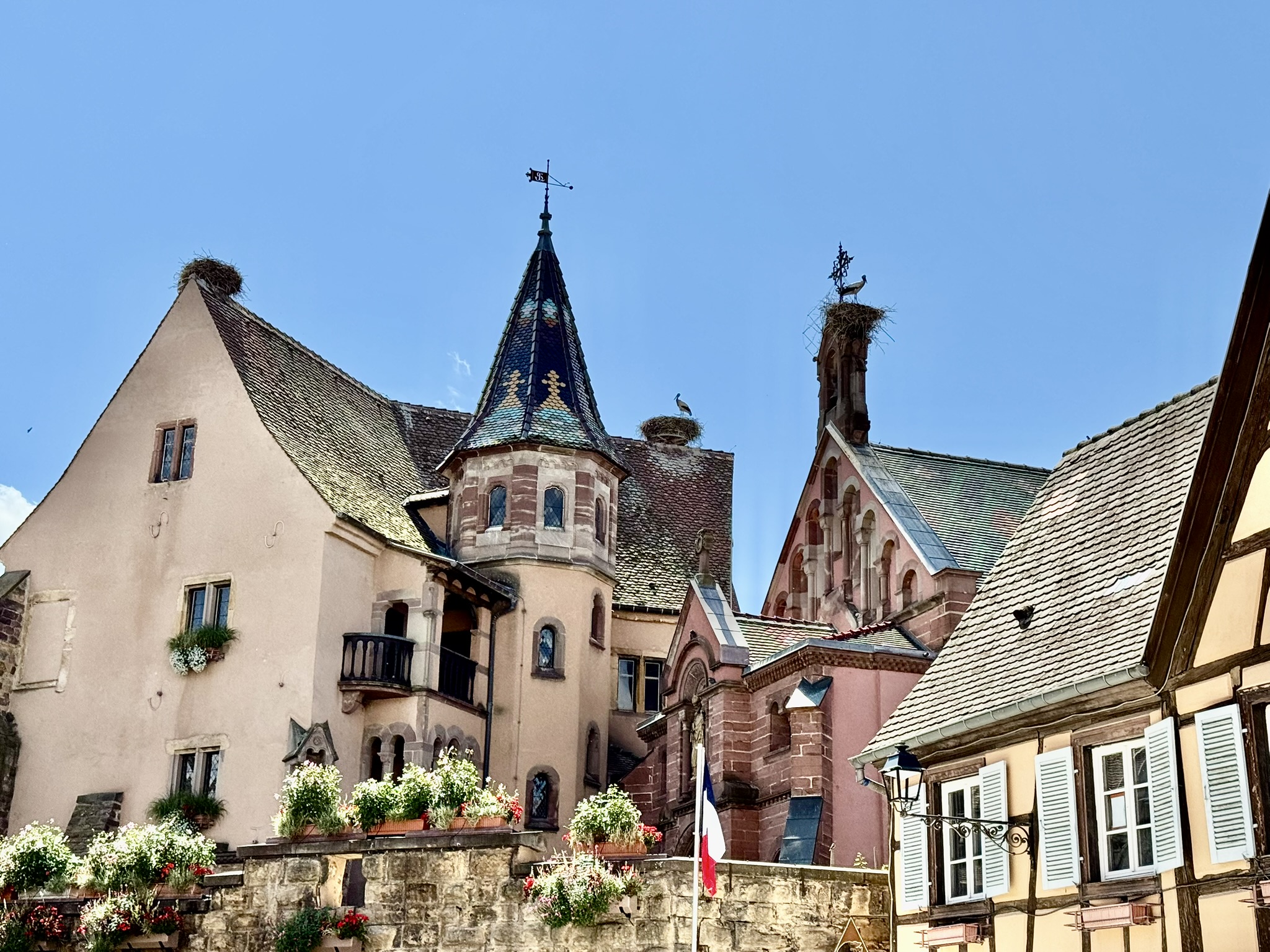
This beautiful village has kept some parts of its medieval fortifications. The Butchers tower dates from the 13th century. There are stork nests on many buildings.
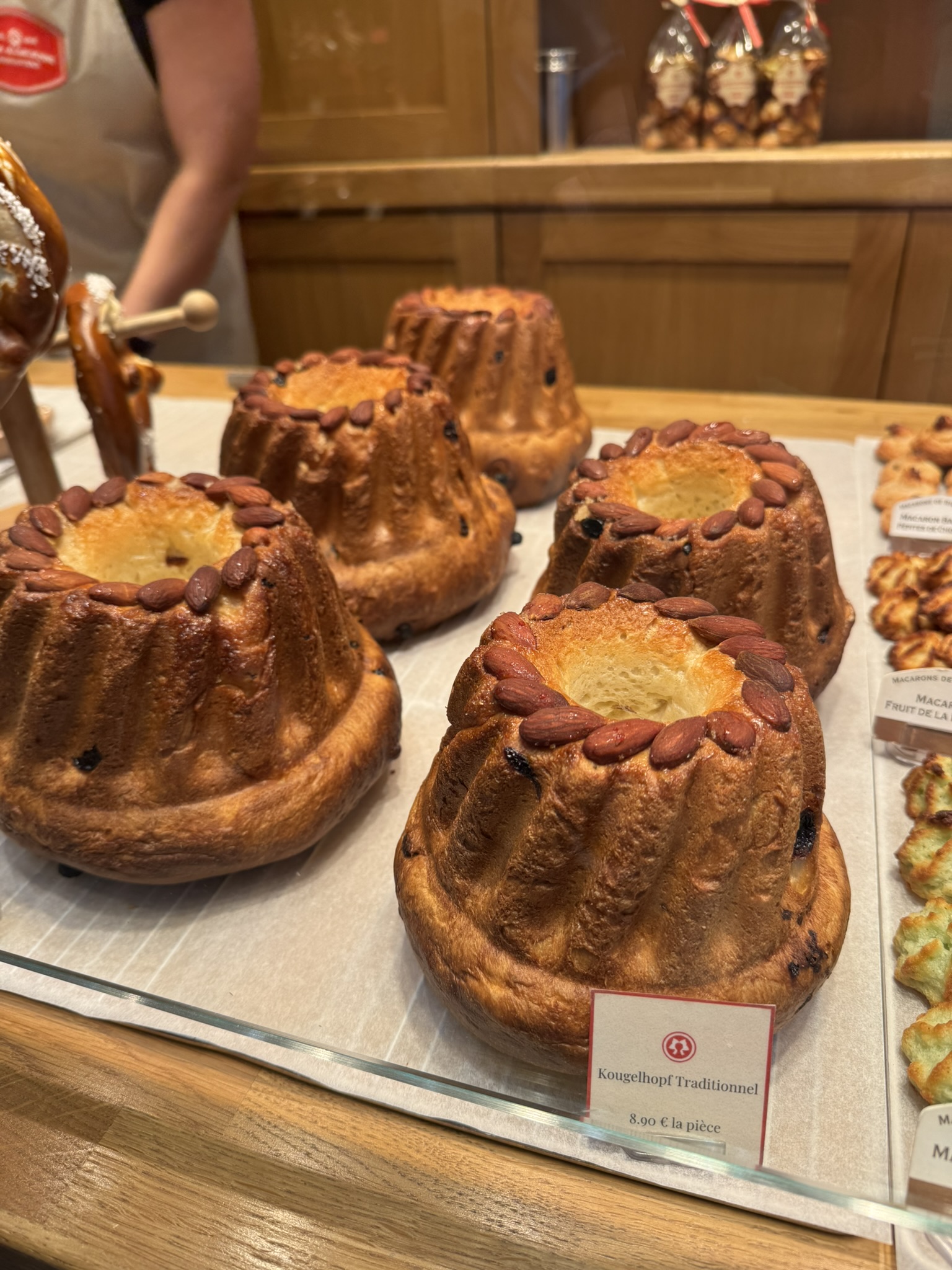
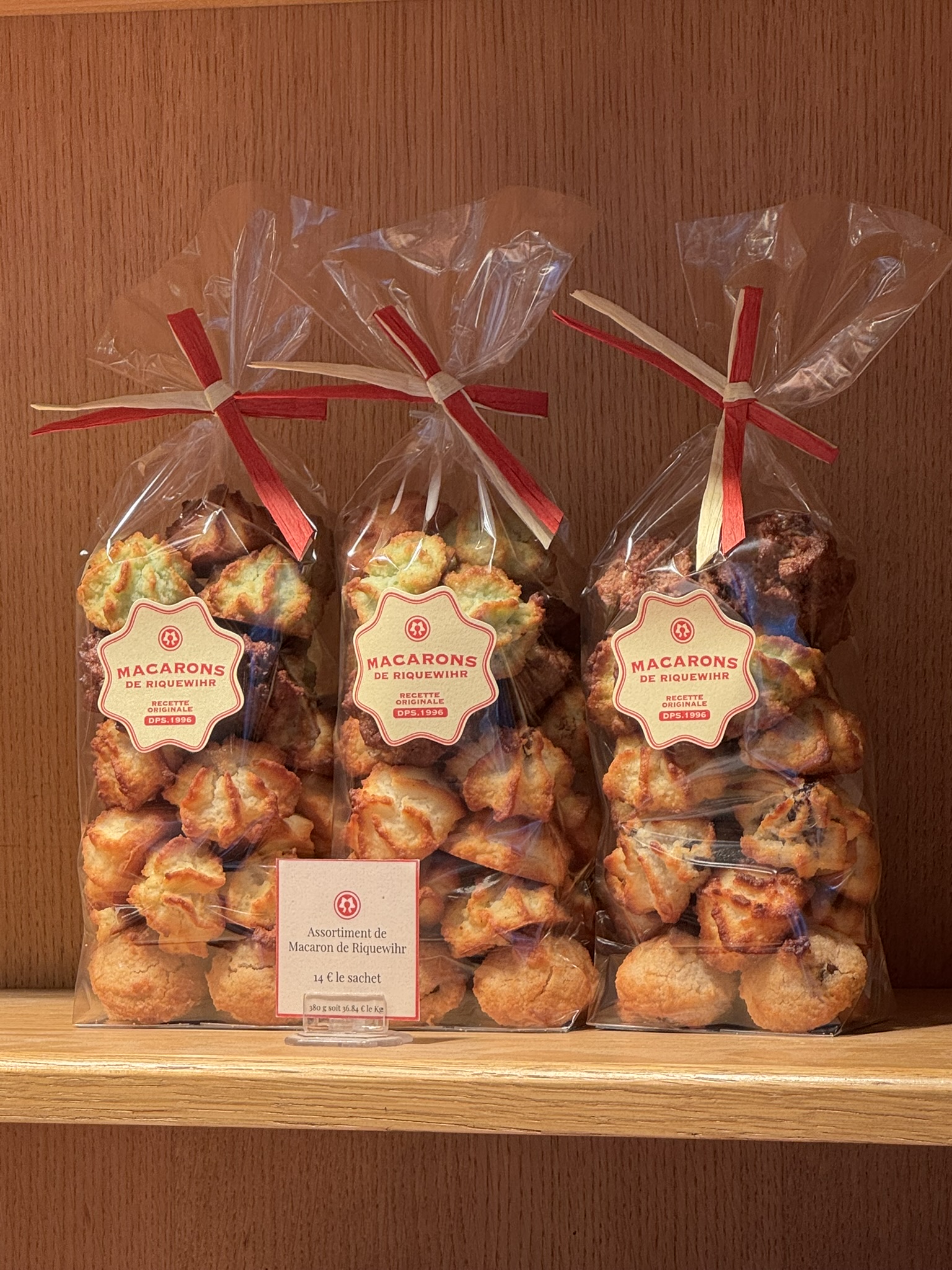
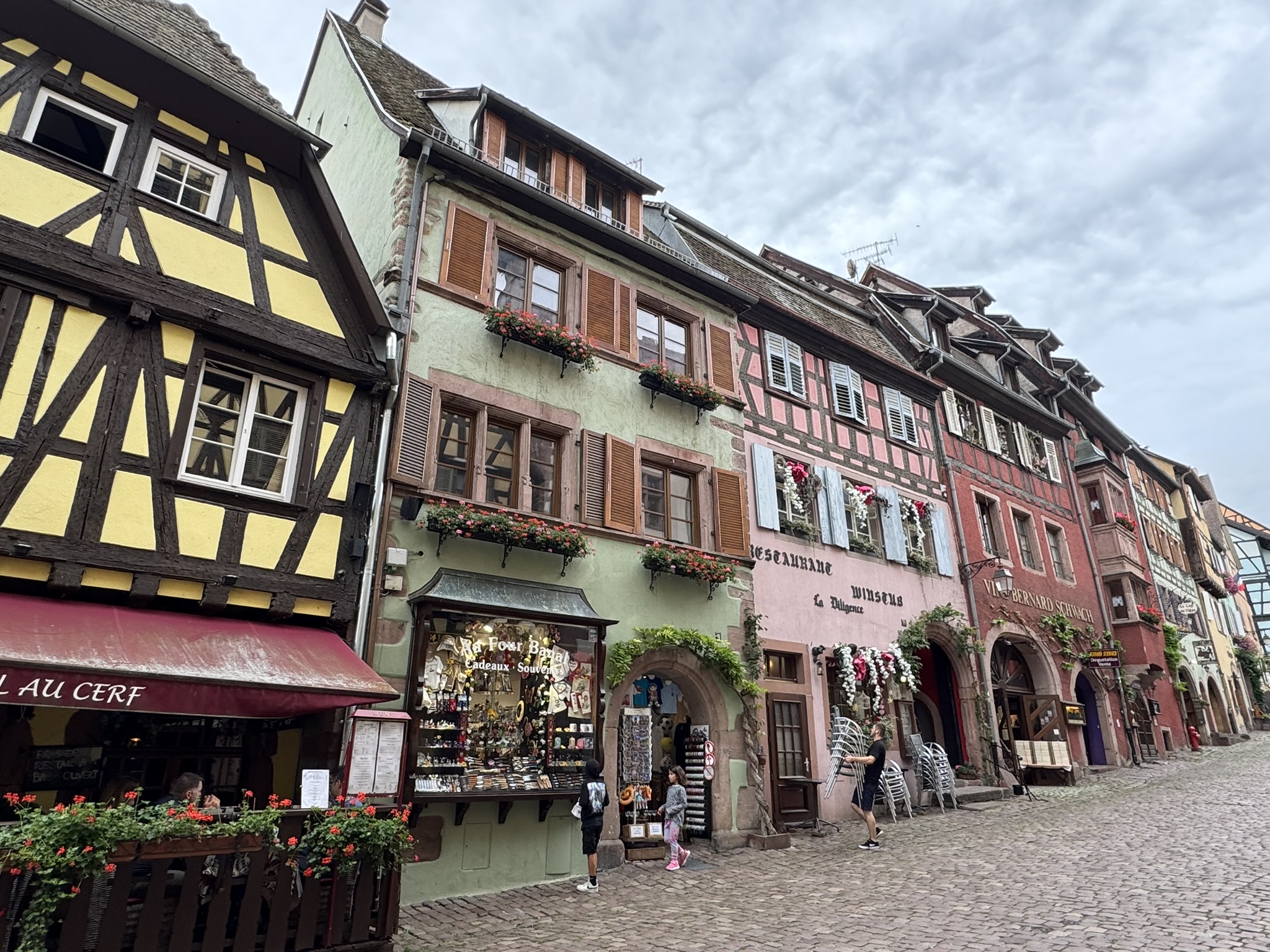
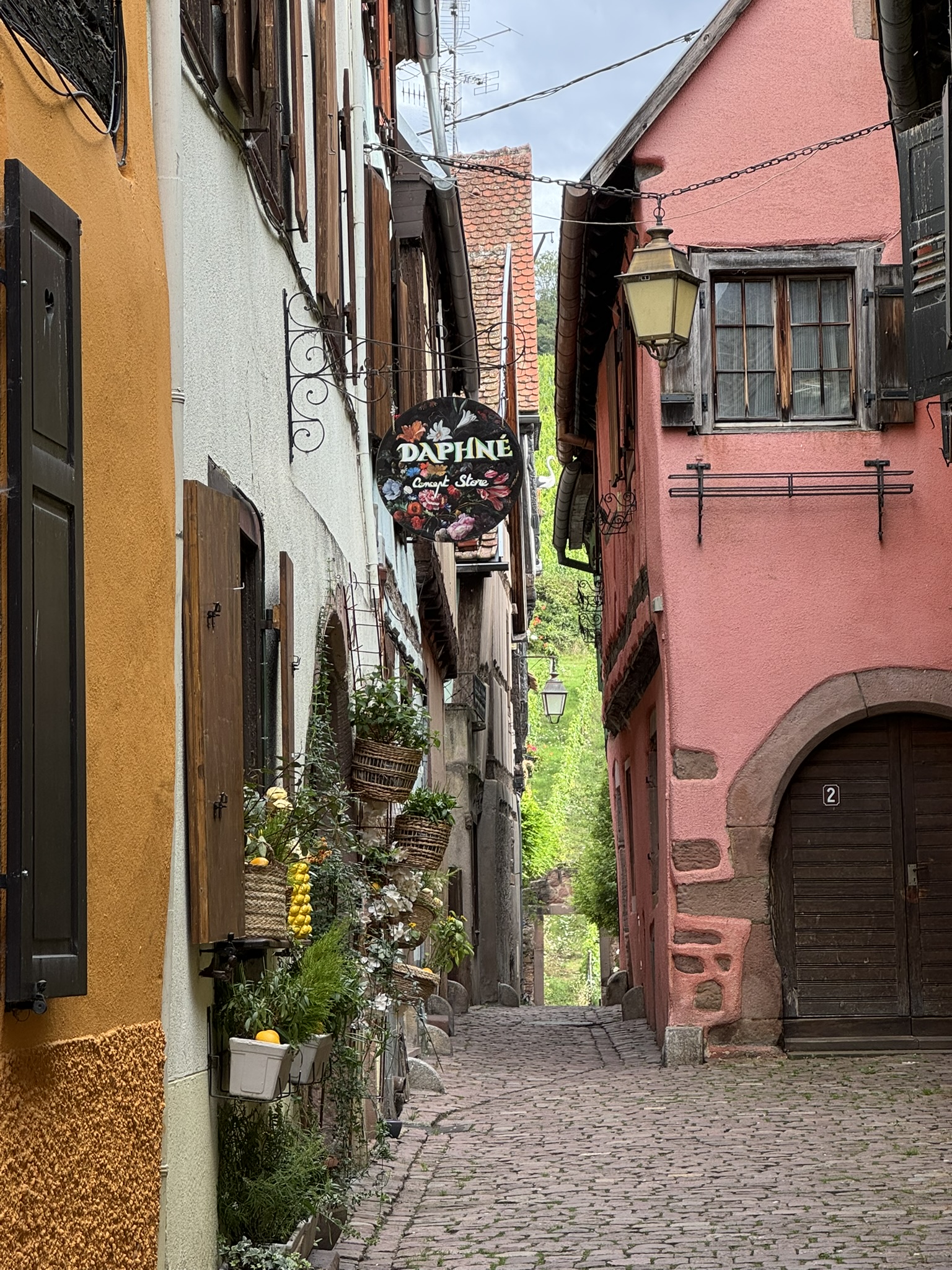
4 Riquewhir
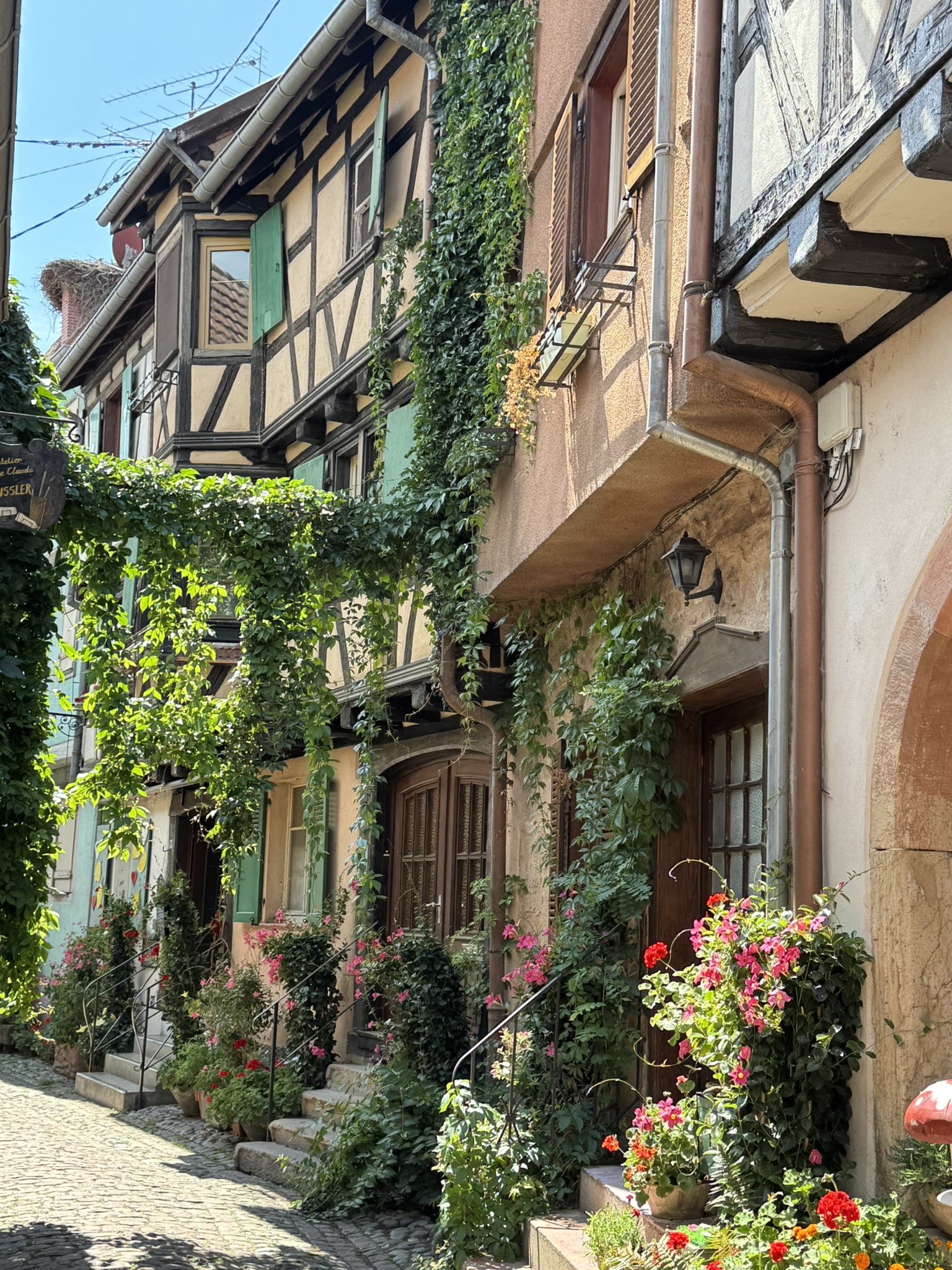
Surrounded by ramparts, this 13th century village is SO charming. This is the colorful village where Belle and her father are said to have lived.
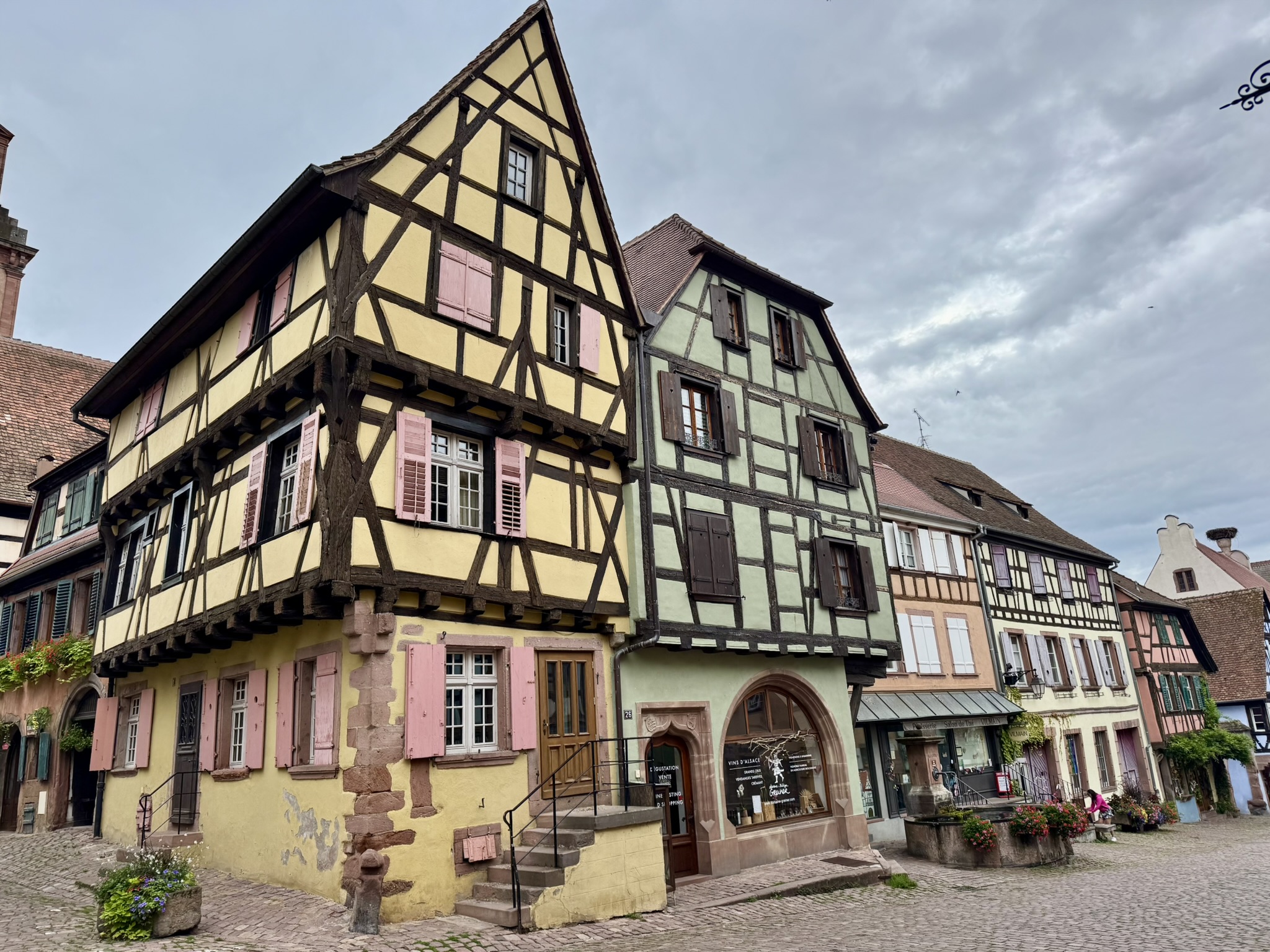
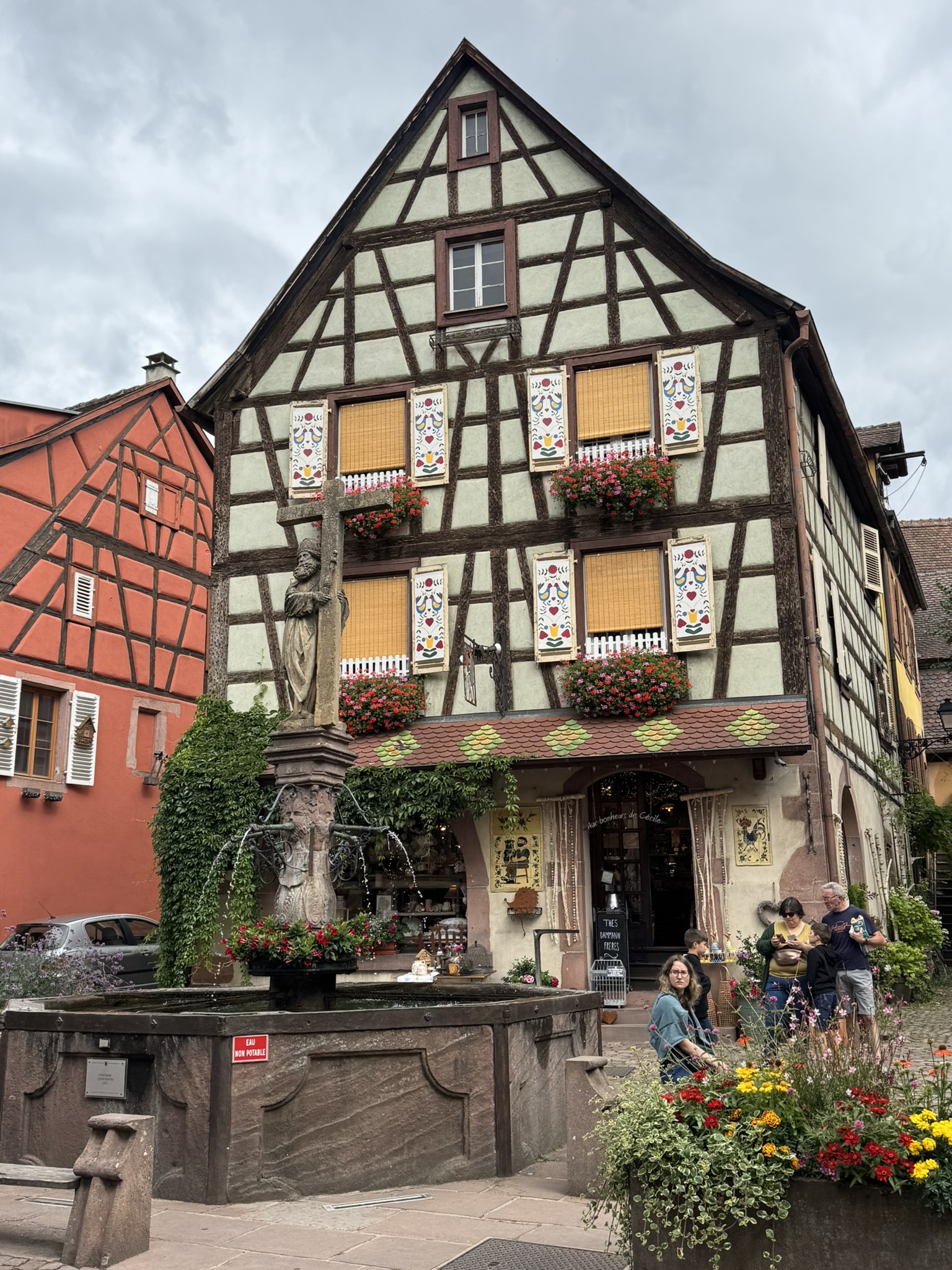
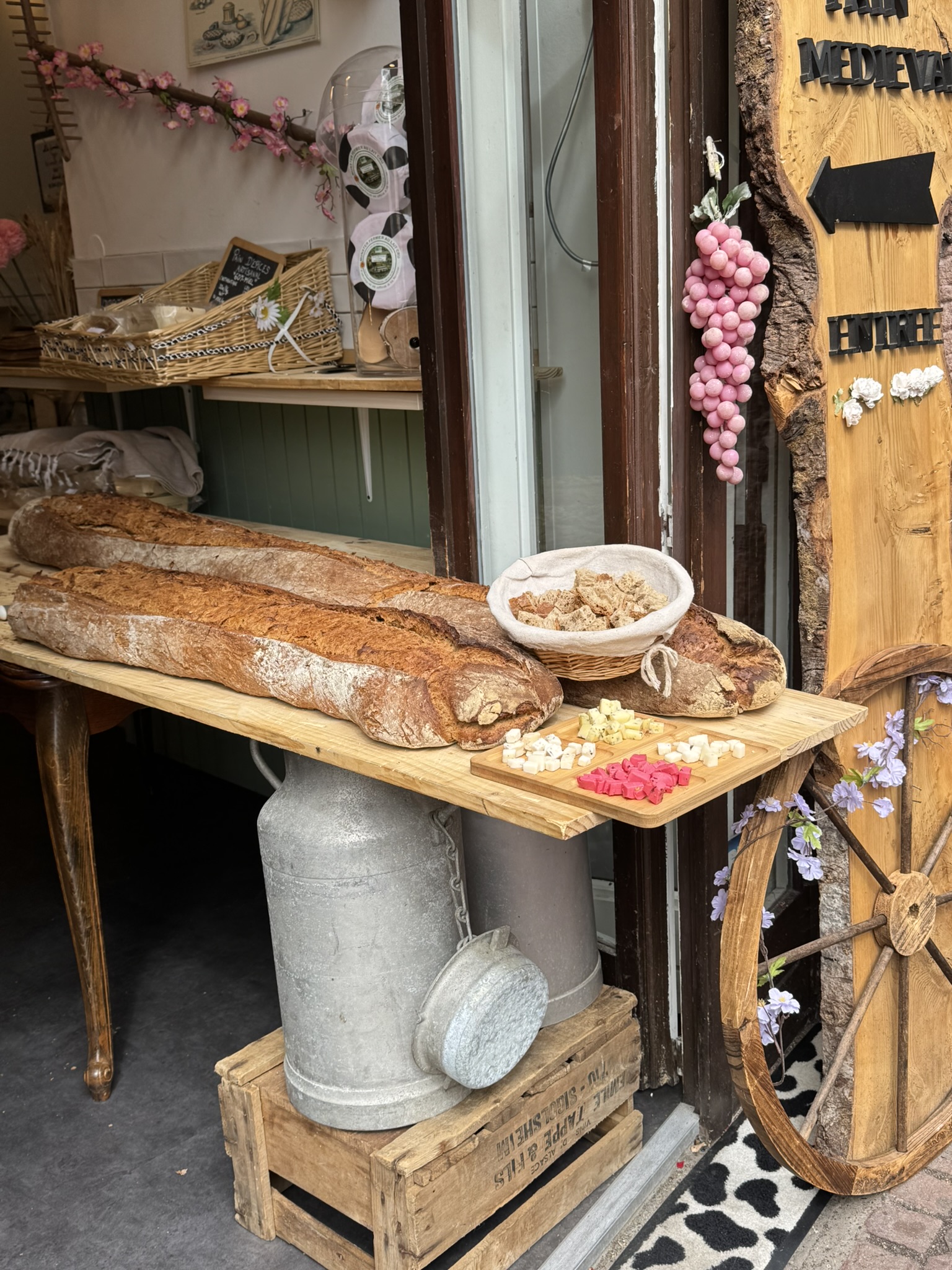
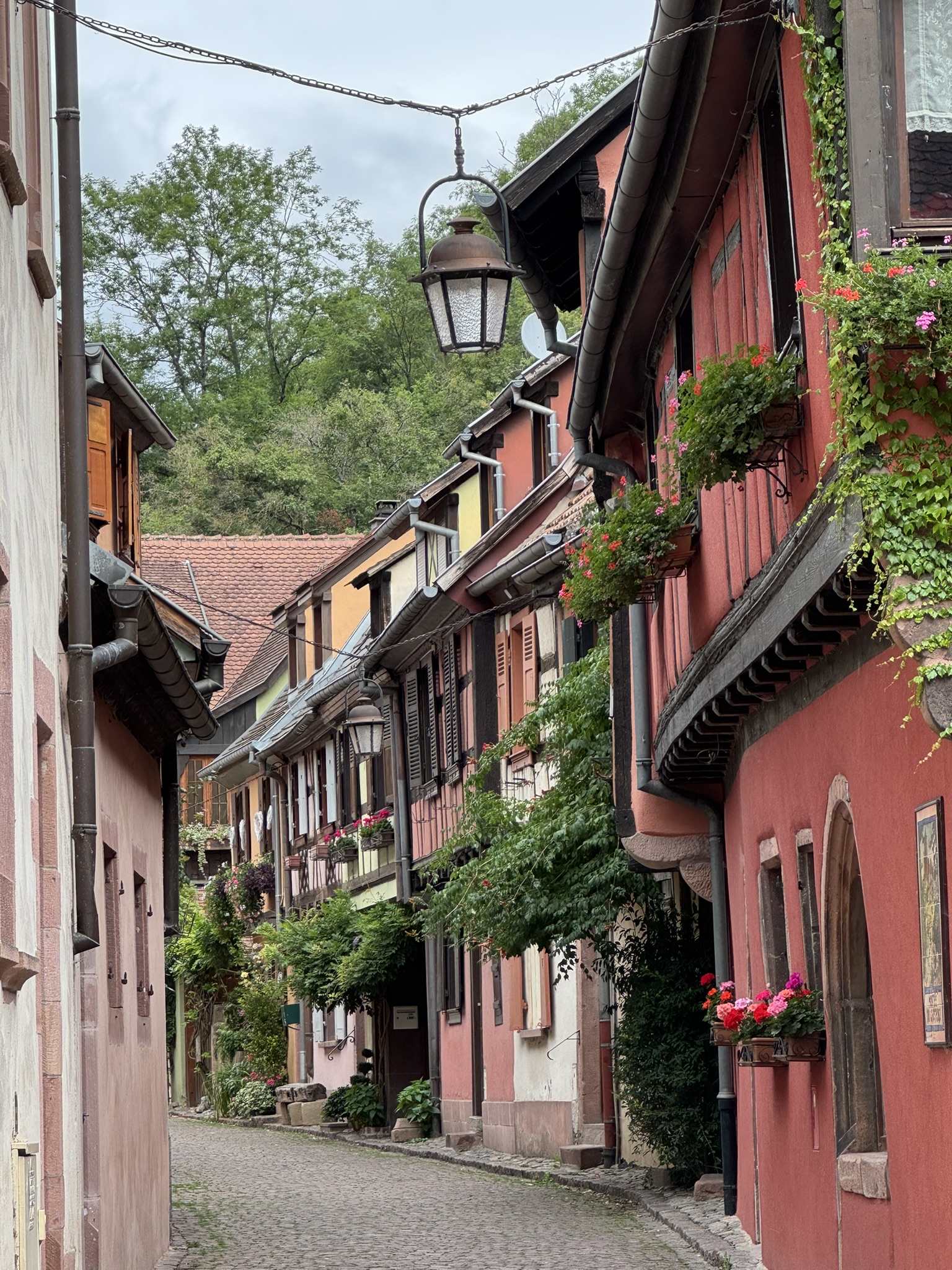
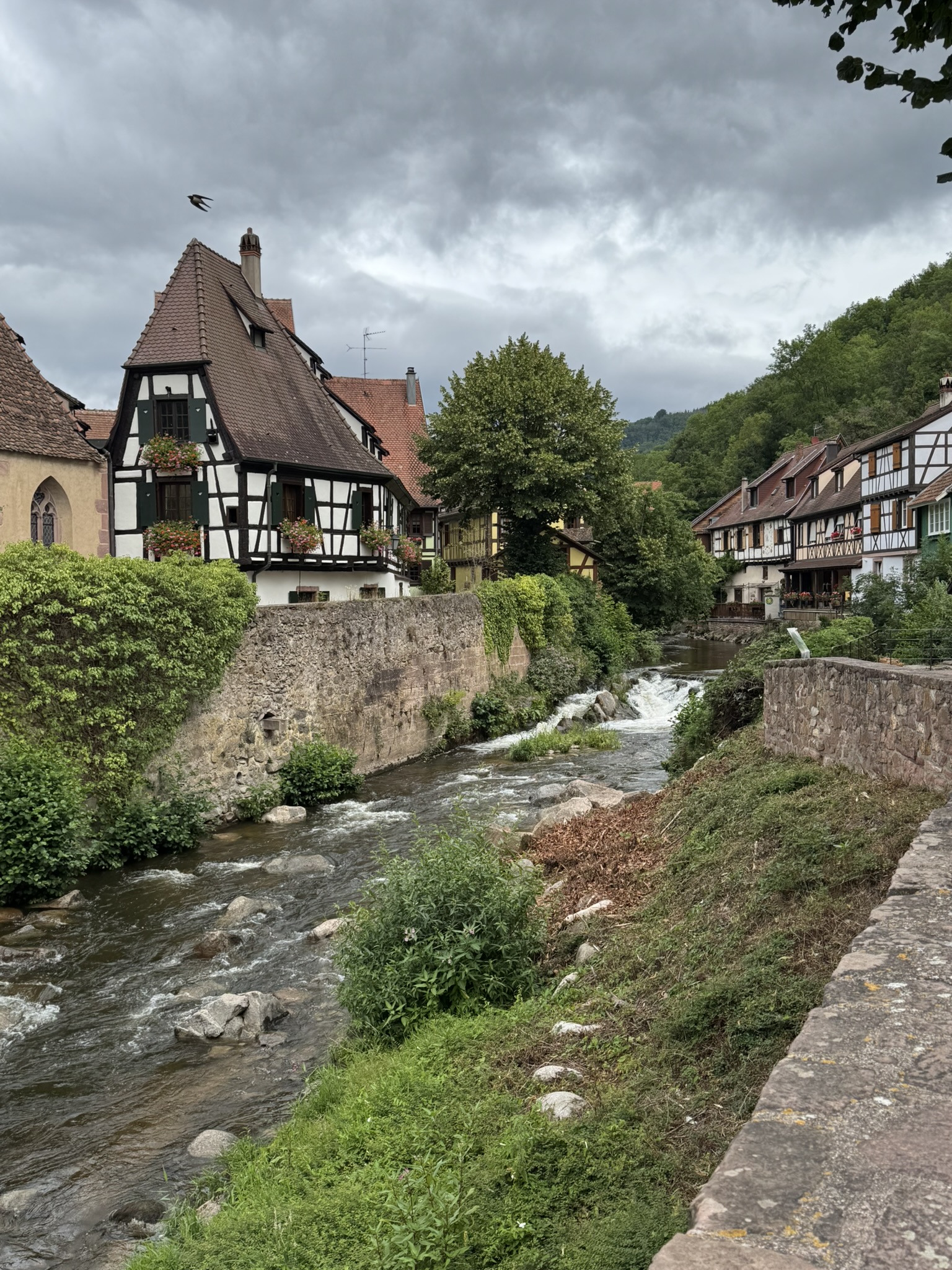
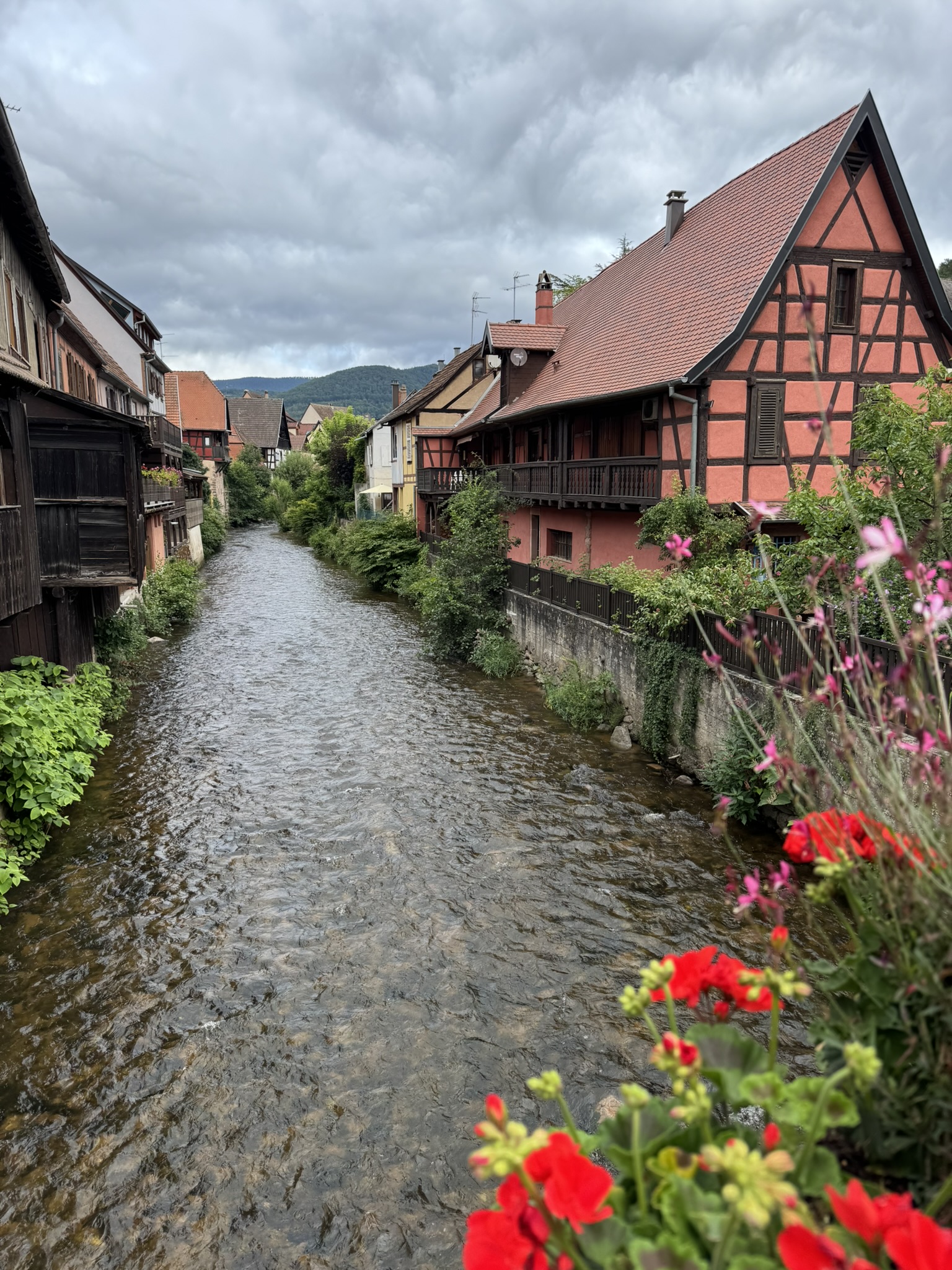
5 Kayserberg
This old medieval city with cobbled streets and half-timbered houses has a babbling brook running through it.
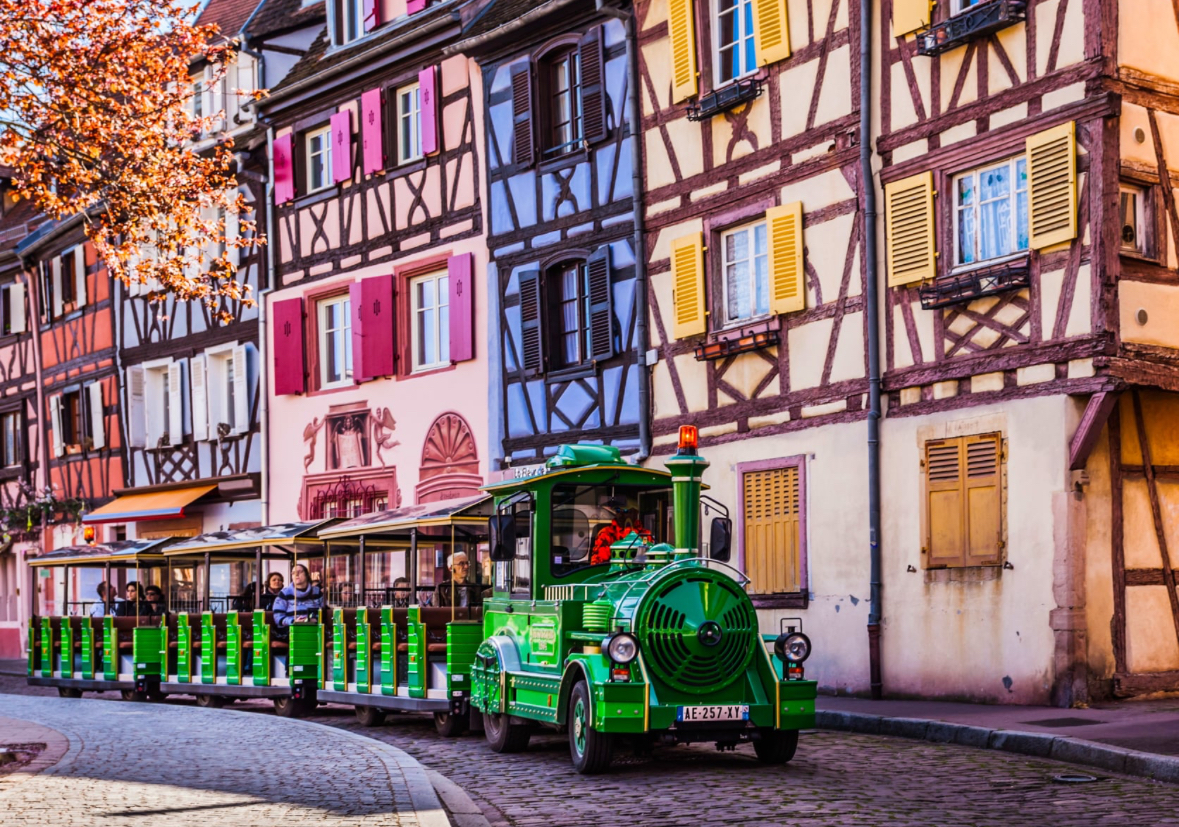
6 Colmar
This city is nicknamed Little Venice
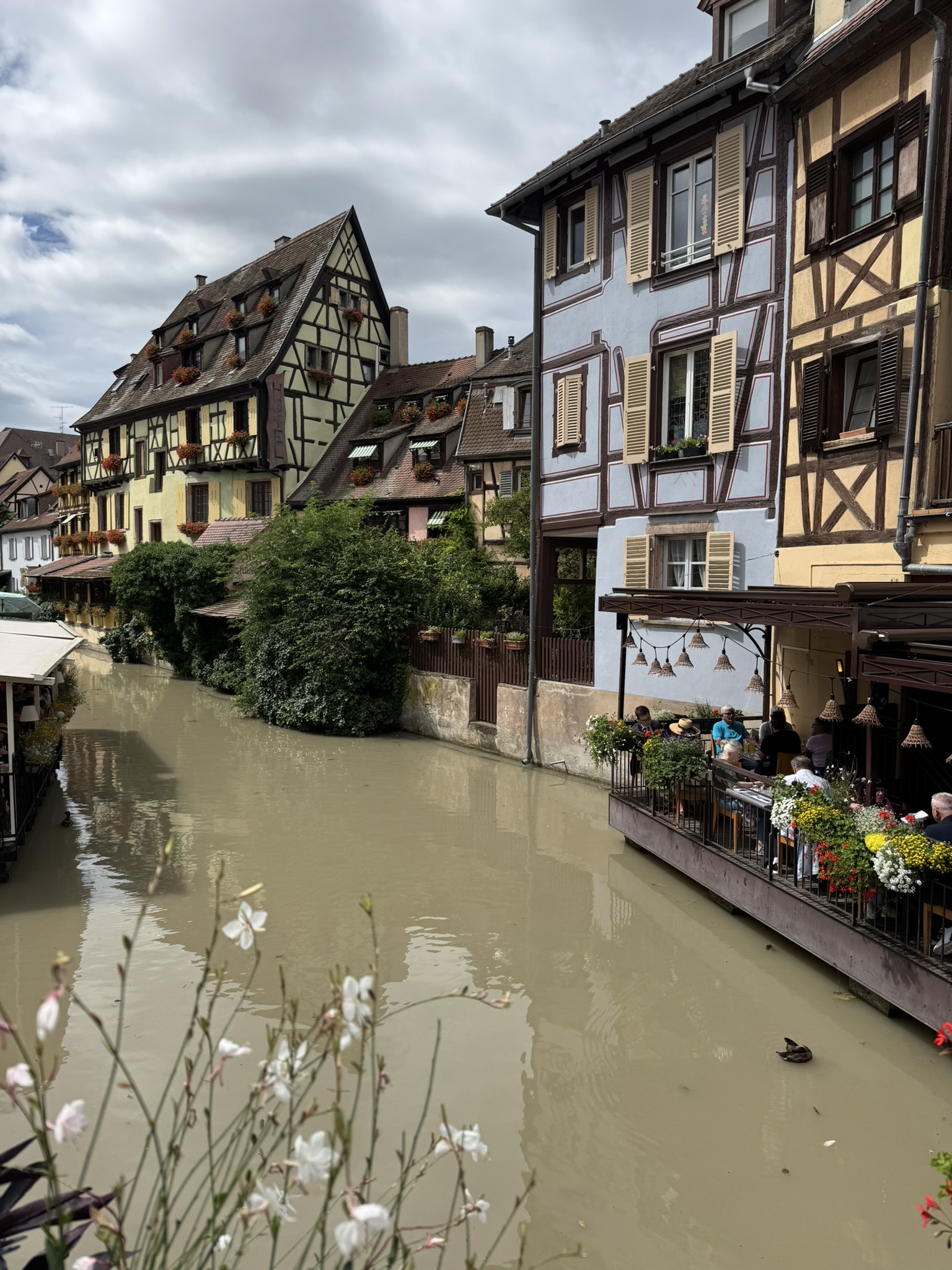
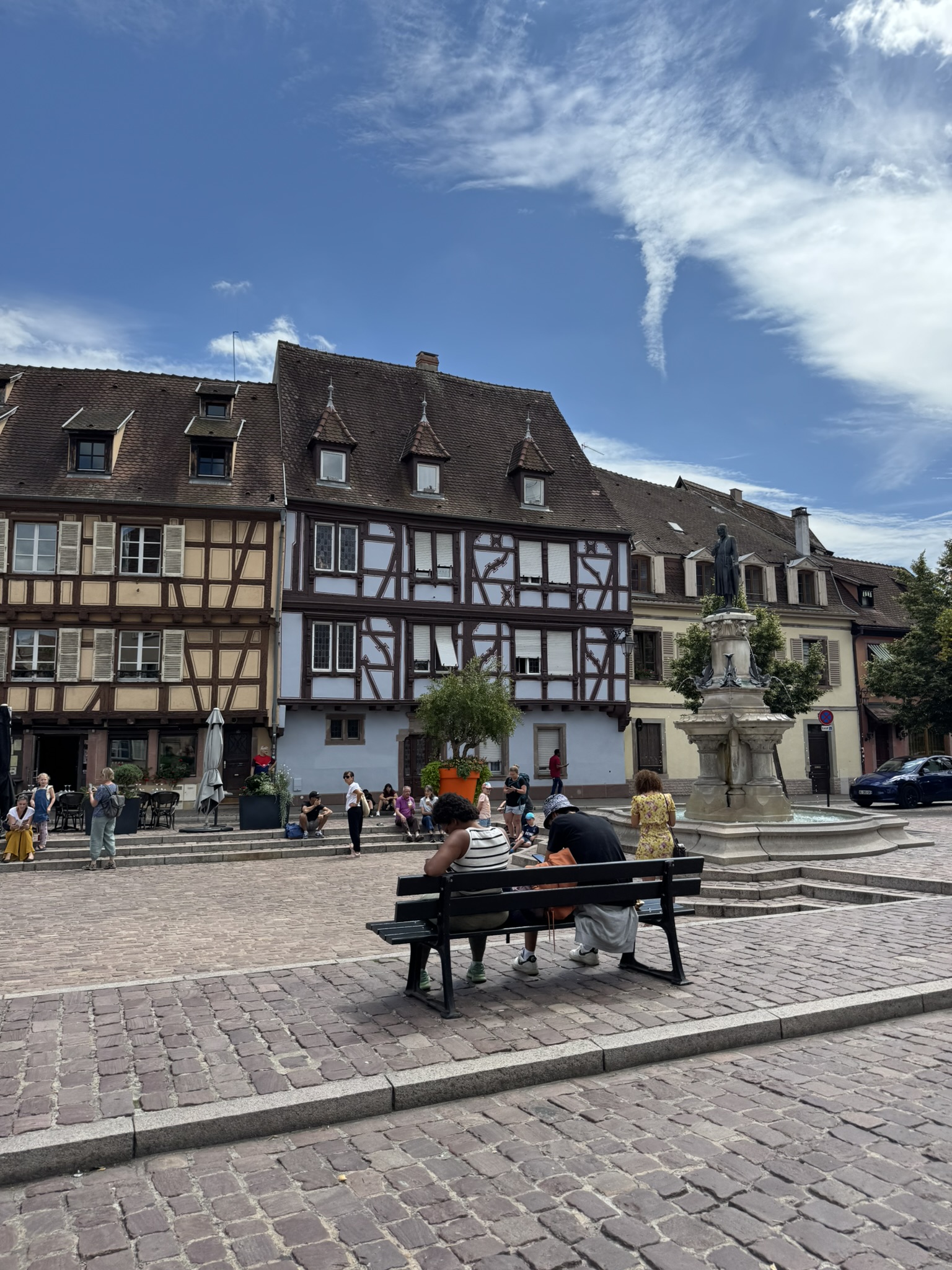
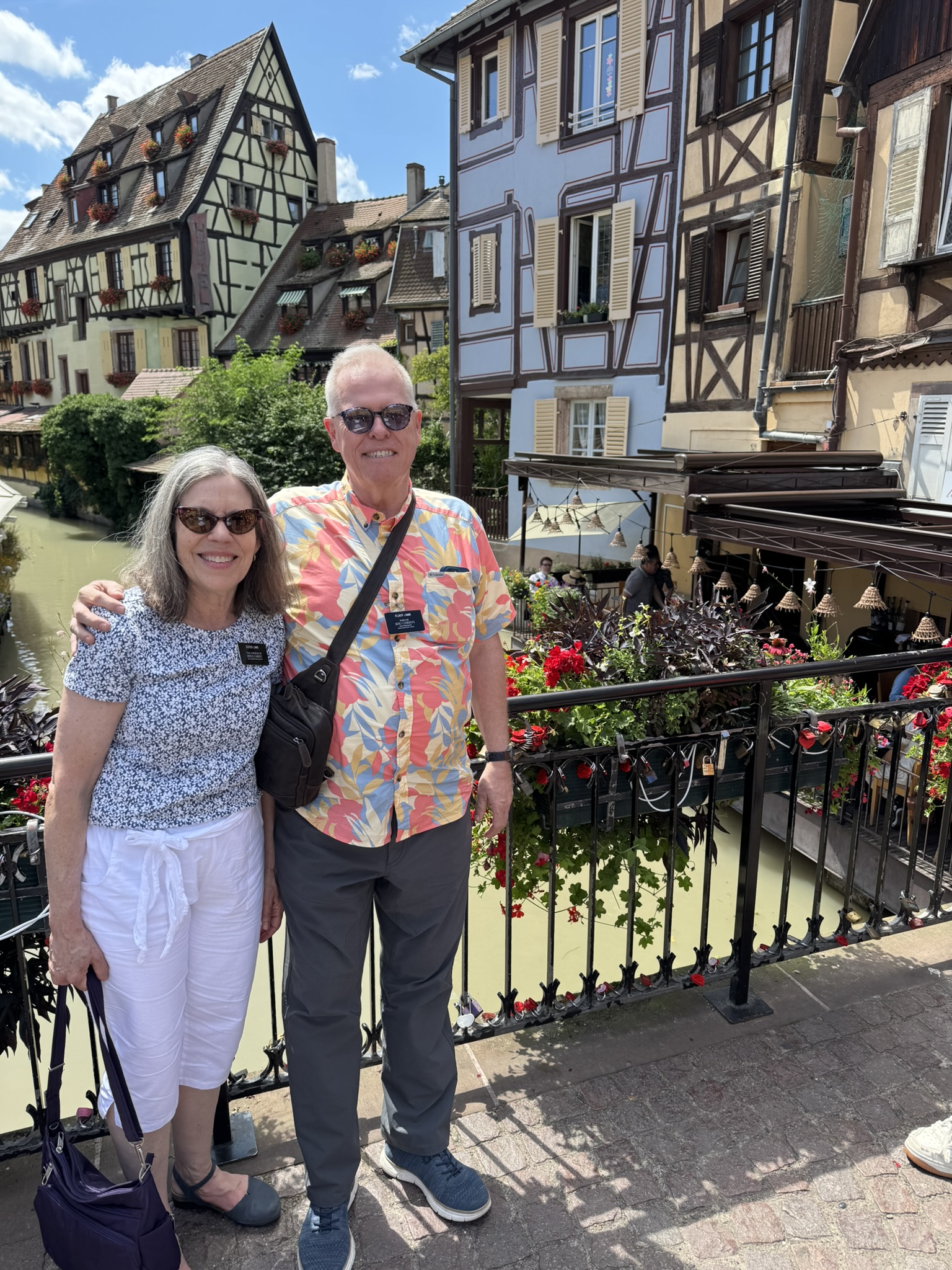
7 Eguisheim
This village is overlooked by the Three Castles dating back to the 12th century. It is ranked among the most beautiful villages in France. We saw two storks sitting on their nests.
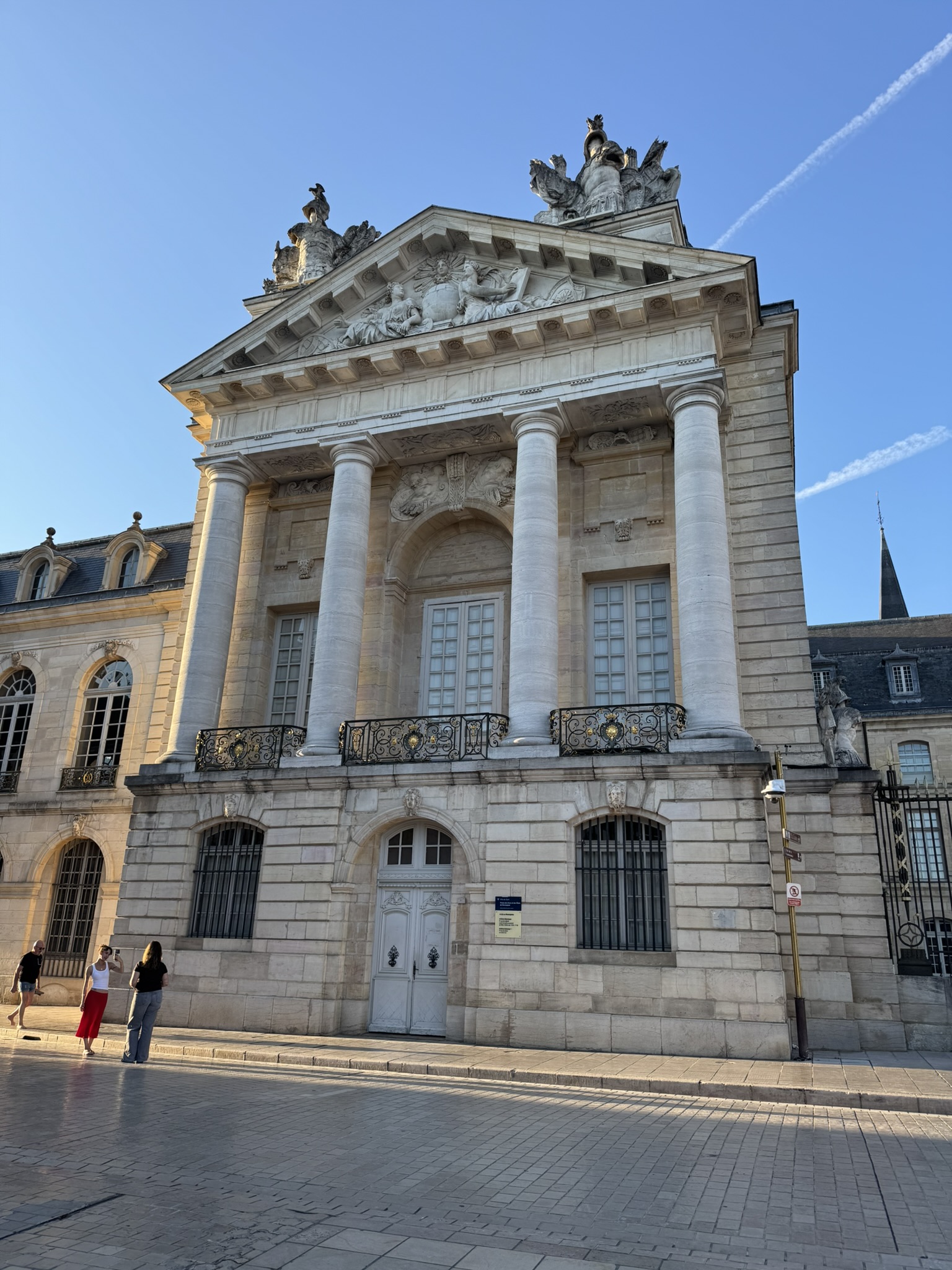
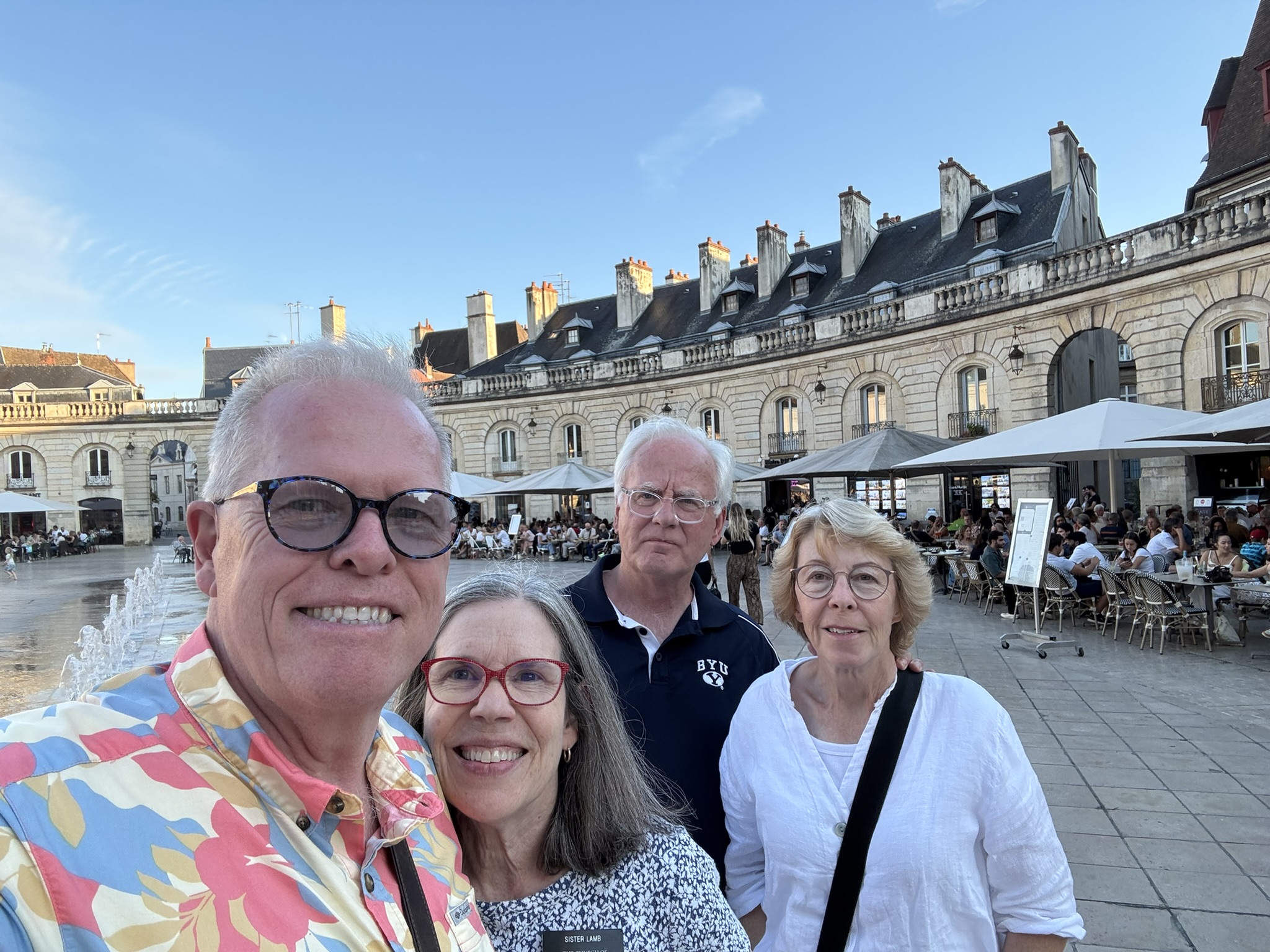
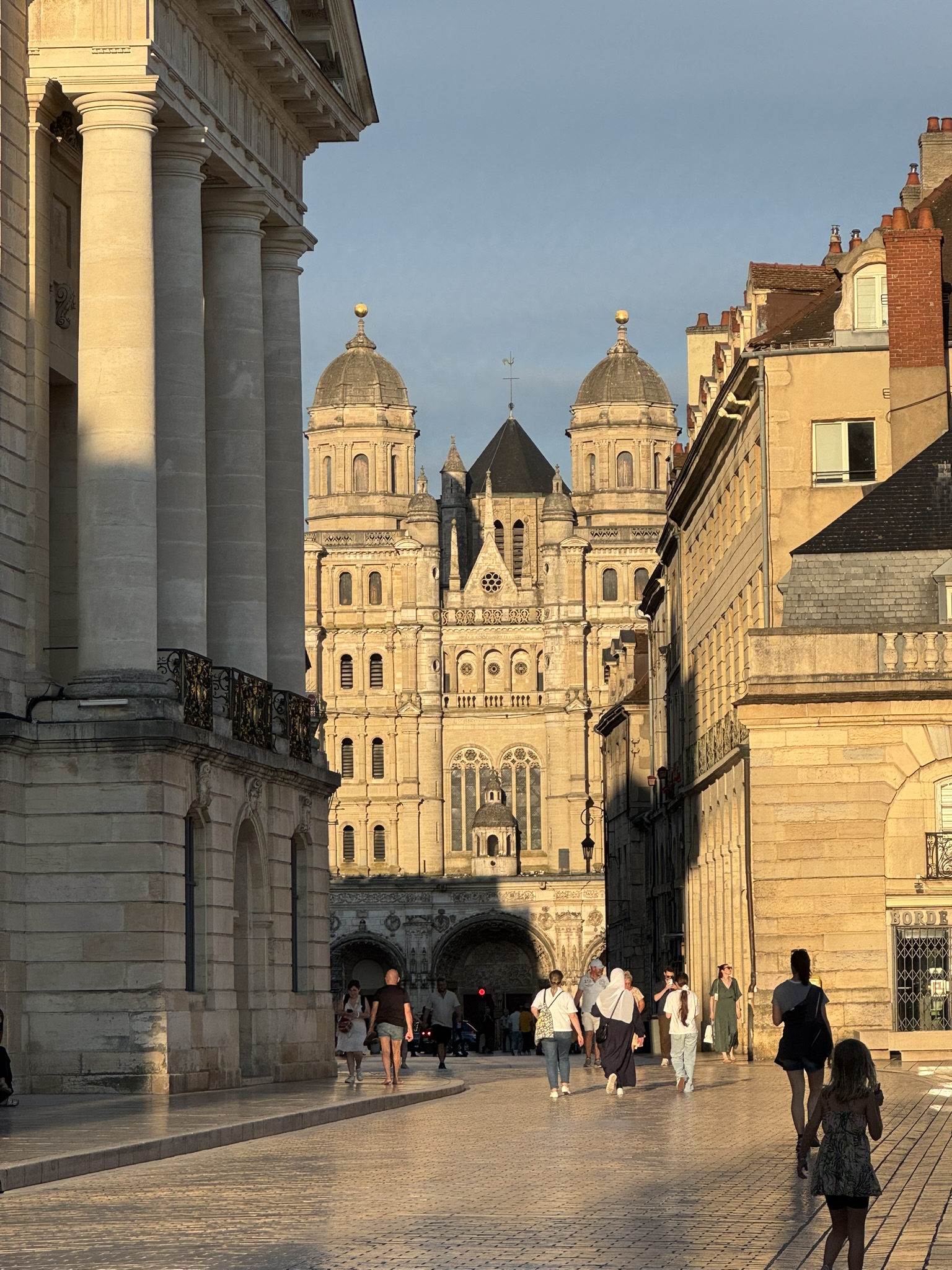
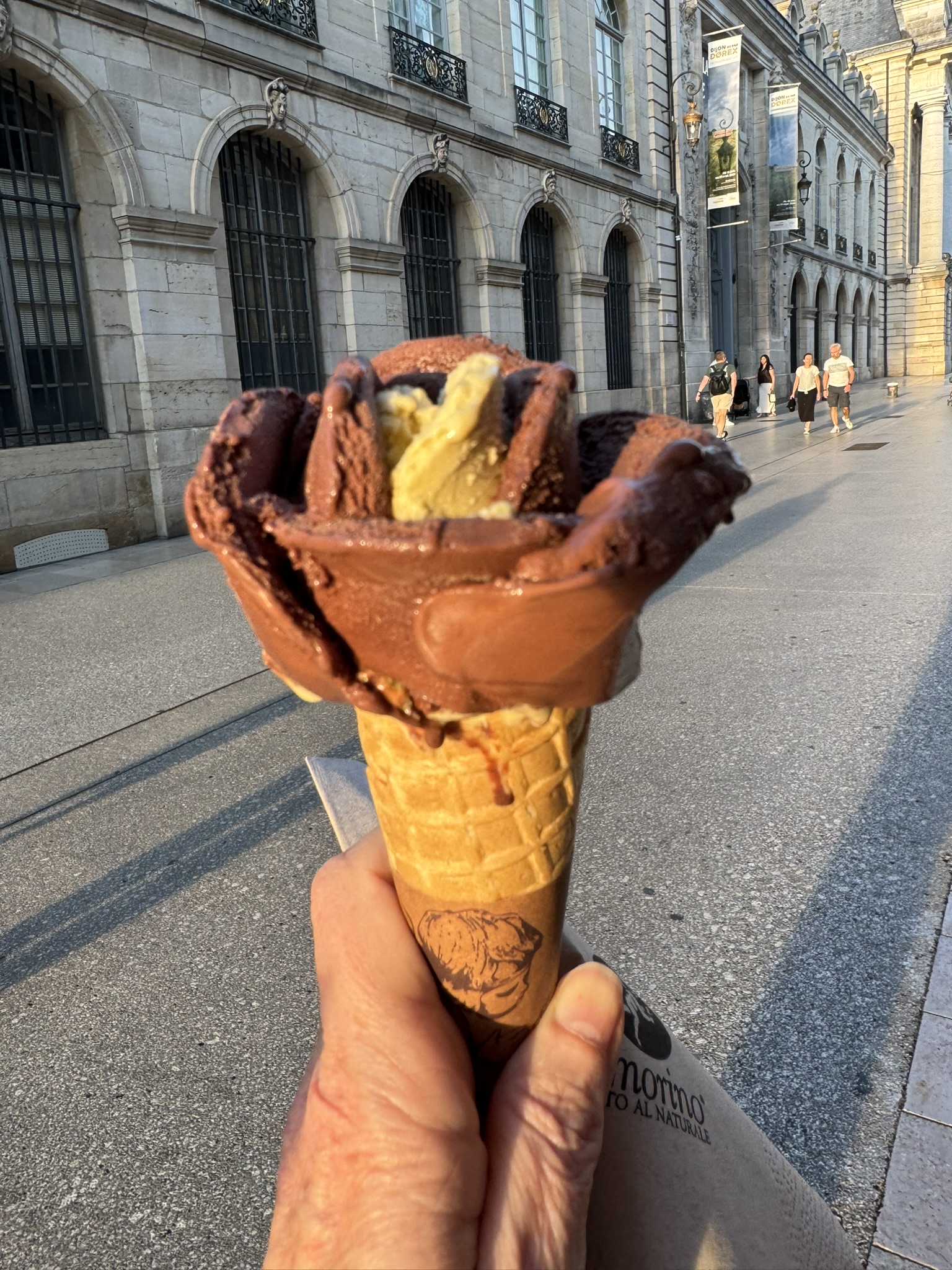
Dijon, France
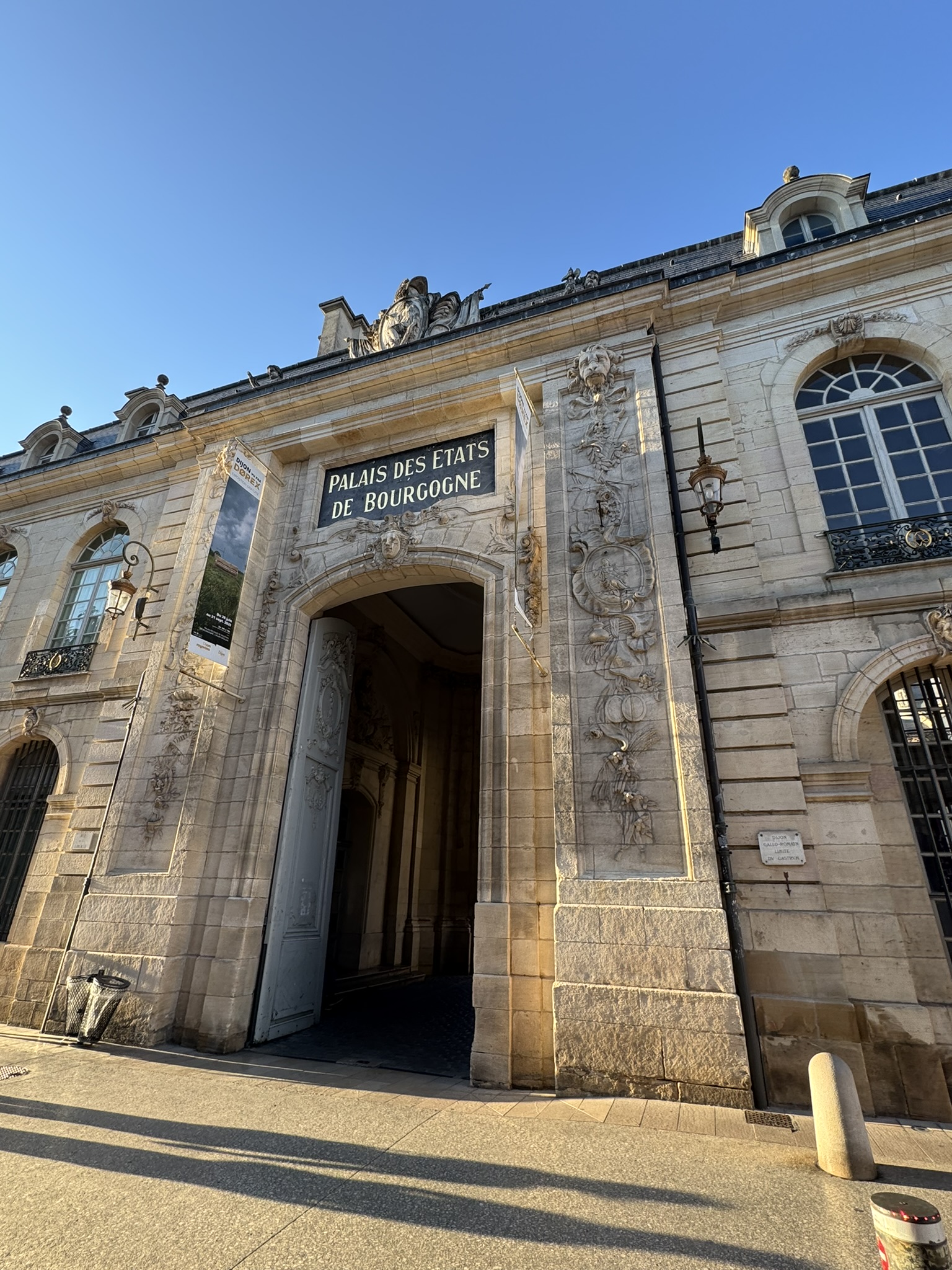
Dijon is the capital city of the historic Burgundy region, known for its traditional mustard.
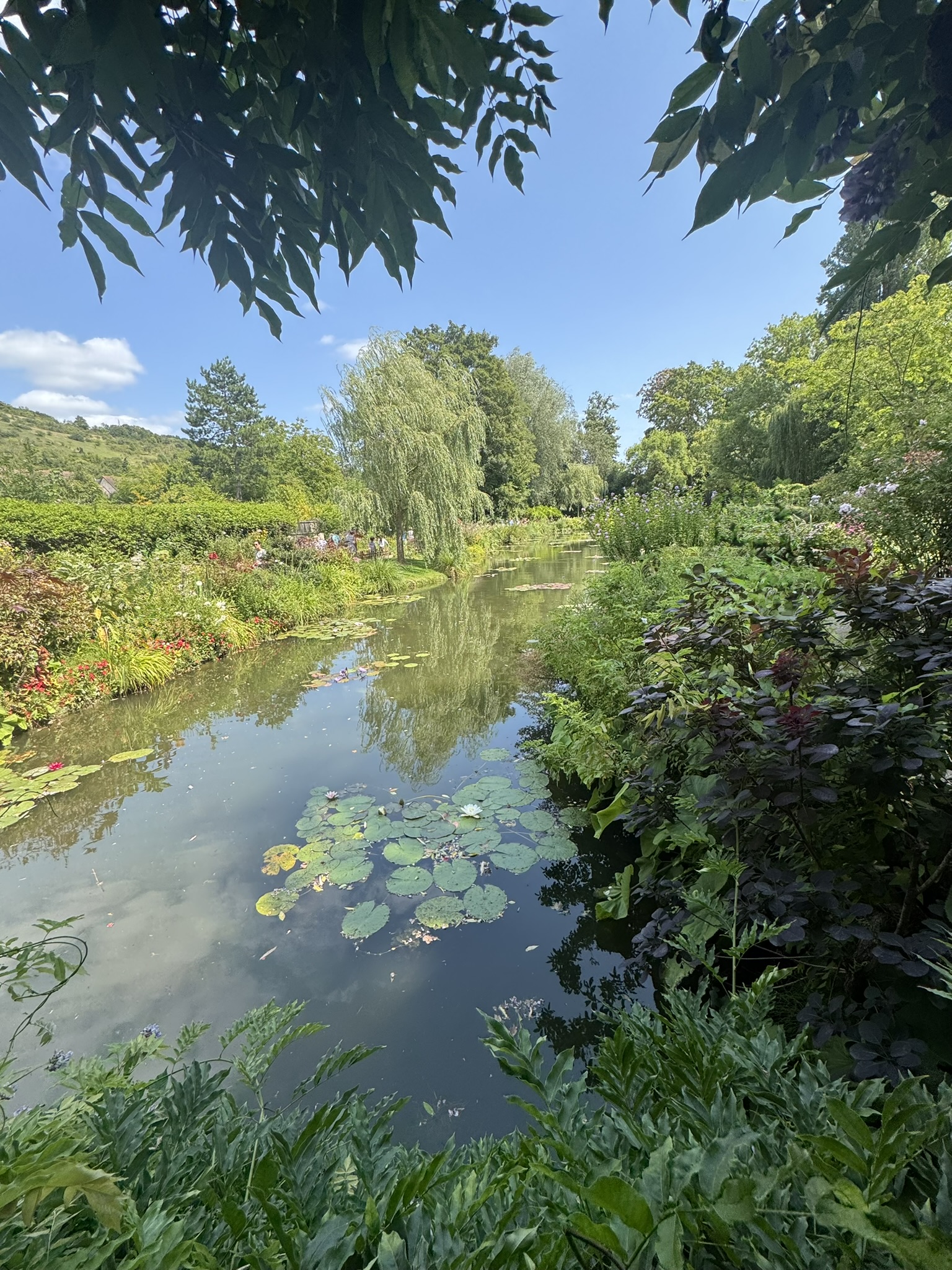
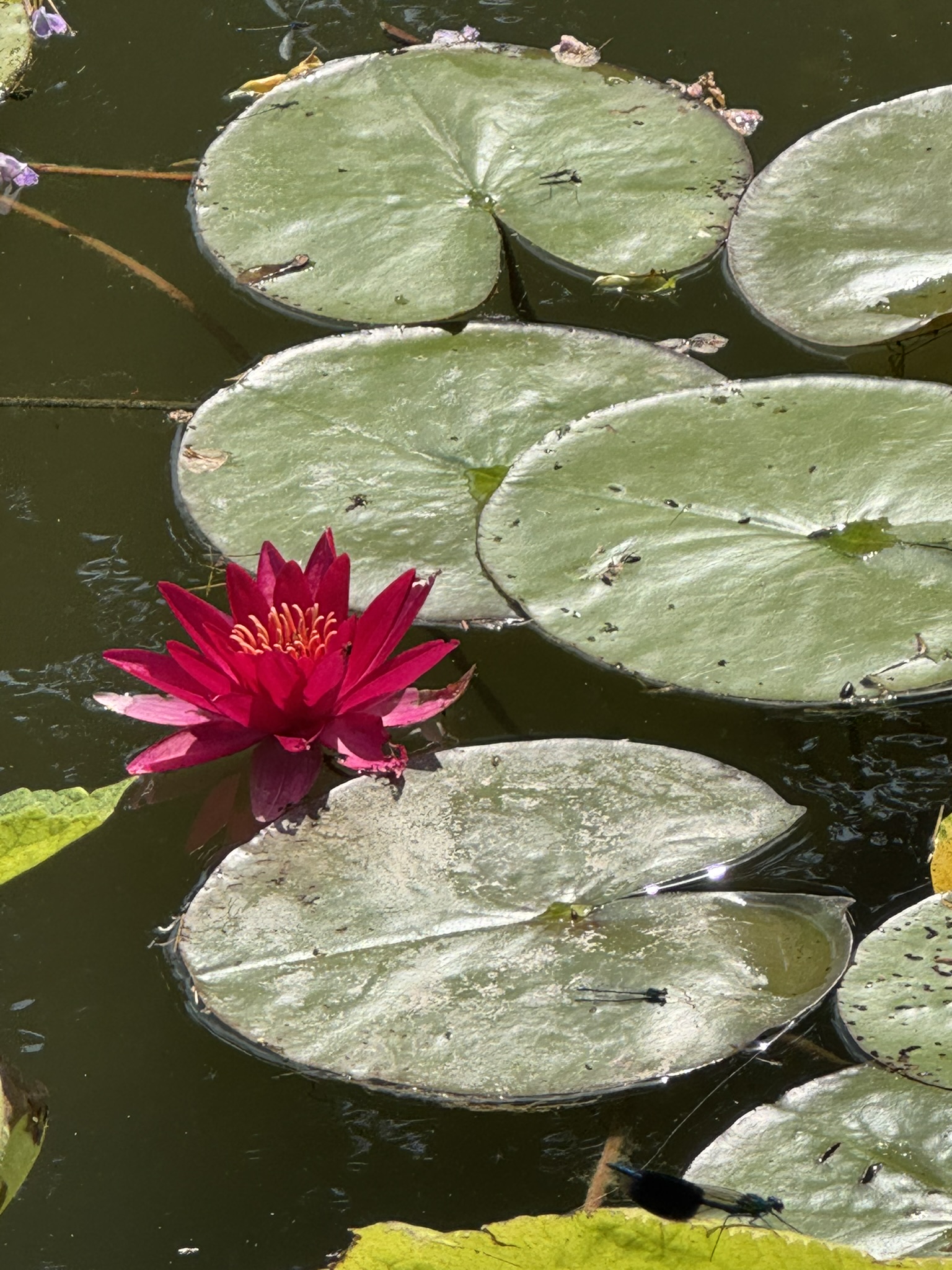
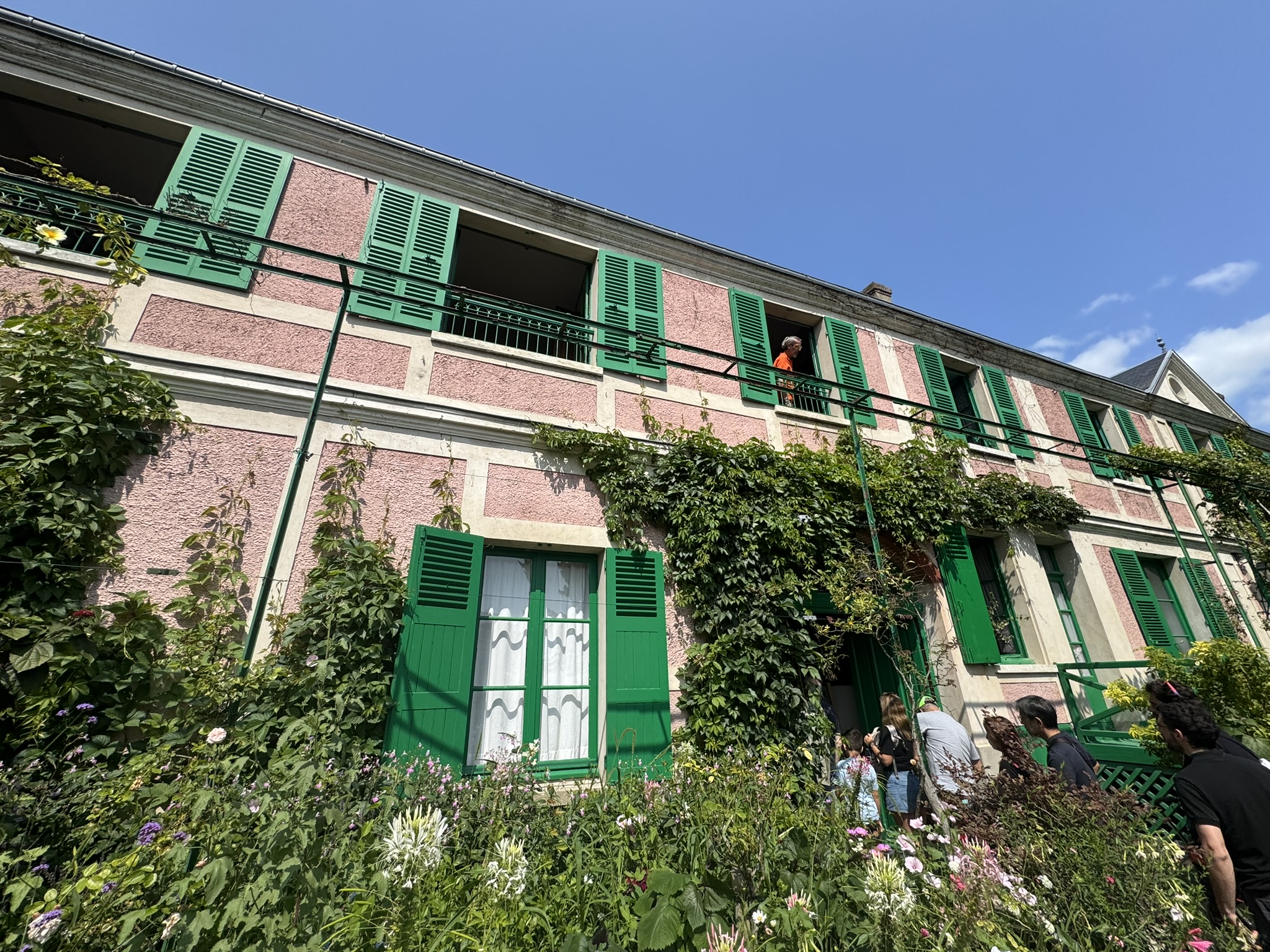
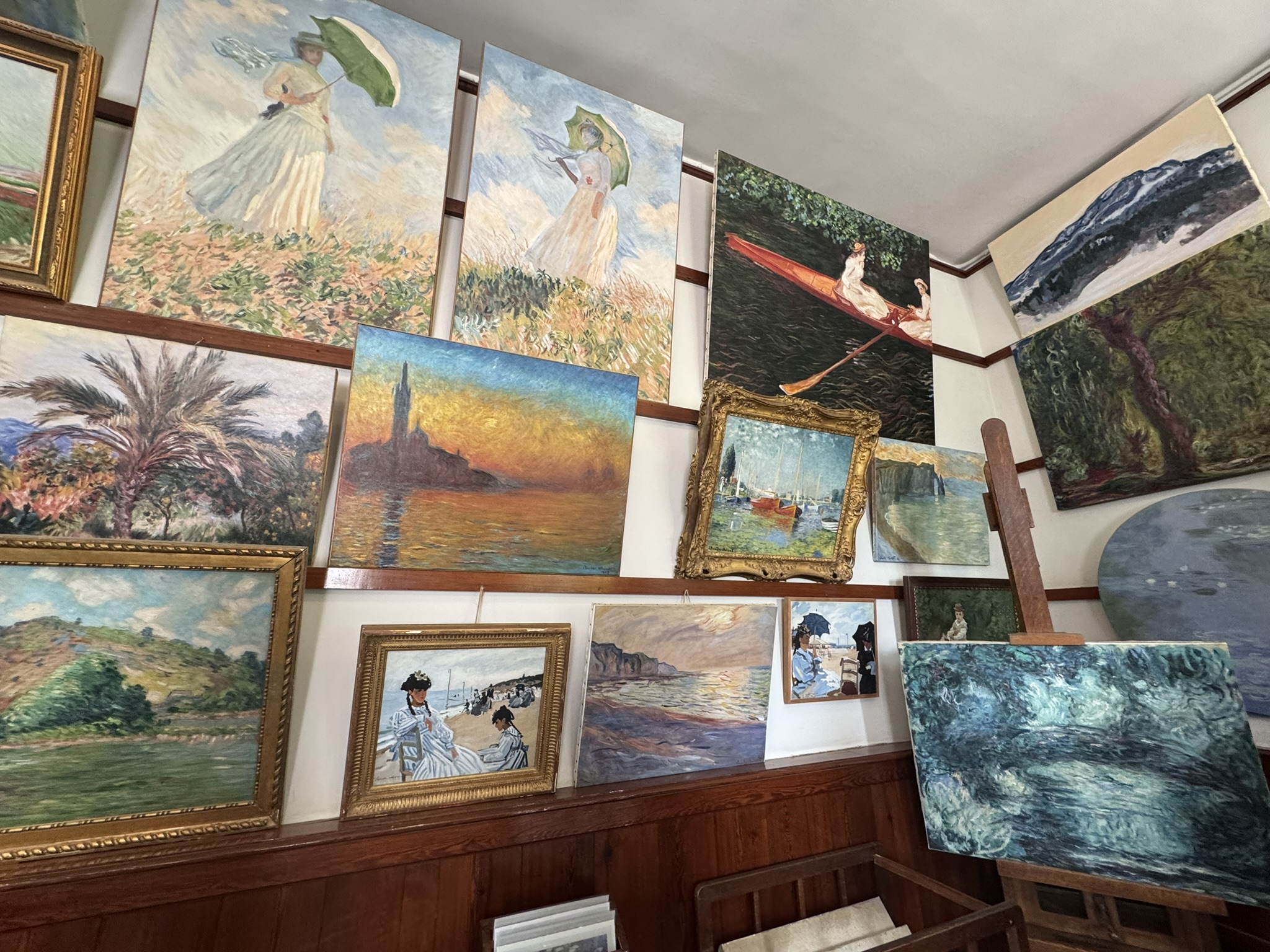
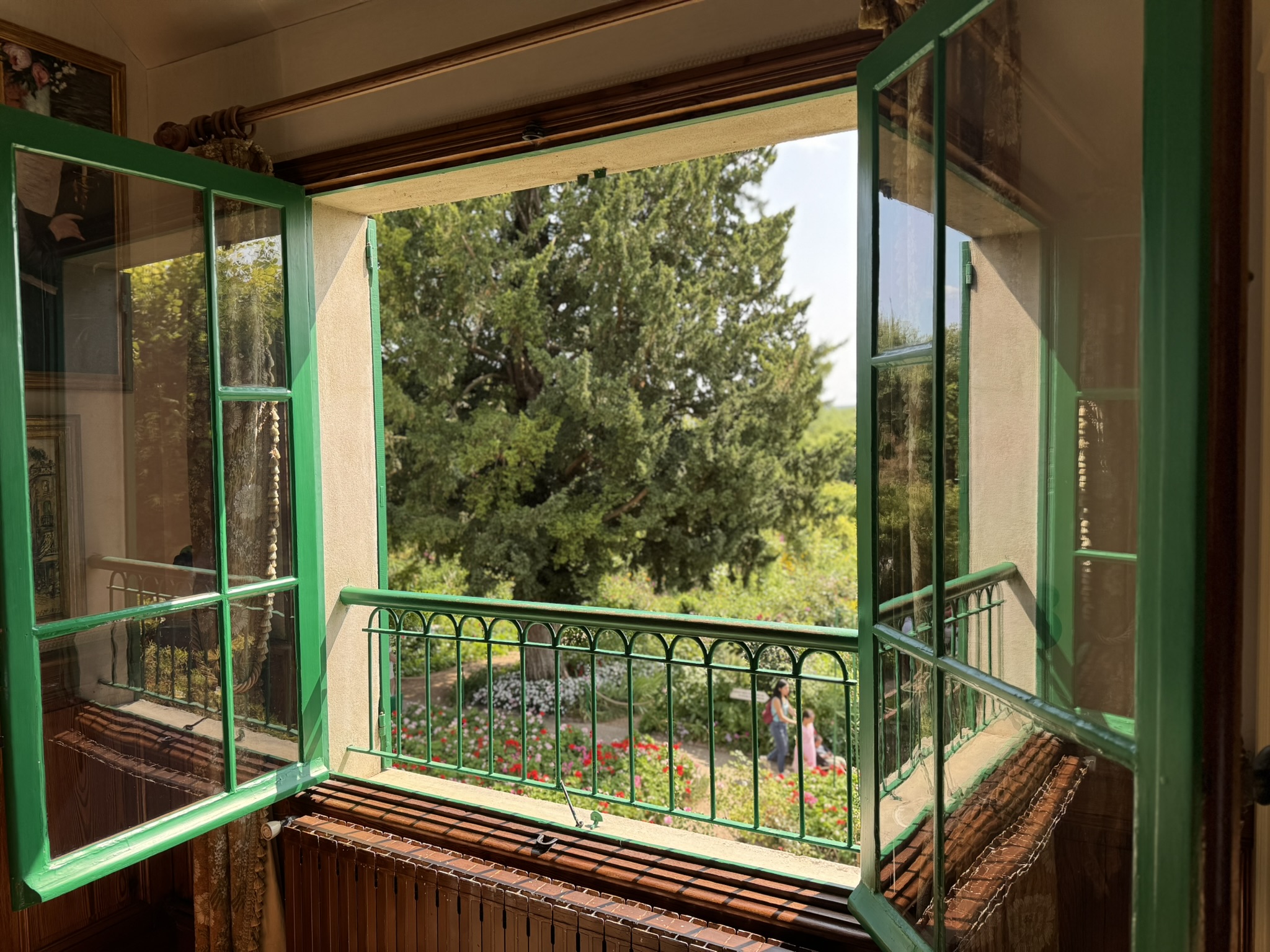
Giverny, France
A visit to Monet’s home and gardens did not disappoint. Claude Monet lived and worked here from 1883 until his death in 1926. This is where he produced his famed water lily series.
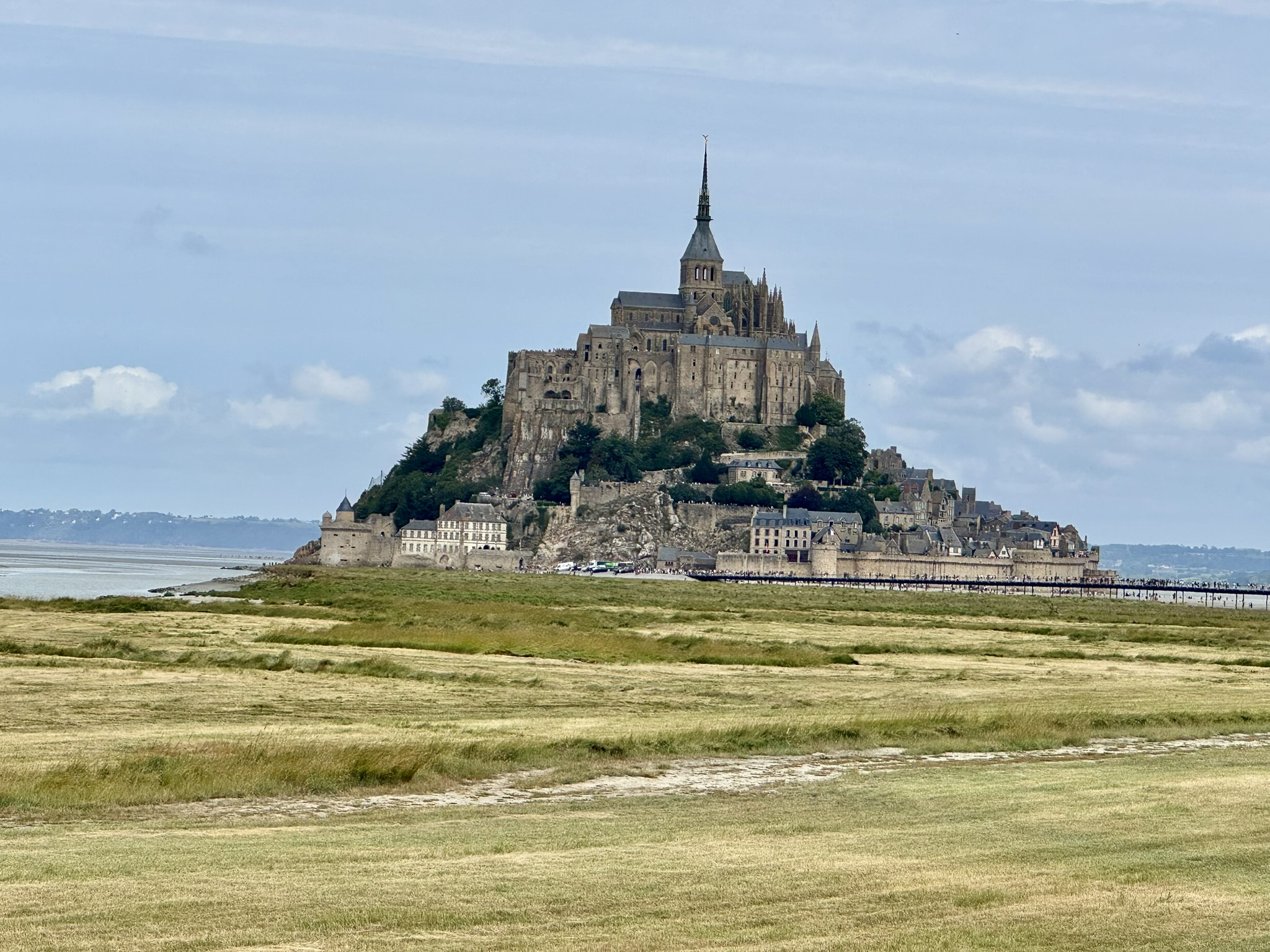
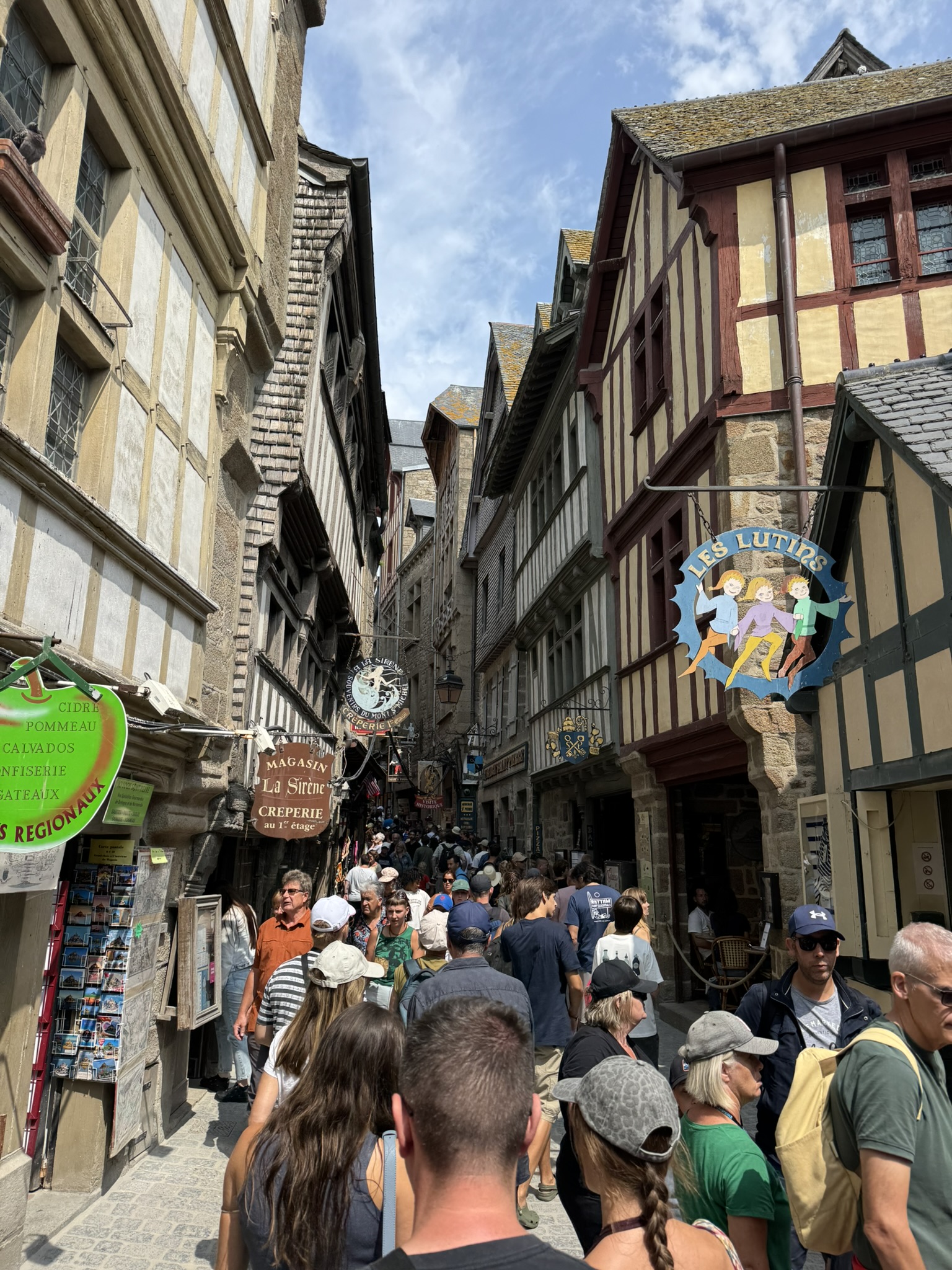
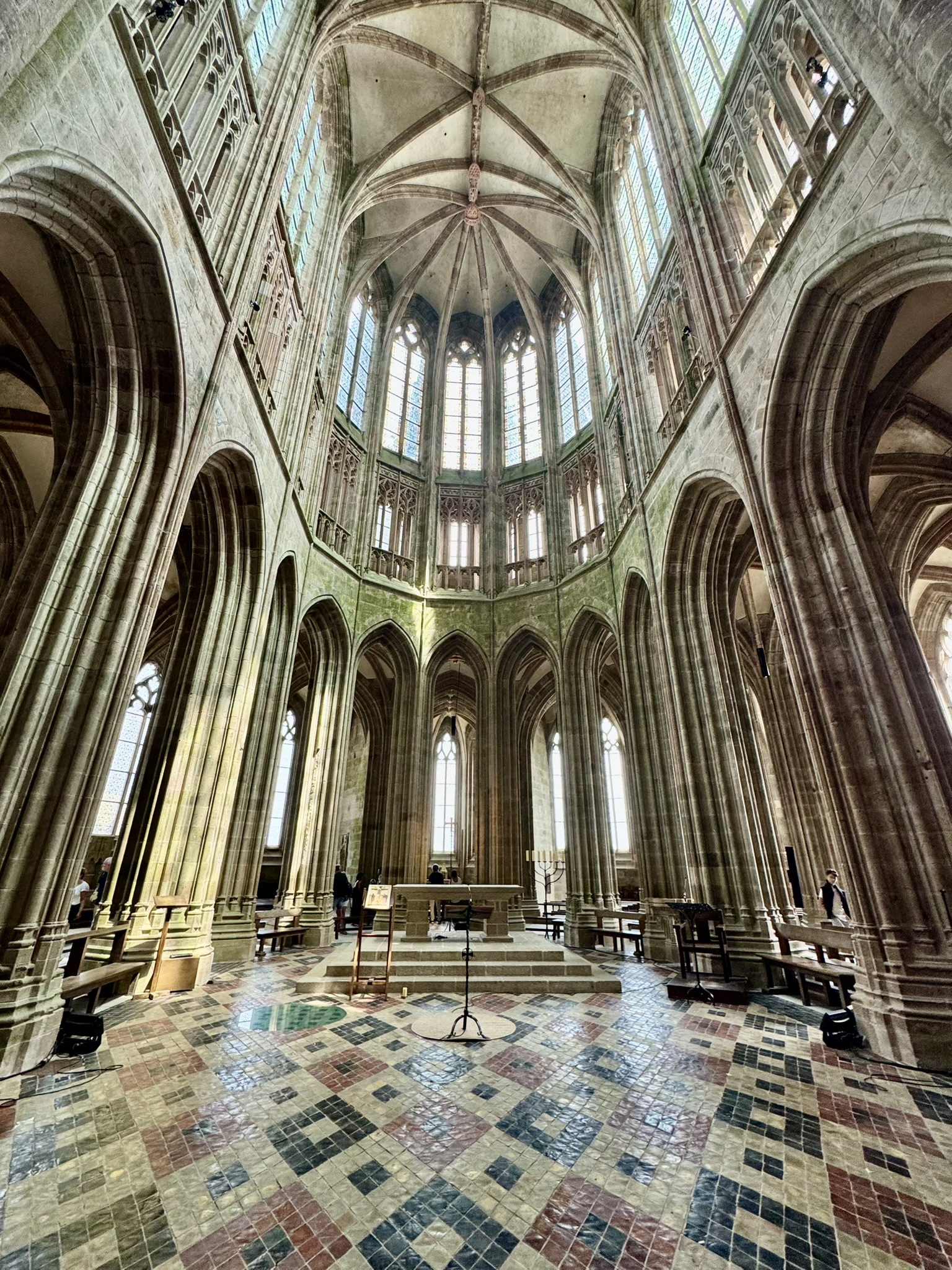
Mont Saint Michel, France
This magical island is one of France’s most stunning sights. Mont Saint Michel is famous for its stunning medieval abbey, built atop a rocky islet surrounded by tidal flats.
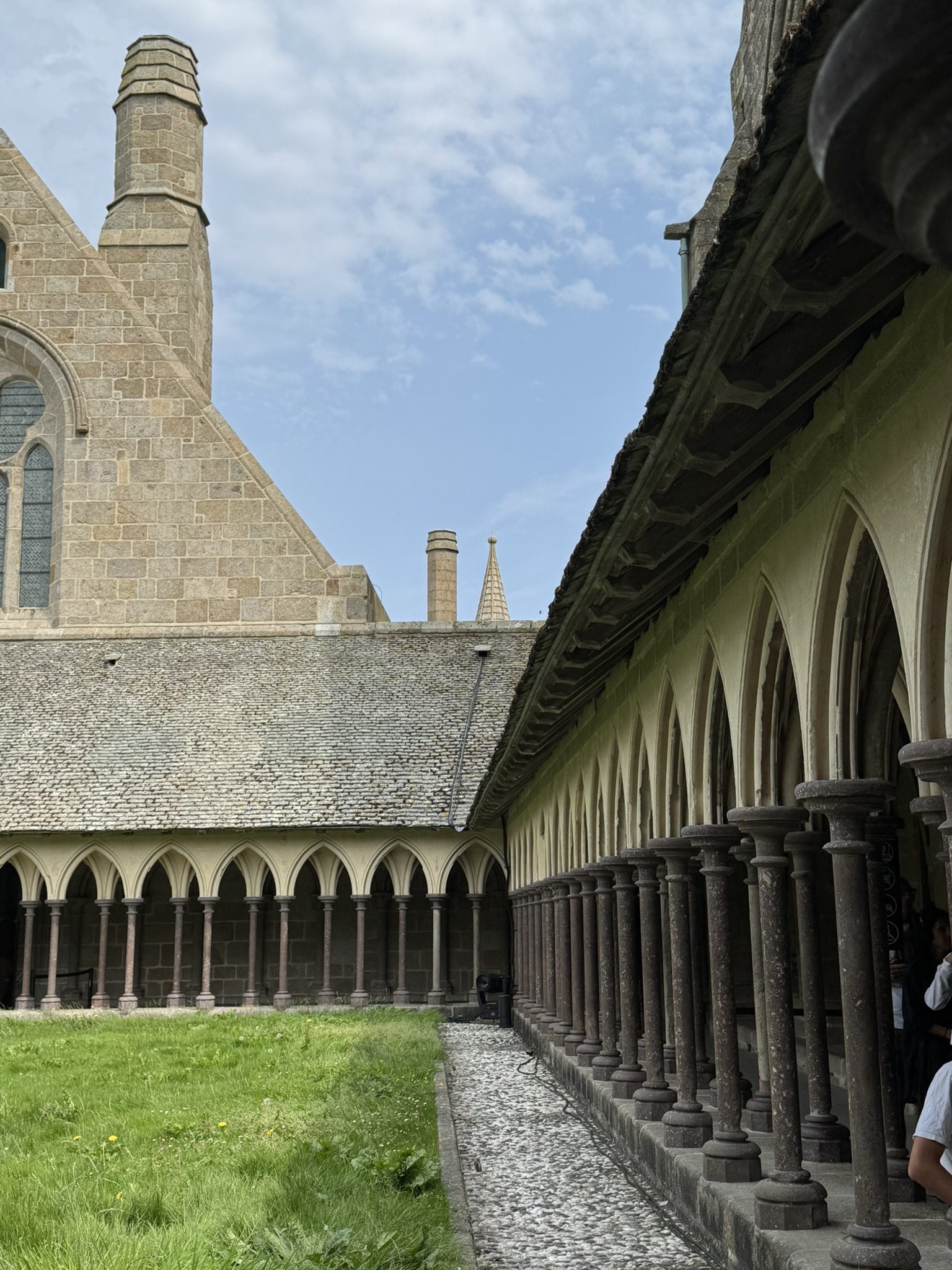
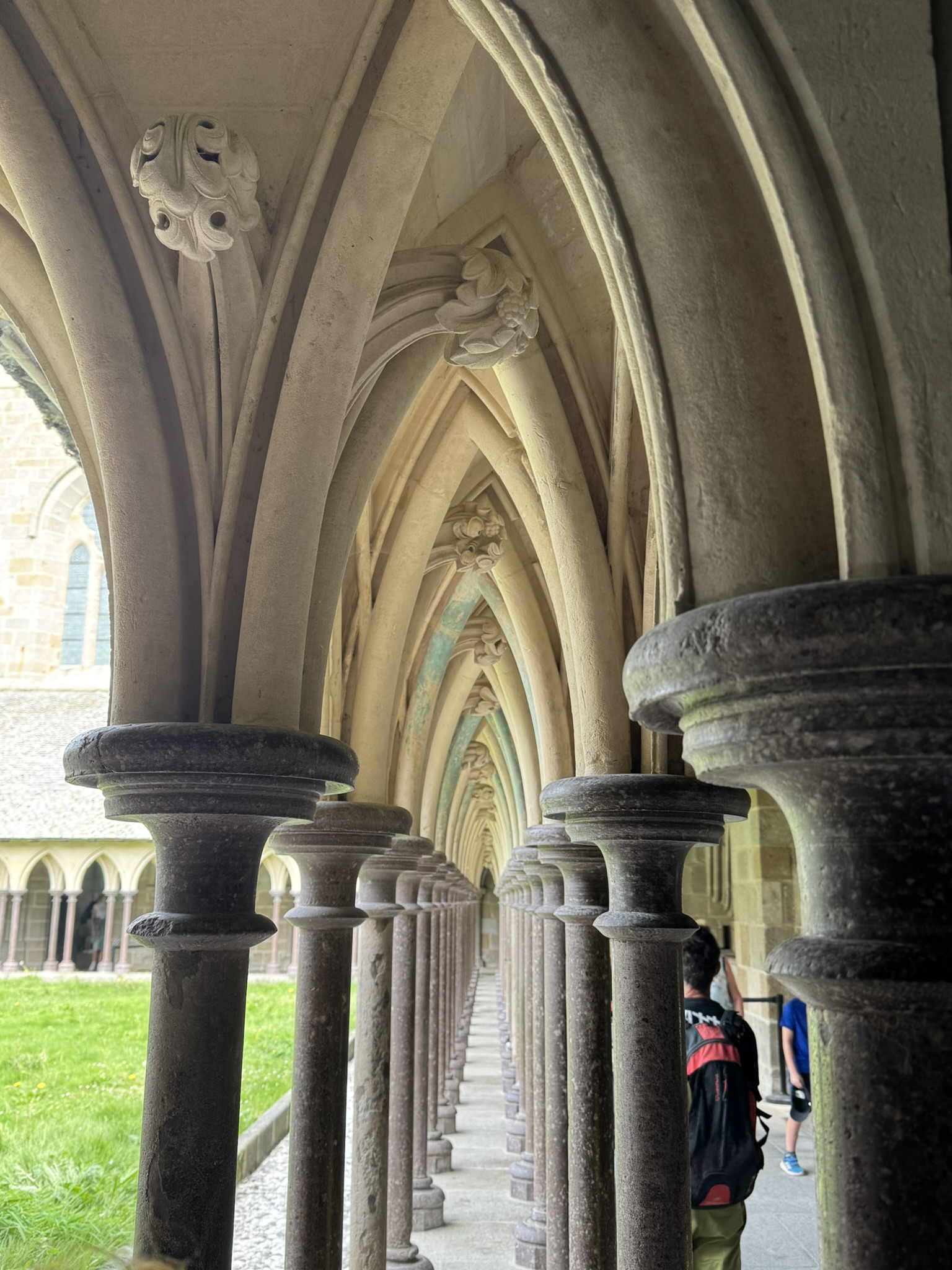
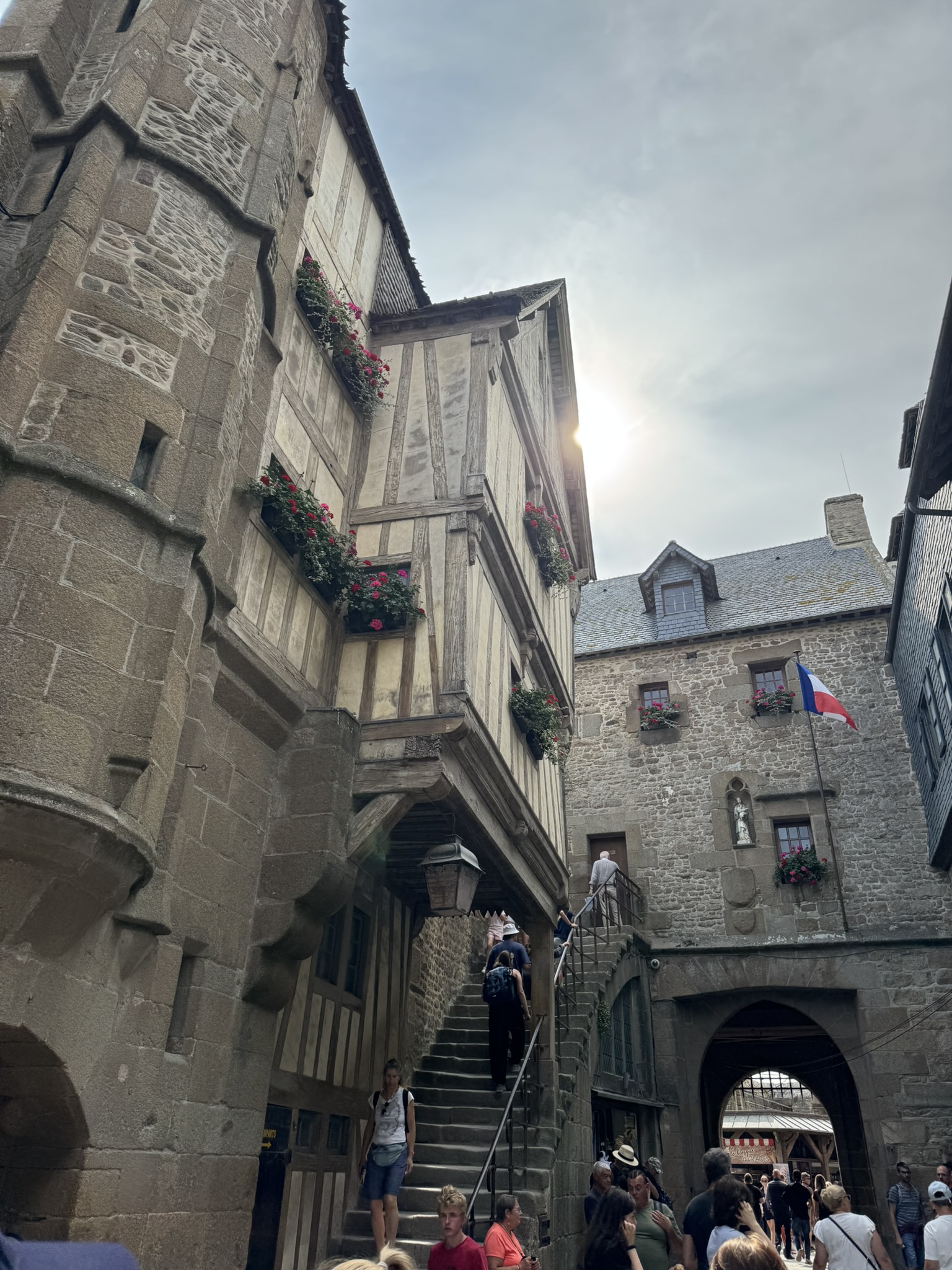
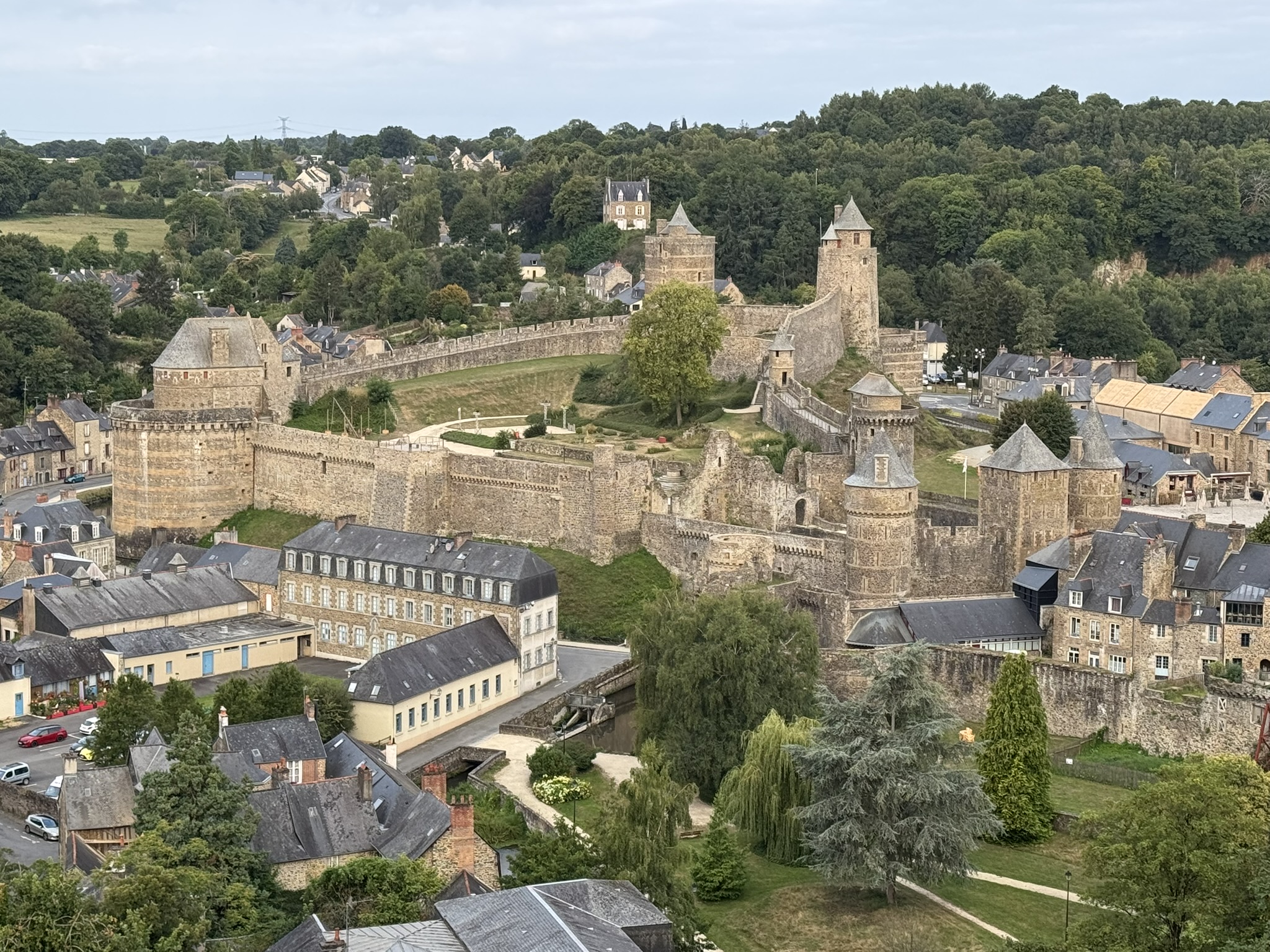
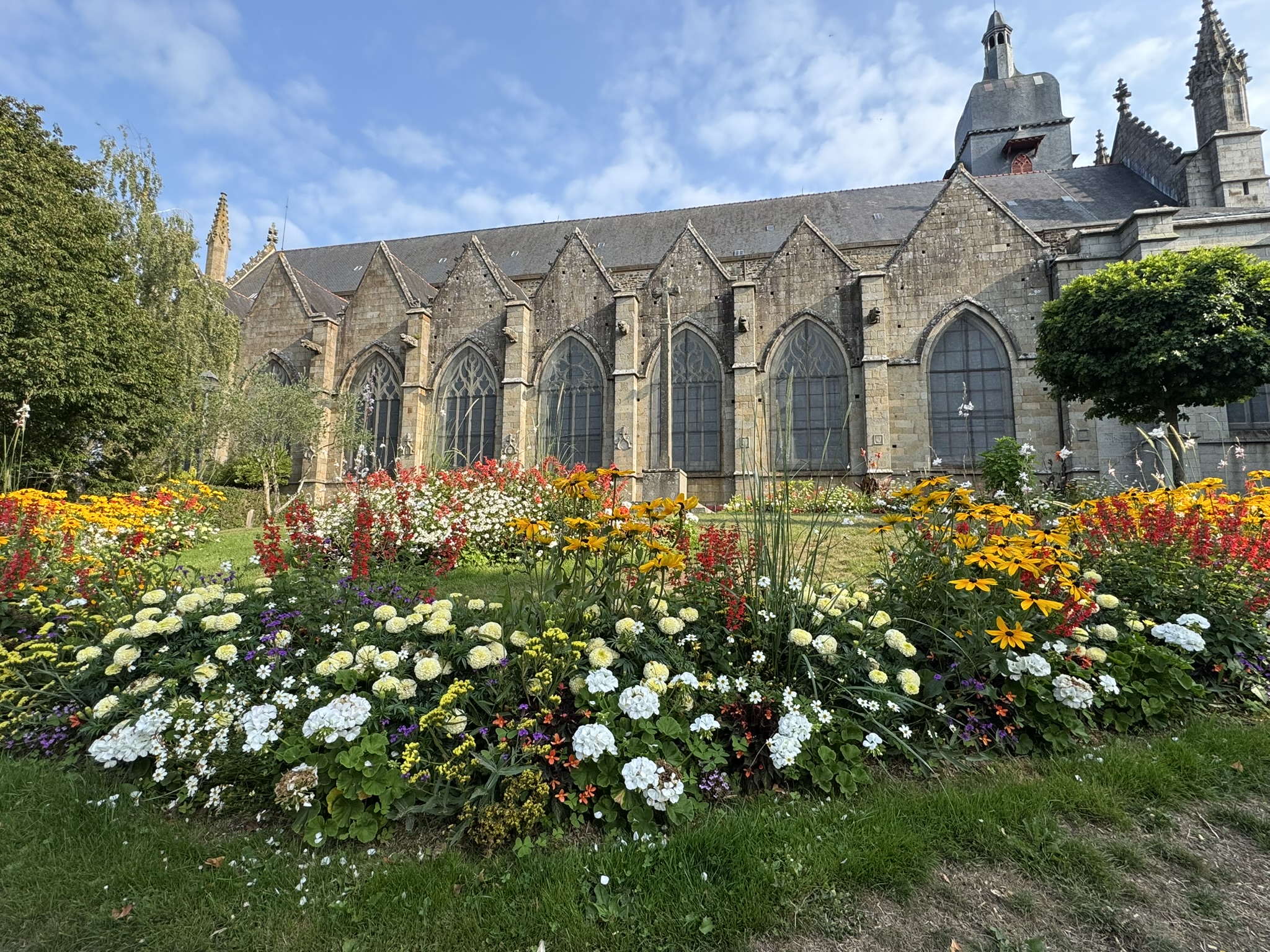
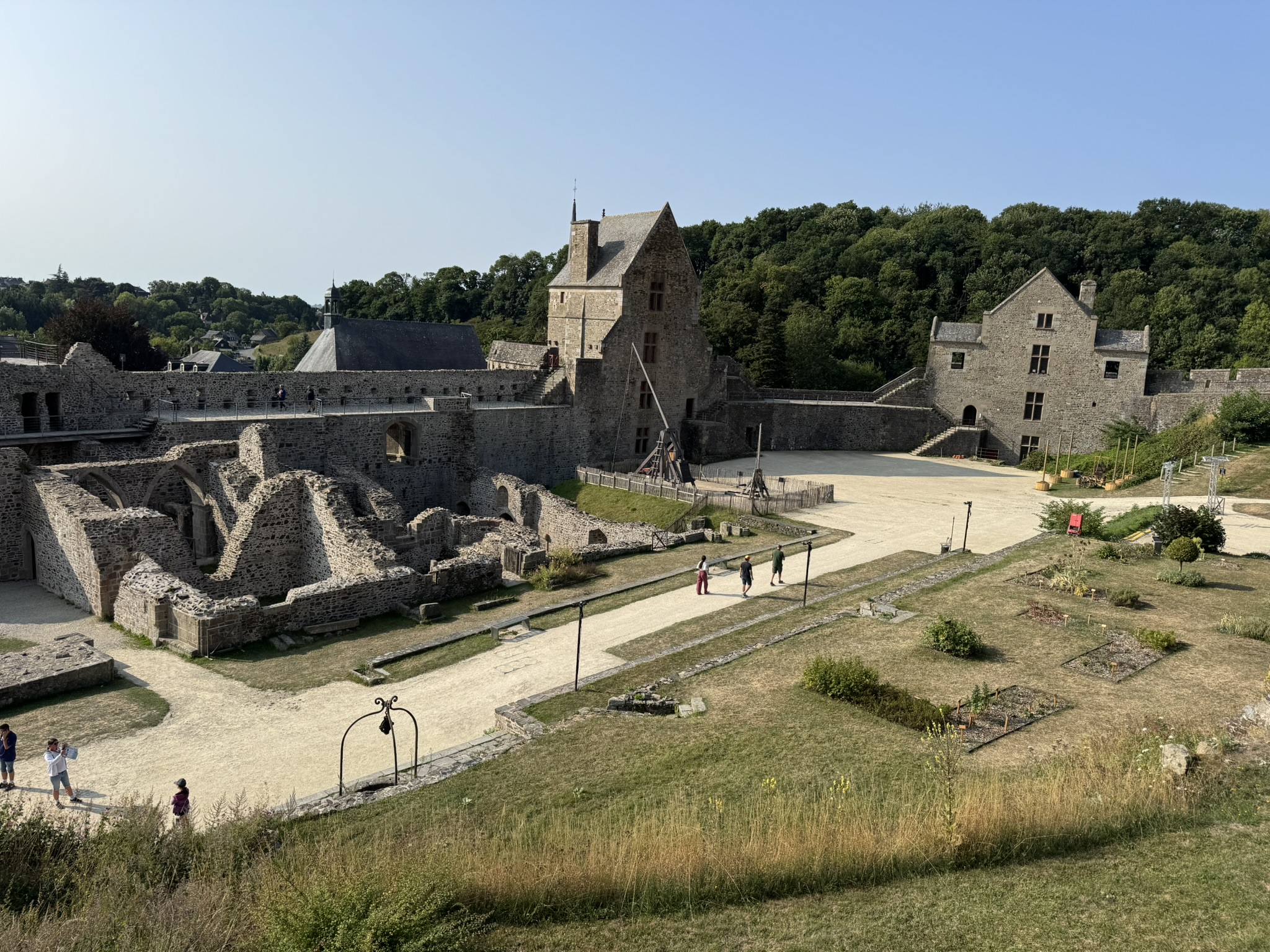
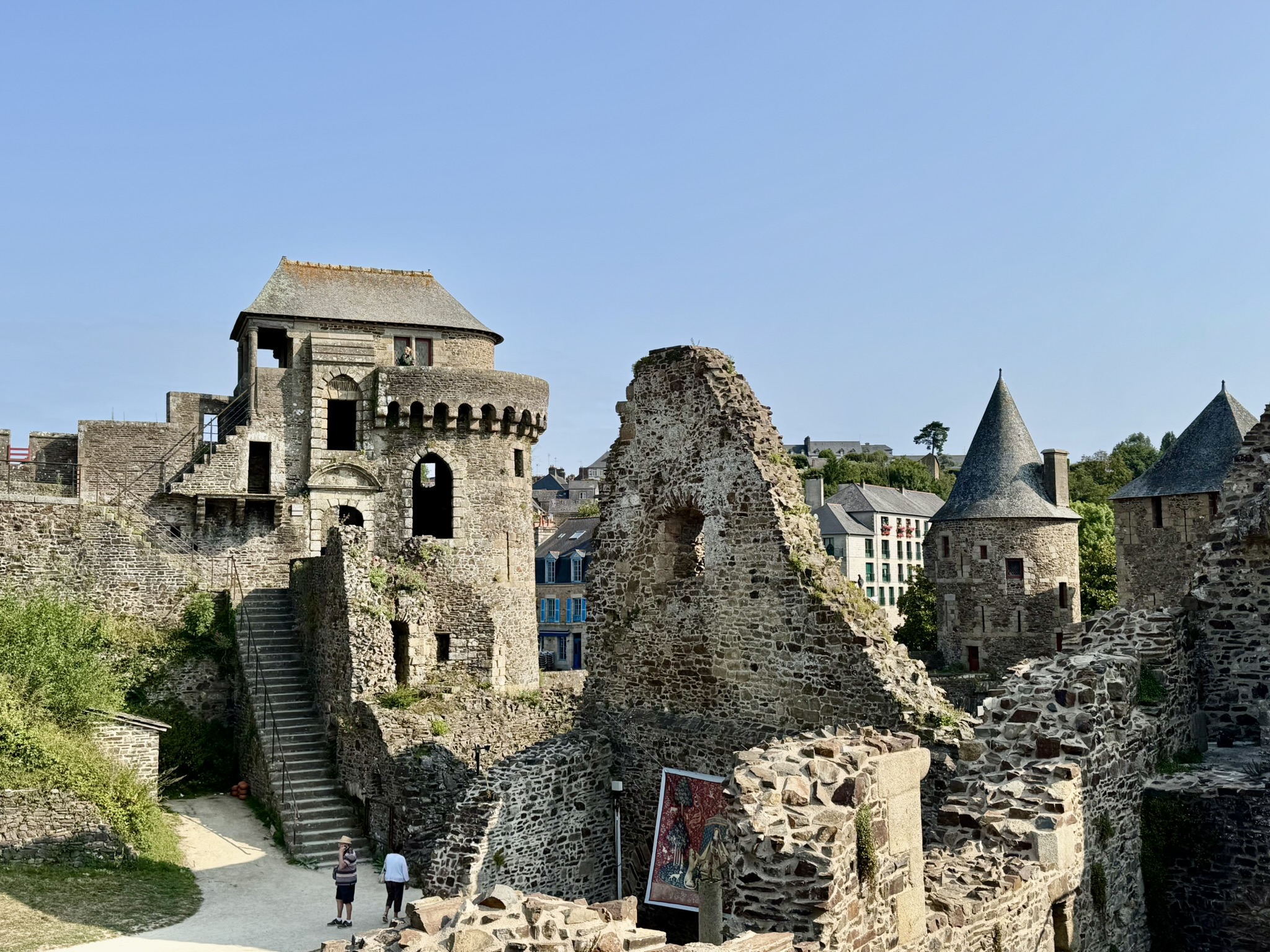
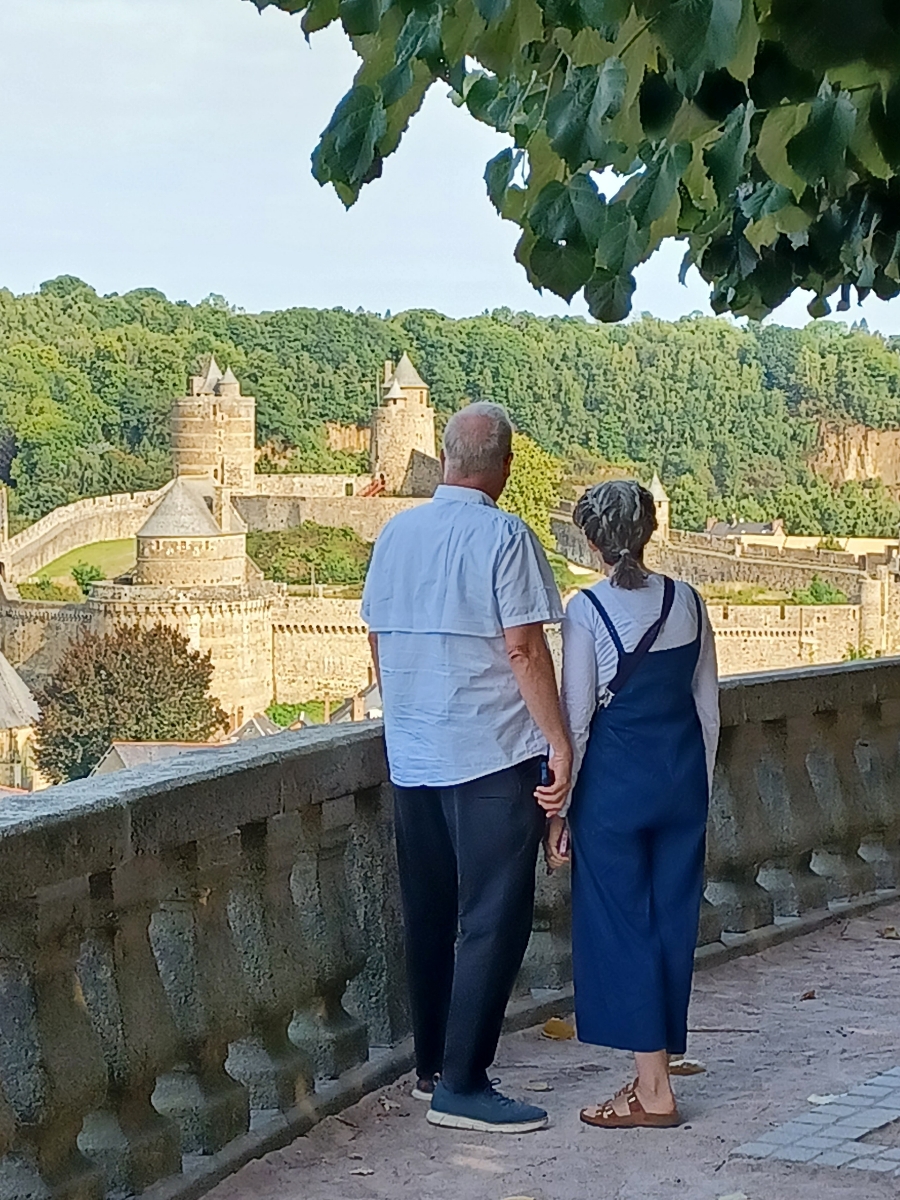
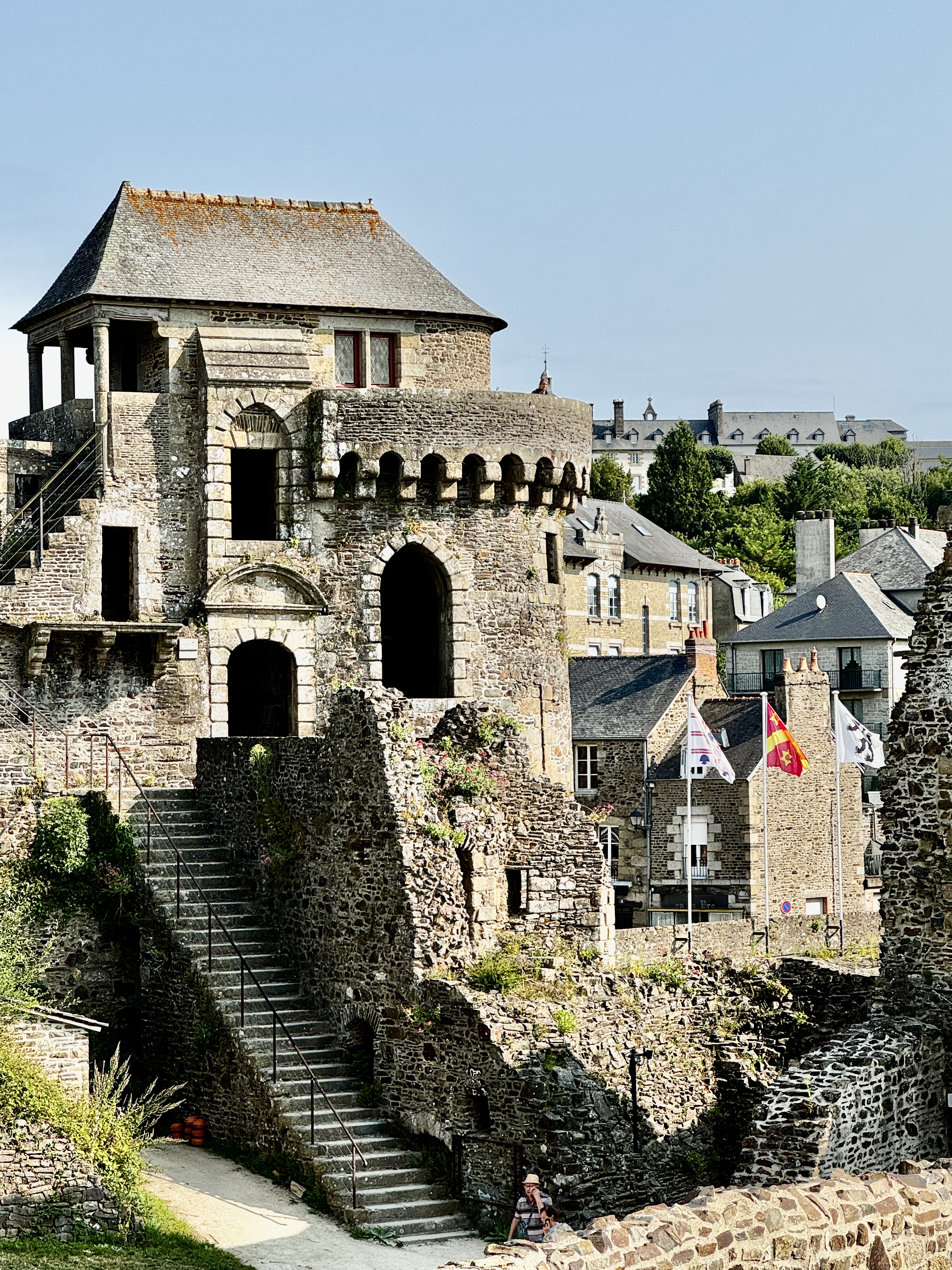
Chateau de Fougeres, France
This fortified castle is the largest medieval fortress in Europe. We enjoyed the mix of ruins and restored areas.
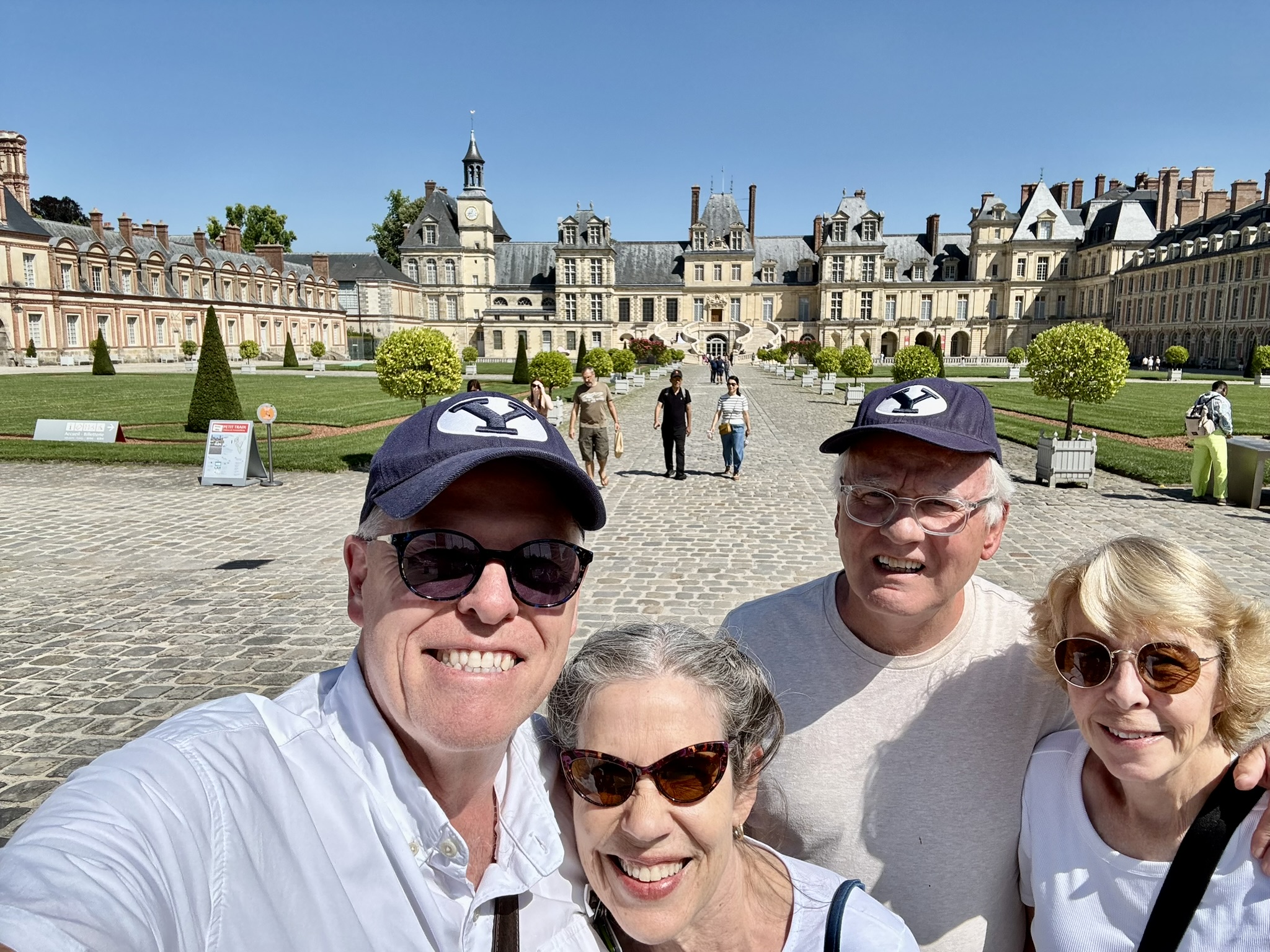
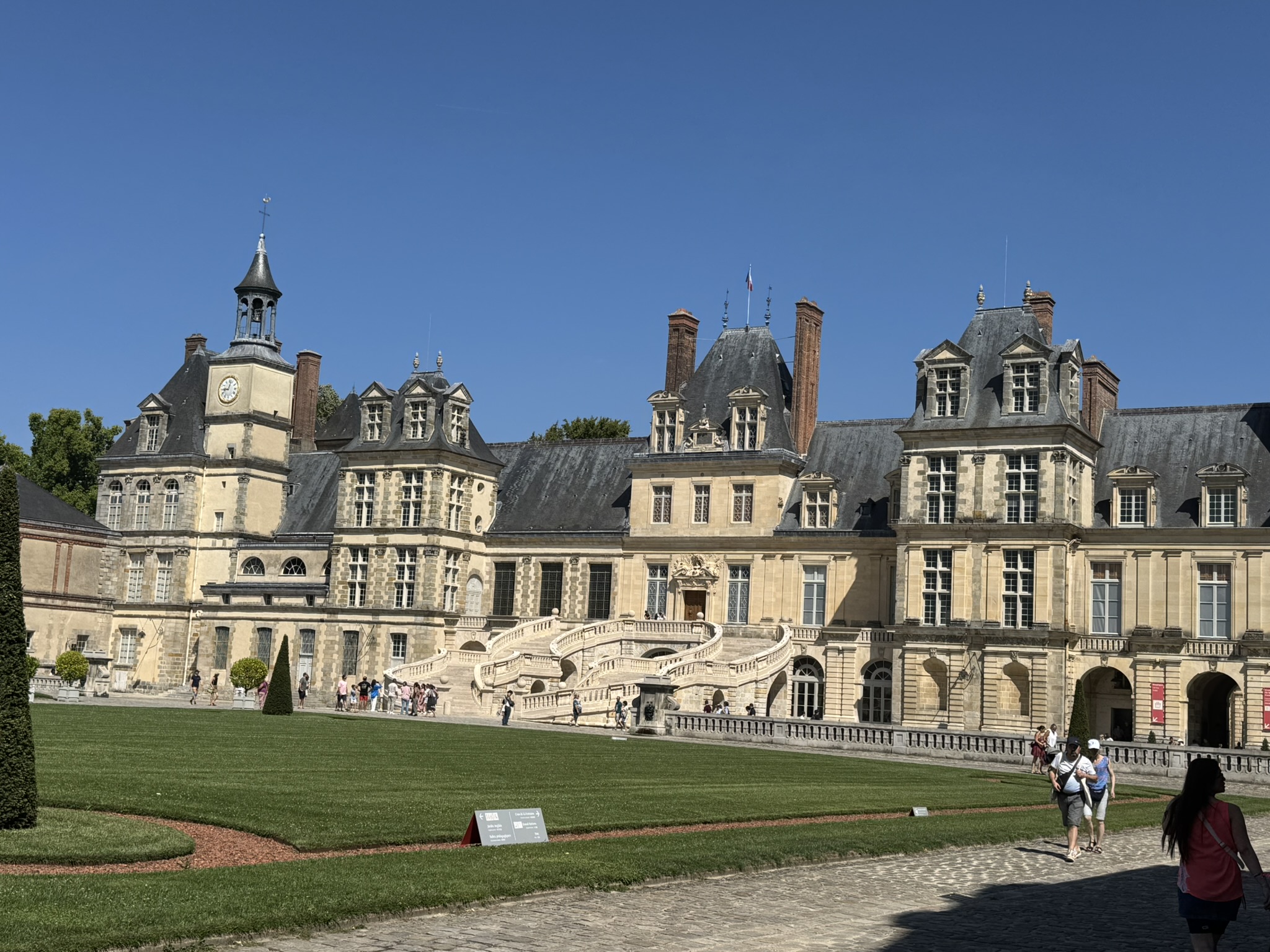
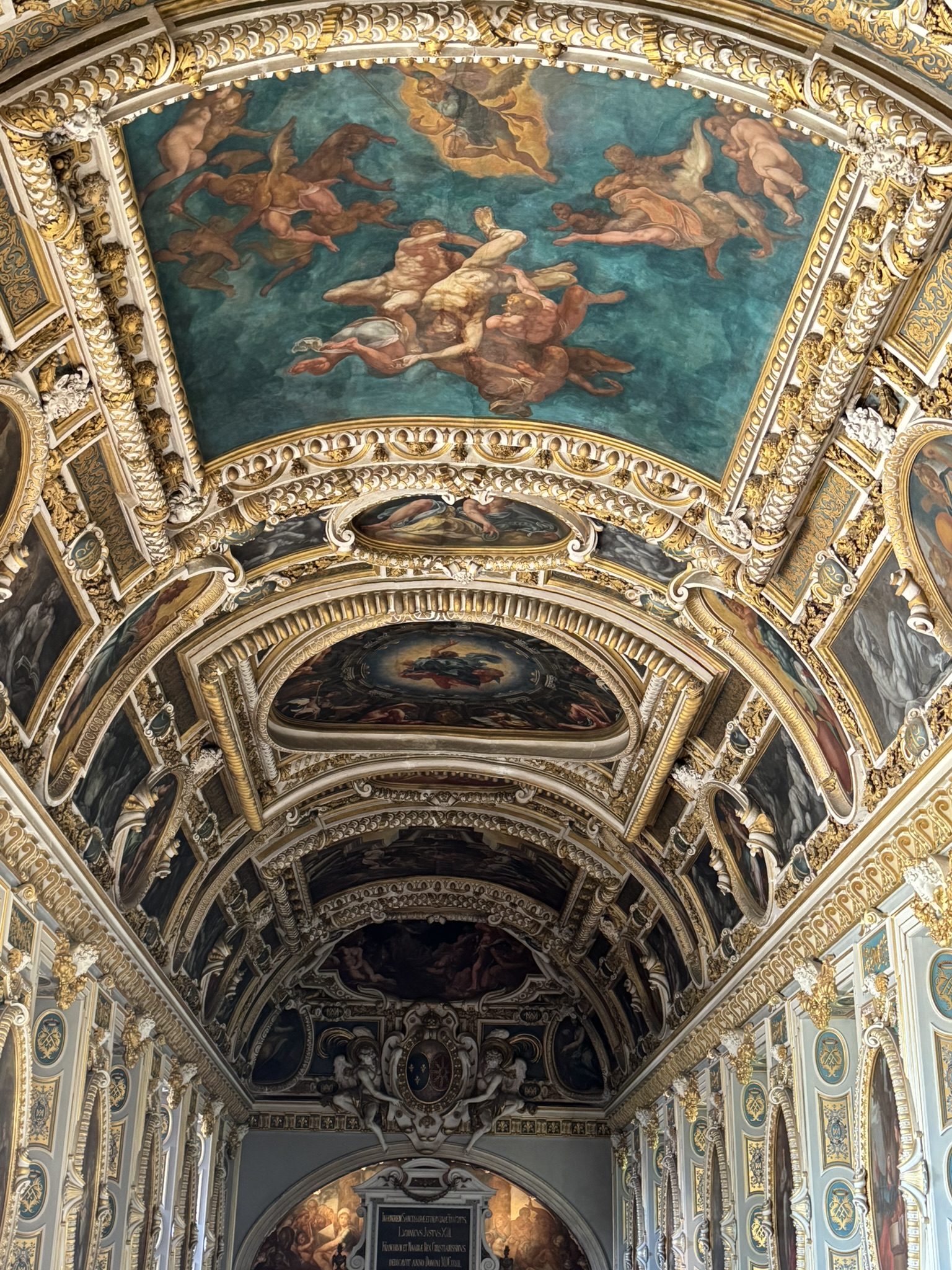
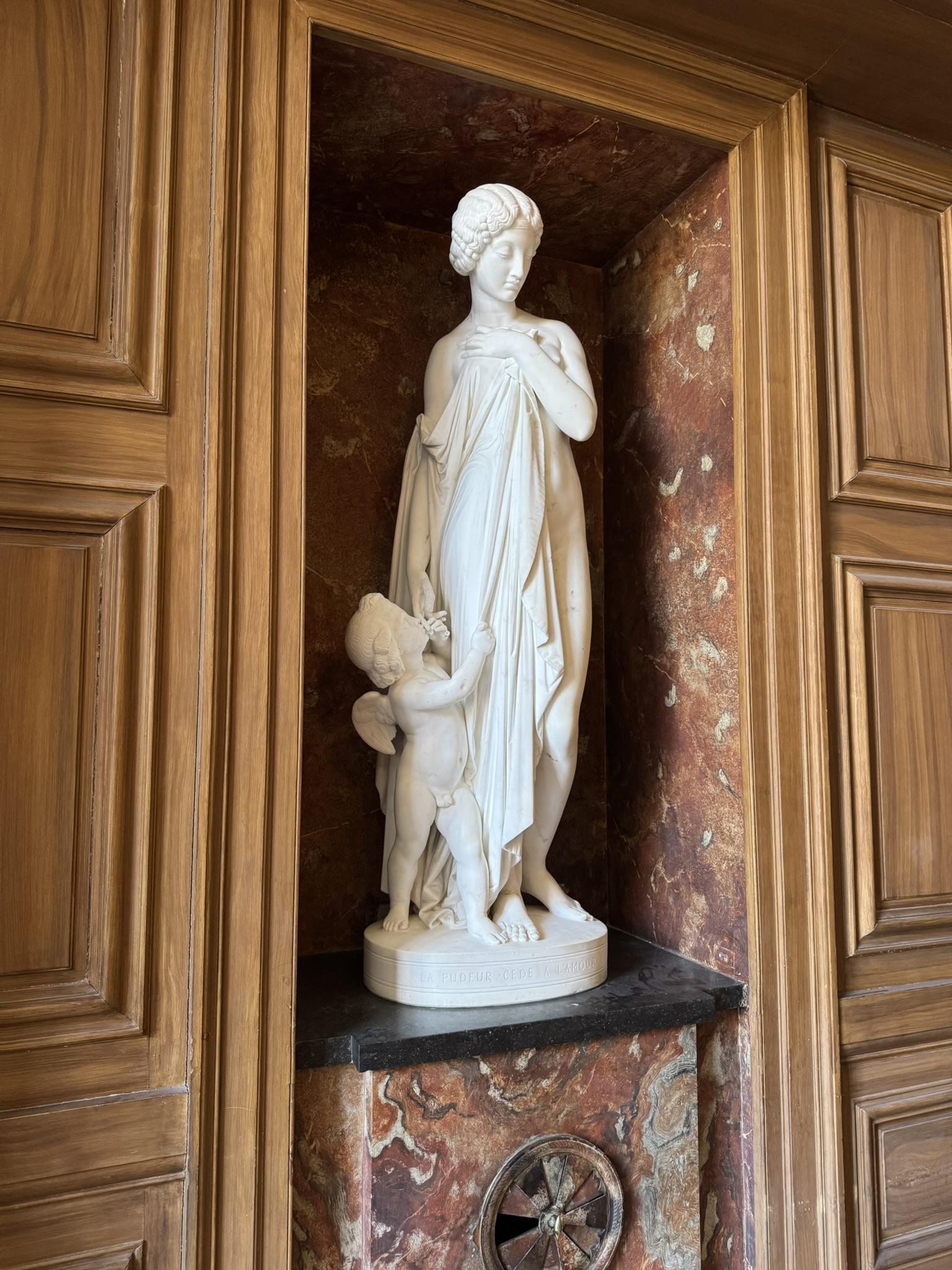
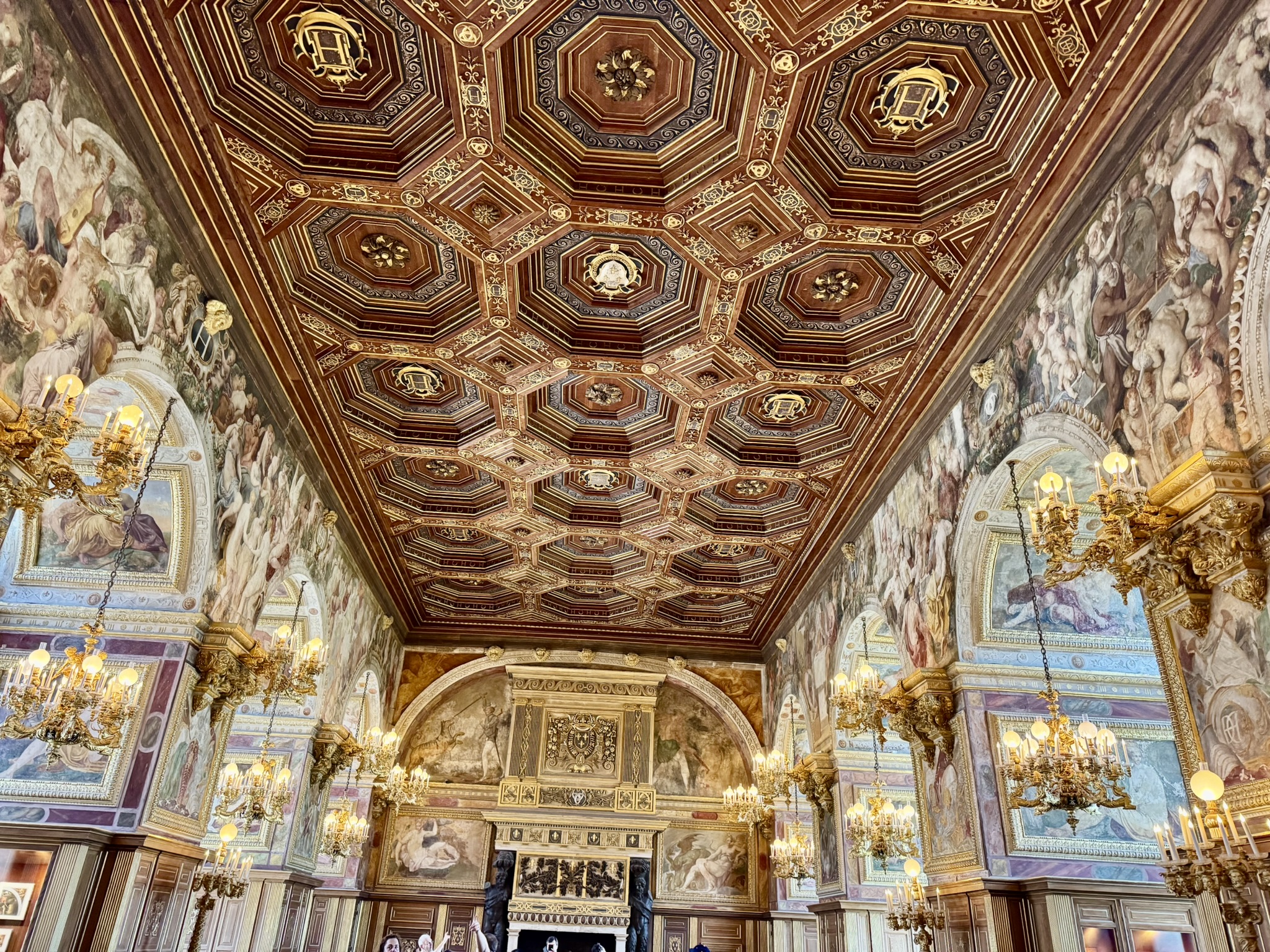
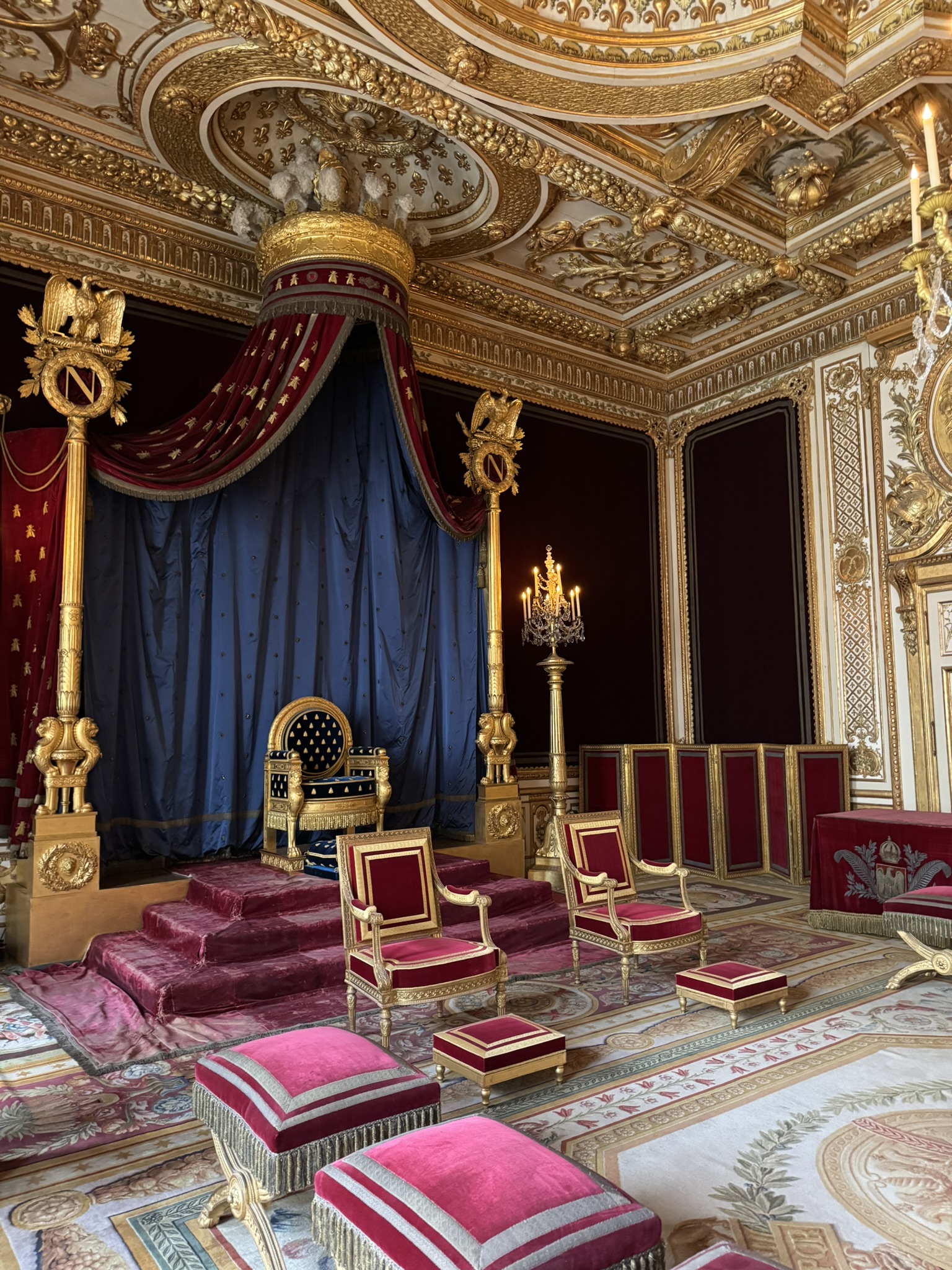
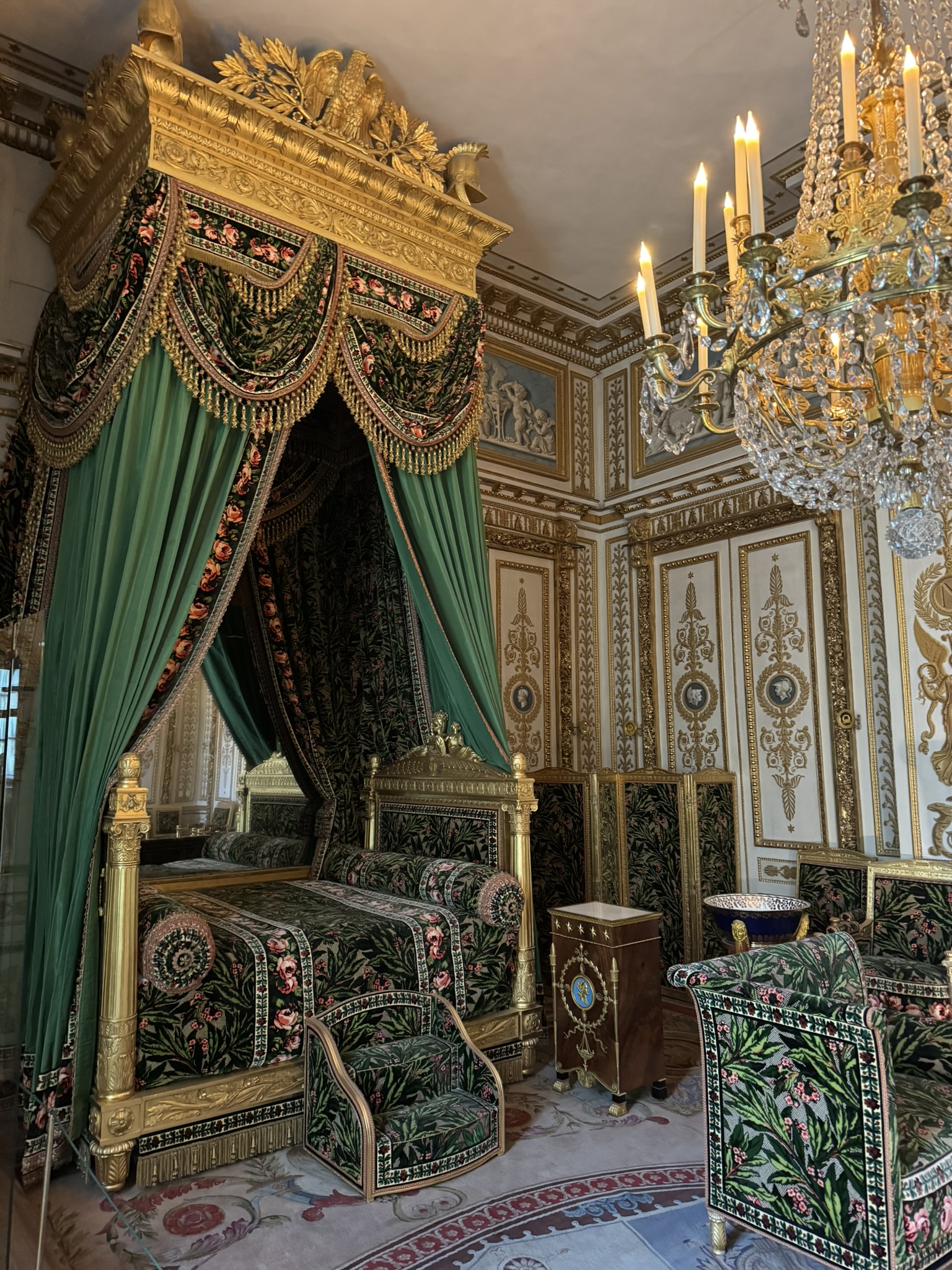
Fontainebleau, France
Fontainebleau is not just one monarch’s palace; it belonged to them all- 34 kings and 2 emperors passed down from generation to generation from the Middle Ages to the 19th century. 800 years of history took place within the walls of this Chateau.
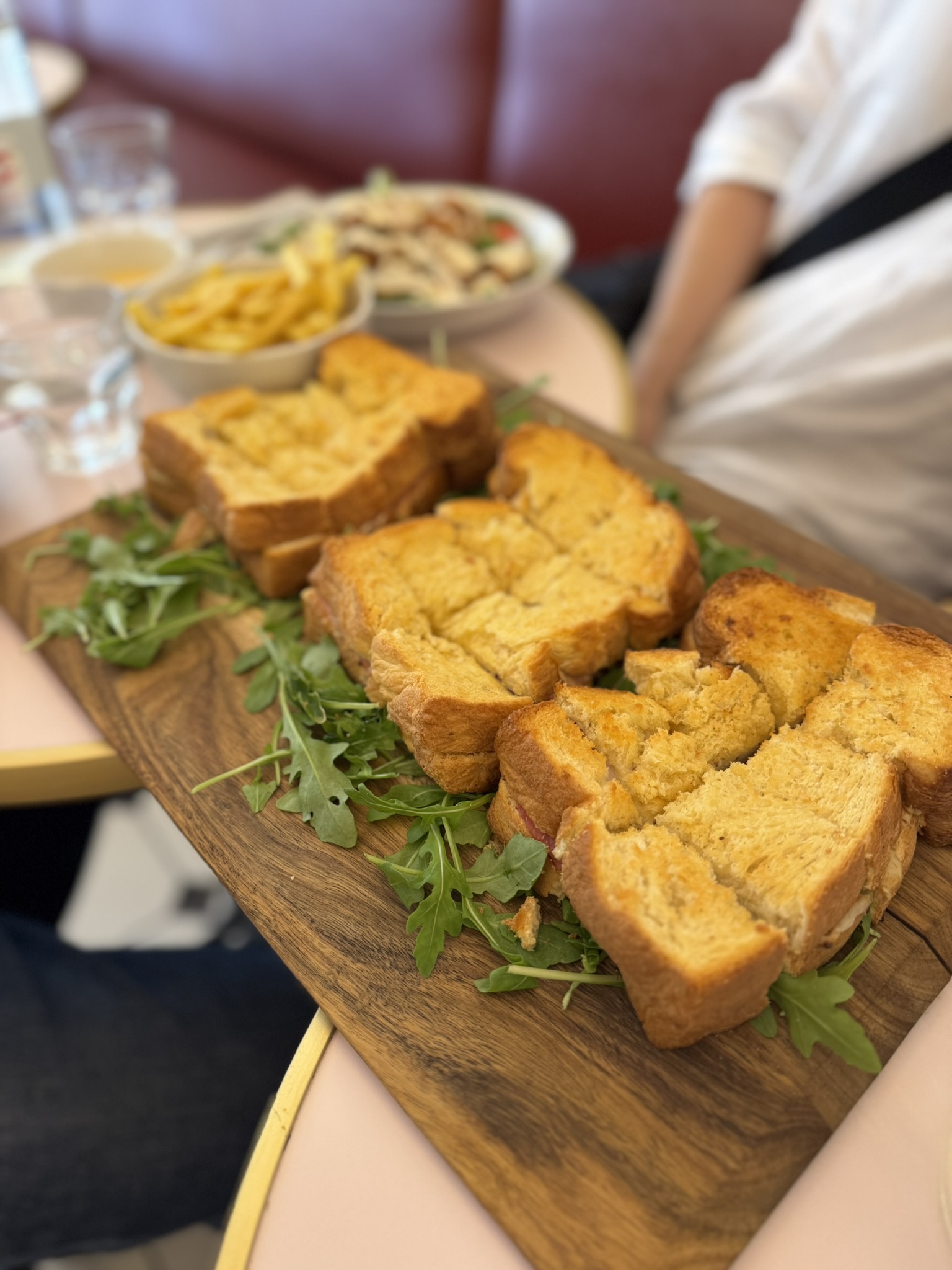
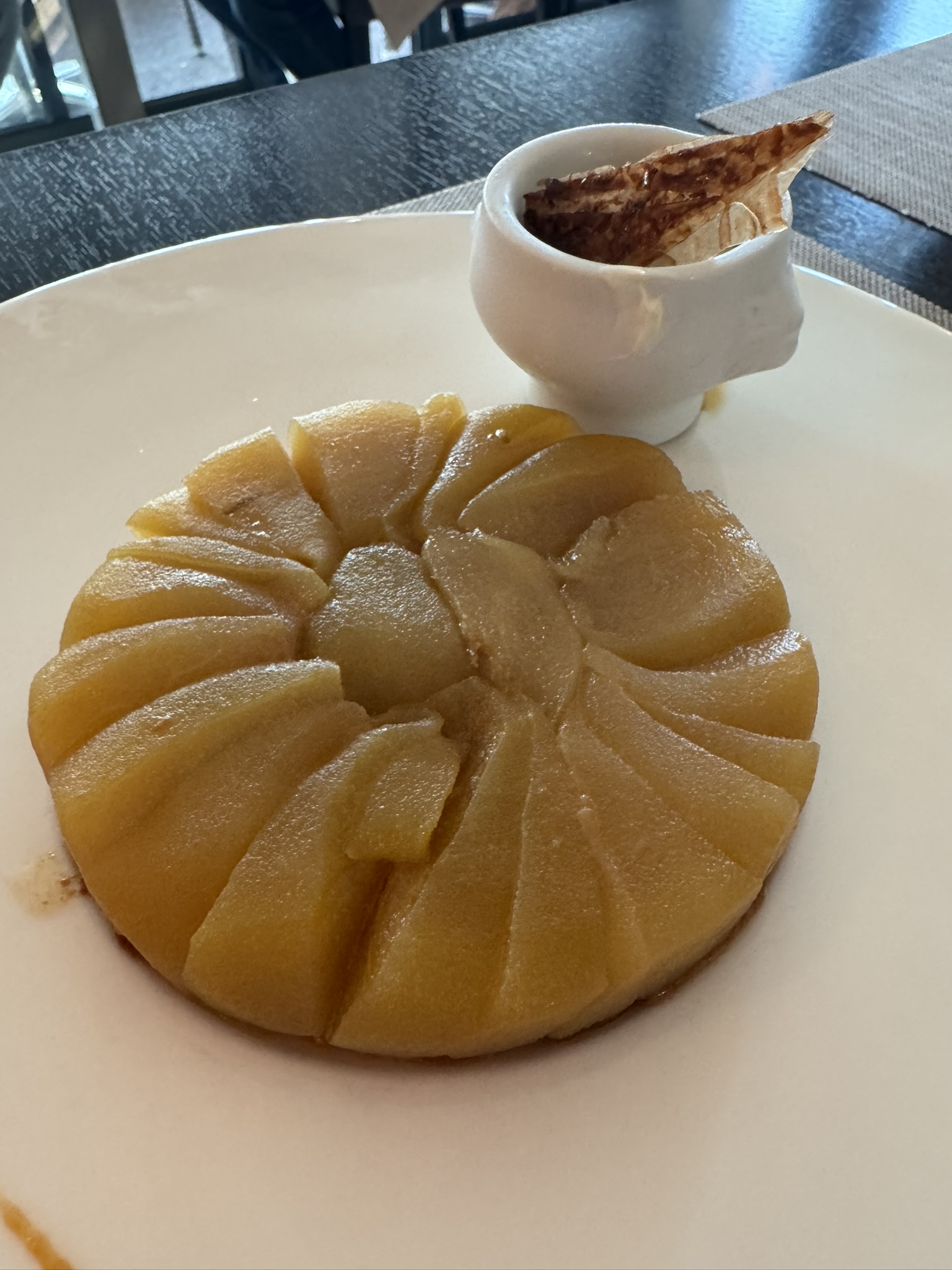
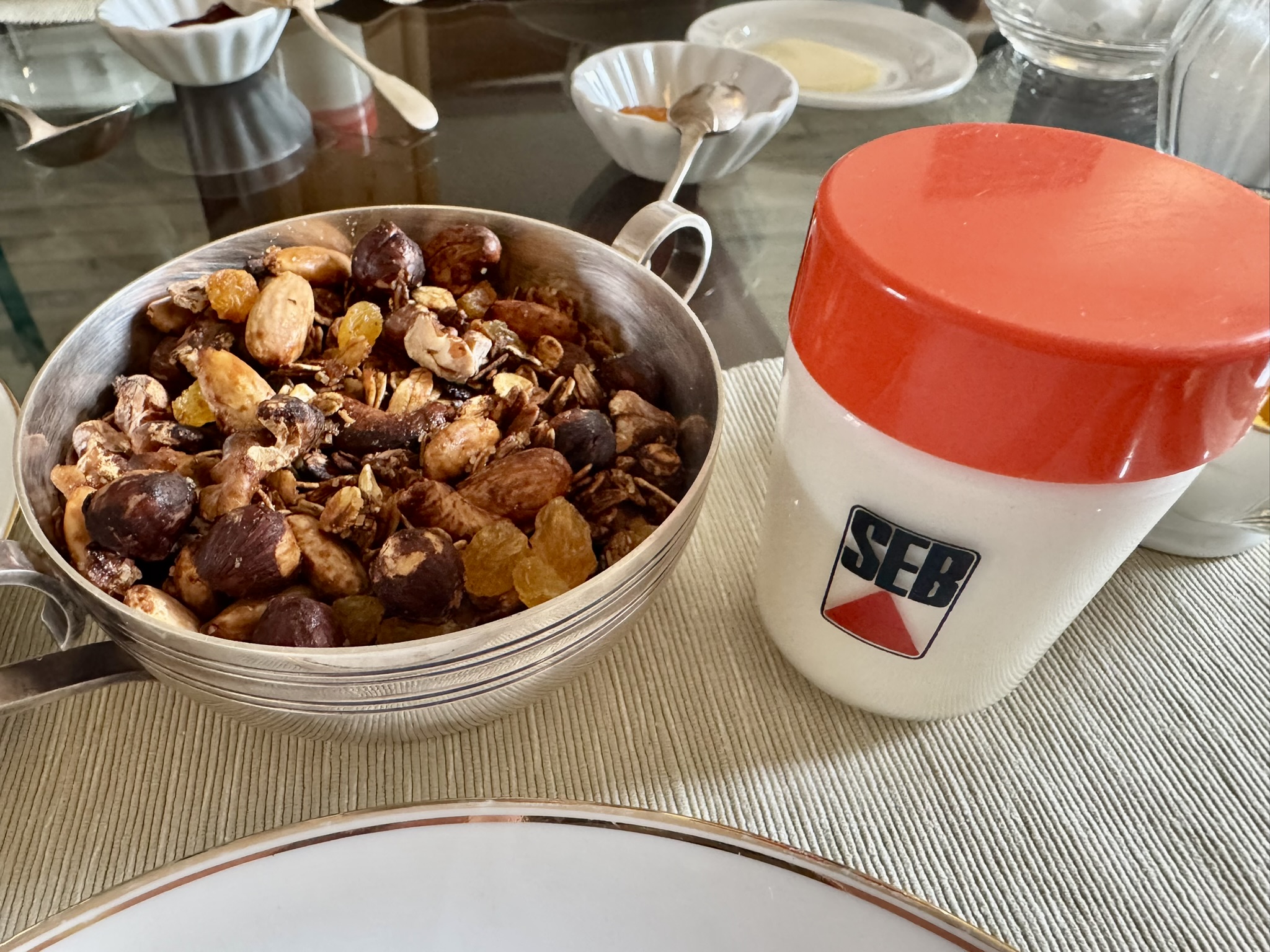
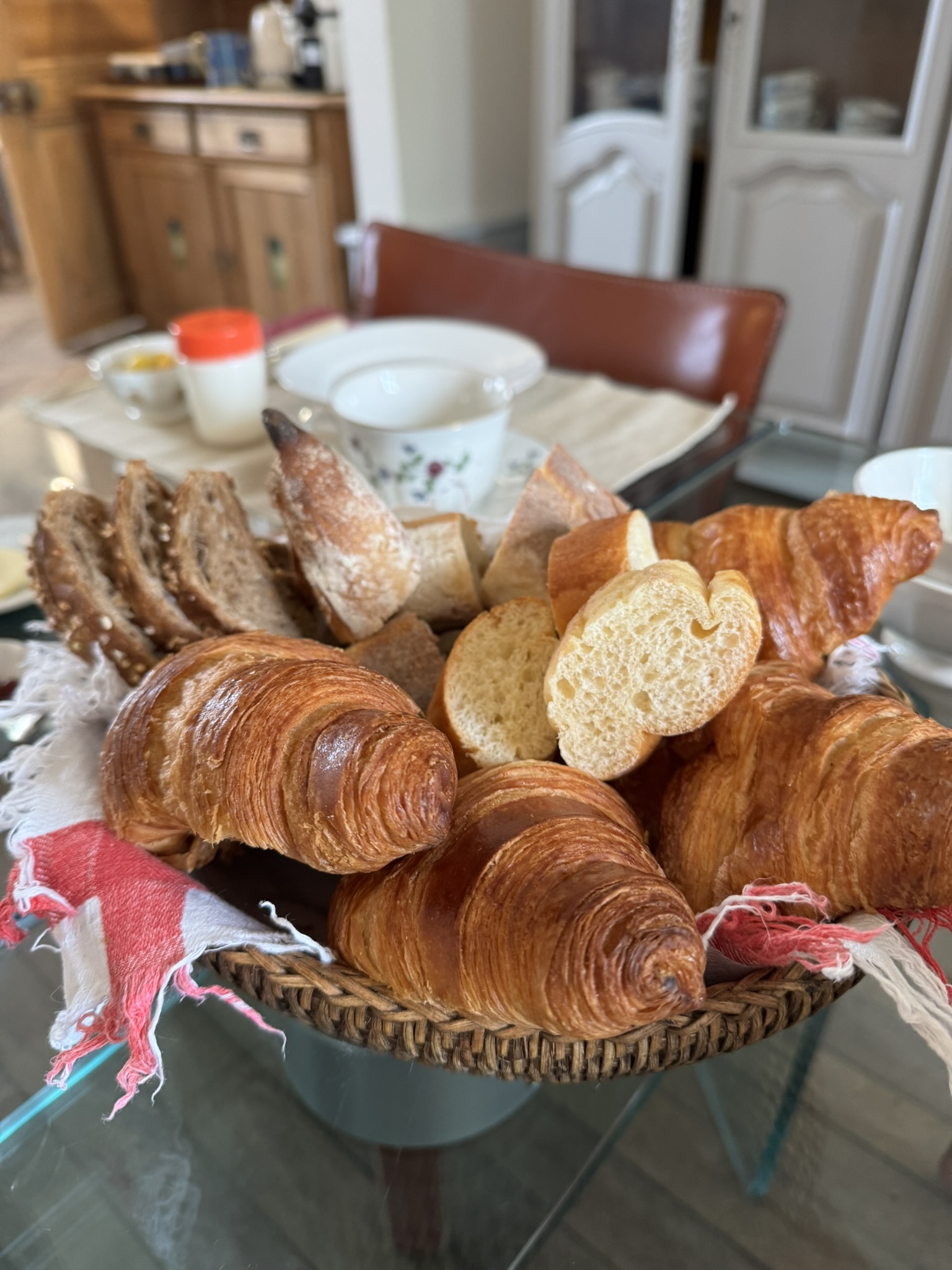
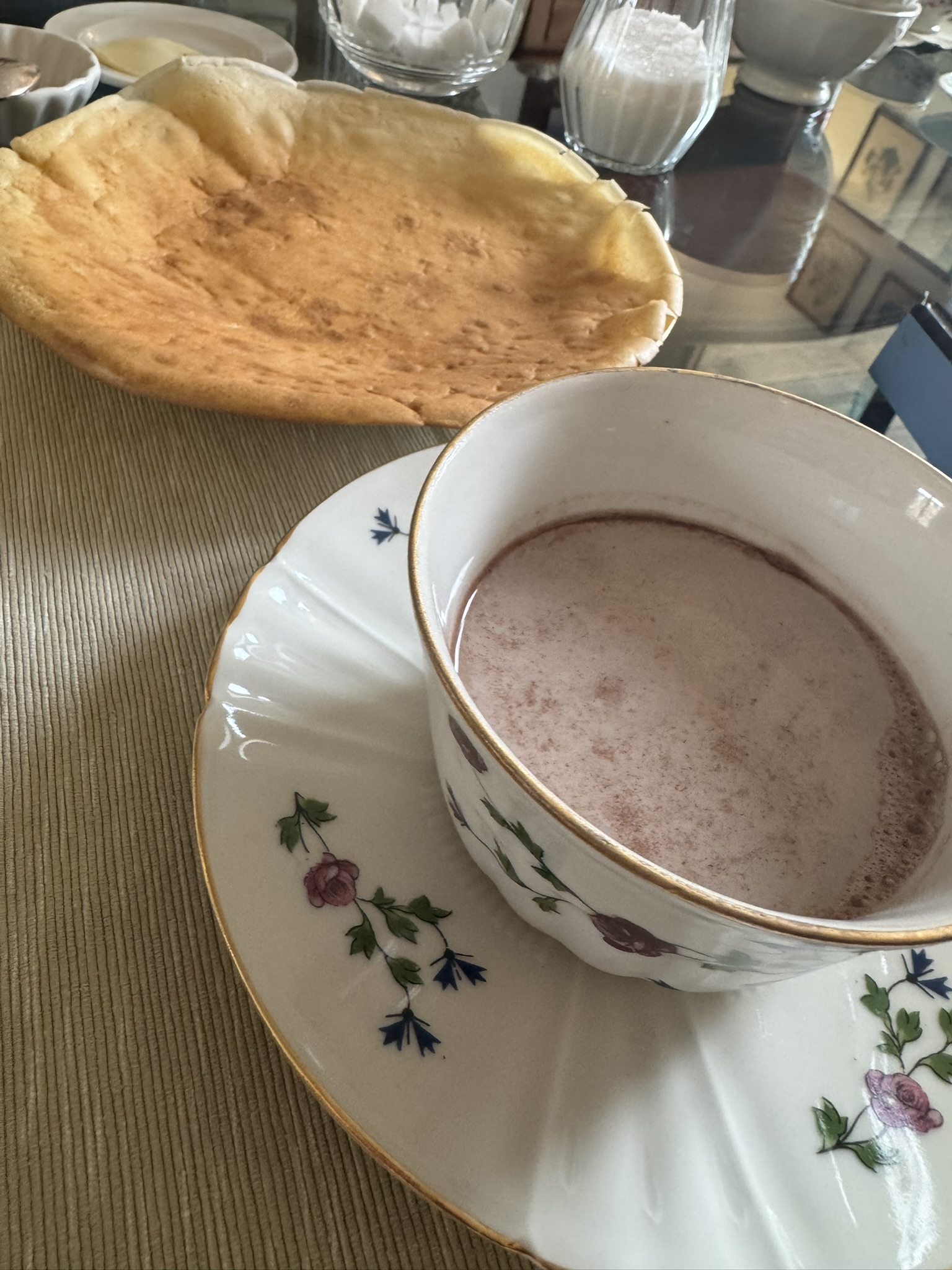
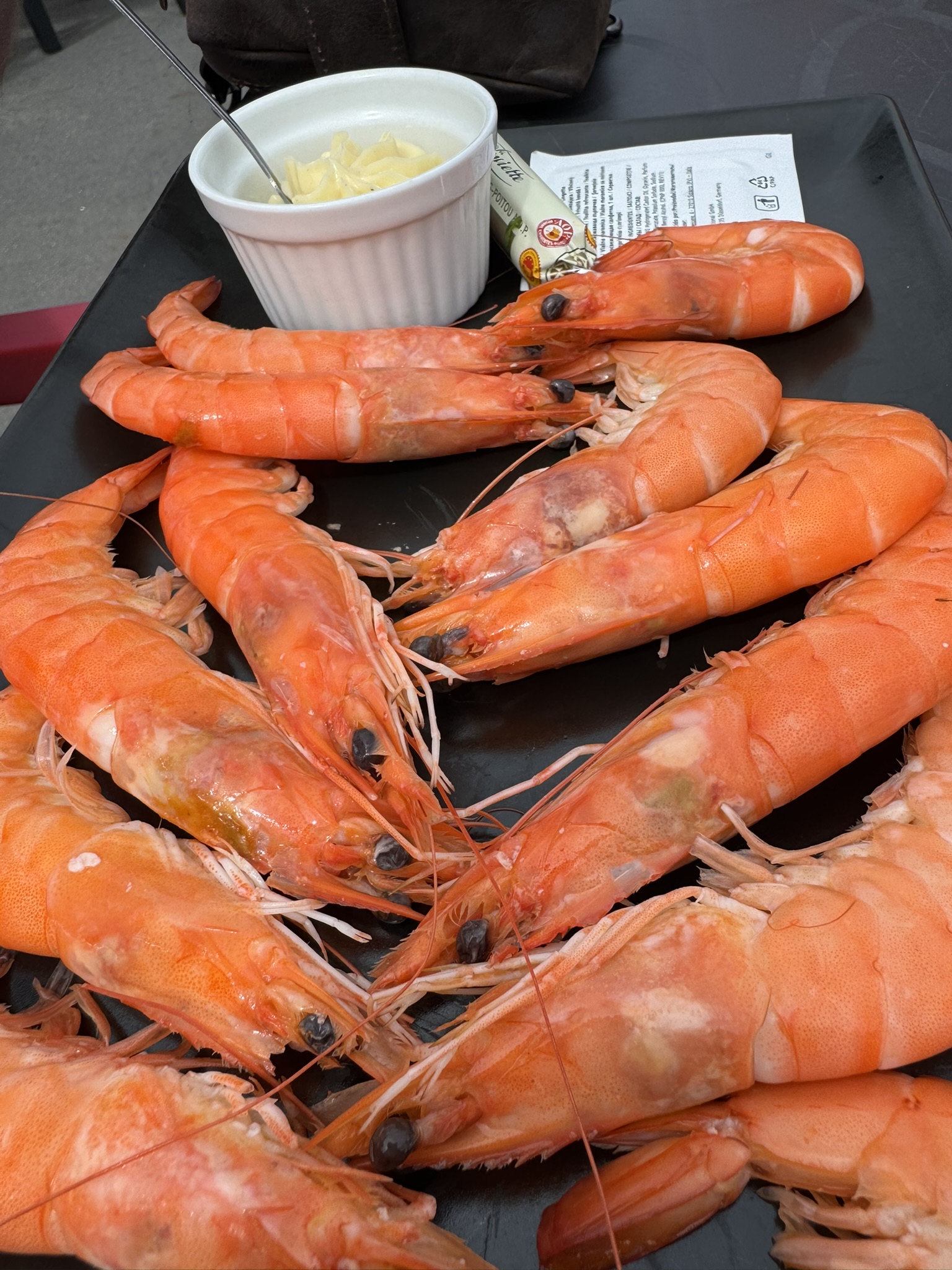
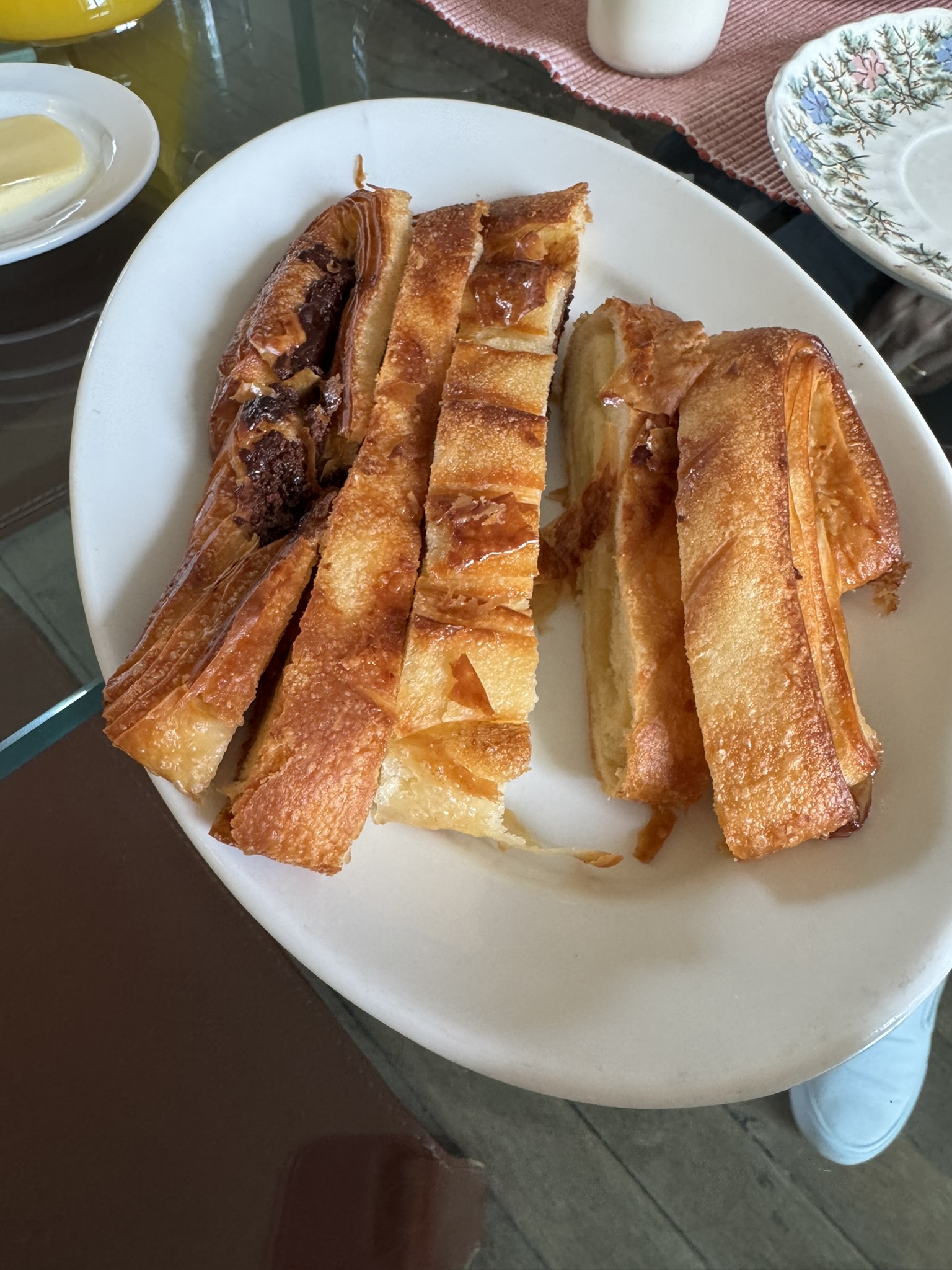
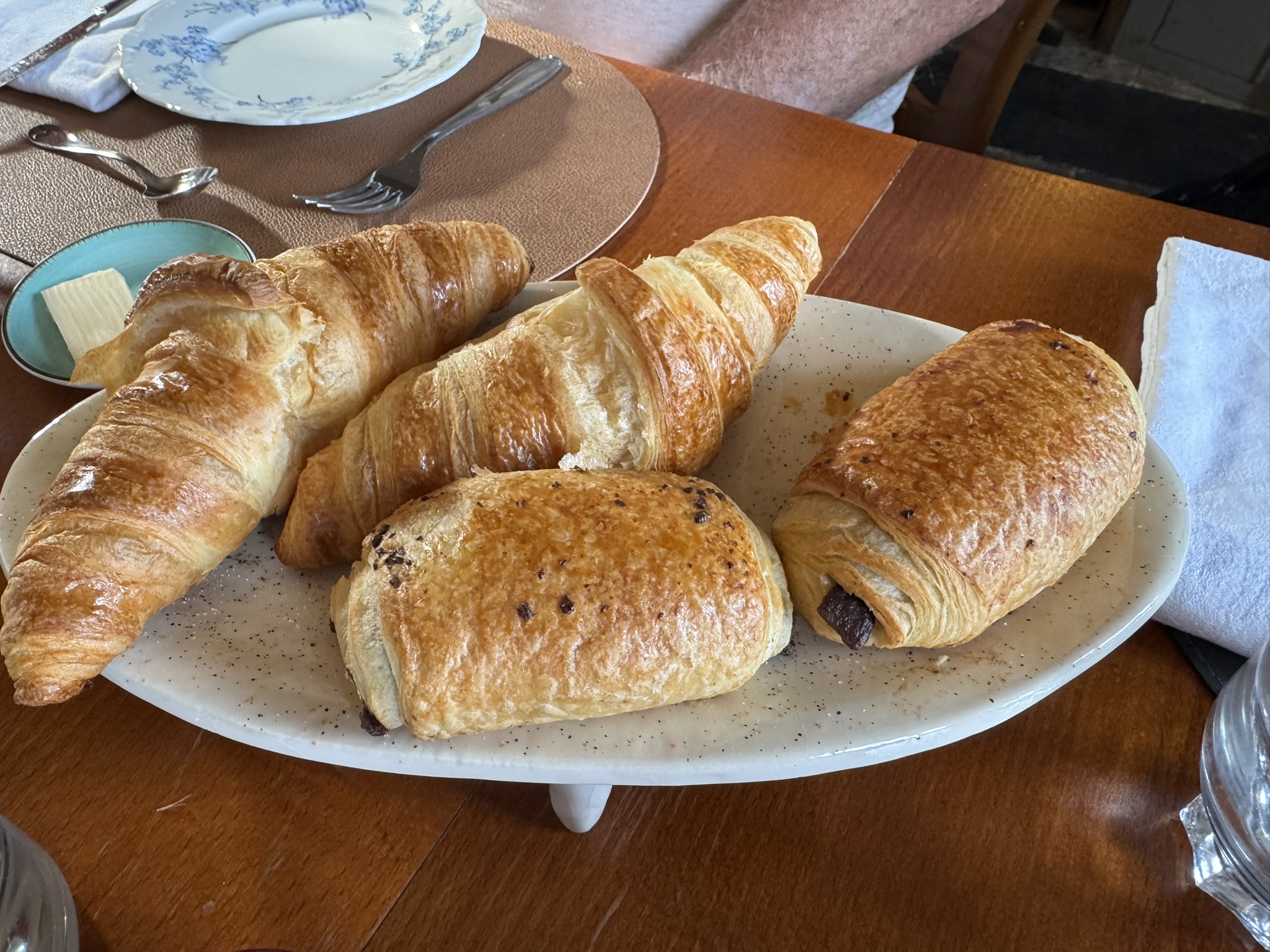
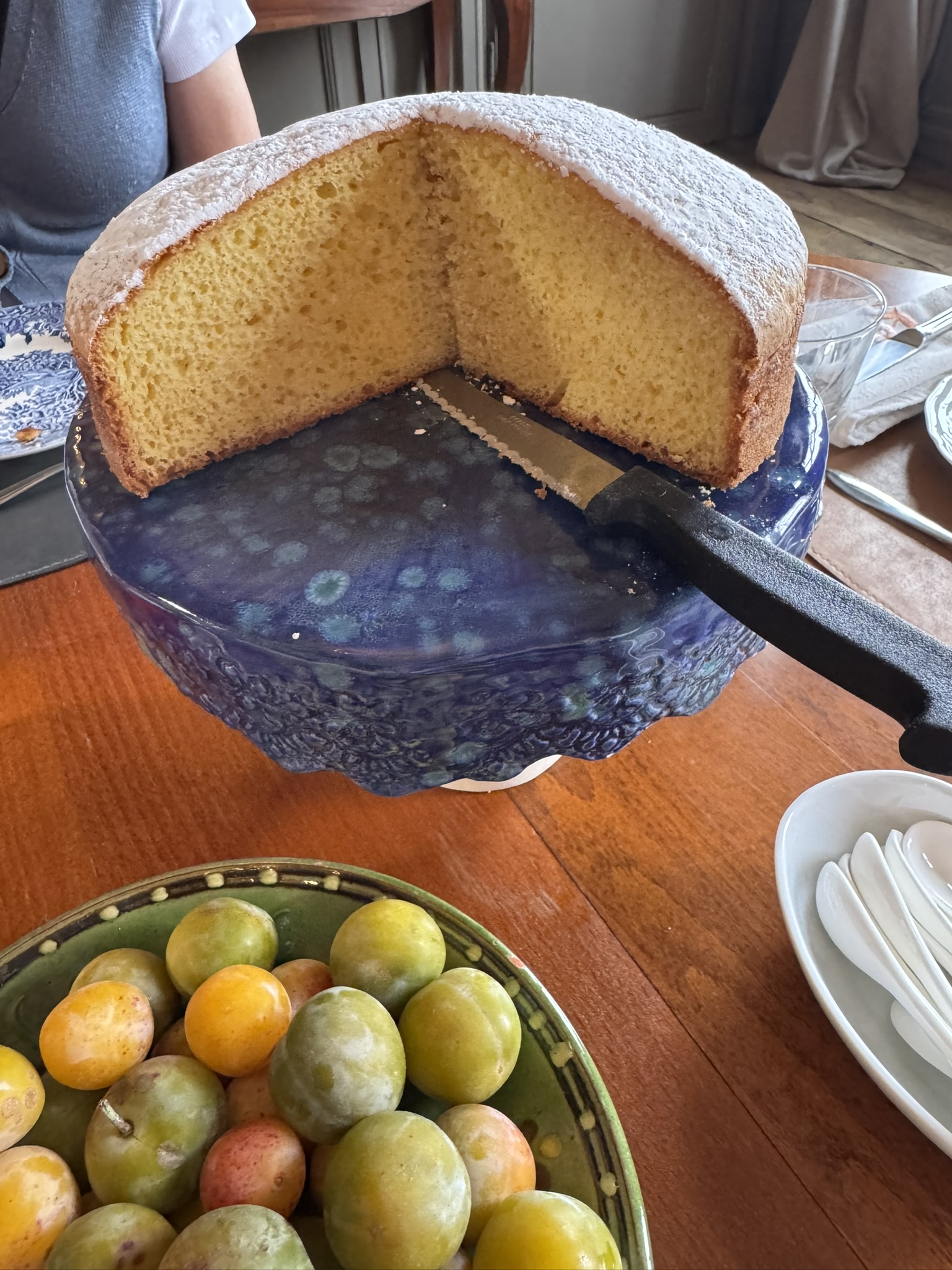
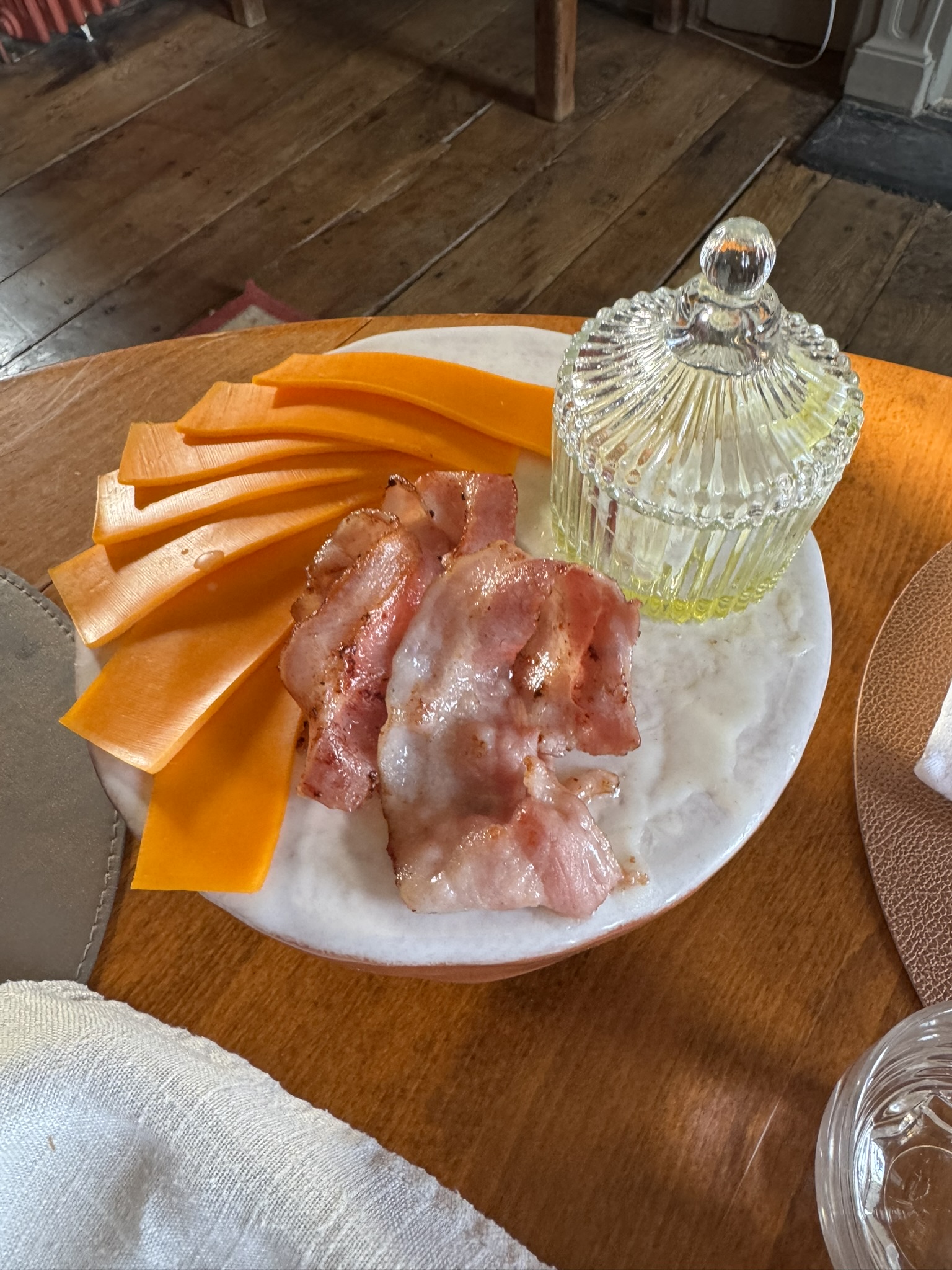
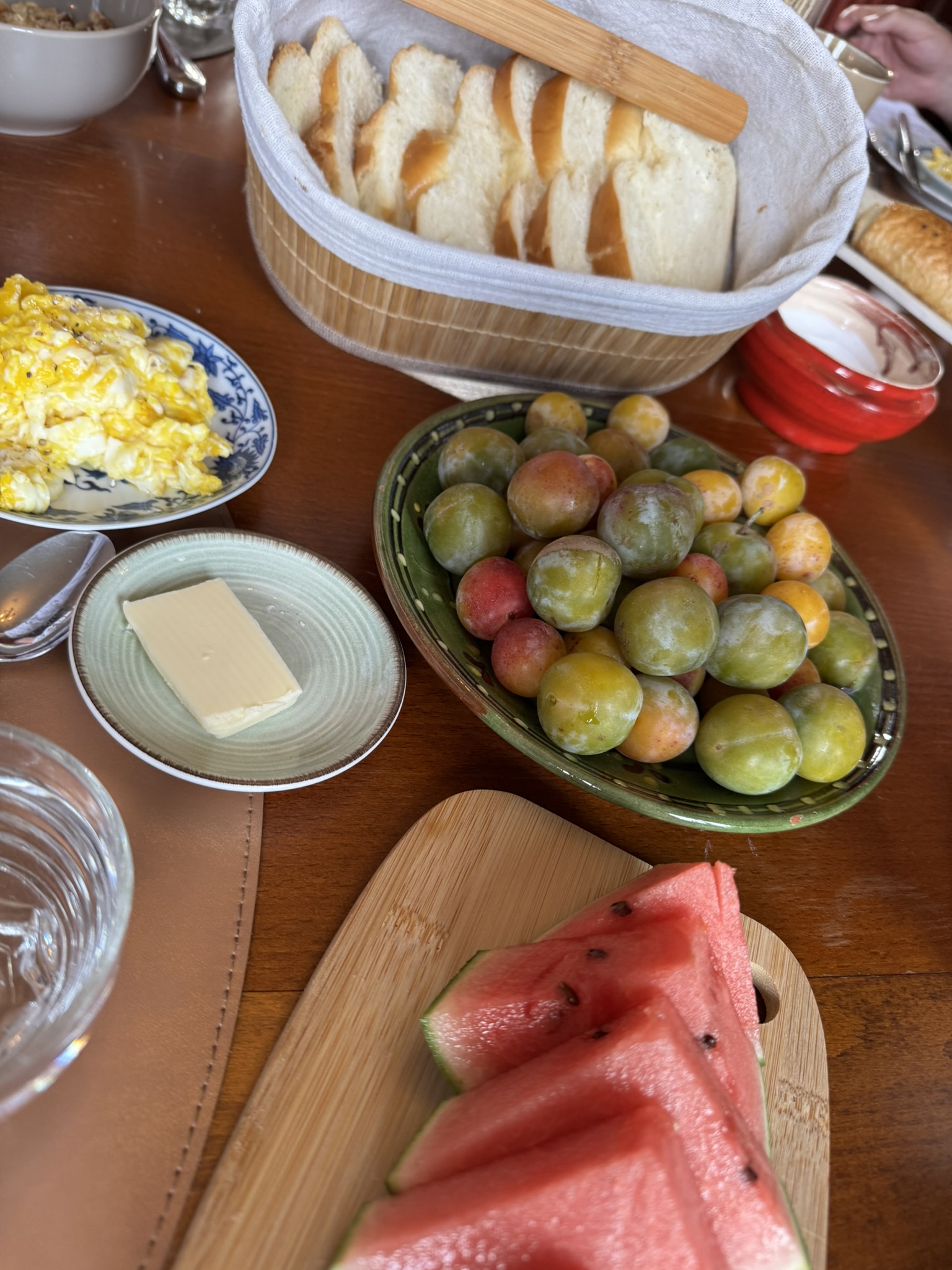
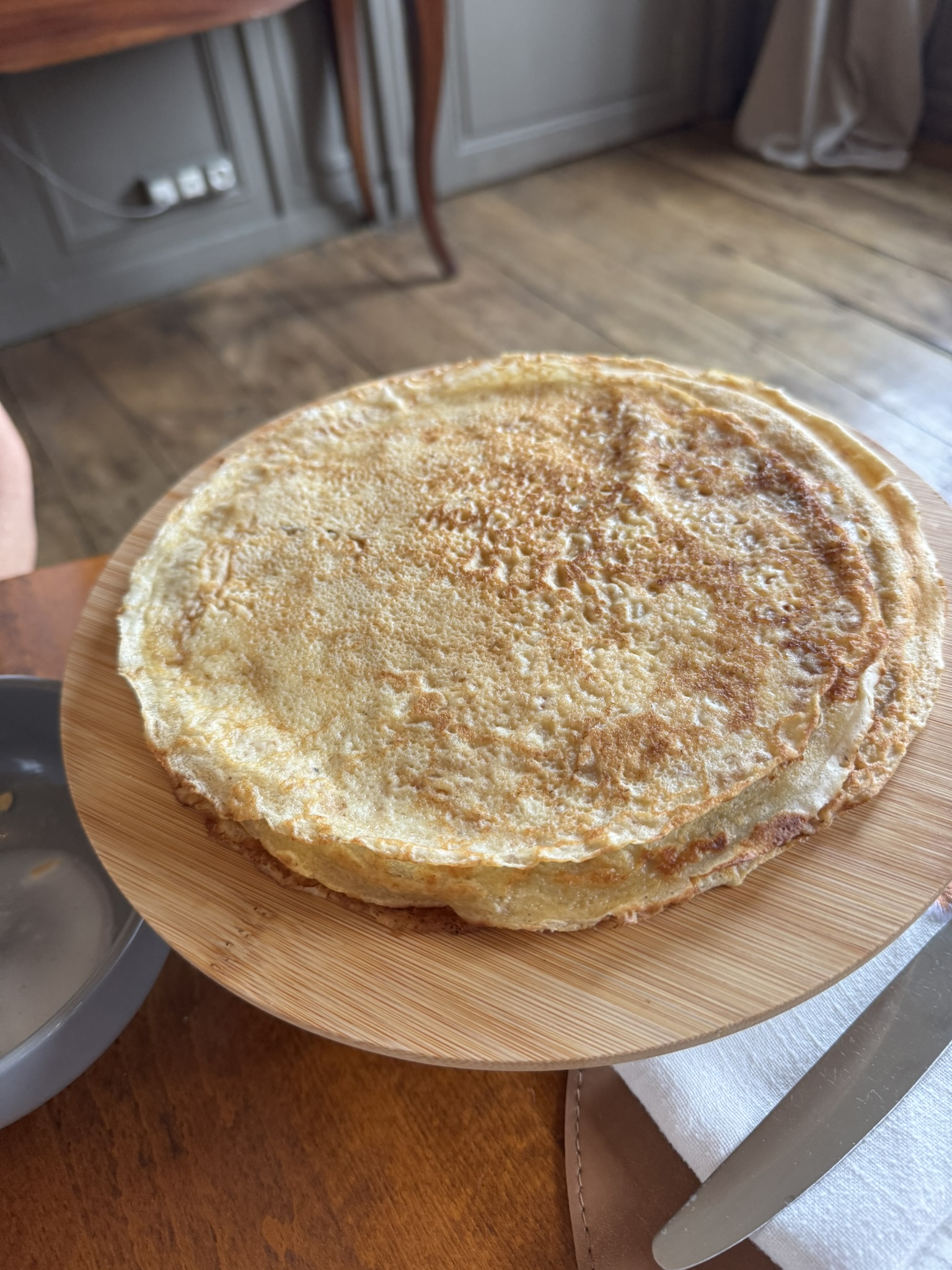
Fabulous French Food
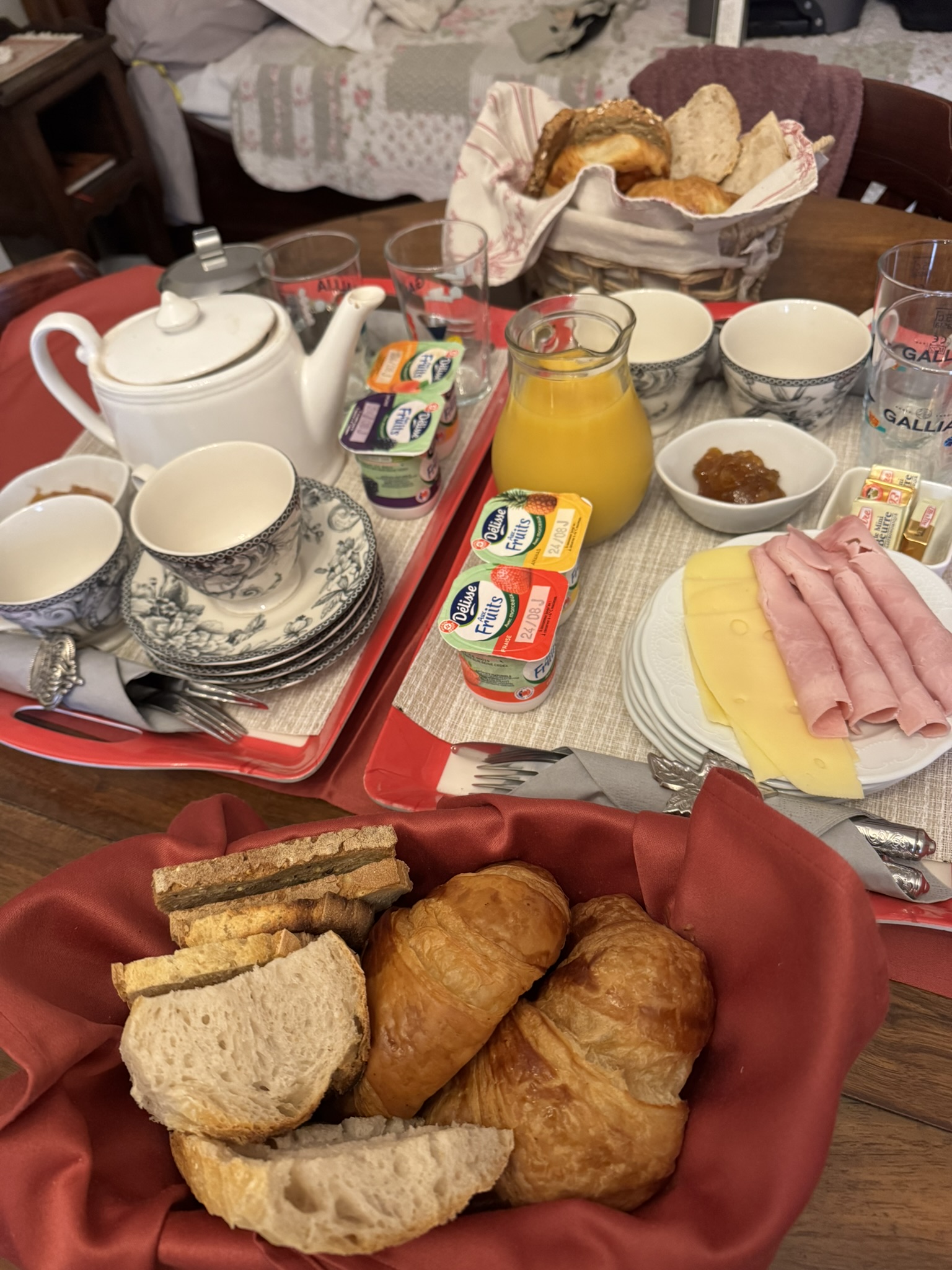
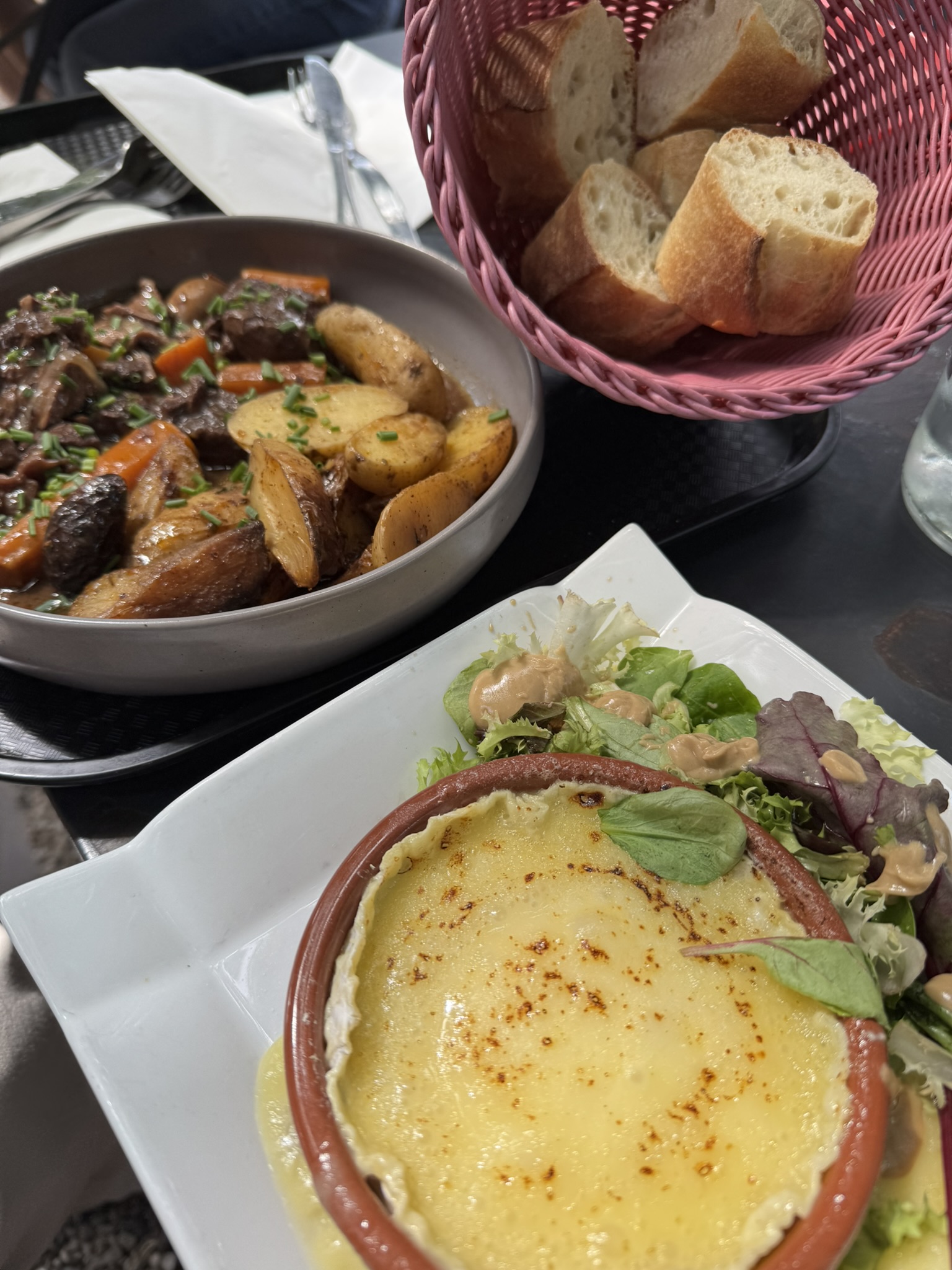

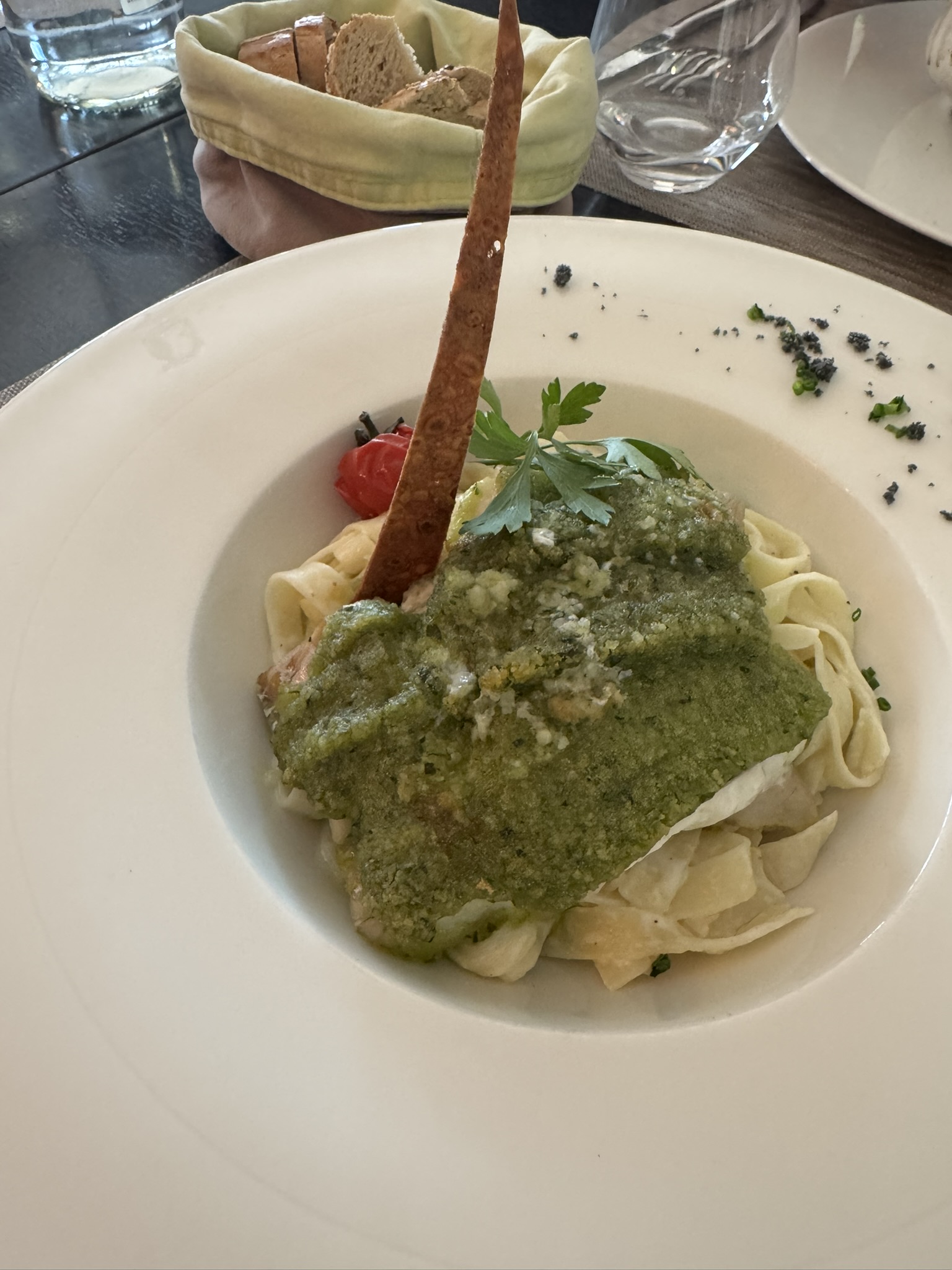
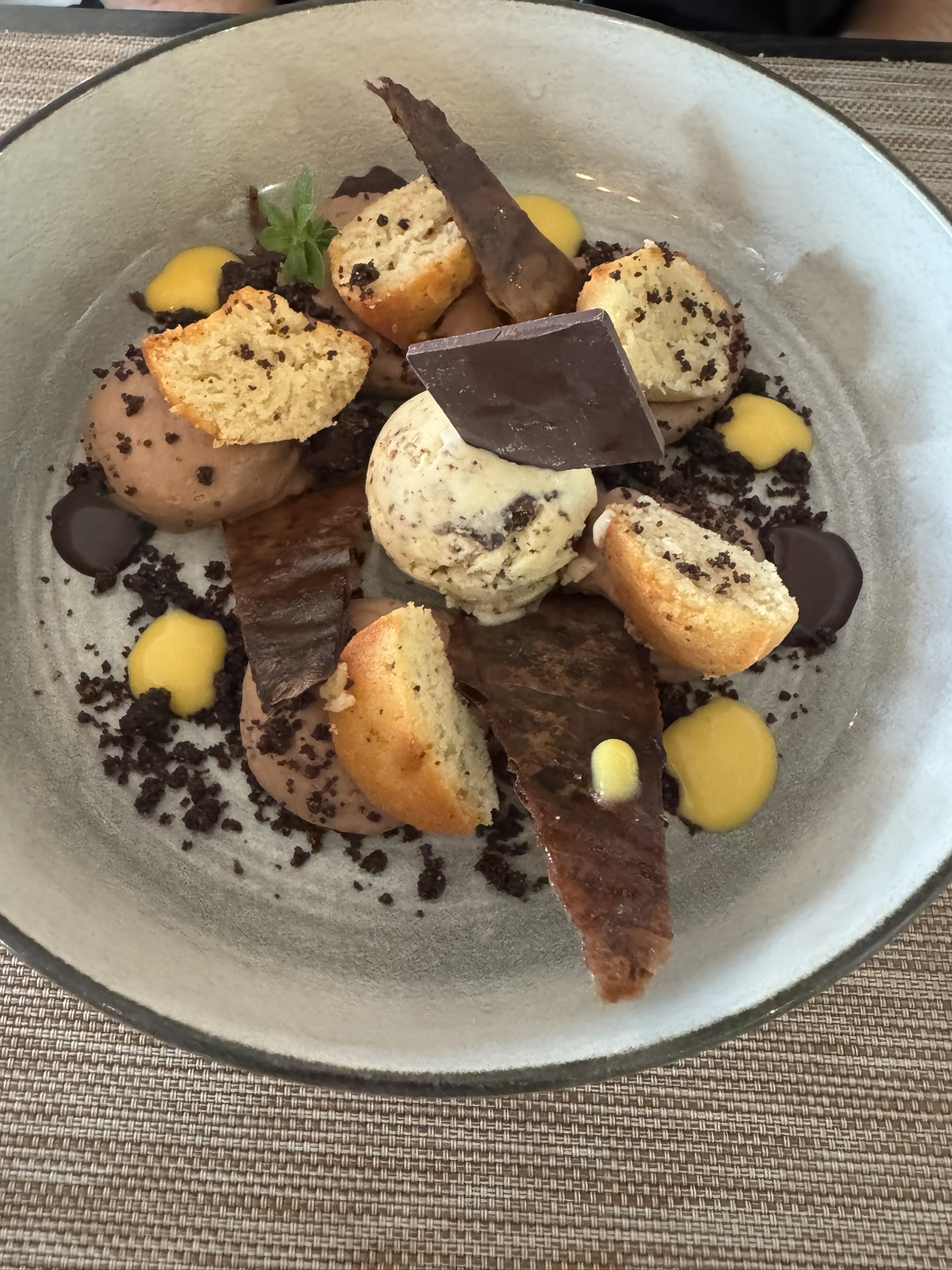

NORMANDIE, FRANCE
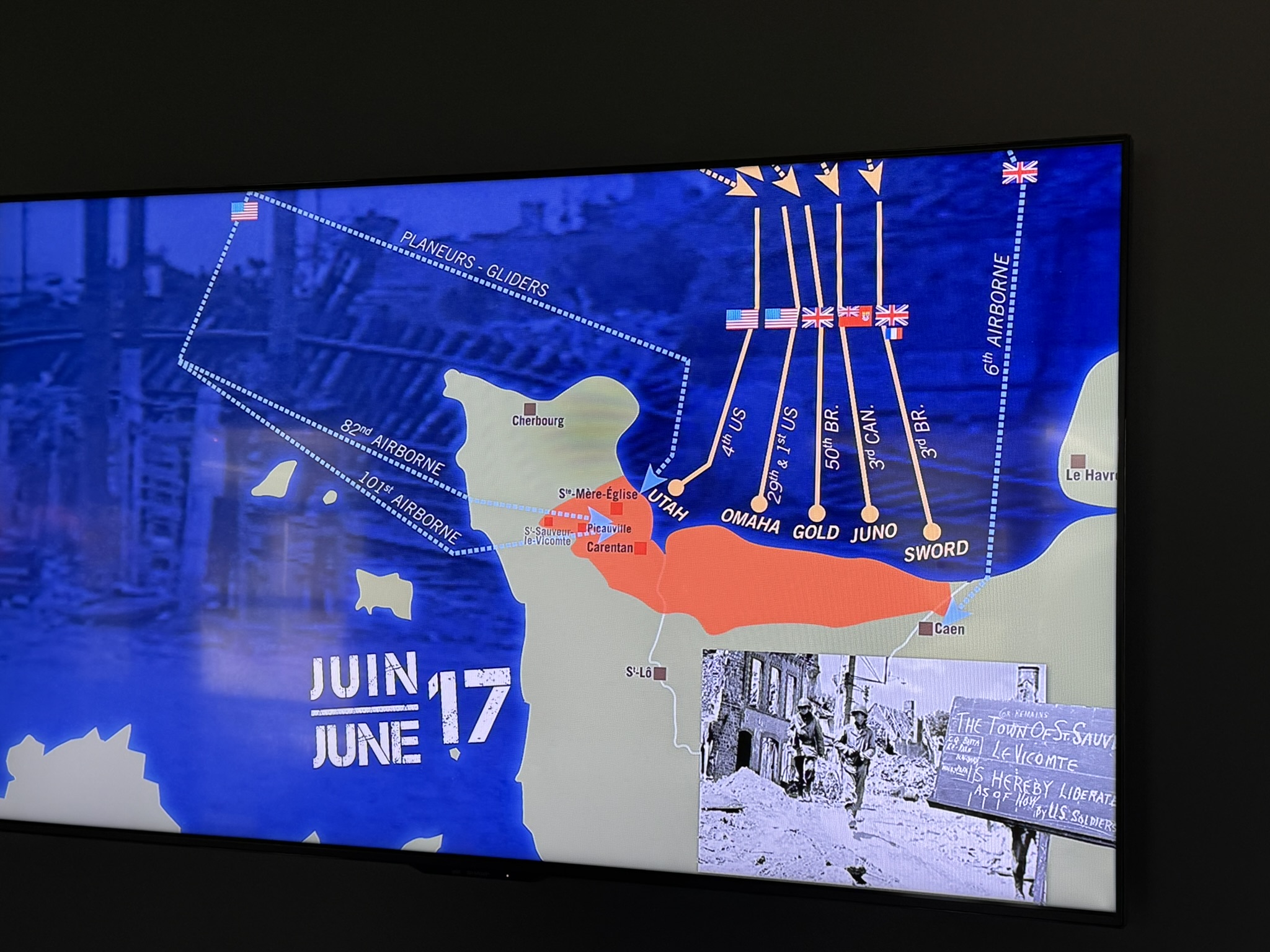
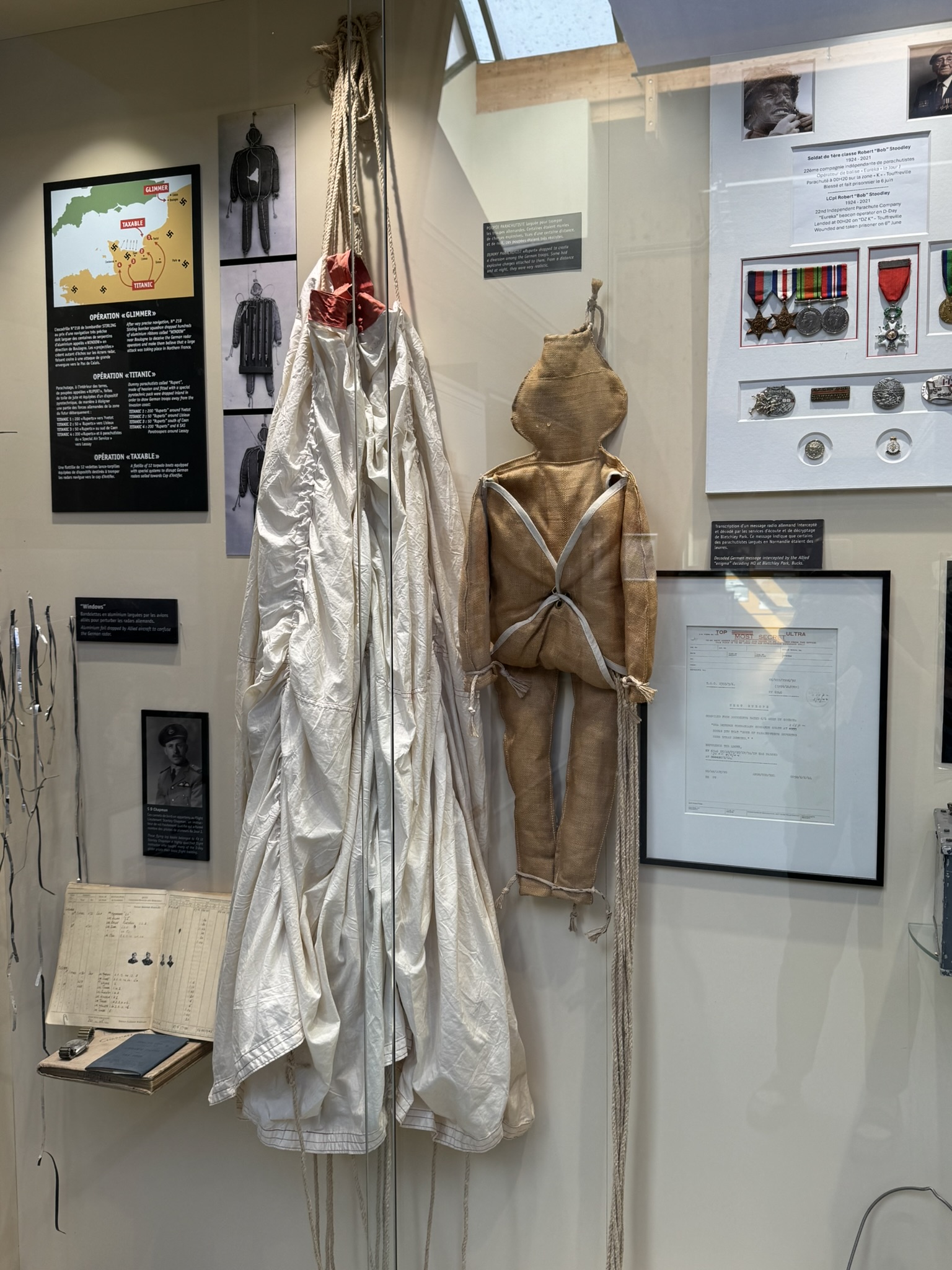
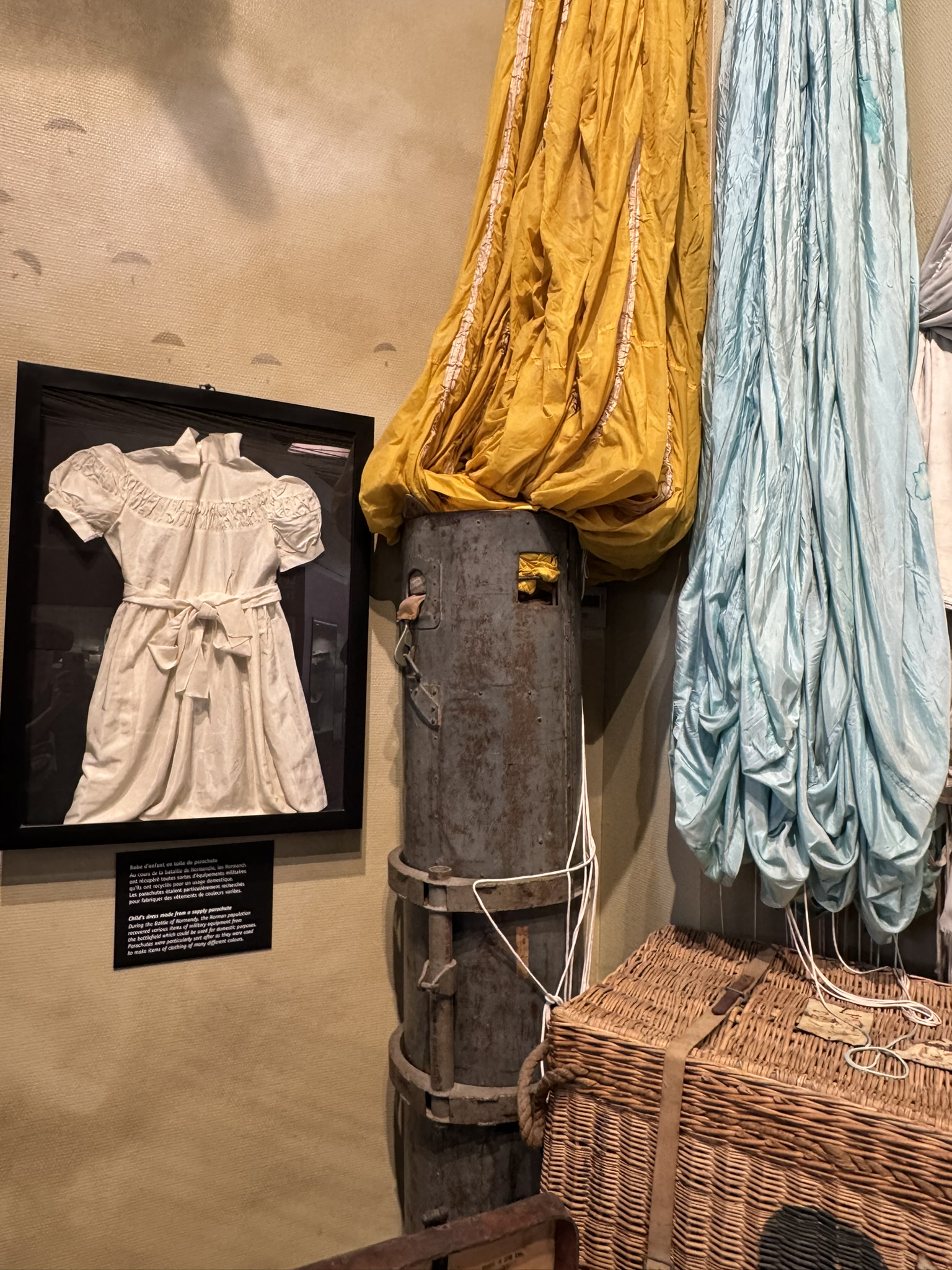
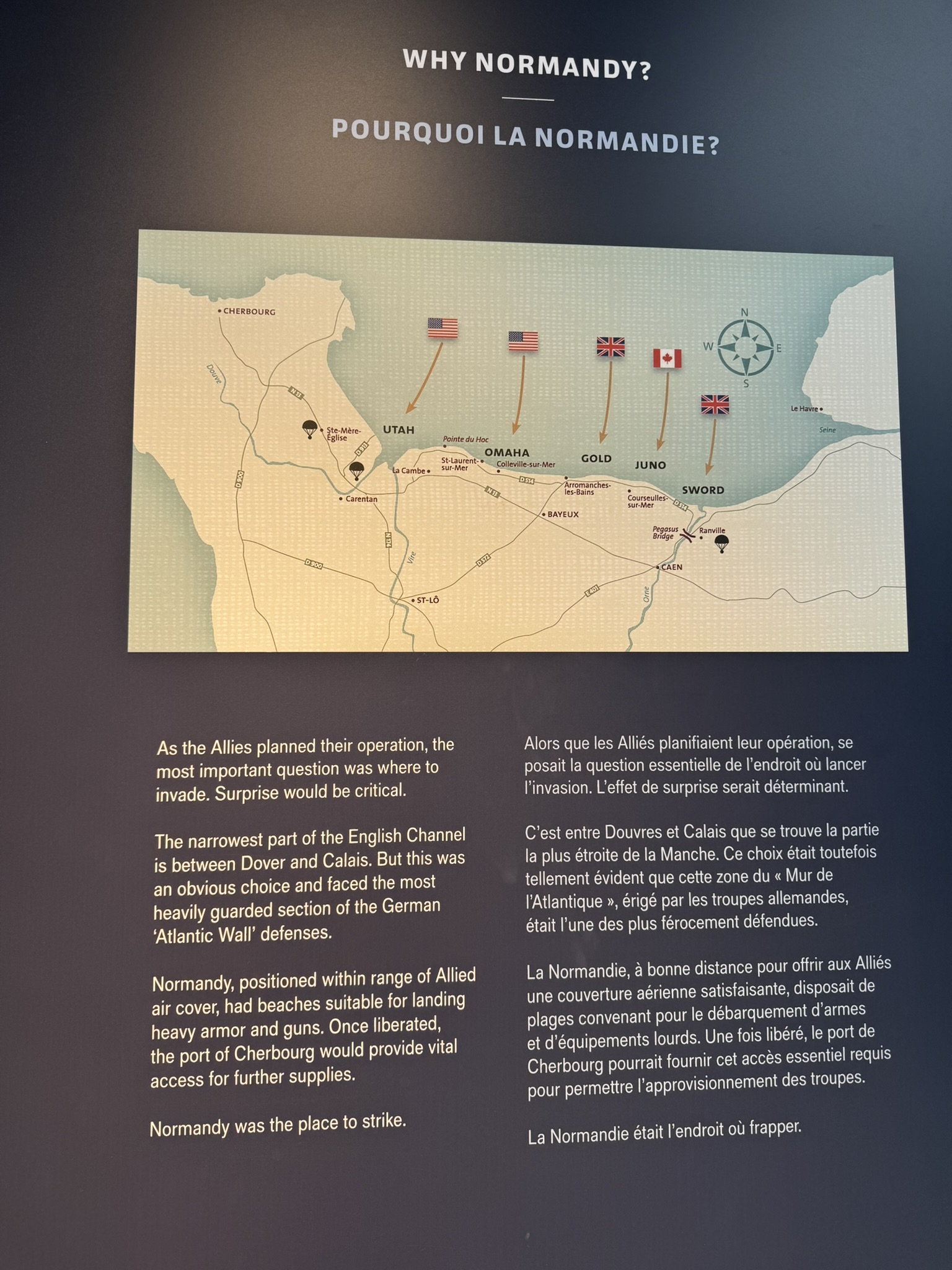
It was here on June 6, 1944, that the Allied invasion took place during the Second World War. Code named, Operation Overlord, often referred to as D-Day, was the largest seaborne invasion in history. It began the liberation of France and the rest of Western Europe and laid the foundation of the Allied victory on the Western Front.
Sainte-Mere-Eglise
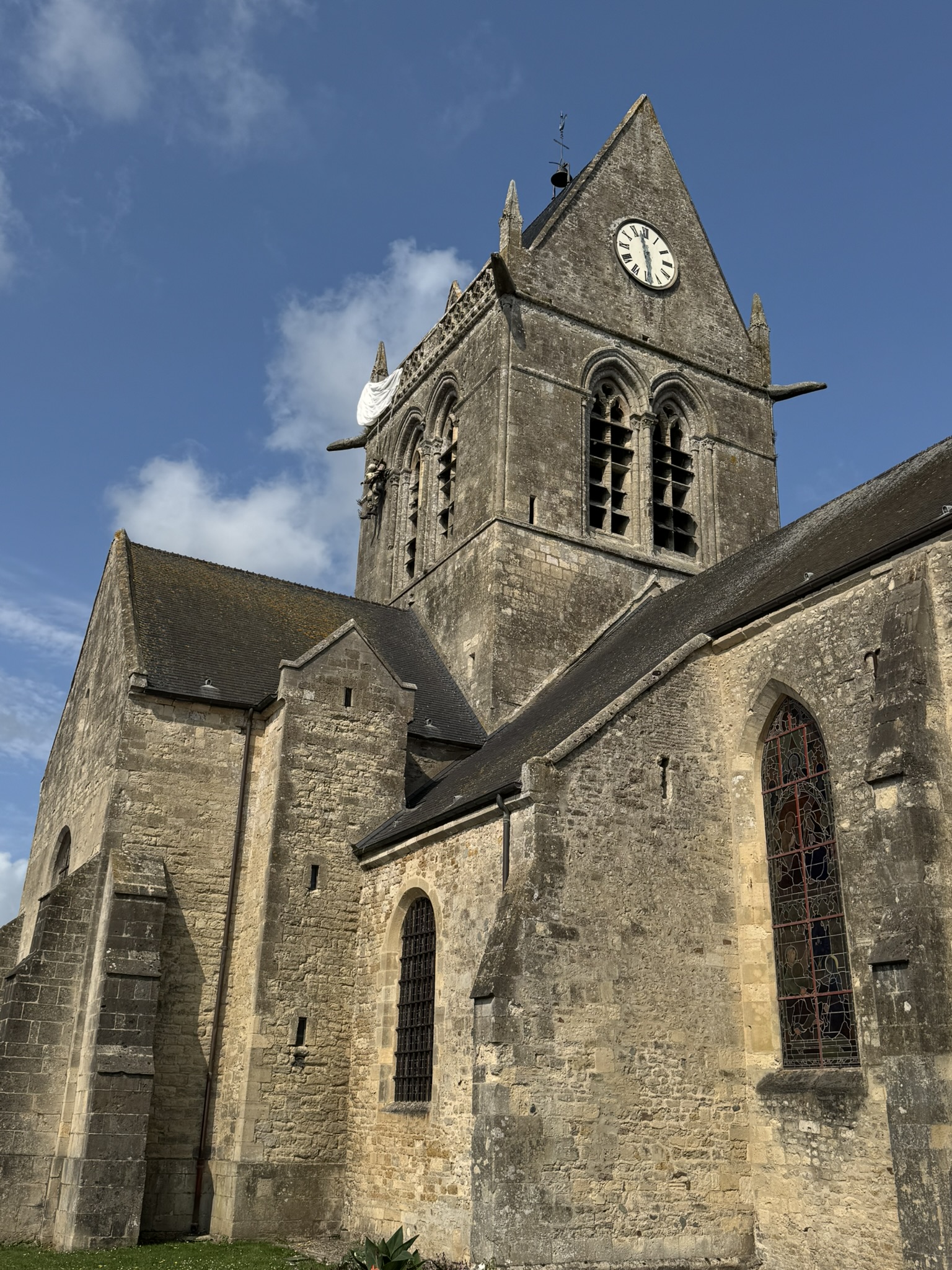
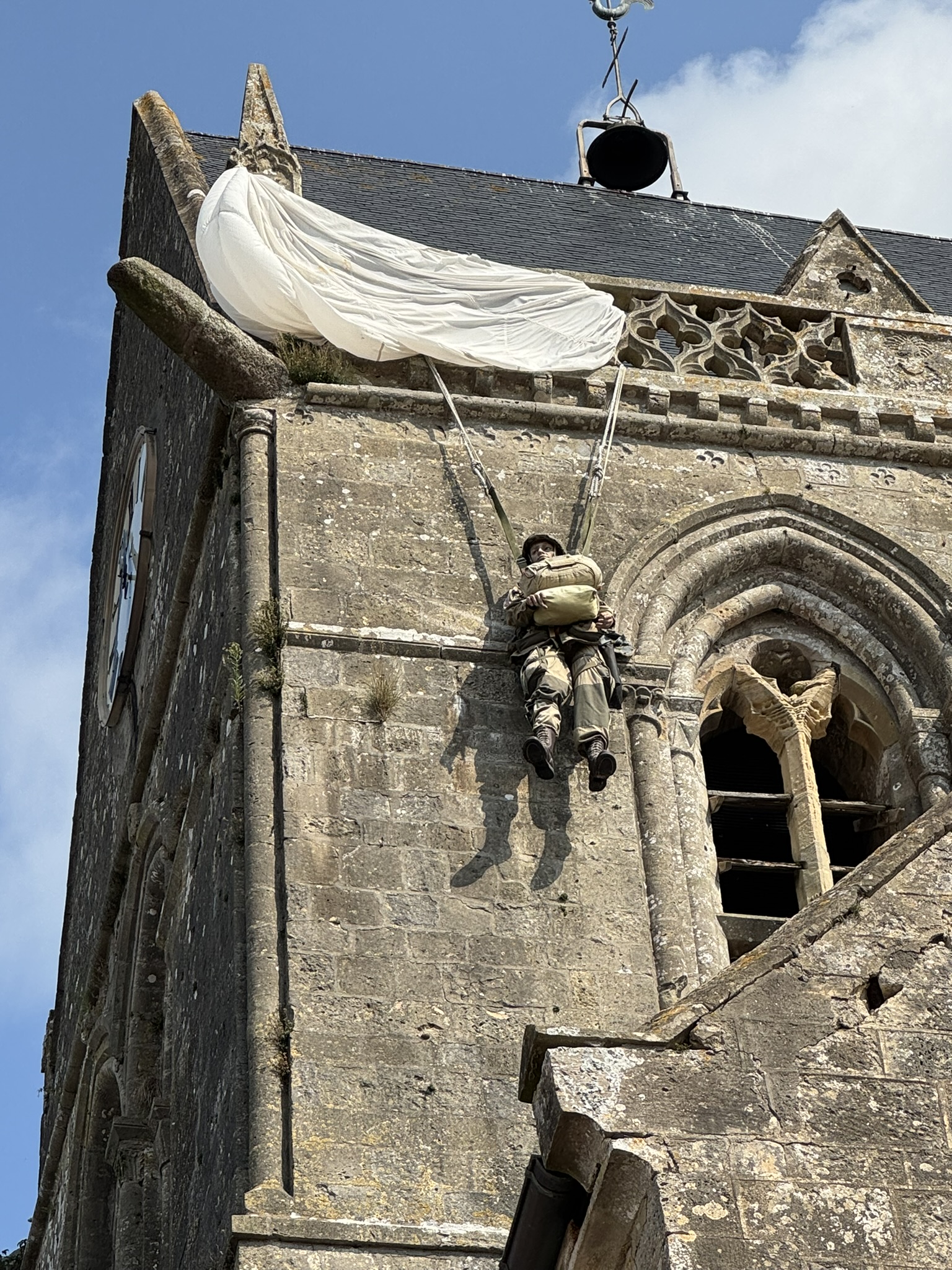
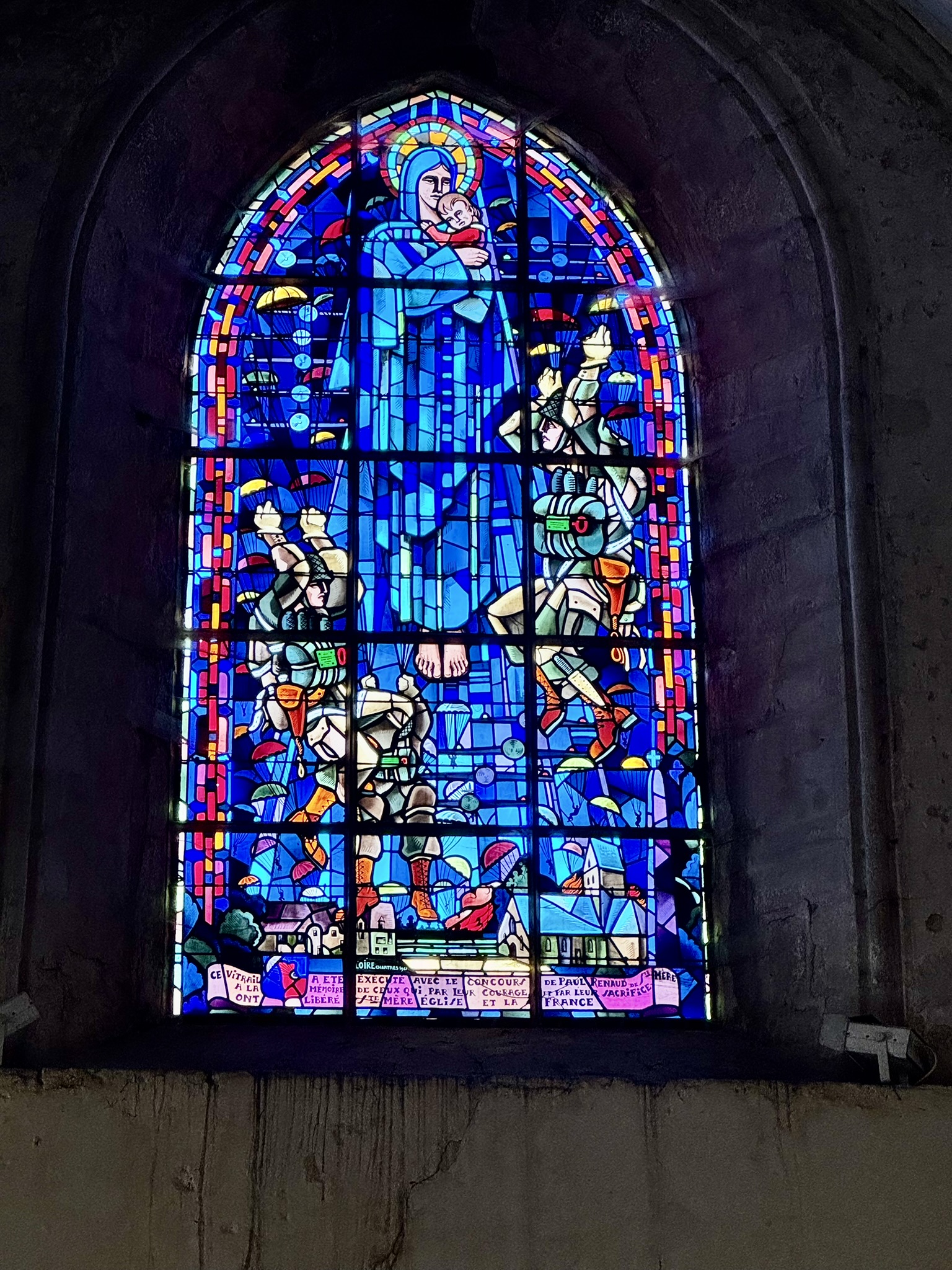
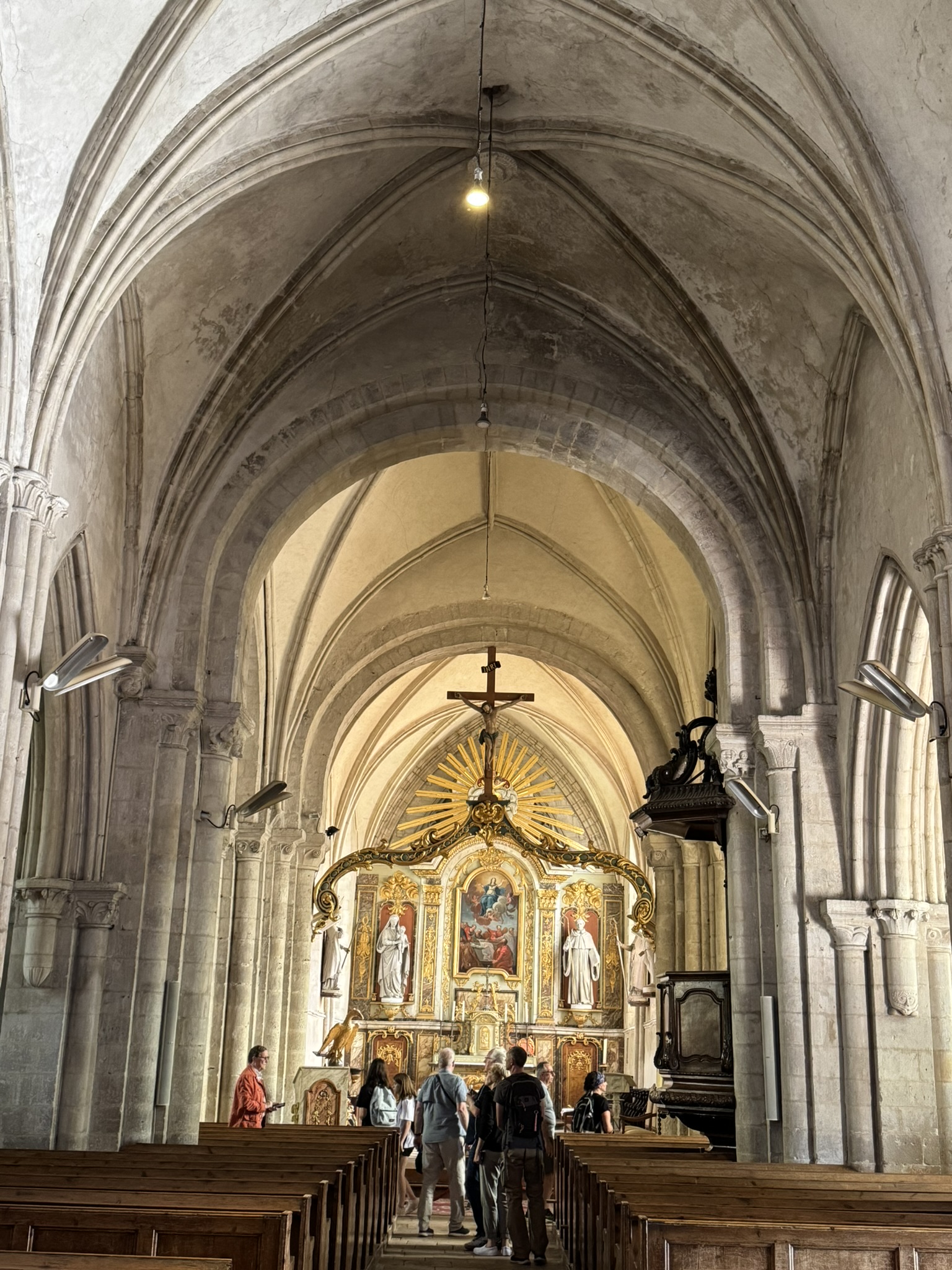
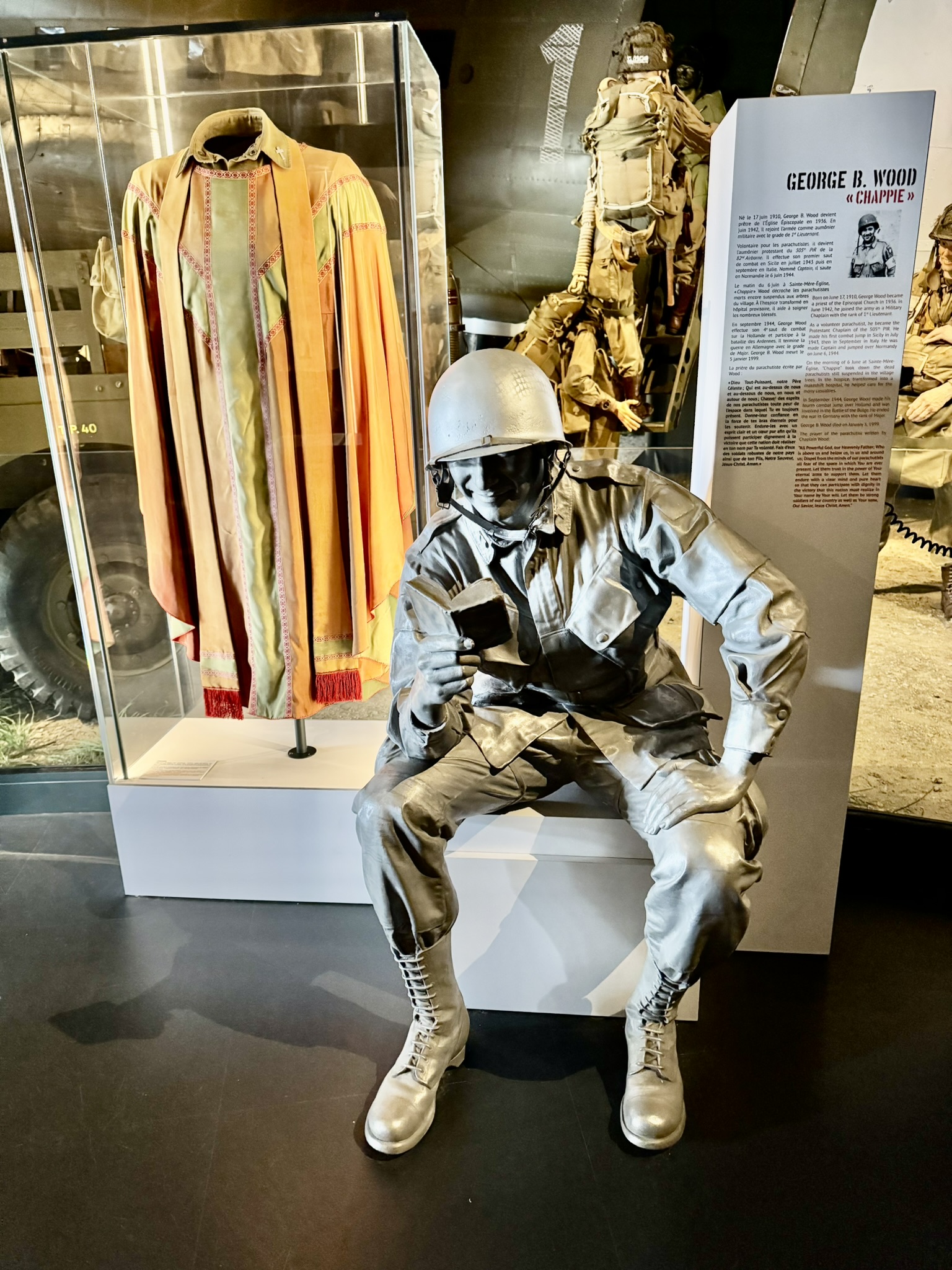
The American parachutists of the 82nd and 101st Airborne Divisions were tasked with capturing Sainte-Mere-Eglise and securing Utah Beach. Sainte-Mere-Eglise would be the first town liberated. Private John Steele landed on the roof of the church, his parachute catching on the bell tower and causing him to dangle along the roof. Afraid he would be shot if he moved, he played dead for 45 minutes. He was eventually taken prisoner but soon escaped to rejoin his comrades. Inside the church, stained glass windows pay tribute to the paratroopers who landed here.
Airborne Museum
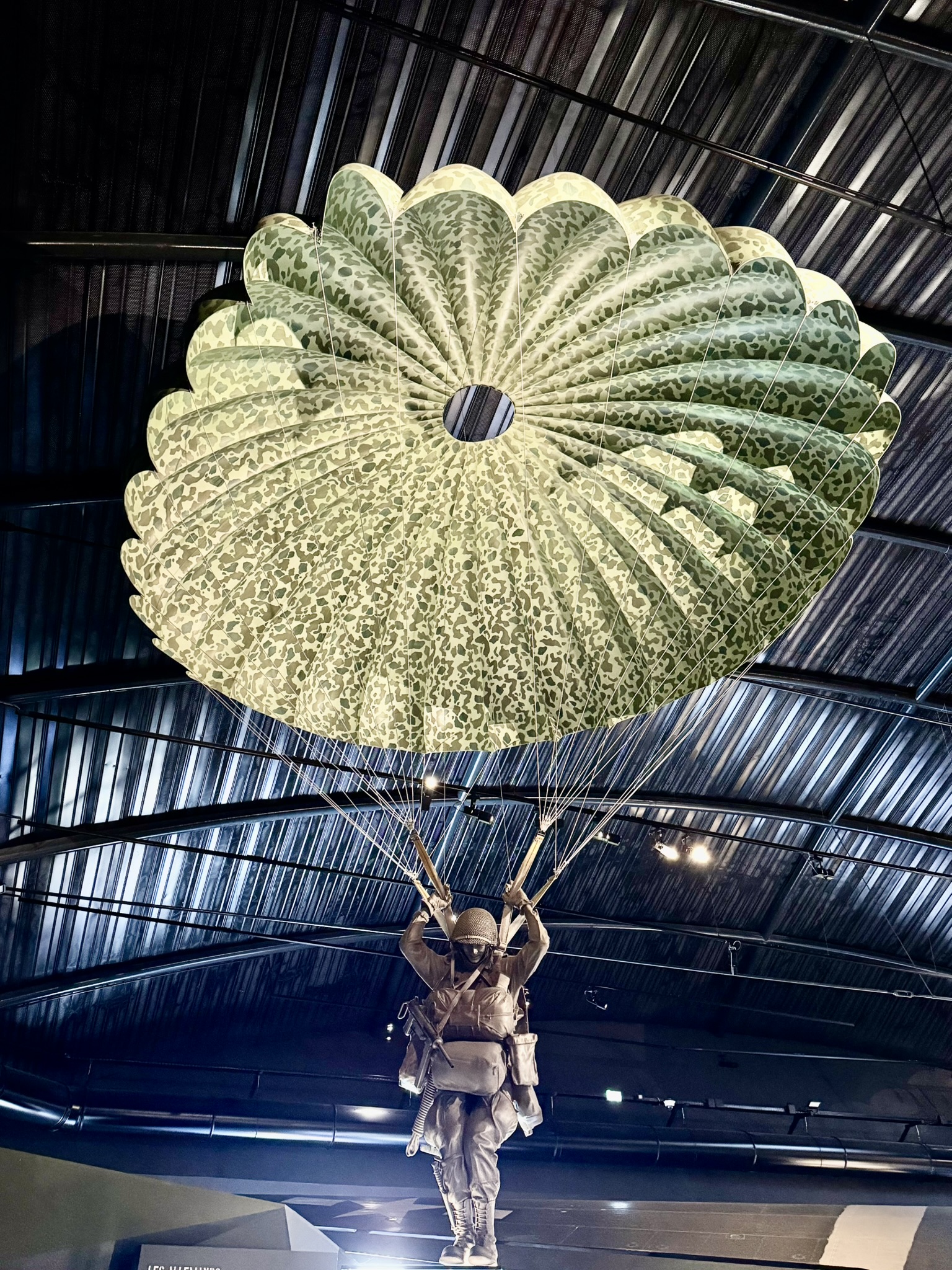
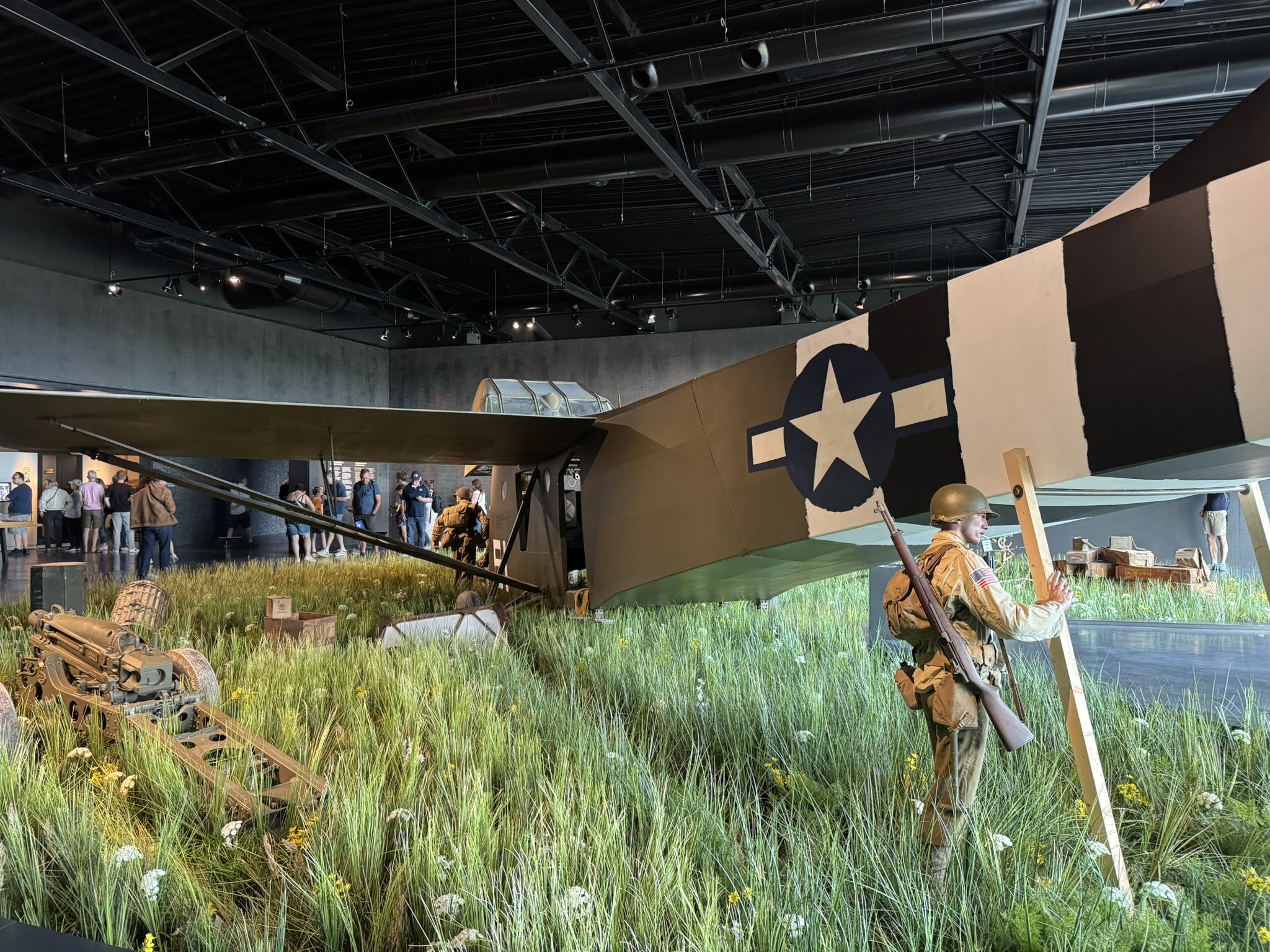
This museum takes you in the footsteps of the American paratroopers of D-Day. Here you can see an authentic WACO glider.
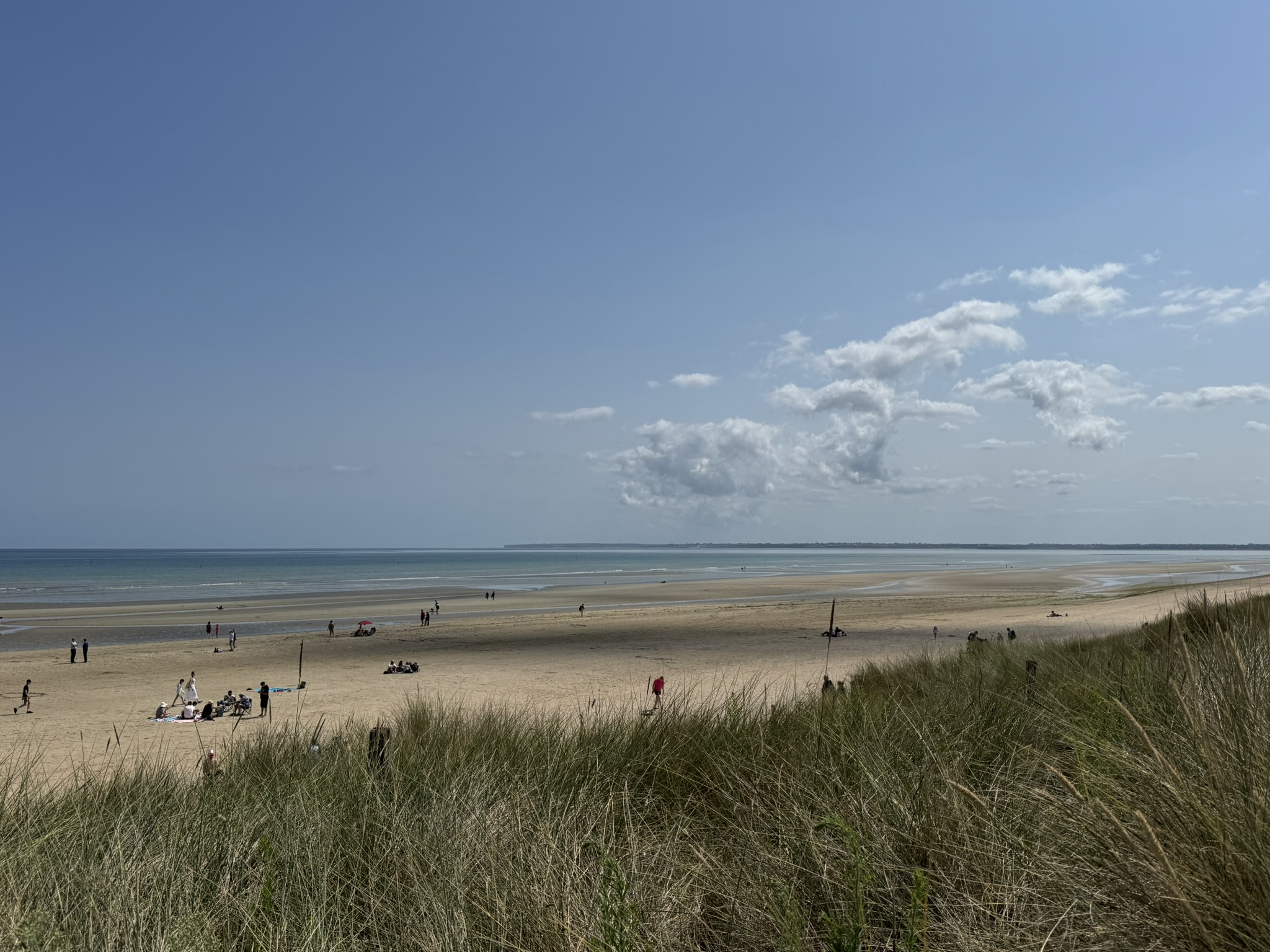
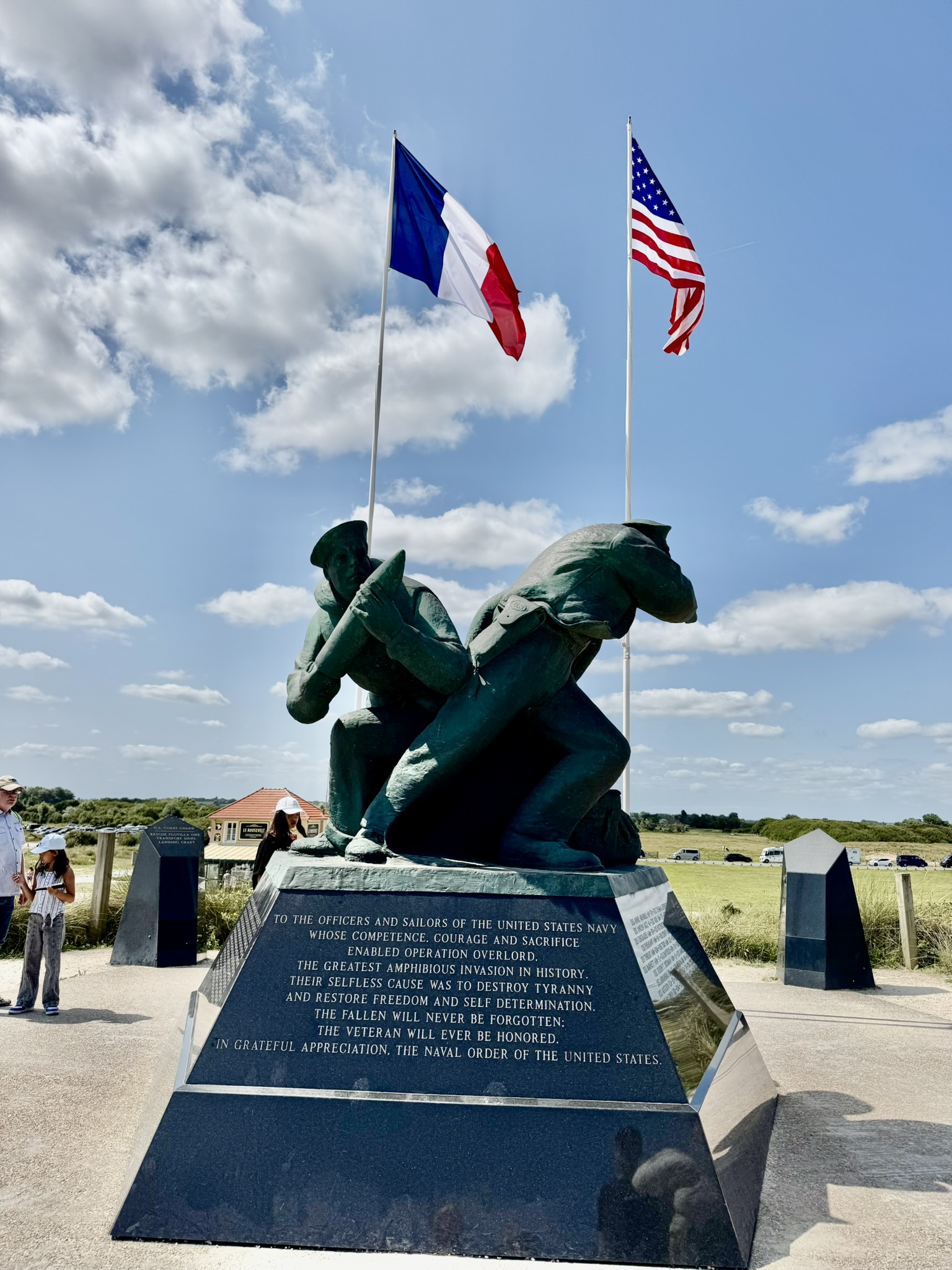
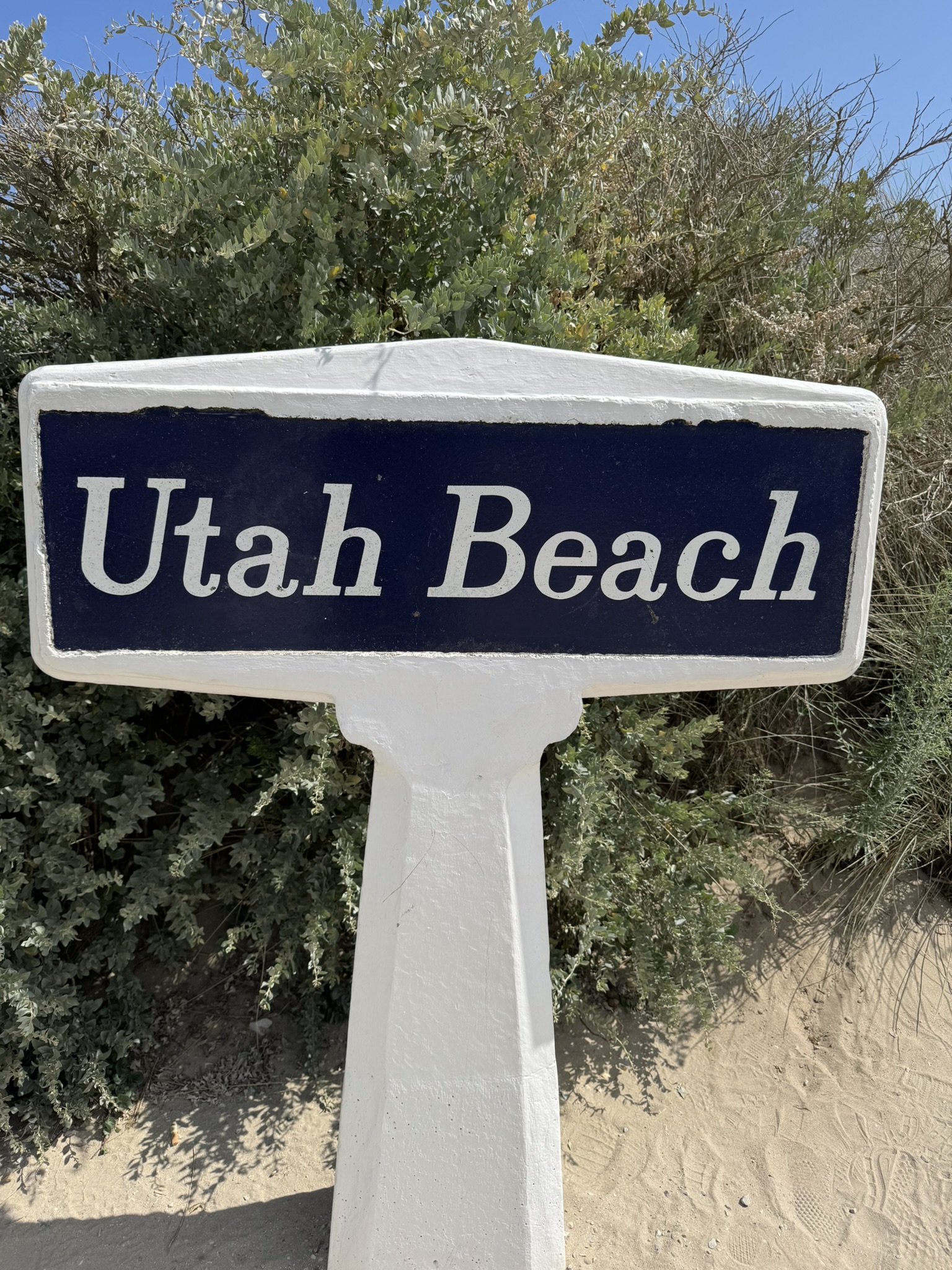
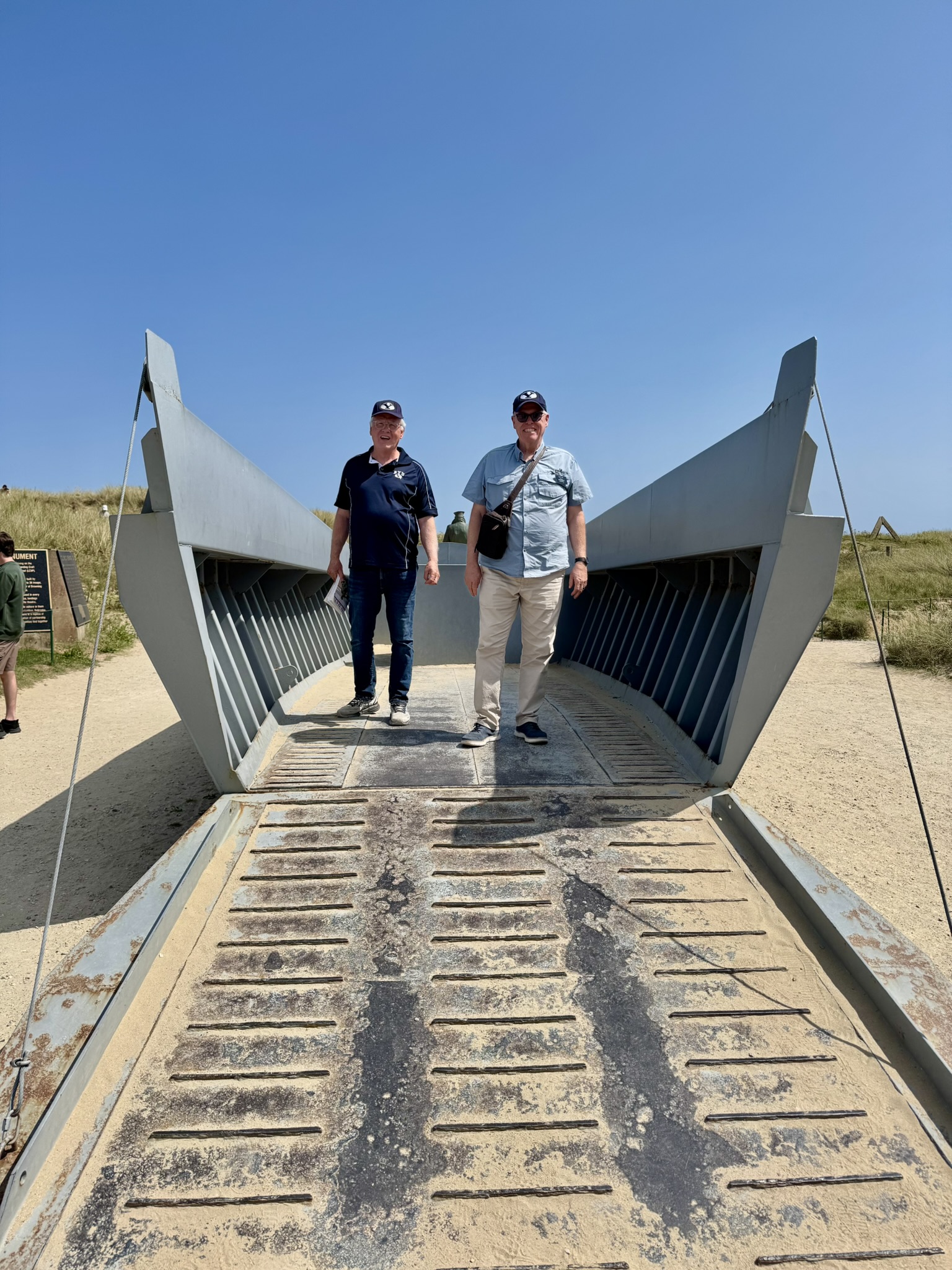
Utah Beach
The sea near Utah beach has strong currents that drove the troops nearly two km south from their original target. This was fortunate as the Americans landed on a lightly defended section of beach, which was rapidly taken under control.
La Cambe German Cemetery
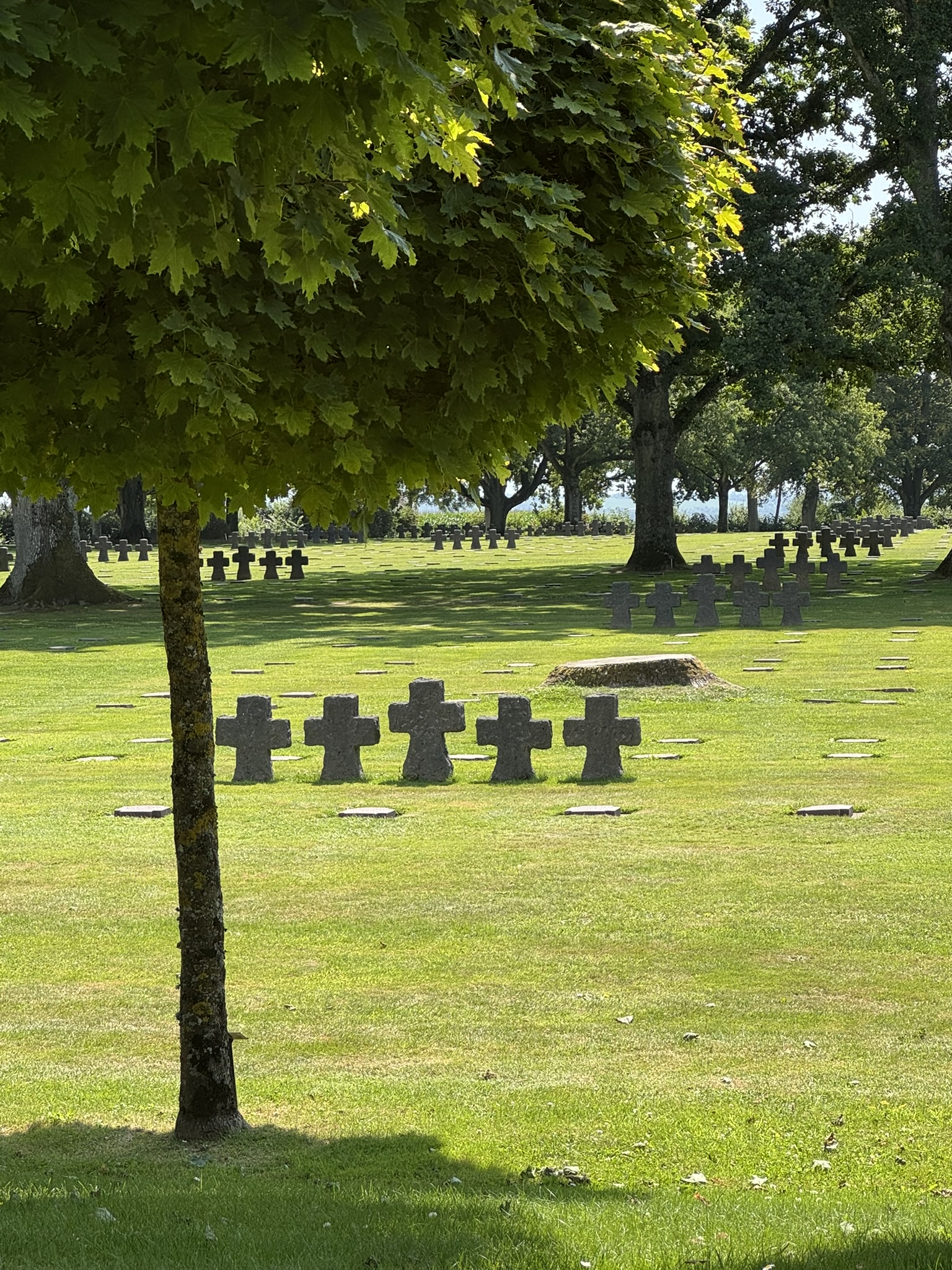
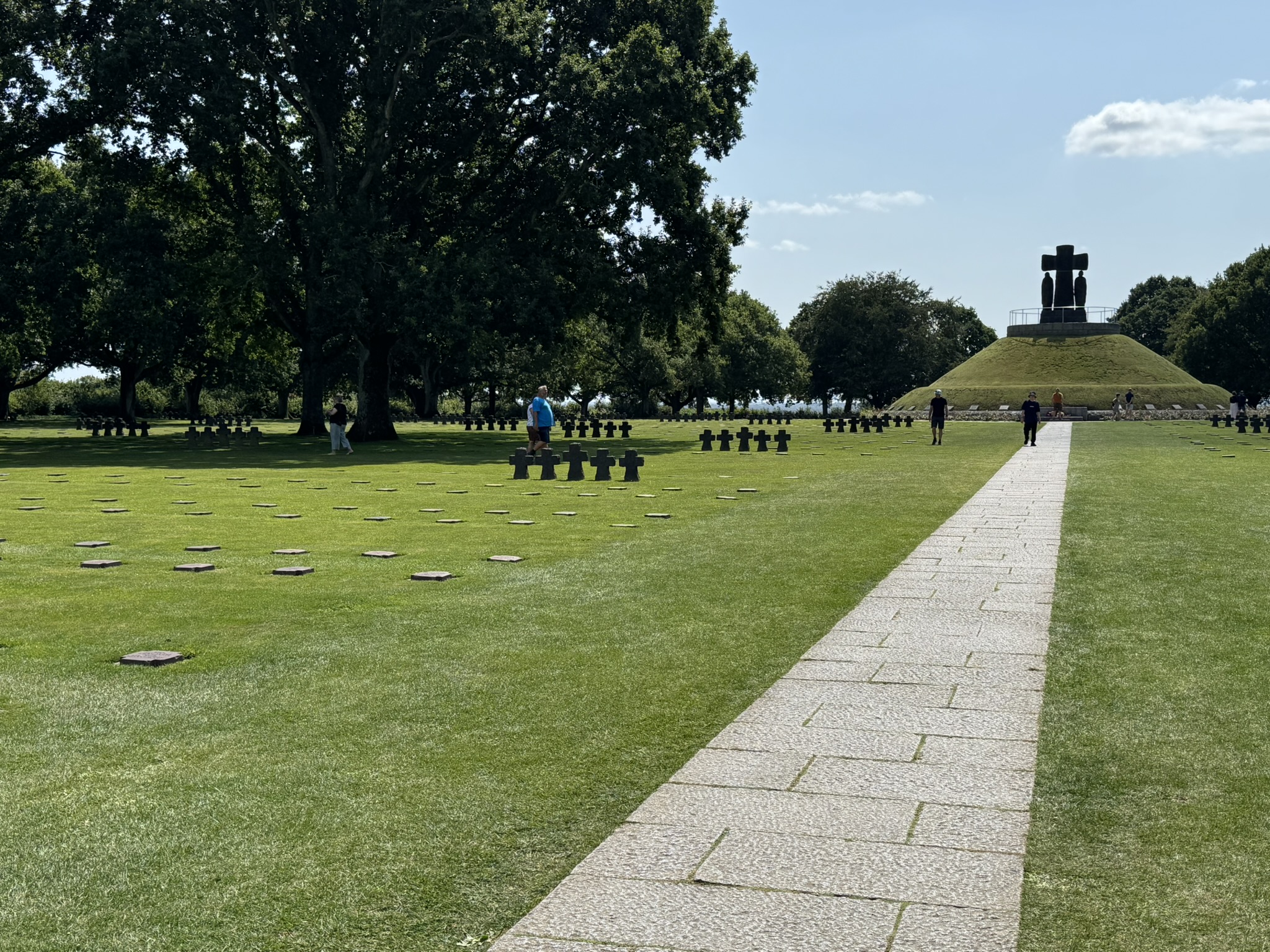
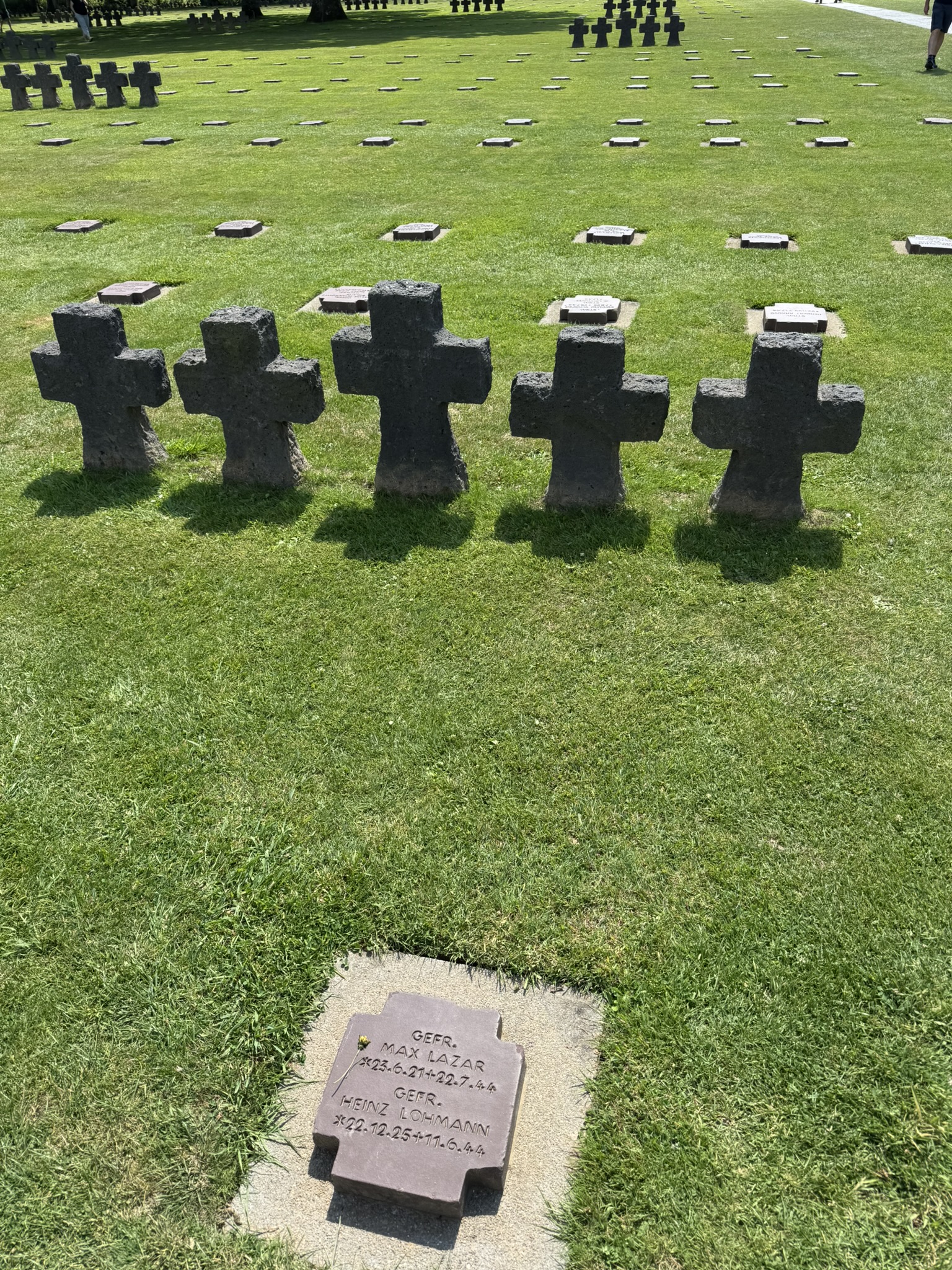
This is one of the six German military cemeteries created in the aftermath of the Battle of Normandy. Over 21,000 German soldiers are buried here, not all of whom had chosen either the cause or the fight.
Pointe du Hoc
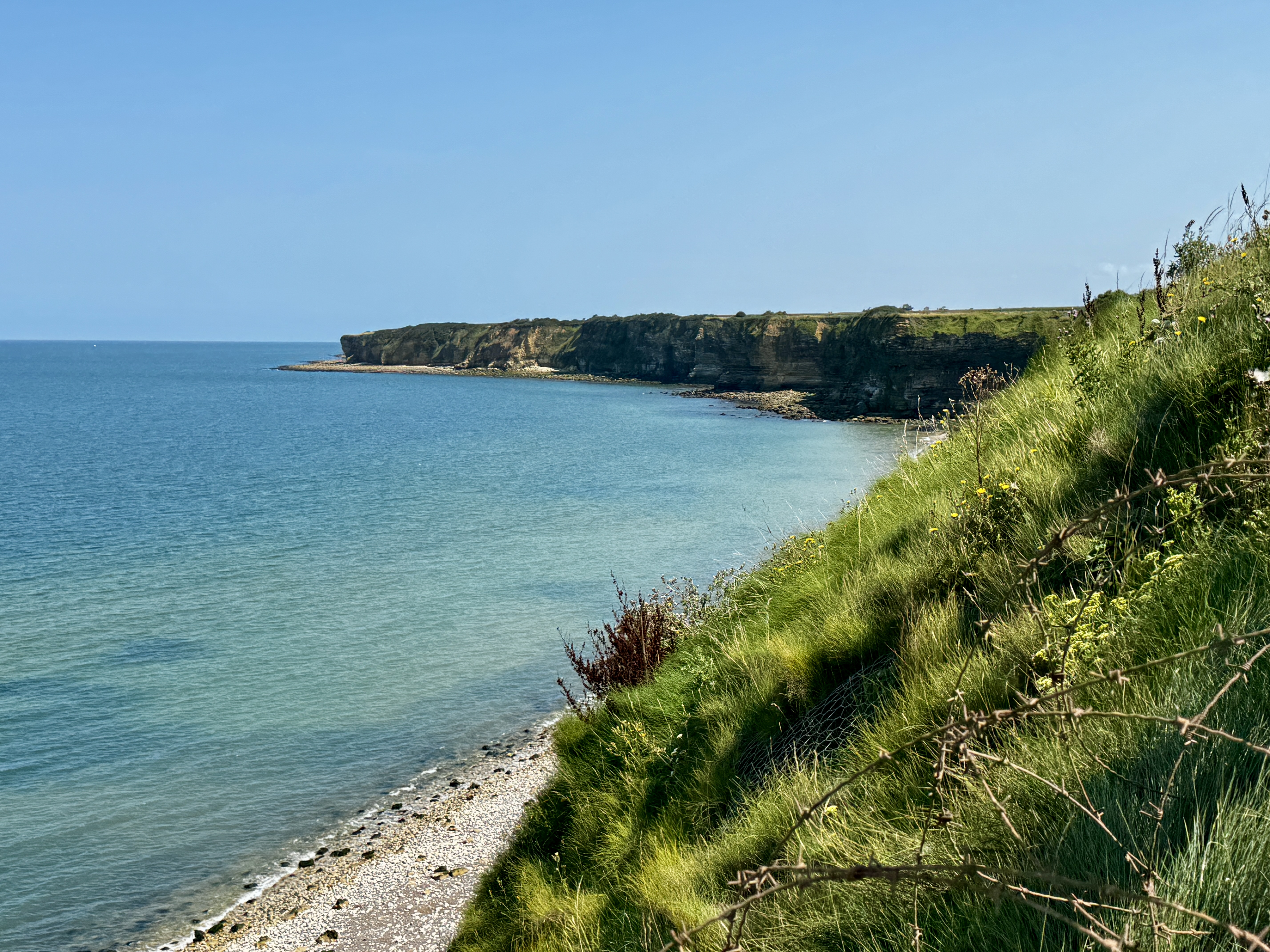
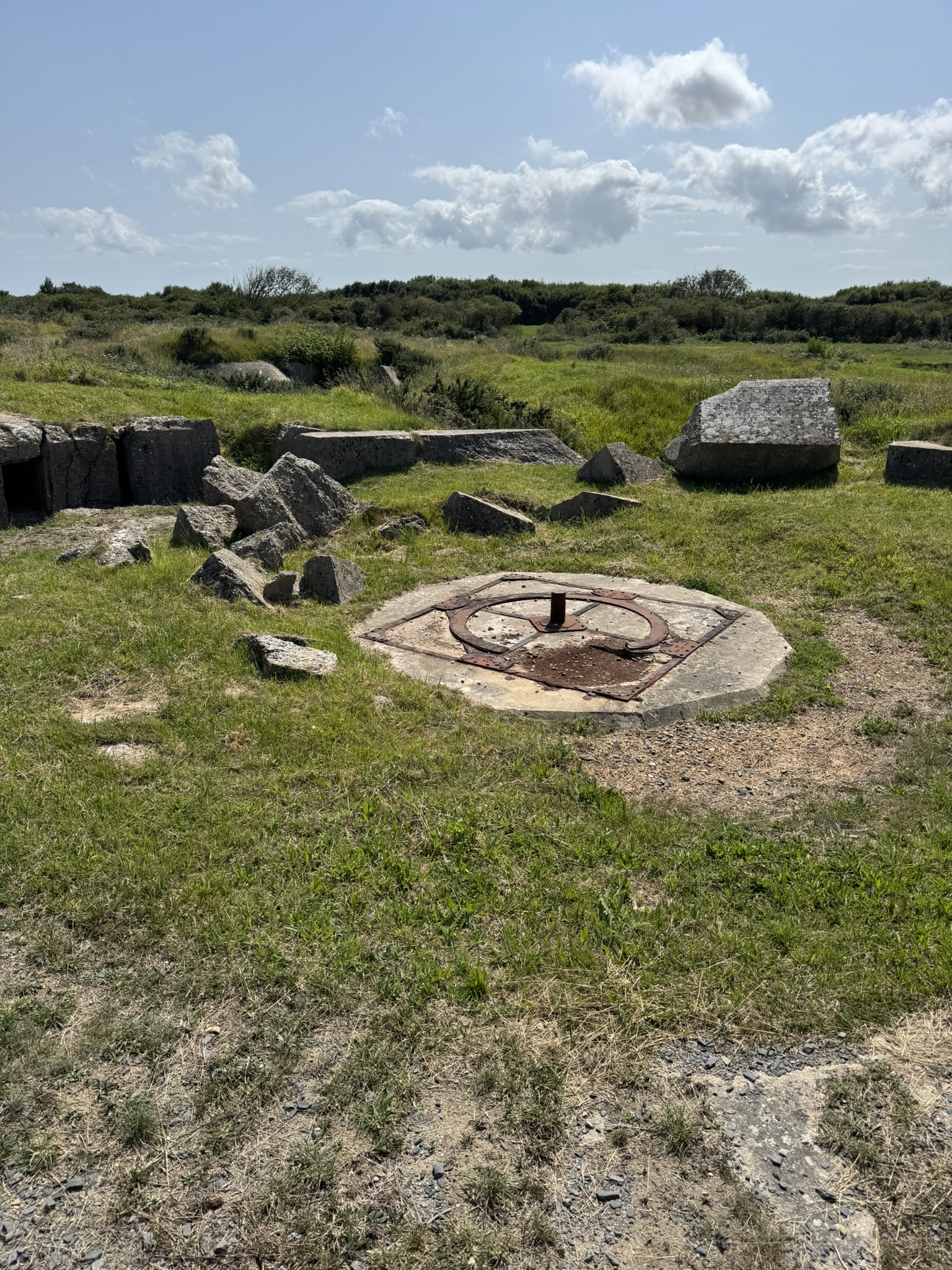
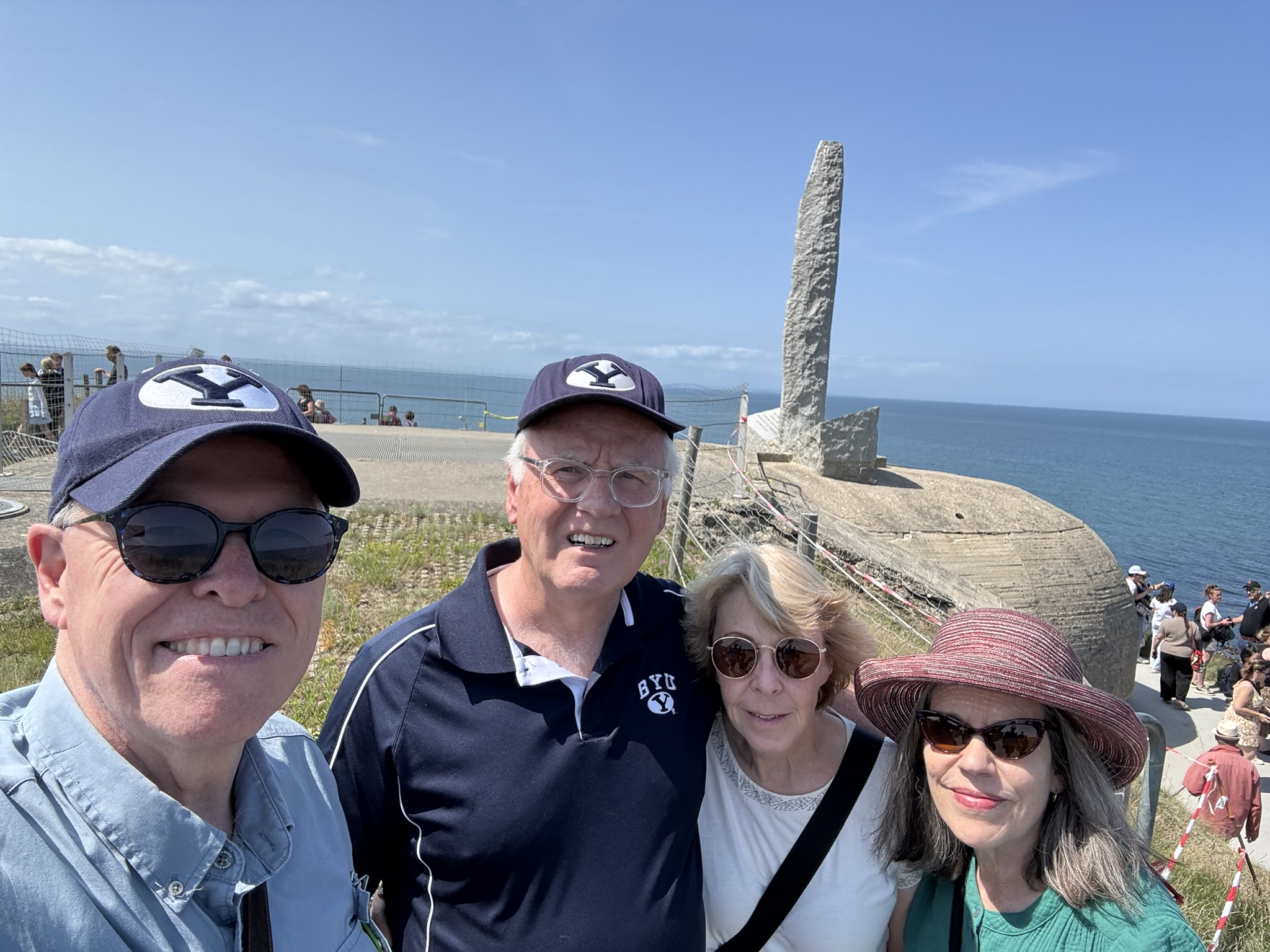
Pointe de Hoc was a strategic point in the German defenses on the Normandy coast. The 2nd Ranger Battalion was charged with climbing the 30-meter cliff at Pointe de Hoc to assault the German battery and destroy its guns. As Brigadier General Norman Cota of the 29th Infantry Division rallied troops he shouted, “Rangers lead the way!” Cota’s exclamation remains the Ranger motto to this day. Reaching the top, the Ranges found decoys instead of guns in the emplacements. Following wheel marks, they found the guns in a nearby field.
Pegasus Memorial
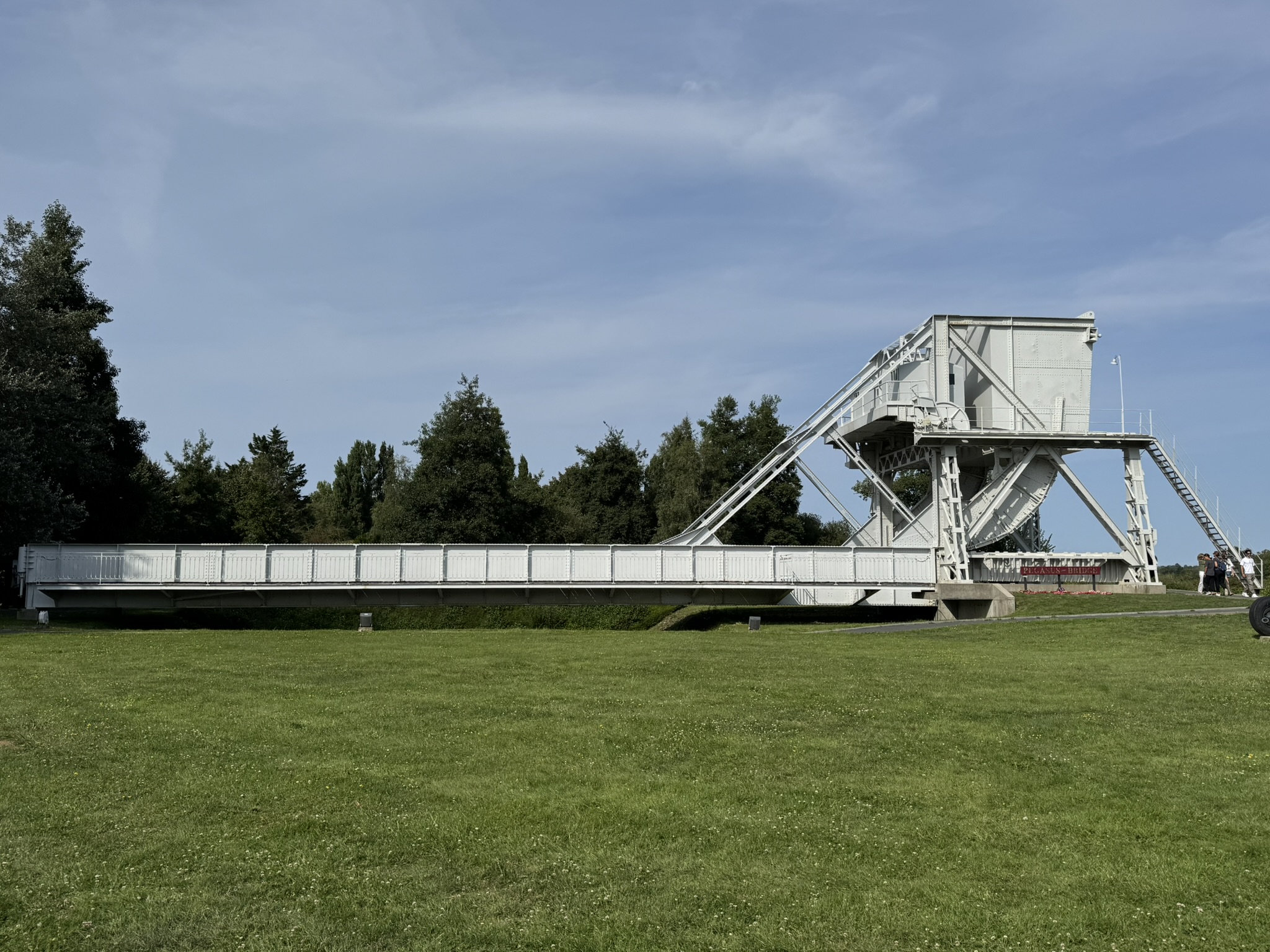
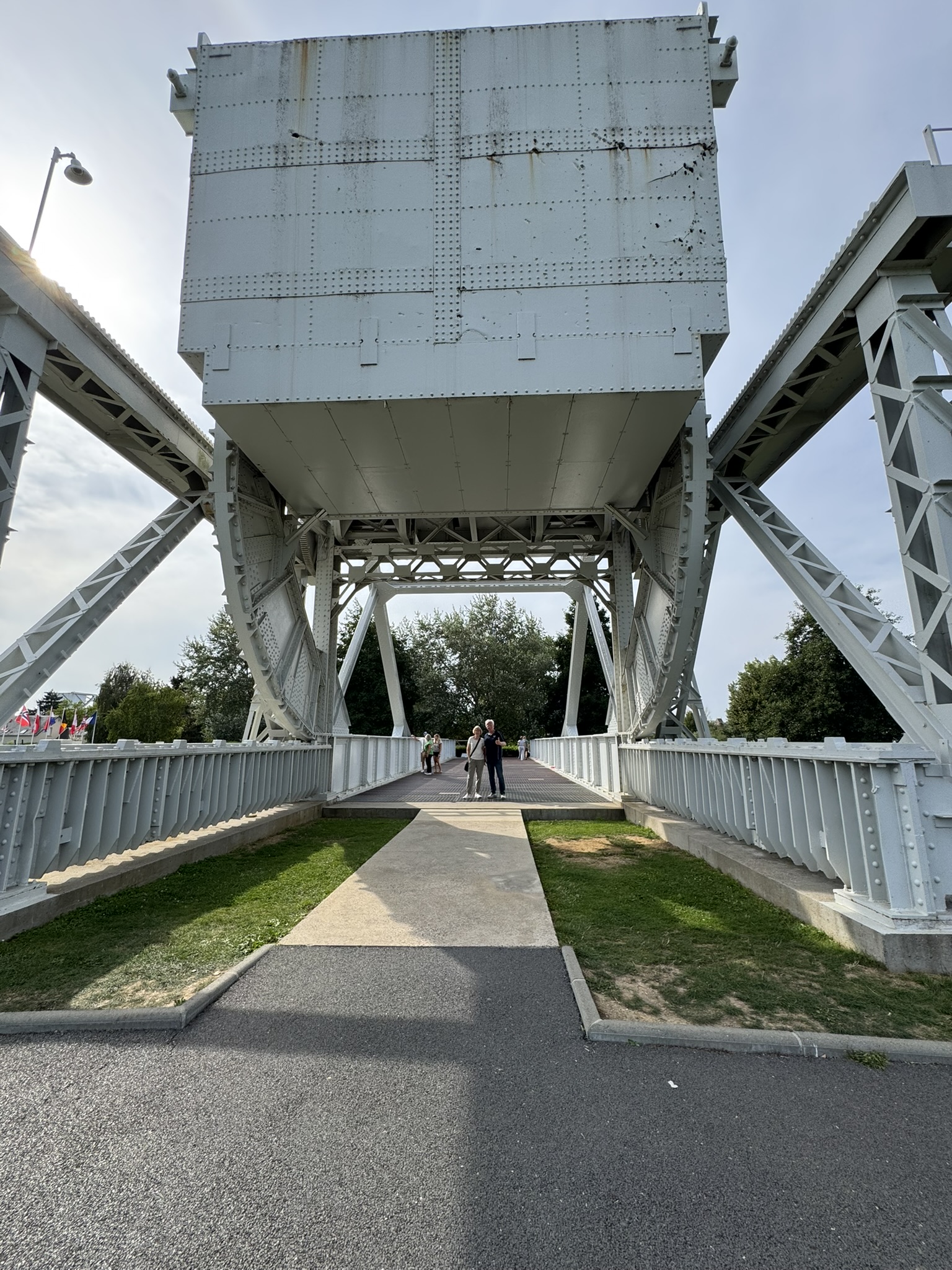
This memorial presents the various missions the British 6th Airborne Division had to carry out on D-Day. One of their greatest exploits was taking control of strategic bridges, one across the canal at Benouville, famously known as Pegasus Bridge.
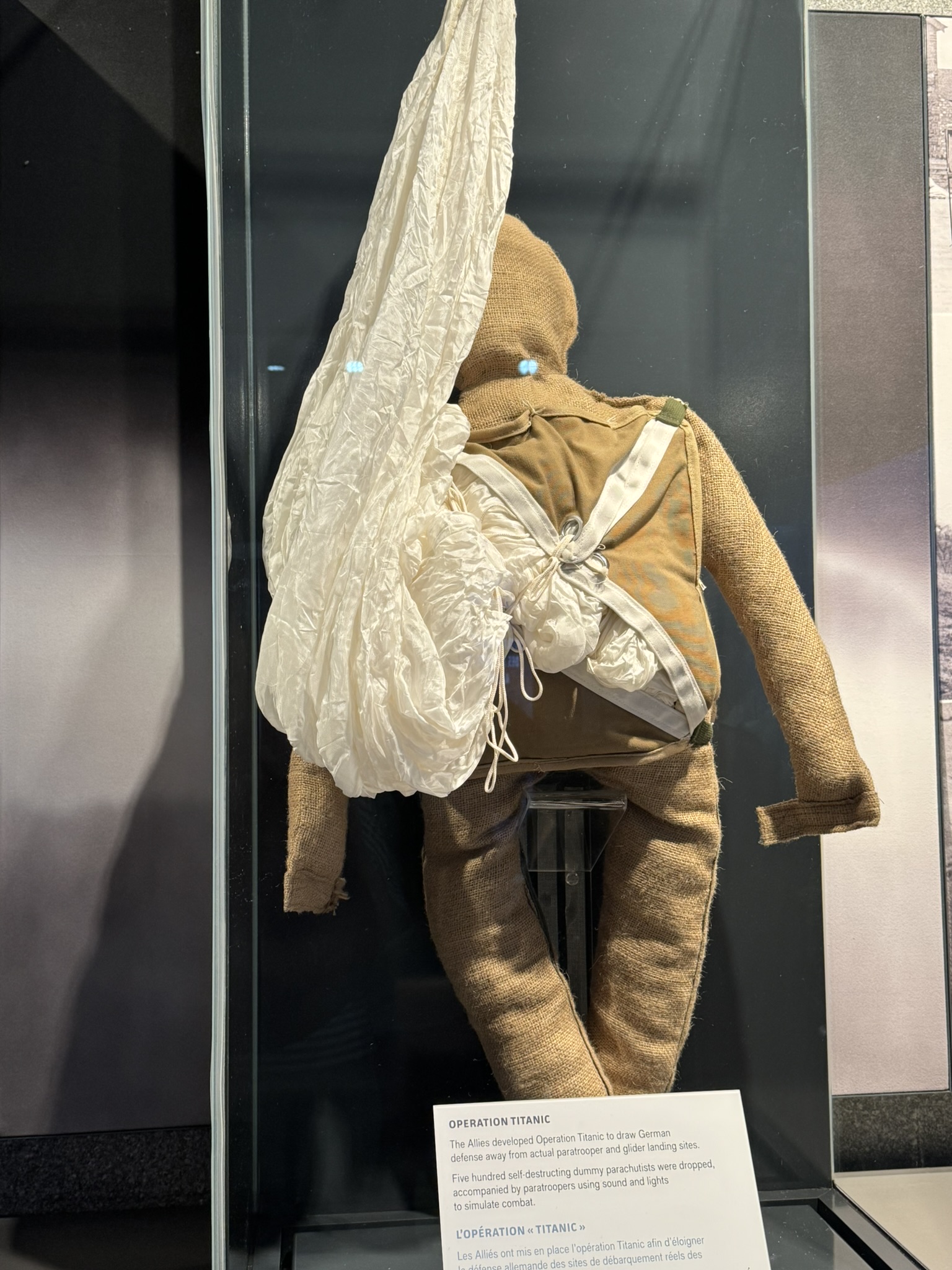
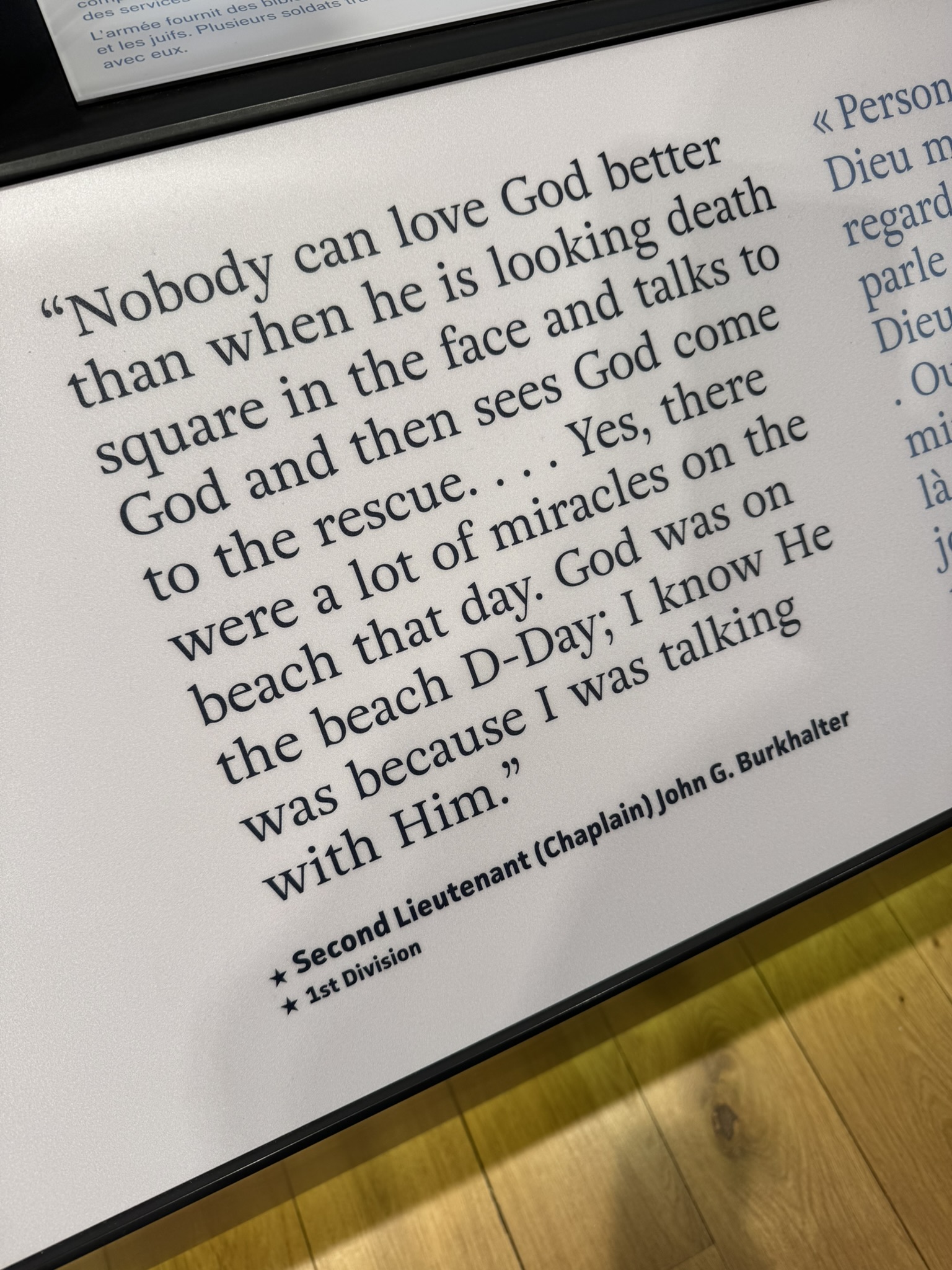
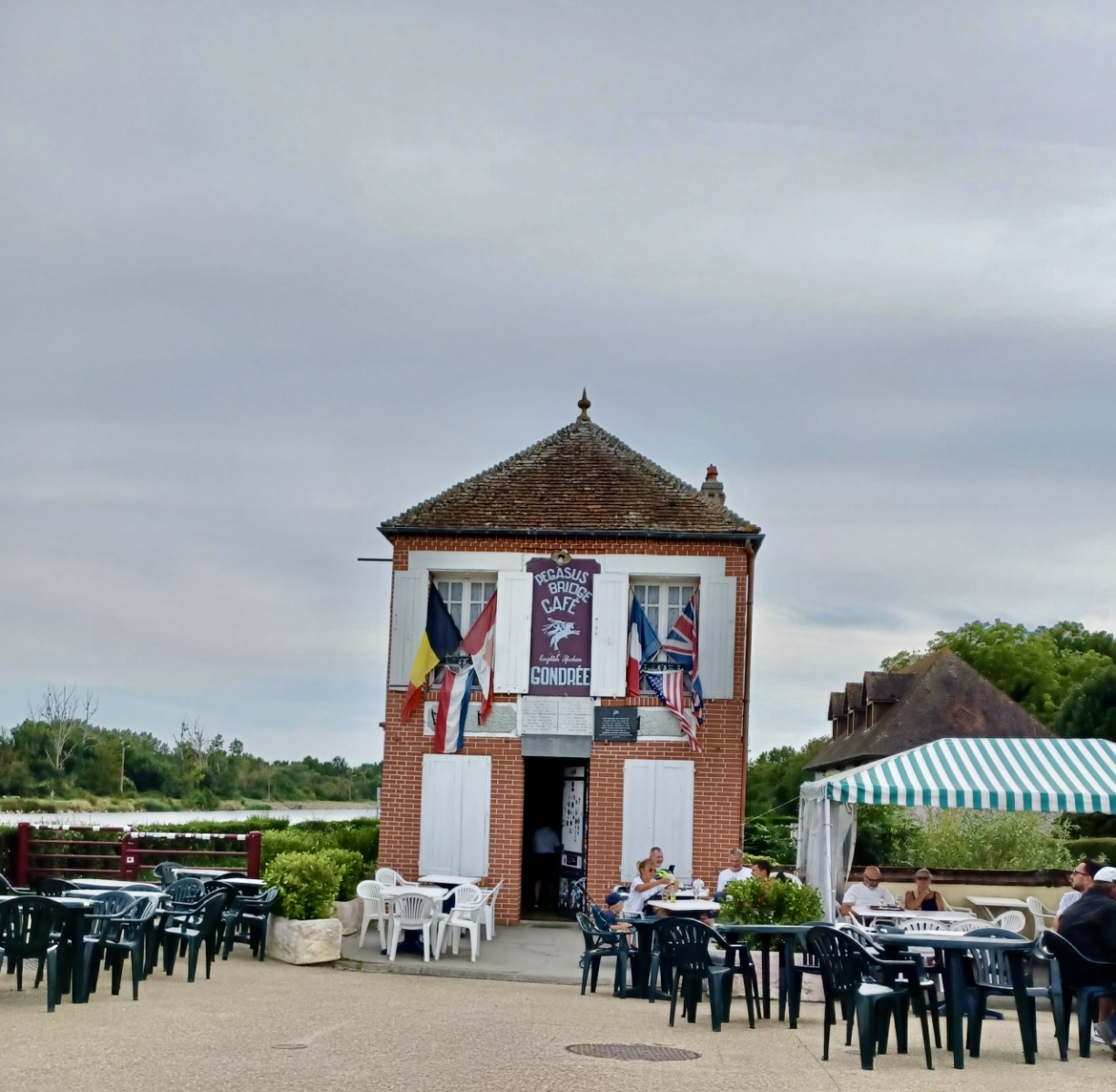
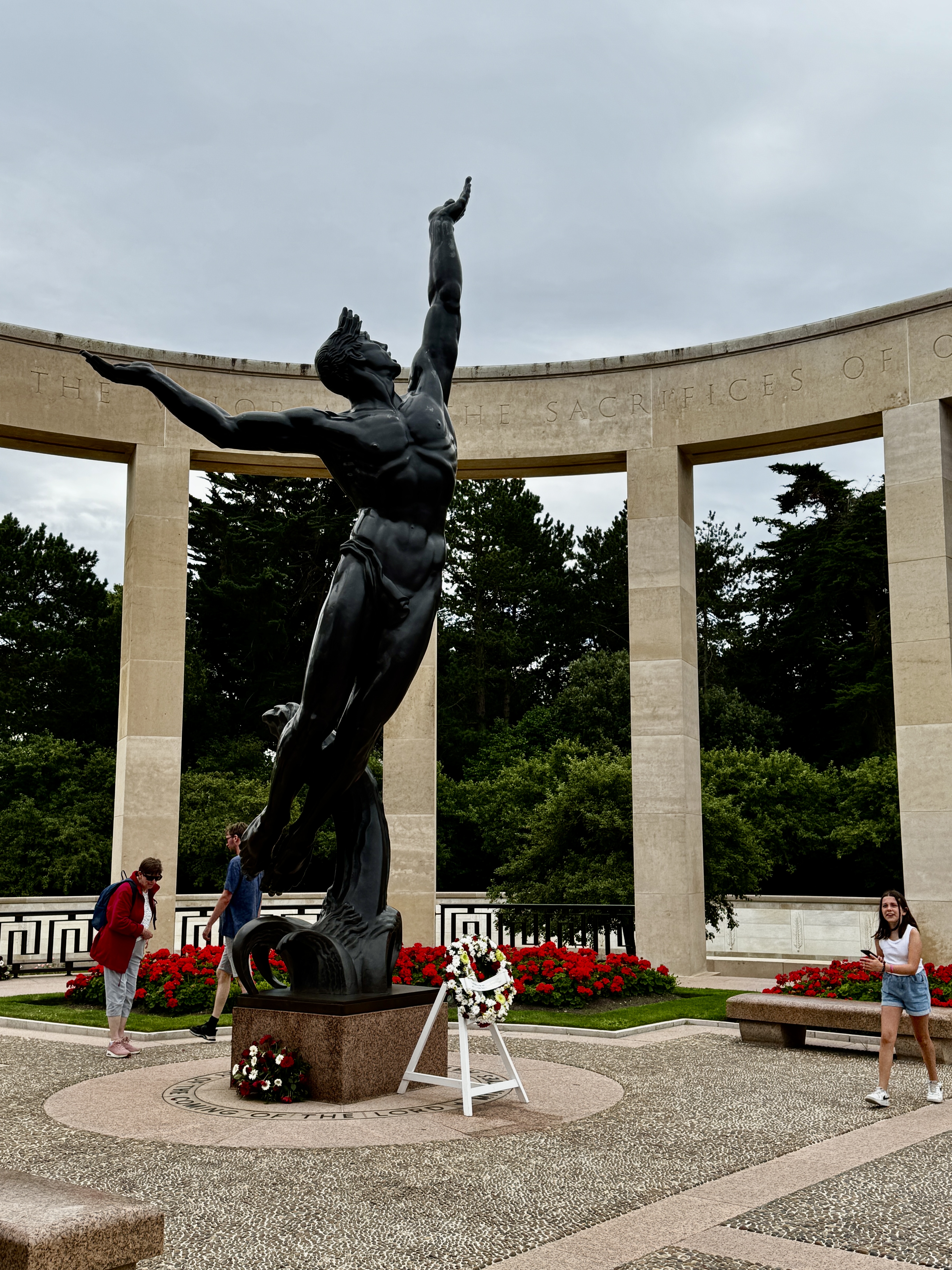
American Cemetery/Visitors Center/Museum
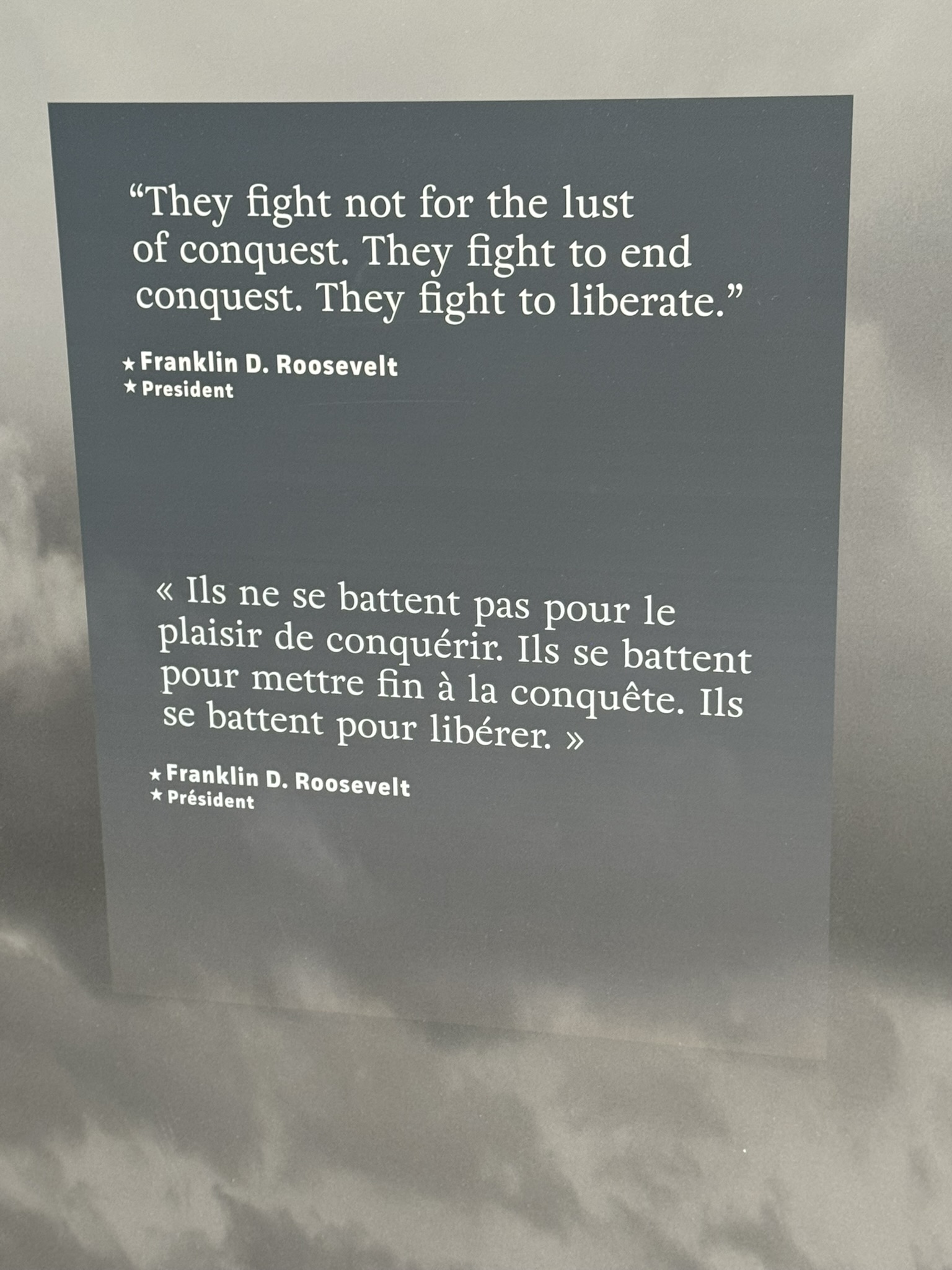
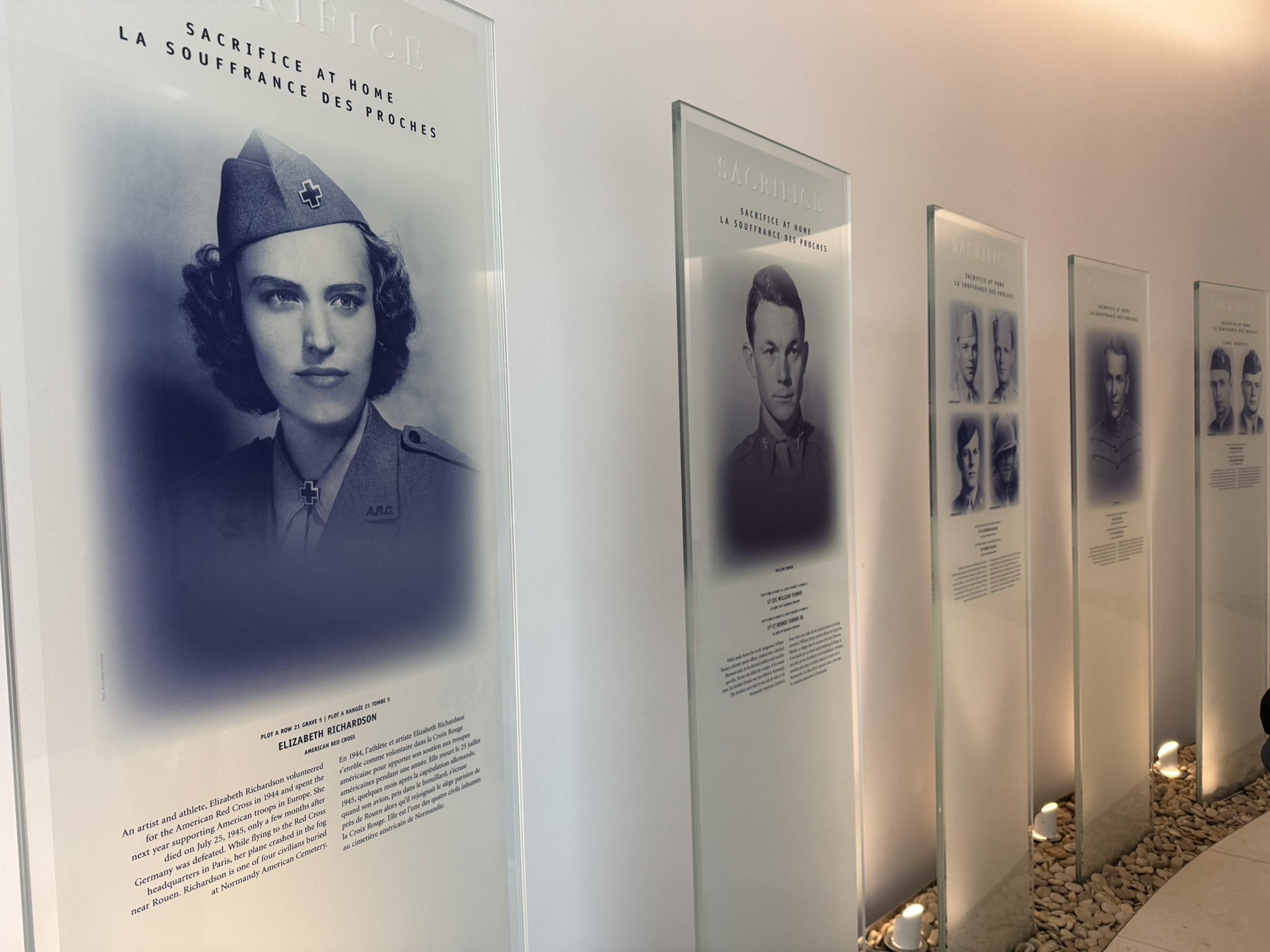
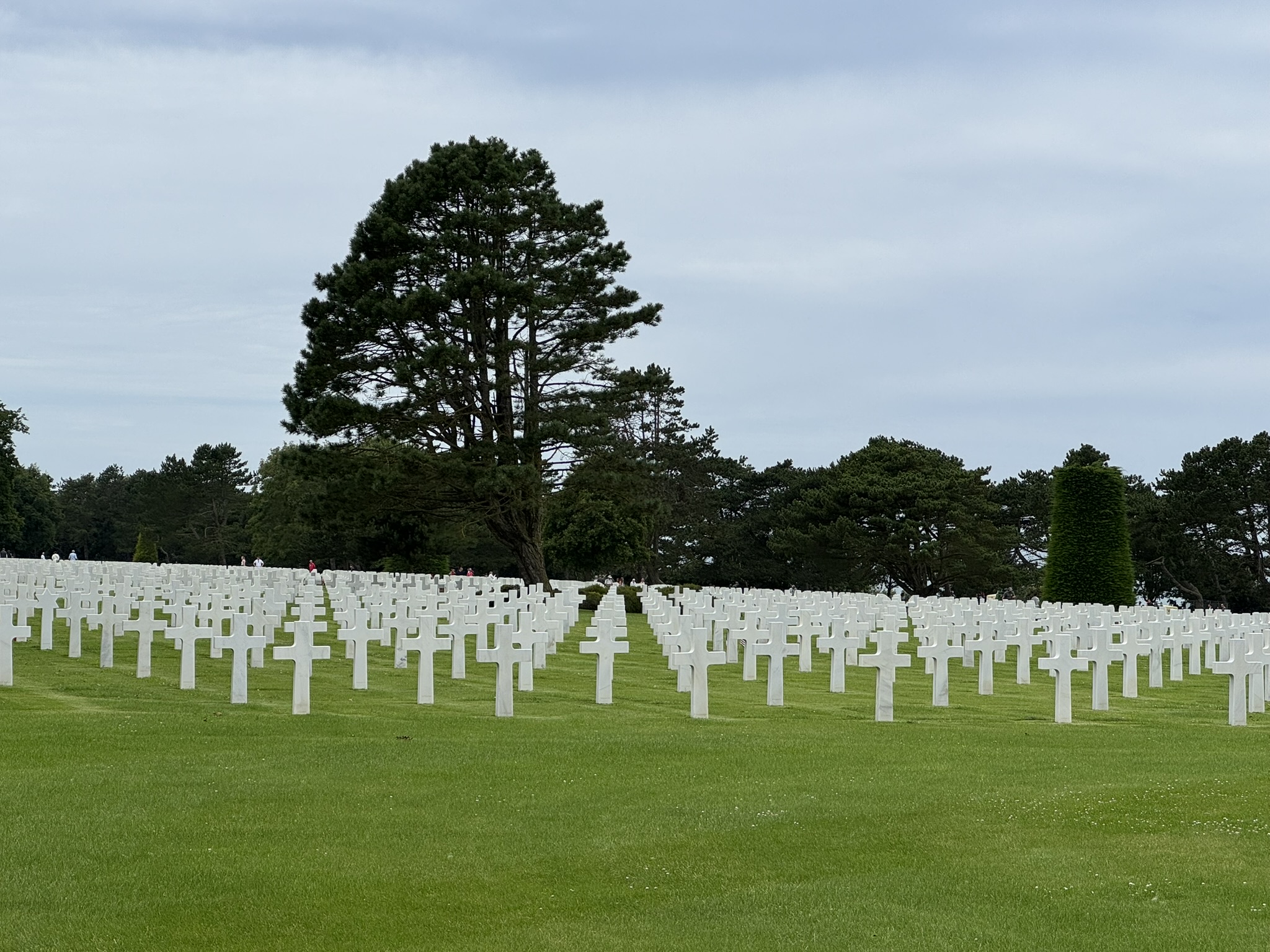
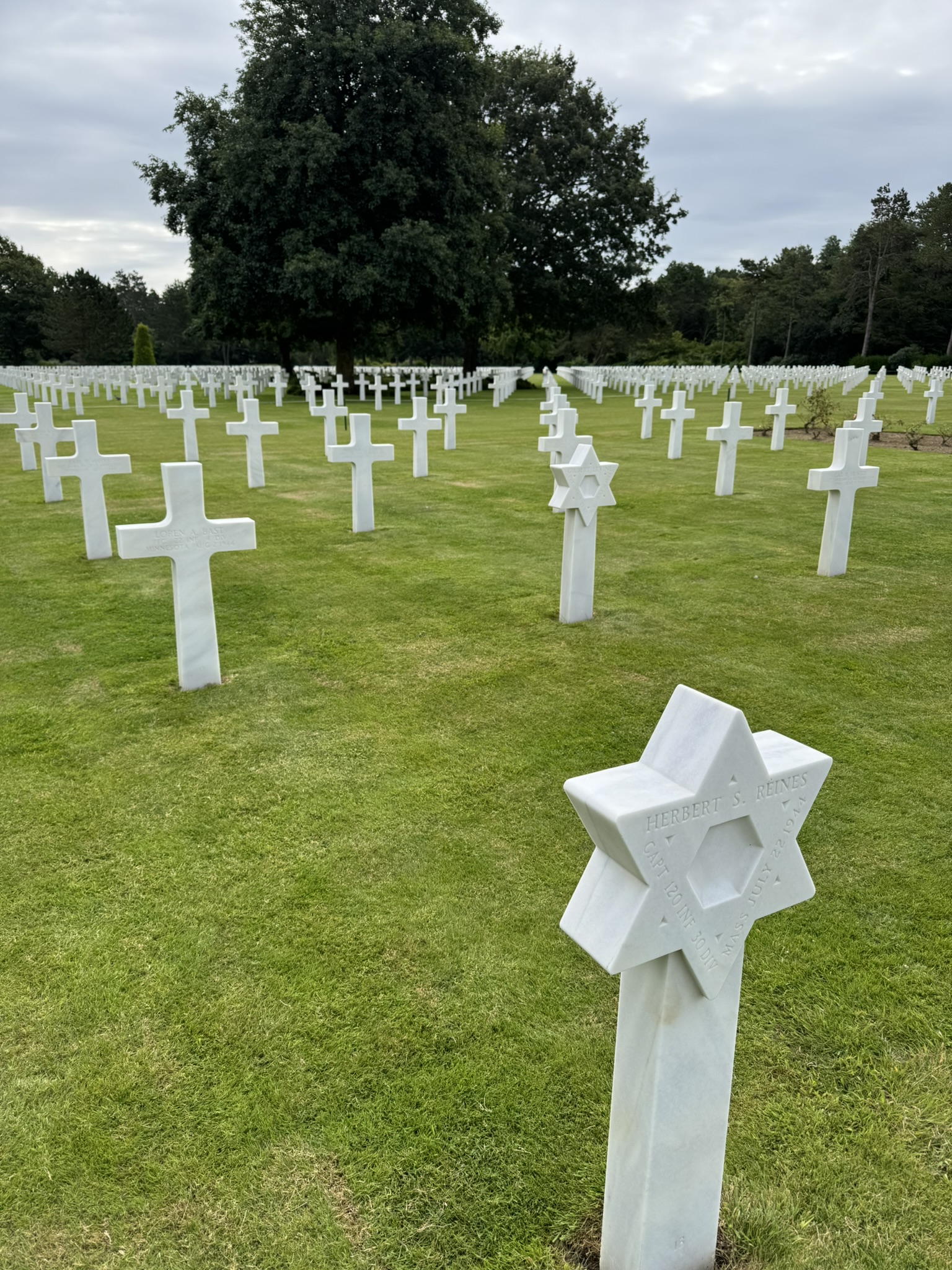
This cemetery contains the perfectly aligned headstones of 9,387 soldiers who fell in combat. This visitors center does an outstanding job of telling personal stories of individual soldiers. As you exit the visitors center through a hallway to go to the cemetery, the names of those who are buried here are read out loud.
“If ever proof were needed that we fought for a cause and not for conquest it could be found in these cemeteries. Here was our only conquest. All we asked was enough soil in which to bury our gallant dead.” General Mark Clark
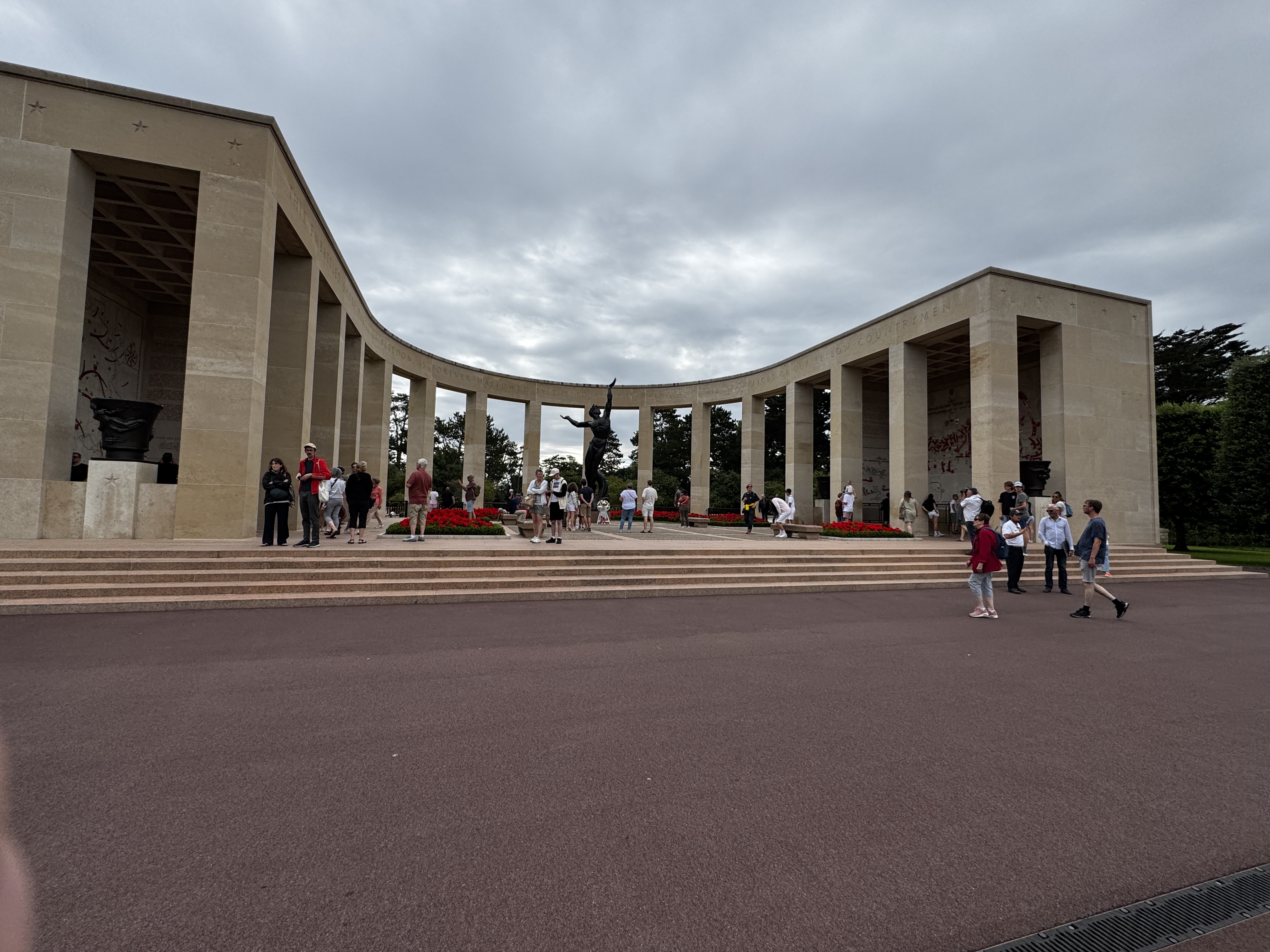
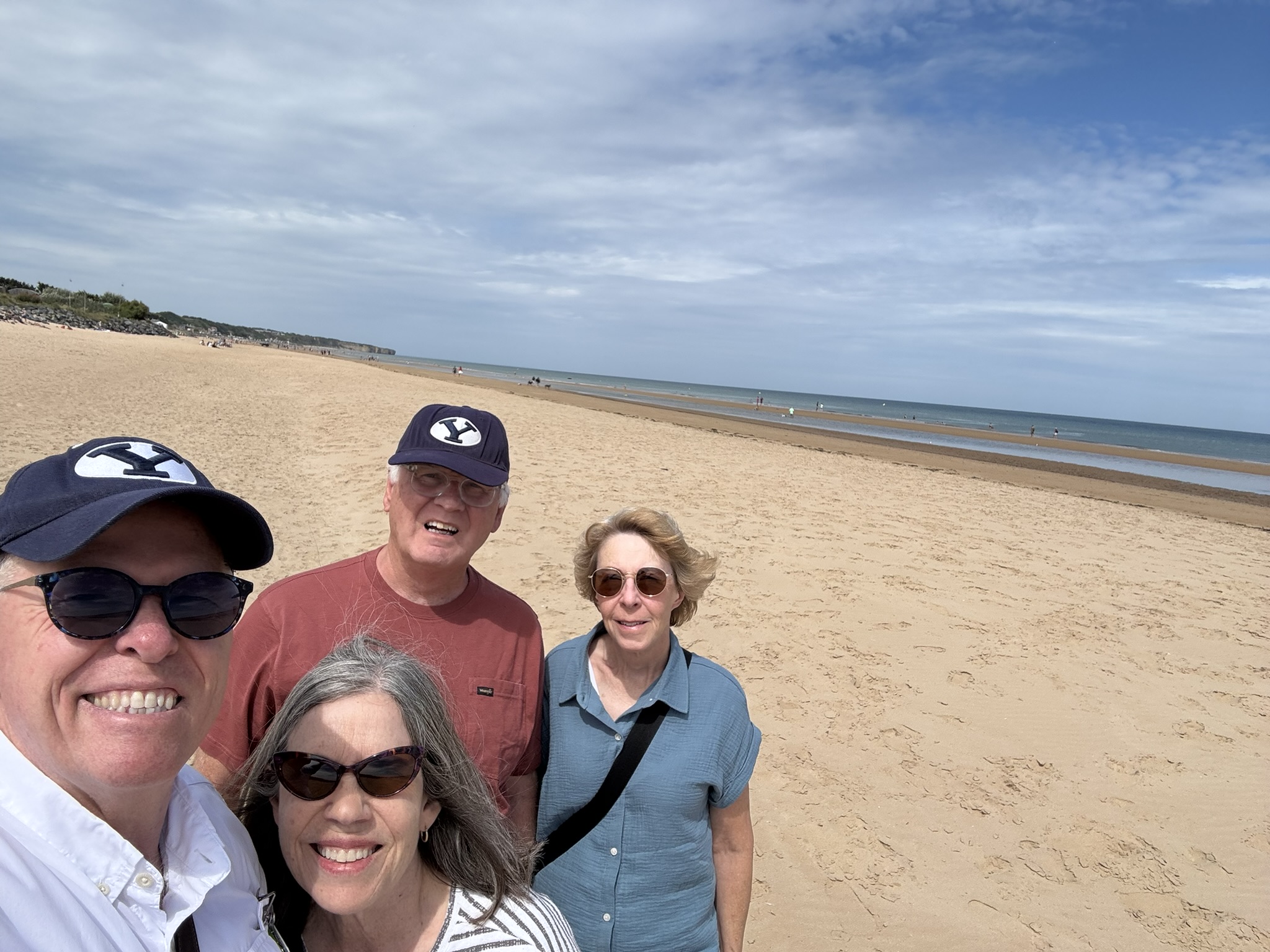
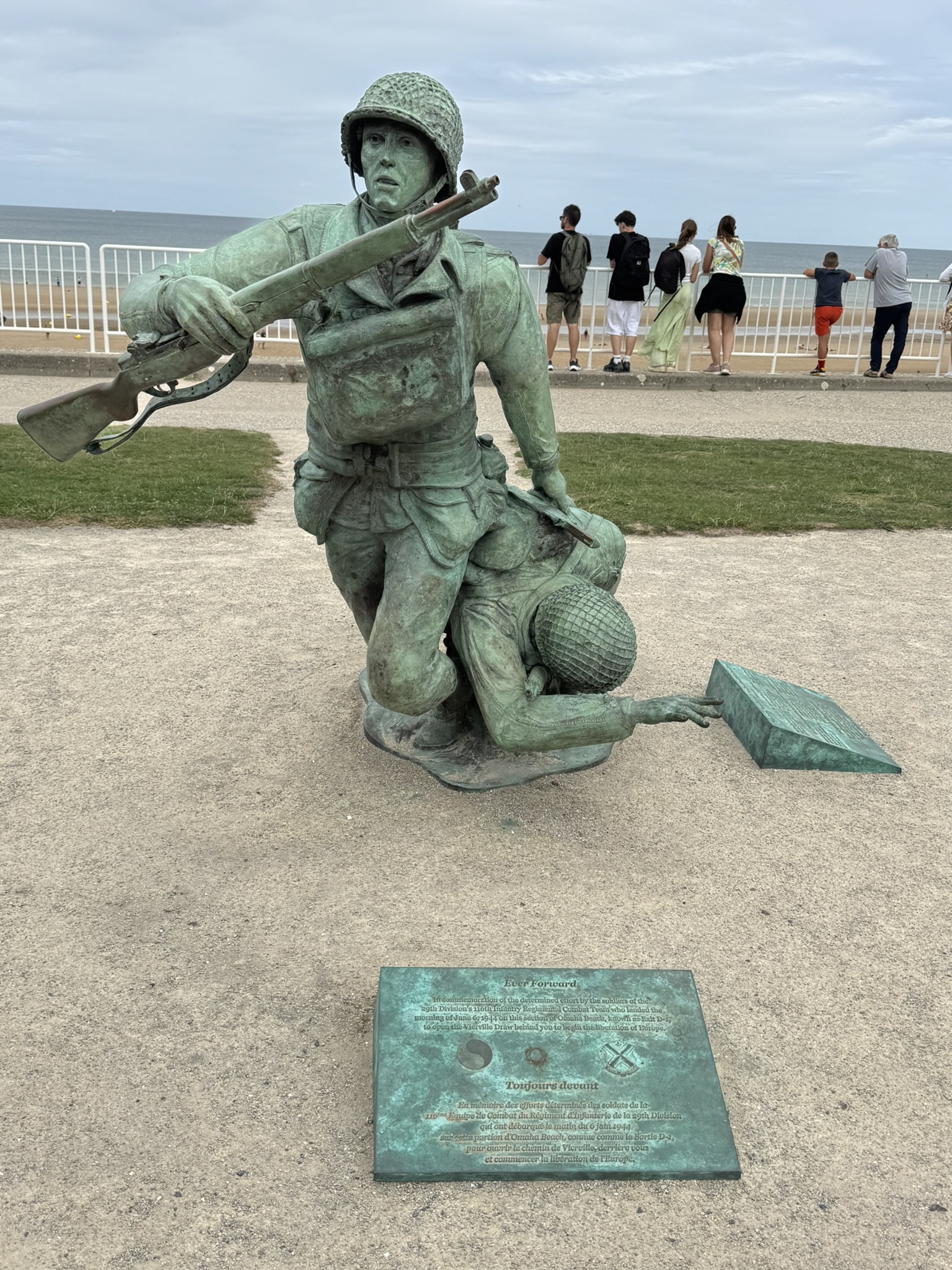
Omaha Beach
Waves of men battled their way inland at Utah, Omaha, Gold, Juno and Sword beaches. The fighting was bloodiest on Omaha Beach with over 3,000 casualties on that day. At Omaha Beach soldiers had to cross more than 300 yards of open beach, totally exposed to heavy enemy fire, before they could reach cover. At the price of heavy losses, the Americans finally emerged victorious and took possession of the coastal villages.
British Memorial of Ver-Sur-Mer
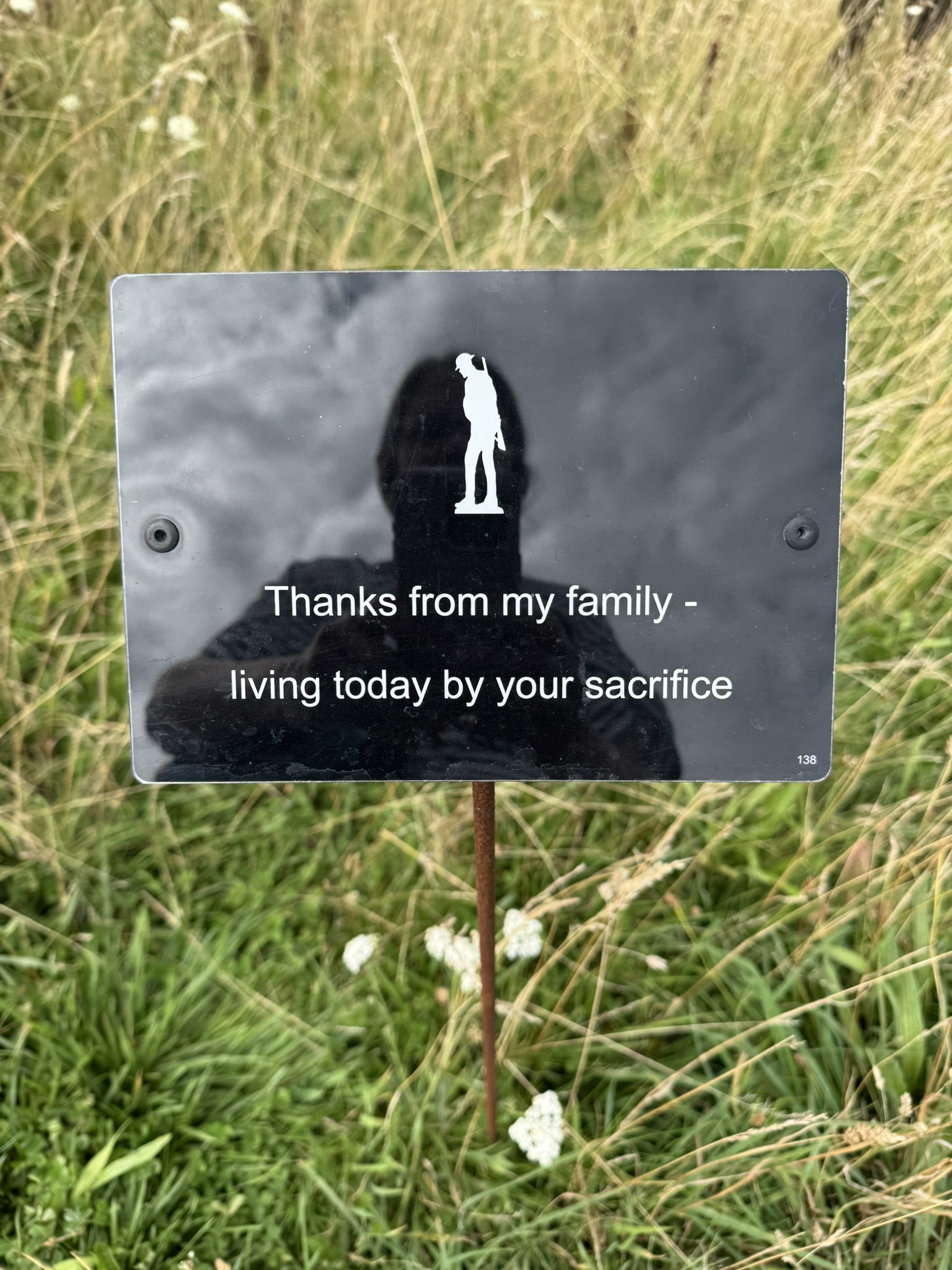
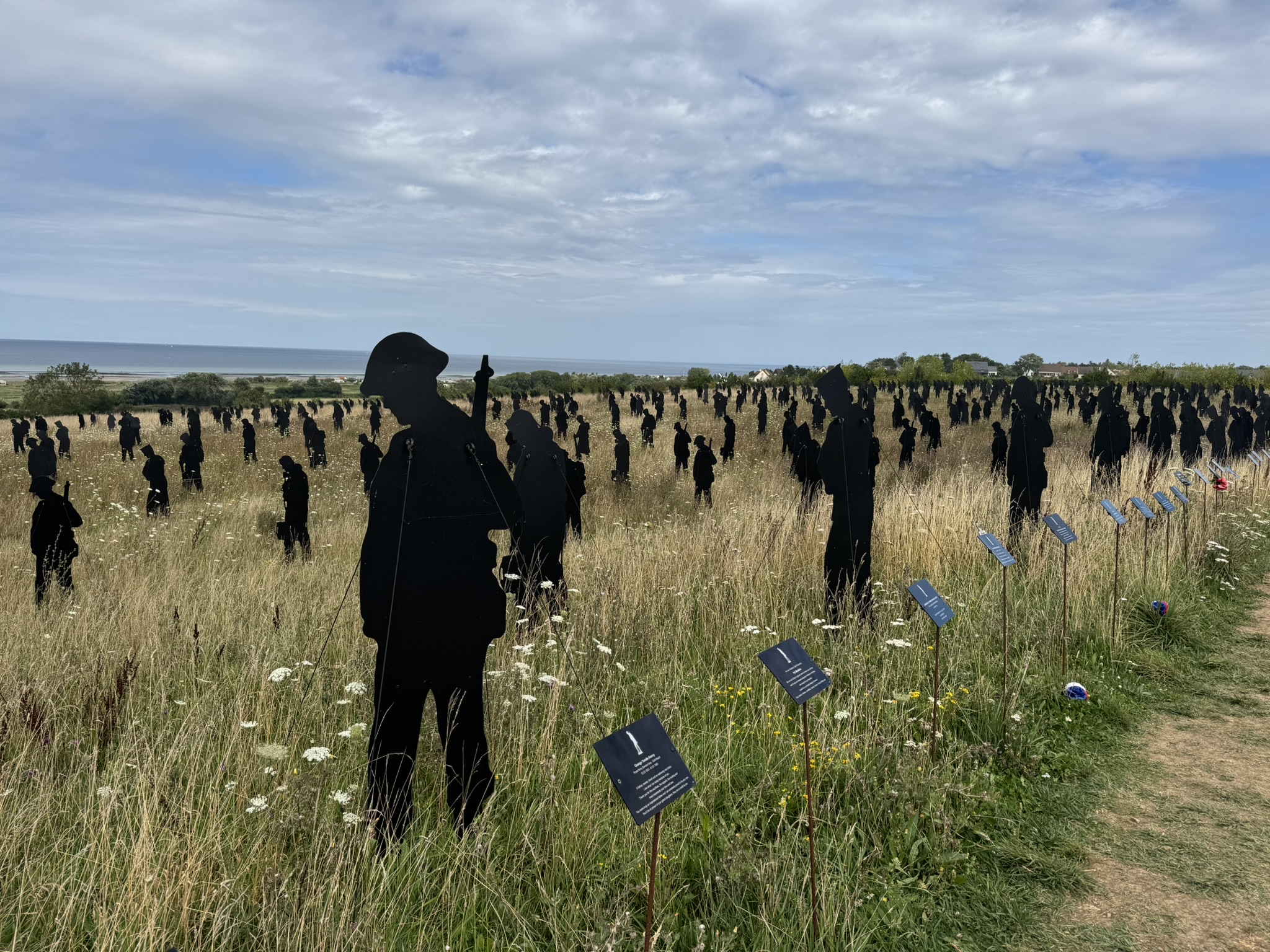
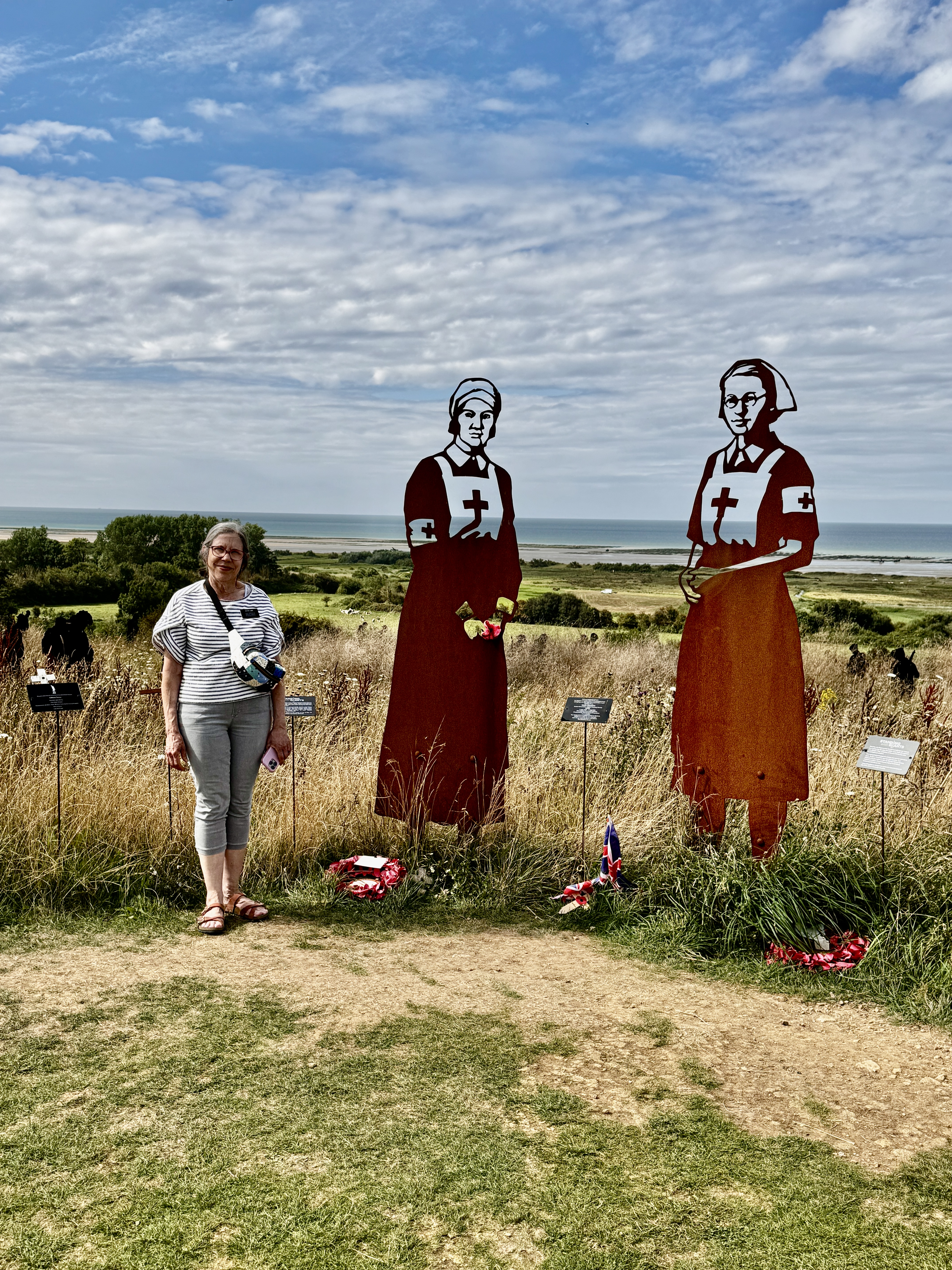
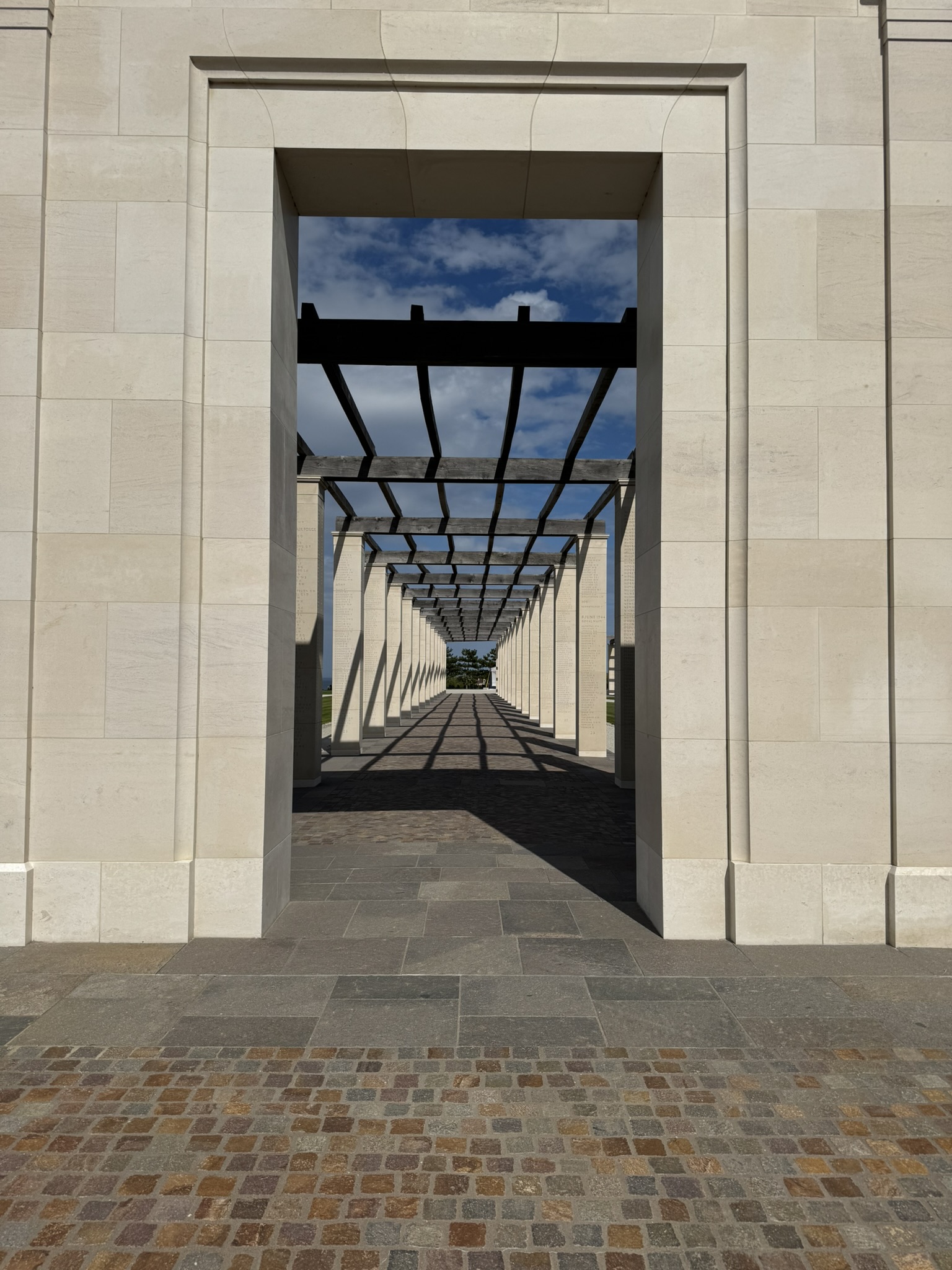
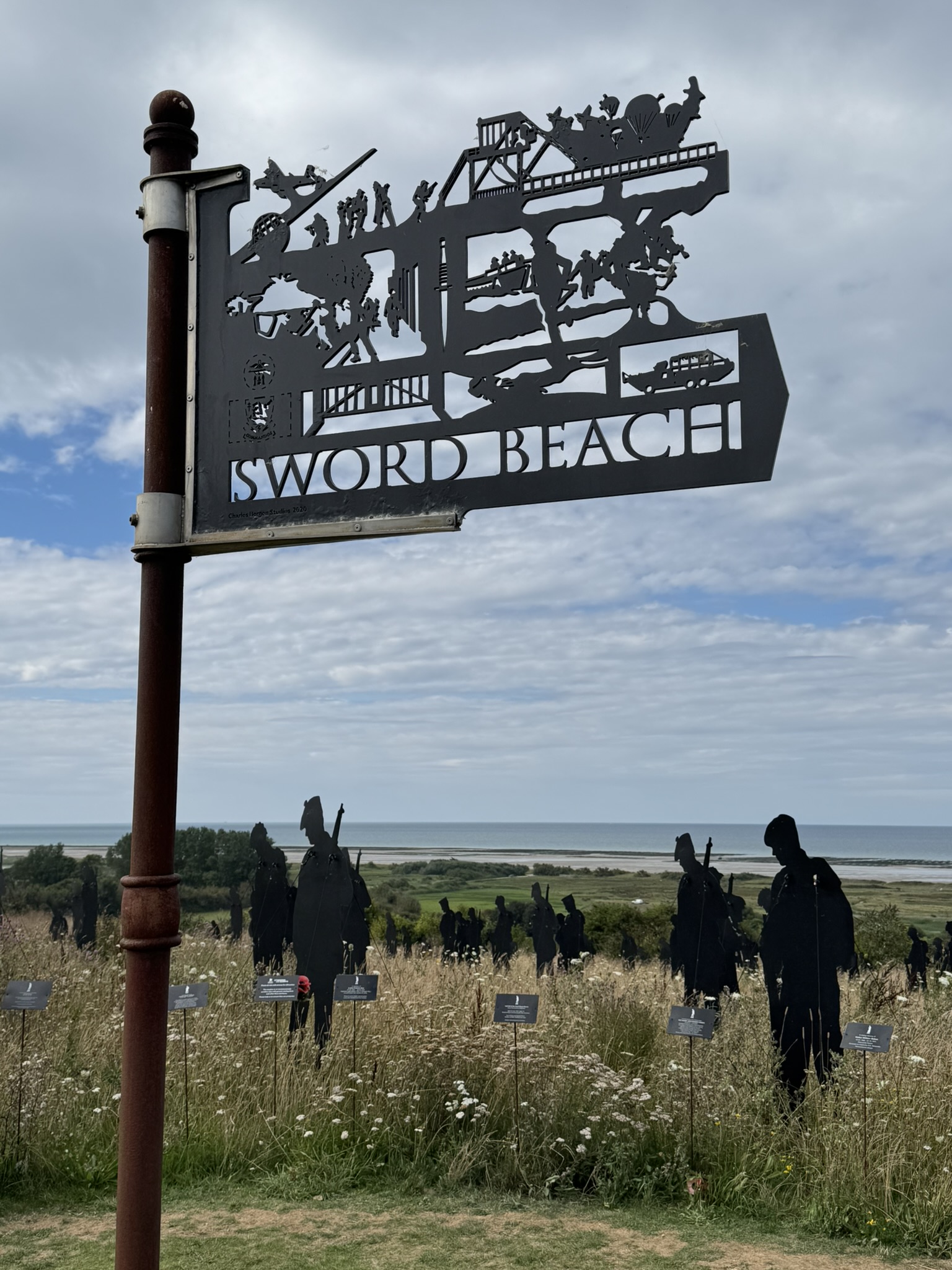
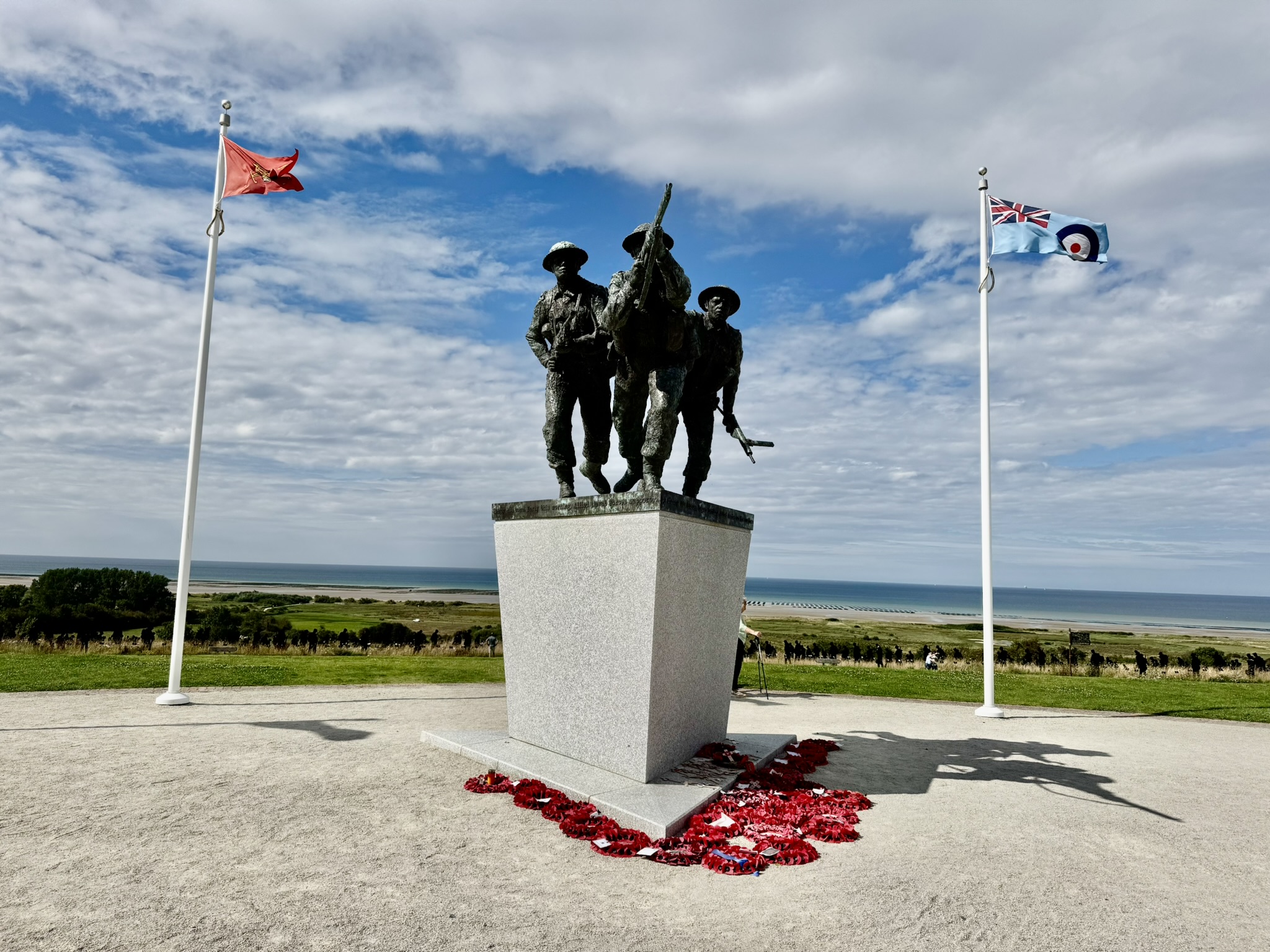
Overlooking Sword Beach this memorial pays tribute to the 22,442 soldiers under British command who played a vital part during the landings. On D-Day 1,475 members of the British forces were killed. Each silhouette represents one of those lost lives. They have been placed here by the British charity ‘Standing with Giants’ The figures stand with their heads bowed in mourning for themselves and their lost comrades. In the center are two nurses who drowned as they tried to rescue injured soldiers aboard a hospital ship that struck a mine.
American Cemetery, Luxembourg
It is a befittingly tranquil final resting place for more than 5000 Americans who gave their all. It was established in December 1944 while Allied Forces were stemming the enemies desperate Ardennes Offensive, one of the central battles of WW2. Sweeping across Germany the allies met the advancing troops of the USSR to force the complete surrender of the enemy on 8 May 1945, 337 days after the initial landings in France. General George Patton is buried here as the city of Luxembourg served as headquarters for Paton’s US Third Army.
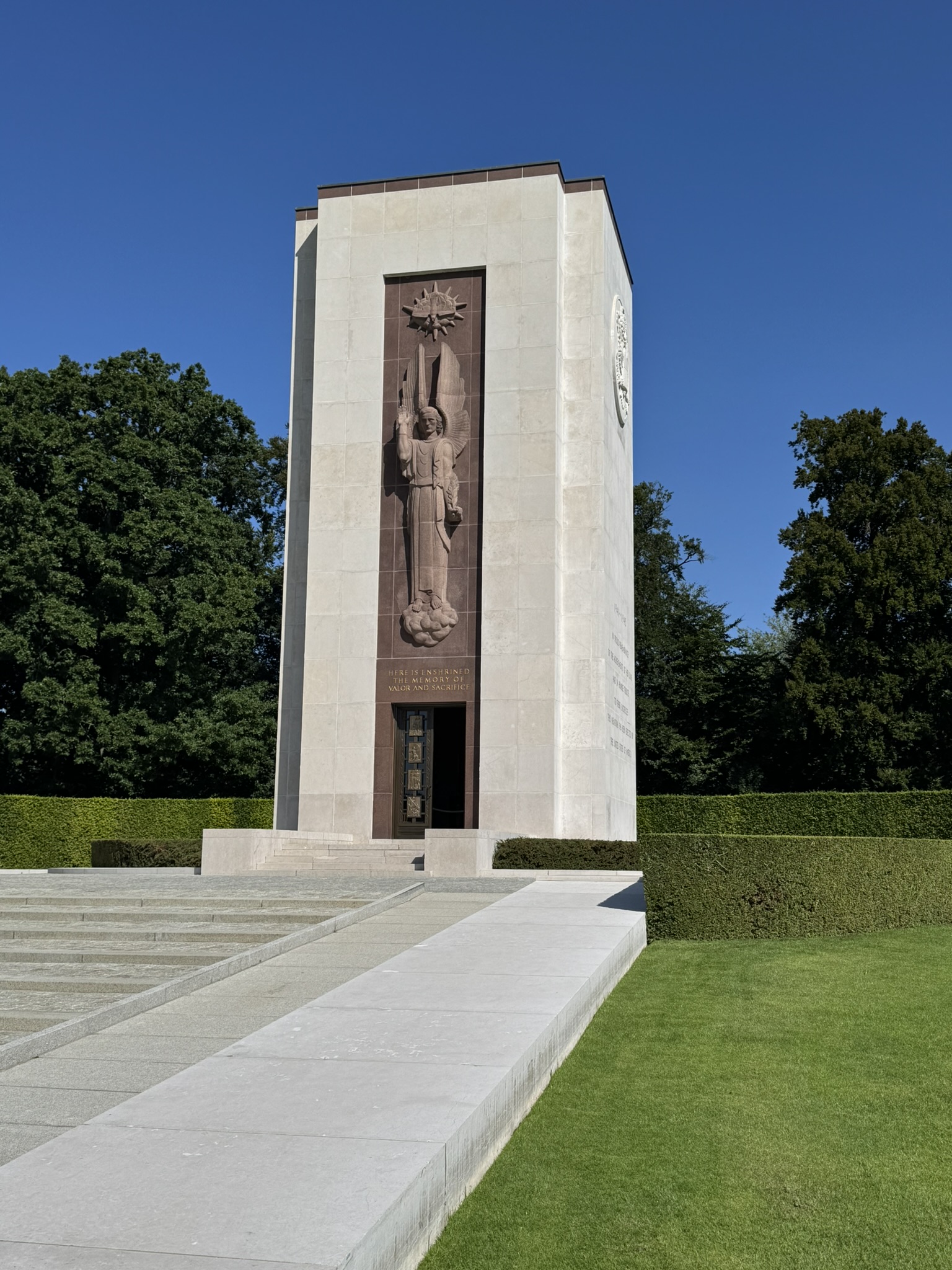
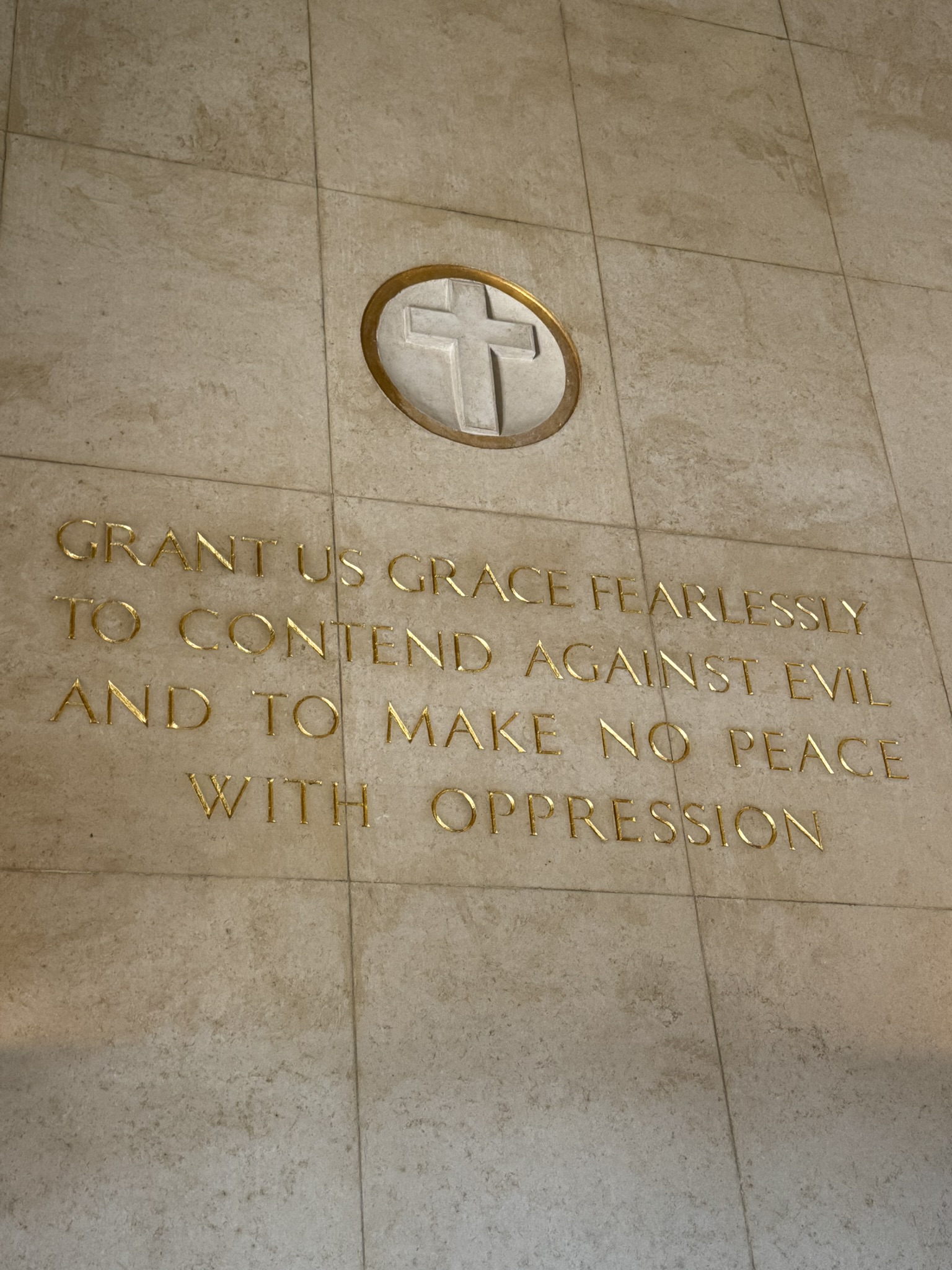
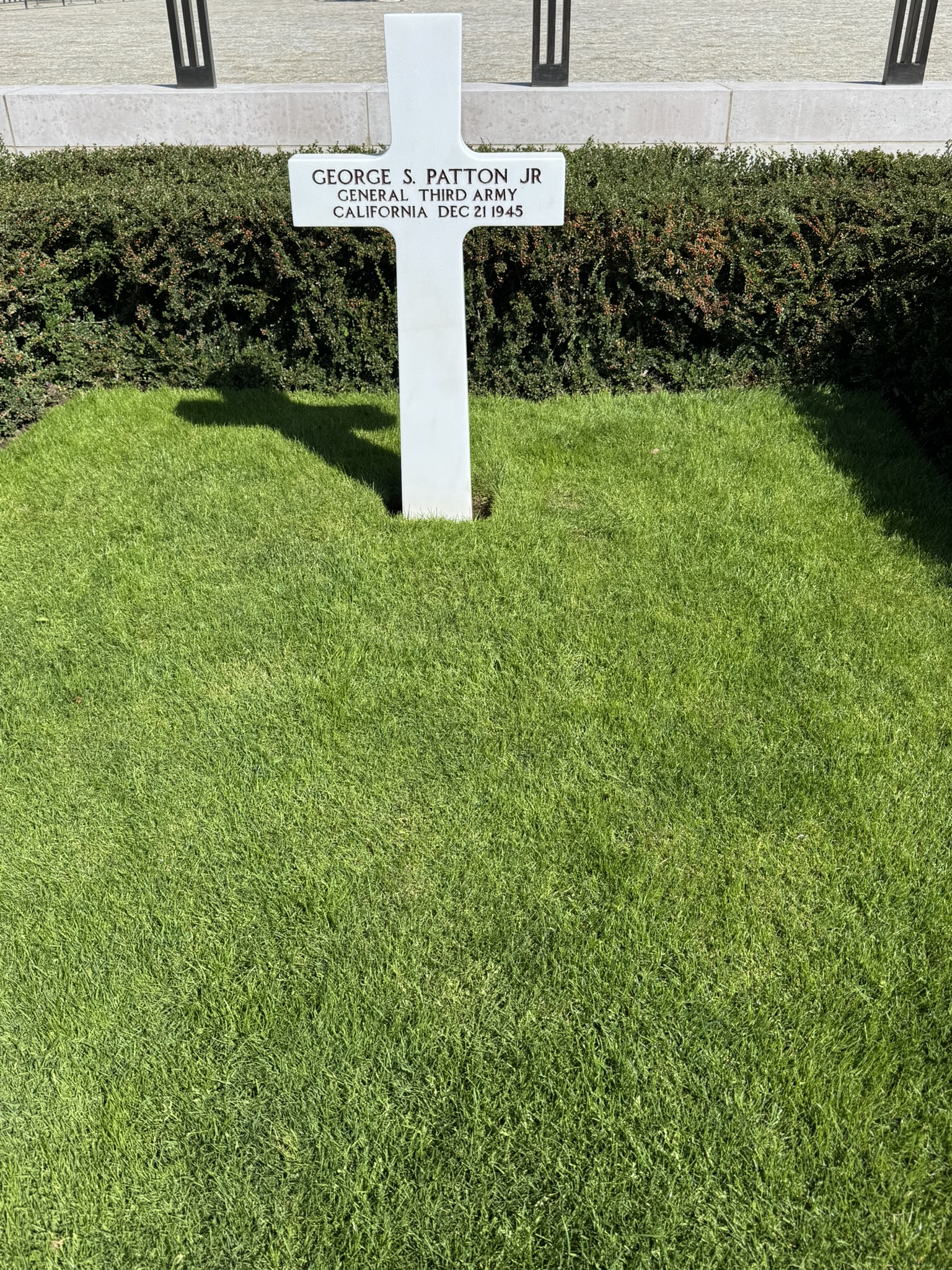
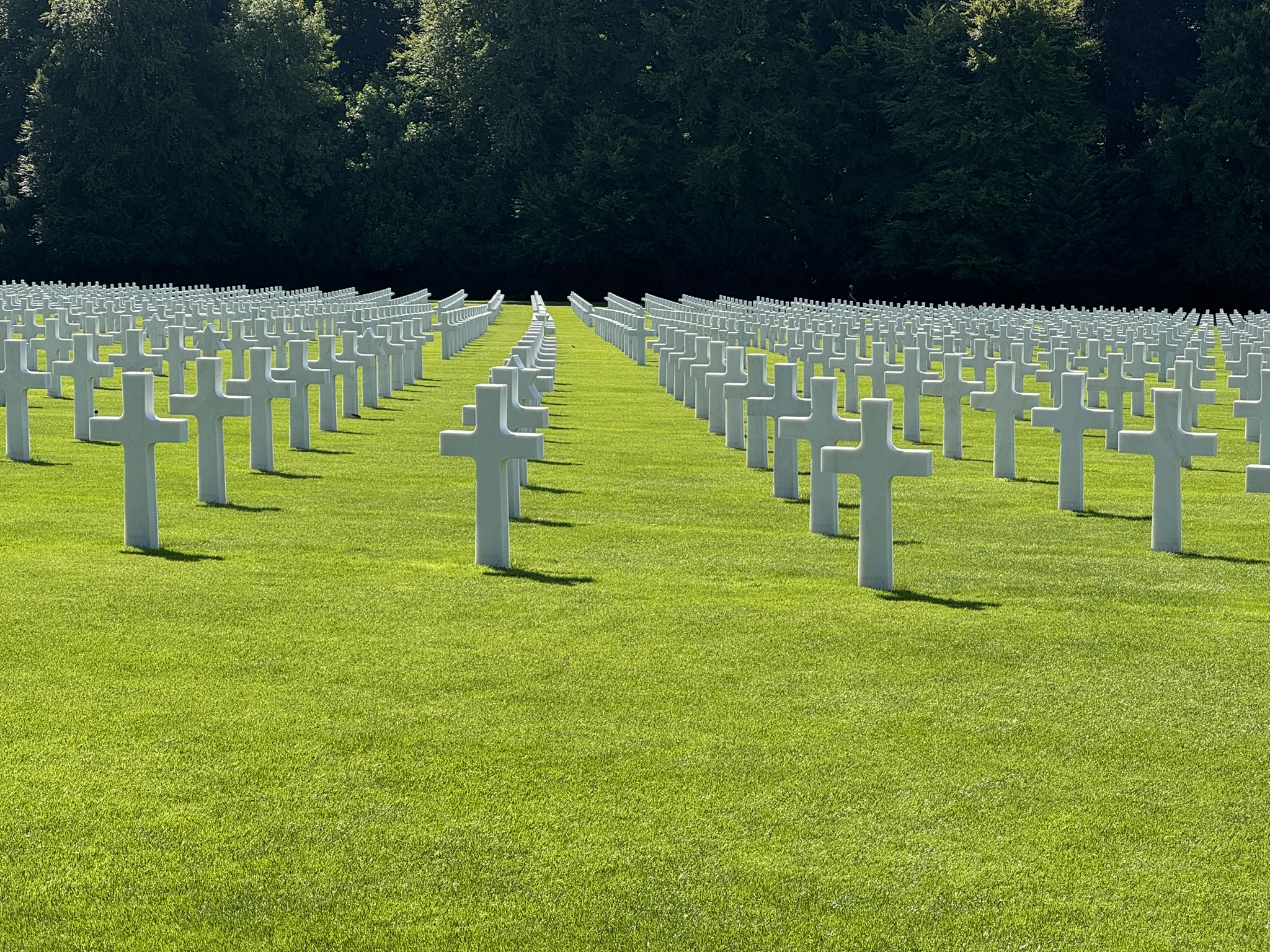
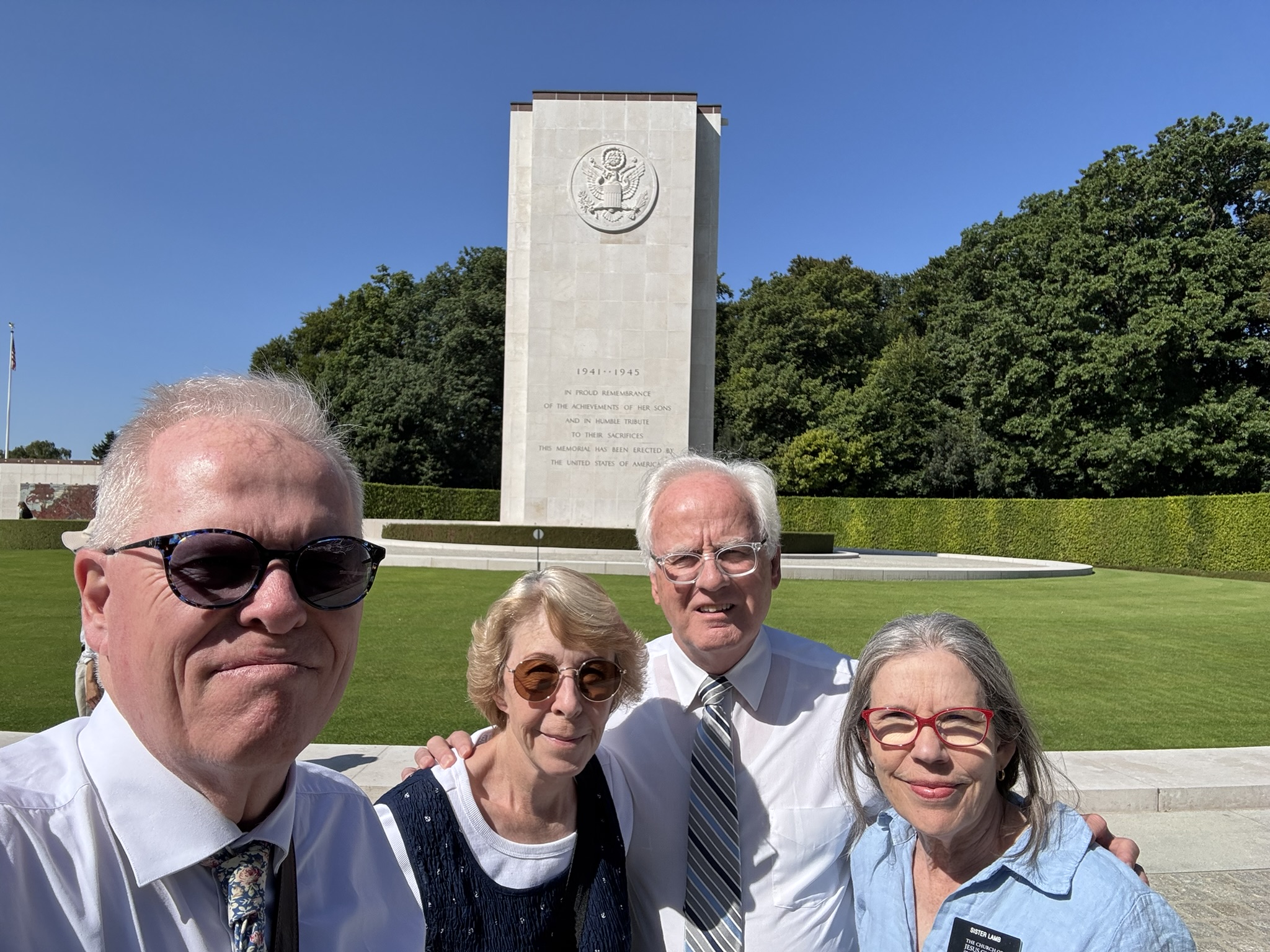
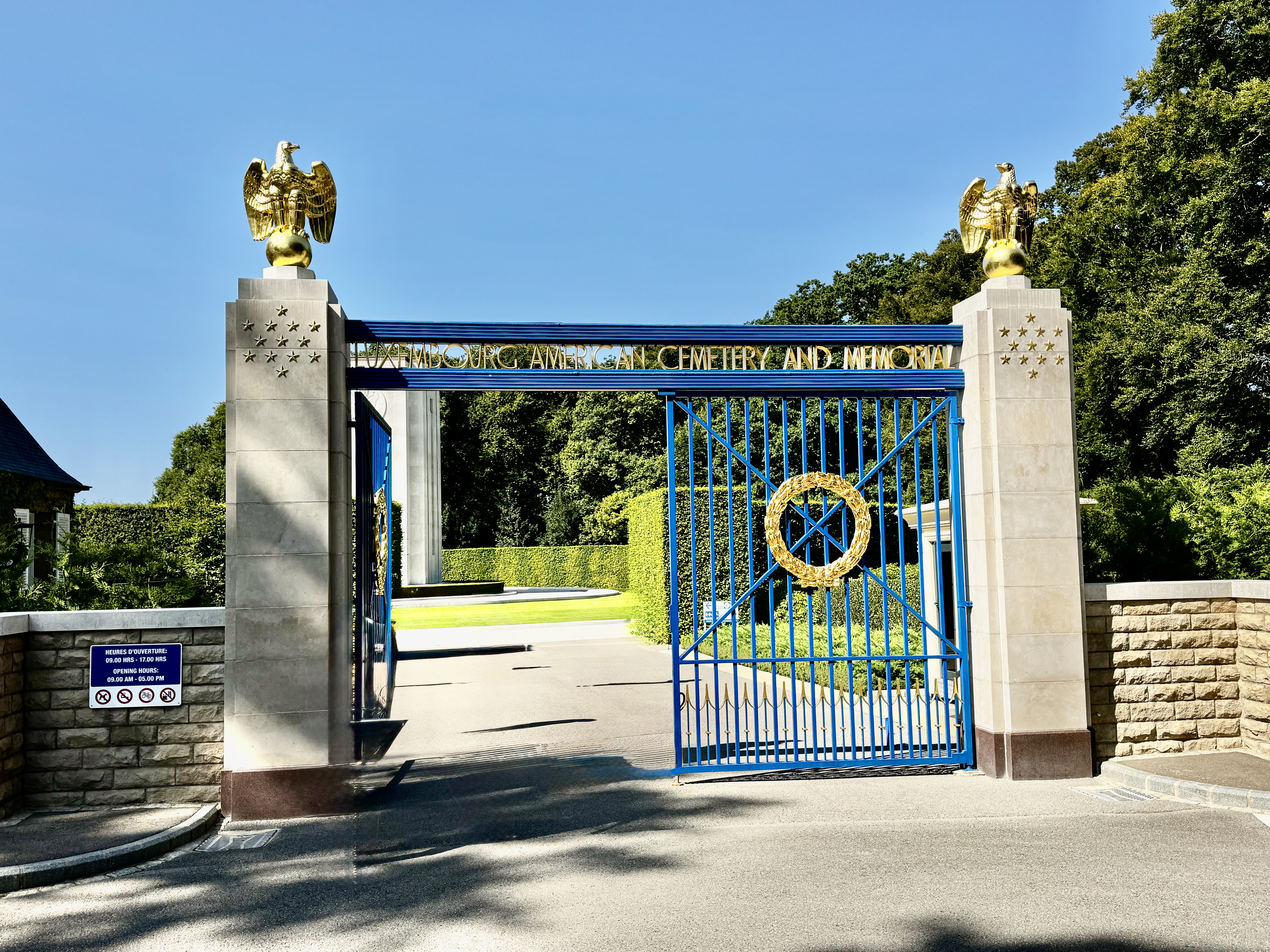
This week held special meaning for me (Debbie) as both my parents served in the military during WW2. My mother as an army nurse in Germany and my father as a motion picture cameraman making training films for the troops. We end this week with grateful hearts for those who fought for freedom, and with the prayer at the Luxembourg Memorial, “Grant us grace fearlessly to contend against evil and to make no peace with oppression.”
With love, Elder & Sister Lamb (aka Ed & Debbie, Mom & Dad, Pop Pop & Tu Tu)
 Lambs in Central Europe