Hamburg
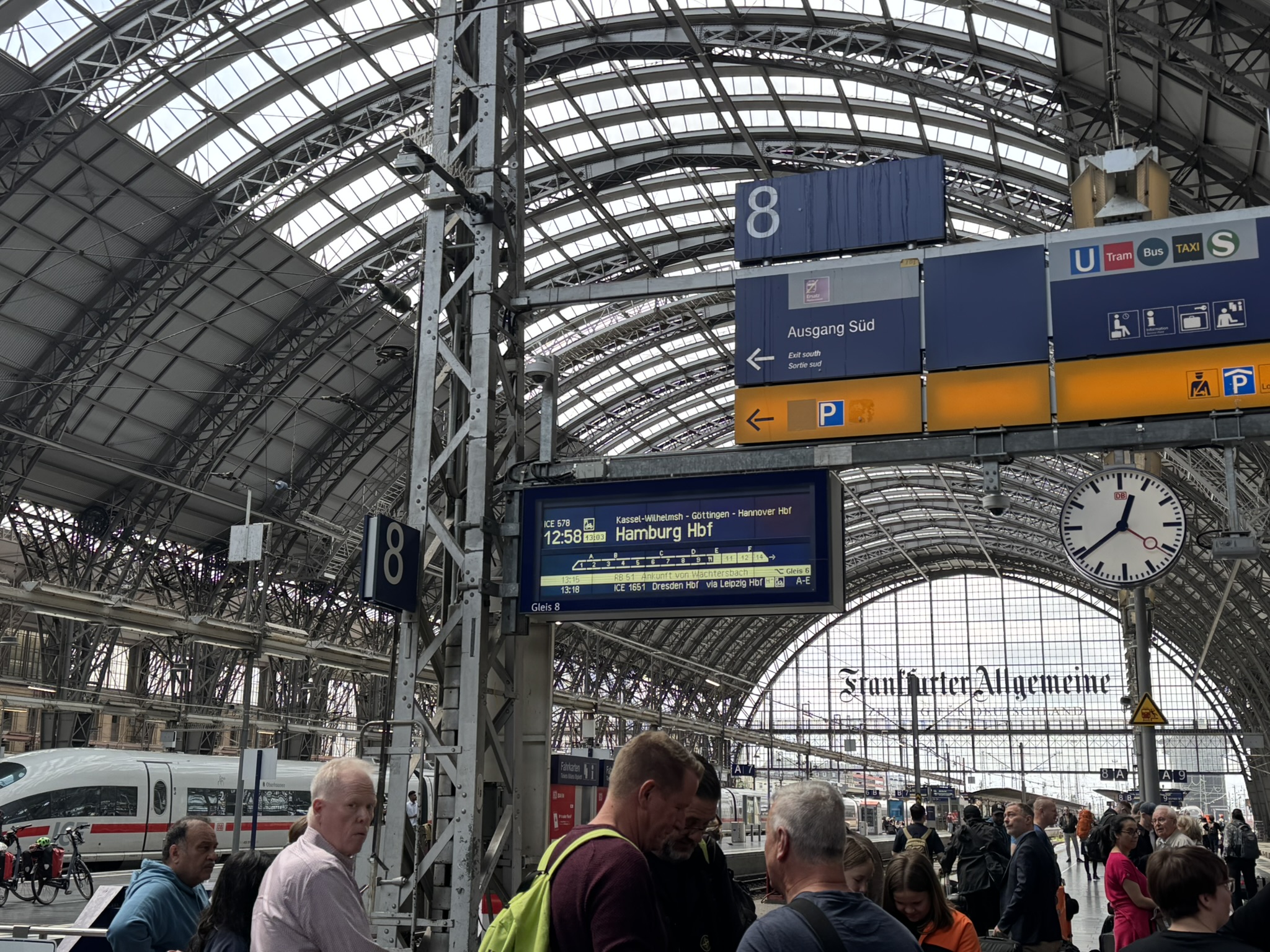
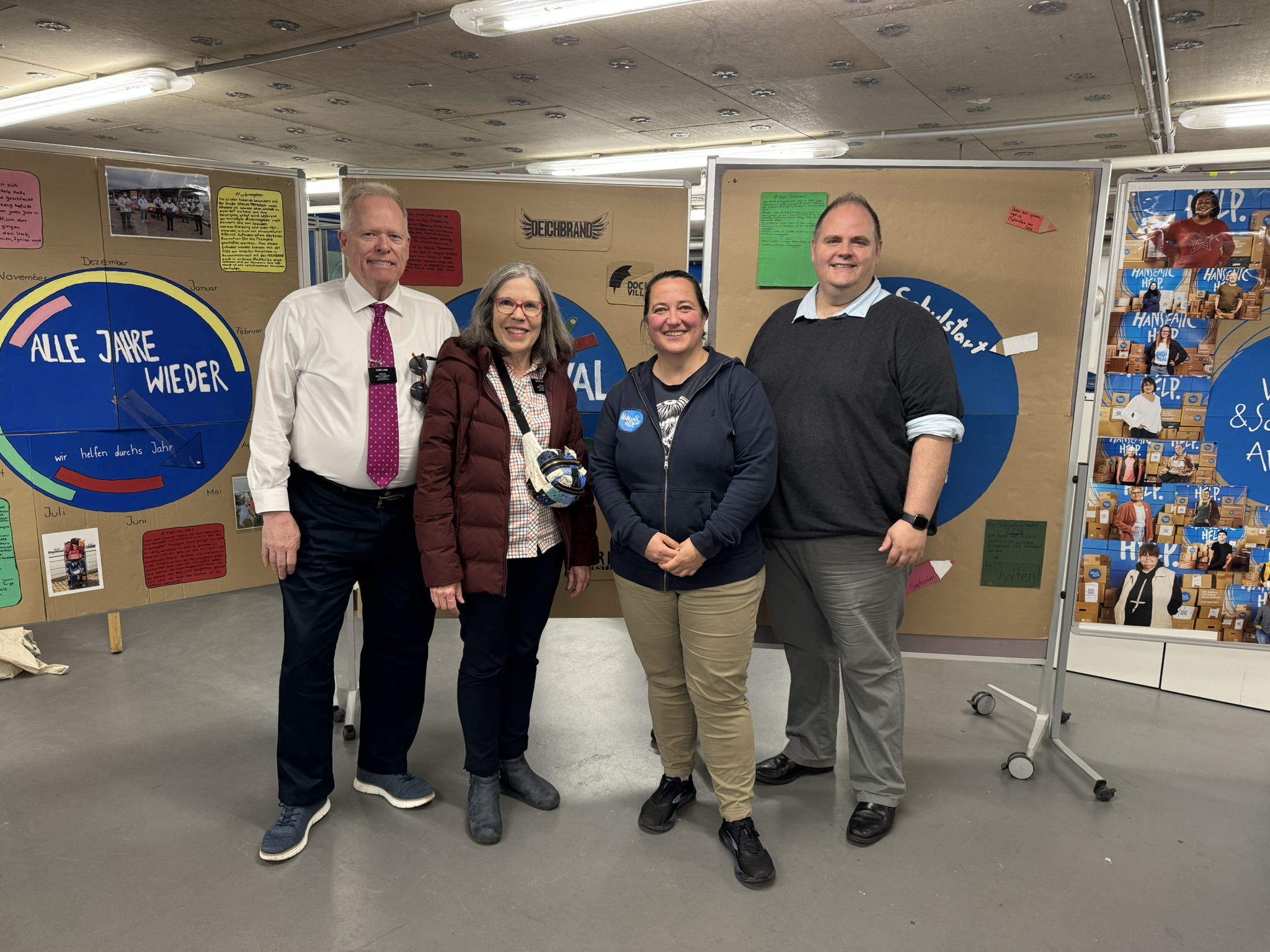
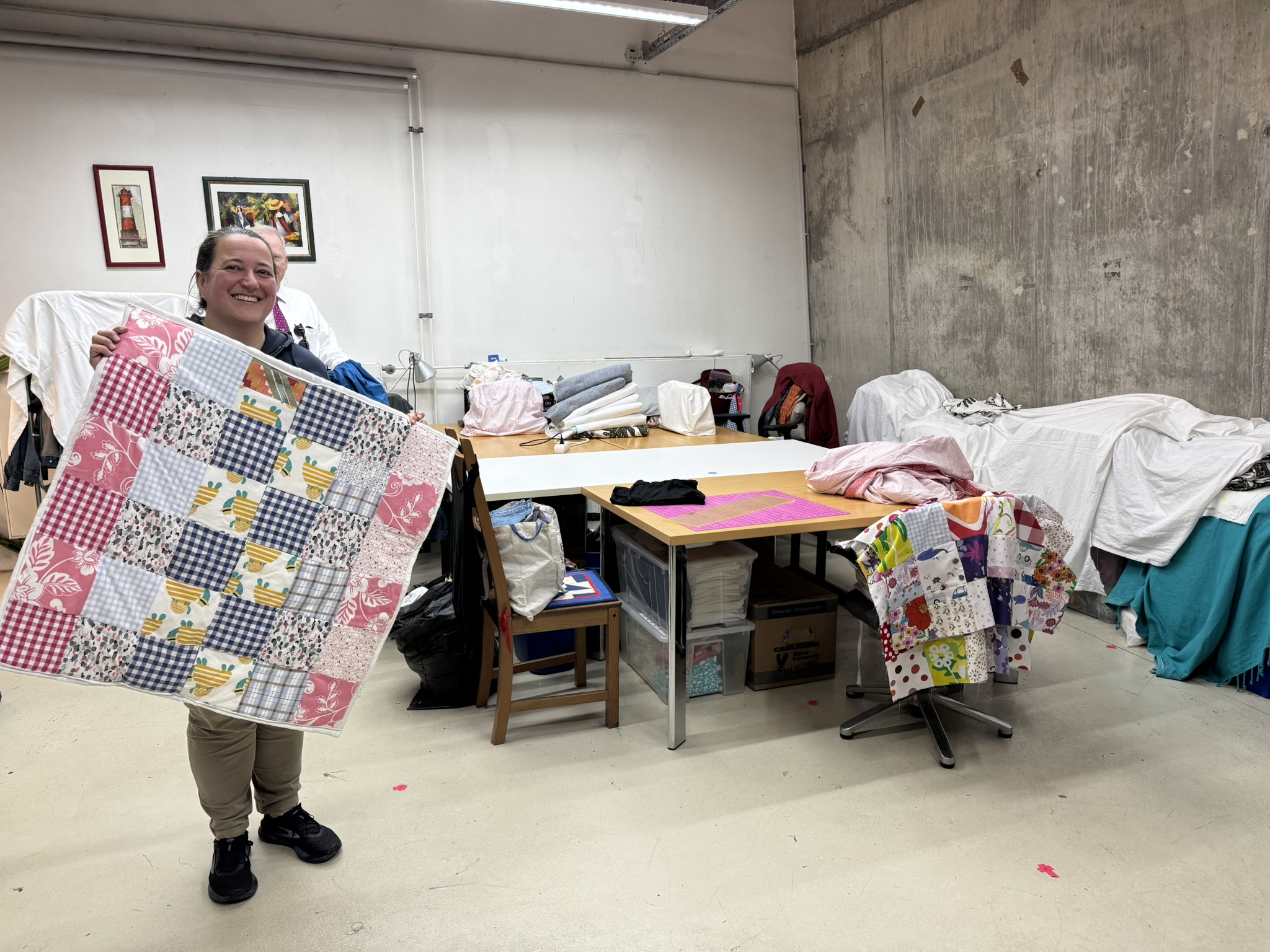
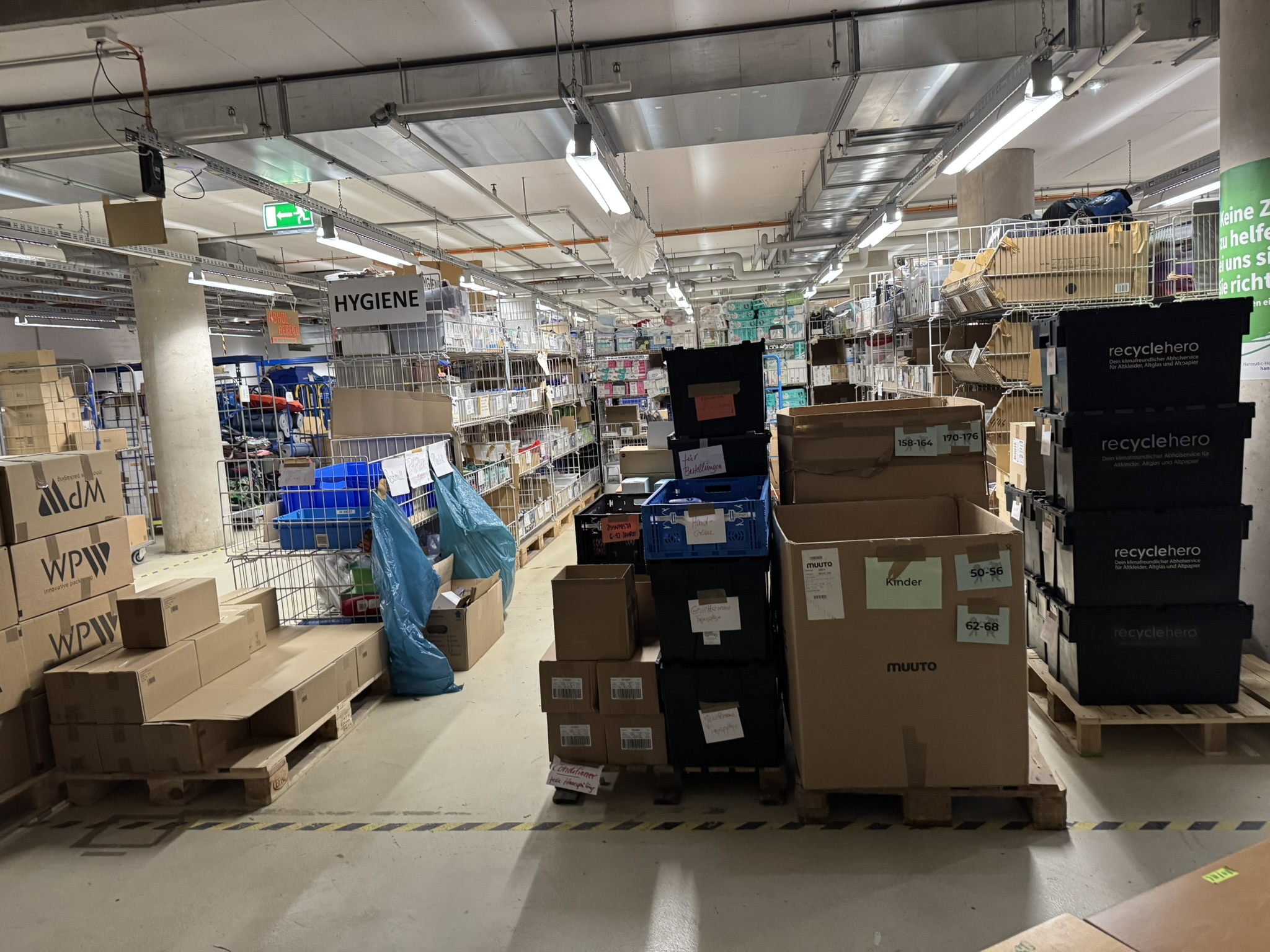
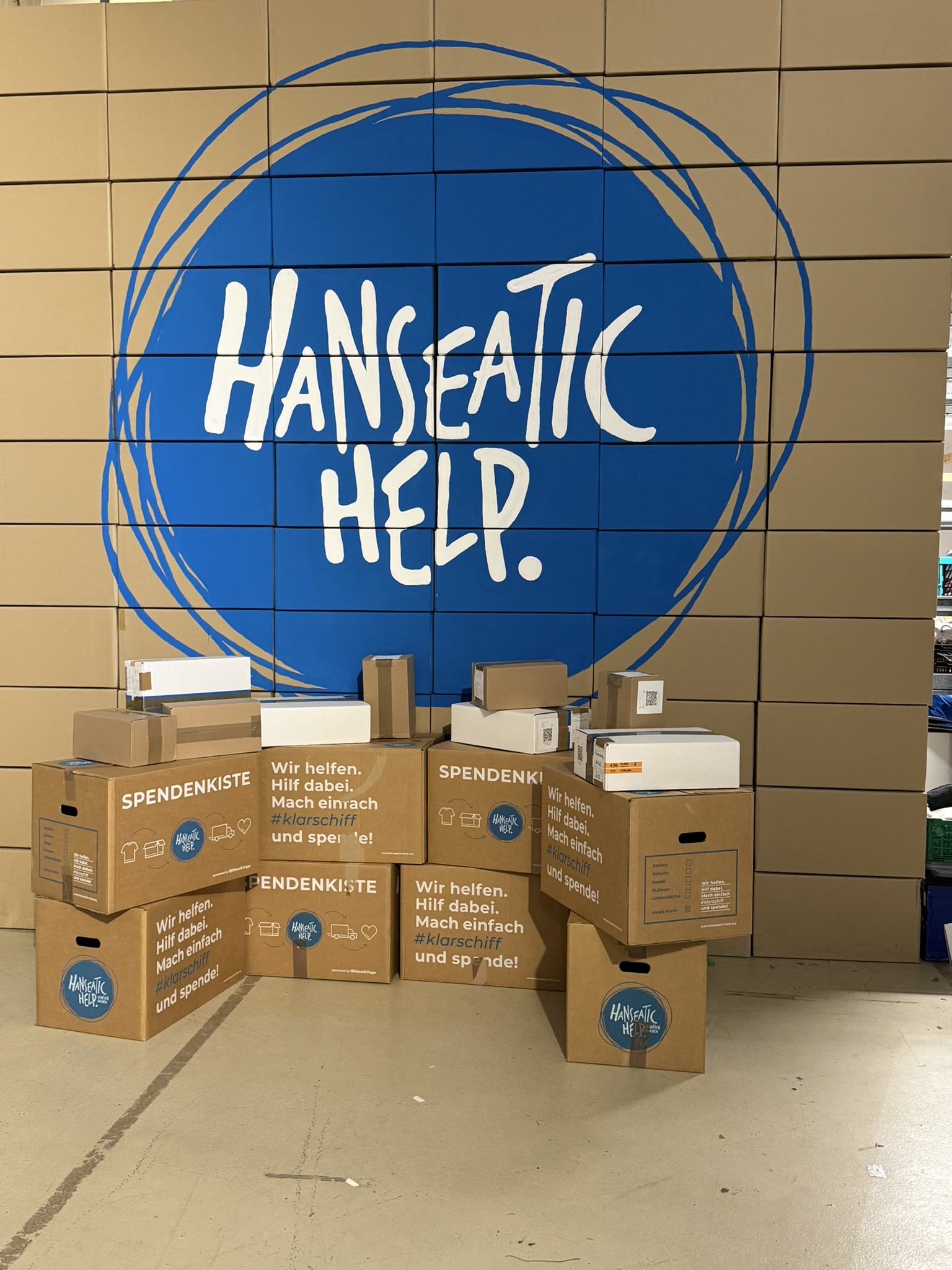
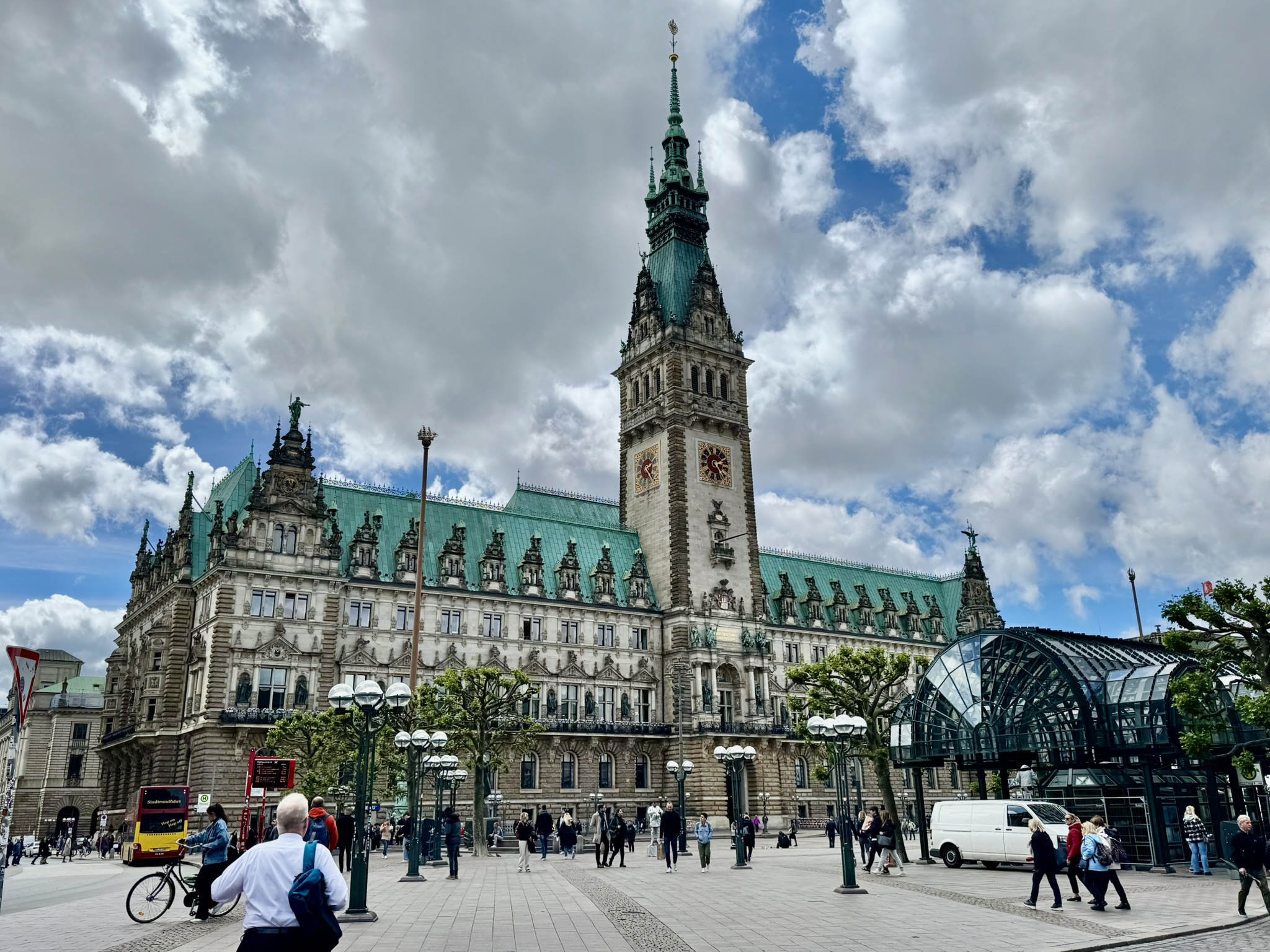
We spent Monday in the office and took a train on Tuesday to Hamburg. The regional manager for Germany, Florian Titze, joined us for a meeting with Hanseatic Help. This is a wonderful organization that Supports more than 300 non-profit organizations in Hamburg and northern Germany such as homeless shelters, refugee camps, social services, women’s shelters, schools, day care centers, international aid transports, and second-hand stores. They collect, sort and package used clothing for those in need. We look forward to future collaboration.

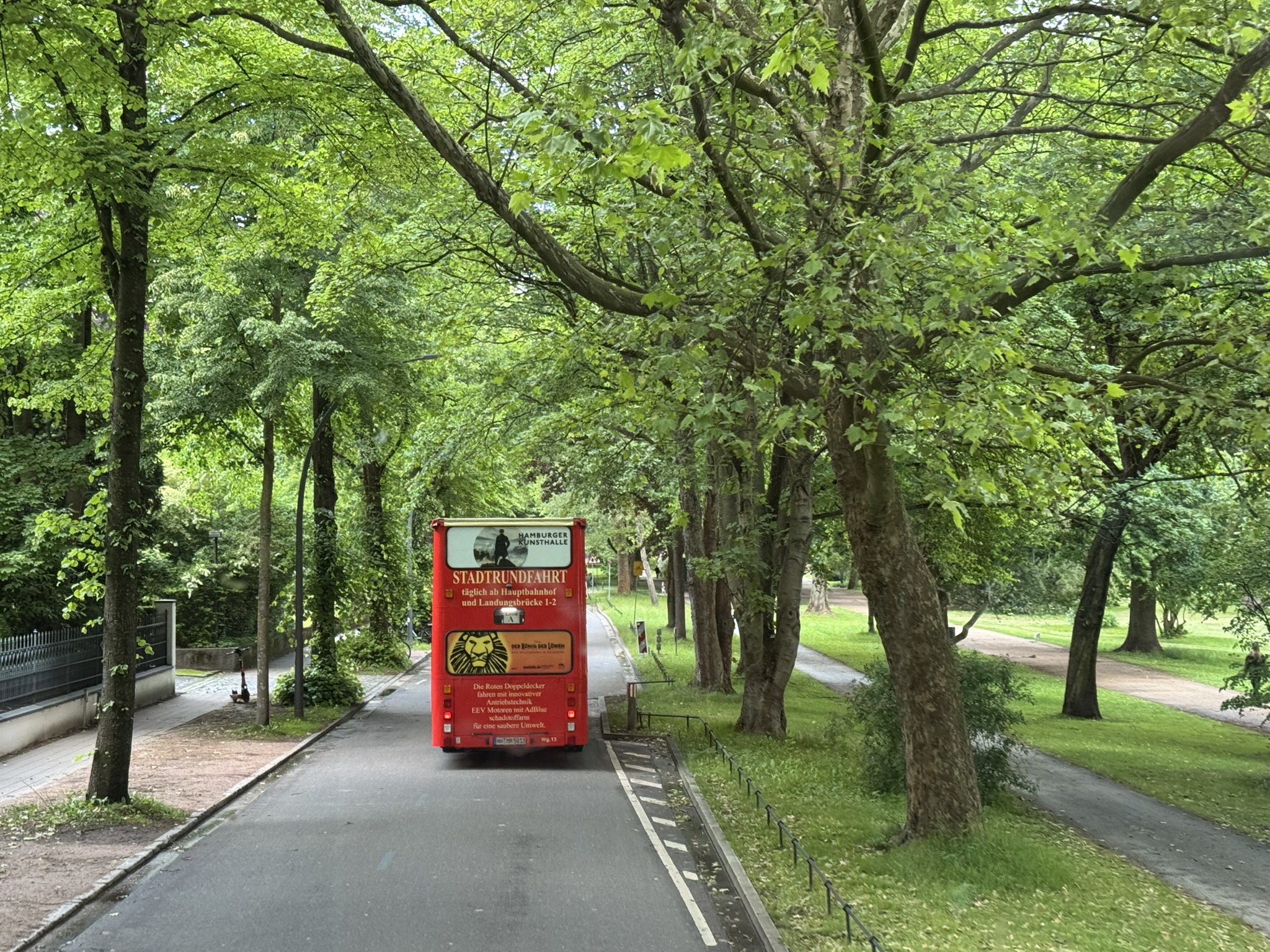
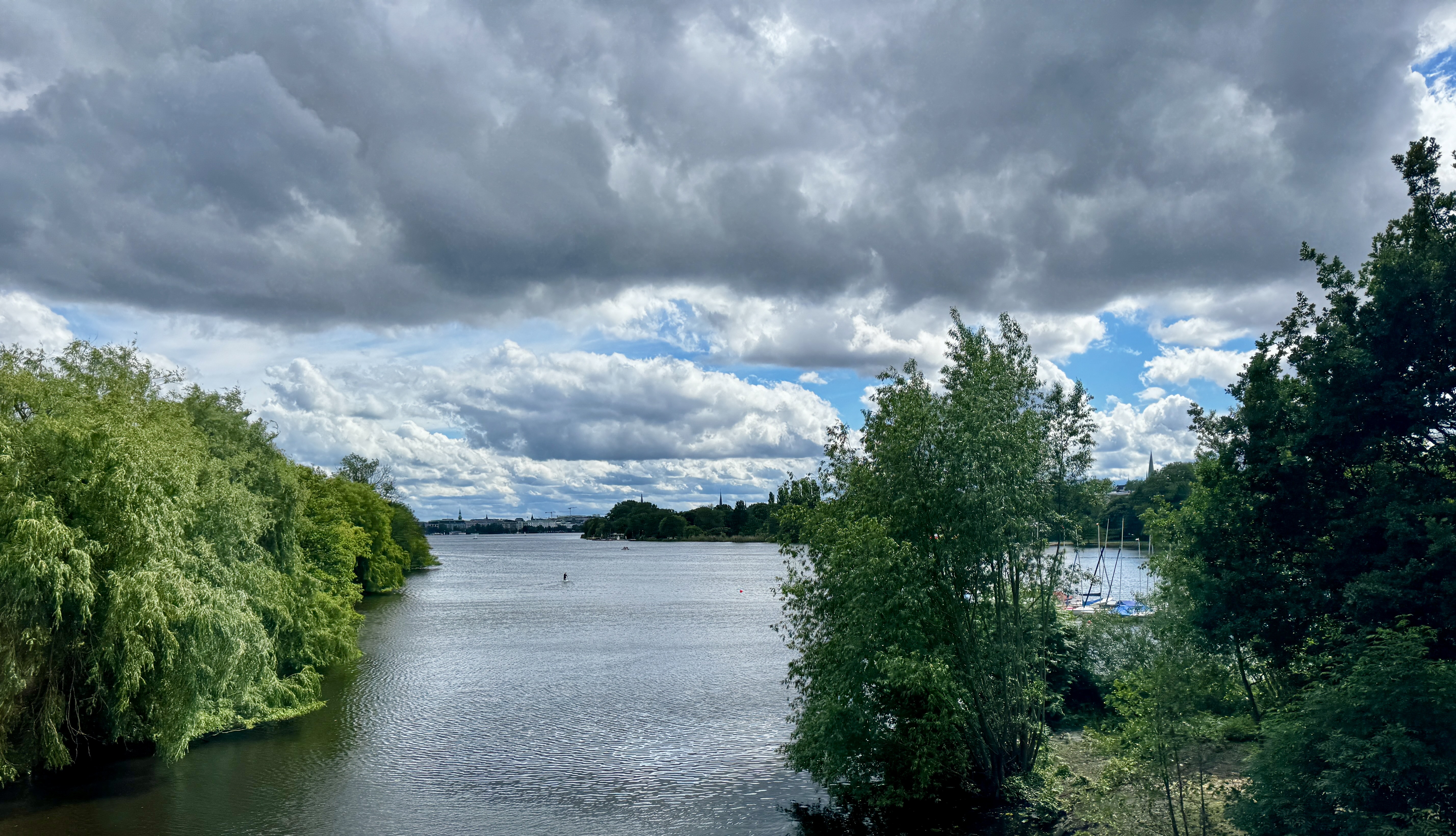
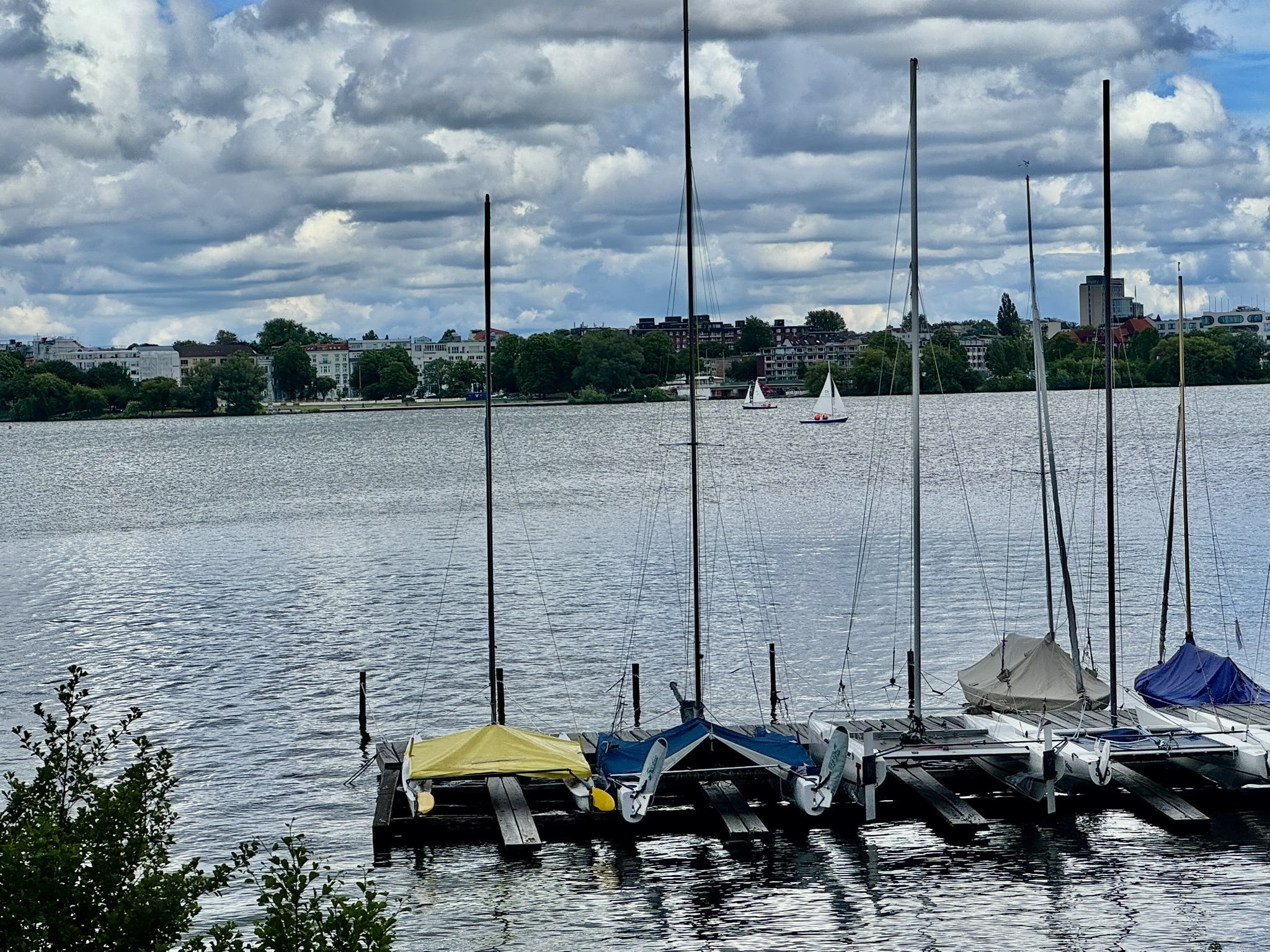
Hamburg is a major port city in northern Germany and is connected to the North Sea by the Elbe River. It is crossed by hundreds of canals and contains large areas of green spaces. Trees are protected in Hamburg, and they flourish.

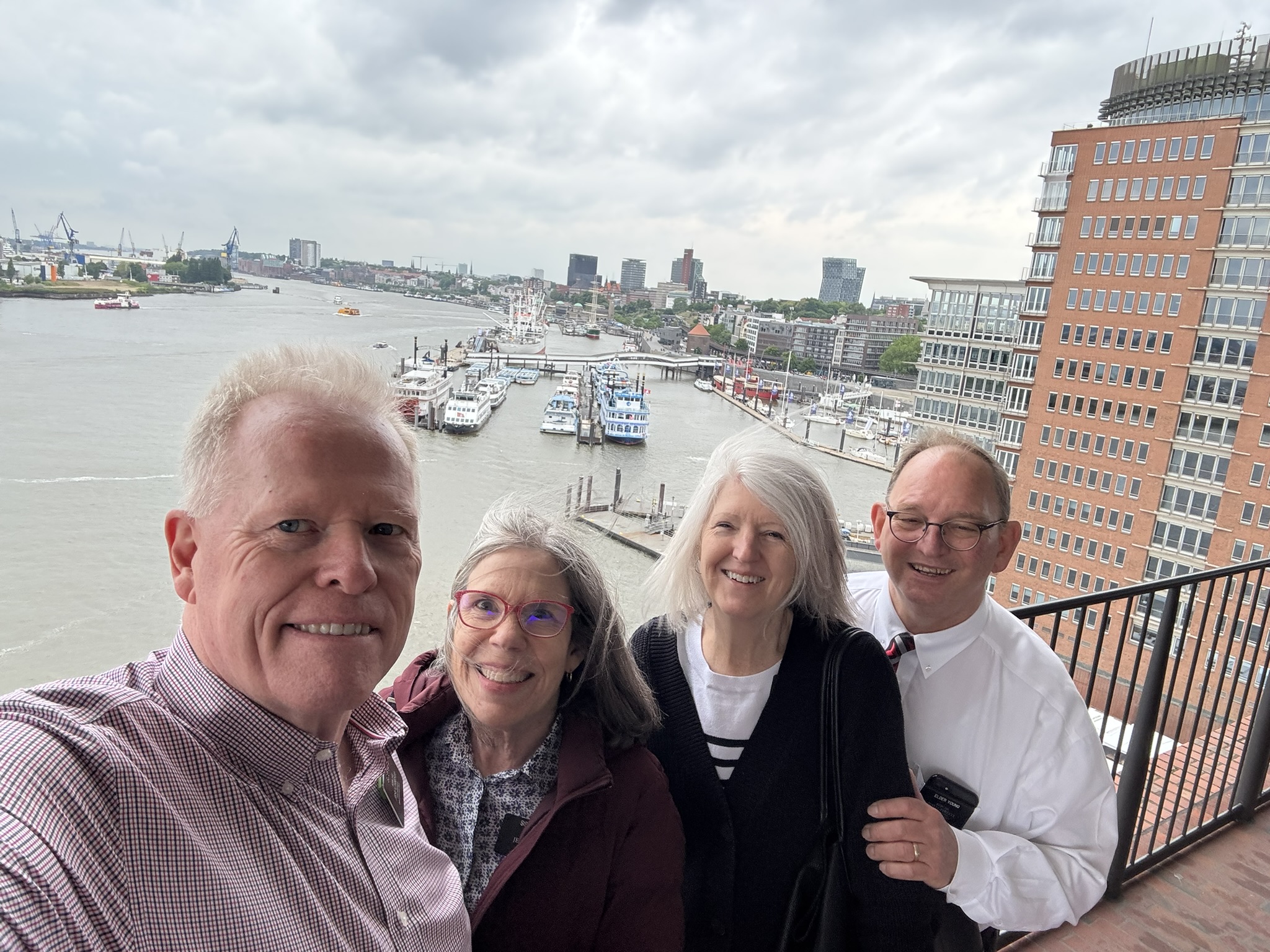
While in Hamburg we were able to spend an evening with our dear friends from Alaska, Elder Dan and Sister Cindy Young. They have been serving in the mission office in Hamburg and by the time this is published, will have returned home. What a joy to serve at the same time in the same country as them! They took us to the opera house called the Elbphiharmonie which is built on top of an old warehouse for a fabulous view of the city.


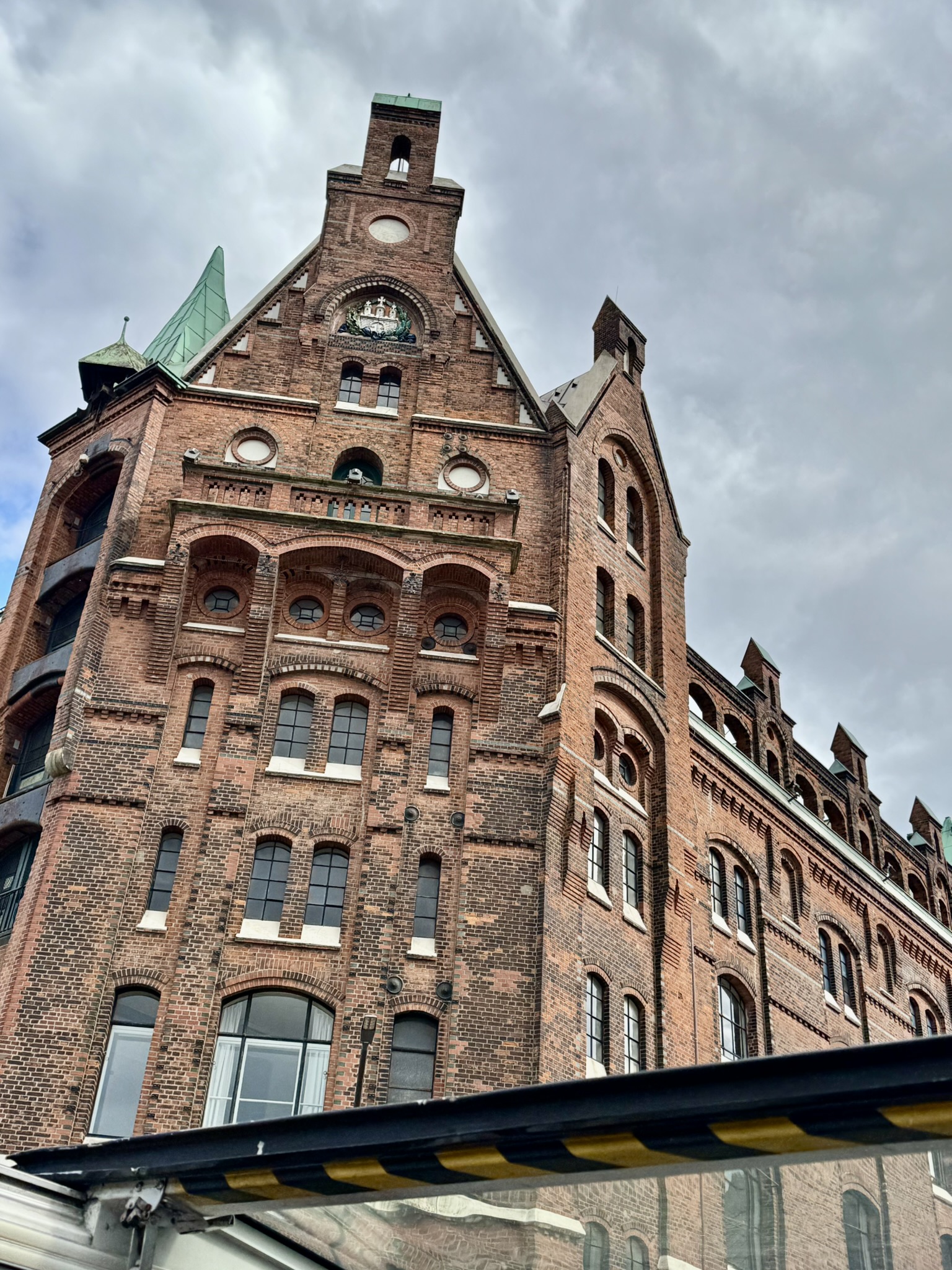
The Speicherstadt is a UNESCO world heritage site with 19th century red brick warehouses lining canals. Every conceivable commodity is still shipped from here, from spices to raw silk and carpets.

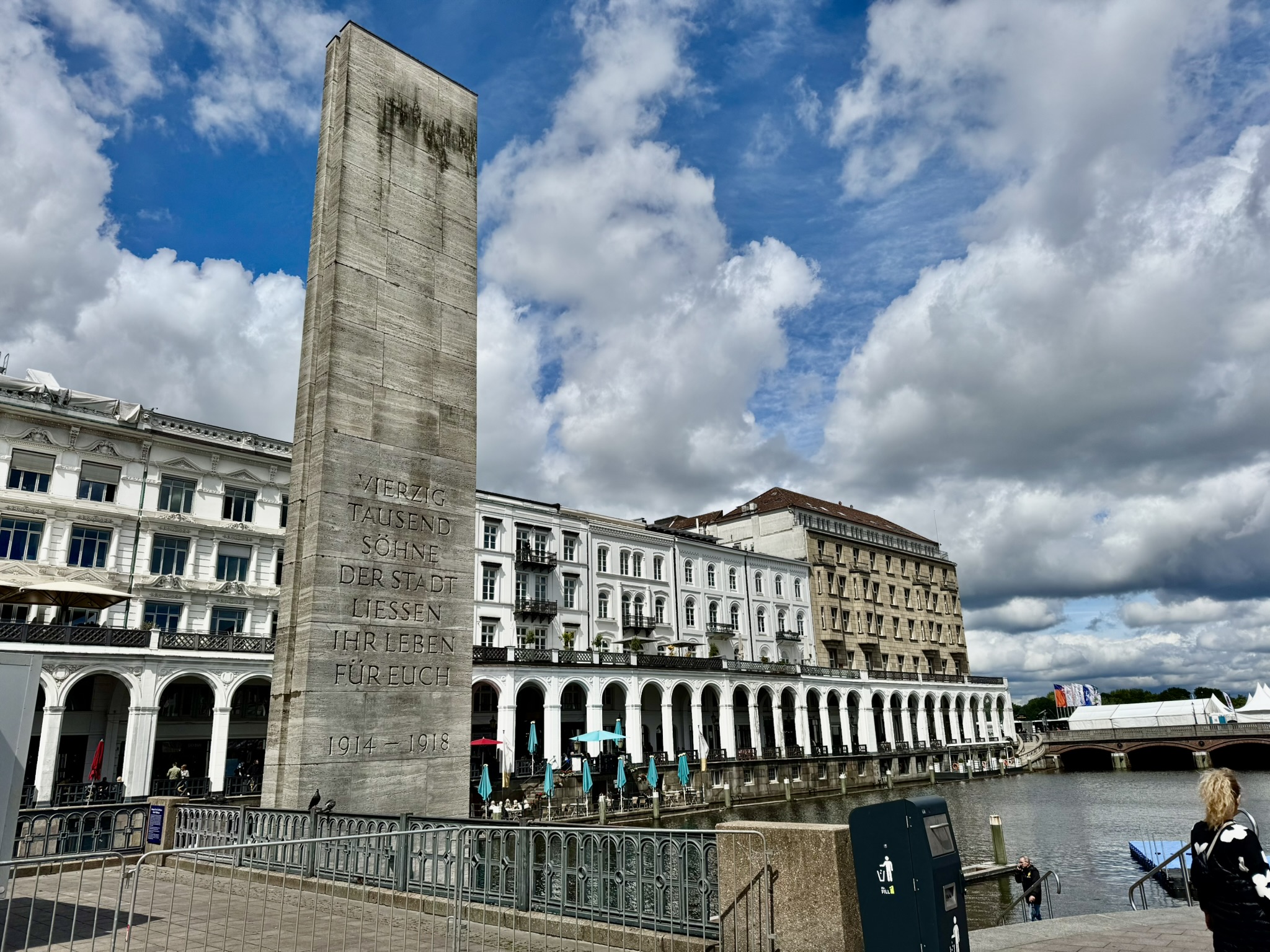
Rathaus (city hall) Square- Alsterarkaden (shopping arcades)- and Alster Lake
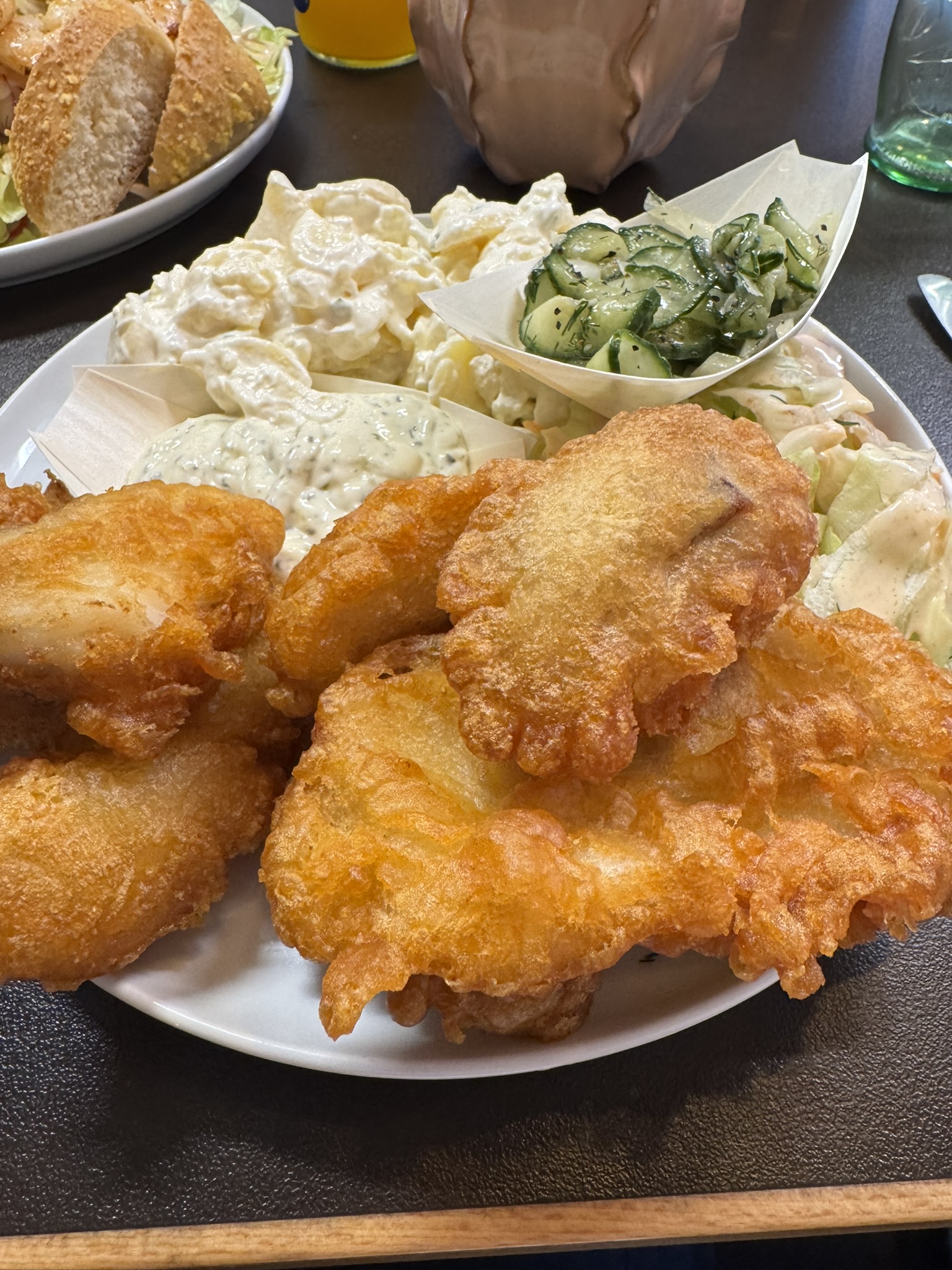
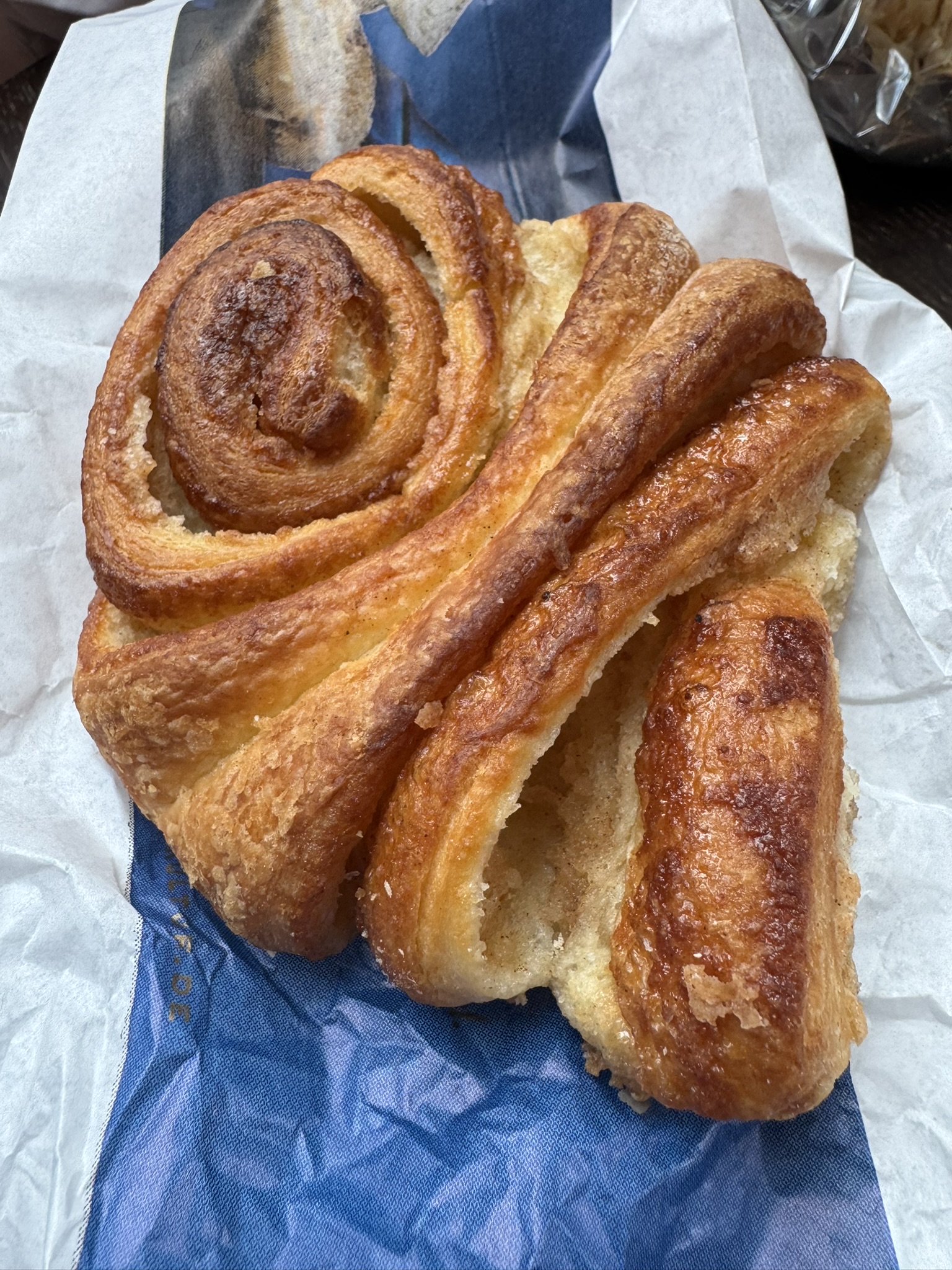
We enjoyed fish in this seaport city and tried a local pastry called Franzbrochen which was basically a flattened croissant with cinnamon.
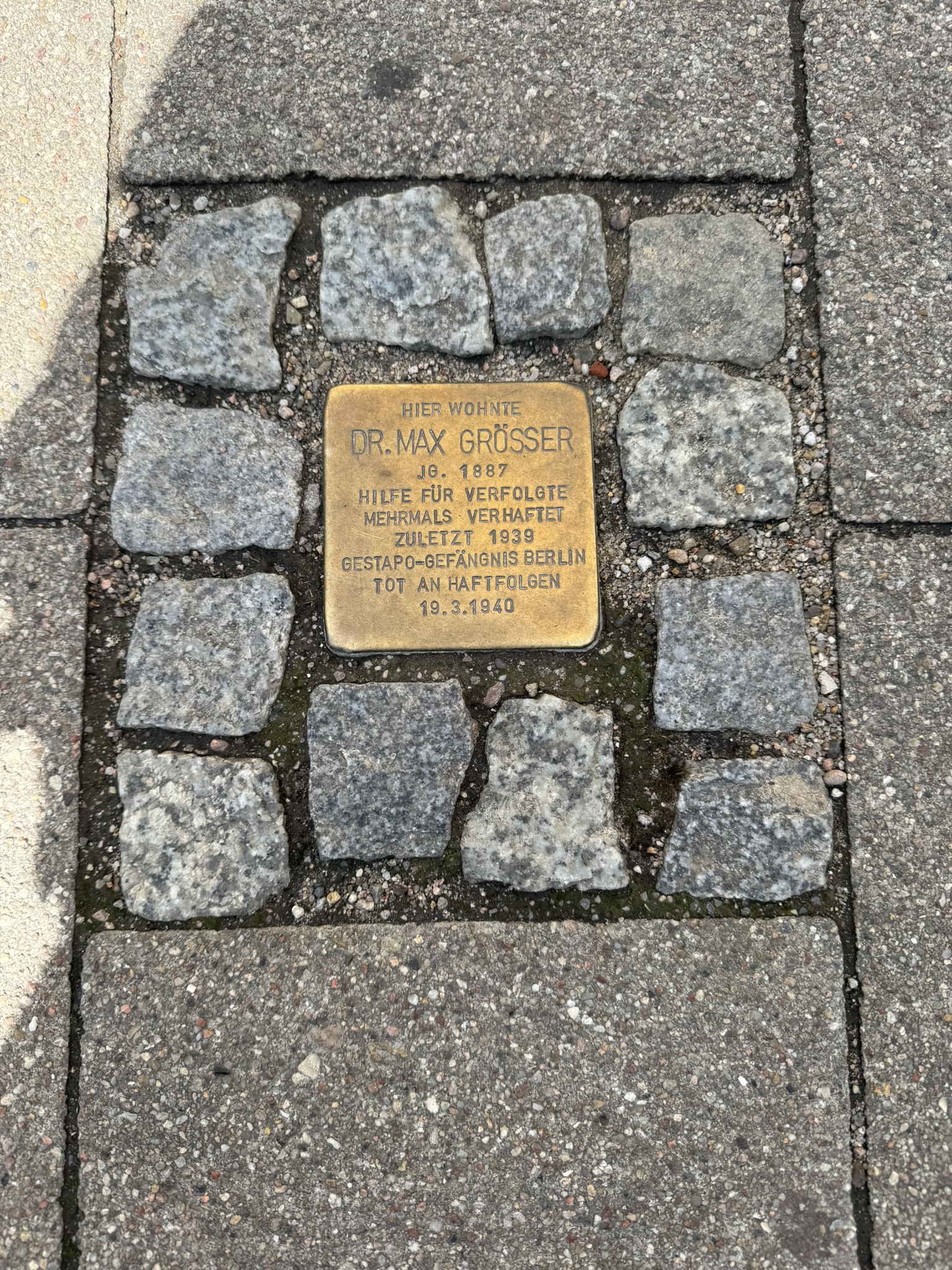
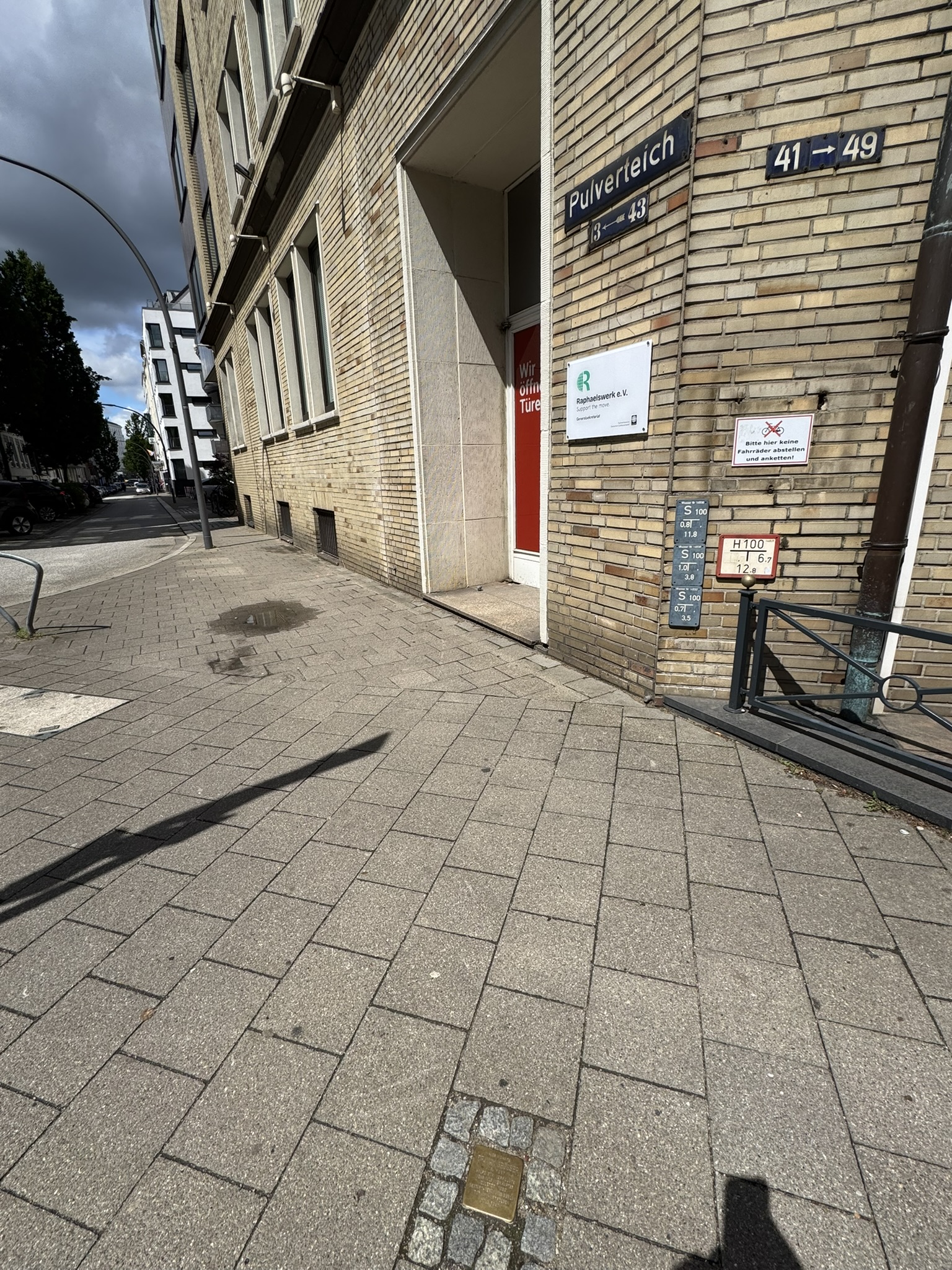
Sobering Stumbling Stones
Berlin
Thursday was Bank Day (public holiday) in Germany- Ascension Day so the office was closed. We decided to spend a long weekend in Berlin.
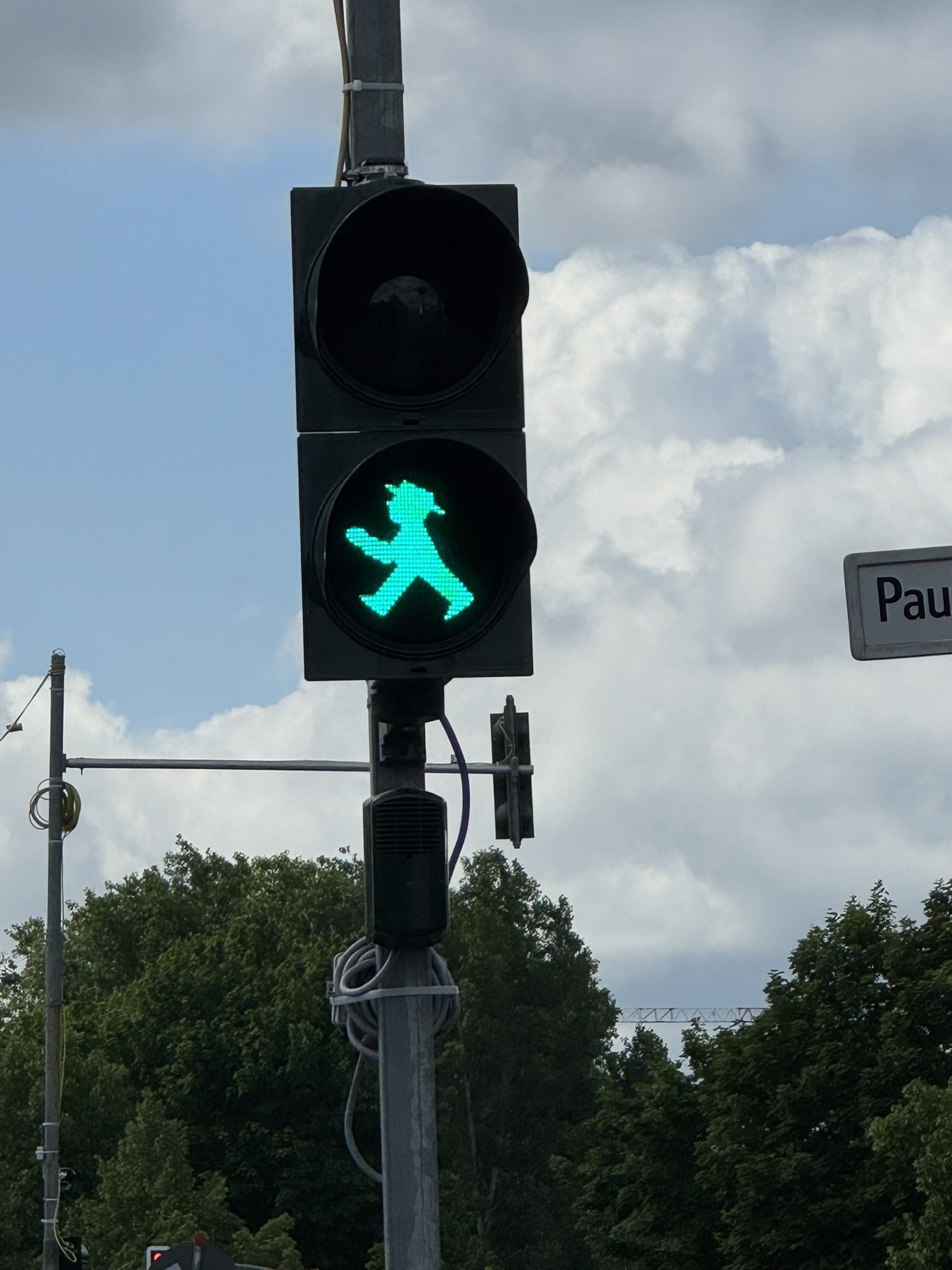
The beloved Ampelmann from former East Germany has become a symbol of reunification and nostalgia. Created in 1961, this quirky traffic light figure with a wide-brimmed hat is instantly recognizable. In danger of disappearing after reunification the Amplemann was saved and transformed into its current form. Today the Ampelmann can still be found in the streets of eastern and western Berlin.

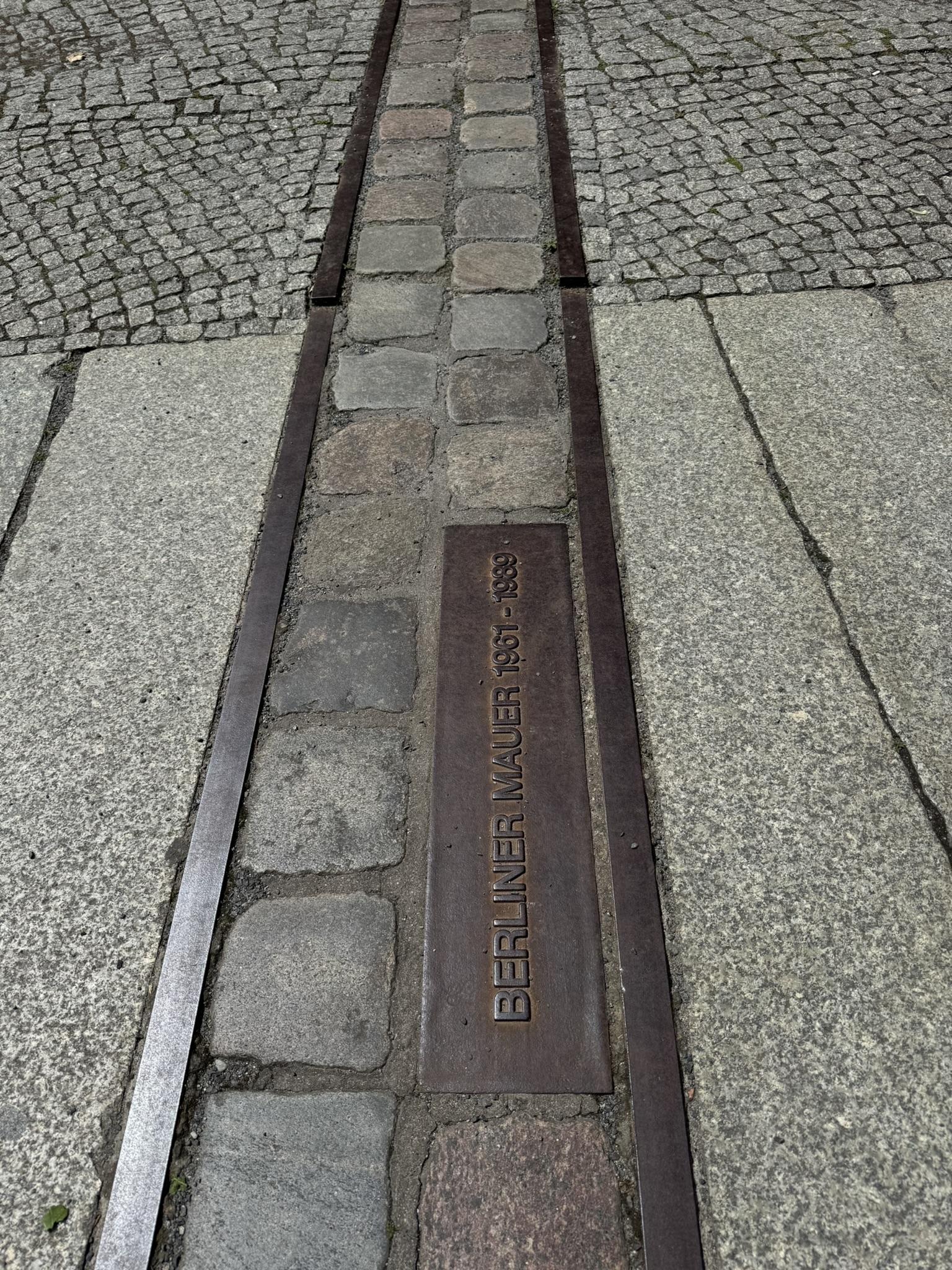
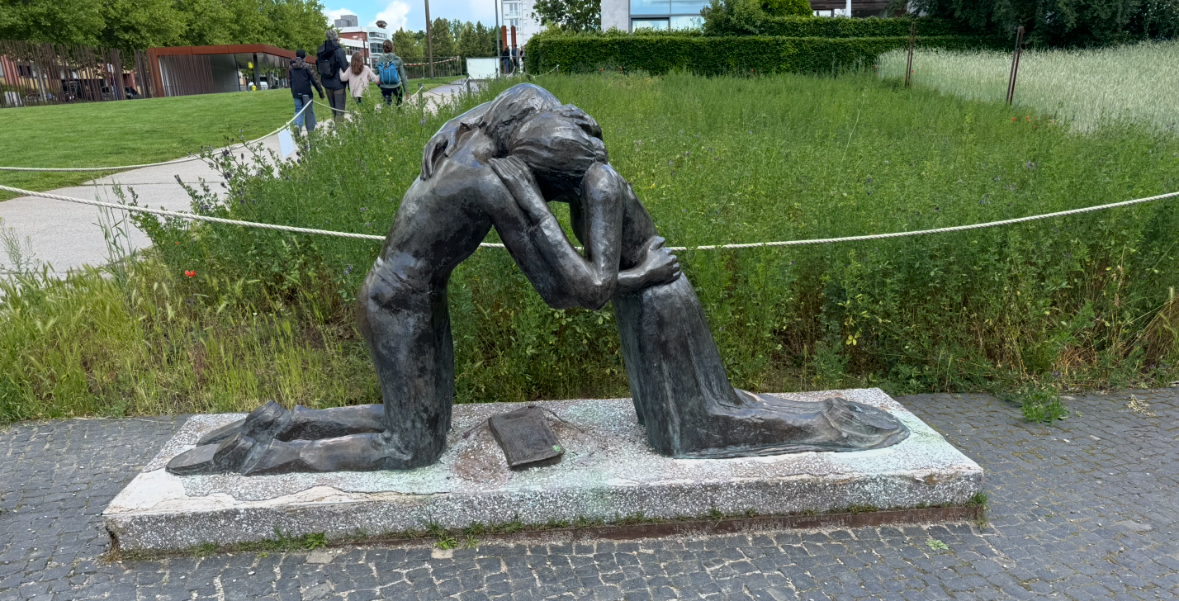
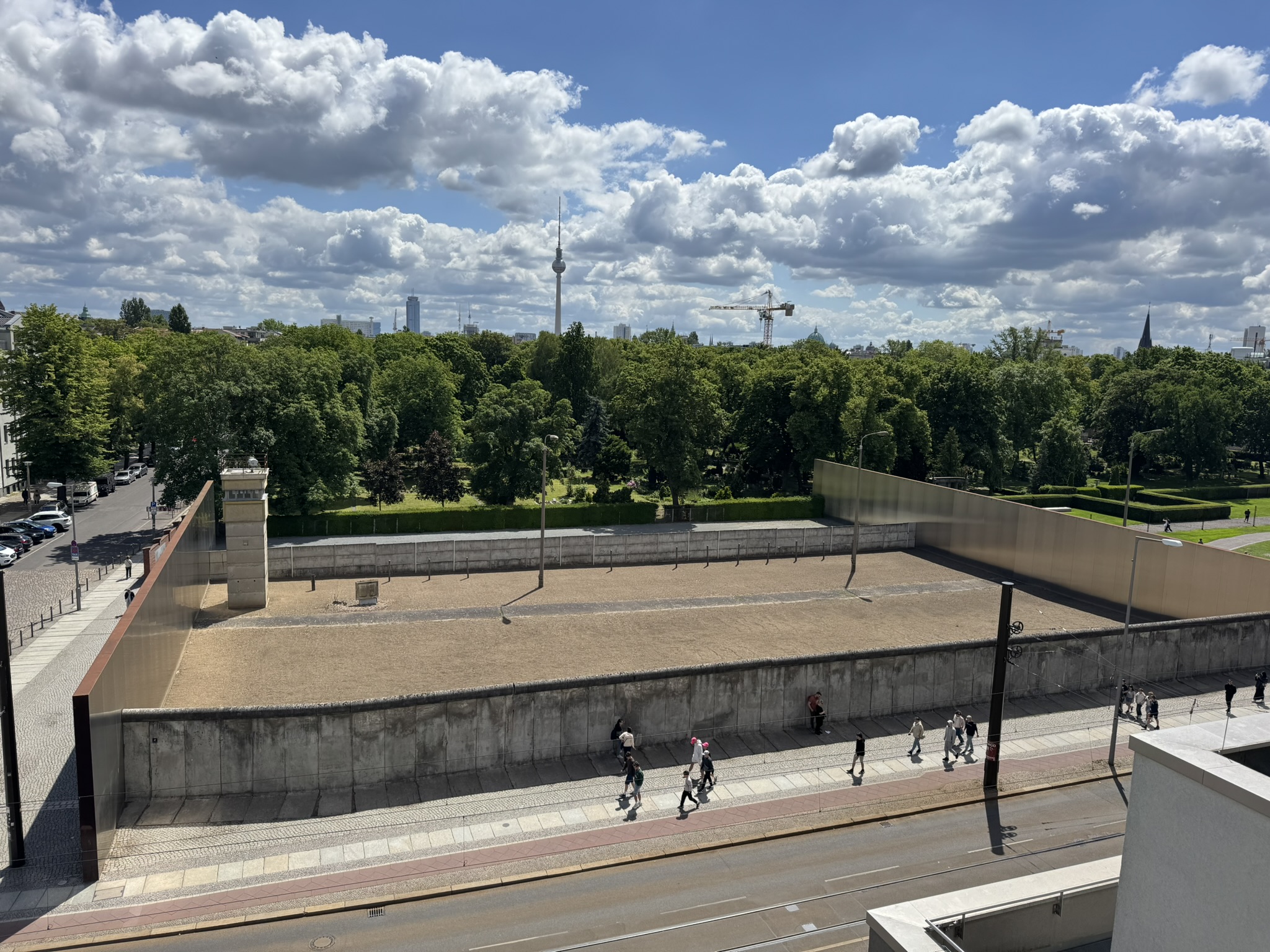
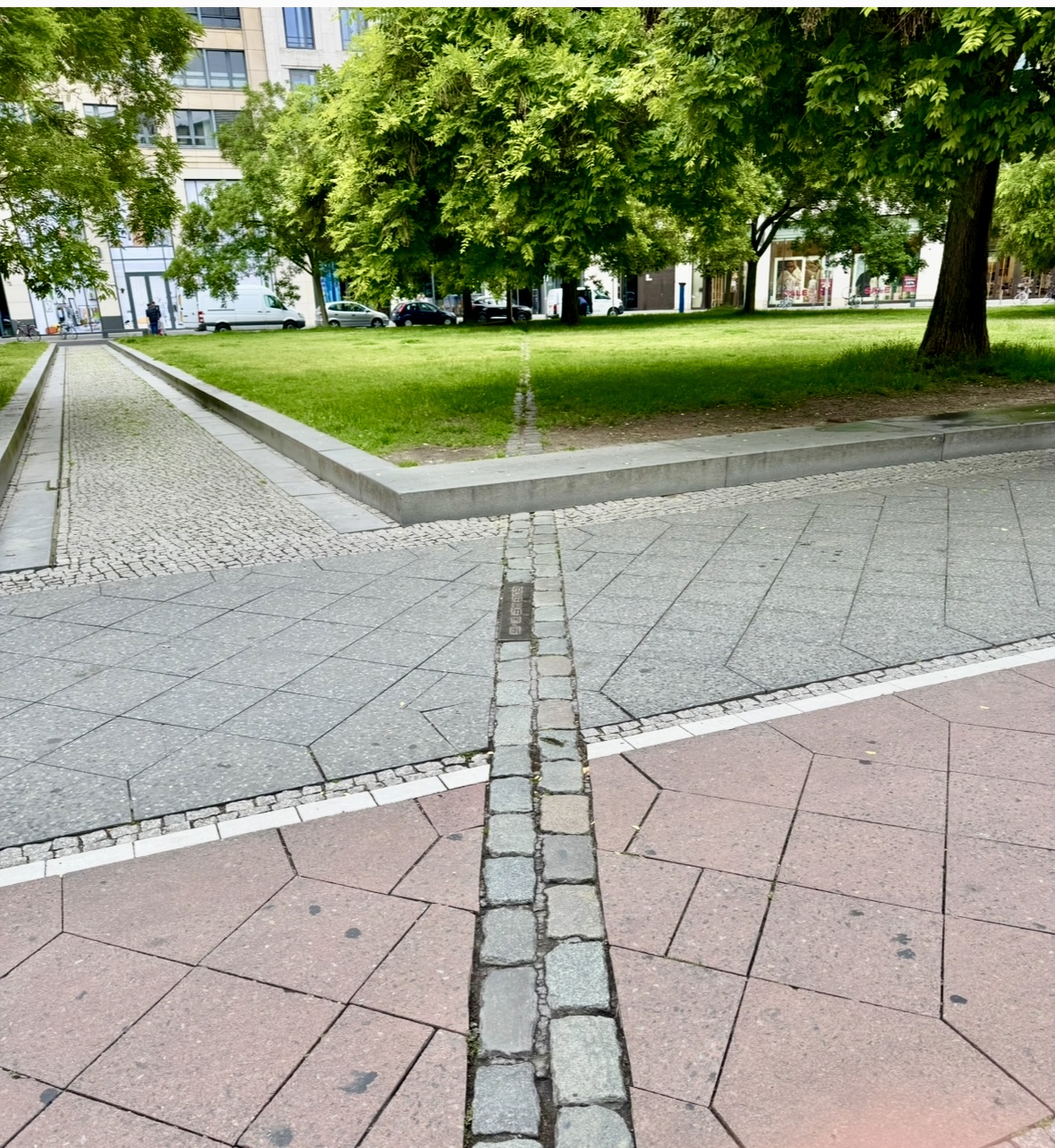
The Berlin Wall Memorial provides insights into Berlin’s tumultuous past. This is a unique public space that has a walking path leading through the area where the Berlin Wall stood. It has different learning stations that tell the disheartening stories of families separated by the Wall, tragic and successful escape attempts, and the details of when and how the Berlin Wall came to be. Remnants of the Wall can still be seen and even touched. In addition to learning more about the buildings of Bernauer Straße, you can also see the infamous death strip, which was left abandoned. The Berlin Wall was actually two walls, in the middle of which was the so-called death strip. You can also learn about the tunnels dug underneath the wall from East Berlin in an attempt to flee to West Berlin. A line of cobblestones trace the path of the wall throughout the city.

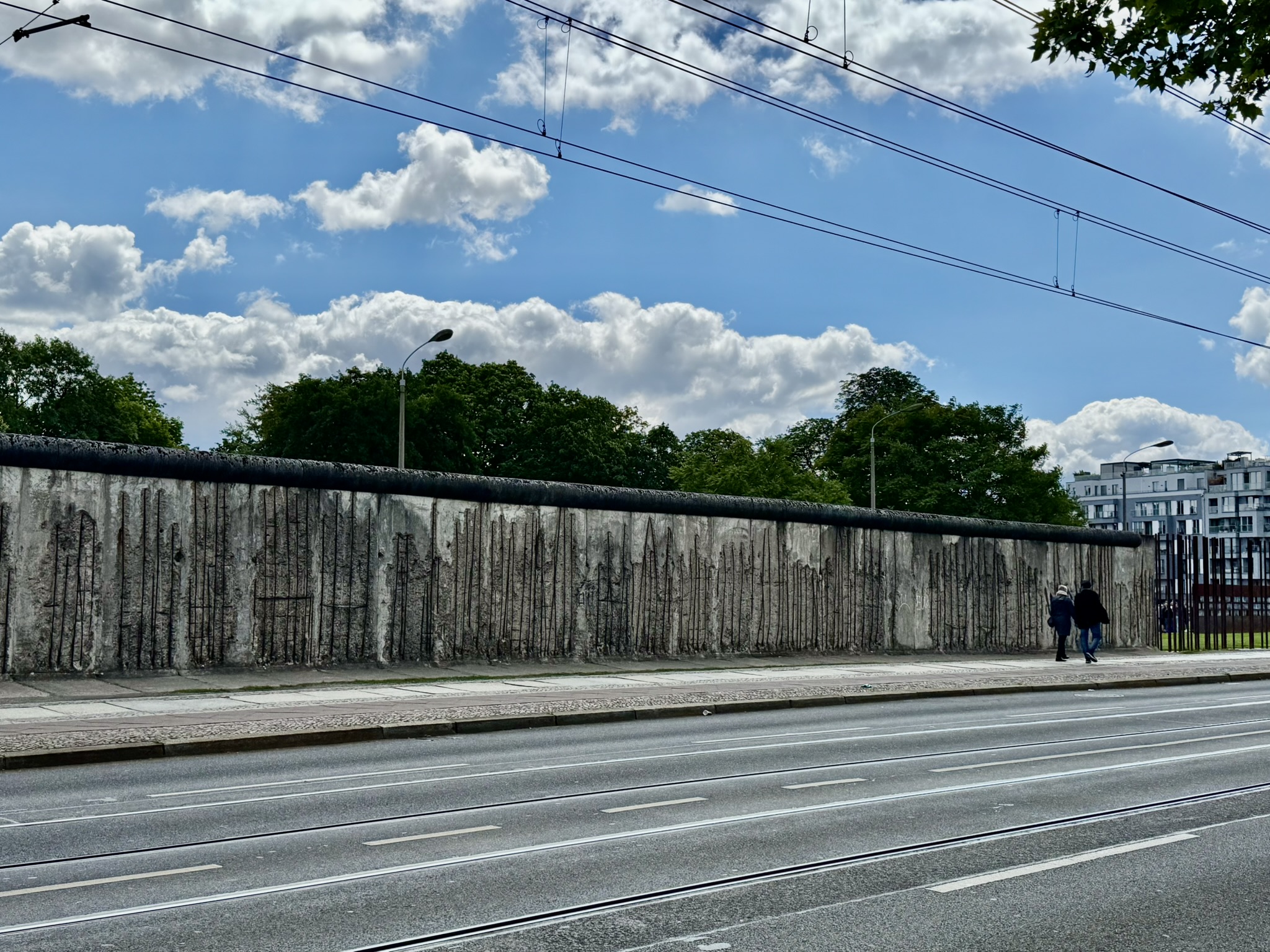
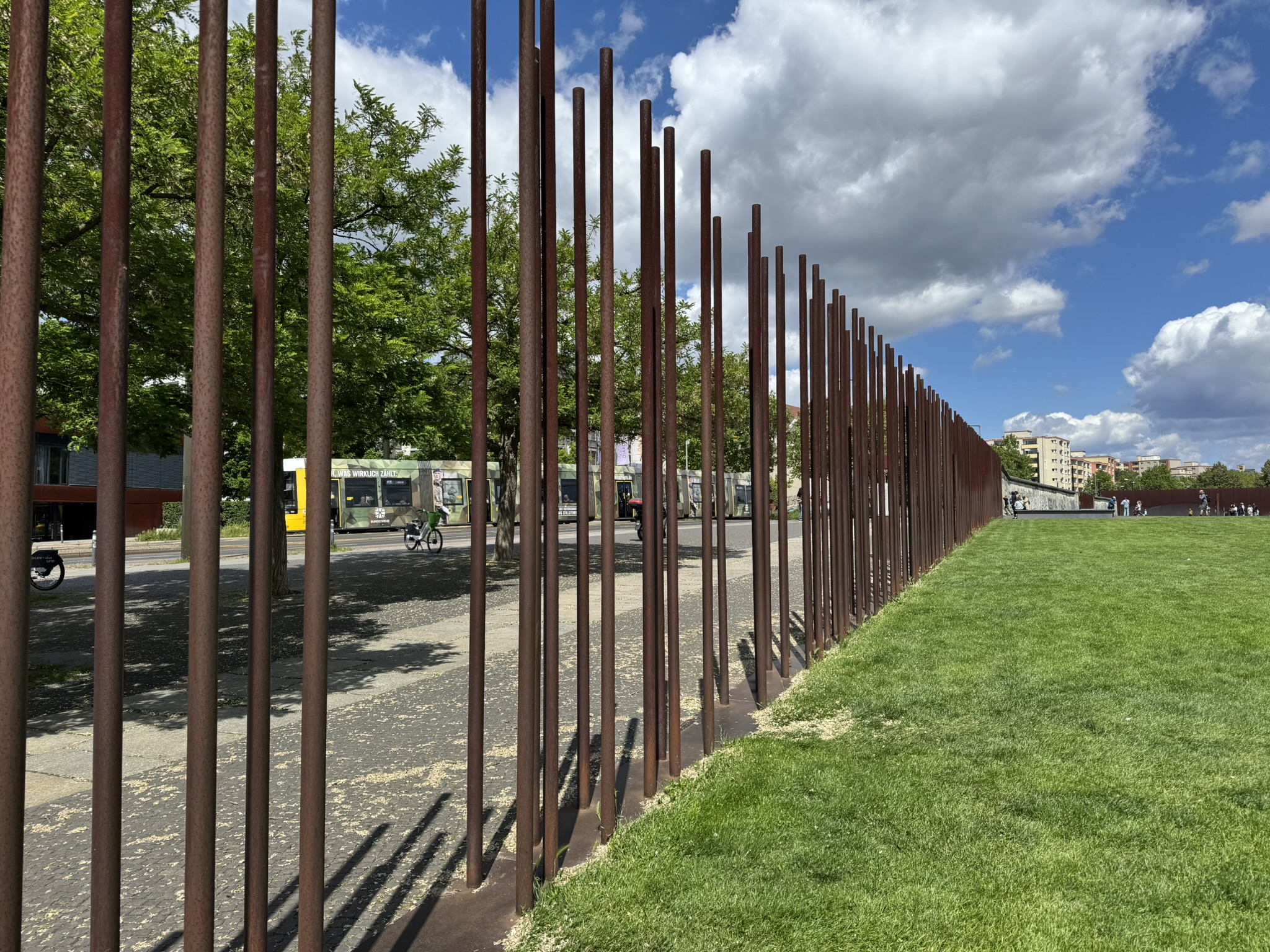
Topographie Des Terrors is an indoor/outdoor museum, located on the grounds of the former Secret Police and the SS and features a wealth of information and photographs sharing the history of Germany during WWII. There is also a portion of the Berlin Wall, bare and unexposed as it was for all those years. This was an exceptionally informative museum.

Tiergarten -Berlin’s Central Parkis a peaceful 630-acre space in the middle of bustling Berlin- a much needed respite as we soaked in hard history.


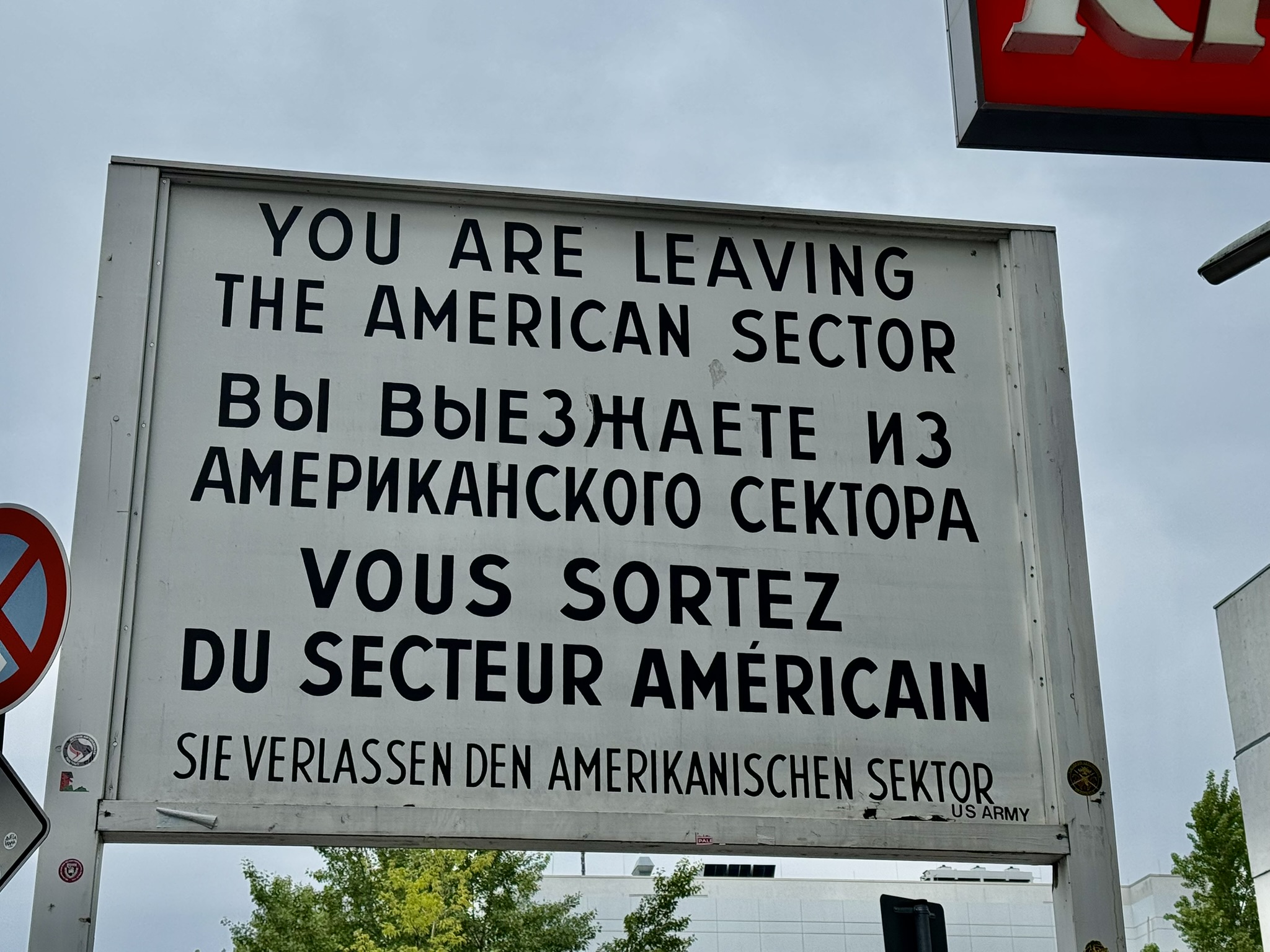
Checkpoint Charlie-Wall Museum is the famous crossing point between the two Berlins where American & Soviet tanks faced off in the tense months of the Berlin blockade.

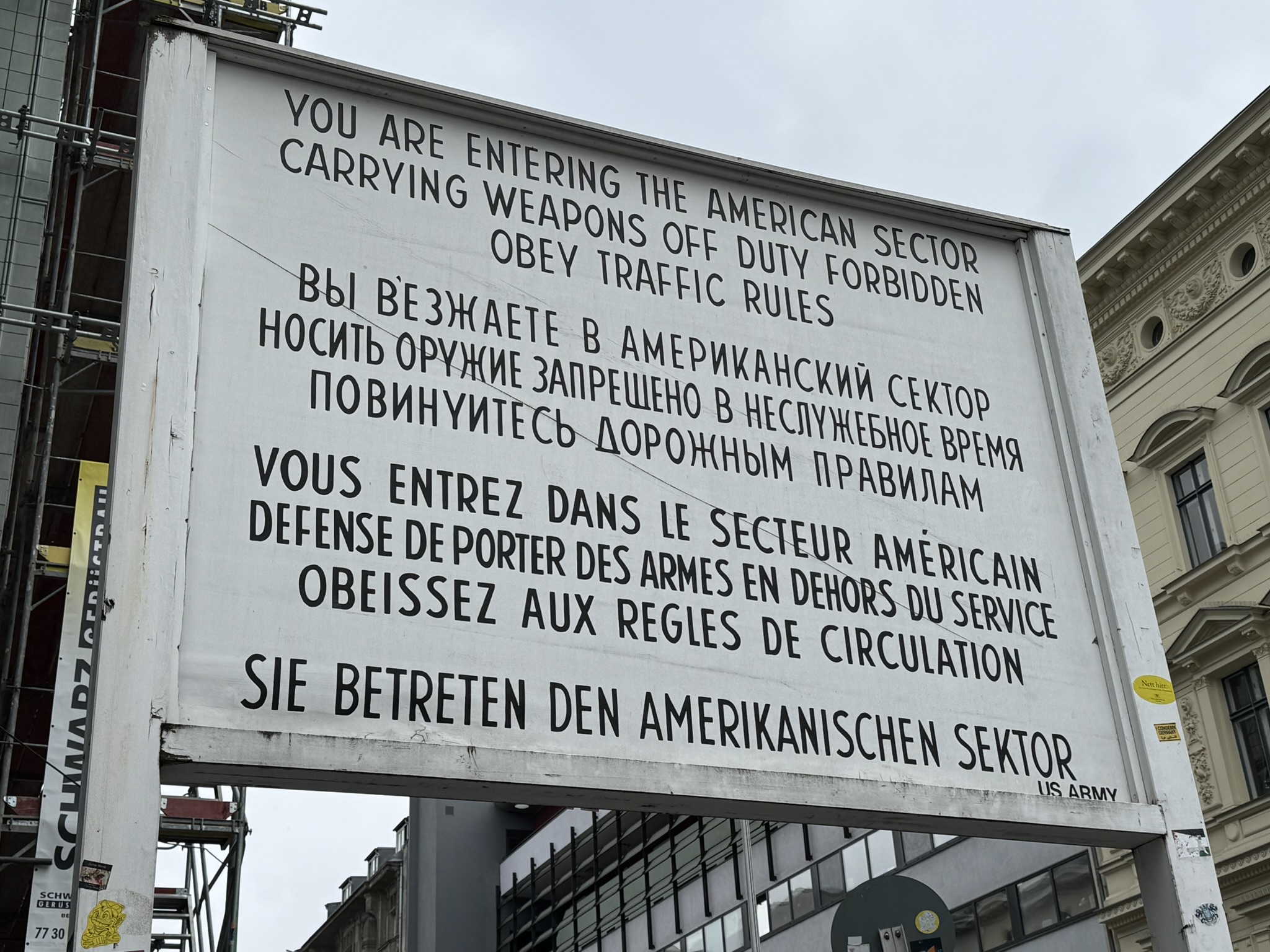
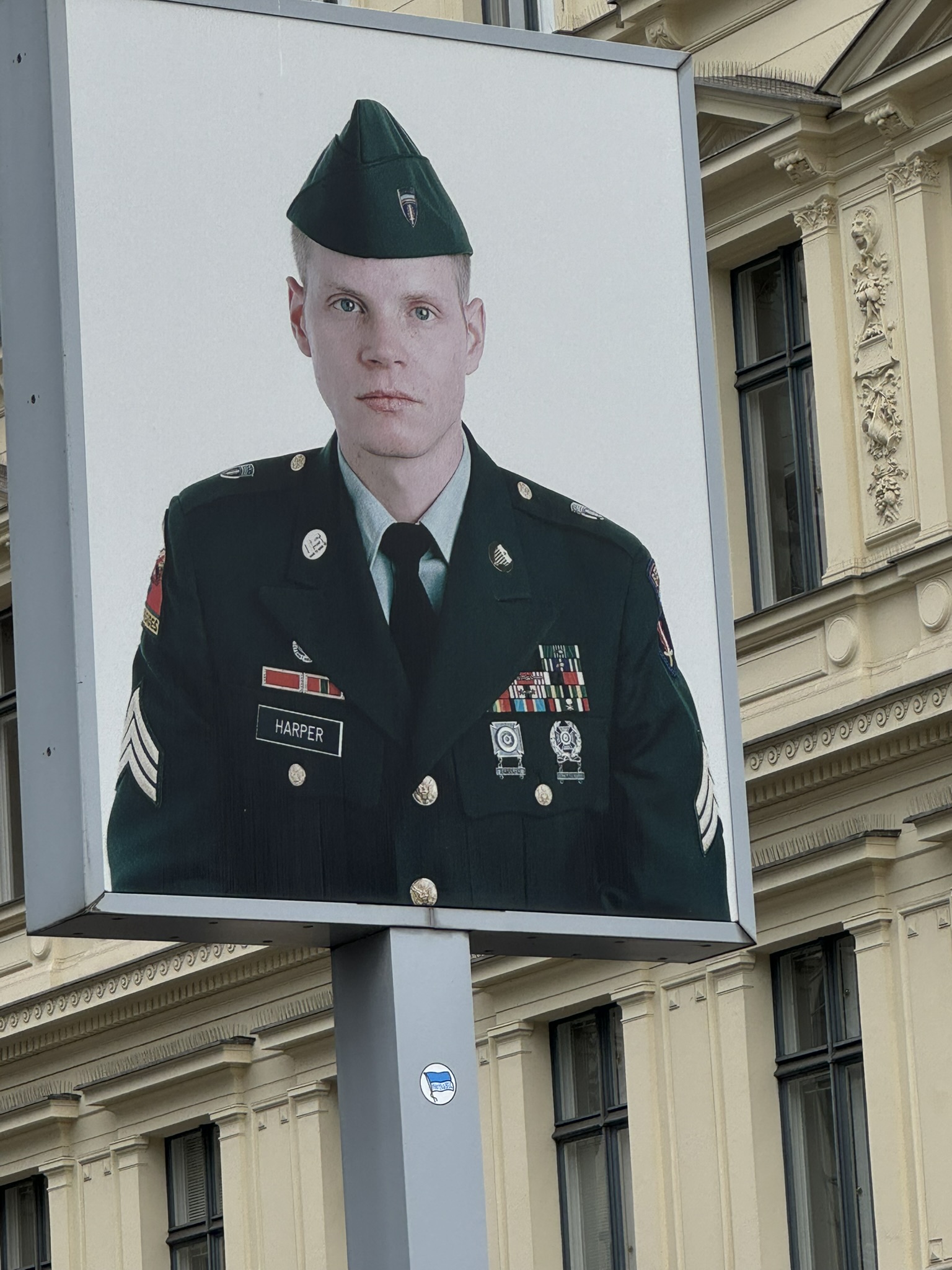
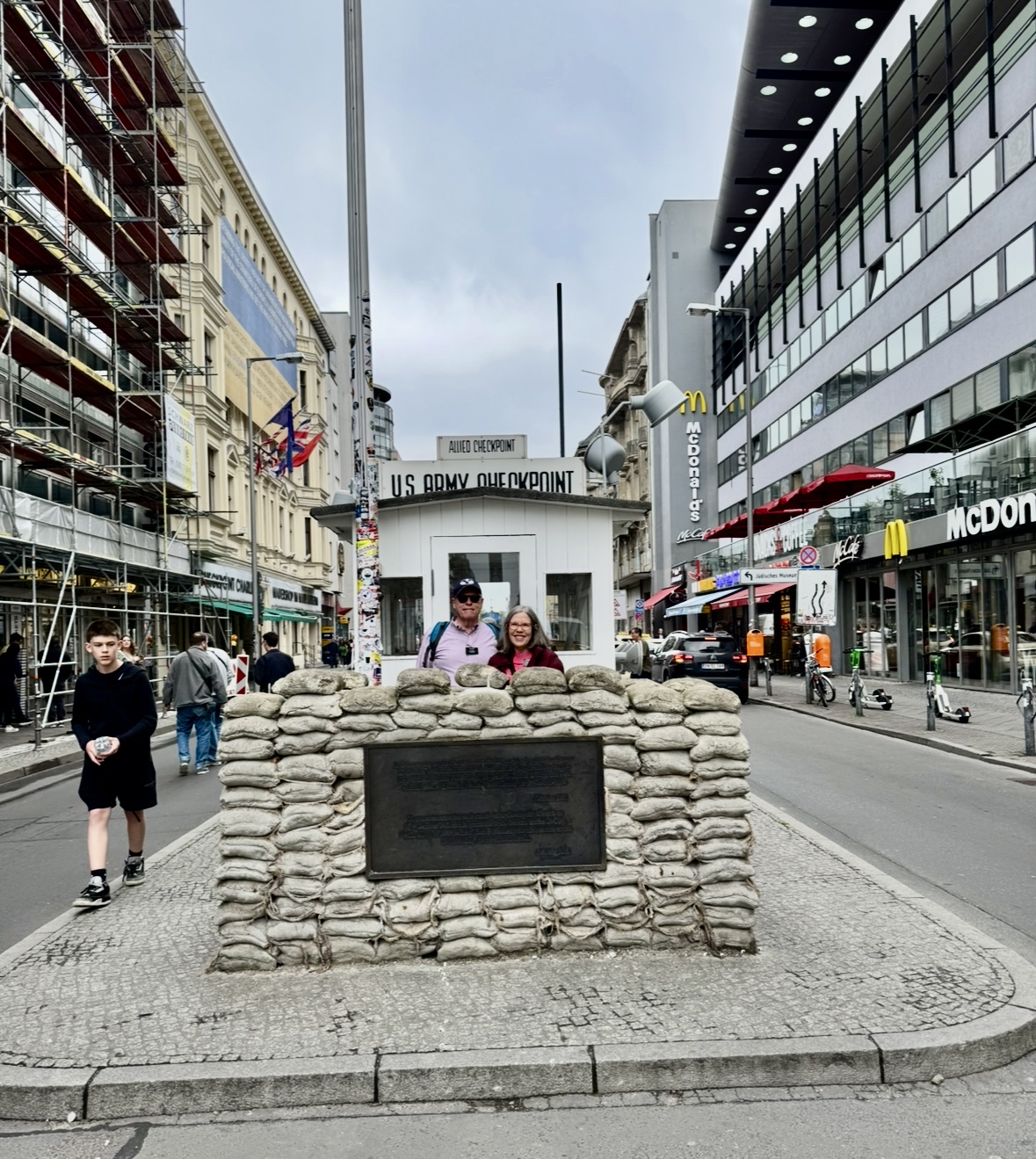
The Brandenburg Gate is the most famous and popular landmark in Berlin. A symbol of peace, unity, and reconciliation. It was built on top of the former city gate, on the orders of the Prussian king Frederick William II in the late 1700s. This is the last survivor of 14 gates in the old city wall. Napolean passed through the Brandenburg gate after the Battle of Jena-Auerstedt. After Hitler’s seizure of power and appointment as Chancellor, the meaning behind the Brandenburg Gate became much more sinister. The National Socialists staged a theatrical torchlight procession through the Brandenburg Gate. Although it was a Nazi party-political symbol, the Brandenburg Gate survived World War II, but with serious damage. The arch was restored after the war in a joint effort of the east and west governments. However, after the construction of the Berlin Wall right behind it, the Brandenburg Gate border crossing closed until 1989. In 1989 The leaders of East and West Germany walked side by side through the Brandenburg Gate, proclaiming it a ‘gate of peace’ and bringing a roar of excitement from thousands of Berliners gathered to witness the reopening of the symbol of the city’s division. It has become the scene of the city’s Unification Day & New Years Eve parties.

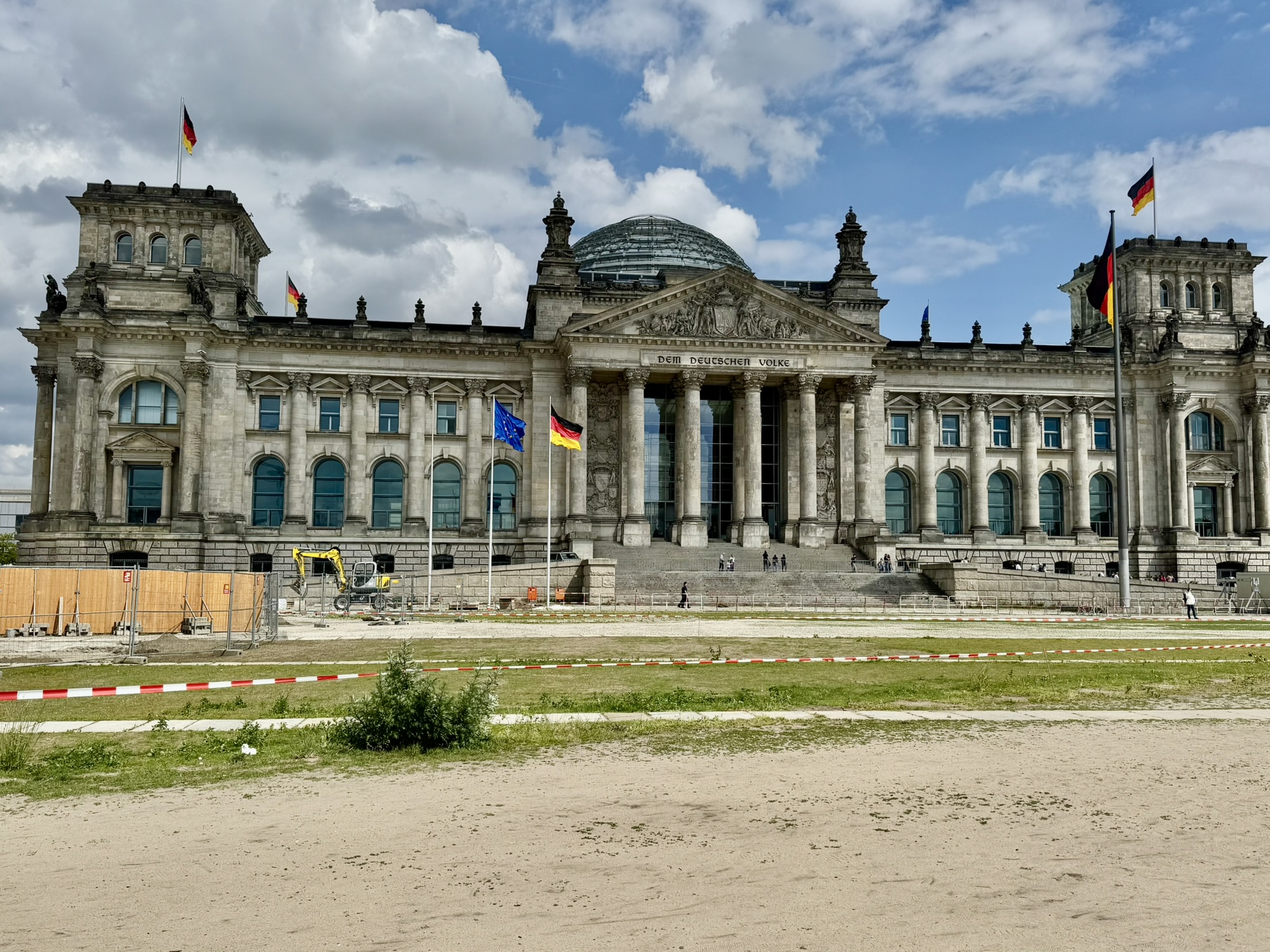
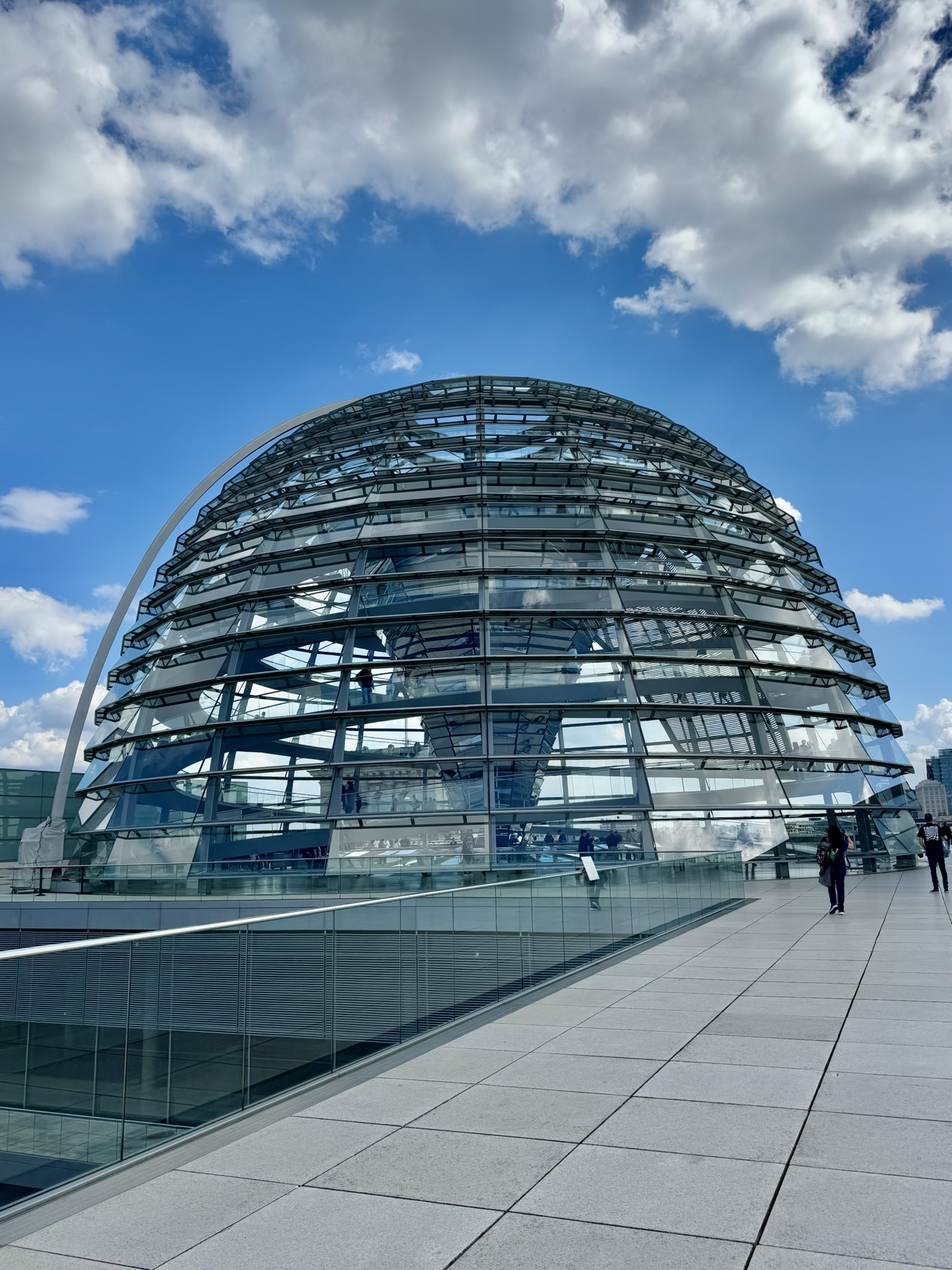
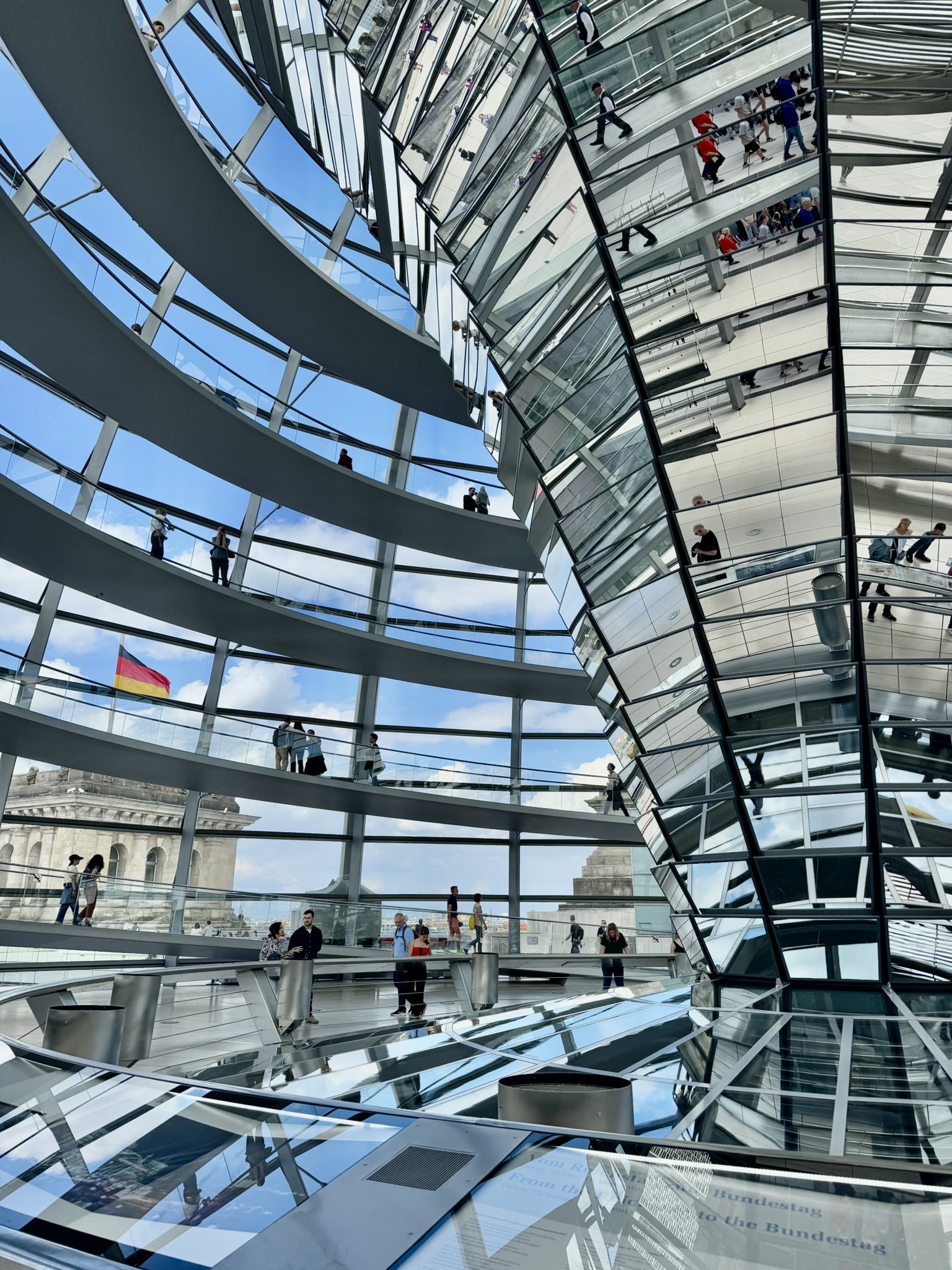
The Reichstag is the name of the building that is home to the German Parliament (called the Bundestag). The Reichstag original dome was damaged during WWII and was replaced with a glass dome.
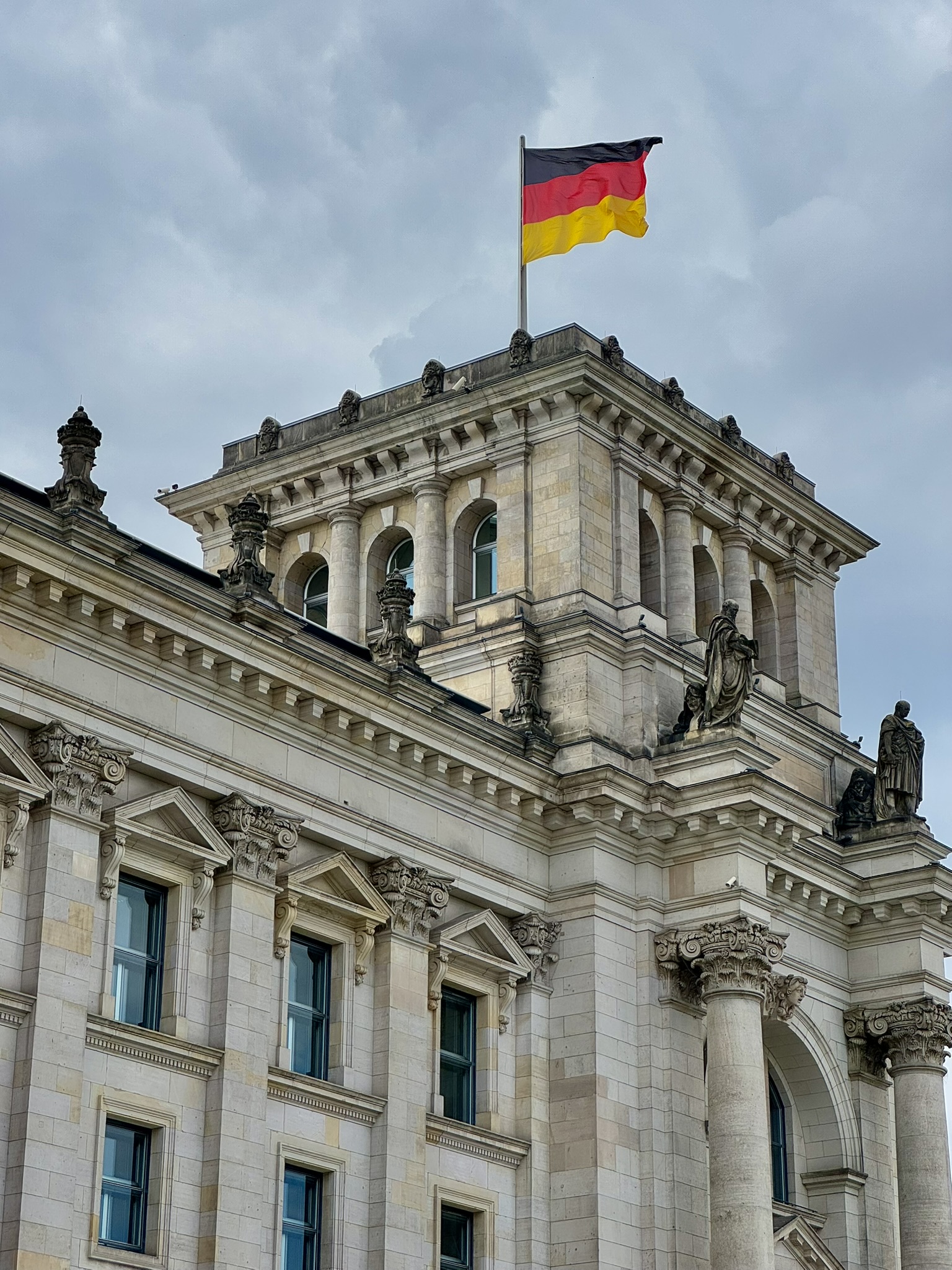

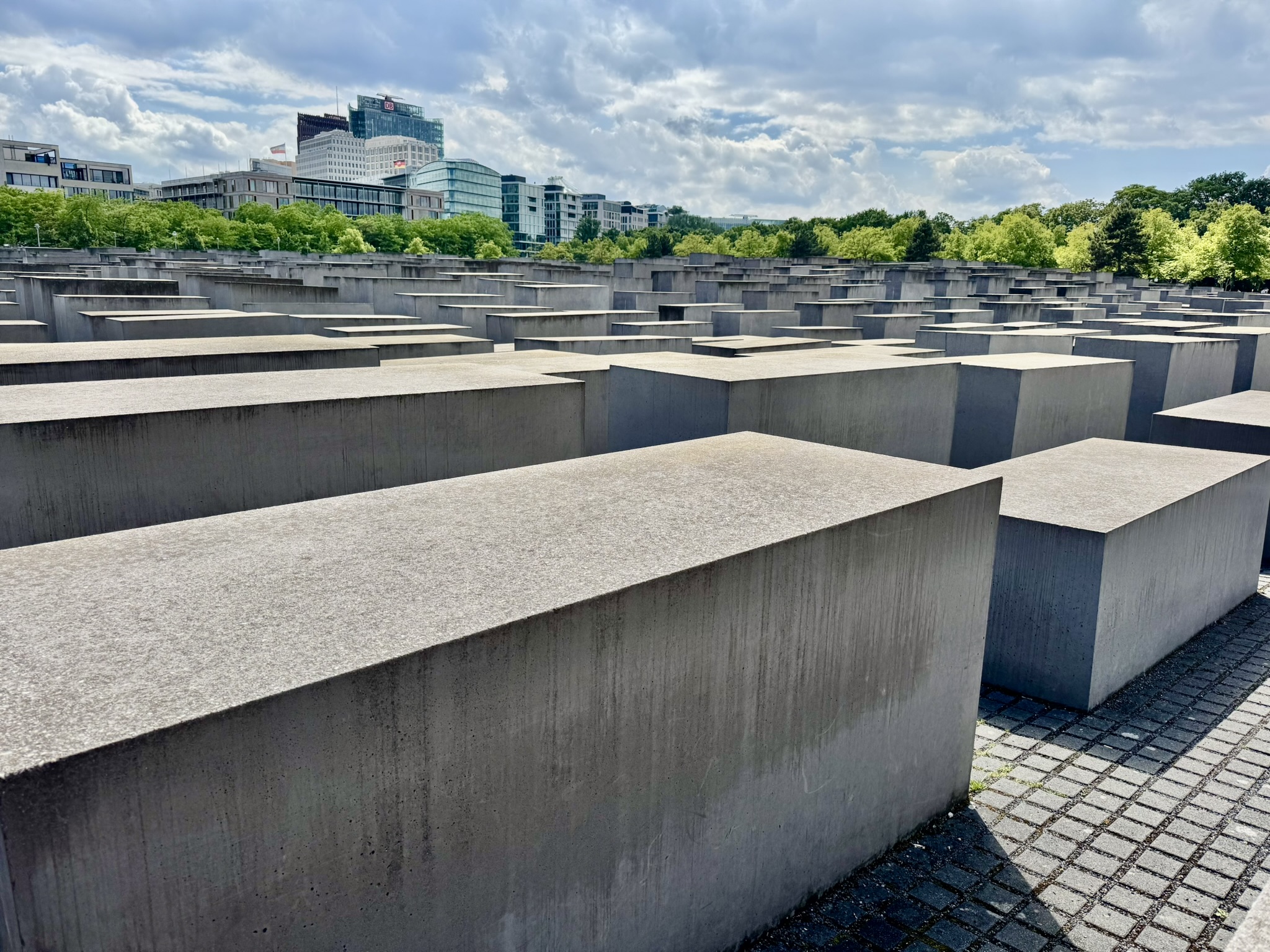
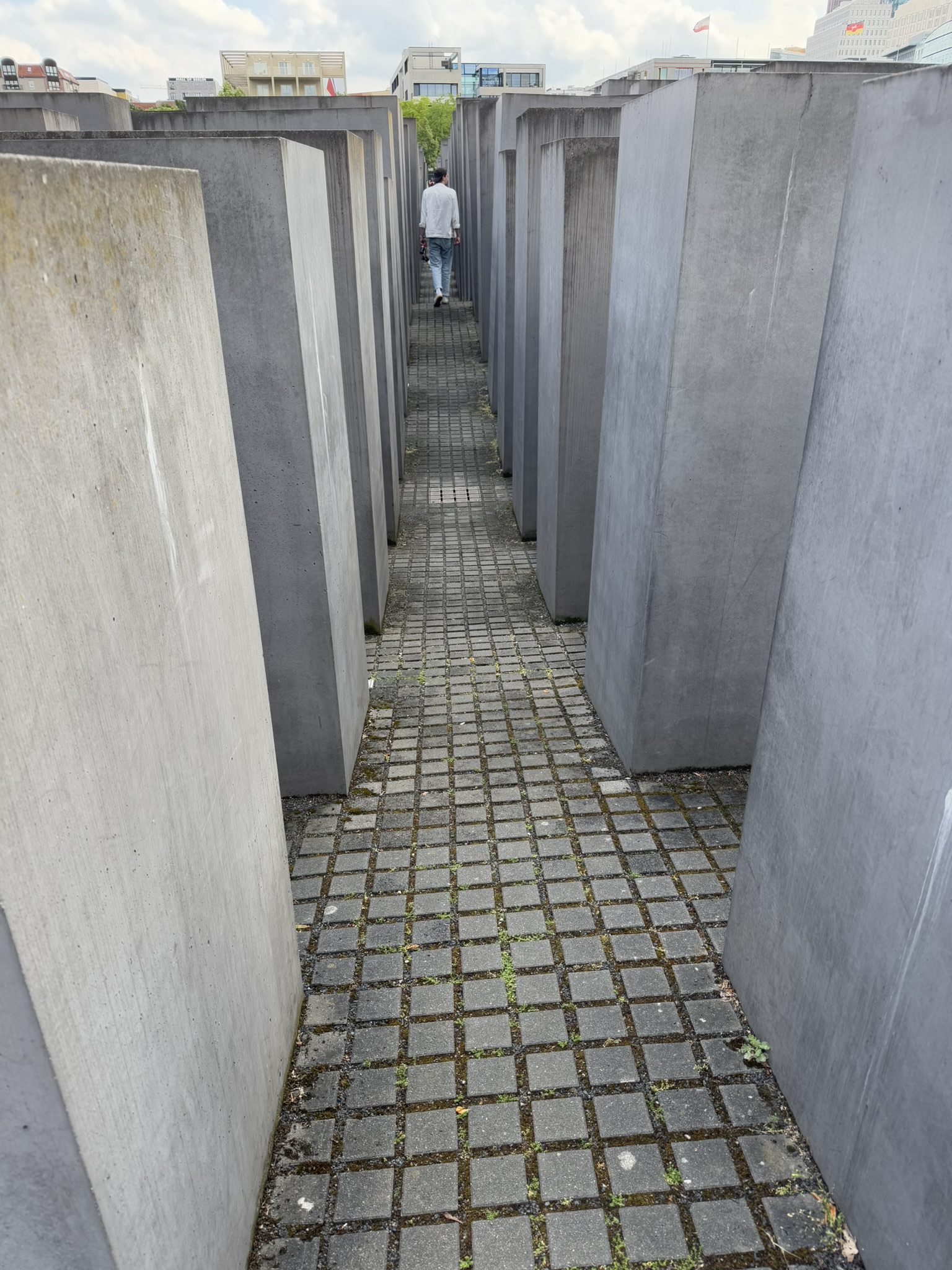
The Holocaust Memorial to the Murdered Jews of Europe is a moving work of art by US architect Peter Eisenman. The size of a football field, it’s Germany’s most important memorial to the Jewish victims of the Holocaust. Since the rows are hilly and the slabs vary in height, there is an immense feeling of confusion. It is a very disorienting and overwhelming experience. By the time you reach the middle of the memorial, wandering through the 2711 concrete slabs, you feel totally separated from the rest of the world.
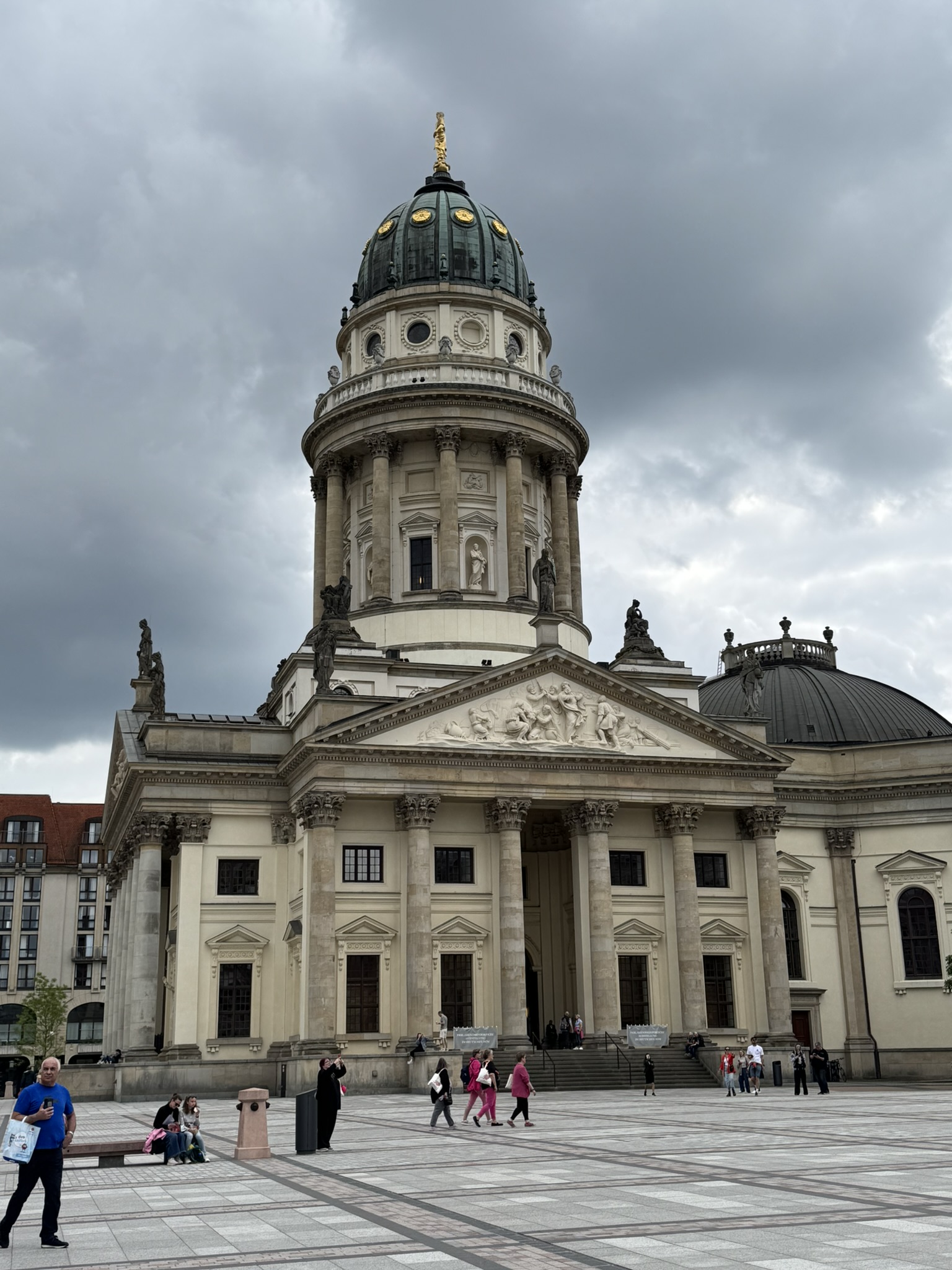
The Gendarmenmarkt is one of the largest squares in Berlin. First built in 1688, this square is the site of an architectural ensemble made up of the Konzerthaus Berlin on the west side, and the French and German churches that stand on the north and south sides. In summer, orchestras play beautiful classical music here and in winter the square becomes a stunning Christmas market.


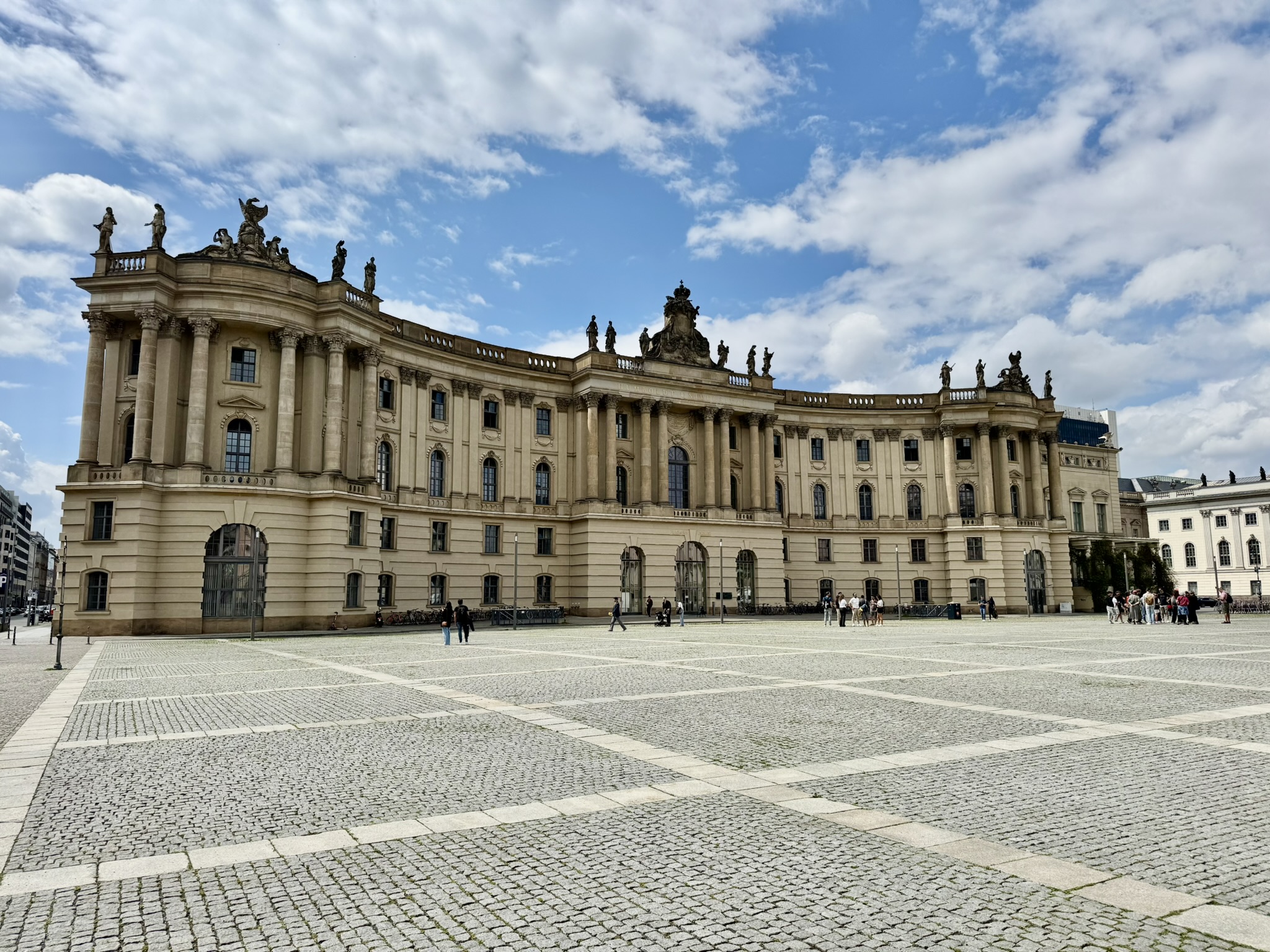
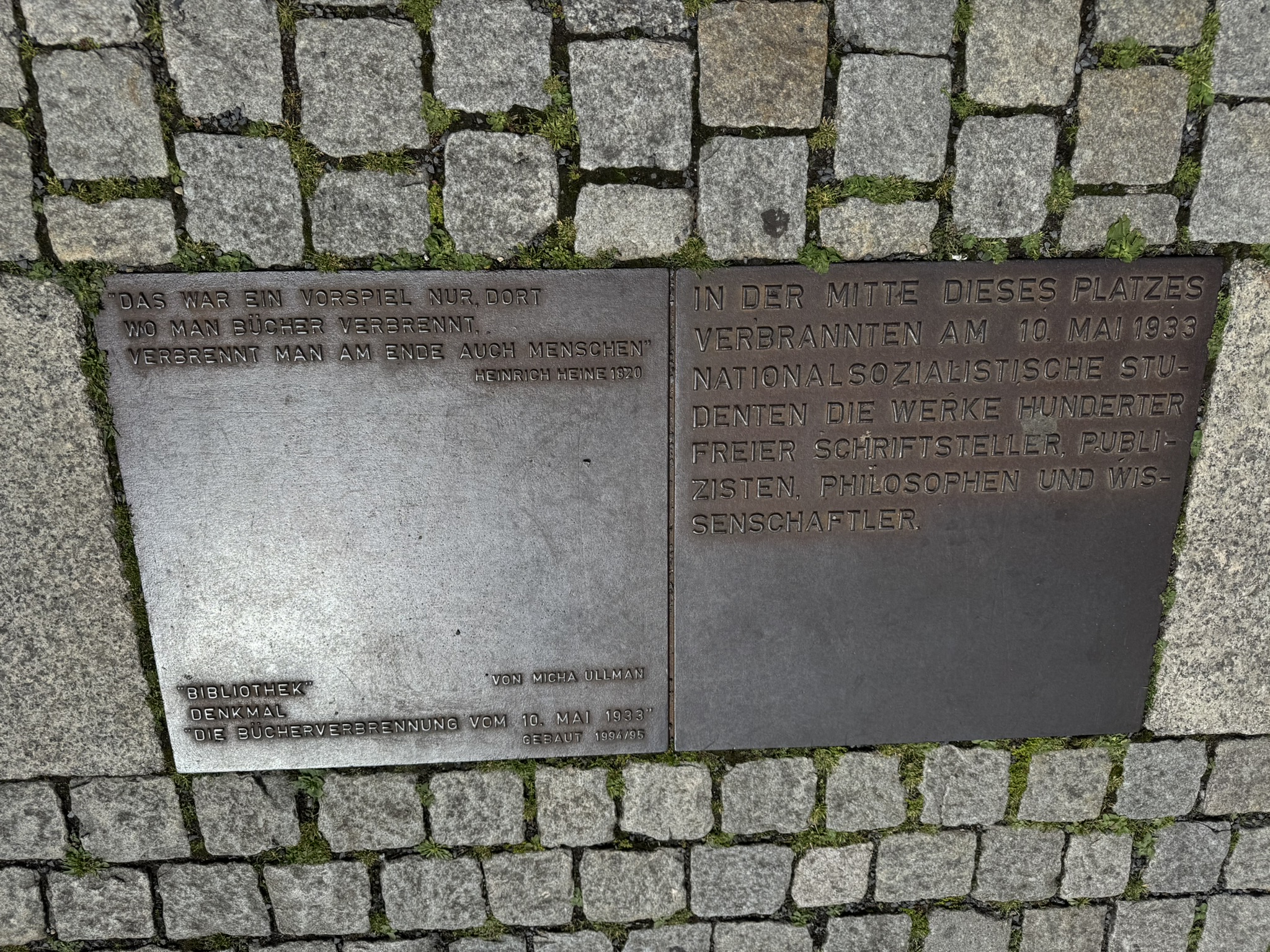
On Bebelplatzwe found the Opera House, St Hedwigs Catholic Church (called the upside-down teacup), and Humboldt University. It is also the site of Nazi book burning. The memorial here is haunting with a glass panel on the plaza that looks down into a library with empty bookshelves.


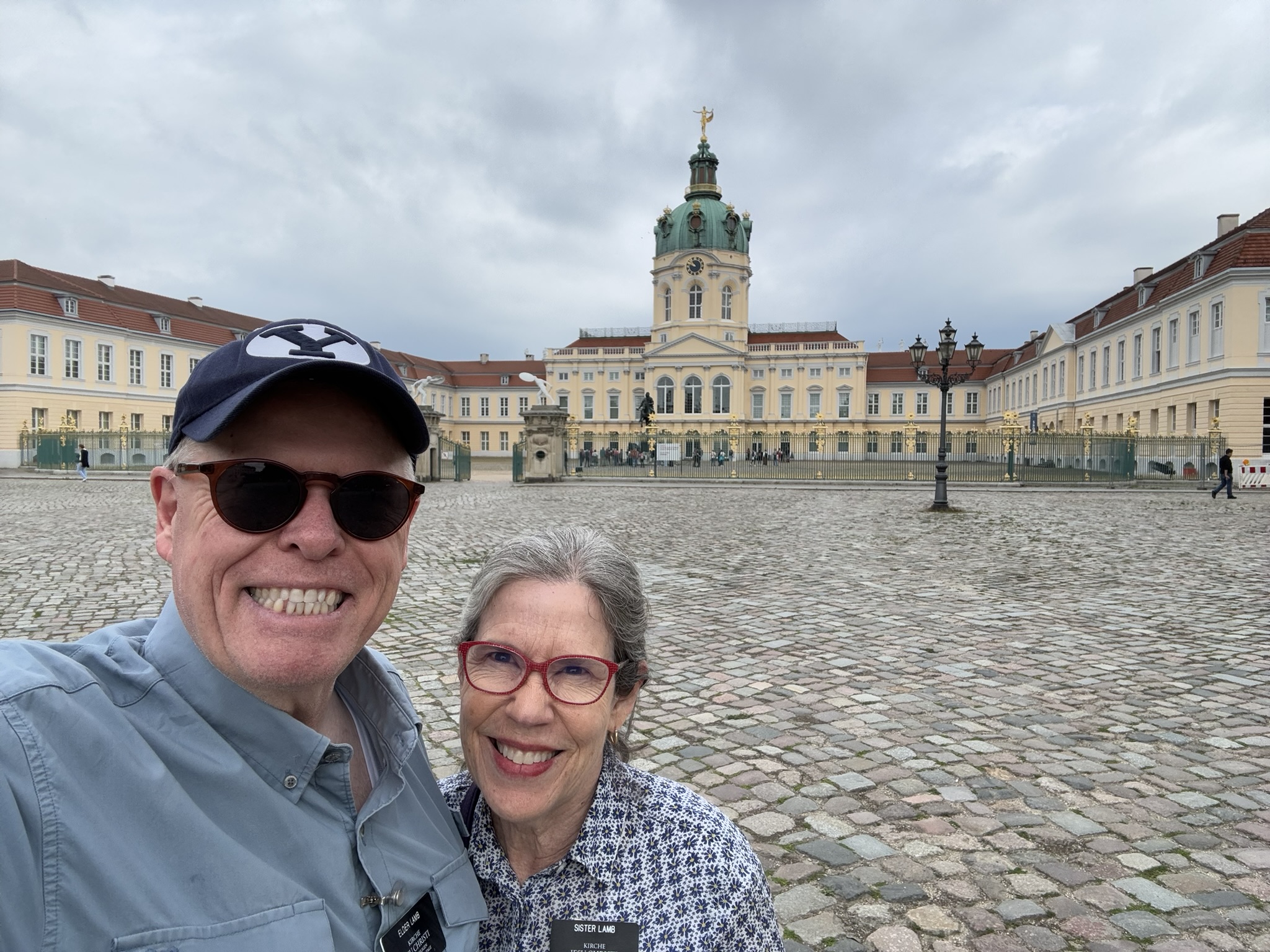
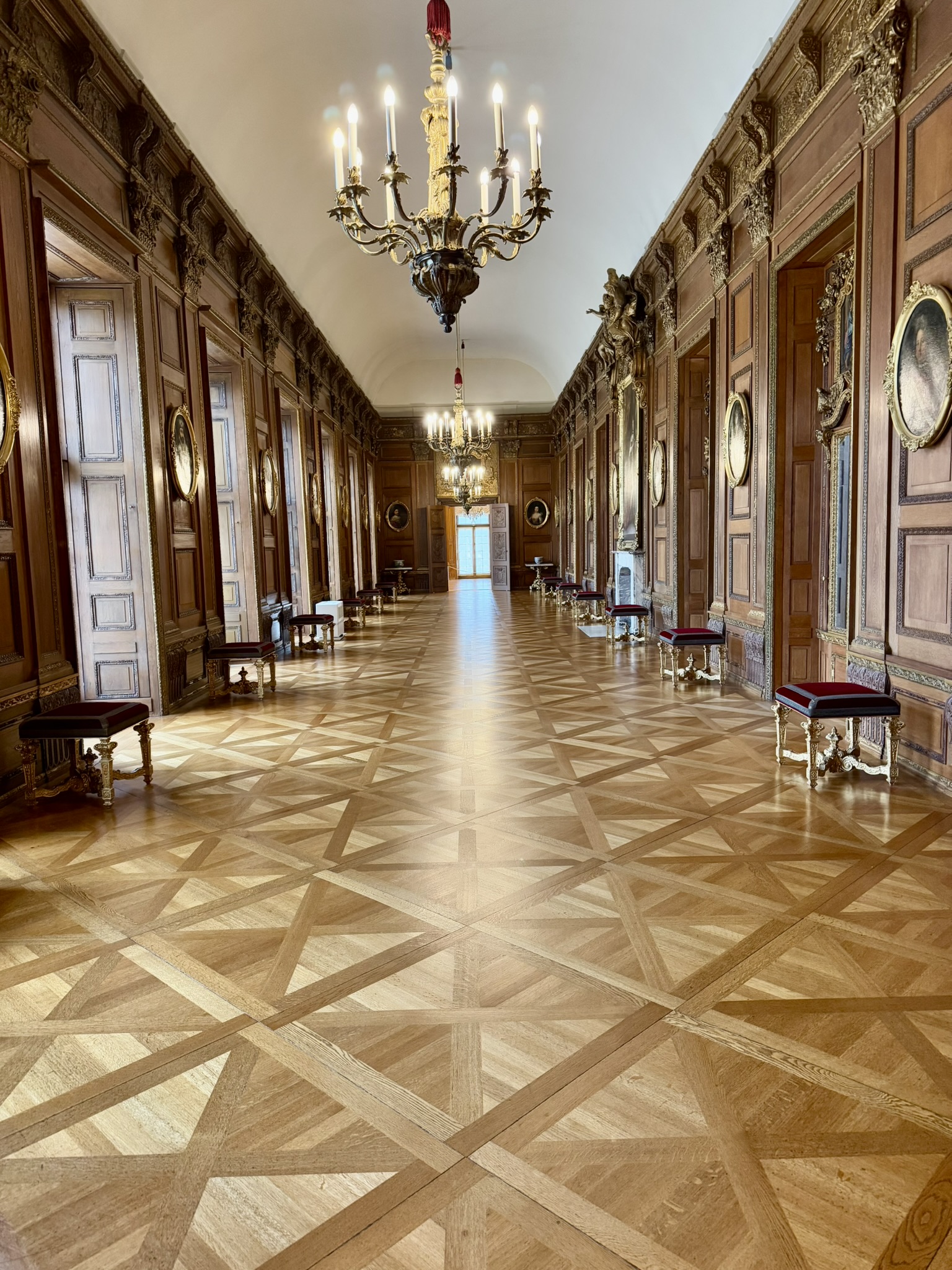
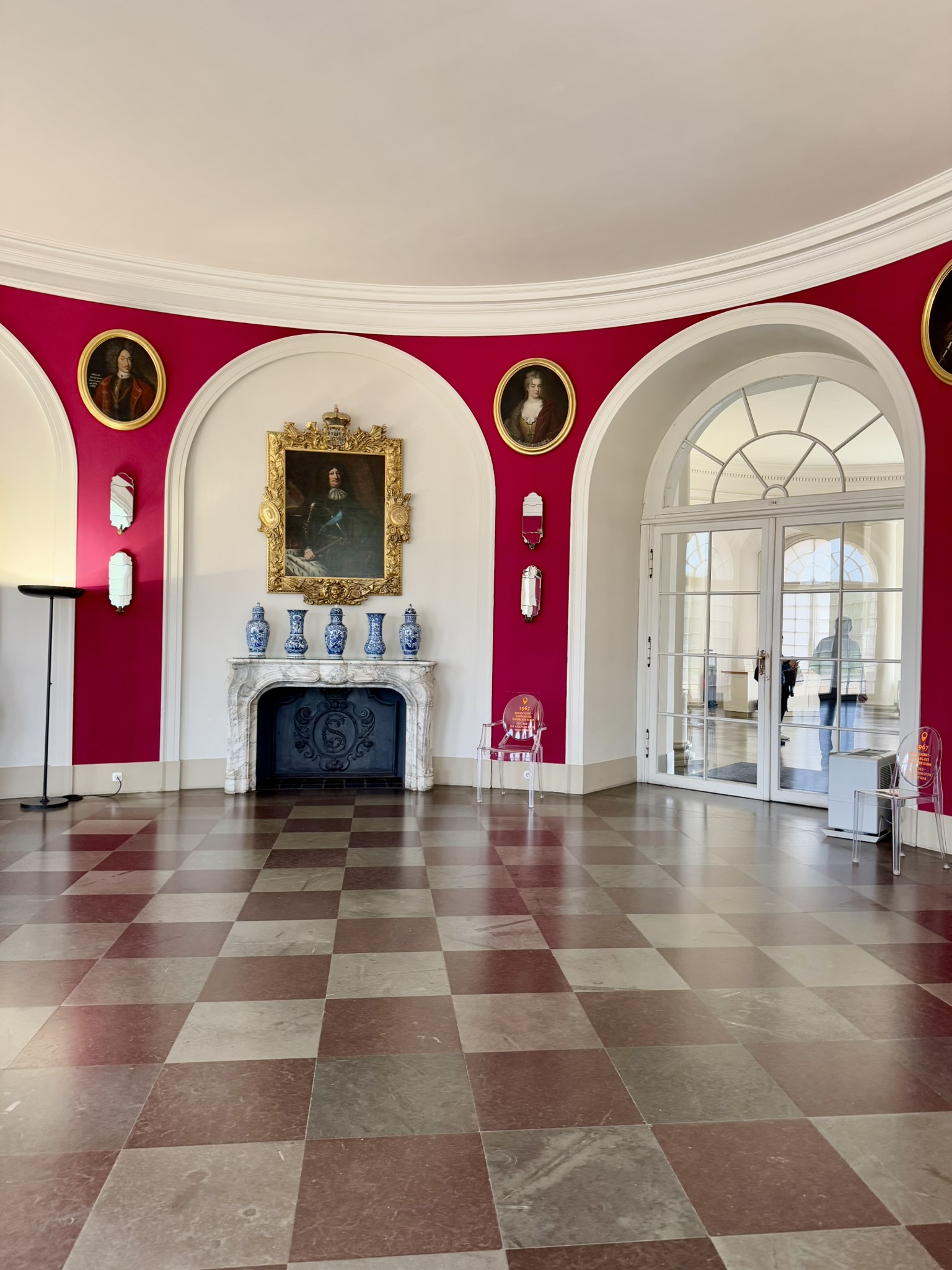
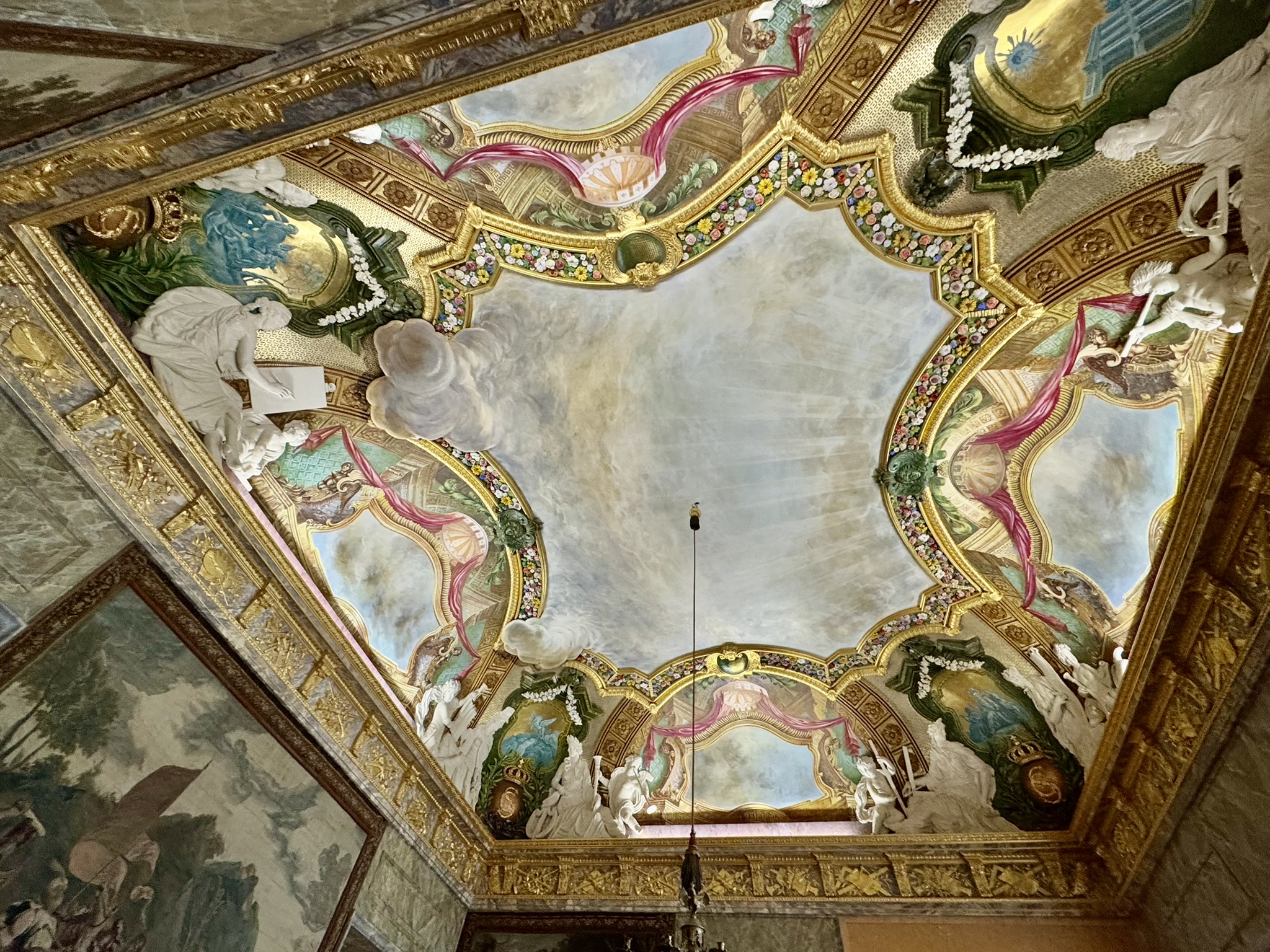
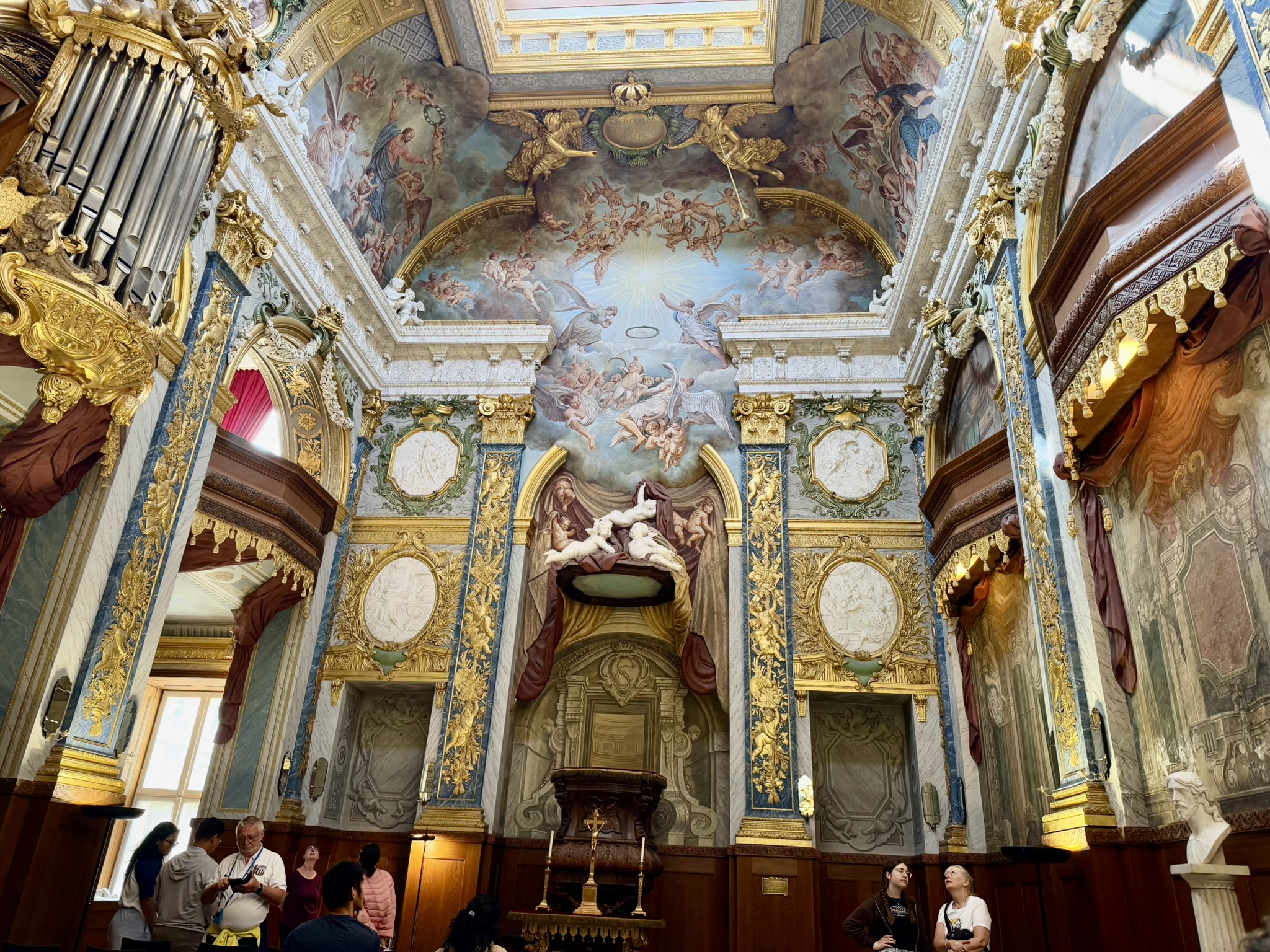
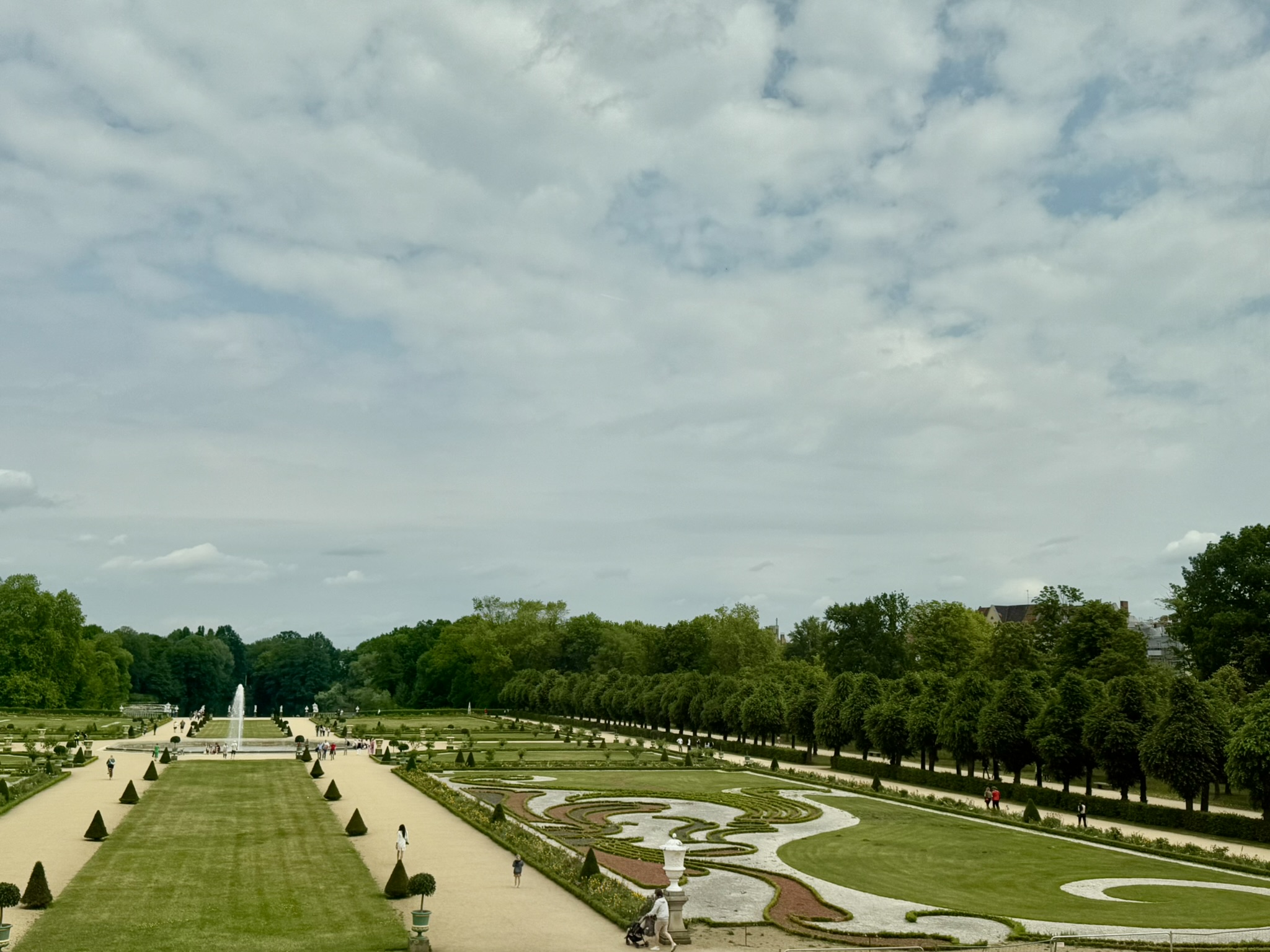
Schloss Charlottenburg was built as the summer residence of Sophie Charlotte, the first Queen consort of Prussia. She collected porcelain. The palace contains 2700 pieces from her collection. This splendid palace has both rococo and baroque elements in its design. FYI-Sophie’s brother became George I- King of England.

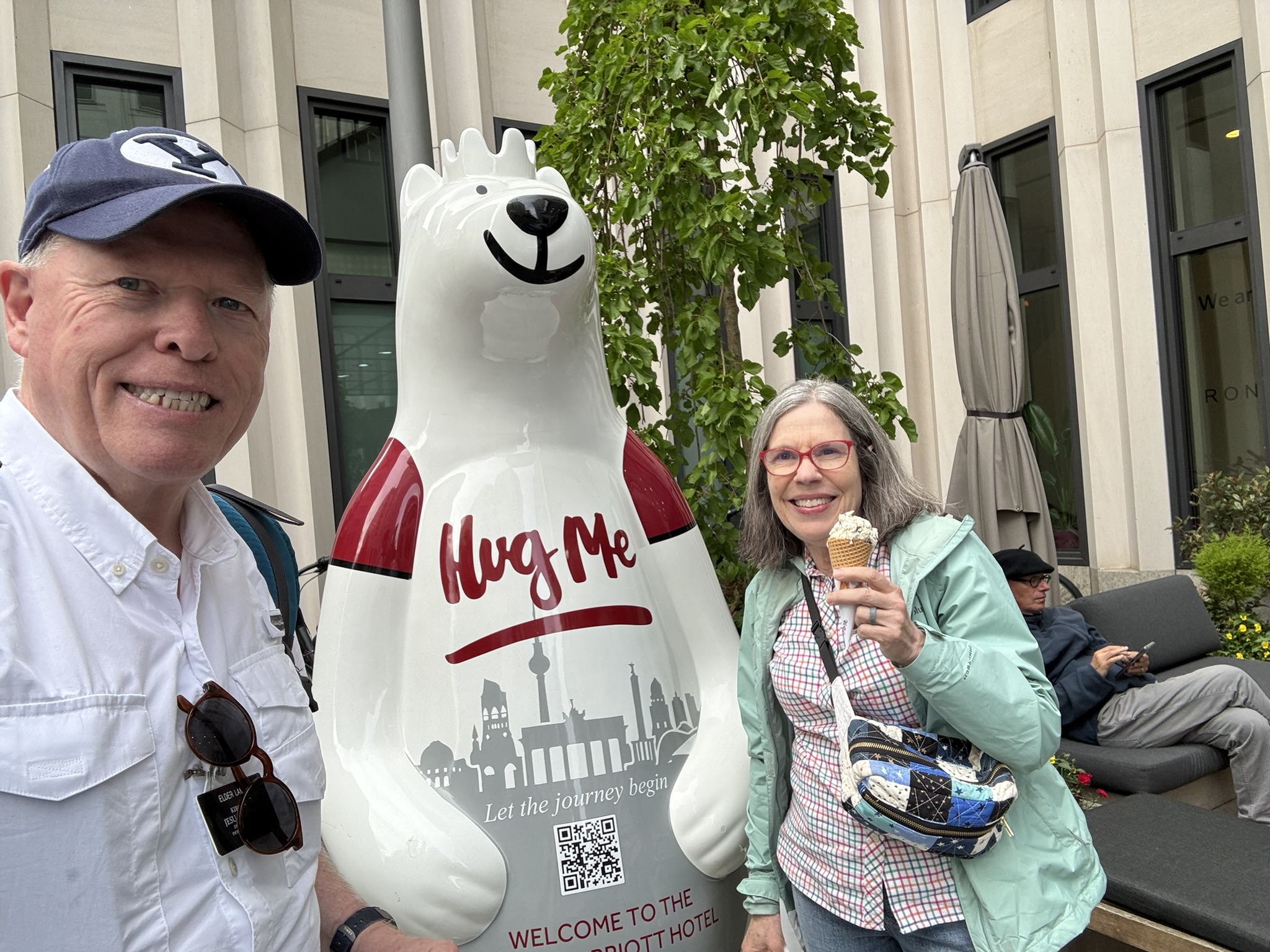
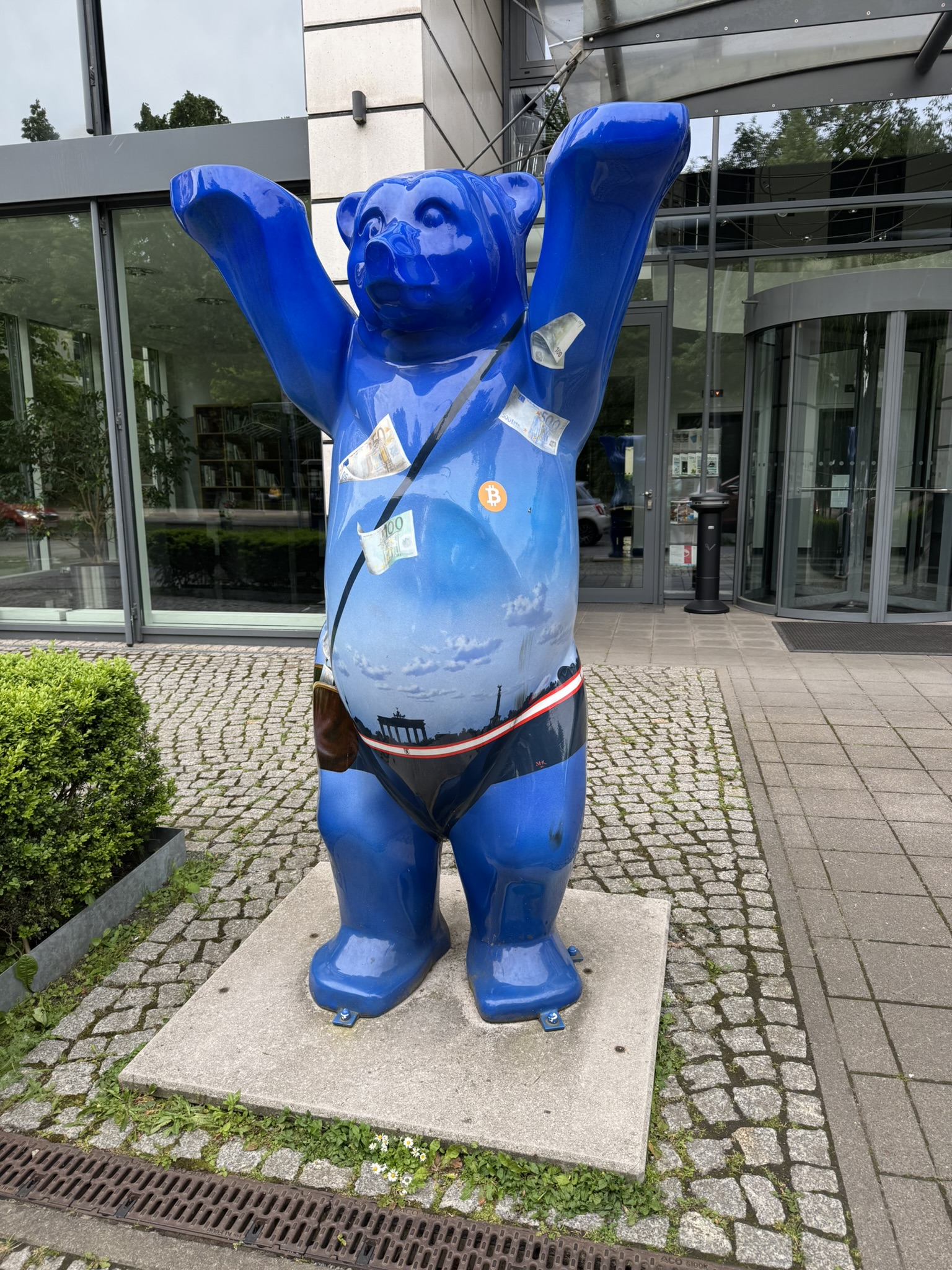
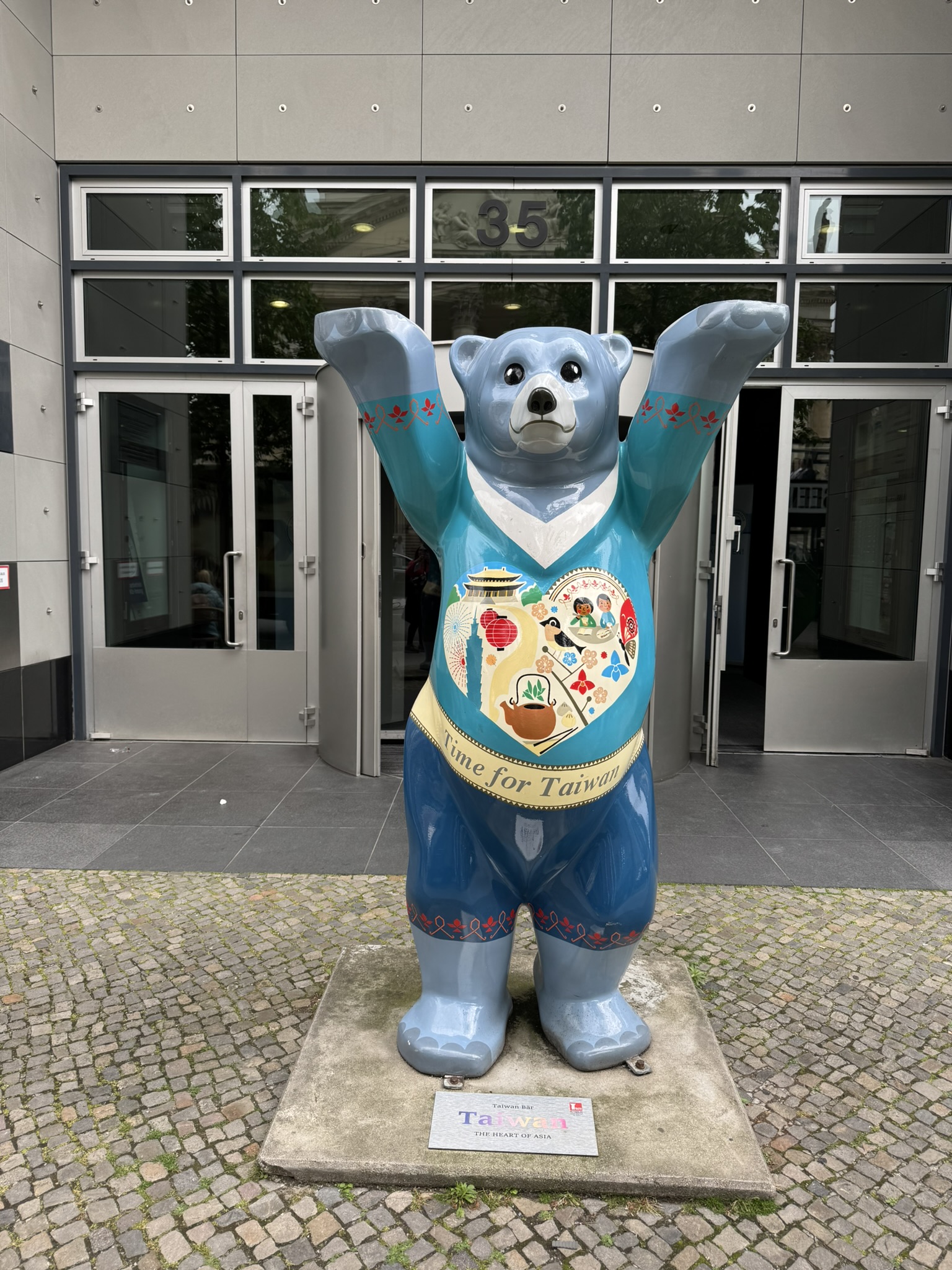
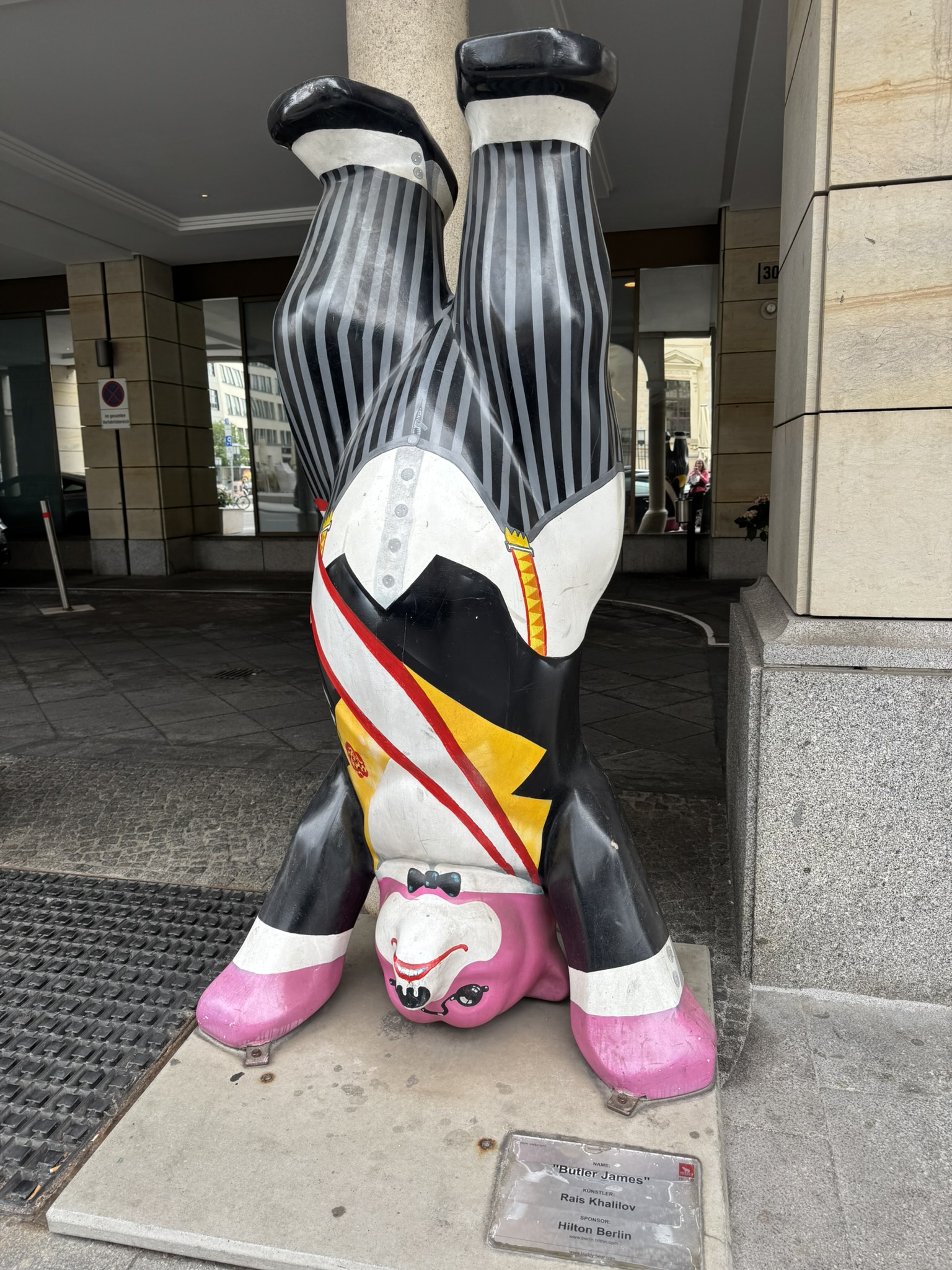
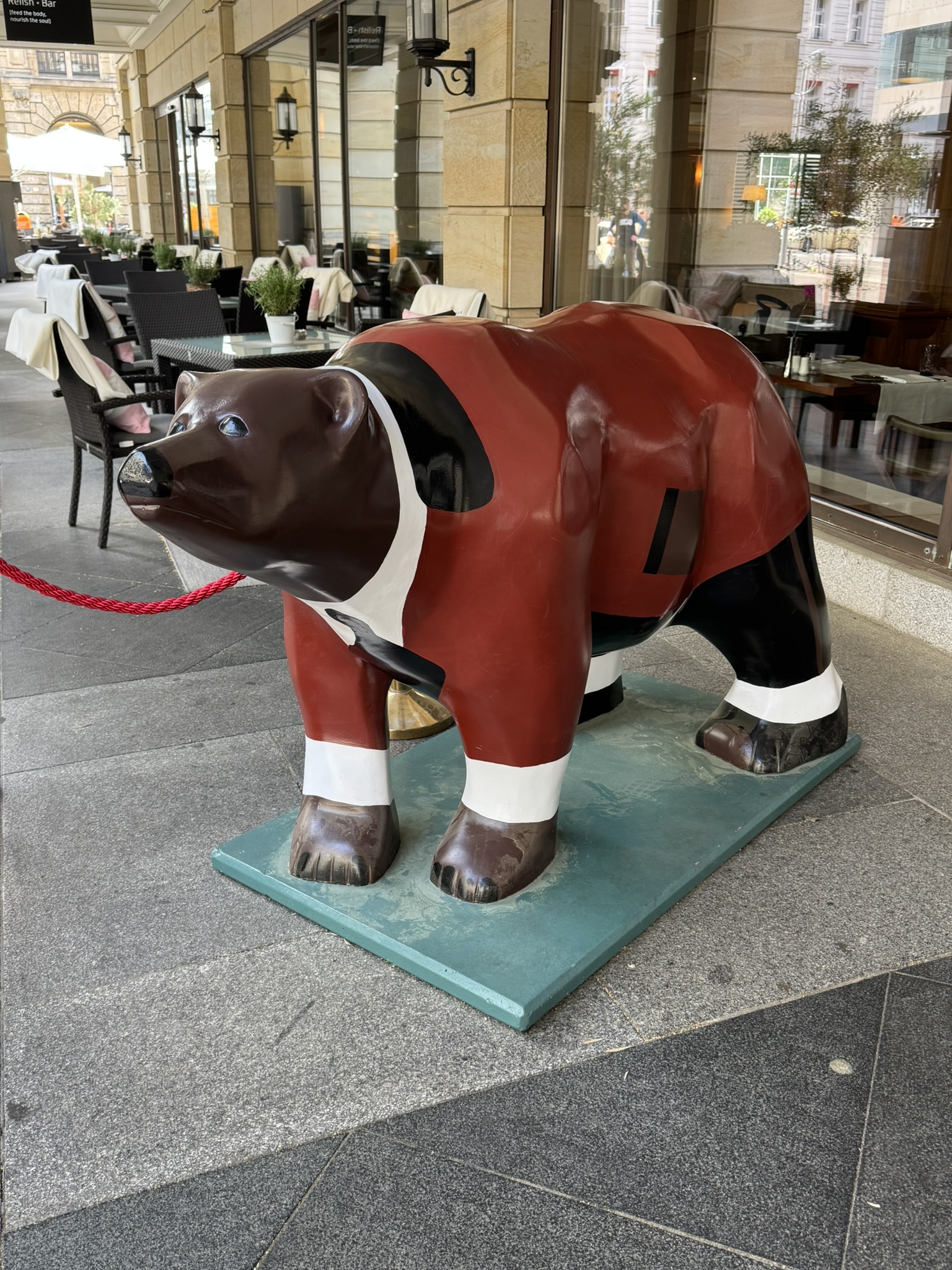
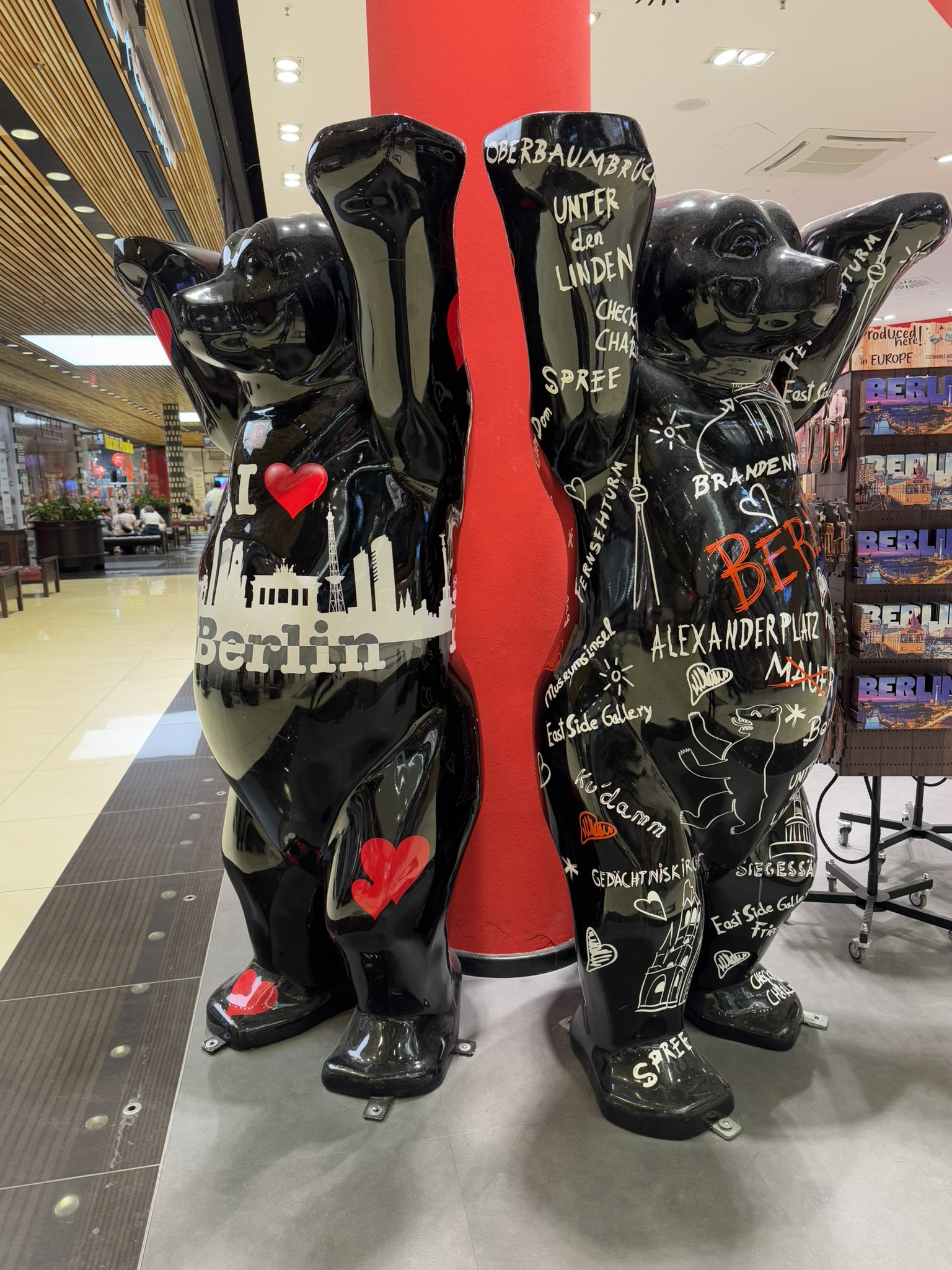
Berlin Buddy Bears found throughout the city are a symbol of tolerance, peace & global dialogue.

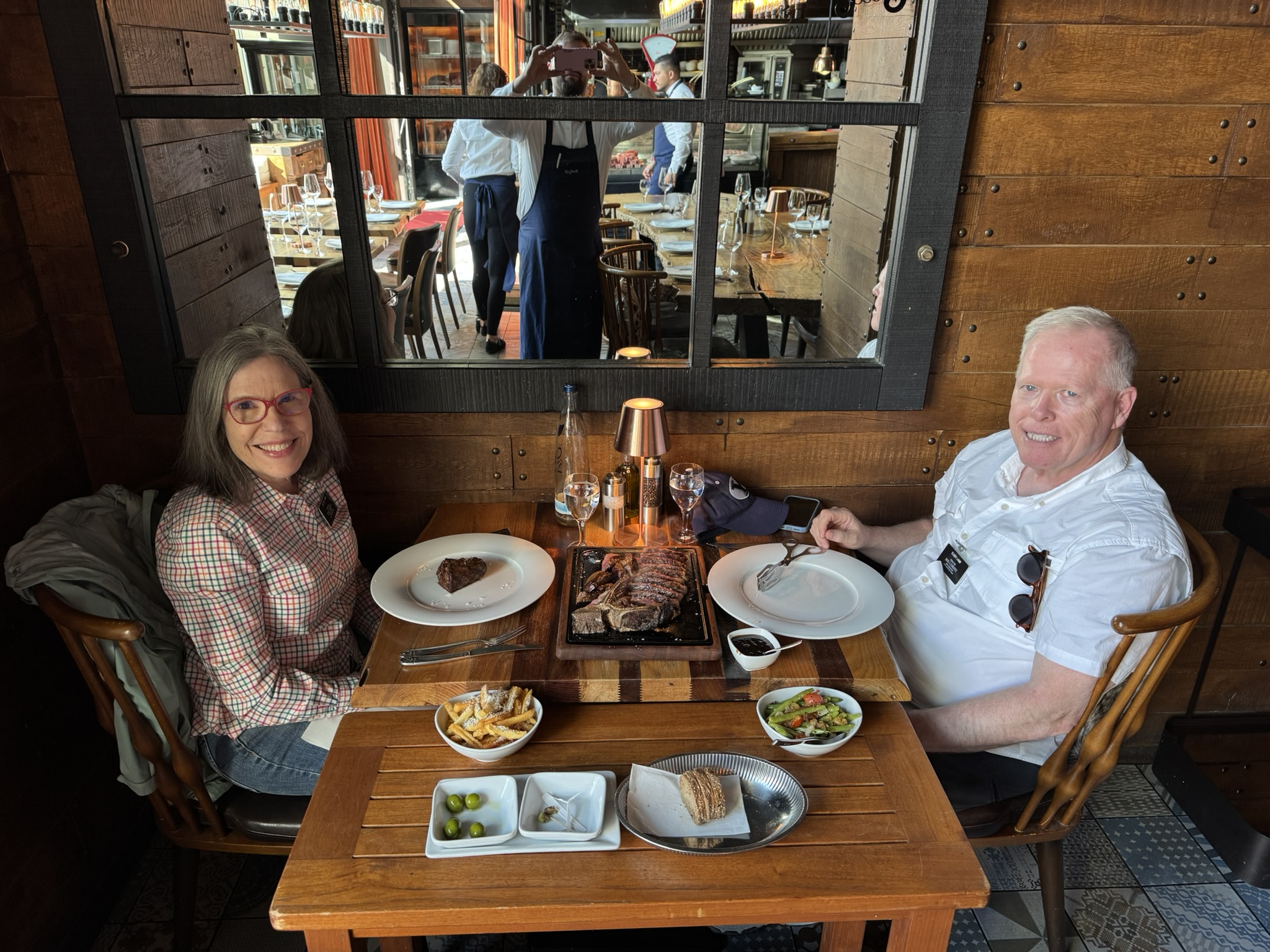
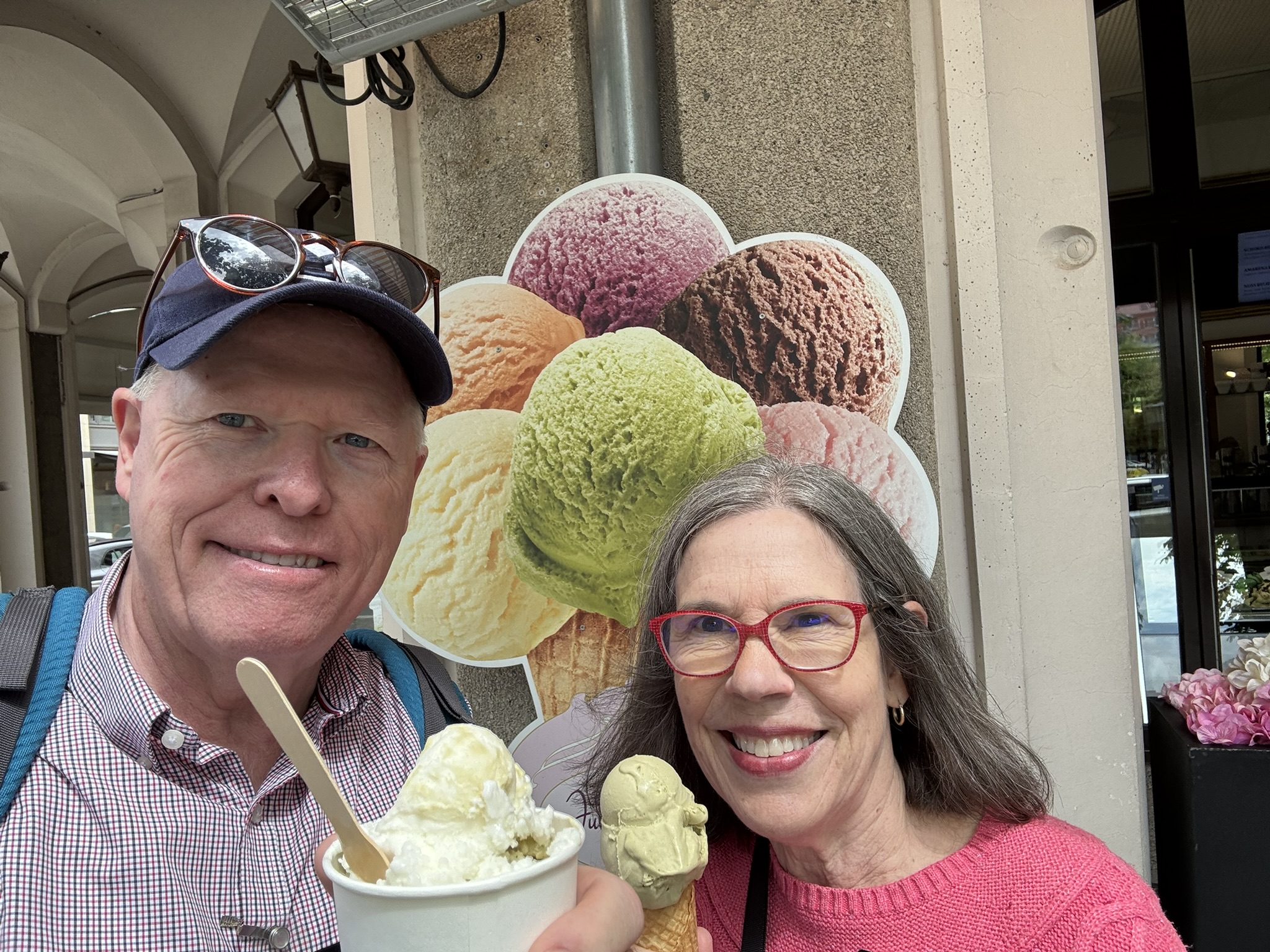
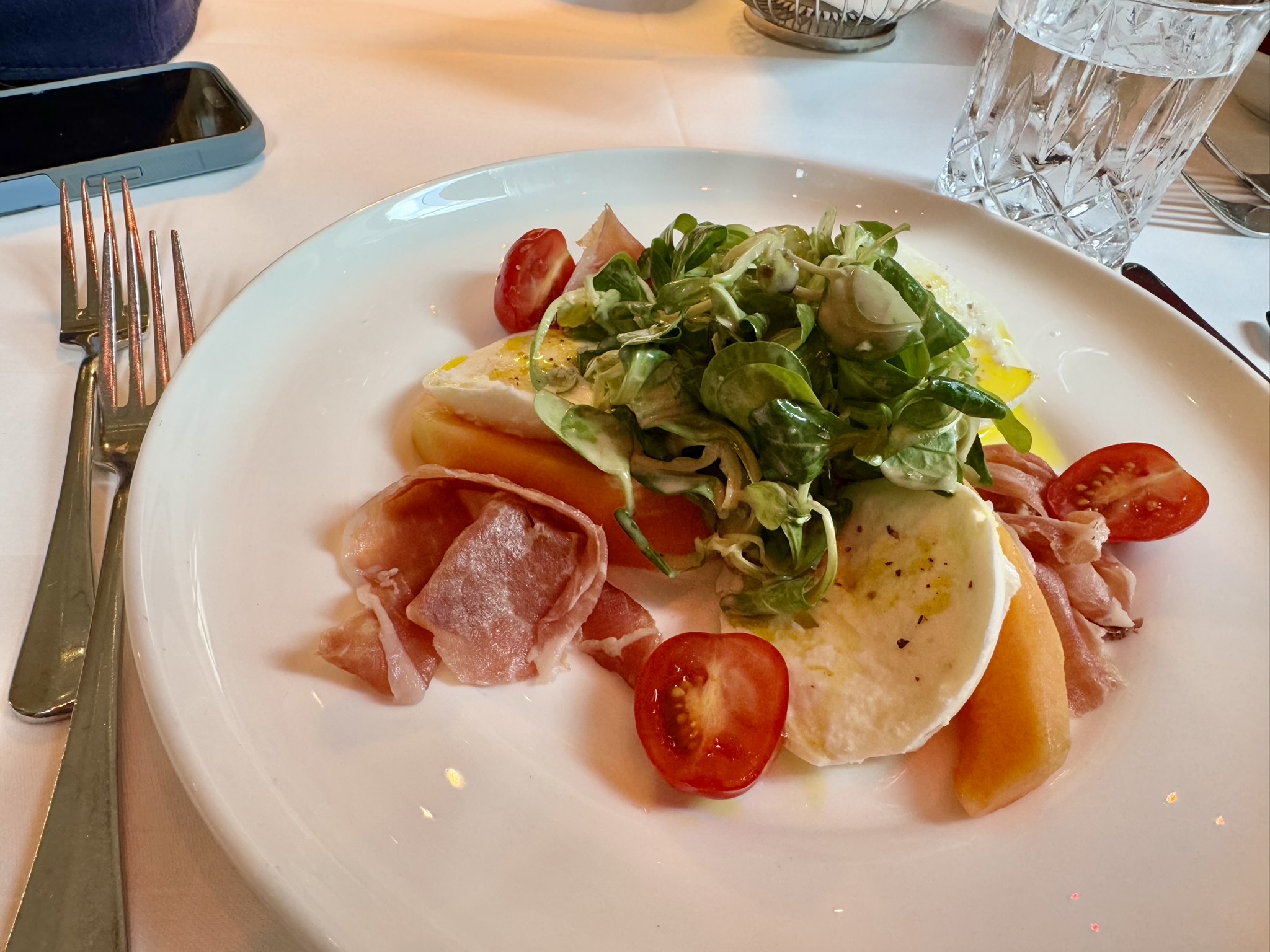
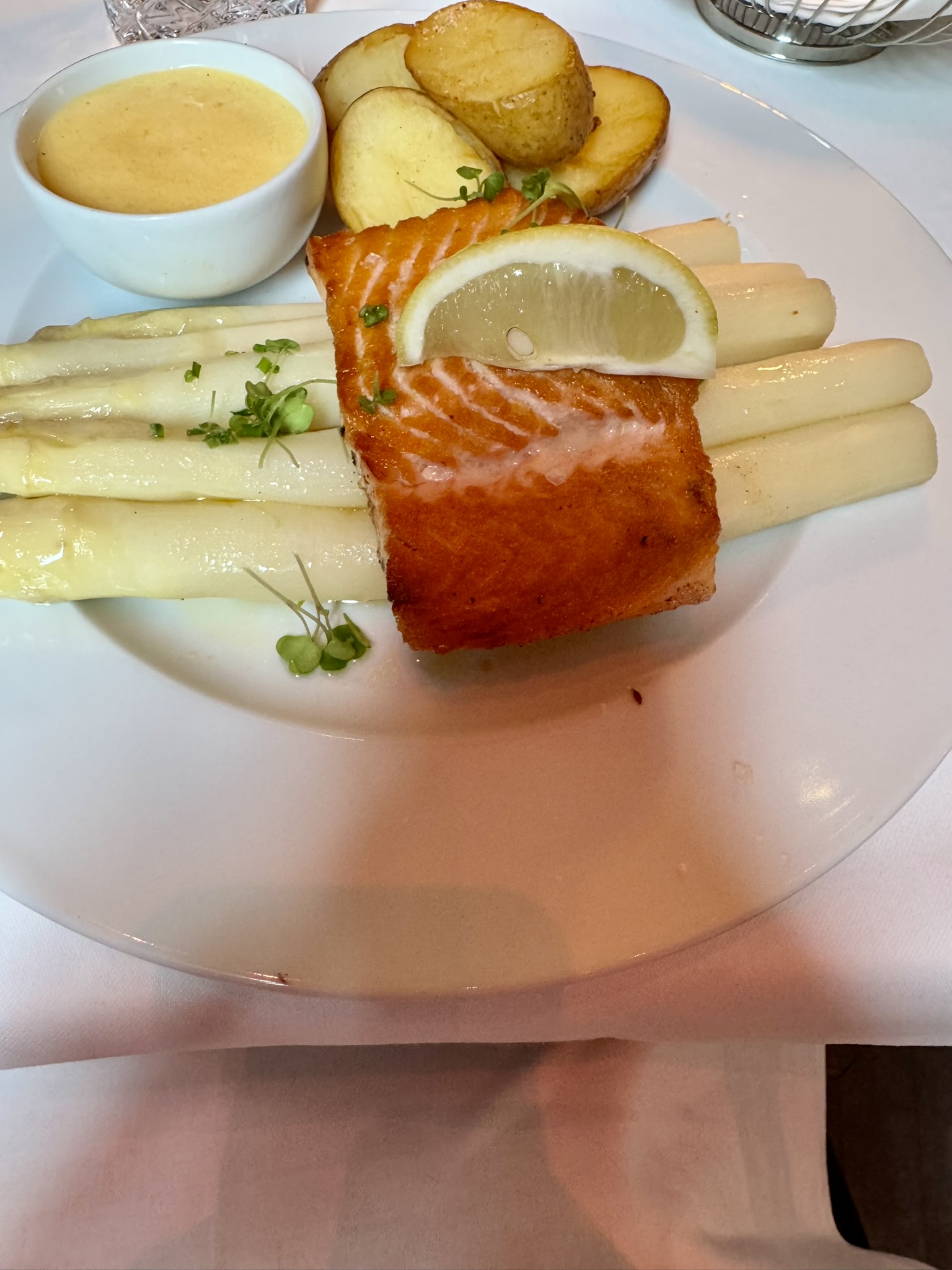
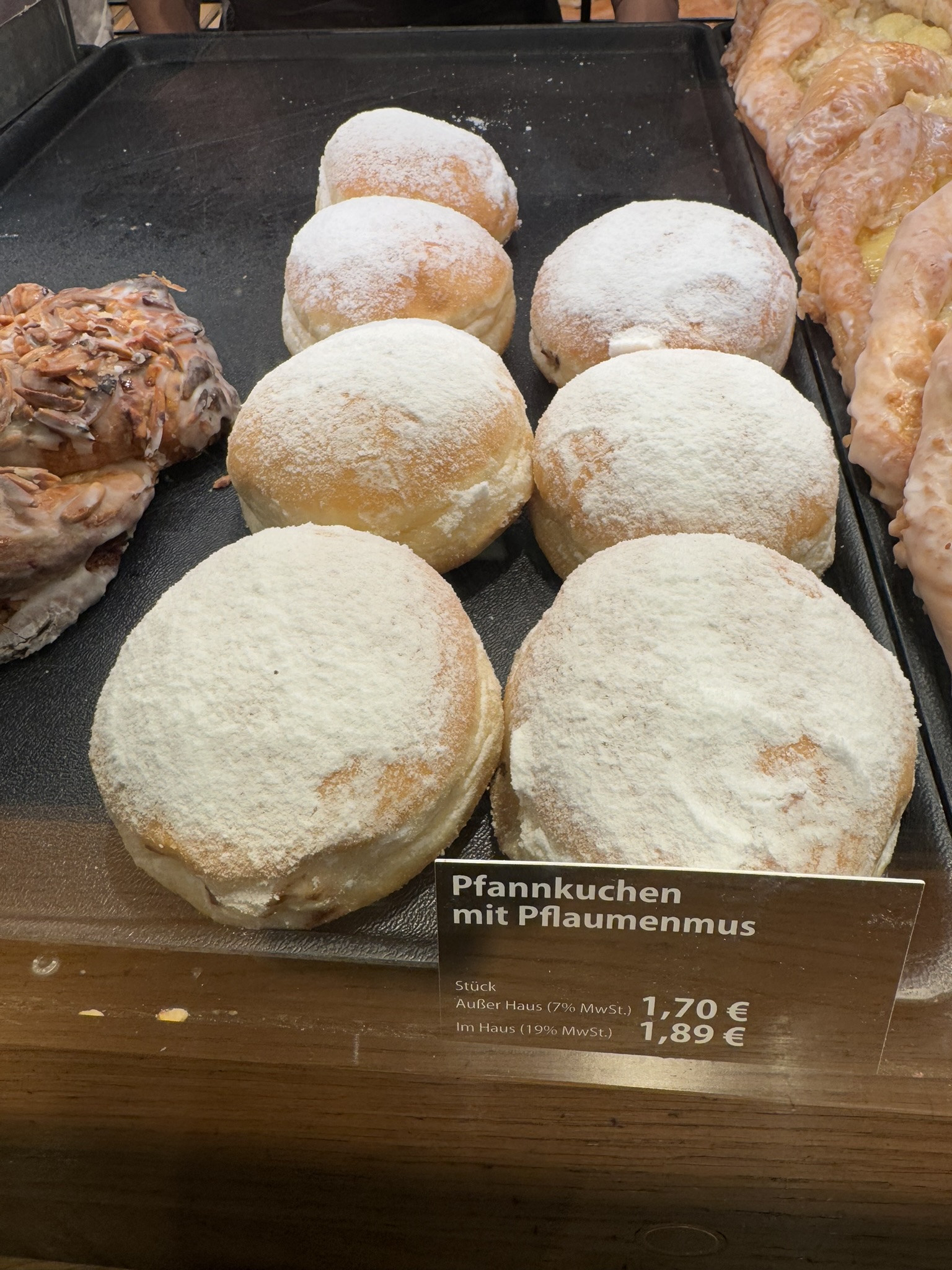
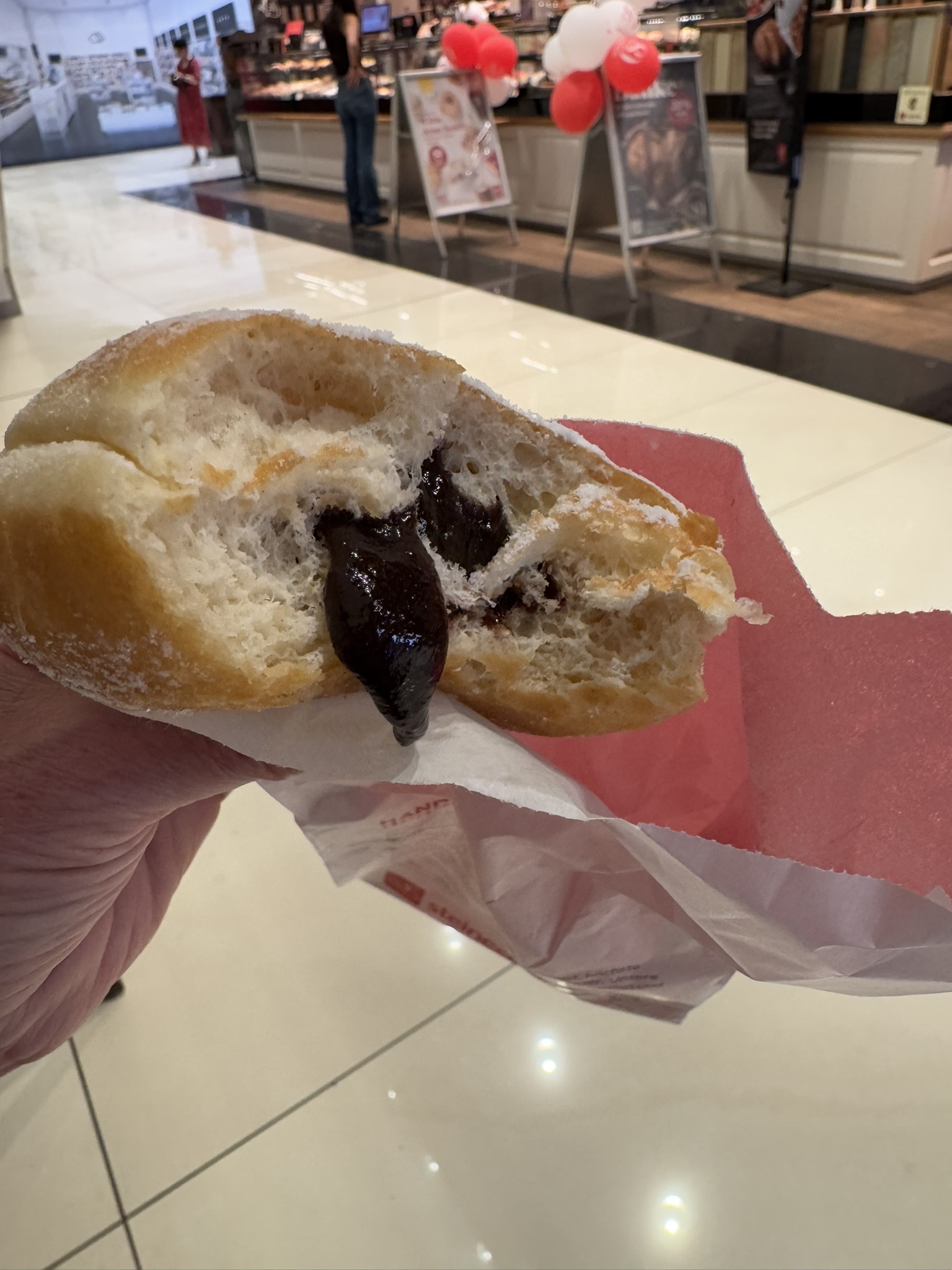
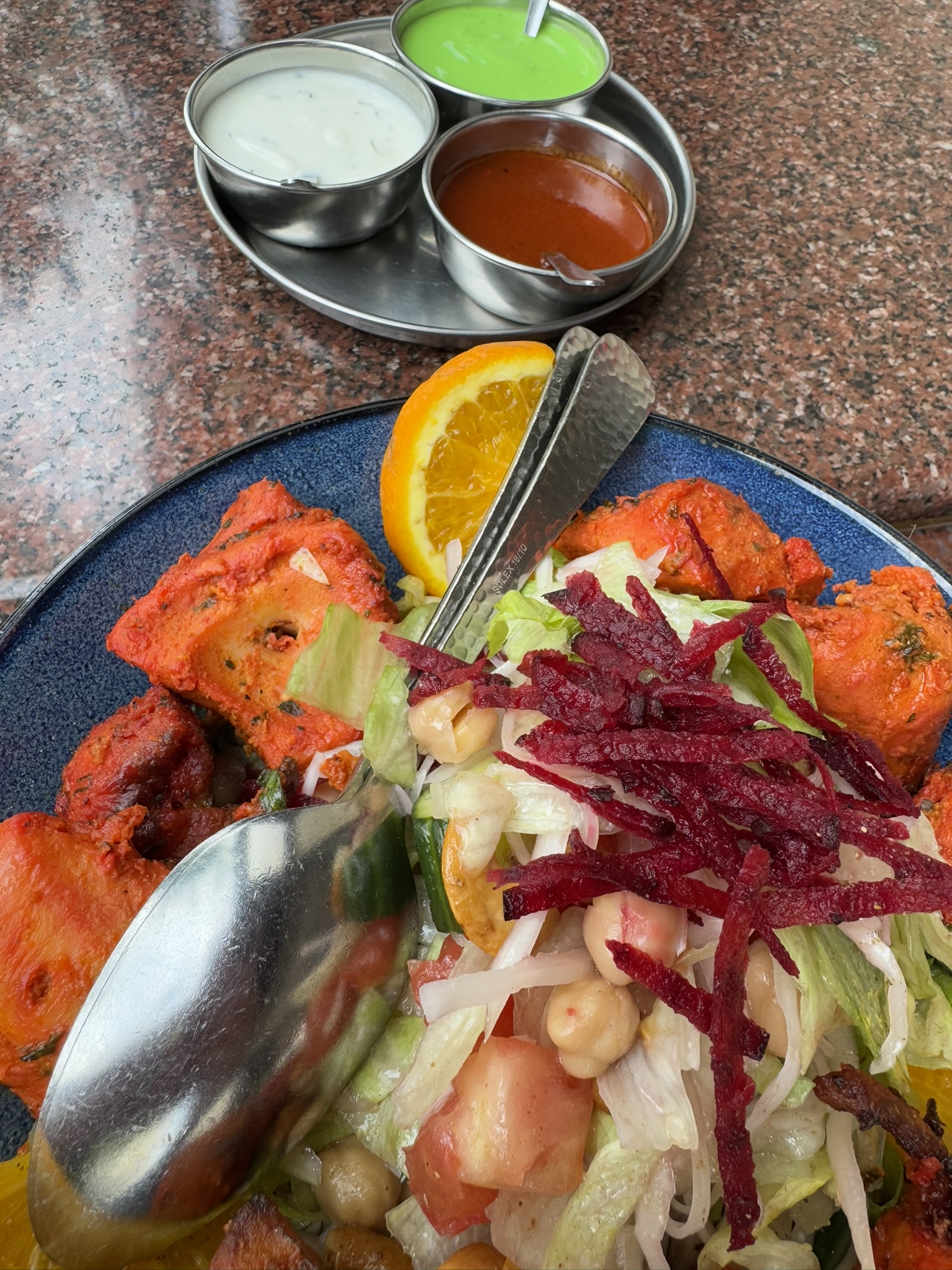
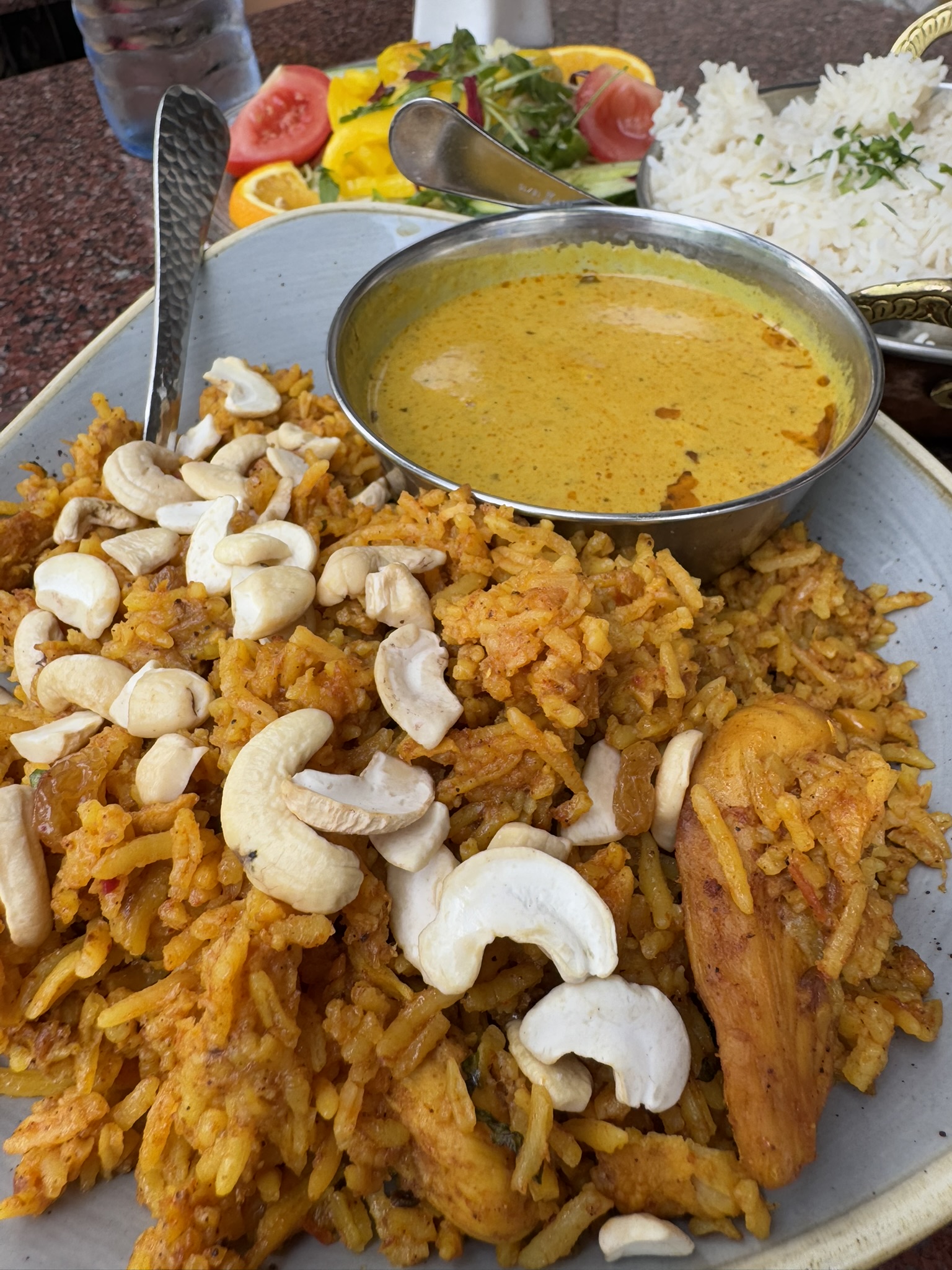
Best Bites & Berliners in Berlin
A Berliner is a jelly-filled donut. In Berlin they are referred to as Pfannkuchen which means pancake in other parts of Germany. Just when you think you learn a German word, it changes regionally!
Tschuss!
With love, Elder & Sister Lamb (aka Ed & Debbie, Mom & Dad, Pop Pop & Tu Tu)
 Lambs in Central Europe