Our week began with a sweet spiritual experience. Monday morning was a Workforce devotional where we met in the lunchroom with all the area missionaries and employees at the area office and everyone in the field joined remotely. Our speaker was Jonathan Evans Southall. He told the story of being asked to go to Krakow with a senior missionary couple to purchase needed items for Ukrainian members right after the war started.
A bishop in Ukraine had given a general list of member’s needs. They spent the day purchasing everything they could. In the late afternoon there were only two things left on the list: cell phone chargers and first aid kits. They decided to drive to the border with what they had to find the Ukrainian contact that would take the items back into the country. They found the man in a parking lot, hugged and began to transfer the items from one vehicle to the other. Nearby, a camper van was parked with a man and woman sitting in it. The woman approached Jonathan and asked what they were doing and who they were. She assumed they were family or close friends because of the way they greeted each other, when in fact they had never met before. She told them that when she and her husband heard about the war, they decided to go shopping for things they thought Ukrainians would need and to drive them from their home in Germany to the Polish border.
When they arrived, they realized they had no contacts and no way to get the items to the people in need. She asked if they could place the things they brought into the van to be delivered with the items Johathan had purchased. Of course, their donations were welcome. The couple opened the bottom compartment of their camper and began to unload boxes. At one point, the husband opened a box to show the contents. He said, “We saw these phone chargers and thought they might be useful.” A few minutes later he opened another box to show, you guessed it, first aid kits. Jonathan was overcome with emotion. Now the people would receive all they needed. Jonathan felt like this was a tender mercy for him, being reminded that Heavenly Father is aware of His children and watching over us.
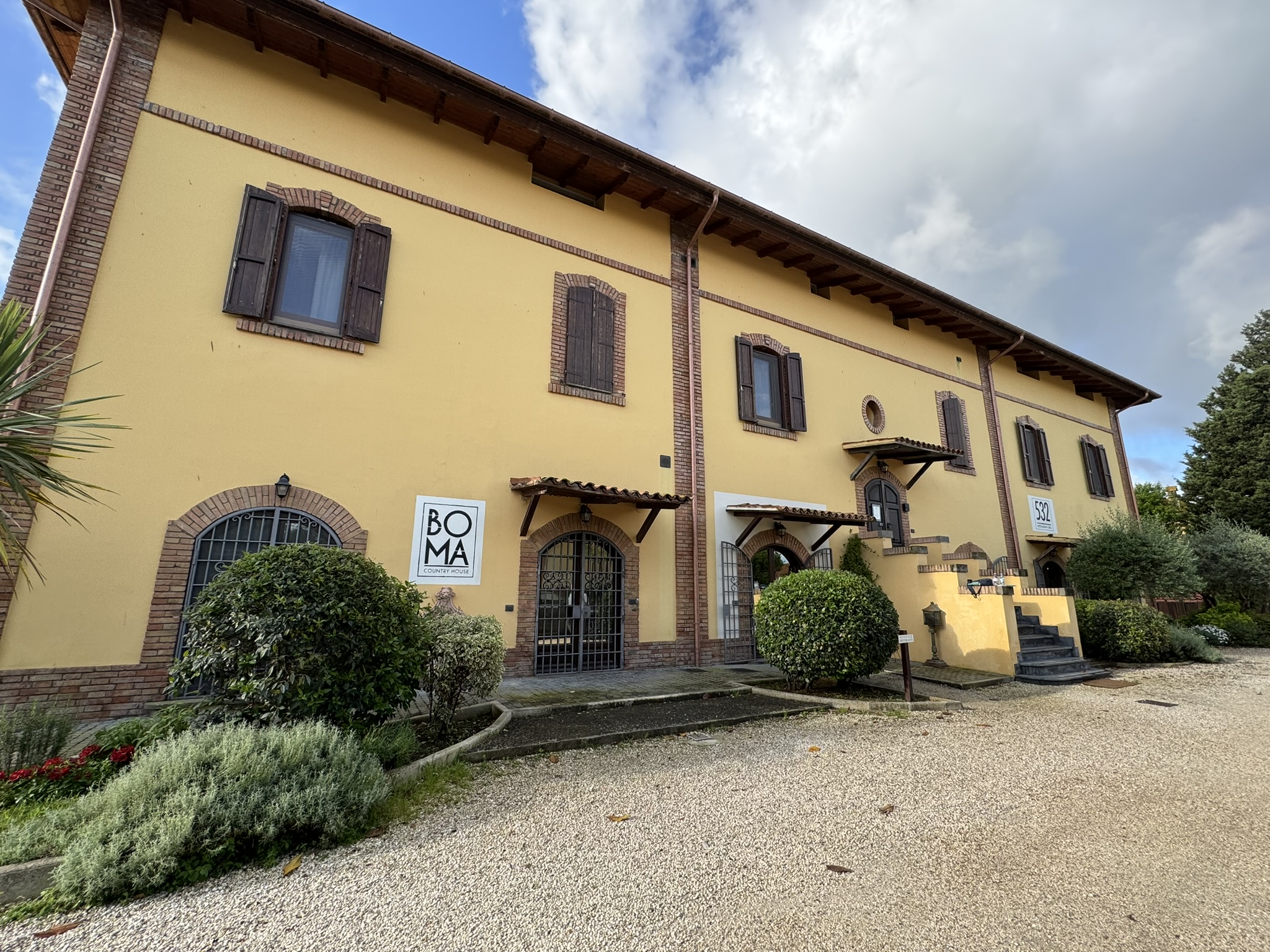
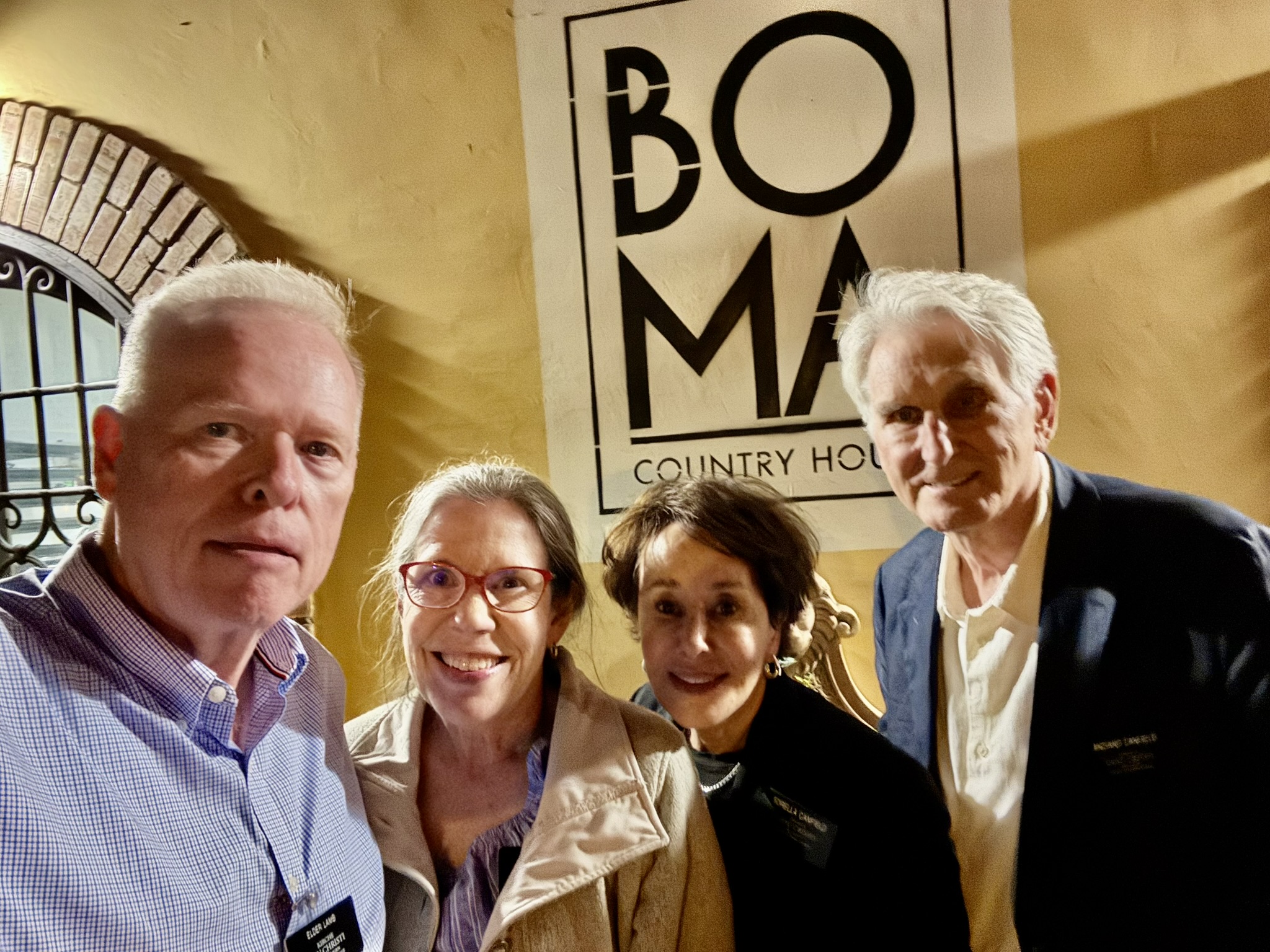
Monday evening, we flew to Rome and stayed at the BOMA House in the countryside.


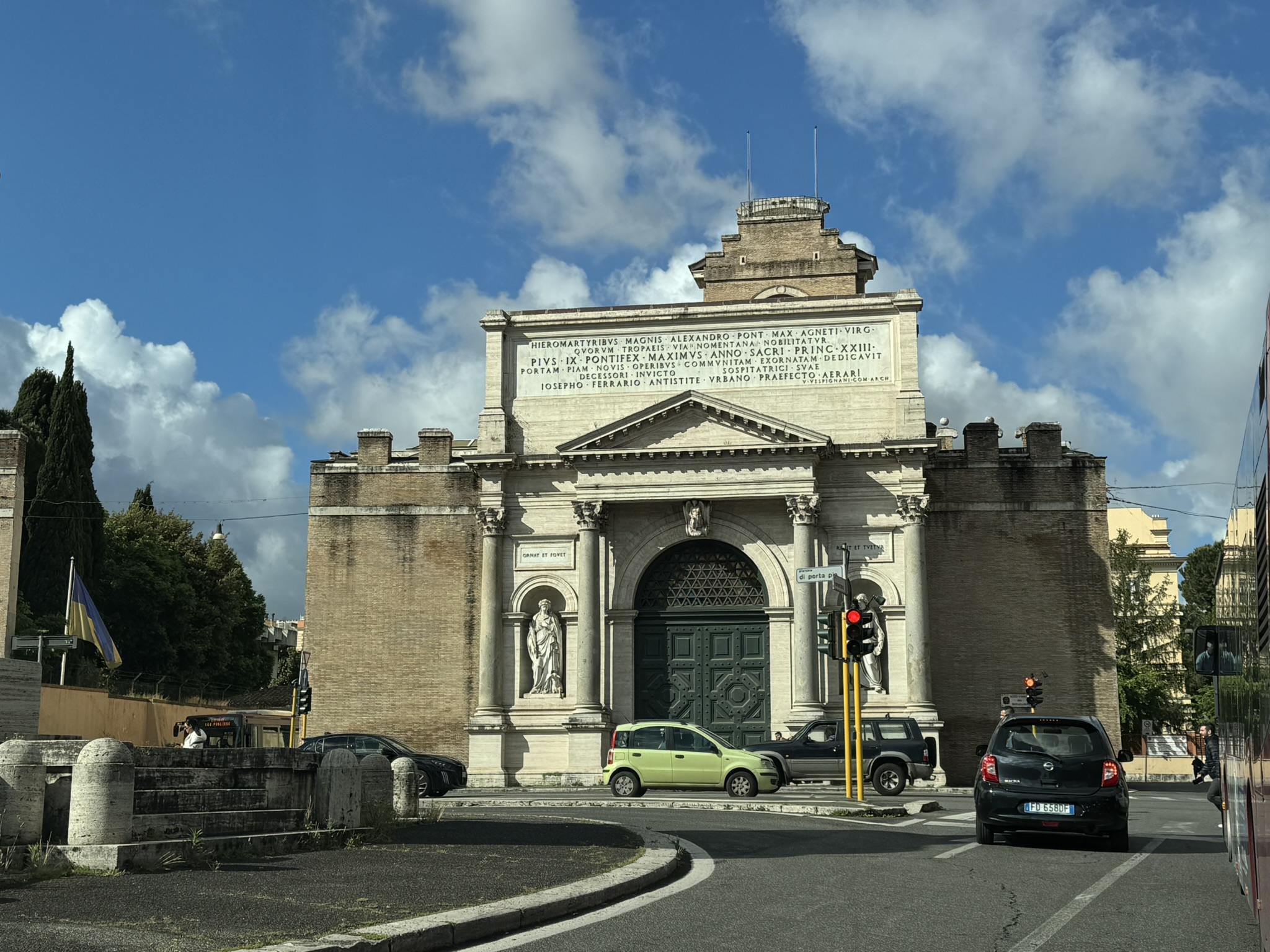
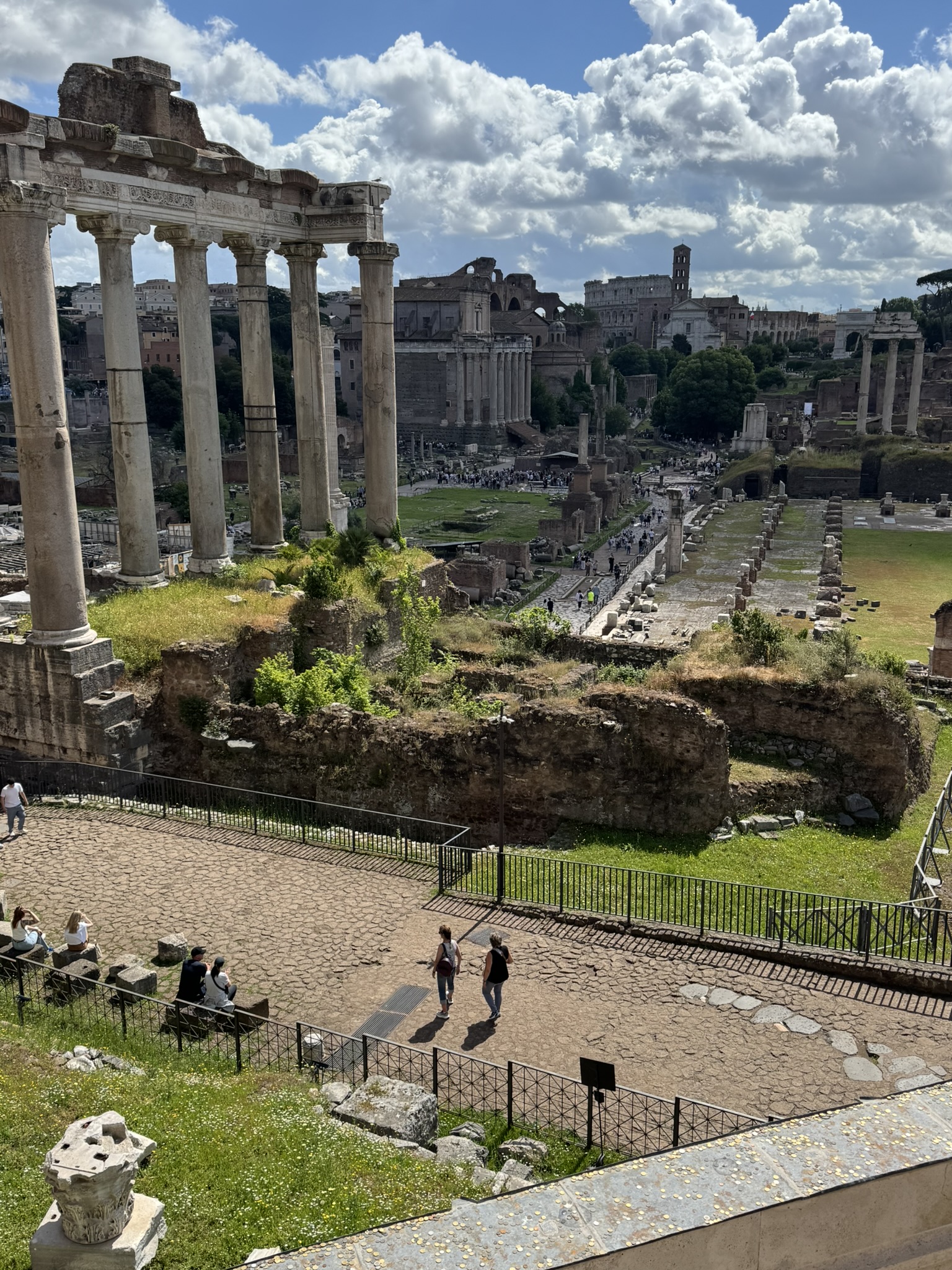
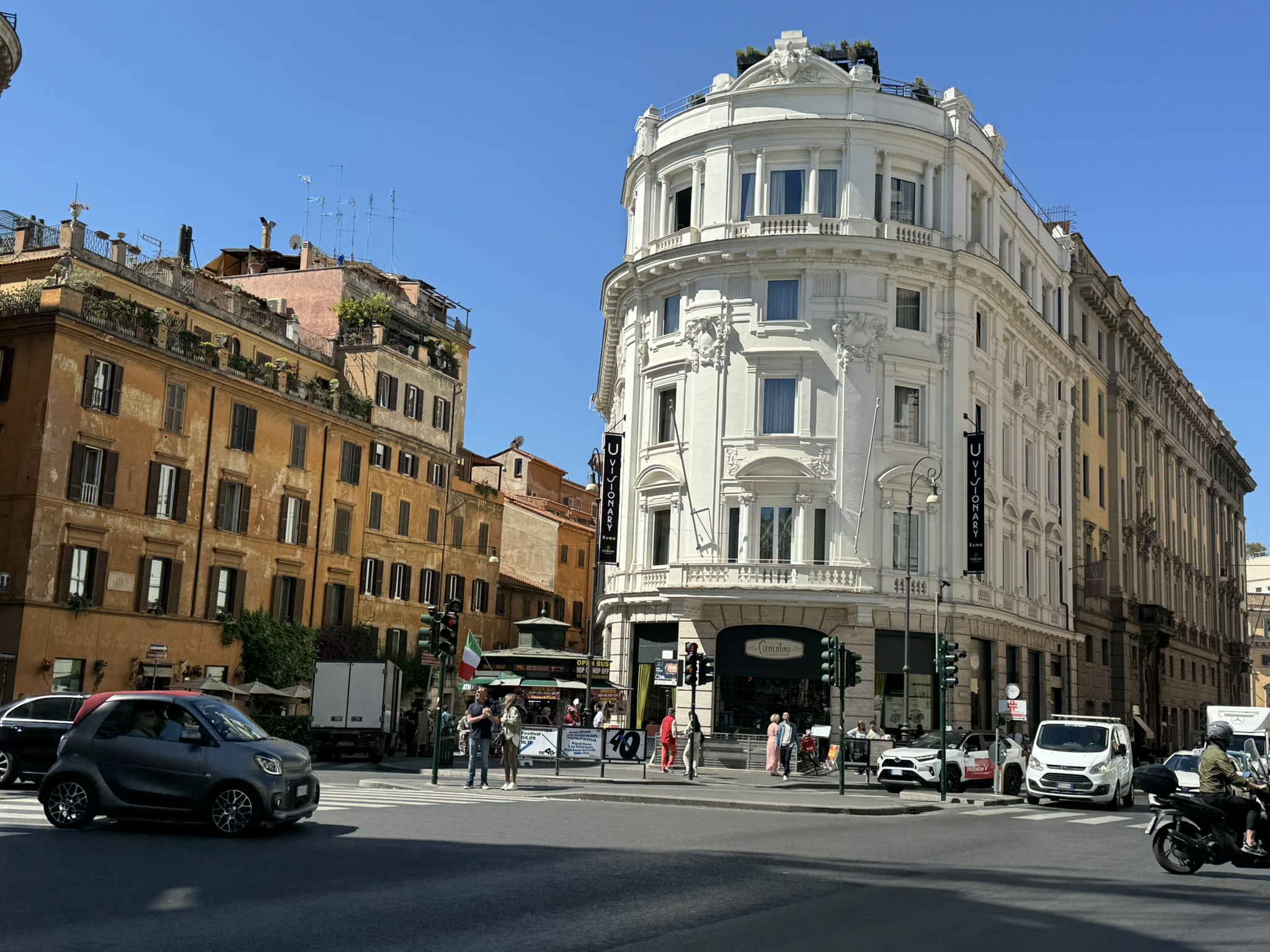
In the past we visited the Eternal City as tourists but this time we were there for humanitarian purposes. As we walked about 15,000 steps each day we passed many historic sites in between visits to NGOs. It was such a different perspective, just catching a glance of history as we hustled to our next appointment.


We experienced miracles along the way like sitting next to a young man on the train who saw our name tags. He told us he was a member of our church from Nicaragua who has been living in Rome for two months. He is a caregiver and lives far from the church, so he has not attended. We took down his contact information and Canfields will share it with the YSA couple who live downstairs from them. We felt it was not a coincidence that we sat right next to him.
Elder and Sister Canfield organized our visits. They return home to California in three weeks and have served valiantly. This is their fifth mission. It is always a spiritual feast to spend time with them. This mission was worth it, just to be able to serve with them!
We were able to complete MEAL evaluations for 18 past projects in two days. We think that may be a record. It will take us a week to enter all the information we found into our computer database! MEAL stands for Measure, Evaluate, Analyze, and Learn. Every humanitarian project is reviewed for effectiveness with a short-term evaluation approximately 6 months after it is completed and then again in a long-term evaluation a year later. We check to see that the donated goods are still functioning, and/or the services are still being offered. We speak to beneficiaries to see how the donation impacted their lives and we measure how the donation helped them to become more self-reliant.
JNRC– salaries for language instructors, psychosocial support, cultural mediators; life essentials such as food, sleeping bags, and clothing.


CIR– food, healthcare, and education courses

ASCS– Electrical system and flooring for a refugee reception house; food, medicine, clothing, tents, sleeping bags hygiene items, refrigerator, dishwasher, defibrillators with training for volunteers, fire extinguishers, washing machine, floor cleaning machine, and new paint for their soup kitchen.
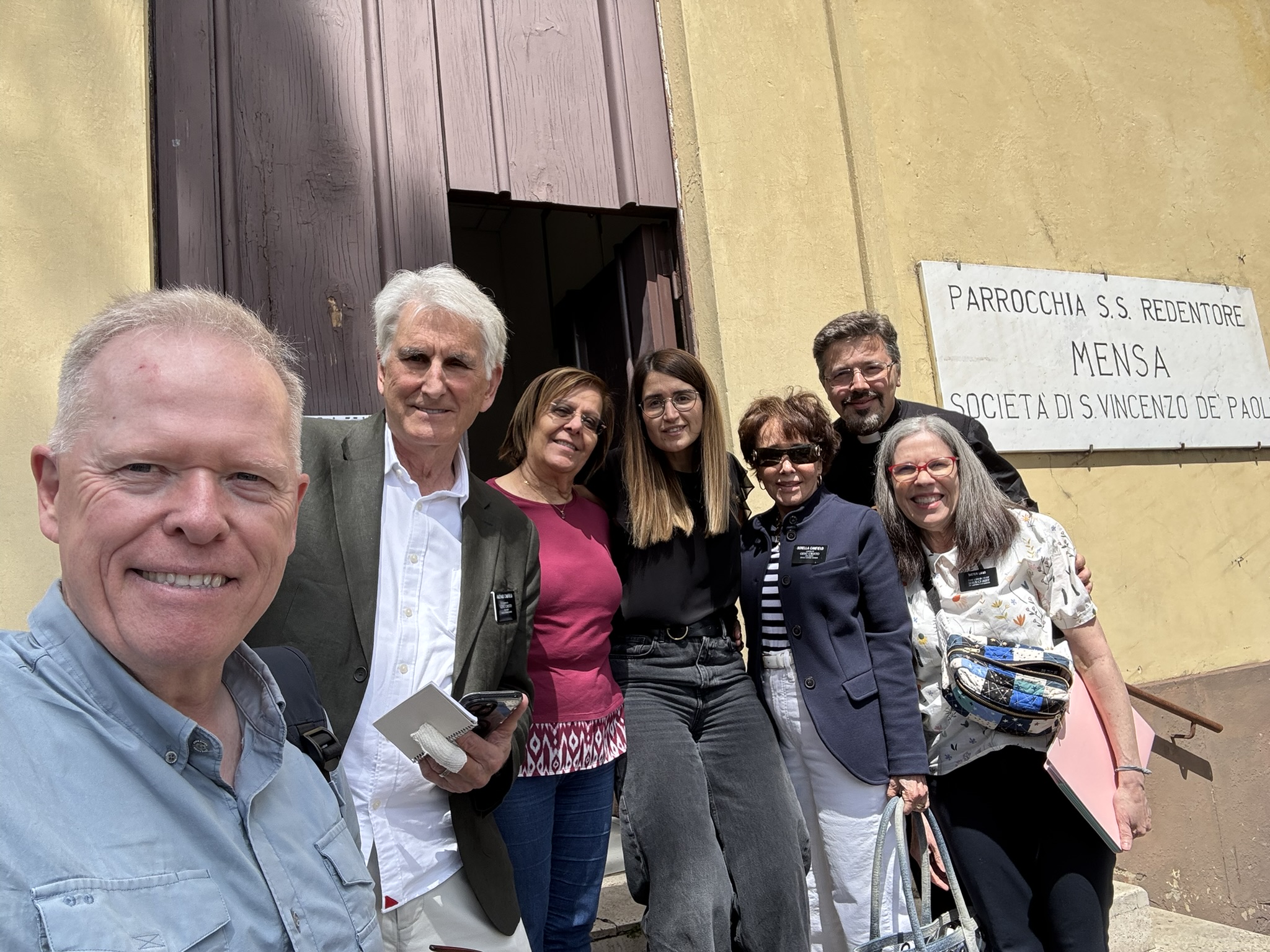
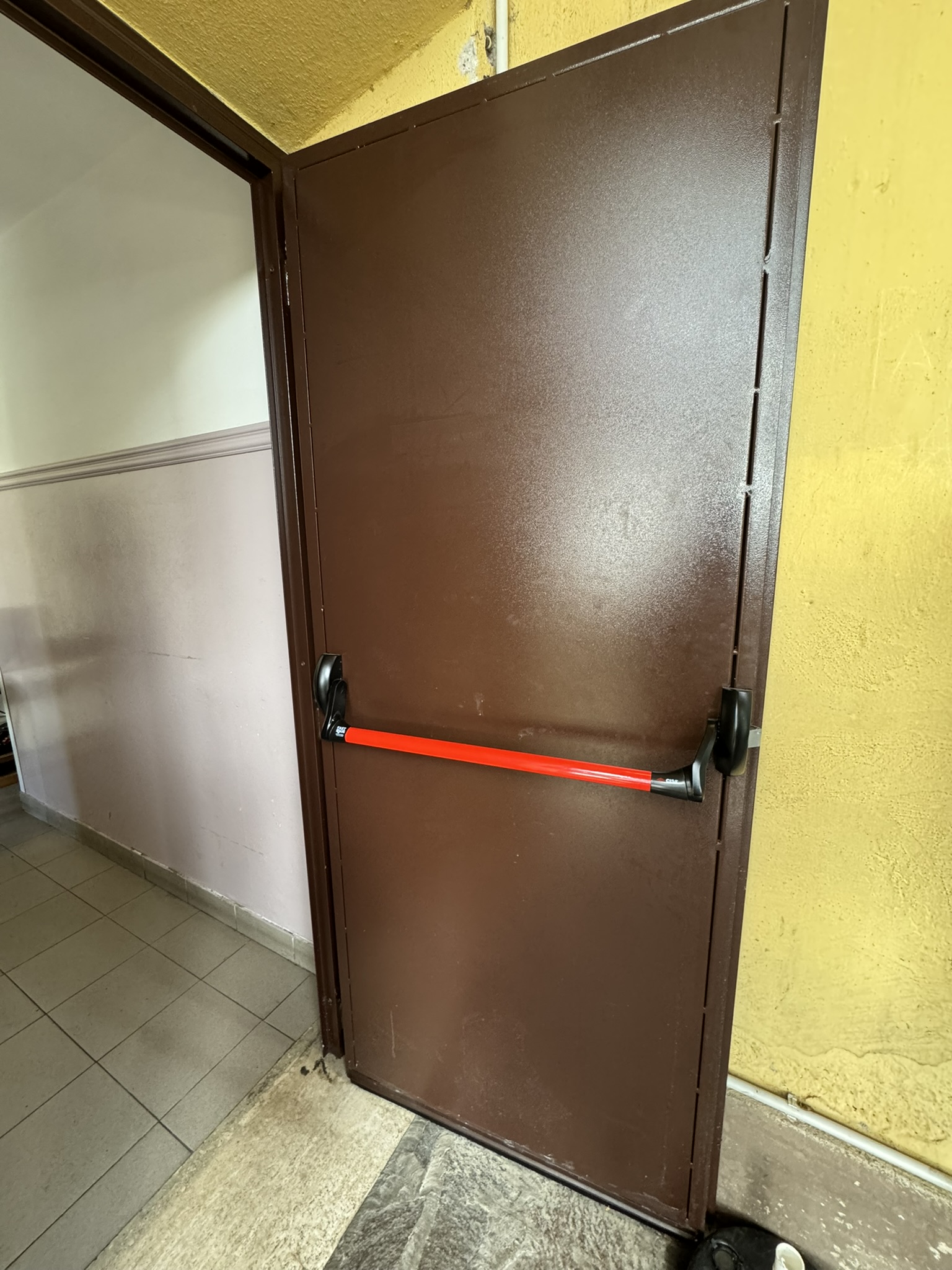
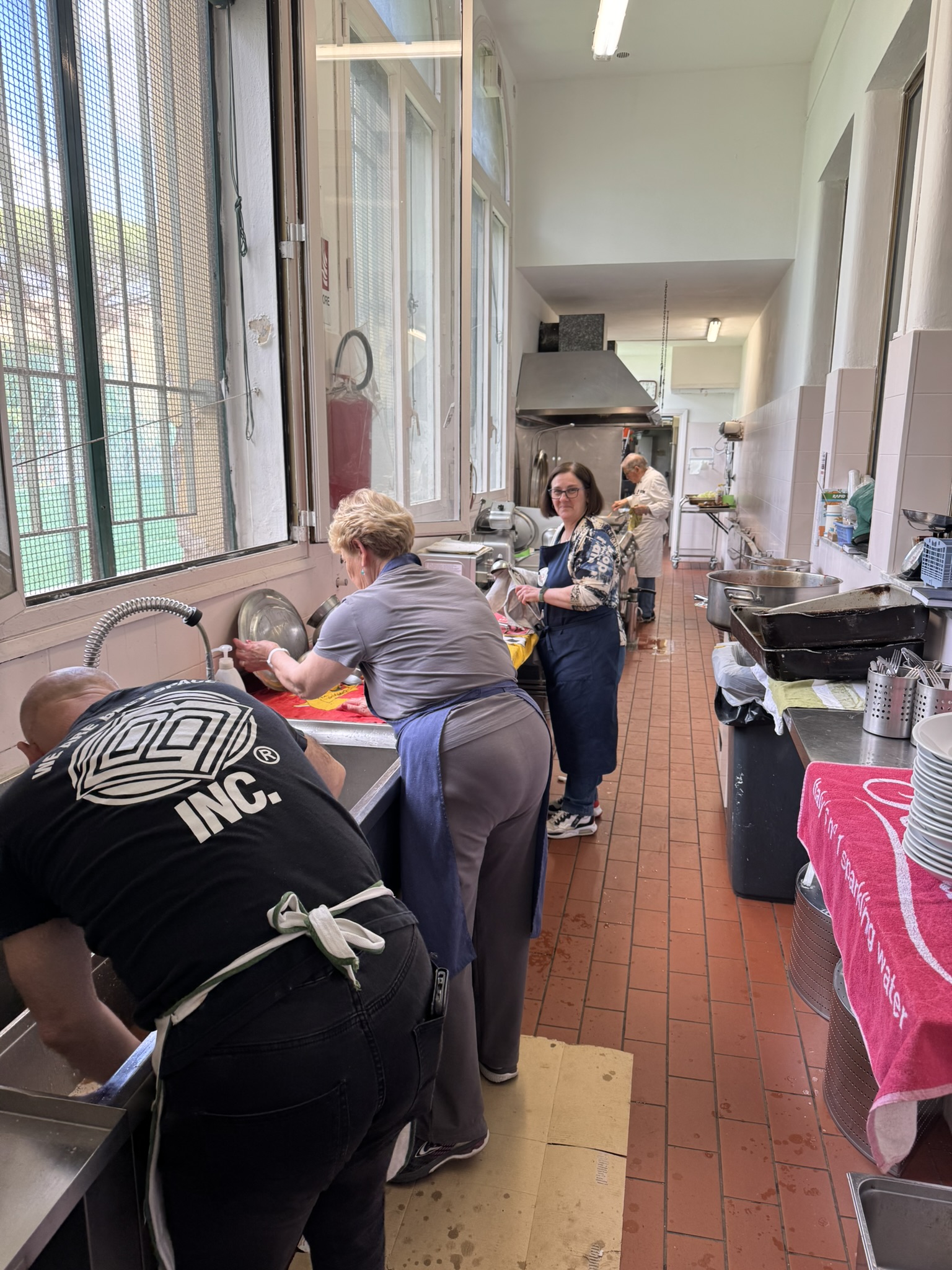
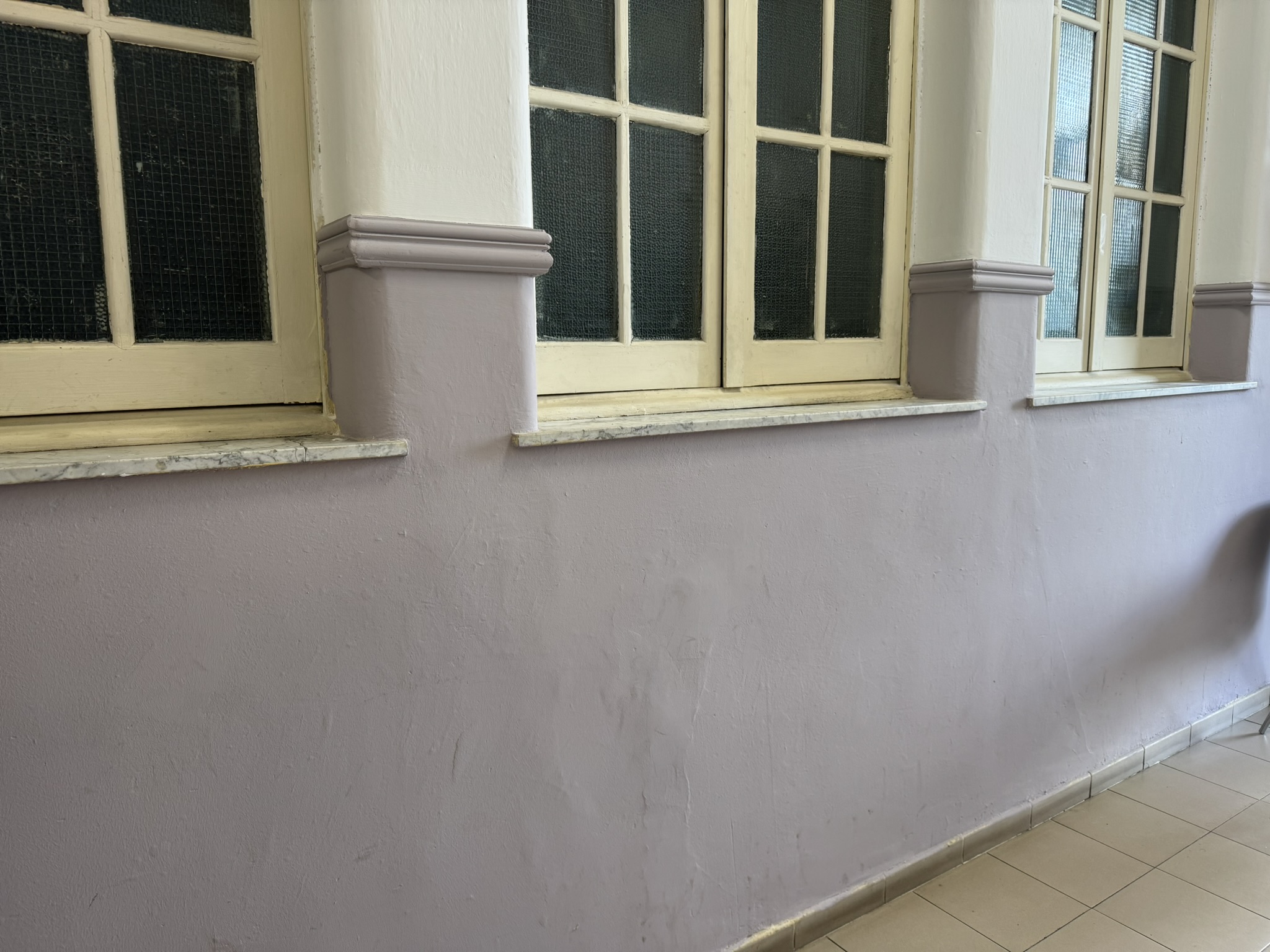


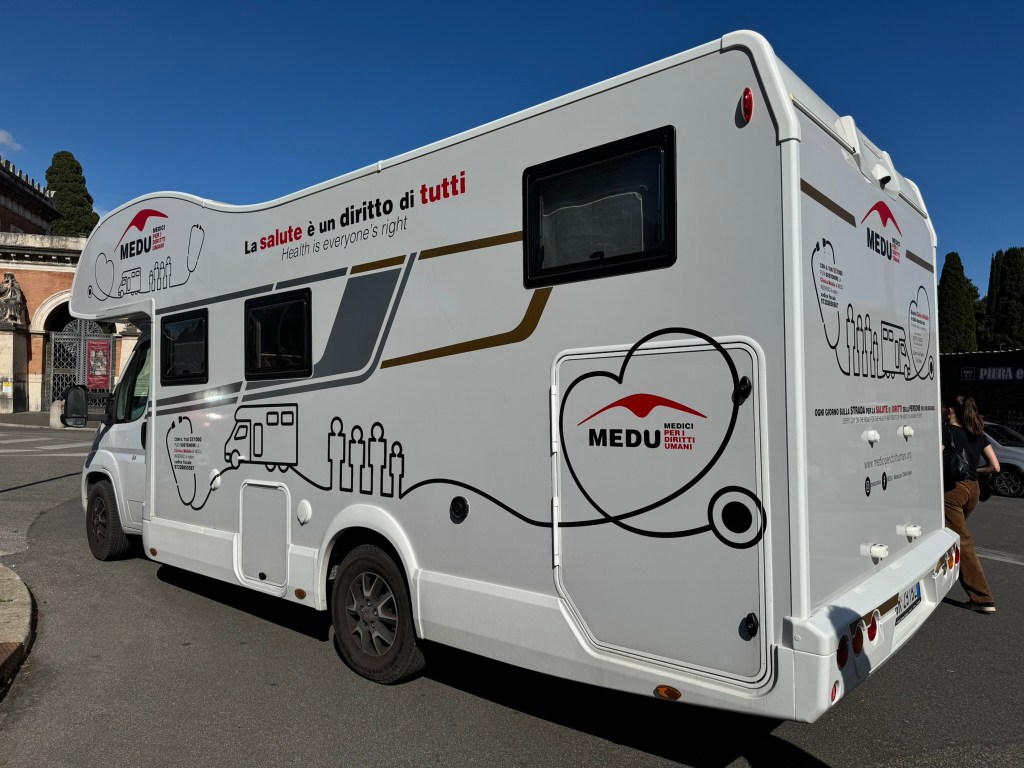
MEDU-Medical supplies, medical and psycho-social consultations, mobile medical clinic.
CARITAS-water heater, food and hygiene products
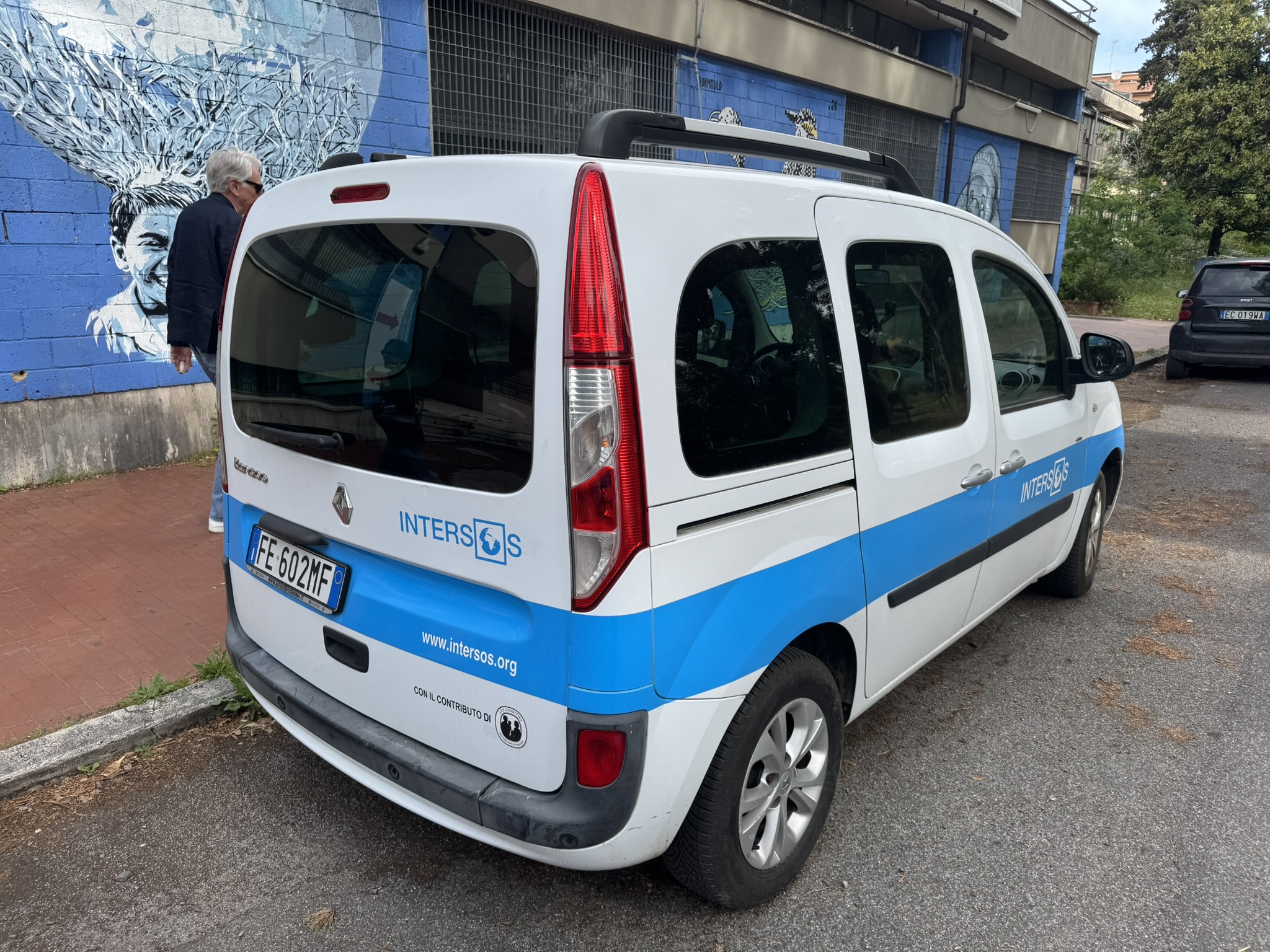
INTERSOS– Mobile medical clinic, echograph, salaries for physicians & psychologists, pharmaceutical supplies, water heater, and honey extractor.
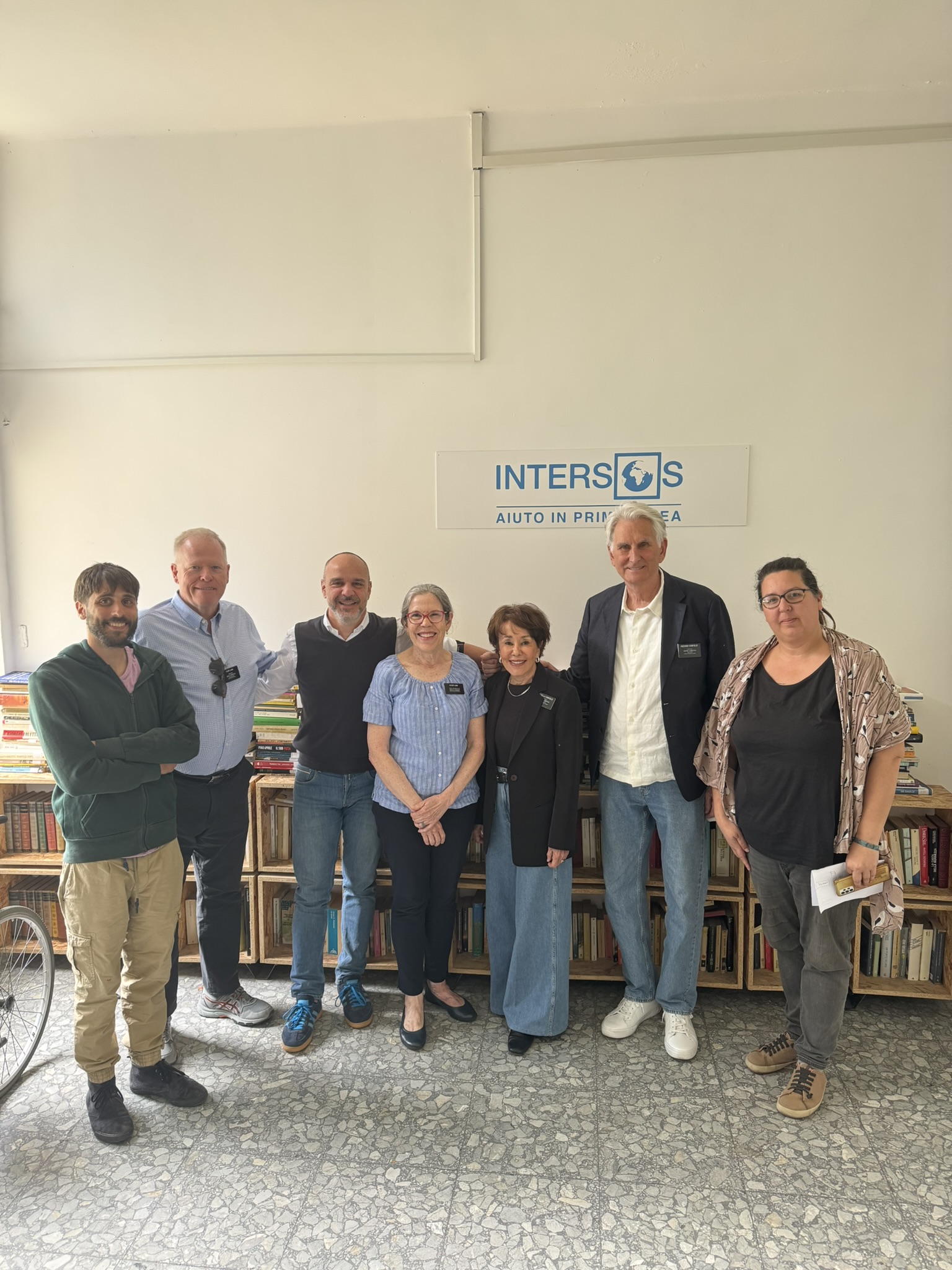
BANCO ALIMENTARE– Refrigerator cell cold room ribbon cutting ceremony. This foundation functions because of 50 faithful volunteers. They collect food from food manufactures, restaurants, grocery stores, and food vendors and redistribute it to 400 soup kitchens and food banks. They offer immigrants internships and pay for their certification as forklift operators, food service handlers and work safety experts. We met five immigrants who were working at the center. Hearing their stories was inspiring.


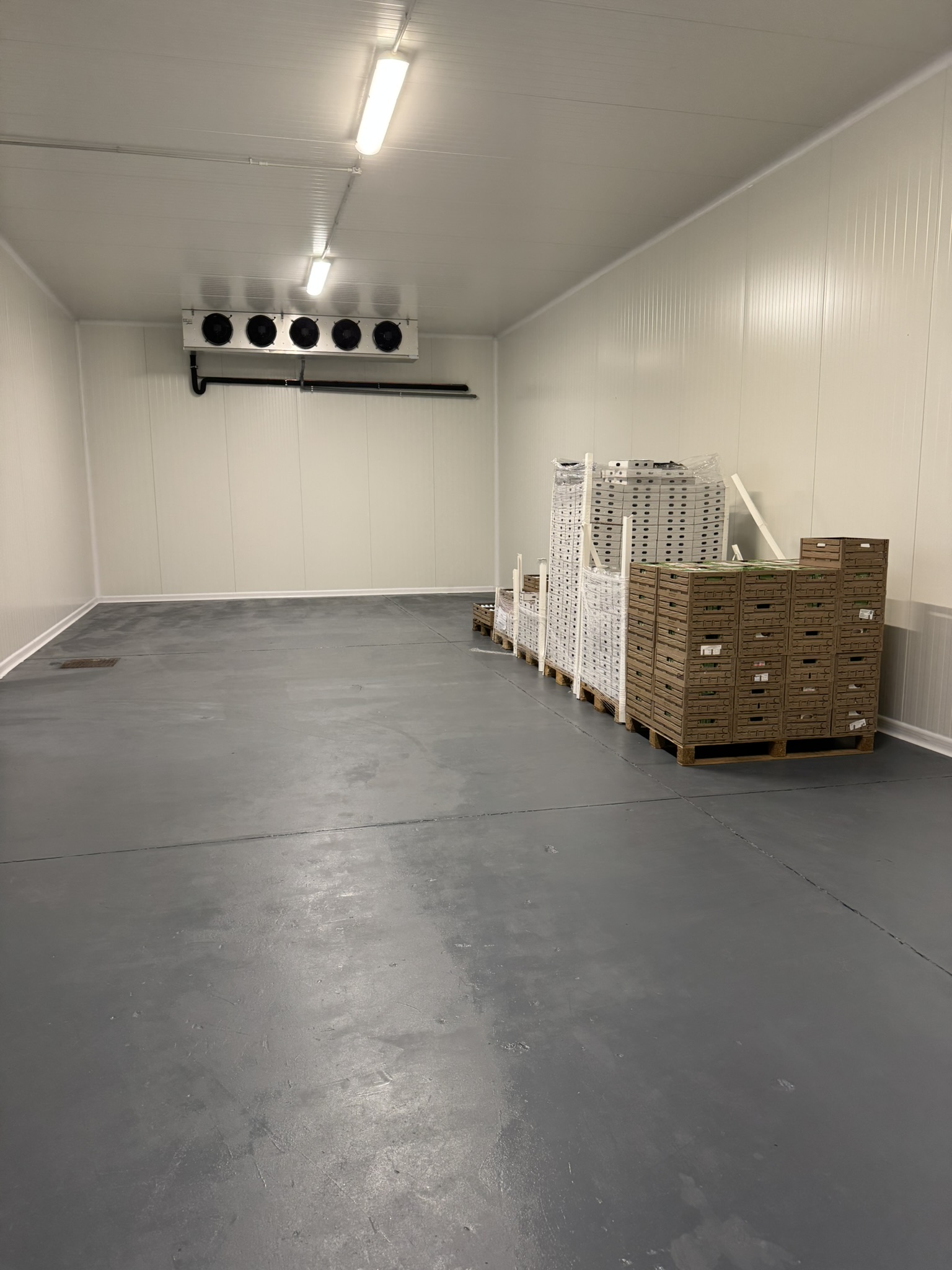
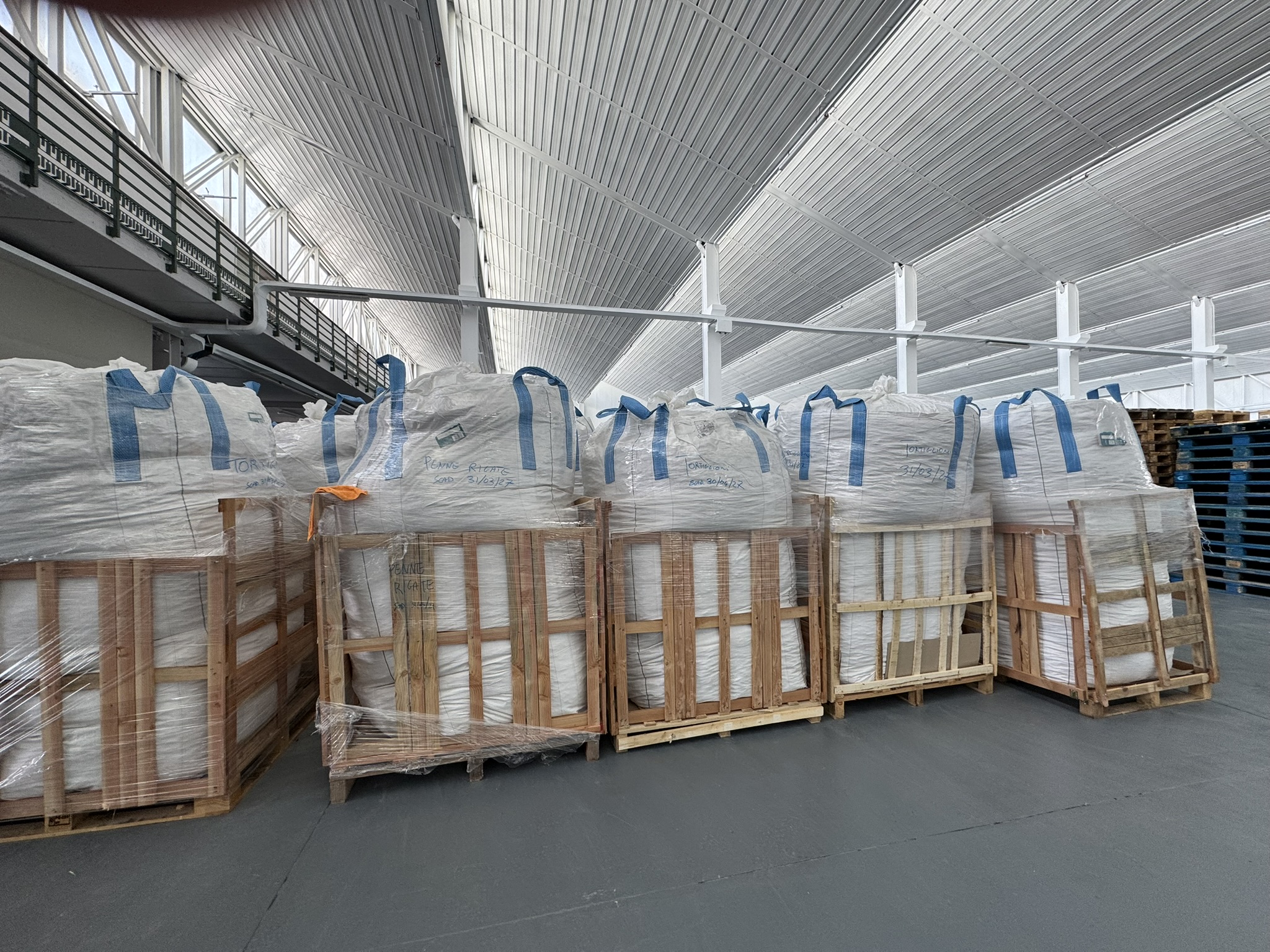




PROGRAMMA INTEGRA– Canfields introduced us to this new NGO for which a project was just approved to create a community gathering place/garden in the courtyard of a home for unaccompanied minors (refugees). We met several of the young men who live here and look forward to seeing this project completion.


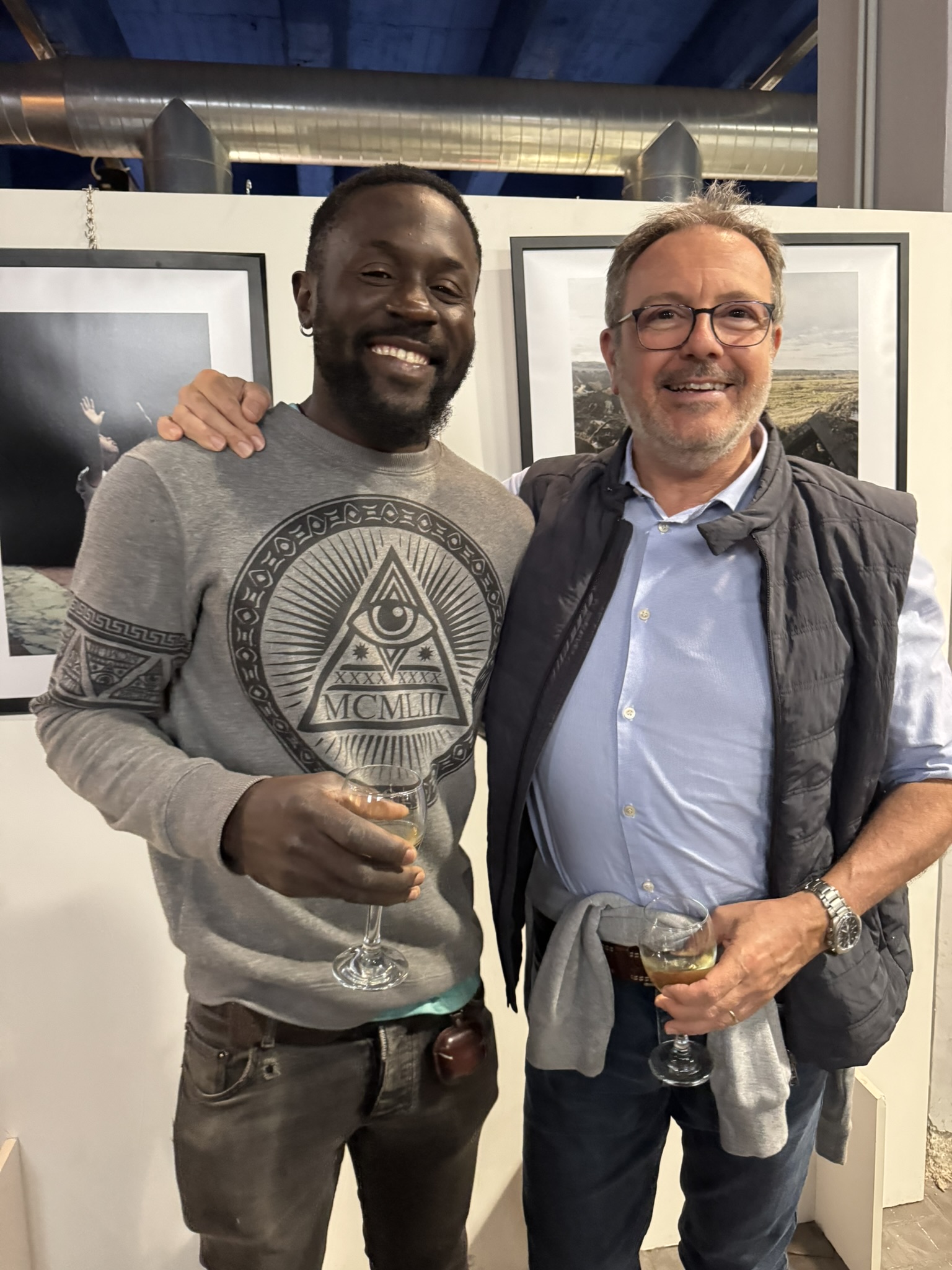
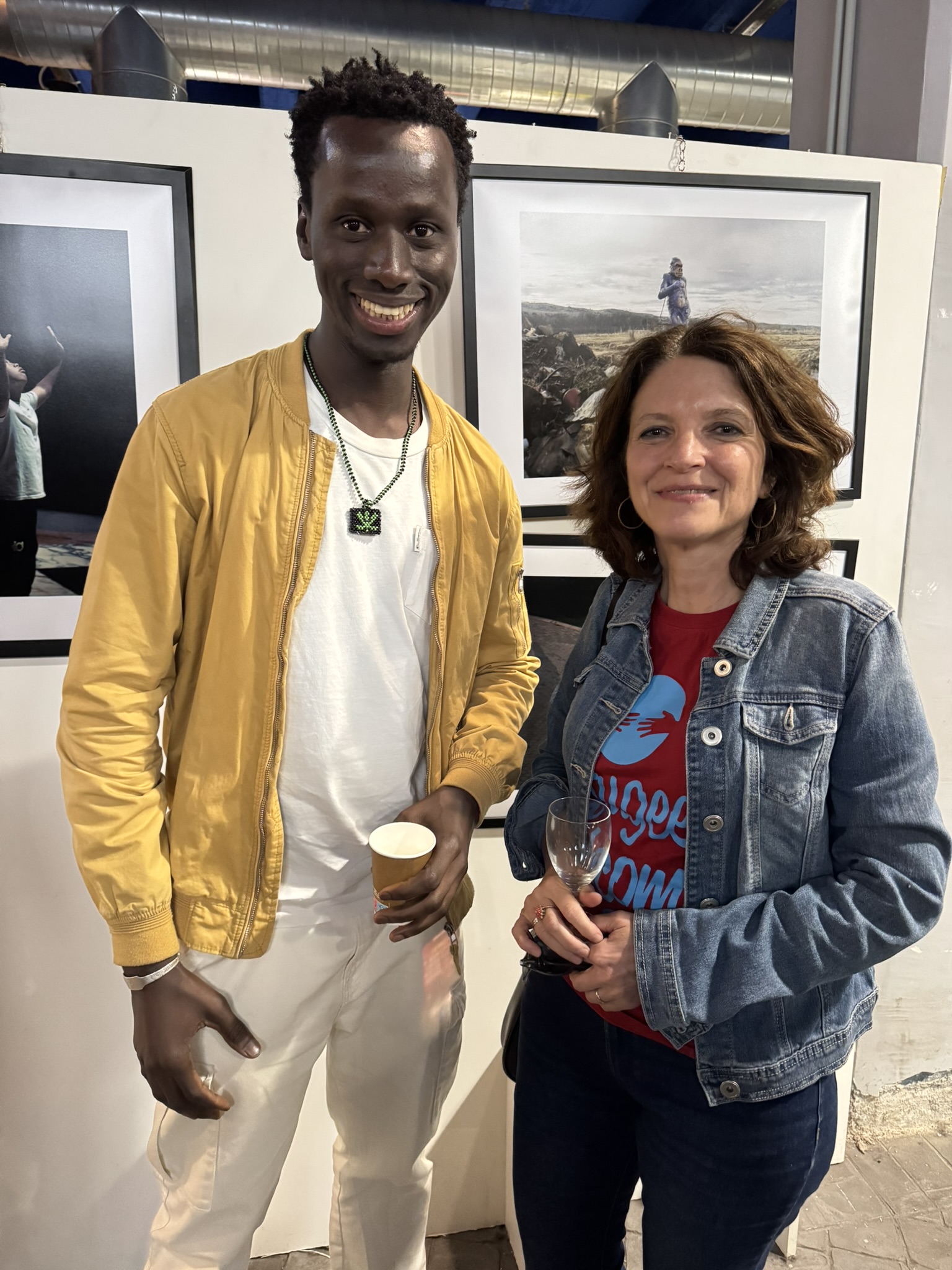
RWI– This NGO knows that lives are changed one by one. They match refugees to live with local Italian families who help these new Italian citizens integrate into society. We were able to meet some of these wonderful people and watch a documentary where one of the refugees told the harrowing story of his migration from Gambia, West Africa to Italy. He crossed the Sahara Desert into Libya and then made two attempts to cross the Mediterranean Sea to Italy. The trip details were horrifying. When we asked a young mentee how the relationship with his mentor had affected his life, he replied, “My life is now at the top of the best.”

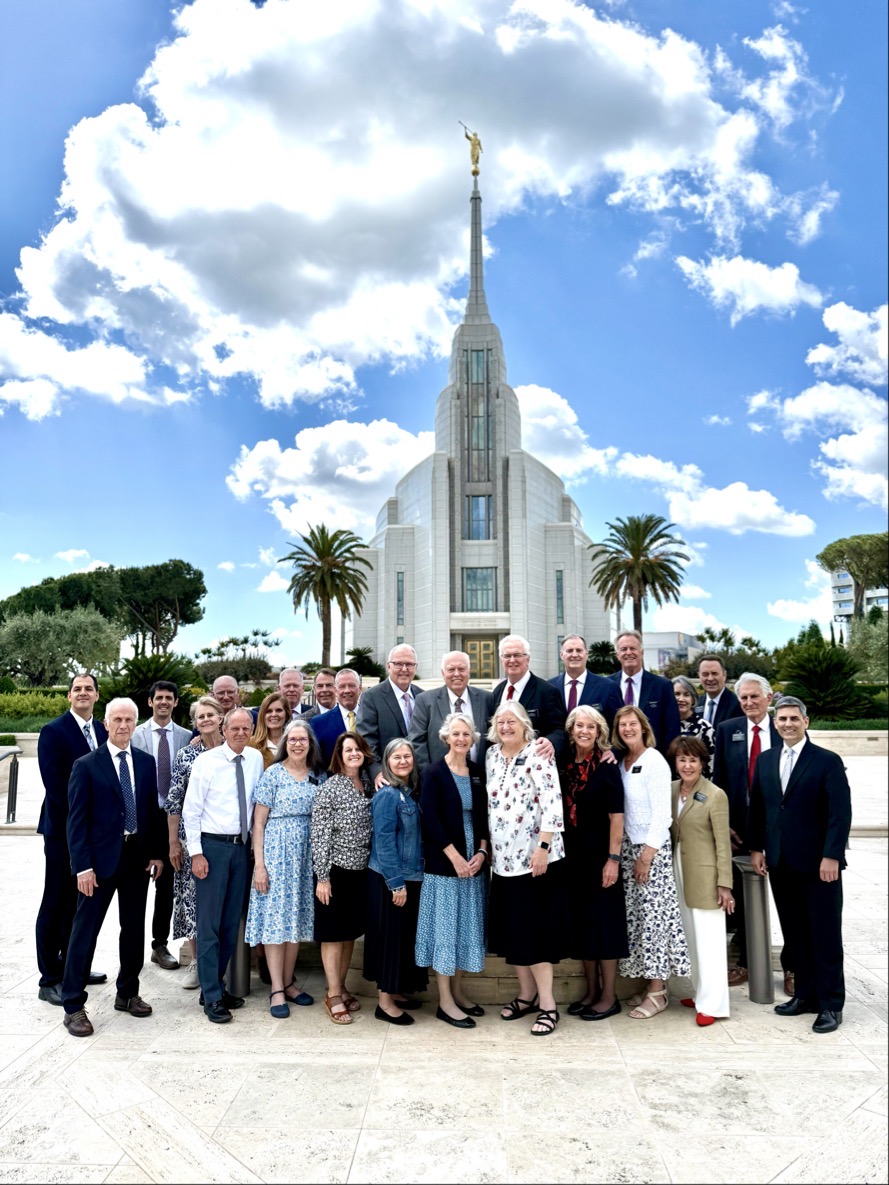
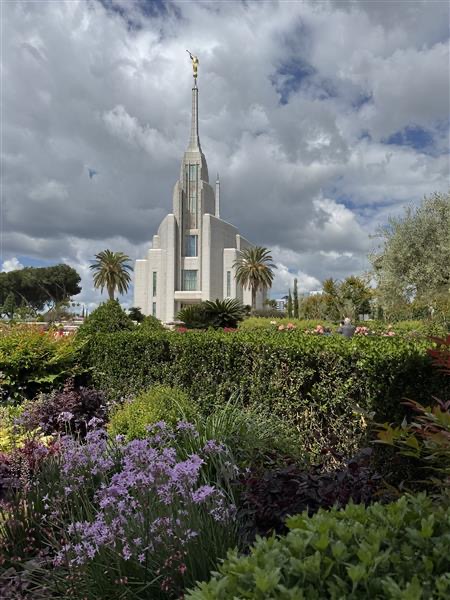
As we gathered at the Rome temple campus to begin our two-day regional conference, Cardinals gathered a few miles away at the Vatican in a conclave to choose the next pope. As we finished our conference on Thursday afternoon, the new pope was announced. What a historic time to be in Rome!
We met with the in-field couples who serve in Serbia, Montenegro, Croatia, Slovenia, Bosnia, North Macedonia, Albania, Italy, and Türkiye. We support Italy and Elder and Sister Muelleck, who have desks next to ours in the area office, support the rest of those countries except Turkiye. We were able to attend a session in the magnificent Rome temple together. It means so much to these couples who serve in isolation in their countries to gather like this twice each year. It was a real boost to meet with these wonderful couples, to hear their stories and testimonies. We feel renewed and revitalized and blessed through our associations with these incredible people.
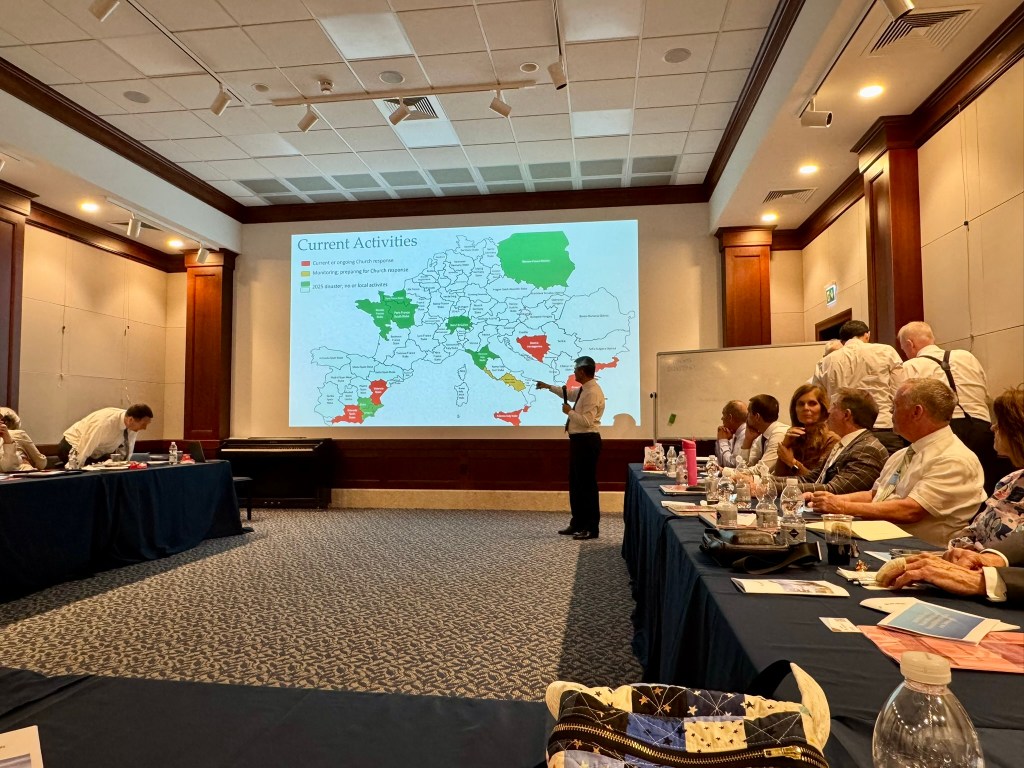
We, along with church employees, conducted the training. We facilitated a class using a game called Kahoot to review best practice humanitarian principles.
It was a joy to reconnect with Elder and Sister Sarger who were our neighbors when we lived in Arizona thirty years ago. They serve in Serbia.
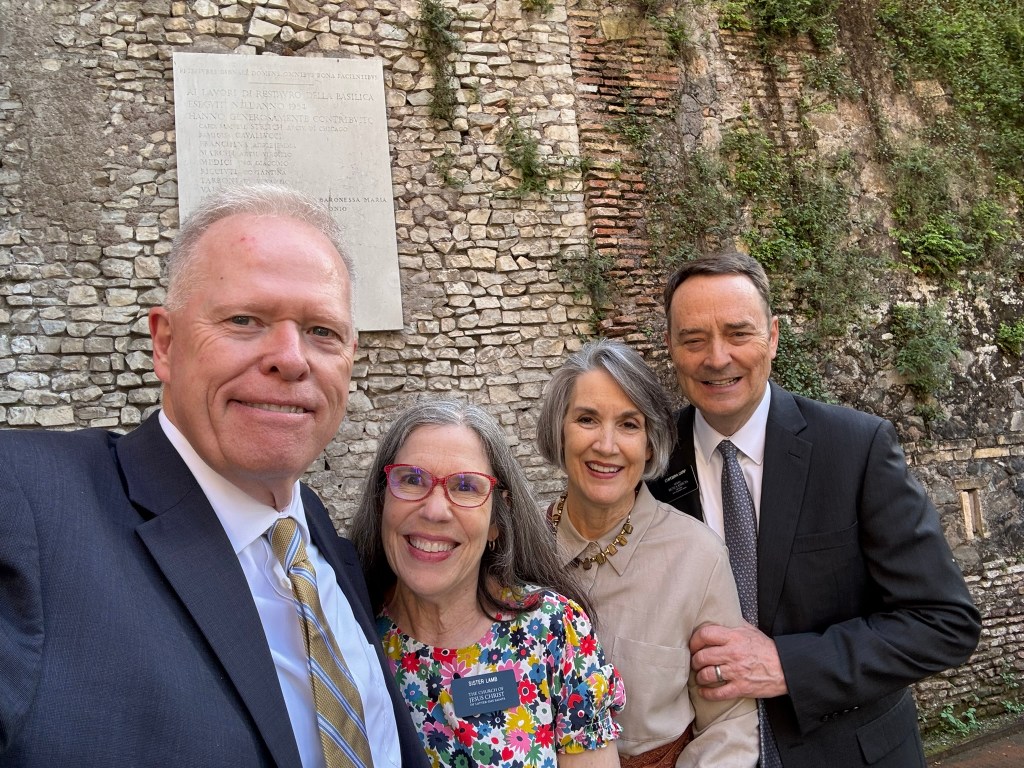
It was good to finally meet Elder and Sister Skidmore in person. We have common friends in the Orien’s from Alaska. They serve in North Macedonia.

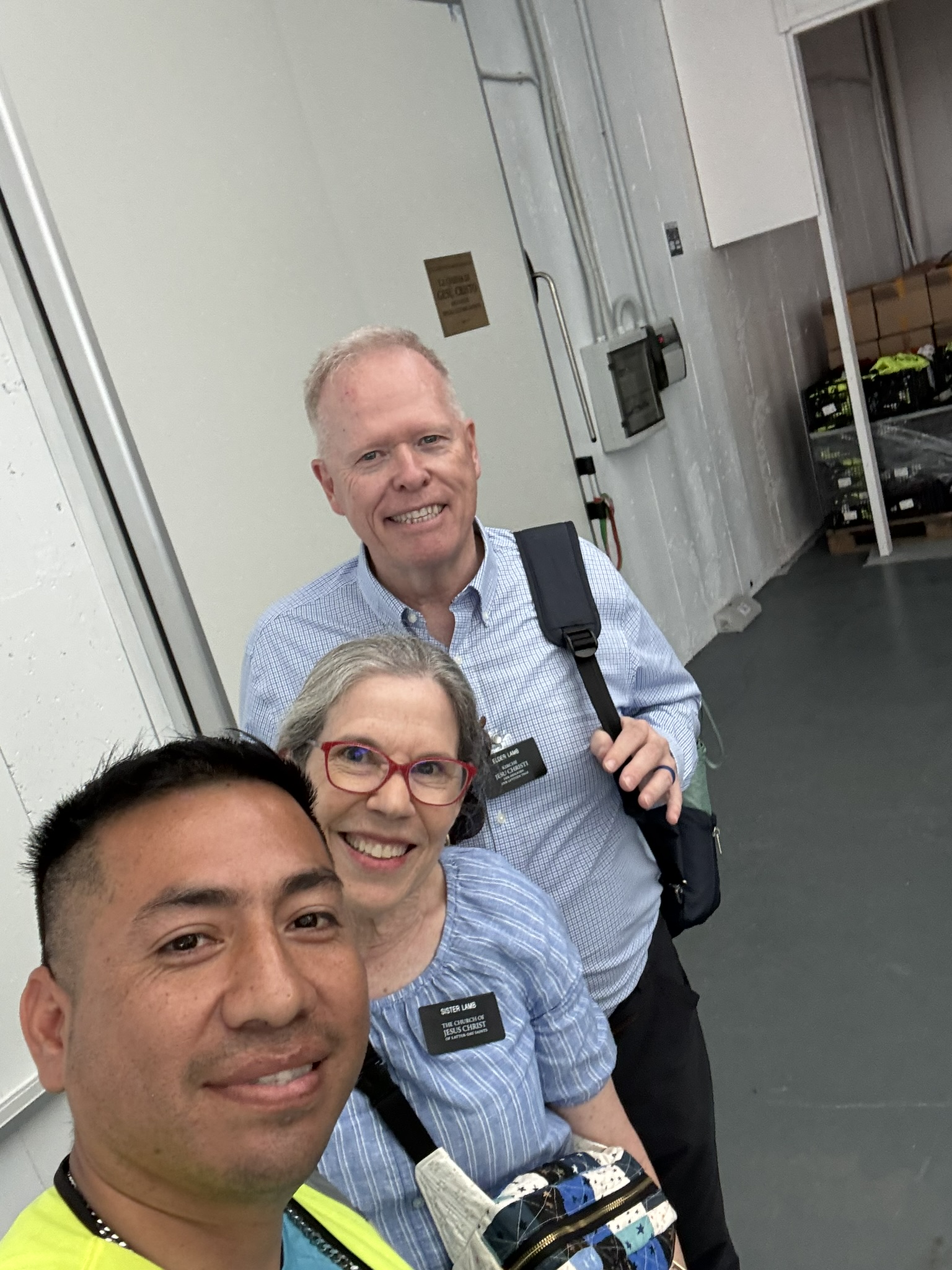
Ed ran into John Lamb, his chemistry teacher from BYU, who is serving a mission with his wife in the Rome visitors center. Such a small, small world.

The group took a mid-day break and visited Basilica St Agnese and the catacombs. Agnes of Rome is a virgin martyr, venerated as a saint in the Catholic Church and Eastern Orthodox Church, as well as the Anglican Communion and Lutheran Churches. Agnes was a young girl of 12 or 13 when she refused to deny God and was beheaded after attempts to burn her at the stake failed.
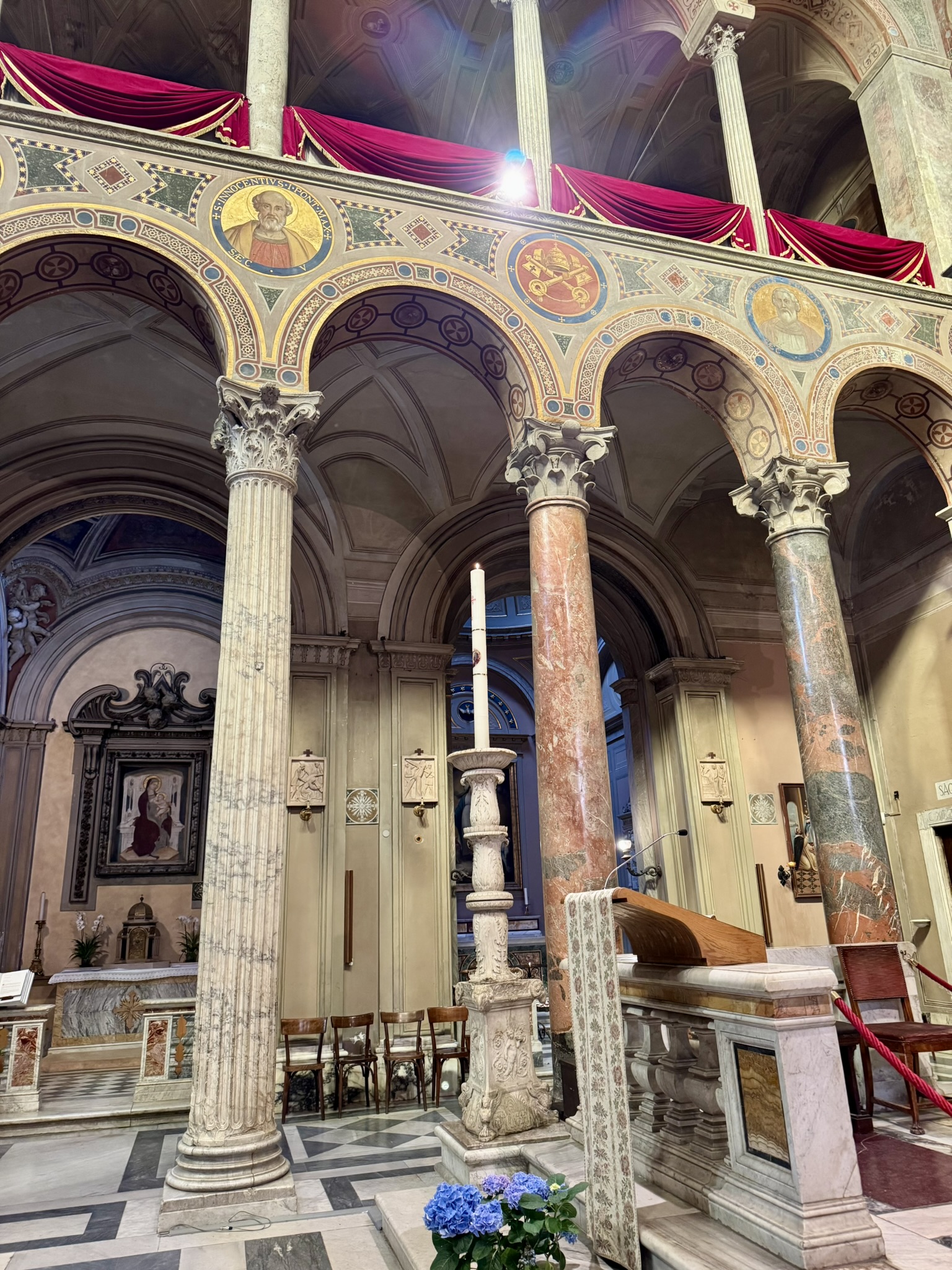
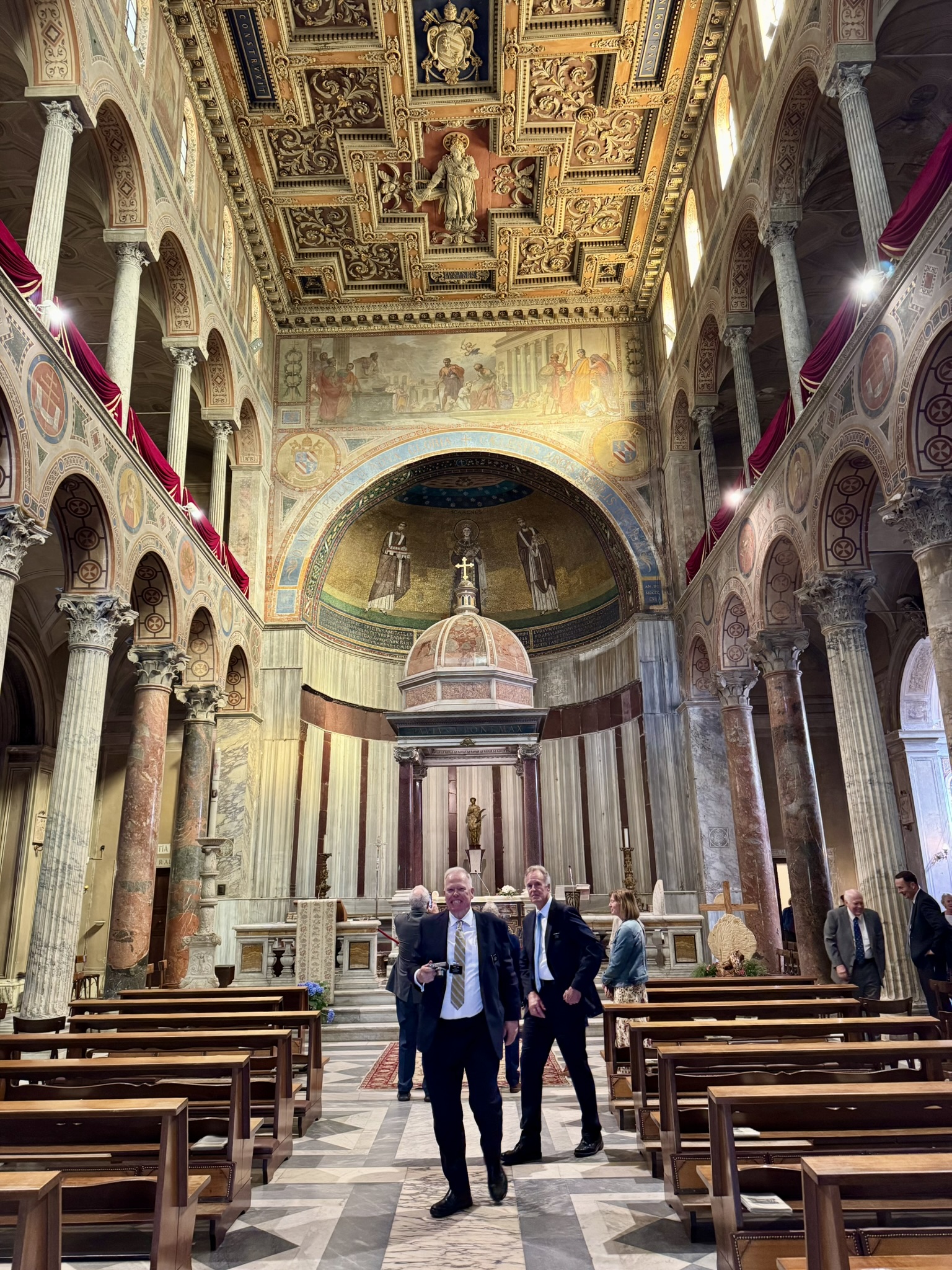


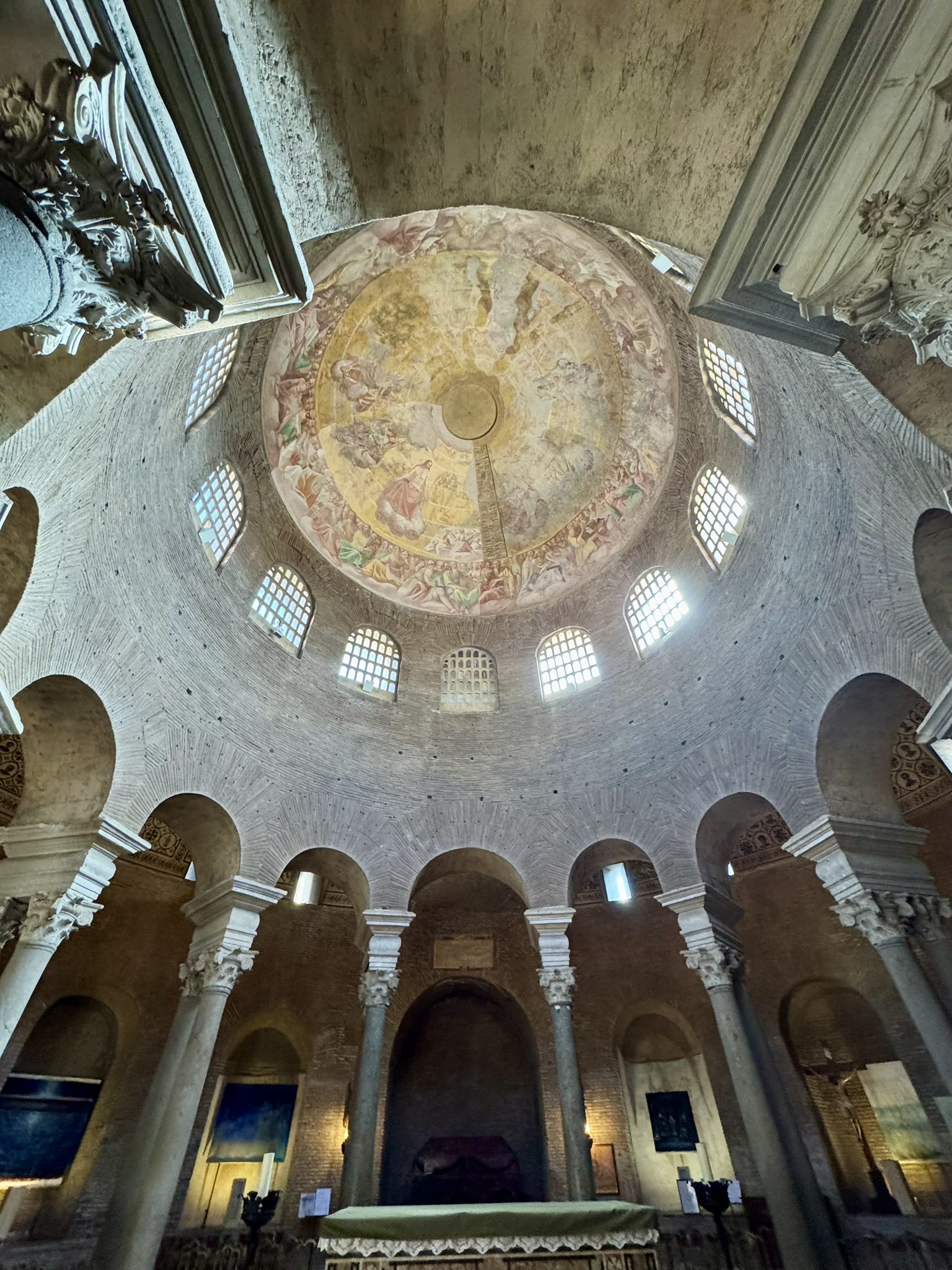
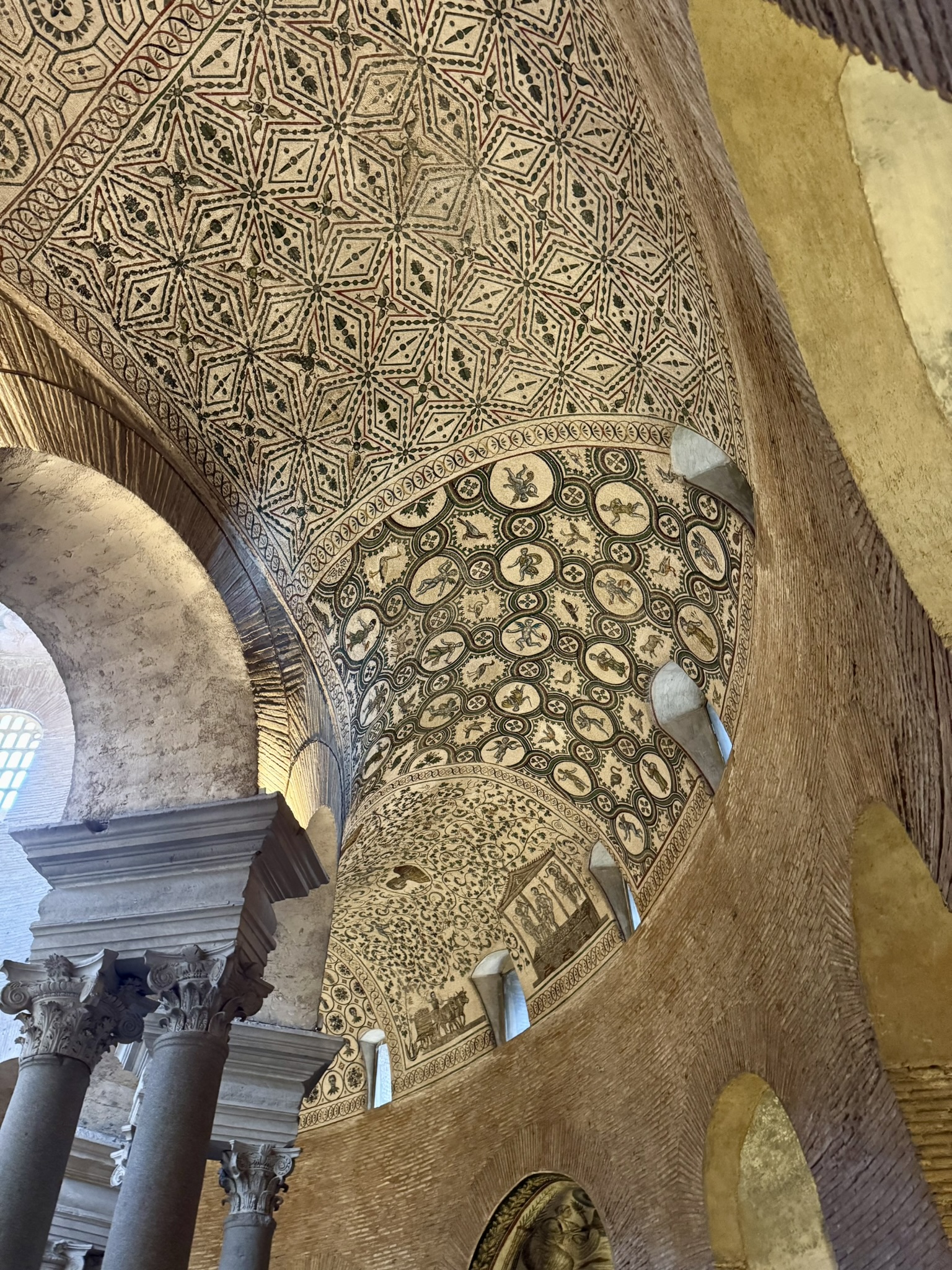
We also visited the mausoleum of Constantina, daughter of Emperor Constantine I who died in 354 A.D

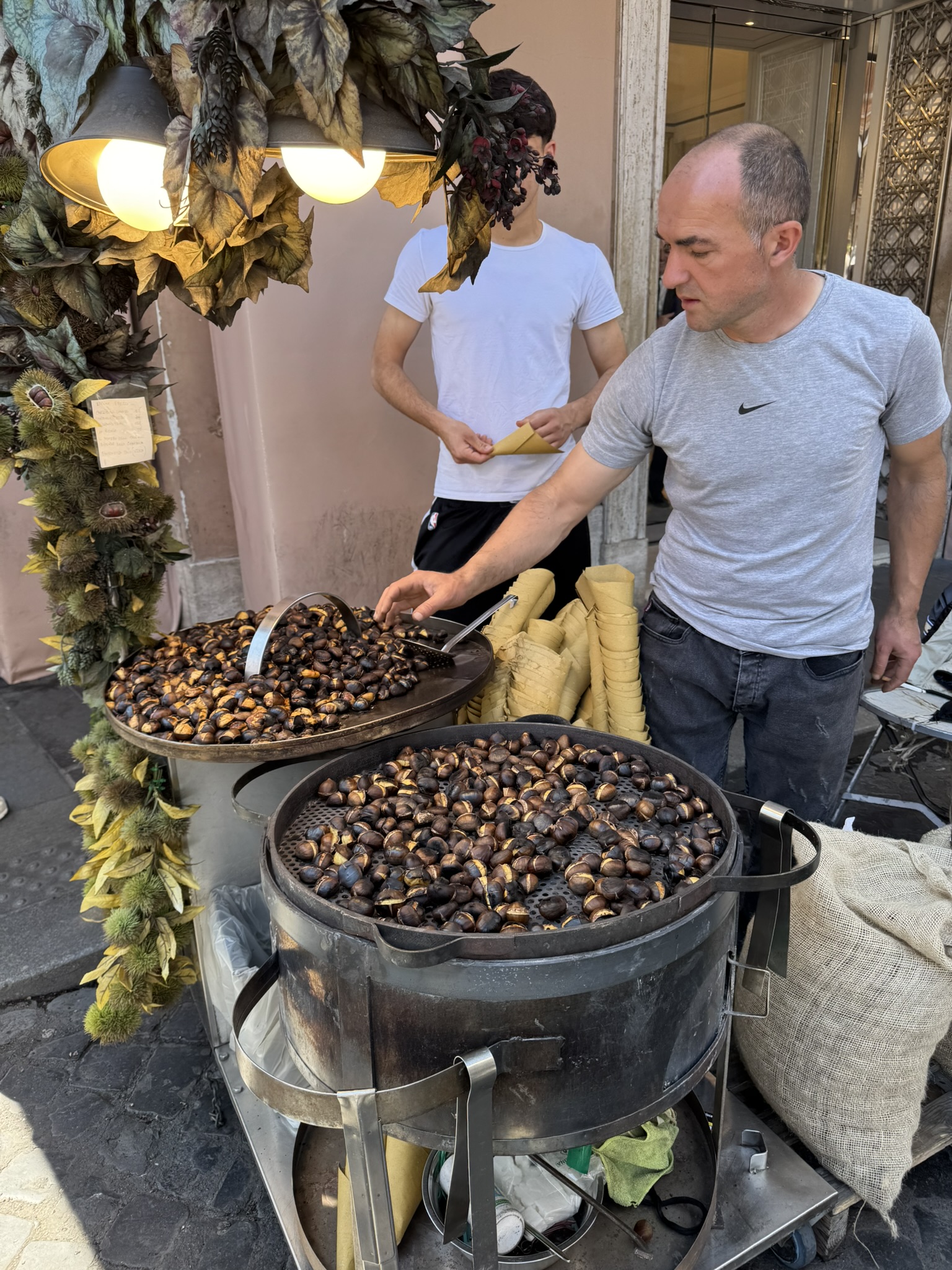
We had a few hours Saturday morning to explore Rome before we flew back to Frankfurt.
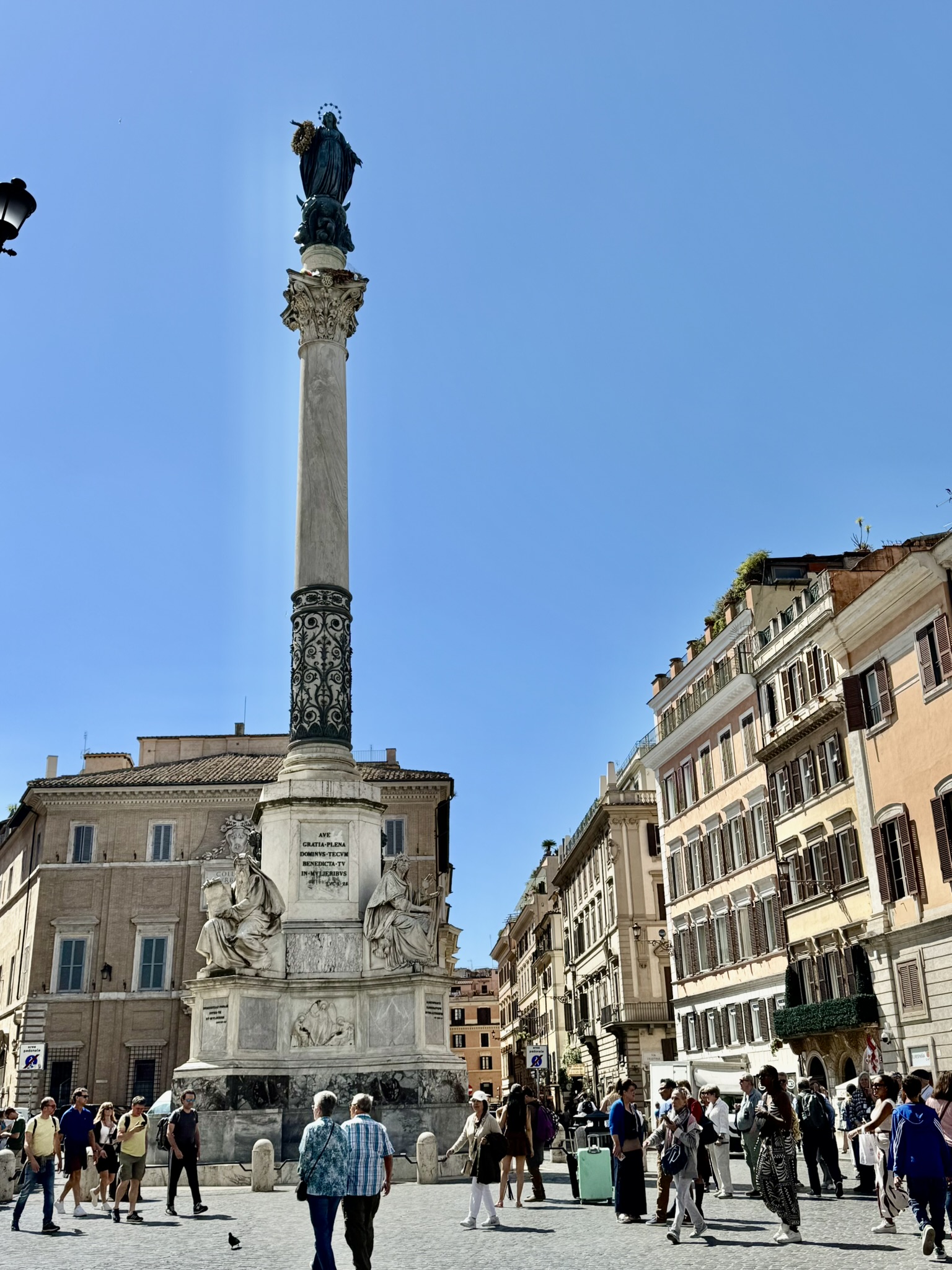
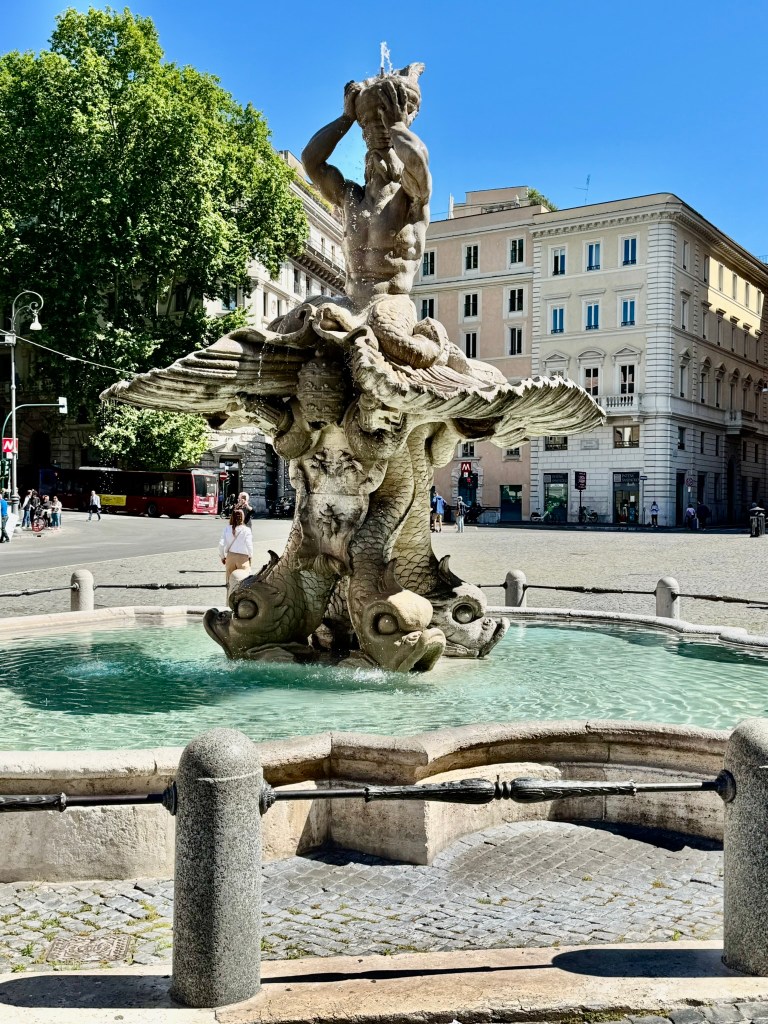
Piazza Barberini with the Triton Fountain, designed by Bernini.
Spanish Steps

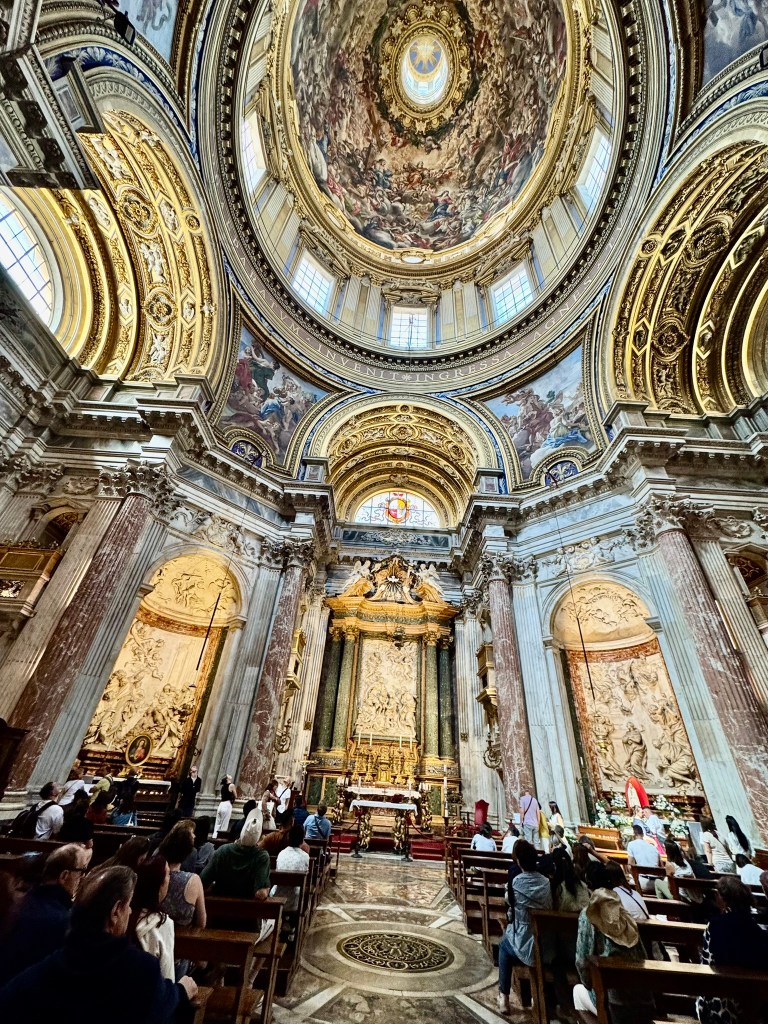
Piazza Navona and the Sant’Agnese in Agone Church. This is said to be the site of St Agness’s martyrdom.
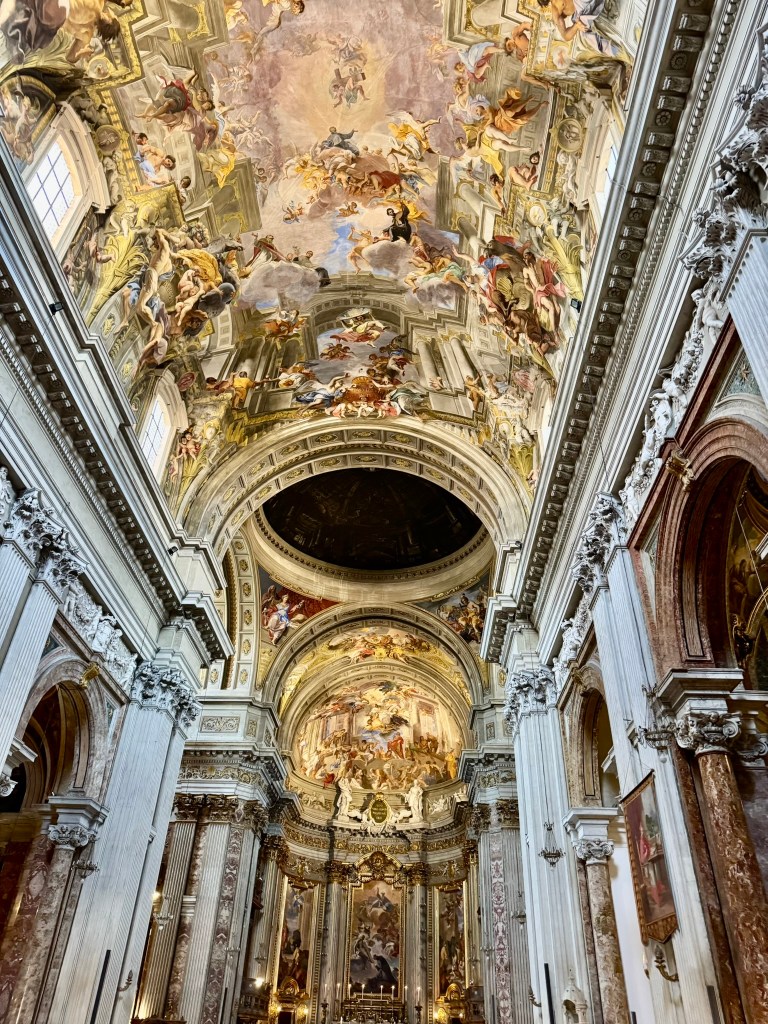
Church of Santi Vincenzo E Anastasio a Trevi is the burial place for 22 popes.
We were not able to ensure our return to the Eternal City by tossing a coin into the Trevi Fountain because of the crowds but we feel certain that we will be back.

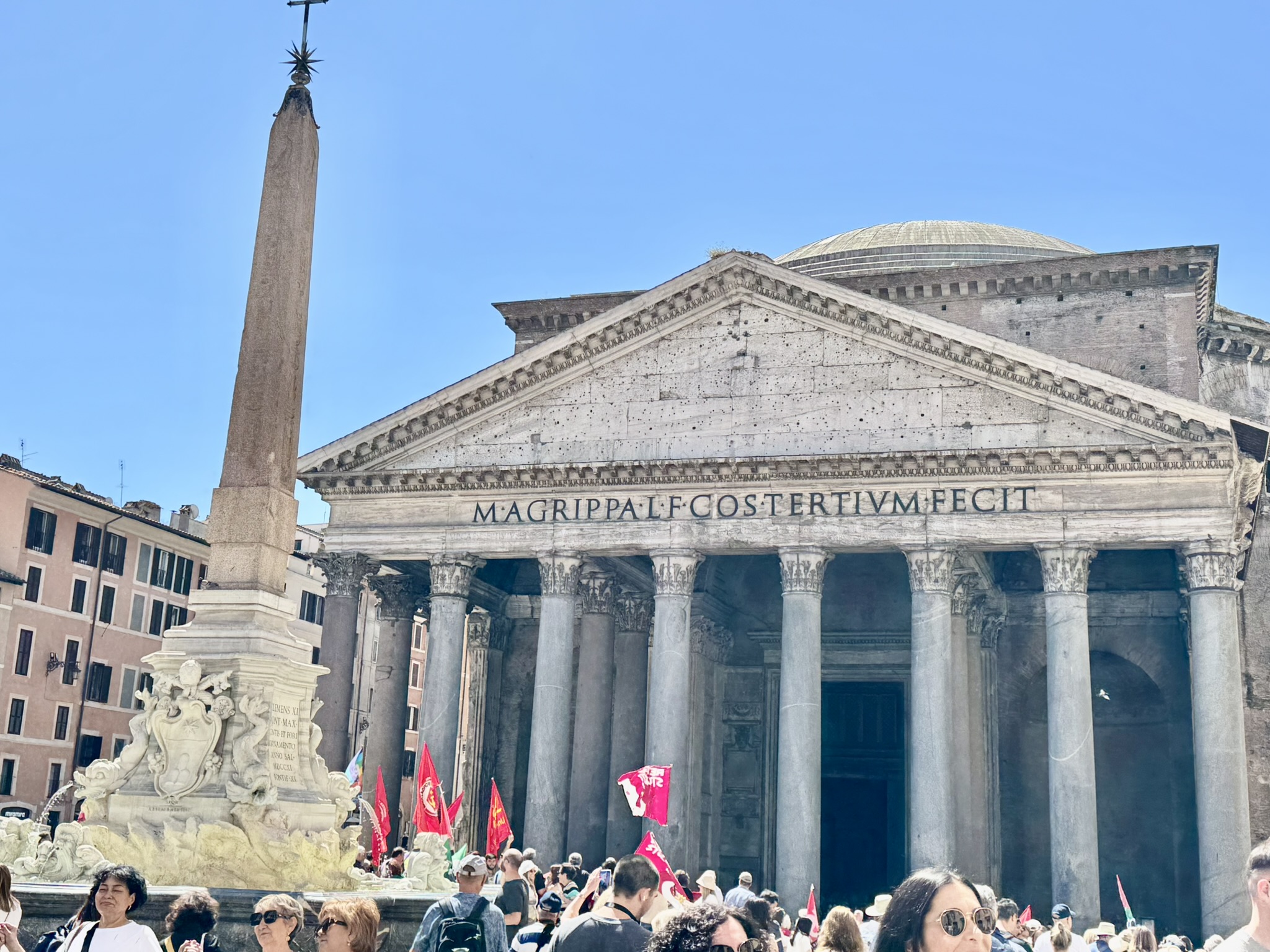
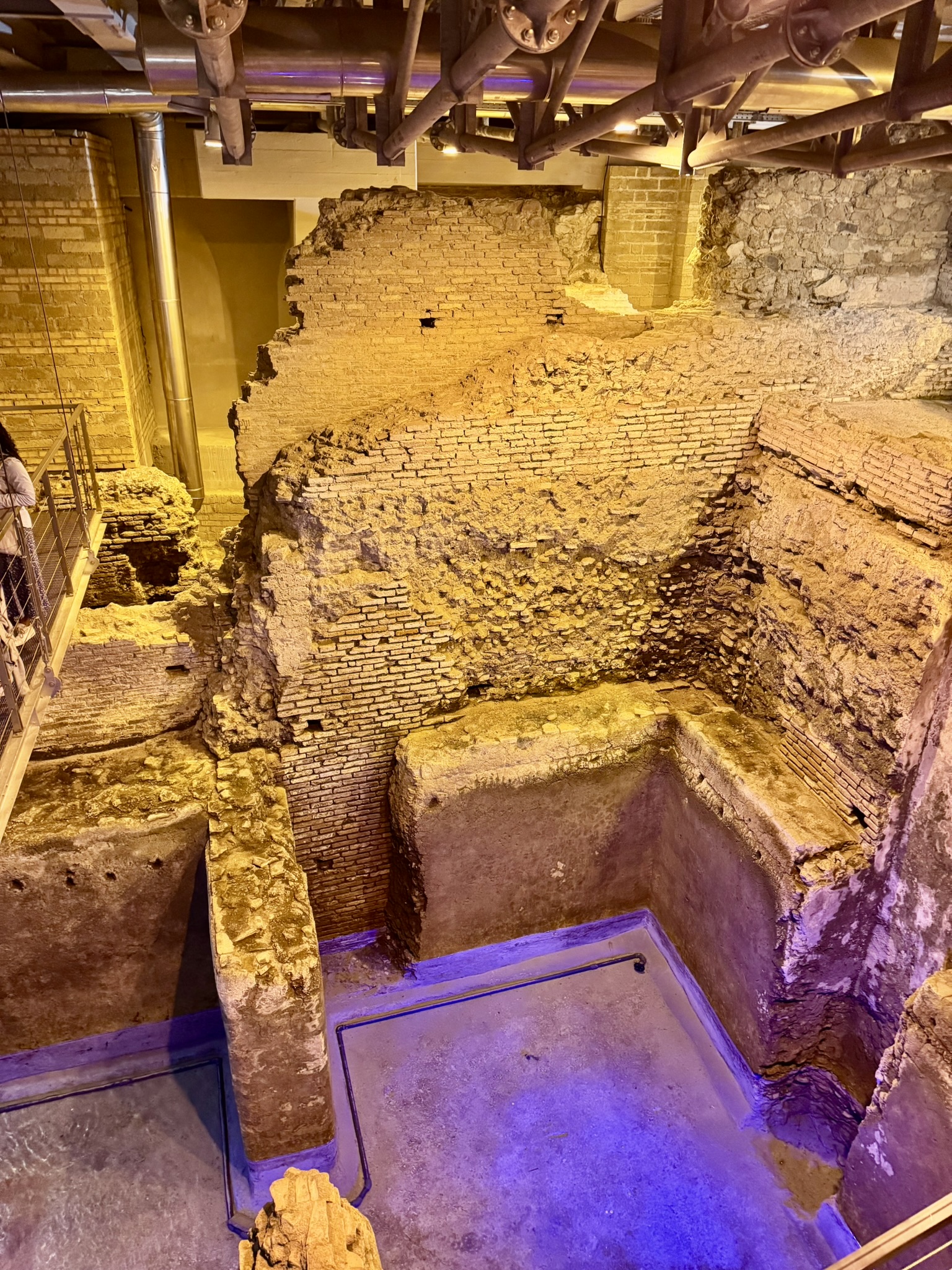
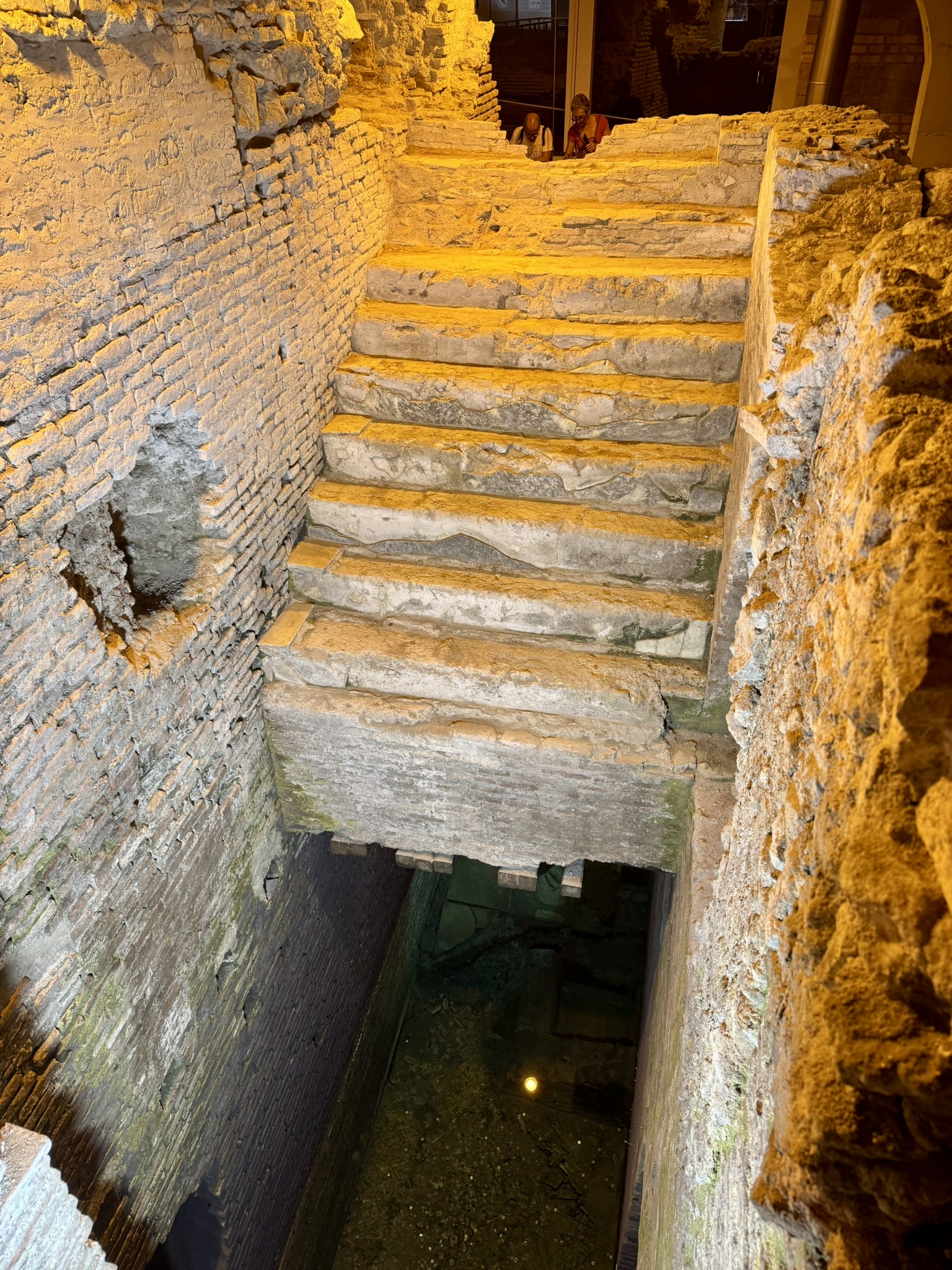
We took a tour of Vicus Caprarius. Below the Trevi Fountain we visited the ancient houses of wealthy Romans and the source of water that still feeds Trevi today. This 19 B.C. aqueduct is one of the 11 aqueducts that brought water into ancient Rome. It was originally built to bring water to King Agrippa’s baths. It is not the oldest or the longest but the only aqueduct that is still functioning today. We saw Roman homes on the bottom level with a medieval neighborhood on top. Both time periods of ancient cities lay below street level today
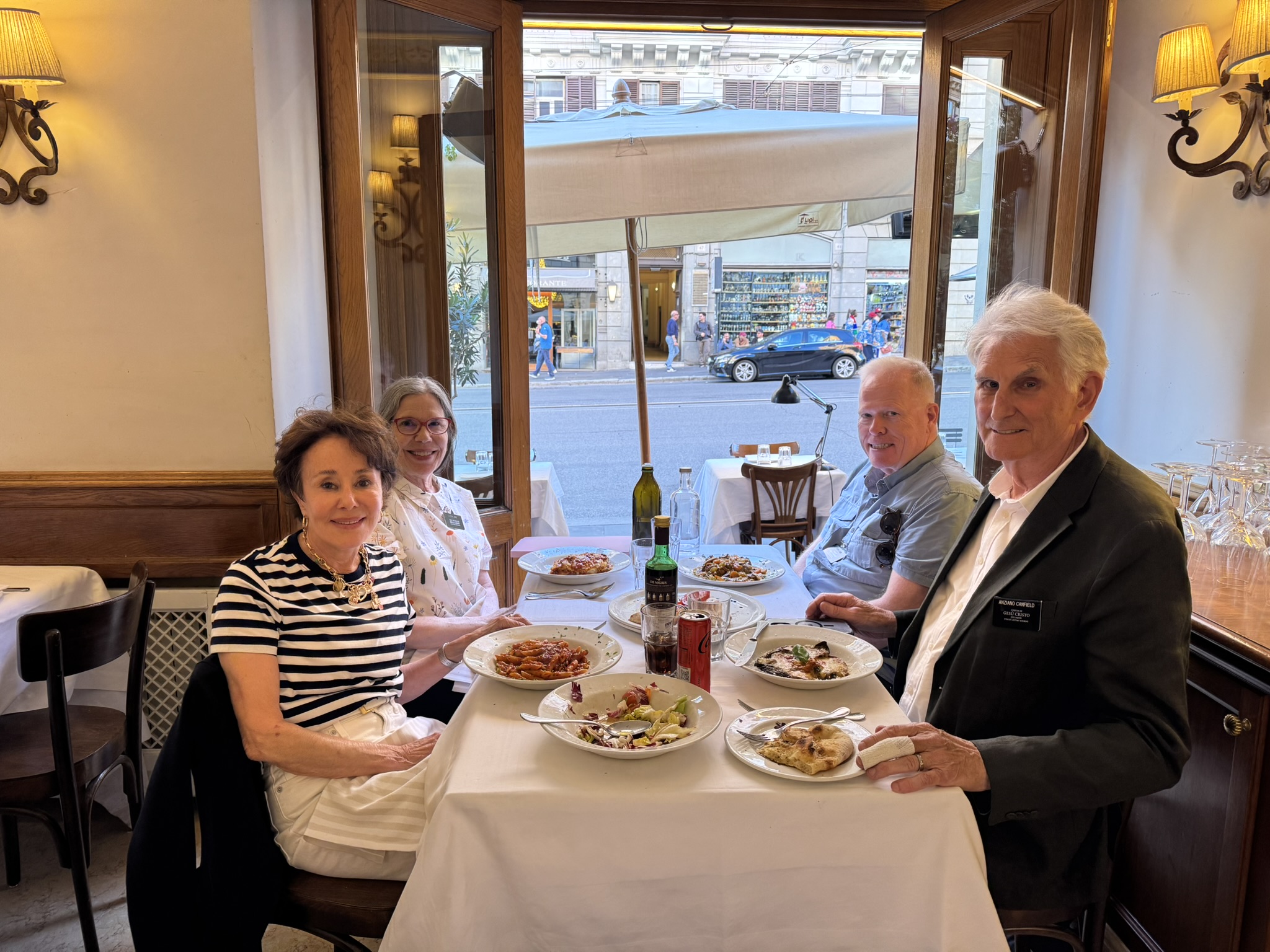
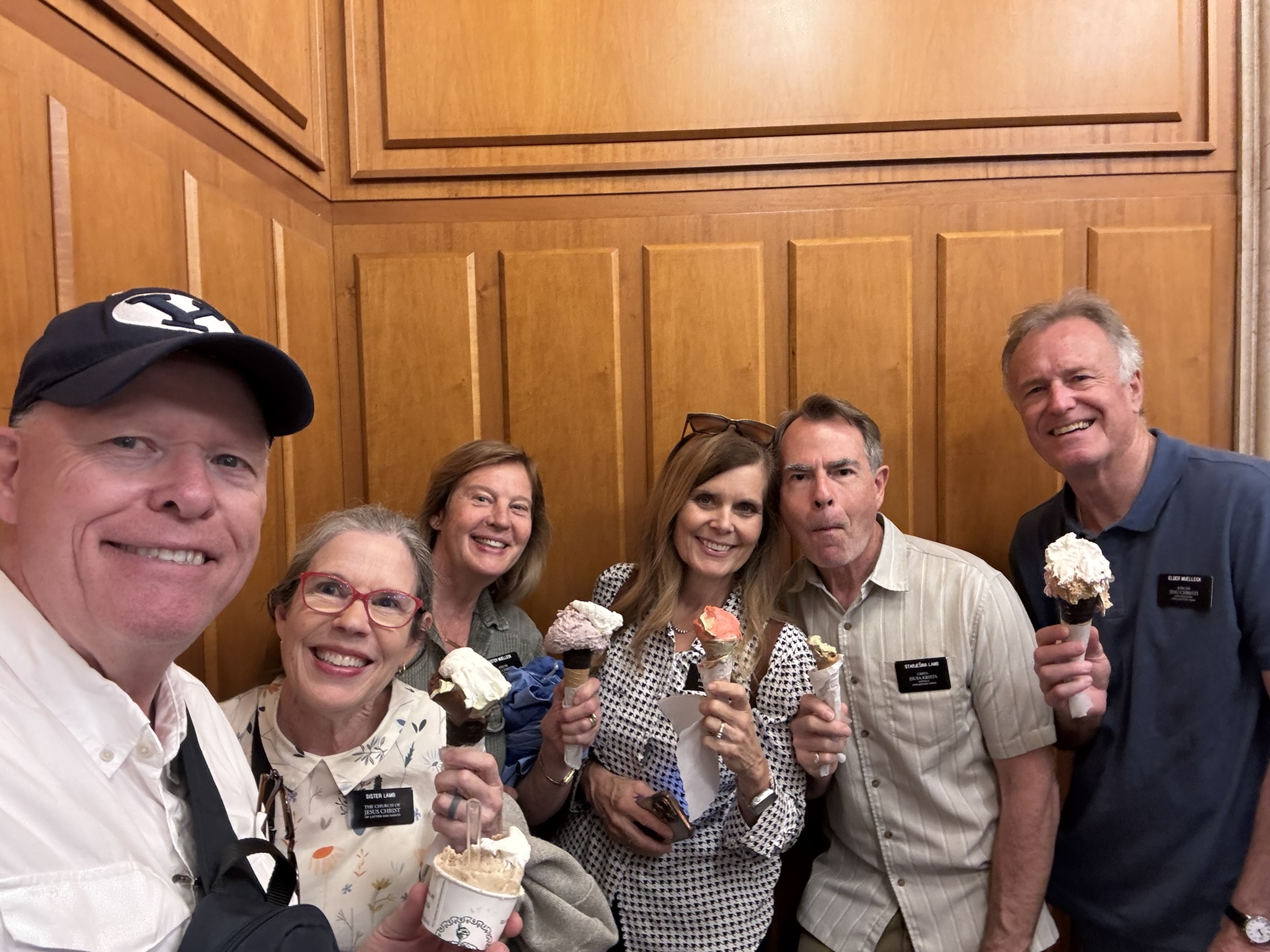
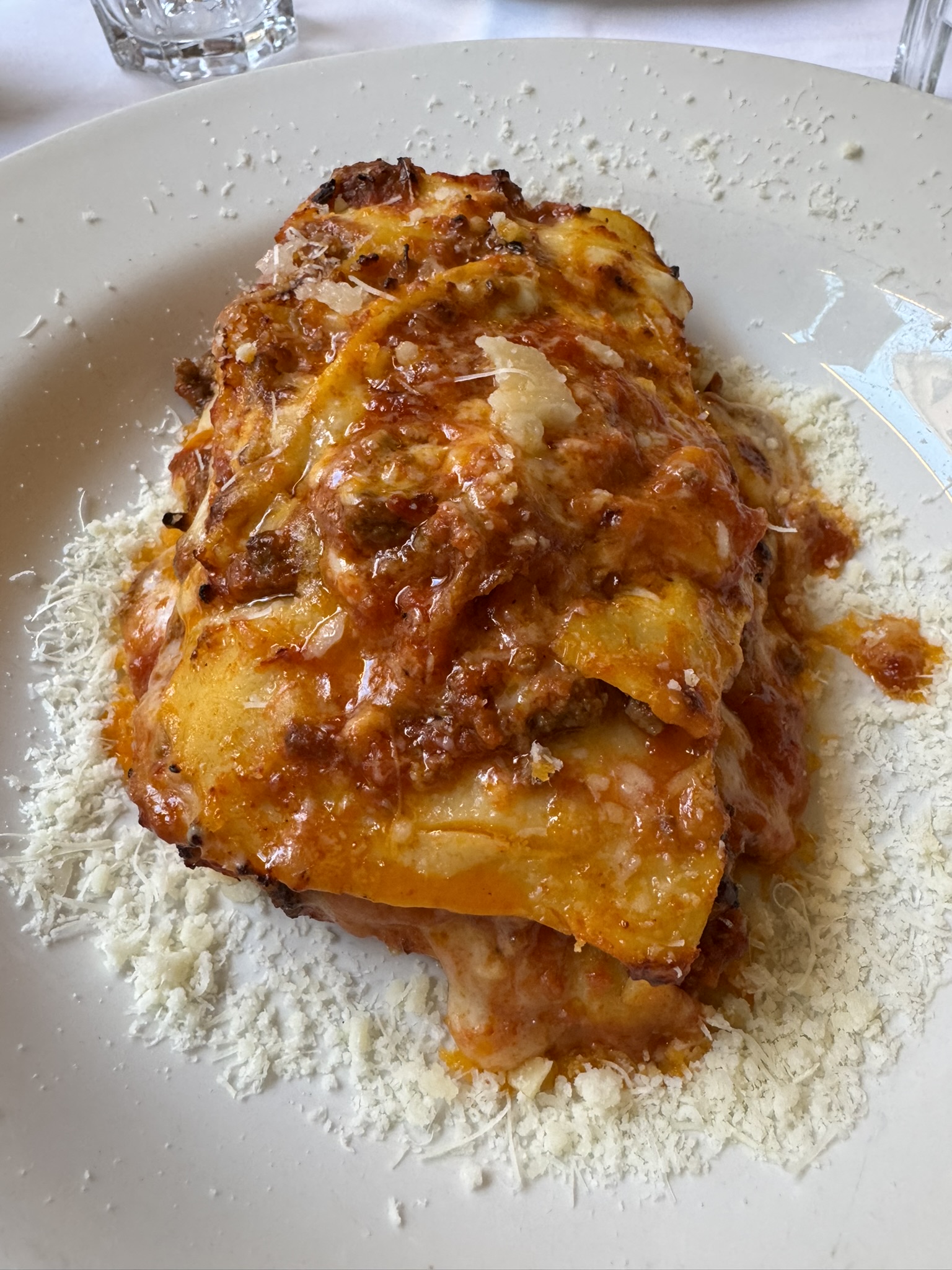
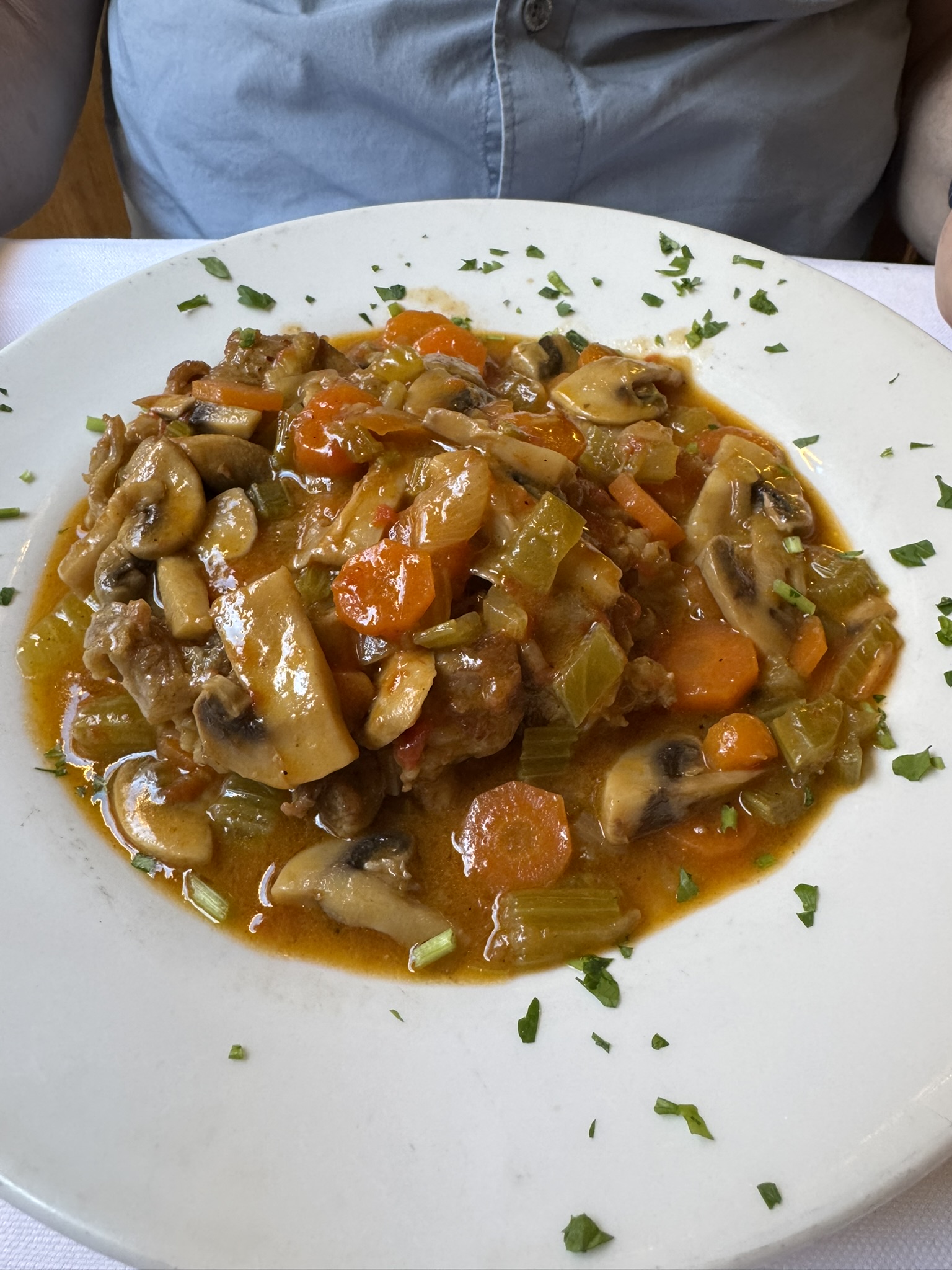
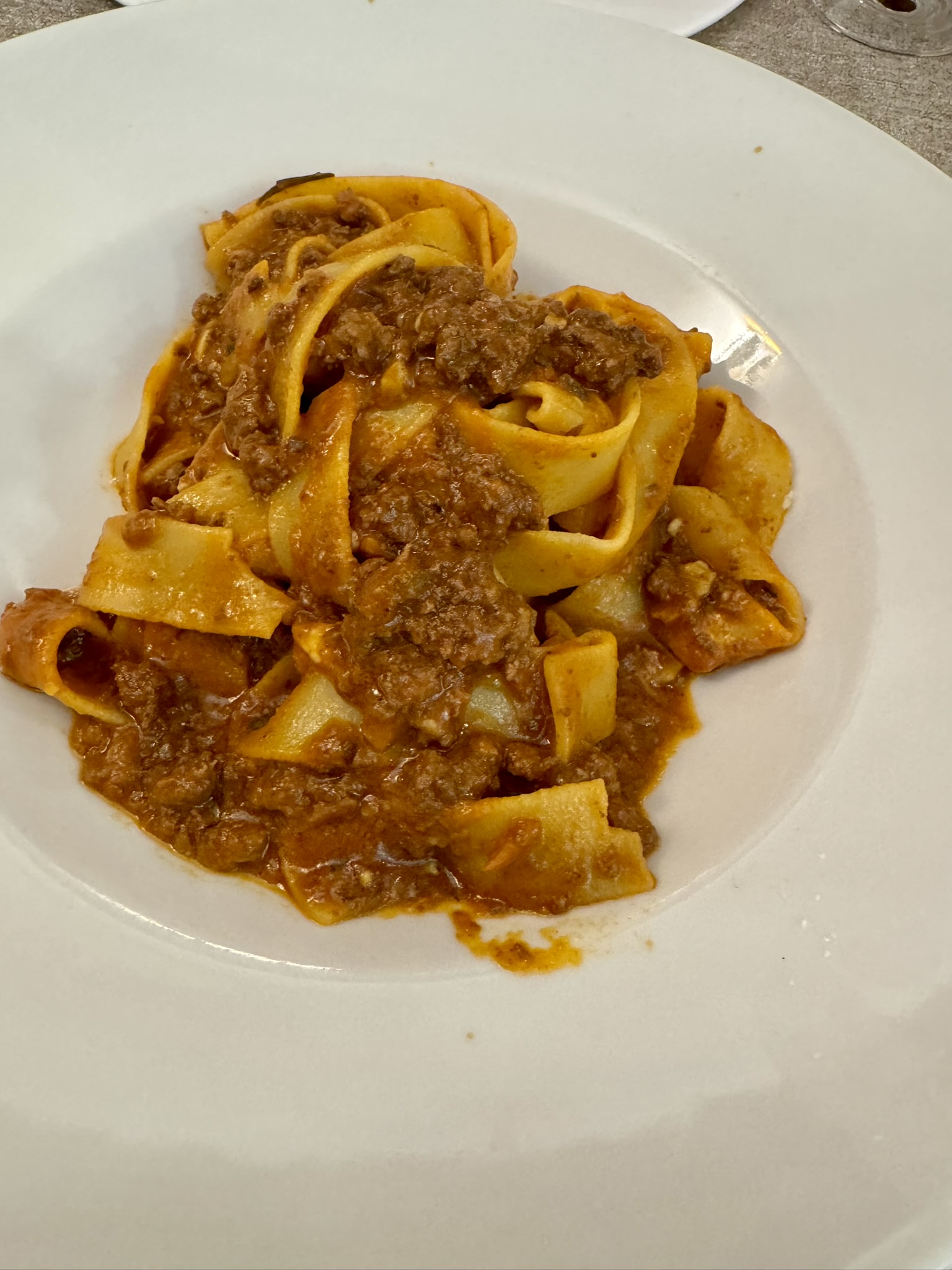
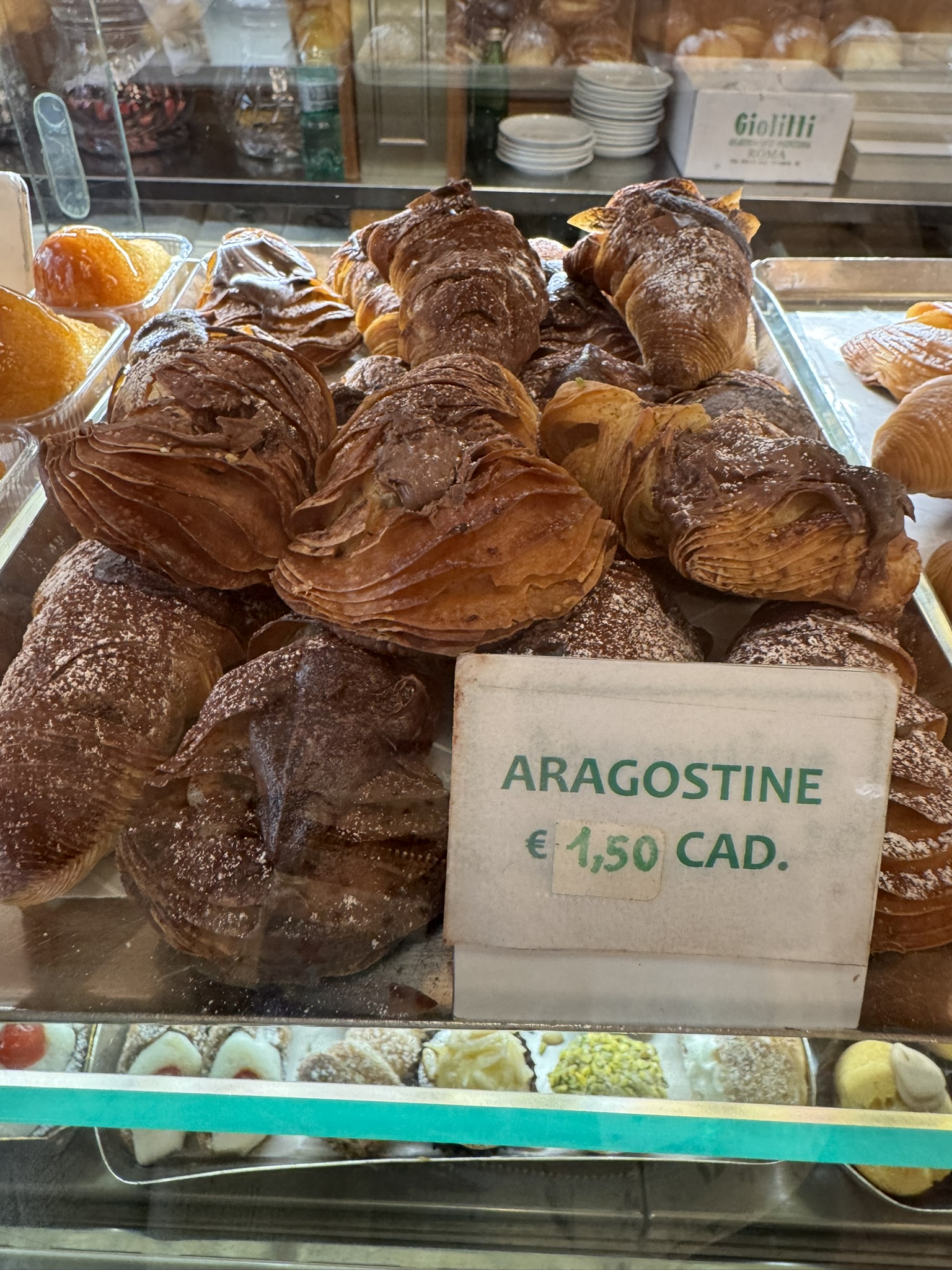
While we were in the neighborhood we stopped for gelato at one of the oldest gelaterias in Rome: Giolitti’s. Life is short- eat dessert first! Then a delicious lunch at Tudini’s.



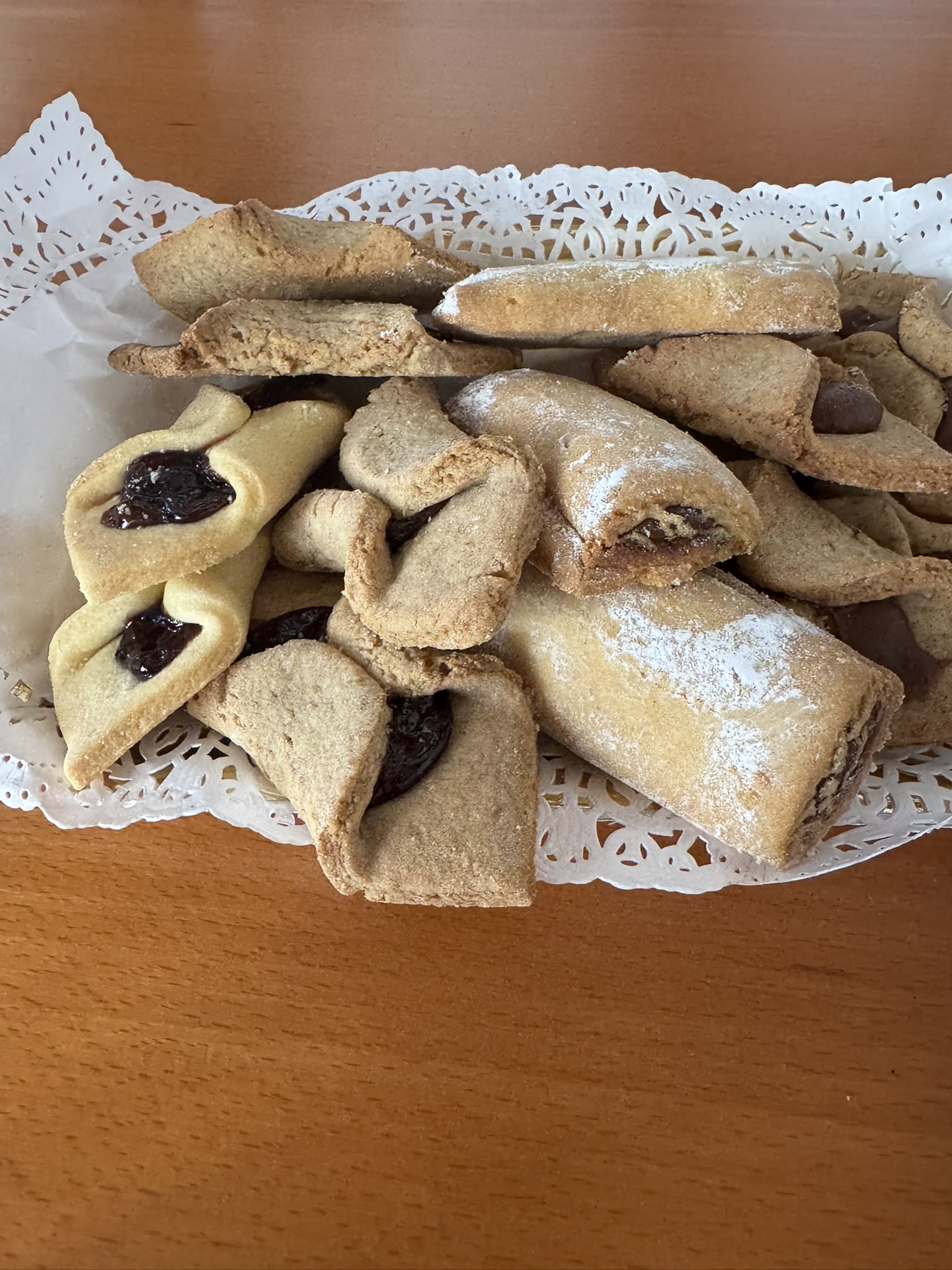
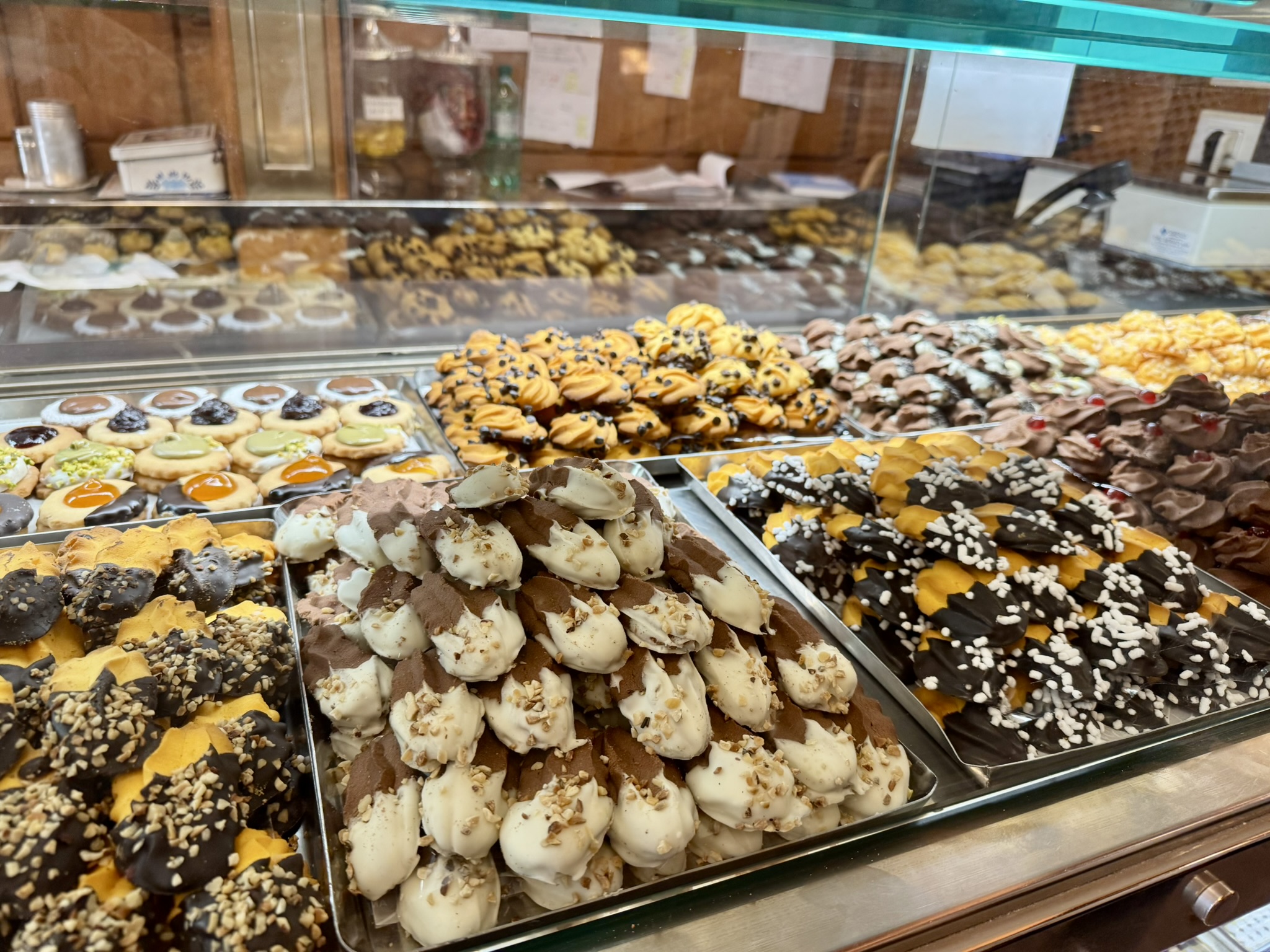
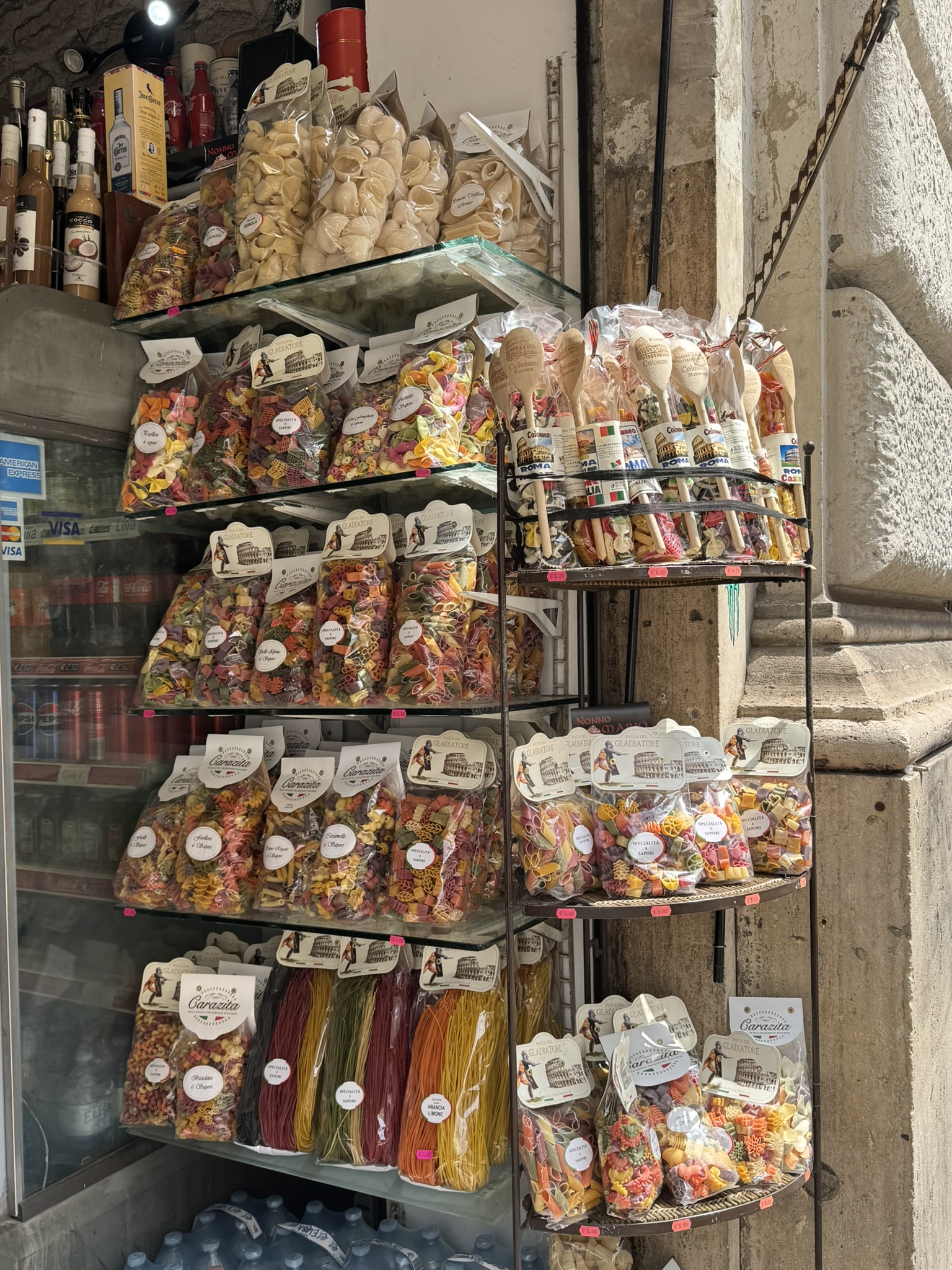
Pasti Deliziosi!






Happy Mother’s Day and Arrivederci!


With love, Elder & Sister Lamb (aka Ed & Debbie, Mom & Dad, Pop Pop & Tu Tu)
 Lambs in Central Europe