Muehlmanns Come to Frankfurt
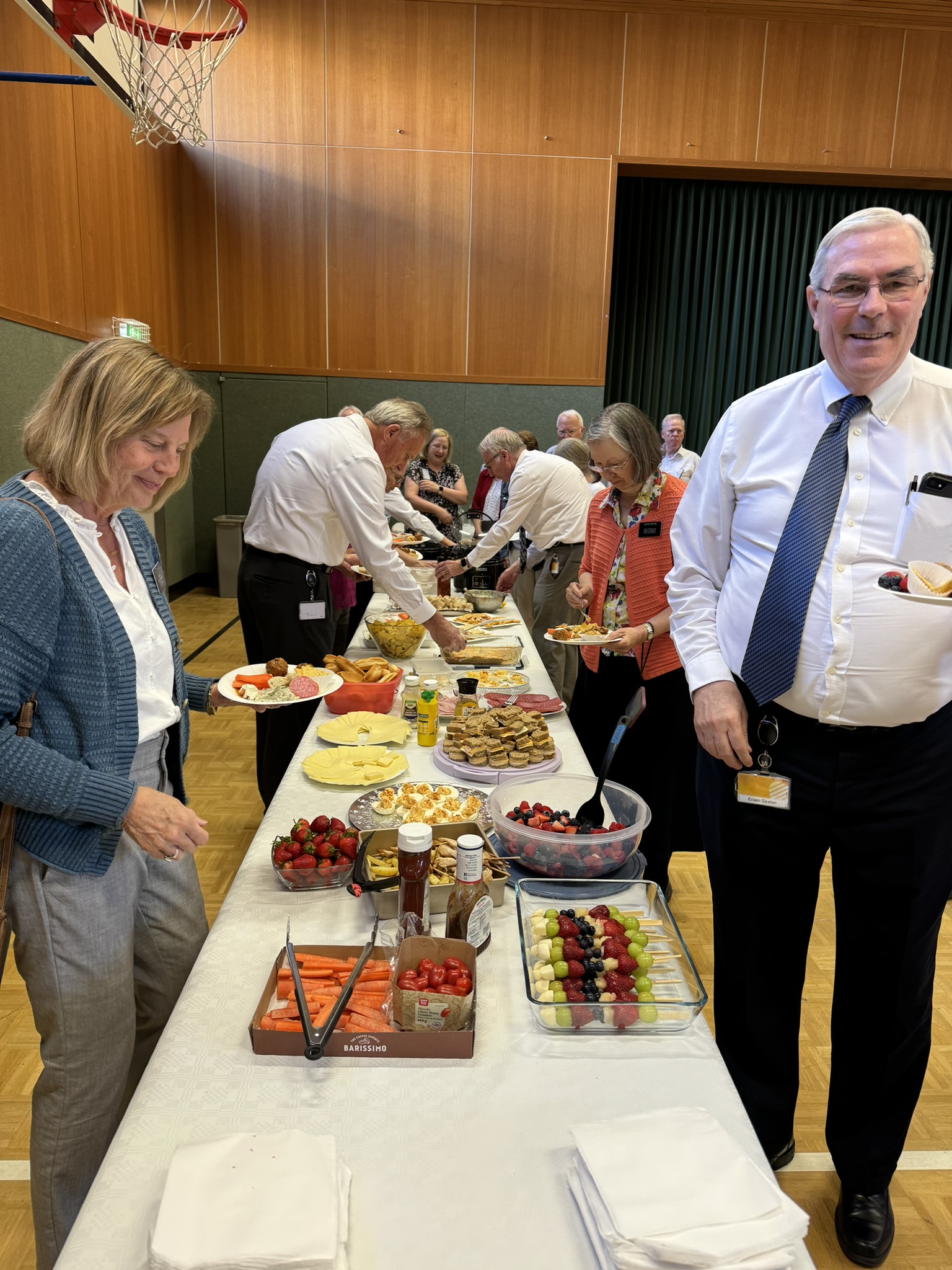
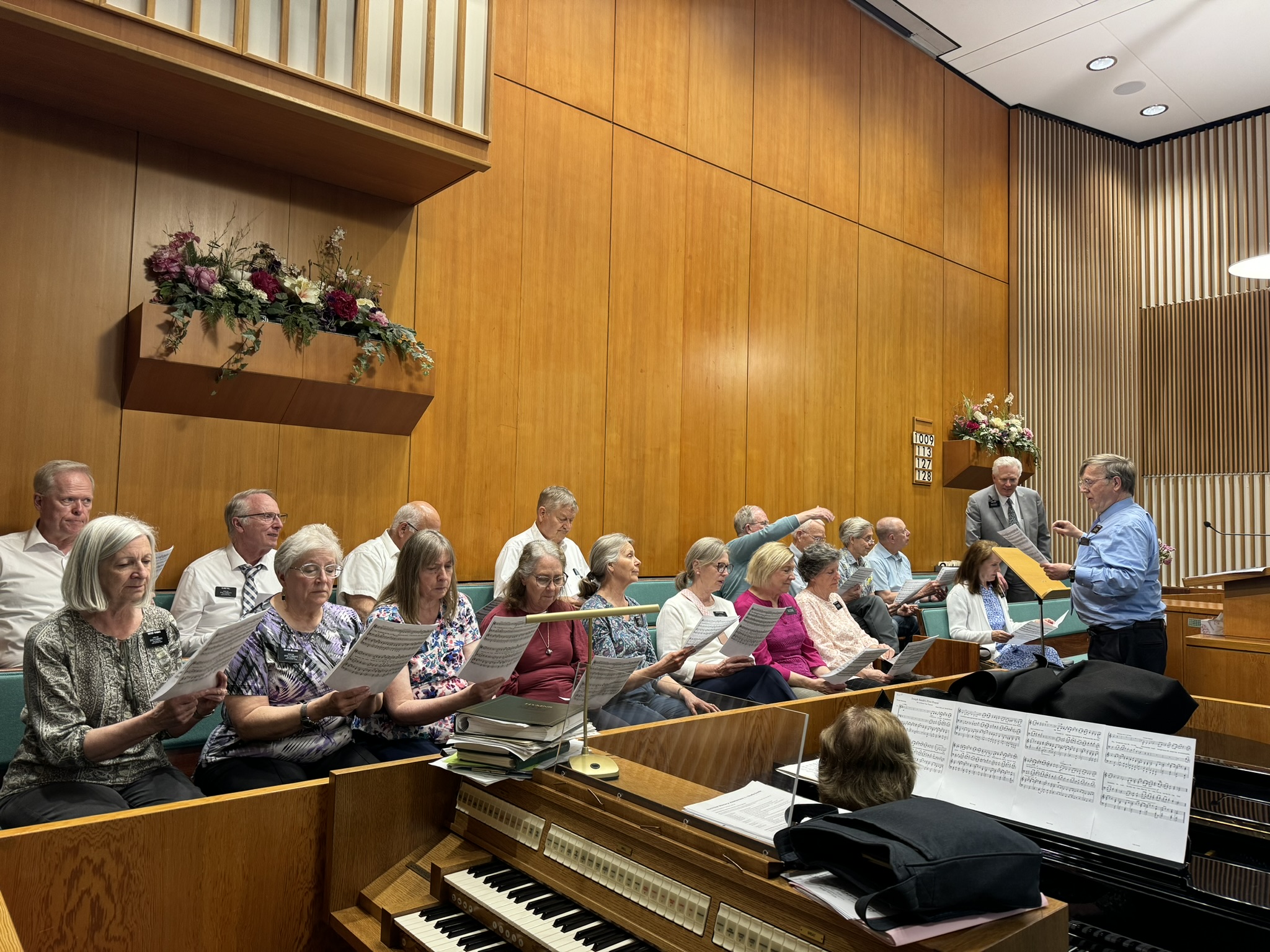
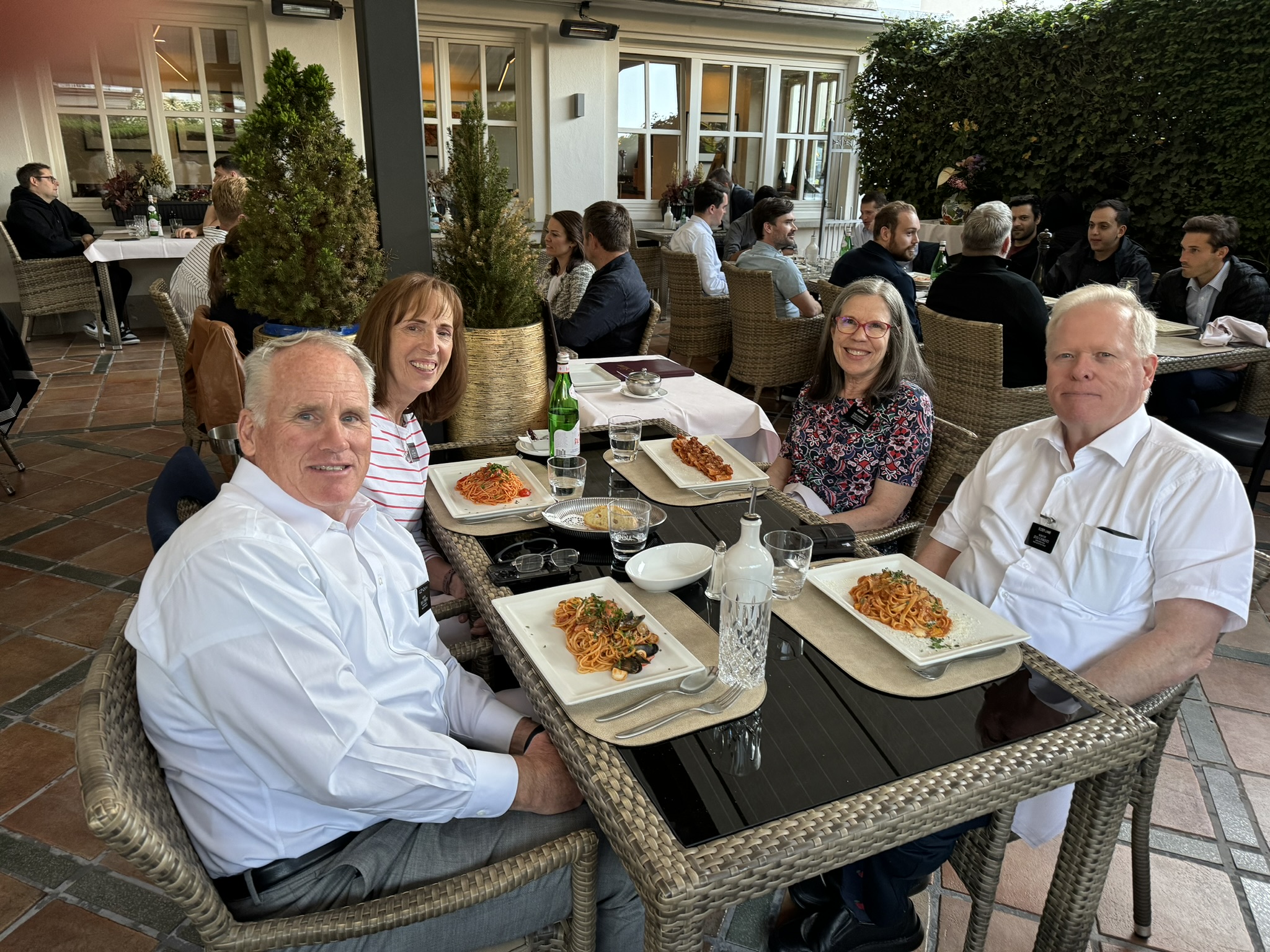
Our infield humanitarian couple for Germany, Austria & Switzerland were in Frankfurt for three days this week. We always look forward to spending time with Elder and Sister Muehlmann. They had Sunday dinner with us at our apartment, came to FHE & choir practice with us on Monday and went out to dinner with us on Tuesday after they ‘pickled’ us at pickleball.

This week we worked ten hour days in the office Monday through Wednesday. Among other things we prepared one project for approval.
Community Garden, Grottaflie, Italy
The project proposal from Babele APS is to create a shared space where urban agriculture becomes a tool to enhance individual skills and develop new practical and social skills. Babele sponsors a refugee home for young men who are unaccompanied minors and for women who have been abused. These refugees will plant and cultivate vegetable gardens with the local Italians that live in apartments nearby. The hope is that social inclusion and integration will increase as neighbors work together on this project. Agriculture professors from the local university will teach the necessary skills while the city will provide the land. Our church will fund soil preparation, fencing and the irrigation system.
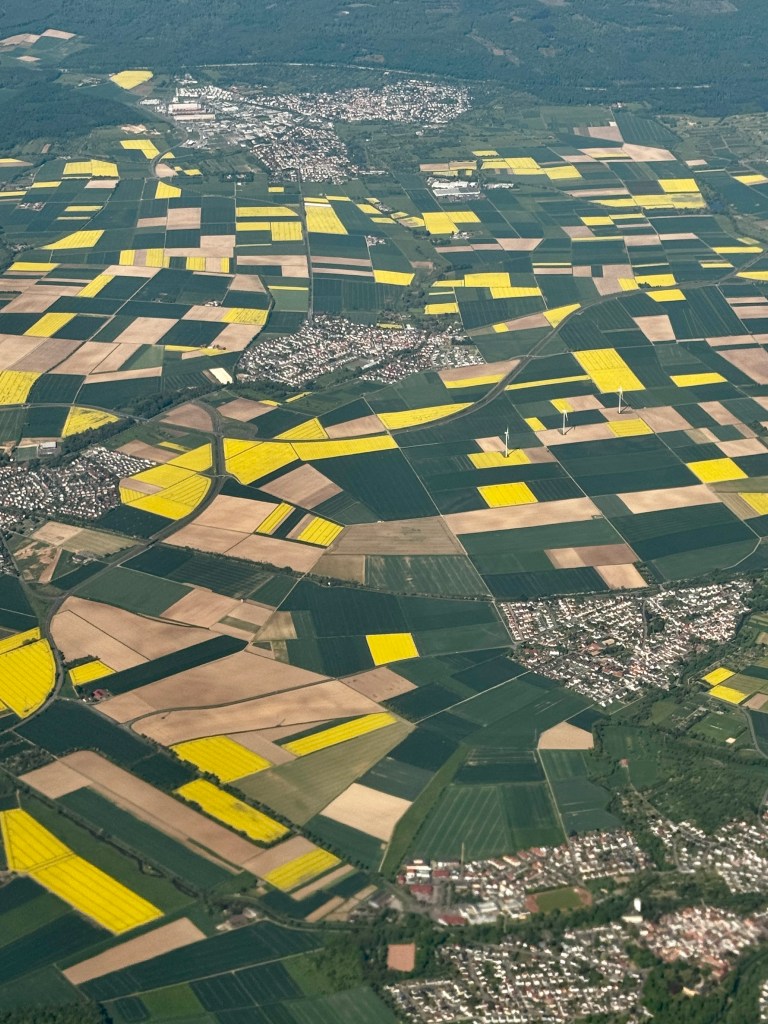
Thursday was Labour Day, a German holiday so we took advantage of the long weekend to travel. We flew to Krakow on Thursday. As we took off, the rapeseed fields were a beautiful site from the air.
Krakow
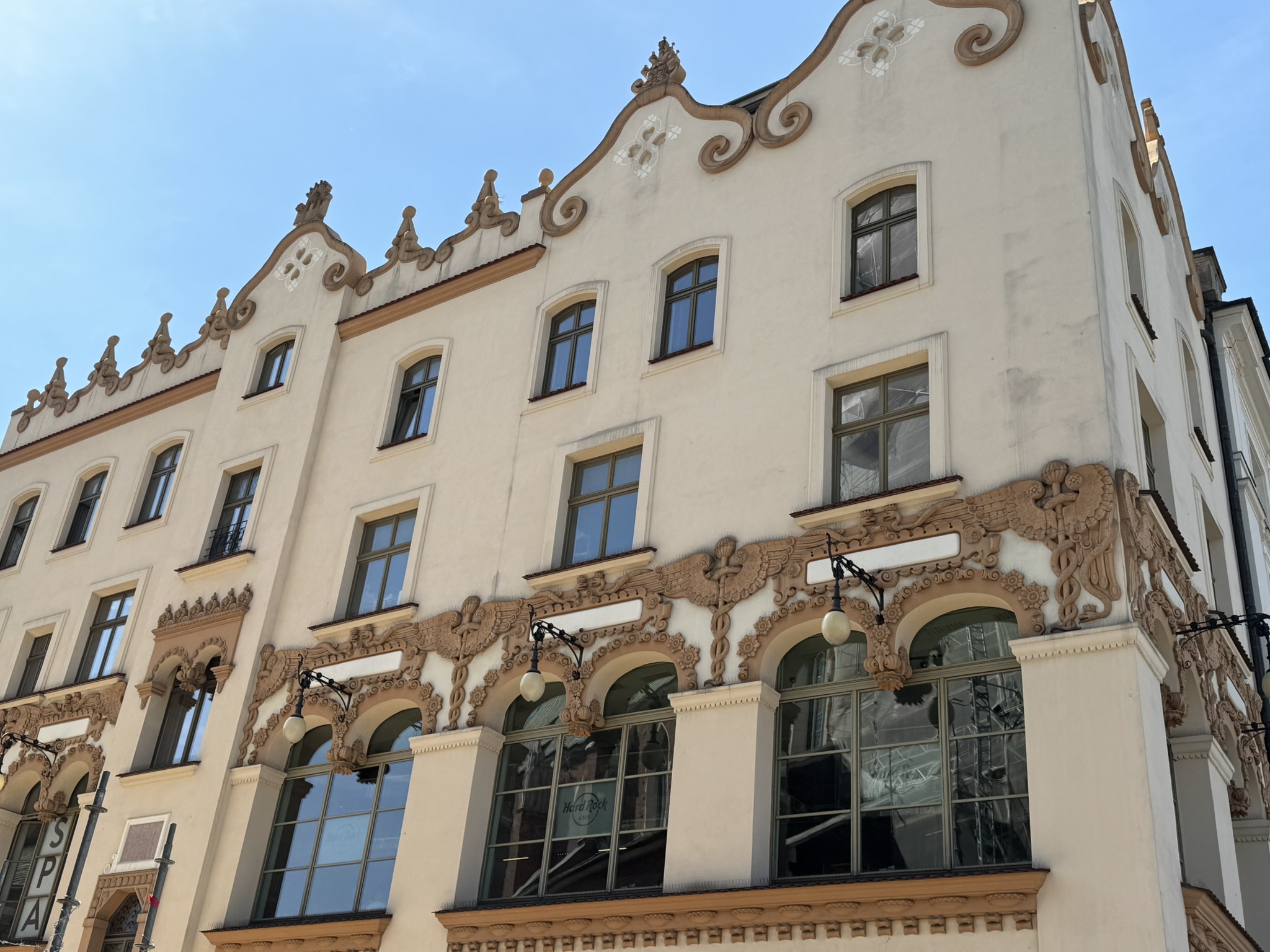
Our hotel was right on the Wisla River. We immediately fell in love with this charming city. The rich history of the city center has earned Krakow the nickname of ‘Florence of Poland.’

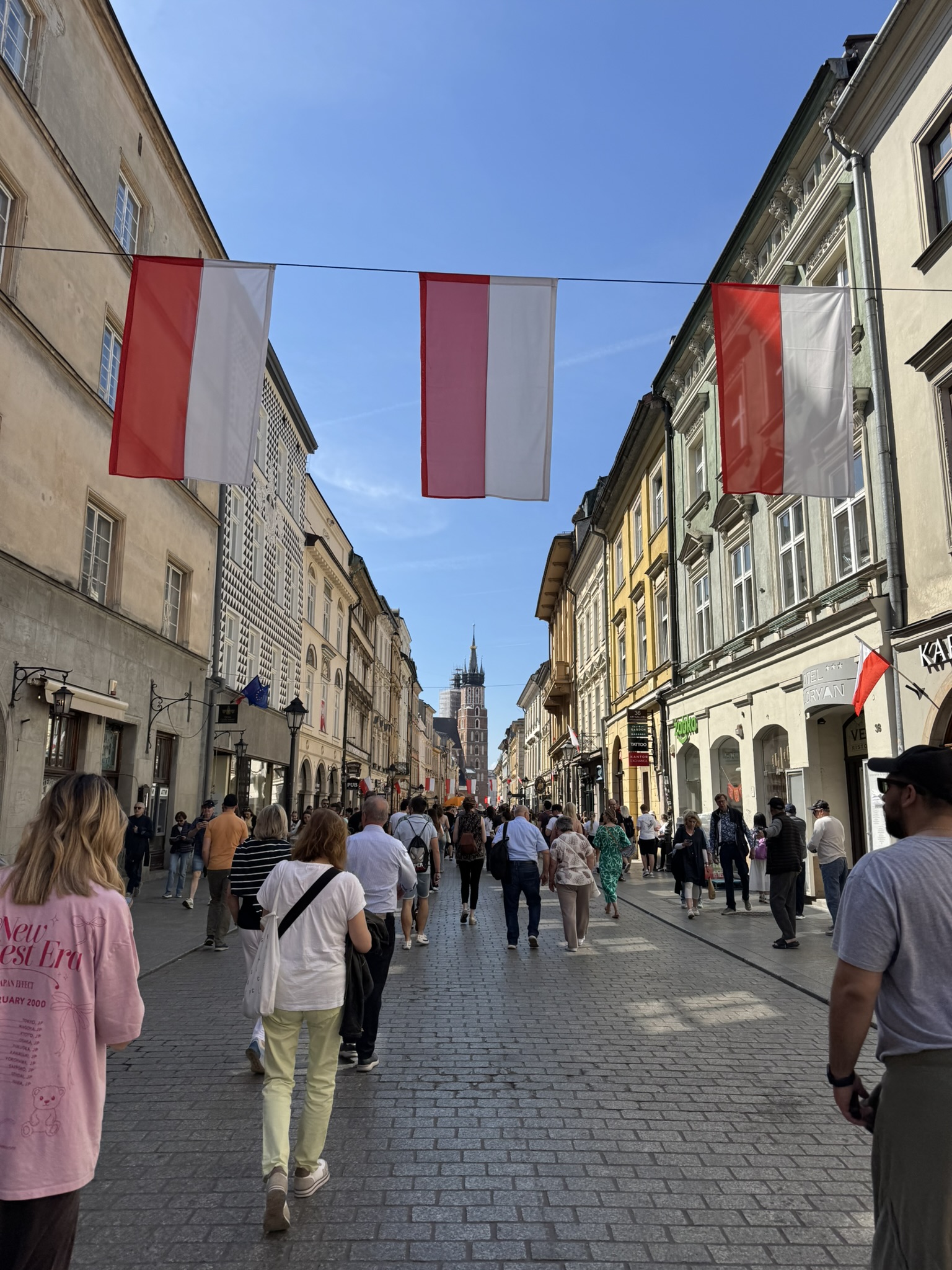

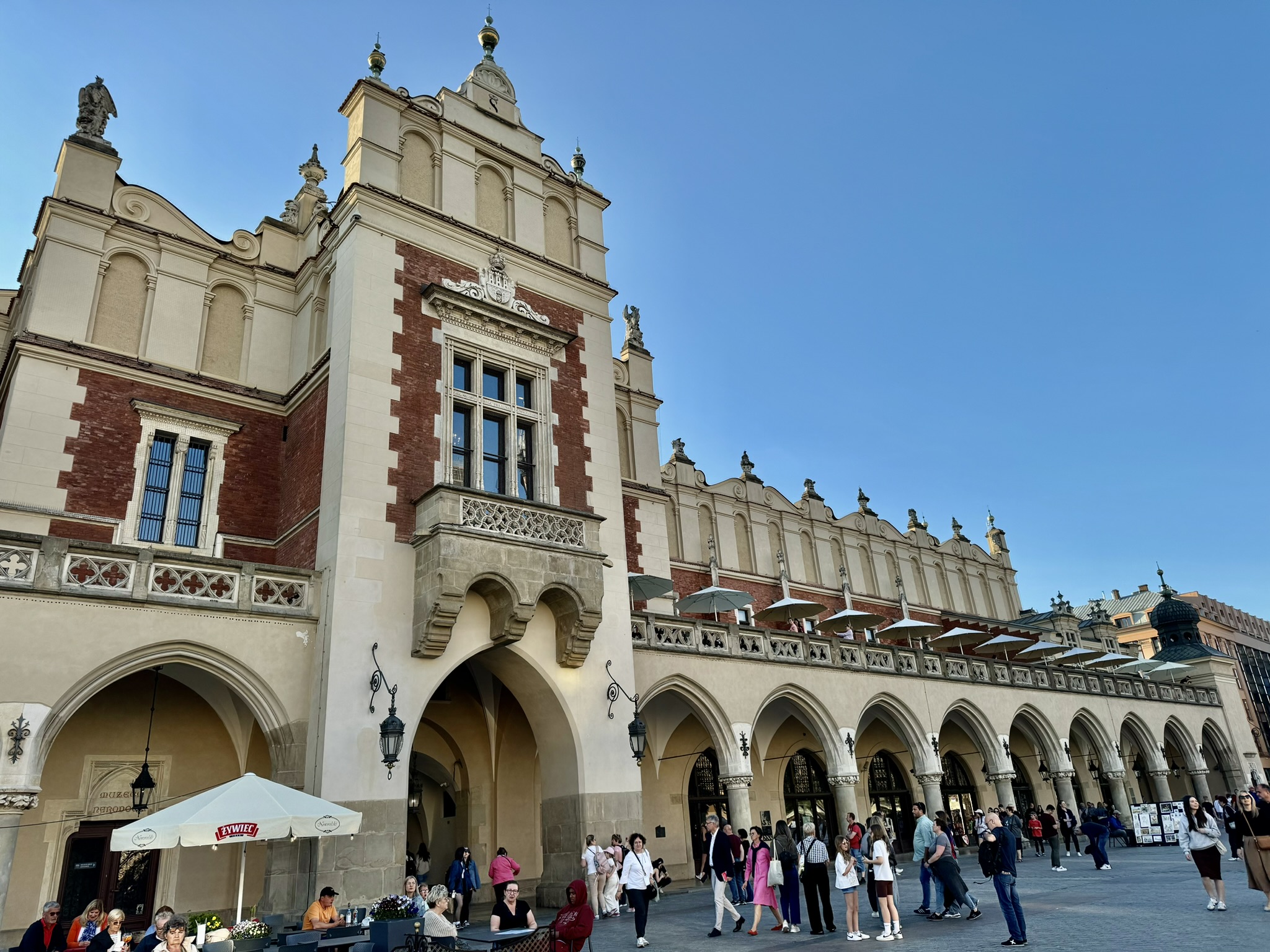
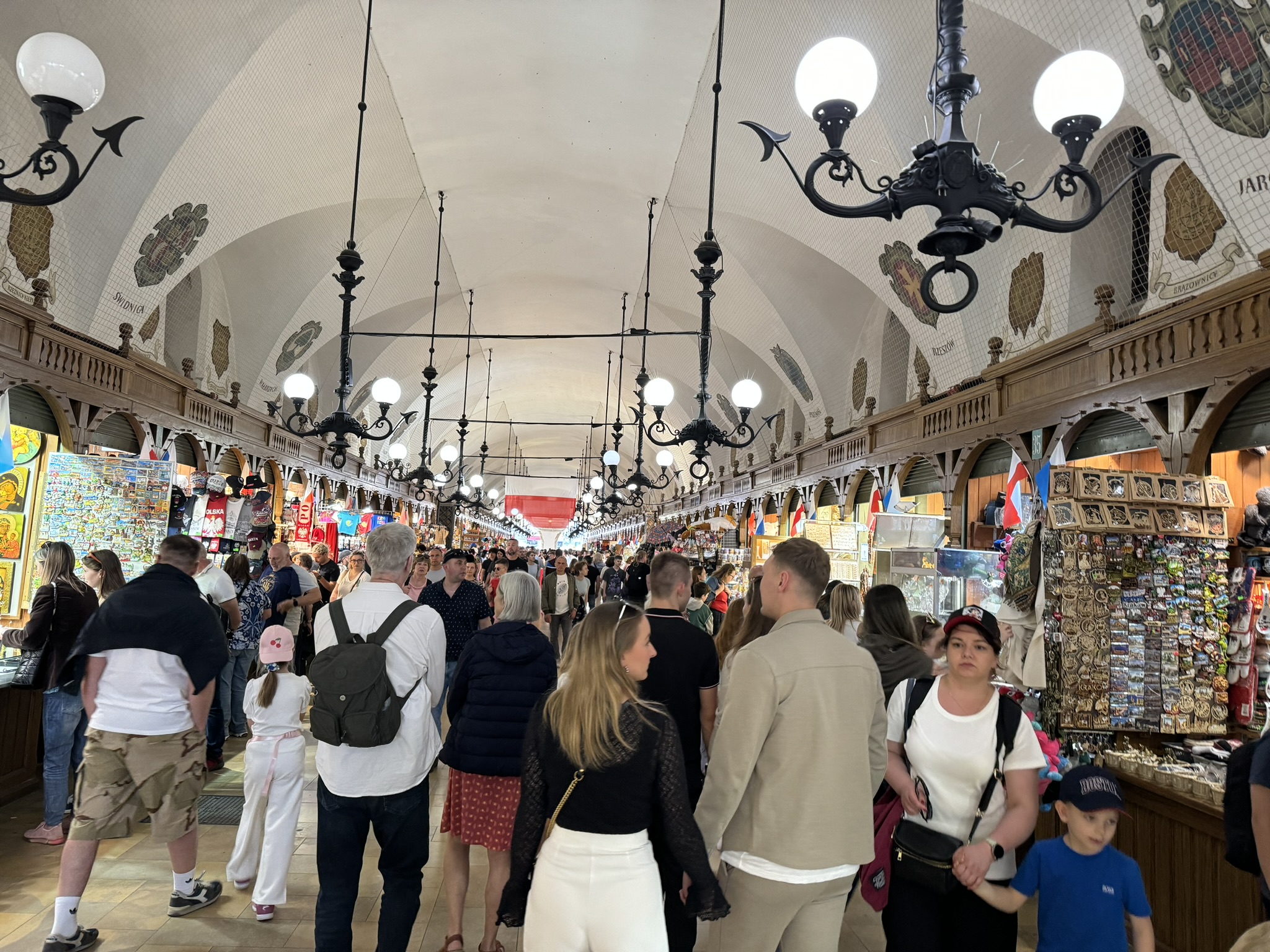
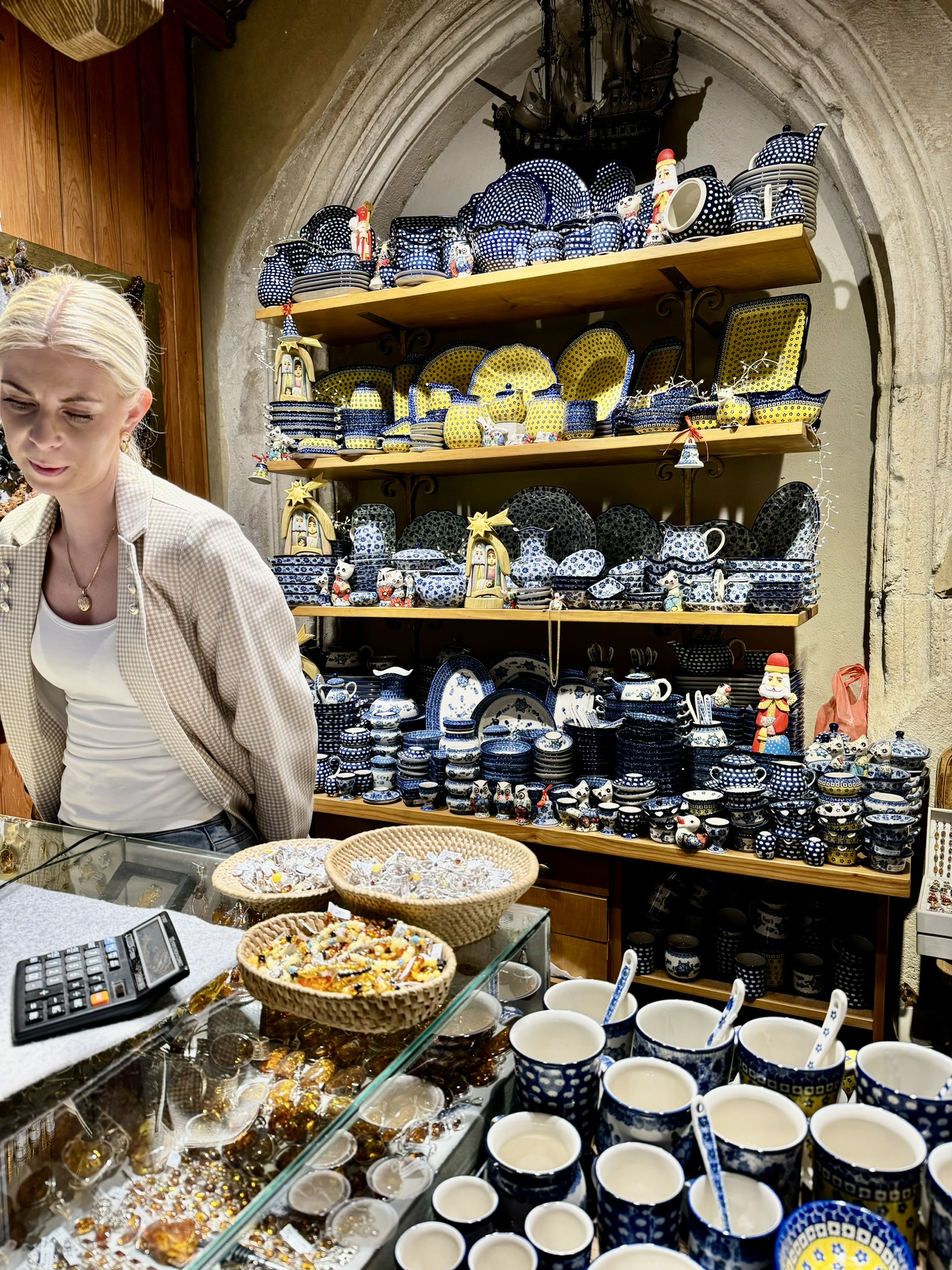
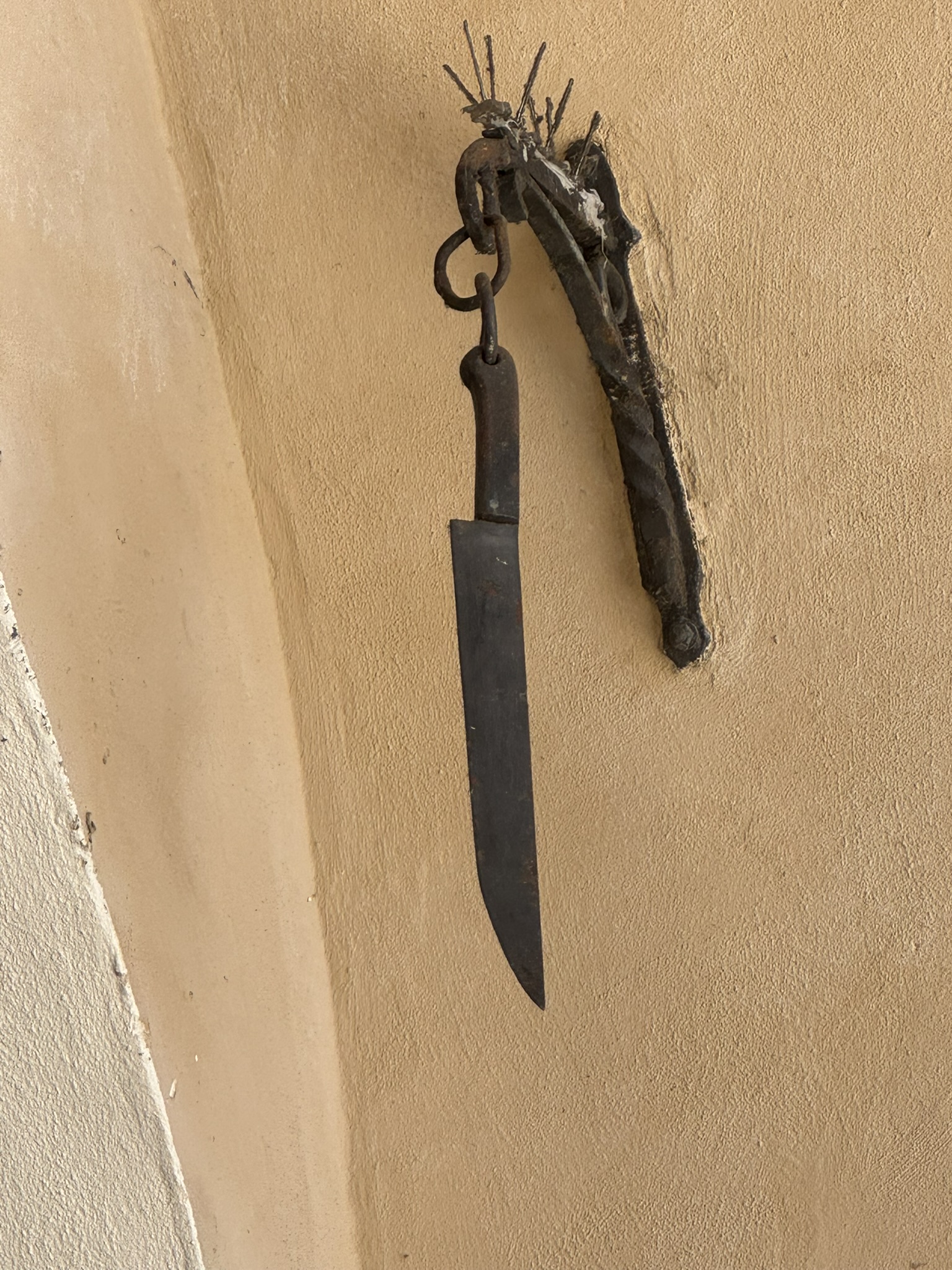
Krakow boasts Europe’s largest medieval market square known as Rynek Glowny. The old town of Krakow is designated as a UNESCO world heritage site. This 13th century square is surrounded by historic townhouses and features the iconic Cloth Hall which has been the heart of the city’s trade for centuries. A knife hangs at the entrance to warn thieves. During medieval times the first time a thief was caught, the end of his/her nose was cut off. The second and third time it was the ears. If there was a future infraction off with their head. We found some Polish pottery here we could not resist and did not encounter any thieves.
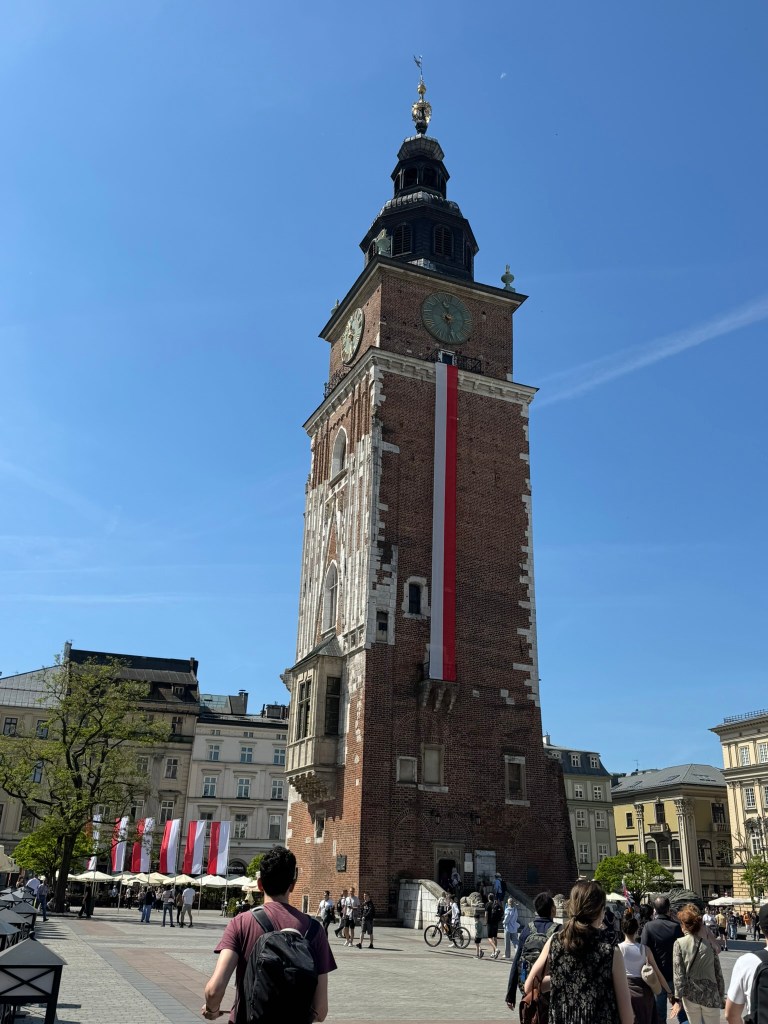
Town Hall Tower is today the only existing element of the complex of 13th century town hall buildings.
St Mary’s Basilica was erected in the early 13th century.
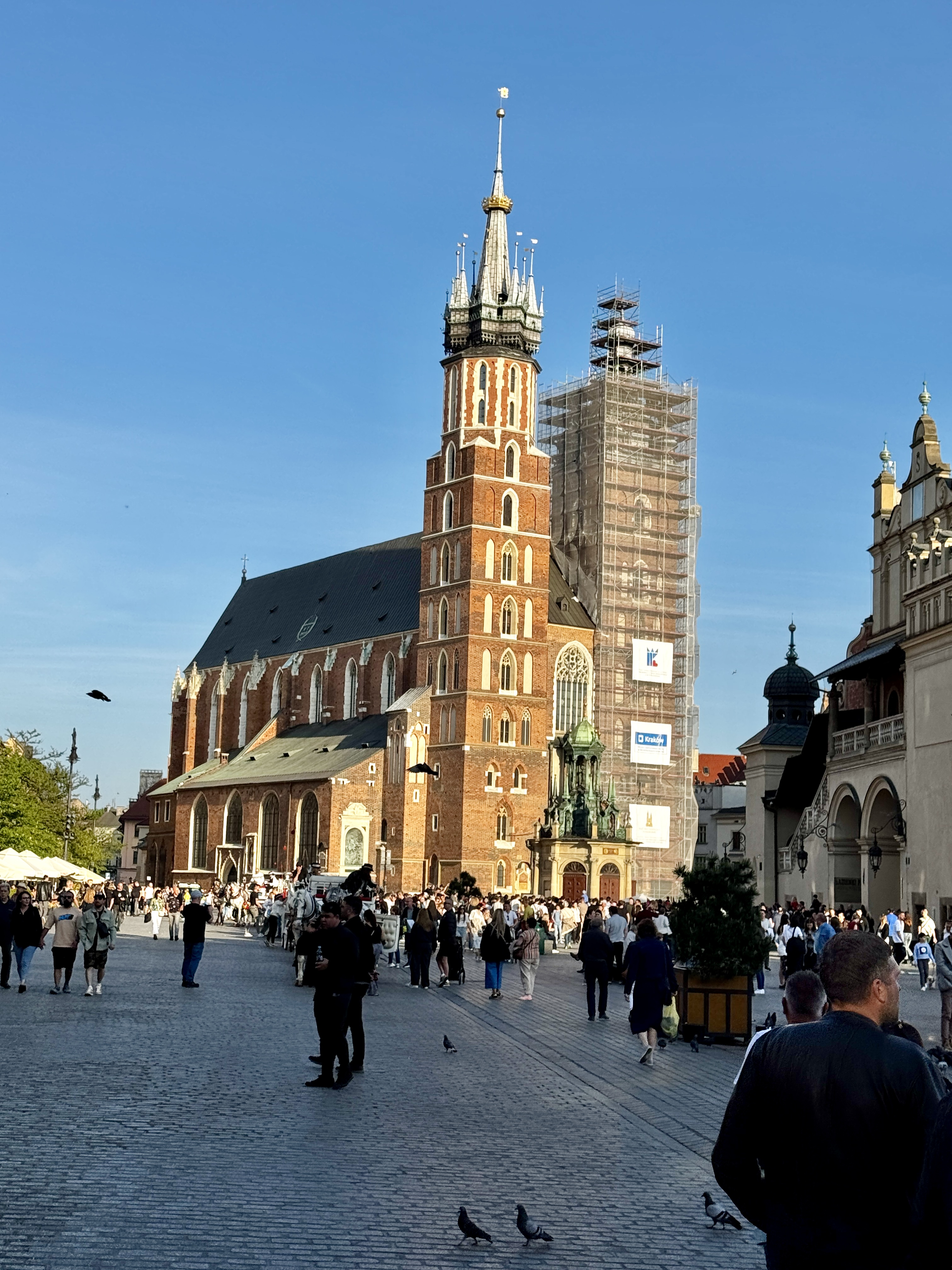
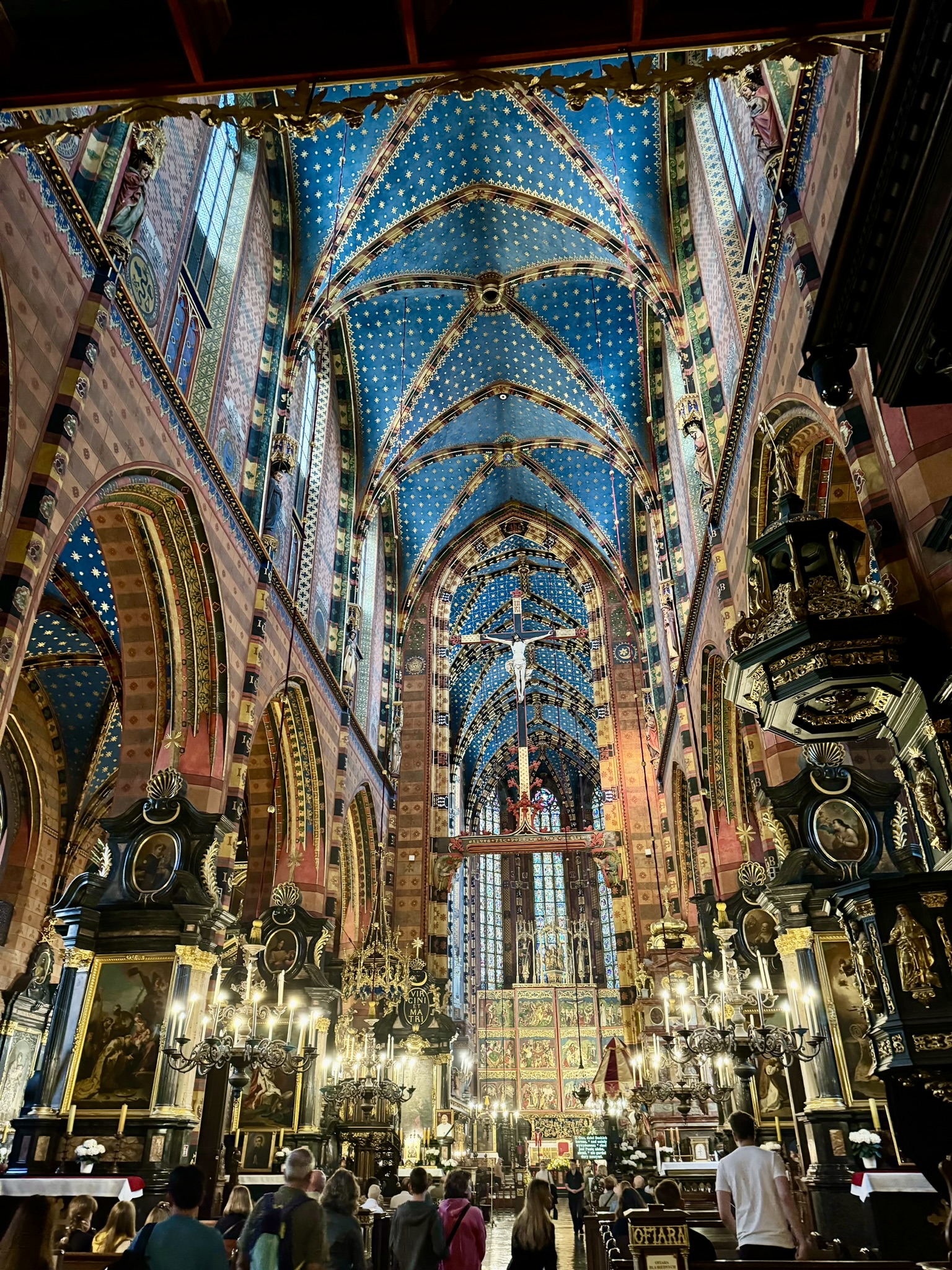
It is famous for the daily trumpet call from the taller tower that was used as the city watchtower for centuries. Today, the trumpet call is played by firemen every hour, four times in succession in each of the four cardinal directions. The trumpet always breaks as though unfinished to commemorate the legendary event of the trumpeter who tried to alarm the city of approaching invaders, but was hit by an arrow and did not finish the call.
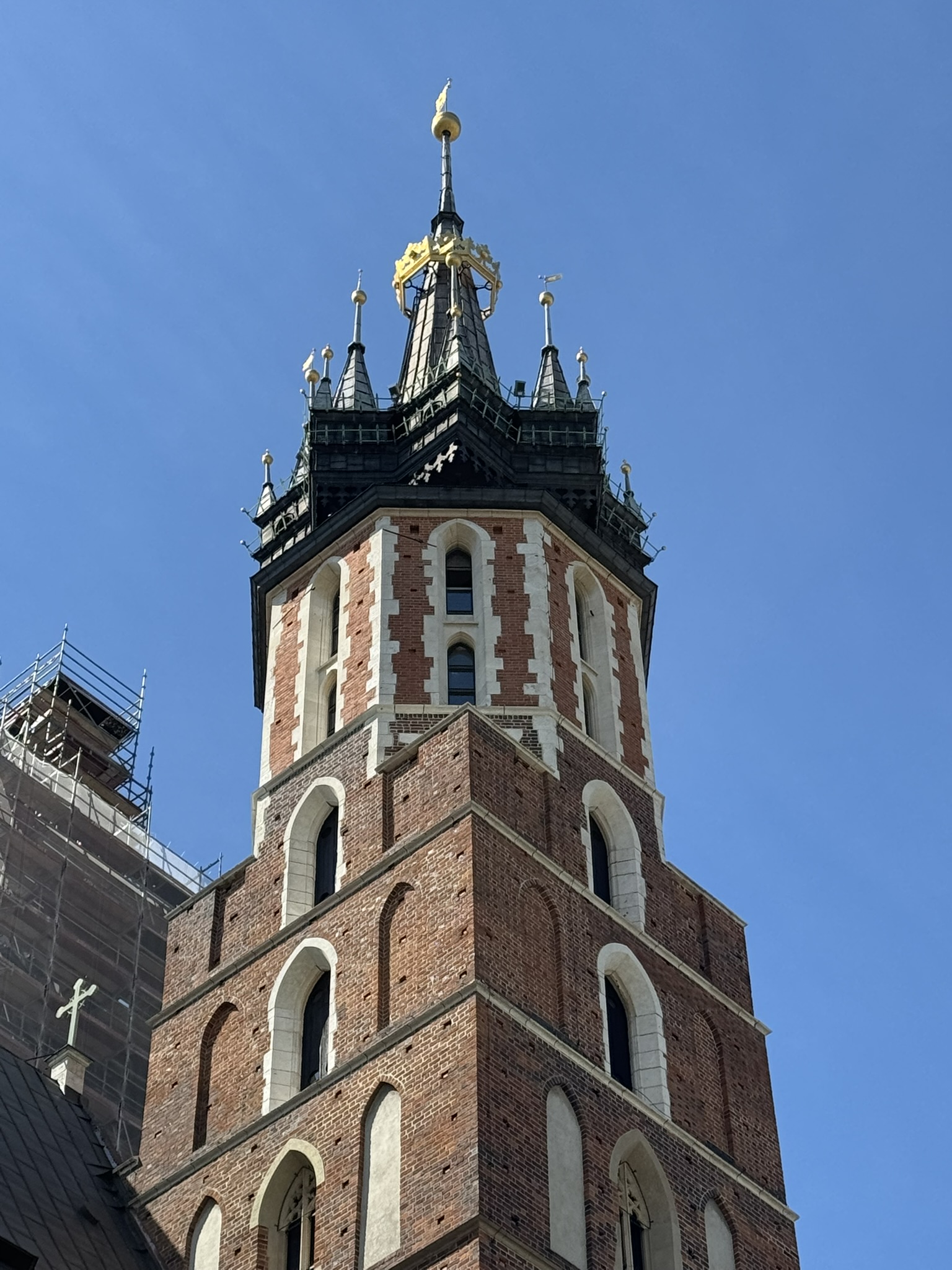

St Florians Gate is today the only remaining city gate of the original eight built at the beginning of the 14th century. It was the main entry gate of the city. Originally, 46 watchtowers were found along the old city wall.
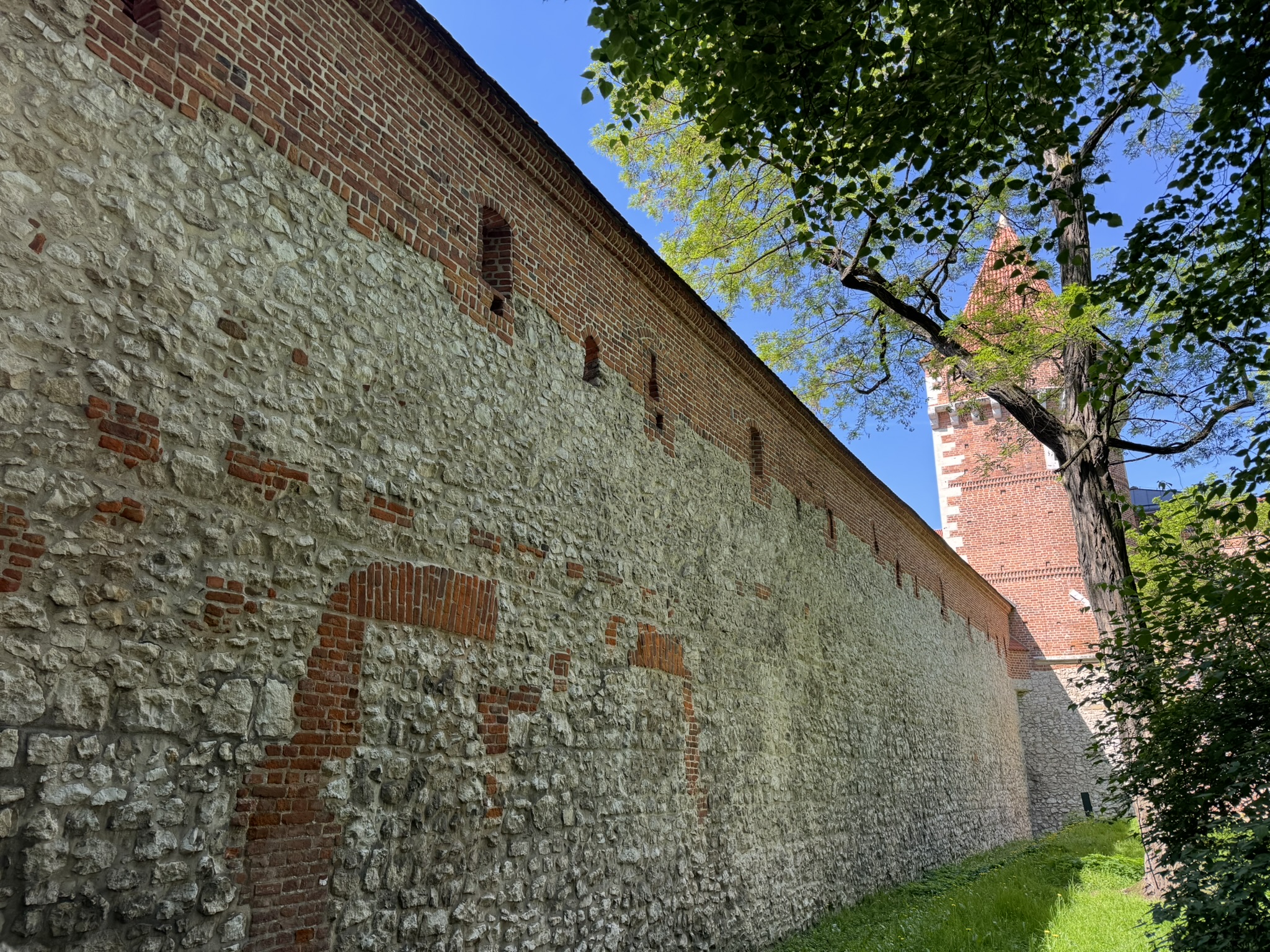

Planty Park is a horseshoe shaped green space that surrounds the old city. It traces the path of what used to be the mote that surrounded the city wall.

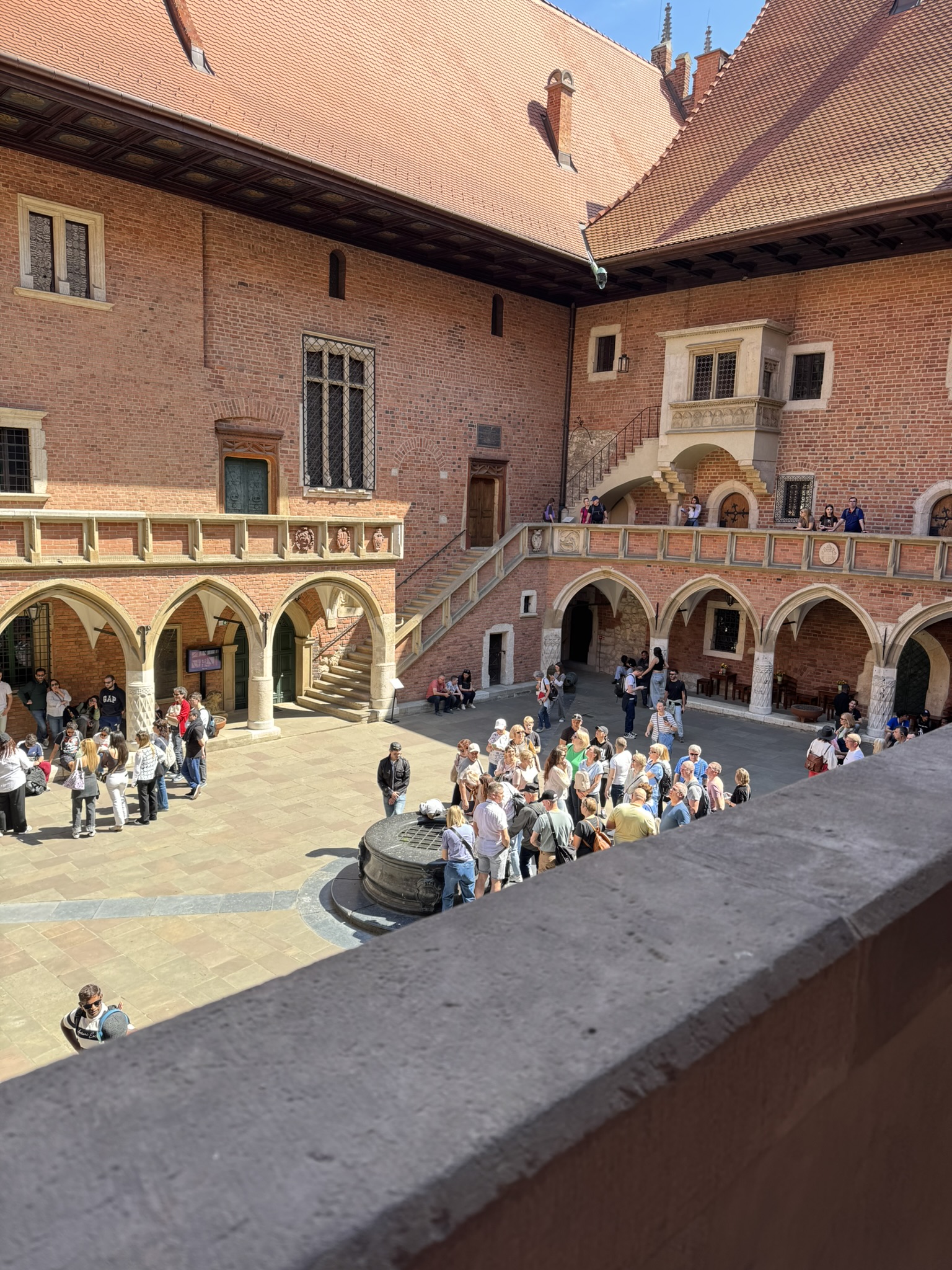
Jagiellonian University is a public research university founded in 1364 by King Casimir III. It is one of the oldest universities in continuous operation in the world. Copernicus received his formal education here. Many of the professors and students from this university were part of the resistance during WWII.

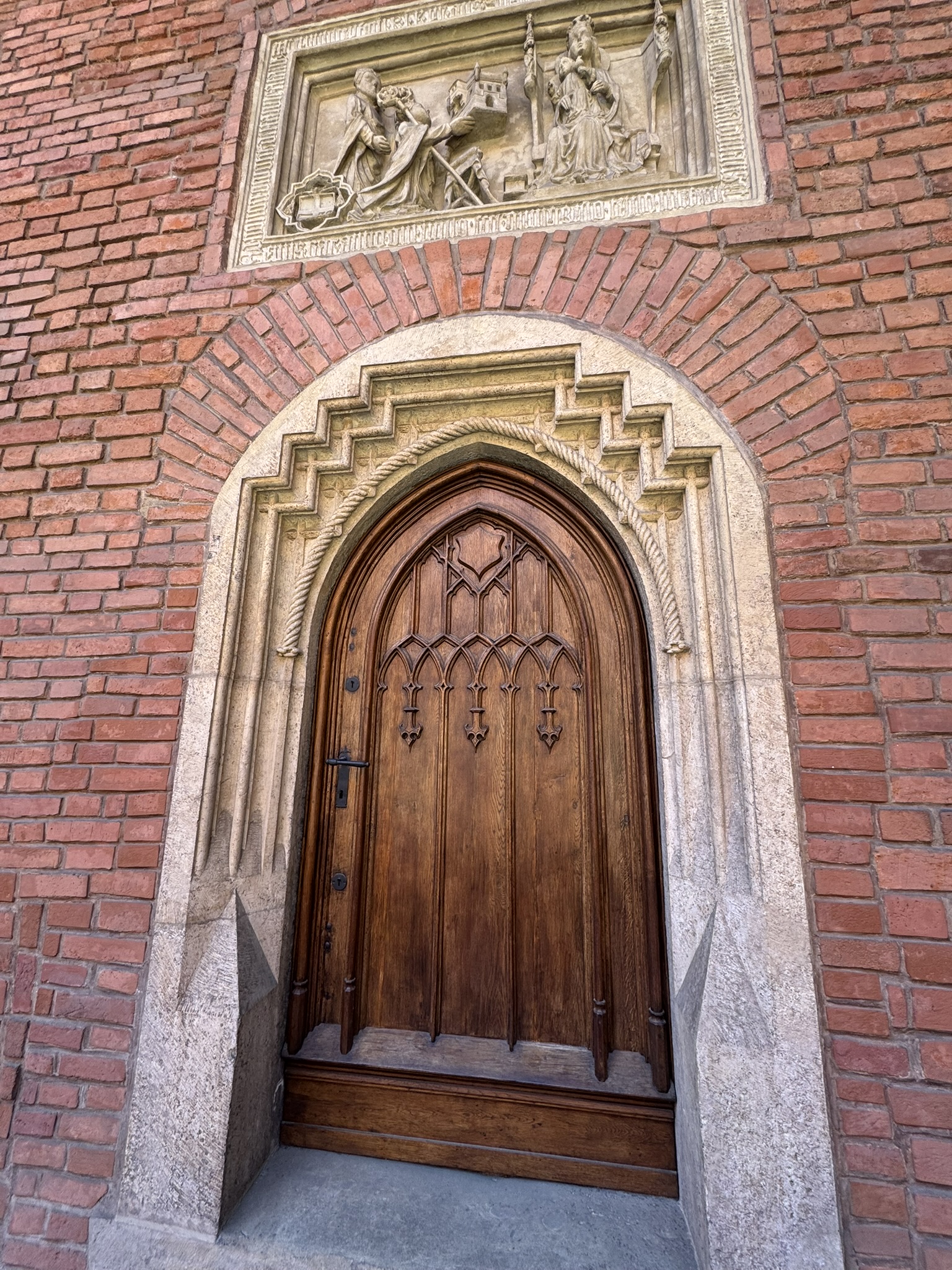
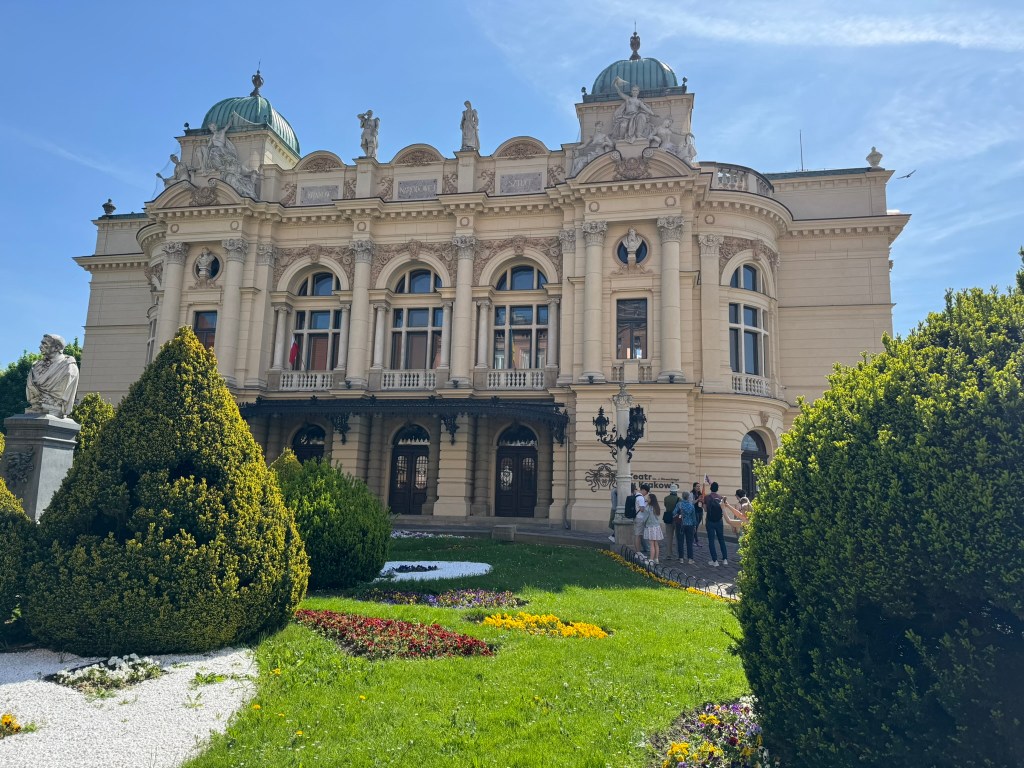
The Slowacki Theater was built in 1892 and continues to feature regular performances of plays and operas.
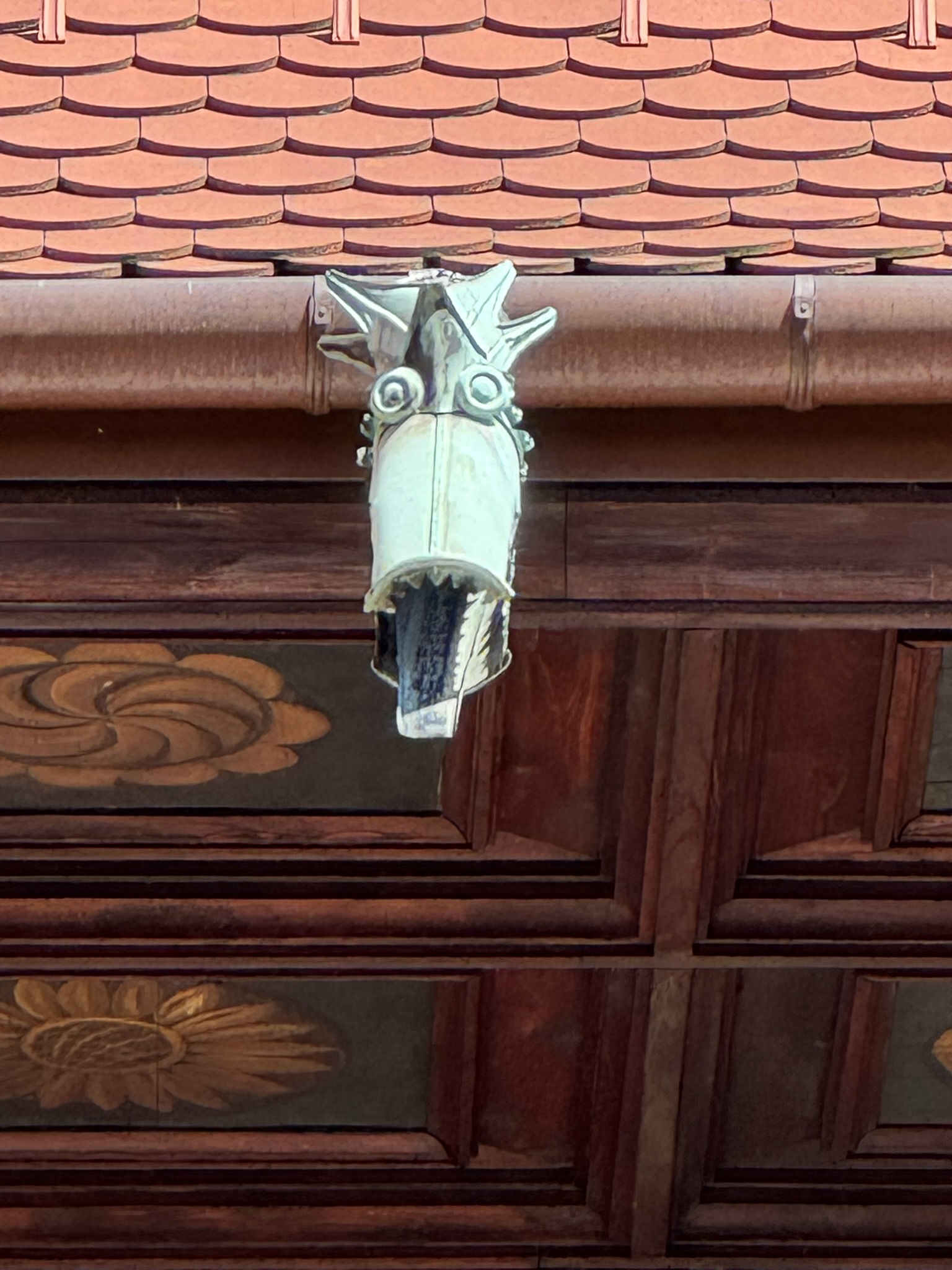
Wawel Hill is the symbol of Polish statehood. According to a Polish legend, a cruel dragon that ate the citizens of Krakow lived in a cave at the foot of Wawel hill until it was slaughtered by a wise shoemaker. Dragons can be found throughout the city like this medieval dragon downspout.
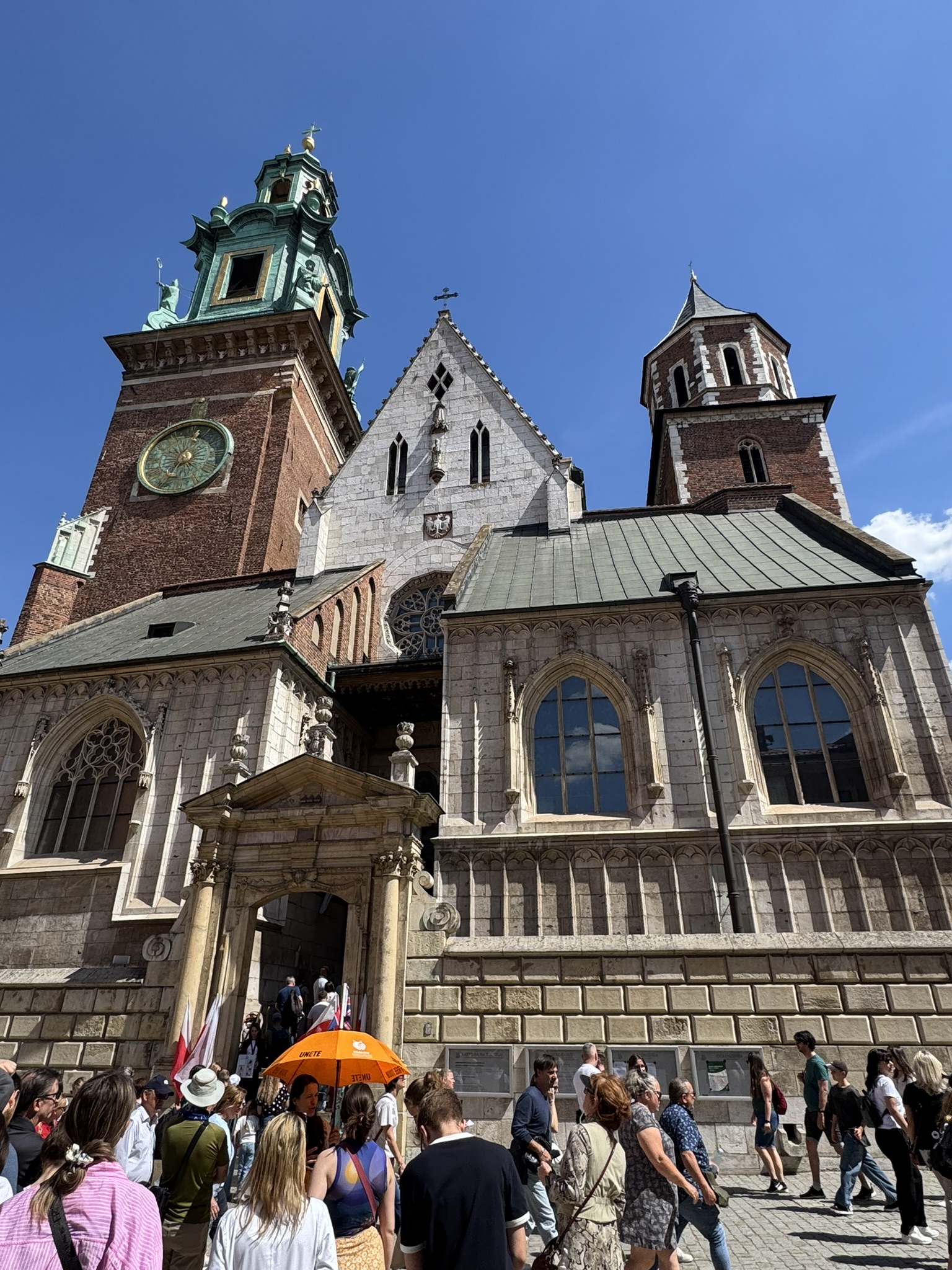

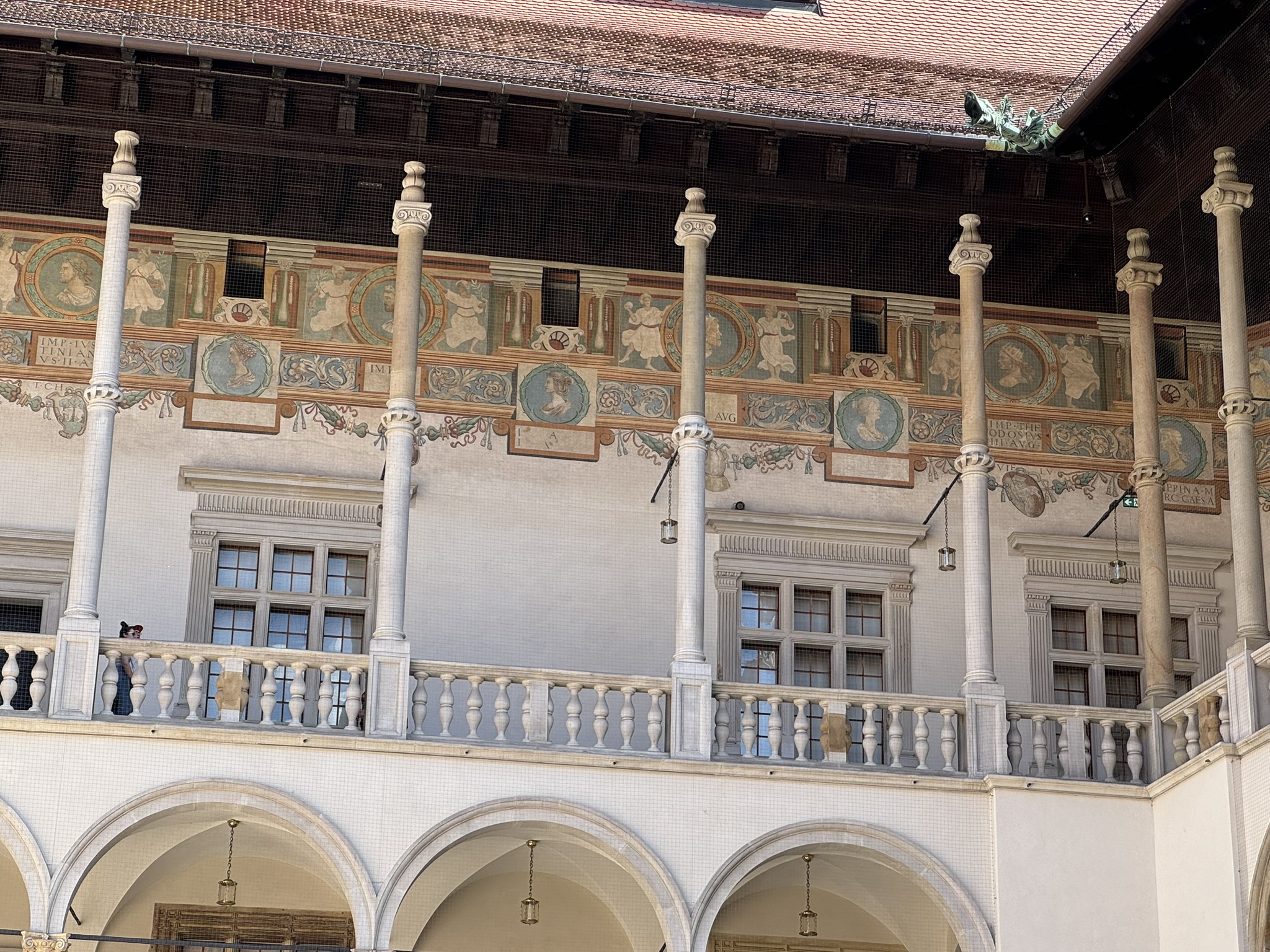
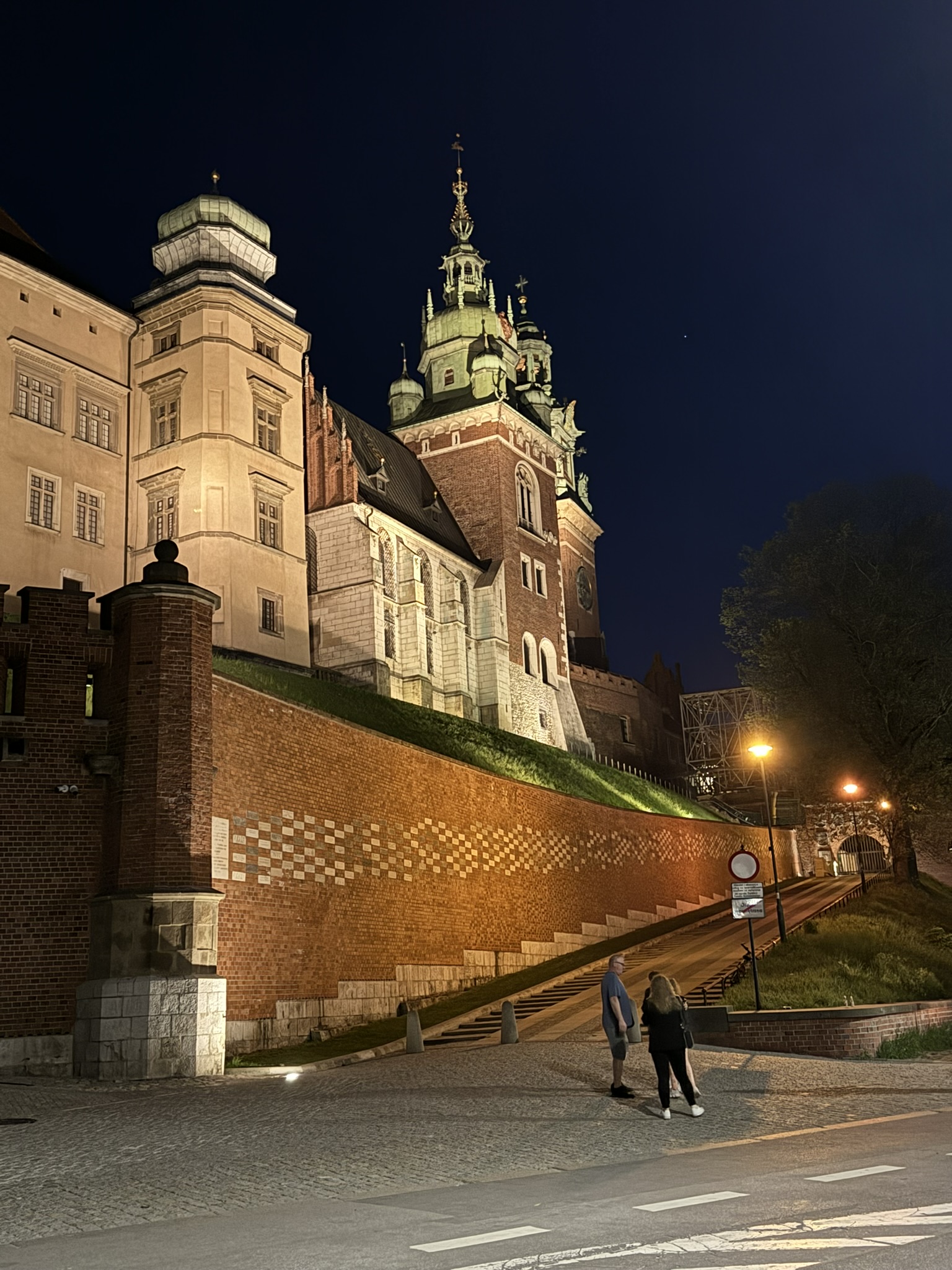
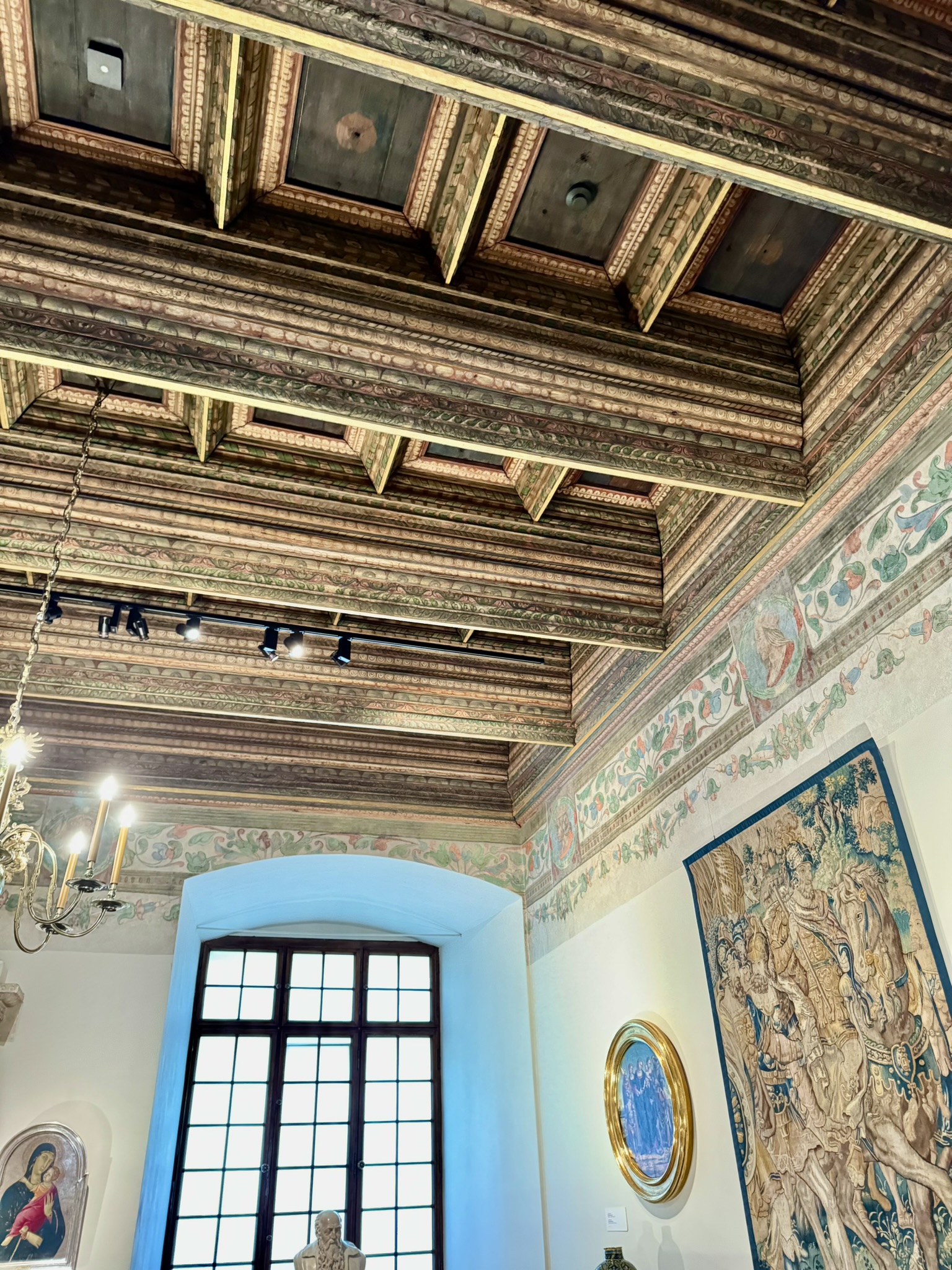
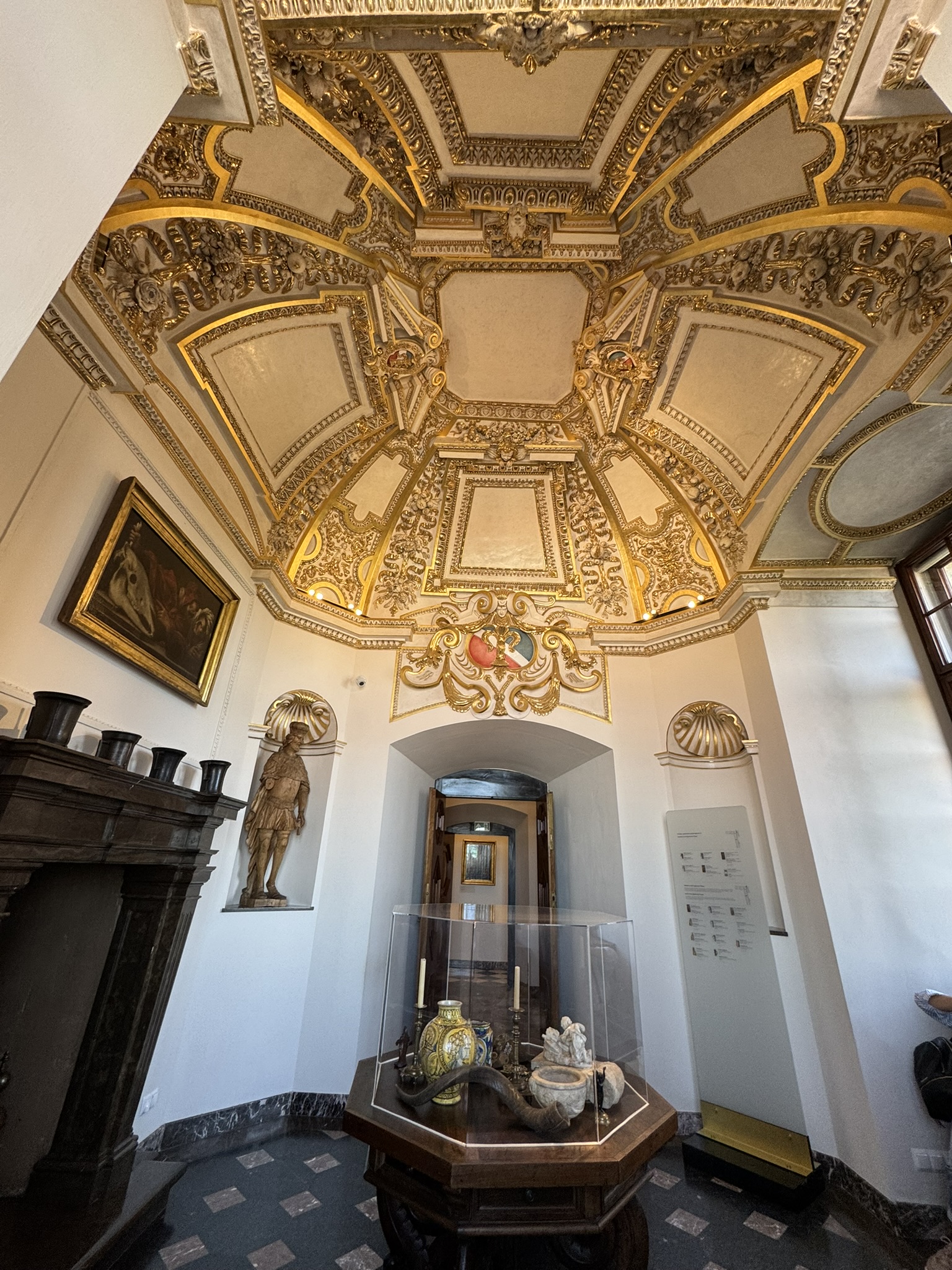
The castle on the Wawel Hill was the residence of Polish monarchs beginning in the 10th century.

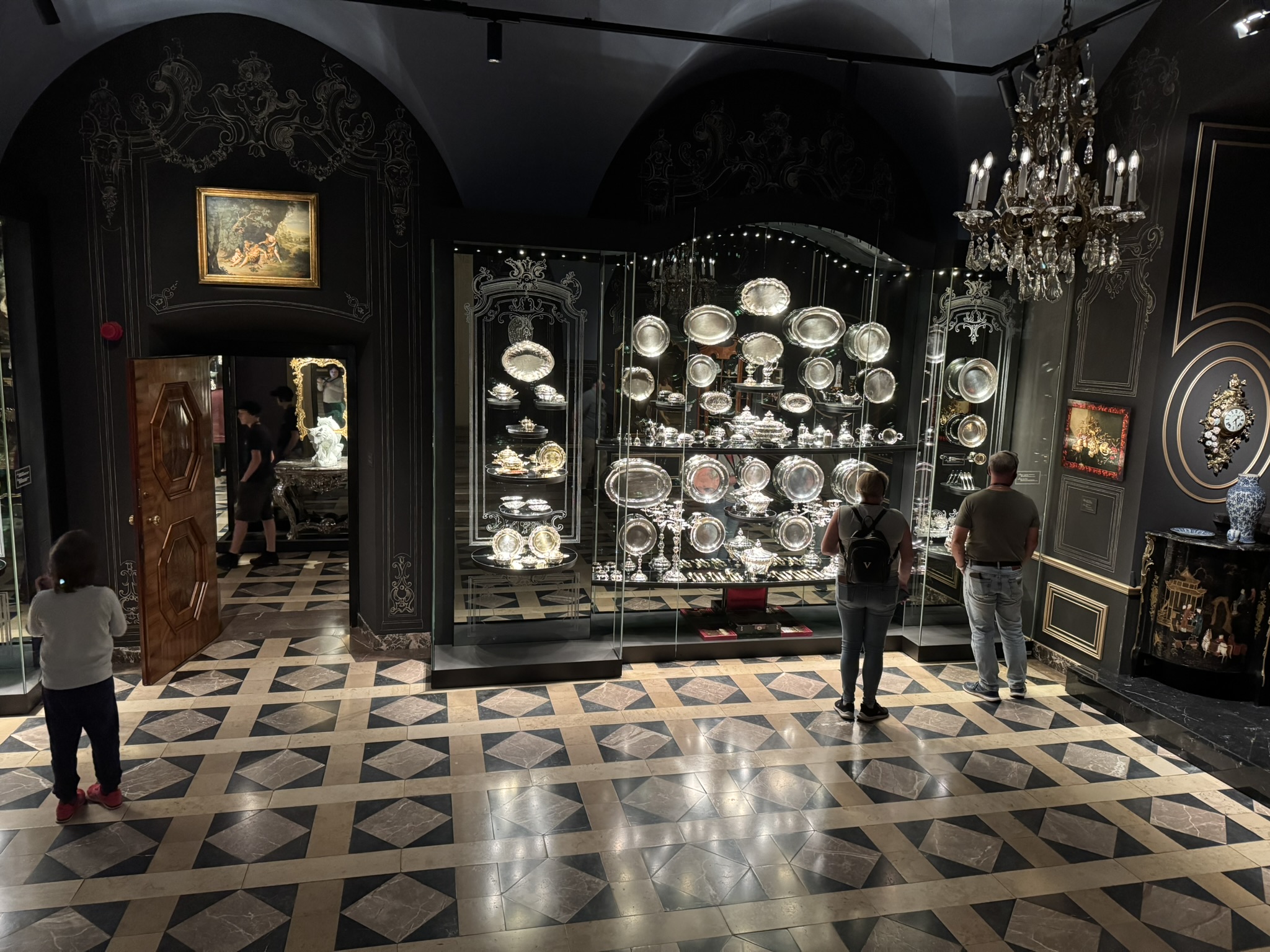
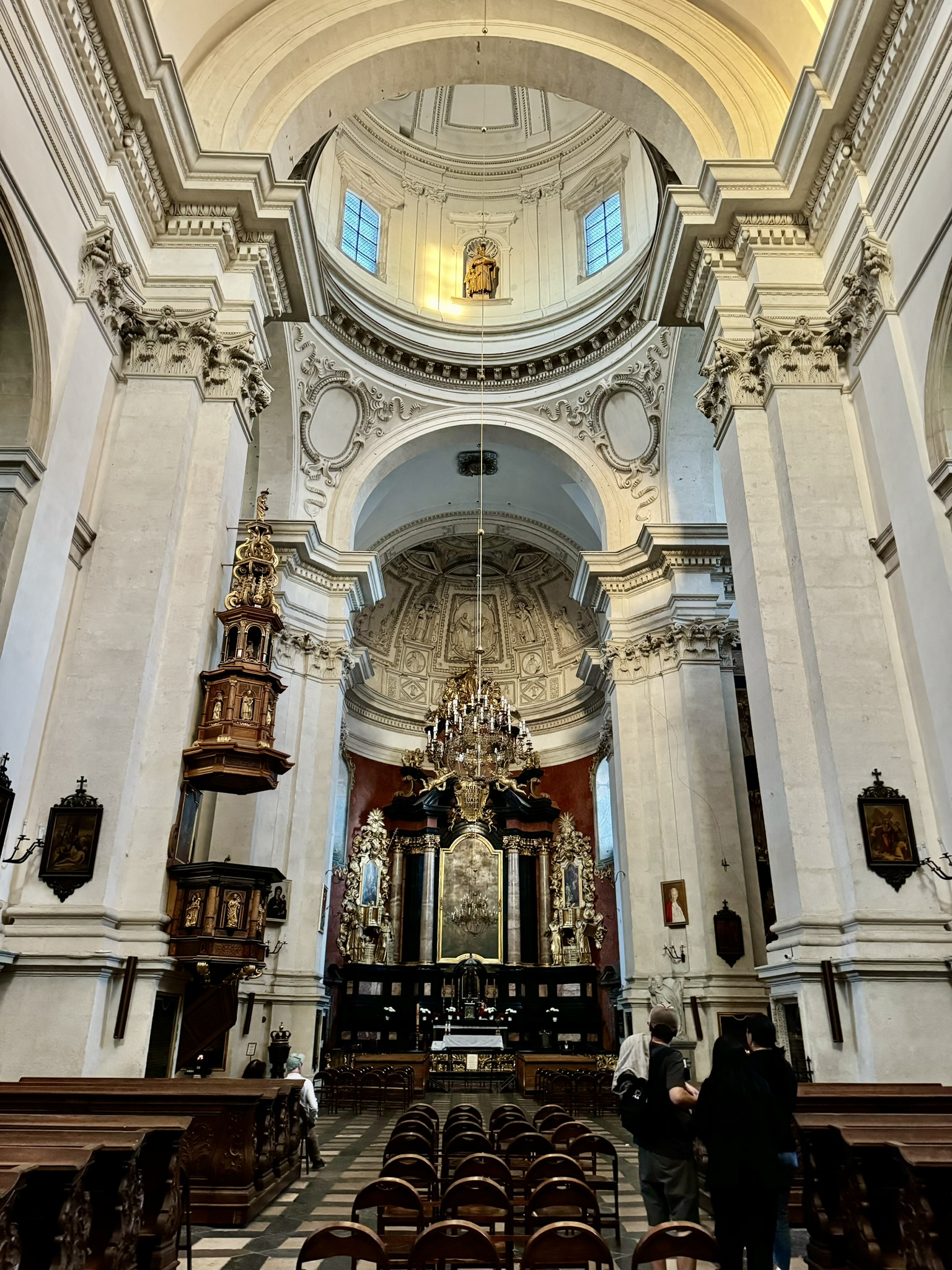
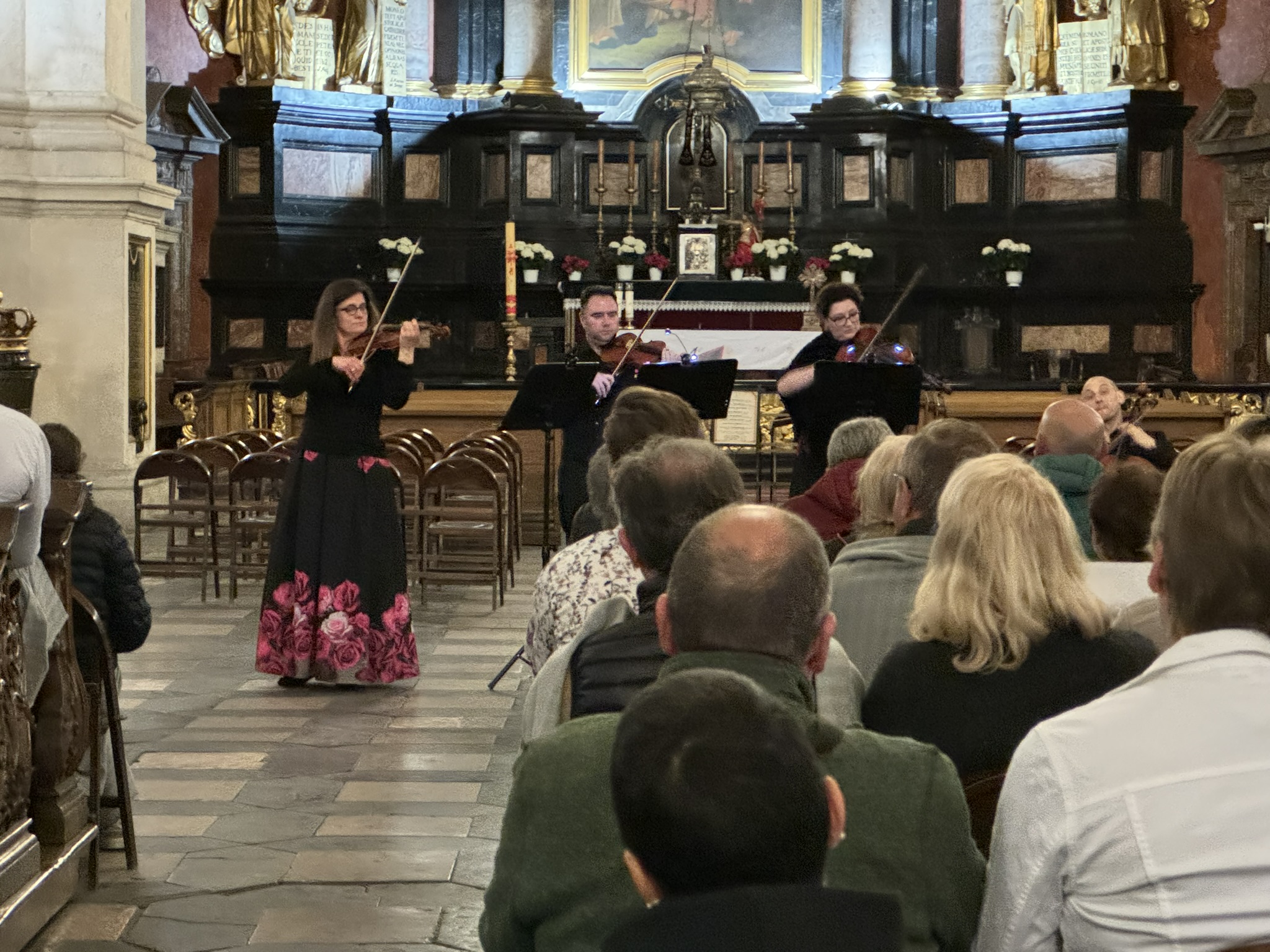
The Church of Saints Peter & Paul was the first Baroque church in Poland. All 12 apostles are found on the fence at the entrance. We enjoyed a lovely concert here.


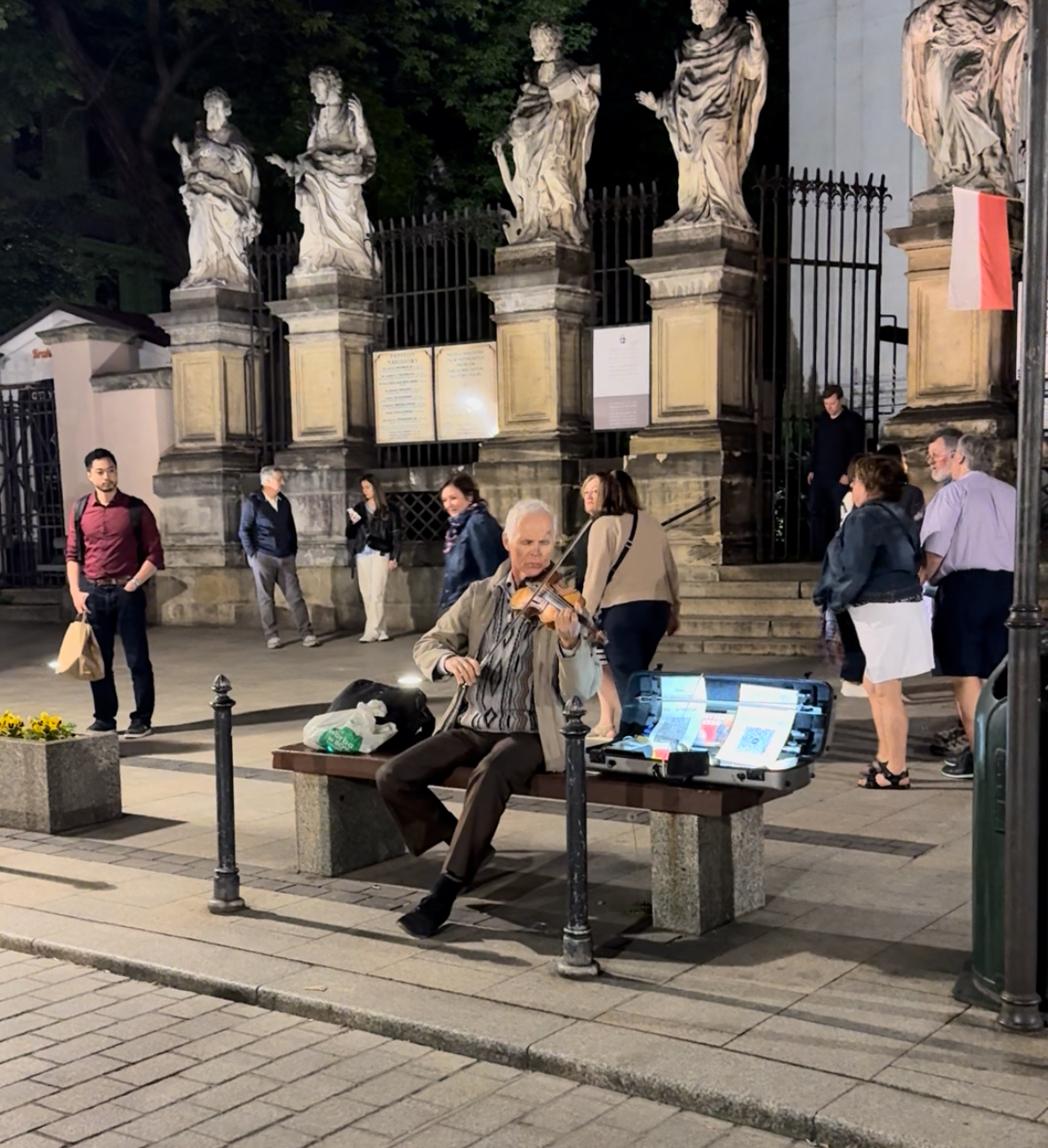
As we walked back to our hotel we were serenaded by several street musicians. It was a magical evening.


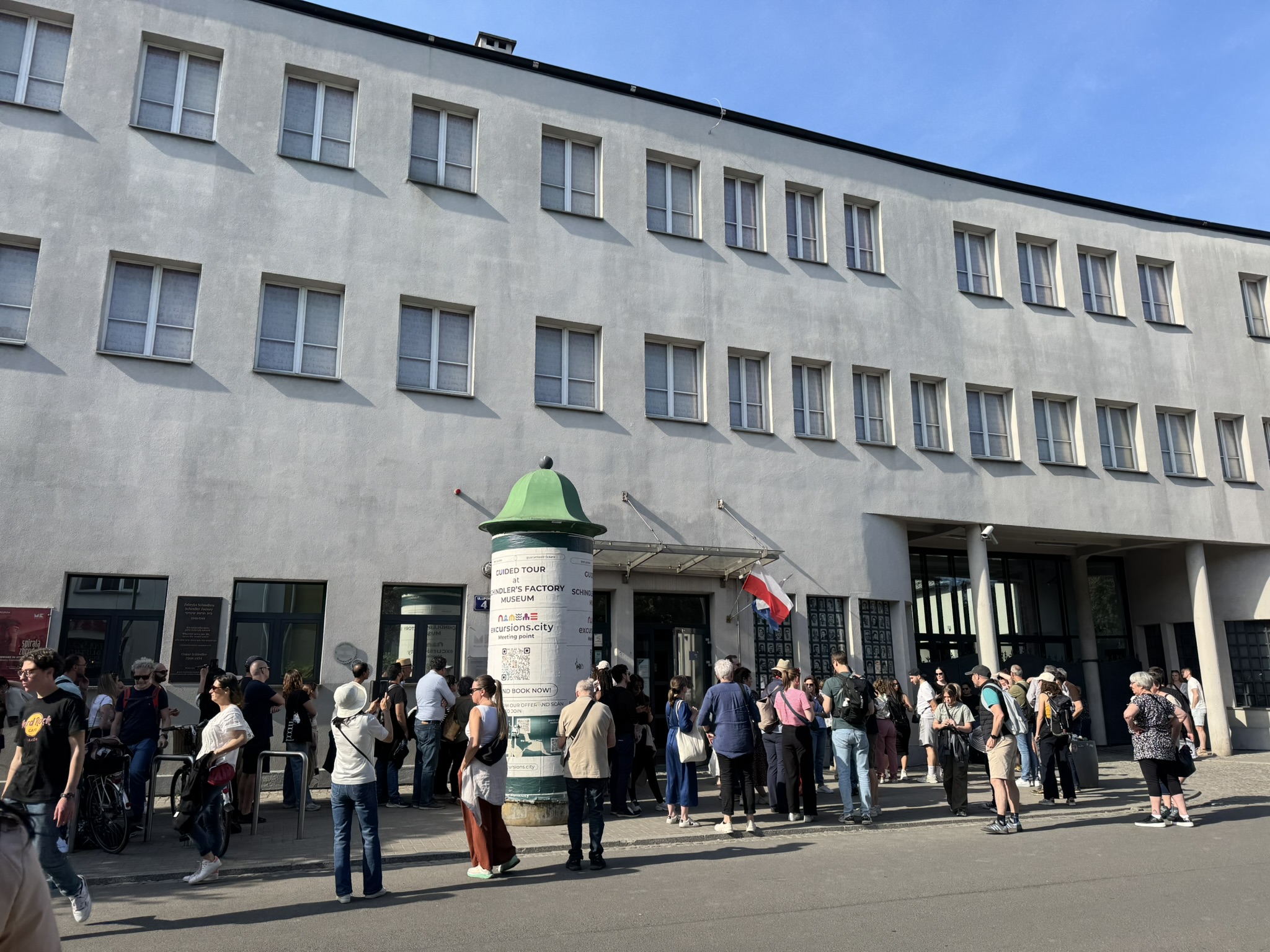
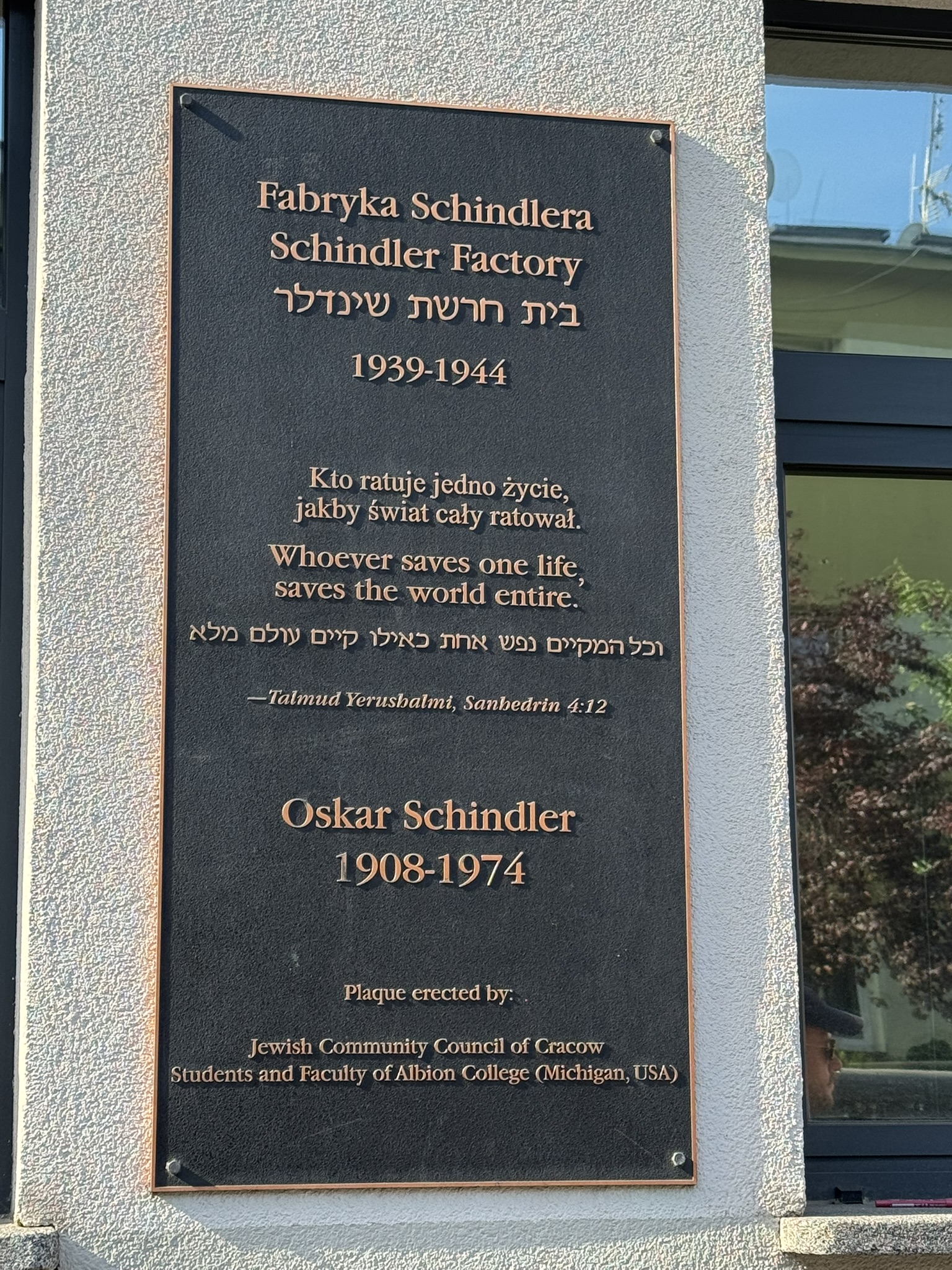
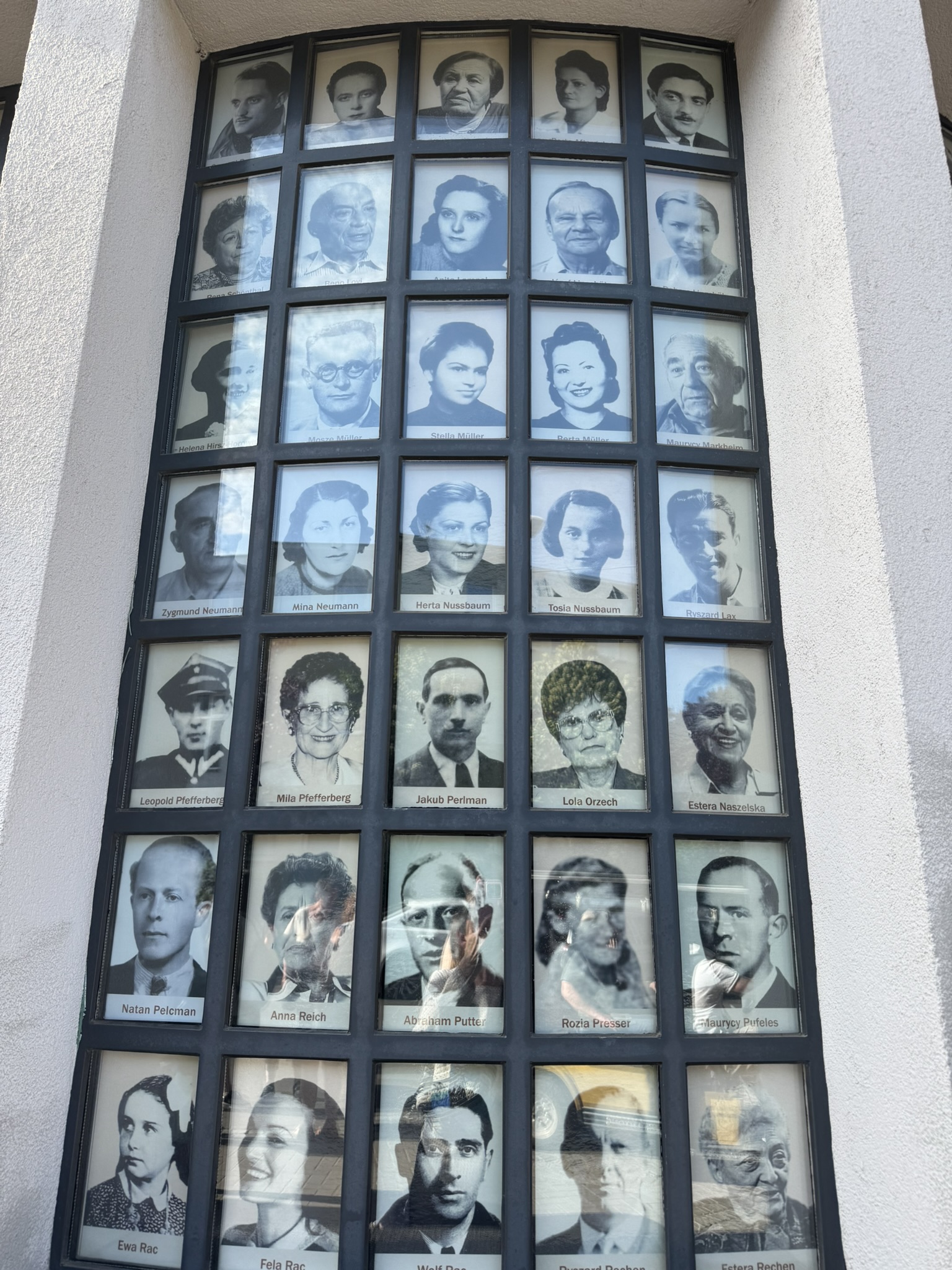
Oscar Schindler’s enamel factory is now a museum dedicated to the life of a man who devoted himself to saving Jews during World War II. Schindler employed Jews from the nearby ghetto and used his personal connections to save 1200 Jews from certain death. Unfortunately, we were not able to obtain tickets to go inside.
Auschwitz-Birkenau State Museum
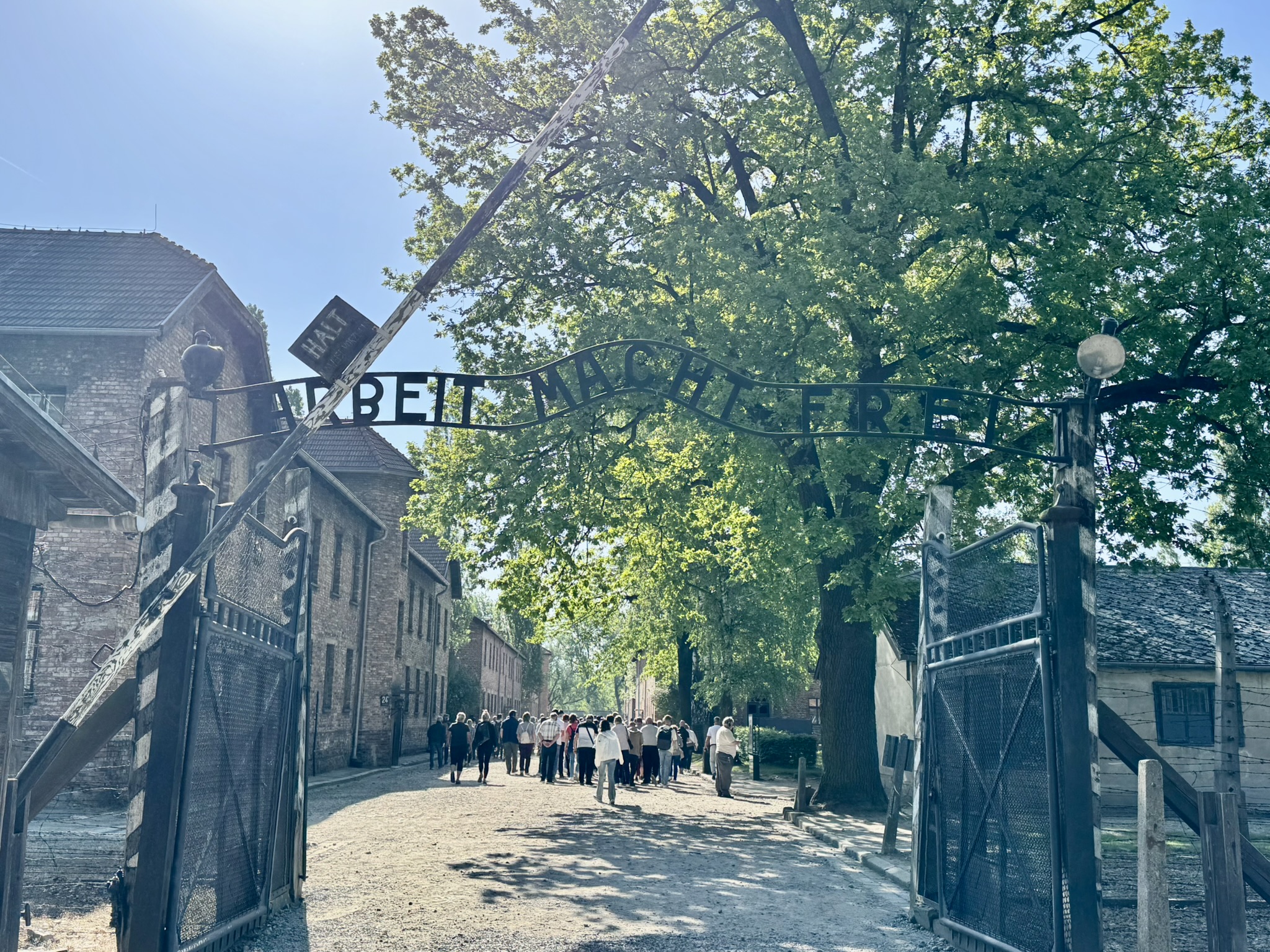
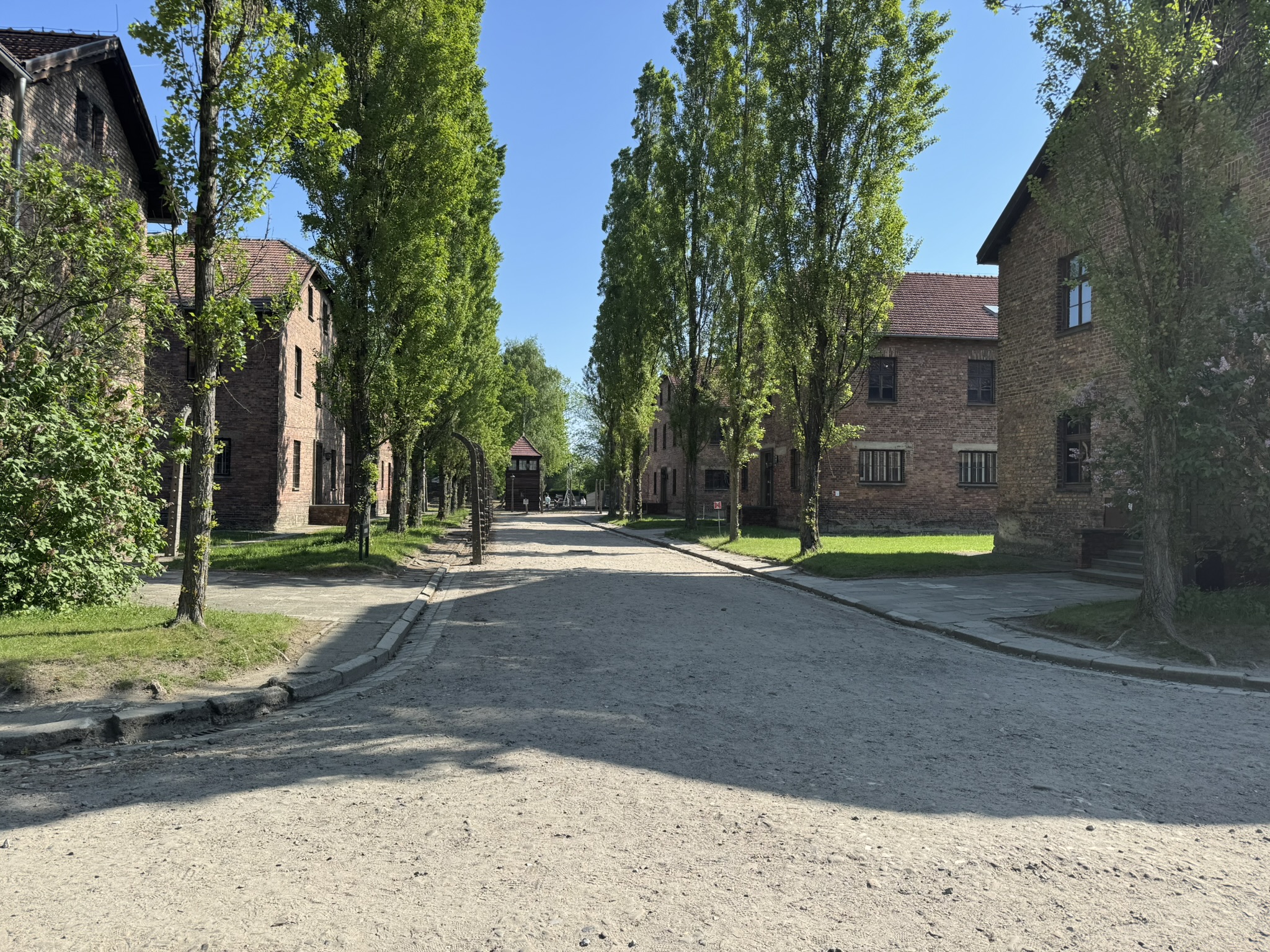
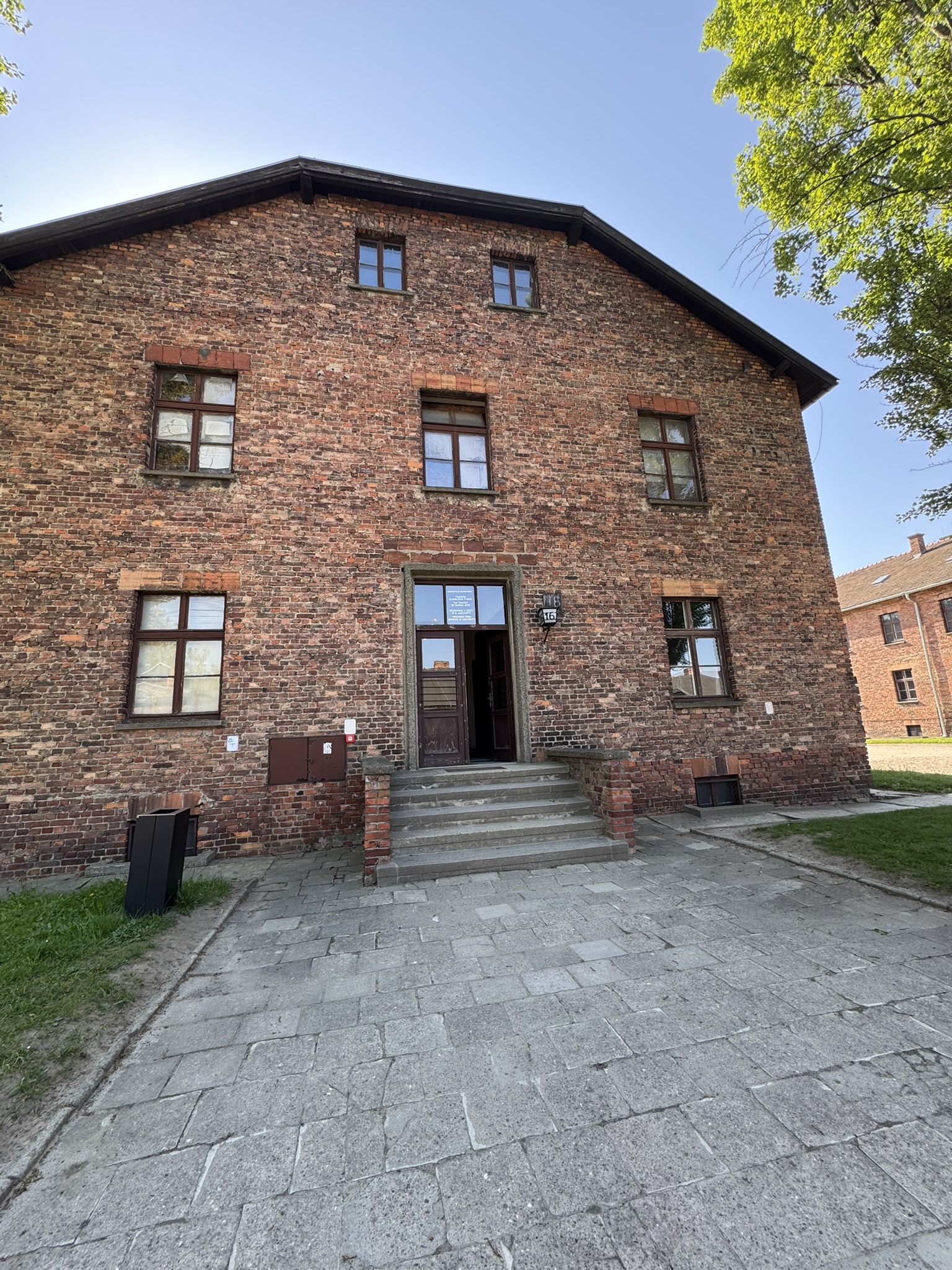
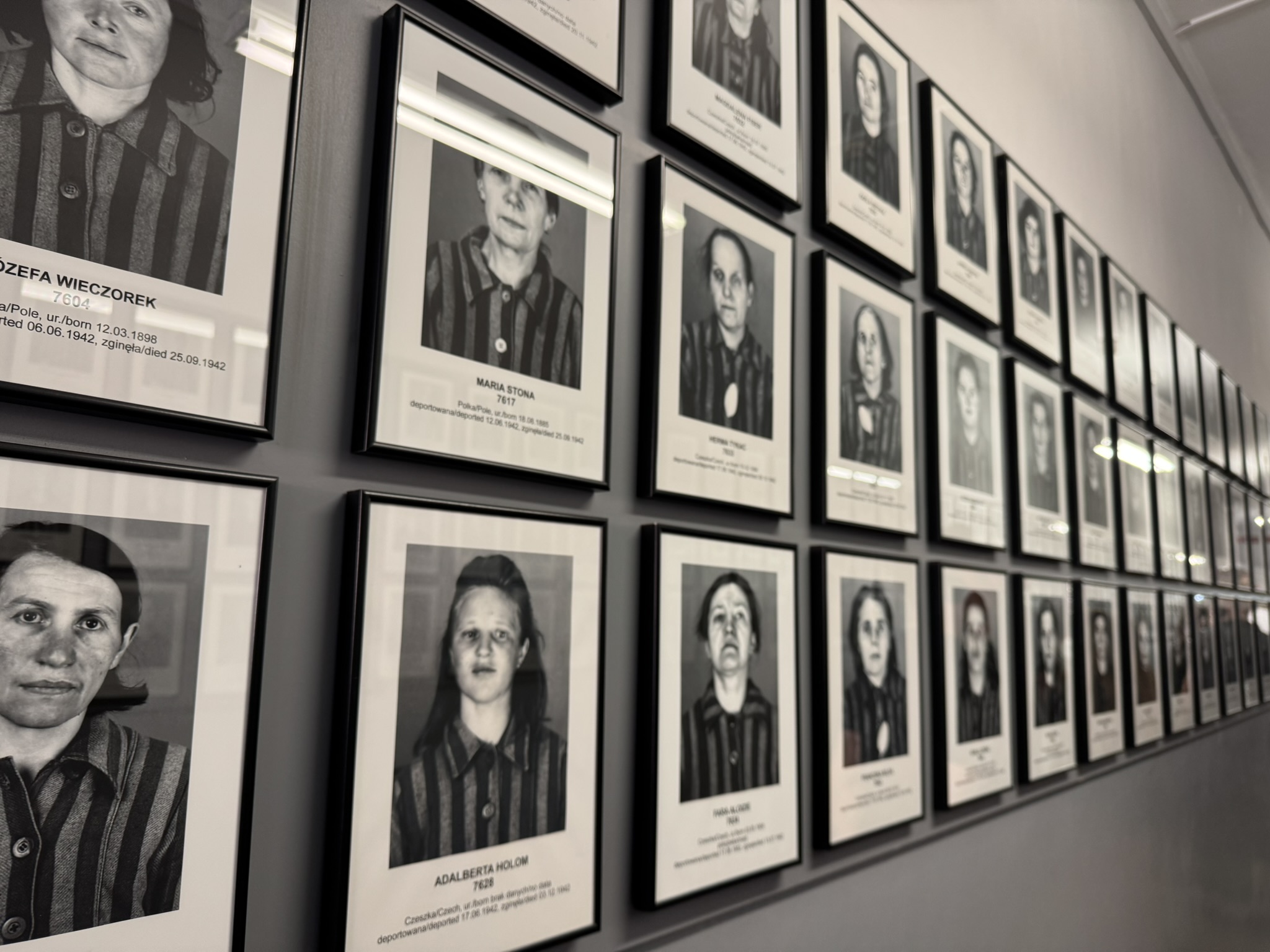
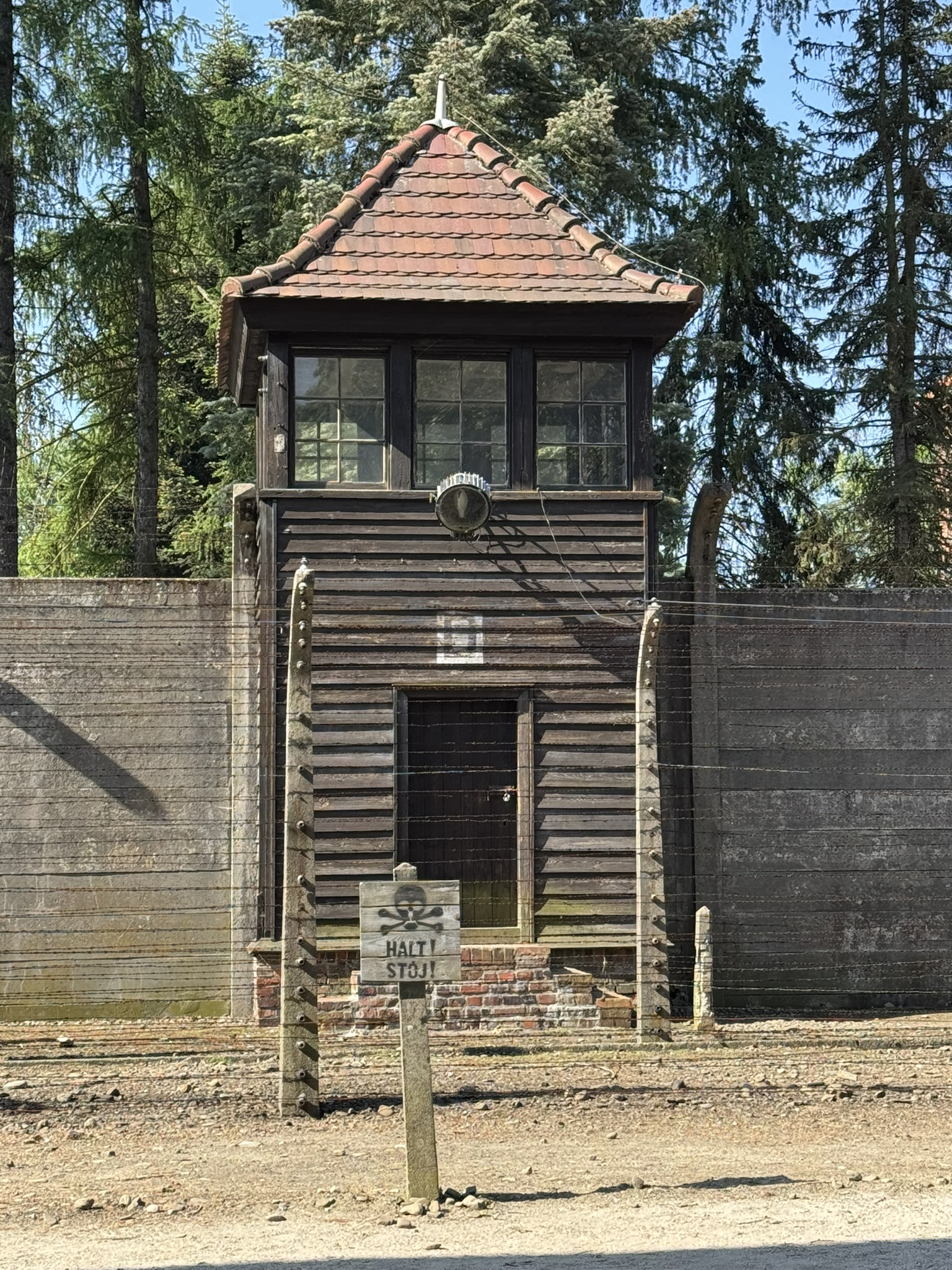
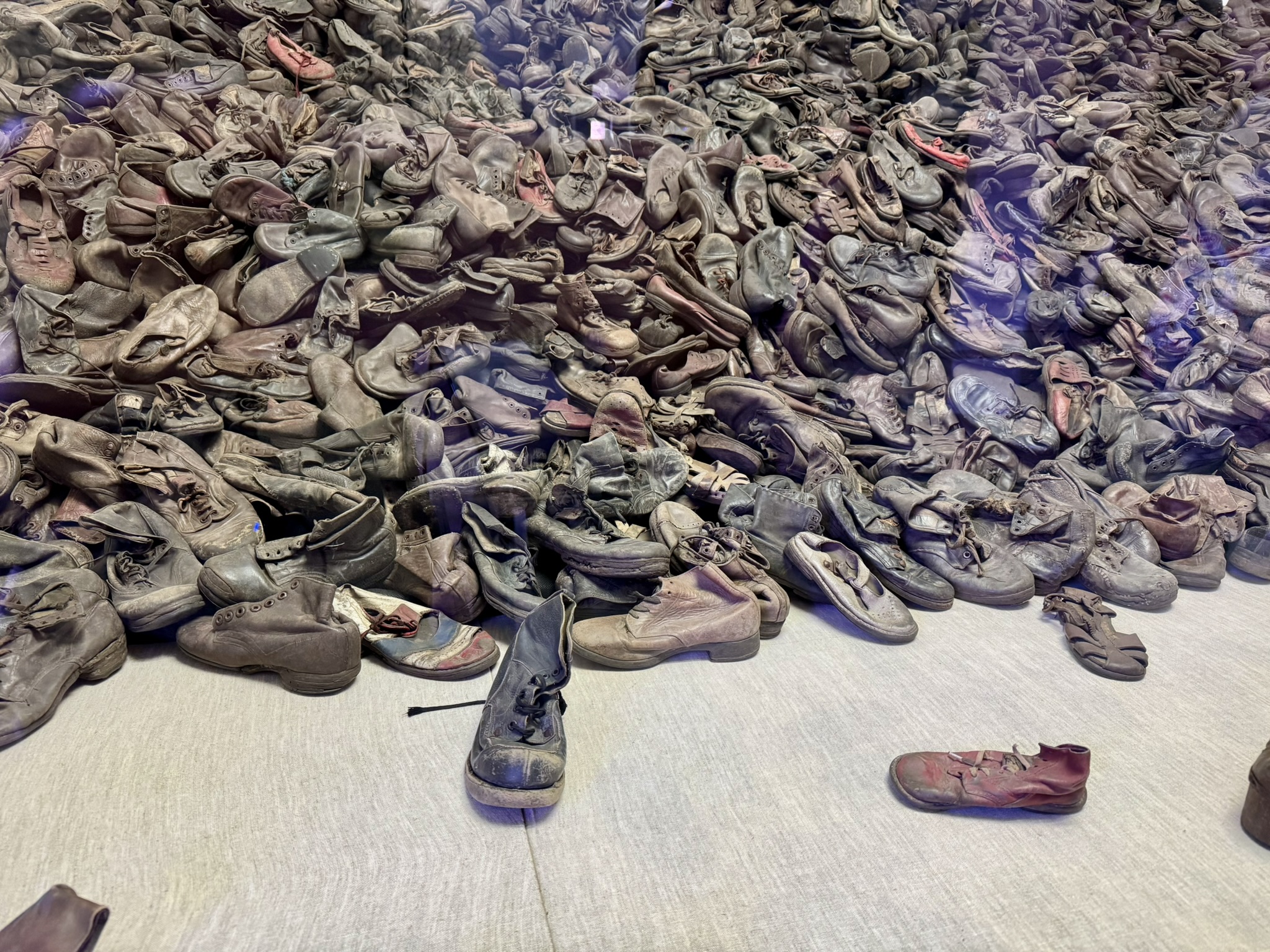
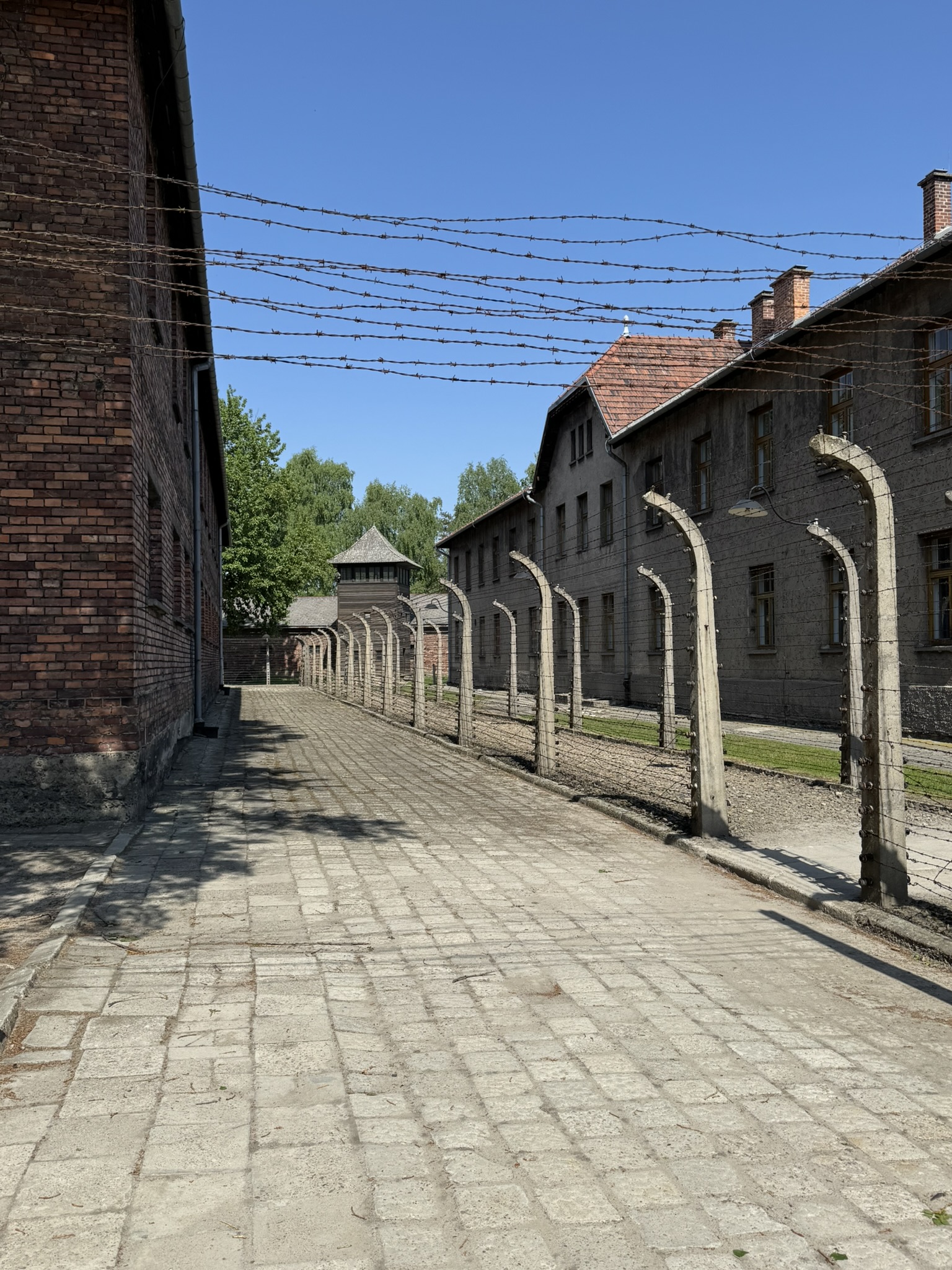
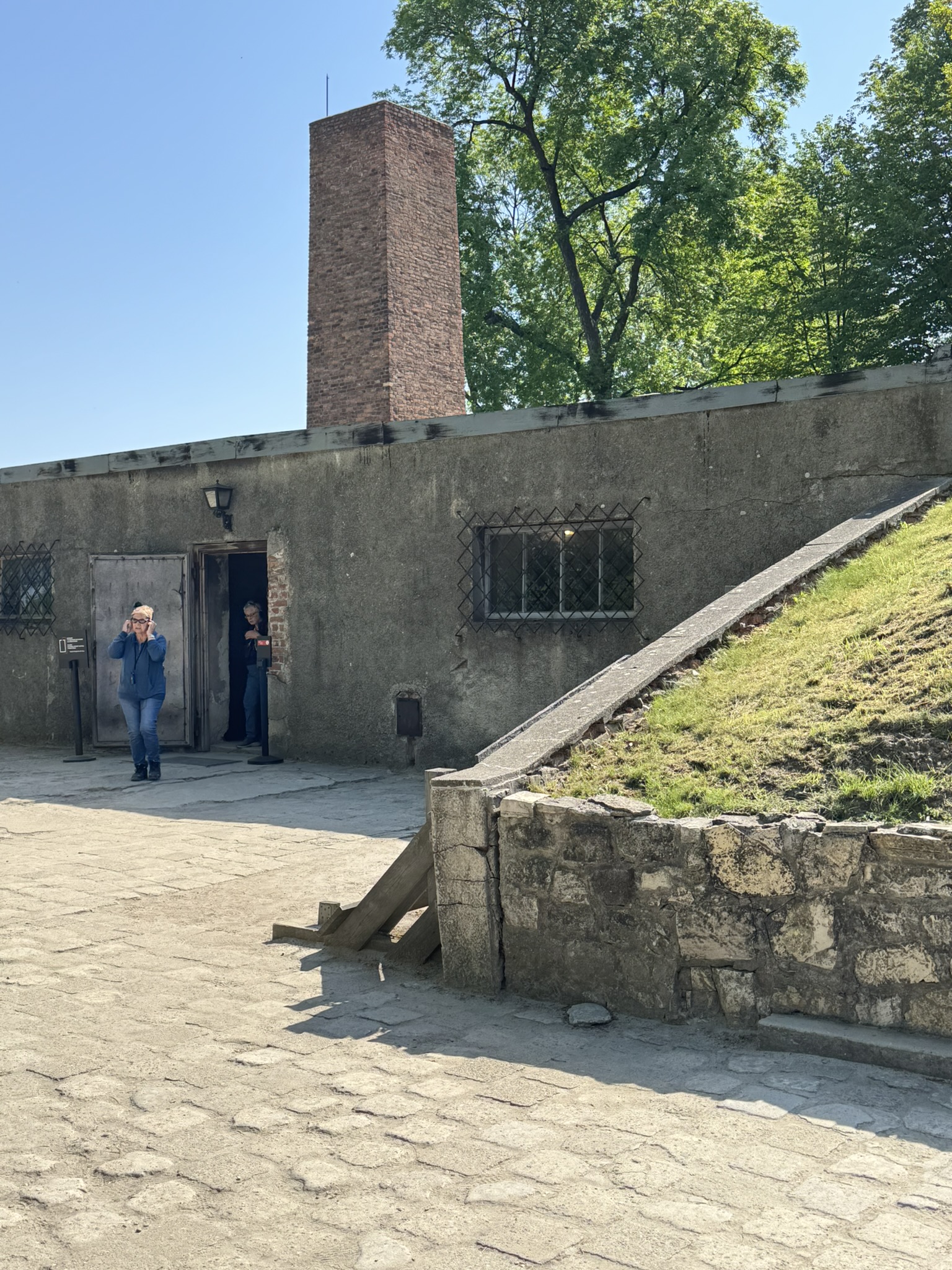
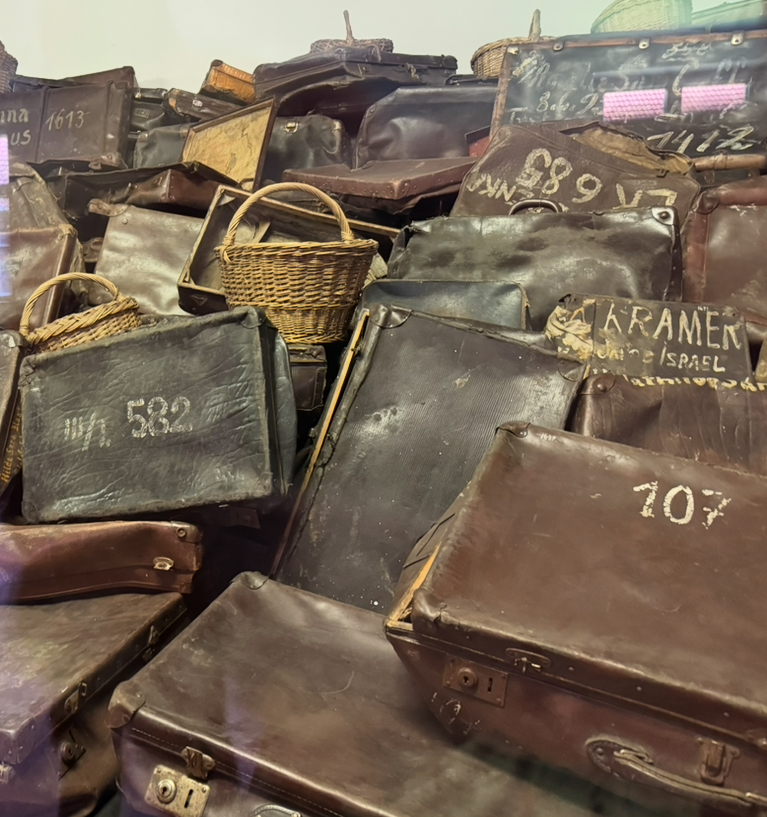
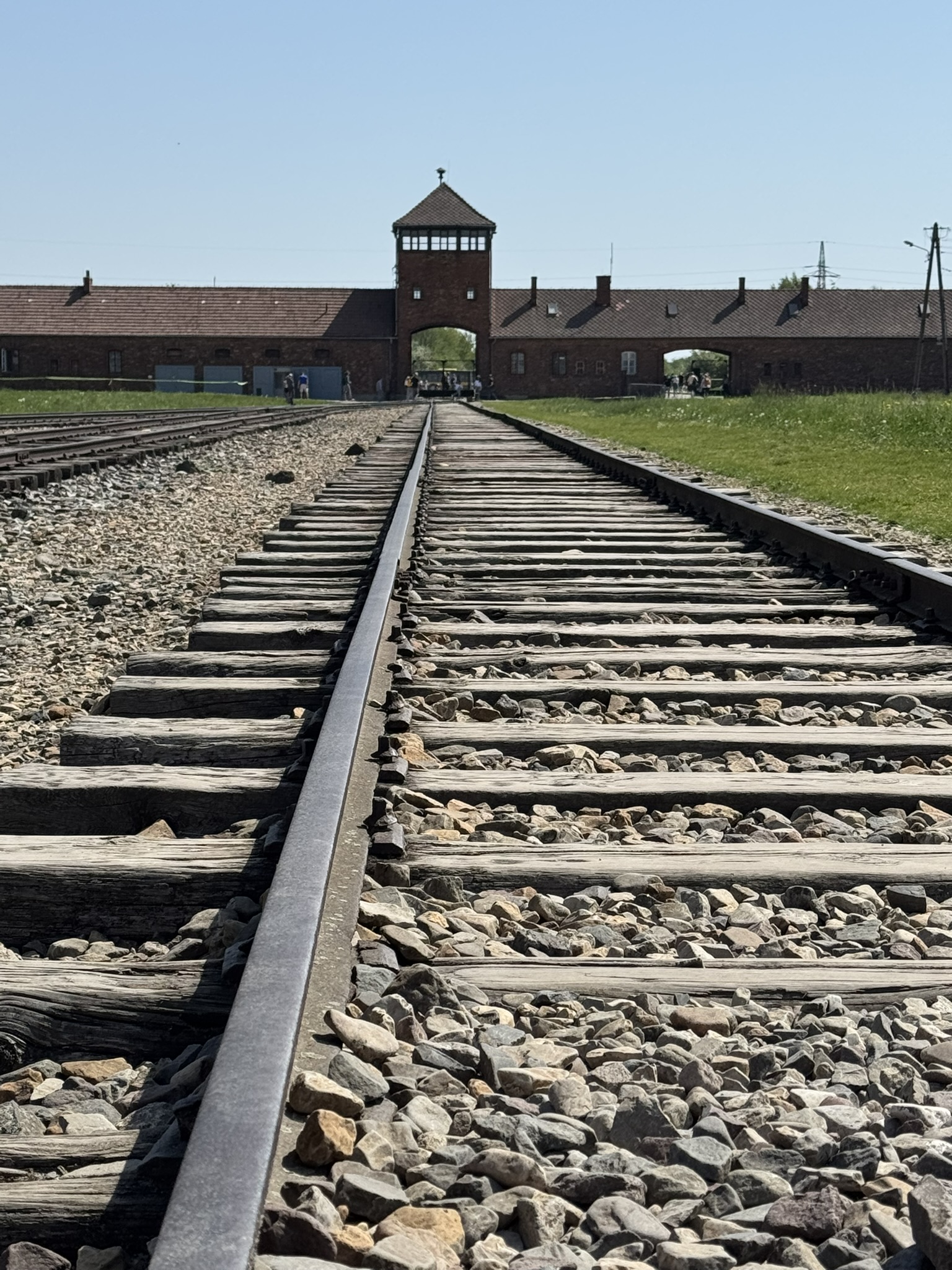
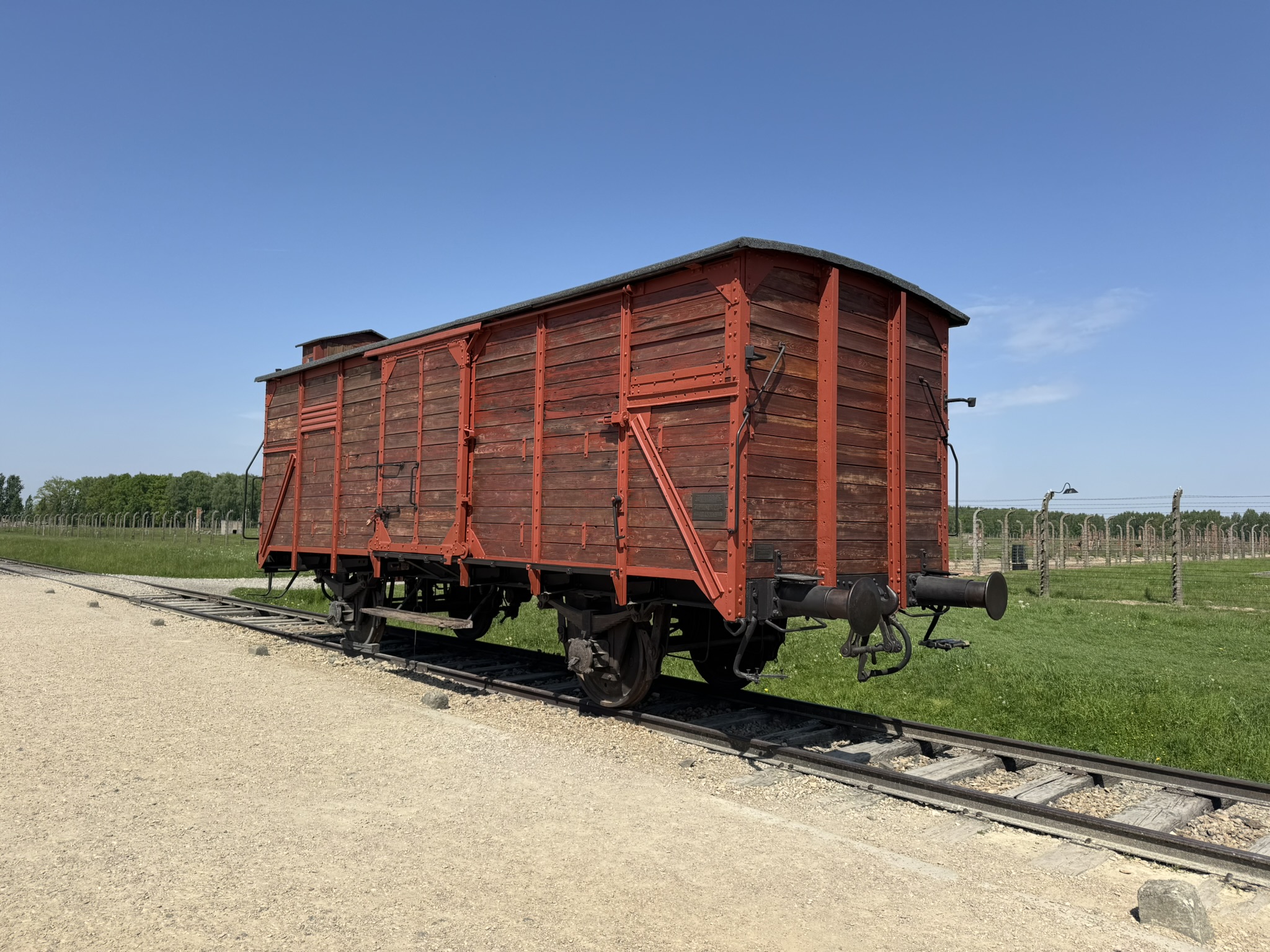
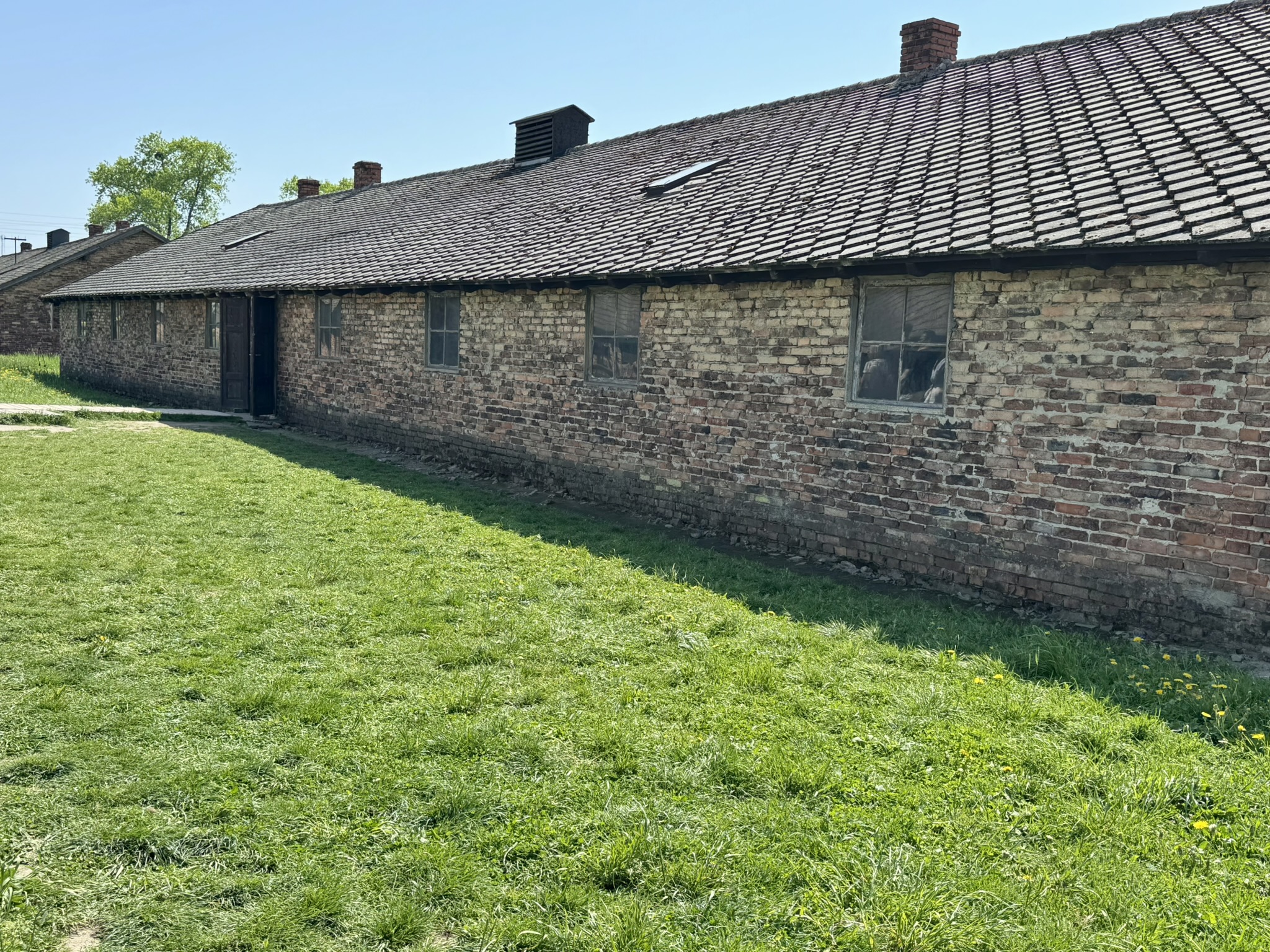
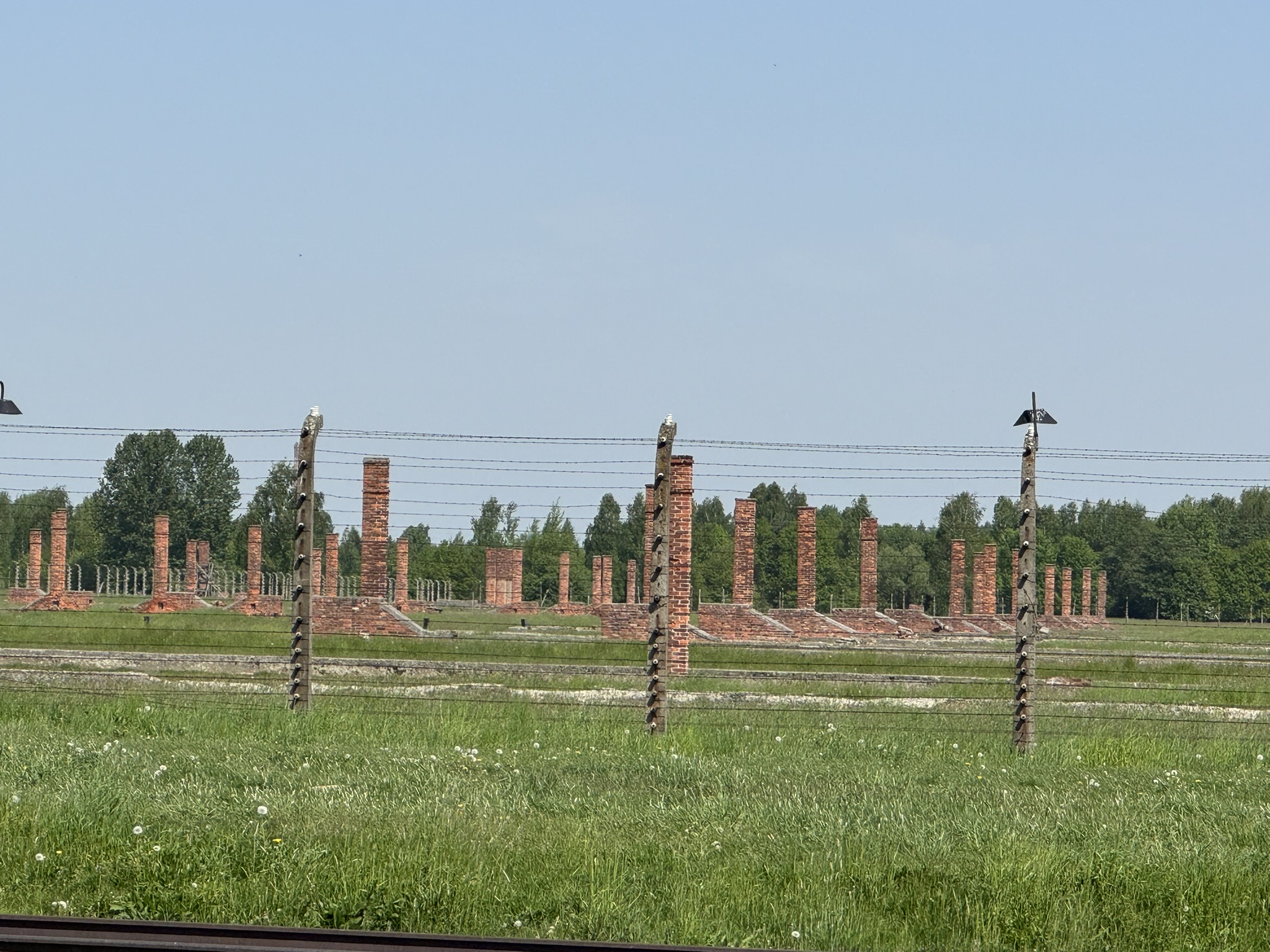
We spent a sobering day at Auschwitz-Birkenau, a Nazi concentration and extermination camp complex built during the Nazi occupation of Poland (1939-1945). The complex consisted of Auschwitz I (the main camp) and Auschwitz II-Birkenau (the extermination camp). Between 1940-1945 more than 1 ½ million people, 90% of them Jews from Poland and throughout Europe died at Auschwitz and Birkenau, the largest Nazi-operated death-camp complex. The camp has come to be seen as the epicenter of the moral collapse of the West. The first inmates were Polish political prisoners, and the first gas victims were Russian POW’s; the dead eventually included Poles, Jews, Romanies (Gypsies), homosexuals, Jehovah’s Witnesses, and so-called criminals.
Auschwitz I
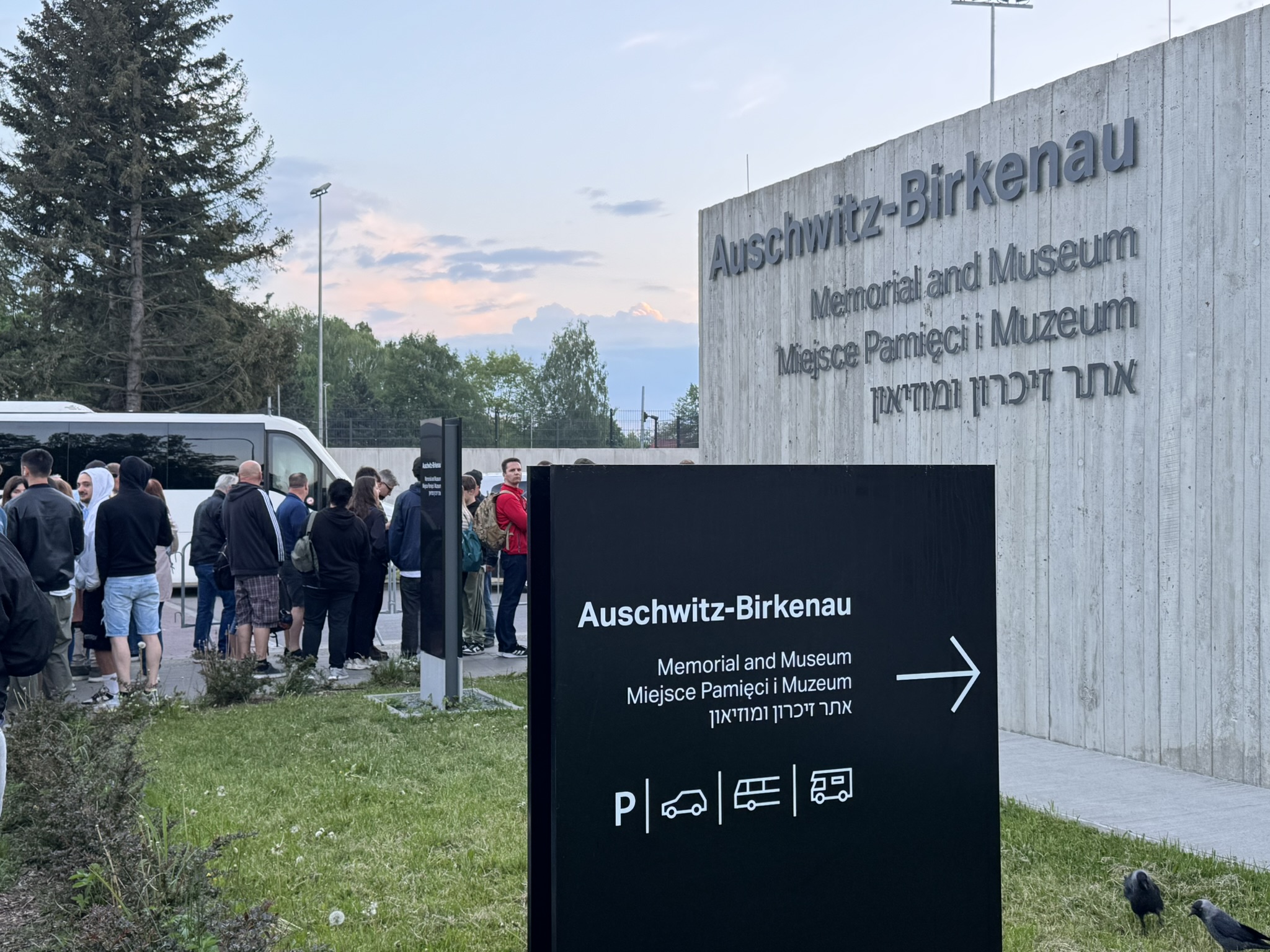



Auschwitz II-Birkenau



Wieliczka Salt Mine
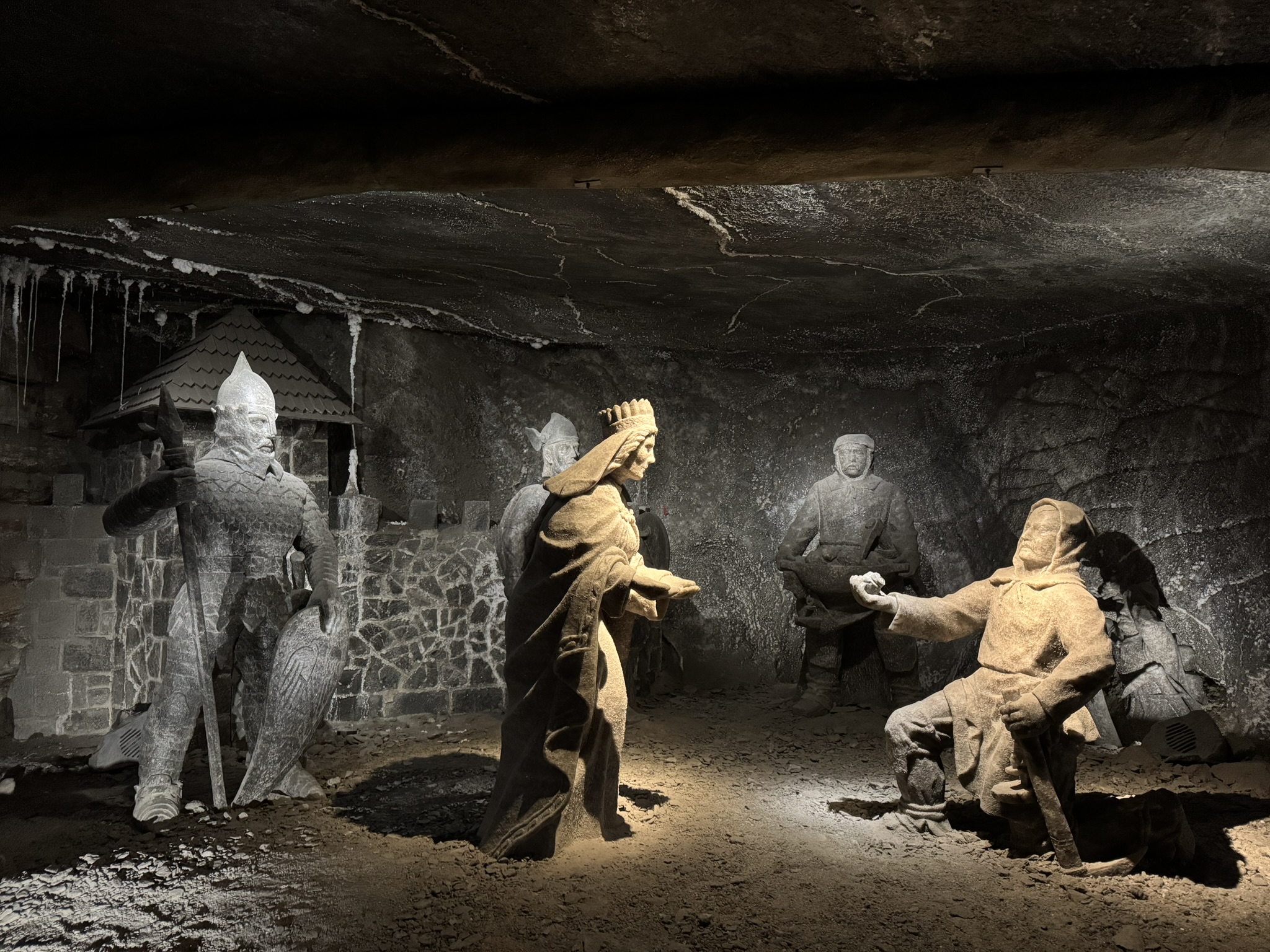
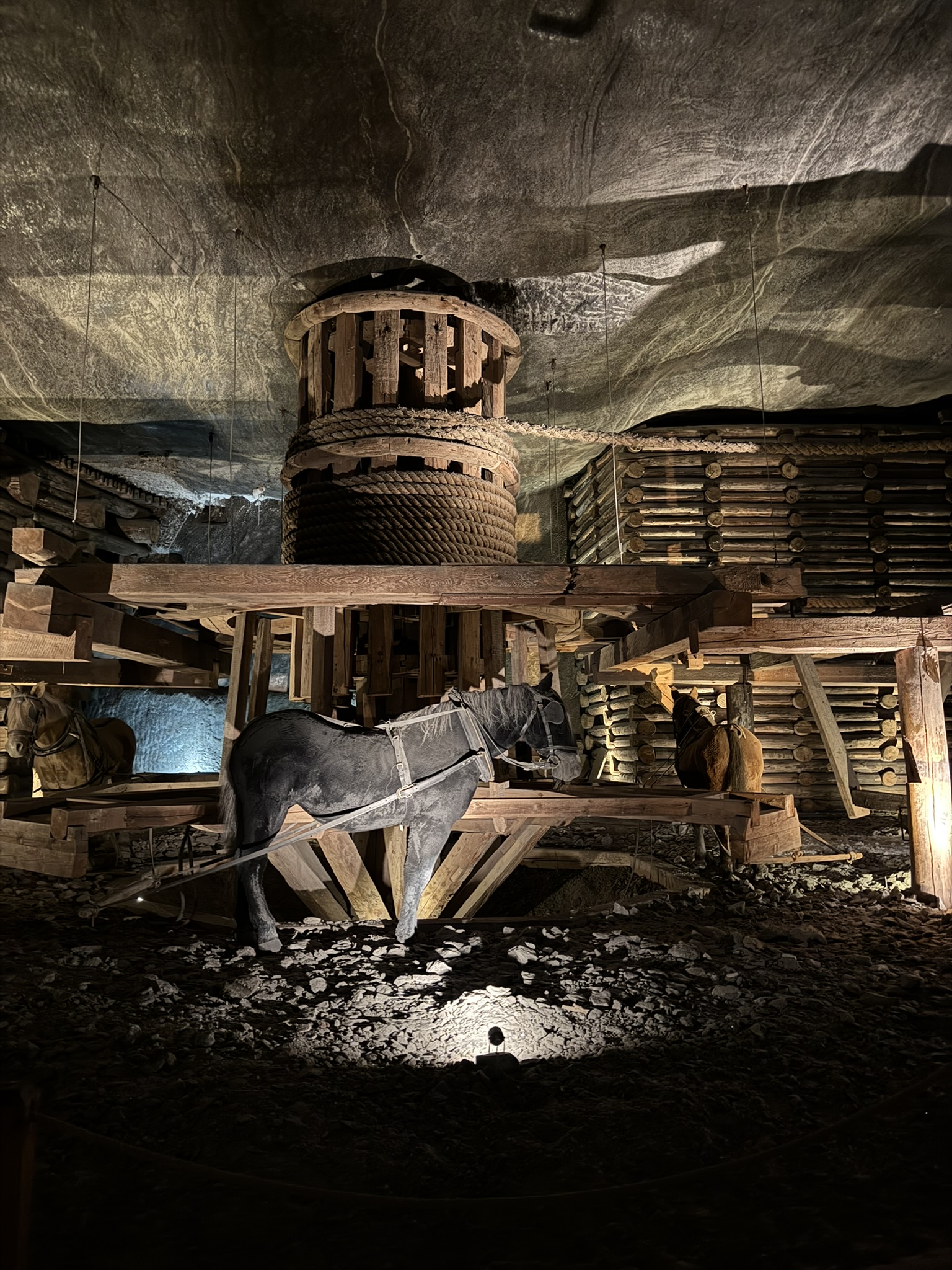
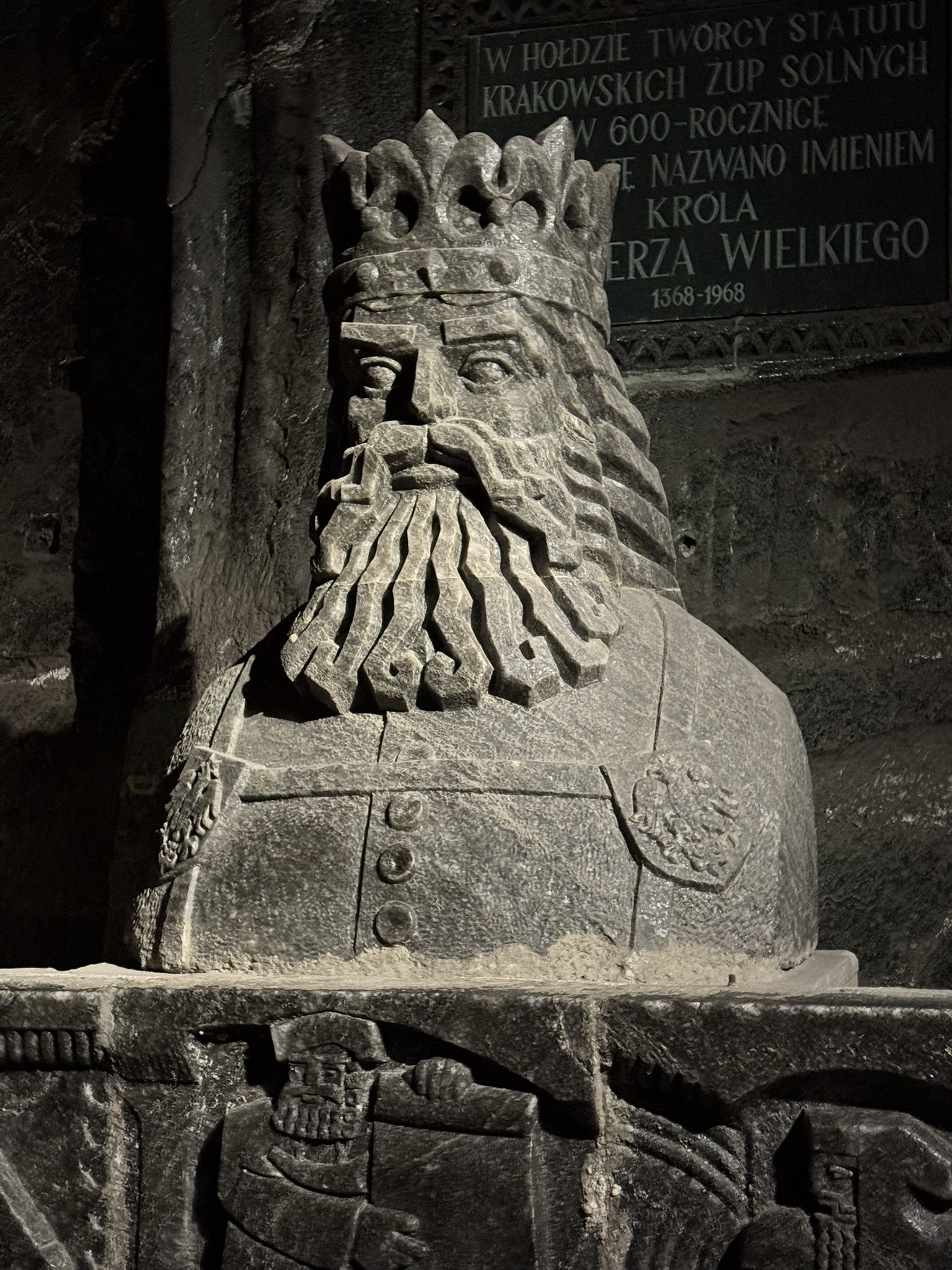
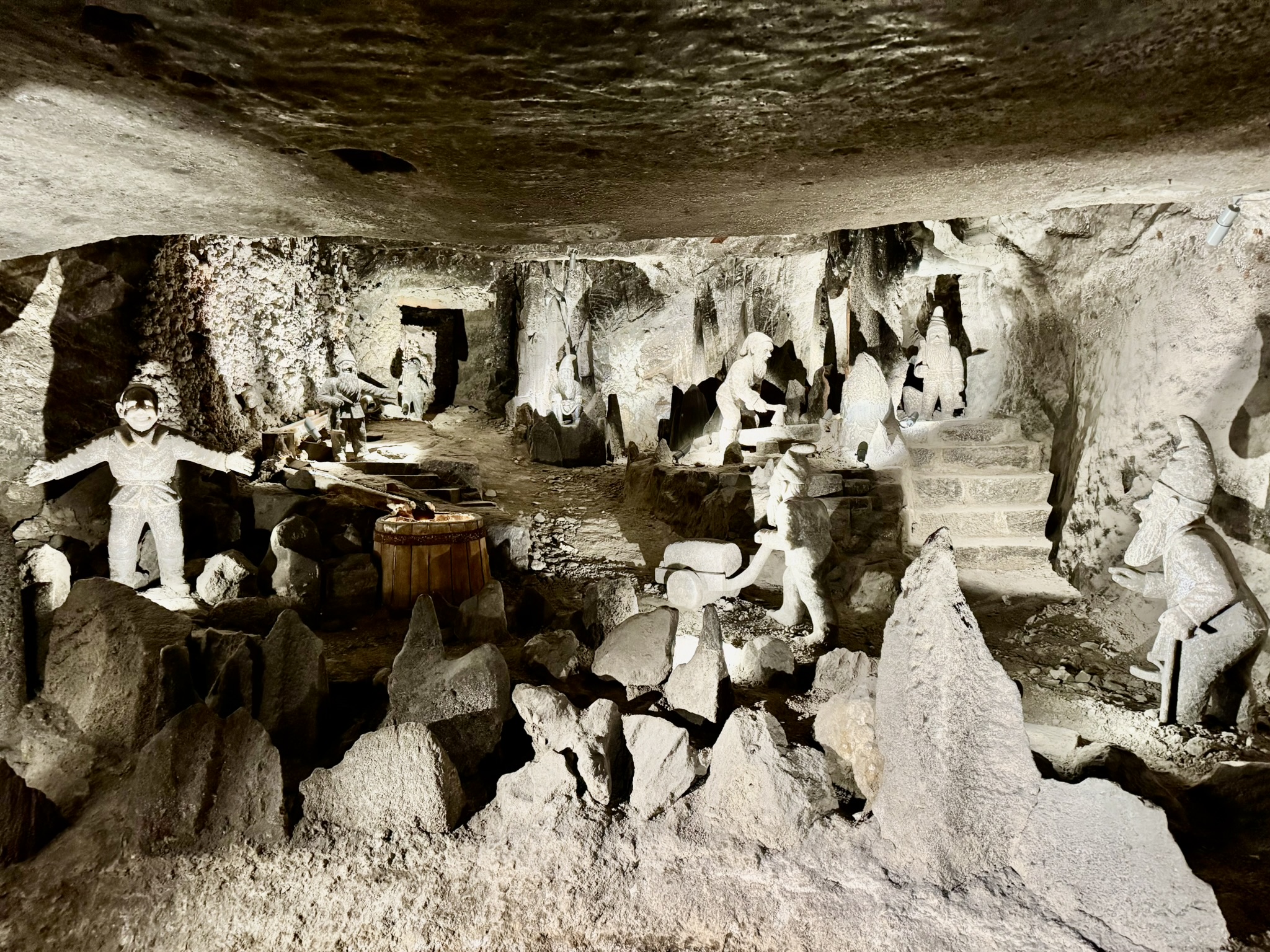
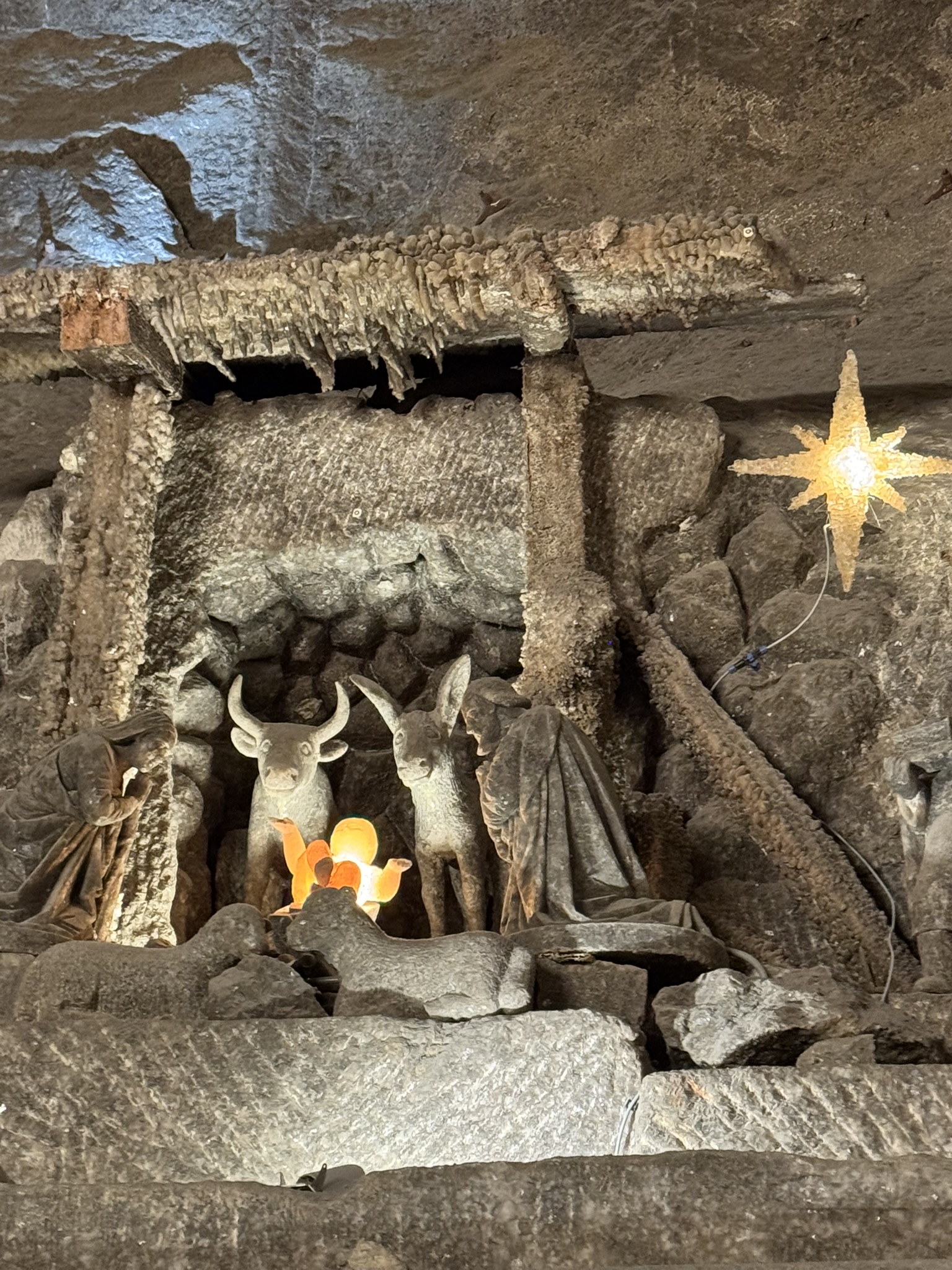
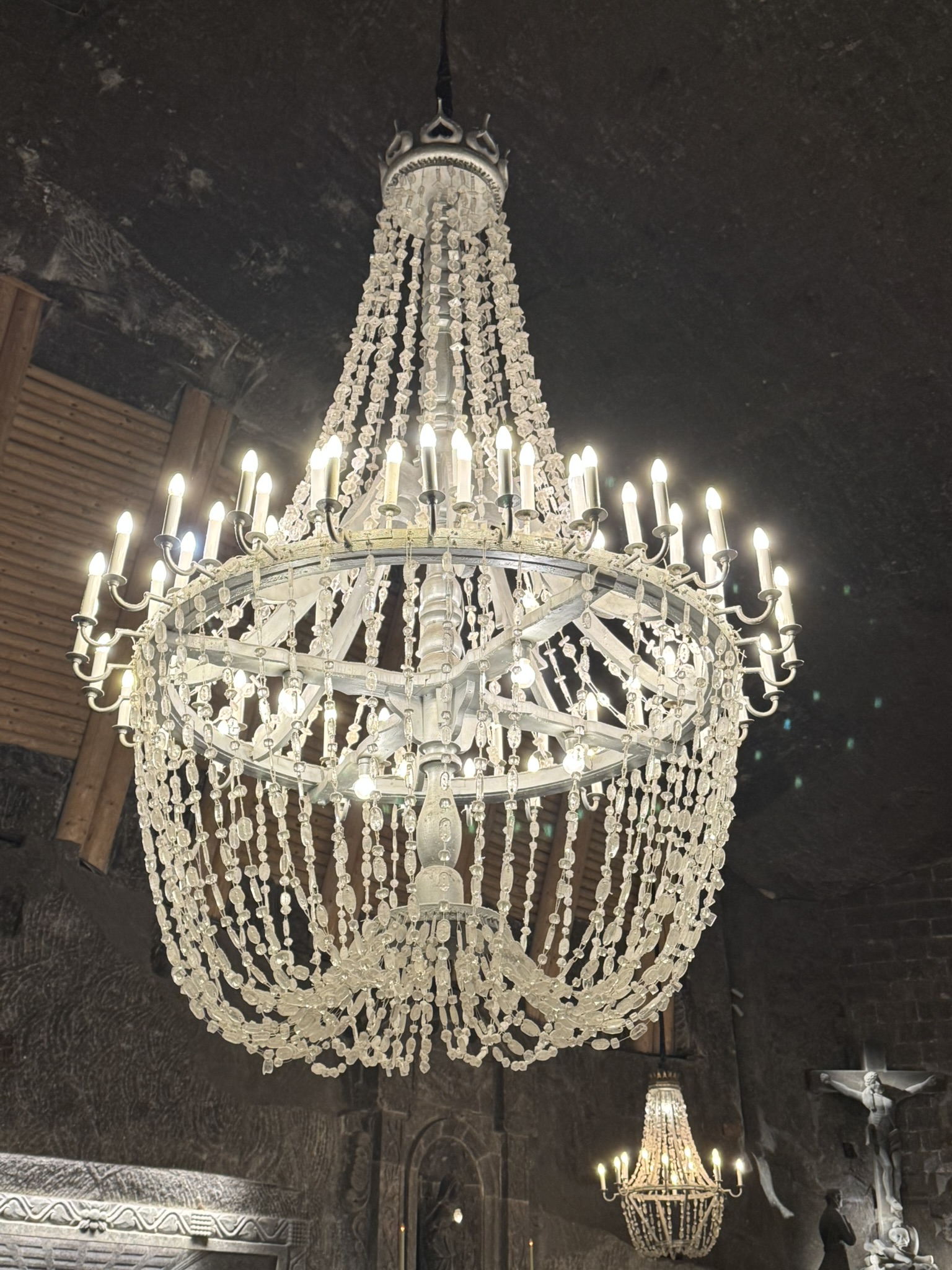
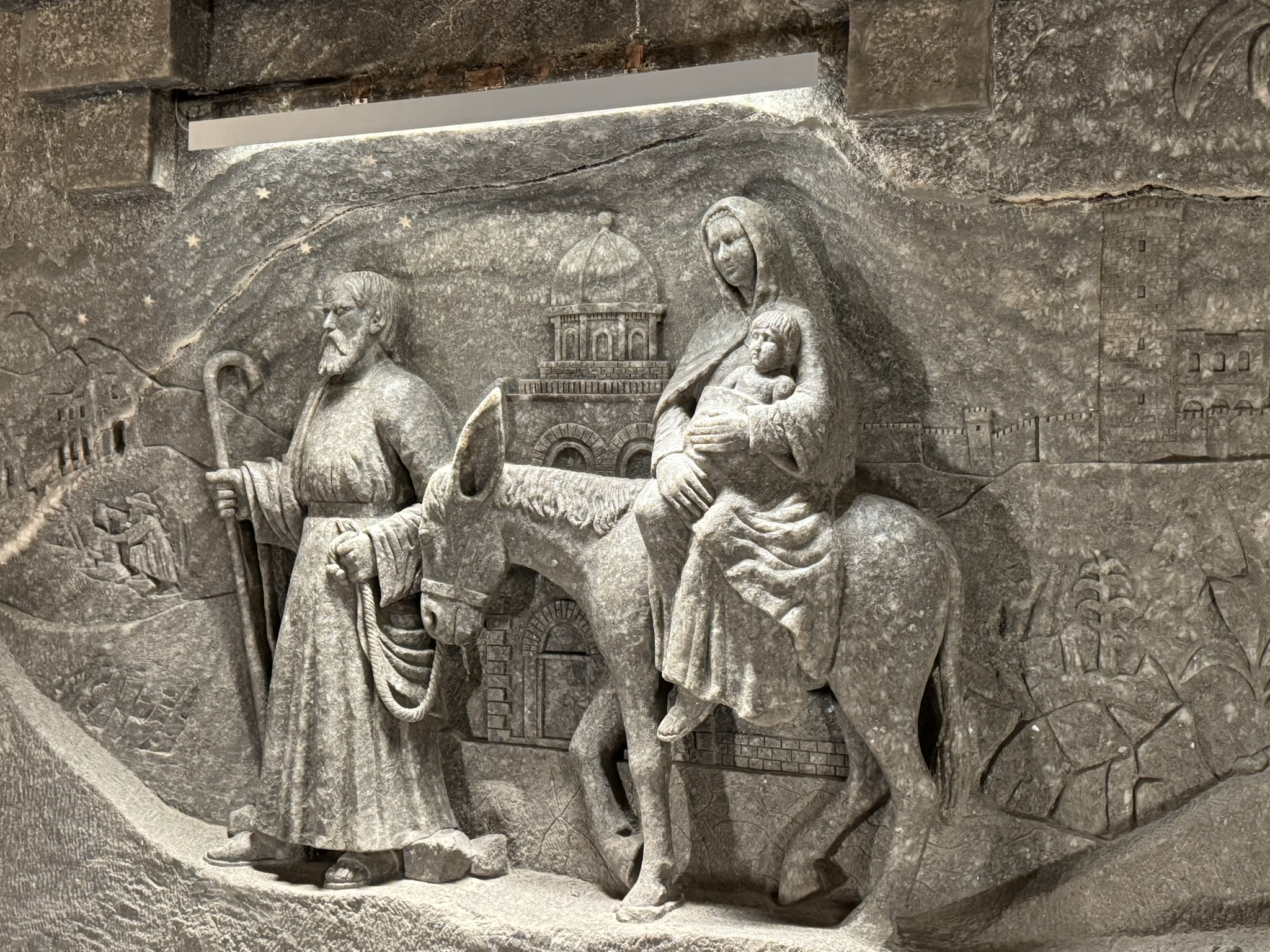
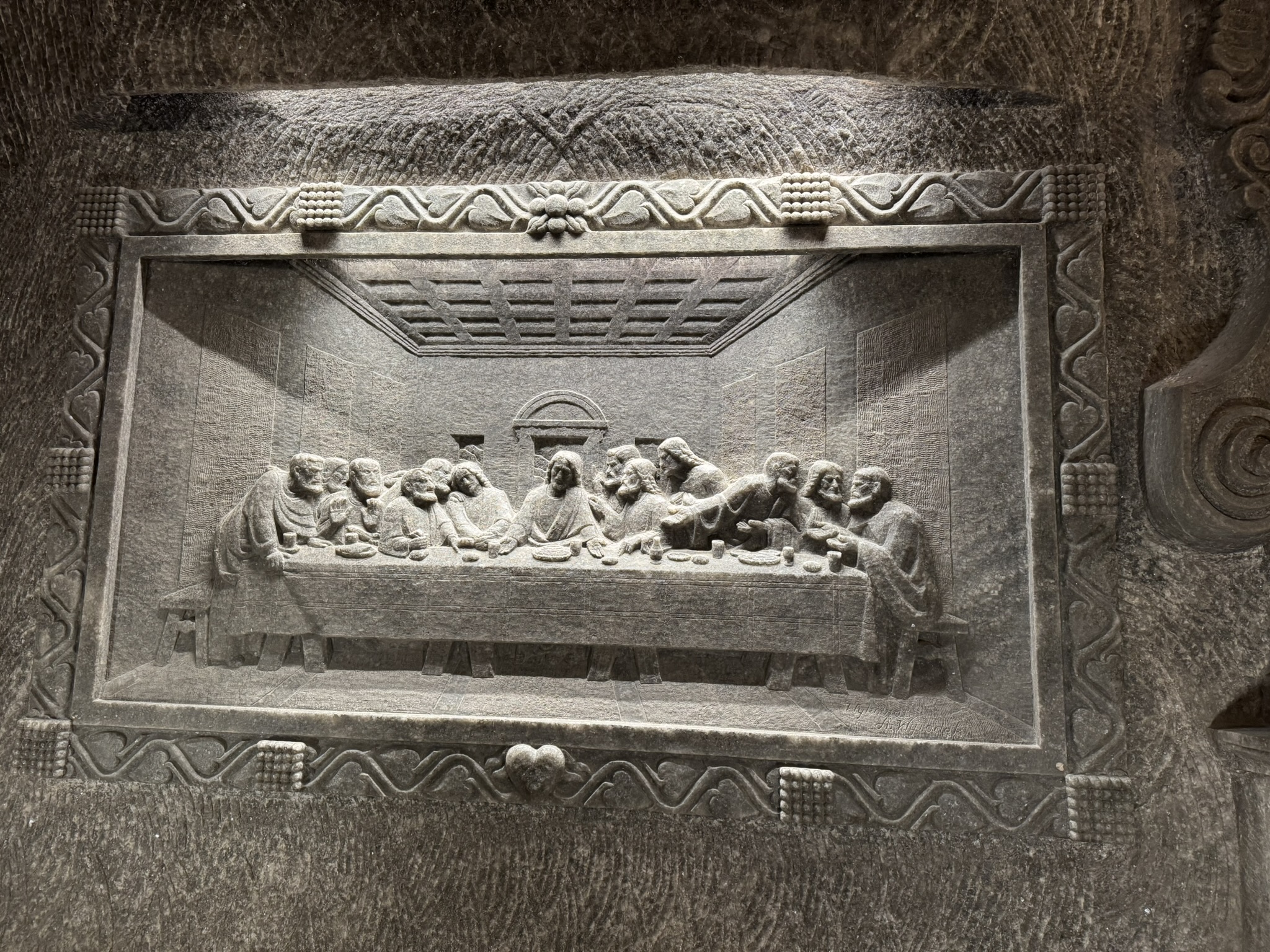
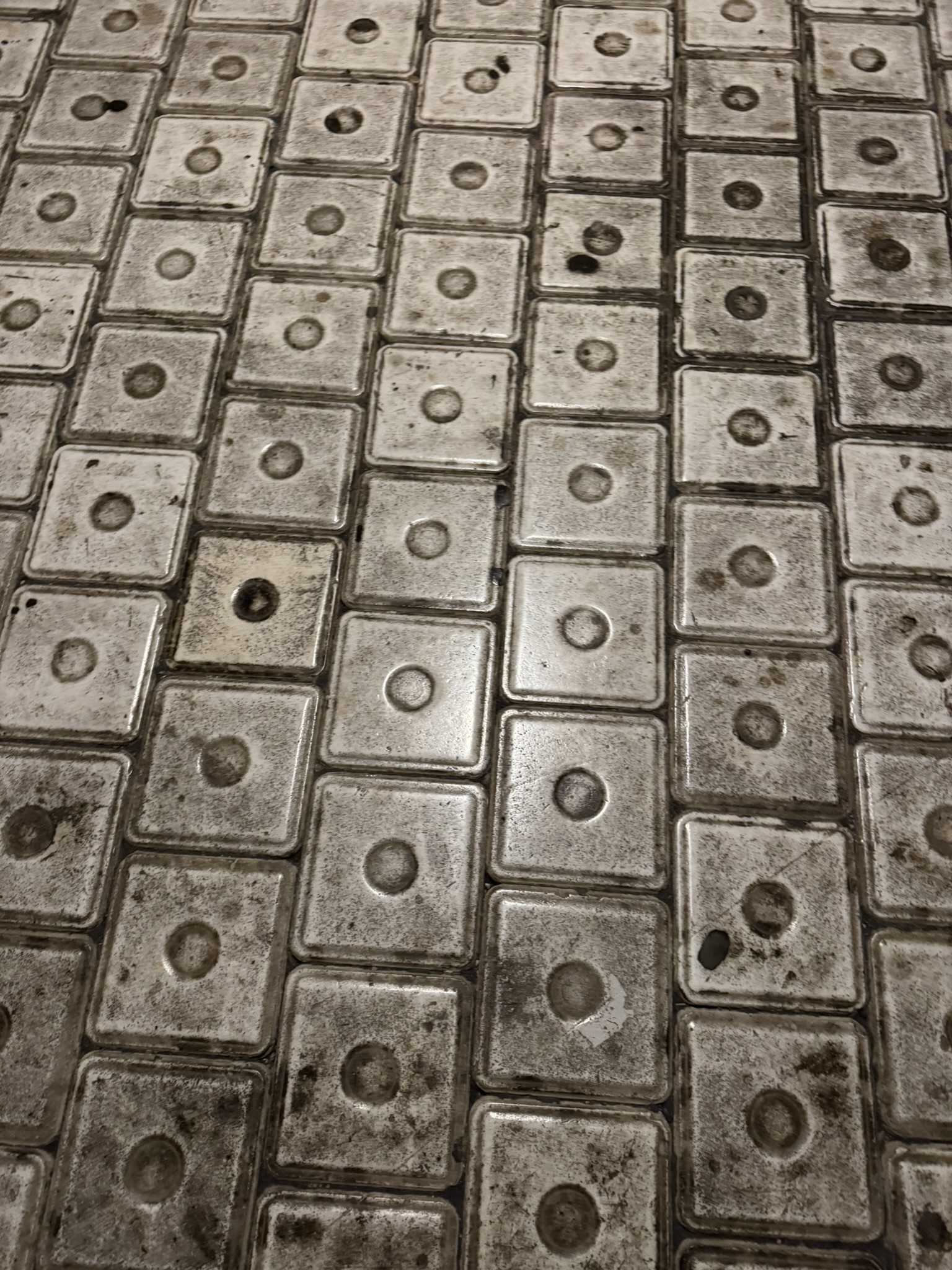
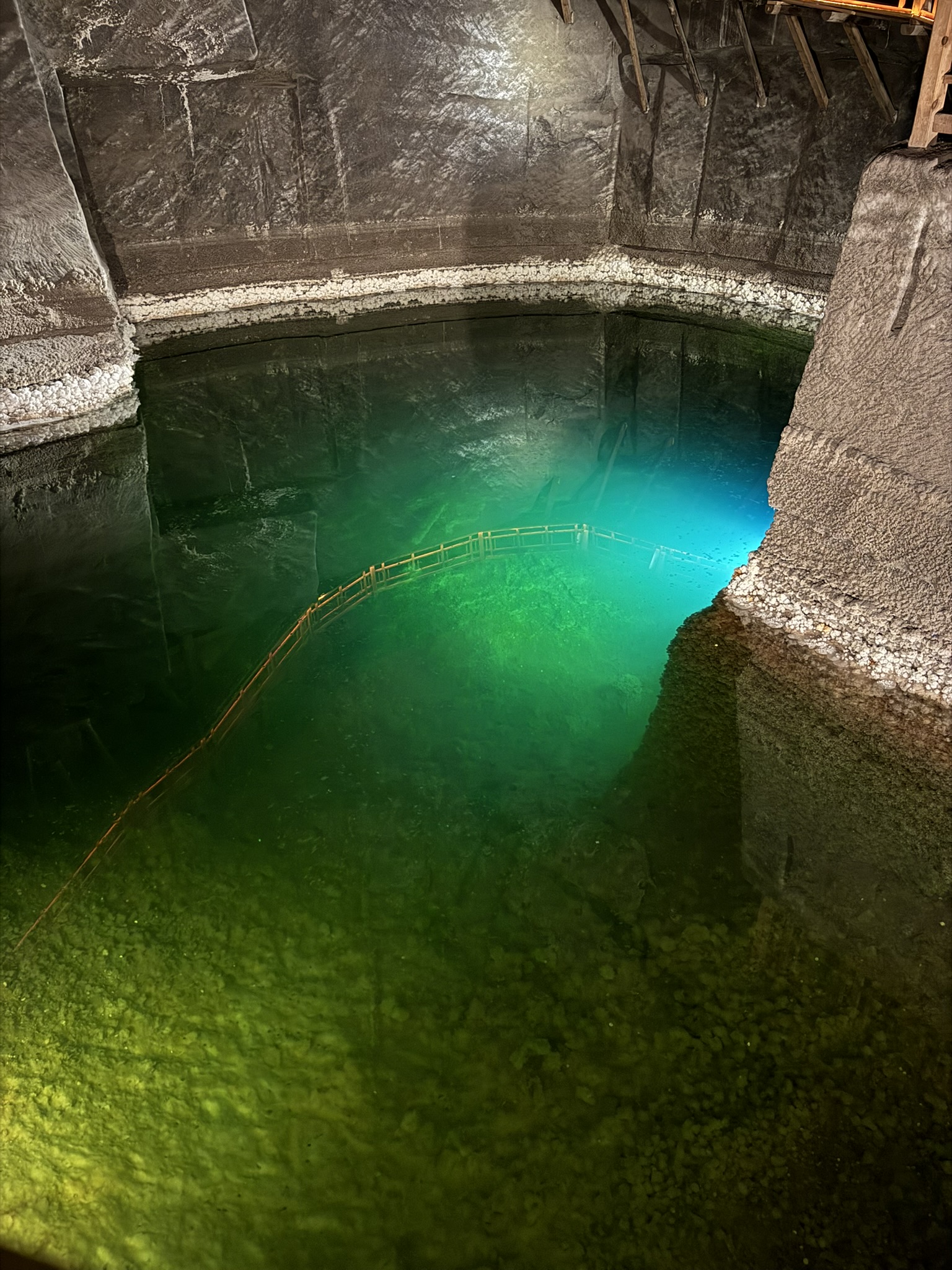
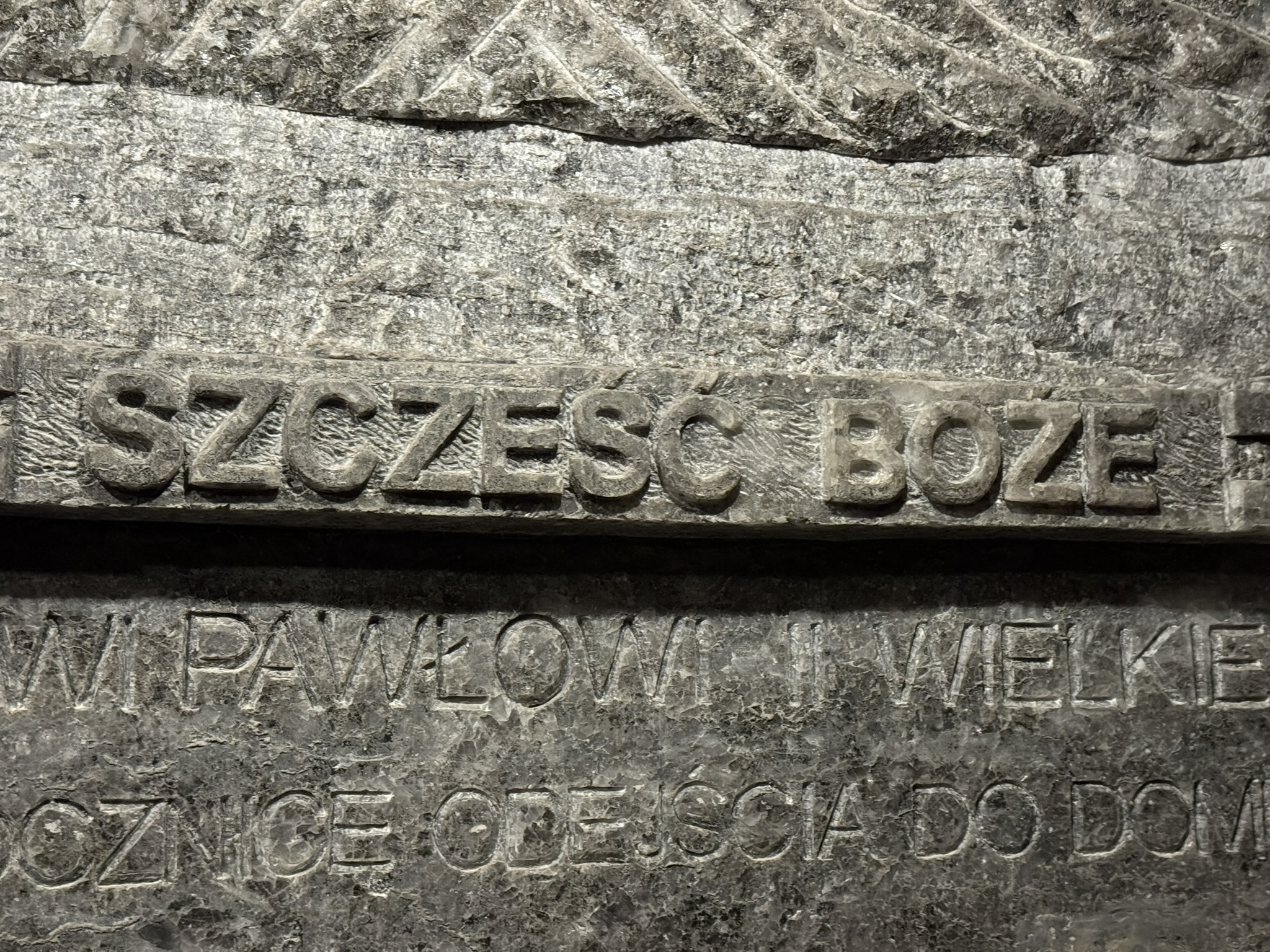
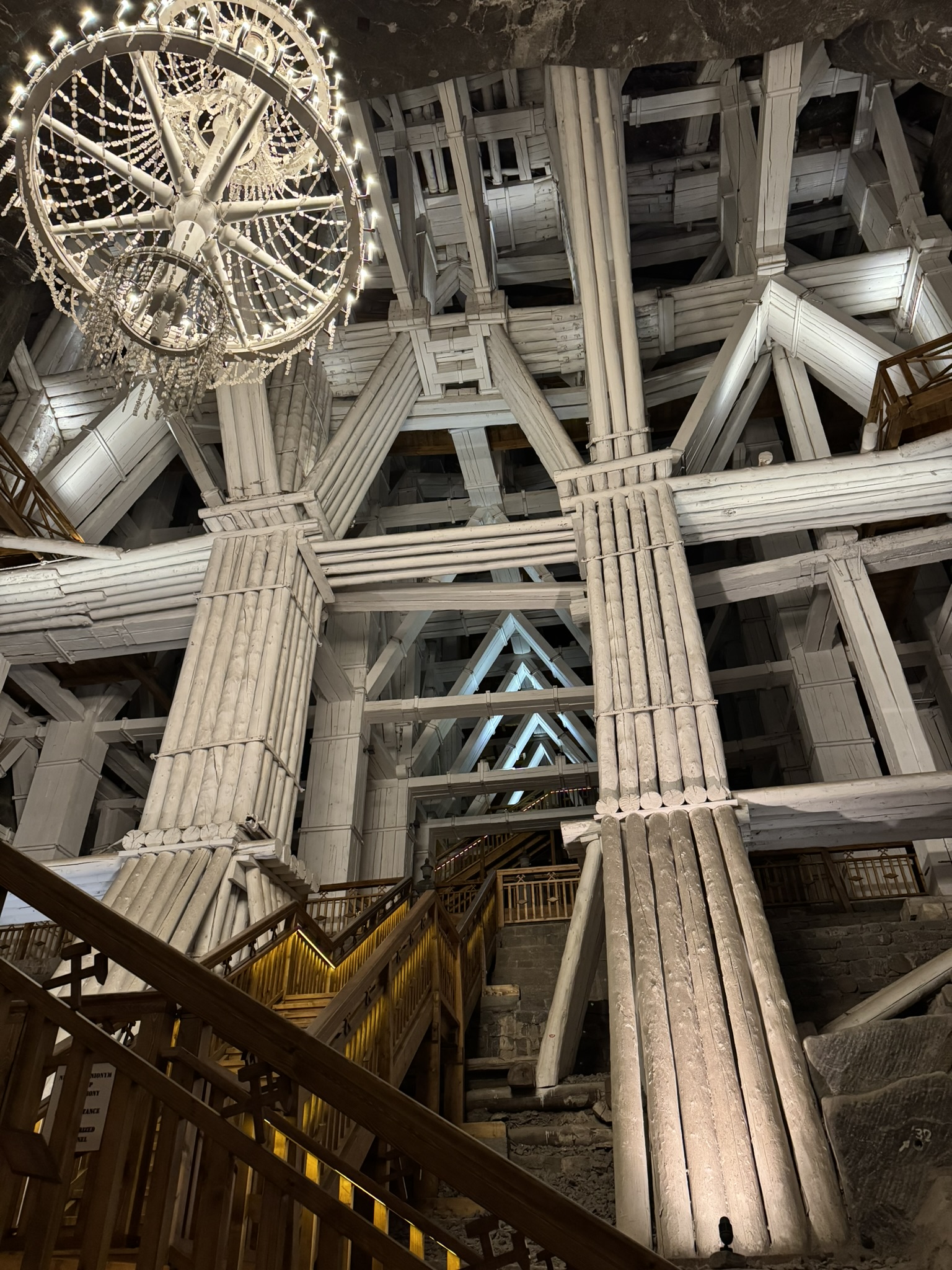
As we descended 378 stairs to visit this 700-year-old mine, we saw a few of the 40 underground chapels that are carved from salt. Salty subterranean lakes have a higher salinity level than the Dead Sea. Everything underground is made of salt including the chandeliers and floors. Table salt was produced here from the 13th century continuously until 1996.



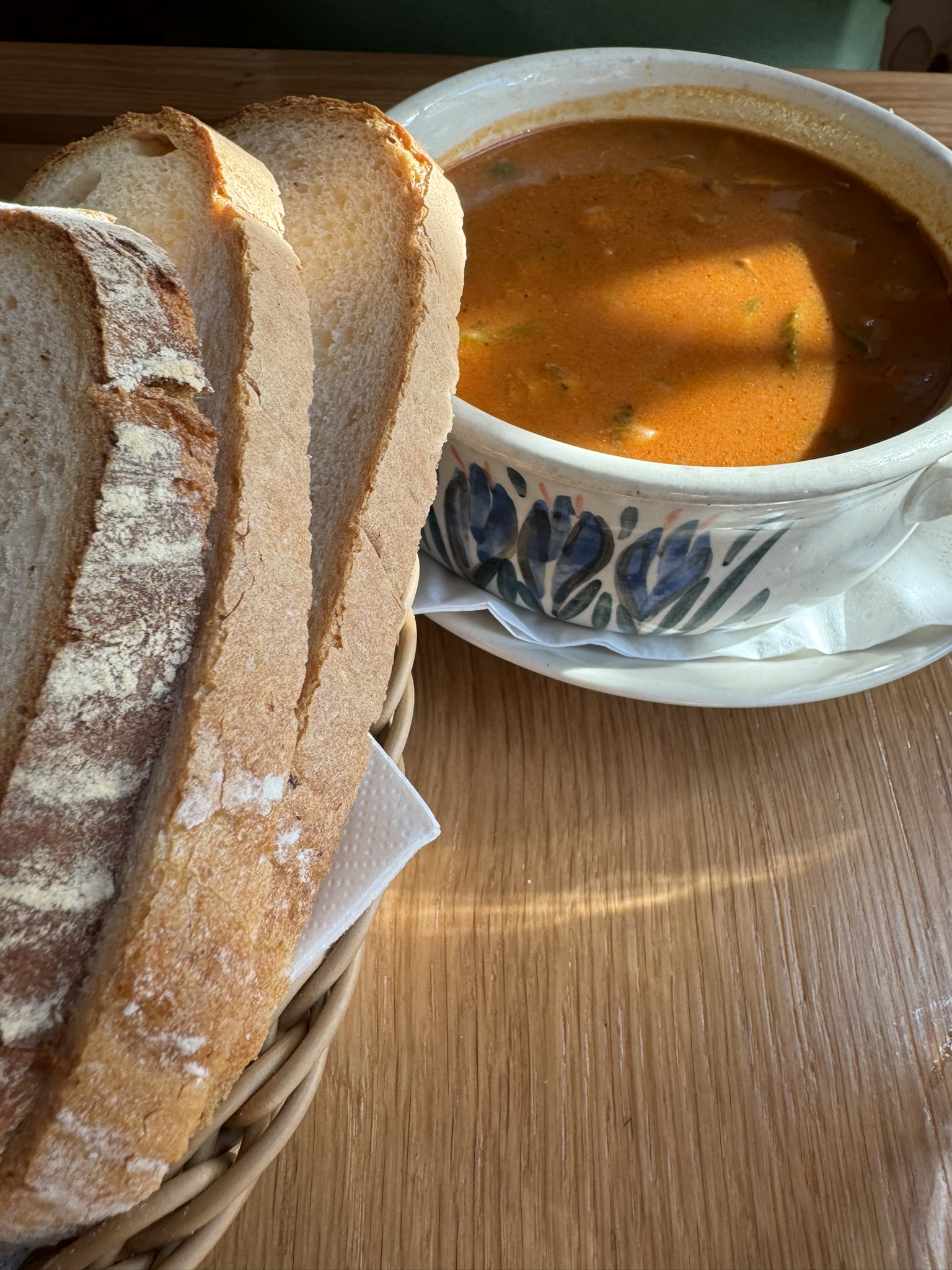
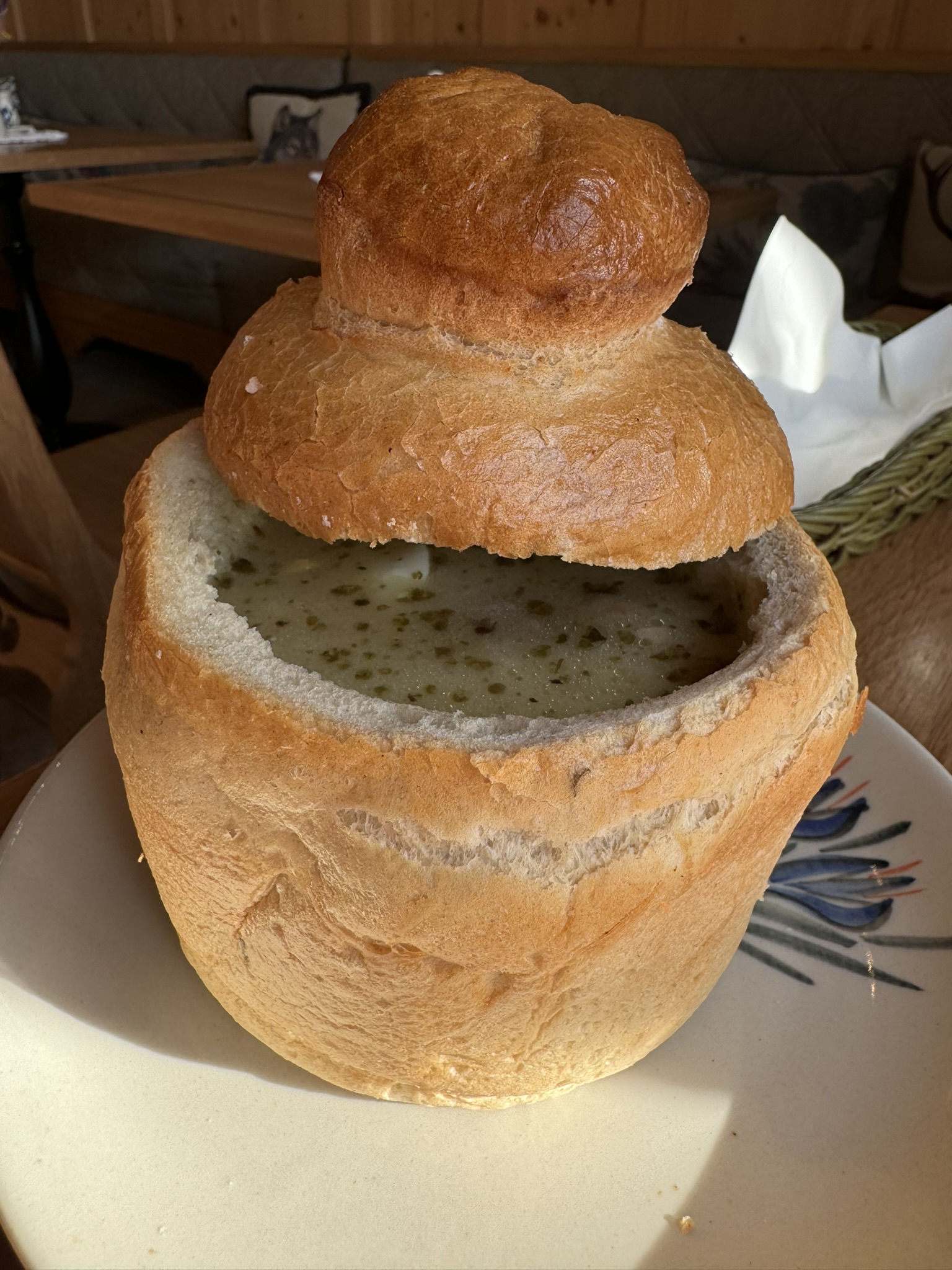
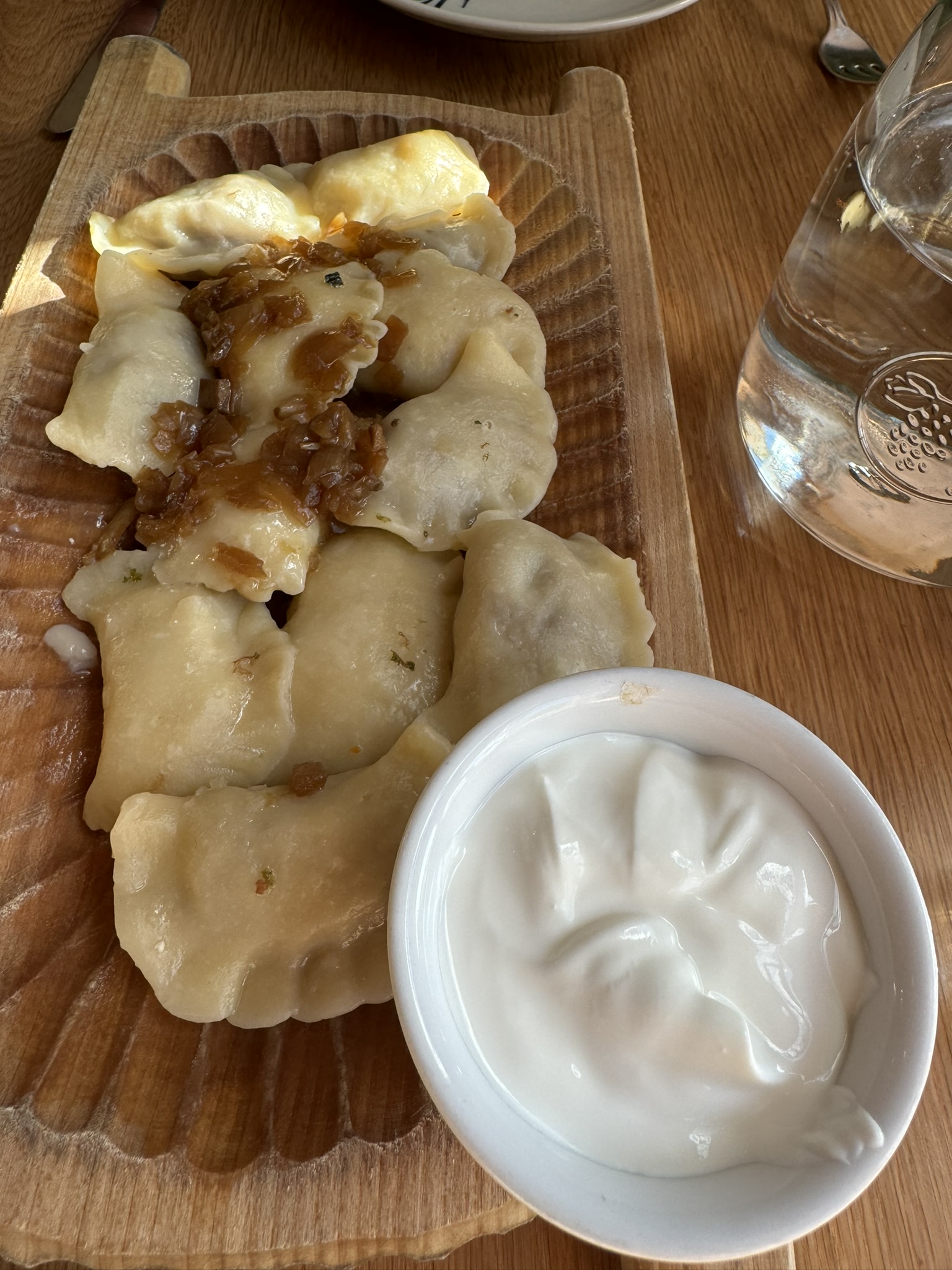
Traditional Polish food:
Goulash & Jajkiem (broth with hard boiled eggs & sausage, served in bread)
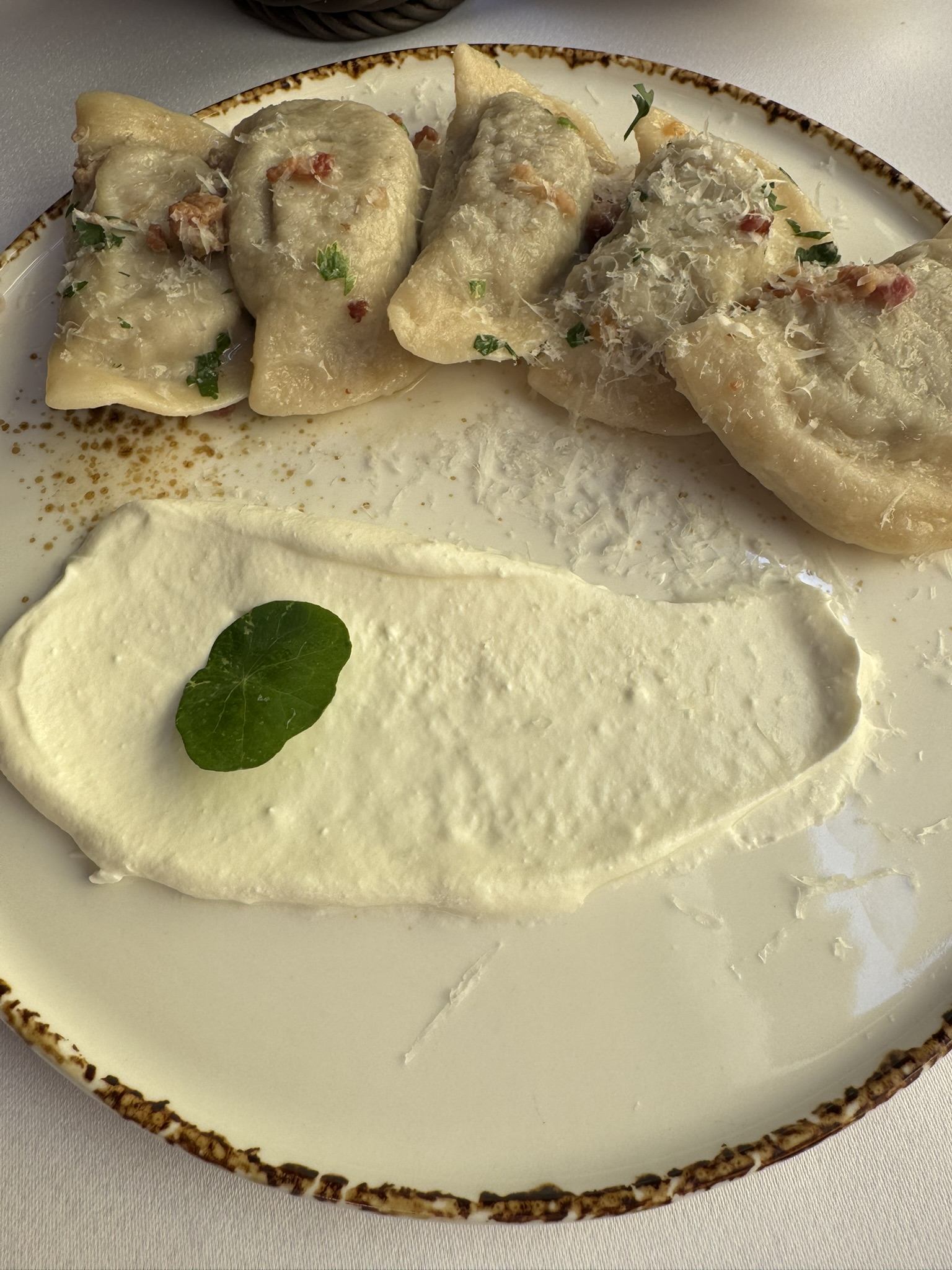
Pierogis (filled with meat or potatoes & cheese)

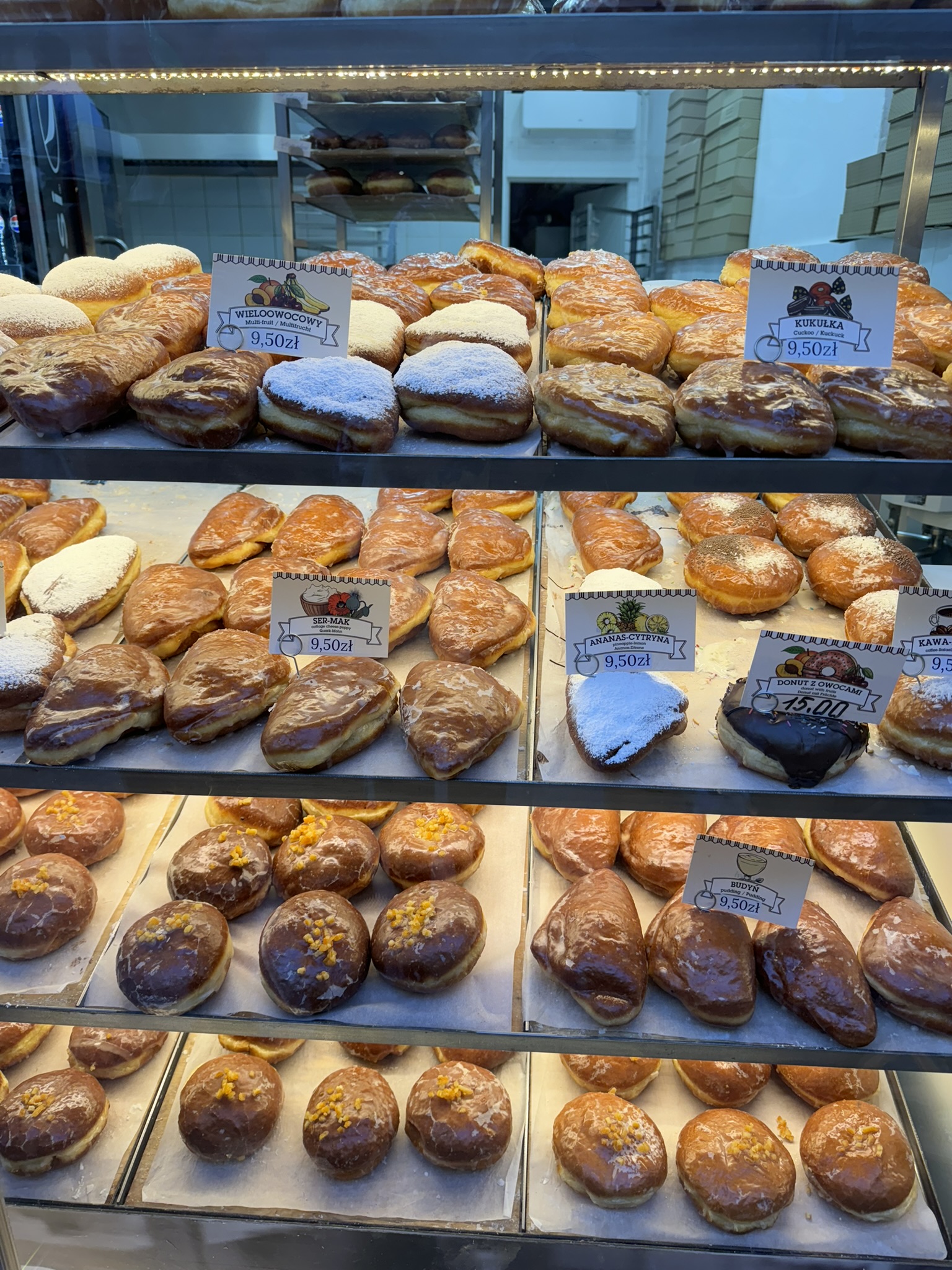
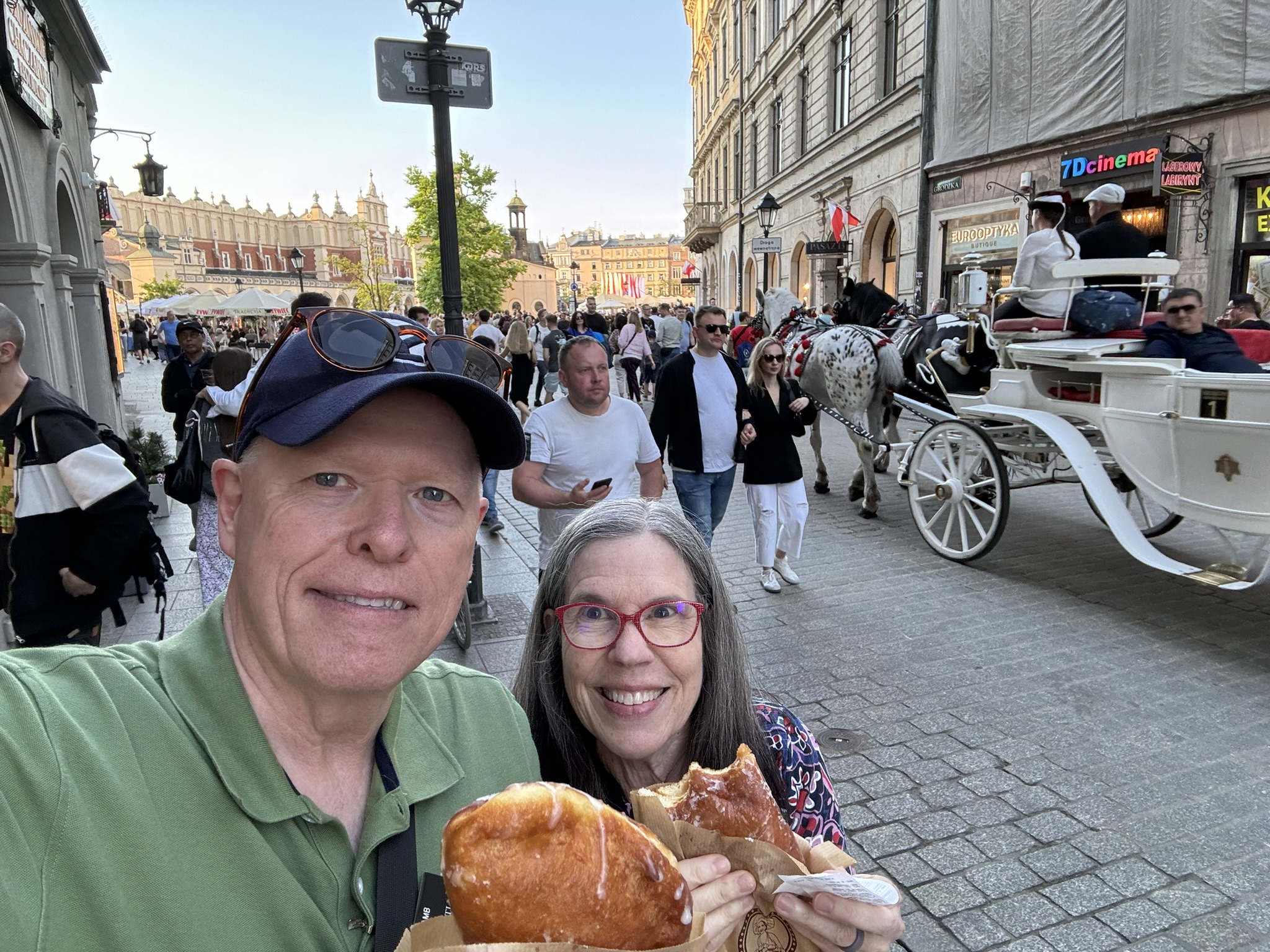
Paczkis
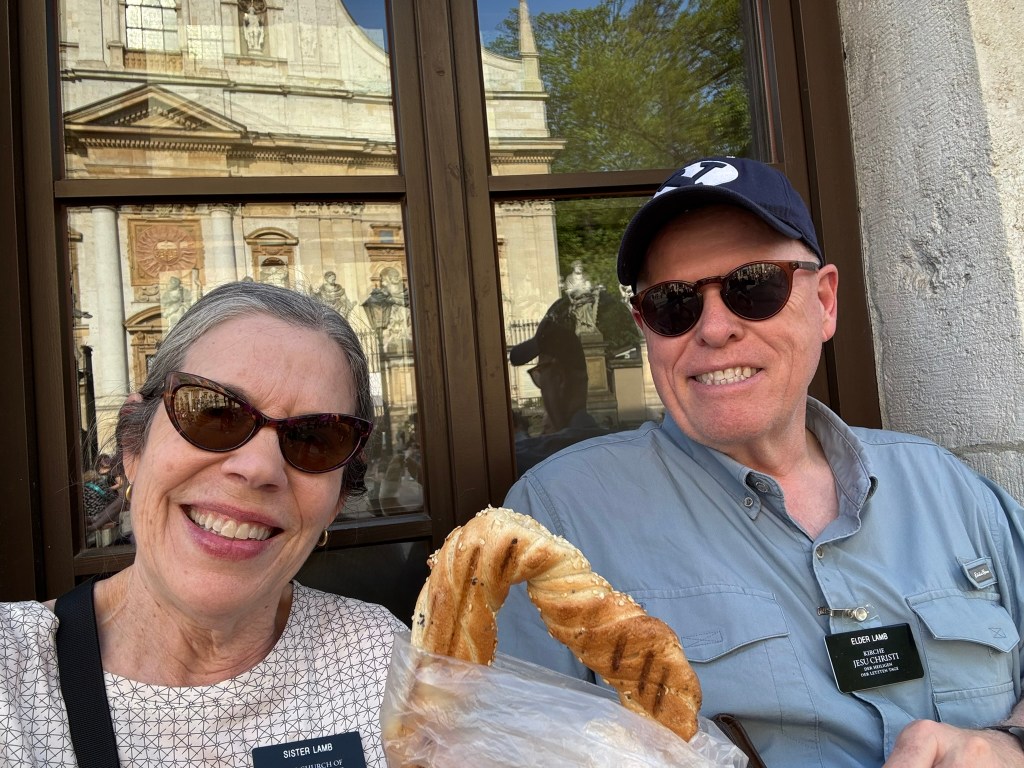
Pretzels

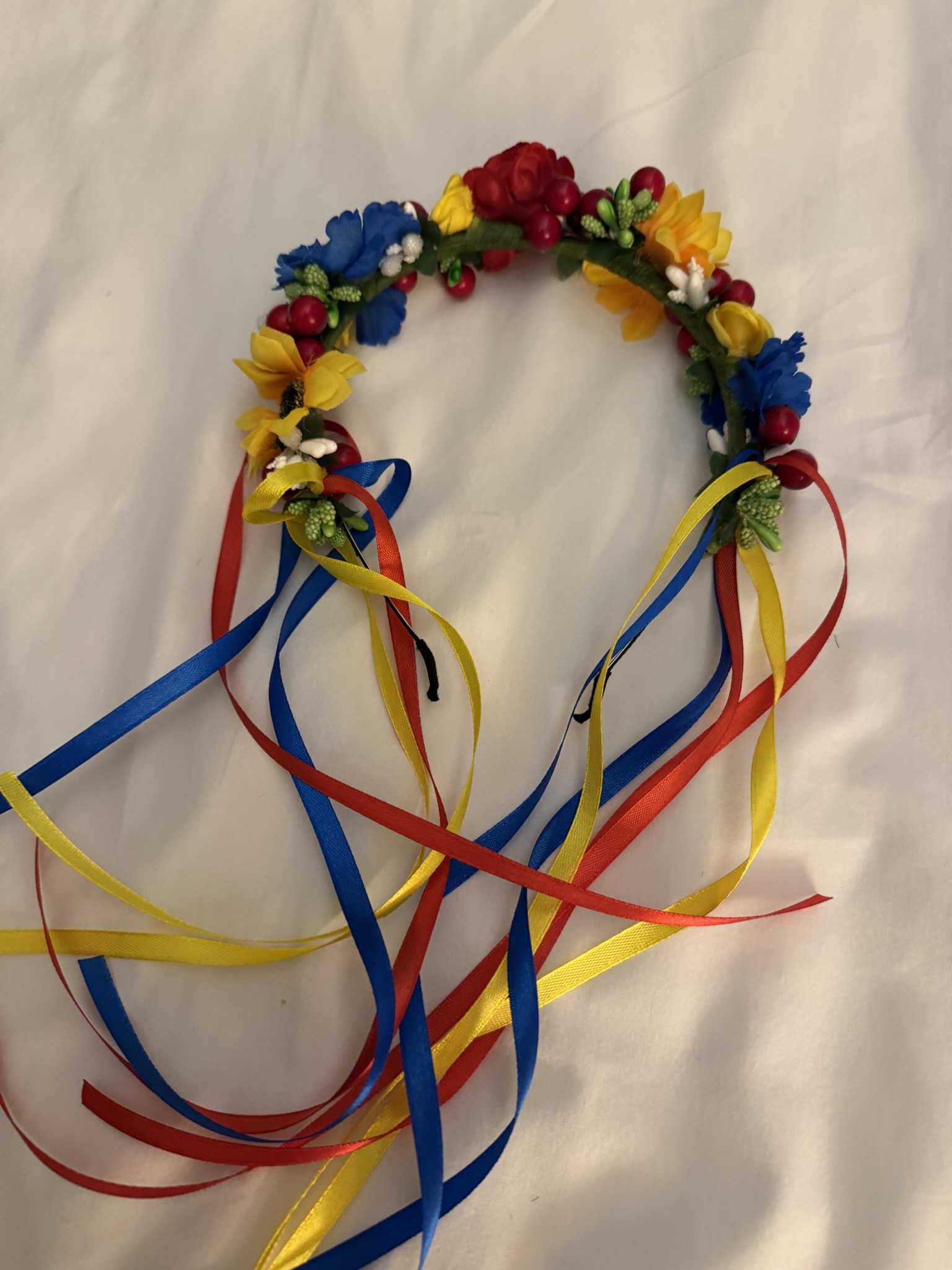
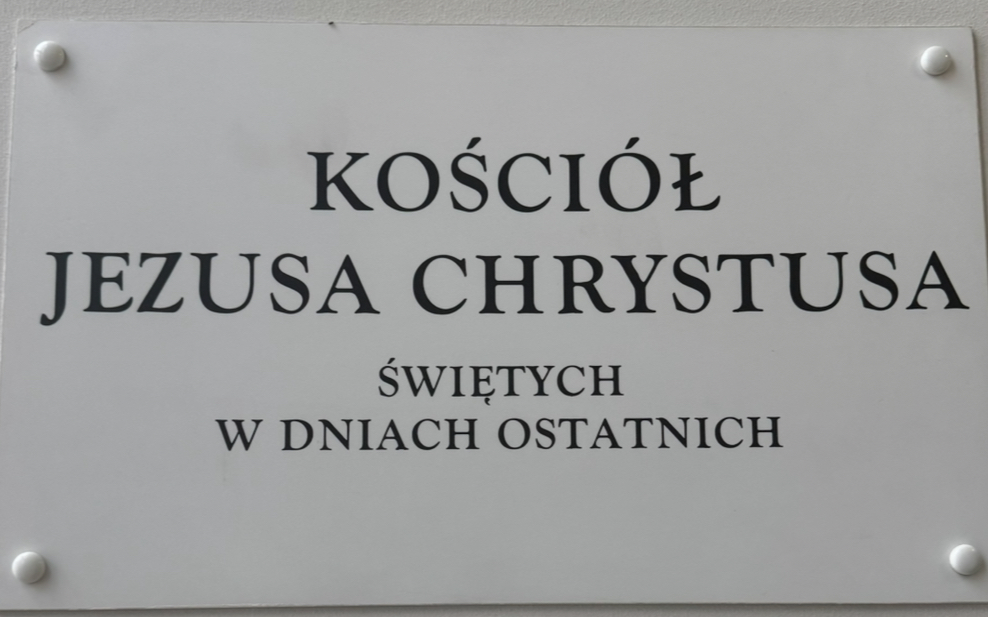
We had a sweet experience when we attended church with about 30 saints at the Krakow branch on Sunday. We heard Polish, English, Portuguese, Spanish, and French spoken. The Primary President is from Japan, the Relief Society President is from the US. “Where two or three are gathereth together in my name, there am I in the midst of them” Matthew 18:20.
As the miners in Poland say, “Szczesc Boze” (God Bless You)
With love, Elder & Sister Lamb (aka Ed & Debbie, Mom & Dad, Pop Pop & Tu Tu)
 Lambs in Central Europe