We have been busy in the office preparing and presenting humanitarian projects for approval. Here are some projects that have been approved during the last two weeks:
Lecce, Italy- Supporting CIR (Italian Council for refugees) to assist 120 vulnerable women/girls, minors/young adults that are victims of sexual exploitation and exploited farm workers who need protection. through access to legal channels, food, healthcare and job training.
Rome, Italy- Working with RWI (Refugees Welcome Italy) to assist 120 refugees obtain vocational training and/or access to university courses and to find housing solutions. Each person lives with a mentor family that gives one on one support through this process.
Hanau, Germany- our church members in this community volunteer regularly at their local homeless shelter. Donated funds will provide winter boots for the homeless.
St Gallen, Switzerland- Relief Society sisters will be assembling 400 care kits for women’s shelters in their city.
St Poelten & Vienna, Austria- our church members have joined with other community members from the Romanian Orthodox, Catholic and Bahai congregations to provide “warming kitchens” during the winter months (November-March). Guests are welcomed into these warming rooms to rest, have a warm meal, and to enjoy socializing for a few hours. Guests are often homeless or those who do not have adequate heating at home.
Salzburg, Austria- three of our church congregations in three different towns will provide needed service in their communities: A ‘warming kitchen’ as described above, an ‘exchange market’ where community members come to exchange clothing that no longer fits their children, and a ‘repair café’ where community members are invited to learn skills like the repair of small appliances and mending clothes. Volunteers will also be available to help children with their homework. Humanitarian dollars will provide food, clothing racks, and sewing & school supplies respectively for these three projects.
The beauty of the projects in Germany, Switzerland, and Austria is that they were all locally generated; people observing a need in their community and uniting with others to solve the issue. As followers of Jesus Christ, we consider caring for those in need both a duty and a joyful privilege. We are grateful to have a small part in this work.
We have had many gatherings this week surrounding tables full of friends and food.
On Monday we had dinner with our fellow area humanitarian specialists. The Fearsome Foursome: Stokers, Nelsons, Lambs, and Johnsons.
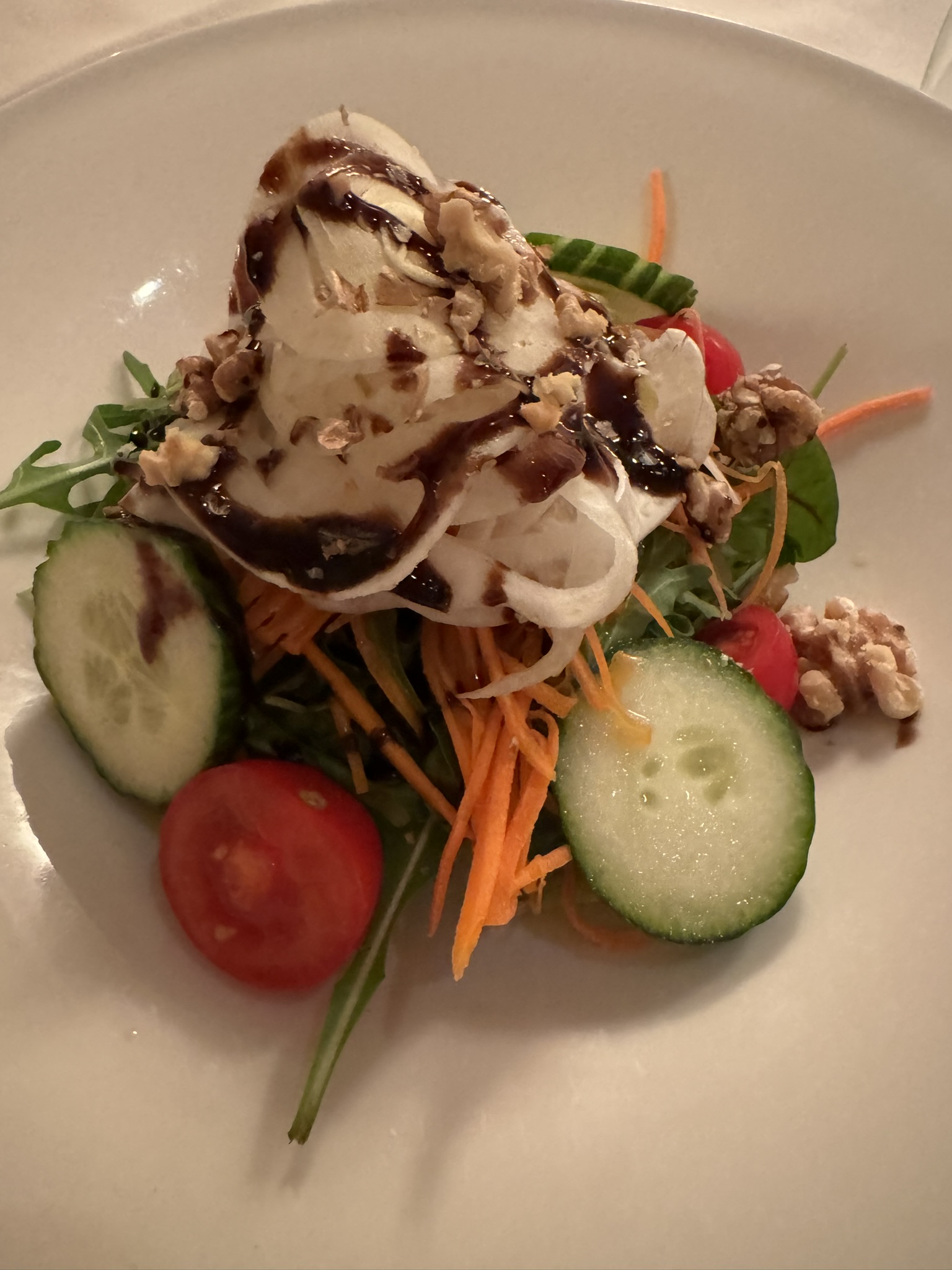
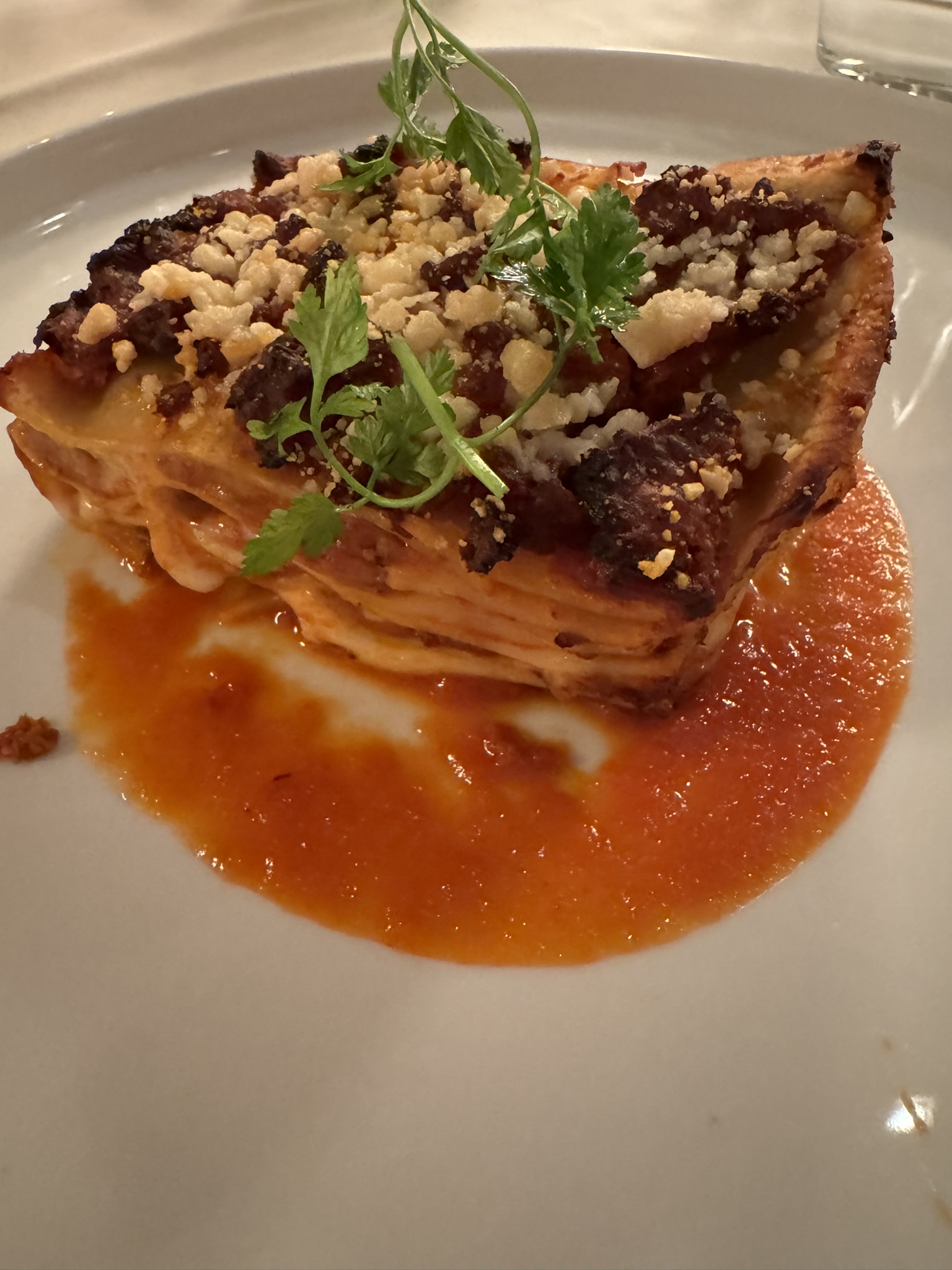
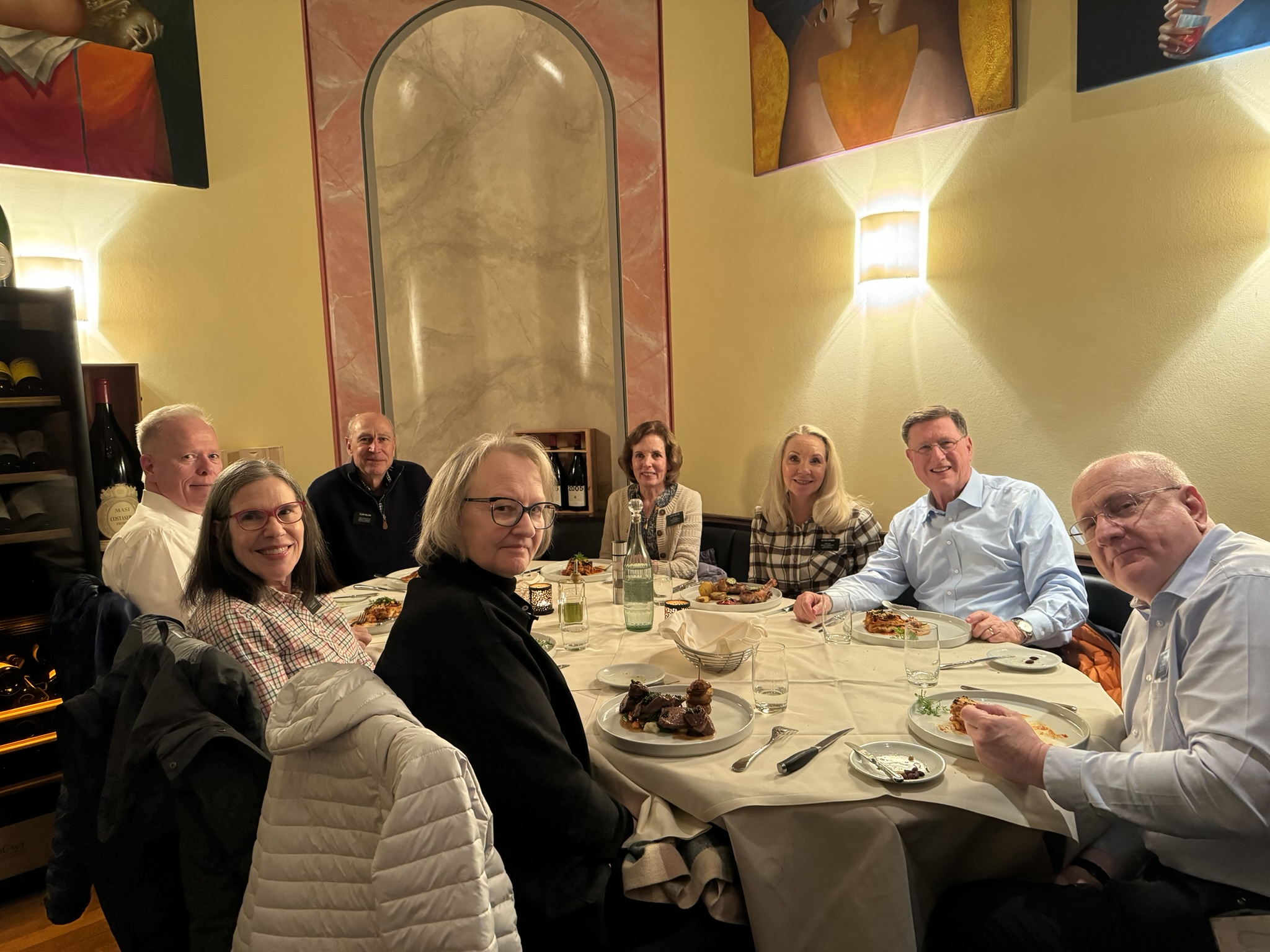
On Thursday our zone activity committee had a working dinner meeting to plan 2025.
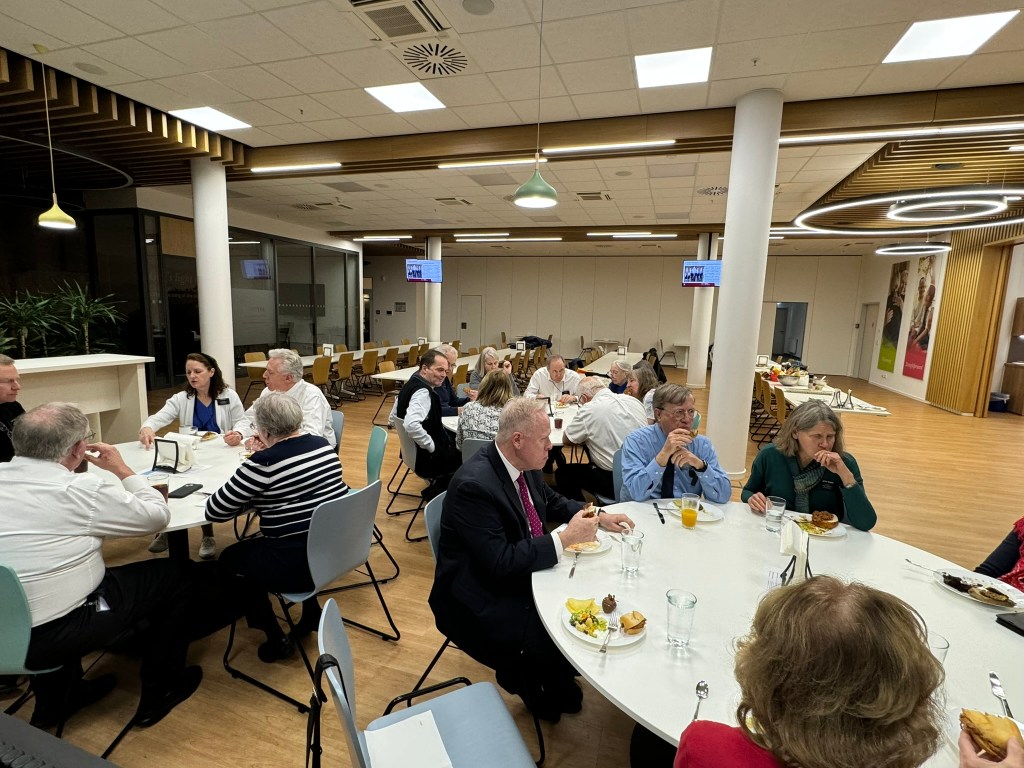
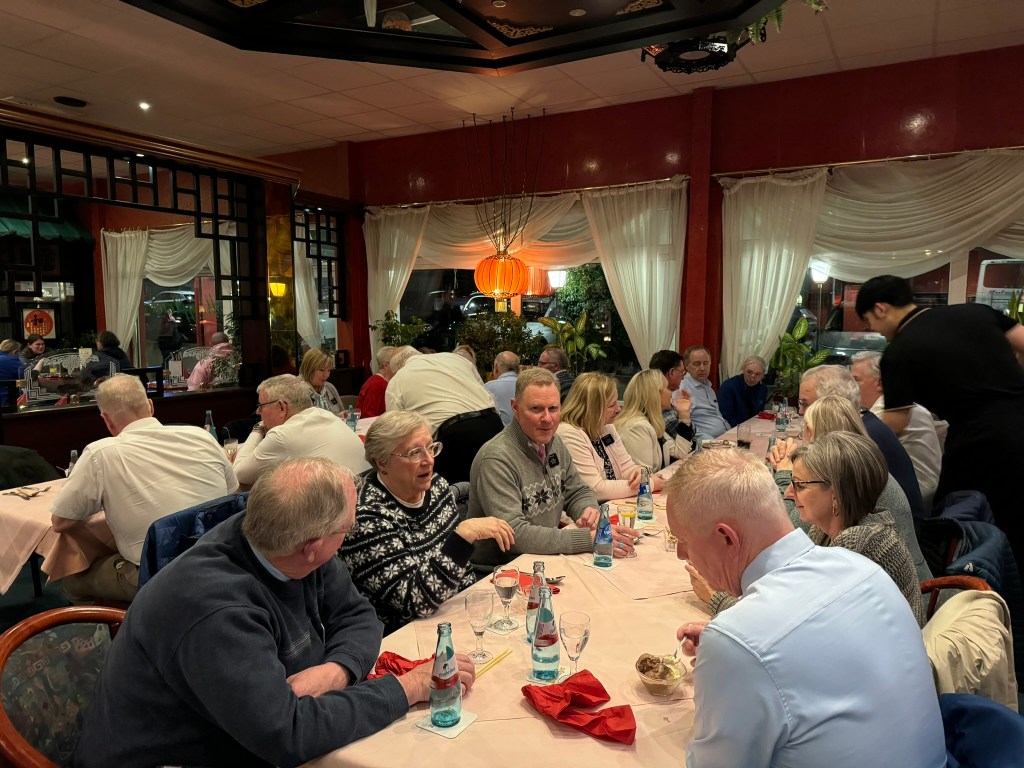
On Friday we had lunch with our department to celebrate the imminent arrival of a new baby to our manger and his wife. That evening we celebrated Chinese New Year with 30 of our closest friends.
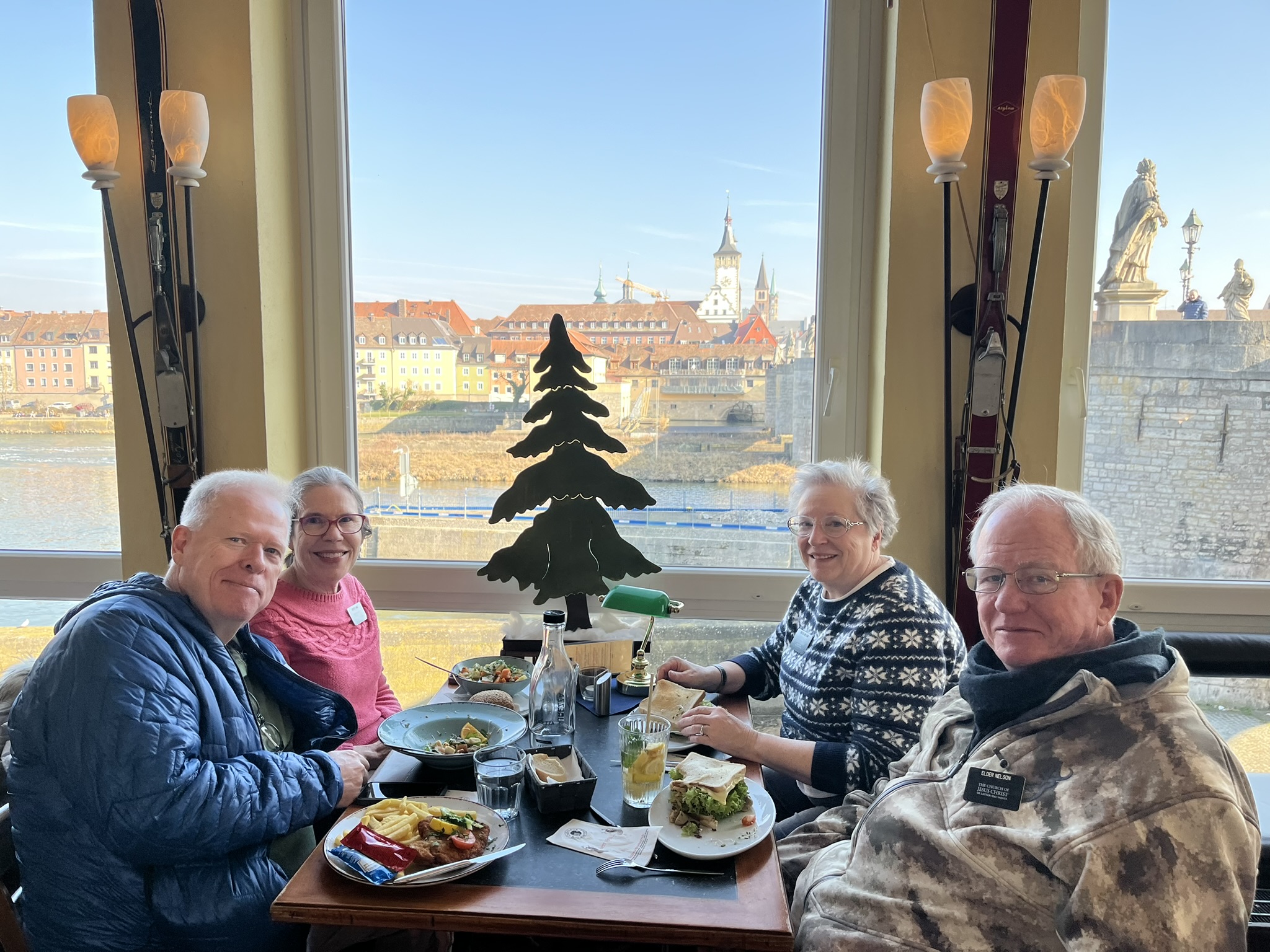
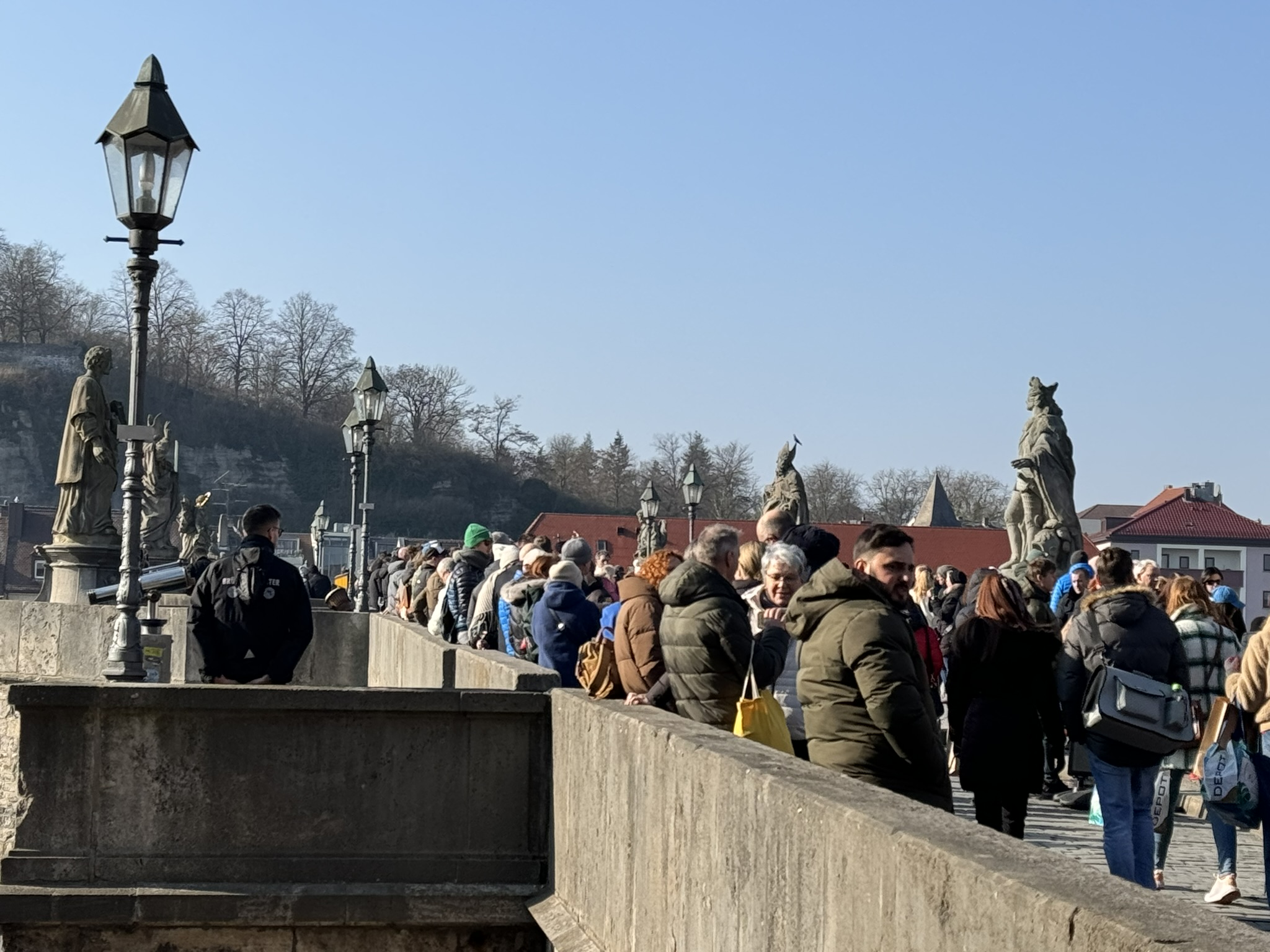
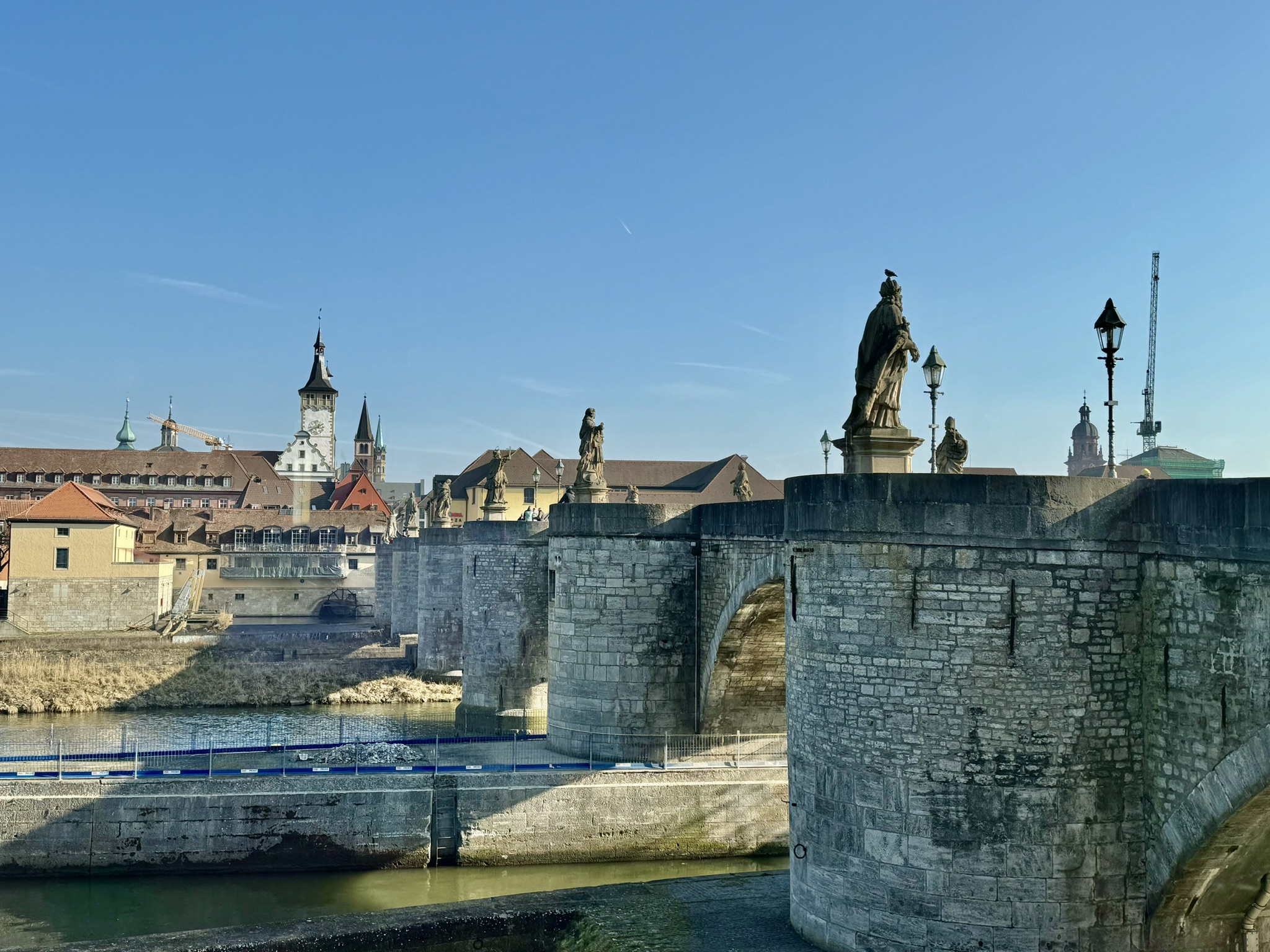
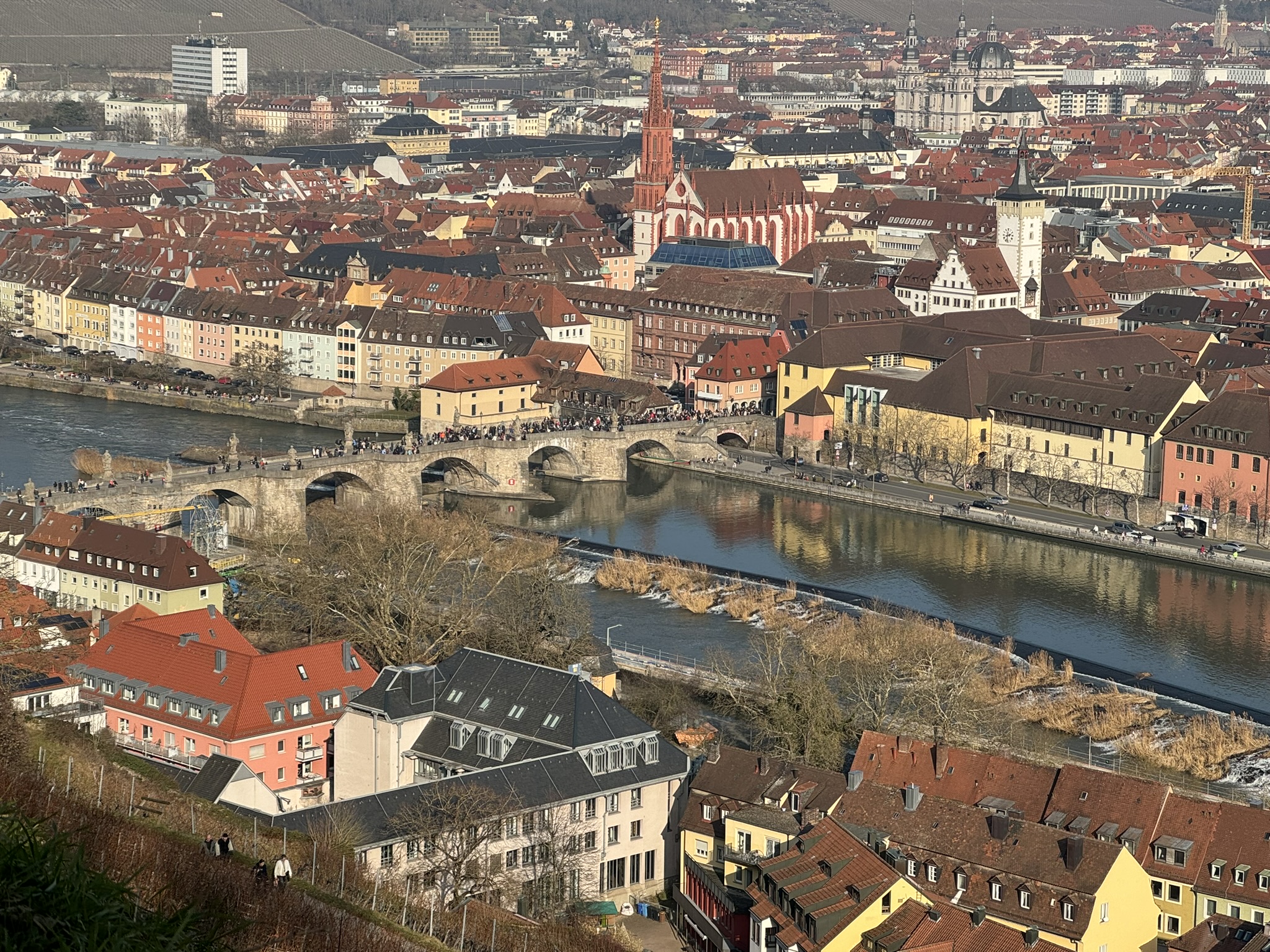
Elder and Sister Nelson joined us on our Saturday field trip. We visited Wurzburg, a beautiful city on the river Main. We enjoyed lunch overlooking the Old Main Bridge. The bridge was crowded with locals who were enjoying the sunshine and each other’s company.
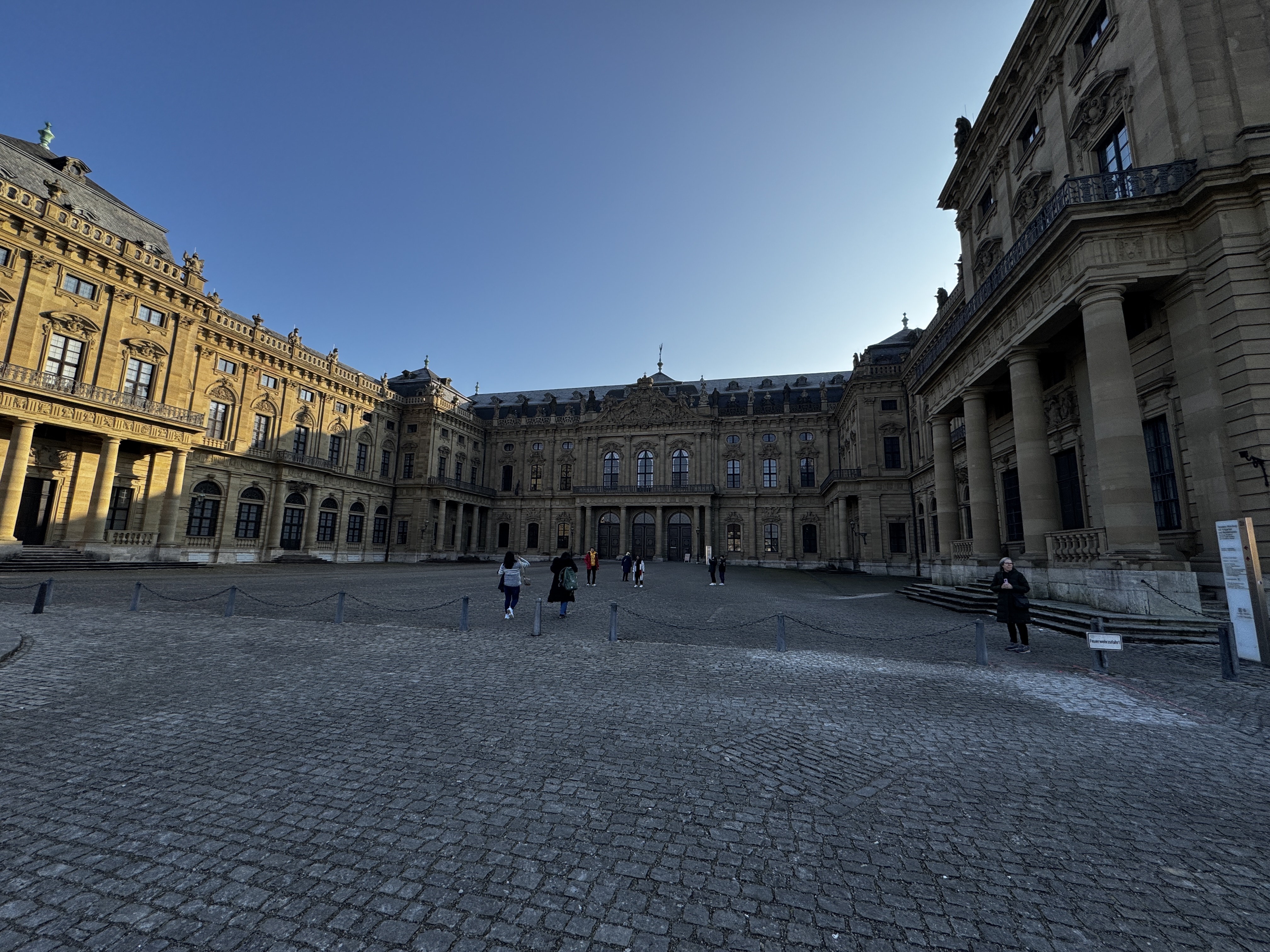
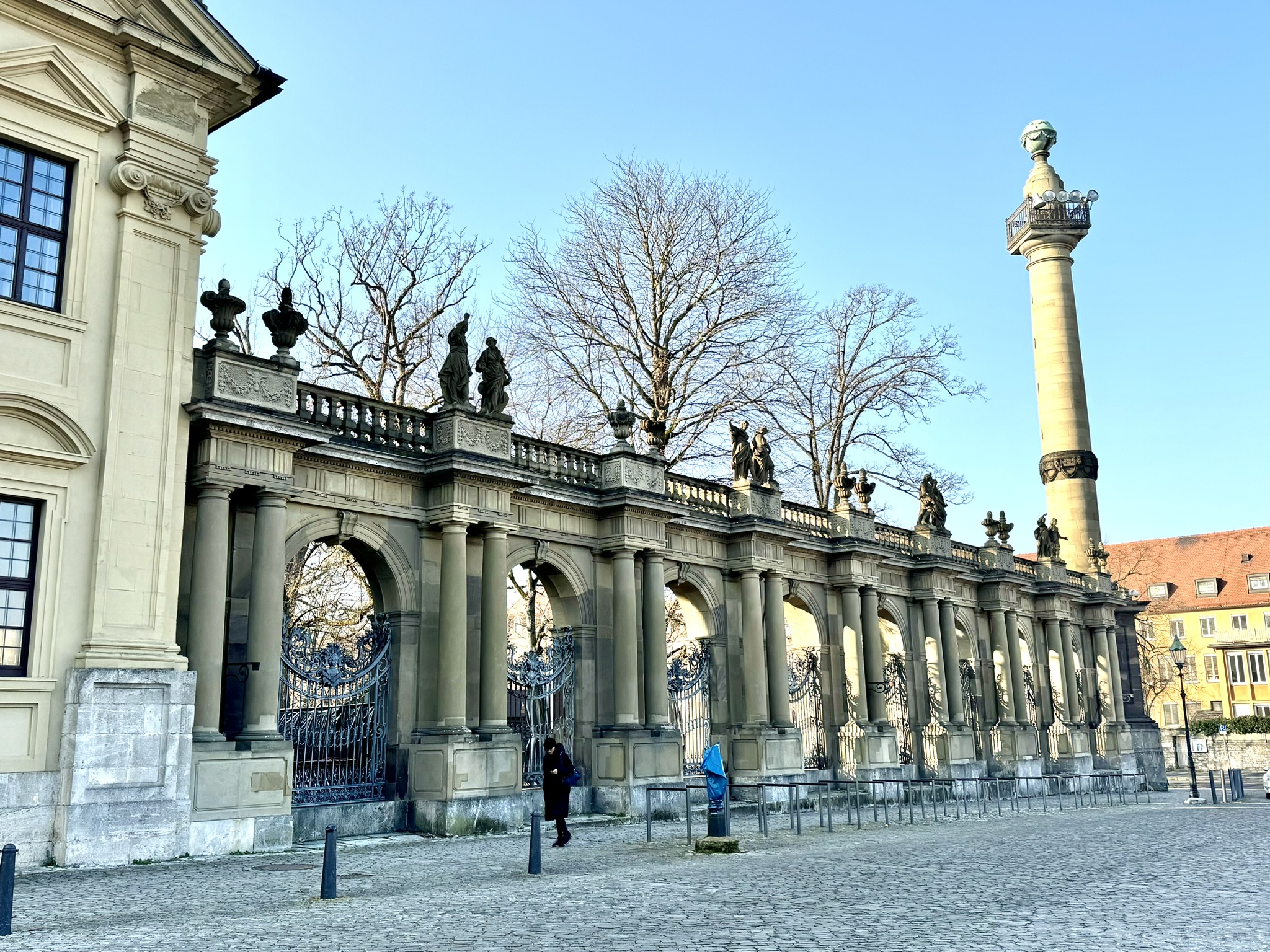
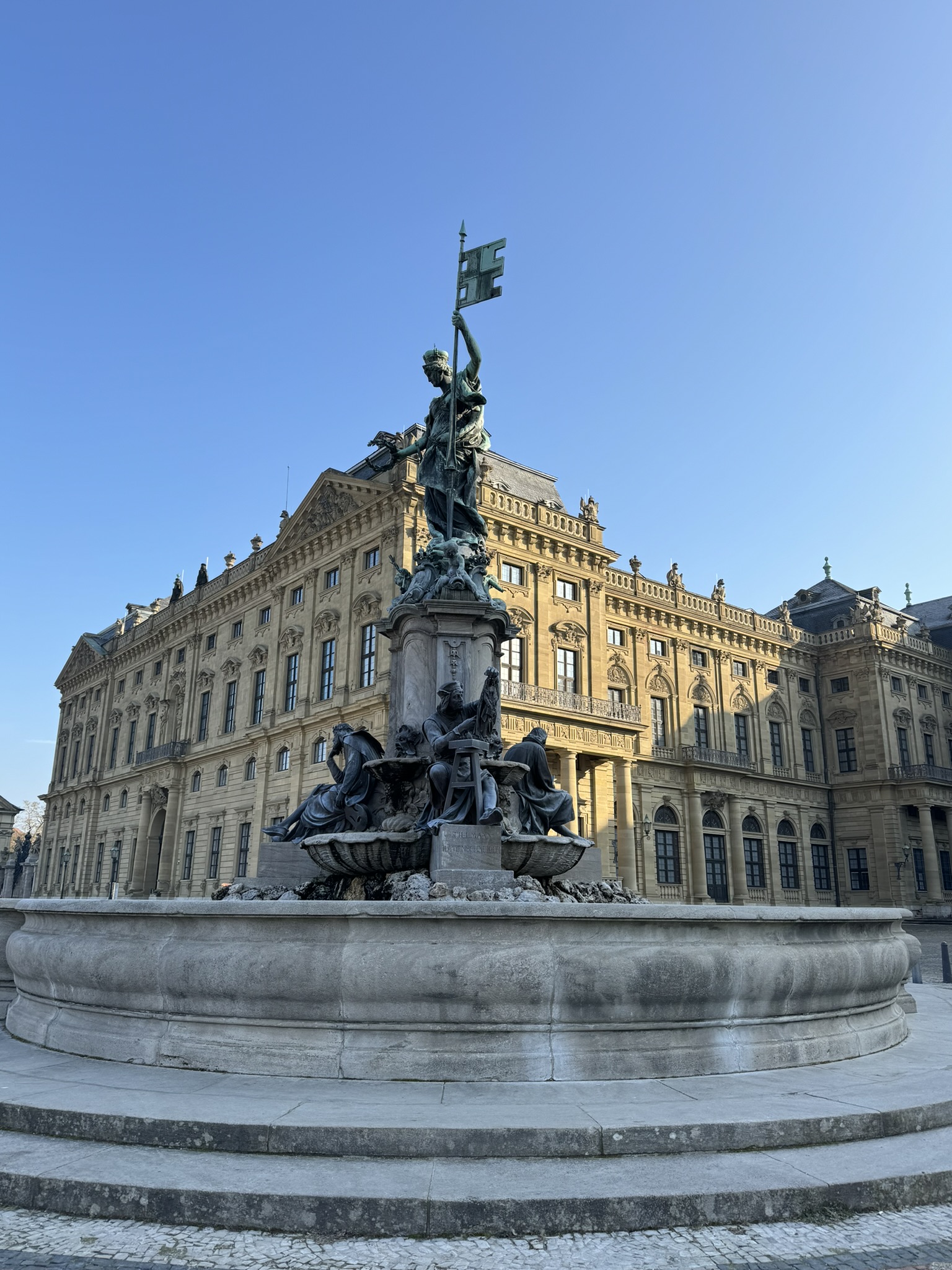
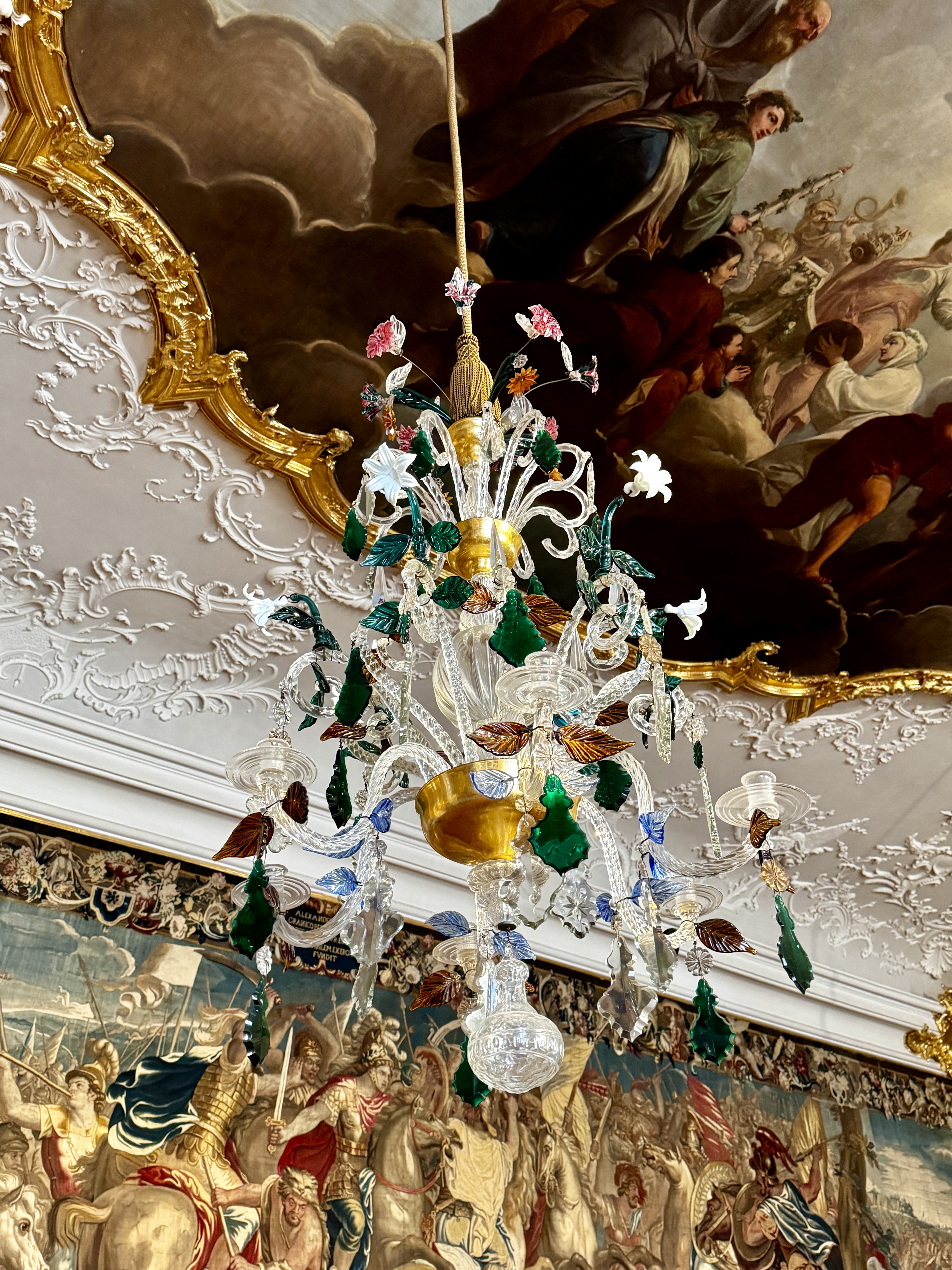
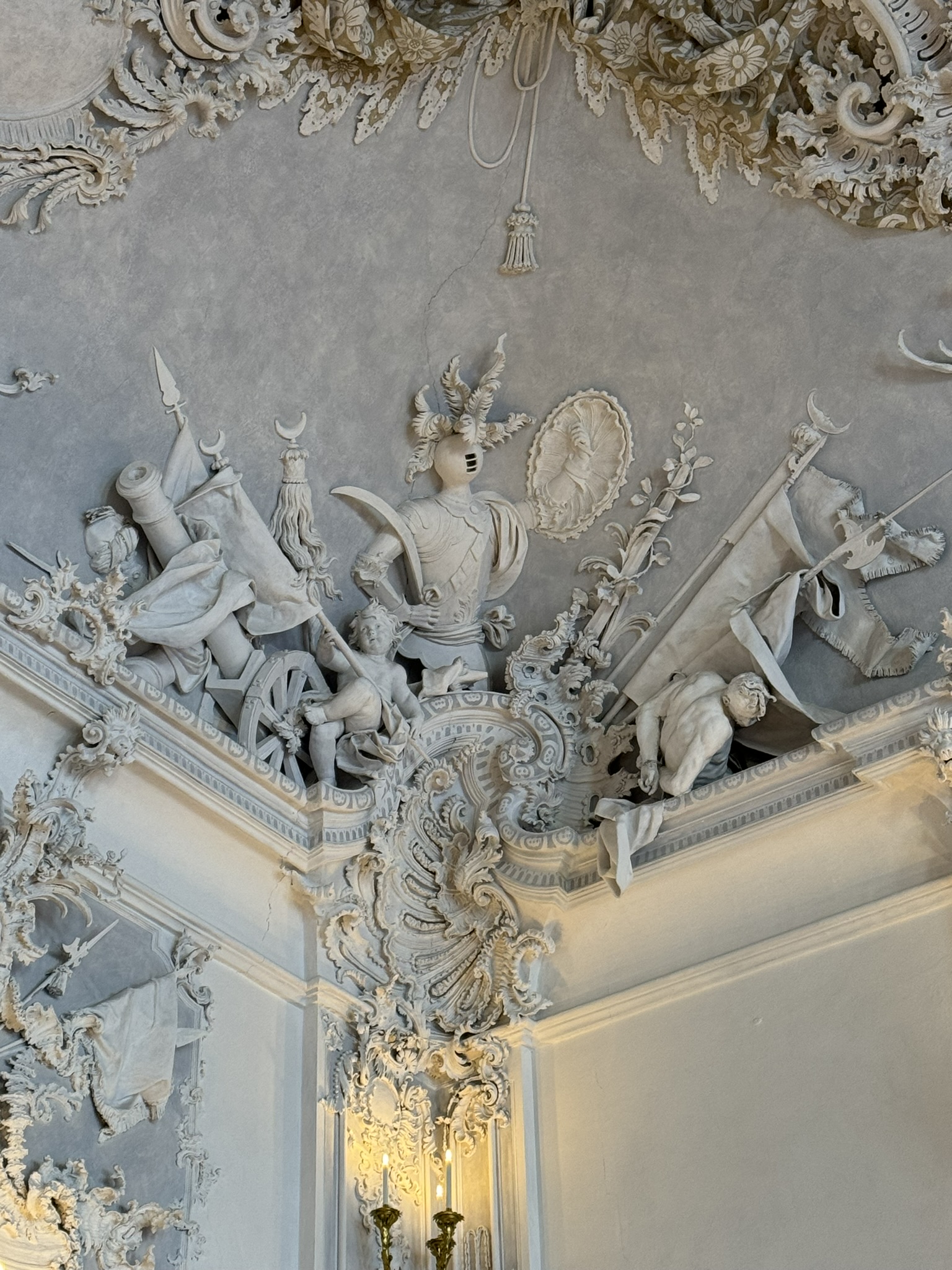
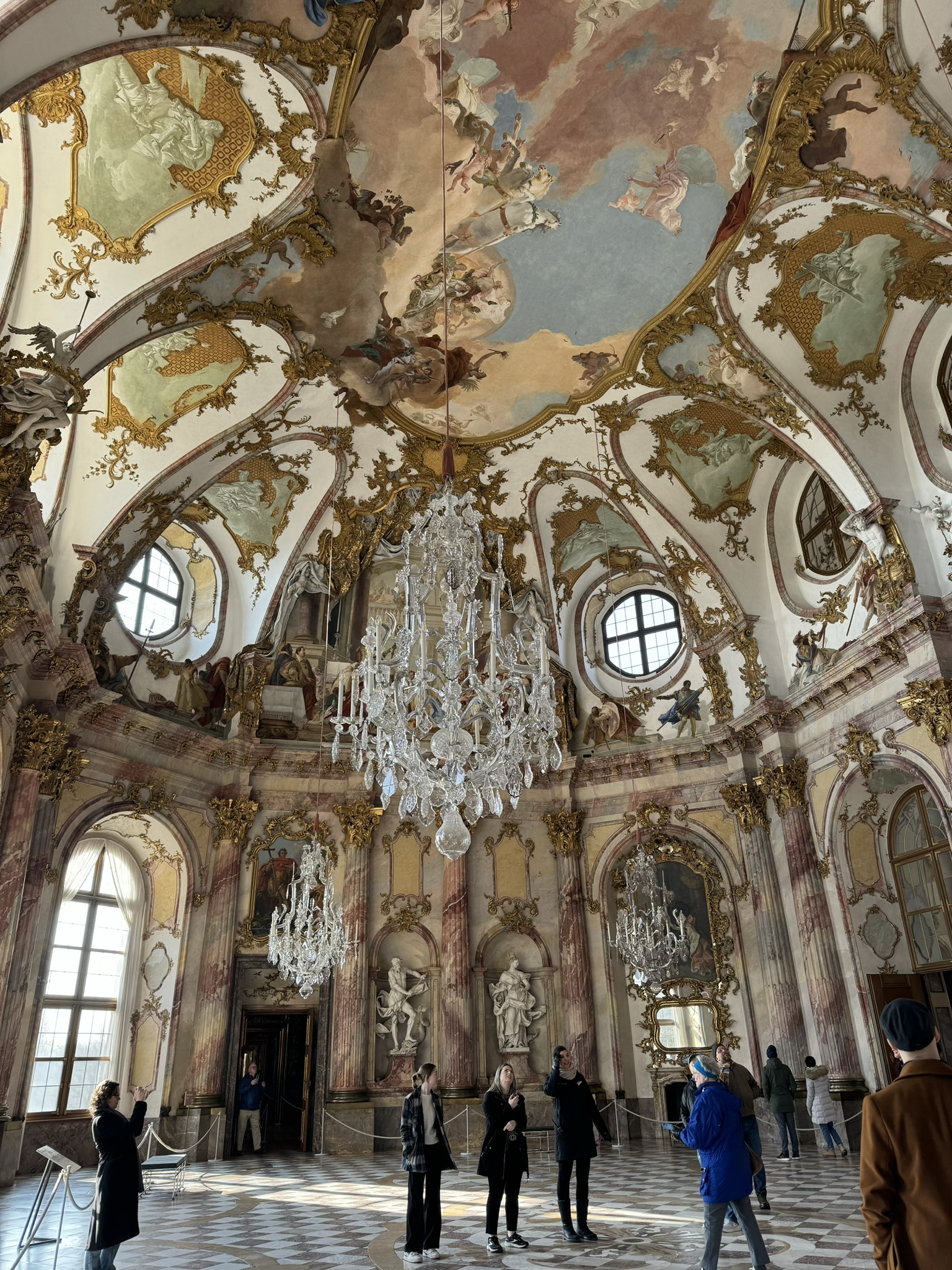
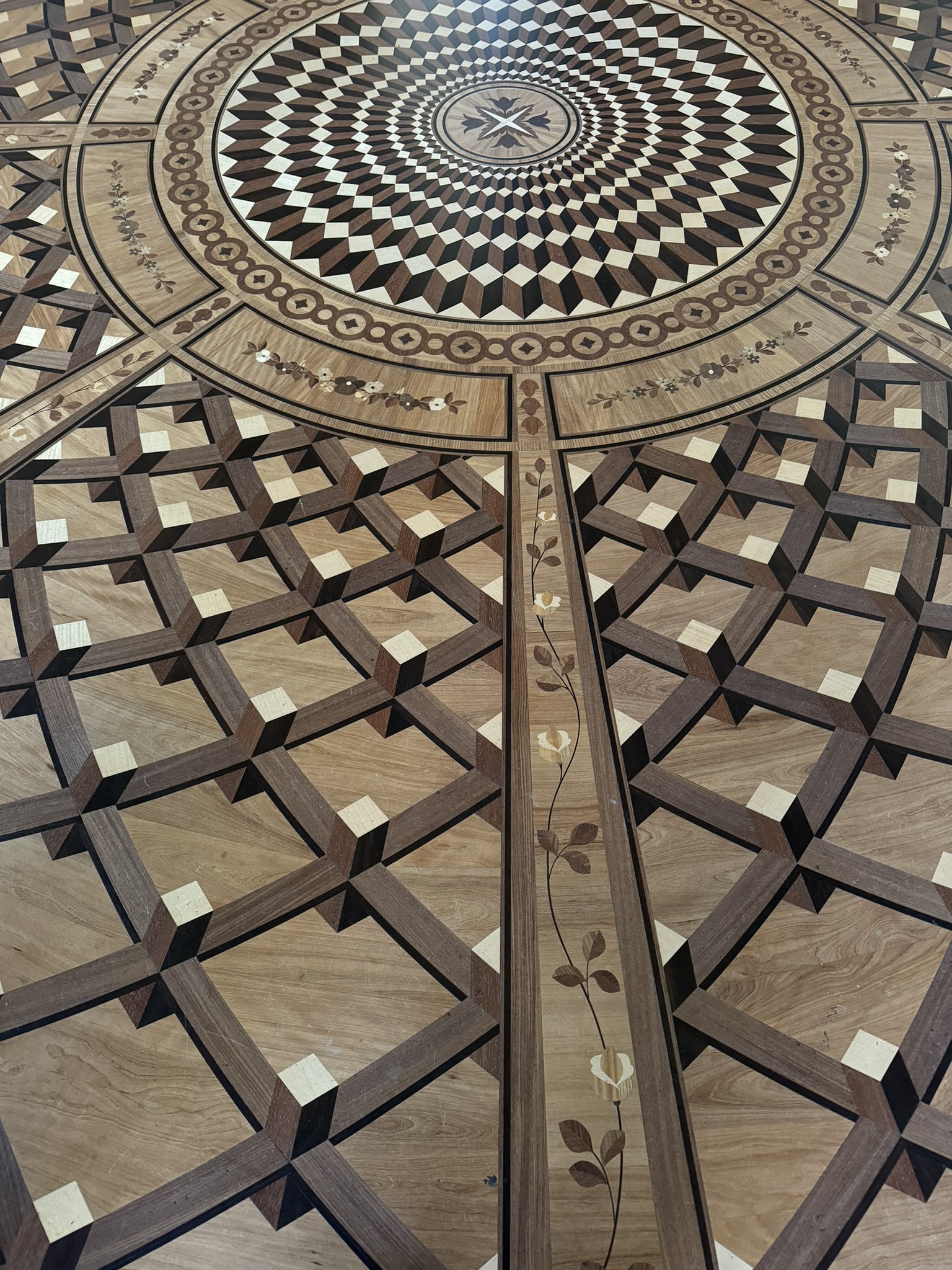
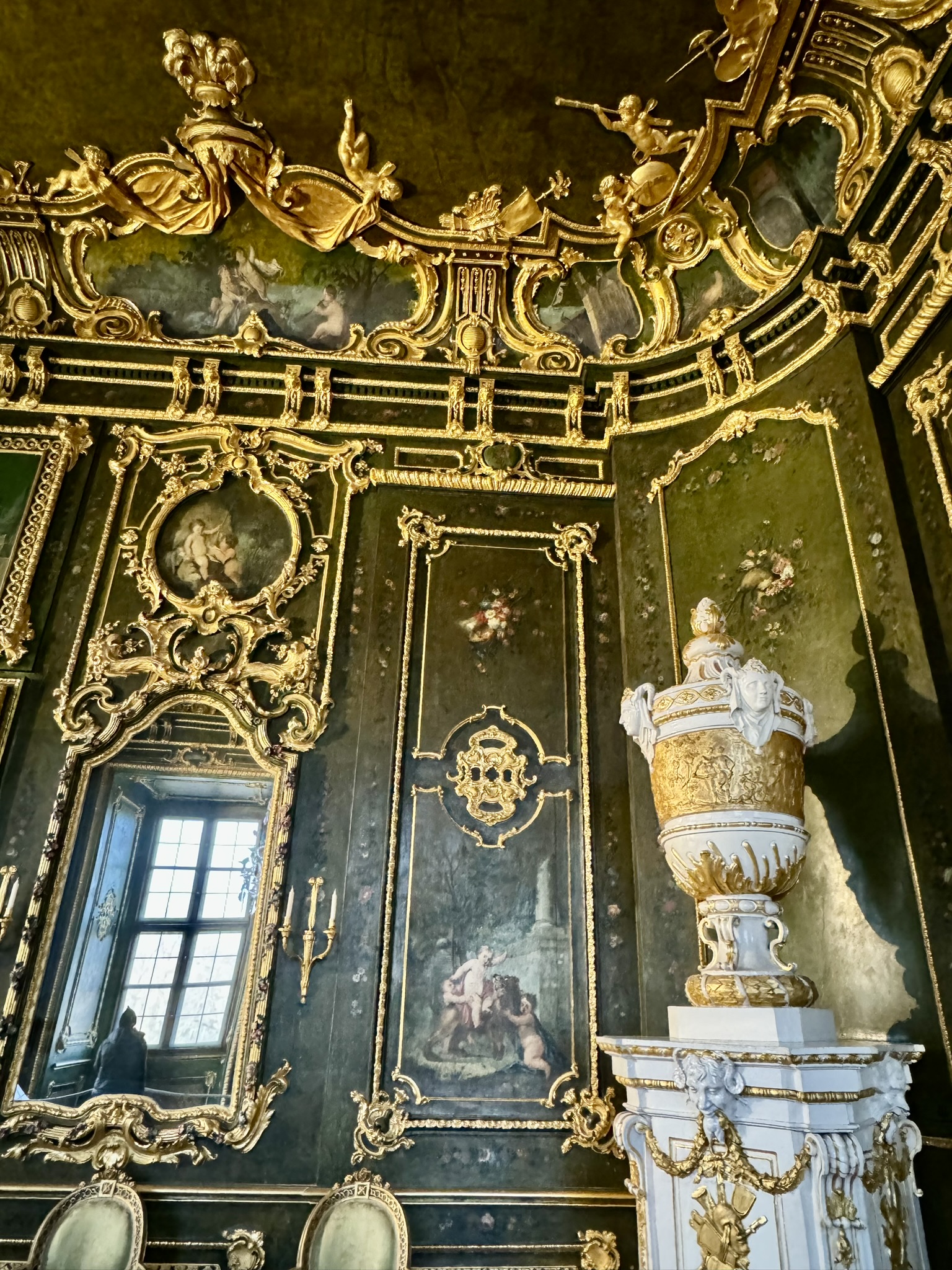
Wurzburg Residence, a baroque palace built in the 1700’s was the home of the prince-bishops. A prince-bishop was a monarch who ruled over a principality and at the same time was the ecclesiastical leader of the area. It took sixty years to complete this palace. Today it is on the UNESCO World cultural Heritage list.
Neumann’s world-famous staircase, roofed by an unsupported vault, contains a ceiling fresco representing four continents. This center part of the palace survived the March 1945 bombings that destroyed both wings.
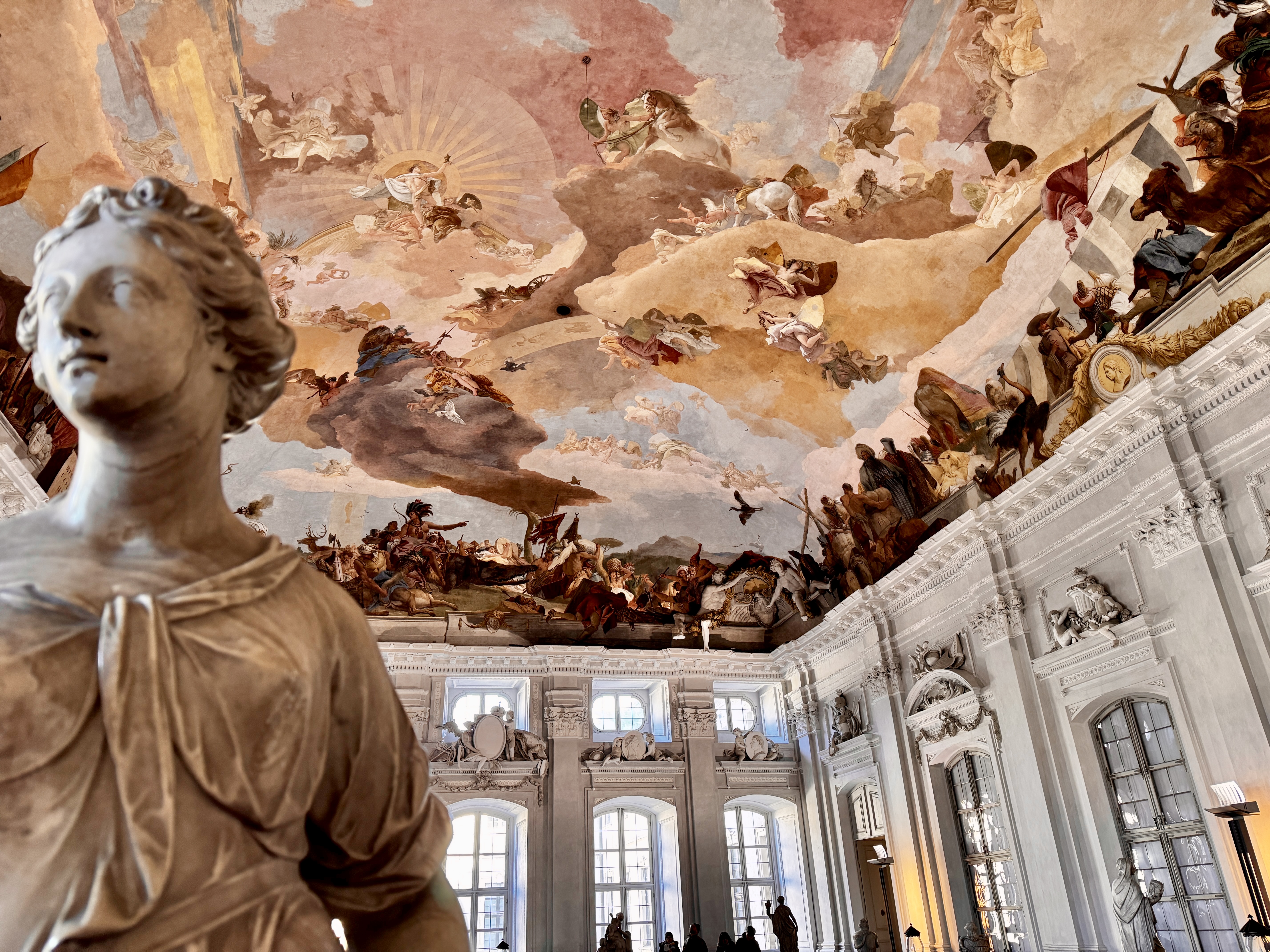
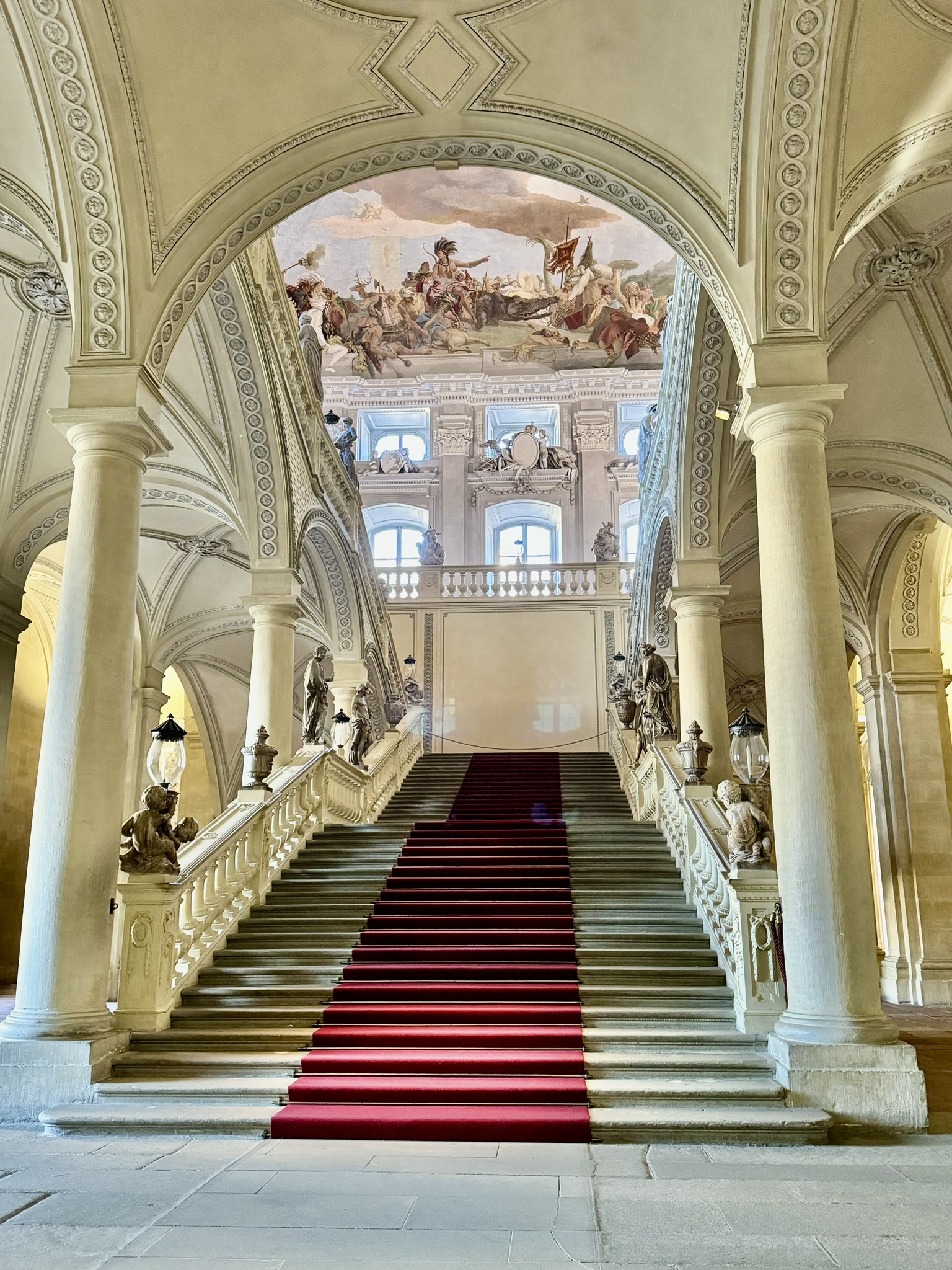
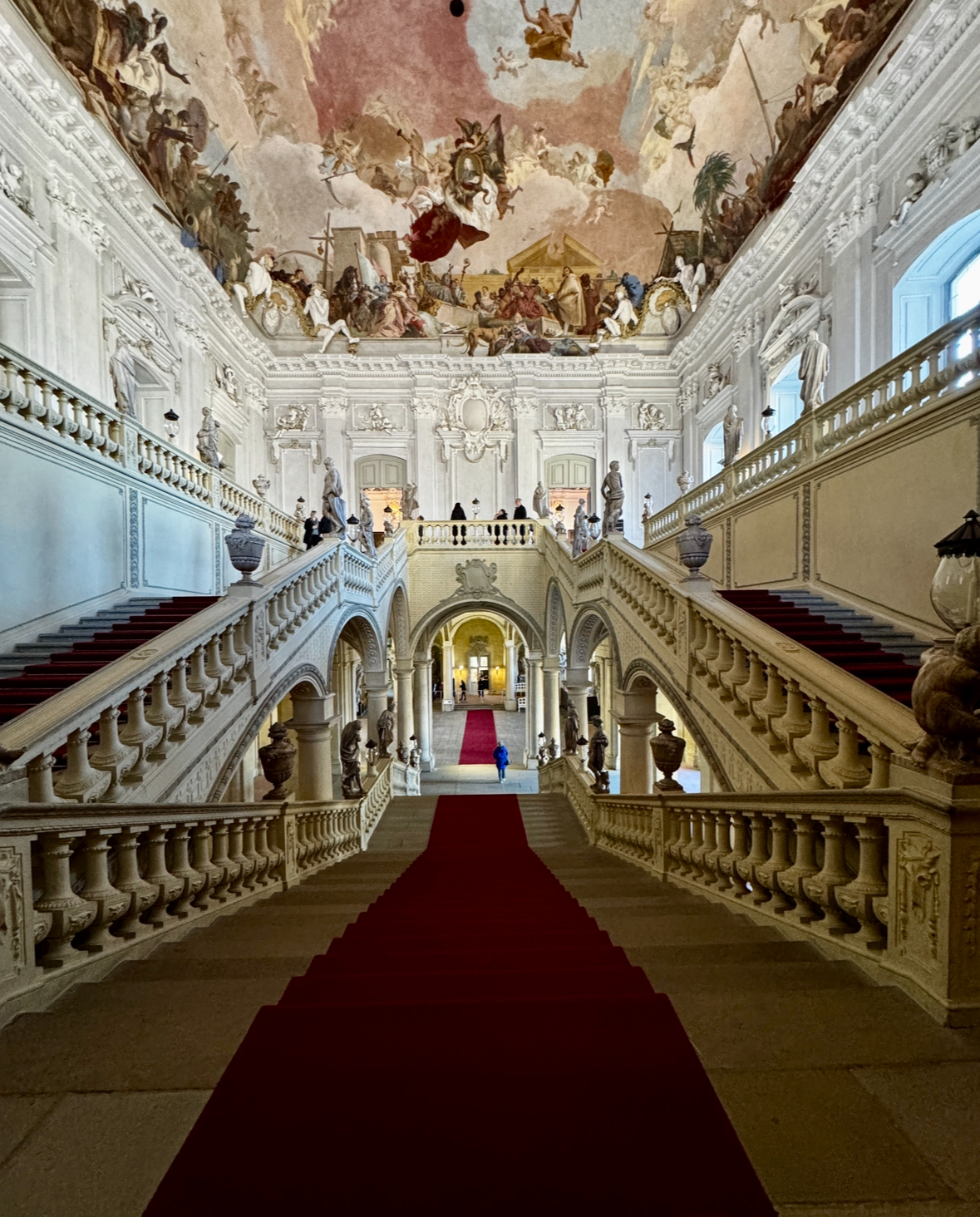
Furniture and furnishings had been removed before the bombing. Art historian, John D Skilton was stationed in Wurzburg from June- October 1945 as an American Second Lieutenant and Officer of the Monuments and Fine Arts Section. In an exemplary manner, he organized initial rescue a restructuring measures for the cultural heritage for the destroyed city. FYI- Lieutenant Skilton did not appear as a character in the Monuments Men movie.
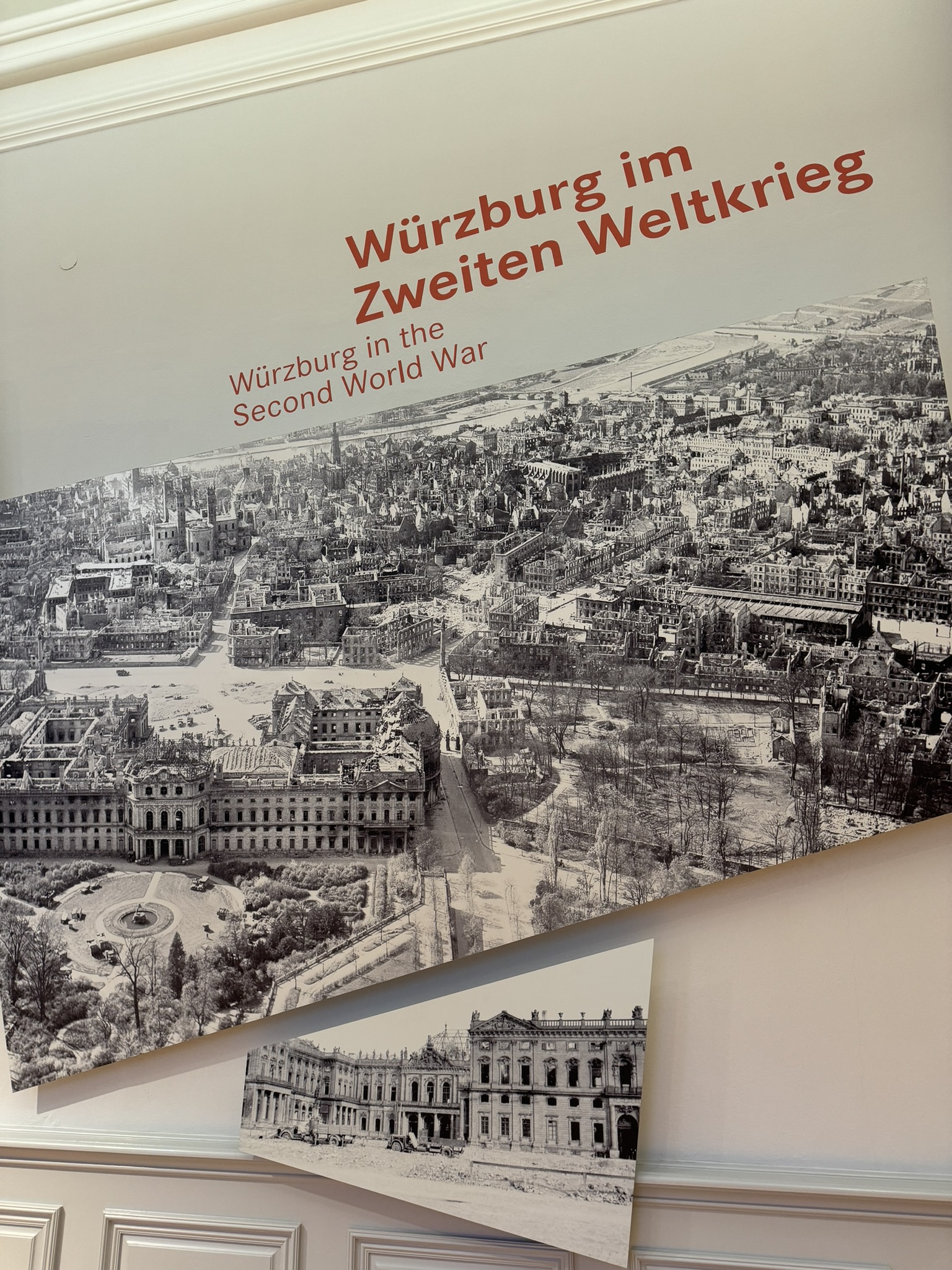
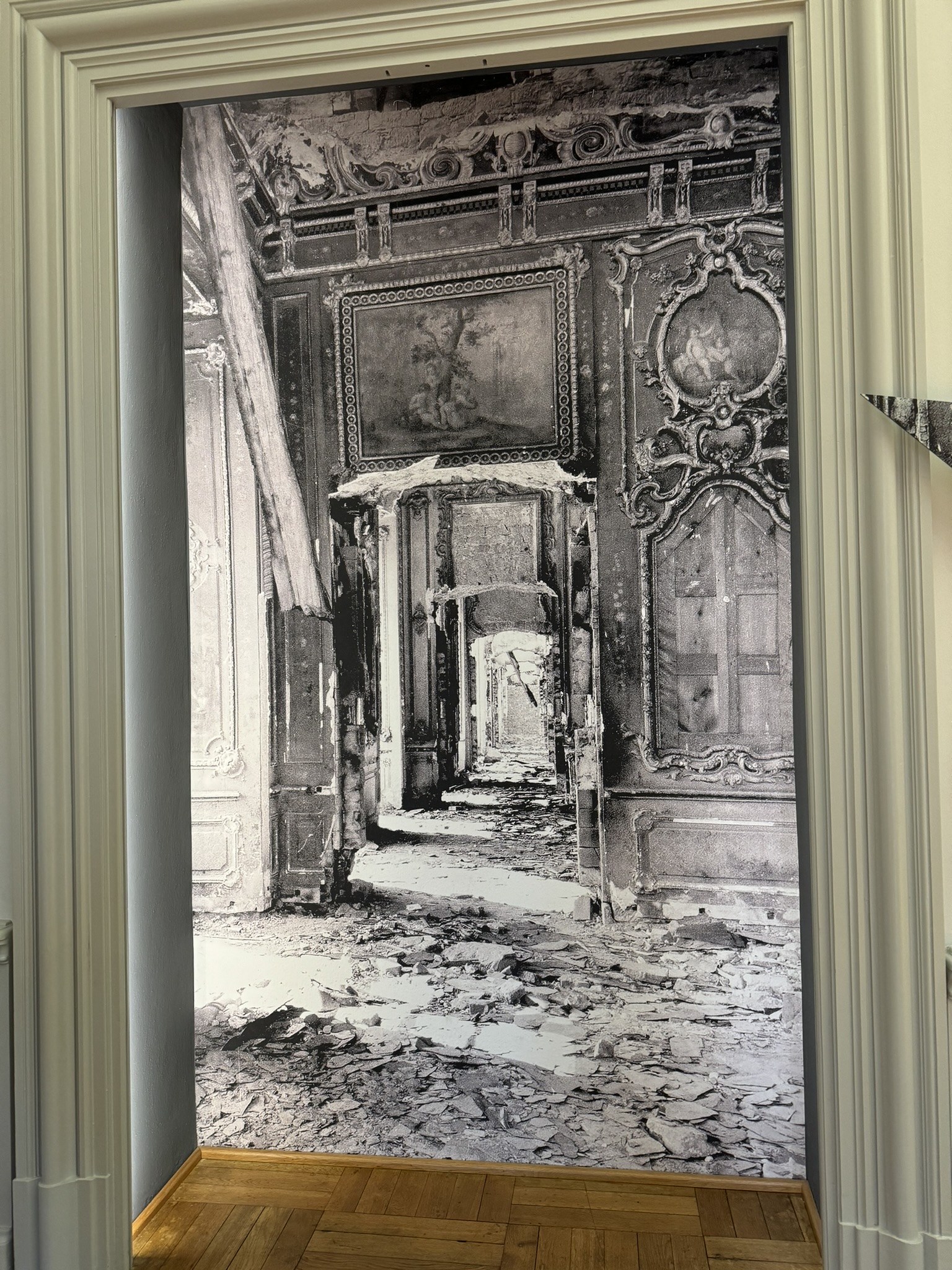
When the palace wings were rebuilt, original furnishings were returned.
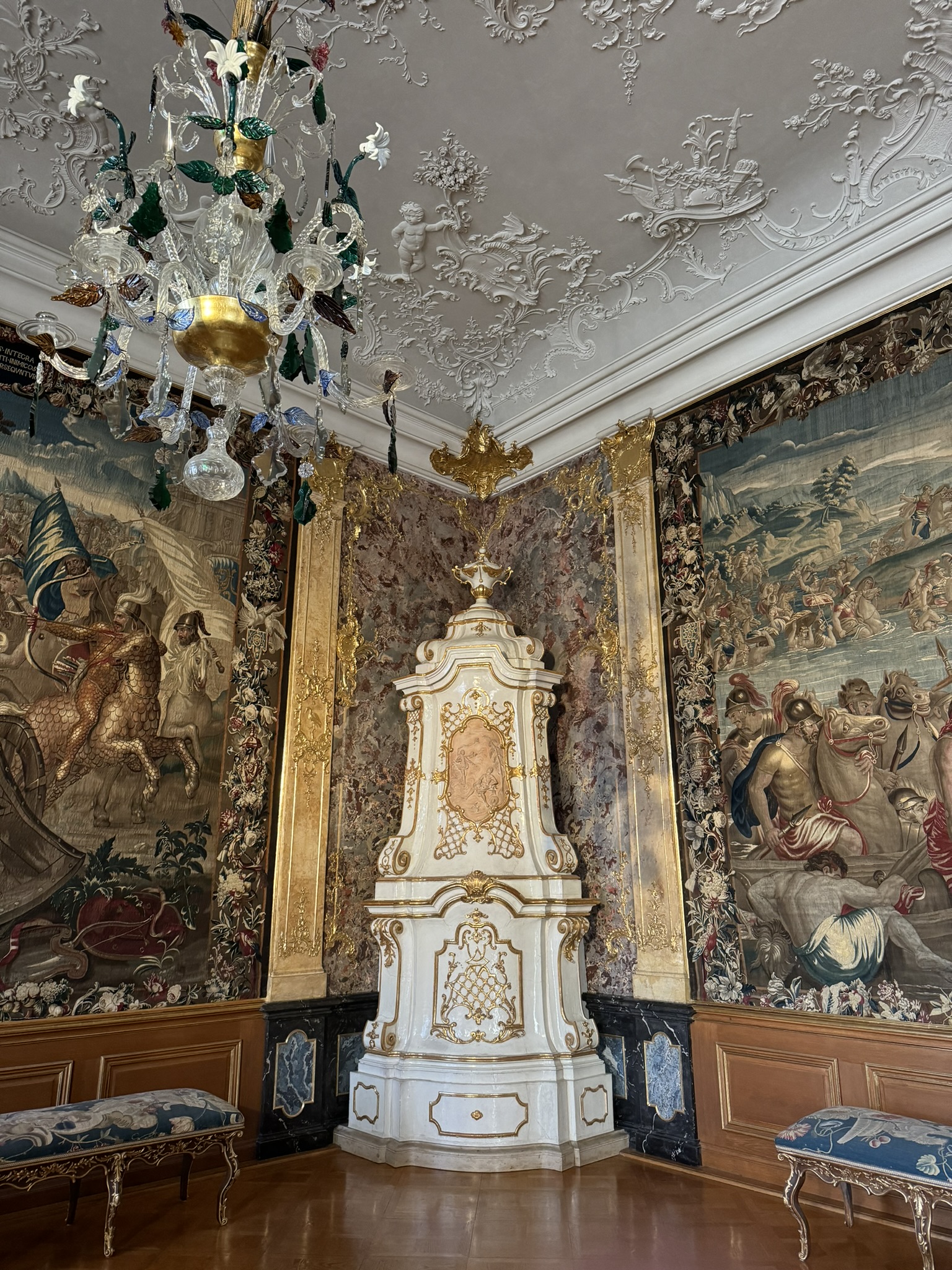
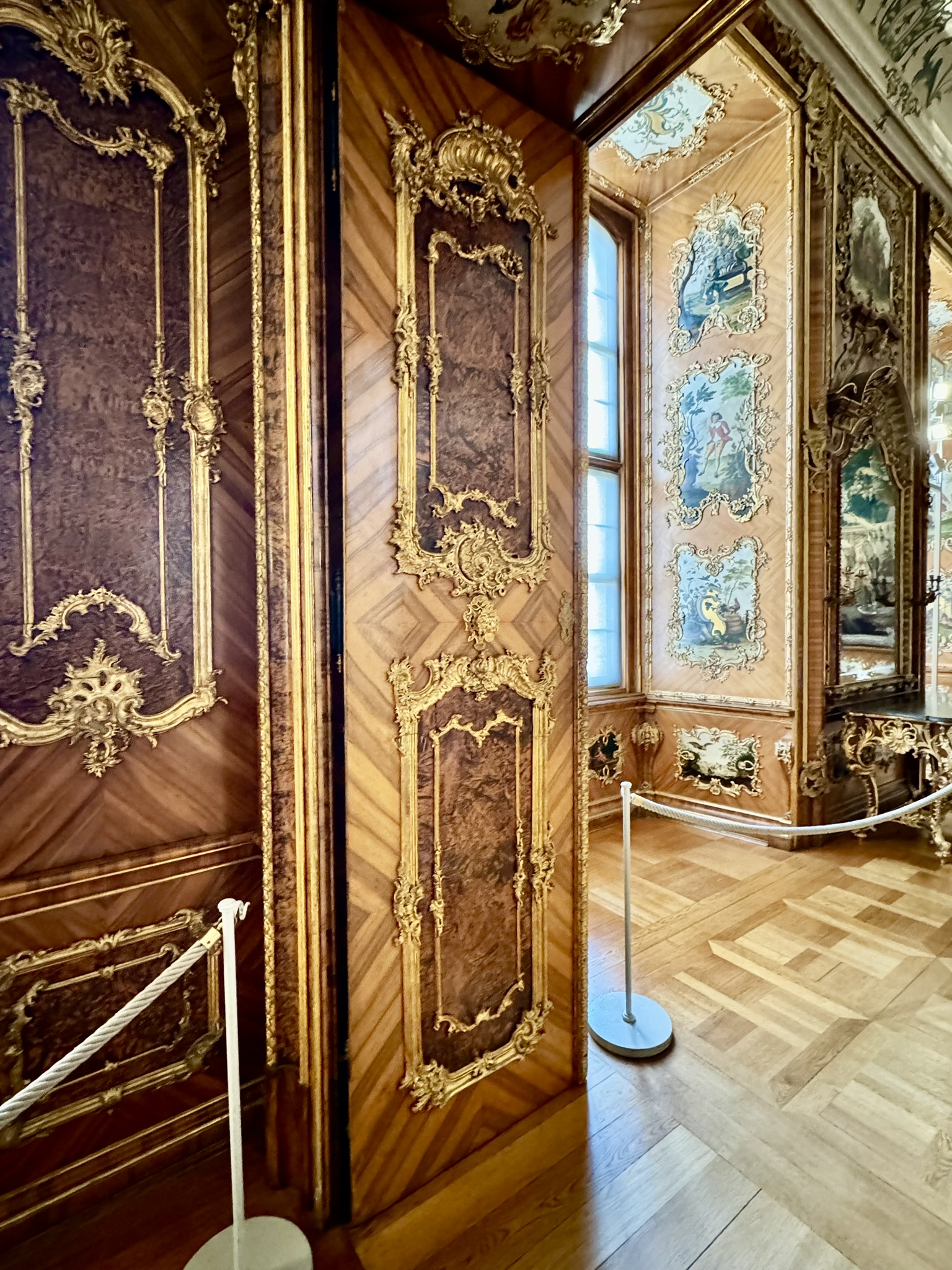
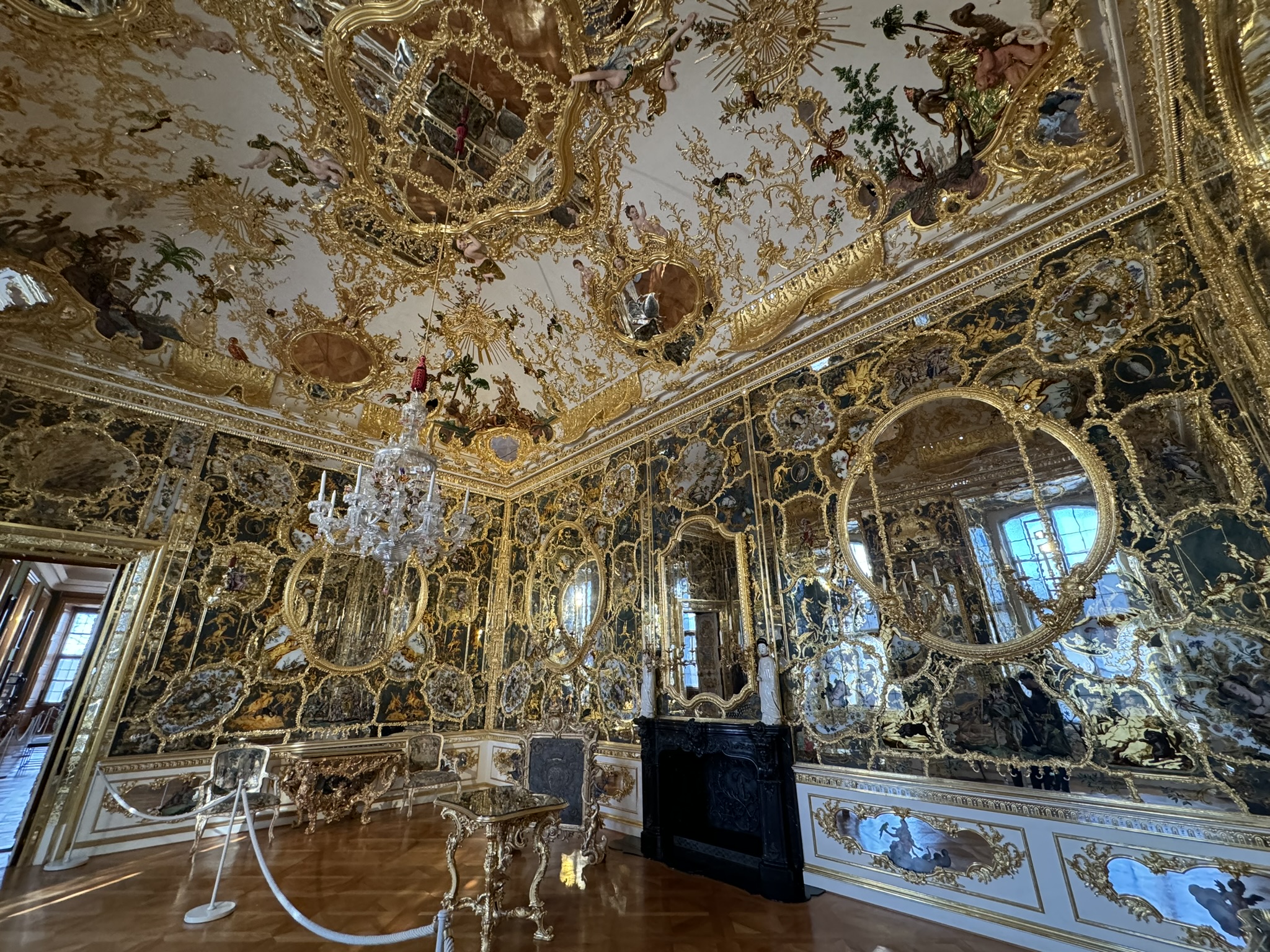
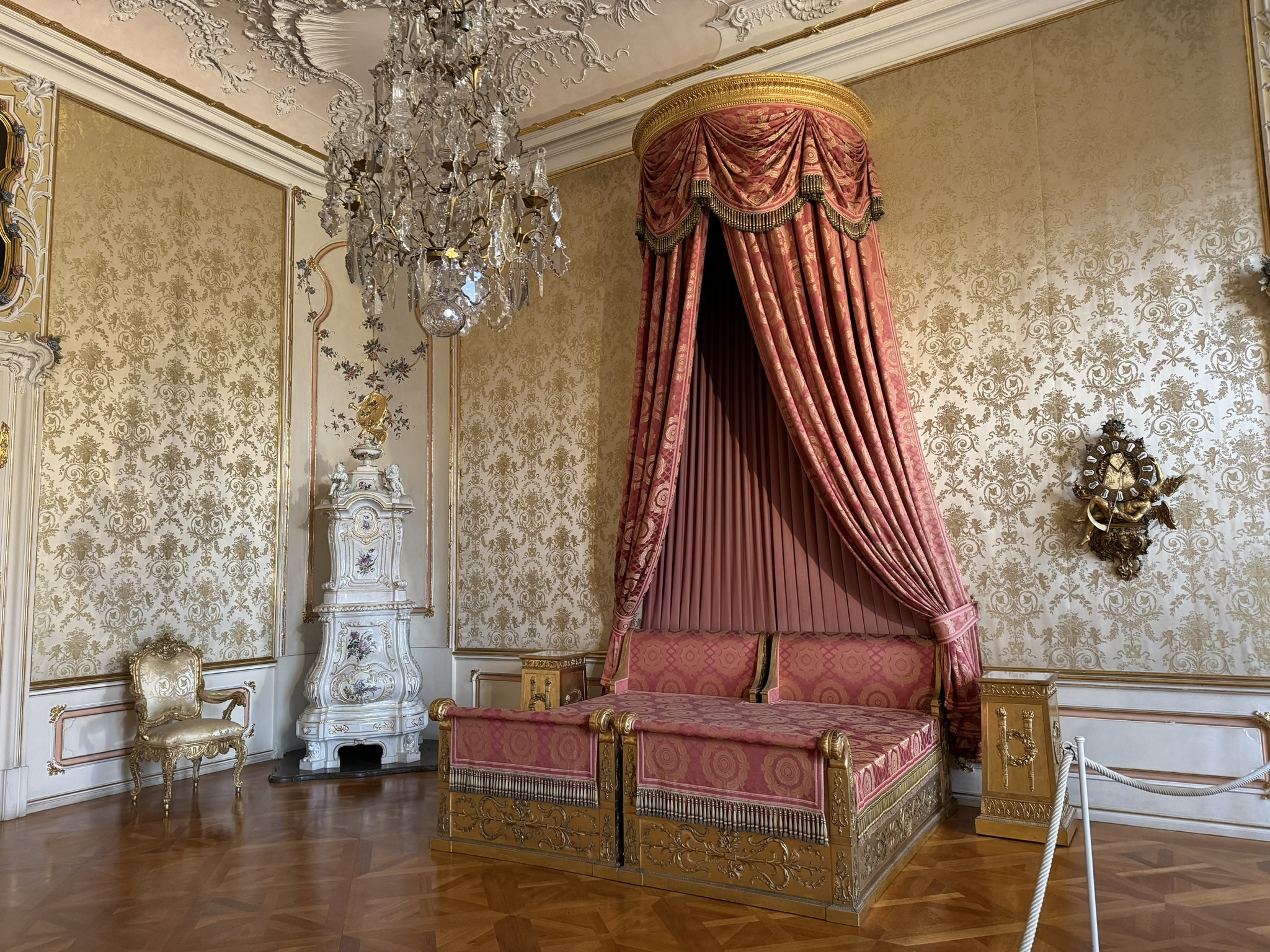
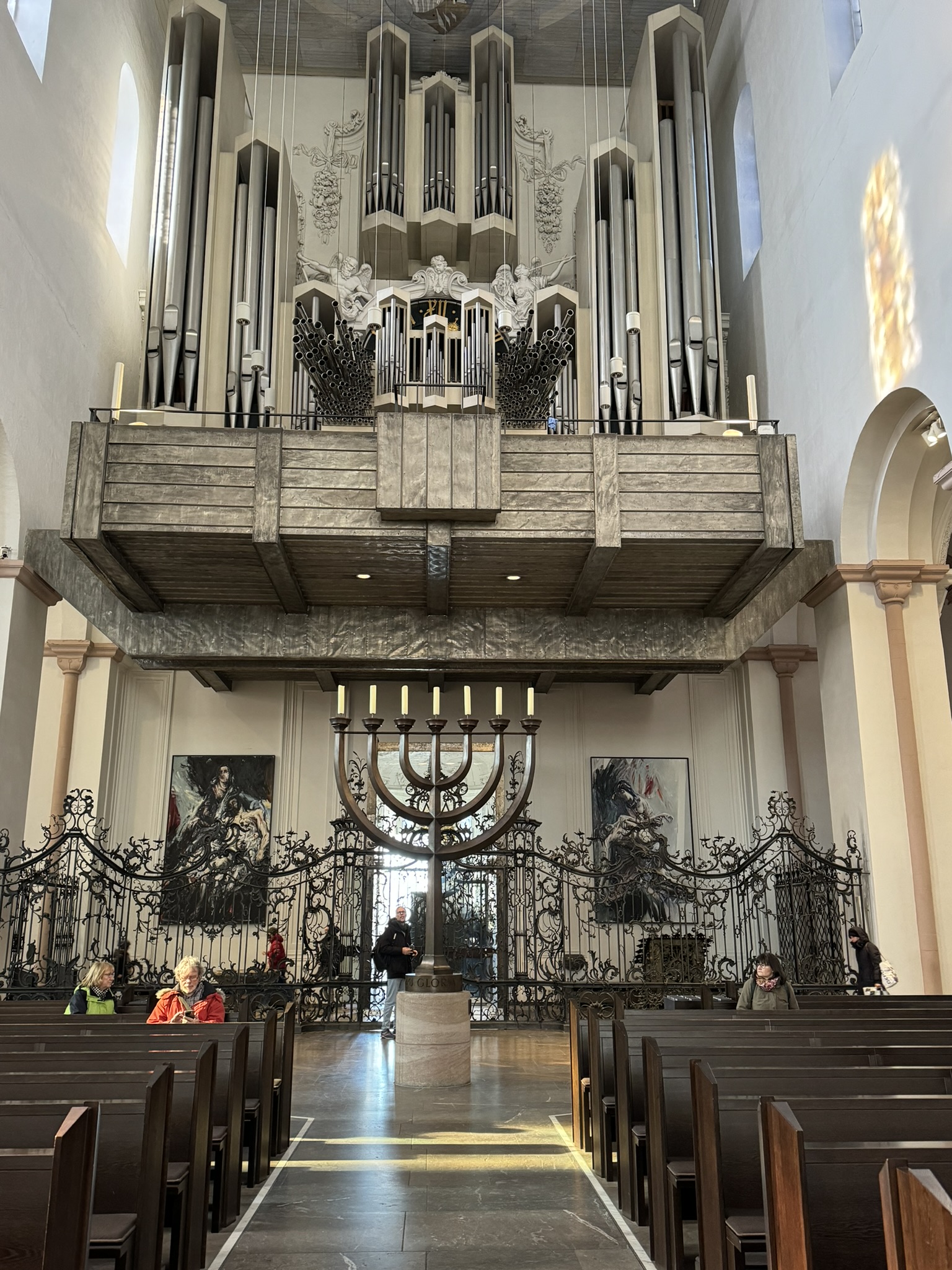
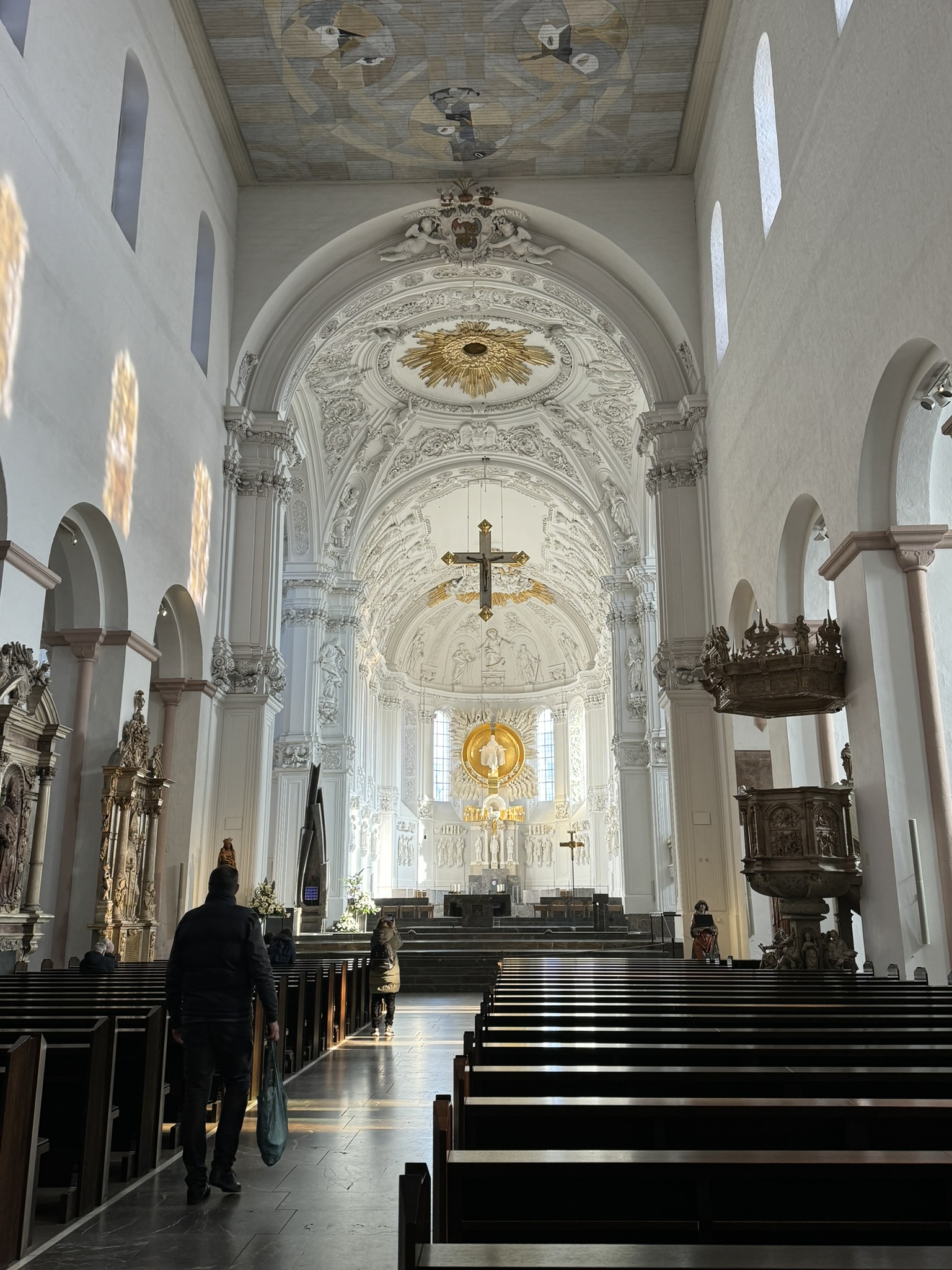
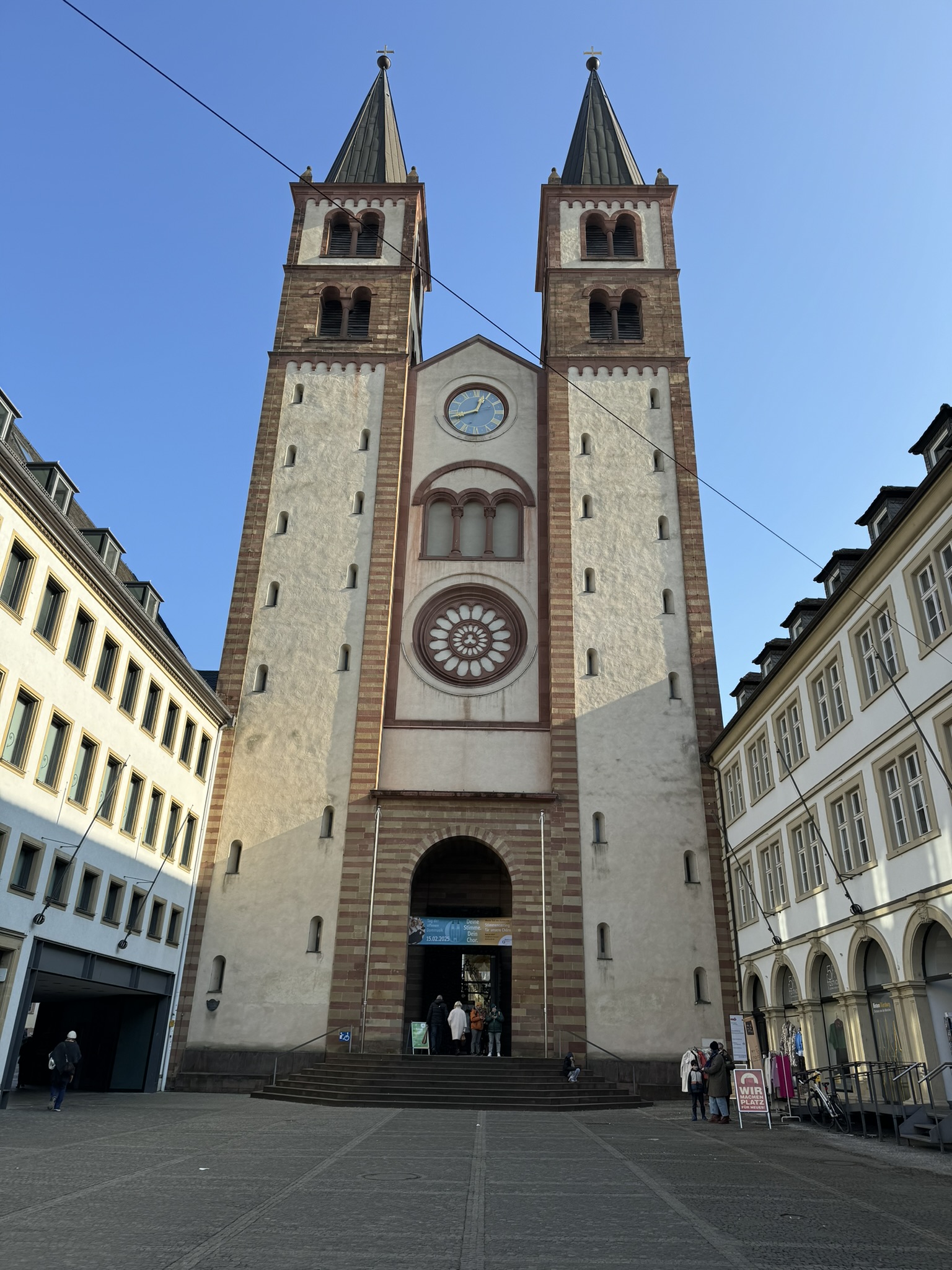
Wurzburg’s prince-bishops worshipped and were laid to rest in the 11th century St Kilian Cathedral. The large menorah near the entrance pays tribute to Christianity’s roots in Judaism.
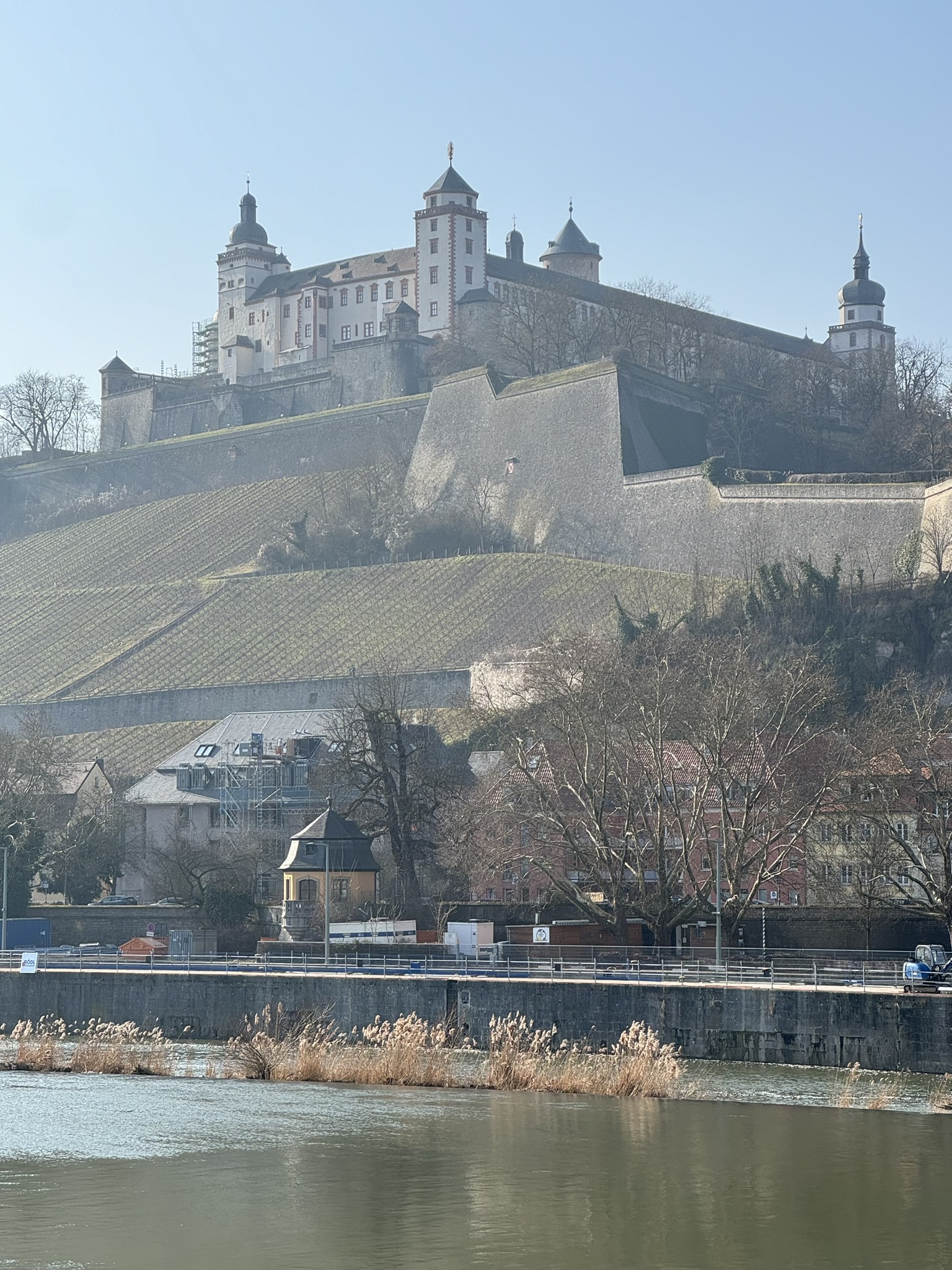
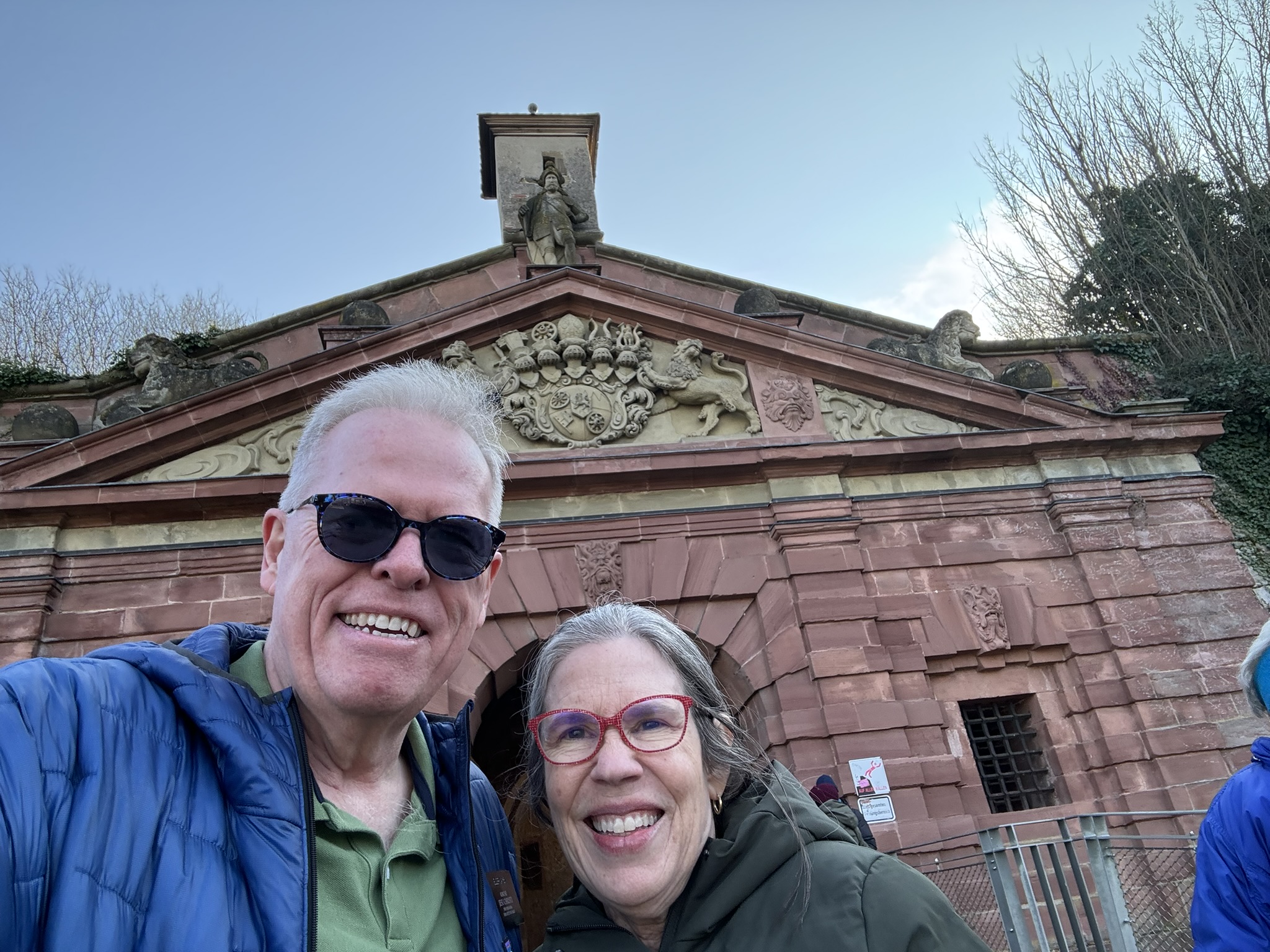
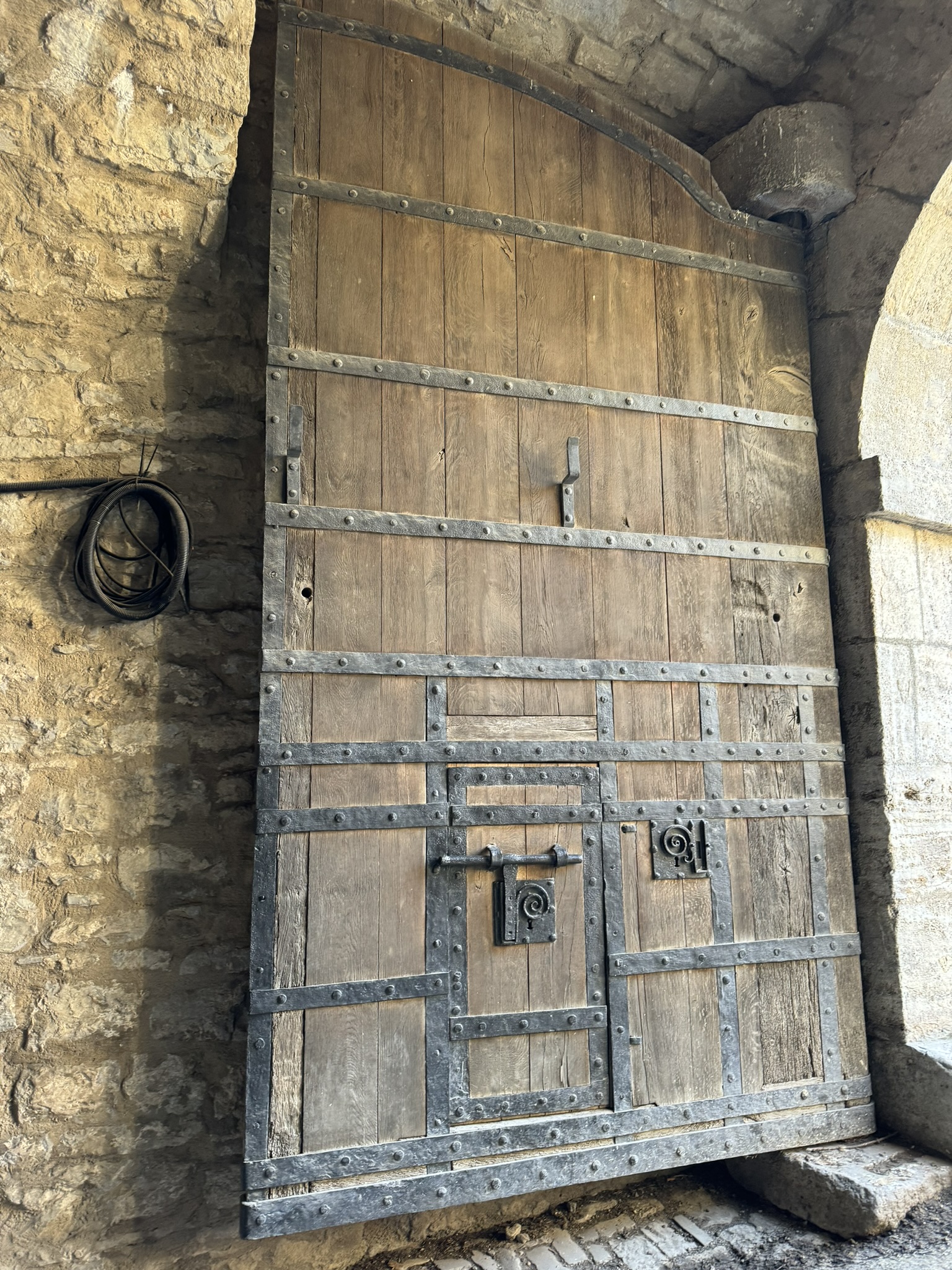
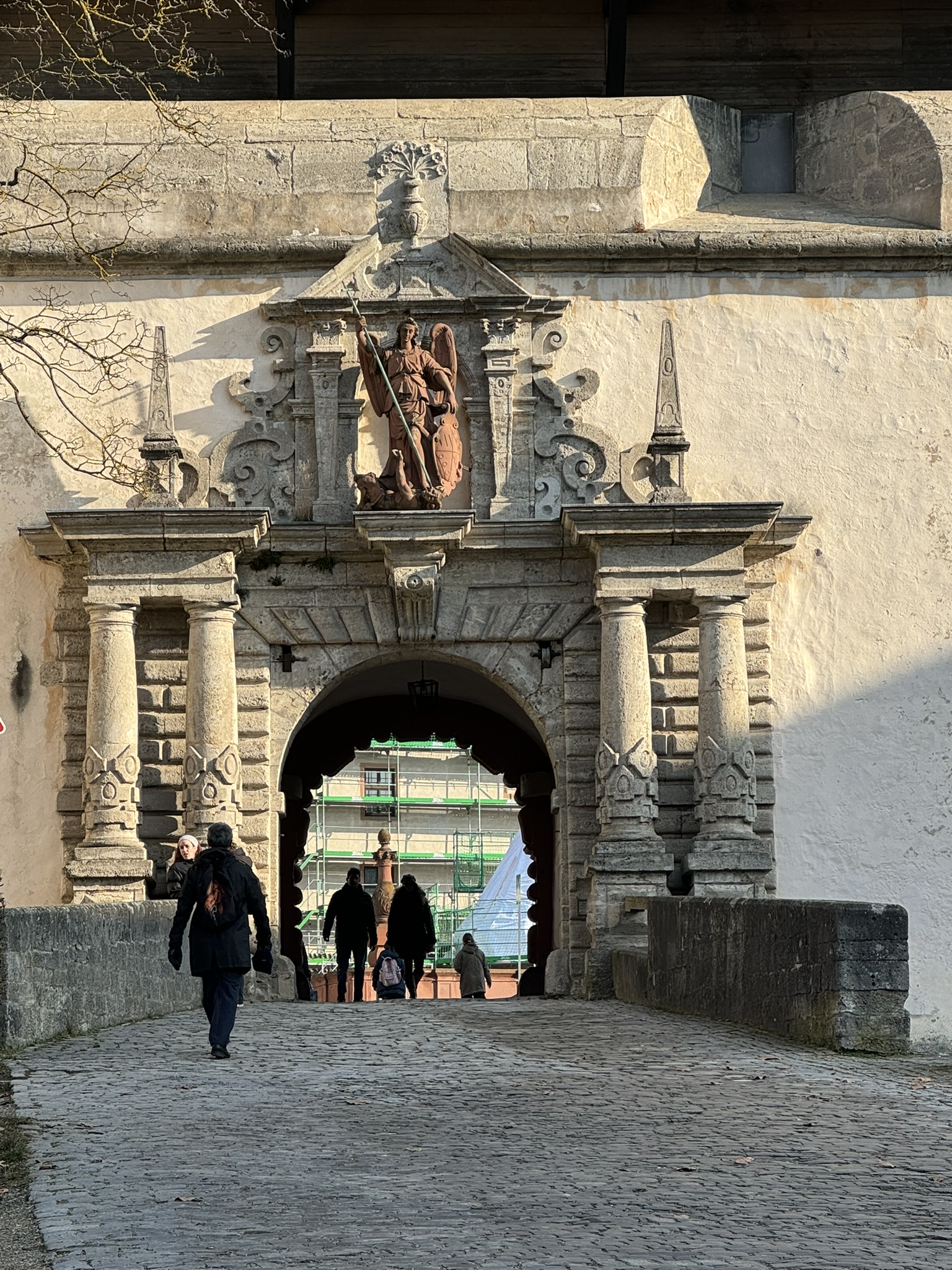
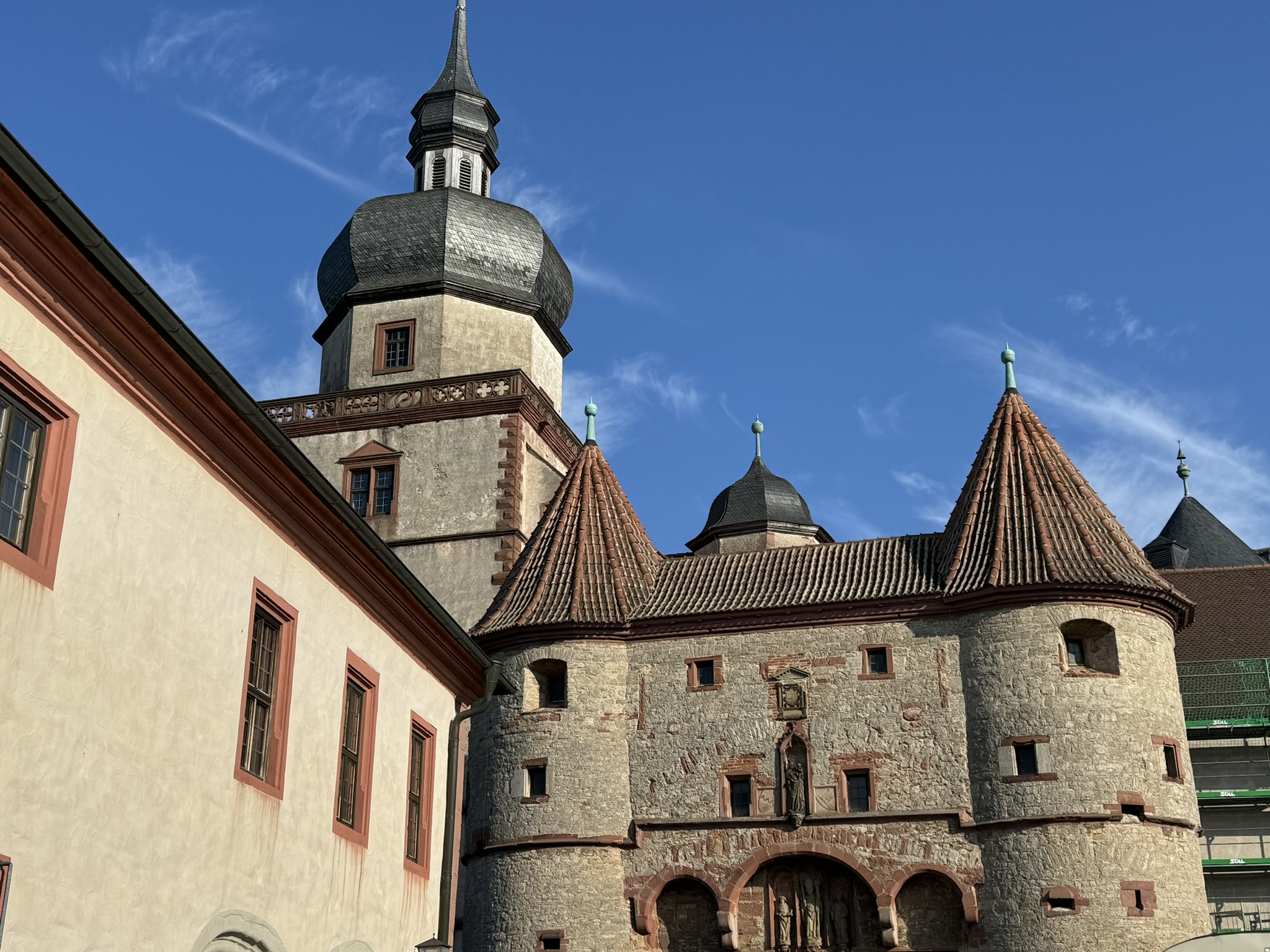
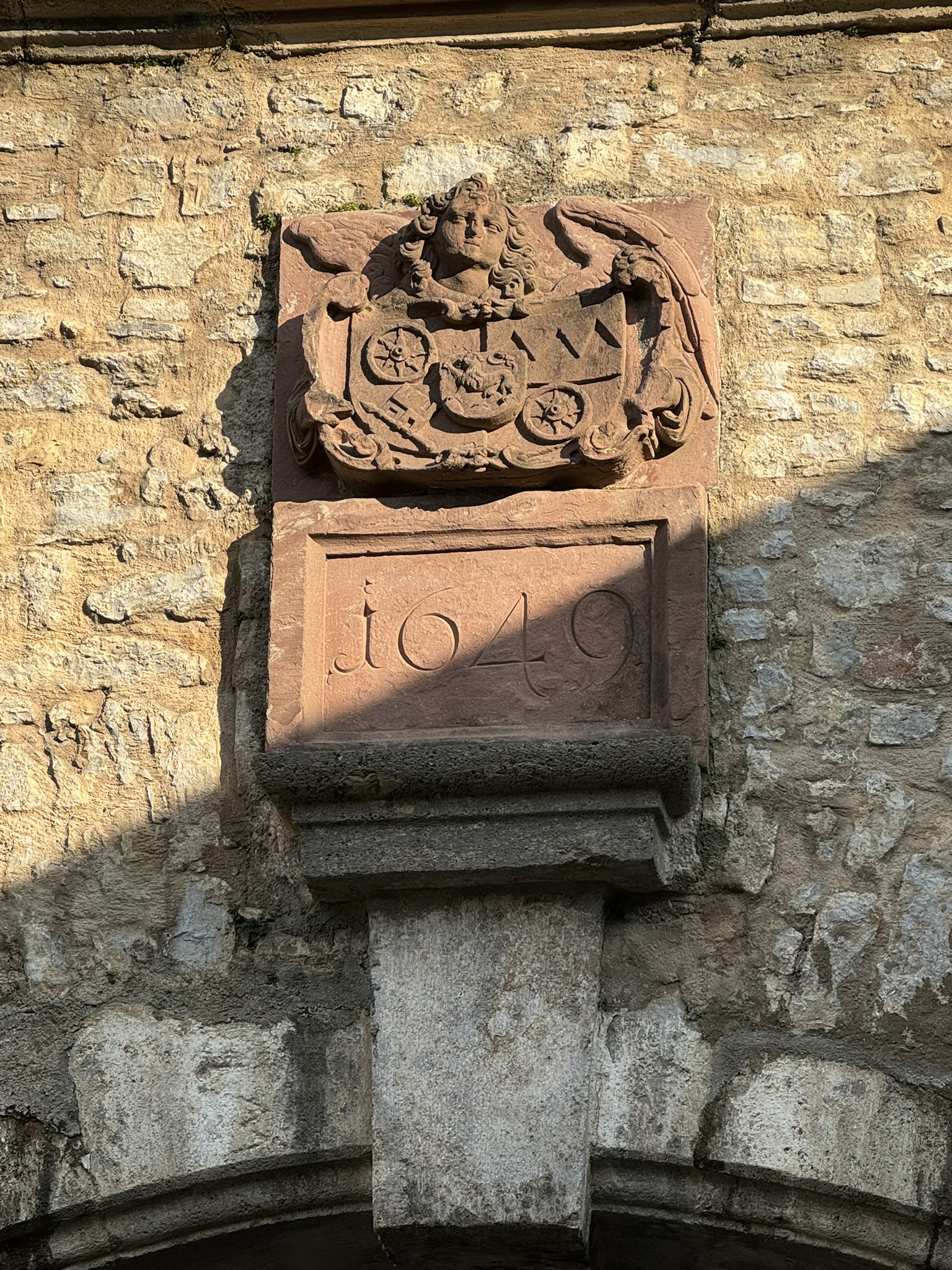
We climbed the hill to the Marienburg Fortress, a prominent landmark on the left bank of the Main River, which served as the home of the local prince-bishops for nearly five centuries. It has been a fort since ancient times although most of the current structures were built between the 16th and 18th centuries. Severely damaged by the bombing in 1945, it was only fully rebuilt in 1990. Today it houses two museums.
On Sunday we invited Elder and Sister Briggs to our home for Sunday dinner. They attend our ward (church congregation) and serve in the temple. We look forward to seeing them each week on our temple date.
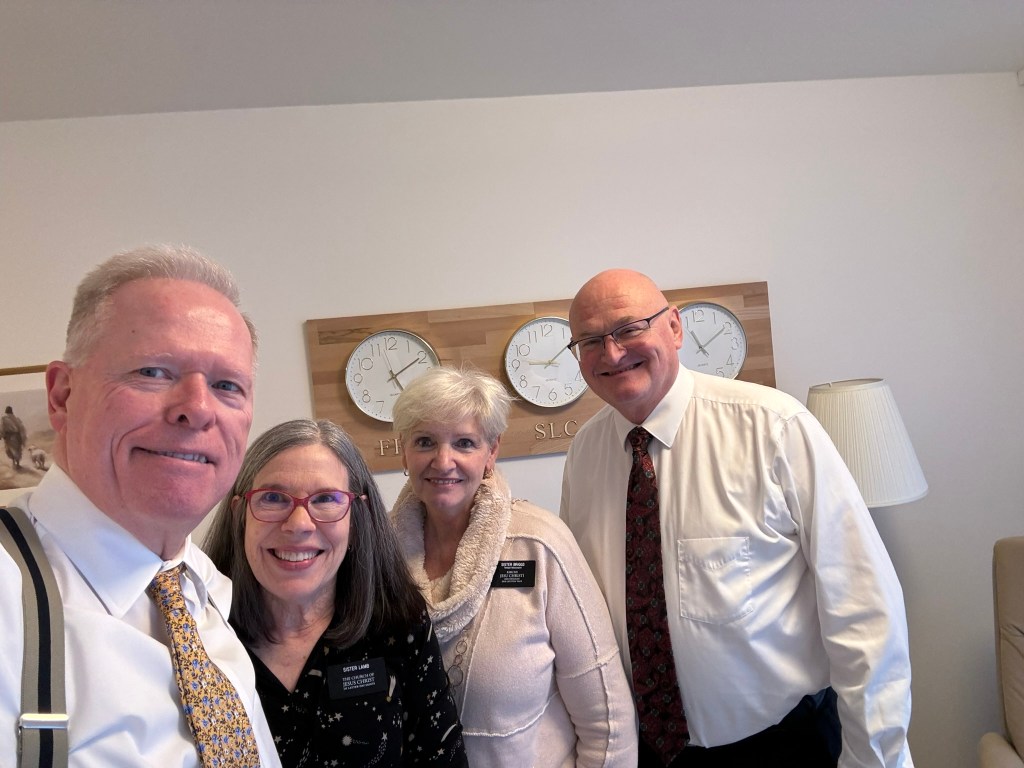
With love, Elder & Sister Lamb (aka Ed & Debbie, Mom & Dad, Pop Pop & Tu Tu)
 Lambs in Central Europe