October 3rd is a public holiday in Germany- German Unity Day. It commemorates German reunification in 1990 when the German Democratic Republic (East Germany) joined the Federal Republic of Germany (West Germany). Since our office in Frankfurt was closed on Thursday we drove five hours to Belgium for a long weekend.
BRUGES
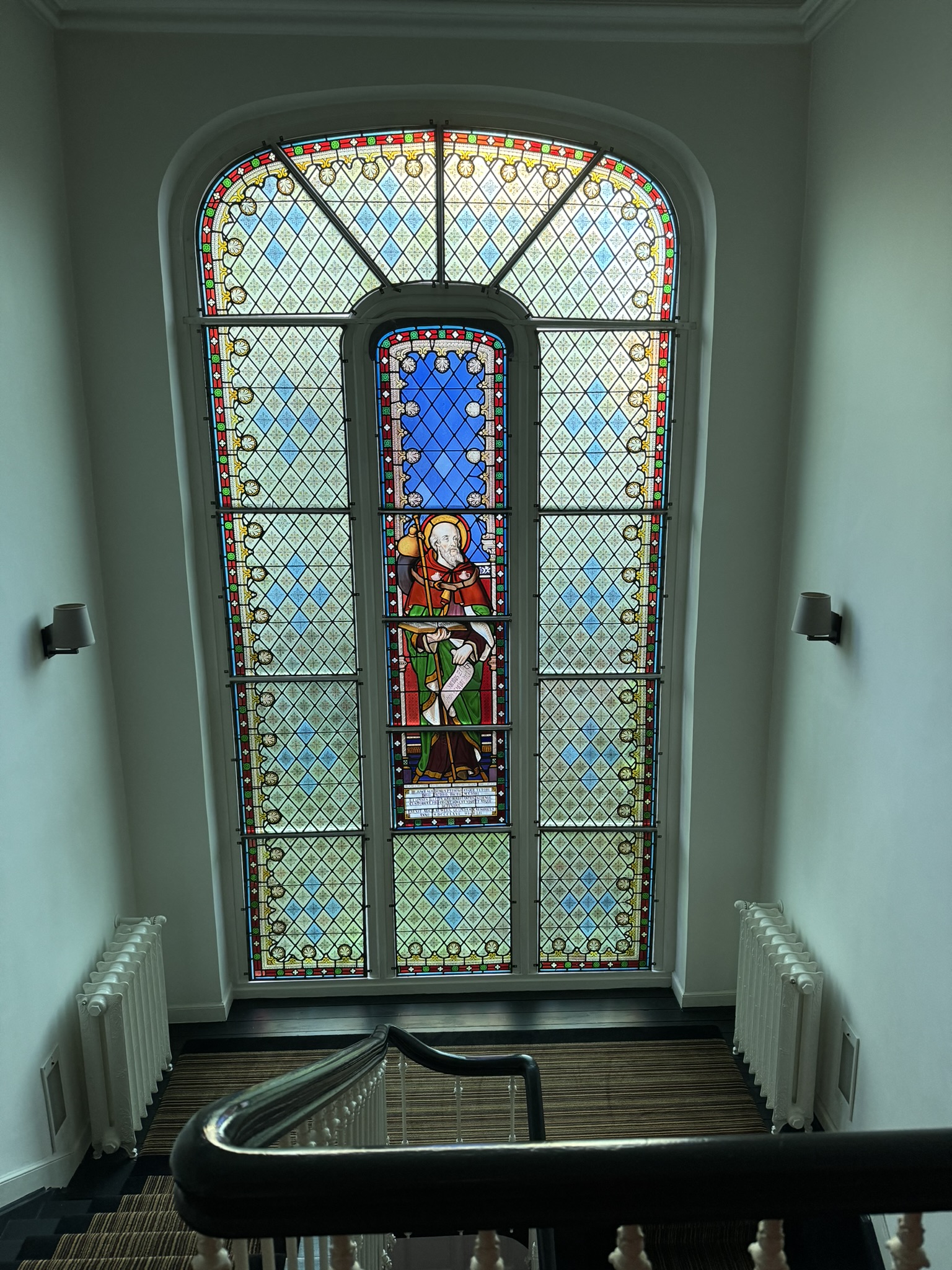
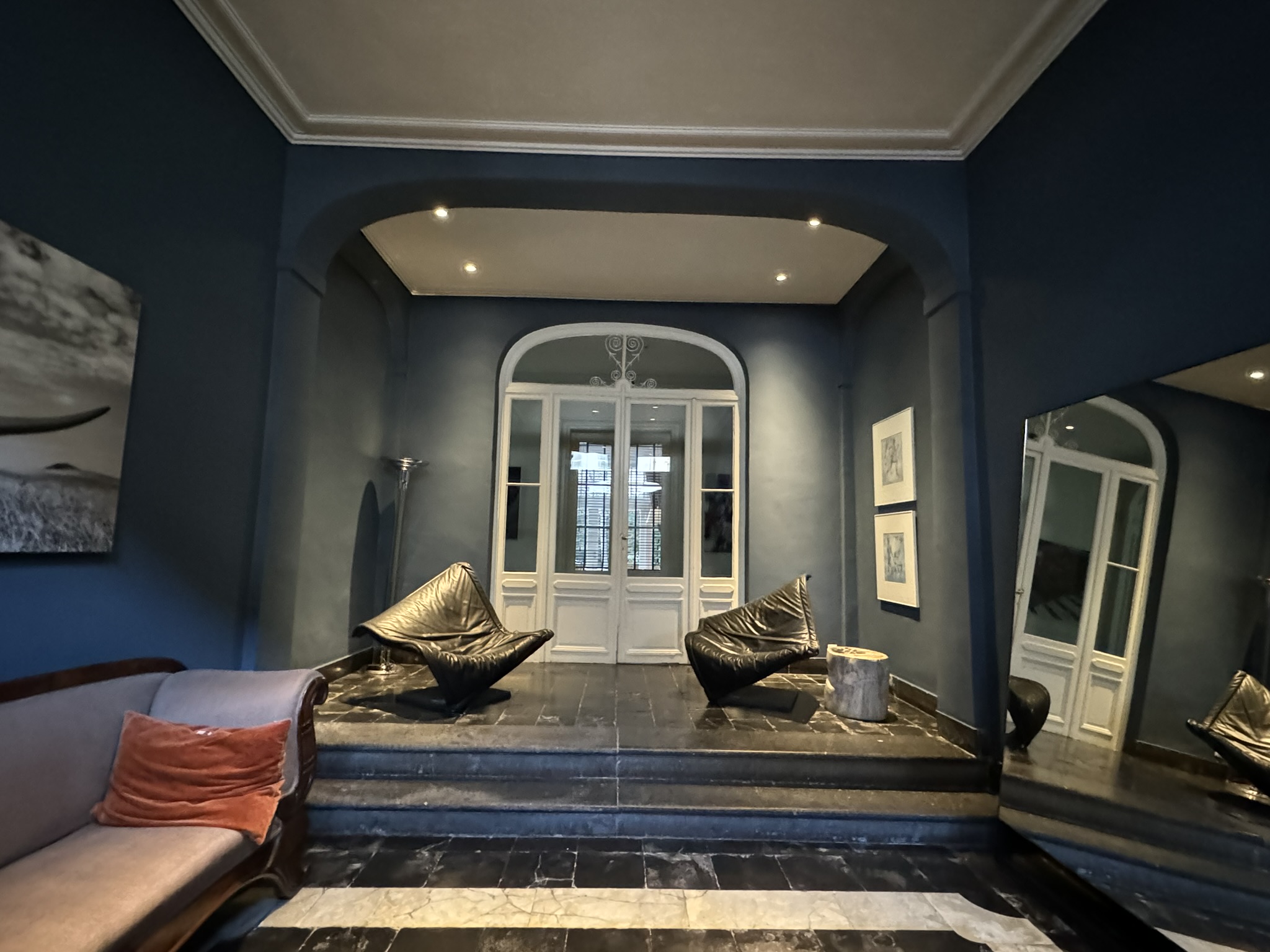
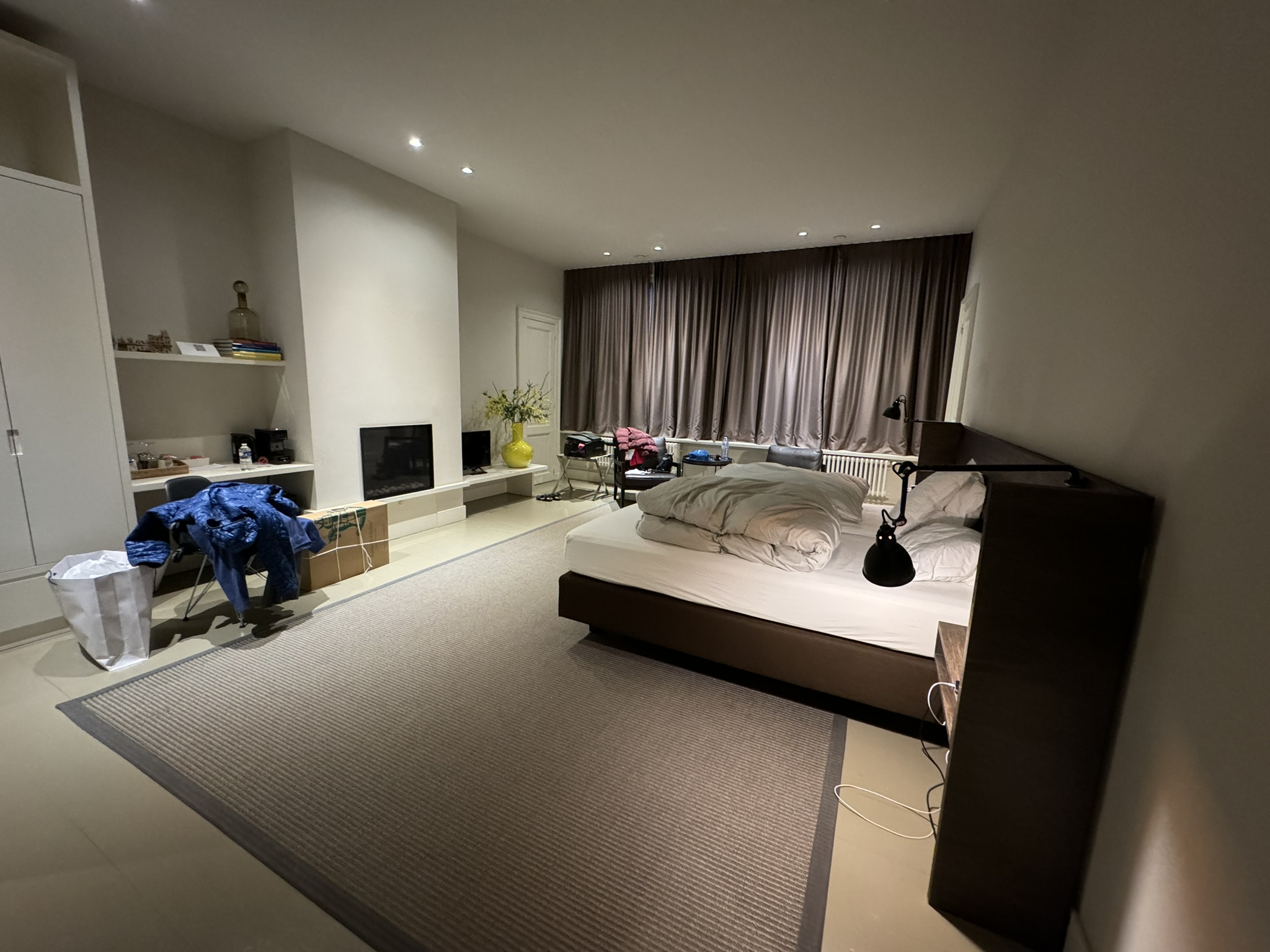
We stayed in a lovely B&B in Bruges that hundreds of years ago was a textile showroom. The rooms were grand and spacious. The owners are from France, so everything had a touch of elegance.
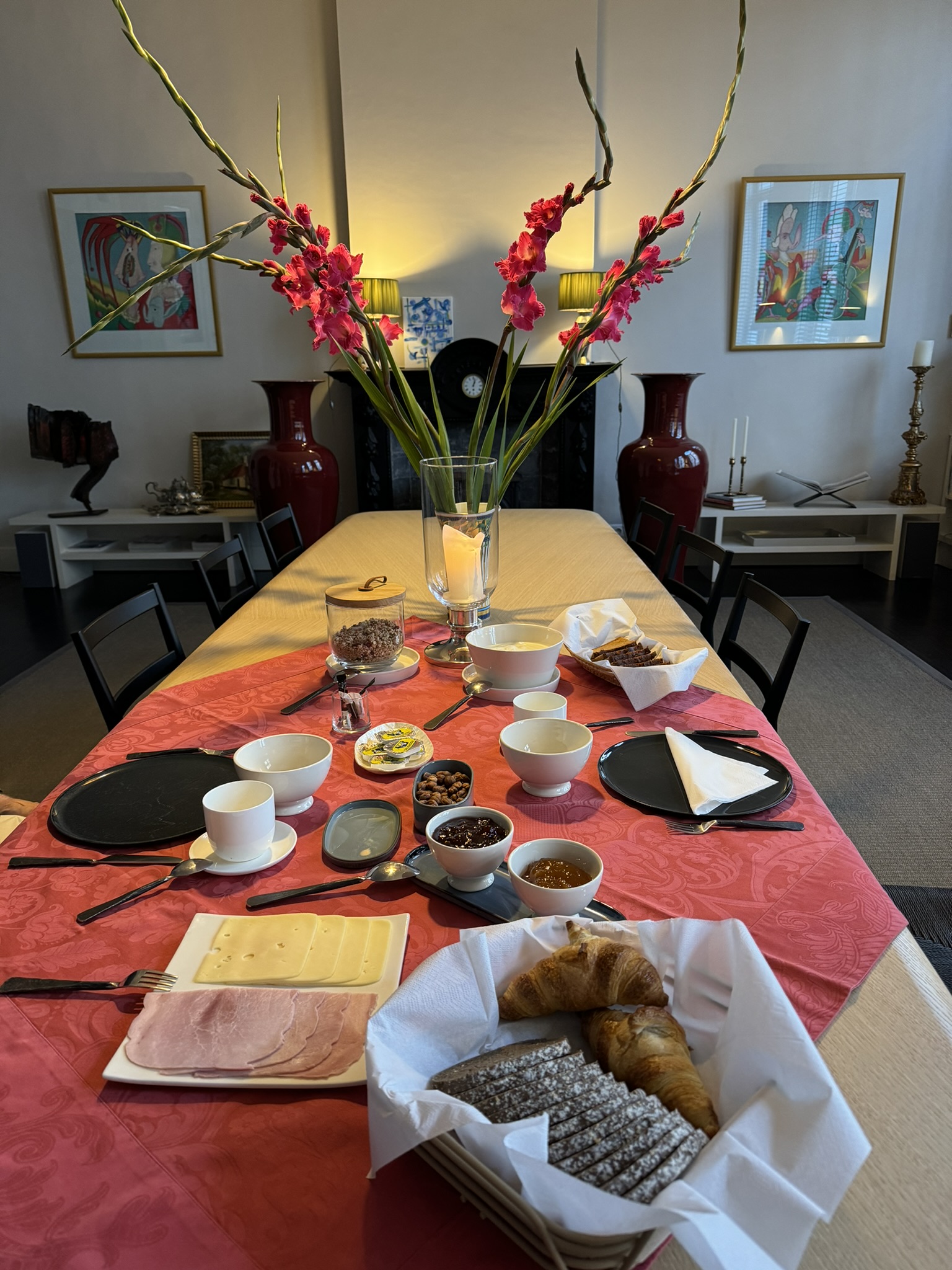
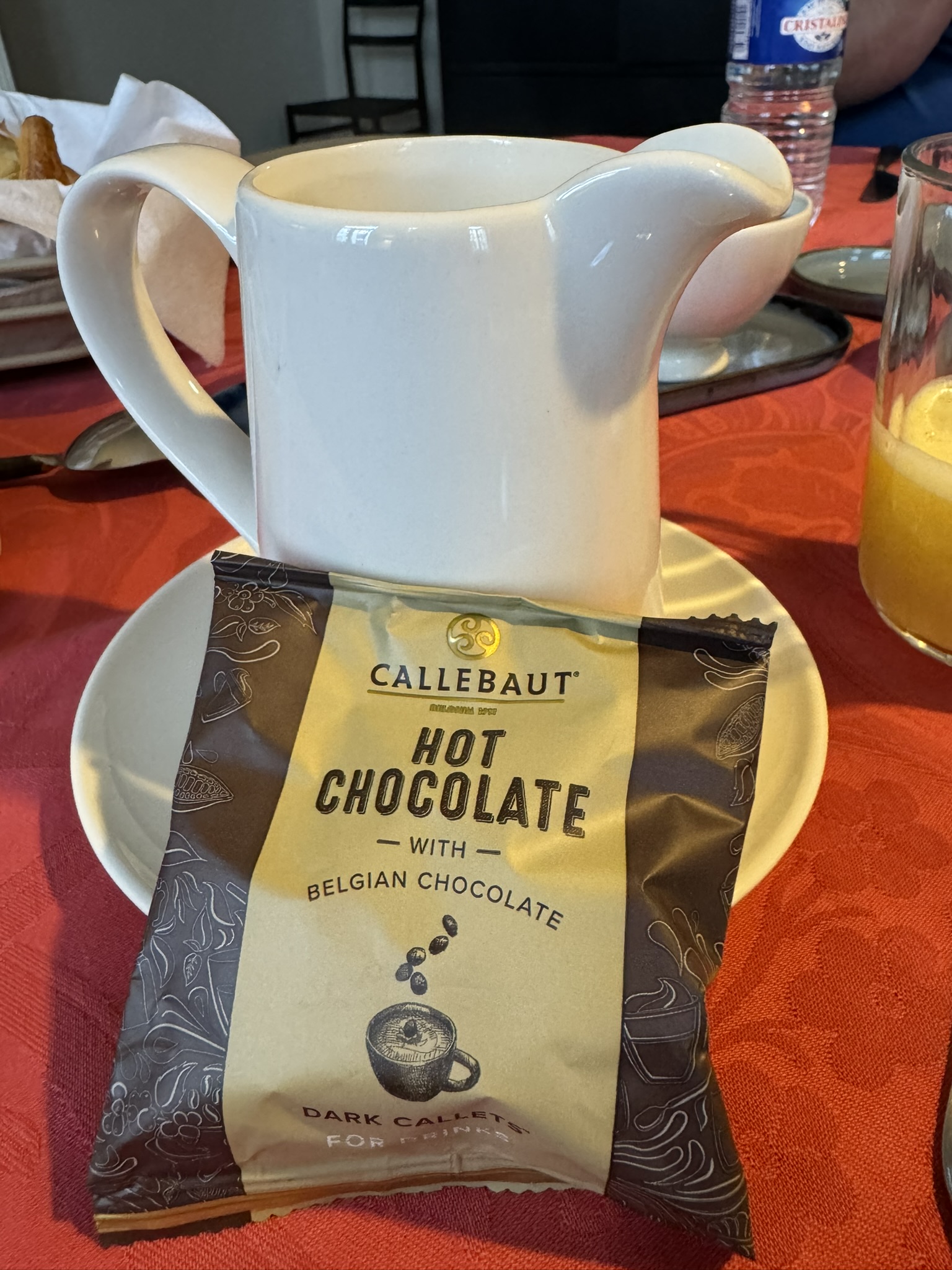
We were served a delicious breakfast each morning: hot chocolate (the hot chocolate packet was full of Belgium chocolate chips!) fresh squeezed OJ, ham, cheese, croissants, bread, jam, yogurt & granola.
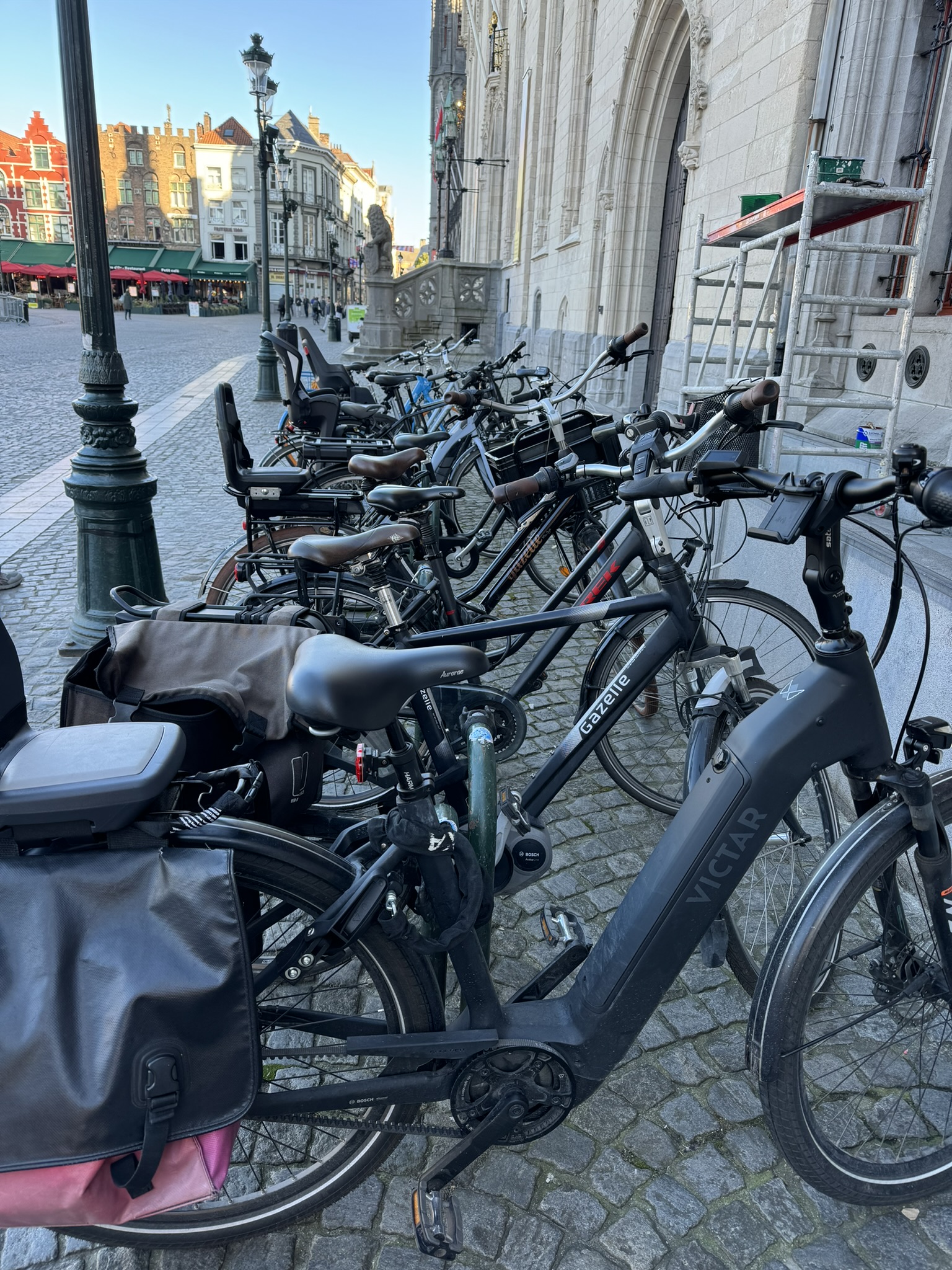
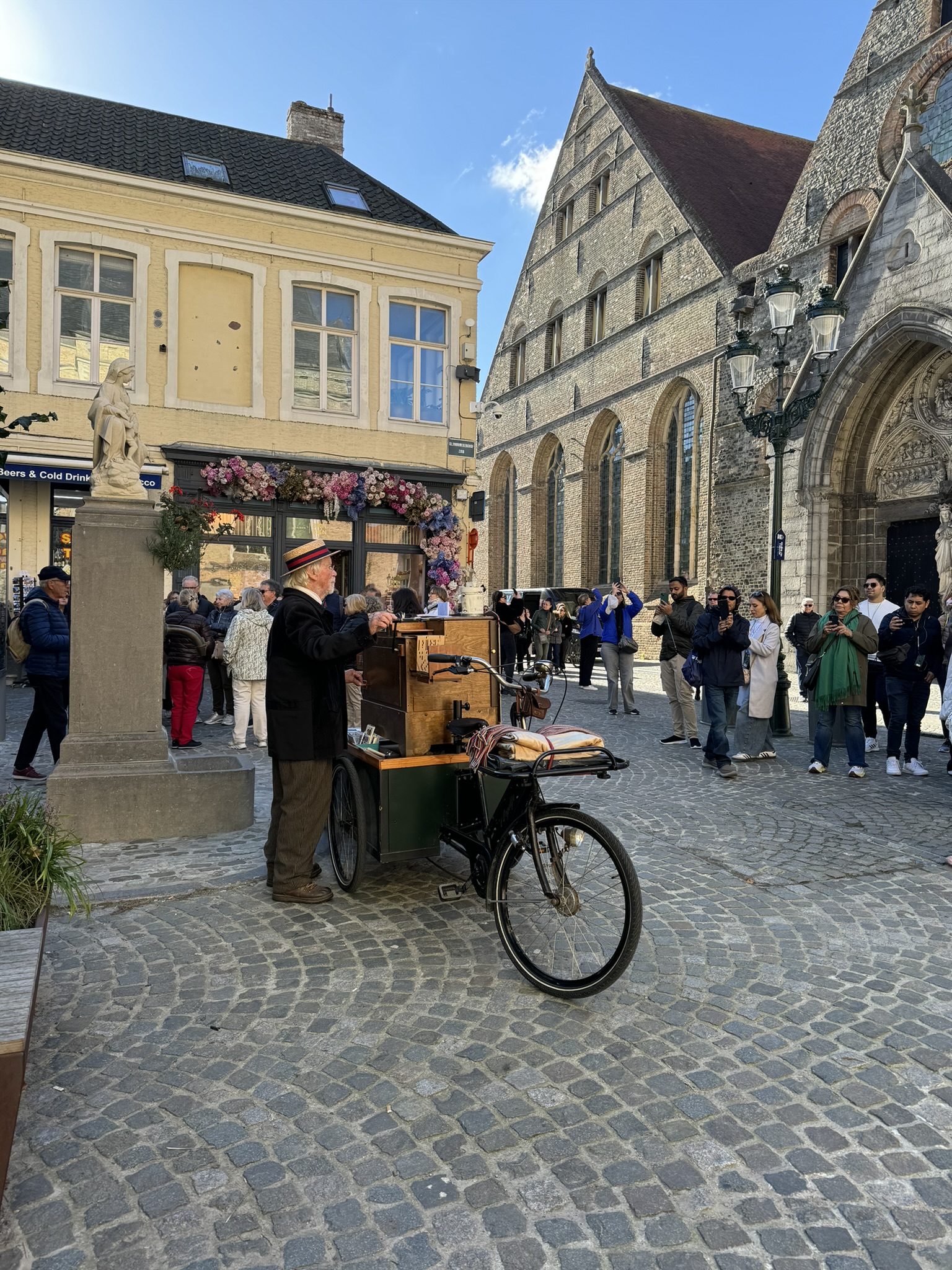
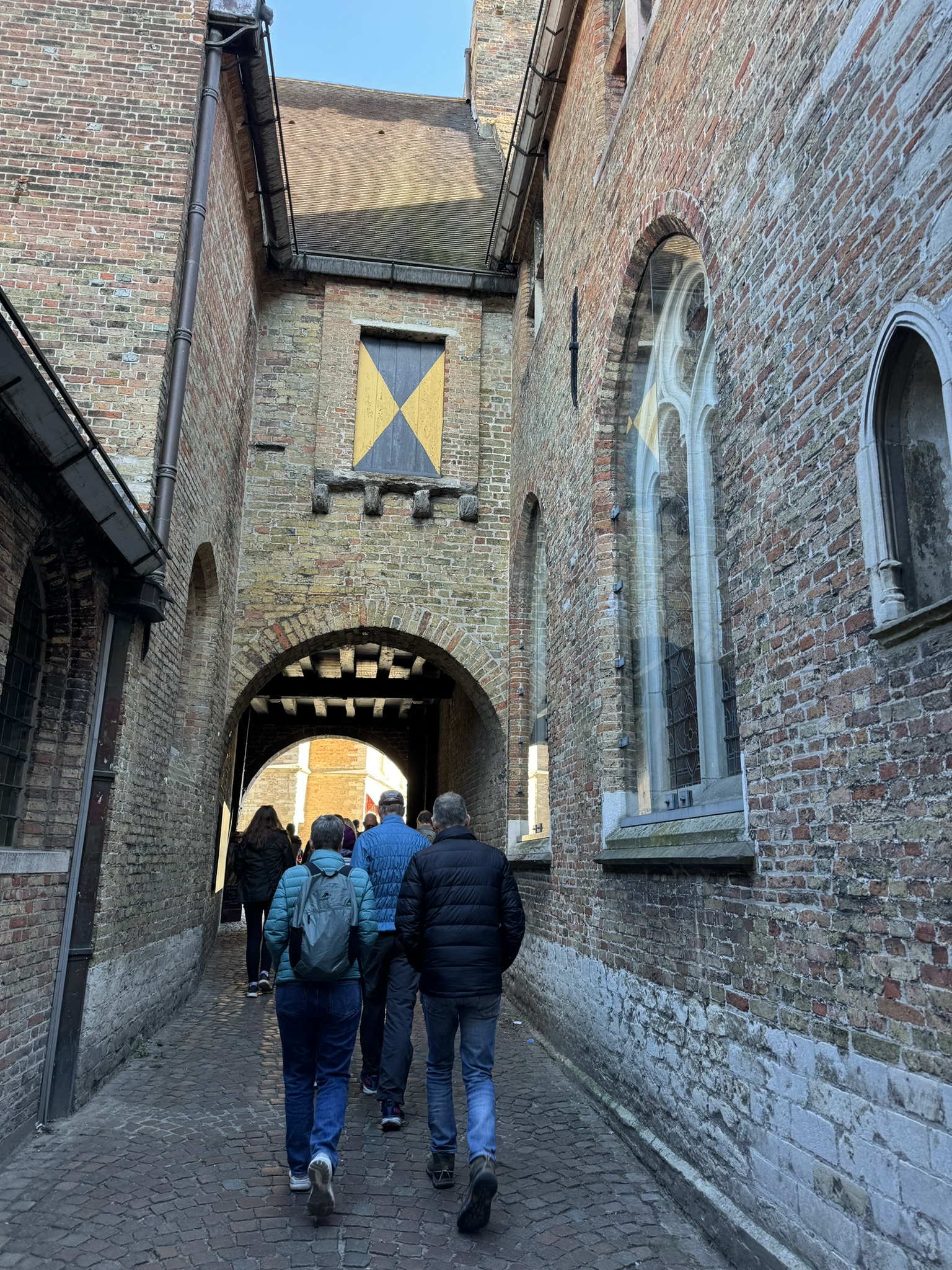
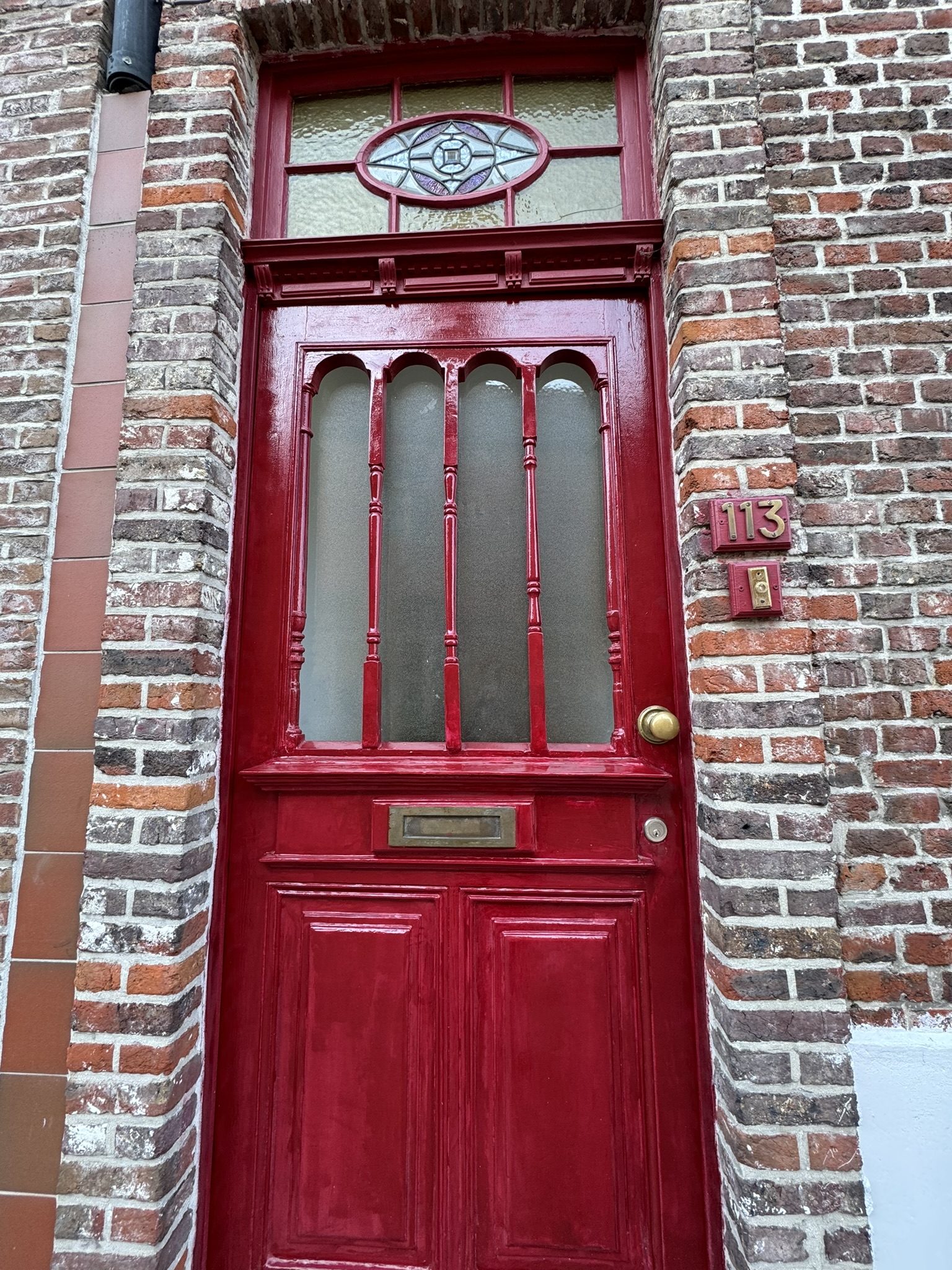
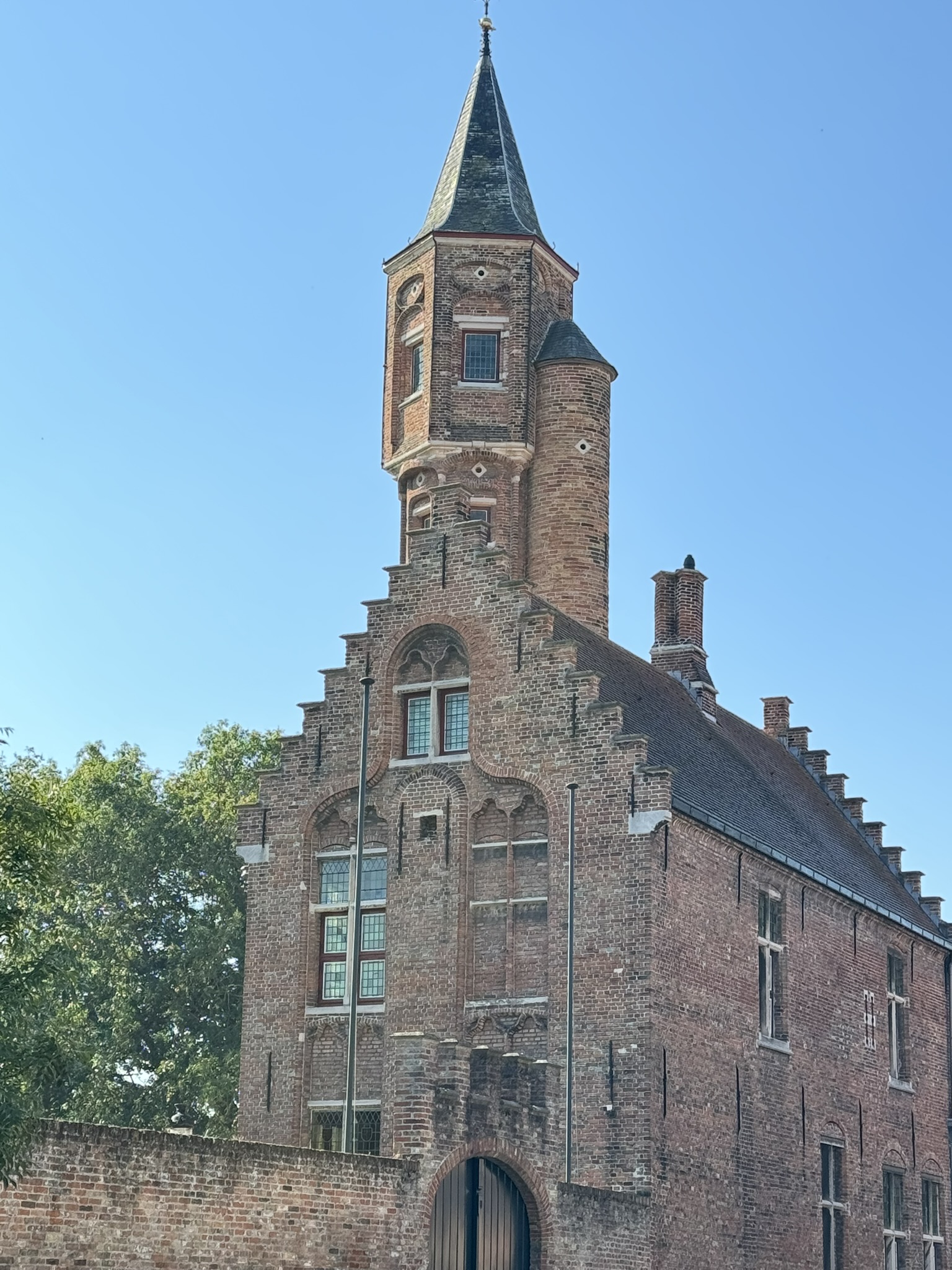
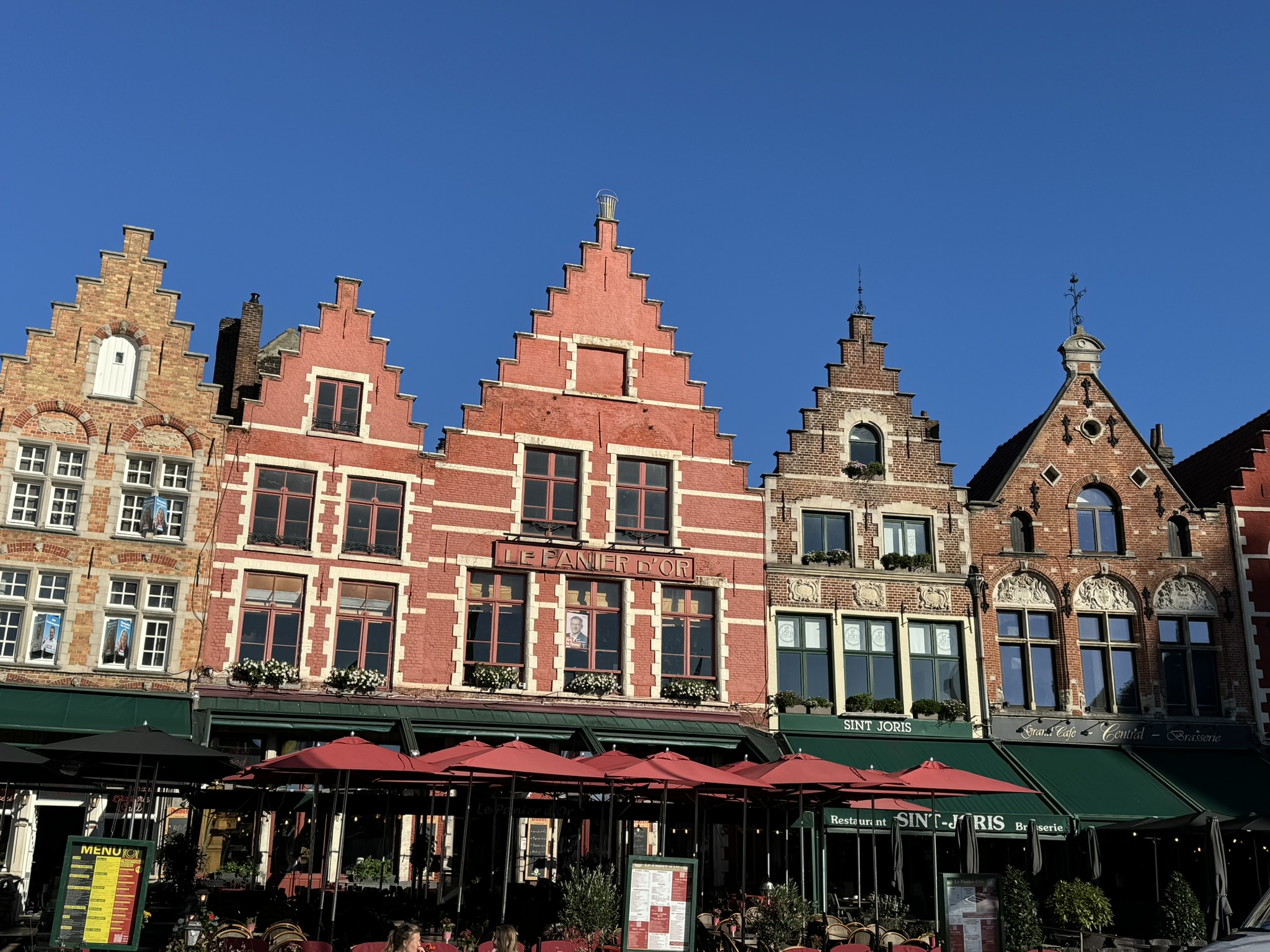
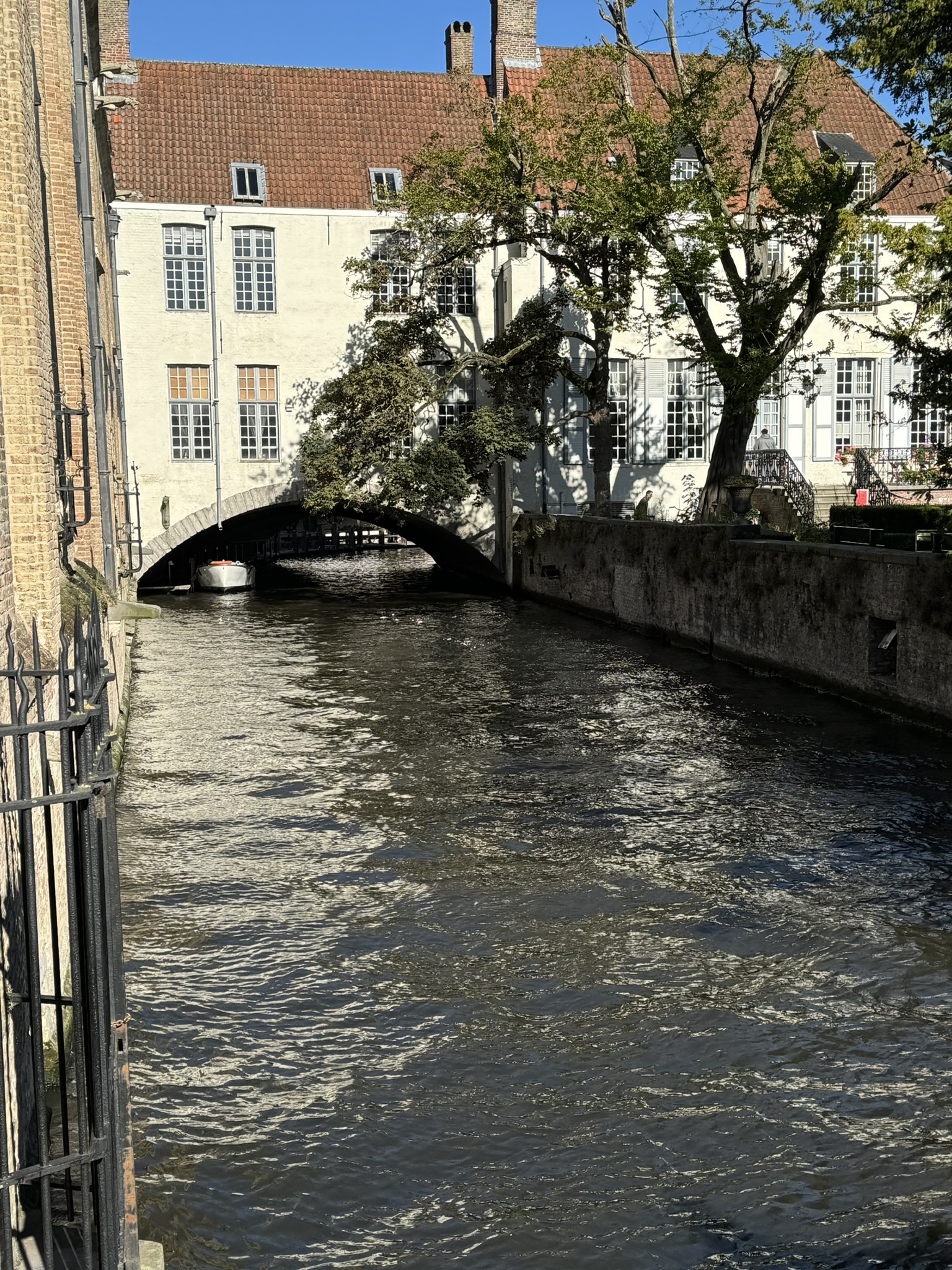
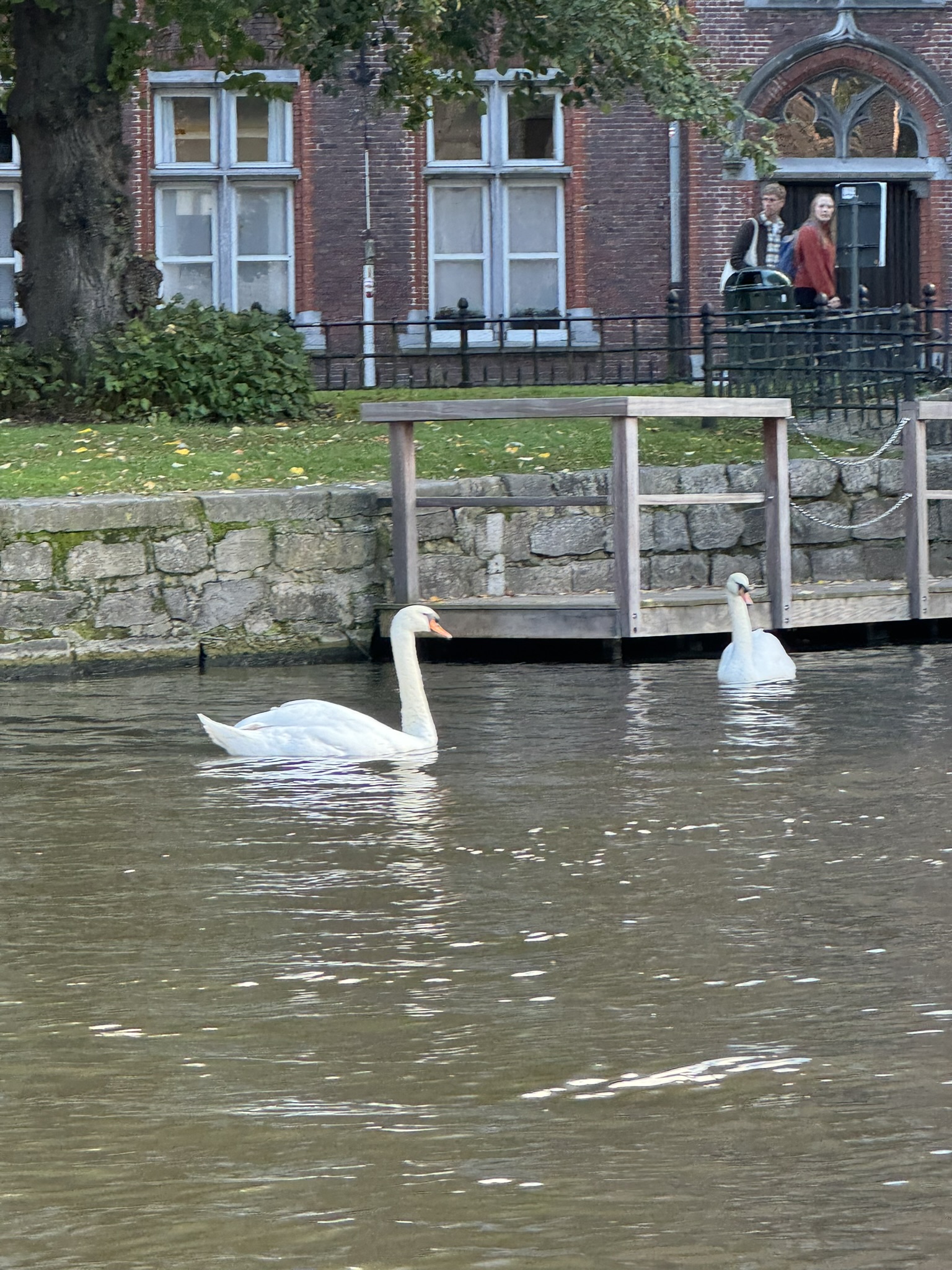
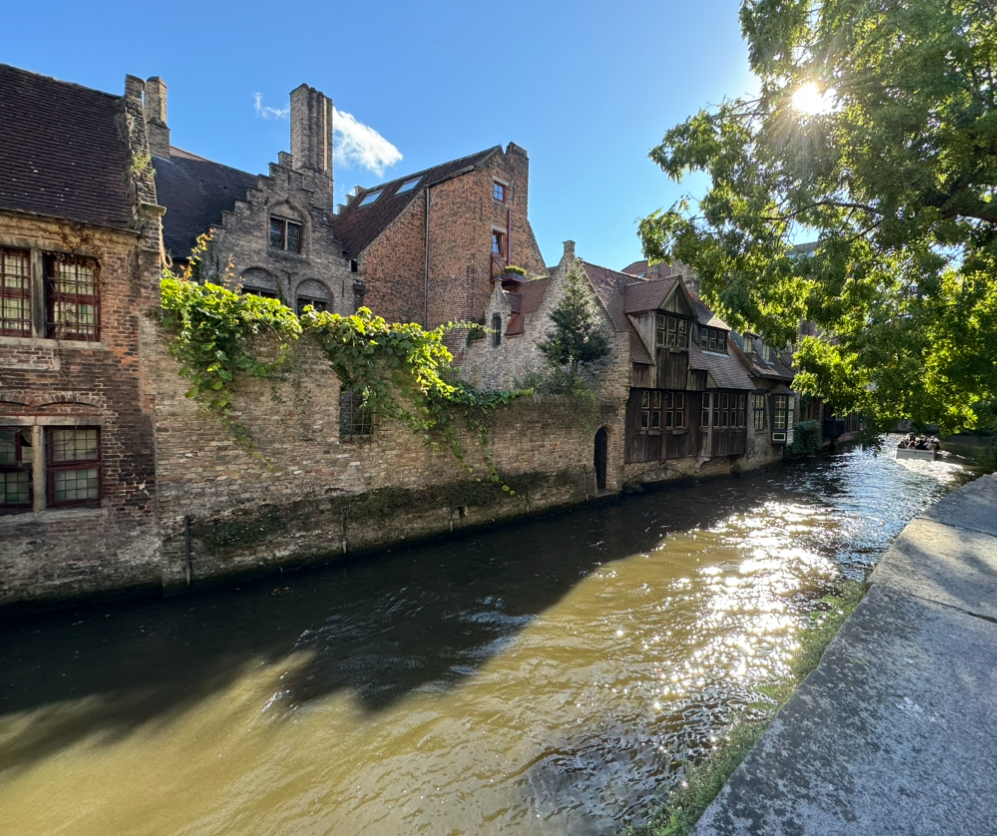
We explored Bruges on a walking tour, by canal, and on our own. This medieval city is distinguished by its canals, cobbled streets, and medieval buildings. We walked all over this magnificent medieval city that thankfully was not bombed during WW2.
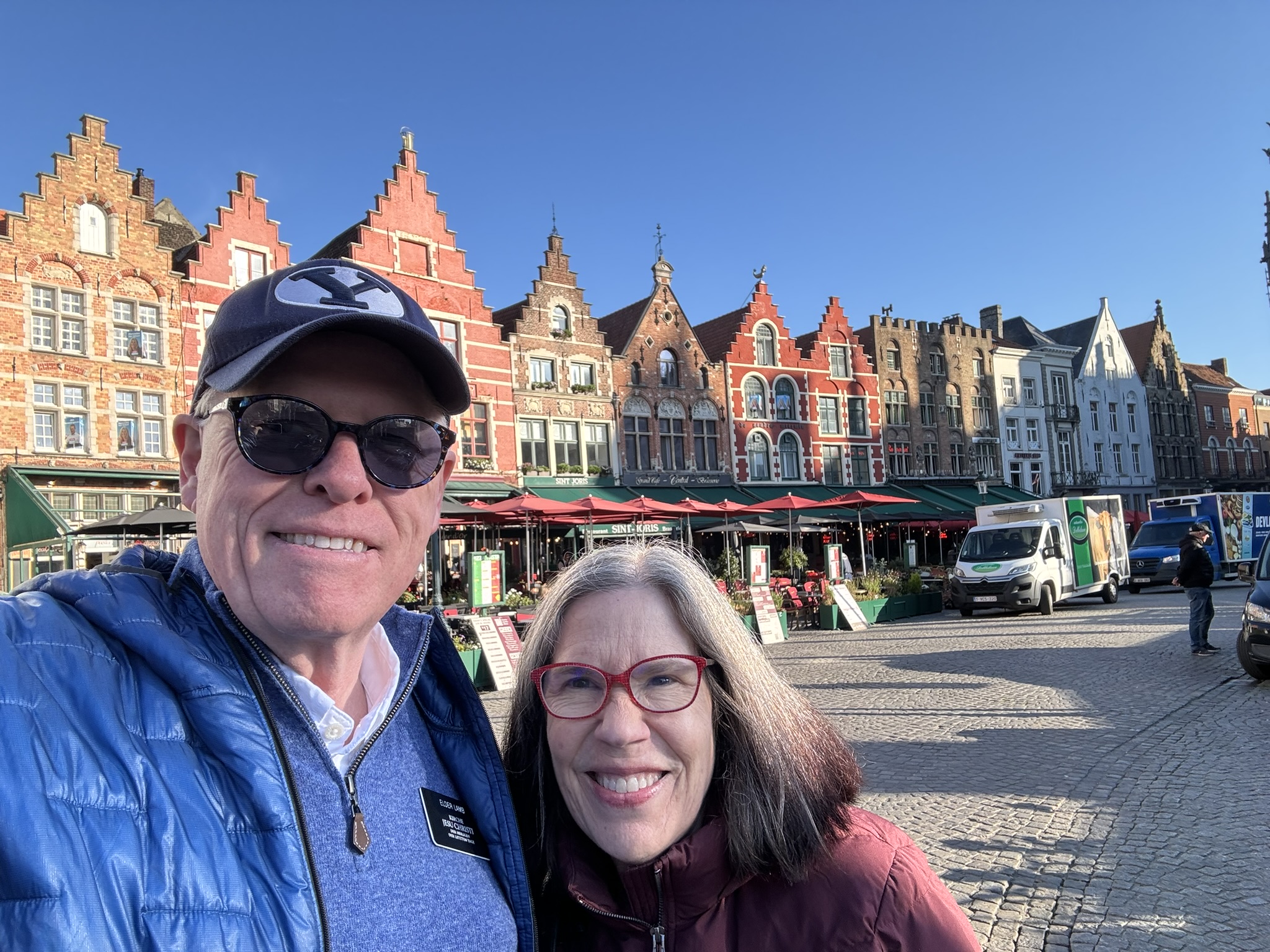
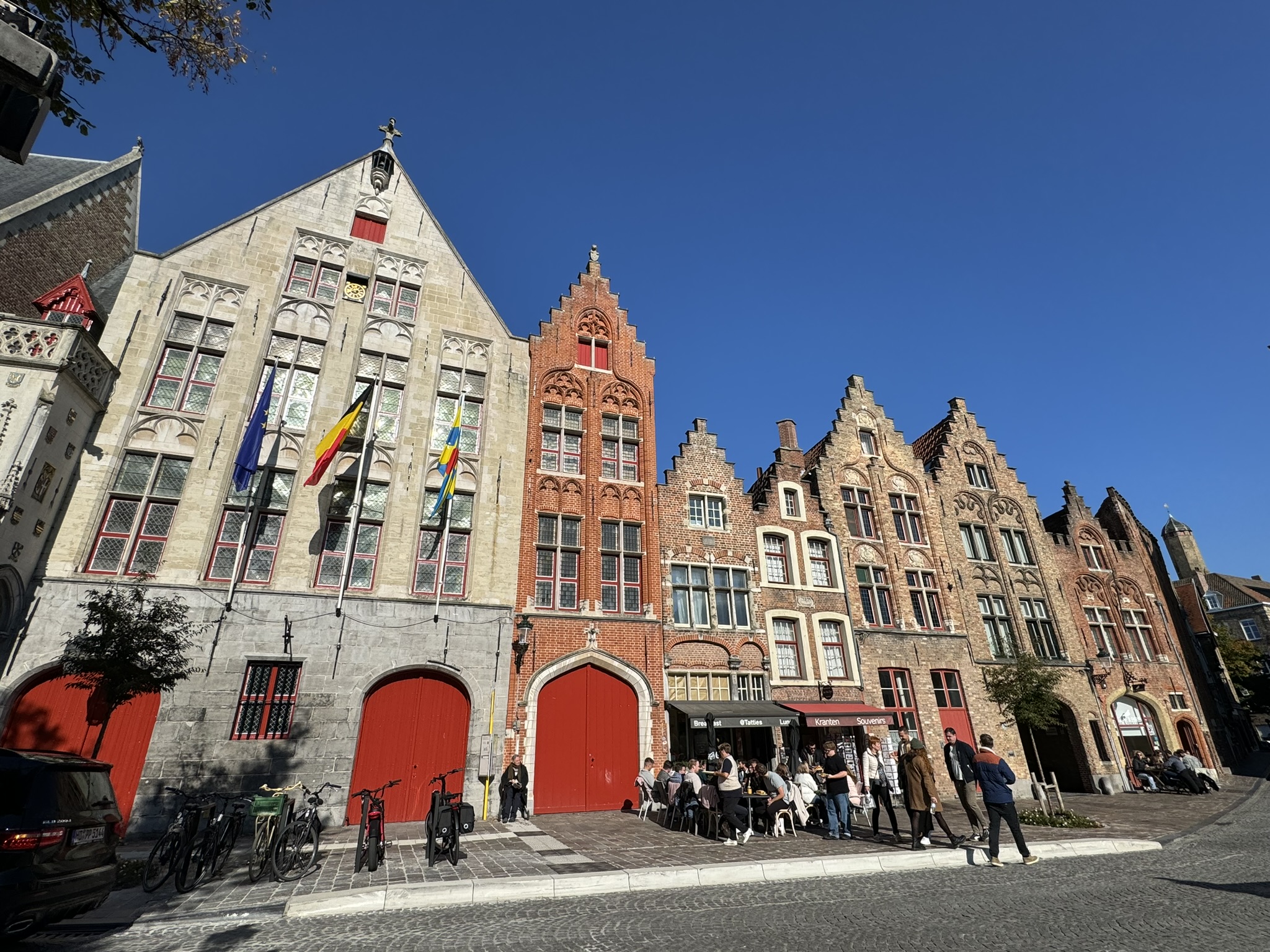
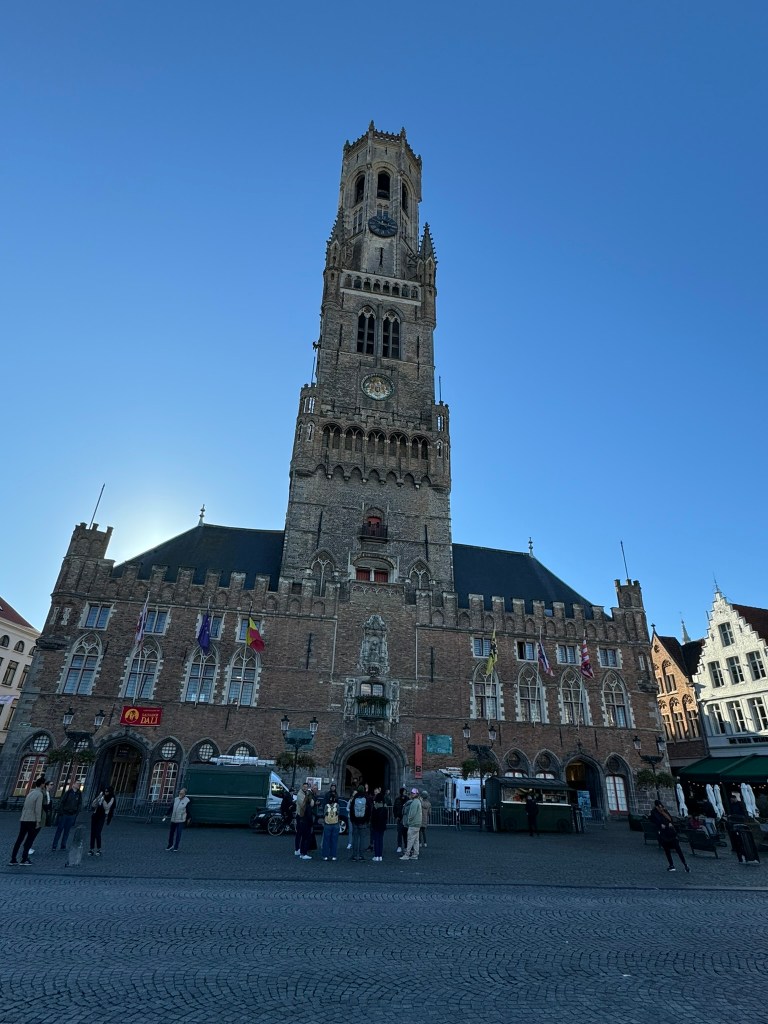
The Markt square features a 13th century belfry with a 47-bell carillon. We enjoyed the concerts.
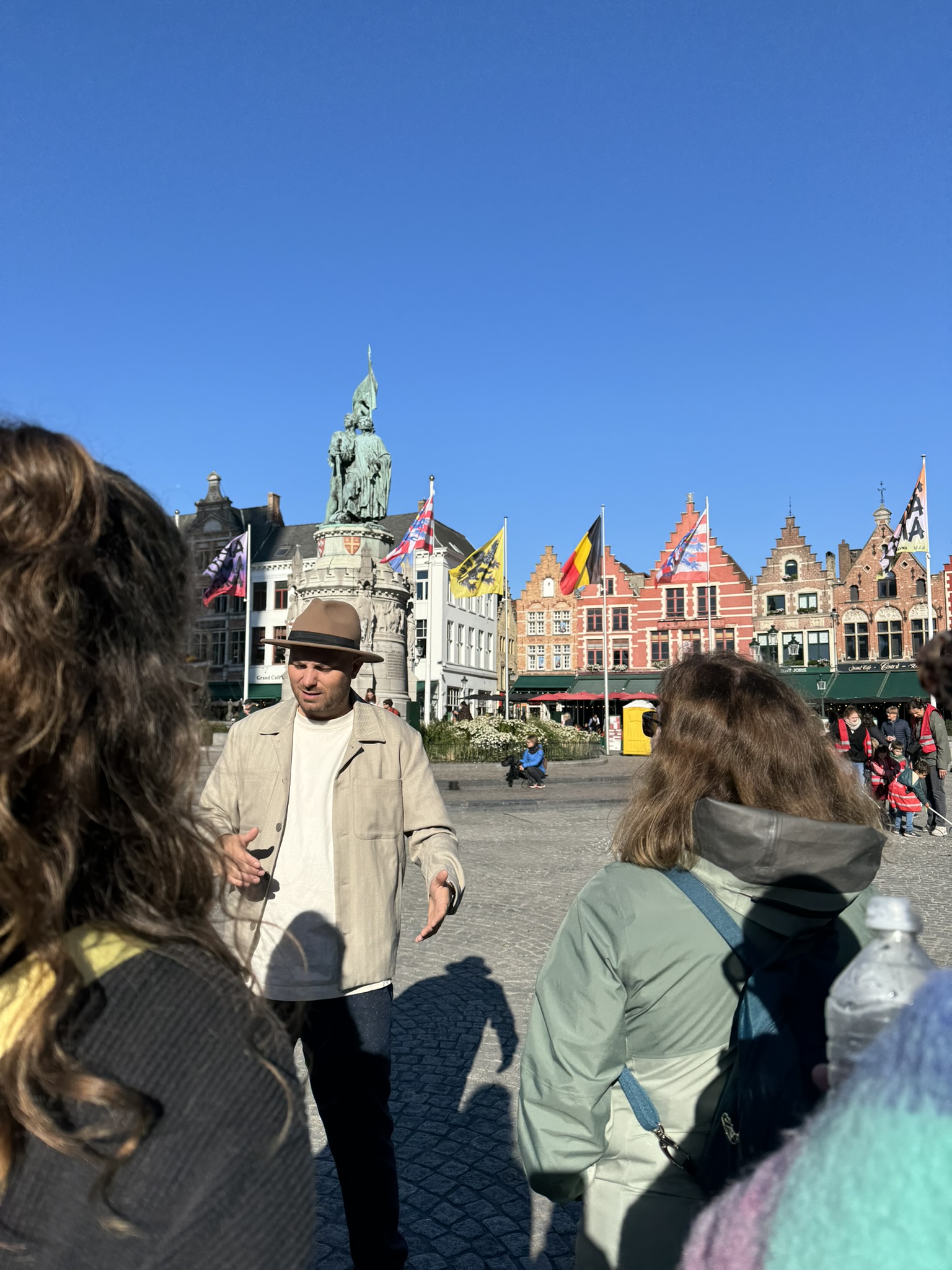
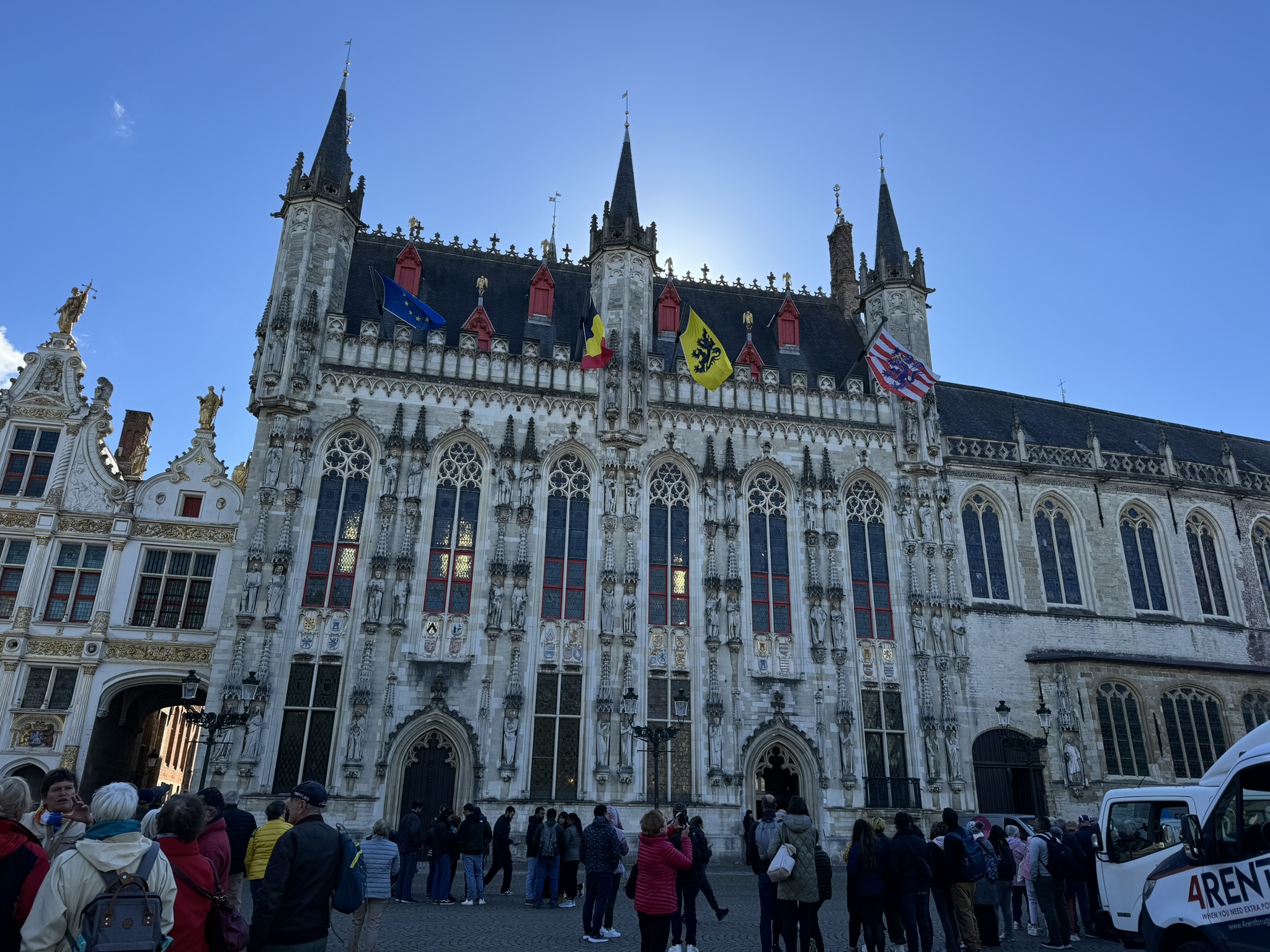
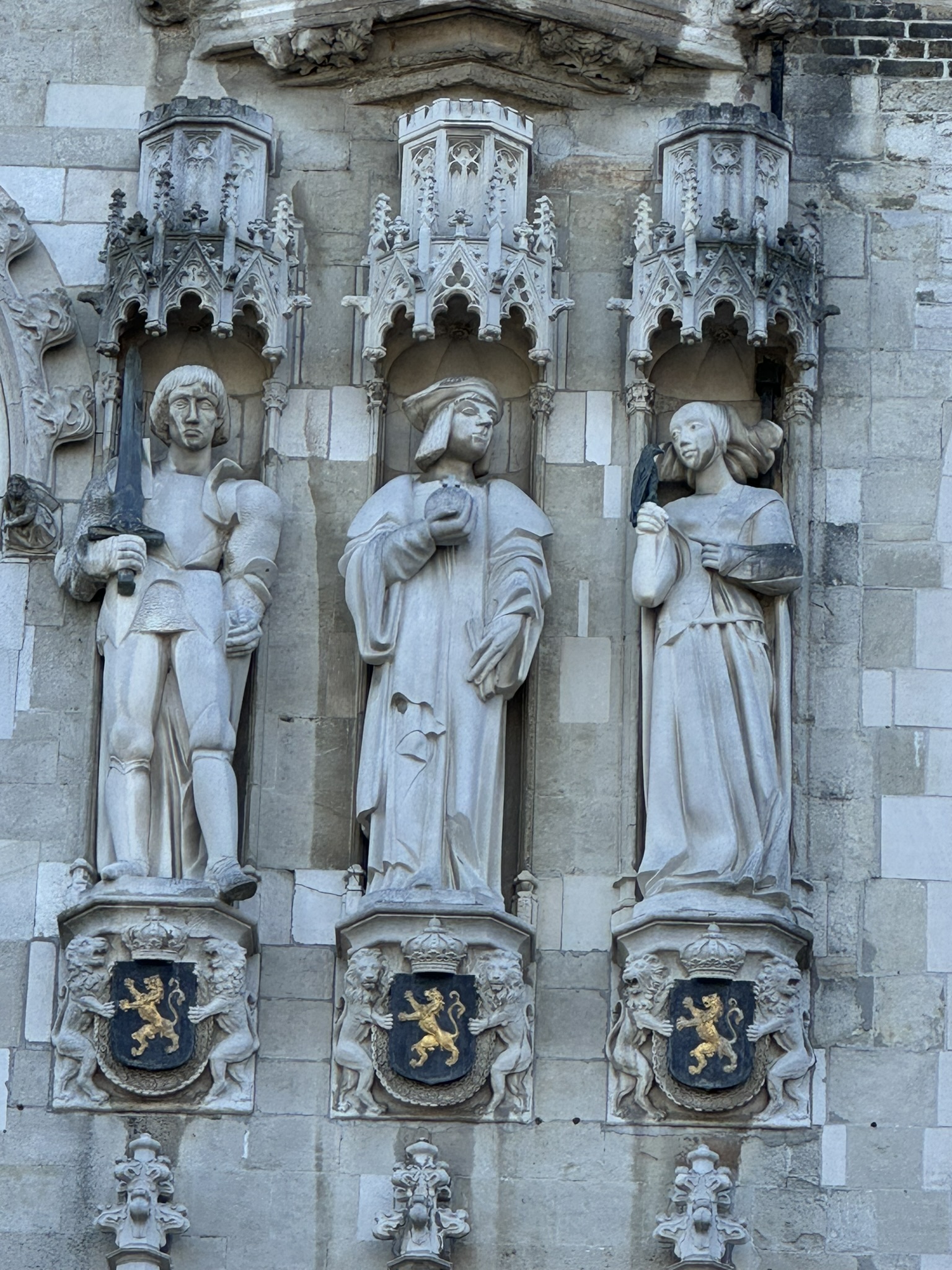
Our guide, Emiel, grew up in Bruges, so he was full of knowledge and told wonderful historic stories. We learned about the love story of Mary of Burgundy and Maximilian I in 1477 and about Mary’s untimely death five years later. She was just 25 years old when she fell off her horse while hunting with her falcon. They are featured sculptures on Town Hall.
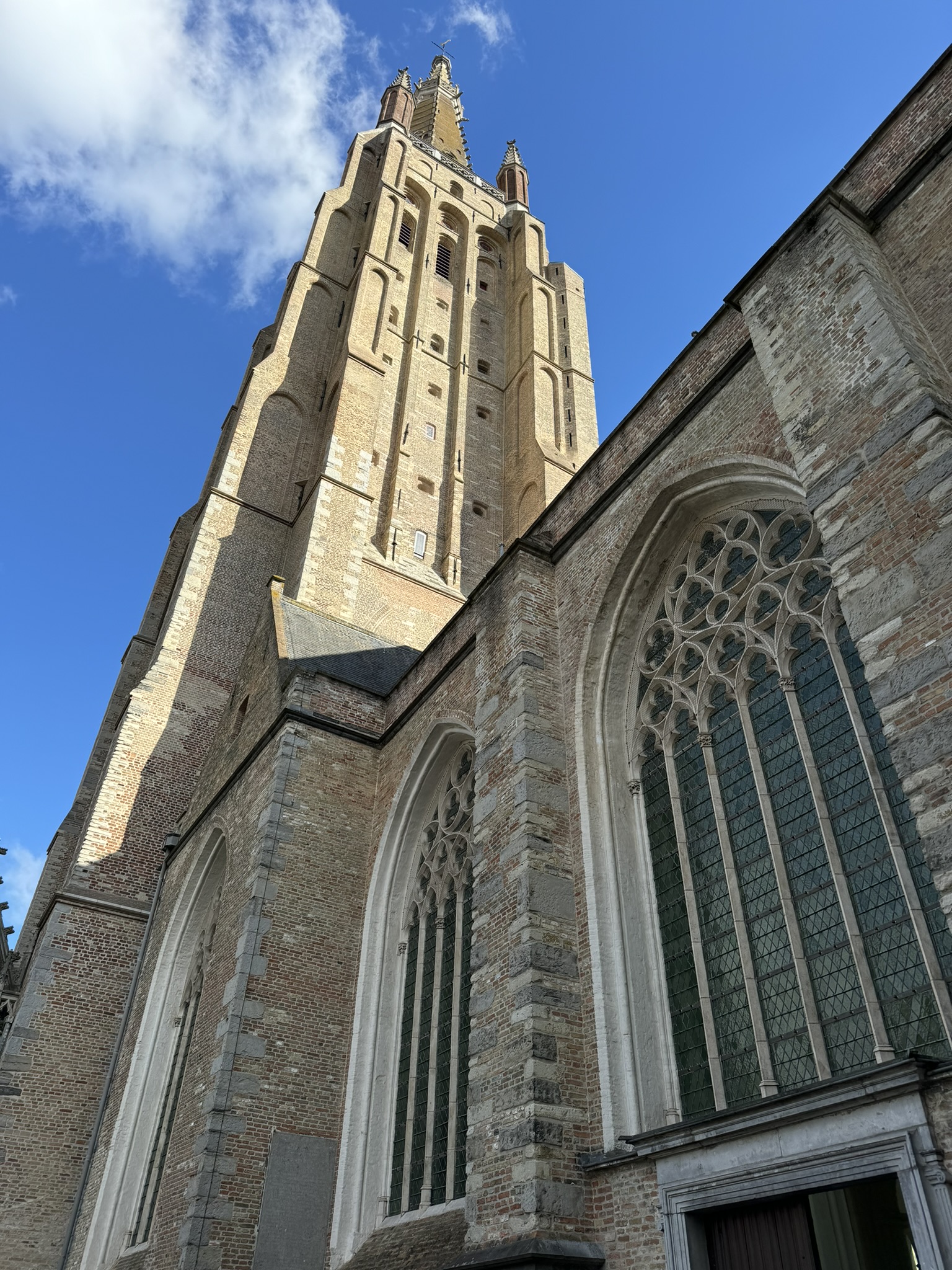
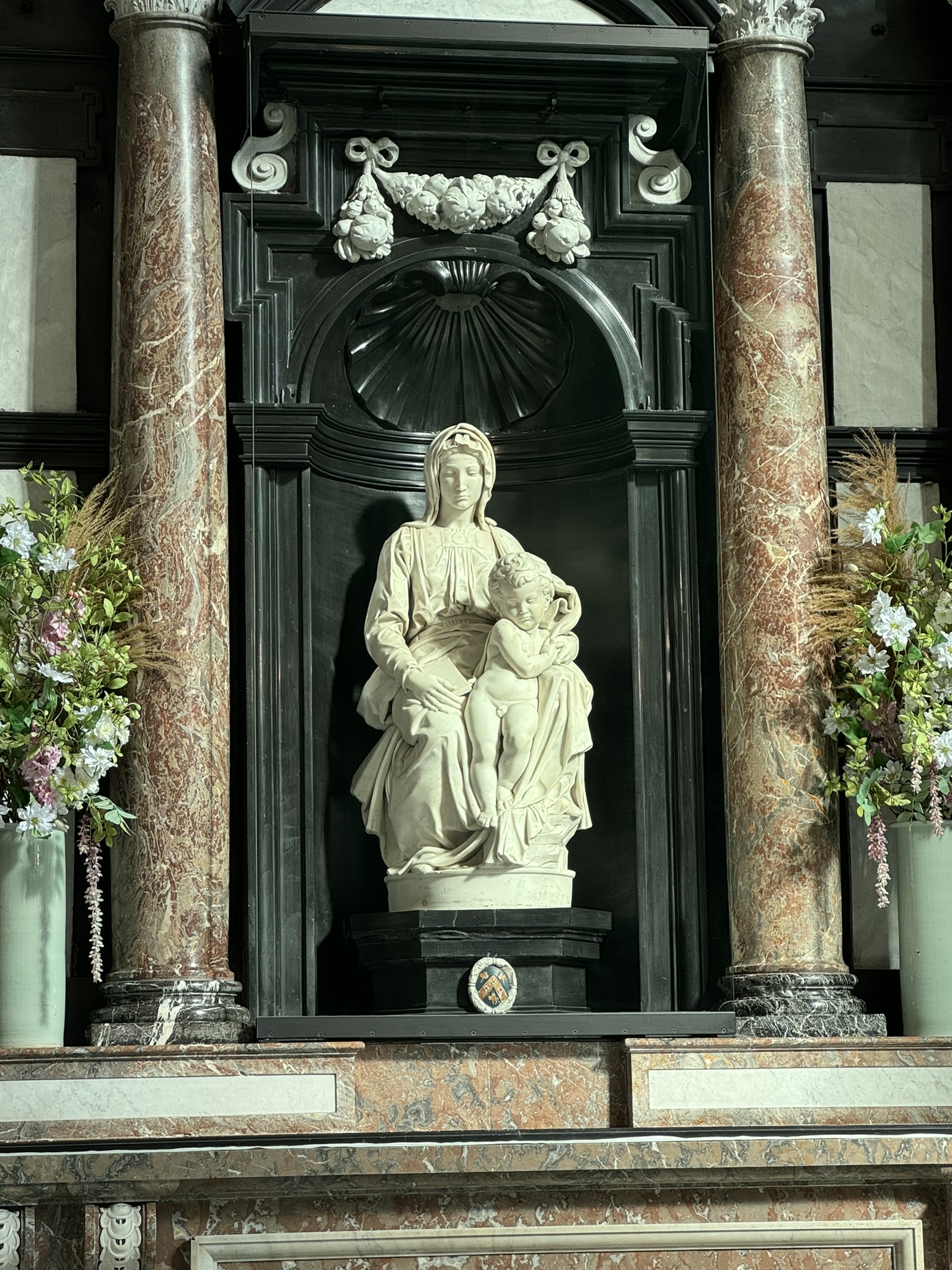
We saw Michelangelo’s Madona & Child in the Church of our Lady. As seen in the movie Monuments Men, this artwork was first stolen in 1794 by Napoleon and later by the Nazis. The Allied Monuments Men recovered the sculpture and returned it to the church miraculously undamaged in 1945.
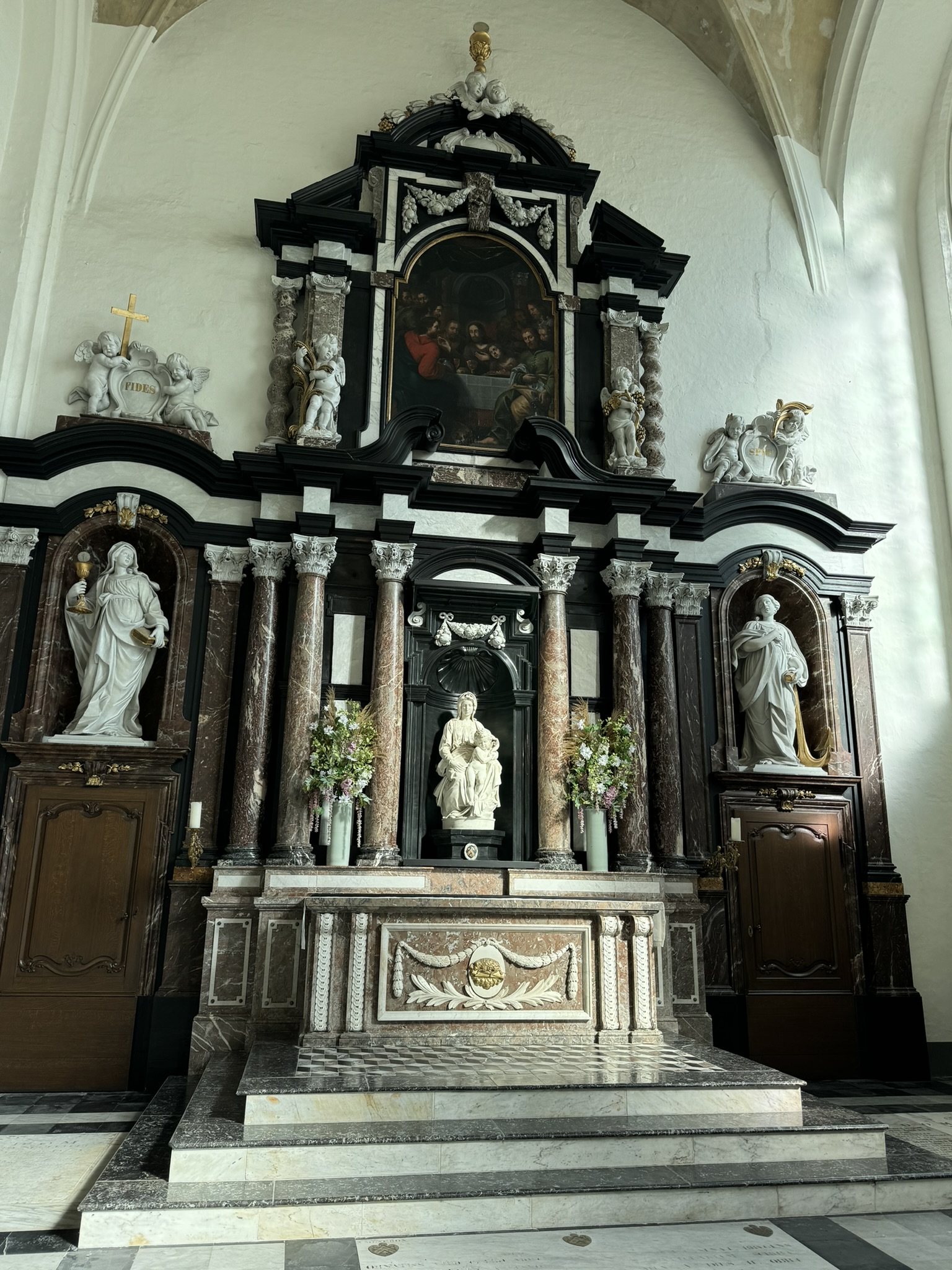
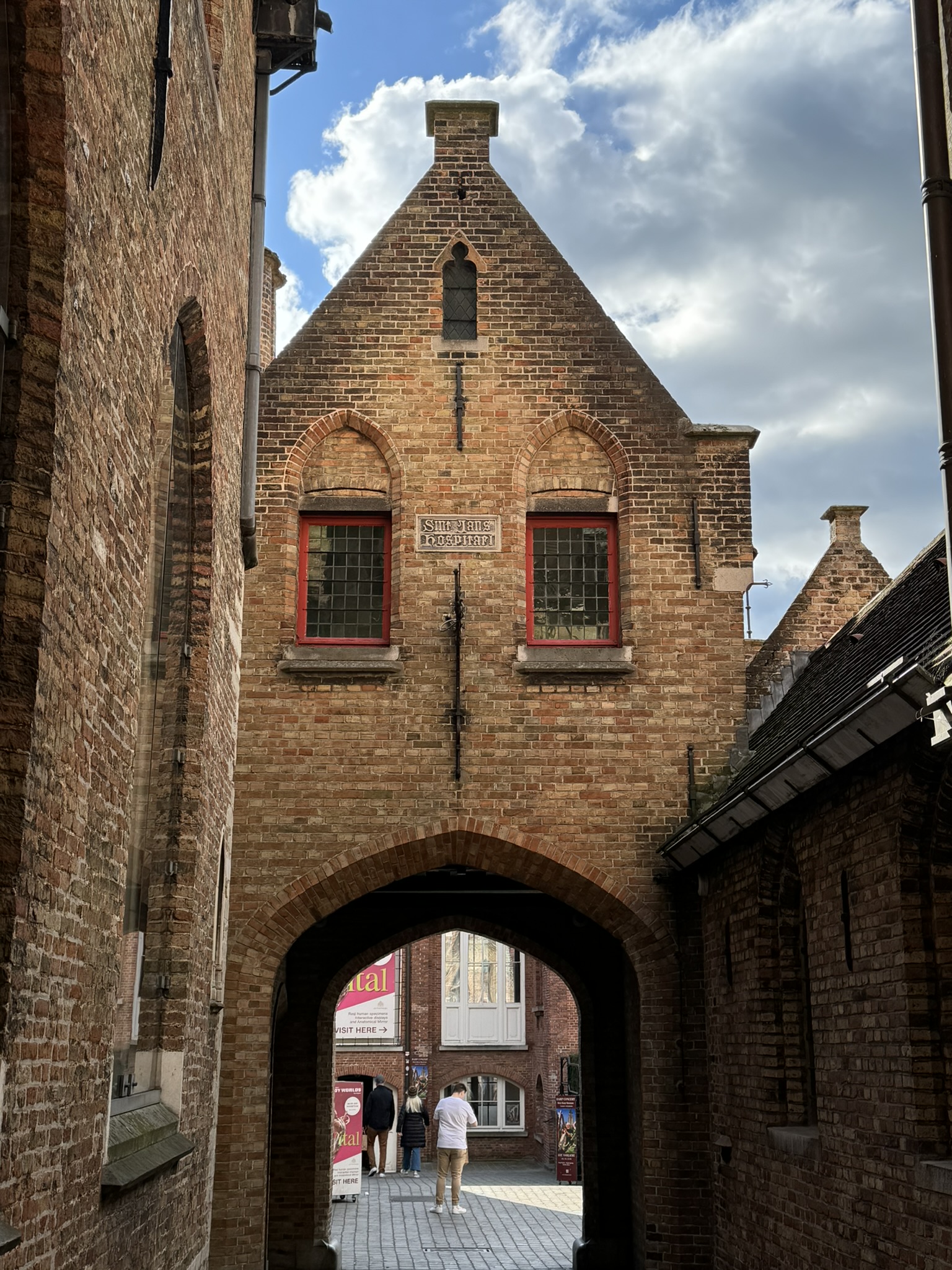
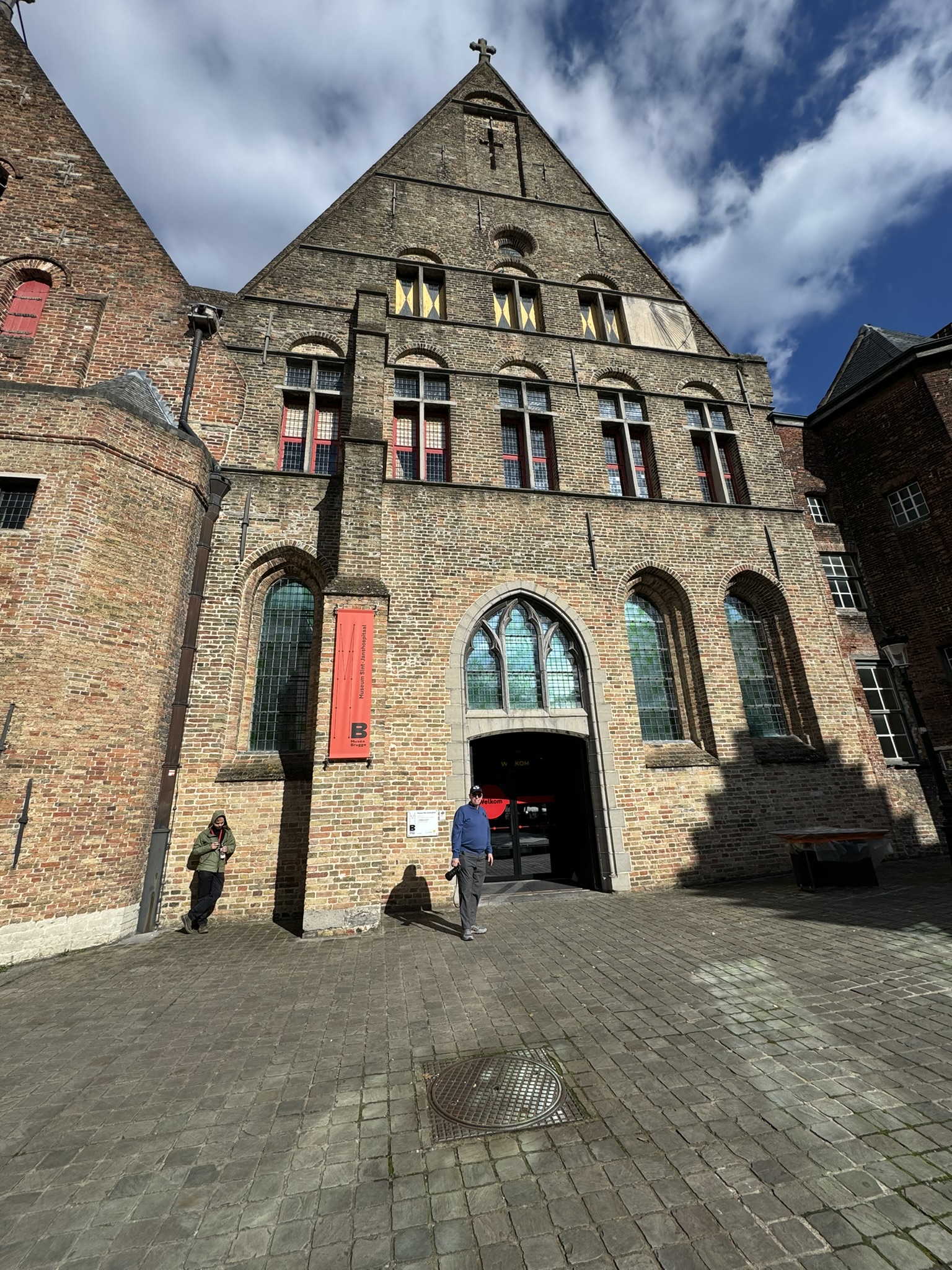
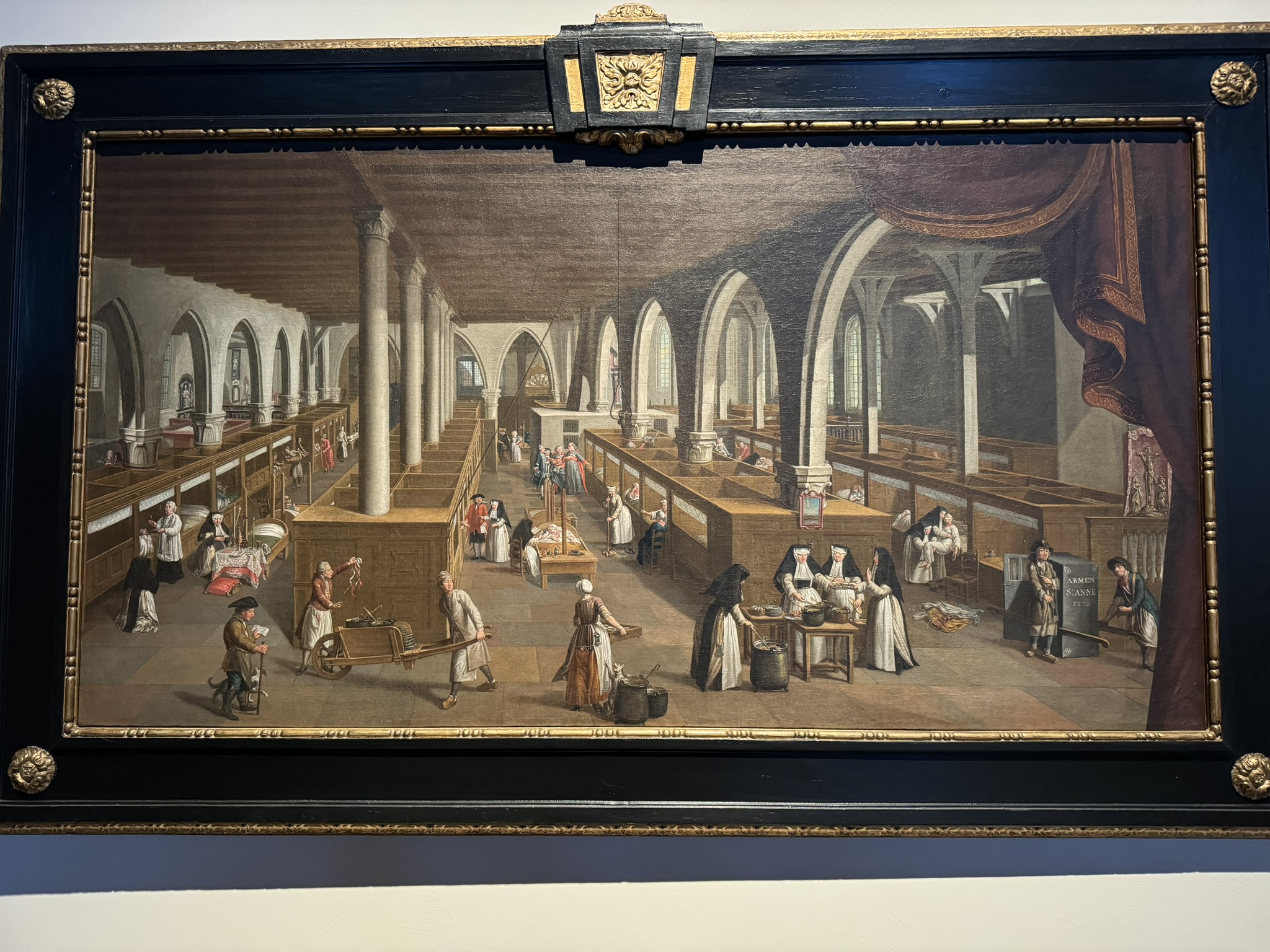
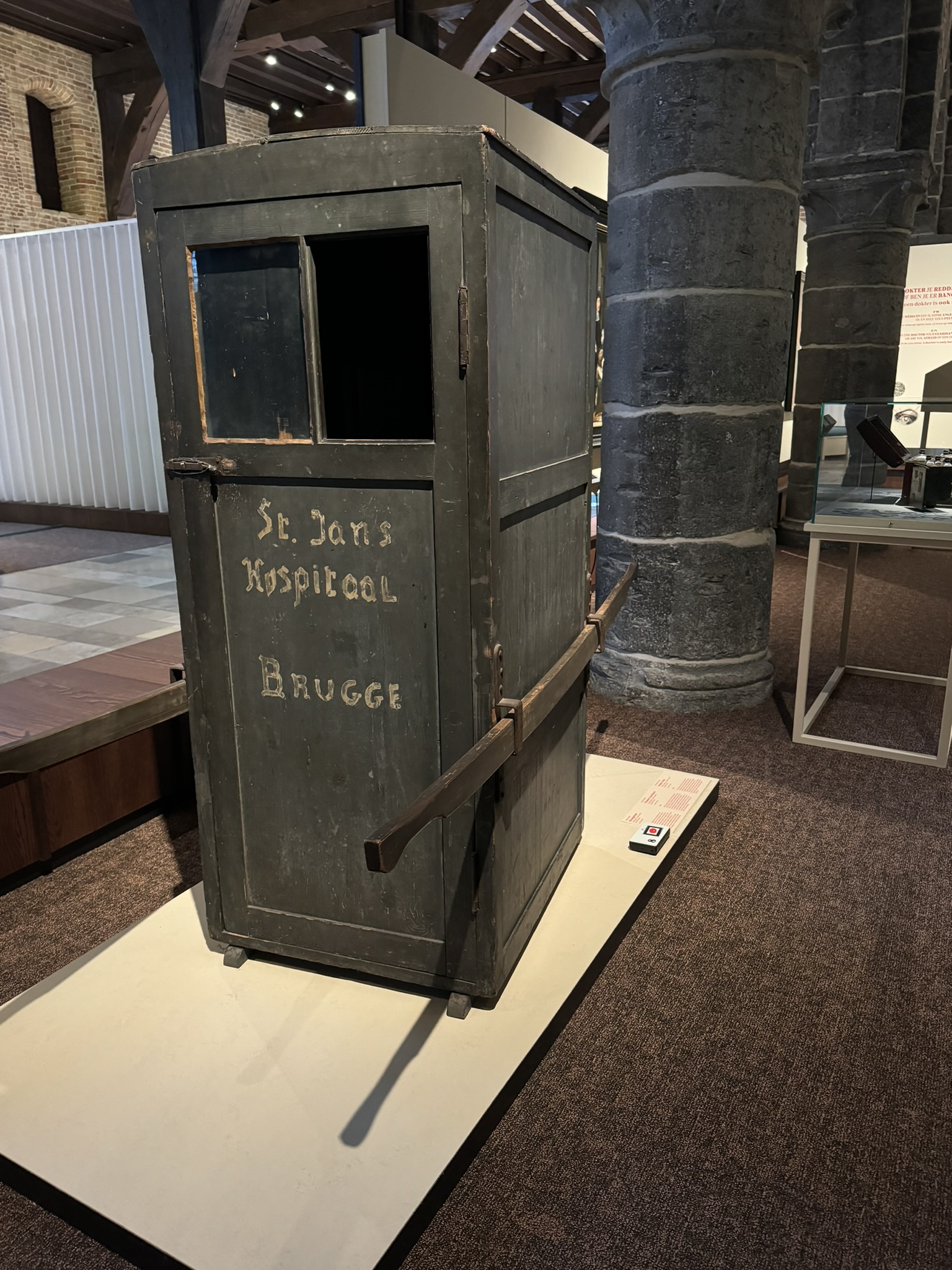
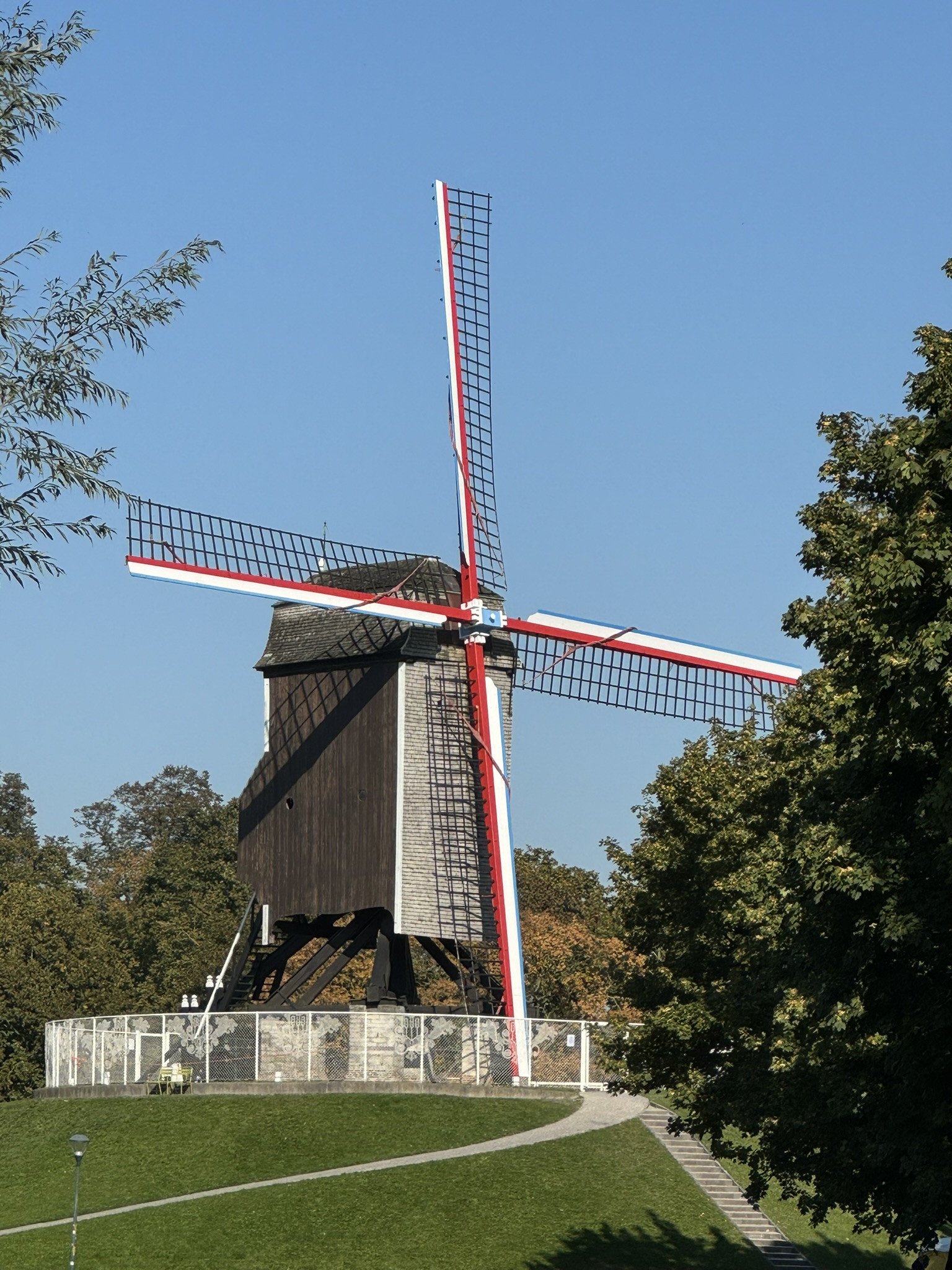
We toured St John’s Hospital Museum. From 1100 onwards St John’s hospital has received the underprivileged of Bruges. It was its own village within the city with a vegetable garden, orchard, bakery, cemetery and brewery. Patients could observe Mass from their sickbeds and pray along. What could you expect as a guest in this medieval hospital? A bed sometimes shared, fresh sheets and fortifying food, a comforting prayer from a nun or priest, and a sedan chair that served as an ambulance. In the 19th century the institution became a modern hospital for all patients, rich and poor.
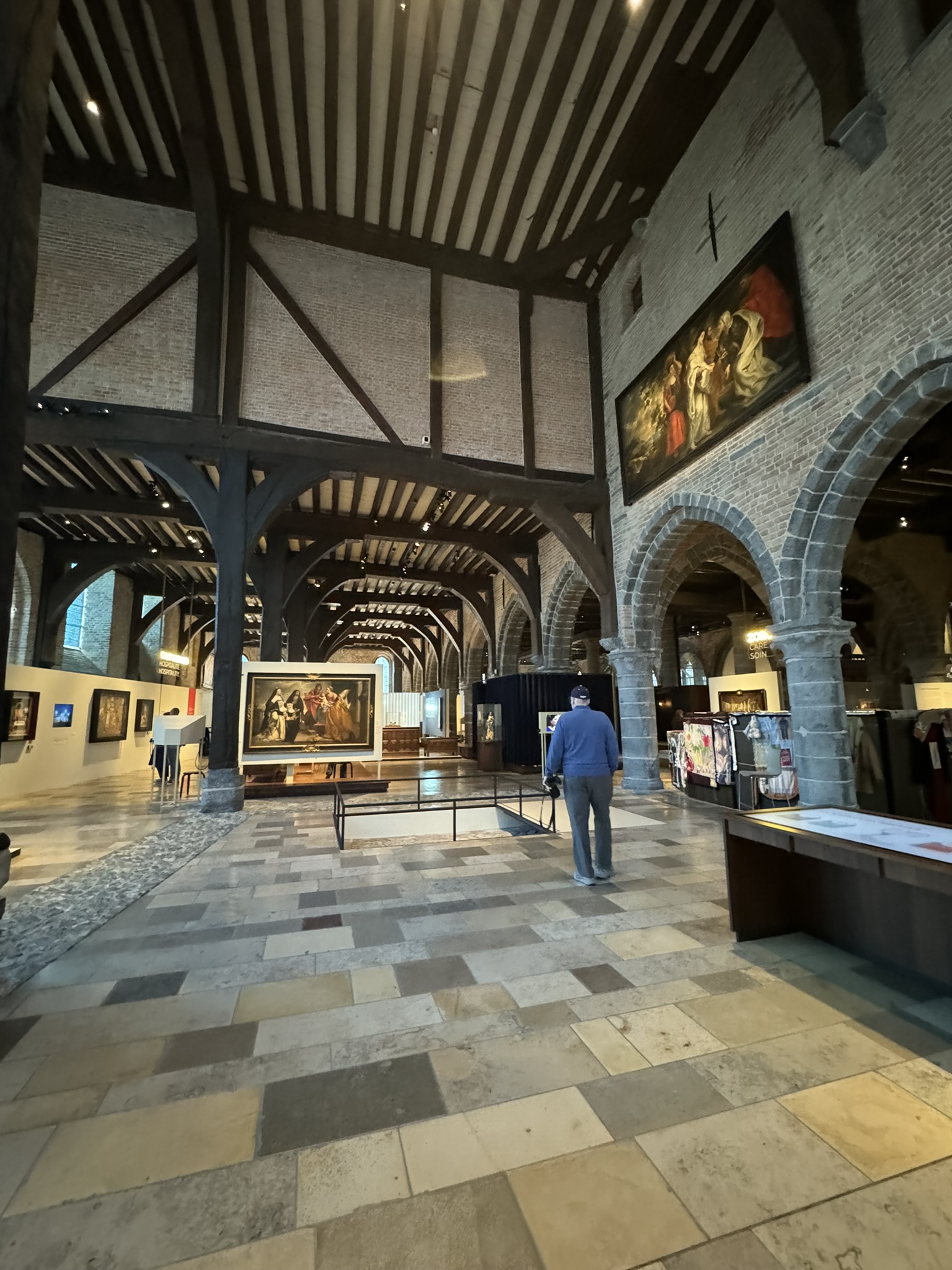
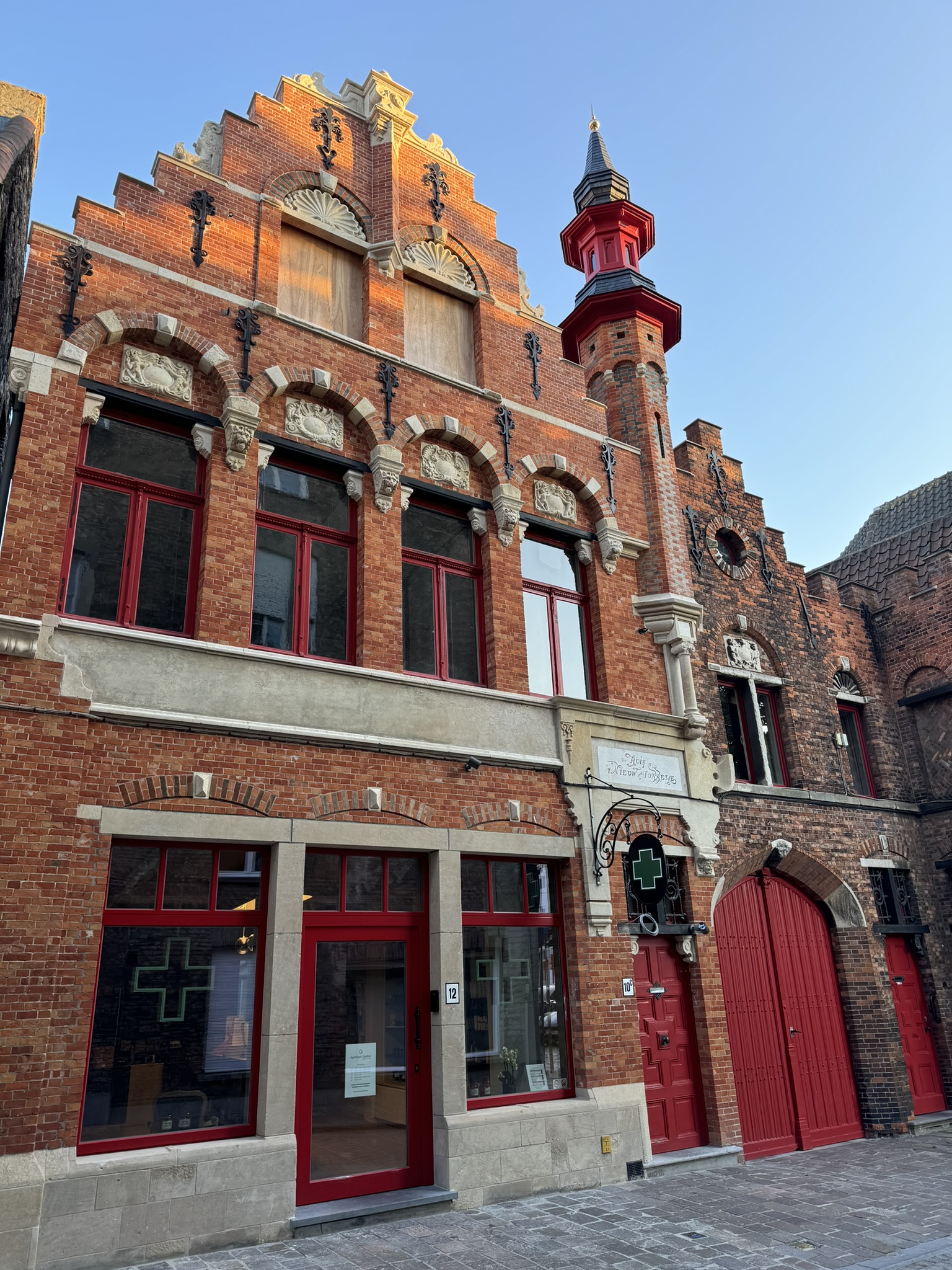
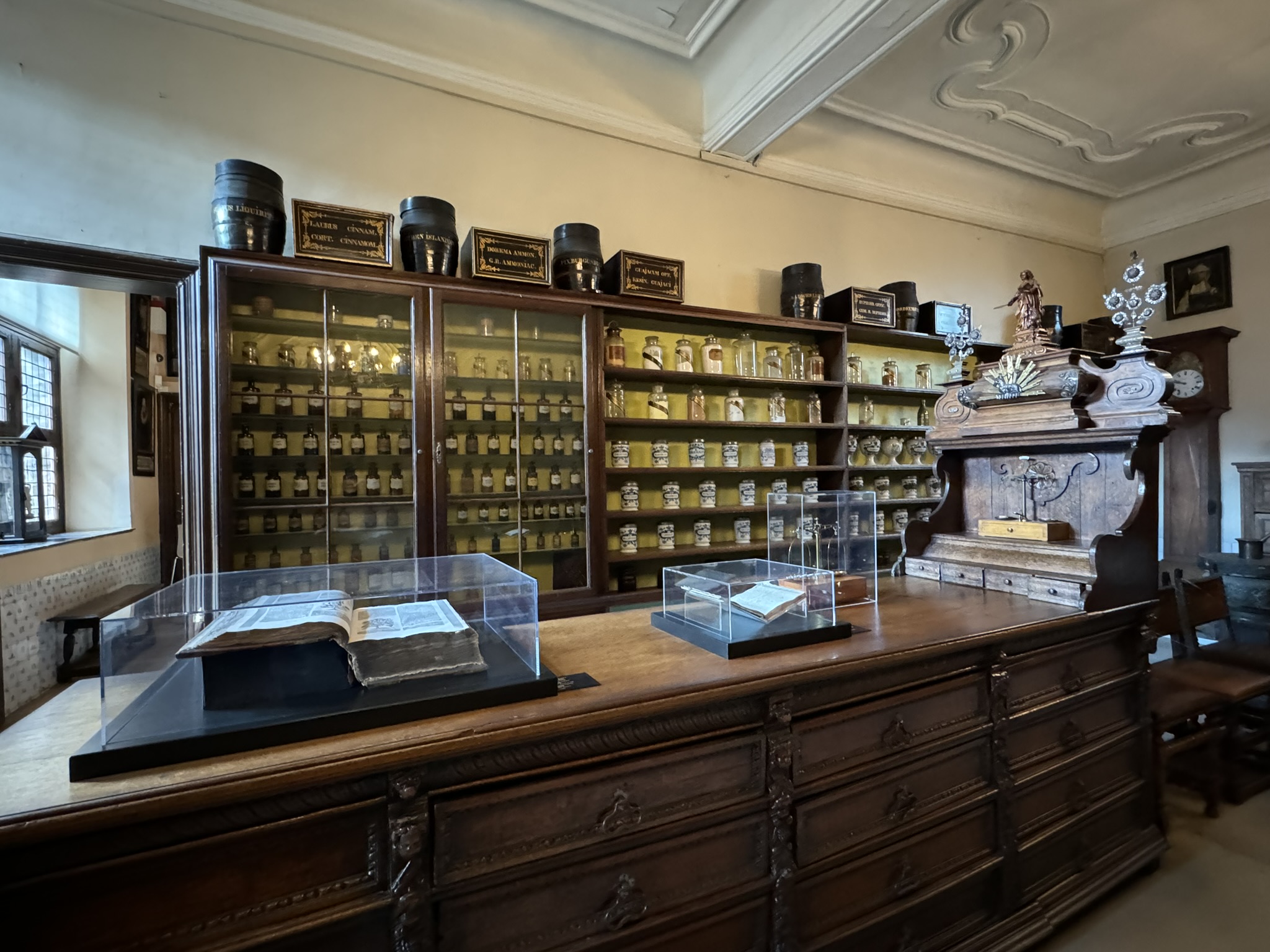
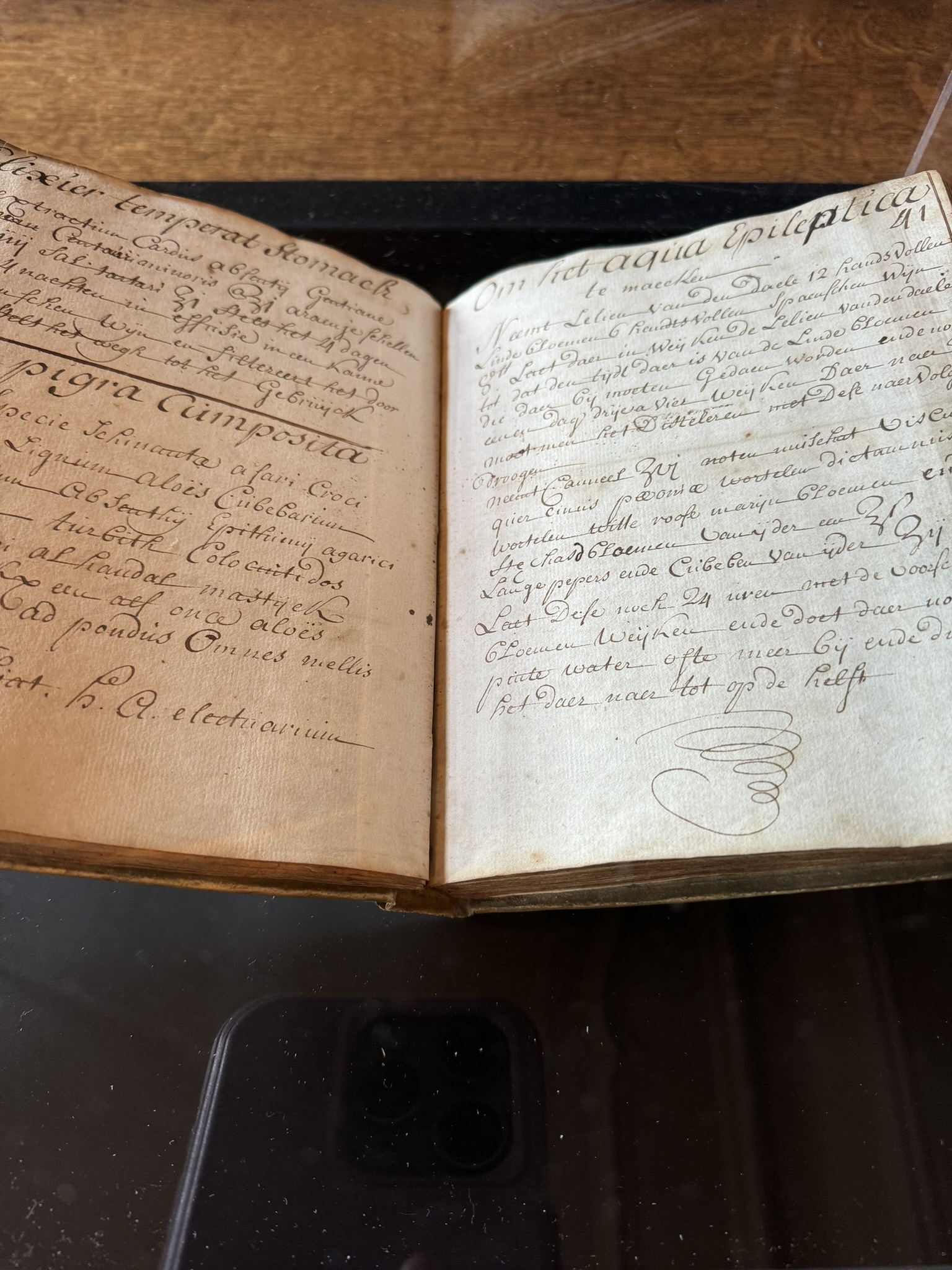
The hospital had its own inhouse Apothecary.
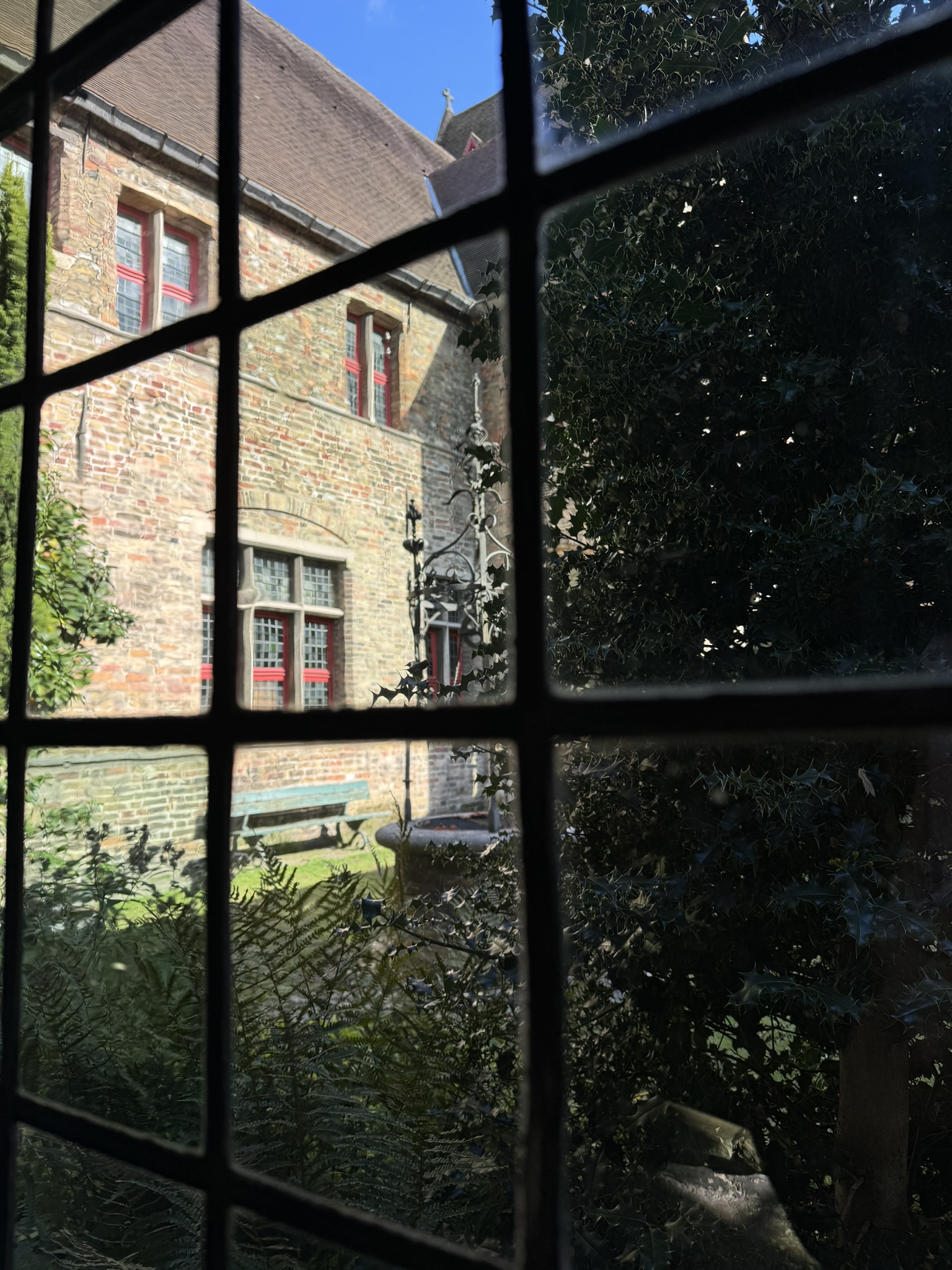
There are only four 13th century windmills remaining that used to stand on the city walls. One of them still grinds grain.
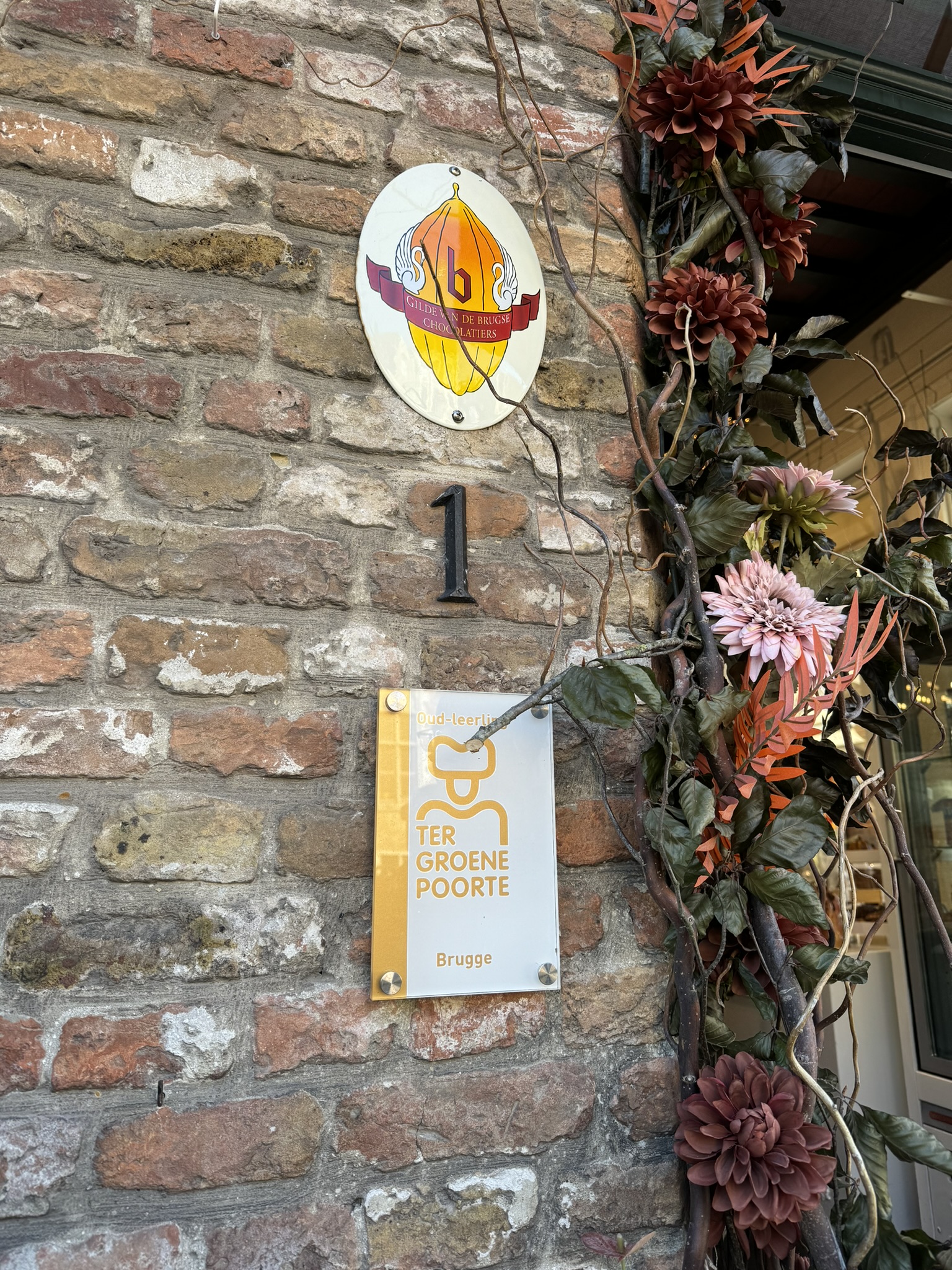
Chocolate stores bearing this plaque belong to the official chocolate guild of Bruges.
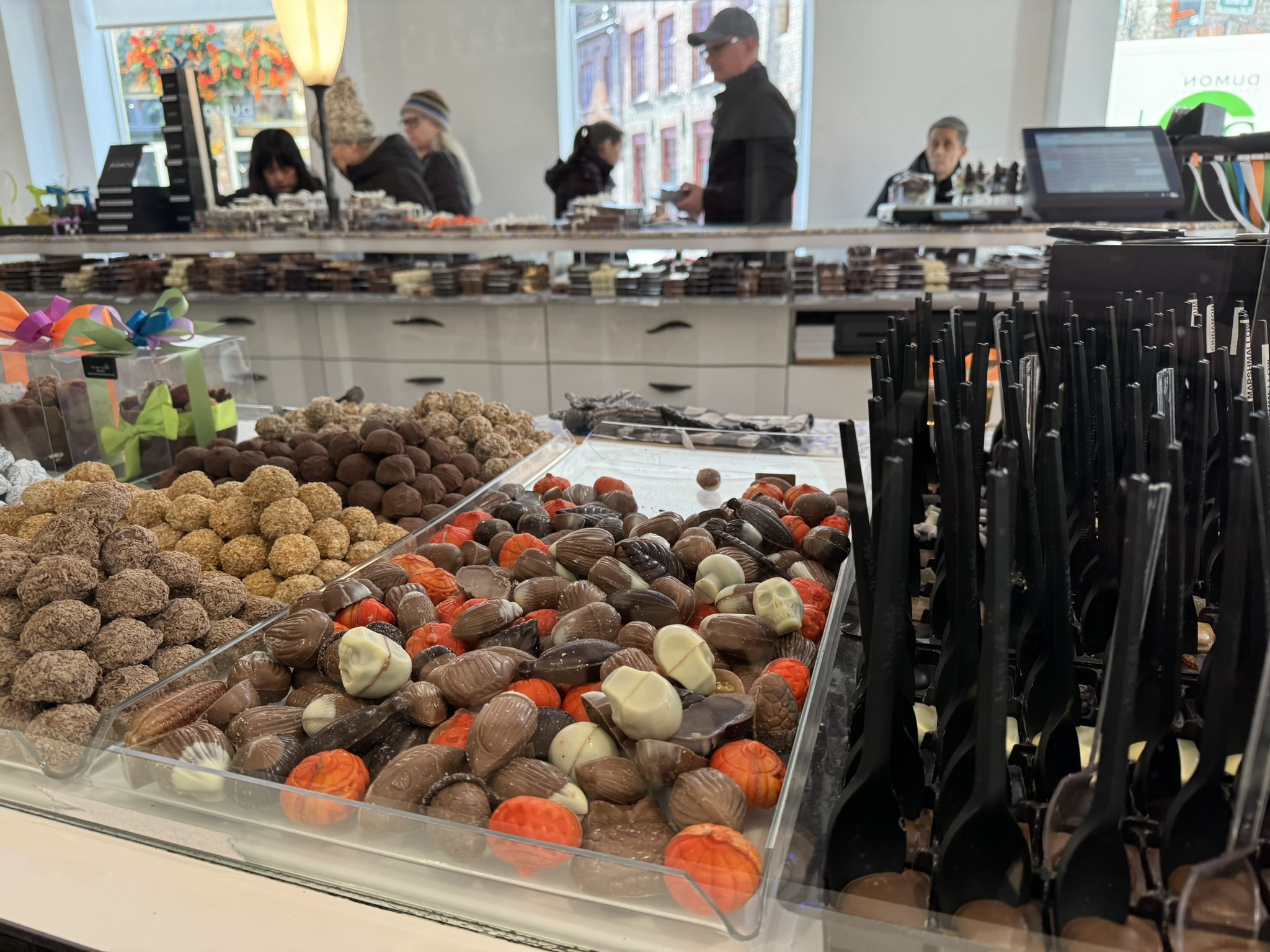
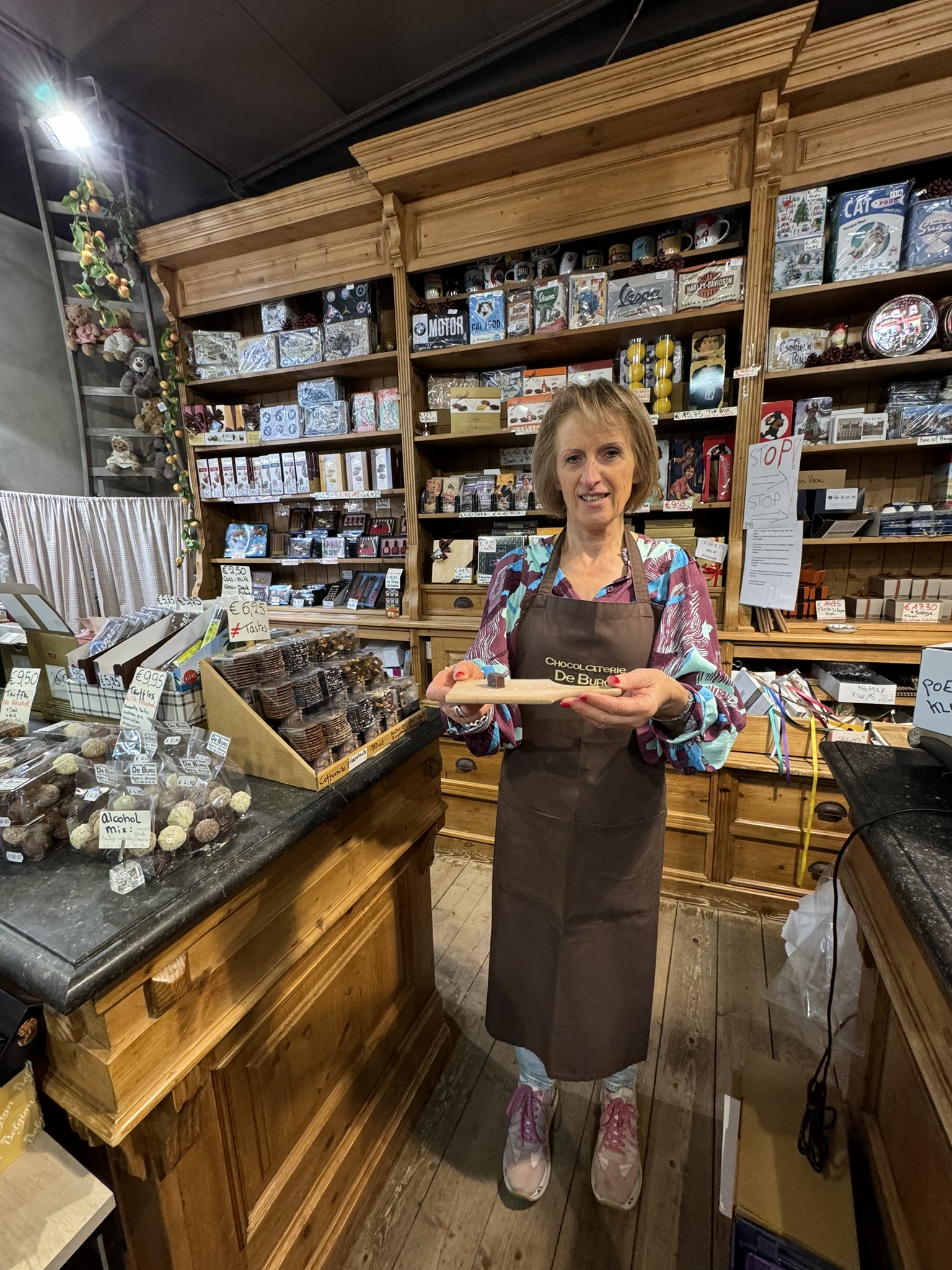
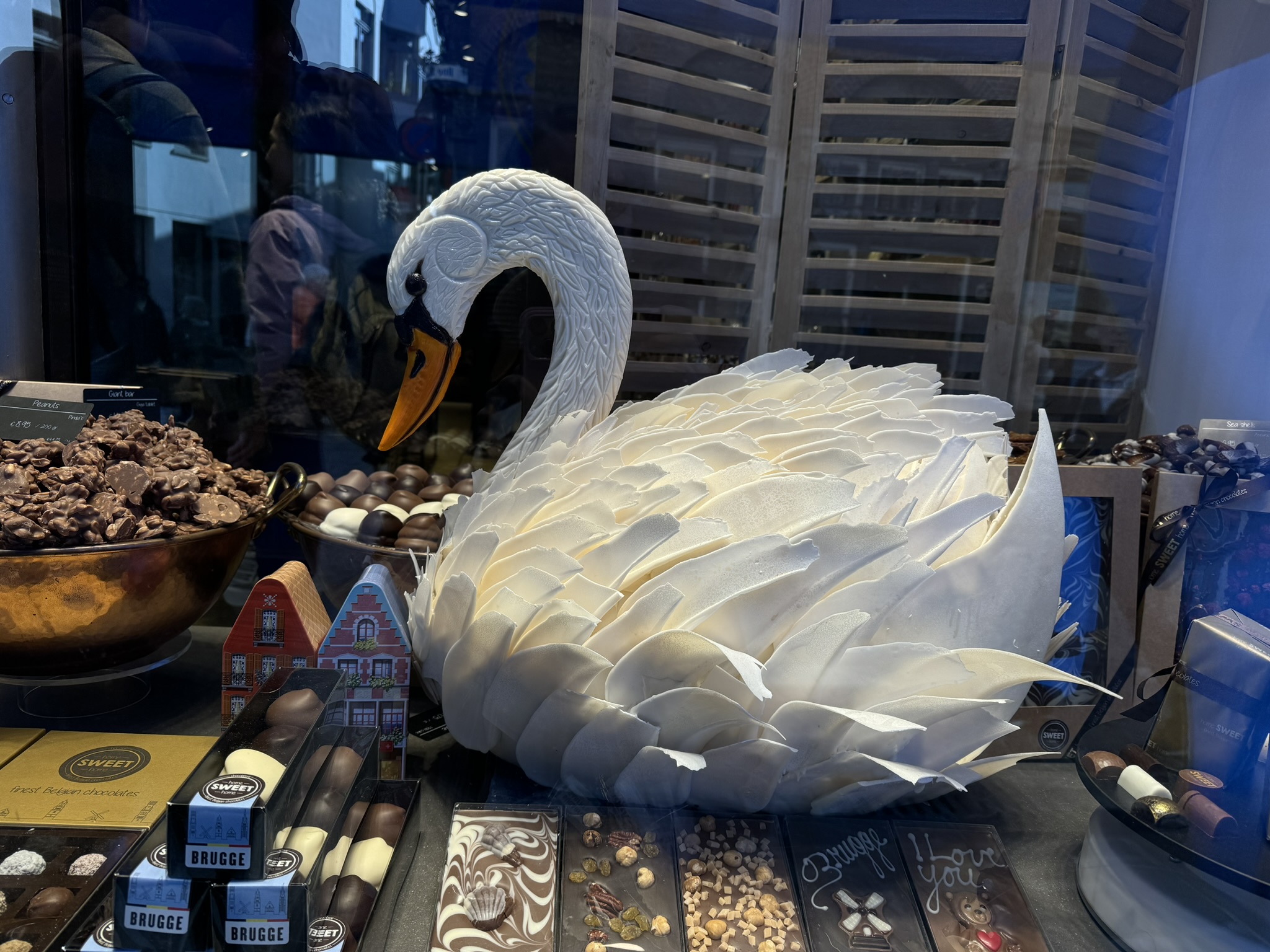
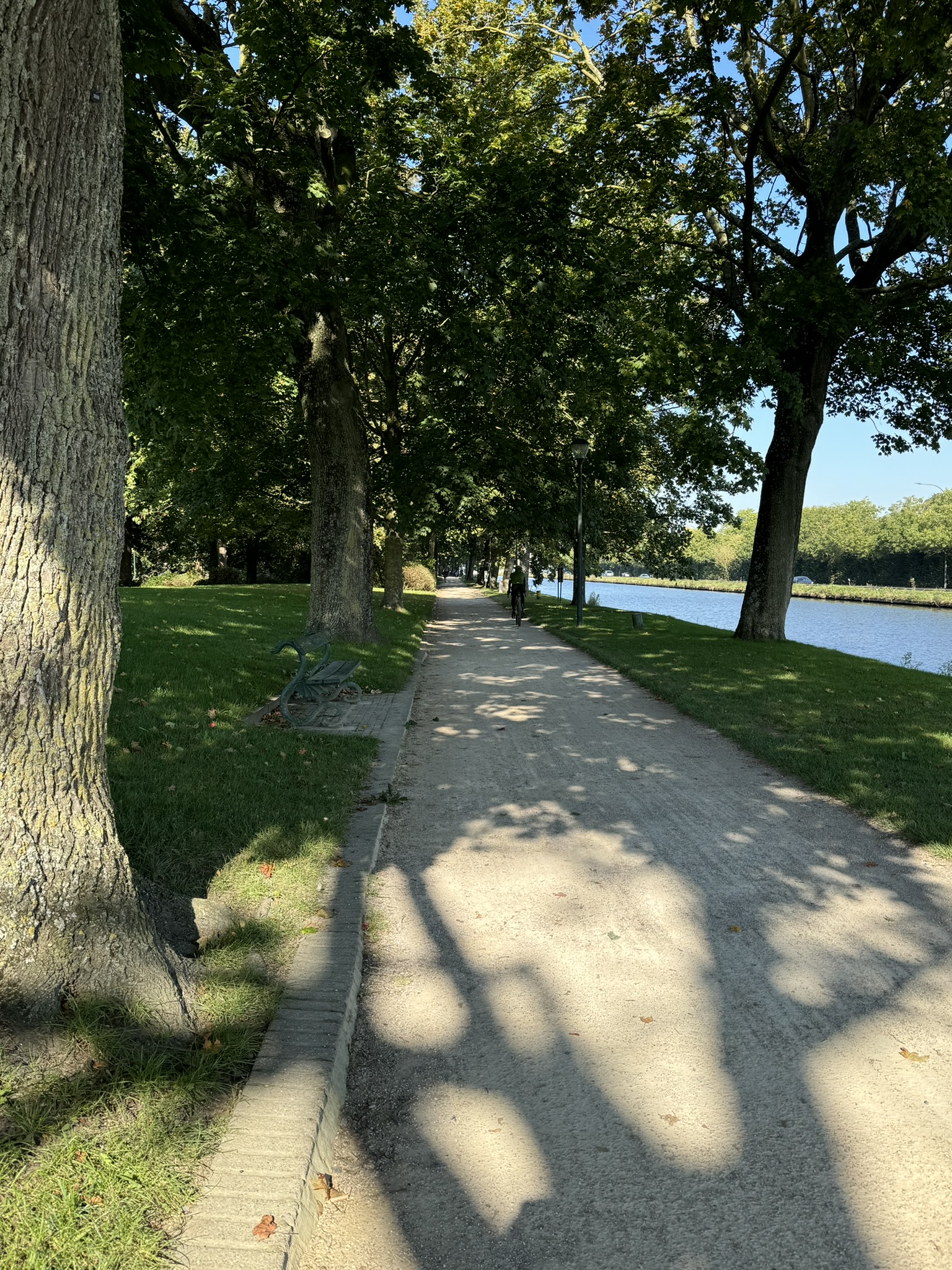
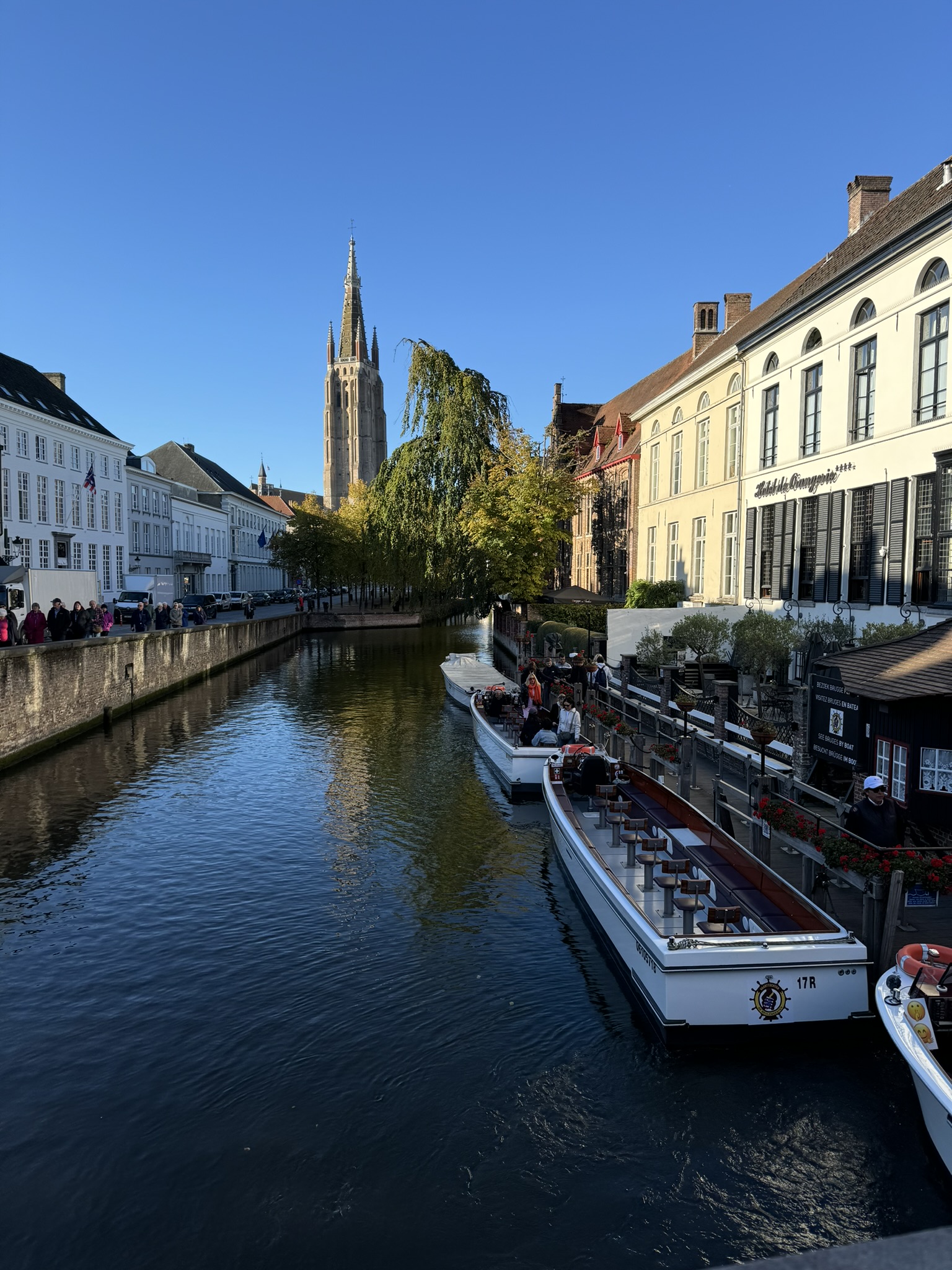
We took a canal tour, viewing the city from a different perspective. Ten miles away these canals flow into the North Sea.
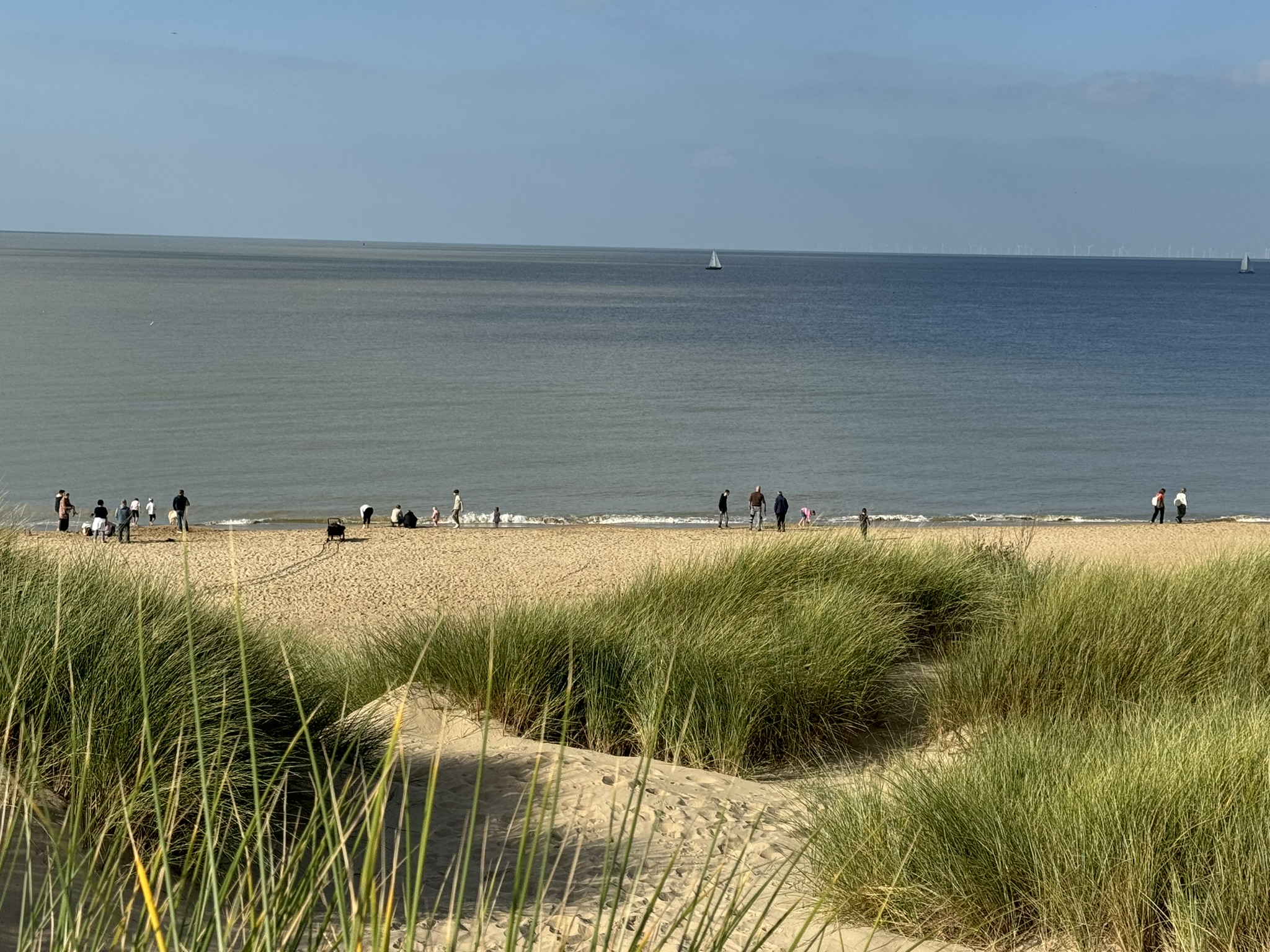
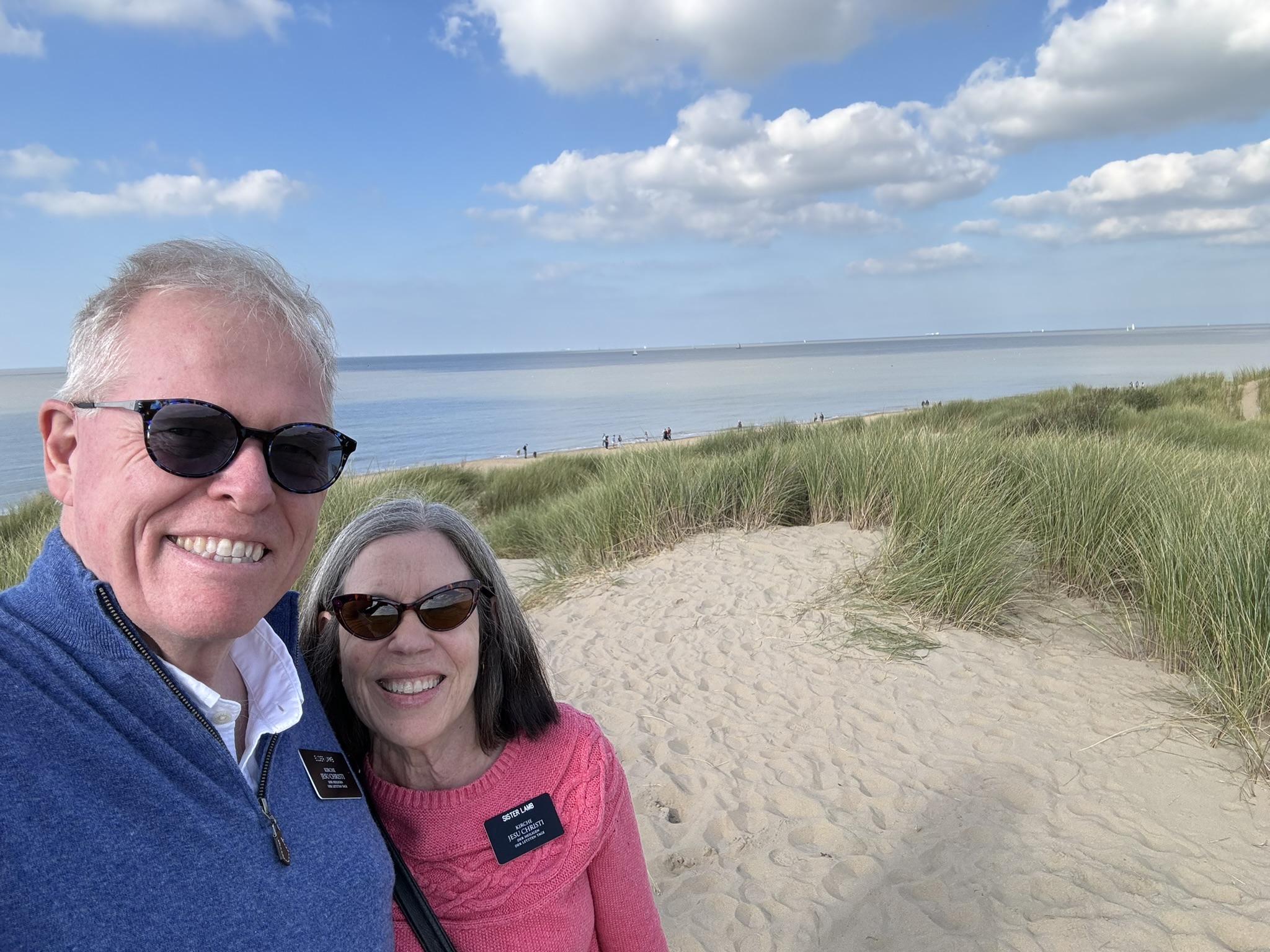
We made the drive to put our feet in the sand.
GHENT
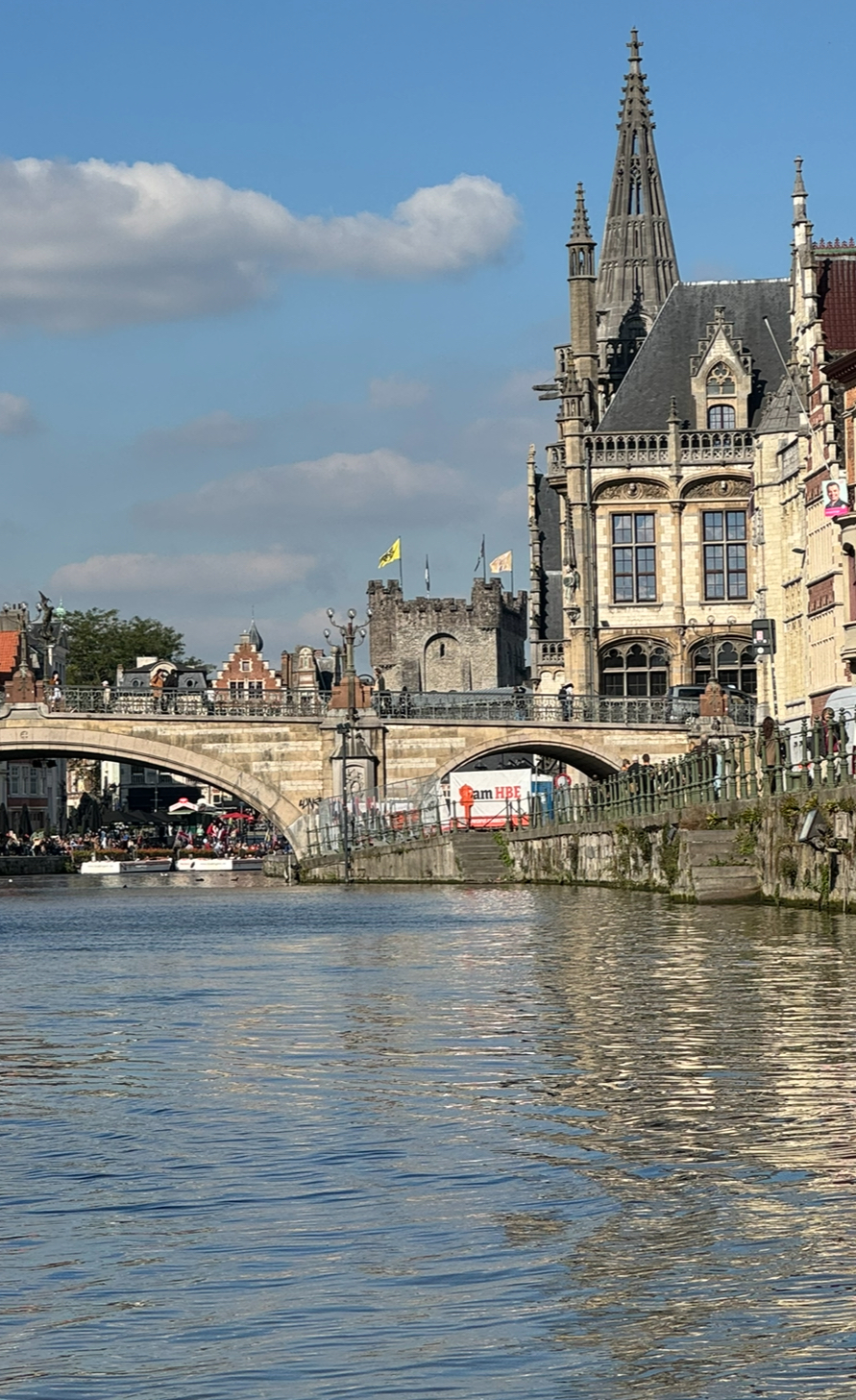
During the Middle Ages Ghent was a prominent city-state. Today it’s a university town and cultural hub.
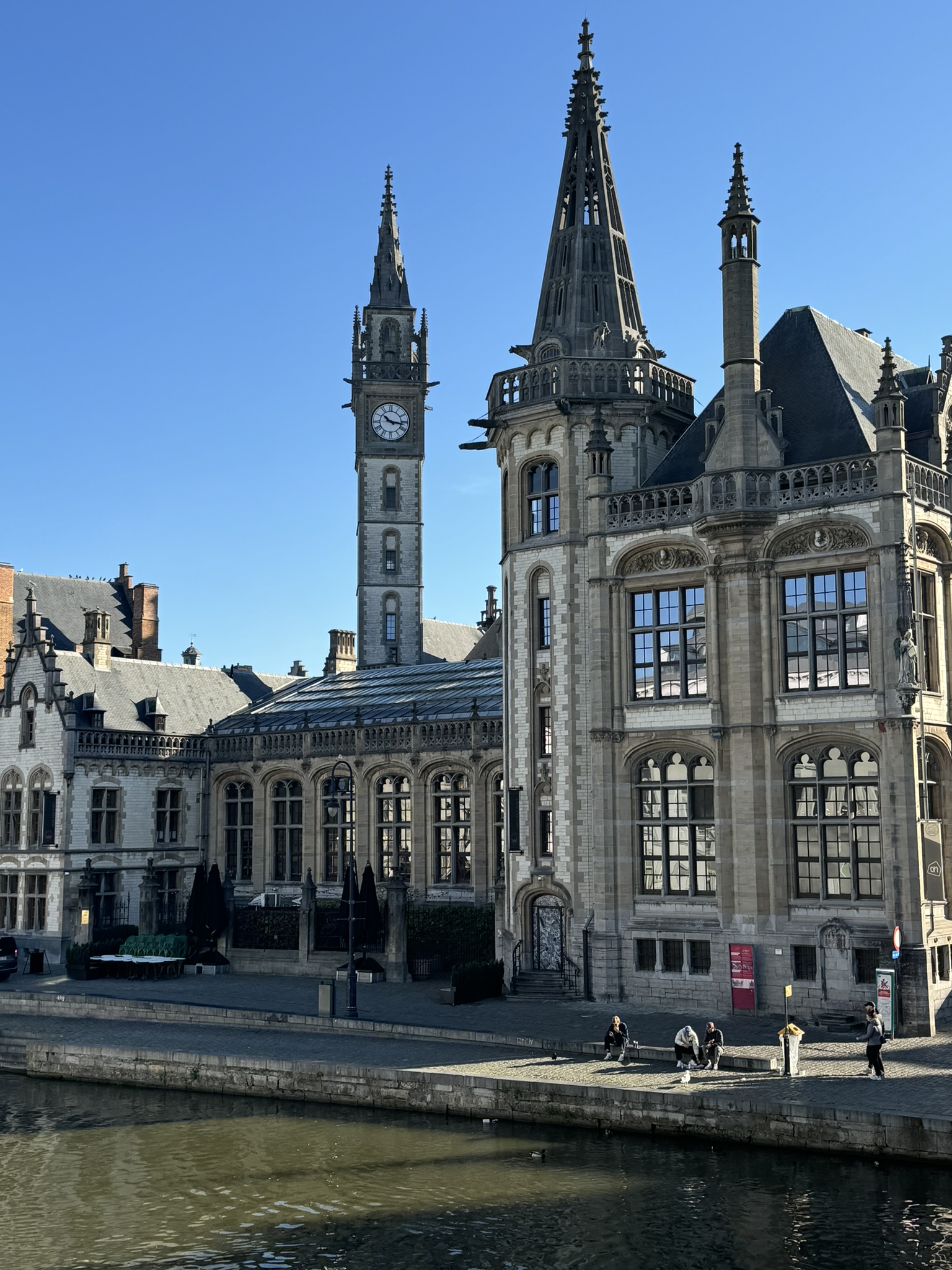
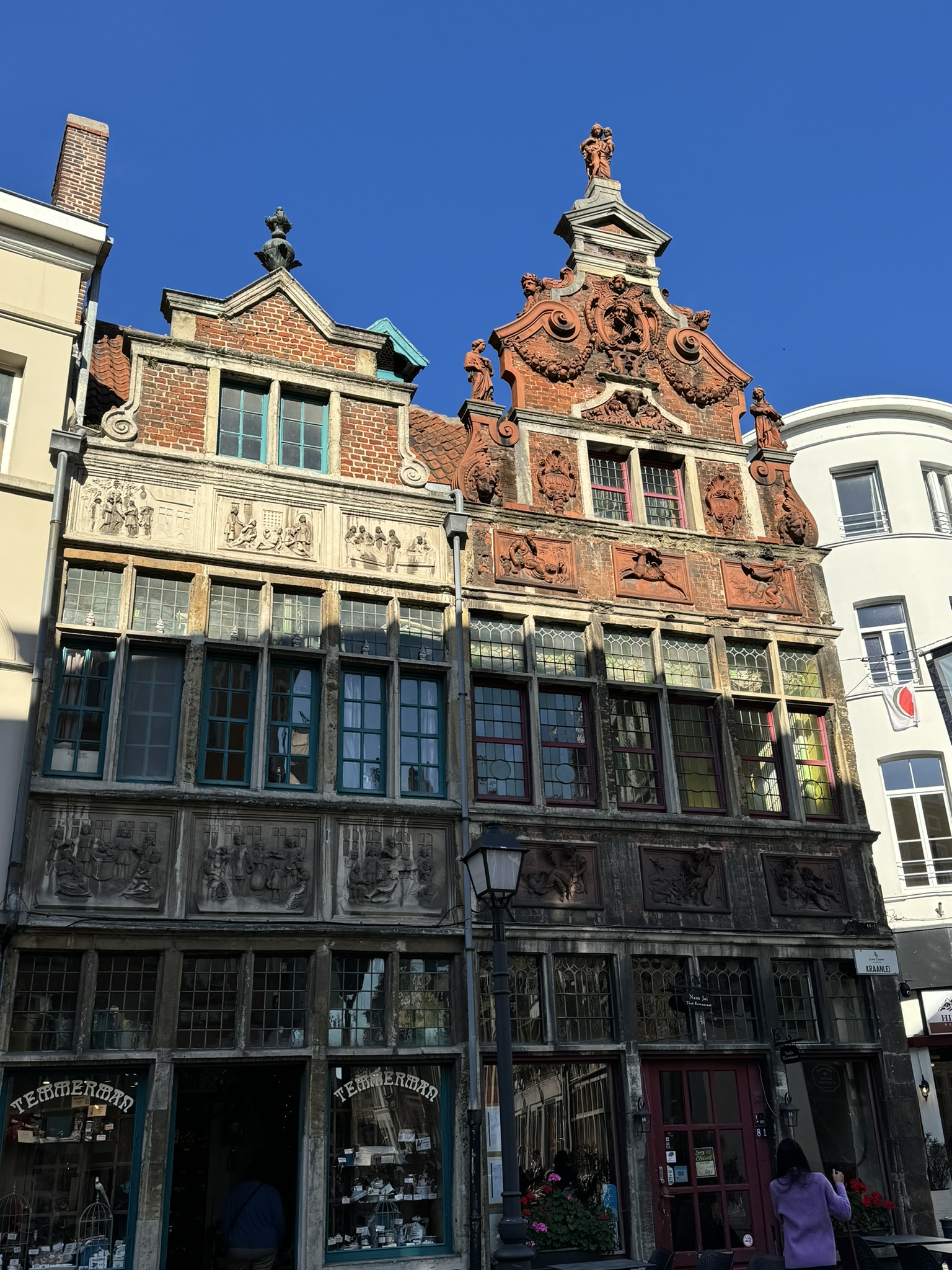
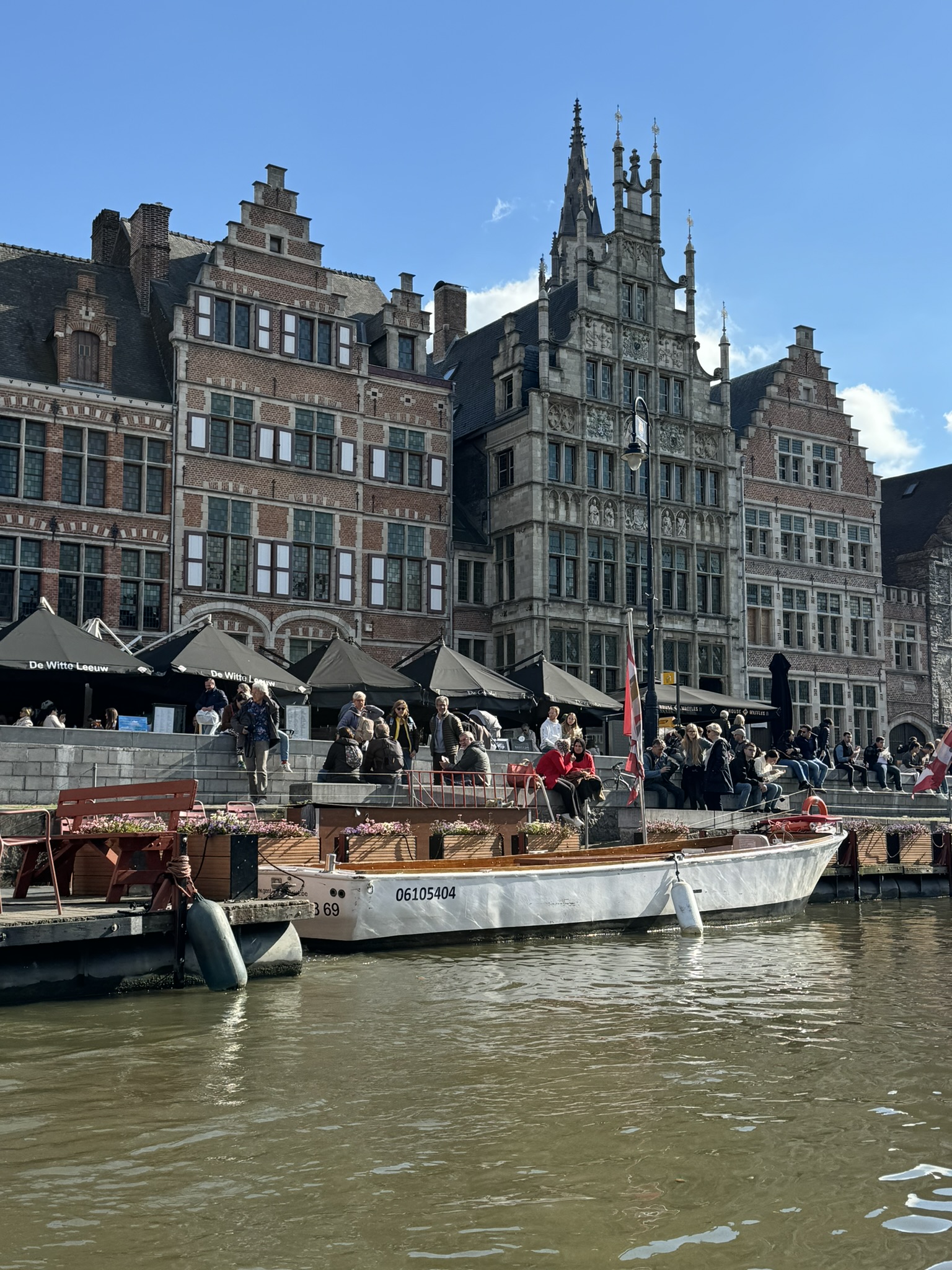
It lies at the confluence of the Leie and Scheldt rivers.
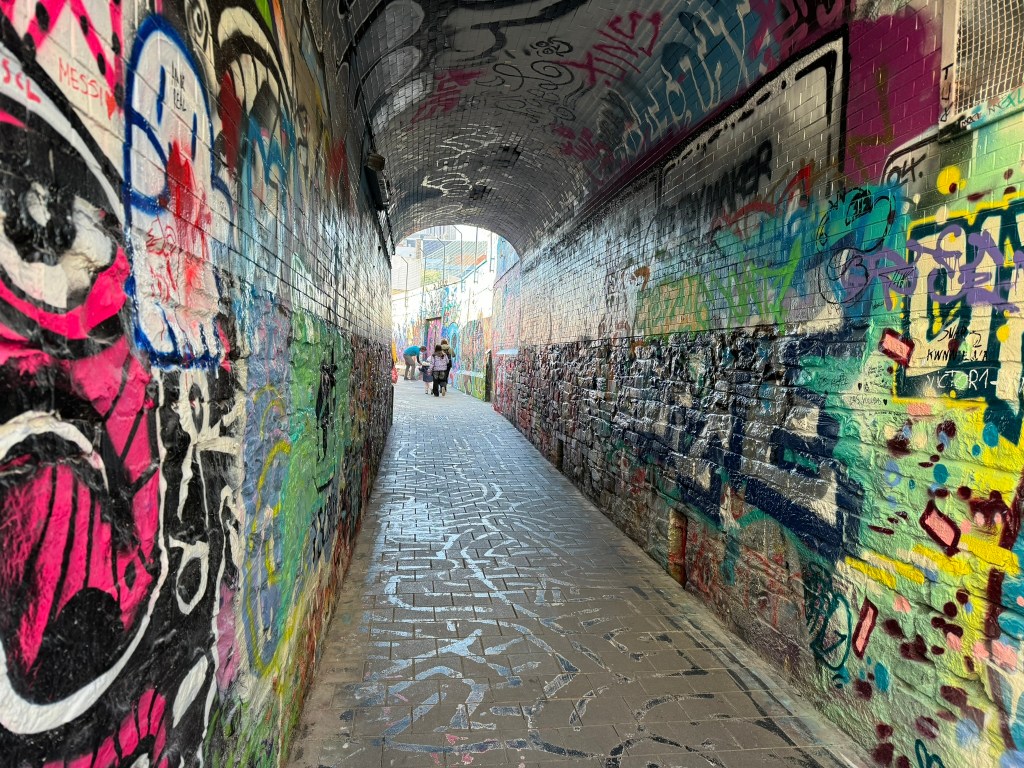
Graffiti street started in 1995 as part of a festival and continues to be added to daily.
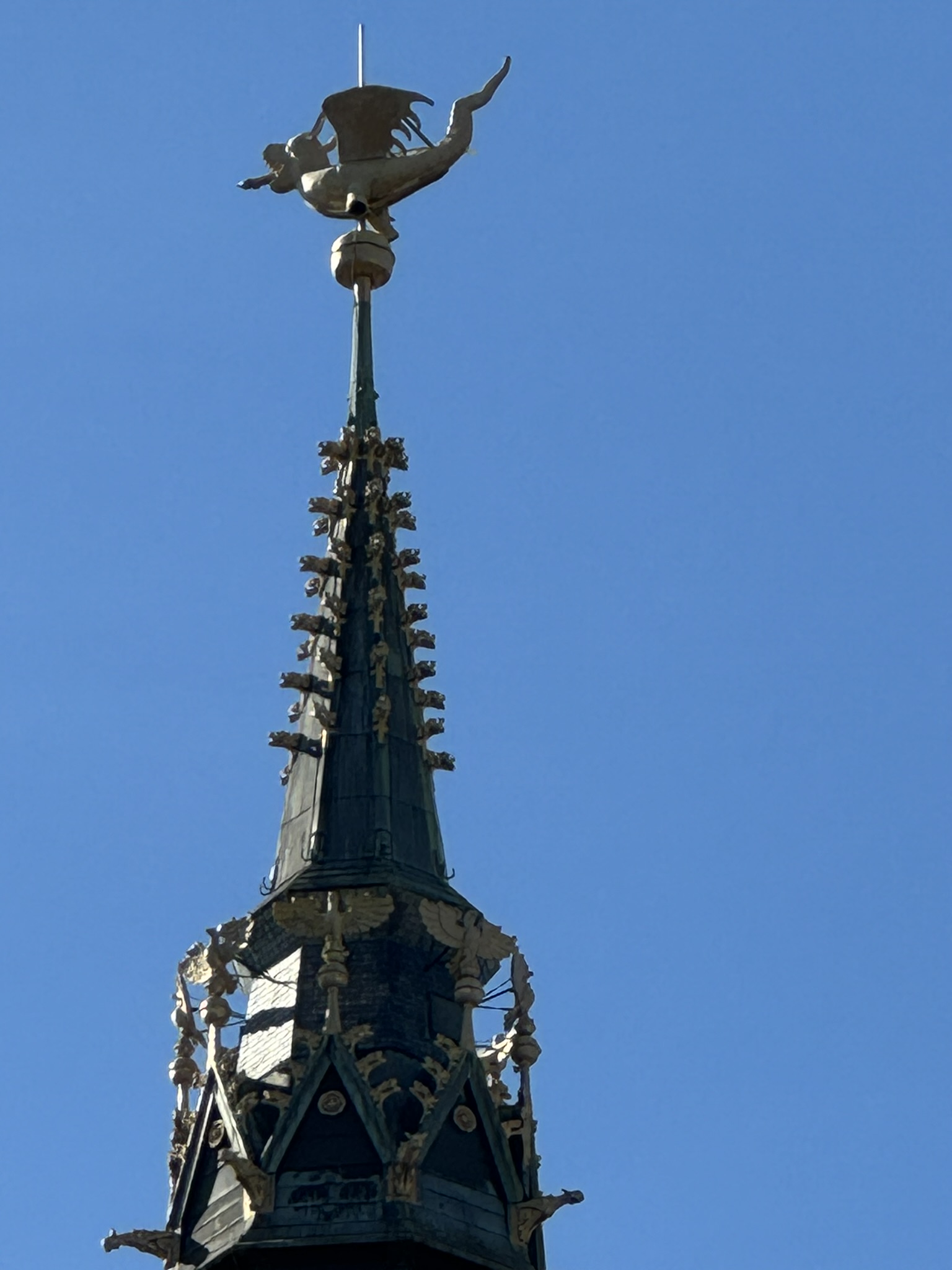
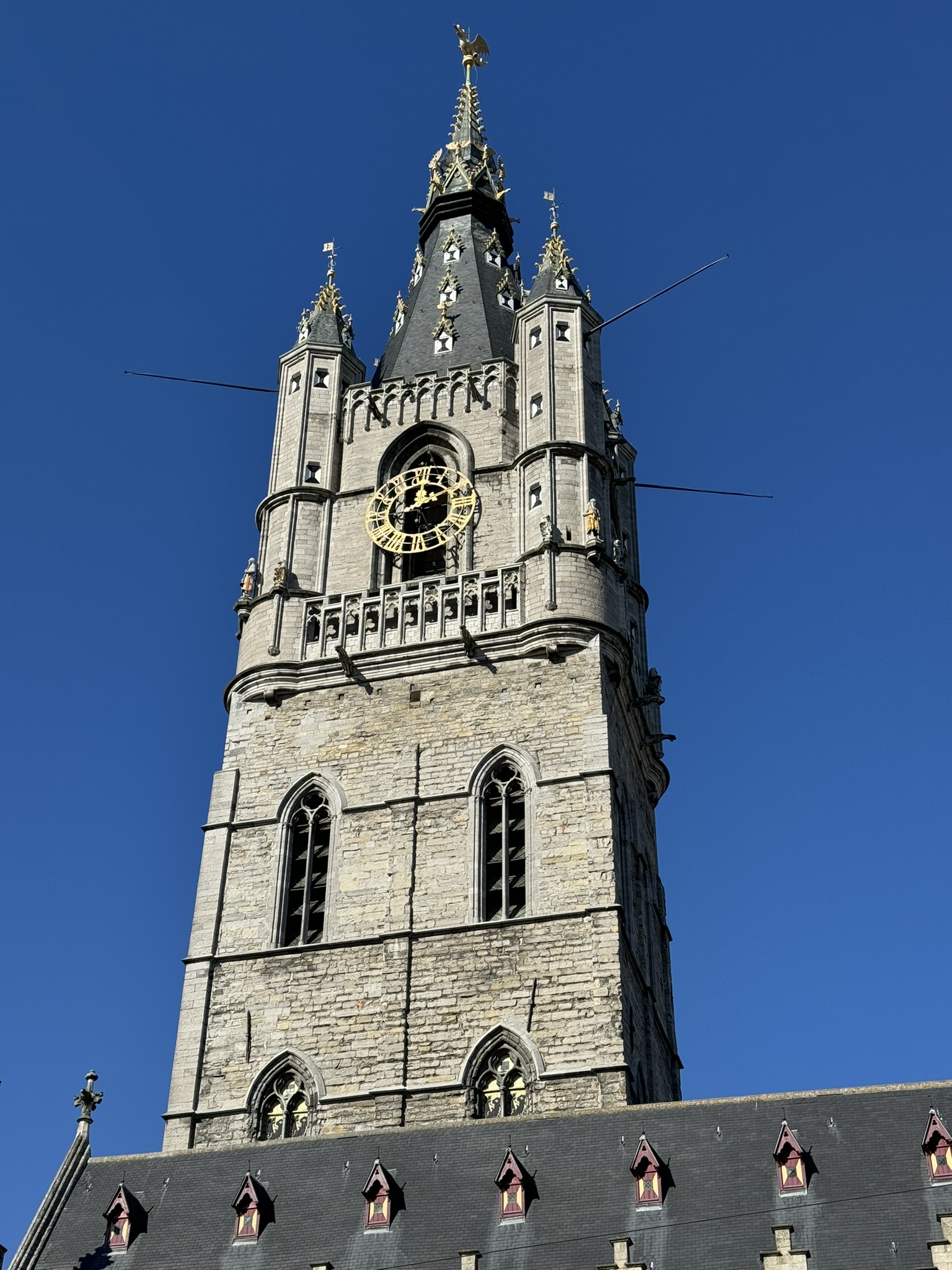
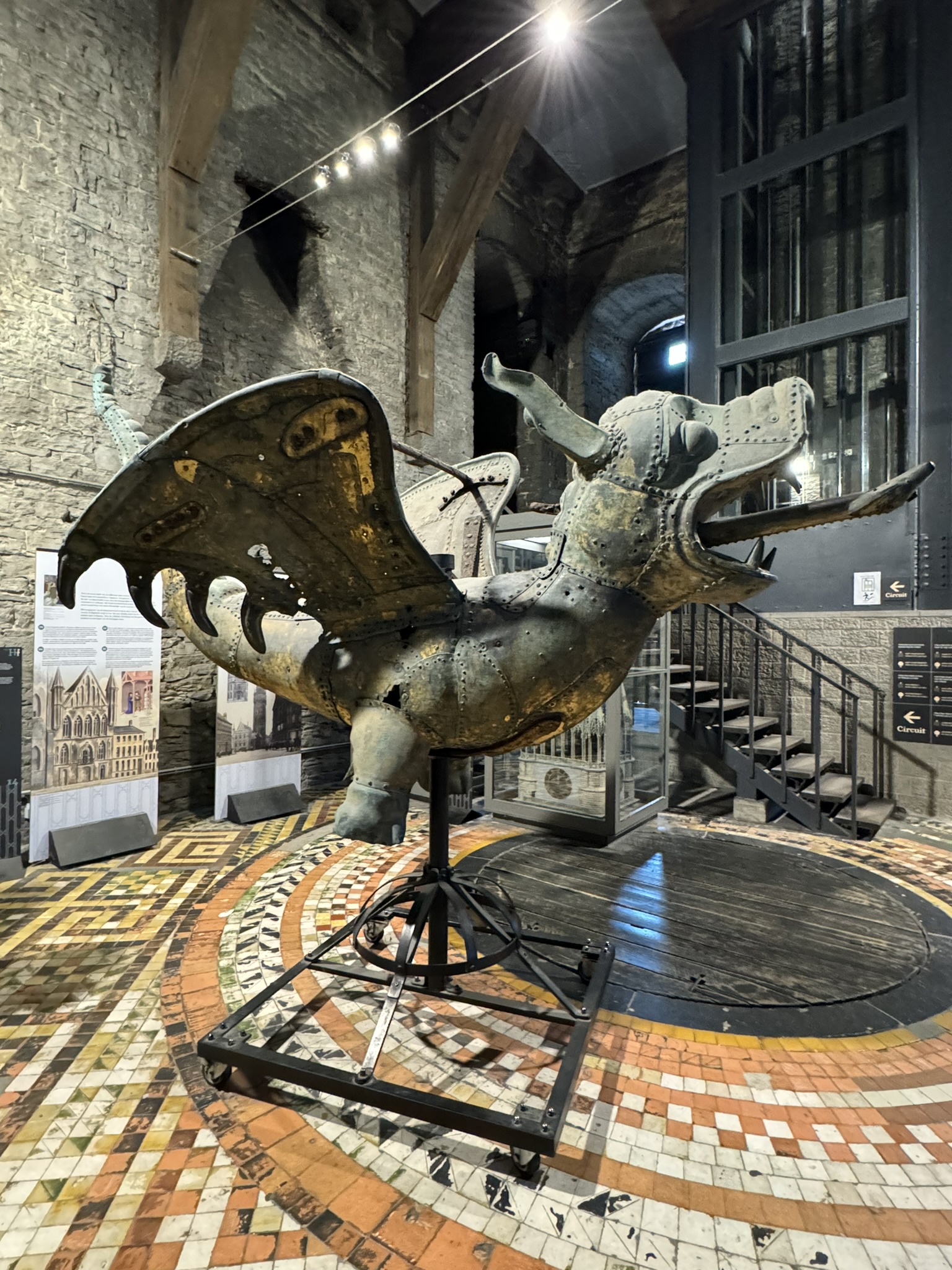
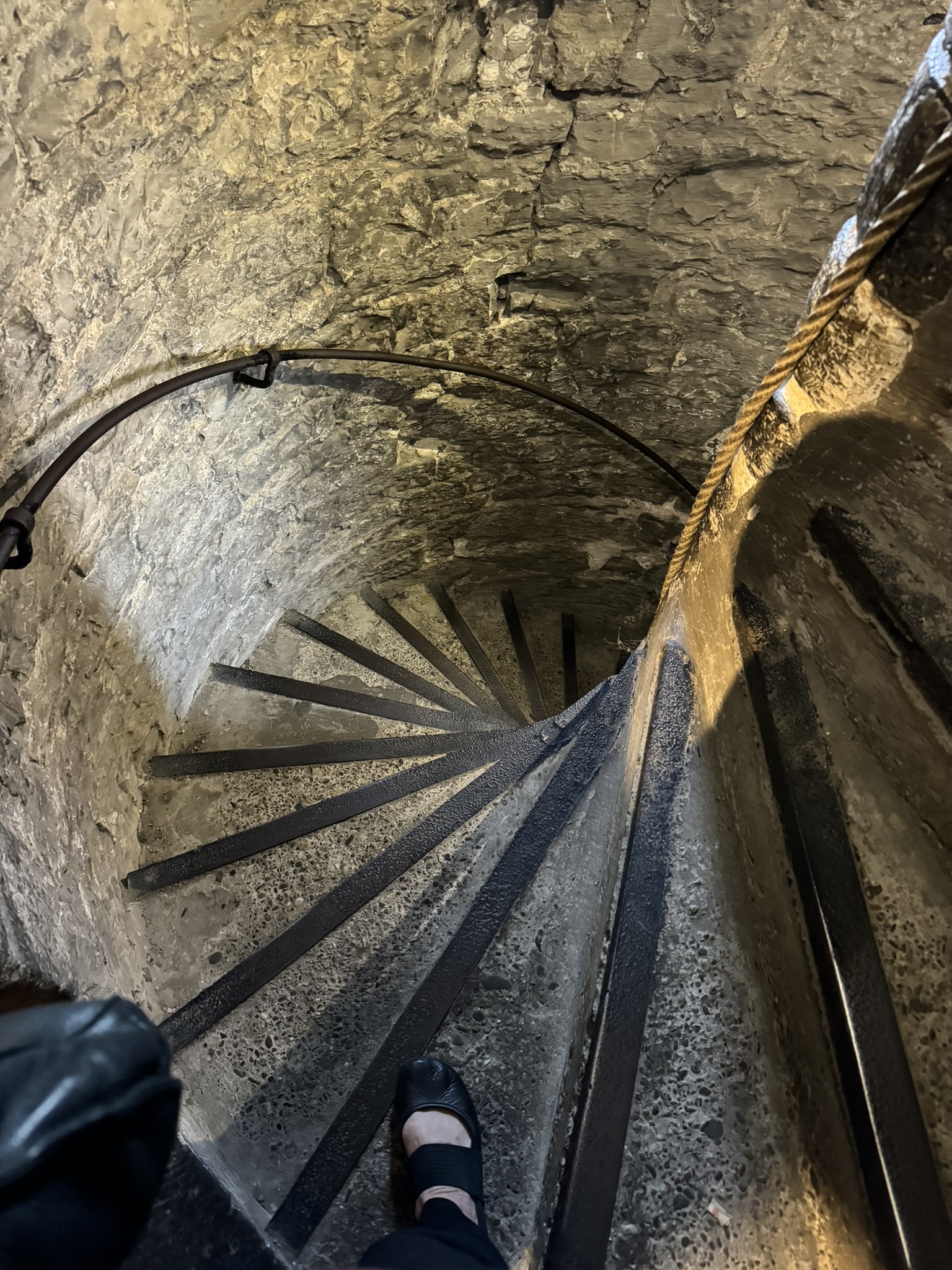
The belfry tower was begun in 1313. The dragon shaped weathervane adds a unique touch. The story goes that Count Baudouin IX brought the dragon to Ghent from Constantinople in the thirteenth century, but city records indicate that it was cast in Ghent. The original is found inside the tower. The current dragon was installed in in 1980 using a helicopter. The belfry acted as an alarm for the medieval city. Bellringers sounded the bells on the hour and stood guard during the day. The night watch blew trumpets every hour out of the belfry windows. Together with the tower guards, they were the city’s watchmen.
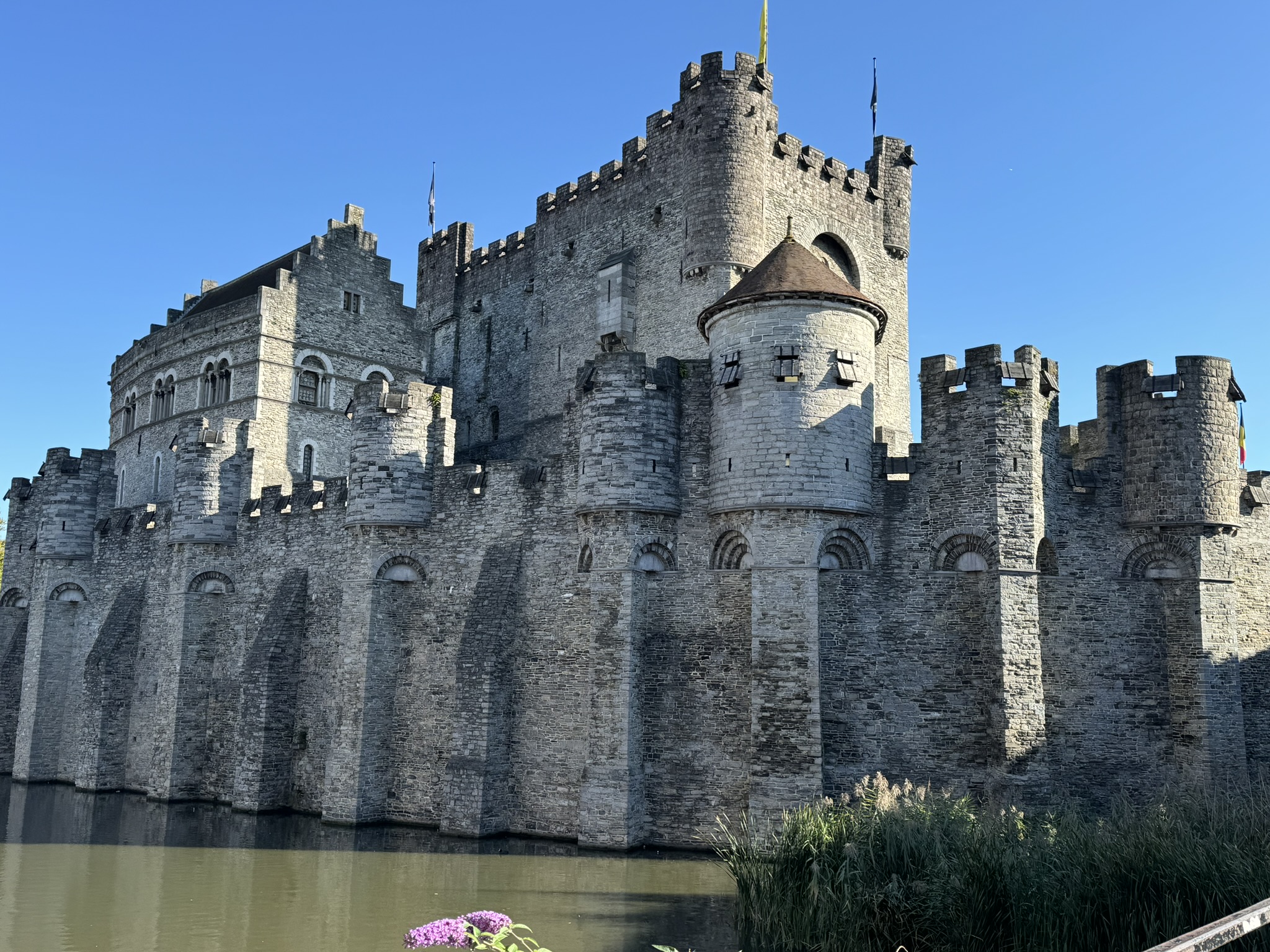
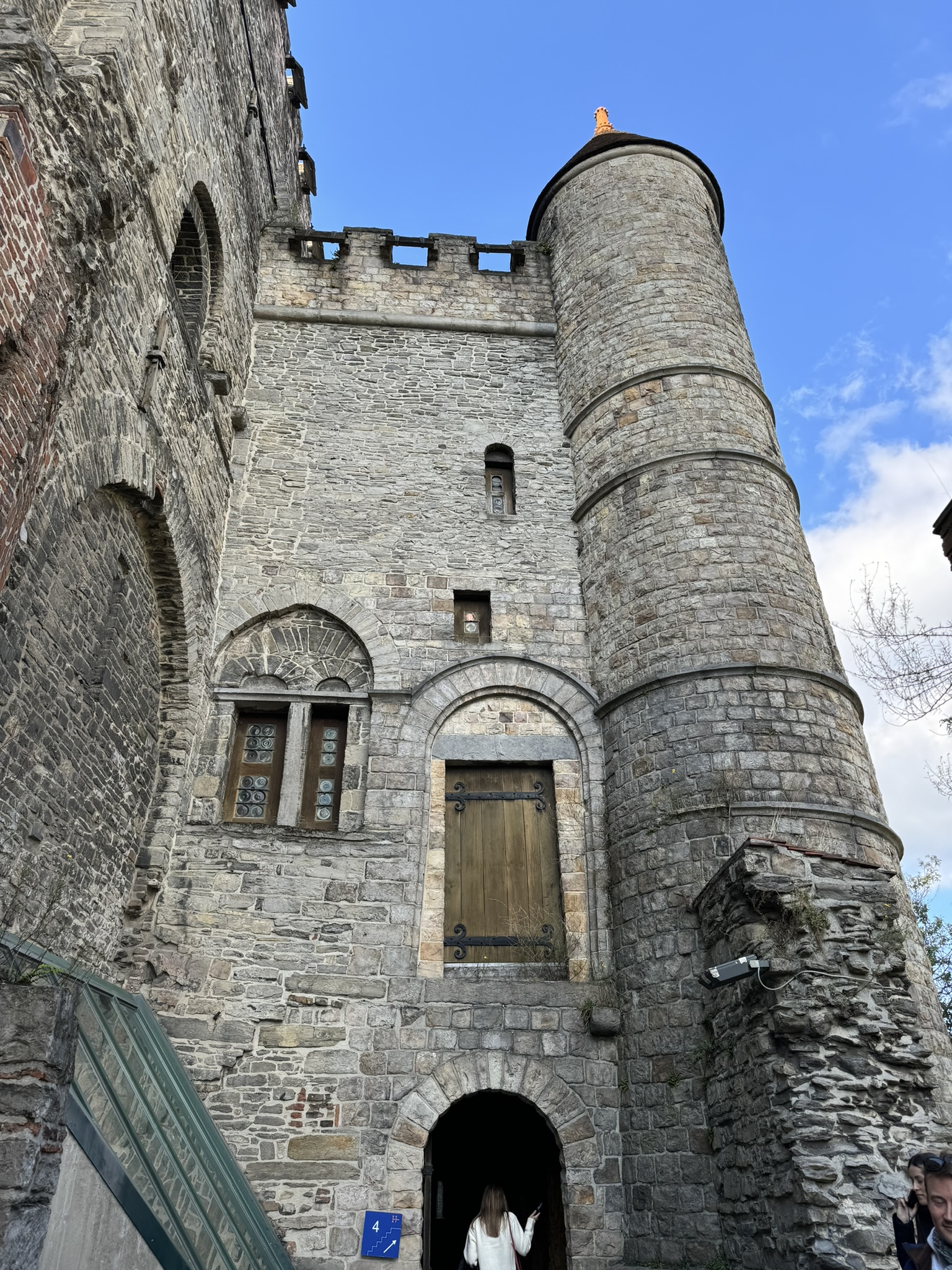
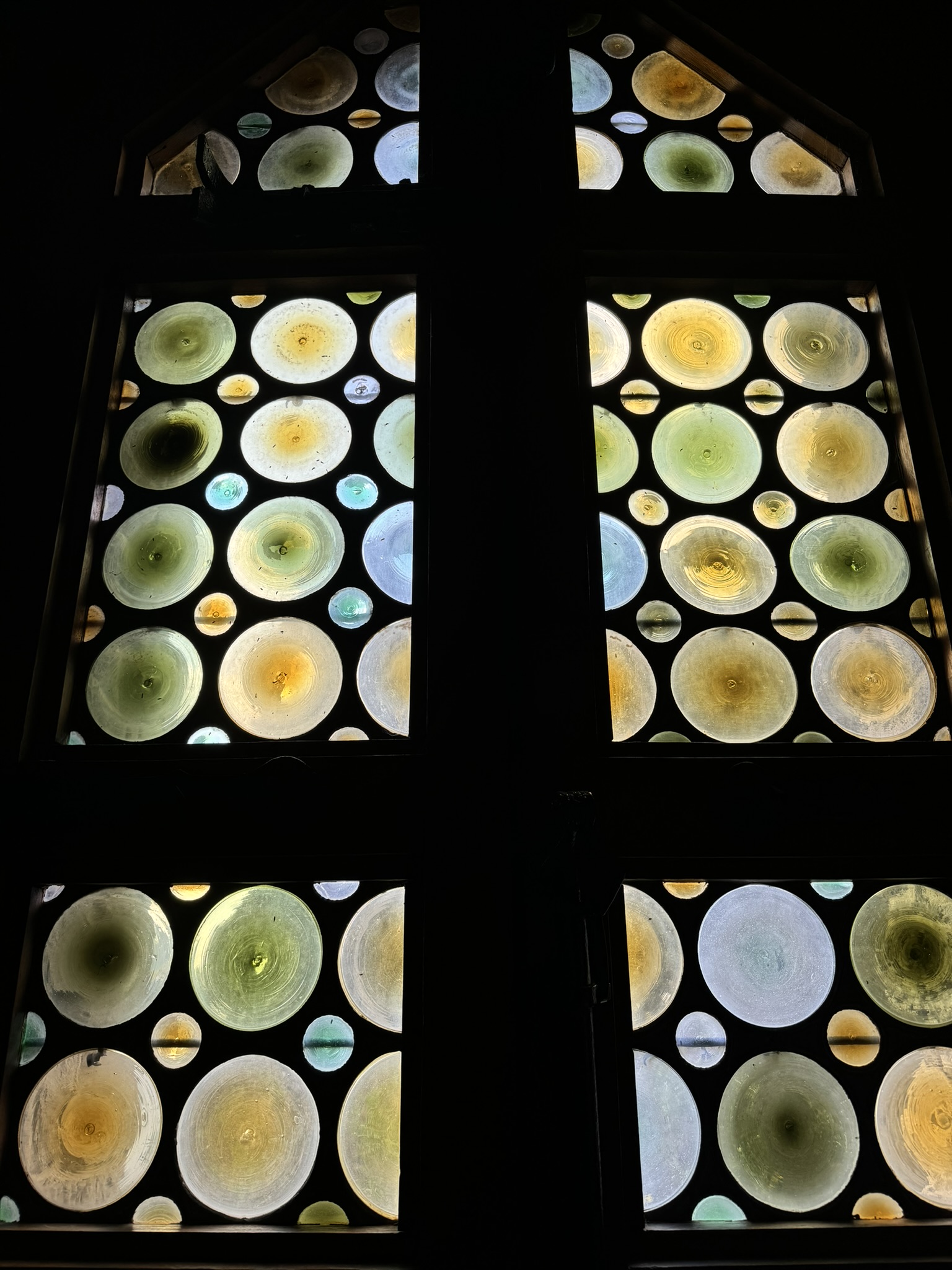
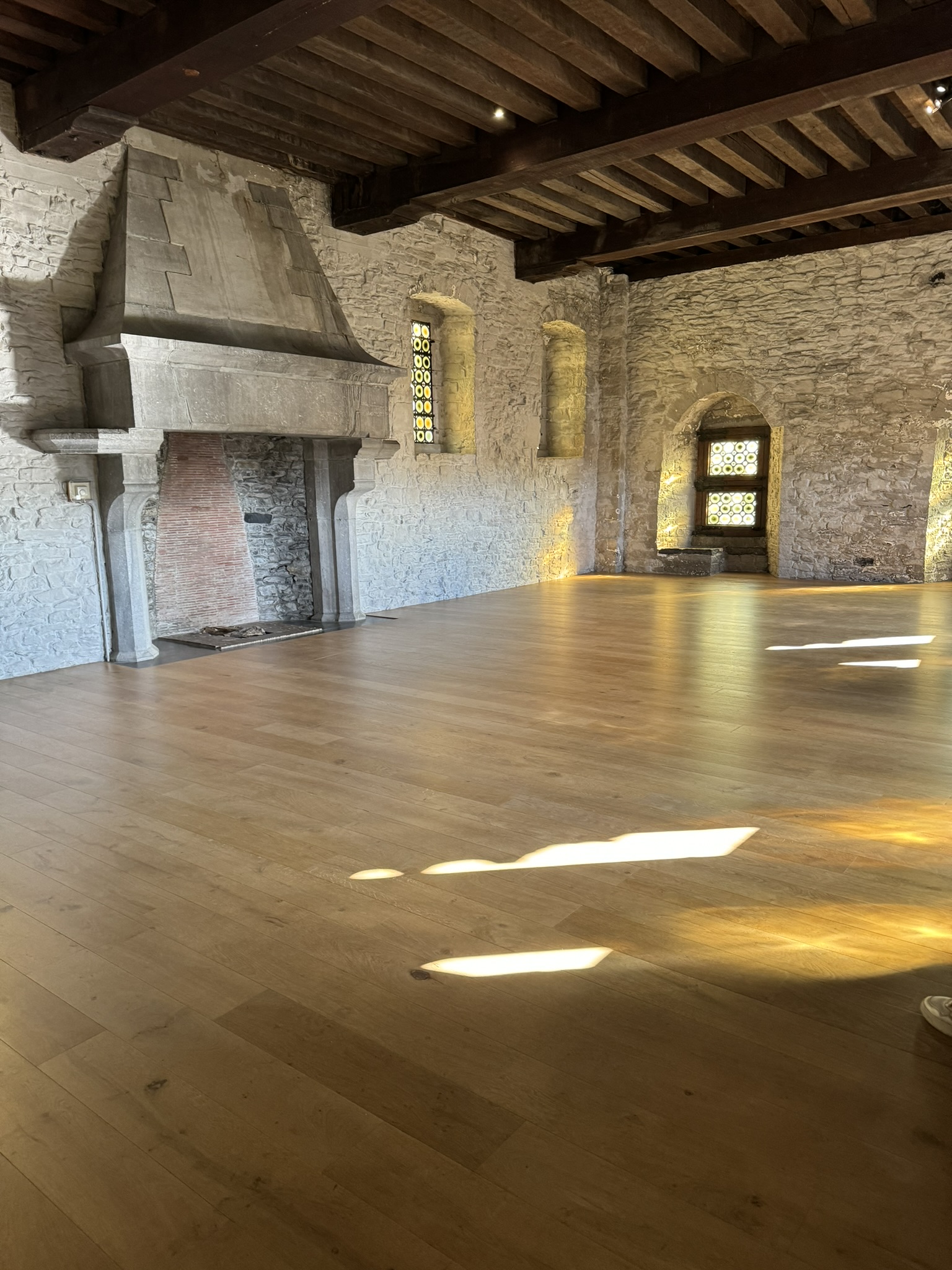
The Gravensteen is a medieval castle dating back to 1180. It was the residence of the Counts of Flanders until 1353 when it was re-purposed as a court, prison, mint, and even as a cotton factory.
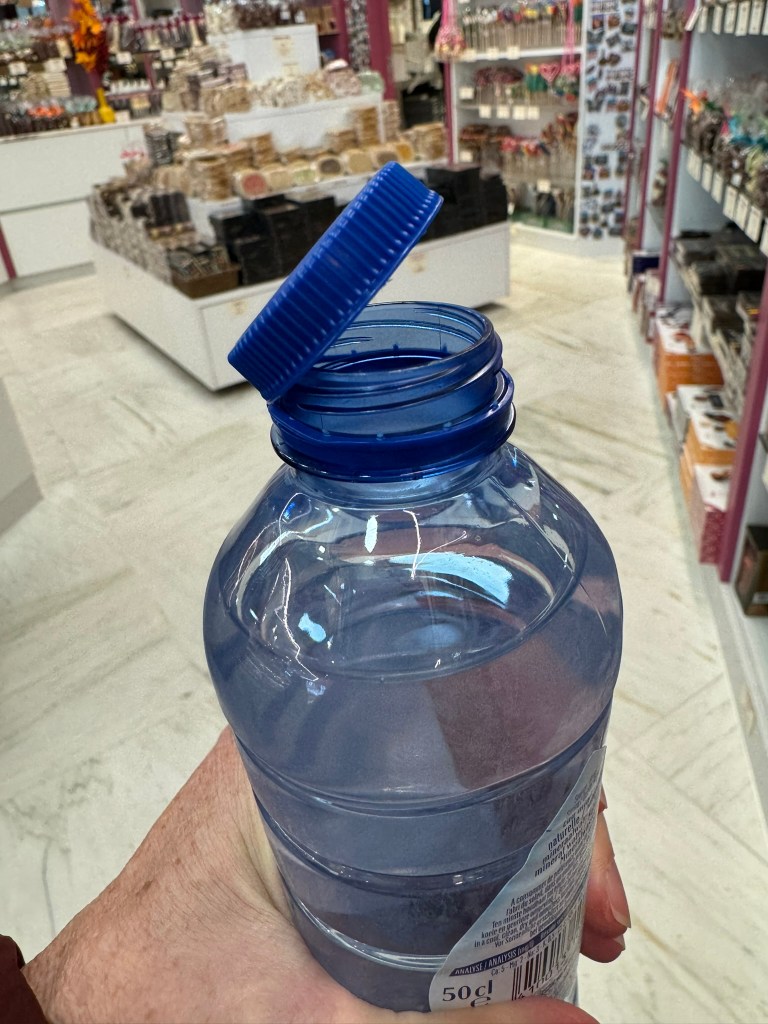
FYI- All plastic bottles in Europe have attached lids. The theory is that by keeping caps attached to bottles, litter is reduced, and it is ensured that caps are recycled along with their bottles.
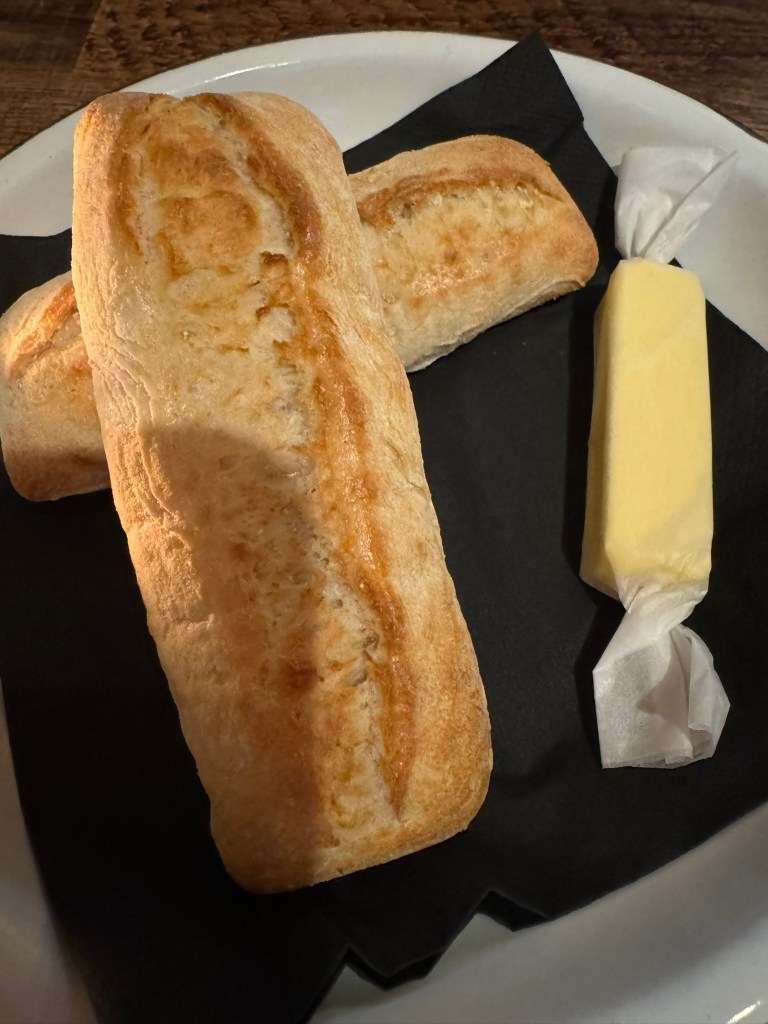
As always, we enjoyed the local cuisine in both cities.
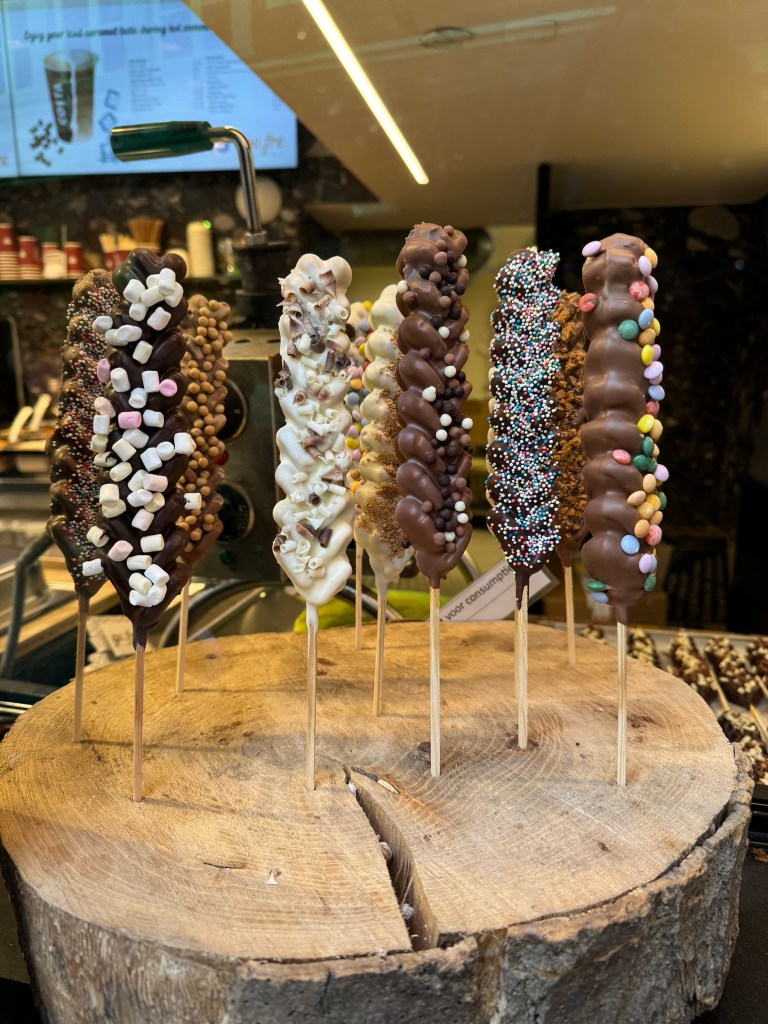
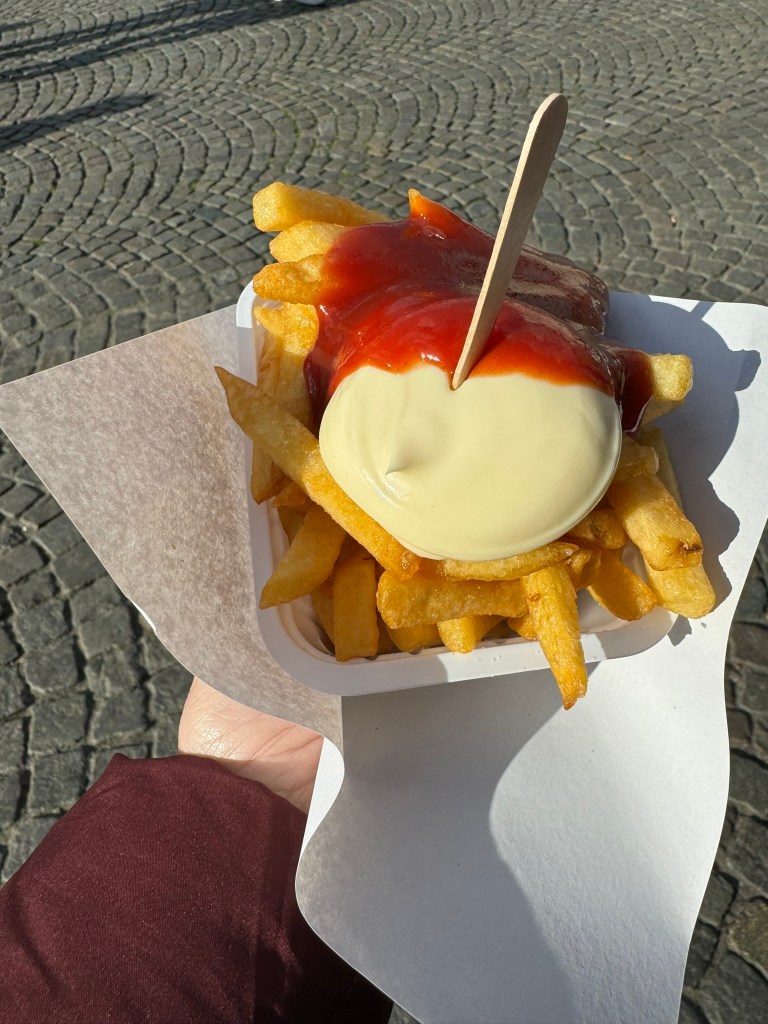
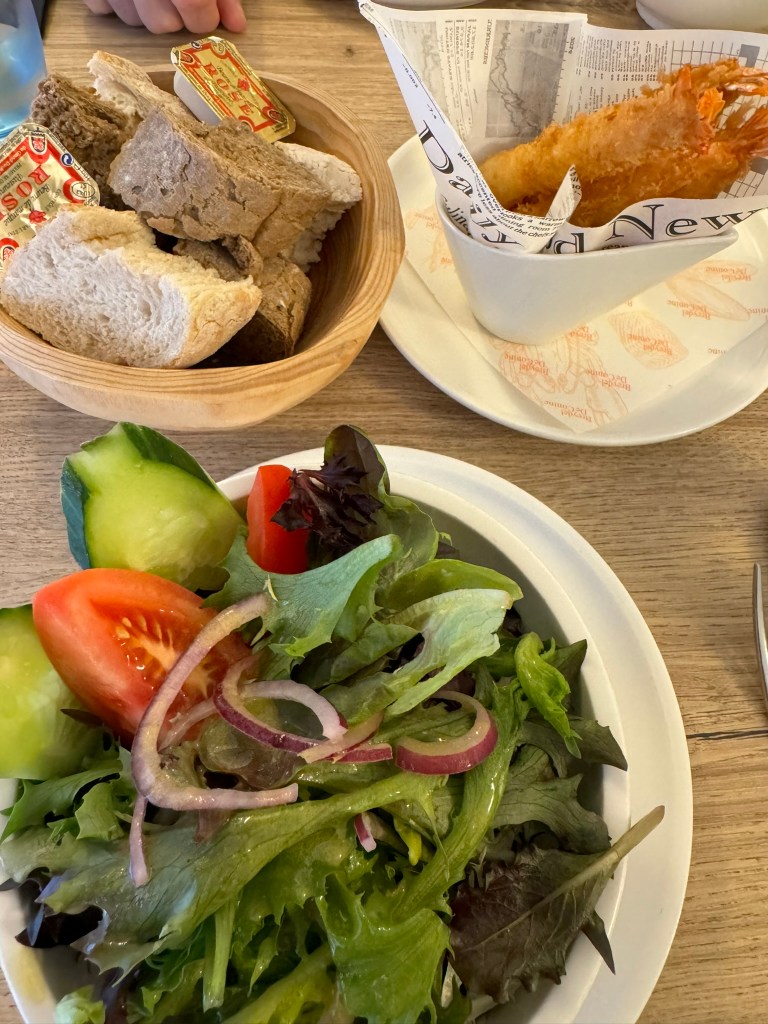
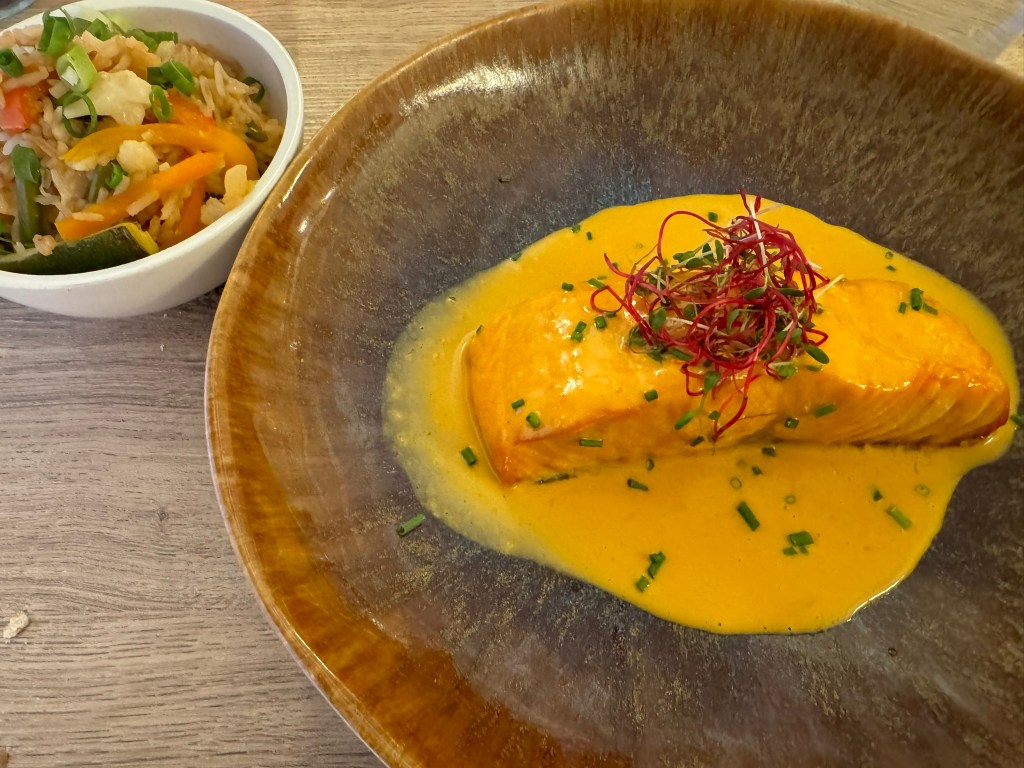
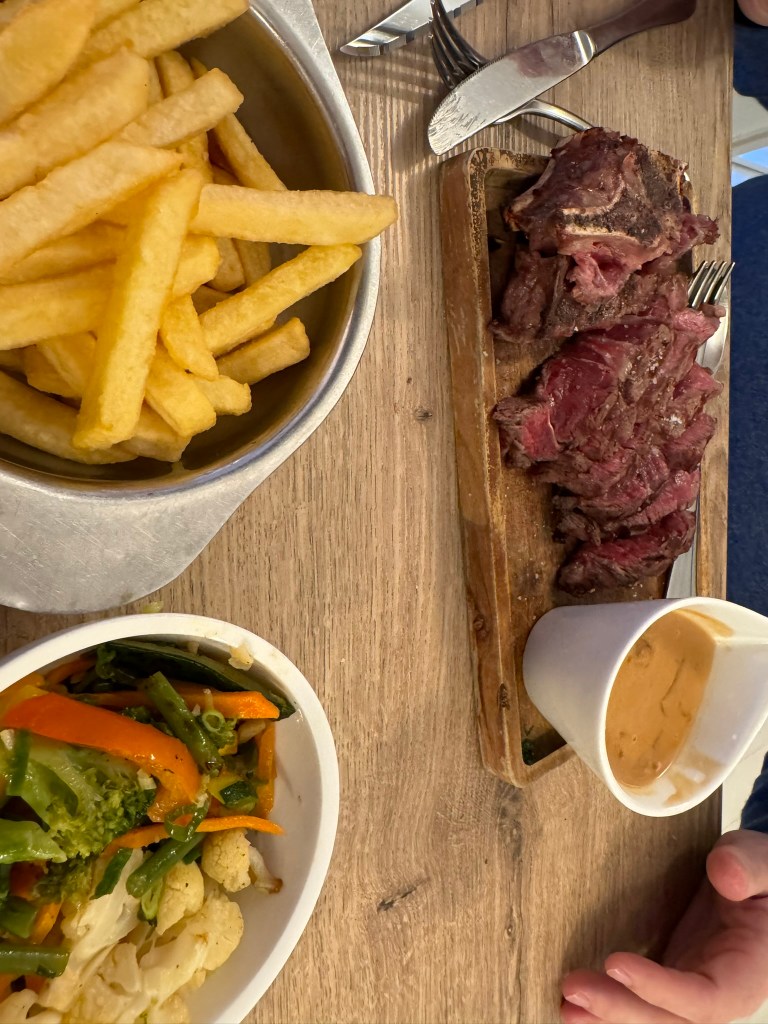
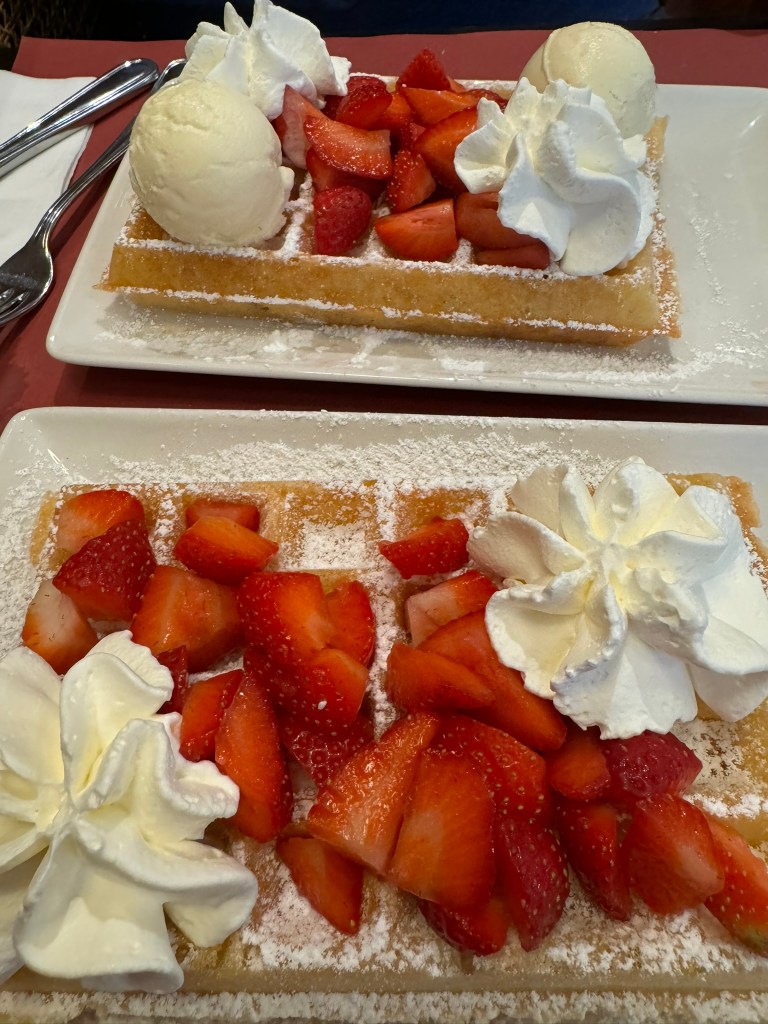
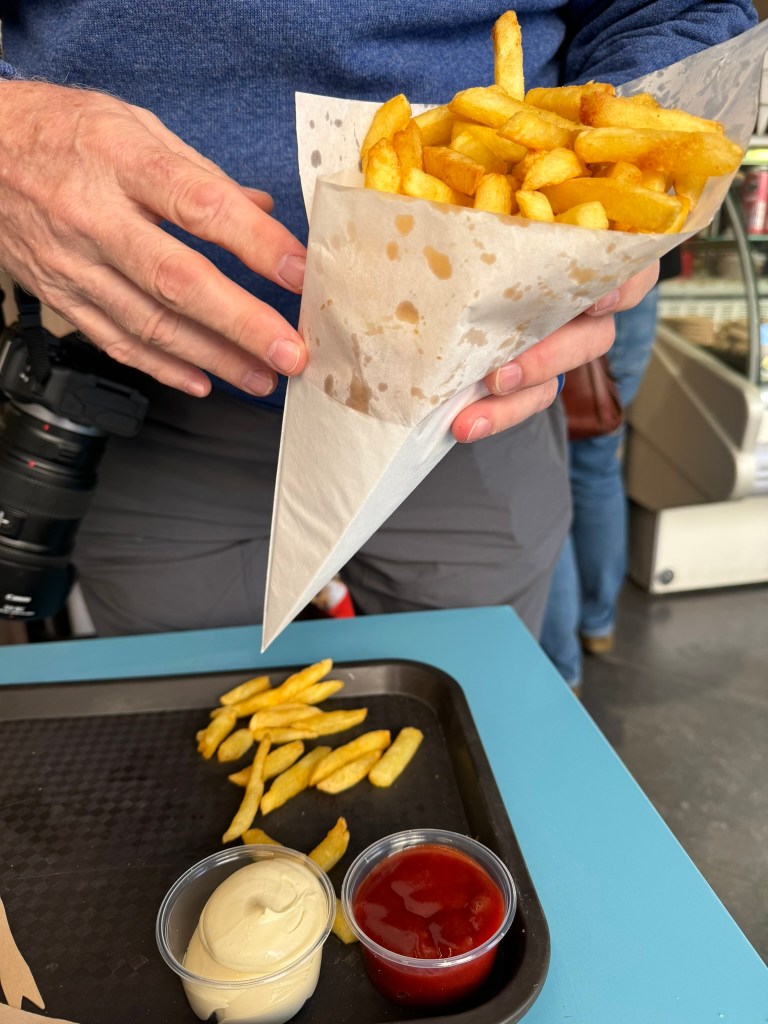
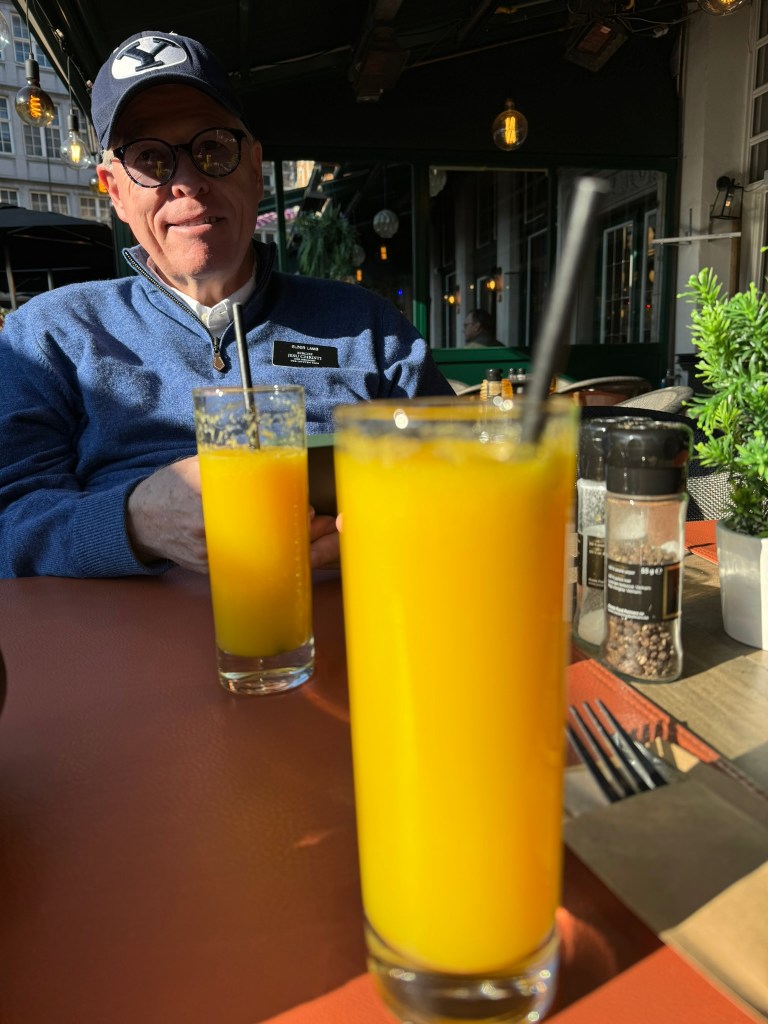
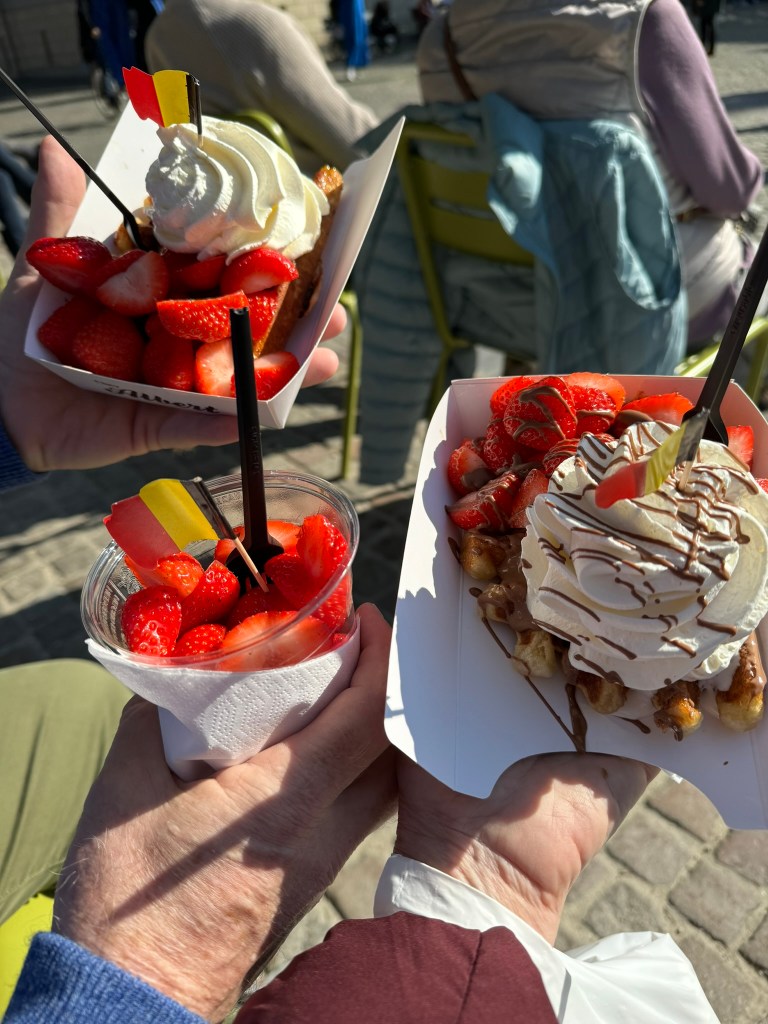
We love to find little local restaurants that tourists don’t frequent, and we found some Belgium pubs that were treasures.
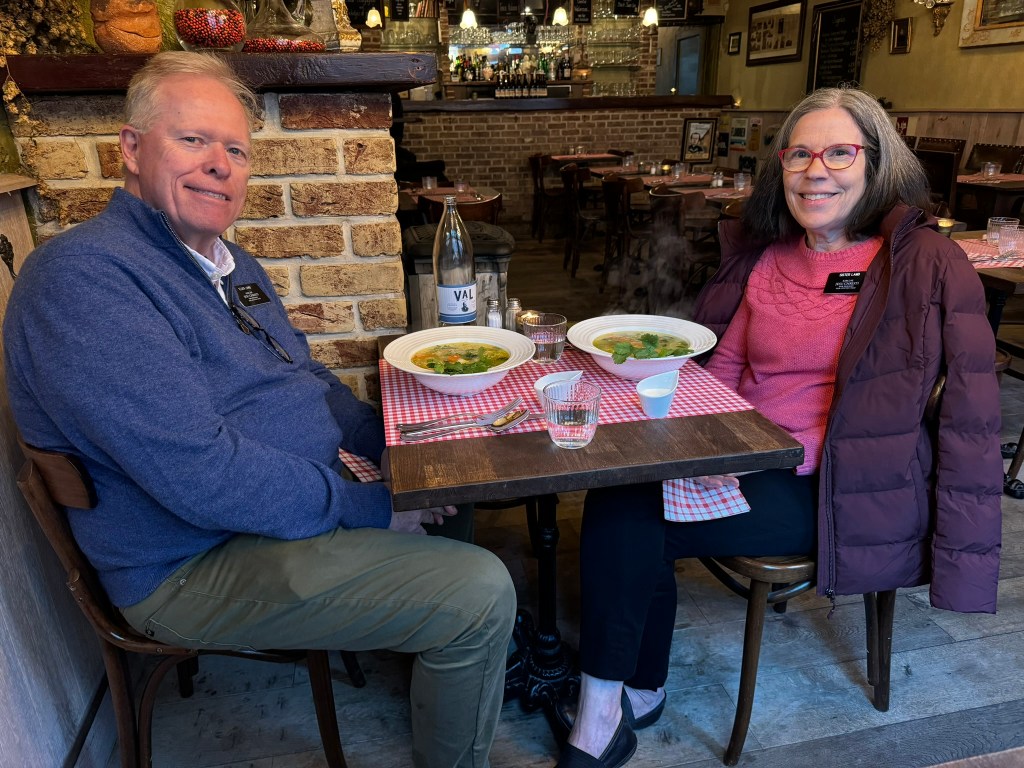
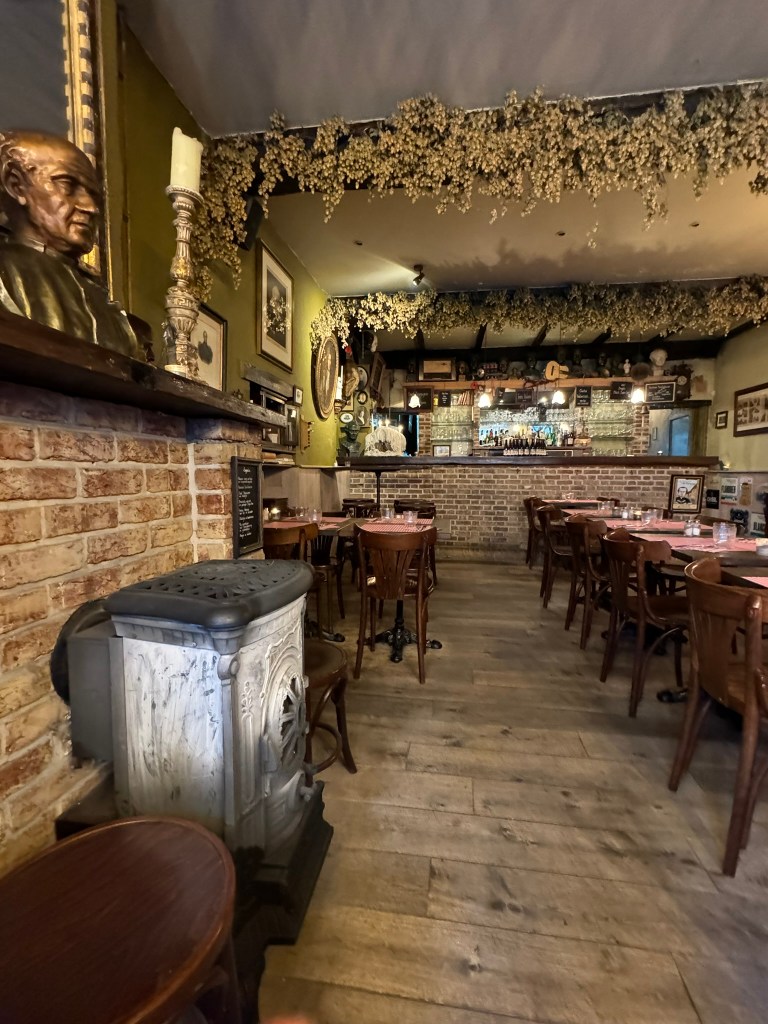
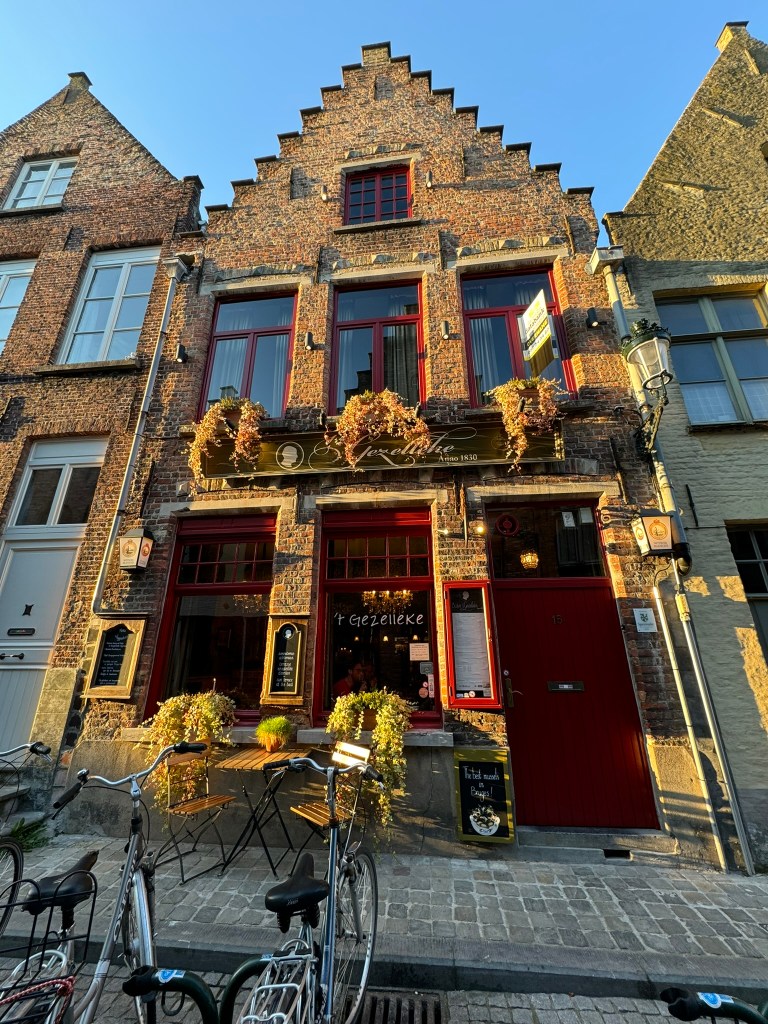
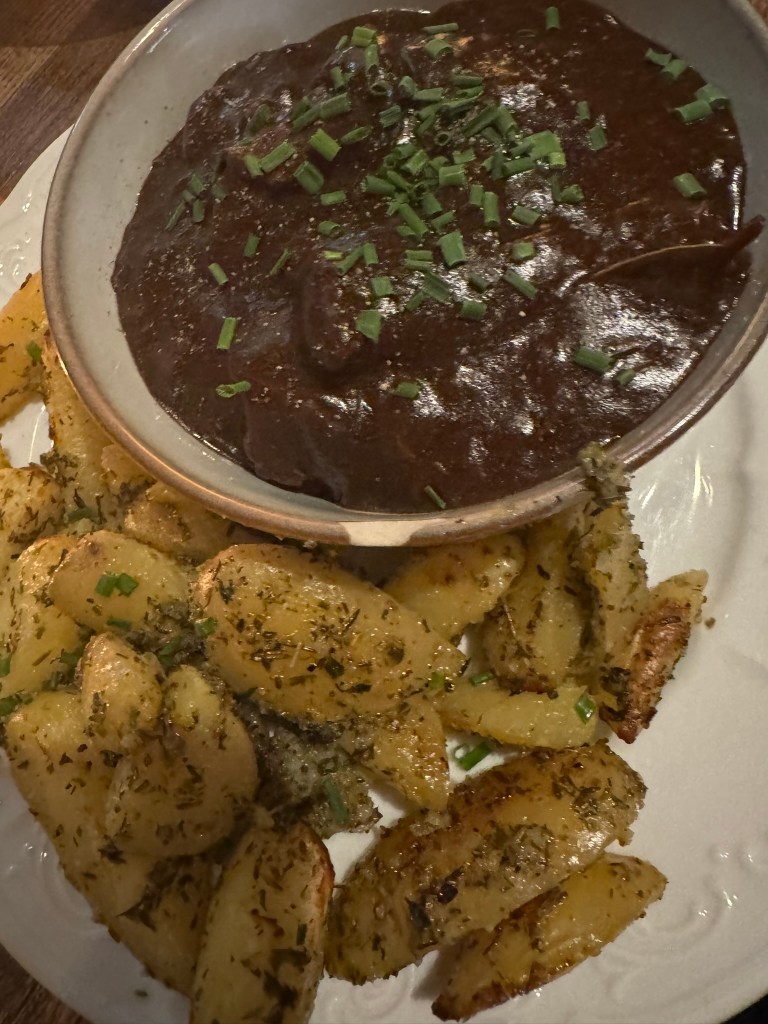
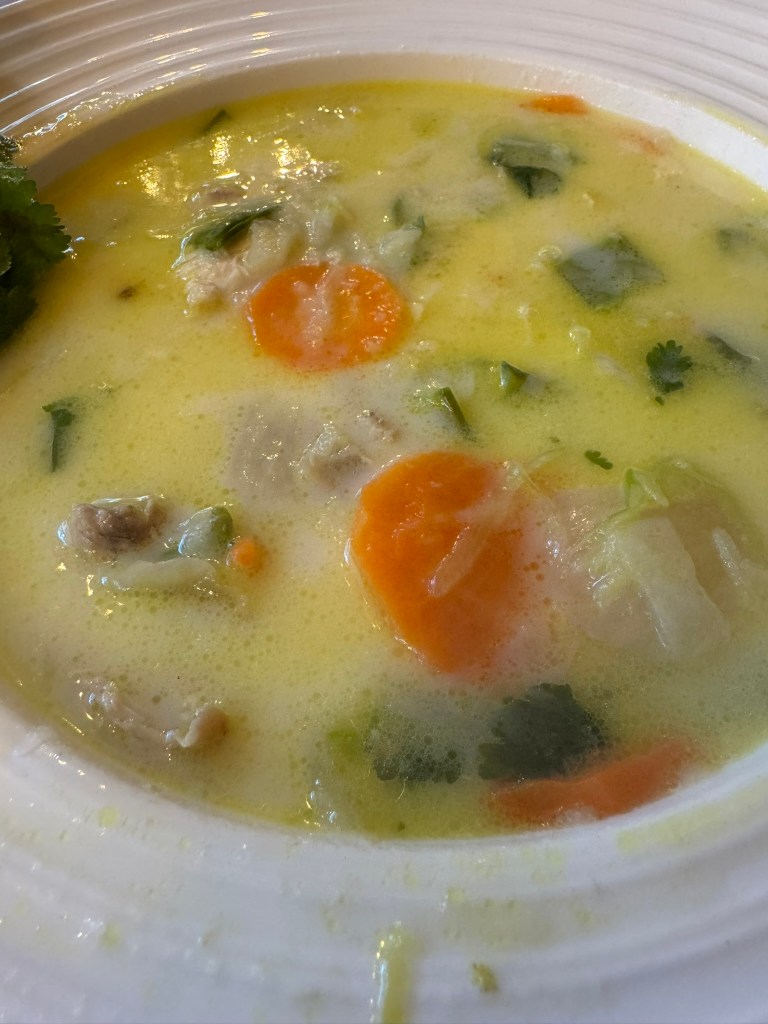
Stoofvlees- Flemish beef stew and Waterzooi de Poulet- Belgian chicken stew
We also feasted spiritually this weekend as we listened to general conference. What a blessing to receive counsel and comfort from prophets, seers, and revelators.
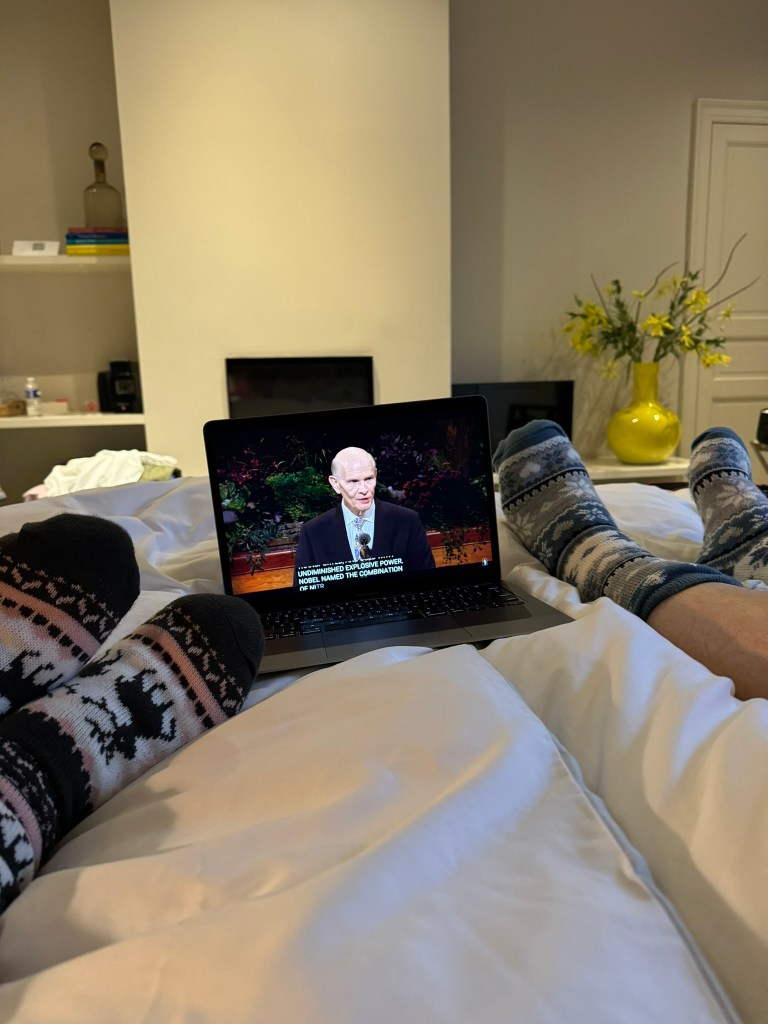
We feel renewed for the week ahead in the office.
With love, Elder & Sister Lamb (aka Ed & Debbie, Mom & Dad, Pop Pop & Tu Tu)
 Lambs in Central Europe