We spent Monday and Tuesday working in the office in Frankfurt. It’s hard to describe the intensity of our office work. First, there are four couples in an open space working on computers. When we take calls, we use headphones. Sometimes we are all talking at once and it can feel very chaotic. On any given Monday: 9:00 devotional, 9:30-10:30 regional meeting for our Türkiye assignment, 10:30-11:30 regional meeting with our three in-field couples in Spain, 11- Humanitarian division meeting with our colleagues in Frankfurt, then throw in a two hour country strategy council meeting which requires study and preparation, and planning to have all projects in the countries we support ready to present by Tuesday morning at Pre Area Humanitarian Council meeting. All during the day we are fielding calls and emails from infield couples, country managers, and following up on our Türkiye projects. It is intense and wonderful.
On Tuesday evening we flew to Rome with Elder & Sister Stoker. We went with them to learn and observe as they train a new in-country couple, (Steve & Anita Canfield) and to accompany them on long term evaluation visits for past projects. The price we pay for travel is staying up until midnight to do office work when we return to our hotel room late in the evening.
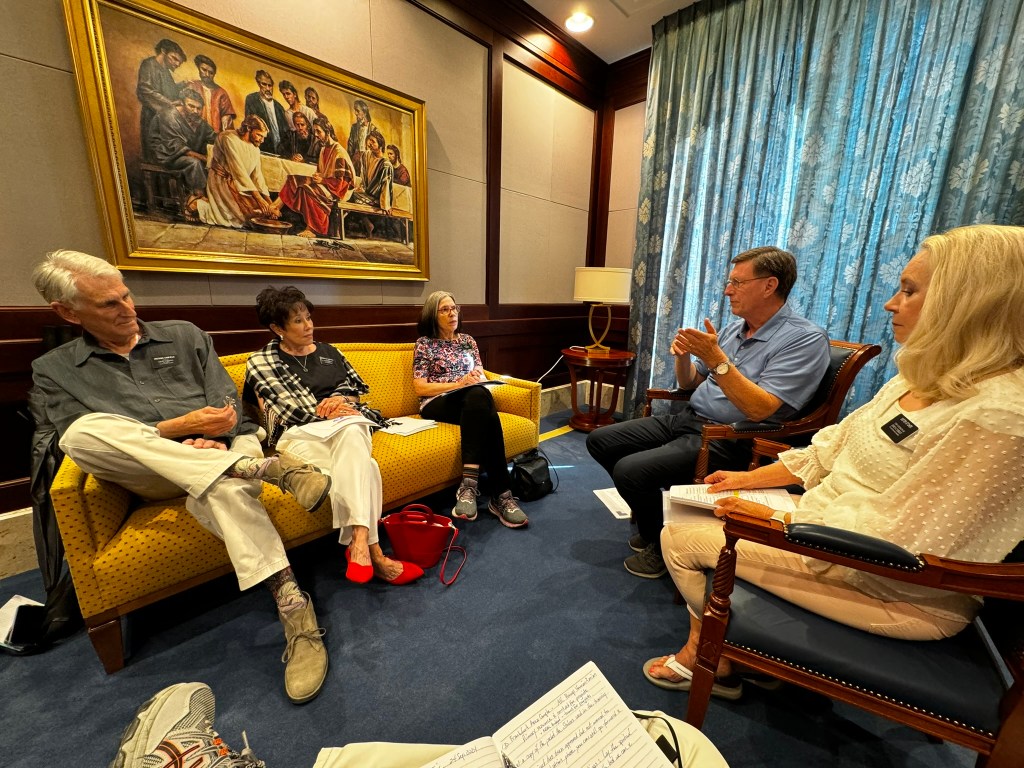
We met at the temple visitors center each morning for training. Listening to the training has been very helpful. We were trained in the MTC and again in Frankfurt, but we still have so many questions. Now that we have been working for a few weeks we know what questions to ask.
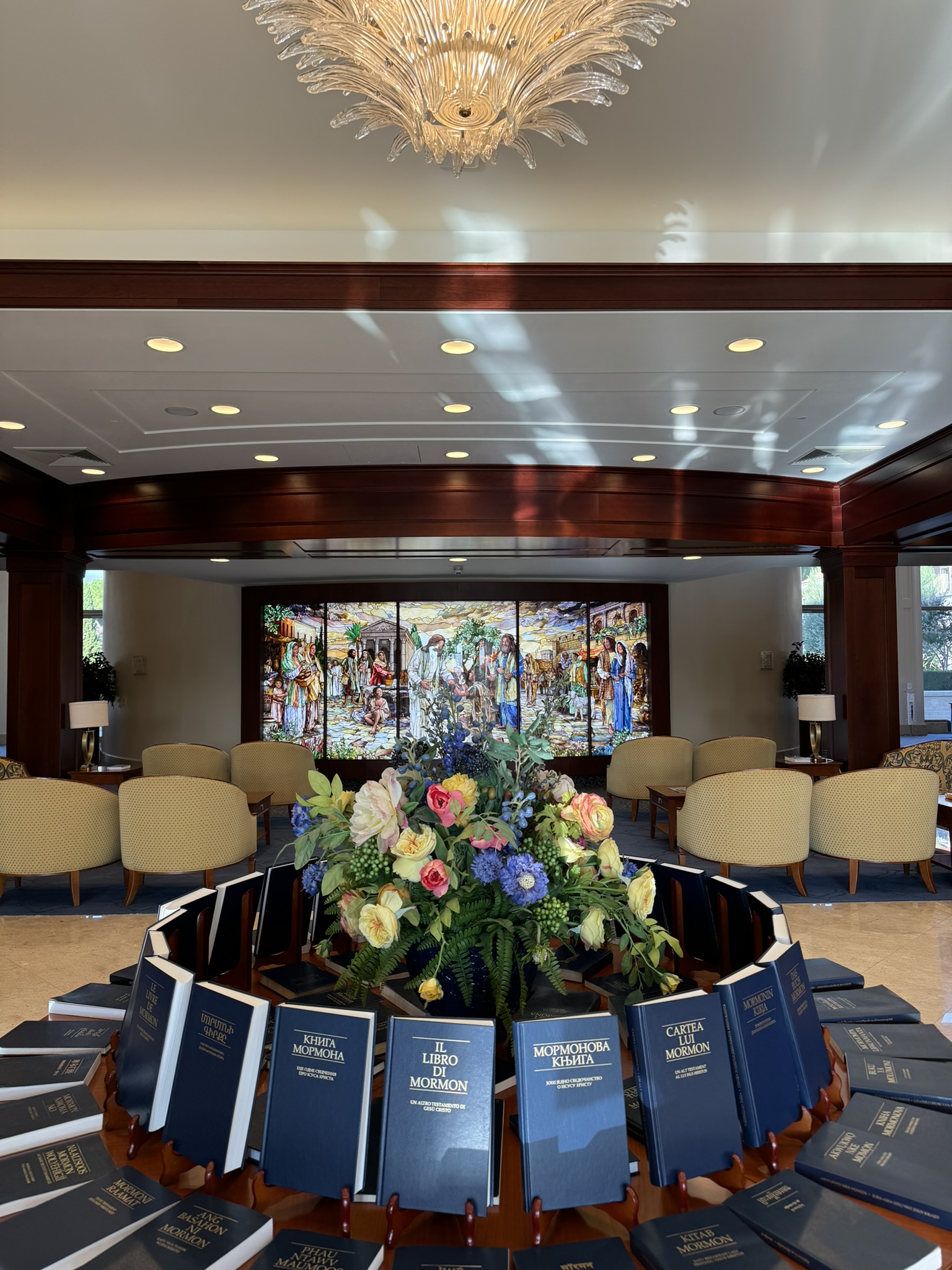
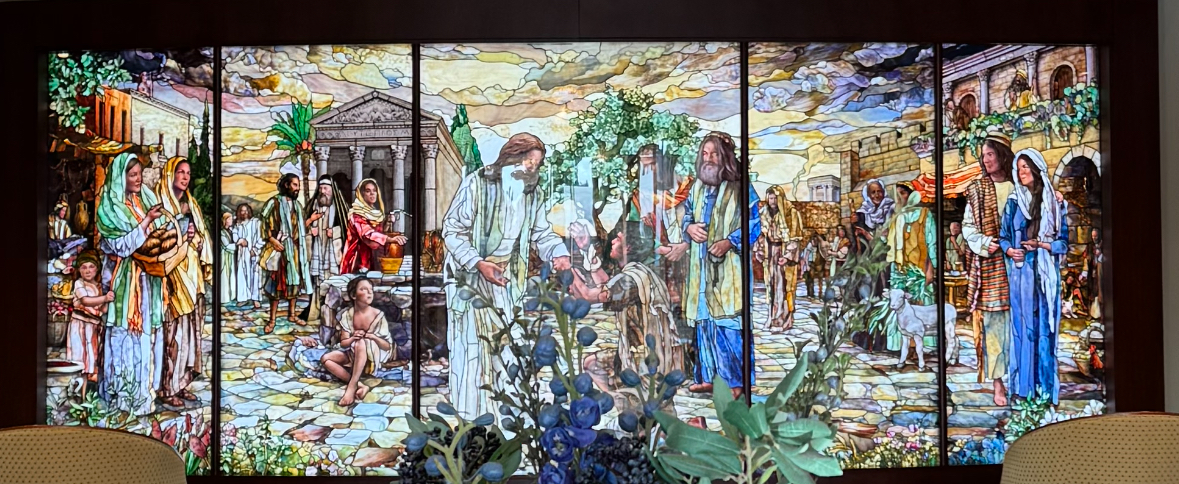
This stunning stained glass greets you as you step into the visitor’s center lobby. It contains 120 symbolic references to events in Christ’s life. It merits deep reflection.
In the early 1800’s Danish sculptor Bertel Thrvaldsen, trained in Rome, crafted sculptures of Jesus Christ and 12 New Testament apostles- first of clay, then of plaster, and finally of Carrara marble. All 13 now reside in the Church of Our Lady in Copenhagen. The Church of Jesus Christ of Latter-day Saints digitally mapped the statues in Copenhagen and quarried marble in Carrara to fashion the replicas that stand in the visitors center today.

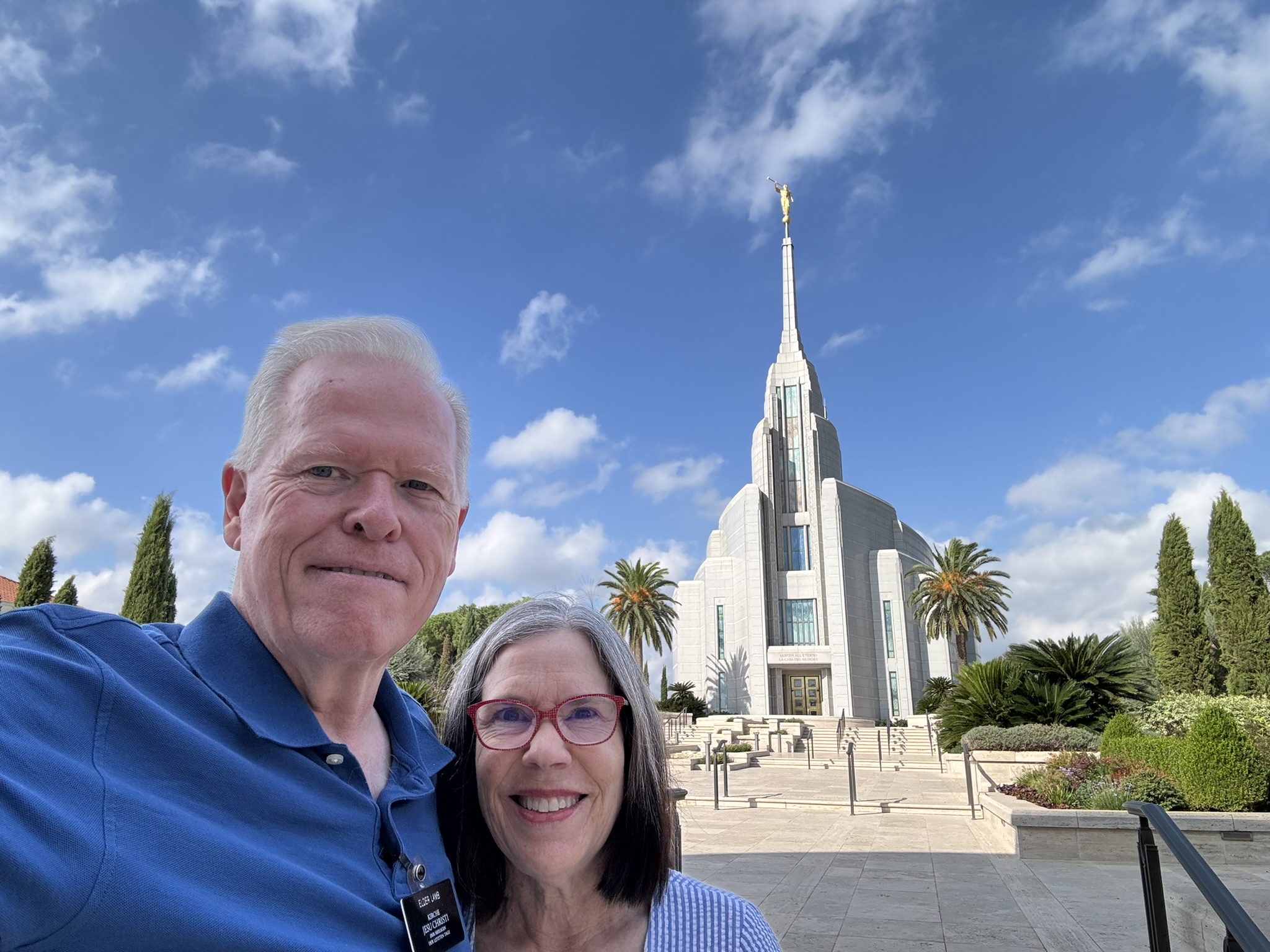
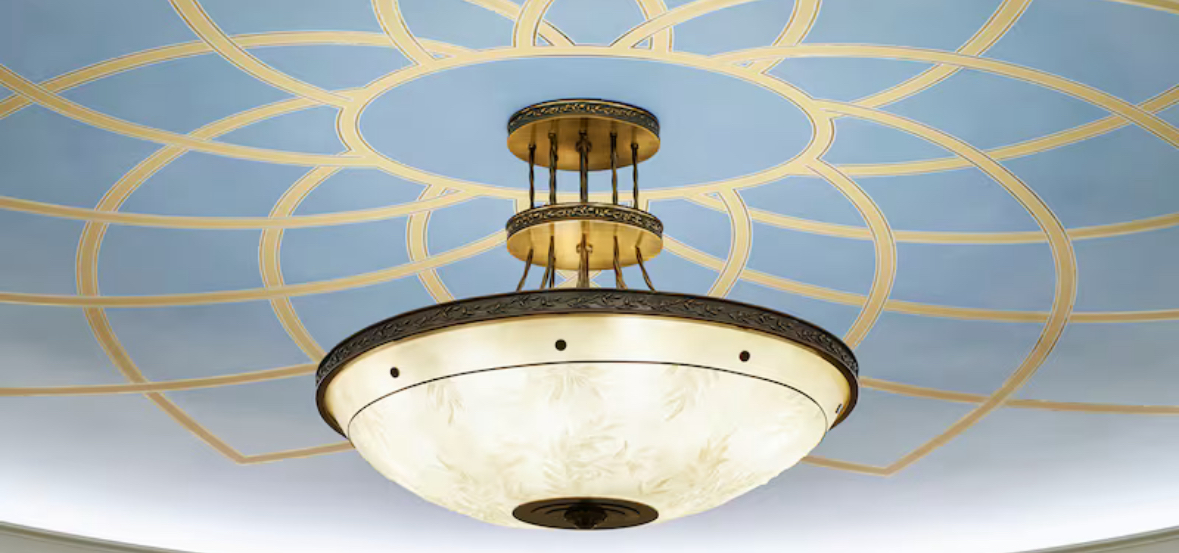
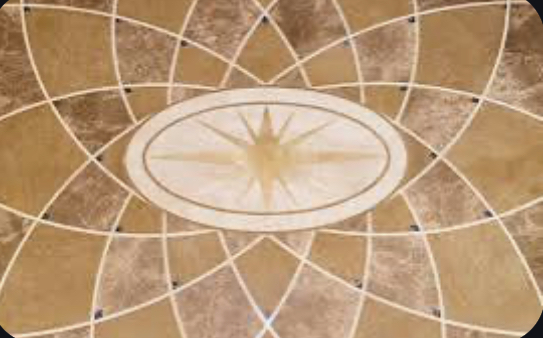
Looking out of the back of the visitor’s center is the magnificent Rome temple- what a masterpiece. The oval shape is found throughout the Rome temple. An oval has no beginning and no end and is a symbol of eternity. Patterns that were inspired by Michelangelo’s Piazza del Campidoglio located on top of Capitoline Hill include the artist’s intriguing oval design. The baptismal font is an oval, as are the rugs, ceiling motifs, and floor mosaics.


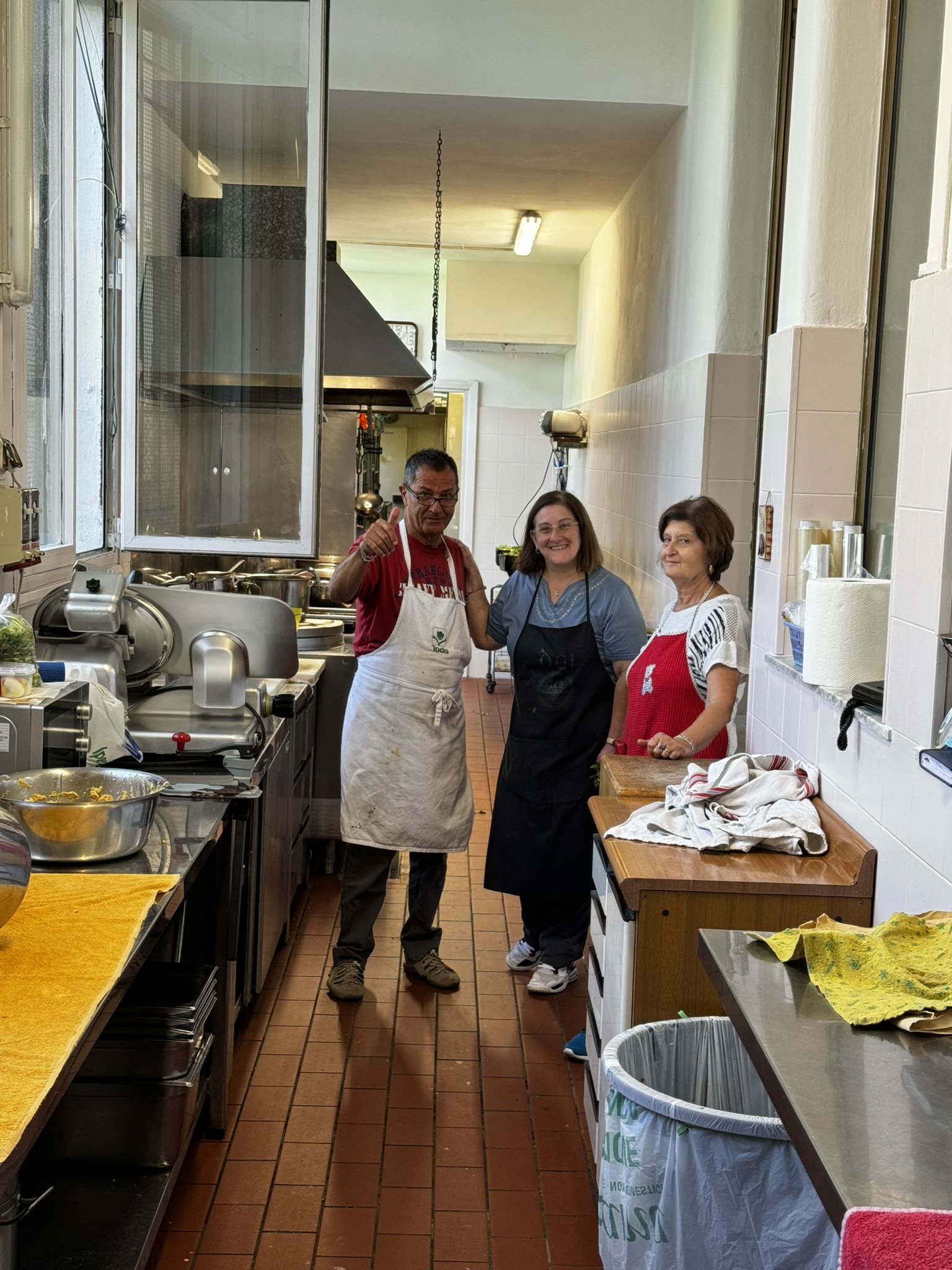
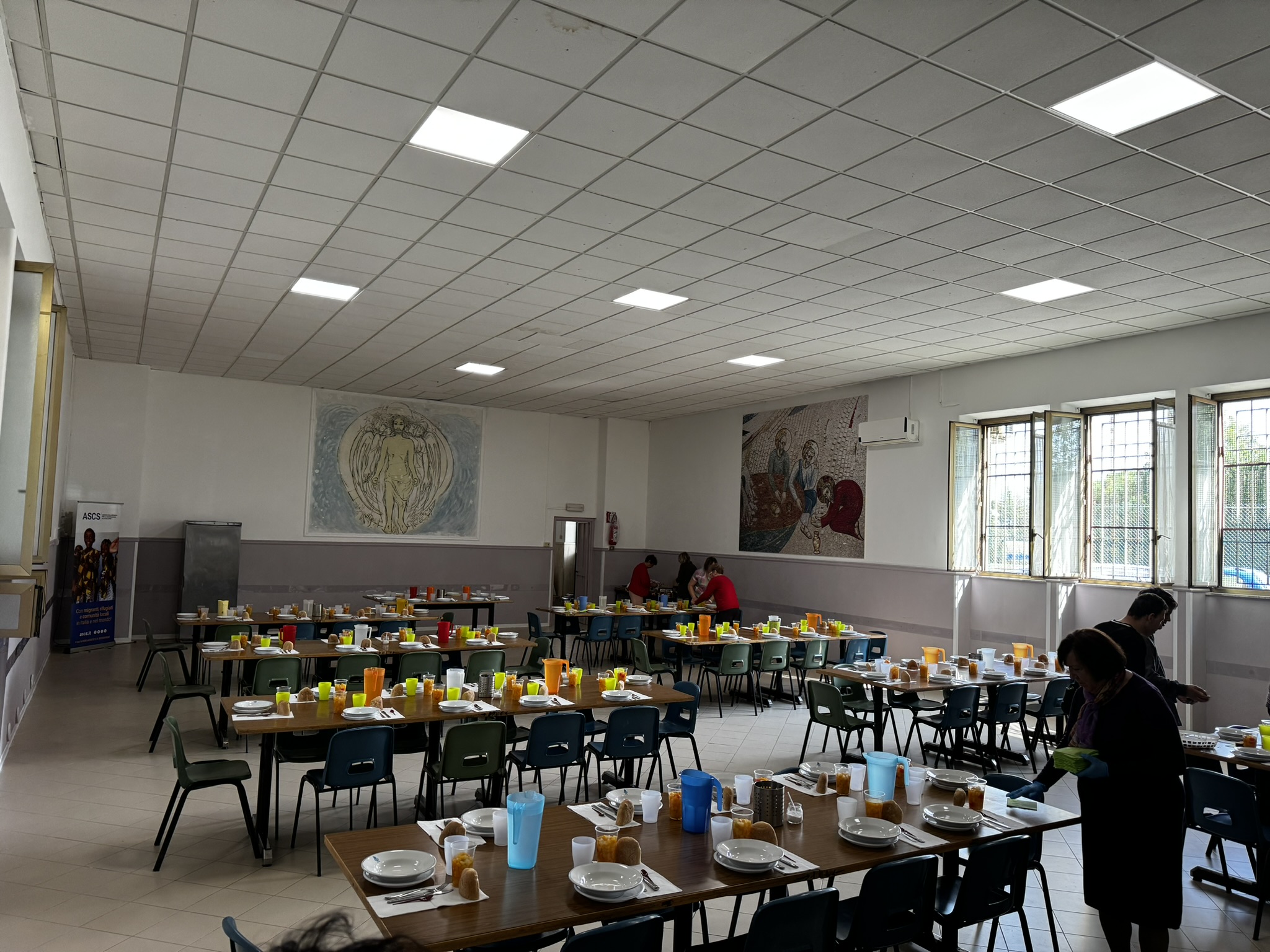
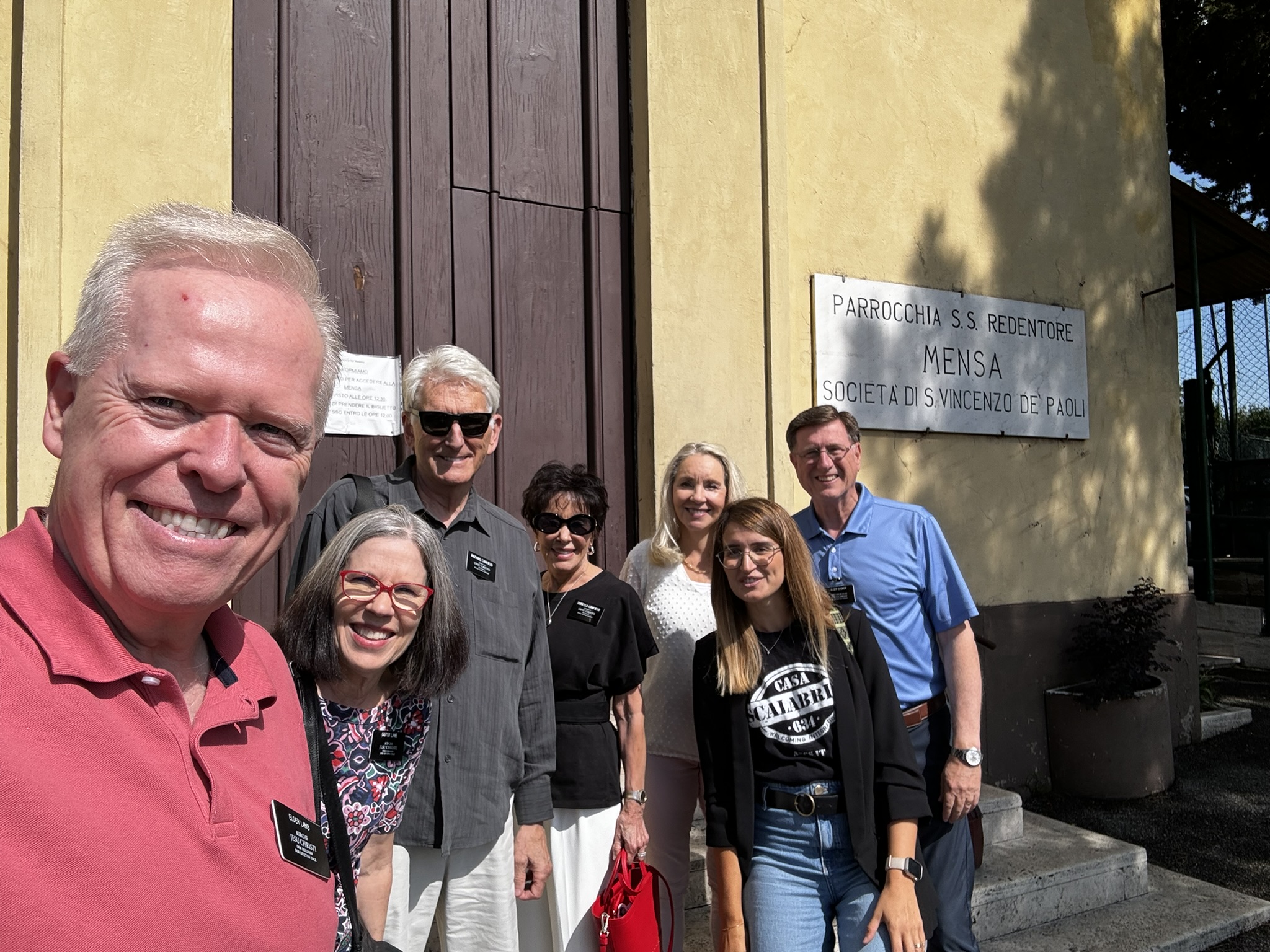
Each day we visited NGO’s that our church has worked with previously to renew connections and do long term evaluations on past projects; checking that donated equipment is still functioning properly. For more than 30 years the Scalabrinian Parish of Santissimo Redentore has run a soup kitchen serving 150 people lunch, six days a week. We were so impressed with the care the volunteers took to serve these people tableside as at a fine restaurant. Then on to Casa Scalabrini where 25 refugees live as they are helped to find jobs and housing and move towards self-reliance. Their motto is “More bridges; less walls.” Our Catholic friends are cherished humanitarian partners.
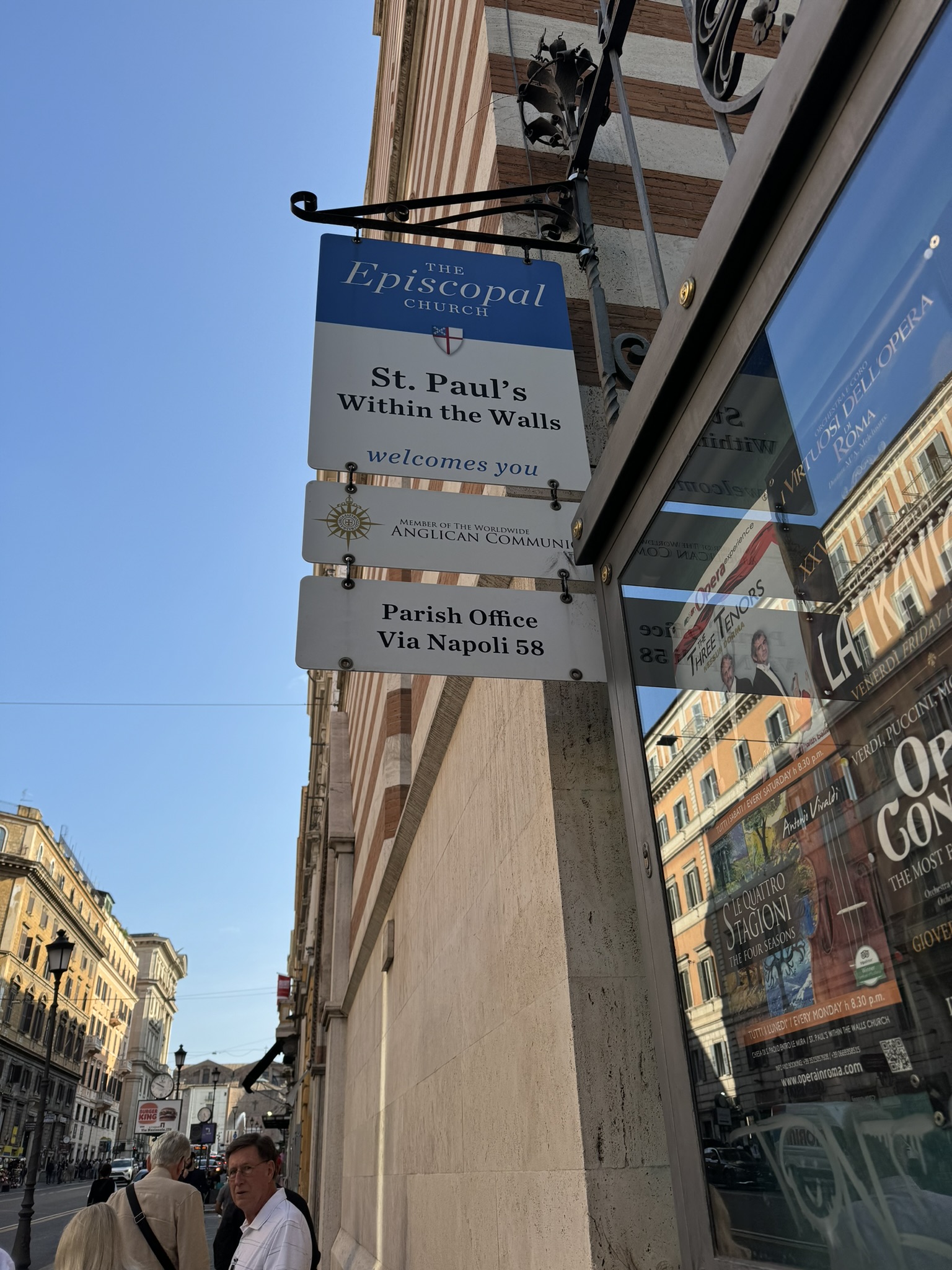
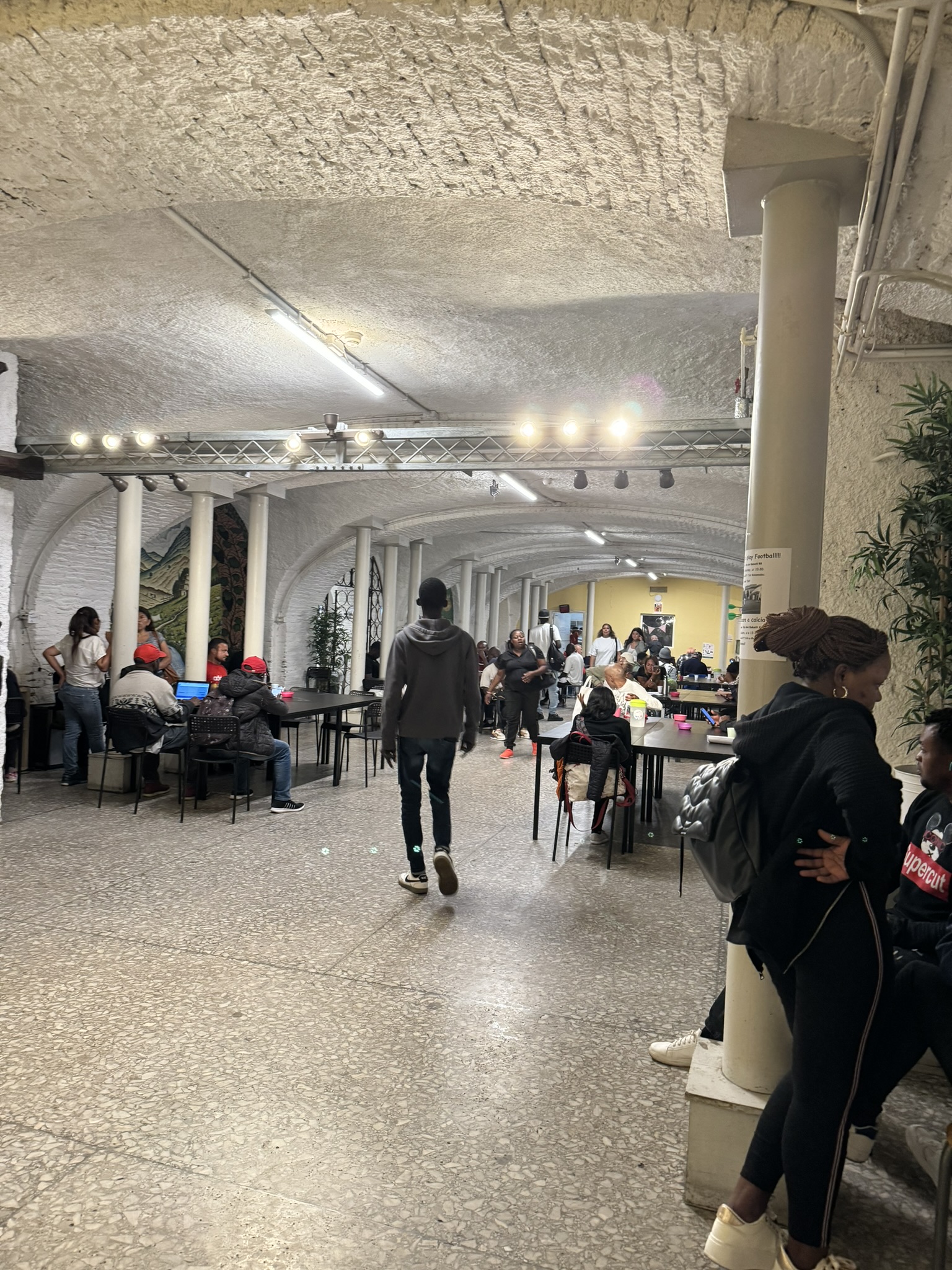
The next day we visited our Episcopal friends at ‘St Paul’s within the Walls’. We drove downtown to park at the main train station- driving in Rome is not for the faint of heart. We then walked to the Joel Nafuma Refugee Center, a place for refugees to come for breakfast, friendship and classes. Free language training, legal counsel, help with the immigration process and job training are offered here to their ‘guests.’ This friendship center was started here by Elder & Sister Canfield several years ago and local volunteers carry on the work today.
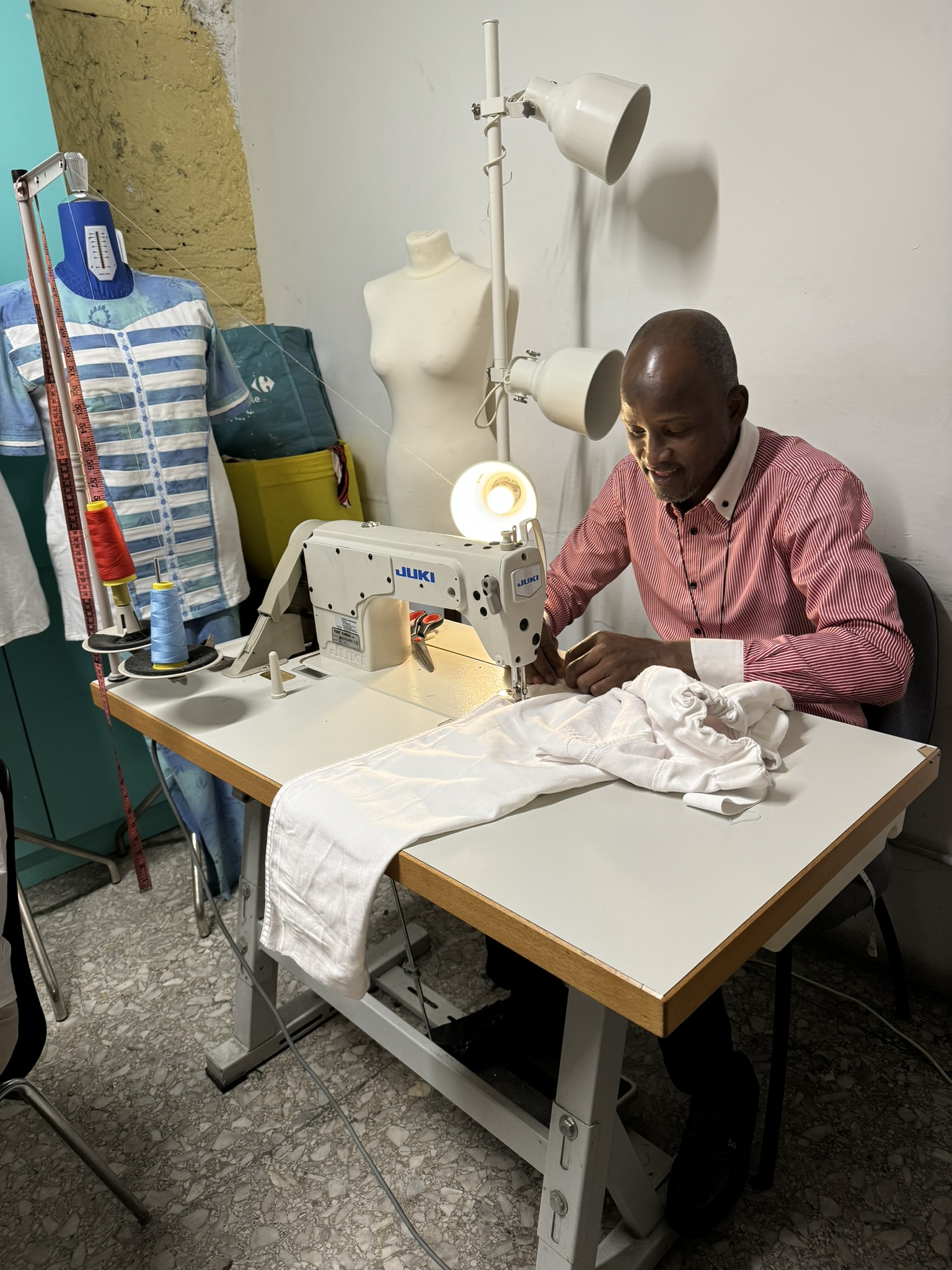

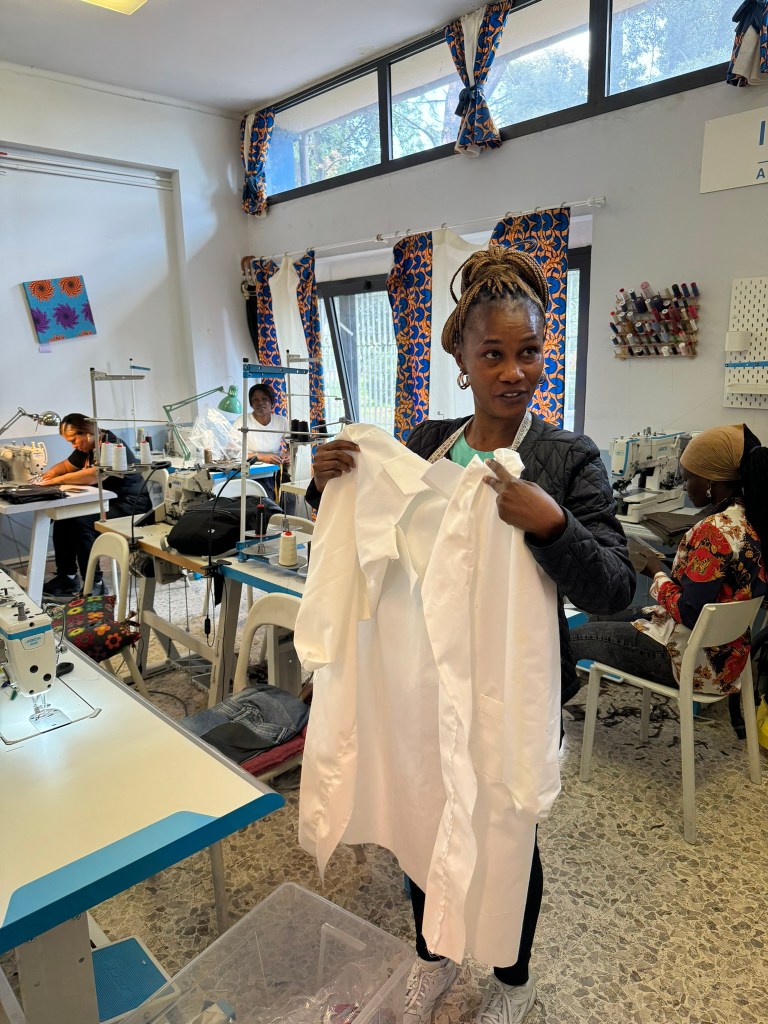
We visited INTERSOS- another impressive NGO working to help refugees. This center offers classes in Italian, fitness, tailoring, nail, hair cutting, and computer skills. They raise herbs and market their tea. They offer a place for women to gather to learn job skills, receive legal counseling to help them matriculate into society. A safe place is provided for children while their mothers take classes. There are so many good people on this earth that have dedicated their lives to helping people.

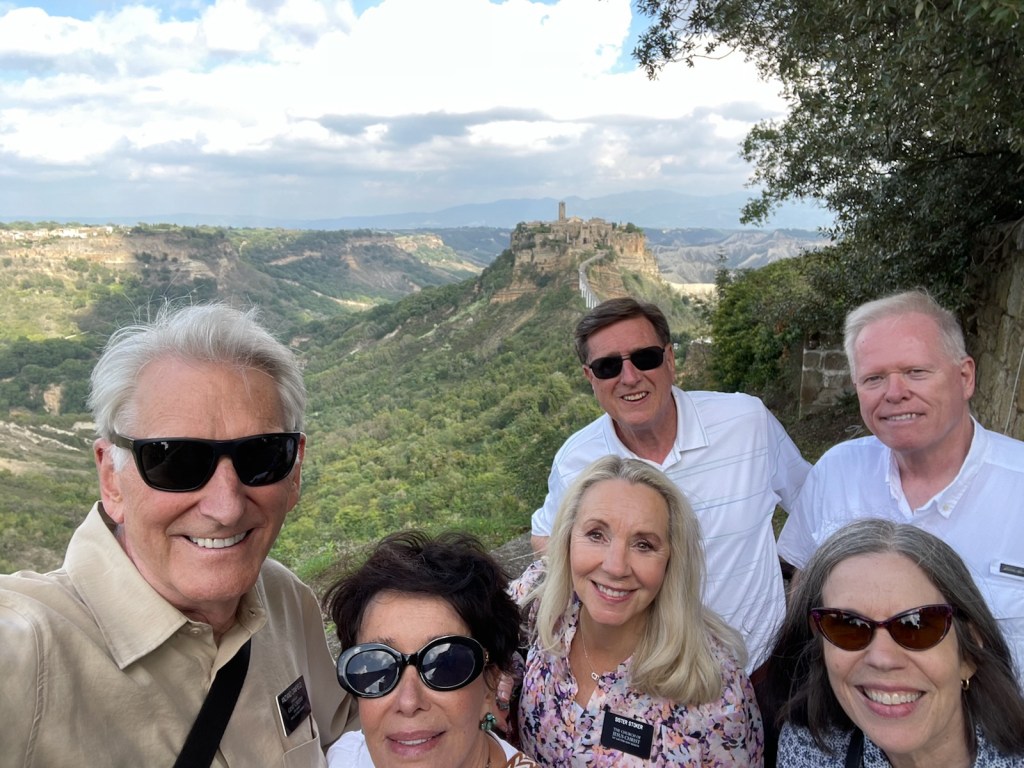
Part of the reason we visit our infield couples is to minister to them and make sure they feel loved and supported. Sharing these experiences together brings a closeness that cannot be compared. The Stokers and Canfields are incredible people. This is Stokers third mission. They previously served in South Africa and New England. This is Canfields fifth mission. They previously served in Turkey, Russia, Frankfurt, Rome, and North America North Area. Sister Canfield is a bundle of energy and faith and the author of one of my favorite books, A Perfect Brightness of Hope. I still remember something from that book that I read 30 plus years ago. She had just had a spiritual experience and felt so close to Heavenly Father and really her best self. She said to her husband something like, “Oh but in three or four days this will all fade, and I will be back to the real me.” He said, “No, Anita- this is the real you!” What a blessing to spend four days talking for hours as we drove through the countryside and walked the streets of Rome. One of the amazing blessings from serving a mission is the wonderful senior couples you meet along the way.
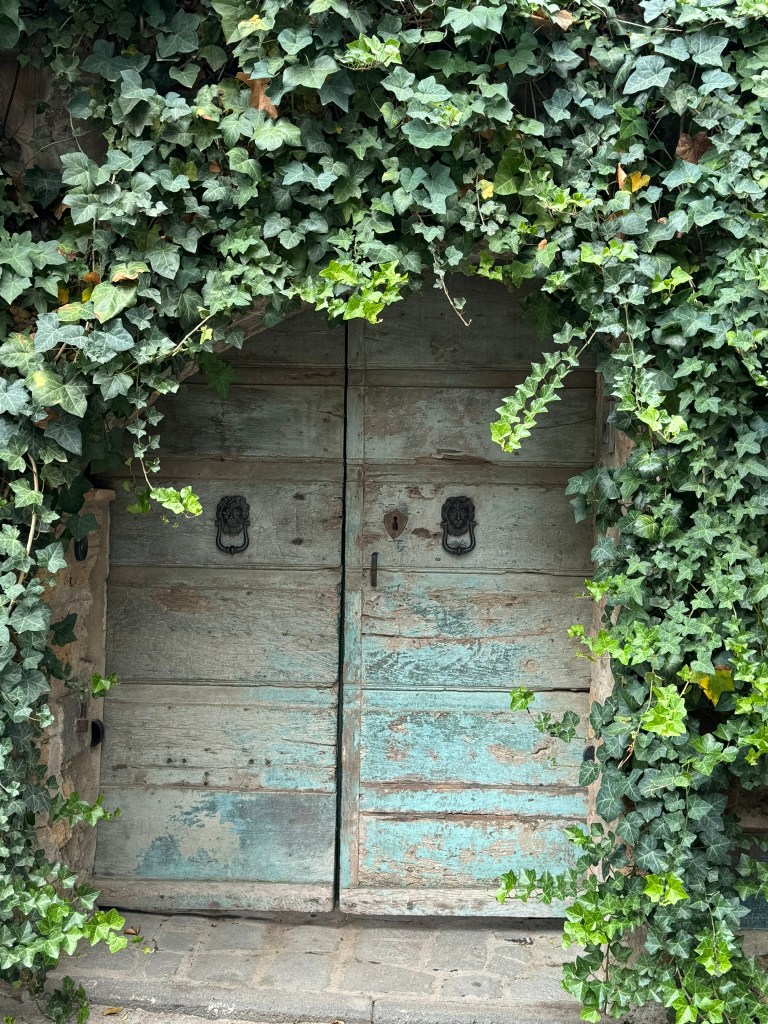
We work hard and we play hard. Each day we took time to see the sights of Rome that were close to the projects we were visiting. And we stayed an extra day at our own expense. Sister Canfield was an amazing tour guide with incredible knowledge of the history of Rome.
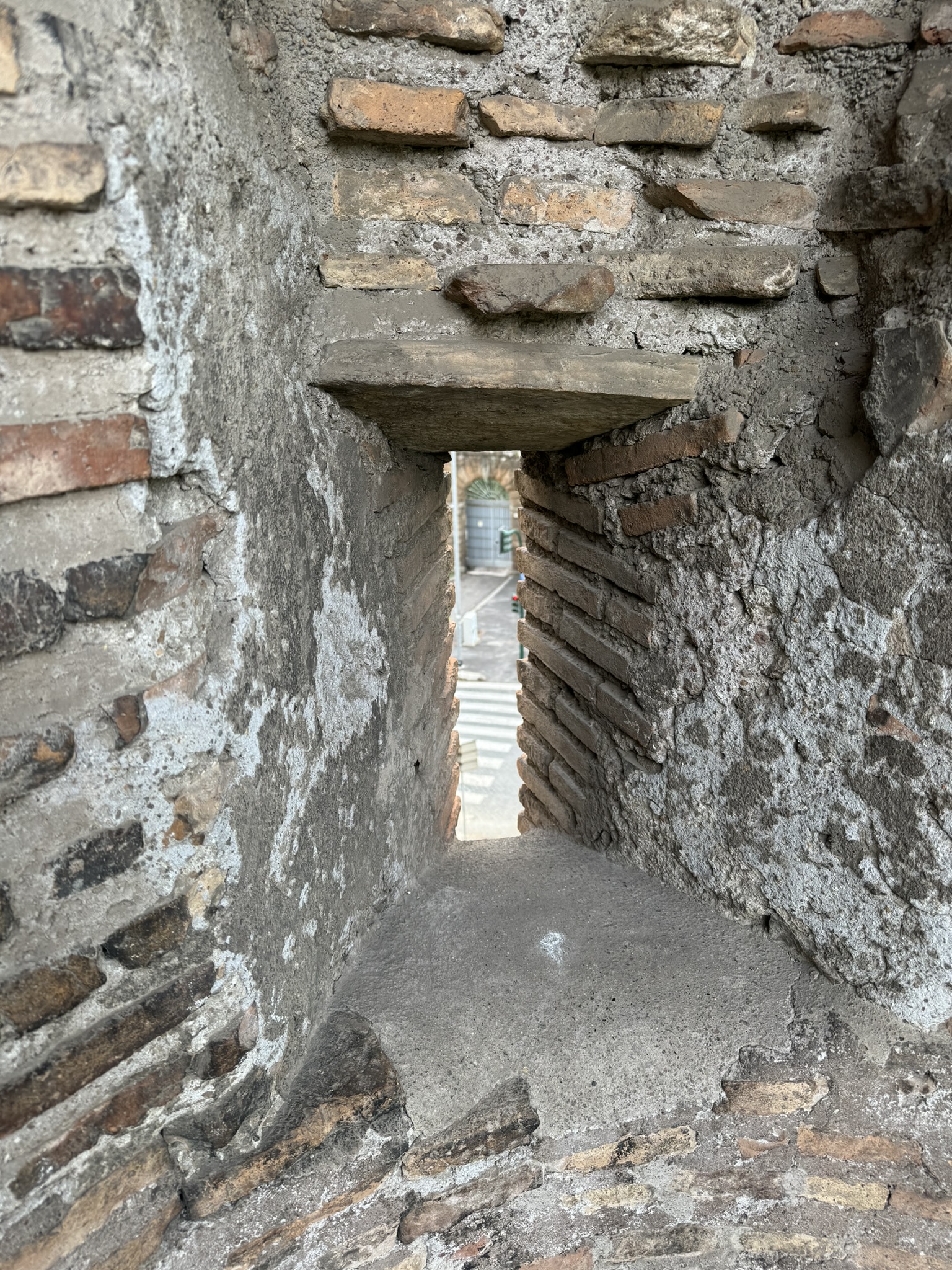
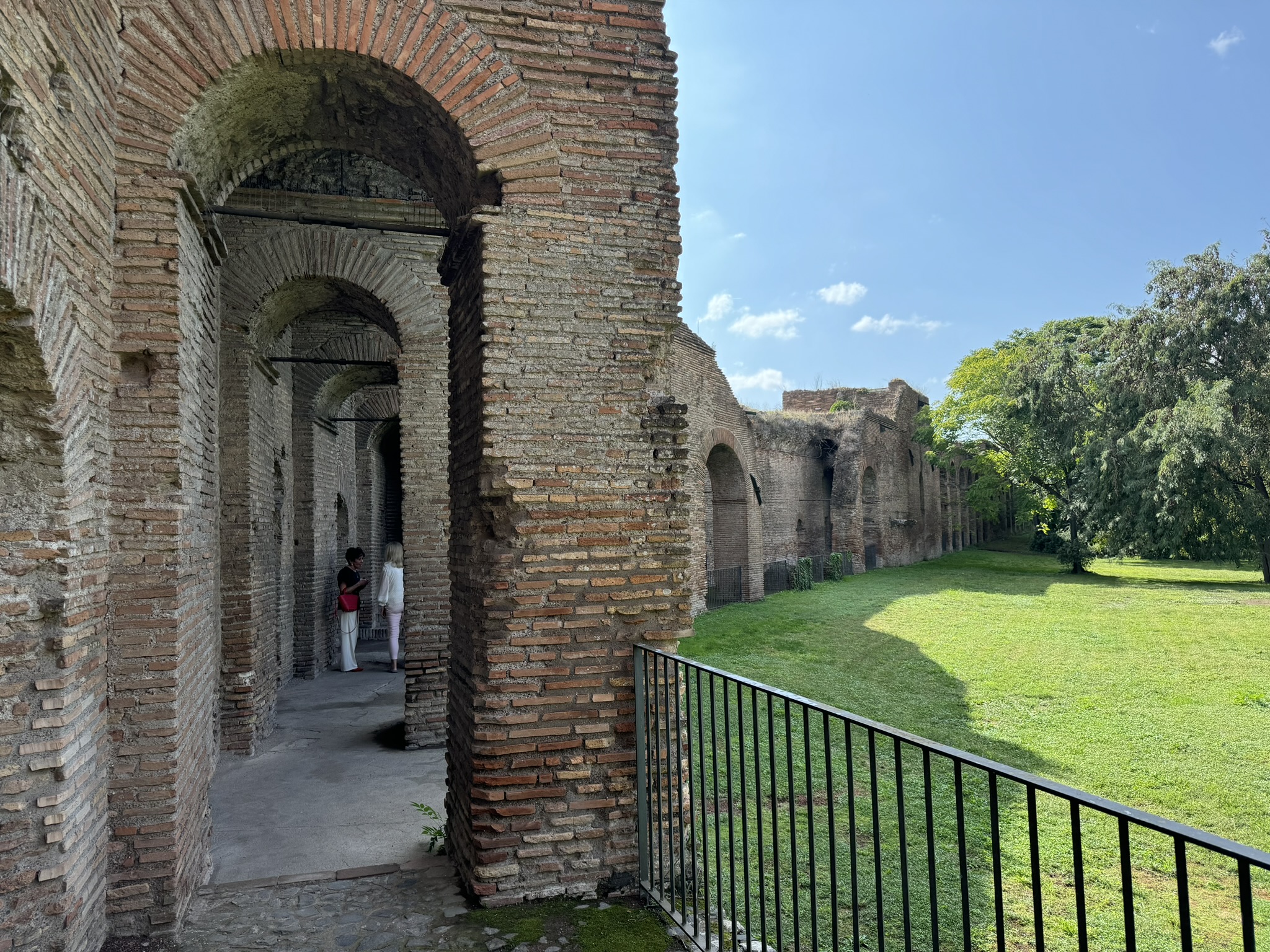
Museo delle Mura where we walked part of the ancient Roman wall.


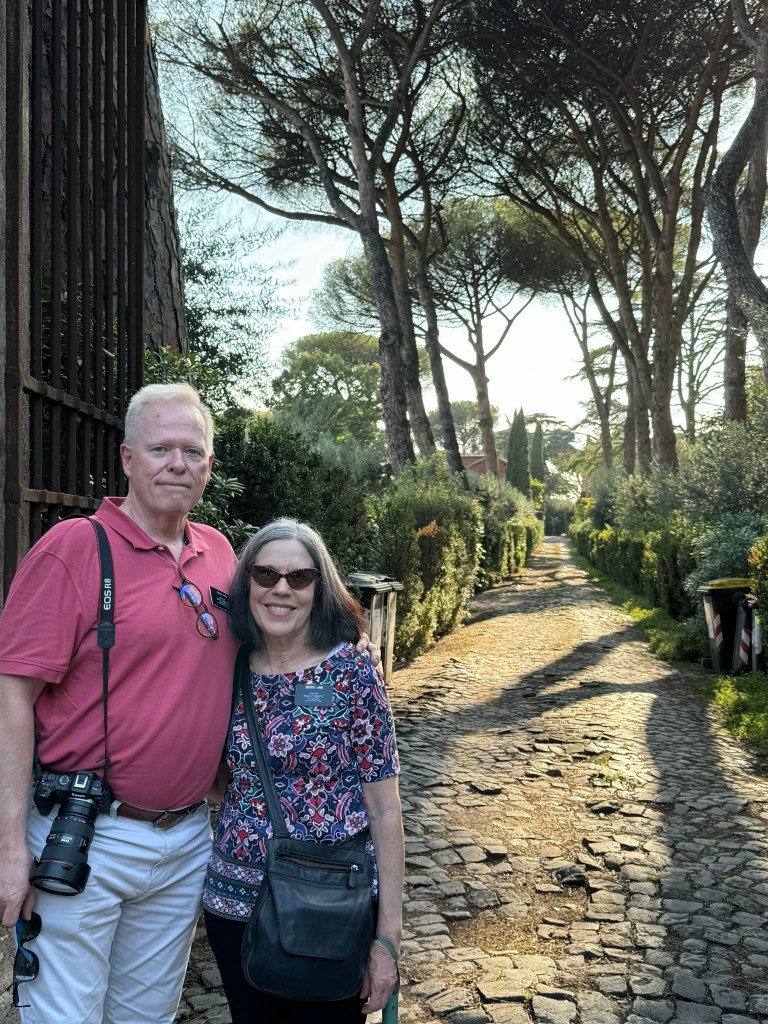
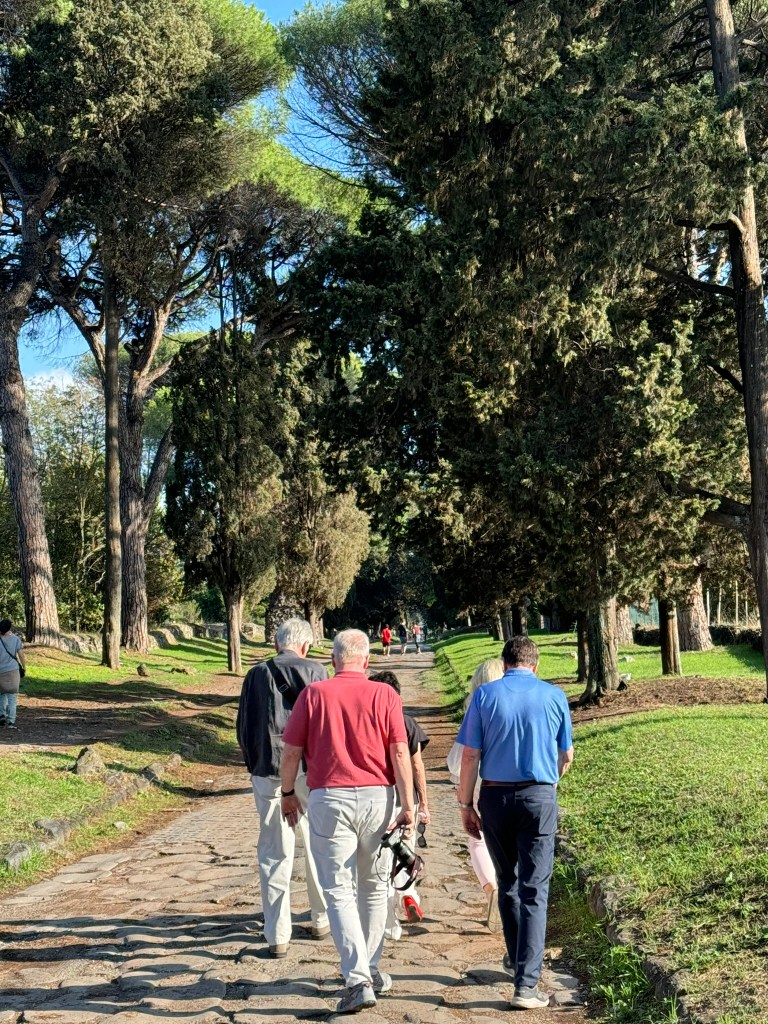
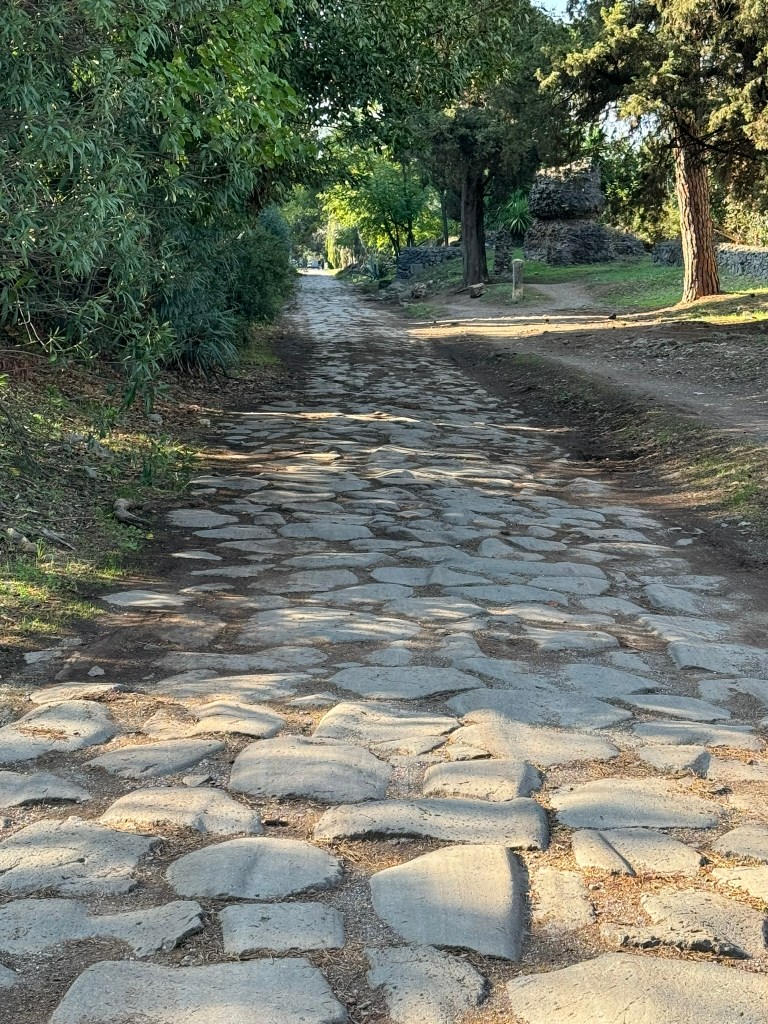
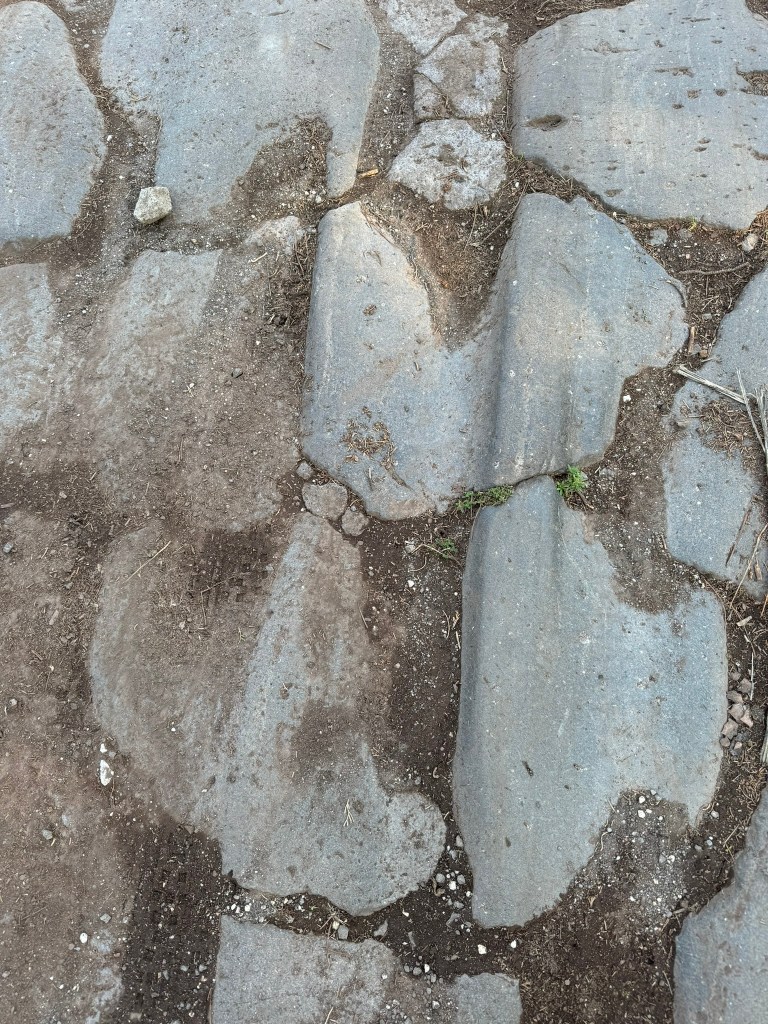
We walked a mile on the Appian Way. It was amazing to see ruts in the original stones from chariot wheels. The Appian Way (“Via Appia” in Italian) is one of the earliest and strategically most important Roman roads of the ancient republic. It was started in 312 BC. It connected Rome to Brindisi, facilitating trade, providing a path for military movement, and communication. Eleven roads entered Rome from all directions. Truly, all roads led to Rome.
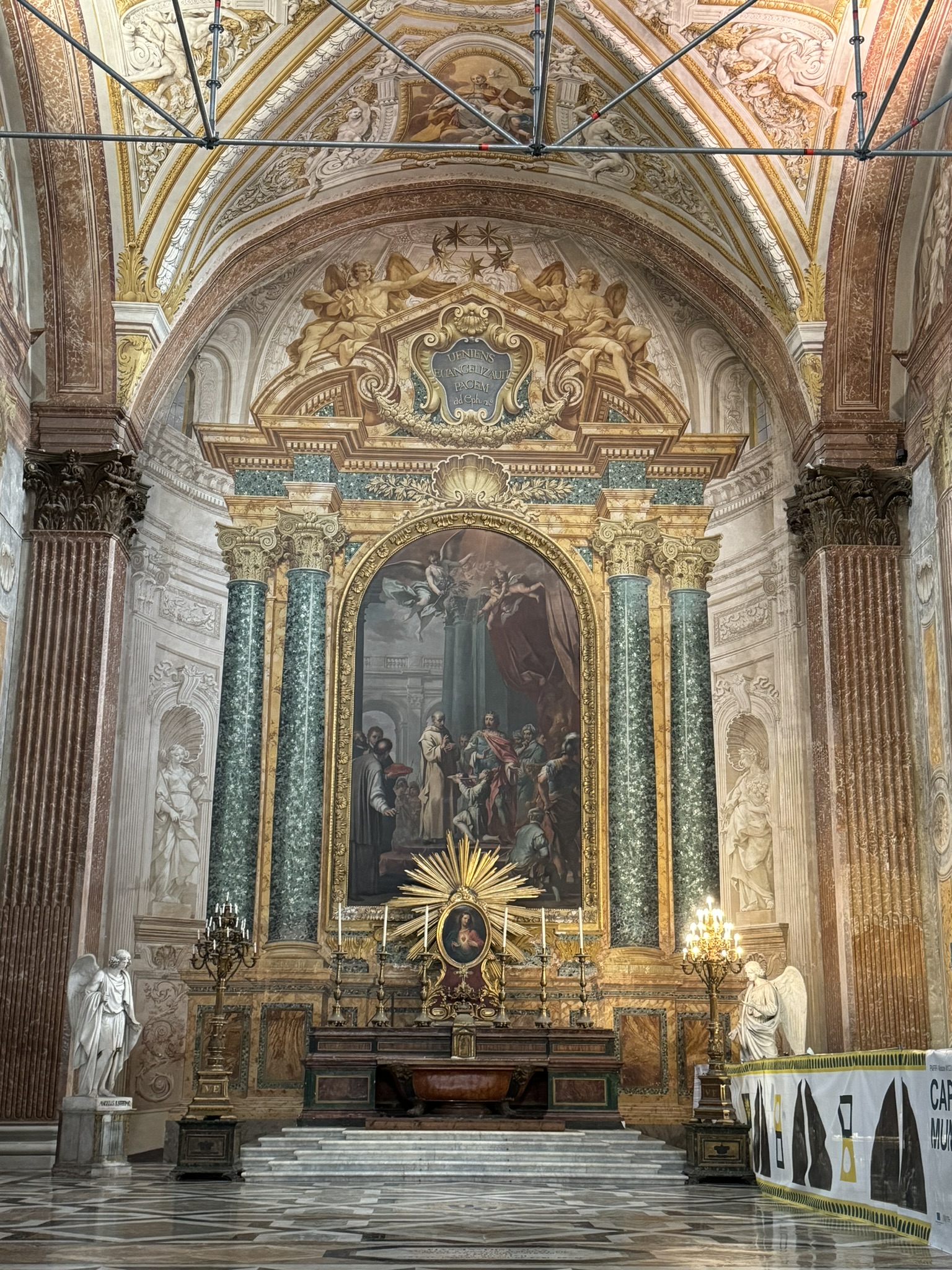
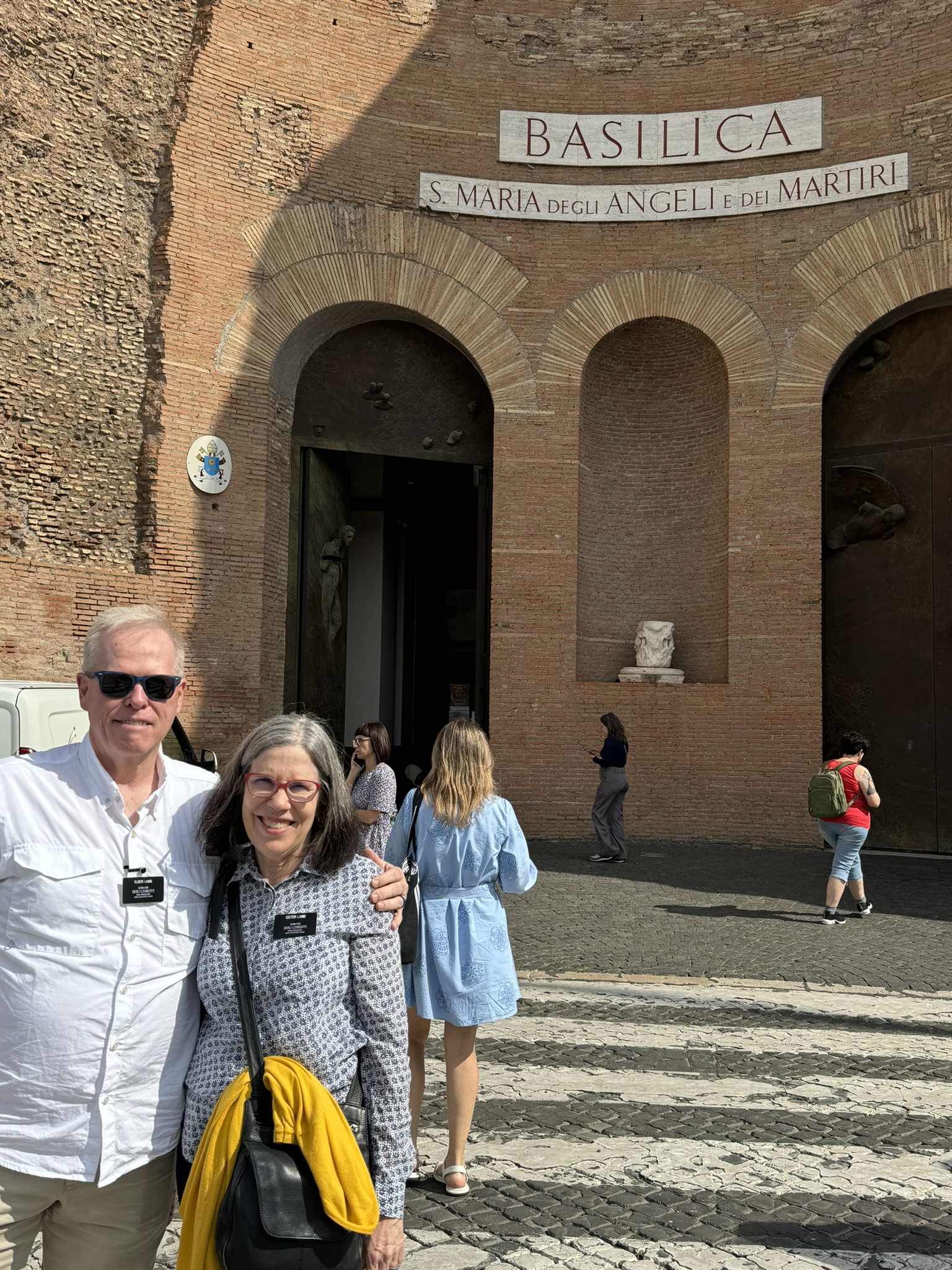
The Diocletian Baths, named after the emperor Diocletian, were built from AD 298 to 306. These public baths were the largest of the imperial baths. In the 1500’s Michelangelo was commissioned to design a basilica using the existing bath structure.


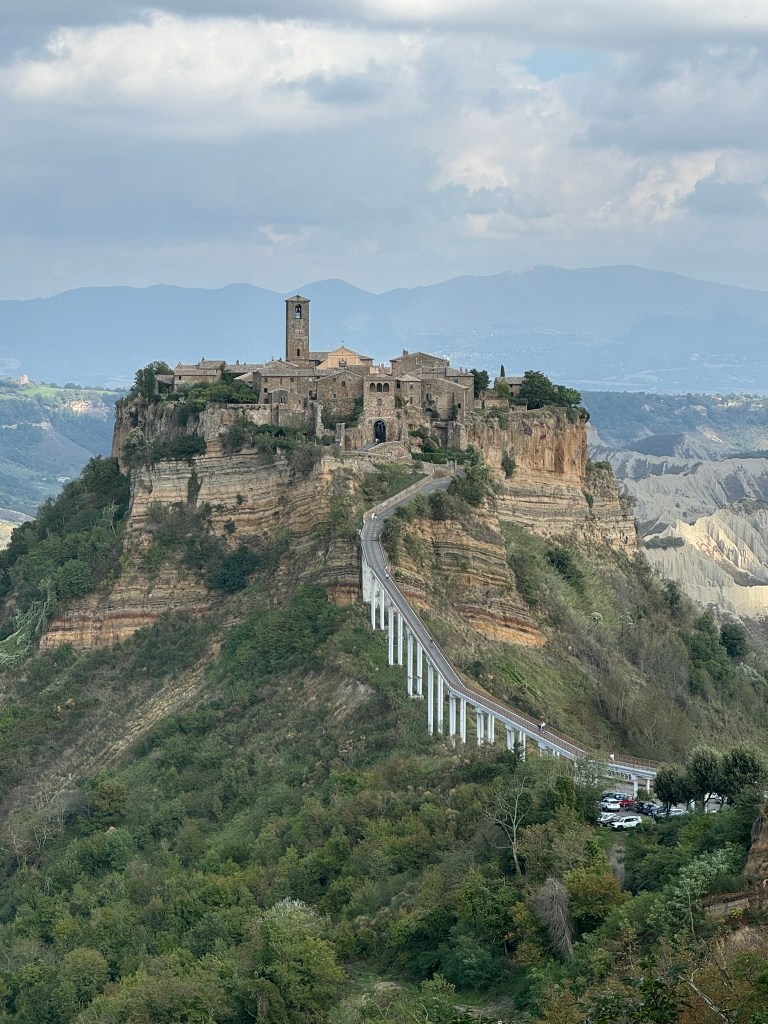
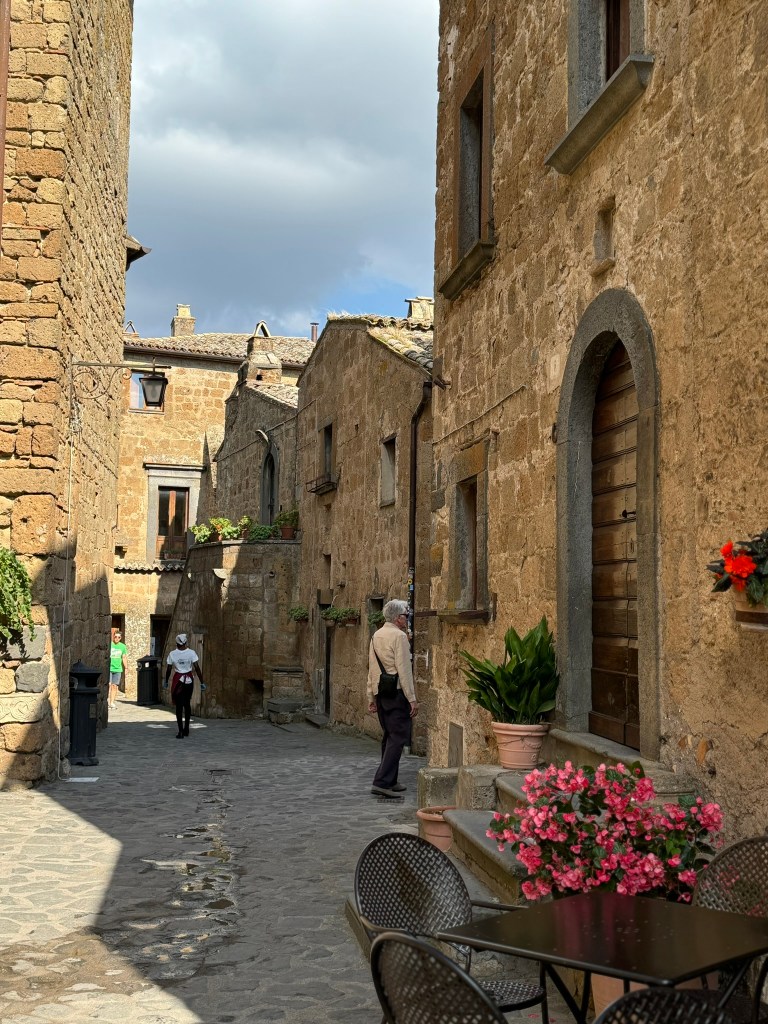
We drove to Bagnoregio where we crossed the bridge and climbed to the village called the jewel on the hill- Civita del Bagnoregio. This stunning gem has escaped the modern age because of its topography. This town teeters atop a crest rising high above a vast canyon. We were transported to the Middle Ages.



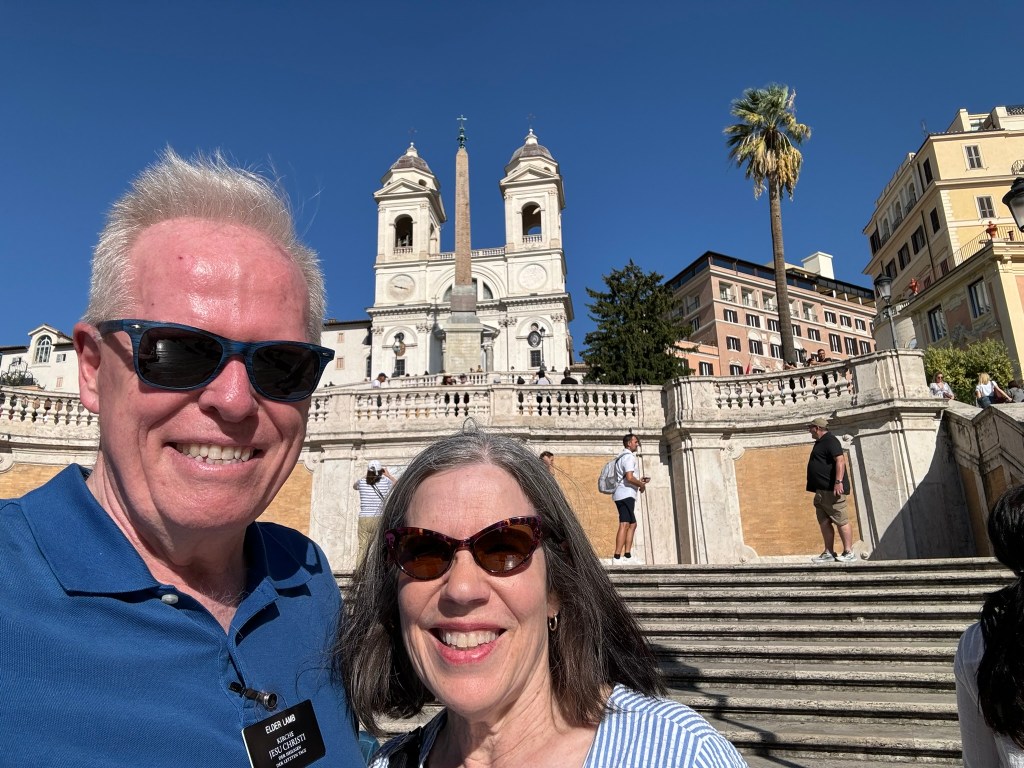
The Spanish Steps built in honor of a visit from the King of Sapin in 1723.
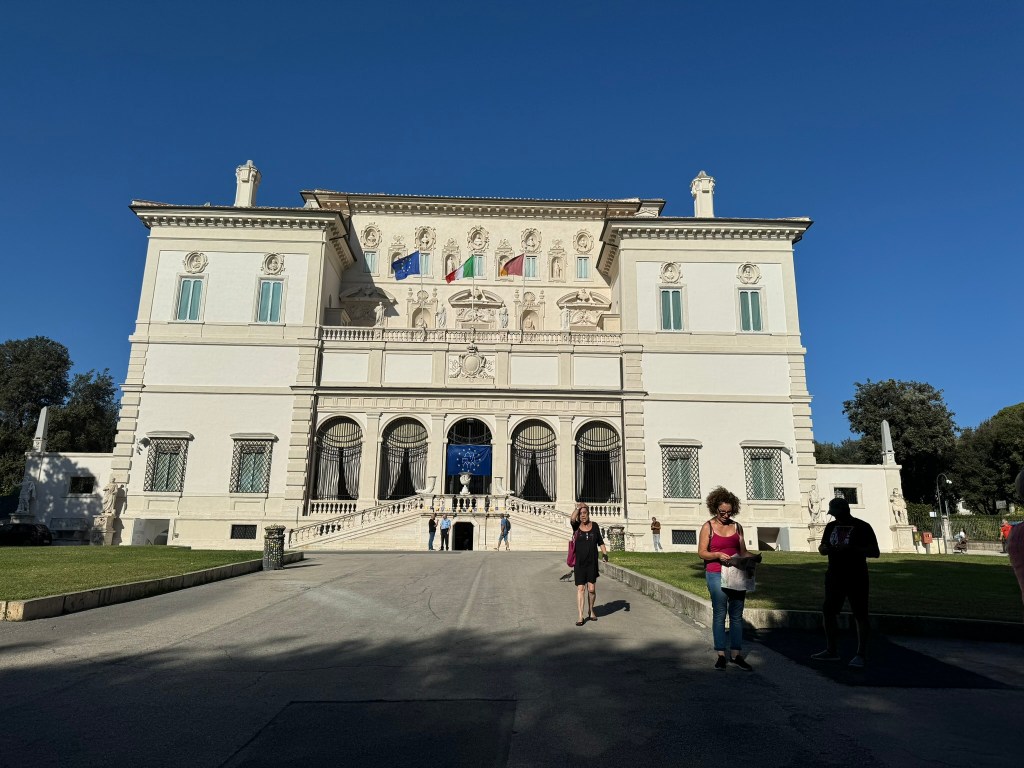
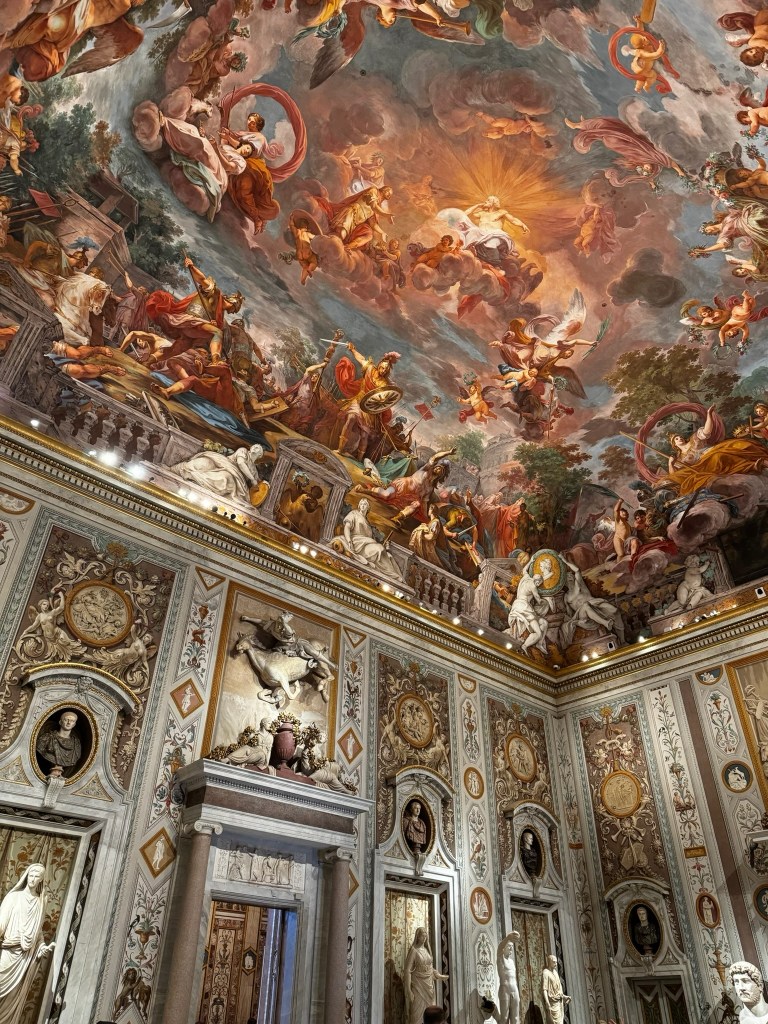
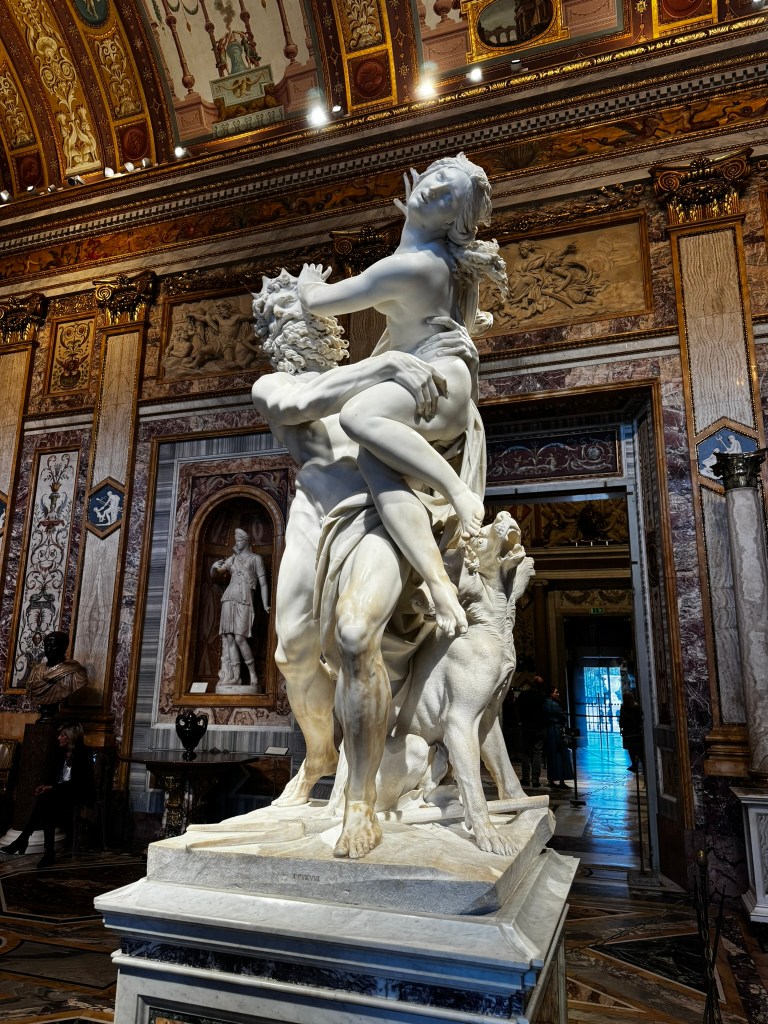
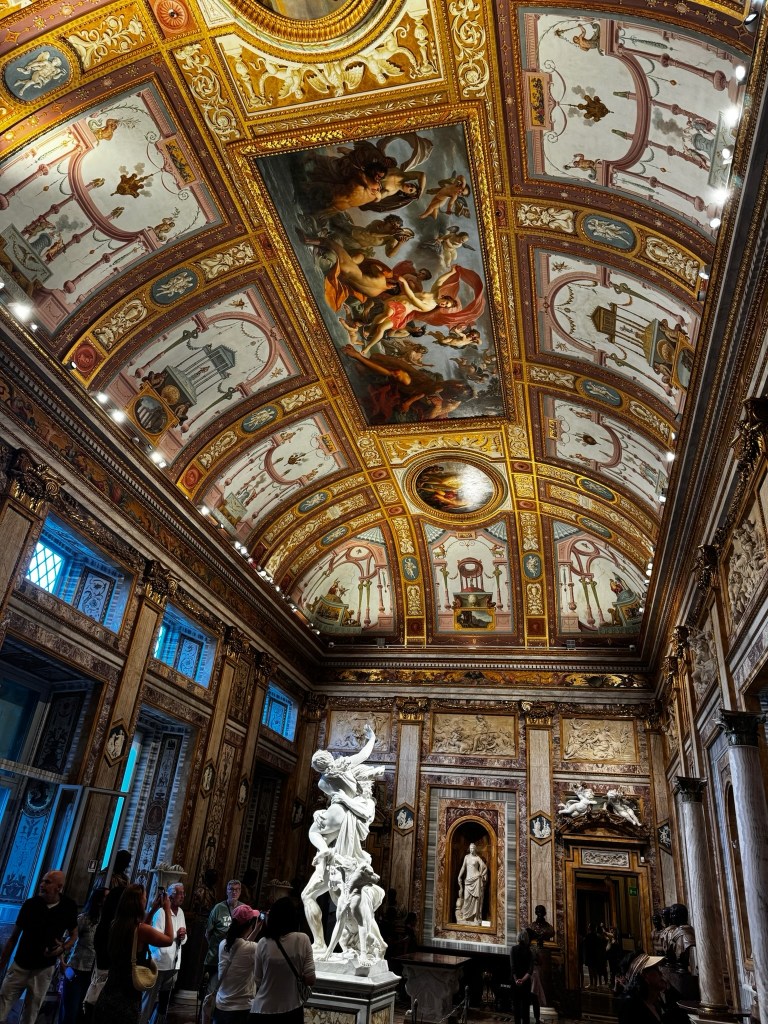
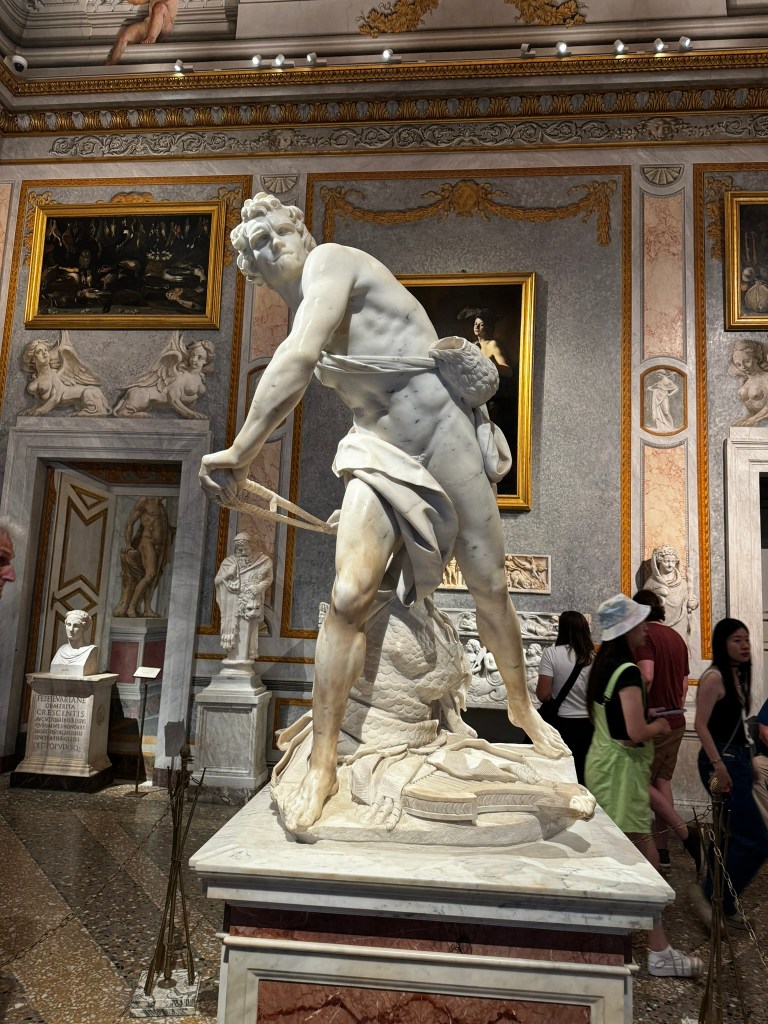
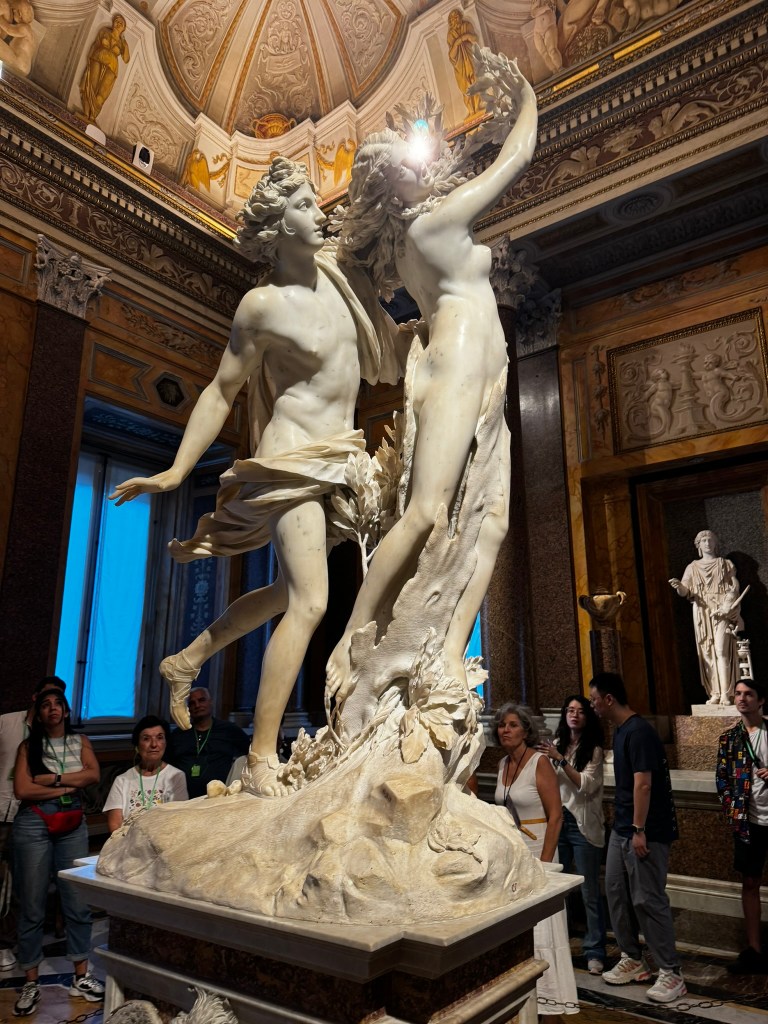
We walked through Villa Borghese Park and took the Borghese Gallery Tour. This museum home of the Borghese family was full of paintings and sculptors. We marveled at Gian Lorenzo Bernini’s sculptors: David, Rape of Proserpine, and Apollo & Daphene. Exquisite!
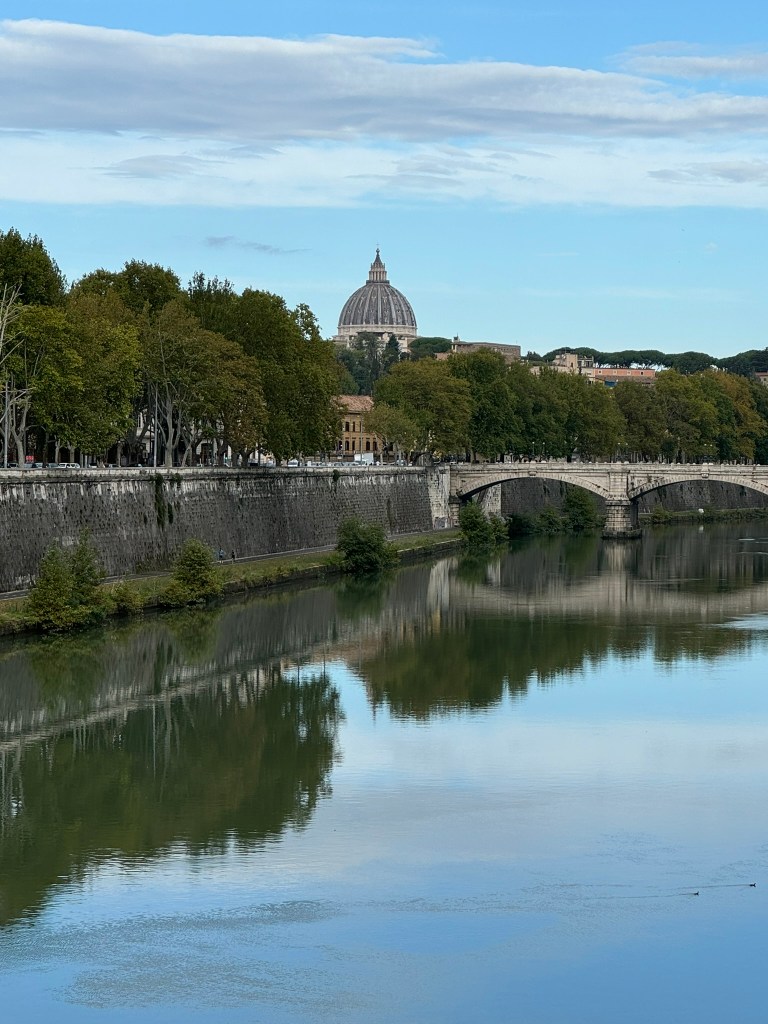
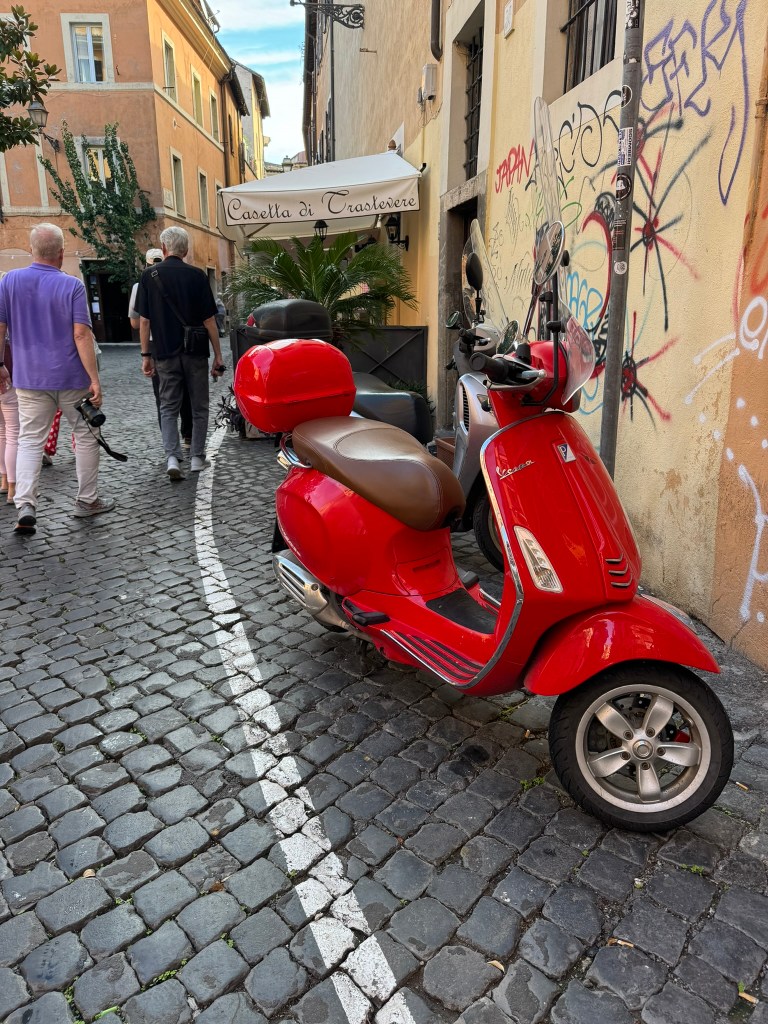
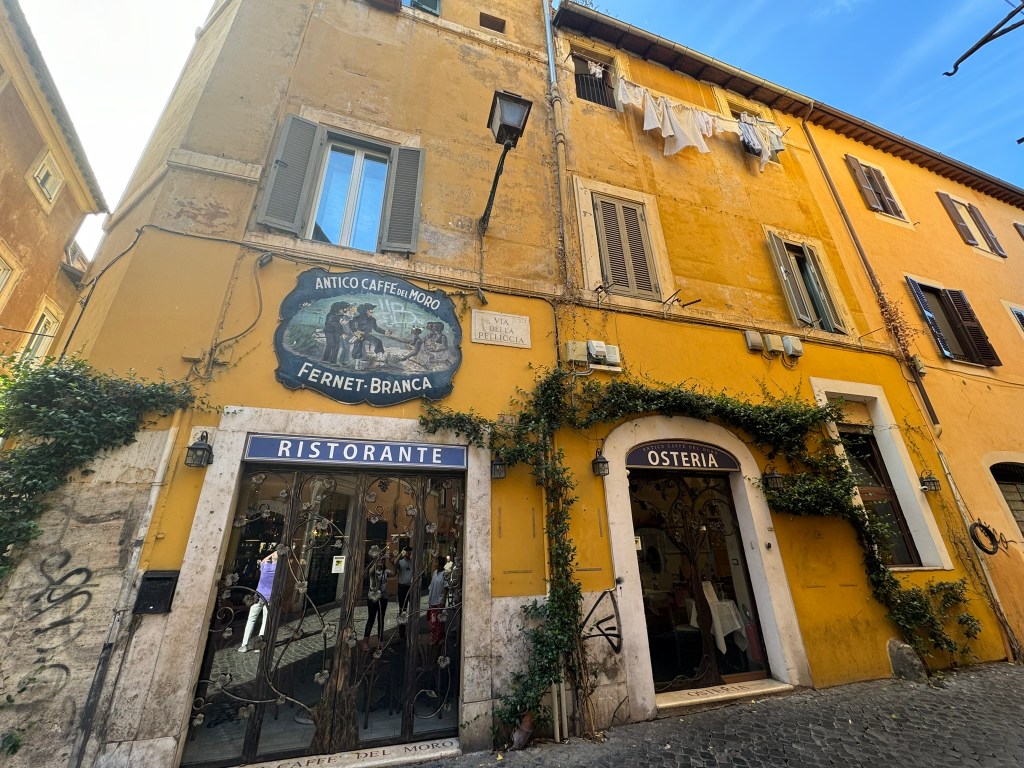
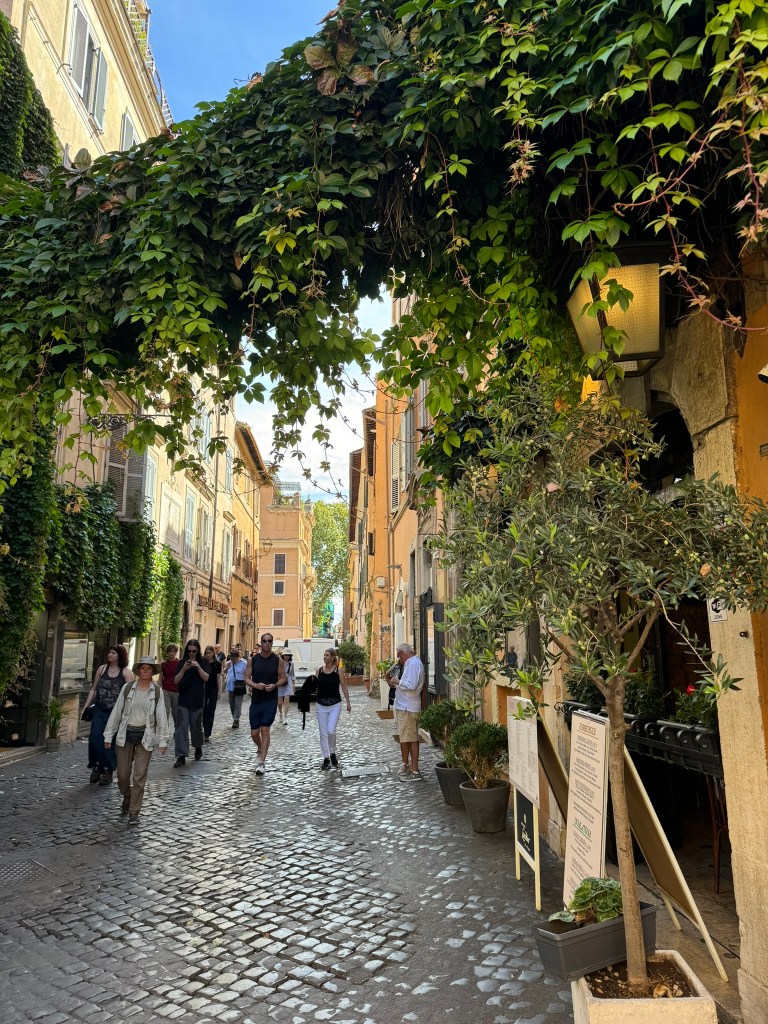
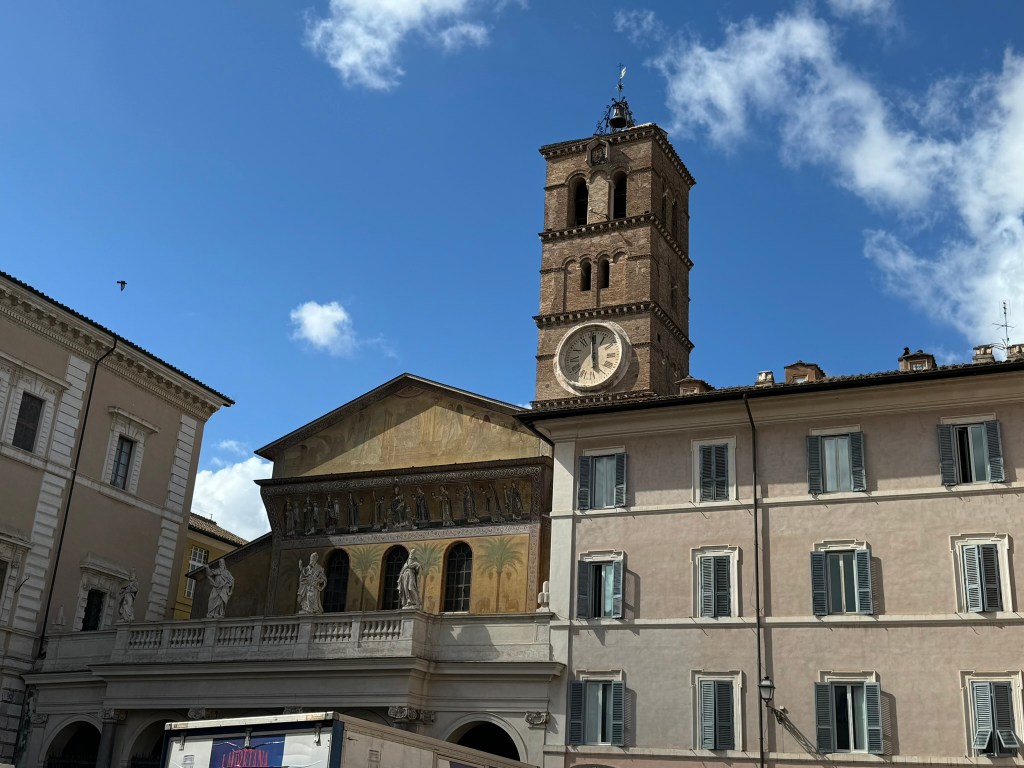
We visited Trastevere, Rome’s most picturesque neighborhood. Located on the Tiber River, residents here proudly proclaim their descent from the ancient Romans. We enjoyed walking the streets of this charming sector of Rome.


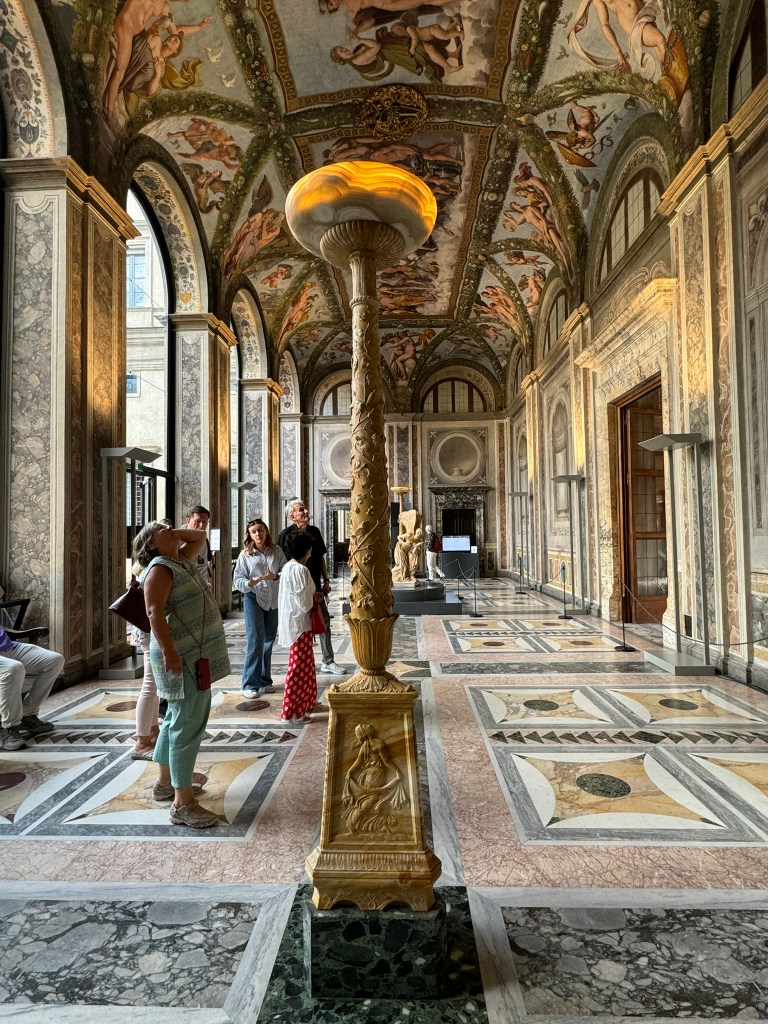
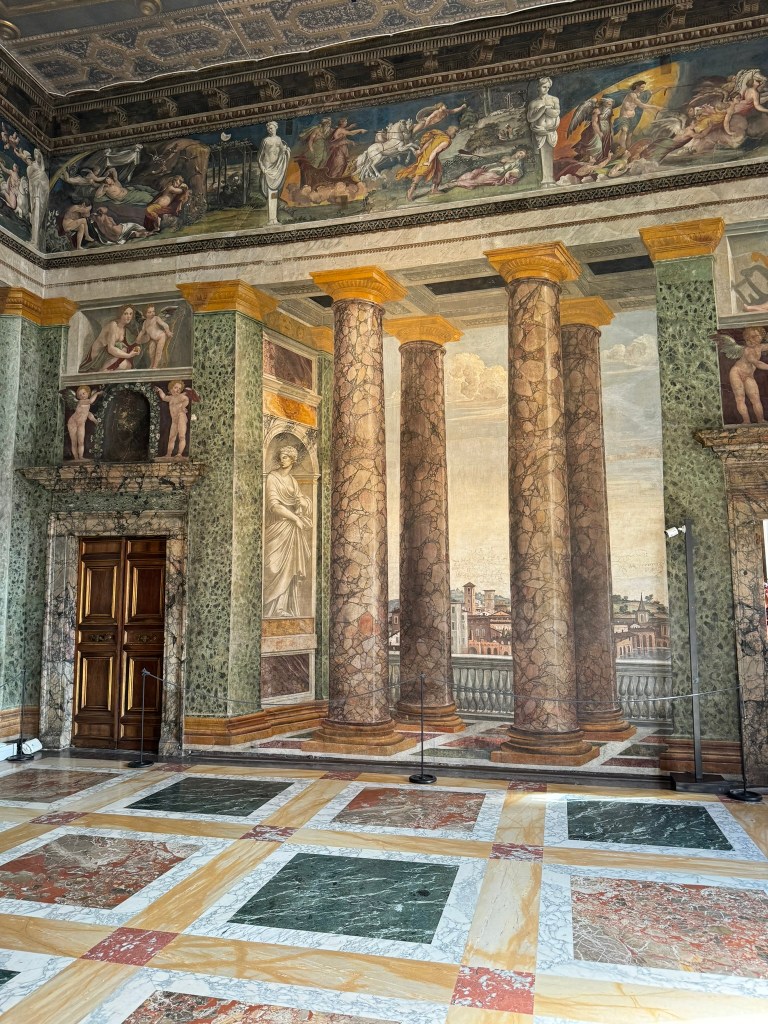
We toured Villa Farneina. Built in the early sixteenth century for the rich Sienese banker Agostino Chigi, this home boasts frescos by great masters such a Raphael.


We saw the Basilica Santa Maria, site of the first Christian church in Rome.
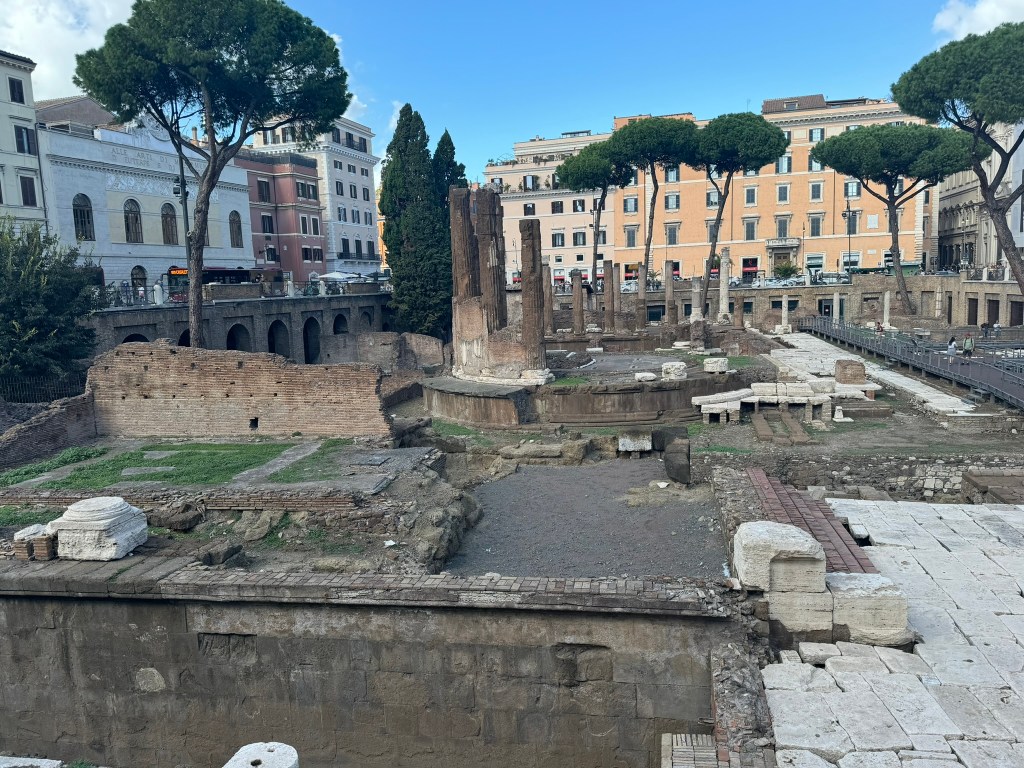
We visited the Capitale- the site where the ancient Roman senate met and where Ceasar was killed.
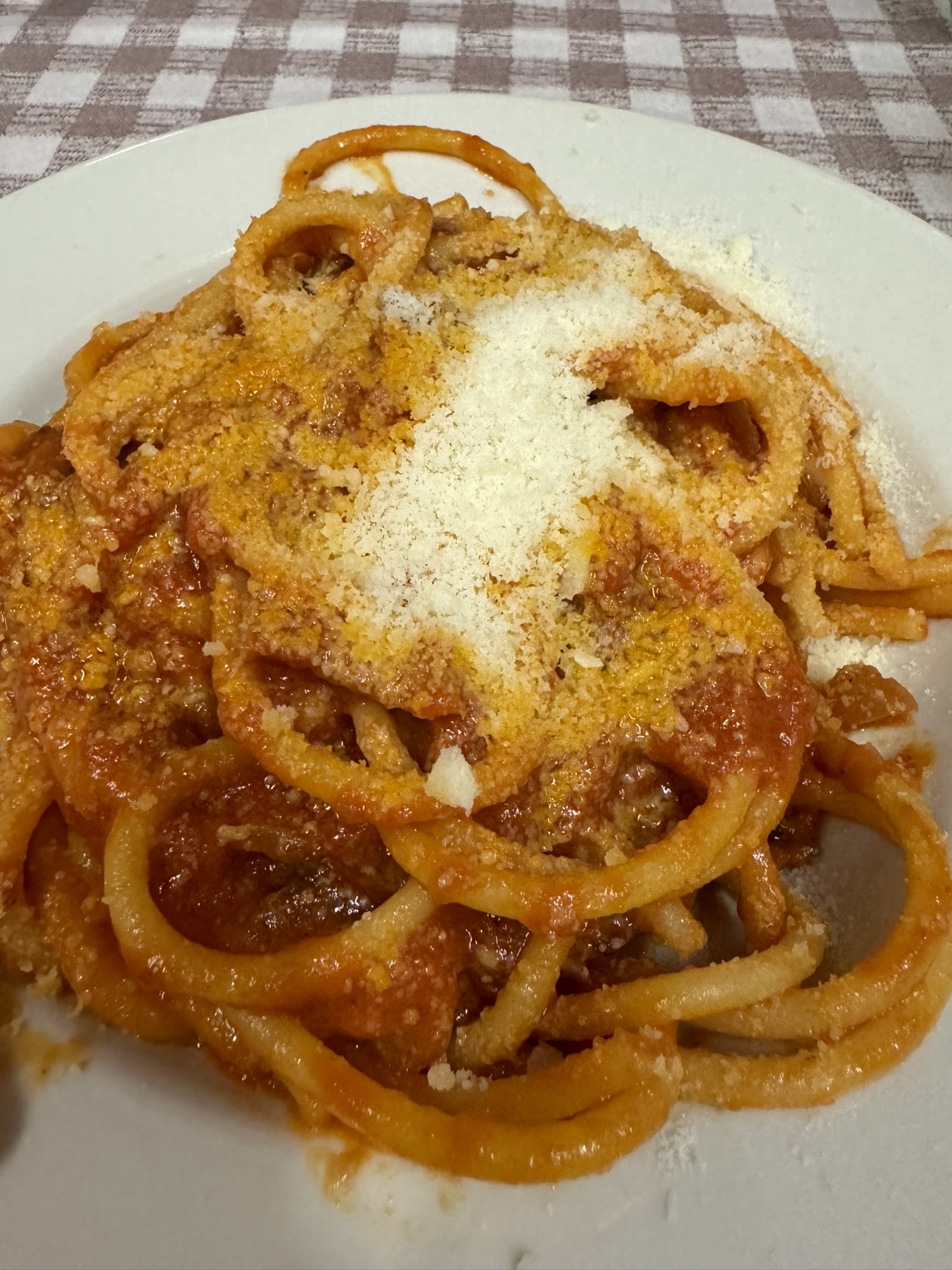
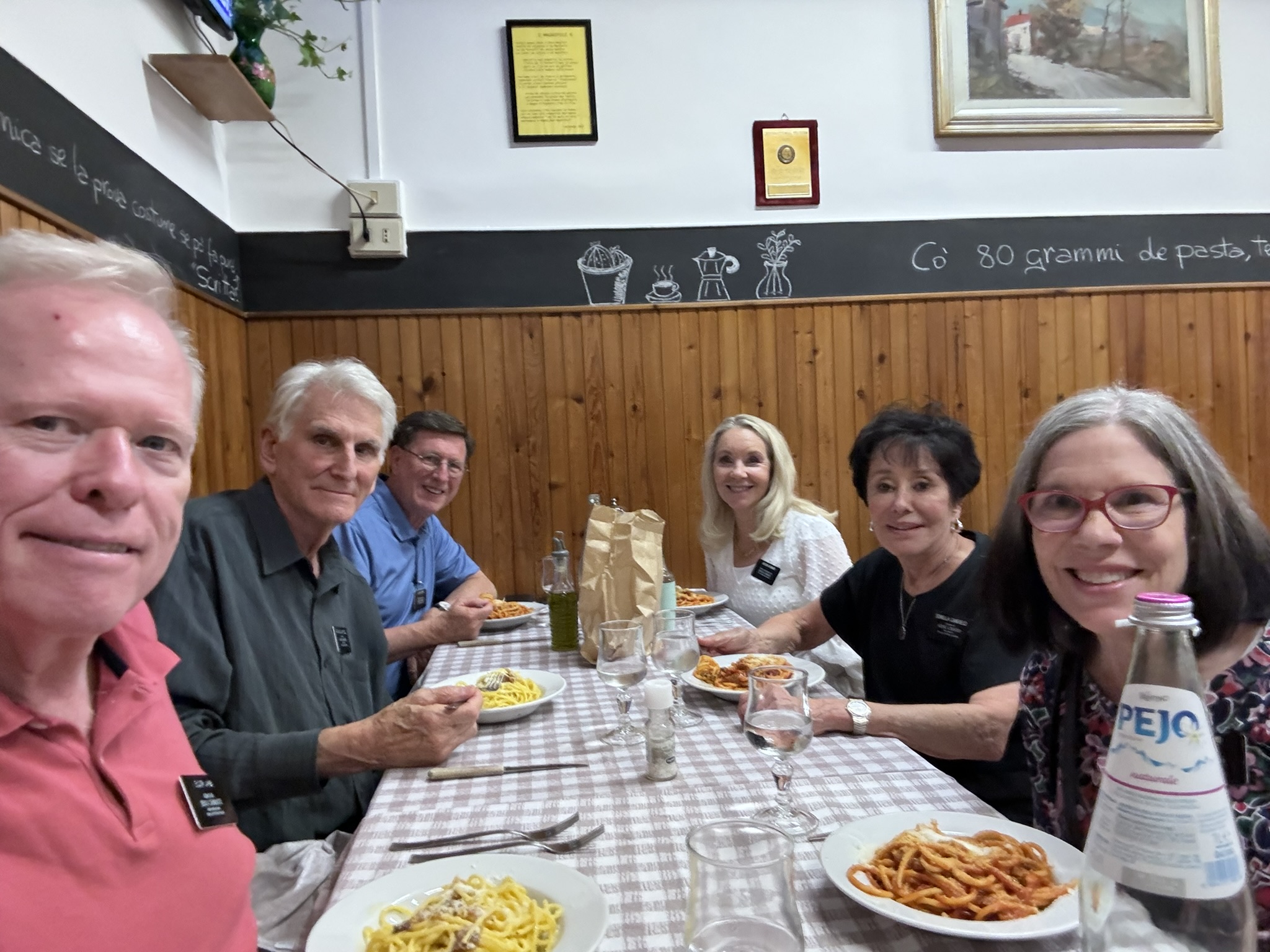
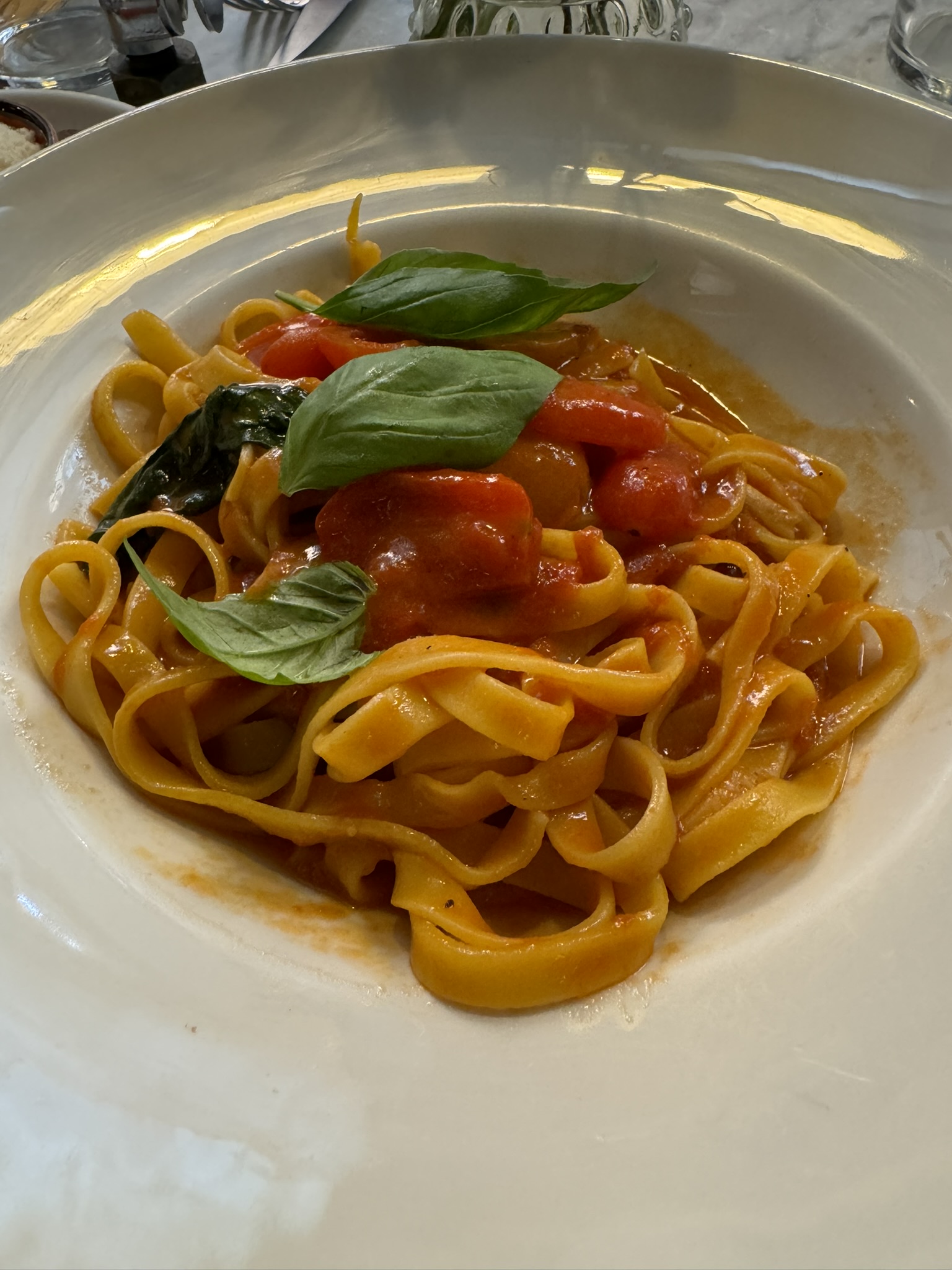
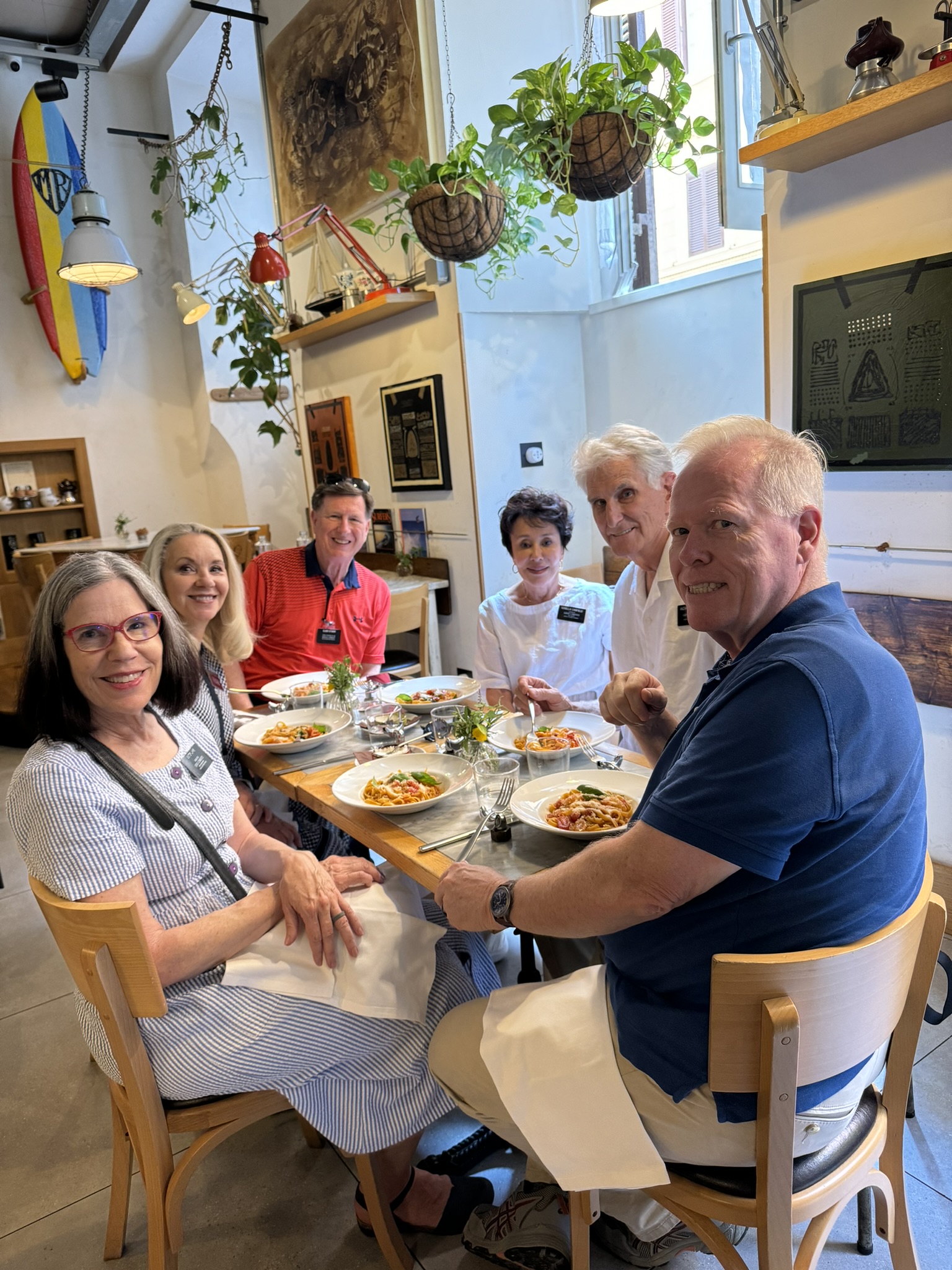
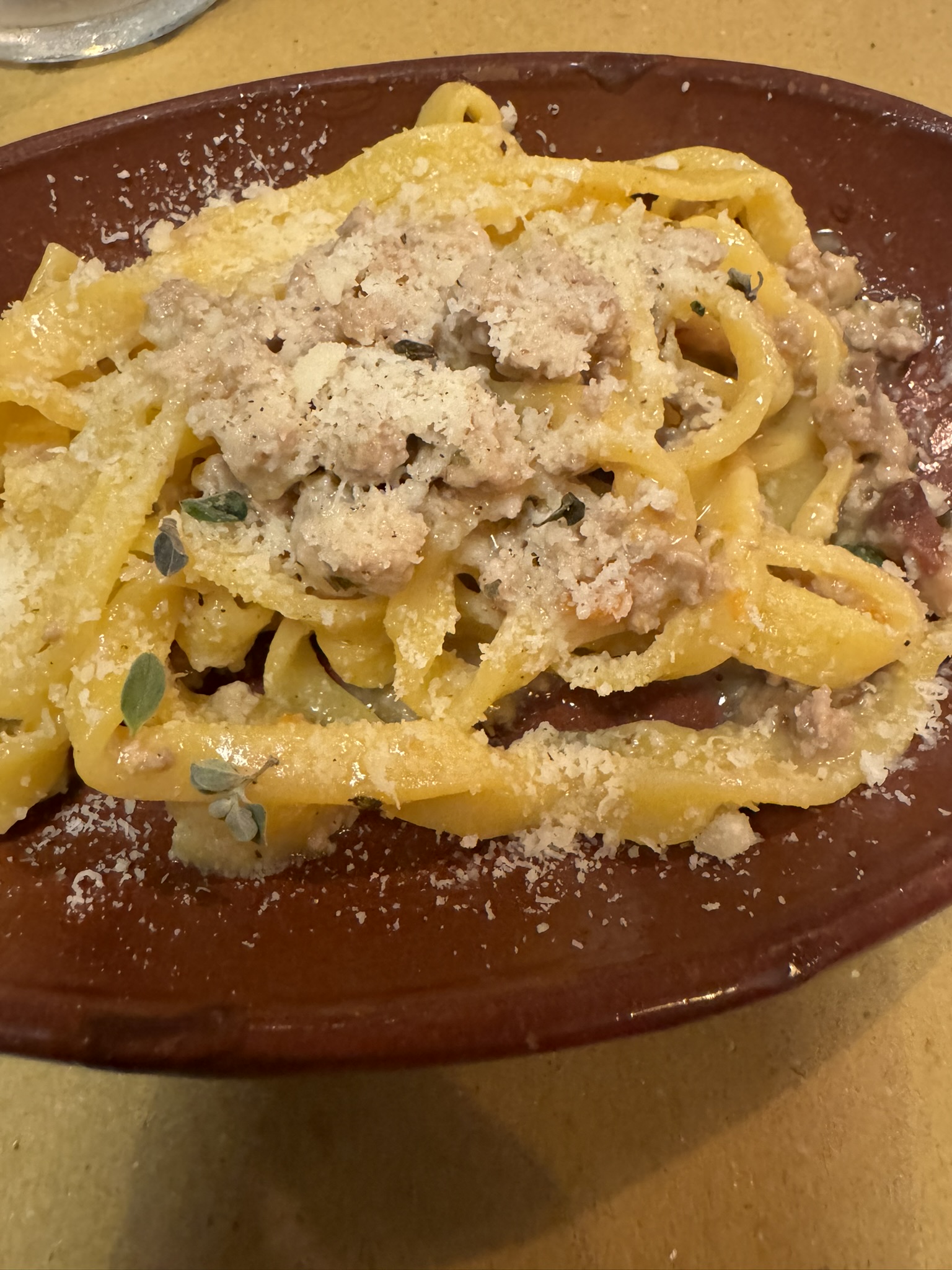
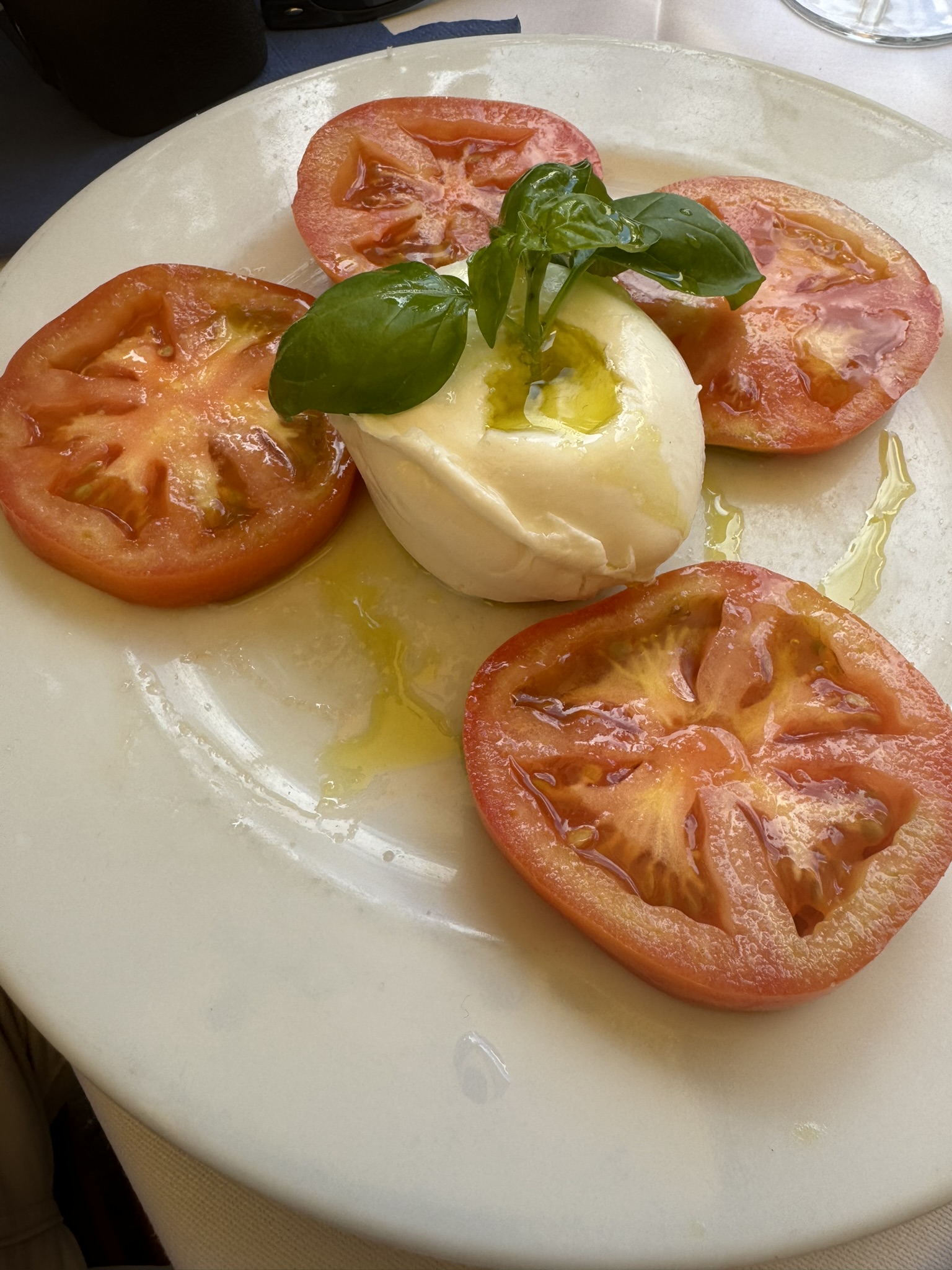
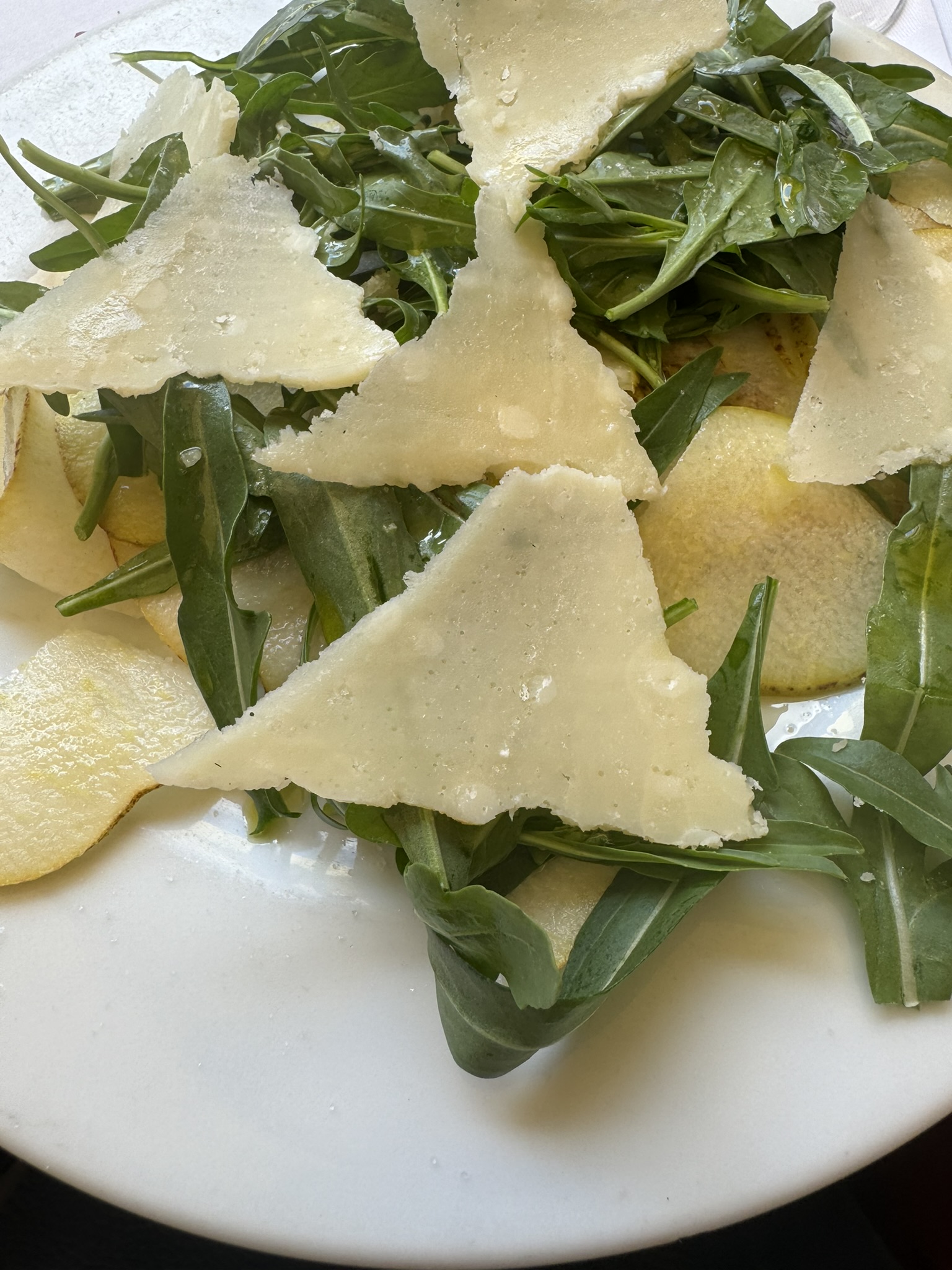
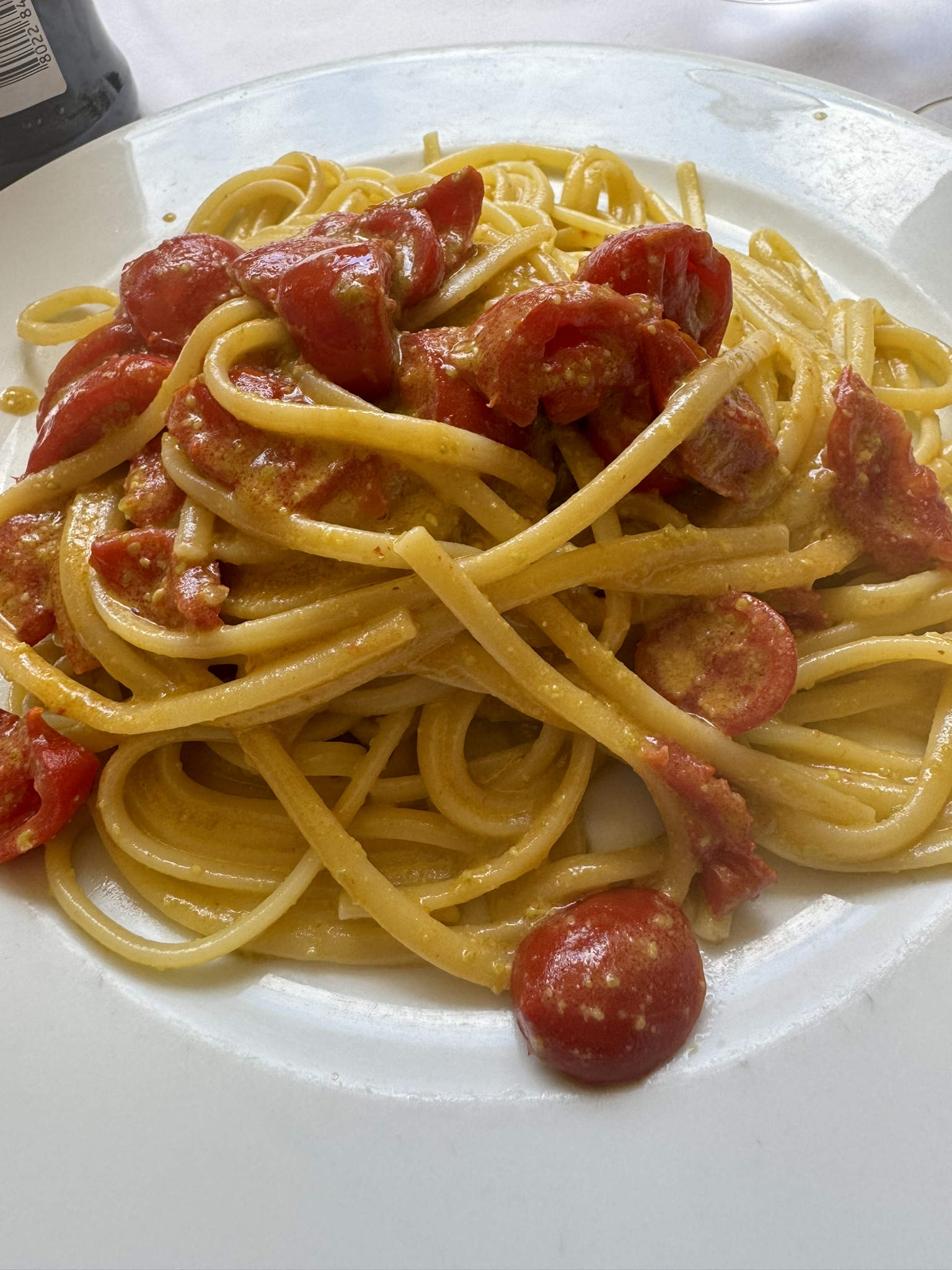
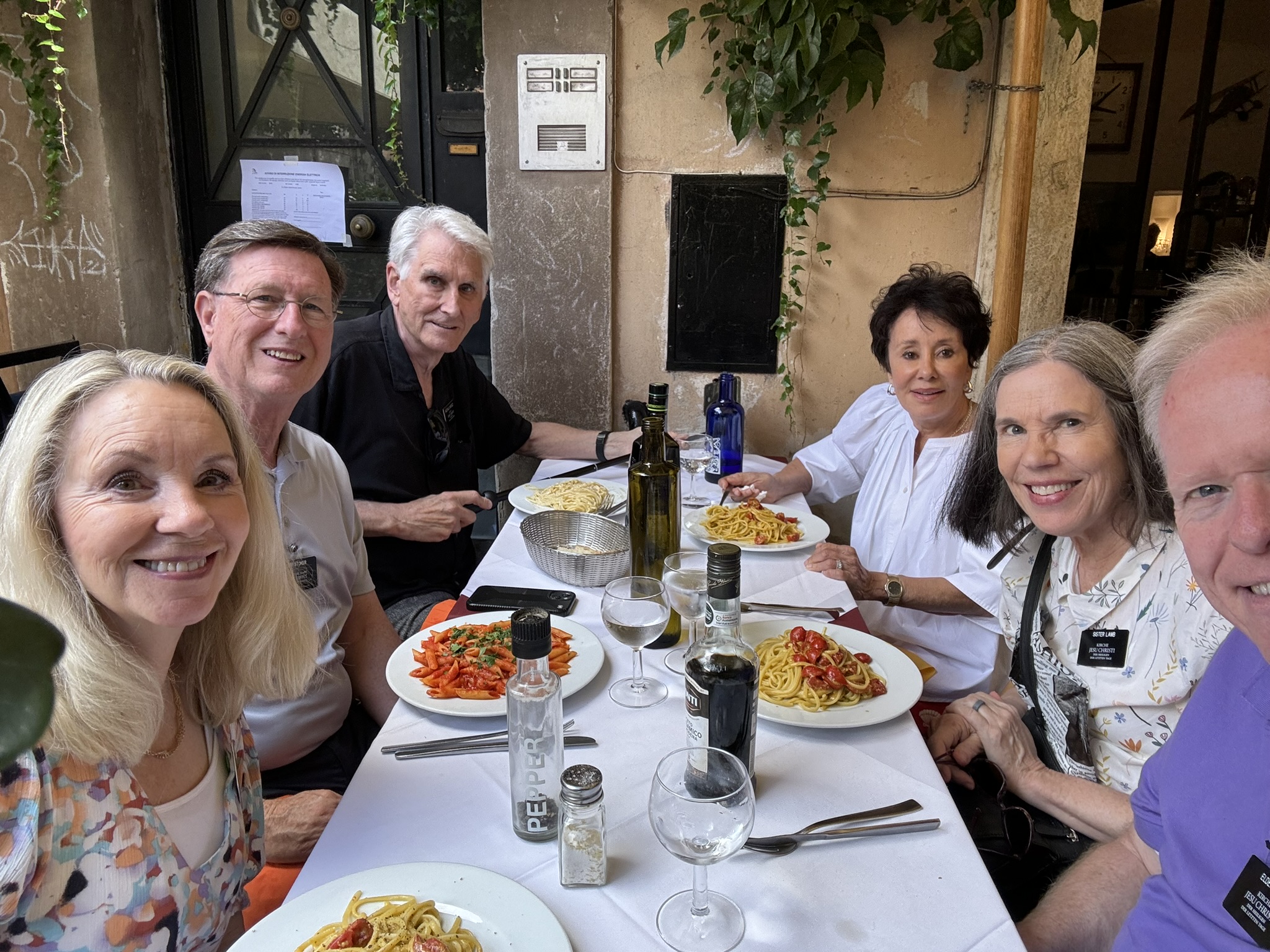
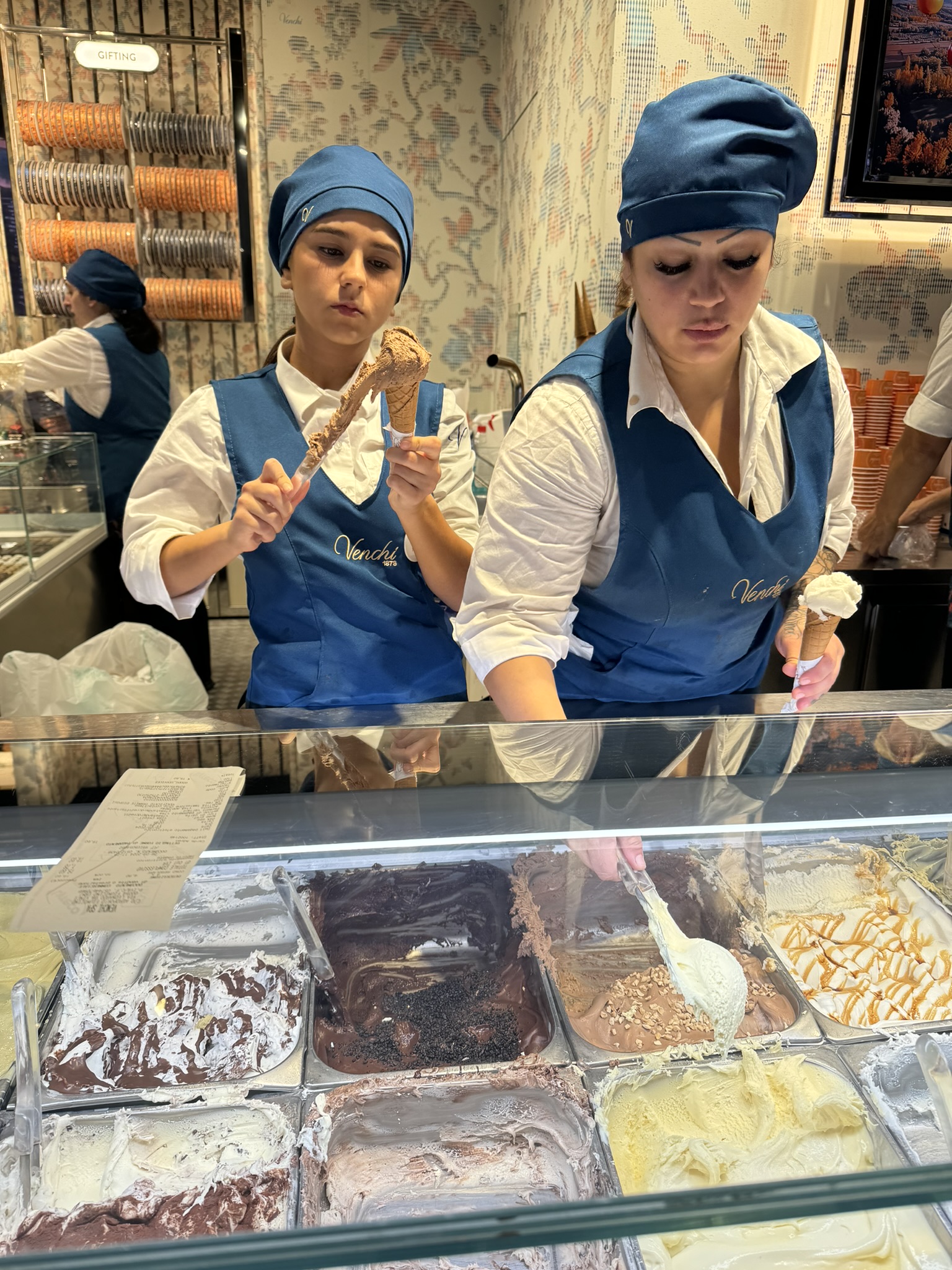
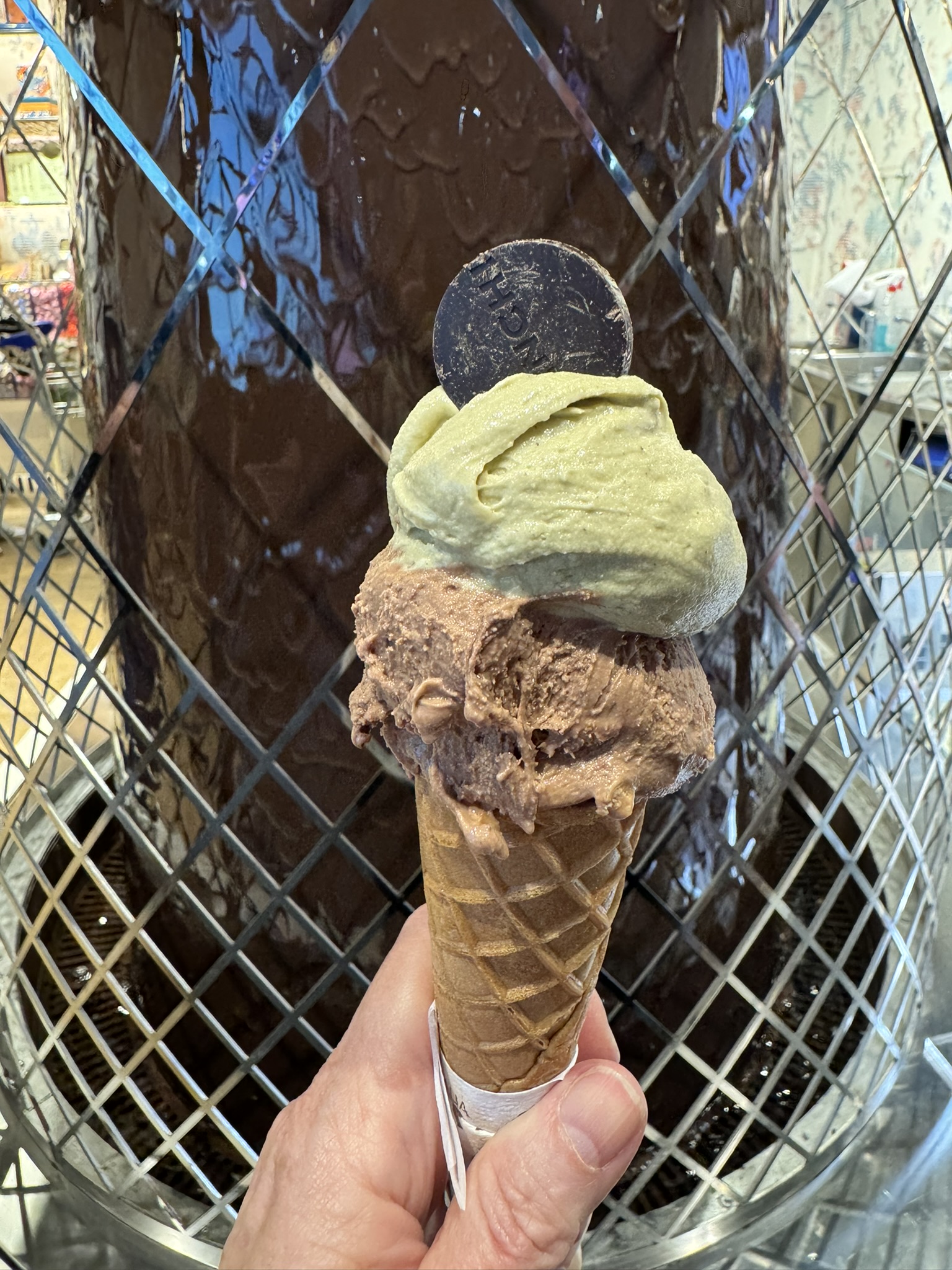
Fabulous food along the way


Arrivederci Rome- until next time. We did not get to throw a coin over our shoulder at the Trevi Fountain, but we hope we will be back someday!
With love, Elder & Sister Lamb (aka Ed & Debbie, Mom & Dad, Pop Pop & Tu Tu)
 Lambs in Central Europe