TEACHING & TRAINING
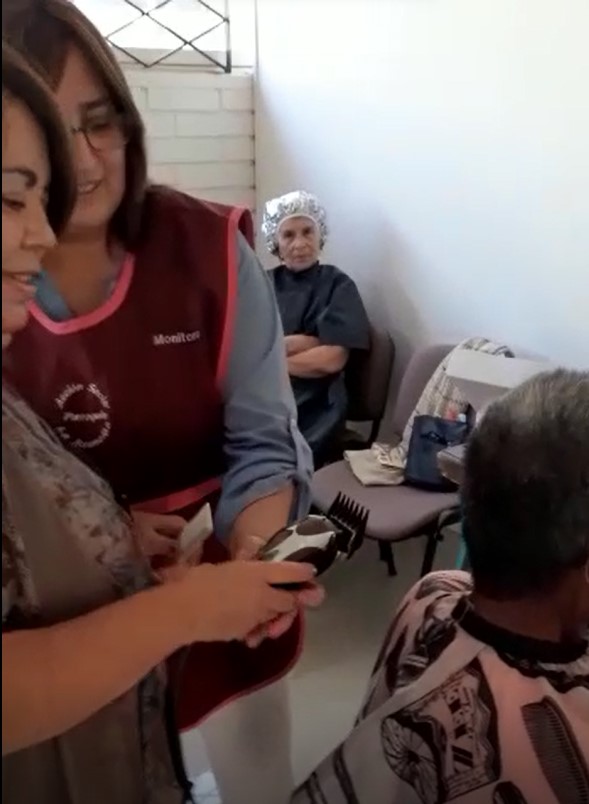
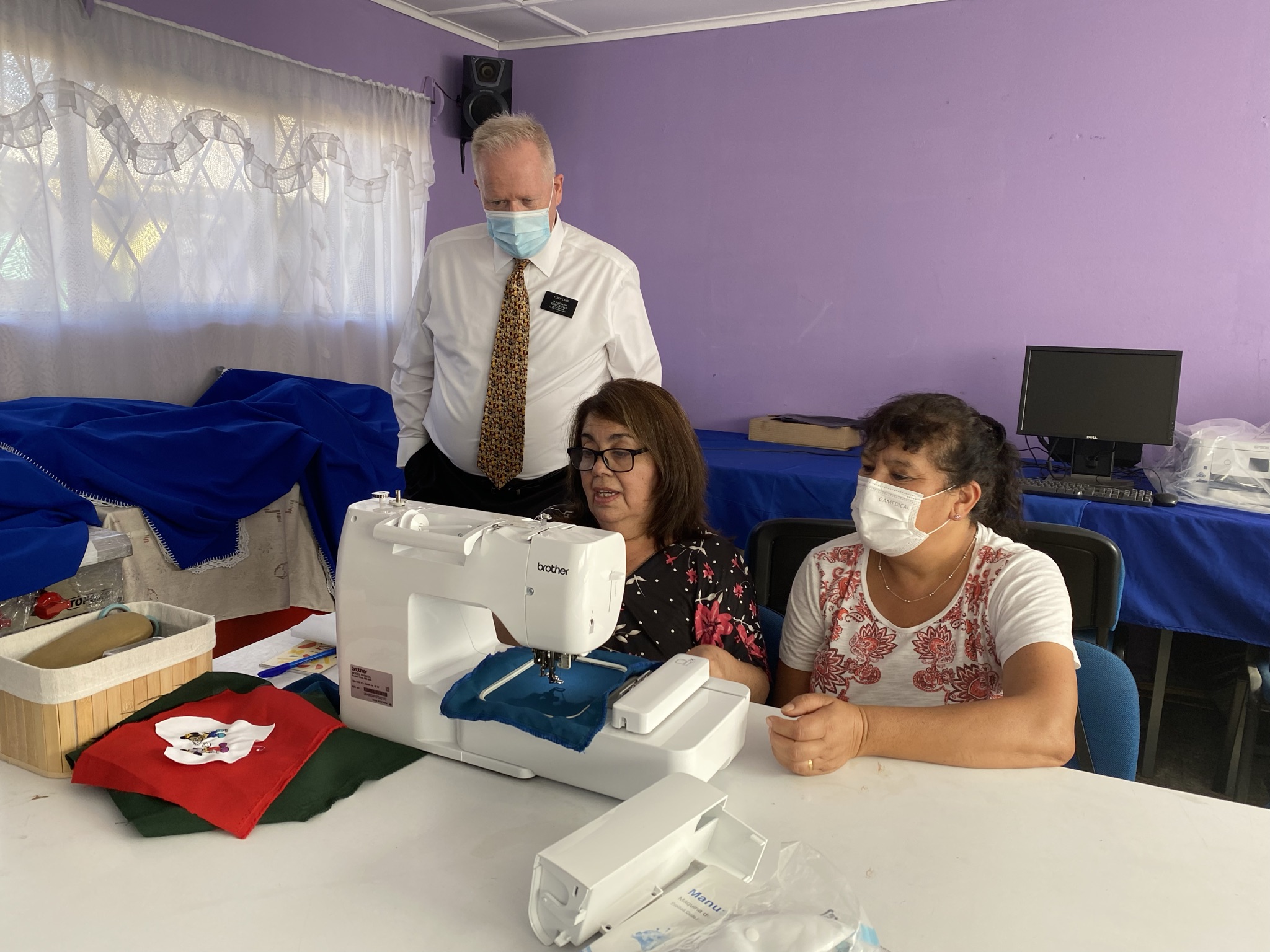
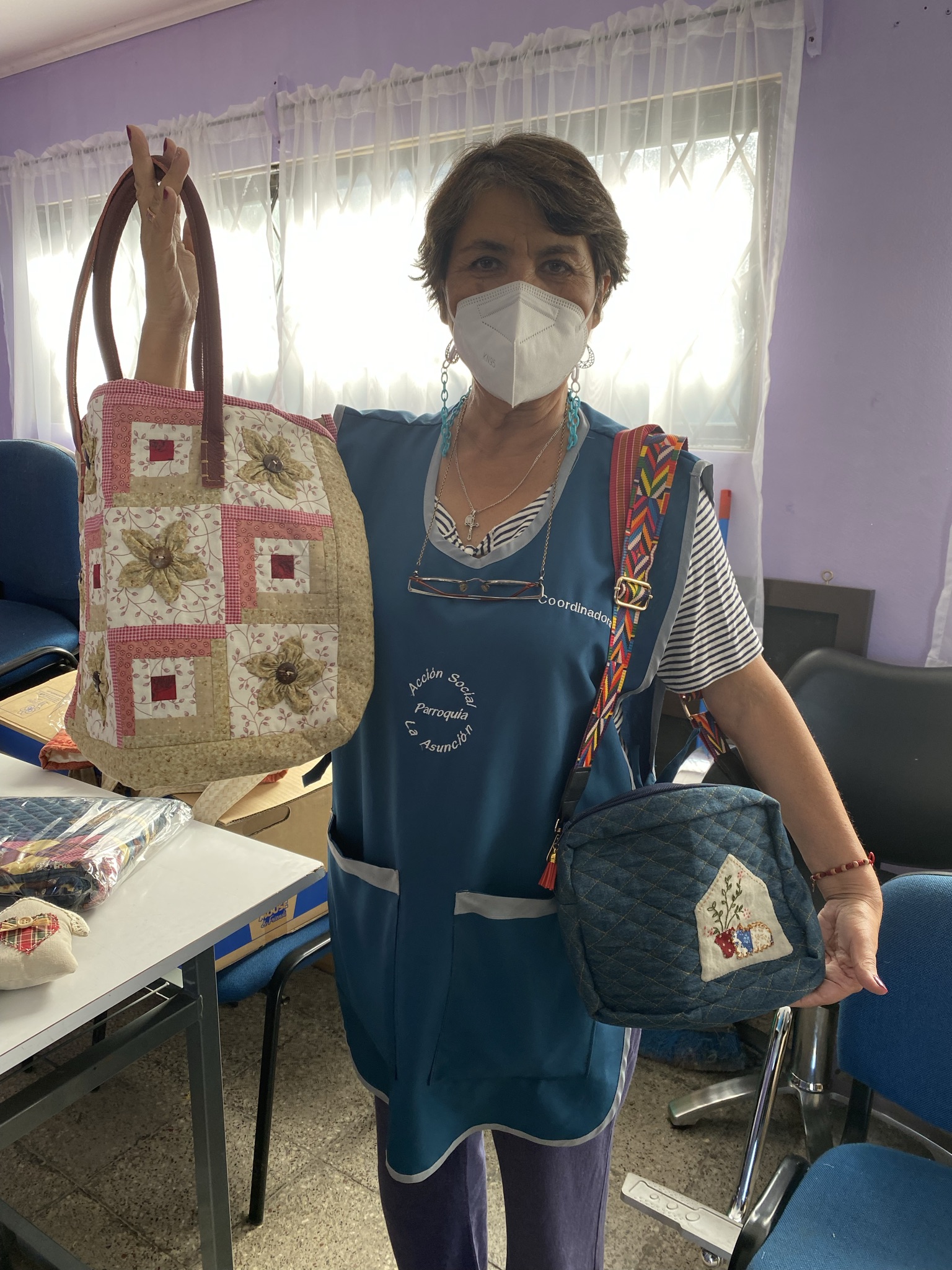
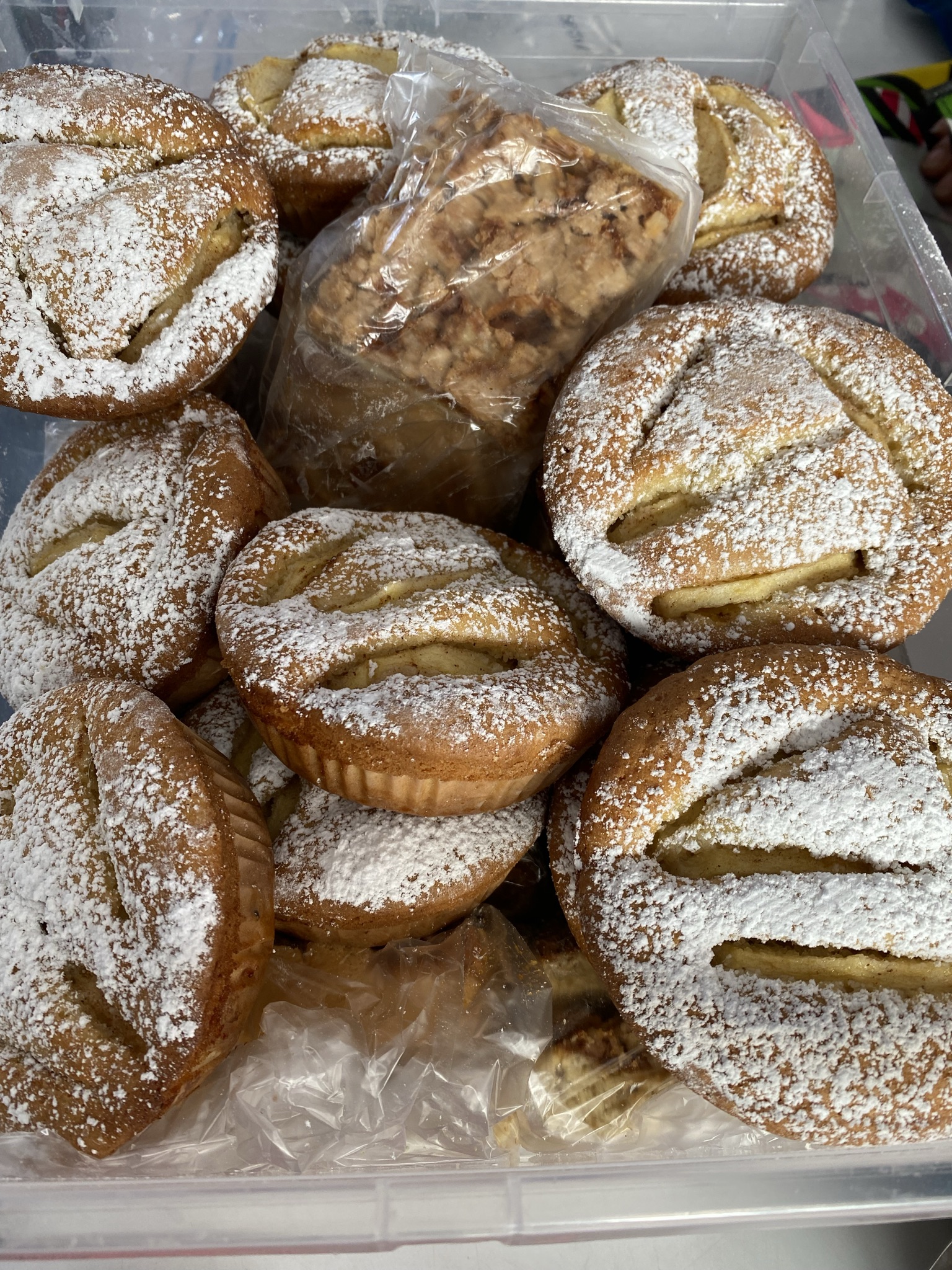
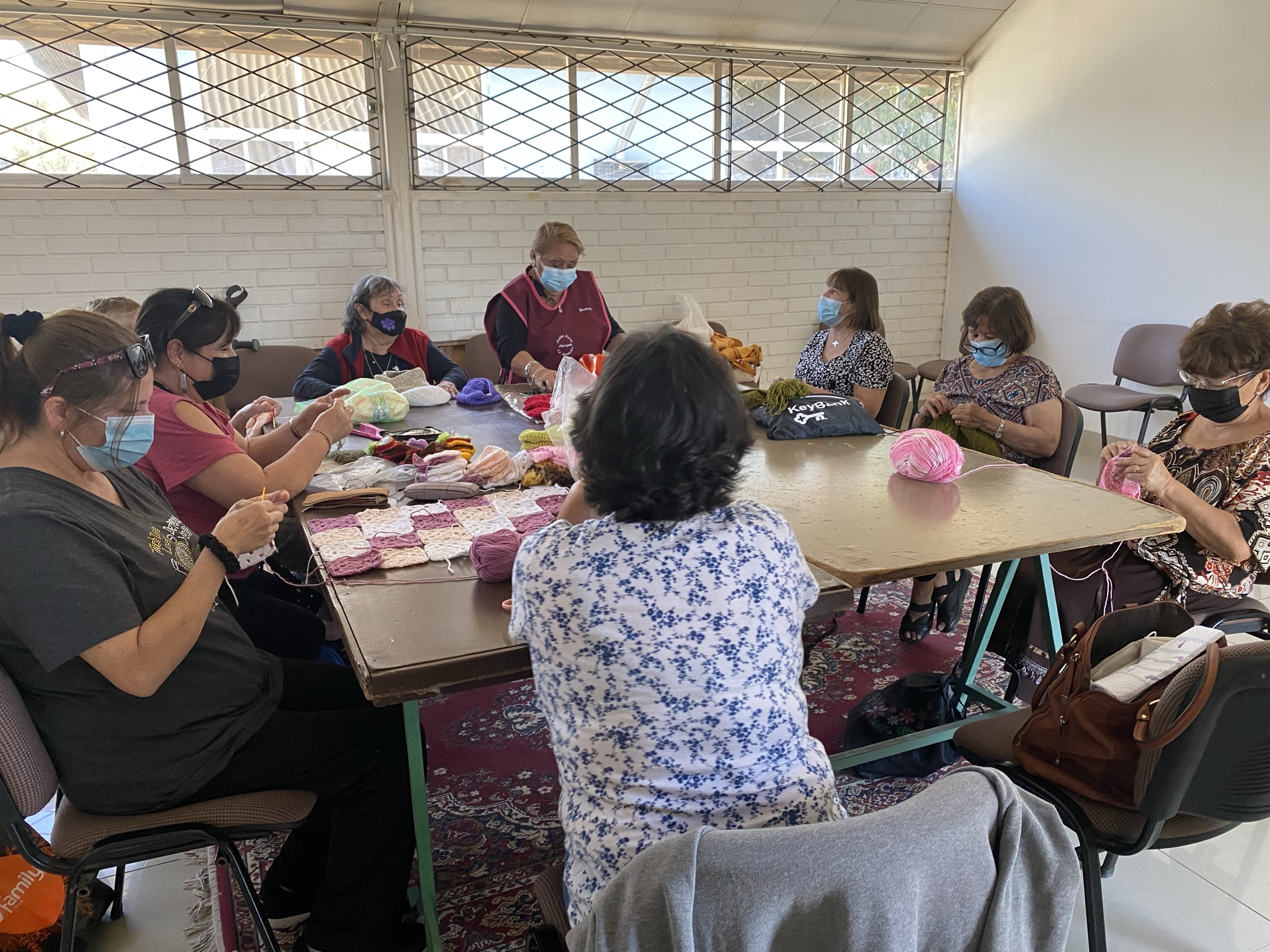
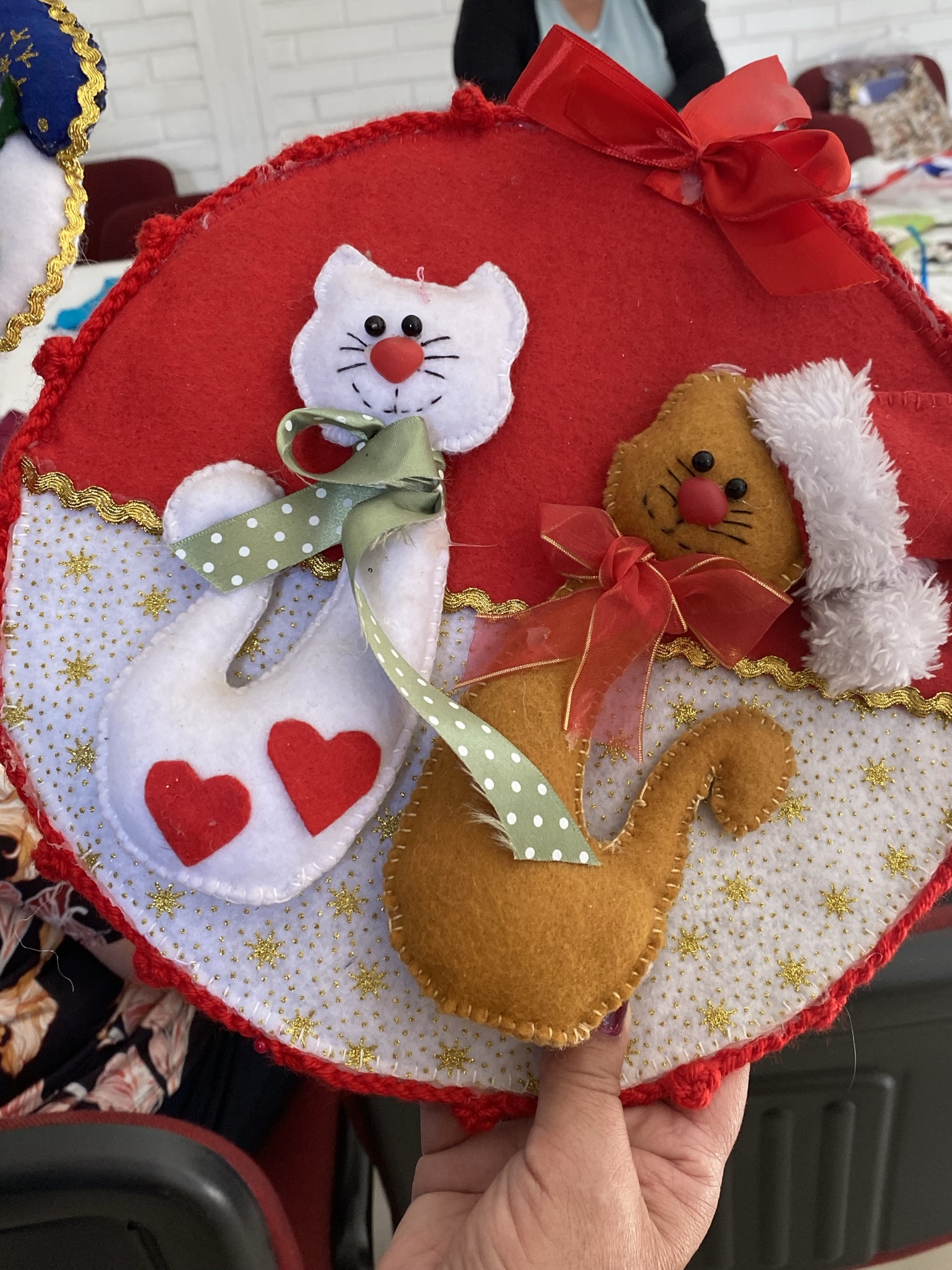
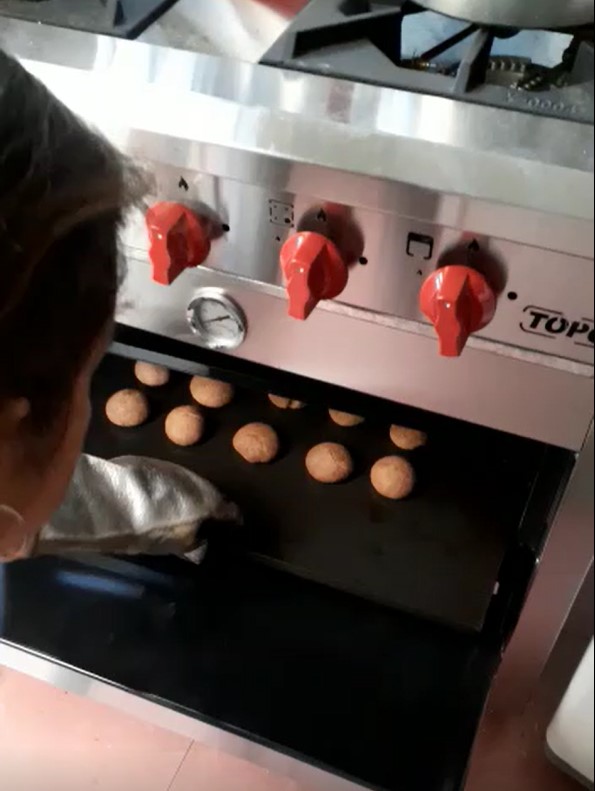
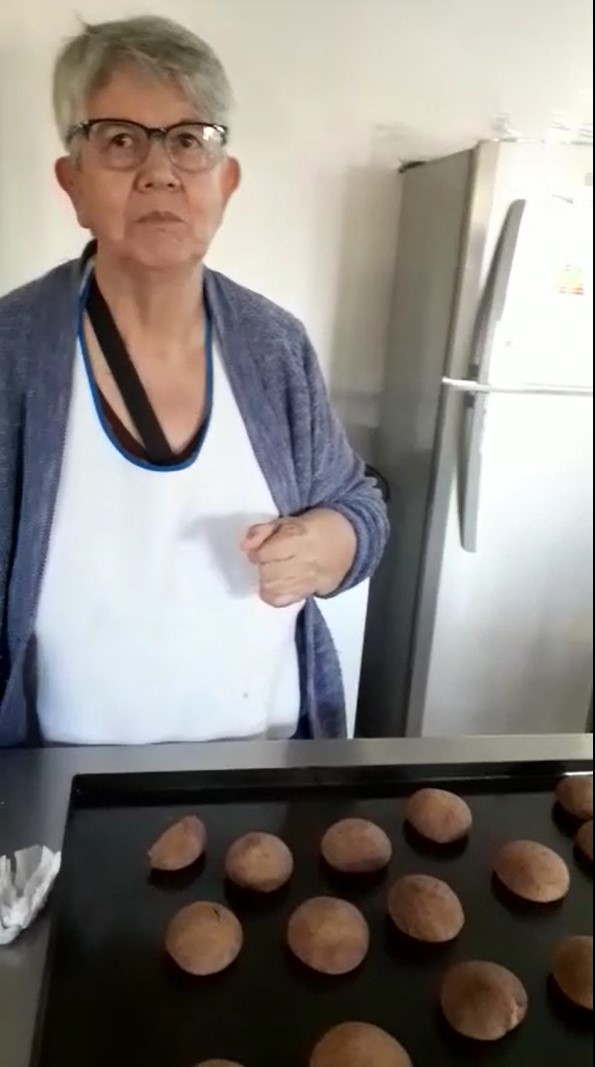
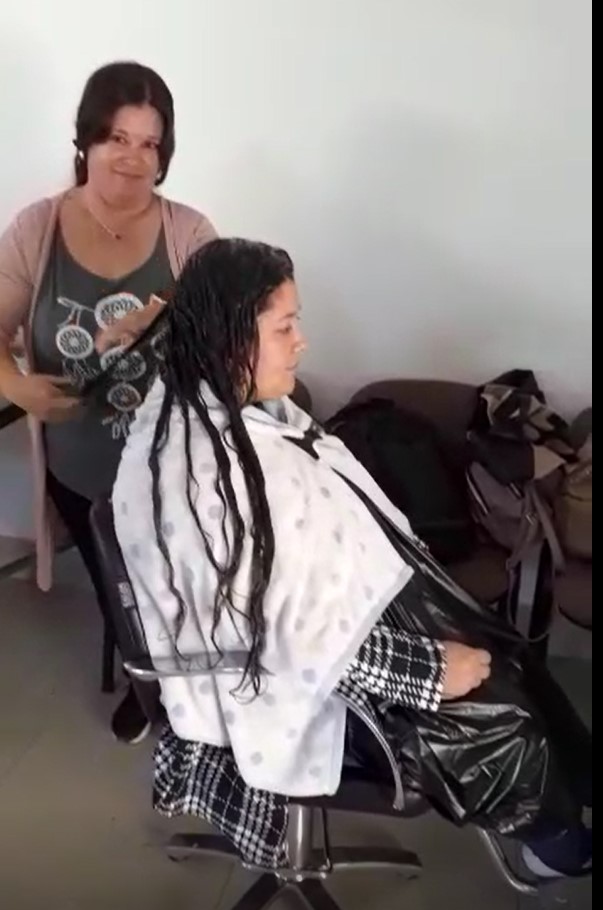
Our week began with a follow-up/evaluation visit to one of our projects to witness their workshops in action. Acción Social Parroquia la Asuncion is a non-profit organization operated by volunteers. Its aim is to provide training for community members to learn a trade such as hairdressing, baking, sewing, embroidery, printing, etc. They currently operate 15 different workshops to teach job skills. From March through November, they teach classes two days a week to 140 people each year. They also run a soup kitchen seven days a week to provide lunch for more than 50 homeless people daily. The donation of kitchen appliances, barber chairs, and sewing machines are being used to teach job skills that will allow people to be self-sufficient.
TEMPLE TUESDAYS
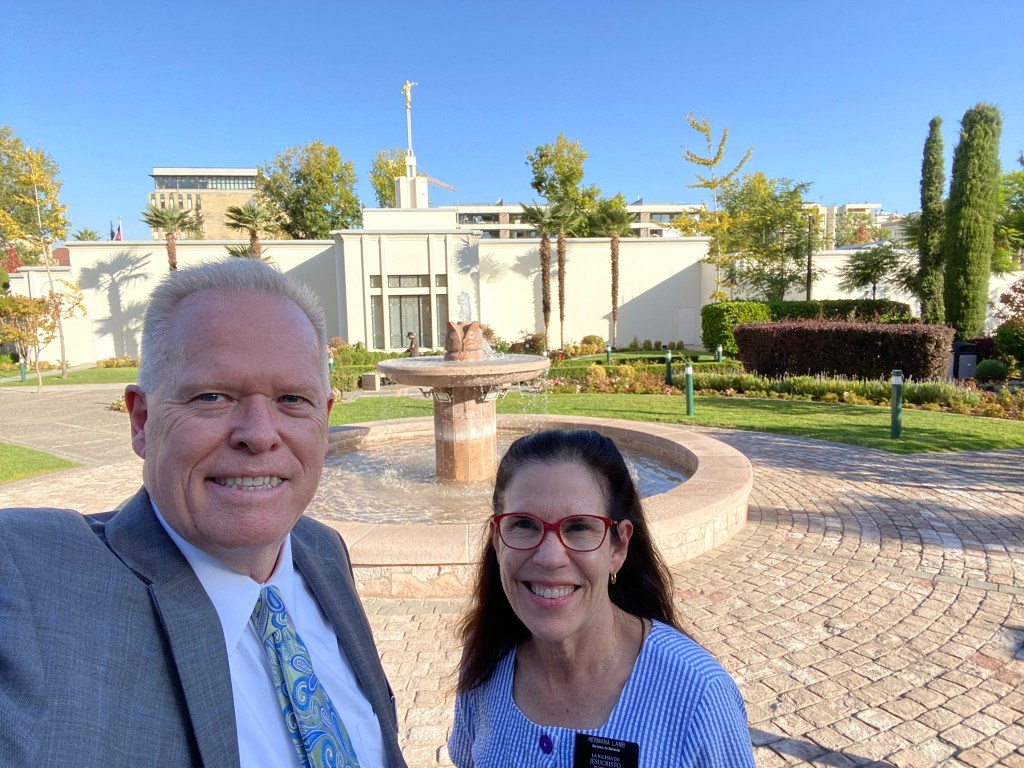
Temple Tuesdays are back! We are so thankful the 5:00pm session is being offered again. We look forward to this weekly renewal.
TERRIFIC FIELD MANAGERS
These five men are church employees are self-reliance managers in five different areas in Chile. They have many other responsibilities besides working with us. We rely on them a lot. They keep us informed on the needs in their geographic area, send us news articles to keep us updated on natural disasters, and immigrant movements, and send humanitarian projects our way. They invite us to dinner in their homes, play chauffeur when we are in town, attend ceremonies when they can, and buy long lists of donation items in the local towns to save shipping from Santiago, find places to donate school kits to, connect us with local stake presidents and community leaders, etc. This weekend one is way down south on the island of Chiloe finding vendors for the items requested for a project there.
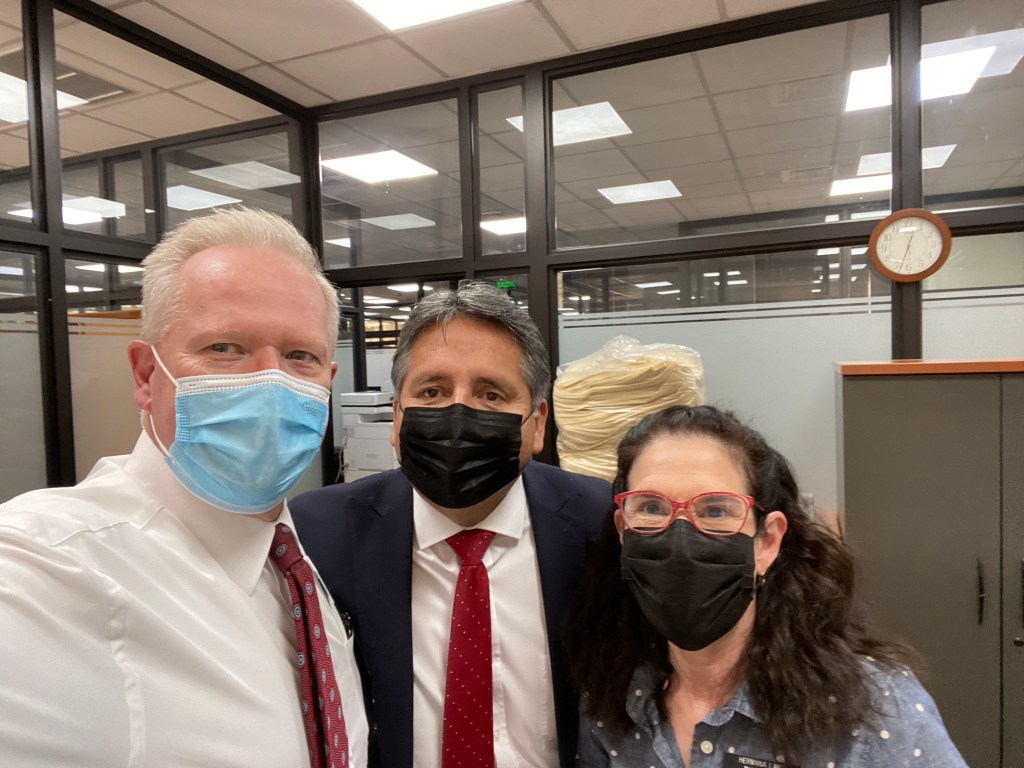
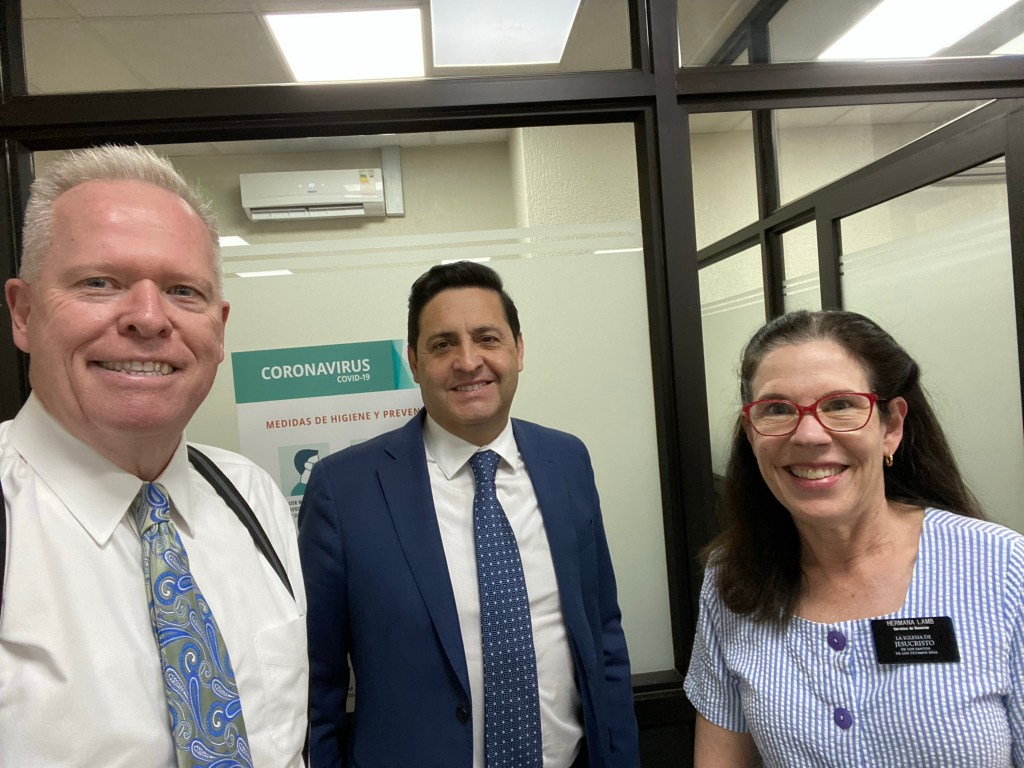
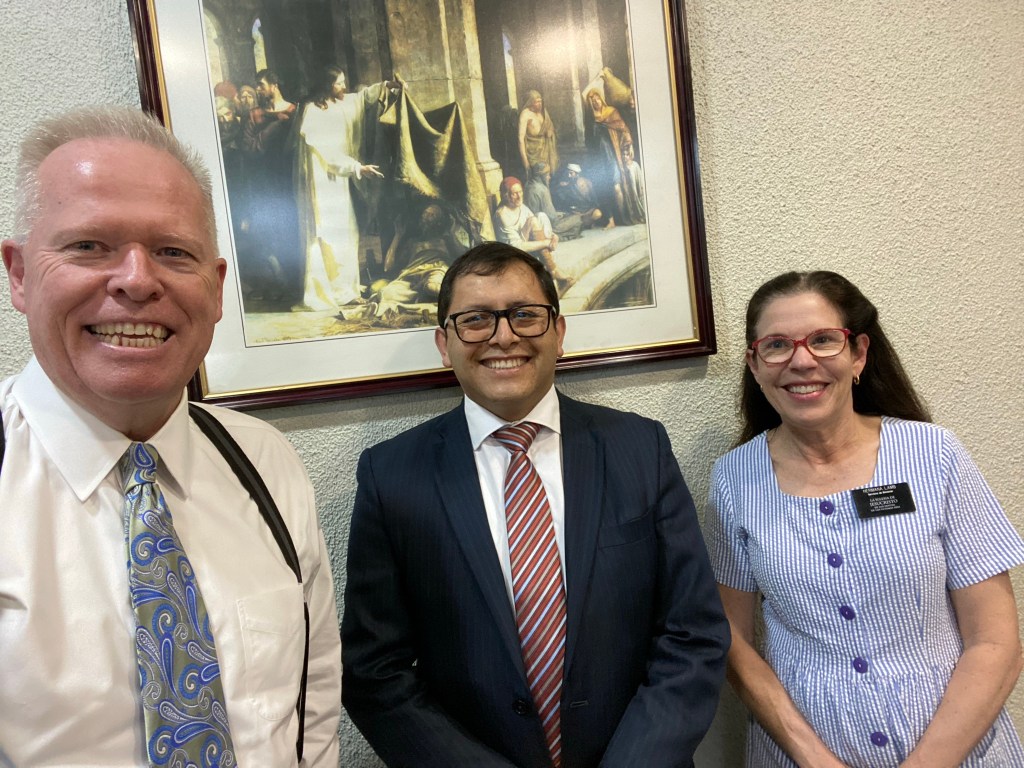
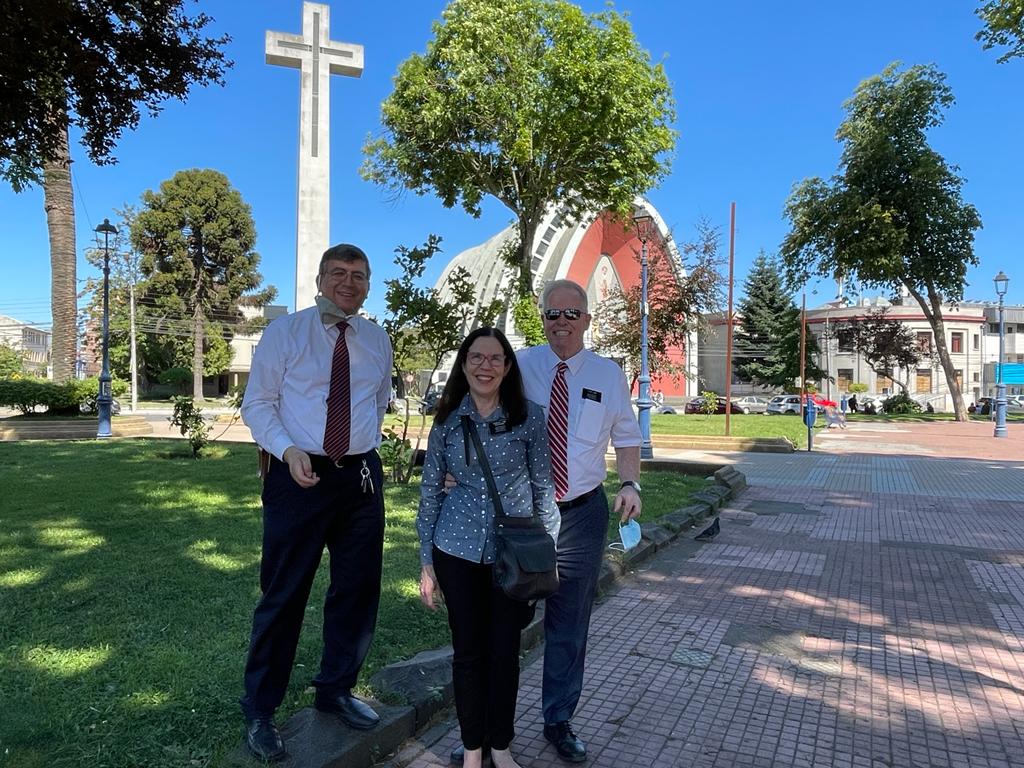
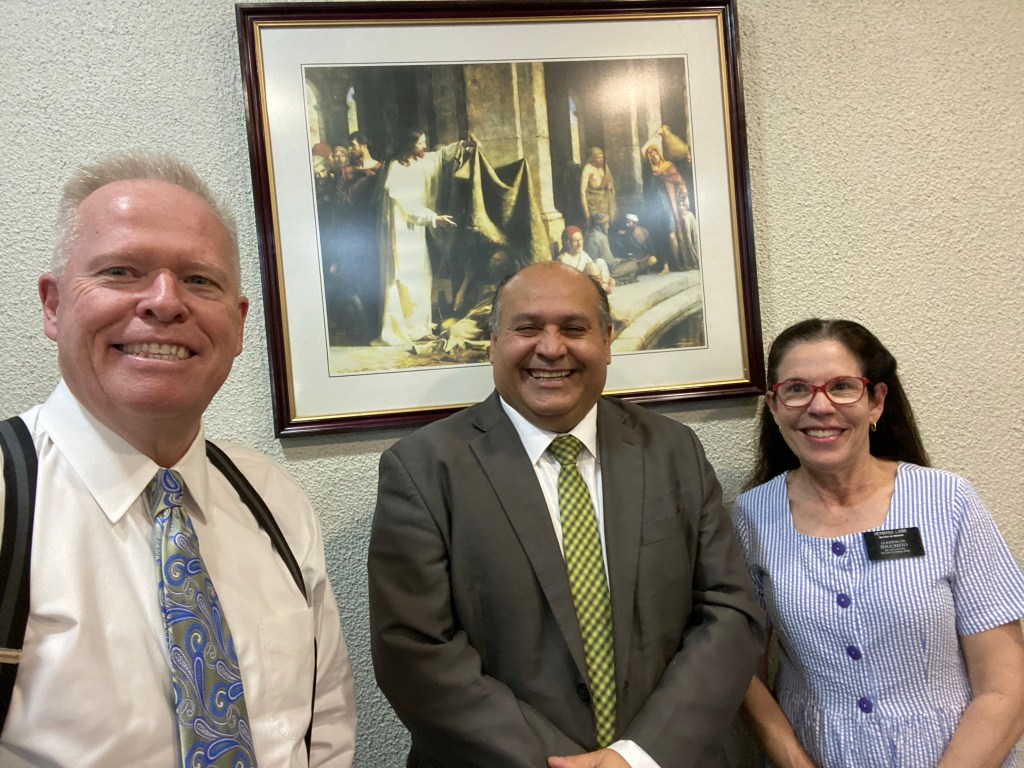
FYI- in Chilean culture, it is typical for people to trace their ancestry back through the paternal lines of both their mother and father. This is reflected in their name, as they usually have two surnames. The father’s family name appears first, which is followed by the mother’s family name. This means the husband and wife have different last names. So, of the four names (first, middle, plus two last names) you address them by their first name and father’s last name (which in order are the first and third names) Are you as confused as we were when we first arrived? For example, we call Claudio A. Alfaro Valenzuela, Claudio Alfaro.
TRAFFIC ENTERTAINMENT
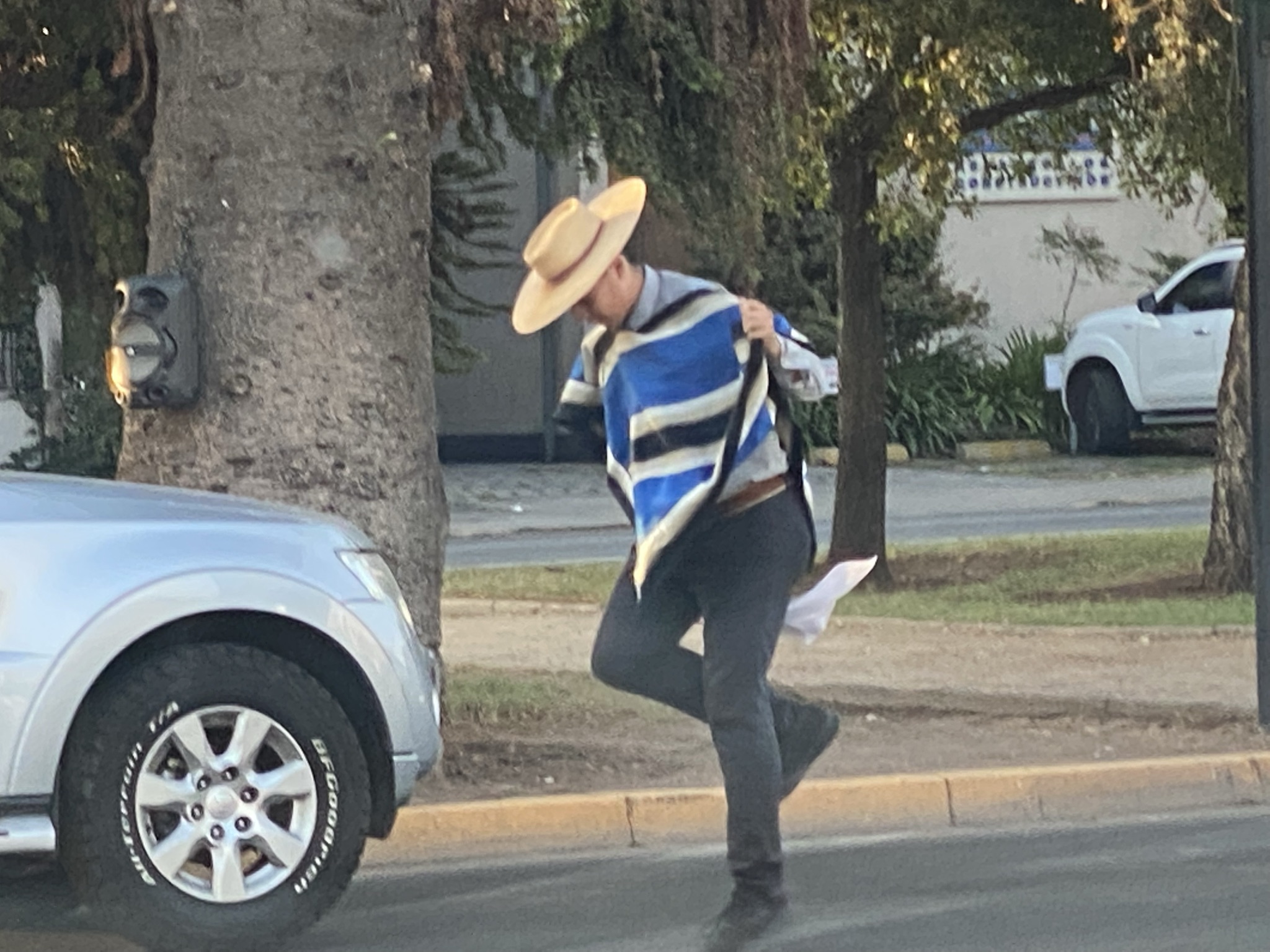
We look forward to being caught at red lights so we can enjoy the entertainment. This week’s highlight was a folk dancer.
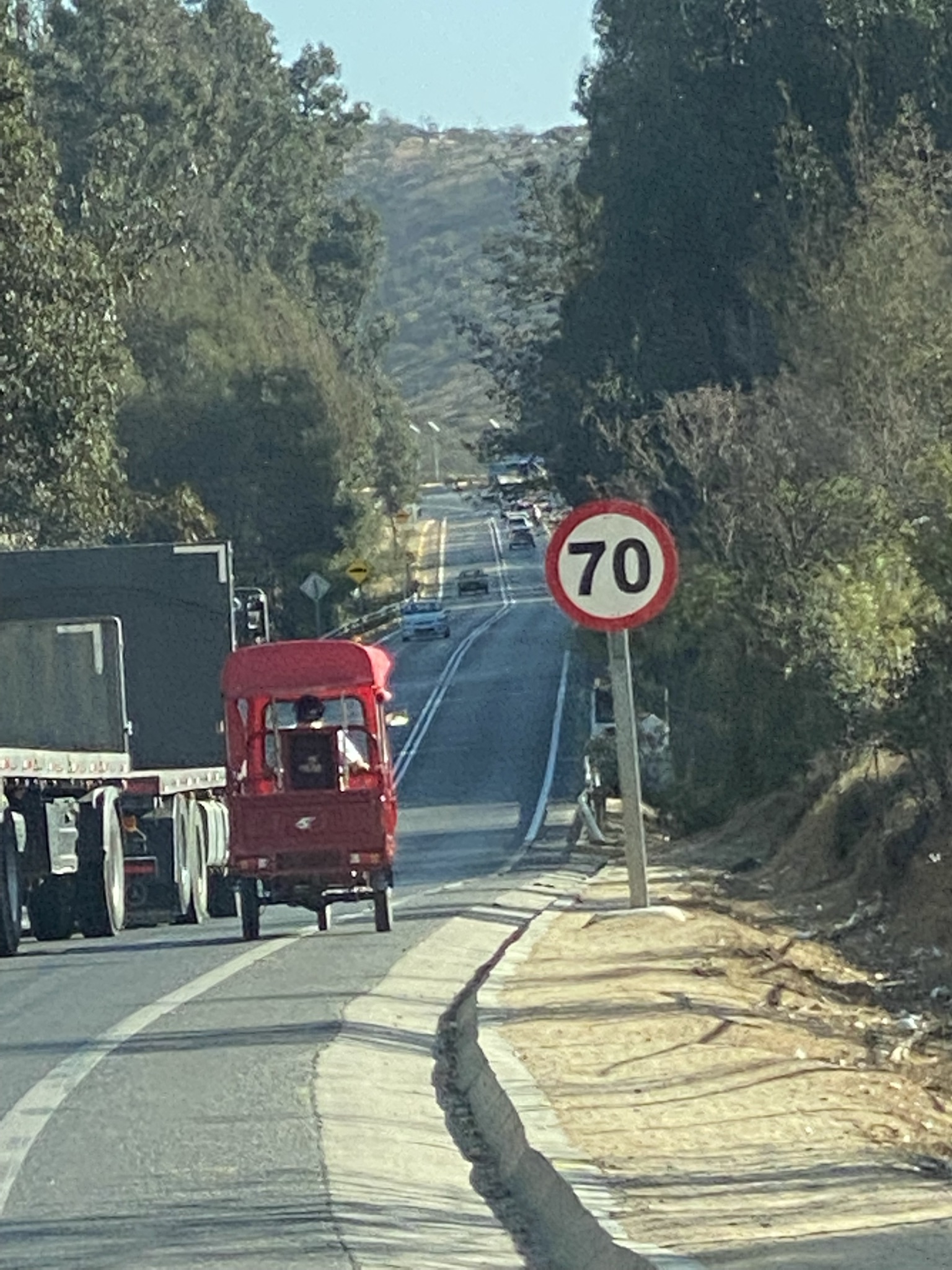
On Friday we went on a quest to buy the remaining items for our soup kitchen project in Pirque. That is always an adventure. It’s never a good sign when the GPS says ‘you have arrived’ but there is nothing in sight. We experienced a tender mercy when a store Richard (our buyer) sent us to did not have the items, but we found them at the shop a couple of doors down.
TEMPTING FOOD & TASTY TREATS
We enjoyed a Friday night dinner date with the Lindquist’s and dinner at their apartment on Sunday.
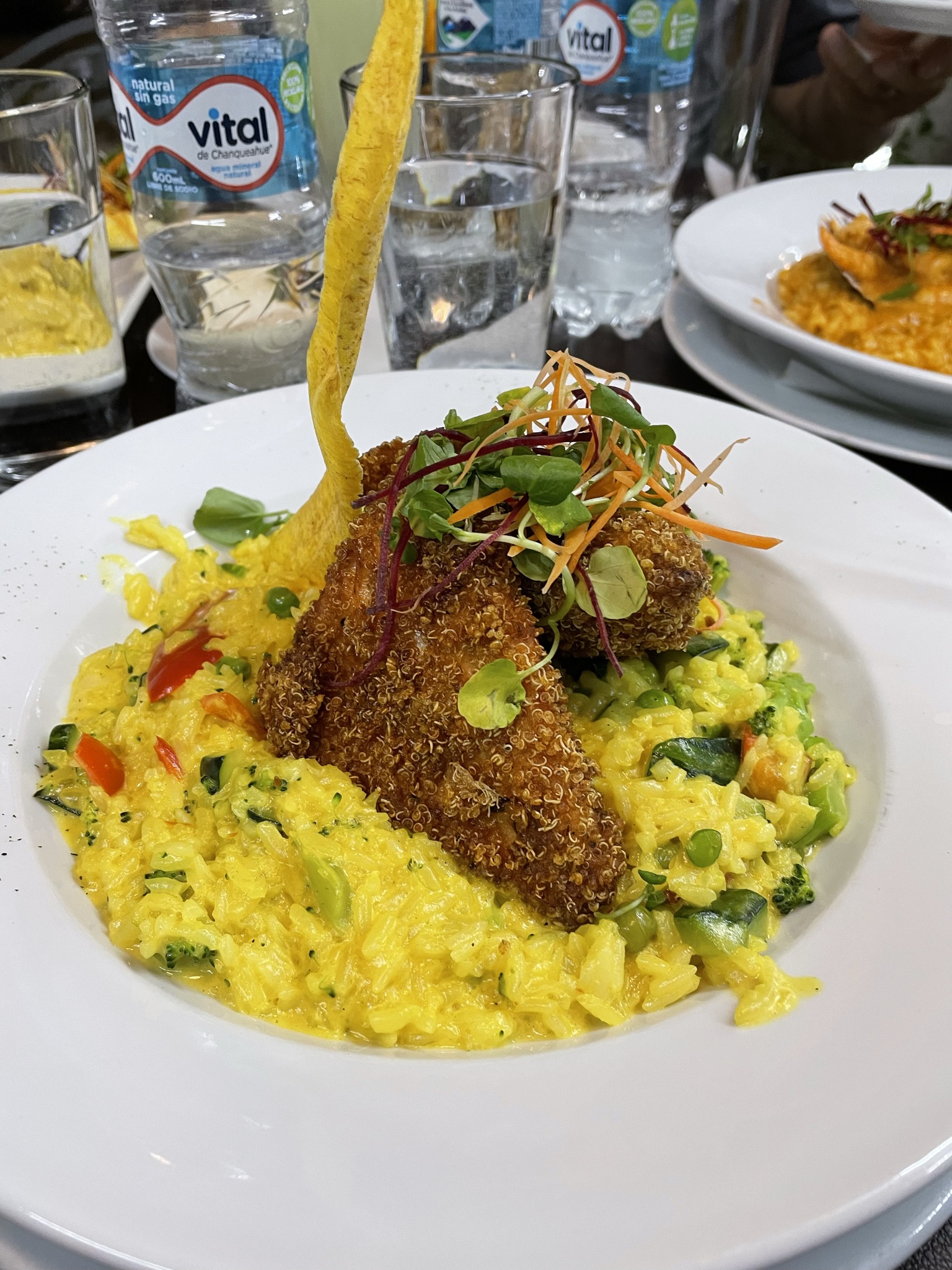
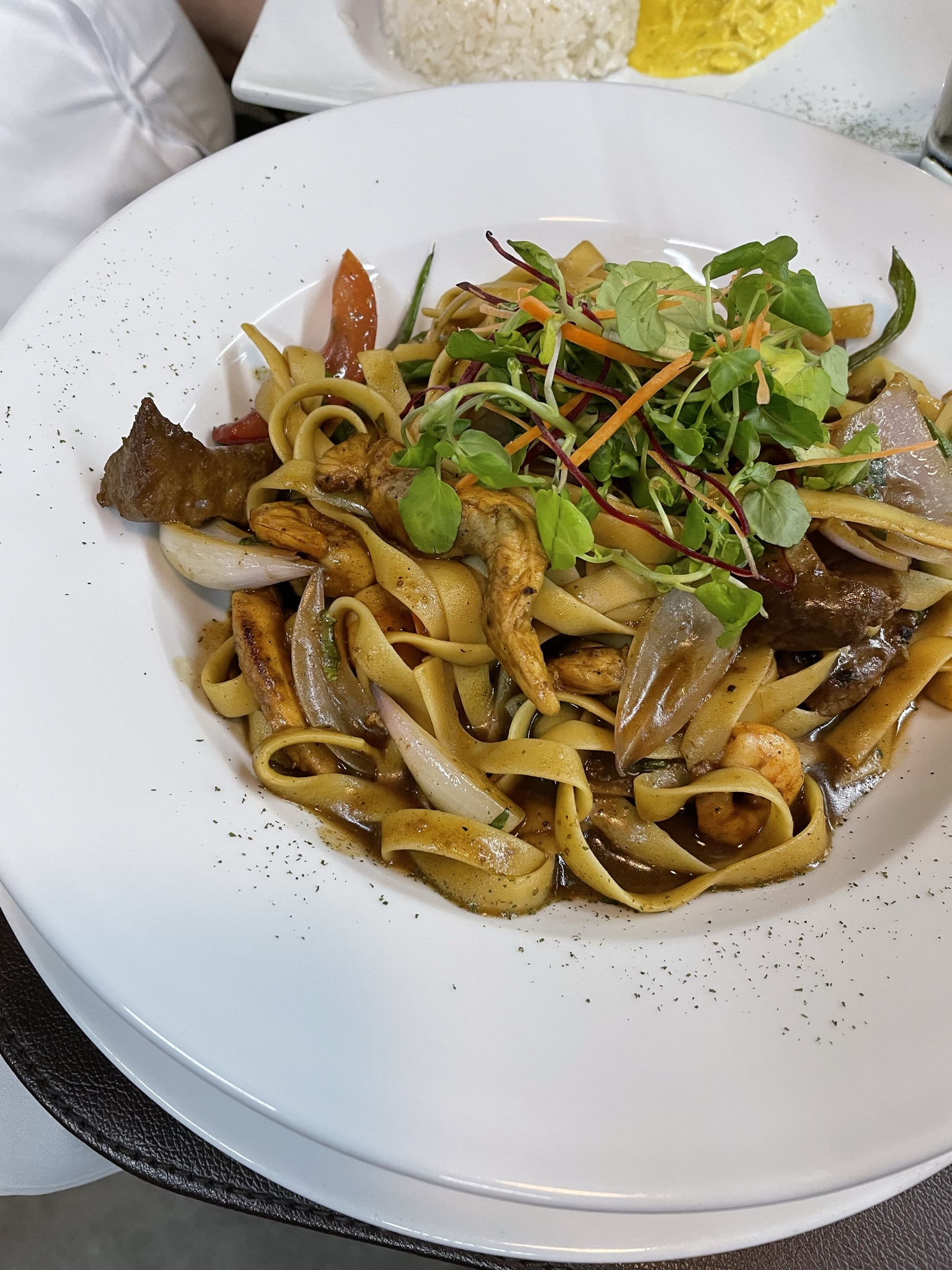
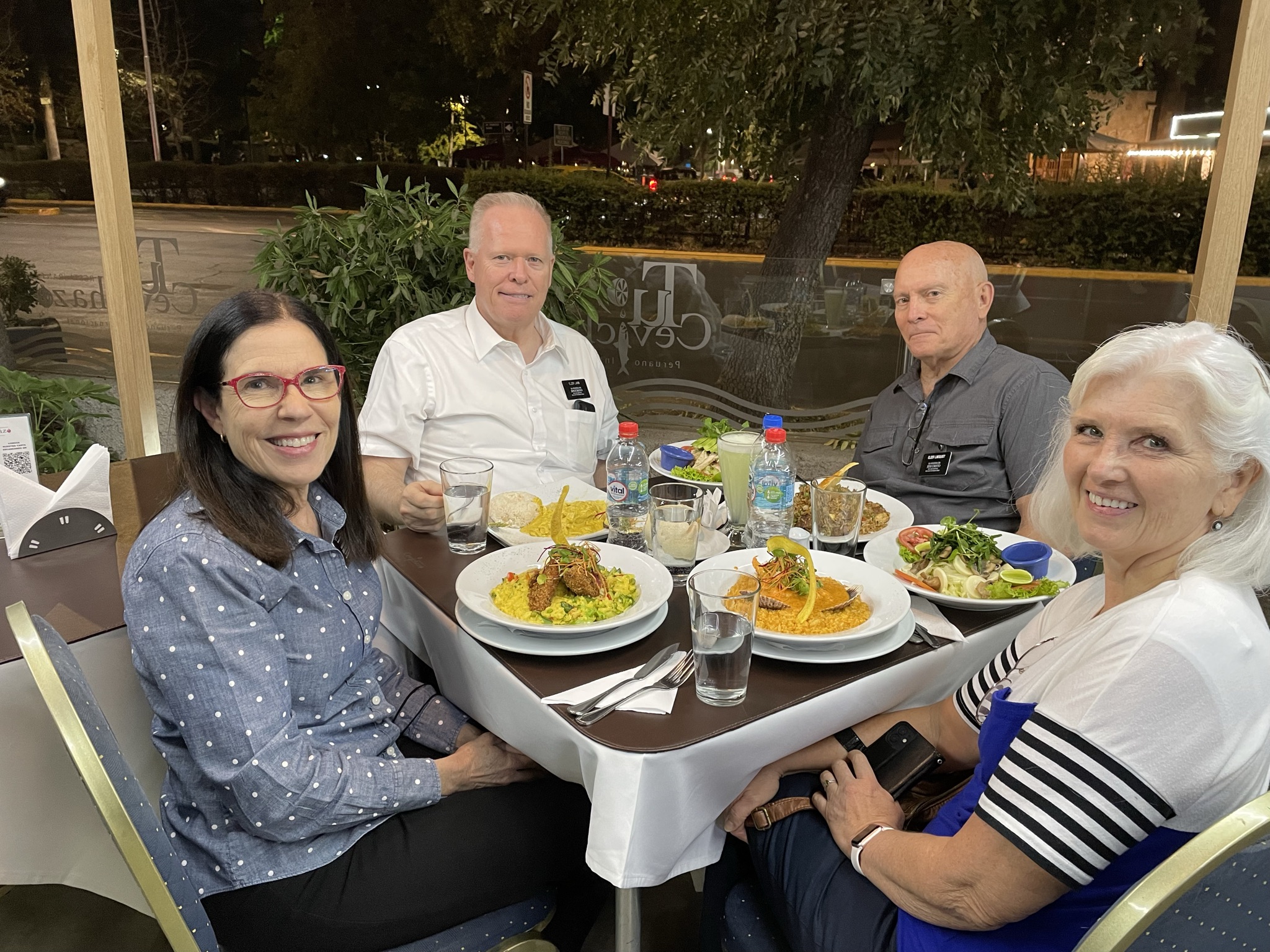
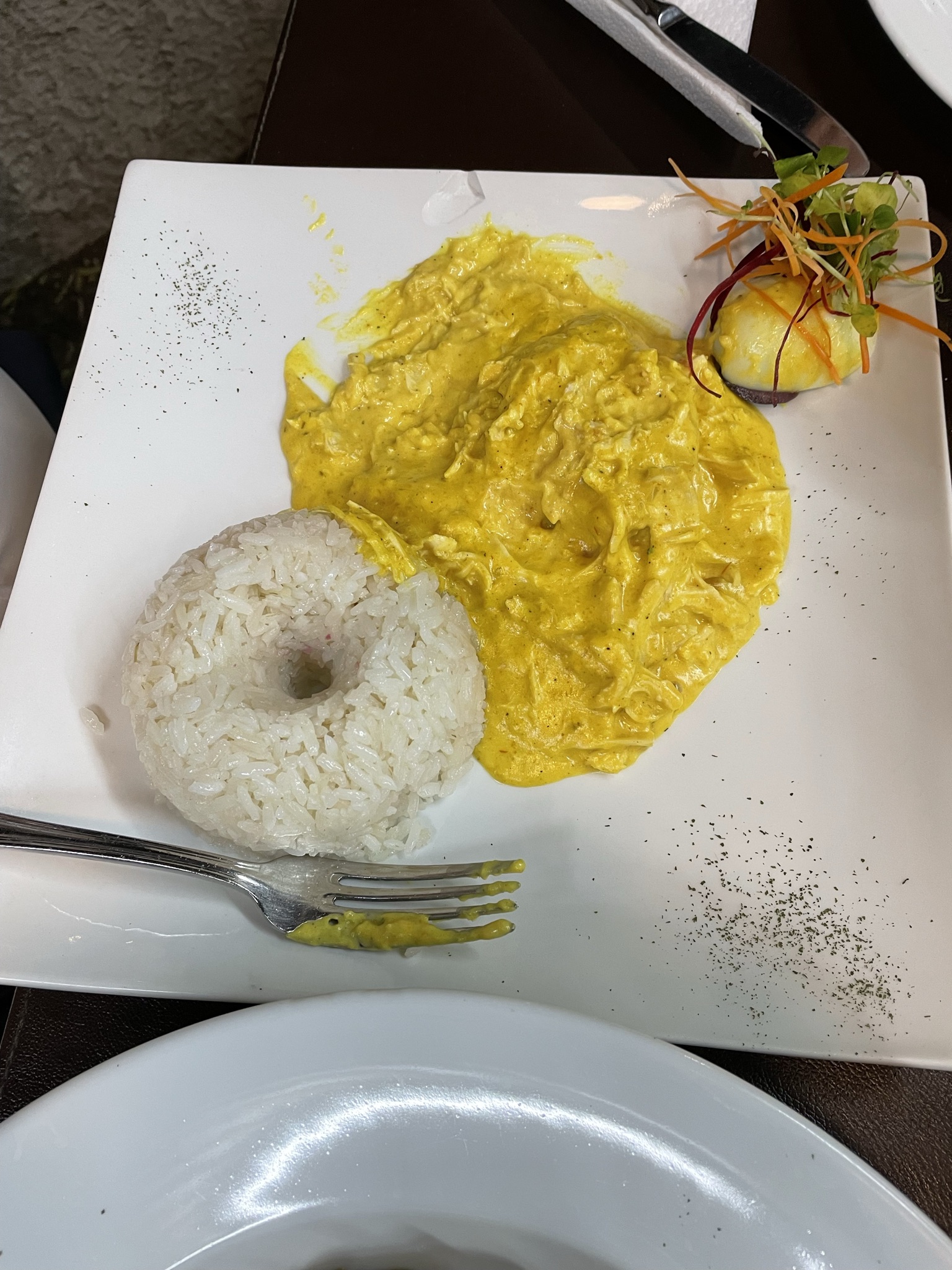
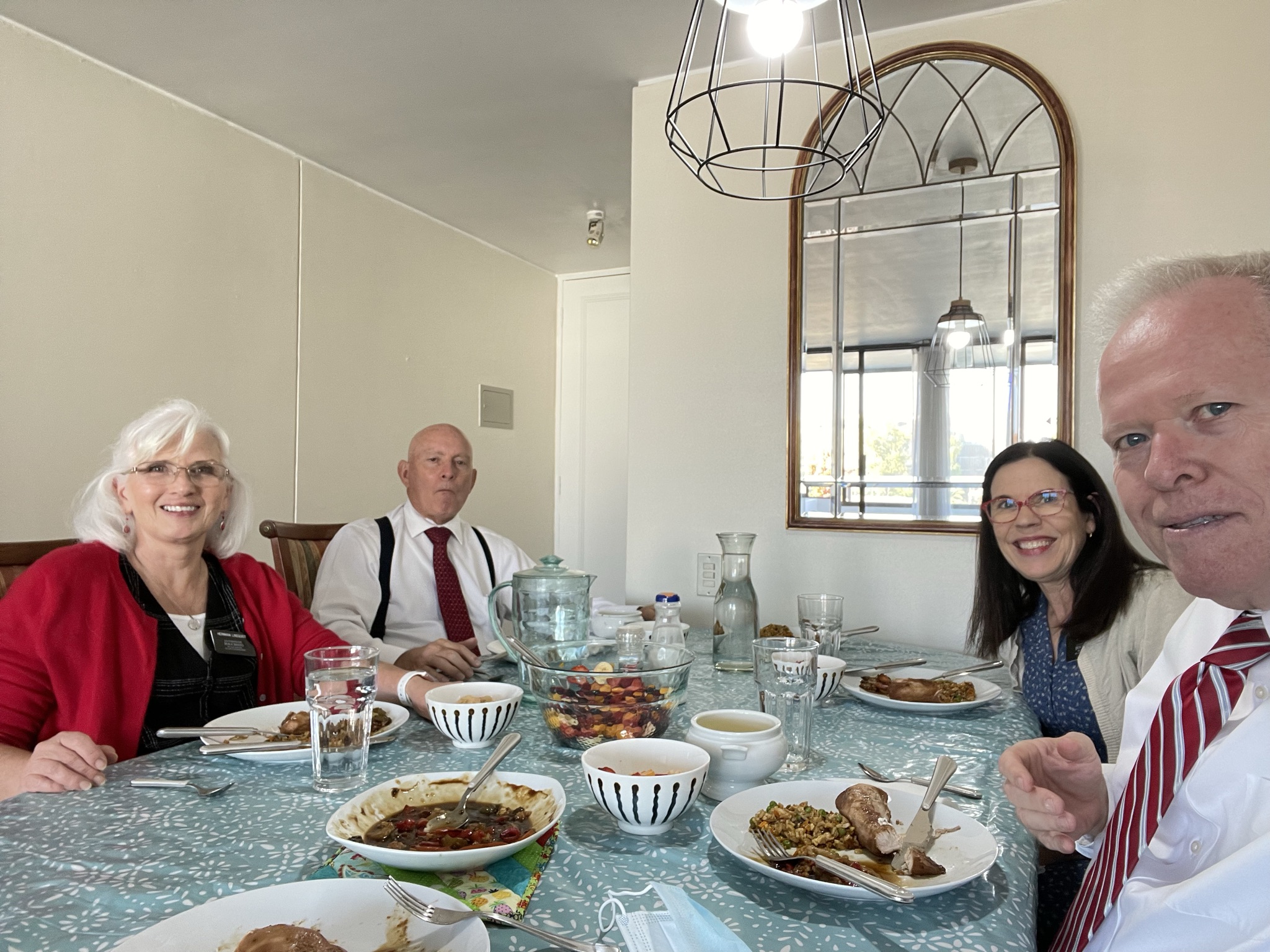
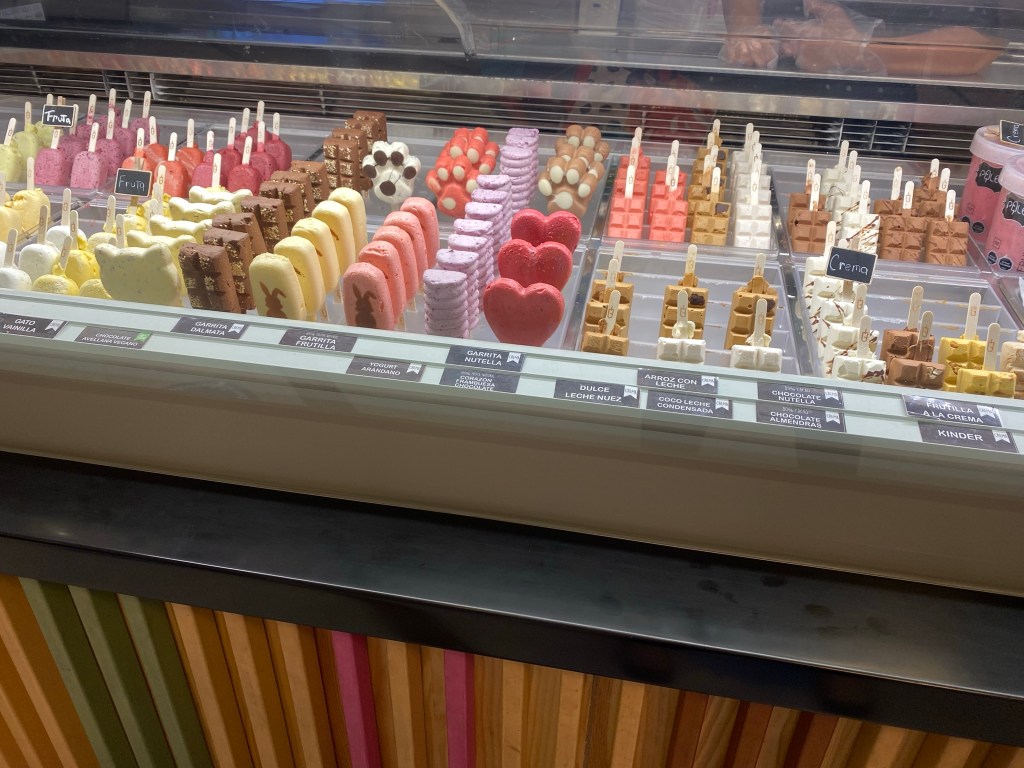
We have a new favorite- paletas- delicious ice cream on a stick
TREES DE ACEITUNA- TRANSFORMATION FROM OLIVES-TO-OLIVE OIL
We spent Saturday on a fascinating field trip. We were invited by Elder and Hermana Fitzgerald to visit the olive farm they live on. It is located 1 ½ hours outside of Santiago. They are from Chicago, arrived in Chile last November, and spend their days here teaching English to 70 plus farm workers during their lunch hour and teaching their families English in the evenings. We continue to be amazed at the variety of mission experiences that are possible for senior couples. They sold their home and cars and plan on serving back-to-back missions for the next ten years.
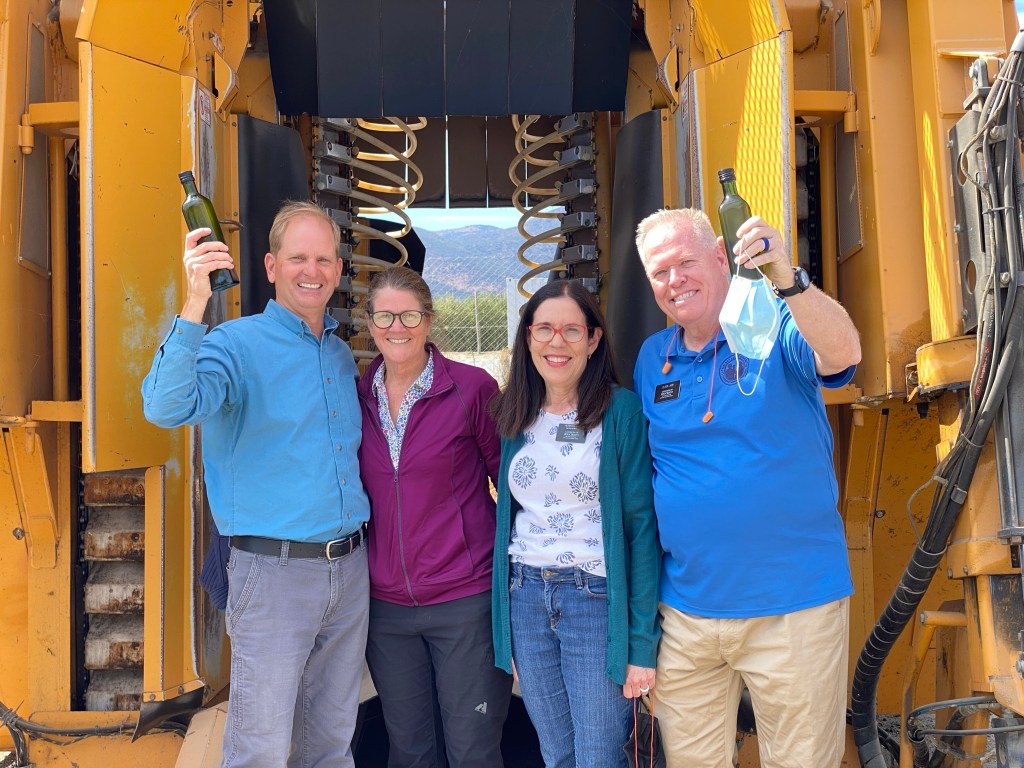
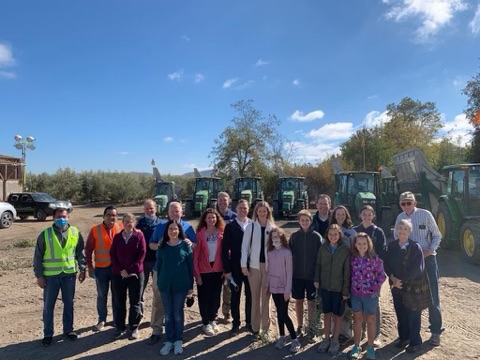
We pulled up to the farm entrance at 9:00am and were surprised to find two other cars waiting to enter. President and Sister Bohn (our mission president and his wife – Santiago East mission) and their daughter Emma were in one car and President and Sister Cottrell (Santiago South mission) with their office couple Elder and Sister Lunt in the other car. Then another vehicle pulled up with President and Sister Mitchell and their four children (Santiago West Mission).
What wonderful people to spend the day with!
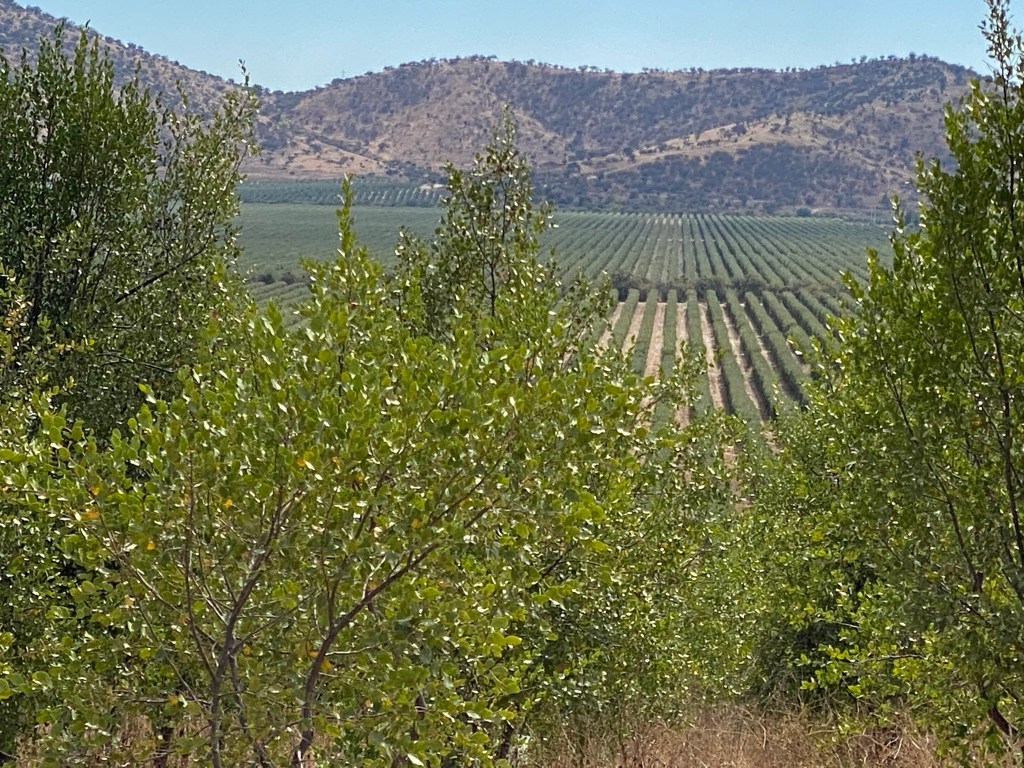
The church owns this 14,000-acre olive farm with 6 million trees. We stood on a hill in the middle of the farm and olive trees stretched to the surrounding hills for 360 degrees.
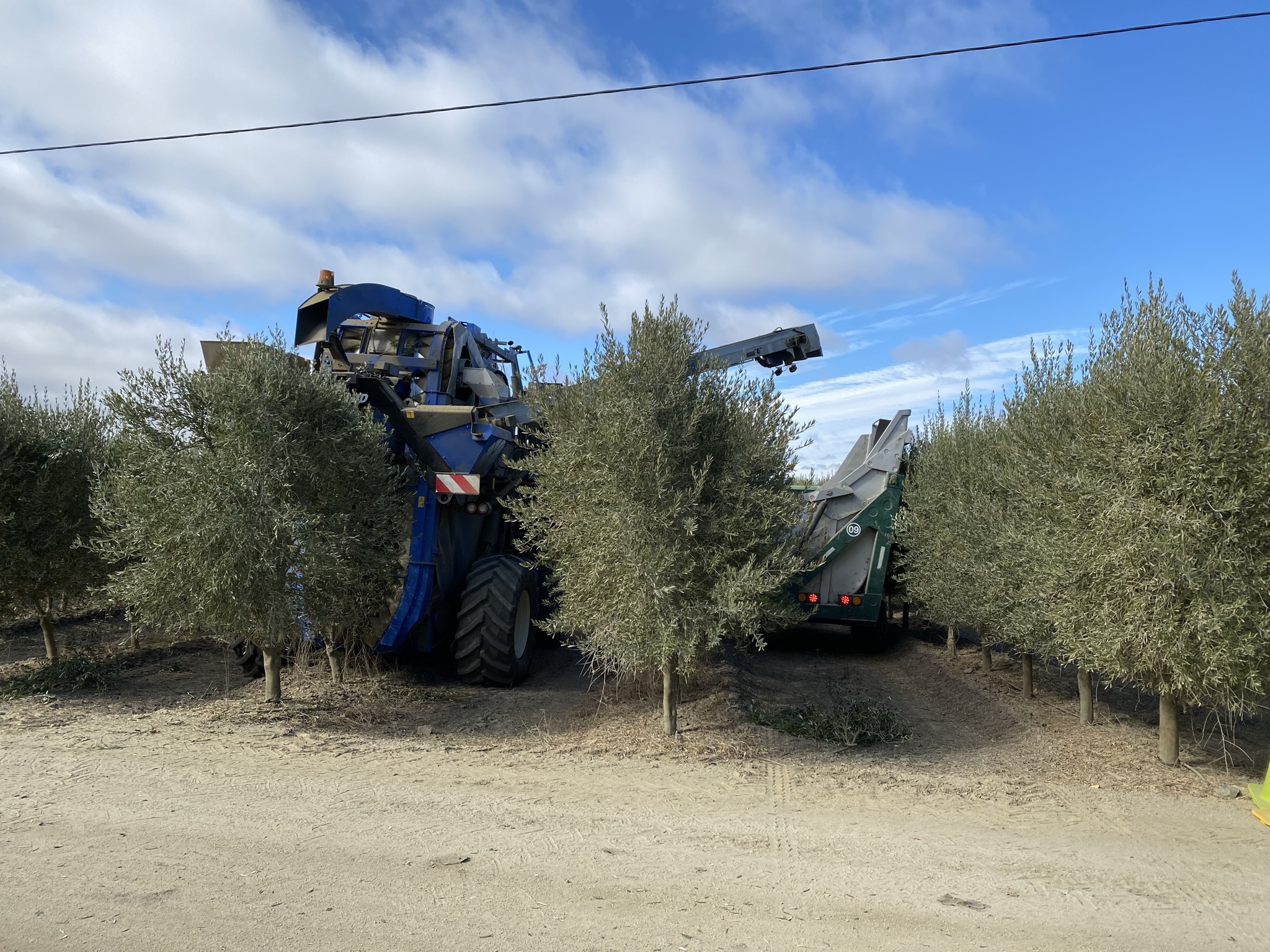
We began in the office for an overview and then moved out into the grove to witness the harvest. They are in week two of the annual ten-week 24 hours a day harvest season. The machinery is hollow in the middle and drives over the row of trees, shakes the olives loose after which they are conveyed into a truck that follows alongside. When the truck is full of olives another pulls in behind to take its place.
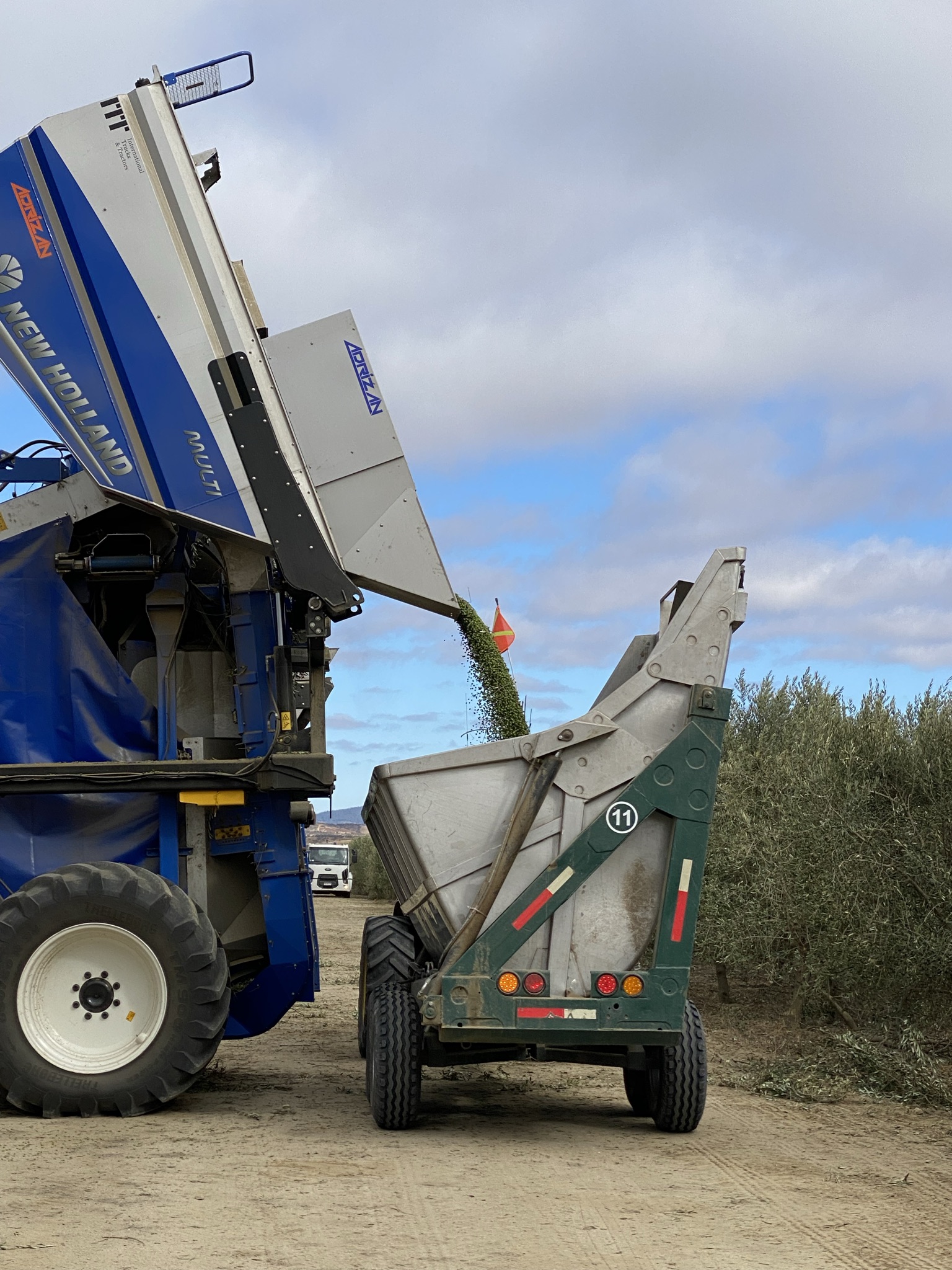
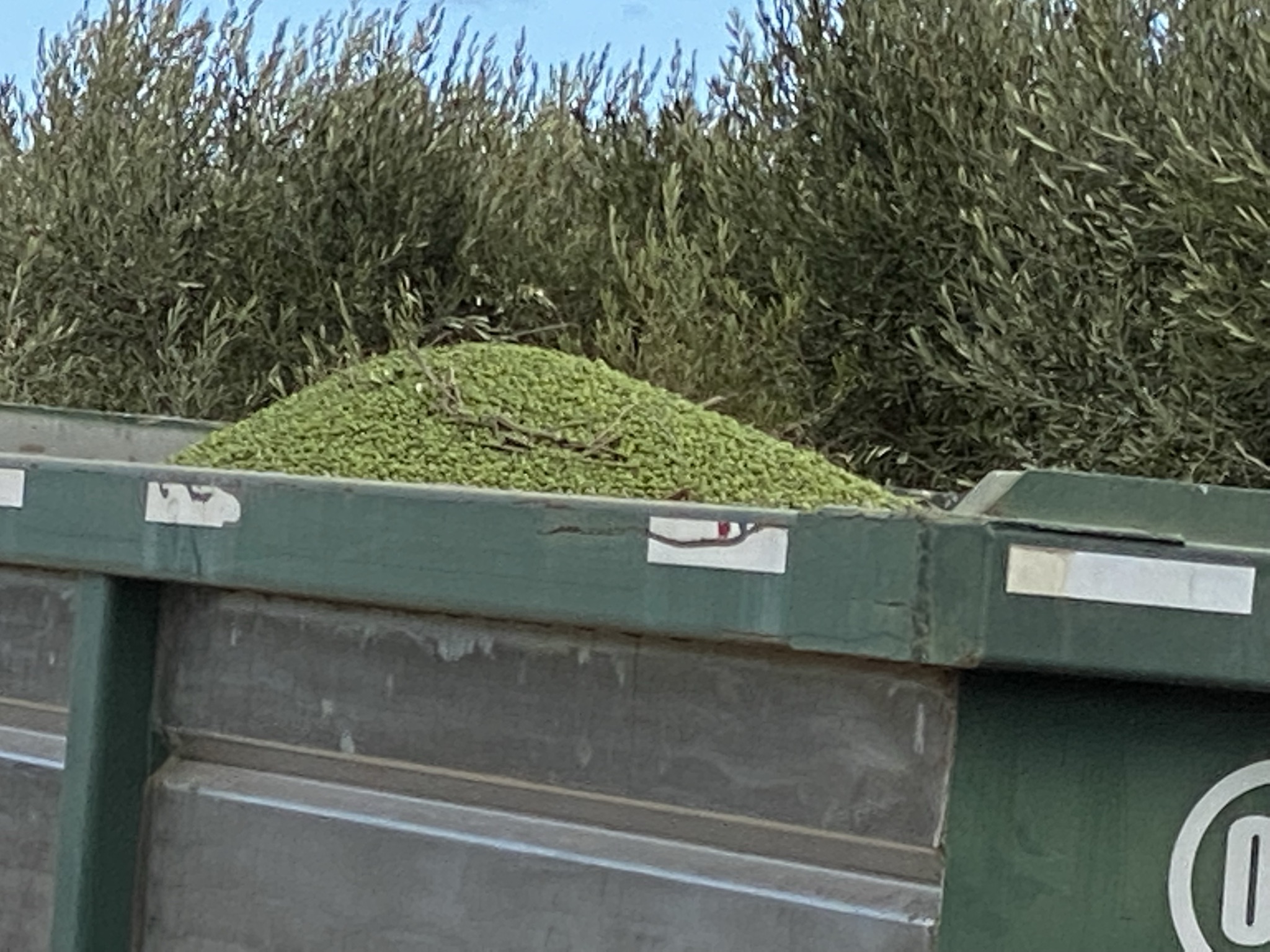
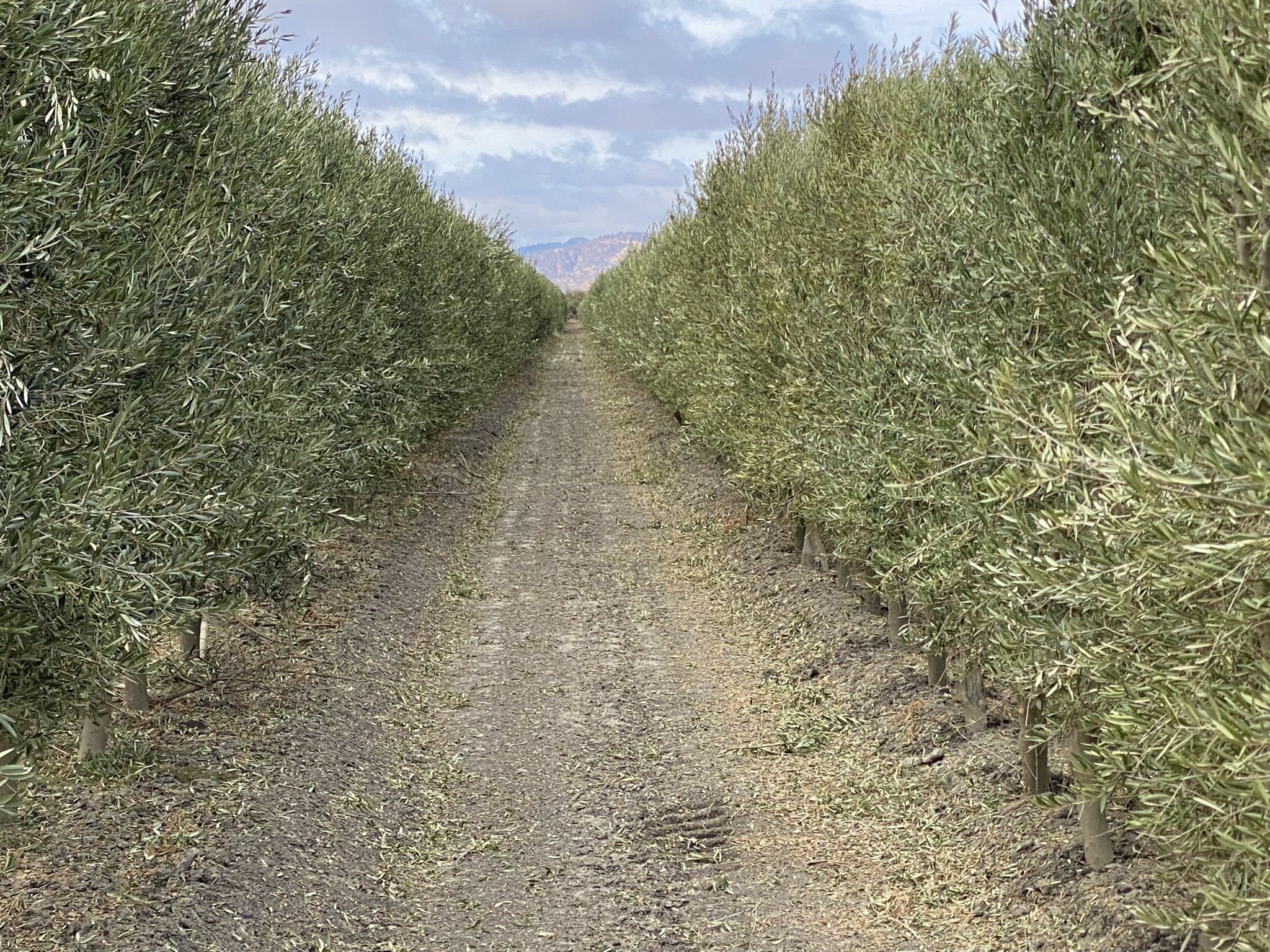
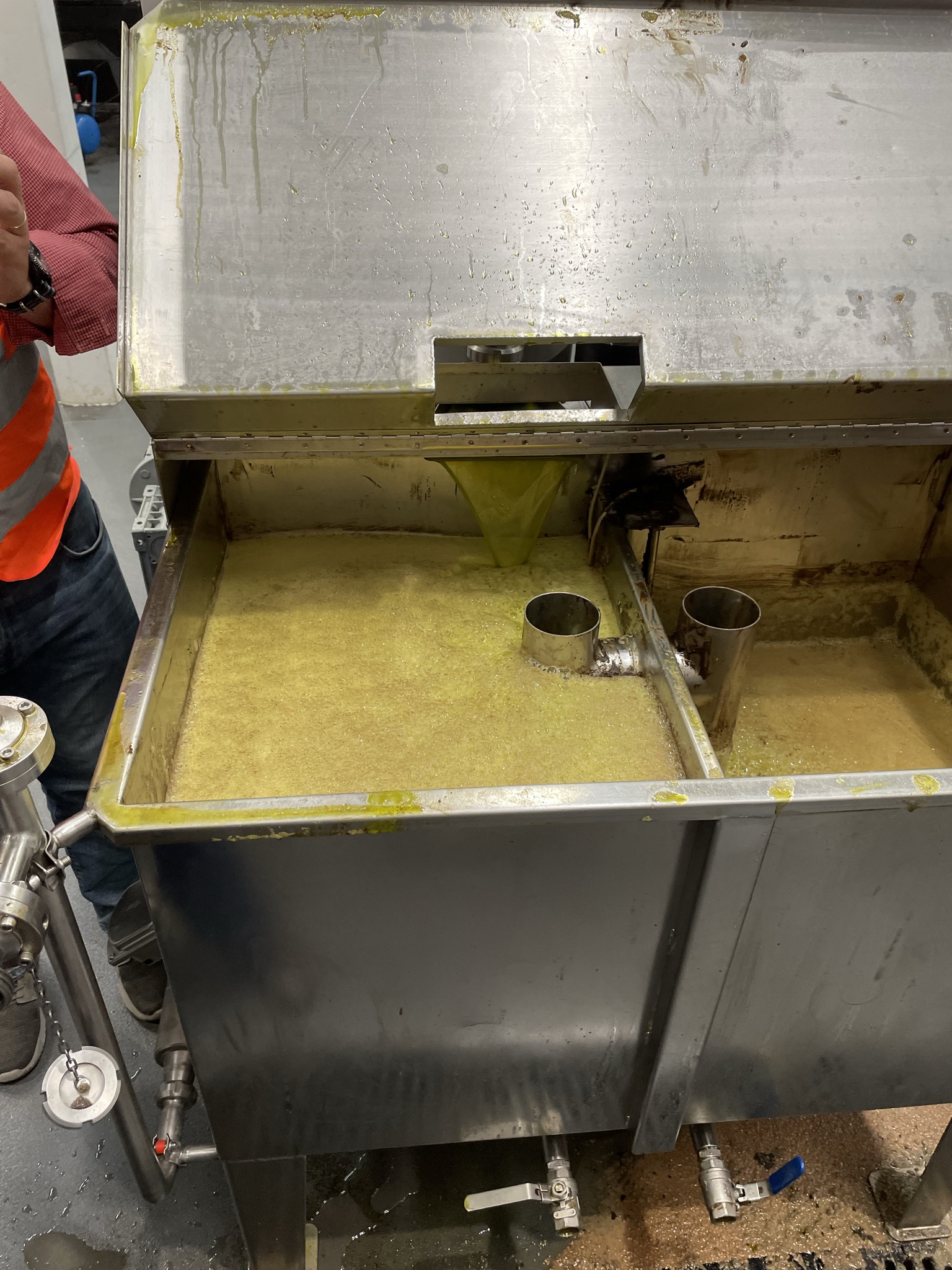
We then moved into the processing plant where we met the manager who is a stake president we have been working with on projects over the phone but had never met. That was a pleasant surprise! Here the olives are separated from the debris, washed, and smashed.
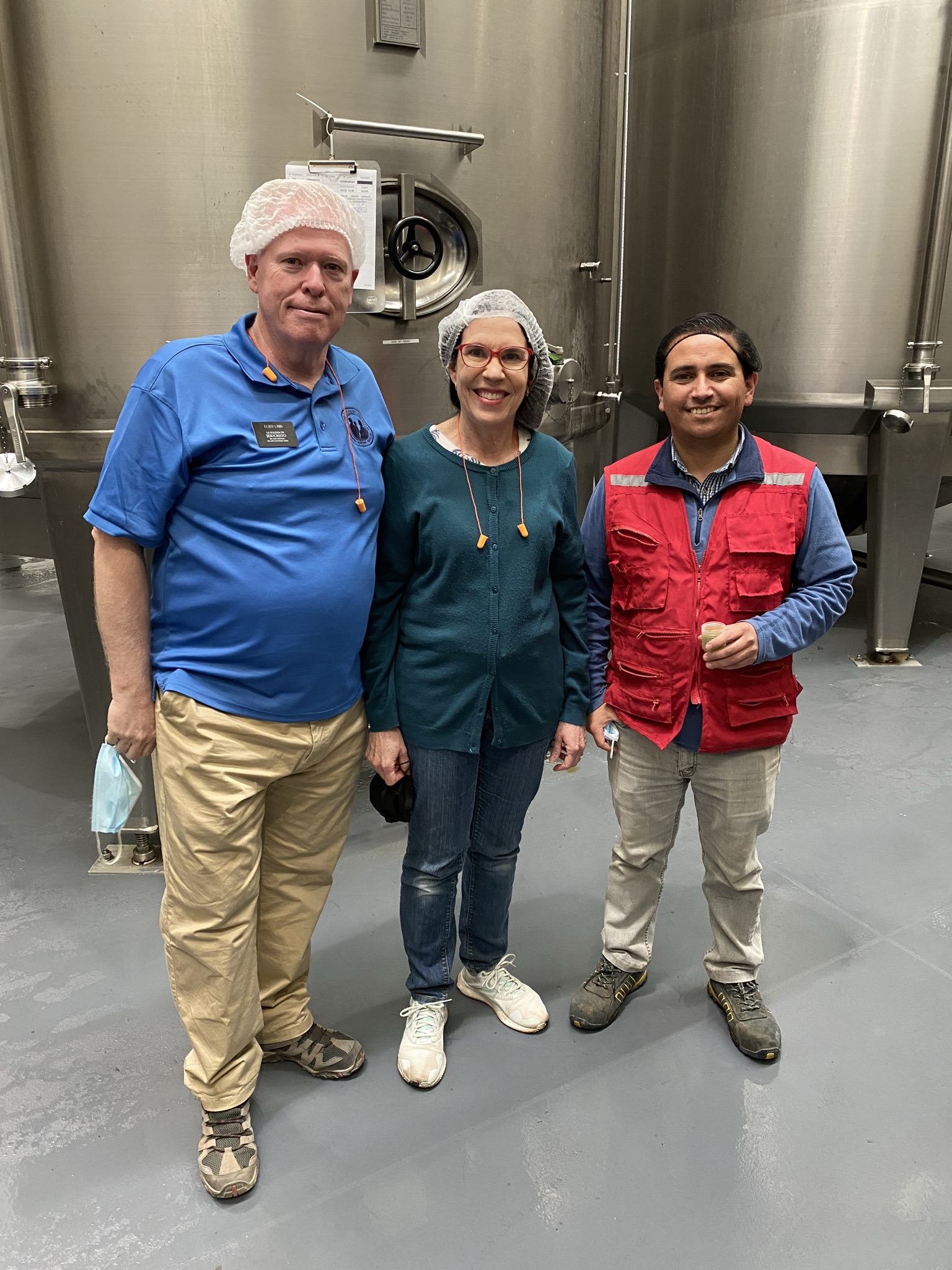
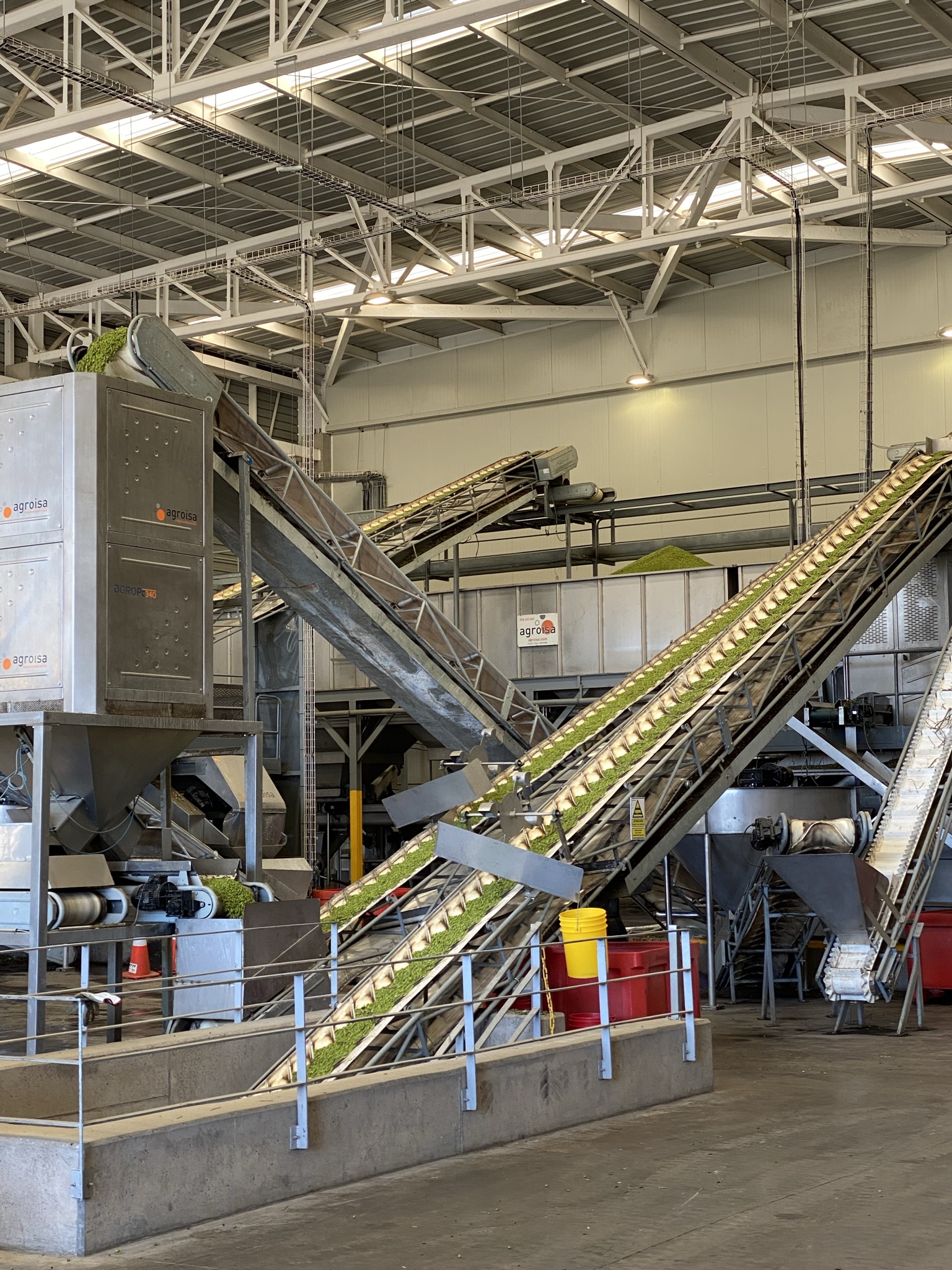
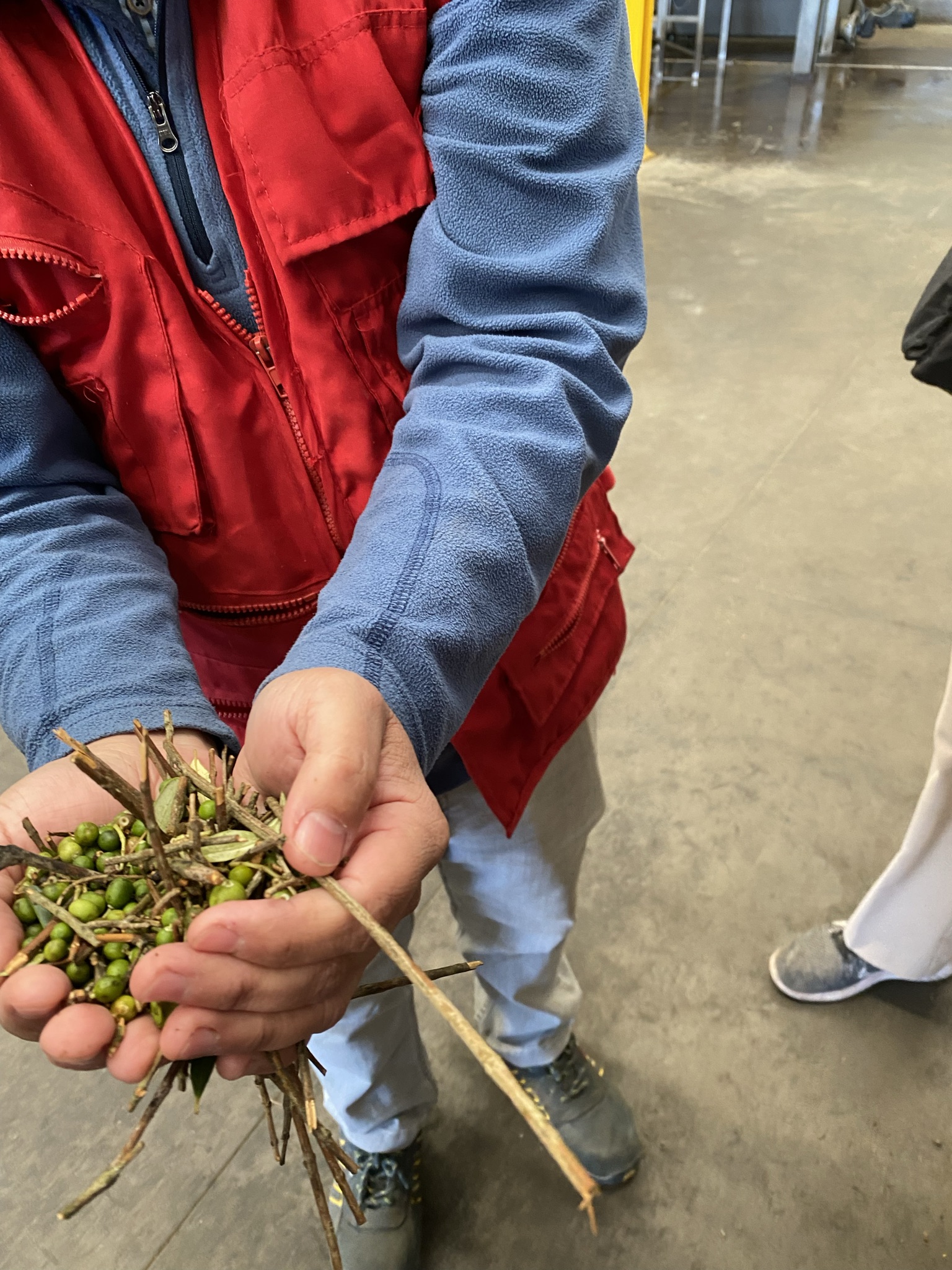
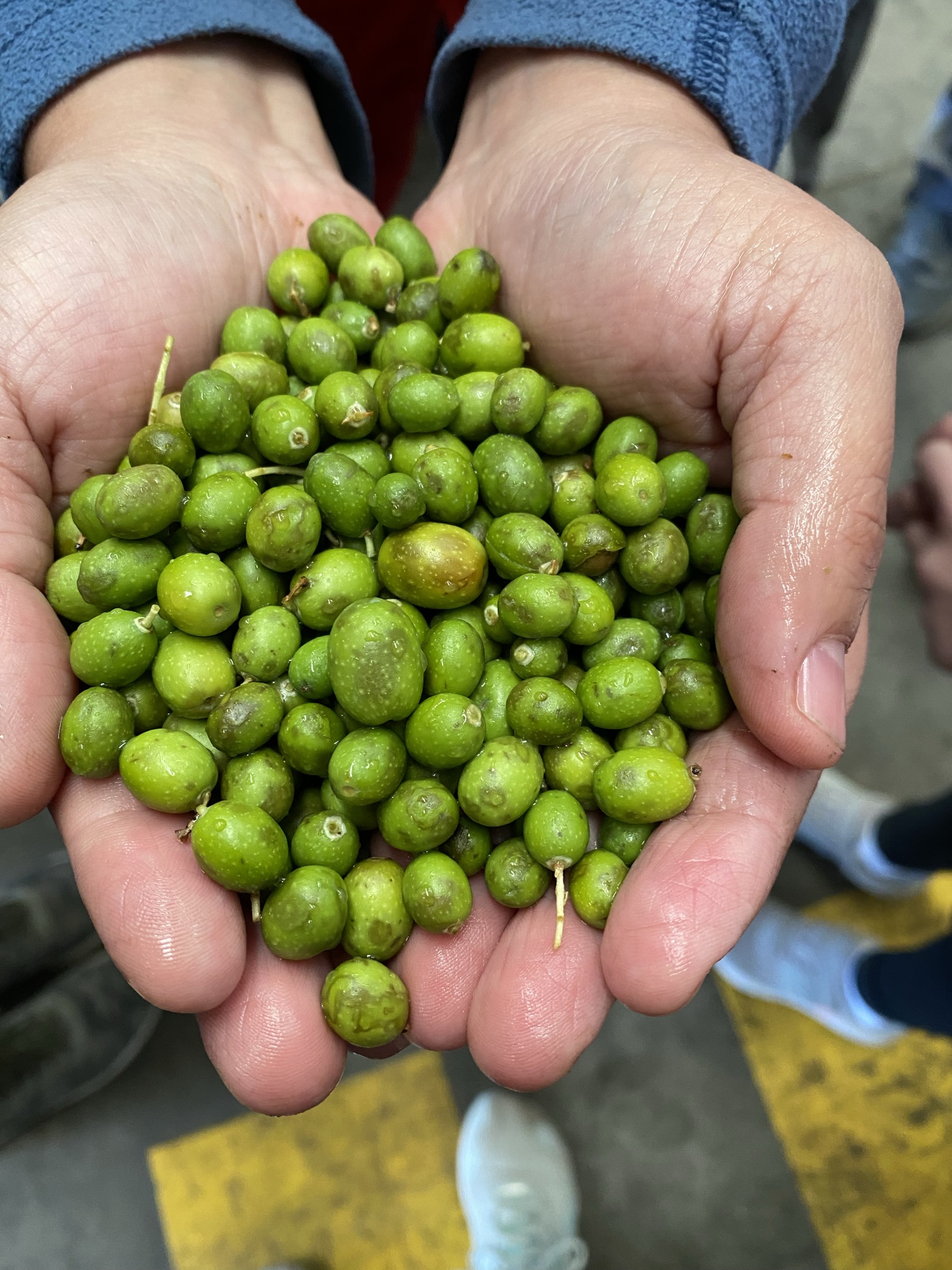
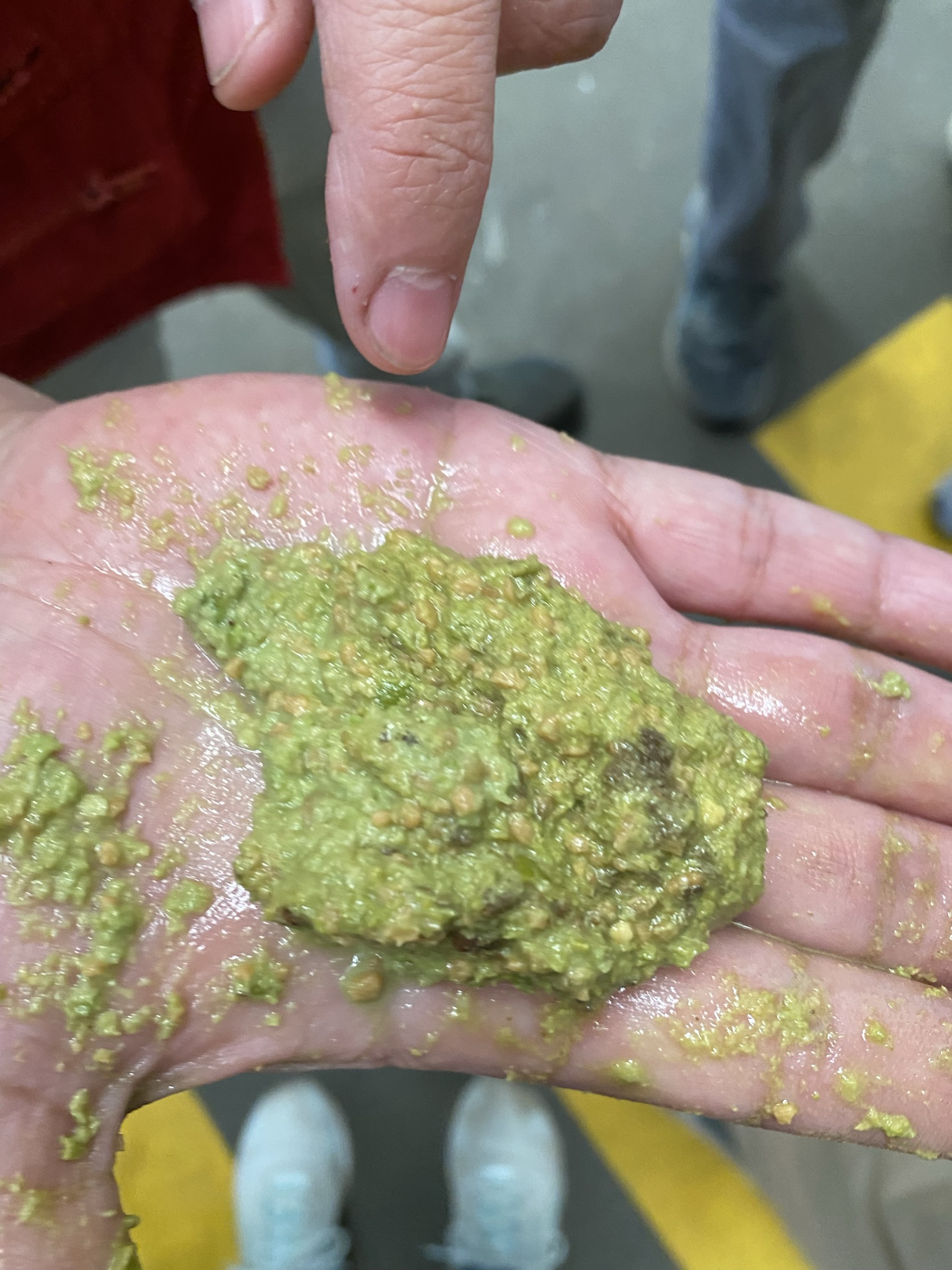
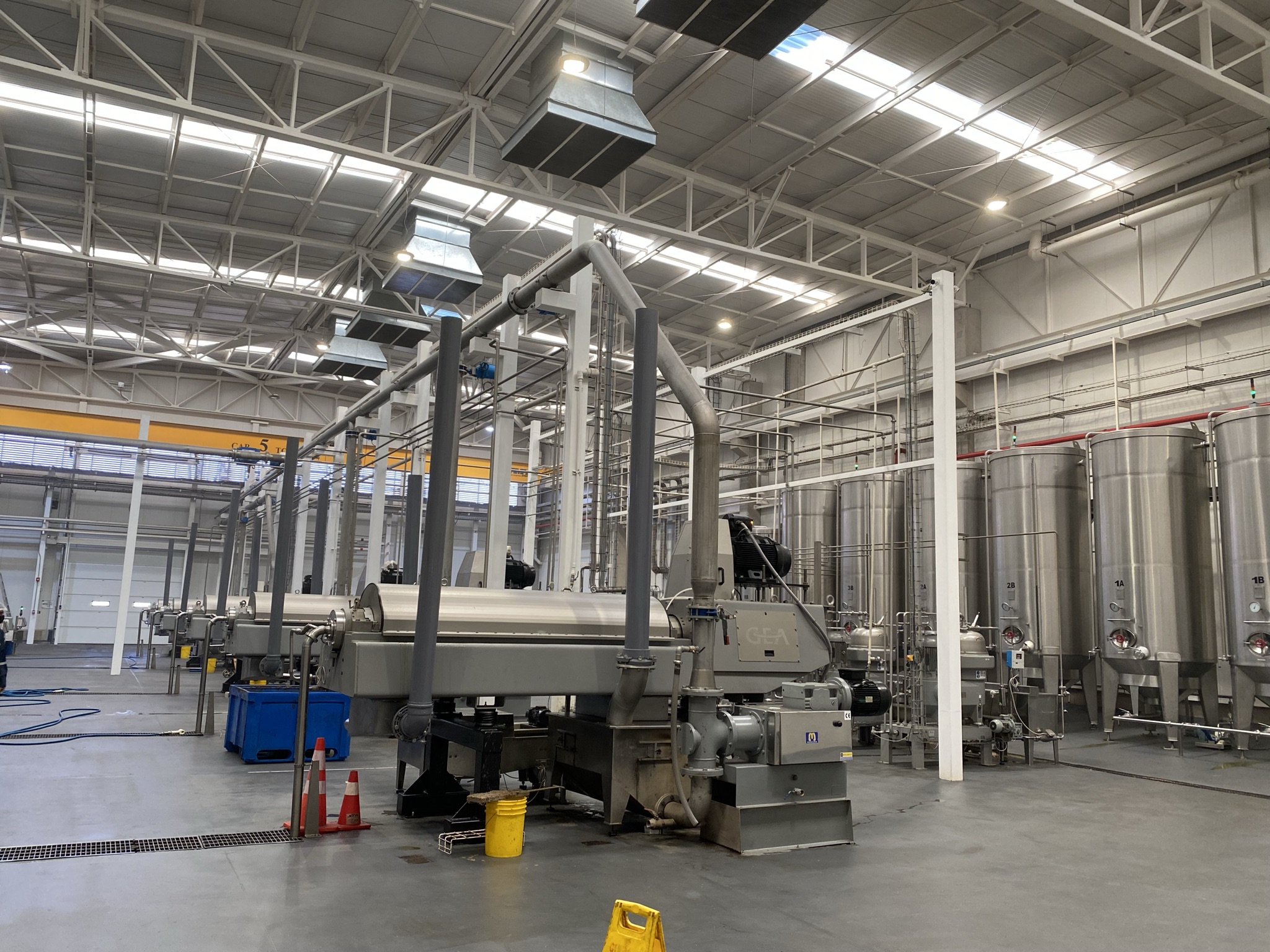
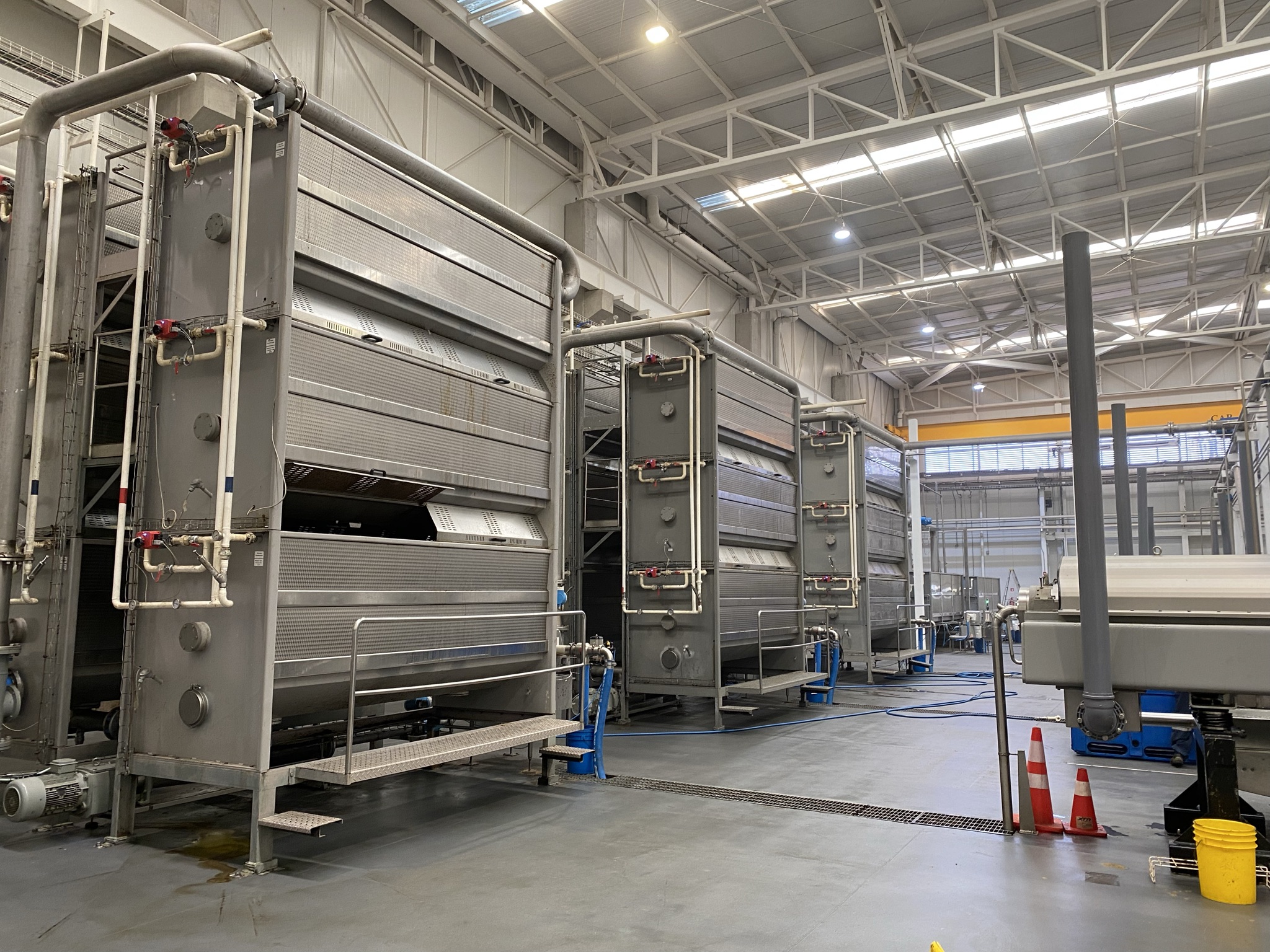
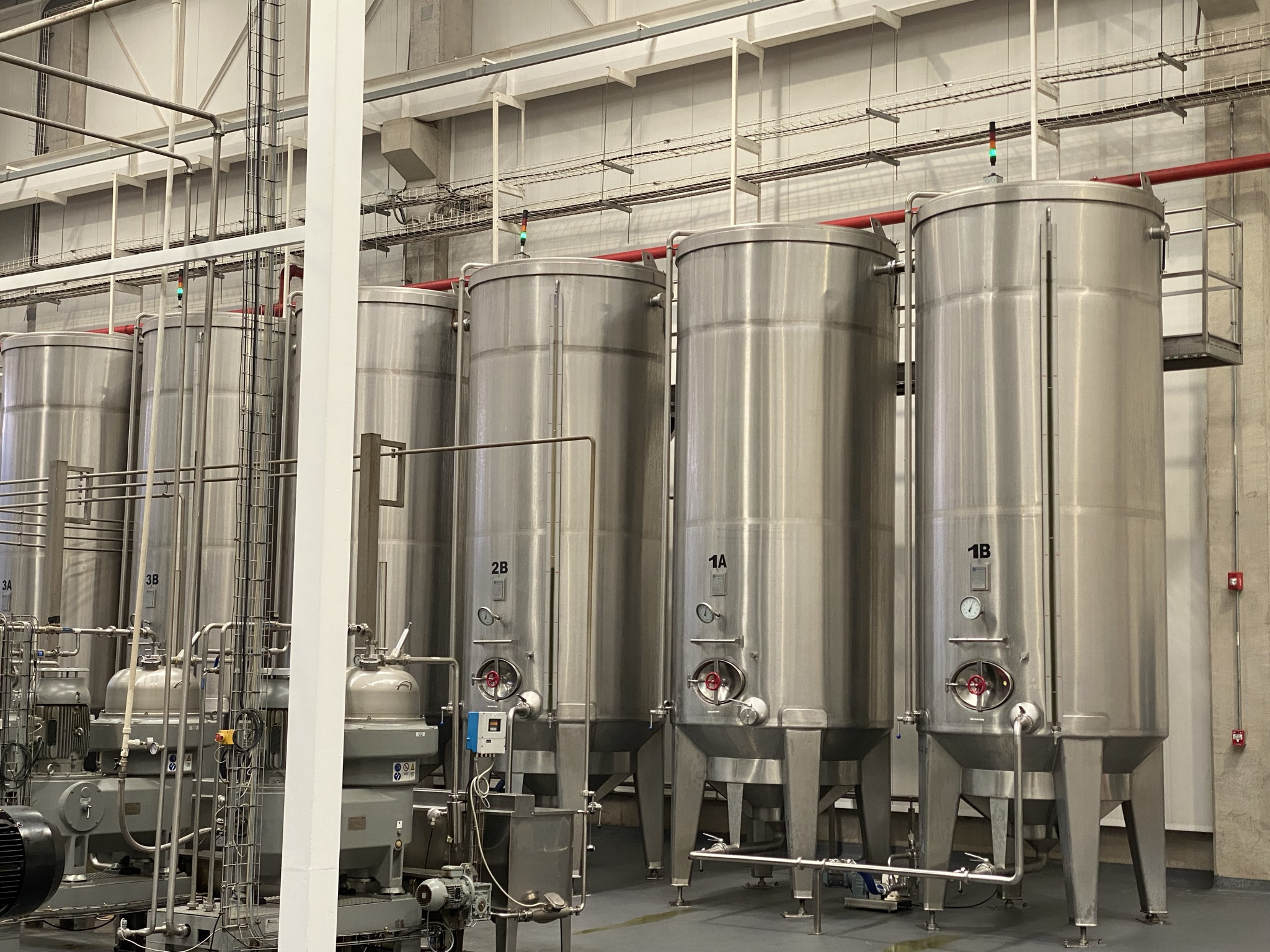
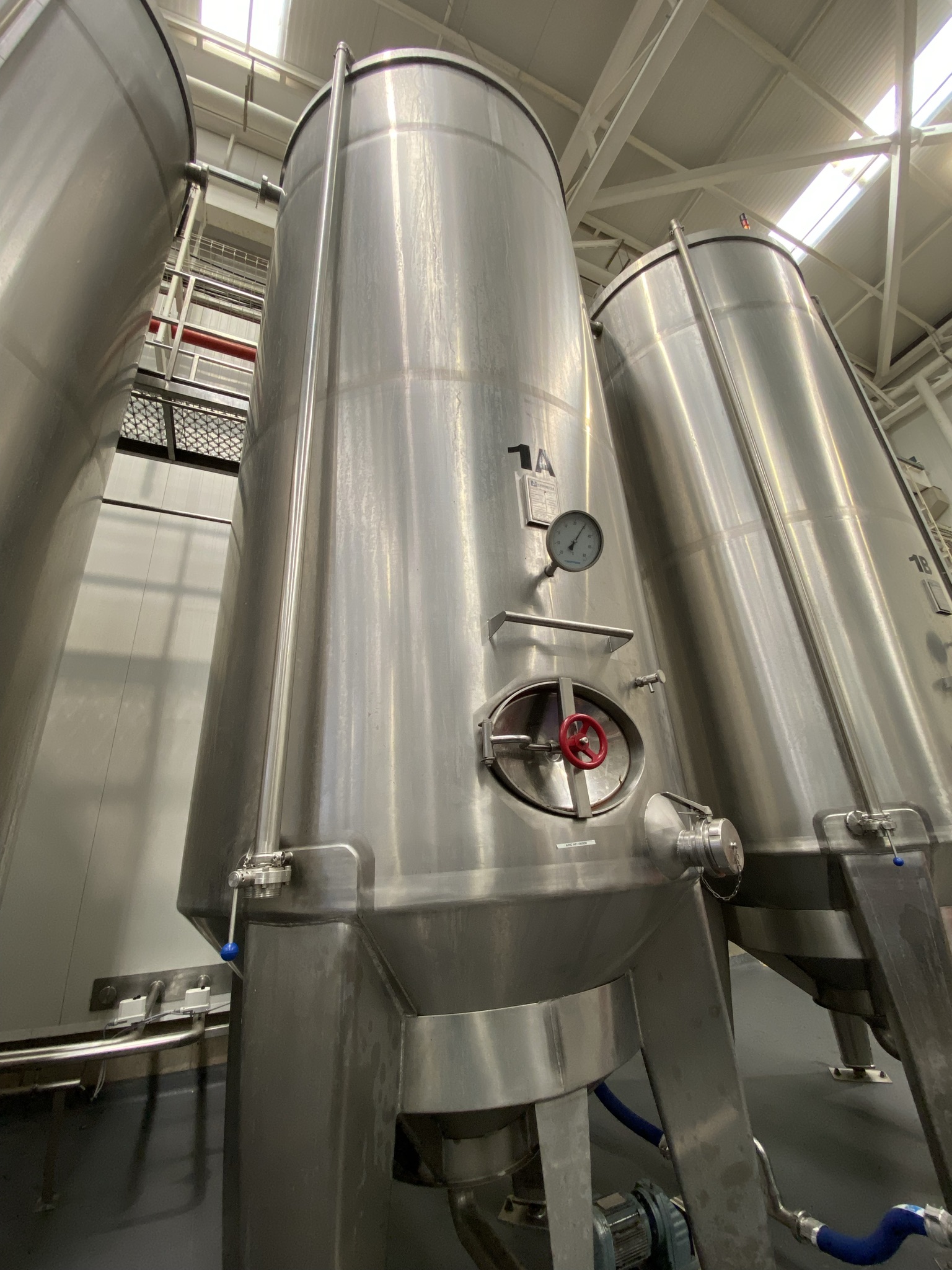
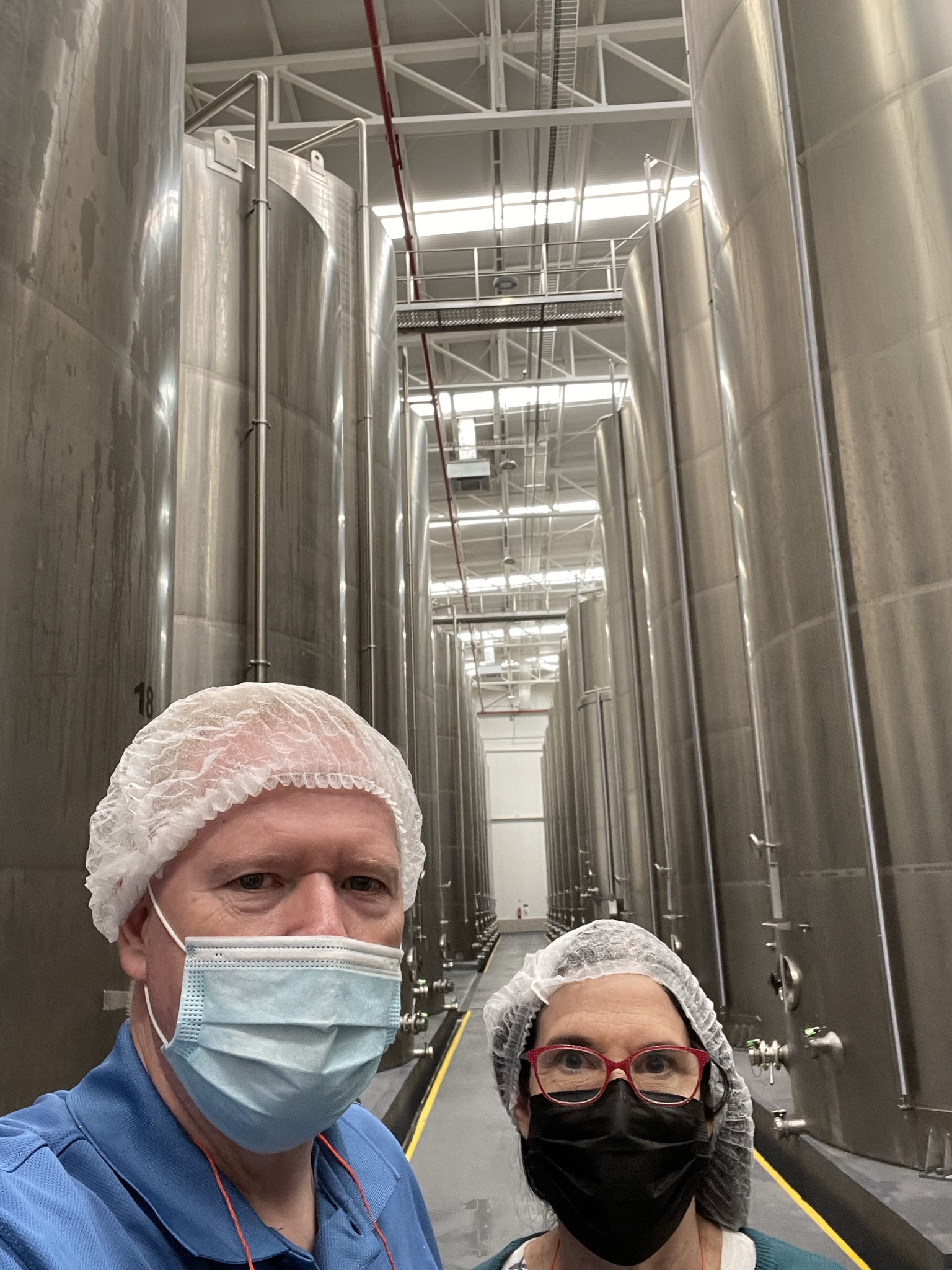
They are then put through a centrifuge to separate the solids from the oil. The oil is stored in large vats. The harvest from one tree makes one liter of olive oil. All parts of the olive are repurposed. The pits are used to heat the boilers. They are also ground into gravel for the roads. The mash is used as fertilizer.
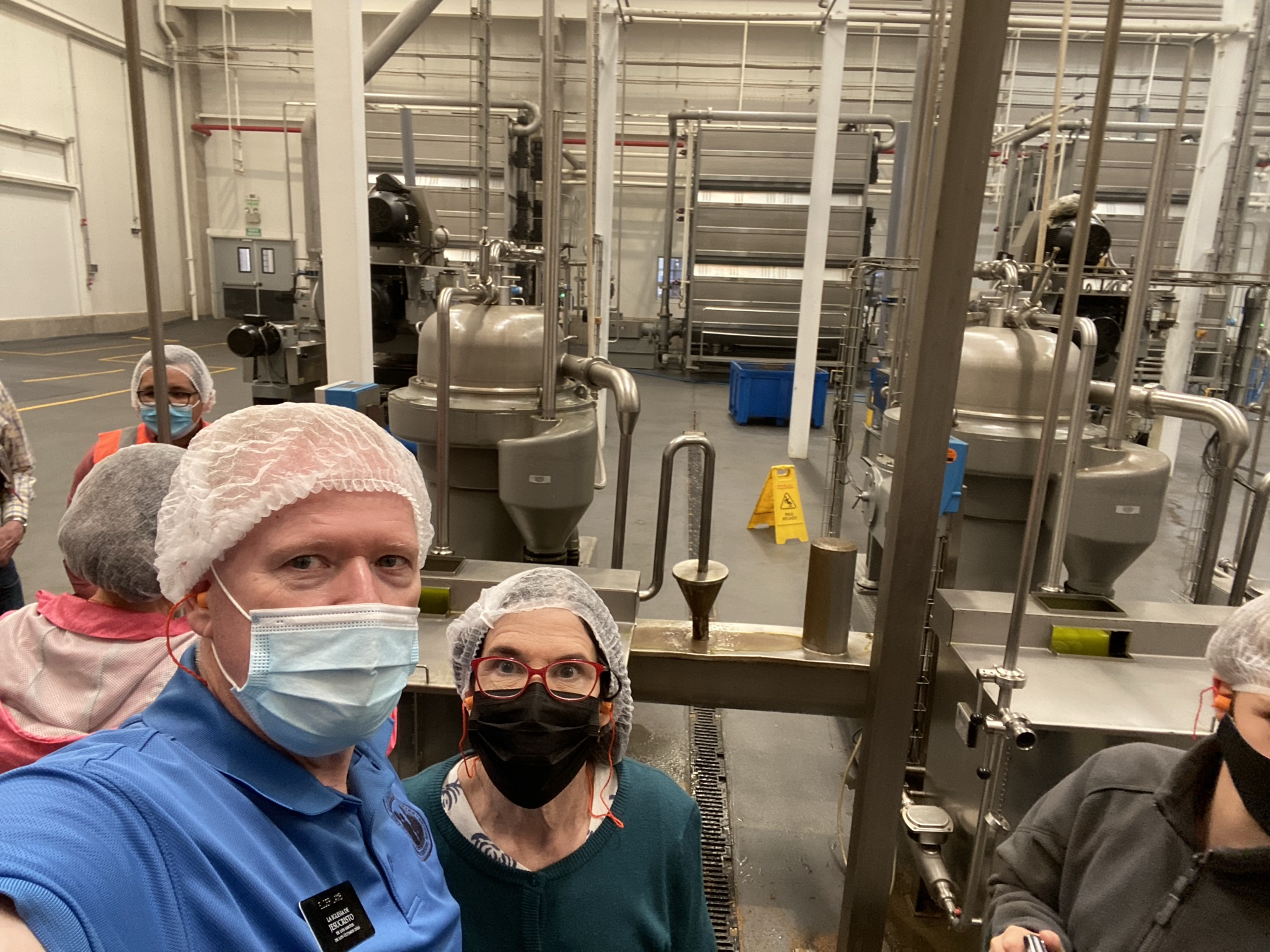

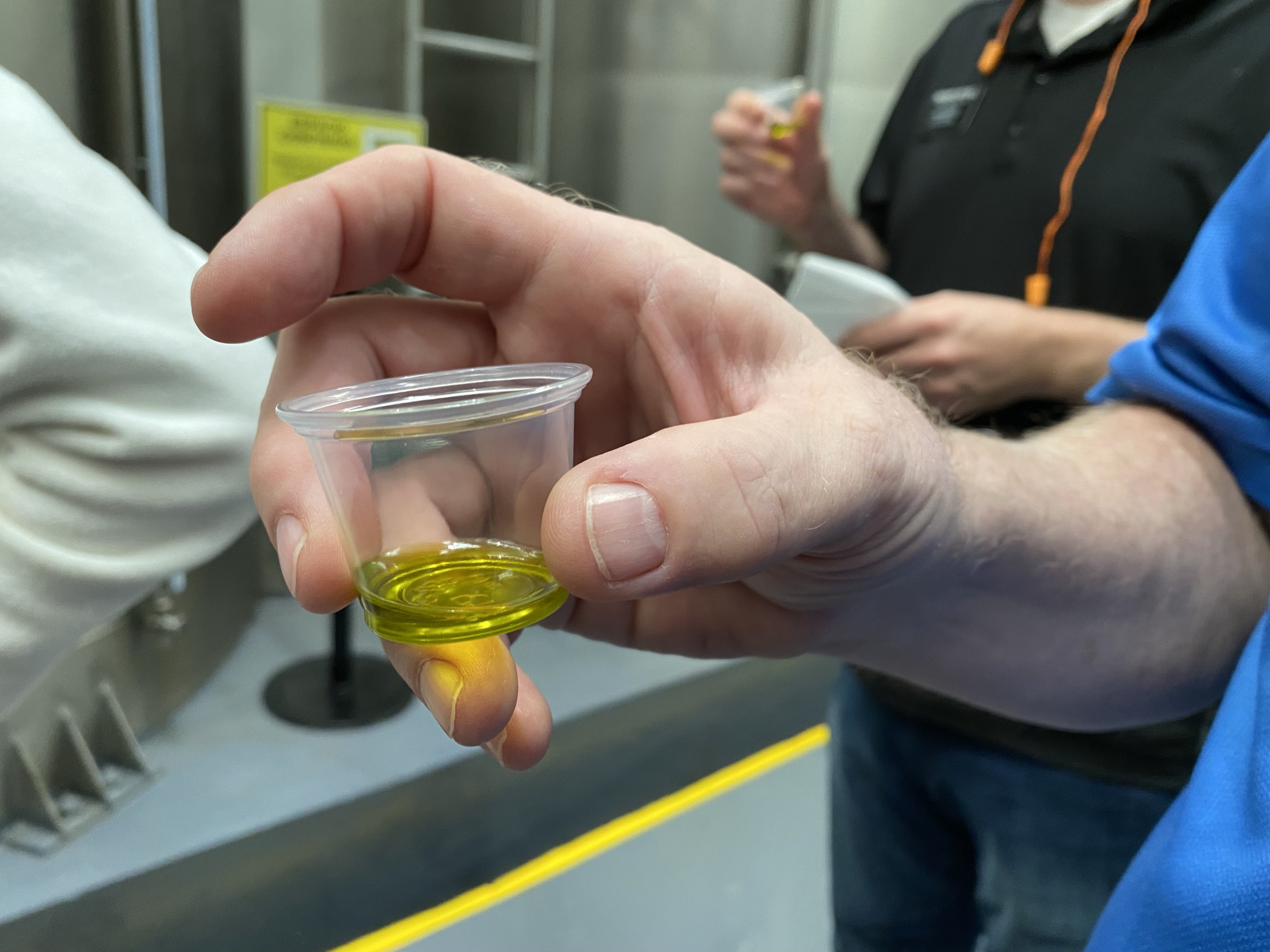
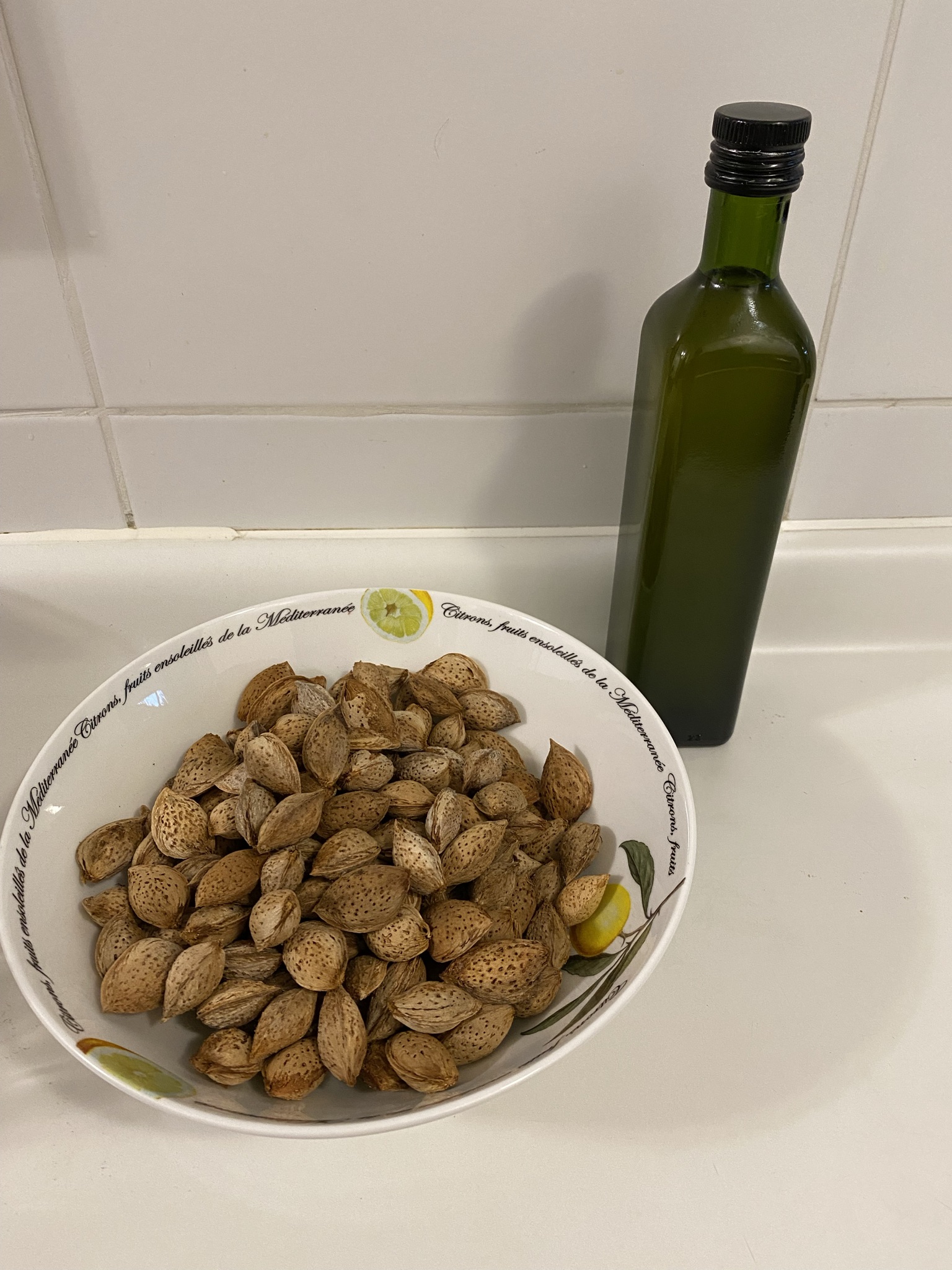
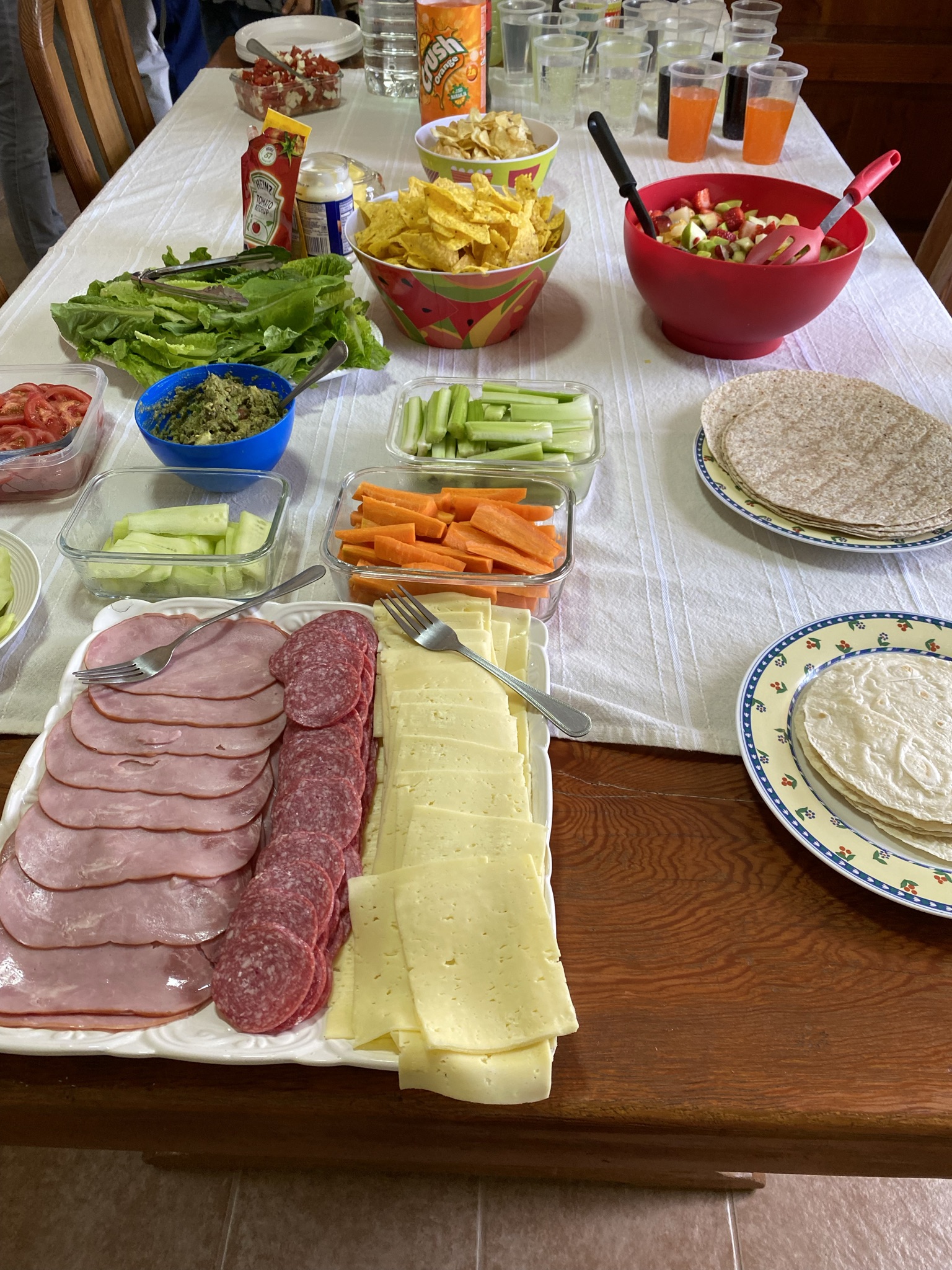
We then tasted the oil. While it was on our tongue, we inhaled air through our teeth and tasted a fruity taste in our mouths, and experienced a burning sensation in our throats. This means the polyphenols are strong, making it good olive oil. We then enjoyed lunch at the Fitzgerald’s home. We were sent home with a fresh bottle of olive oil and some almonds grown on another church farm nearby.
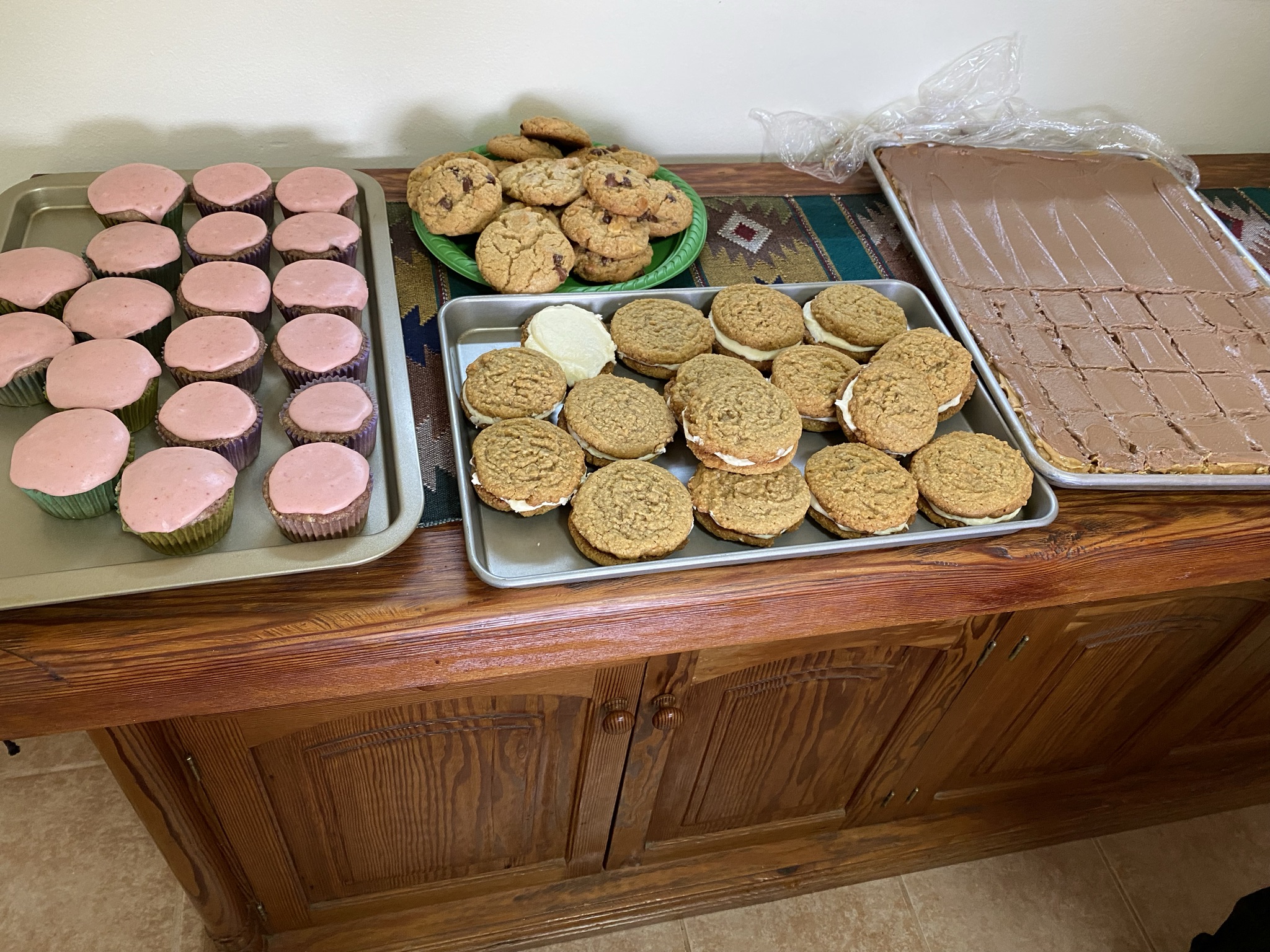
Lovely day, lovely people. We seem to say that a lot. Truly one of the blessings of serving a mission is the wonderful people you meet along the way.
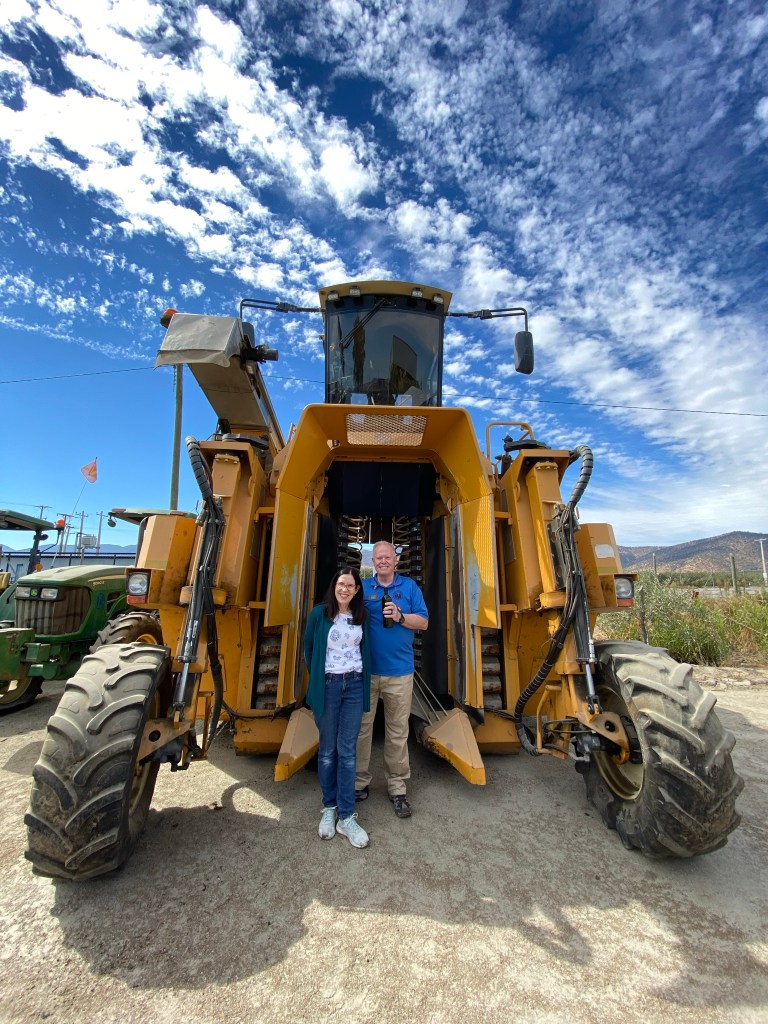
We wish you lovely people a wonderful ‘holy week’ as we prepare for Easter.
With love, Élder y Hermana Lamb, (aka Ed & Debbie, Mom & Dad, Pop Pop & Tu Tu)
 Lambs in Central Europe