PUERTO VARAS
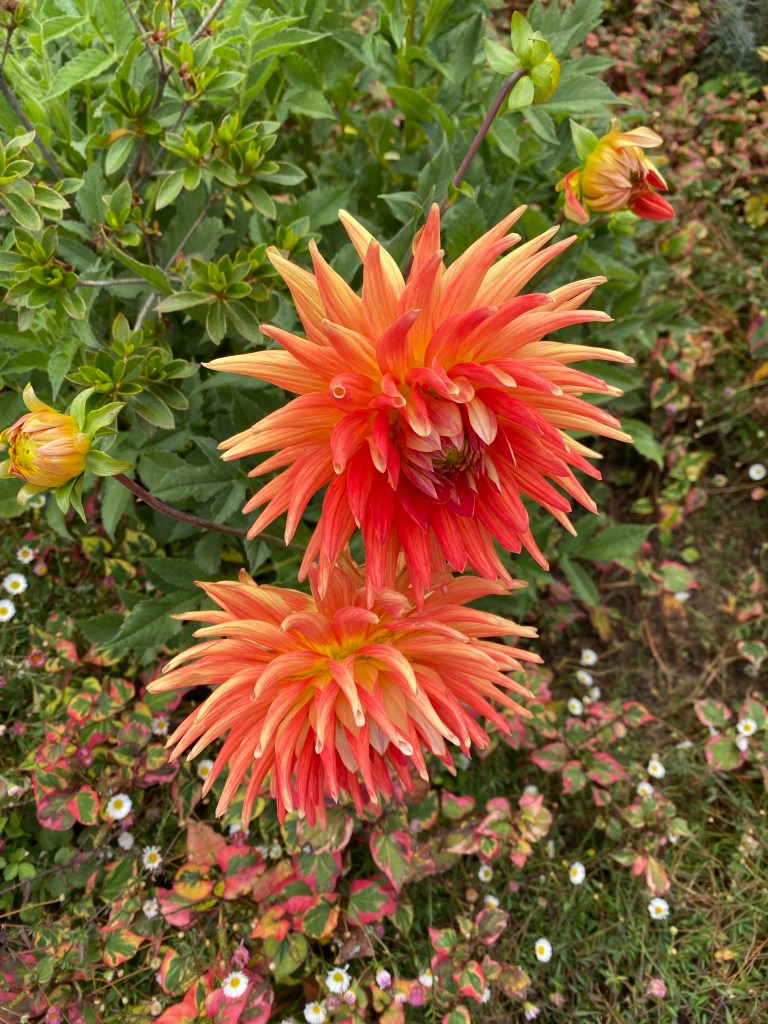
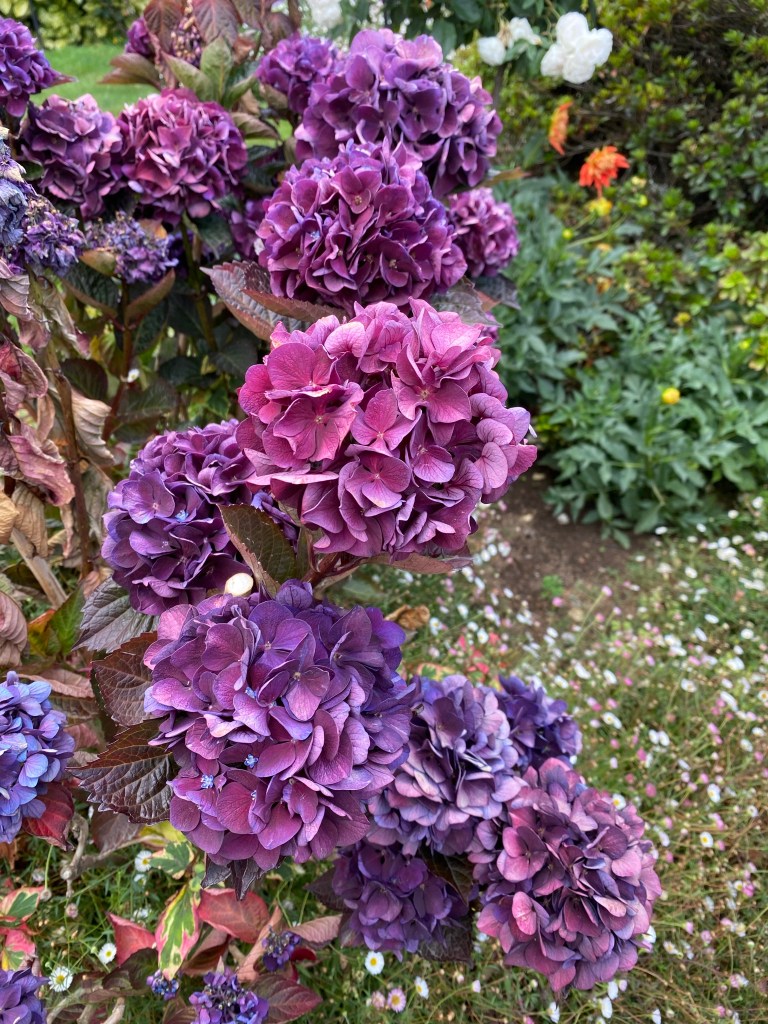
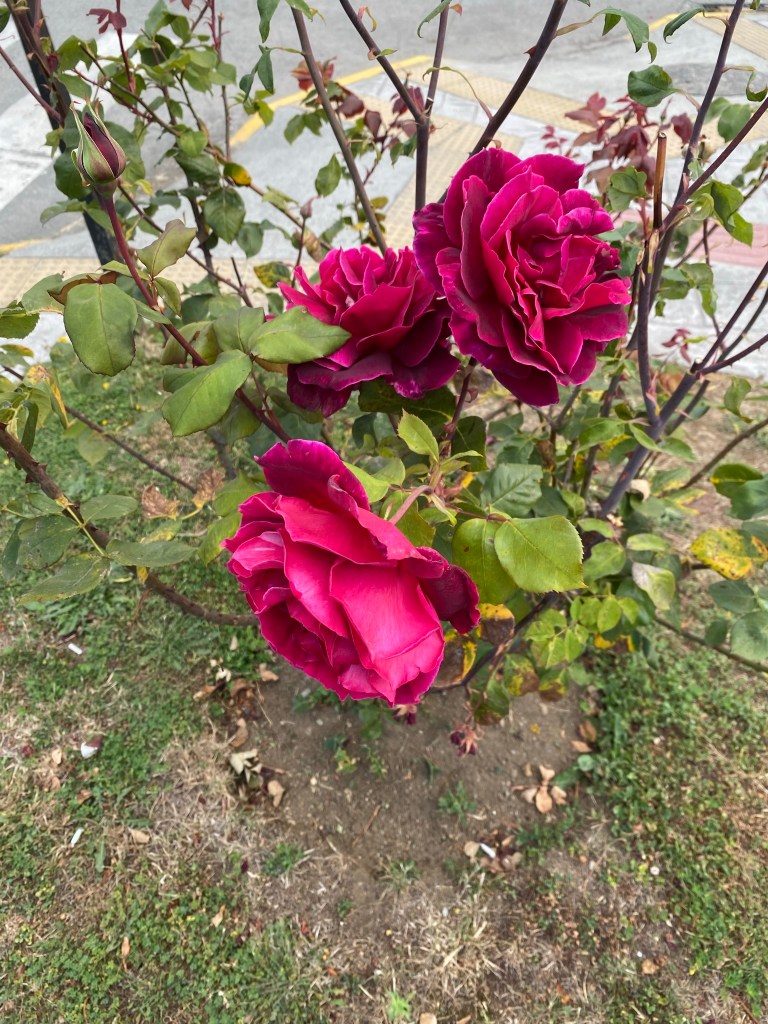
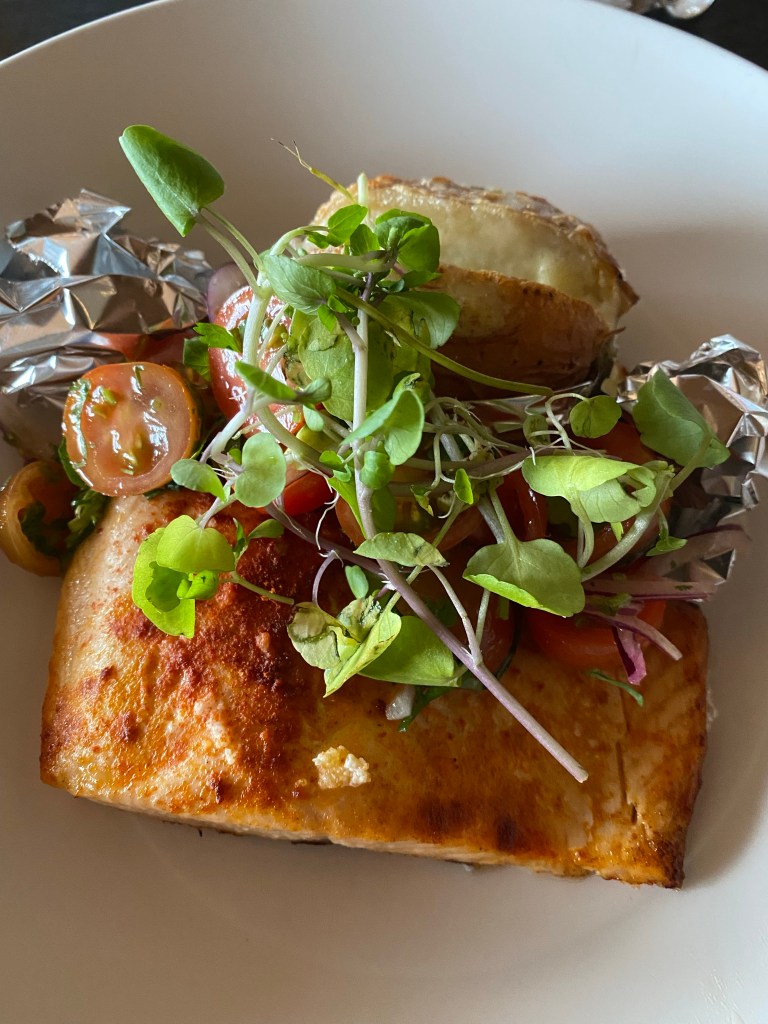
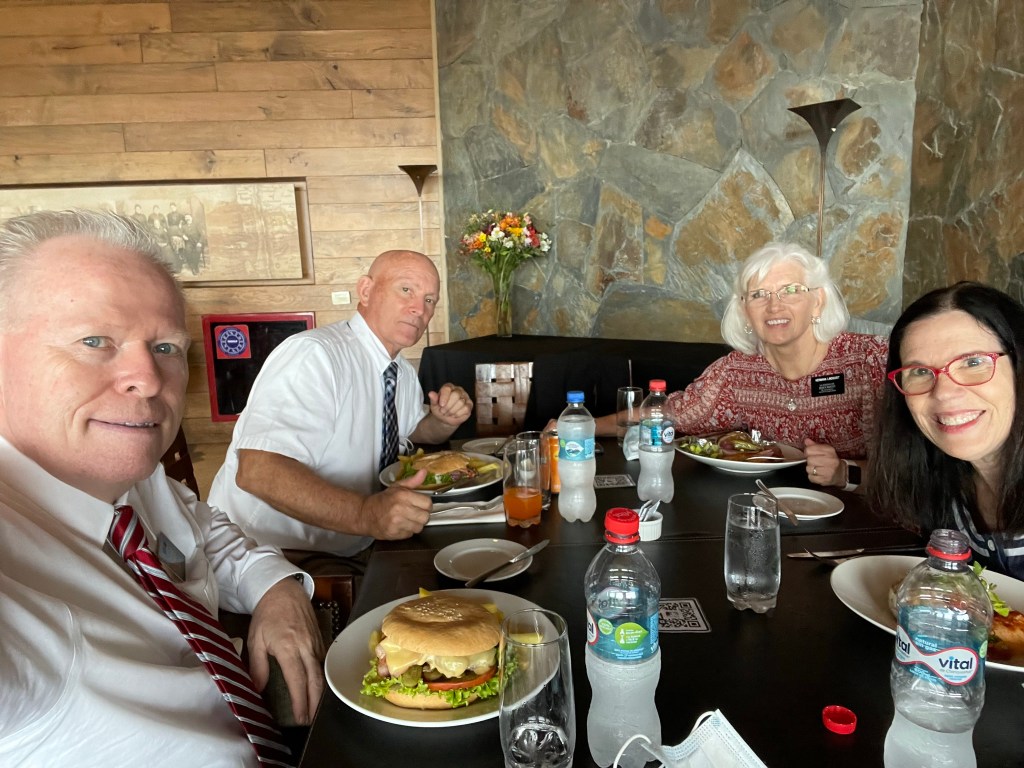
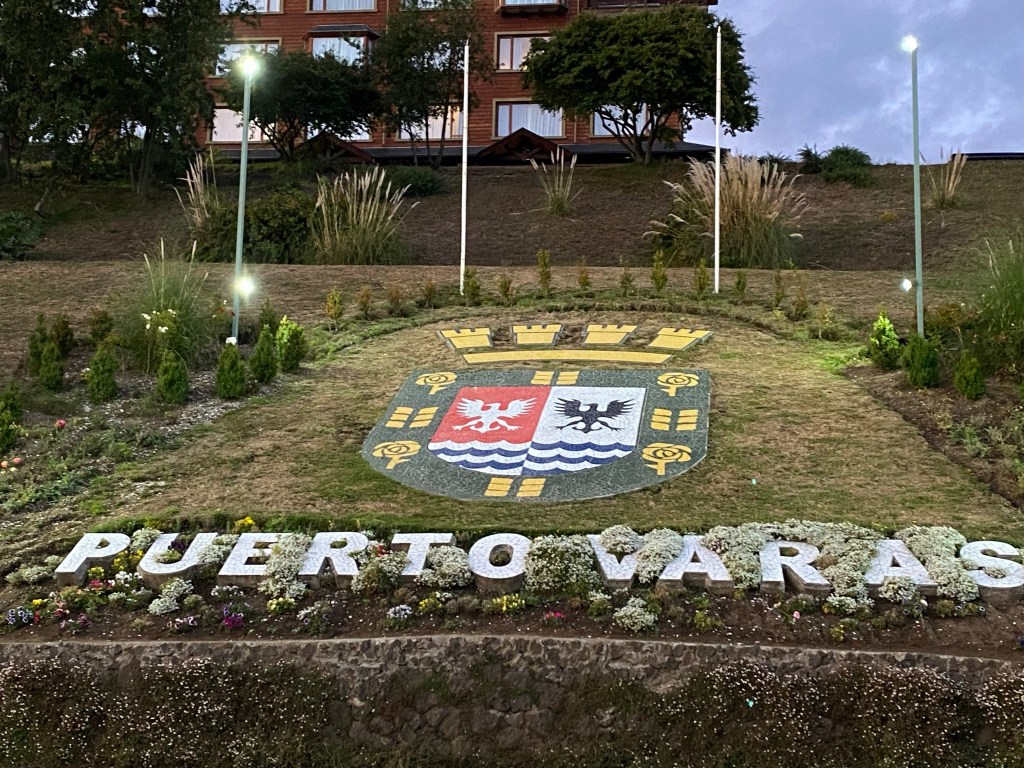
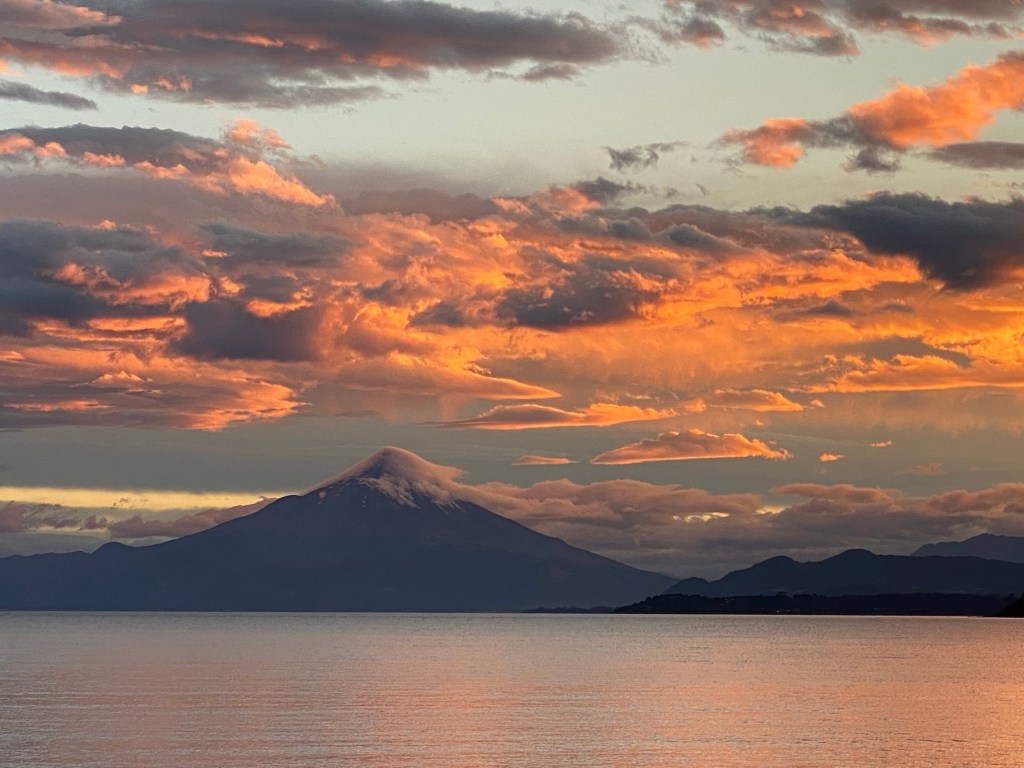
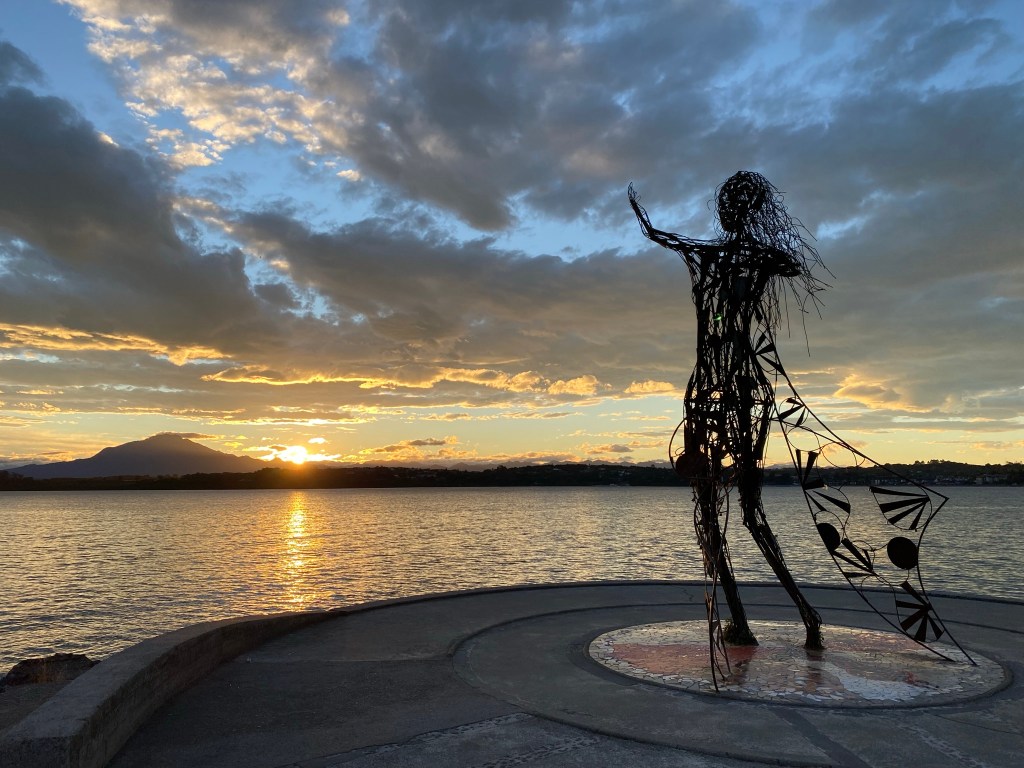
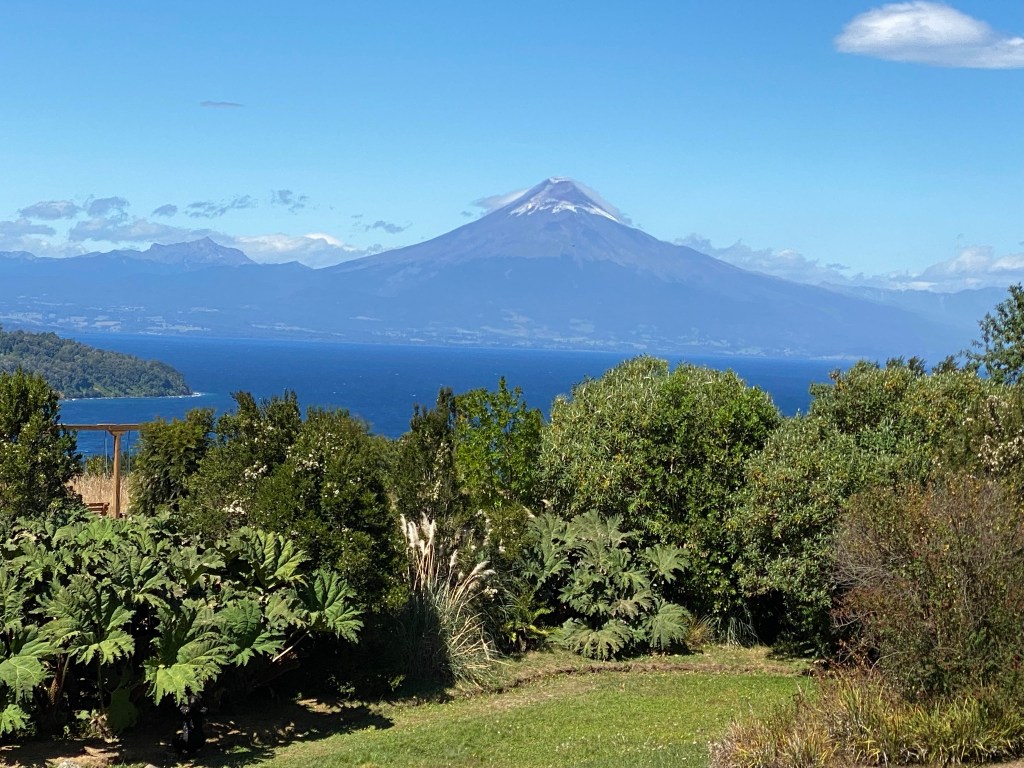
Last weekend, we flew to Puerto Montt (1032 km, an 11-hour drive or 1-hour 40-minute flight) Elder and Sister Lindquist accompanied us. We rented a car and drove 30 minutes to Puerto Varas, a beautiful city on the shores of Lago Llanquihue. The view was spectacular of the Osorno and Calbuco volcanoes. Puerto Varas is called the City of Roses or the Lucerne of Chile. As we were finishing a delicious dinner at our hotel, we had a perfect sunset view. Those pastures of cows, we saw on our drive from the airport, provided us with the ingredients for some amazing ice cream.


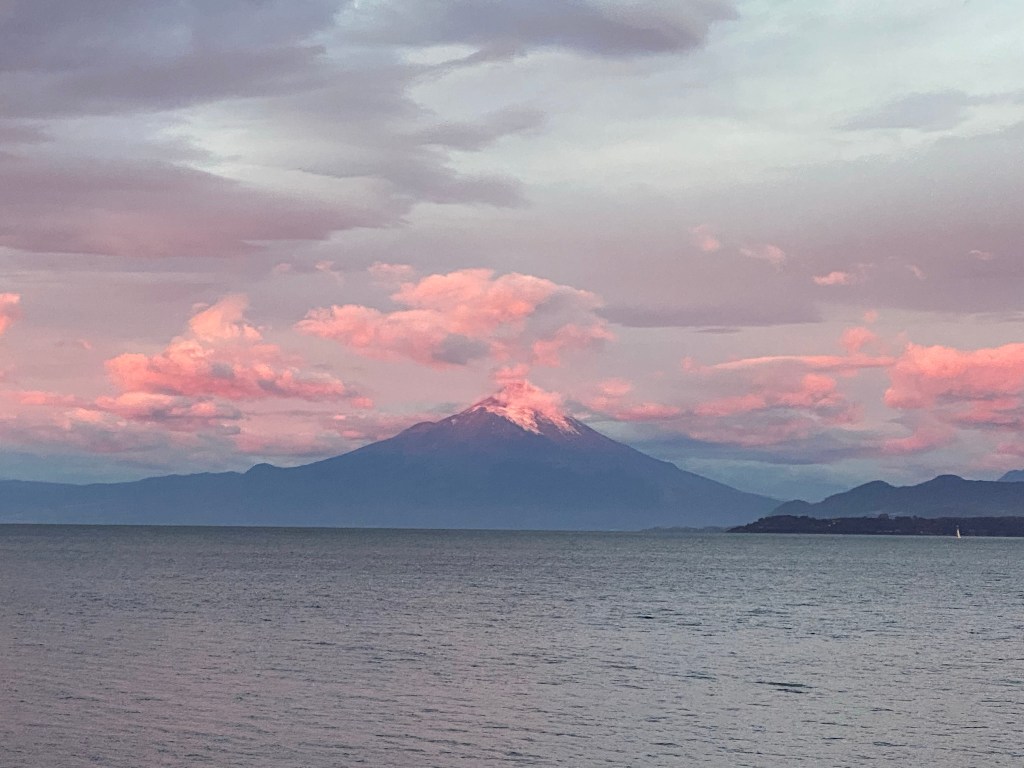
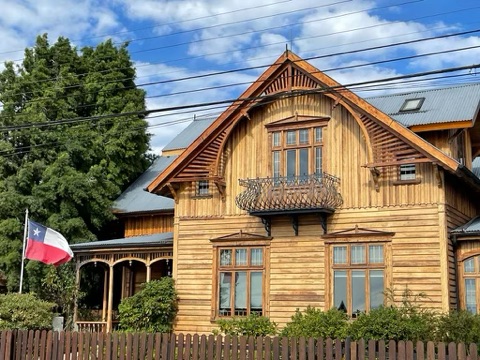
The Lake districts Germanic origins can be traced to Vicente Perez Rosales. Armed with photos of the region, he made several trips on behalf of the Chilean government to Germany, Switzerland, and Austria in the mid-19th century to recruit European immigrants to settle this region. It looks much like the parts of central Europe they came from.

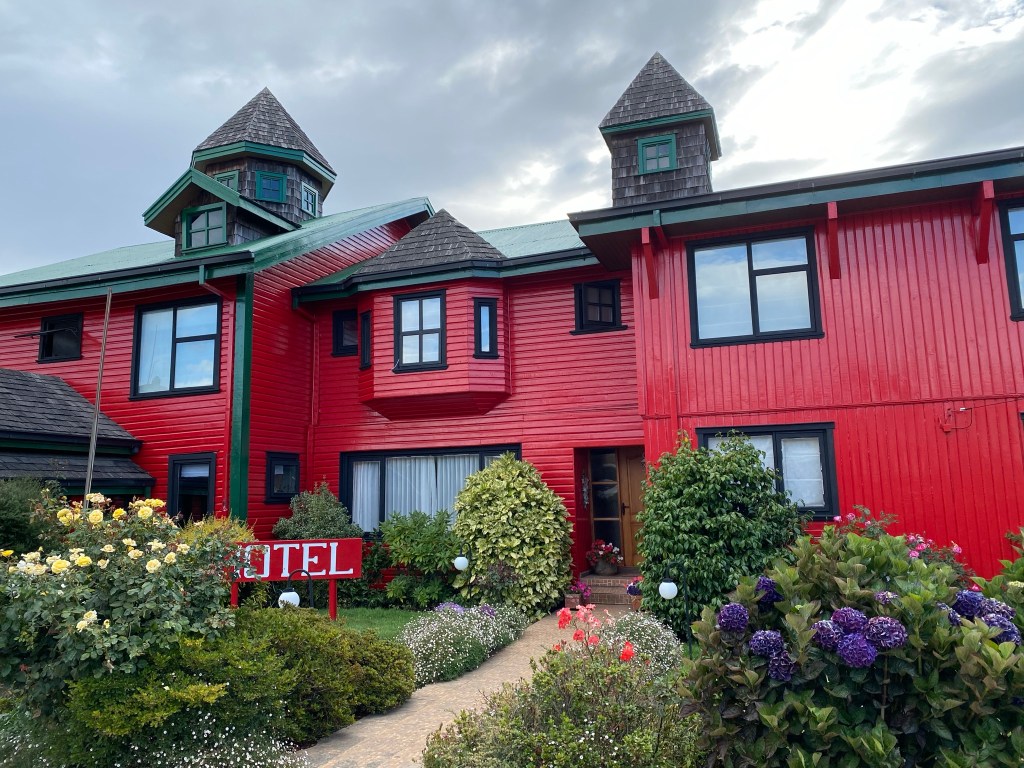
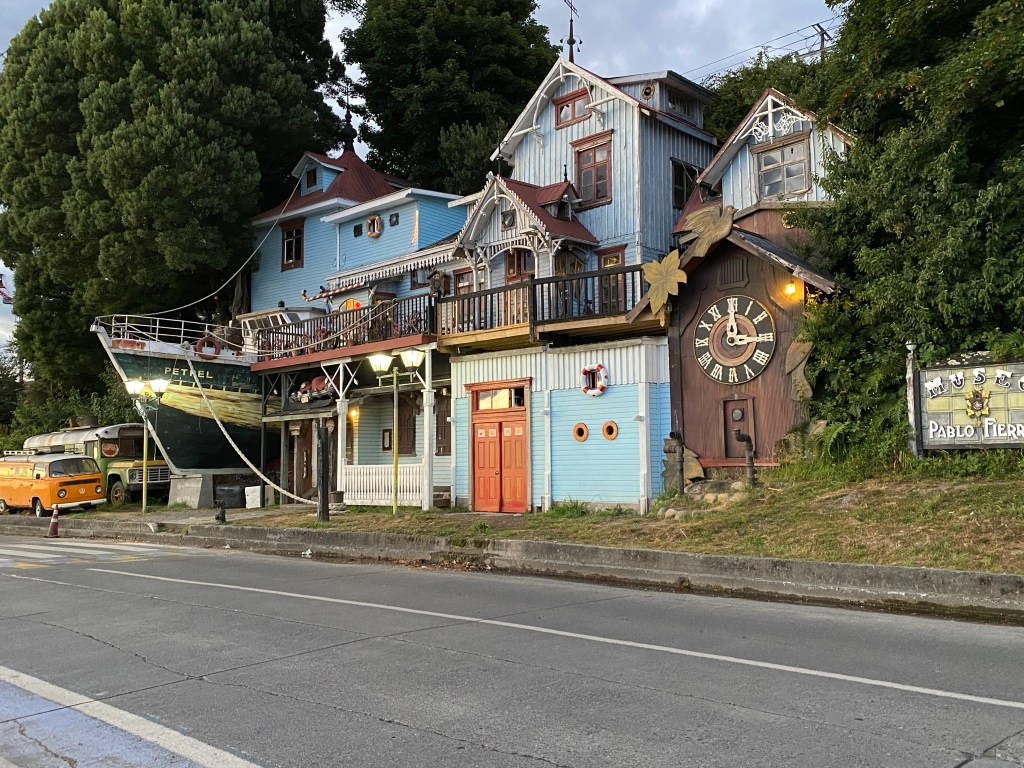
Sister Lindquist and Sister Lamb took a sunrise walk along the lake. The Sunrise was as magnificent as the sunset.
We just want to point out that sweet treats are served at every breakfast buffet. We highly recommend brownies or blueberry crumble as a part of a healthy breakfast.

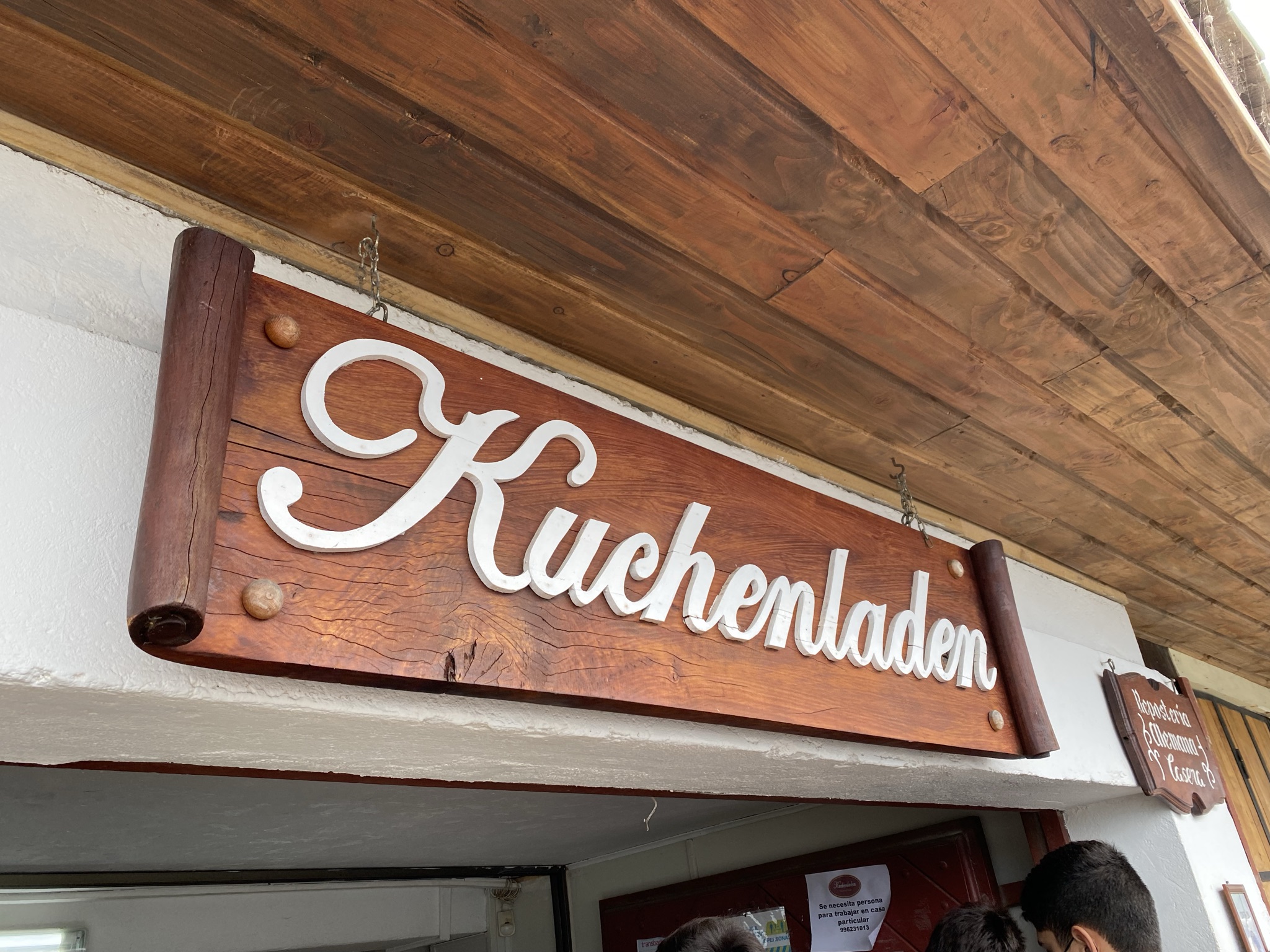
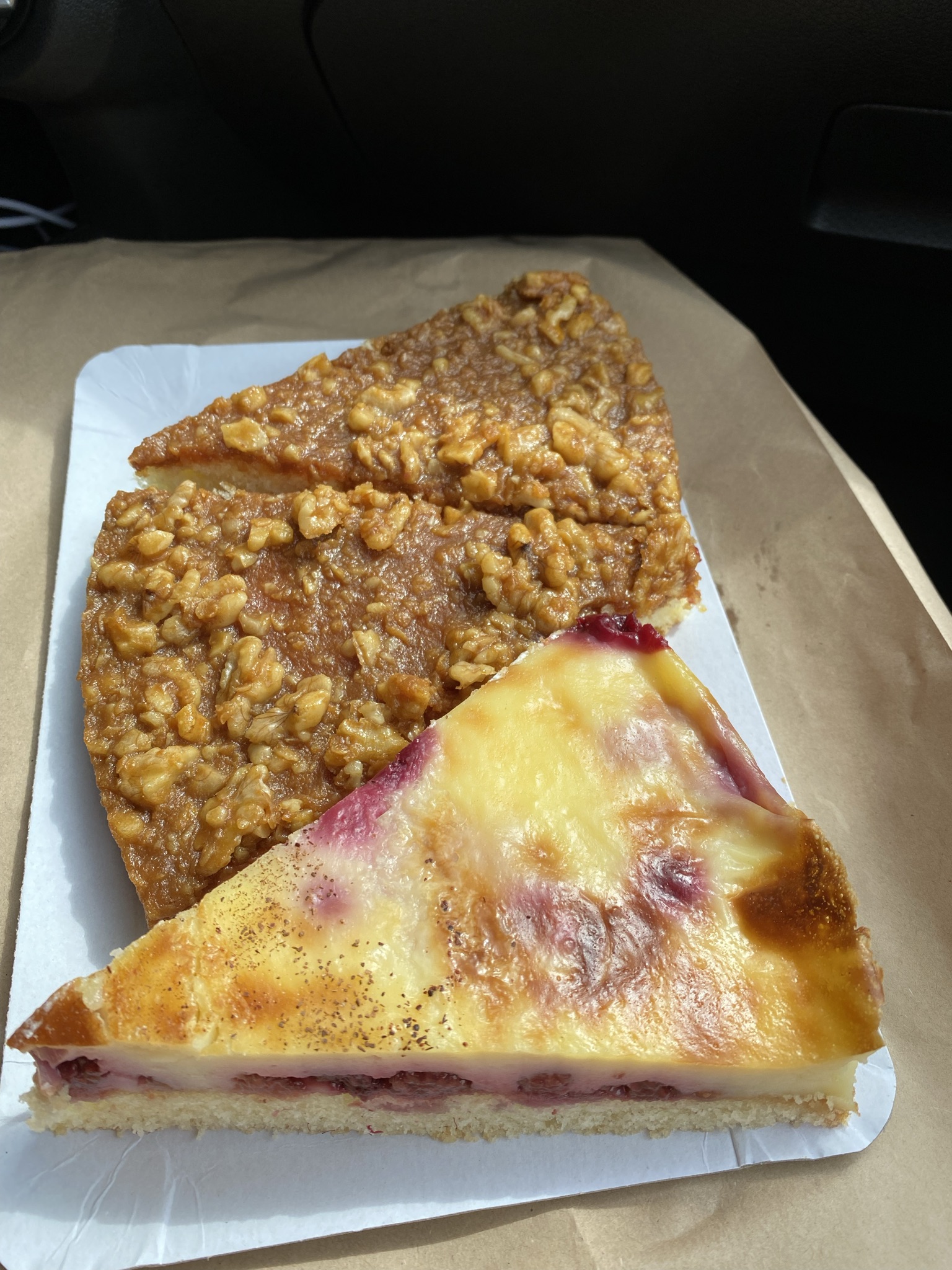
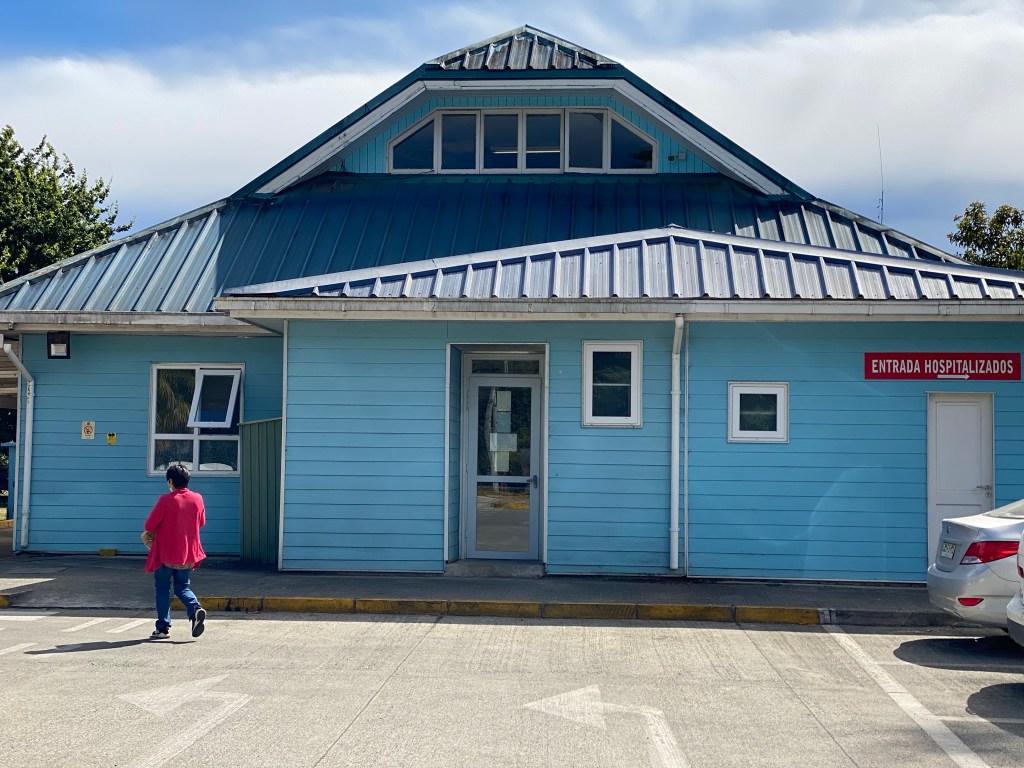
We spent Monday driving around Lago Llanquihue. First stop, Frutillar, known for its perfectly preserved German architecture and kuchen.

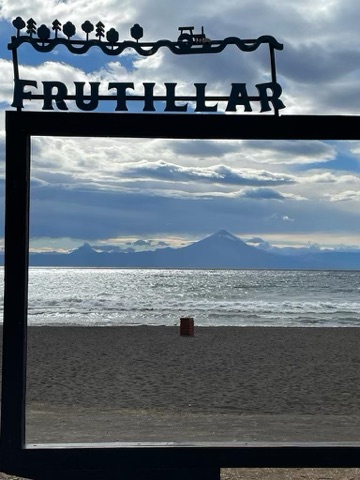
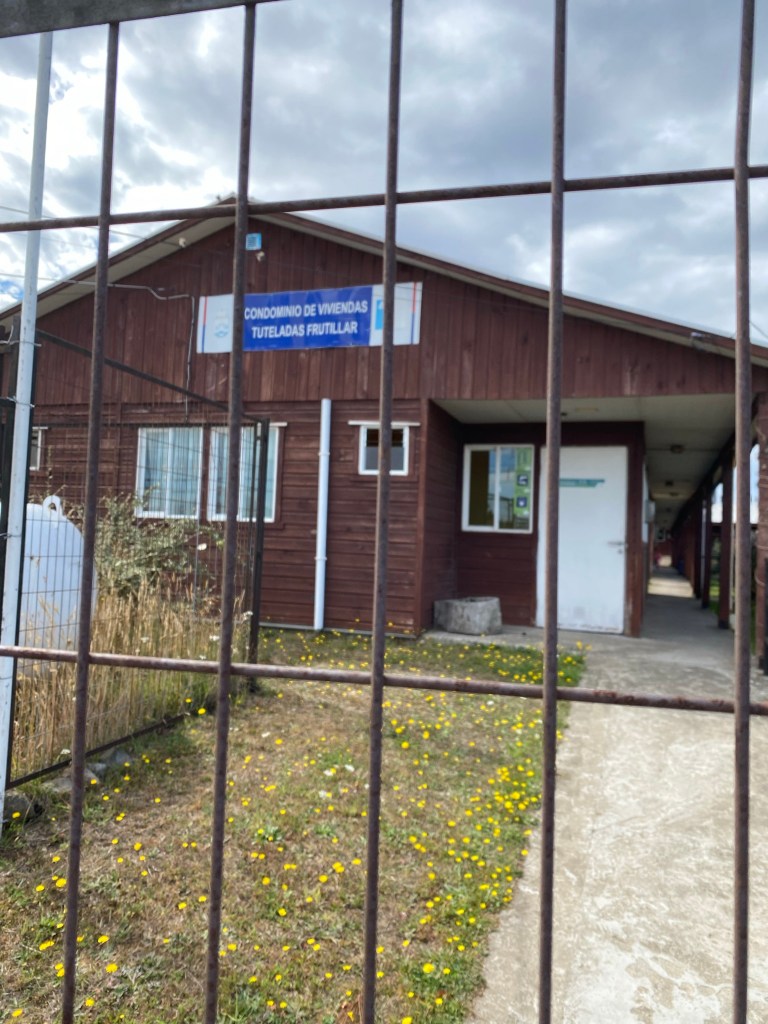
The Lindquist’s walked along the lake while we had two visits for possible projects. One was at Hogar Ancianos Tutelados where 20 elderly people live. Next was Frutillar hospital. We had a wonderful meeting with the director of the hospital and now await solicitudes from both.
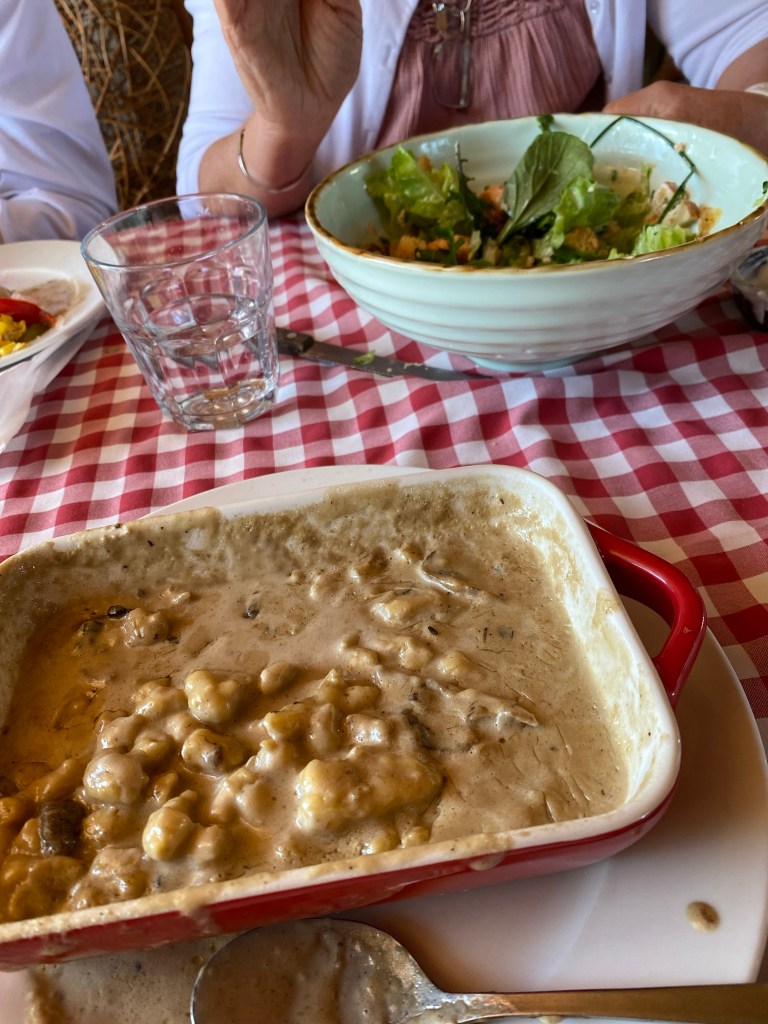
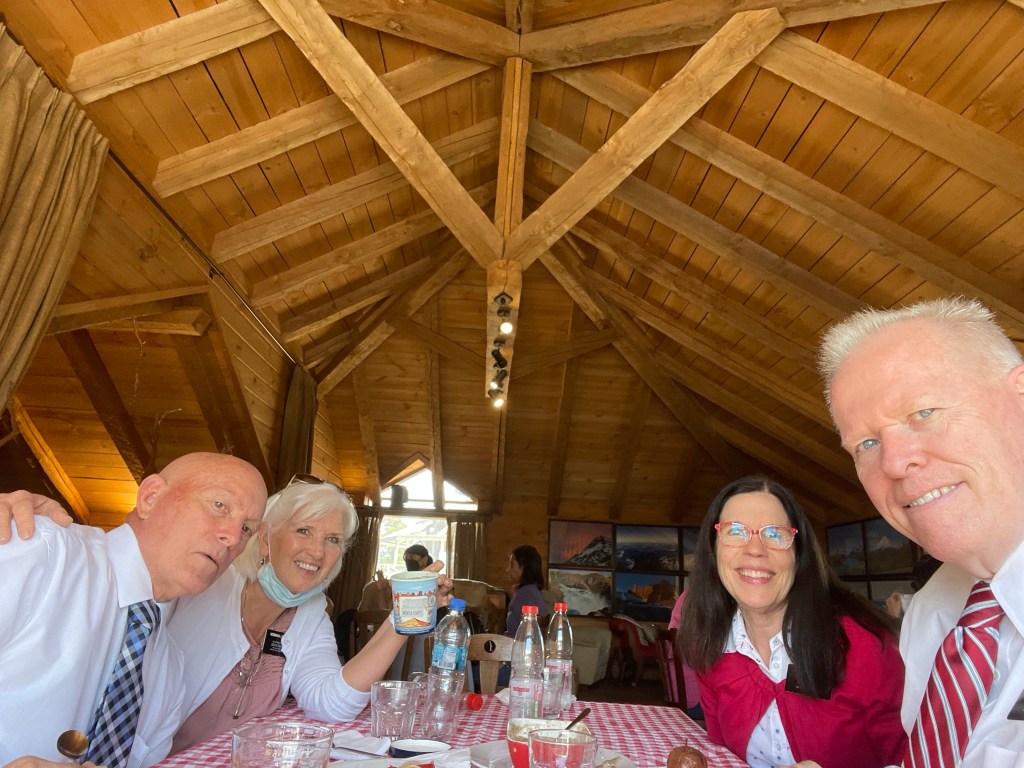
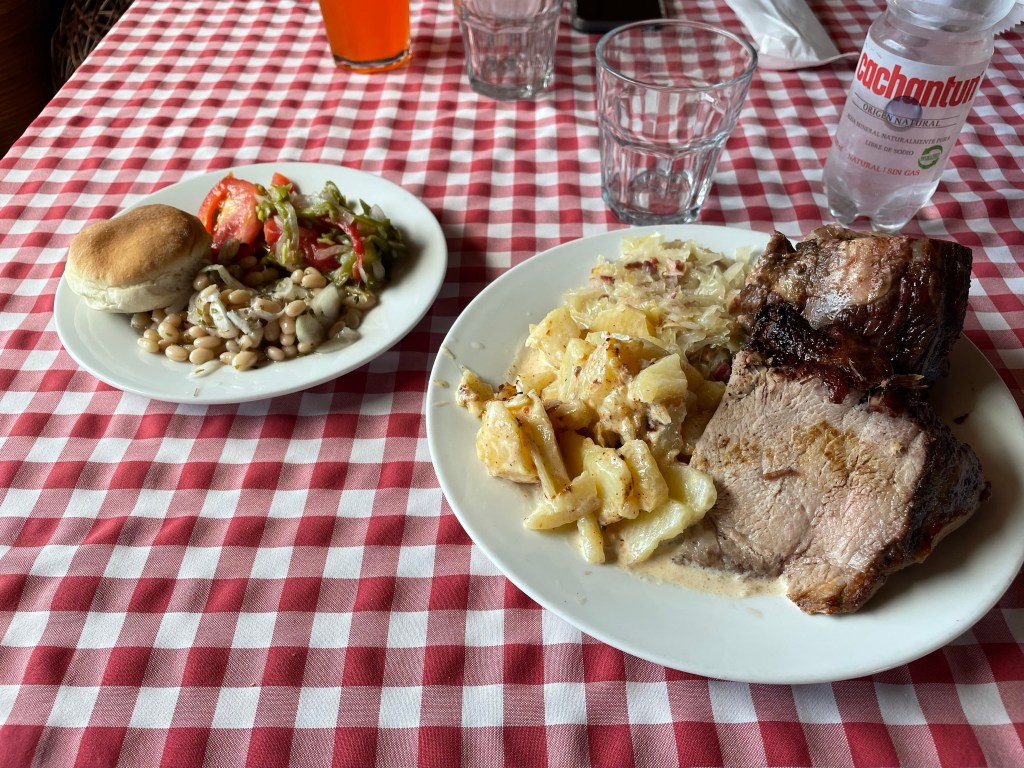
We continued around the lake toward Puerto Octay. We stopped for lunch at Rancho Espantapajaros for a German buffet and amazing lakeside views of the volcano.
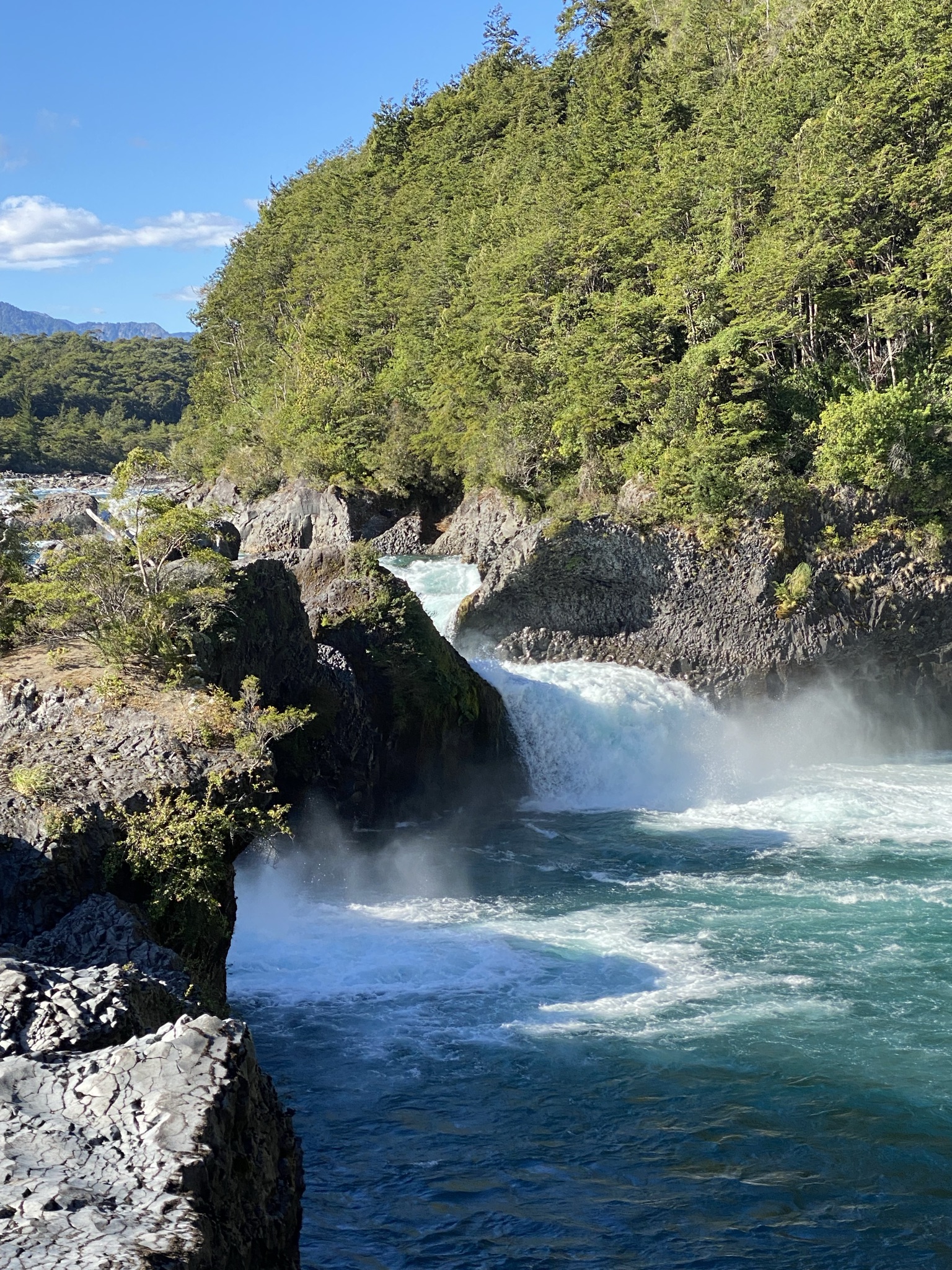
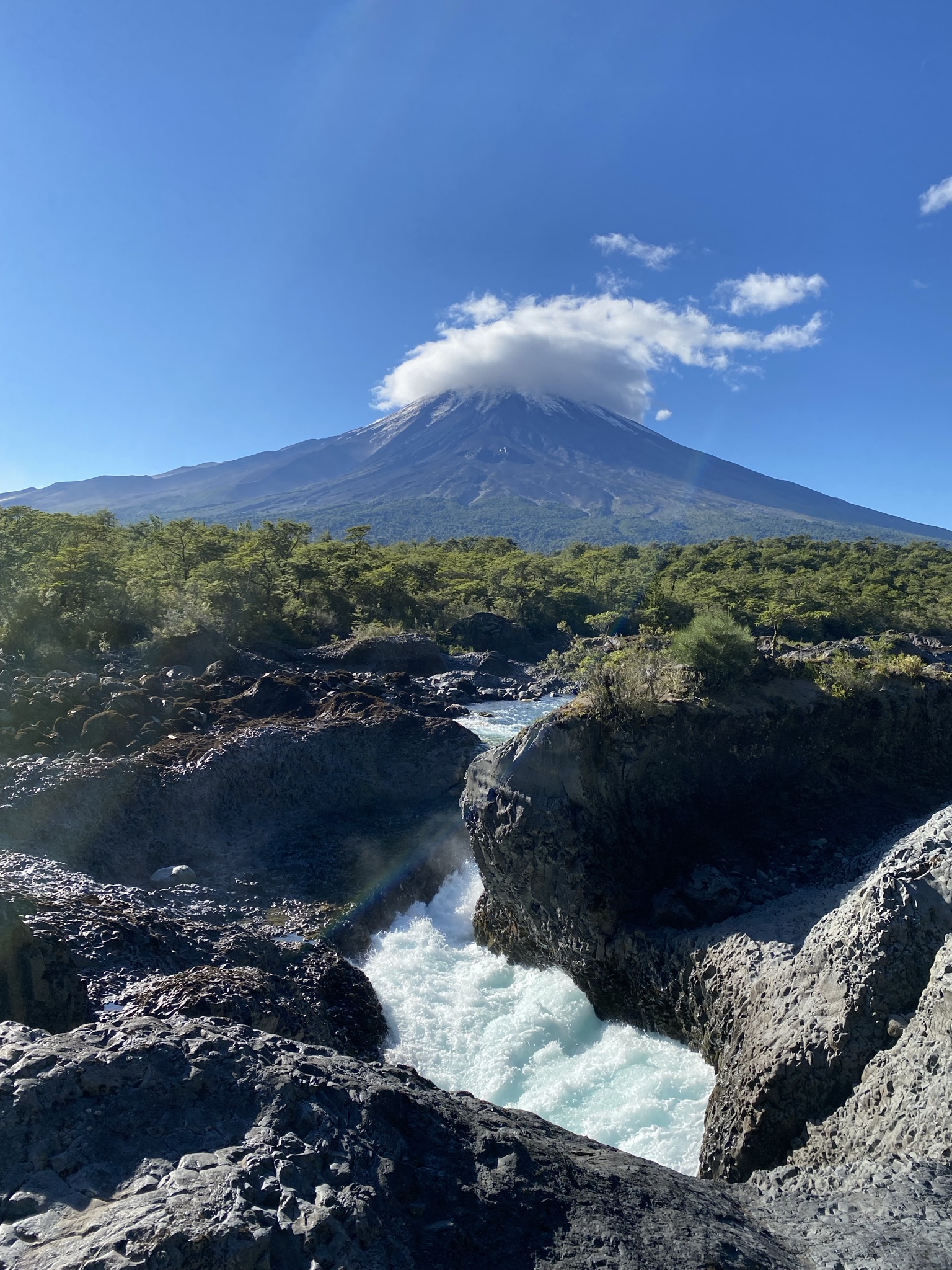
The next stop was Saltos de Petrohue in Vicente Perez Rosales National Park to see the chute waterfalls.
ISLAND OF CHILOE
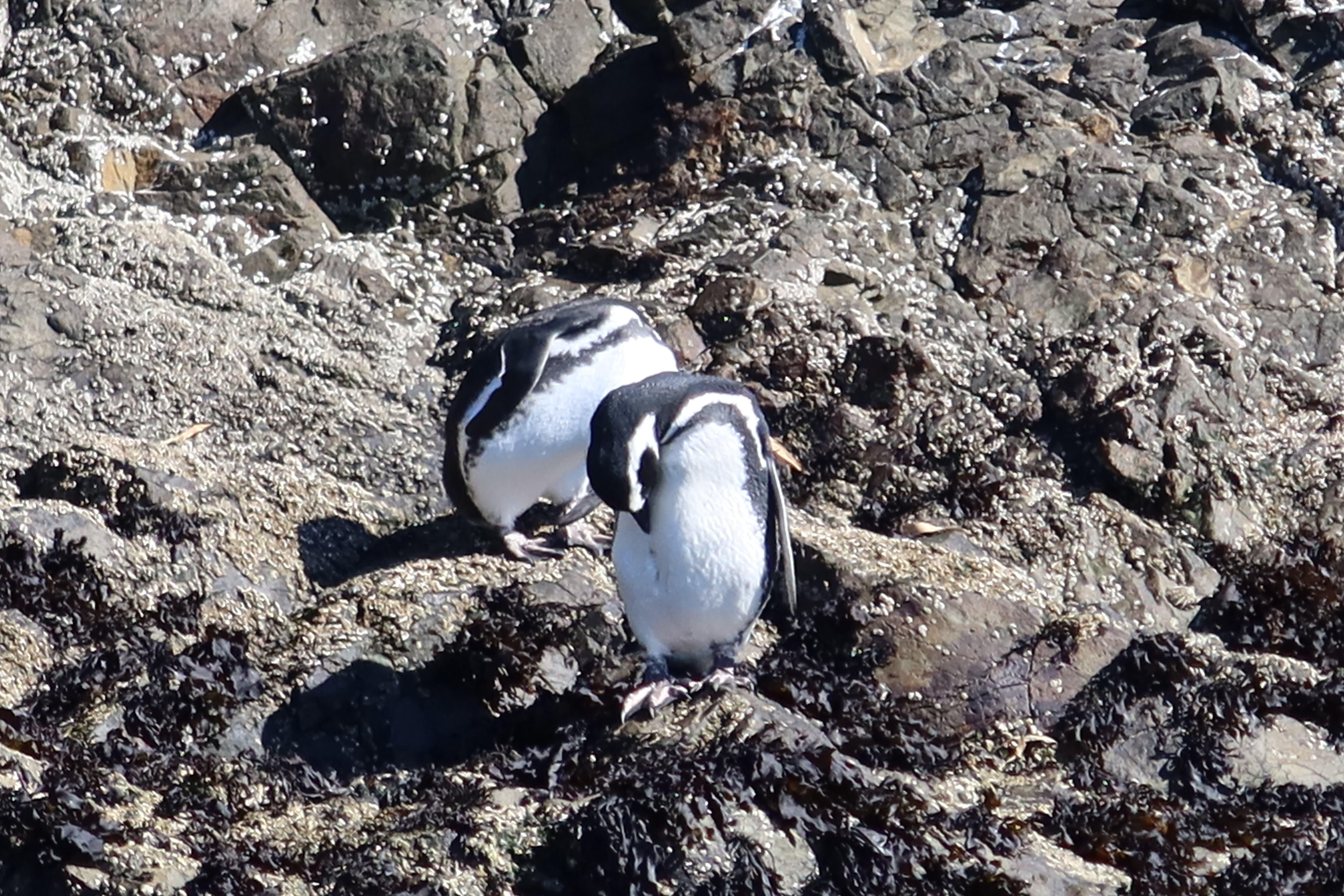
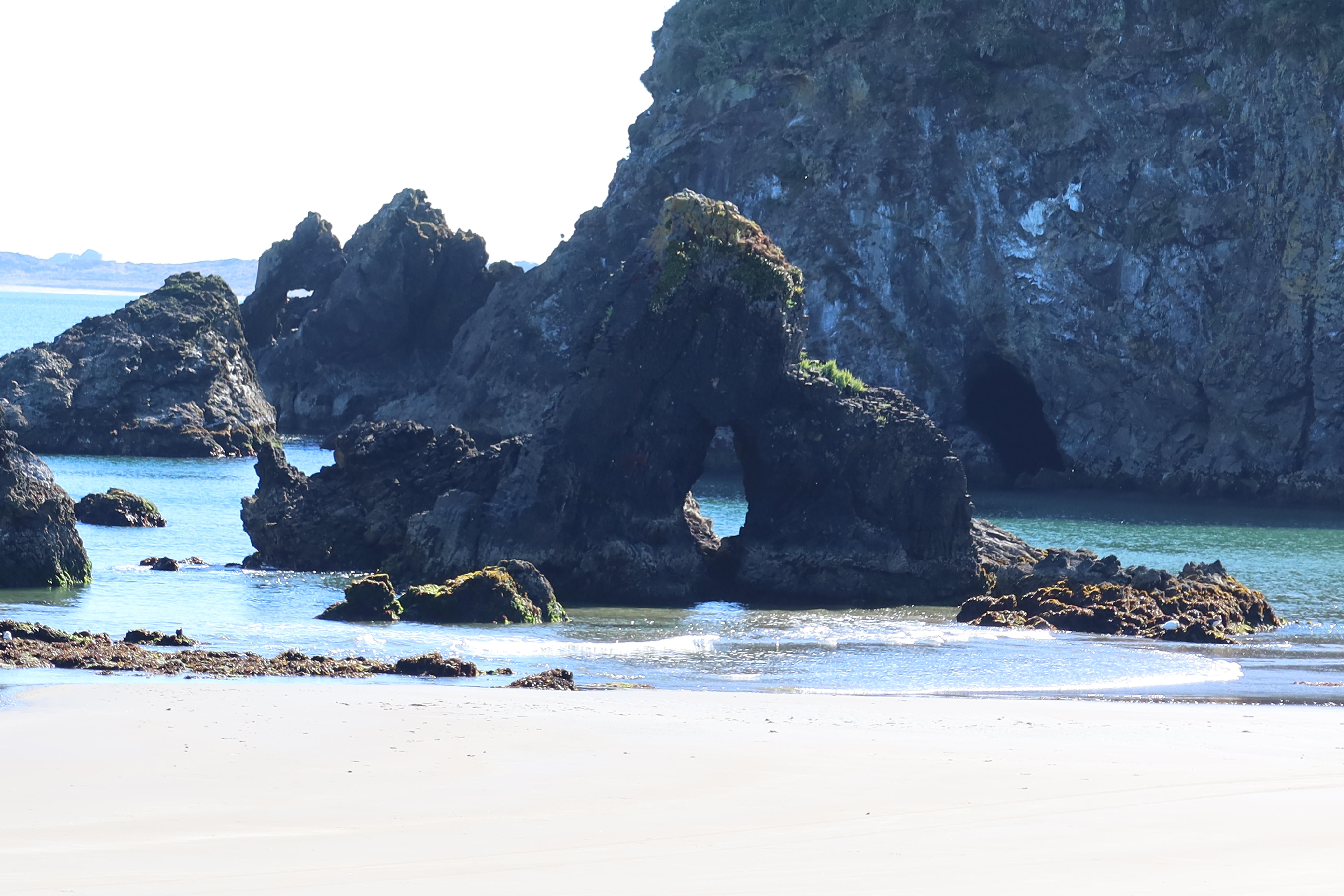
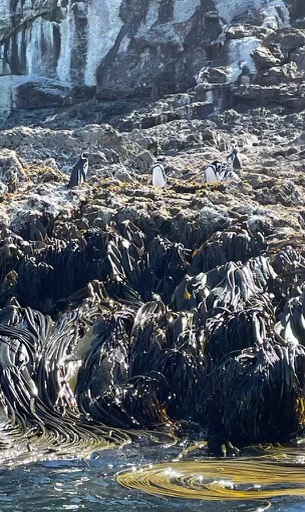
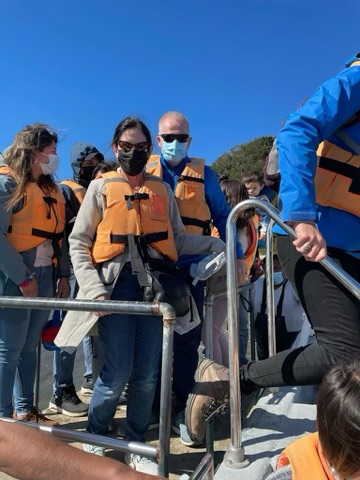
On Tuesday we took a personal day and at 7am, drove an hour to Pargua to catch the ferry to the island of Chiloe. Of the 41 islands in the archipelago of Chiloe, 35 are populated. The ferry crossing took less than 30 minutes and then we drove to Punihuil beach to see Humbolt and Magellan penguins. We climbed onto a metal platform on wheels and four men pushed us out to the boat where we climbed aboard. It was wonderful to observe animals in their natural environments. The tide was out so seaweed covered the perimeter of the small islands we passed.


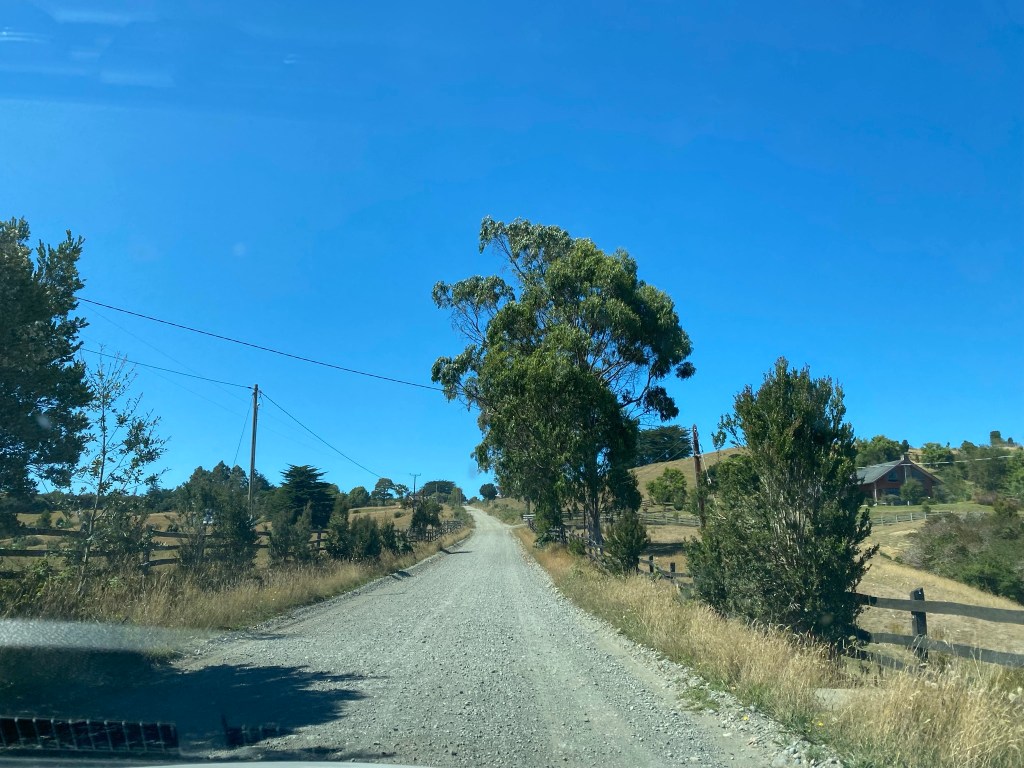
Back on the road to Dalcahue, the GPS took us on a gravel road four-wheeling adventure in our four-cylinder Nissan rental car. The hills were steep and there were some we were not sure we would be able to climb. There were random stretches of paved road, usually on the very steep climbs. We truly saw the countryside of Chiloe, passing farmland and many beehives. It was a behind-the-scenes tour. We went to Dalcahue to eat in one of the famous cocinerias- kitchens located on stilt houses with the external structure of a boat with circular windows. Inside you eat at large bars that surround the kitchen. Unfortunately, we only found one and the line was so long to get in we opted to eat next door- very bad choice which we regret.
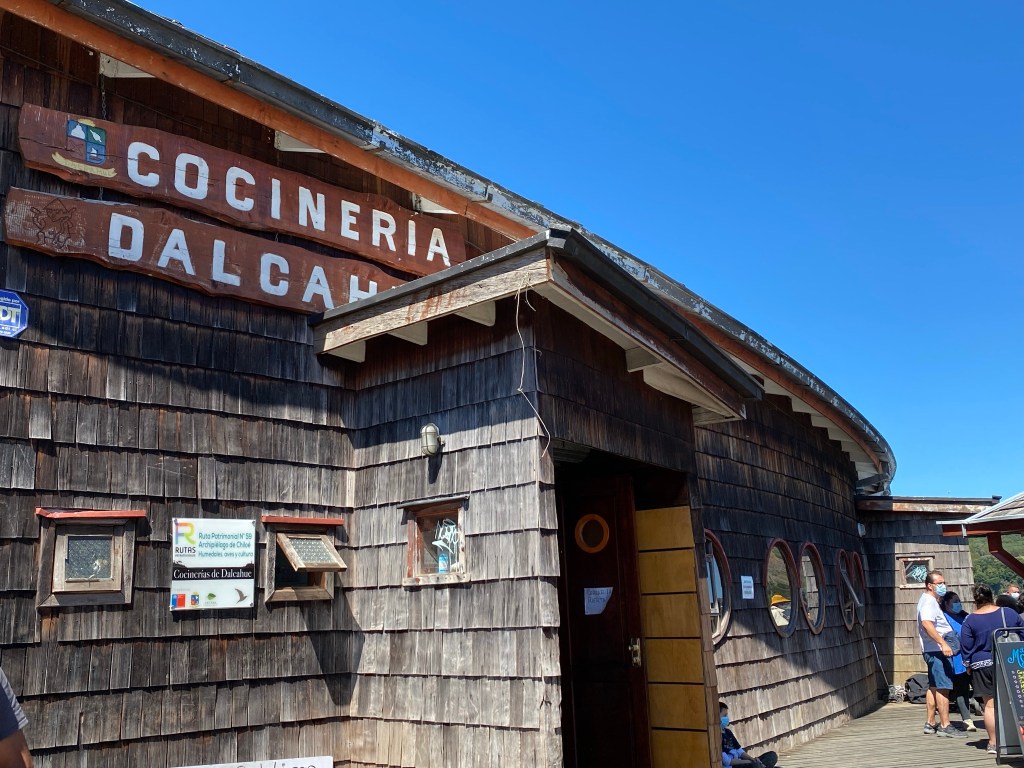
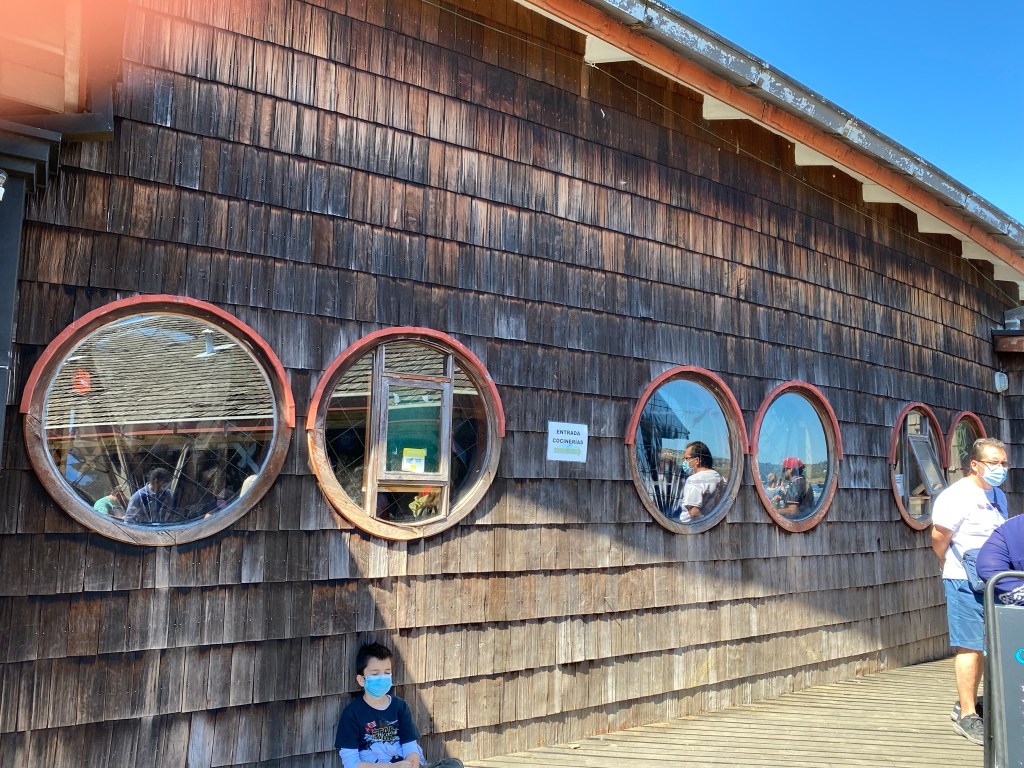
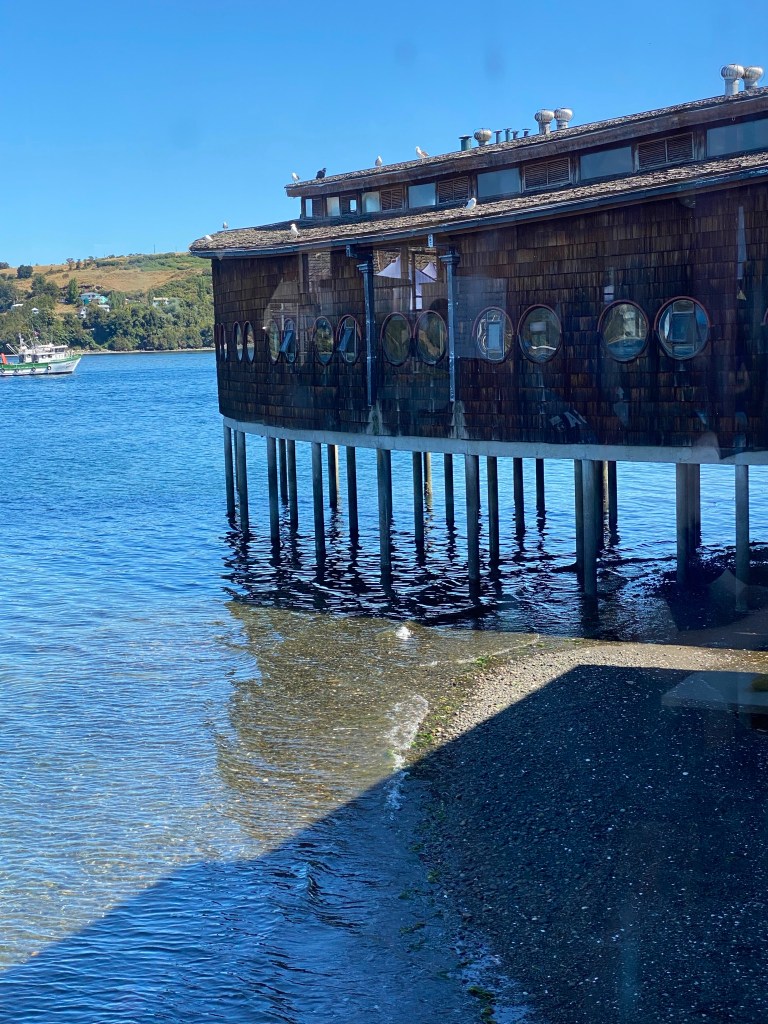
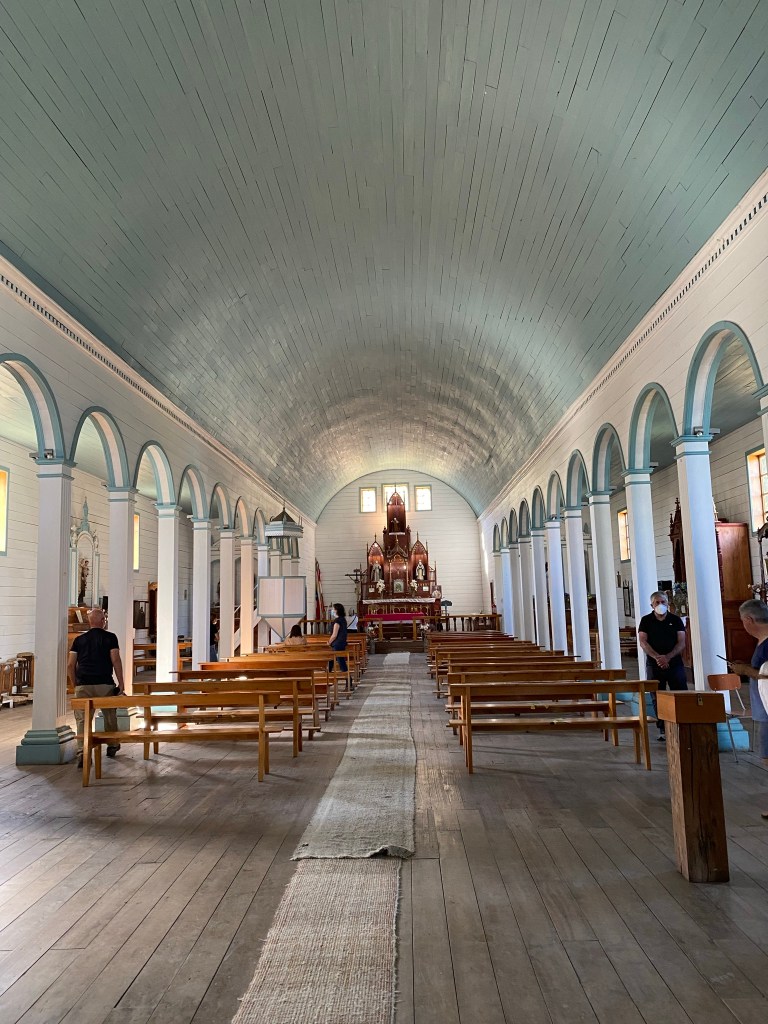
We started our wooden church tour in Dalcahue. 150 small colorful, wooden churches dot the eastern half of the main island. Built by Jesuit missionaries and fishermen and shipbuilders, they represent the fusion of European Christian architecture and Chilean coastal traditions. Like their boats, the churches were built without nails, utilizing various kinds of wooden joints. The majority of churches have south-facing entrances to keep the rain out. Sixteen of these churches are UNESCO World Heritage sites. We had time to visit four. The first was Nuestra Senora del los Dolores in Dalcahue which unfortunately was closed.
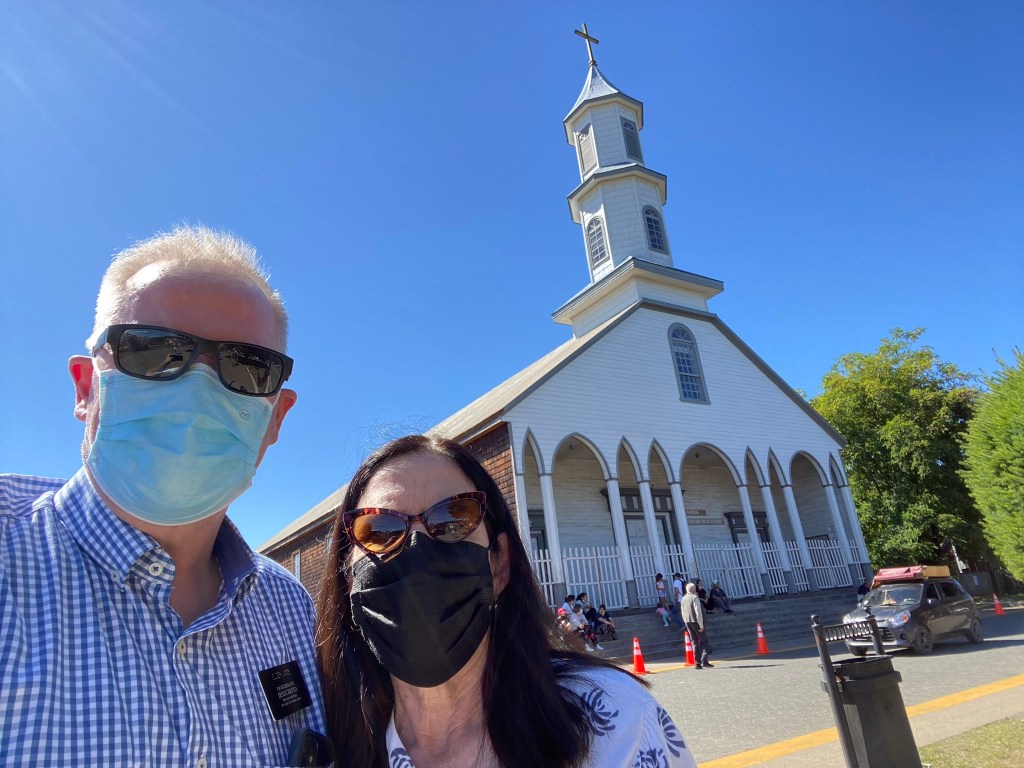
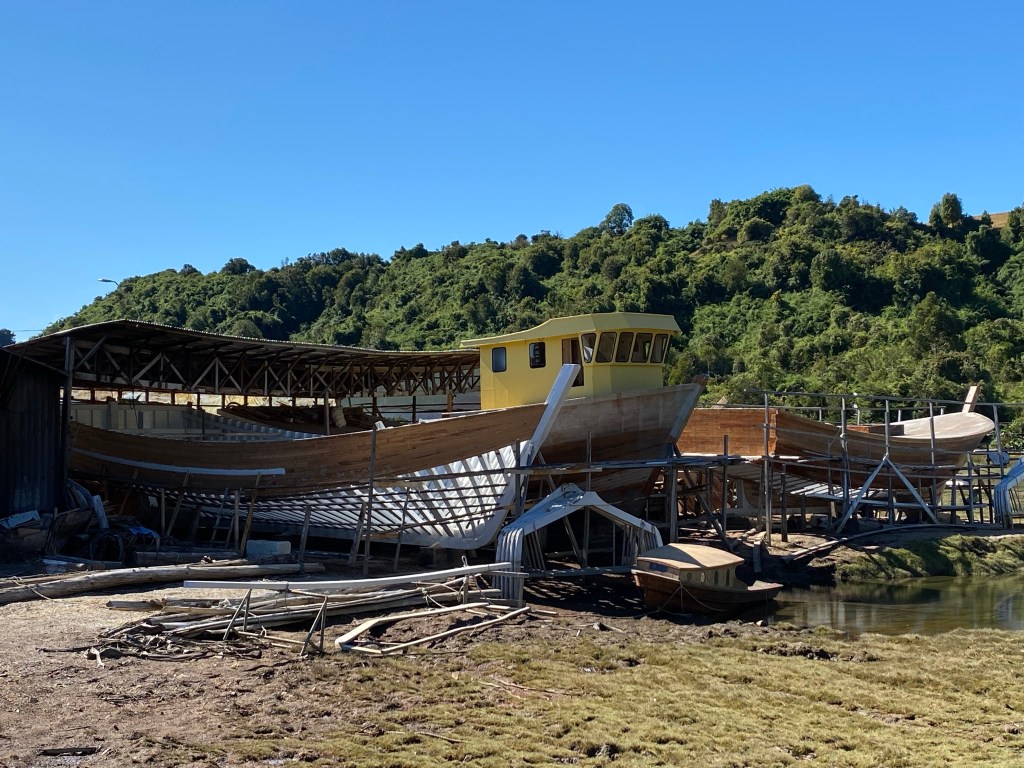
The second was San Juan Bautista in San Juan, rustic on the outside but inside it’s a beauty. Right behind the church, we came upon shipbuilders at work building new boats and repairing old ones. It was a magical moment.
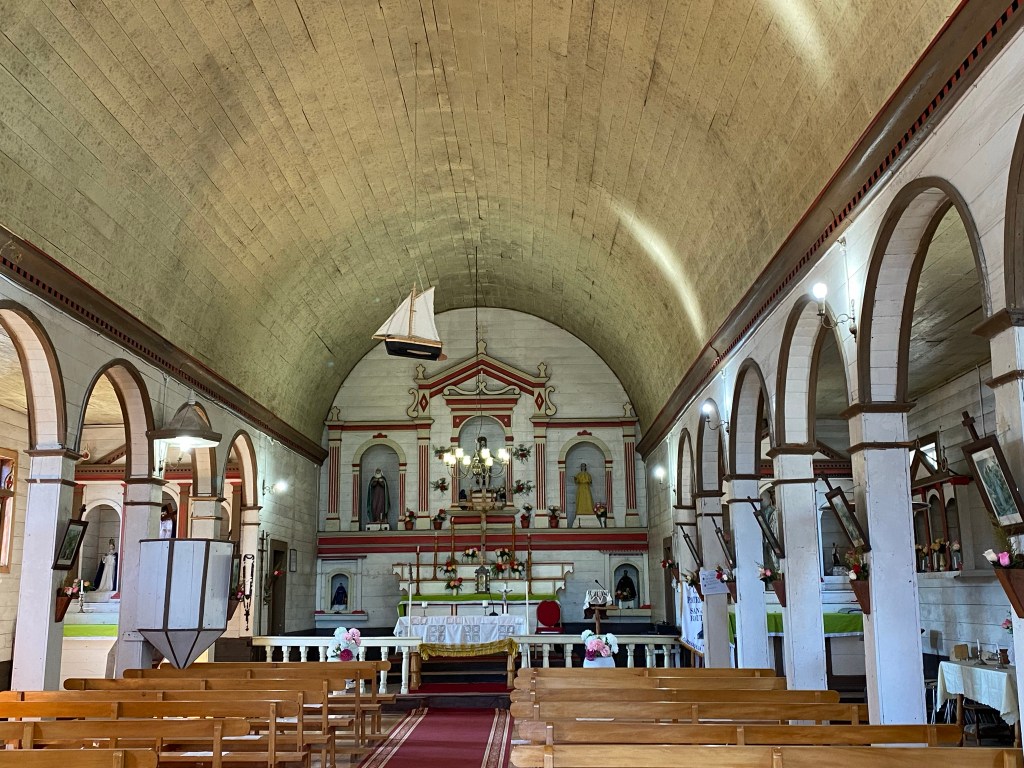
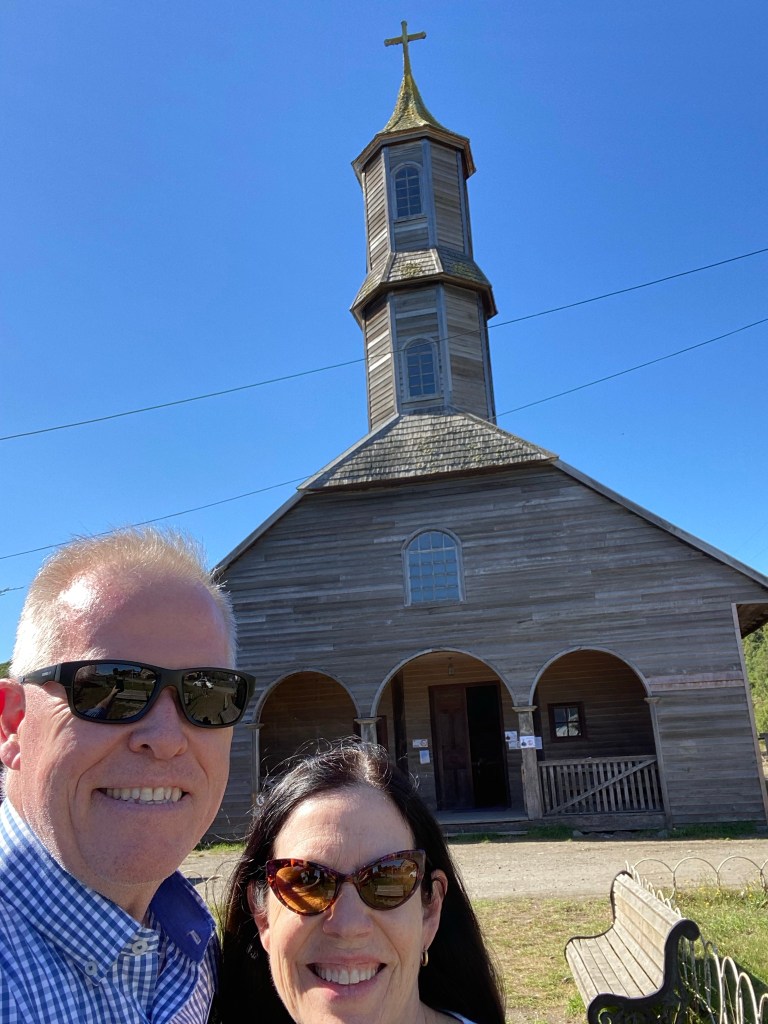
Church number three was Nuestra Senora del Patrocinio in Tenaun. It was a beauty.

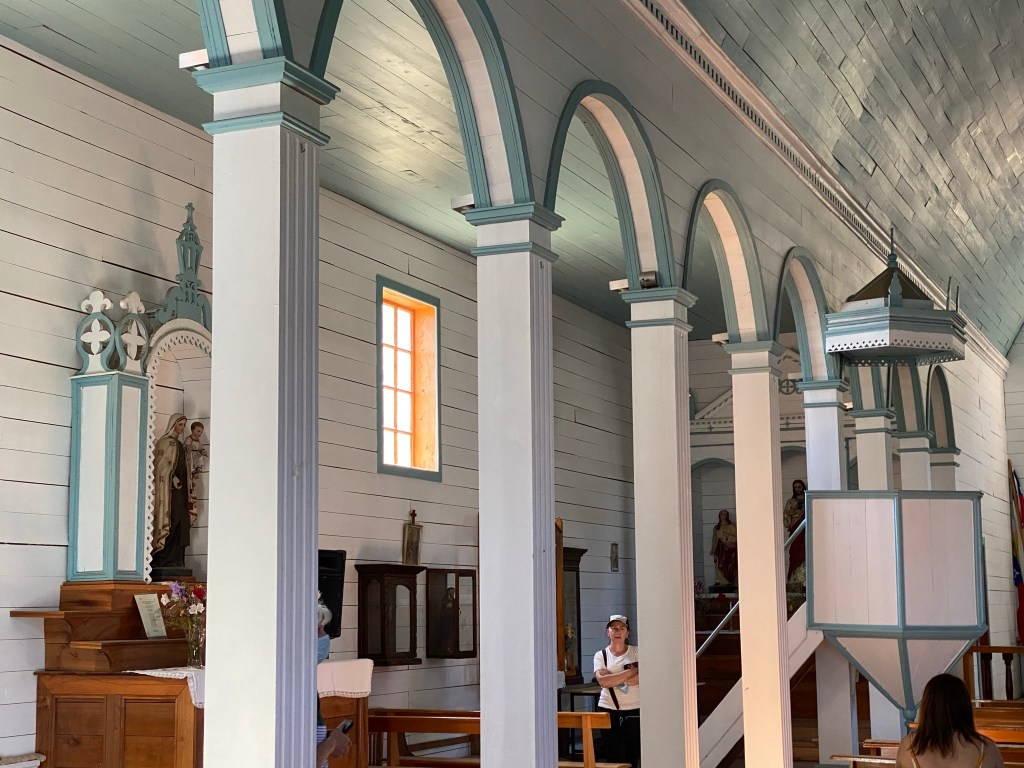
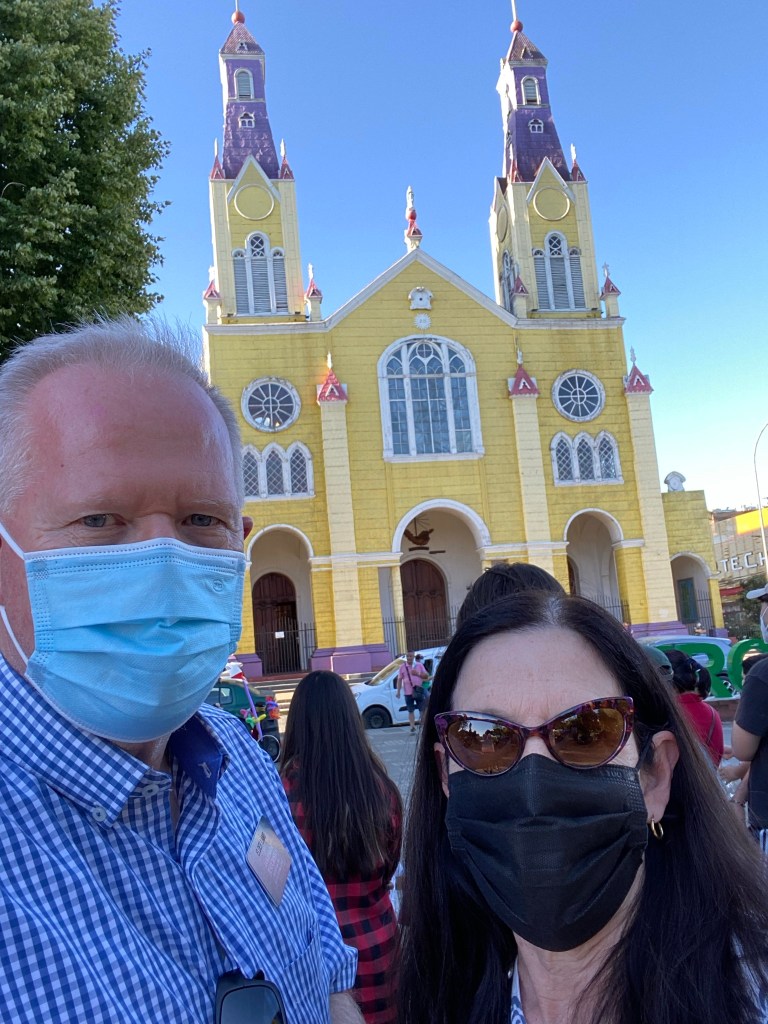
Number four was the San Francisco church in Castro. We arrived just as mass was starting so were not allowed in unless we were willing to stay for the complete mass. We were disappointed as the inside is said to leave you speechless. We would have stayed for mass but didn’t want to miss our ferry.
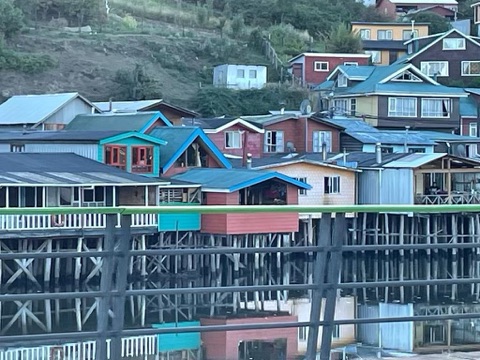
In Castro, we also saw palafitos, the traditional colorful Chilean stilt houses built over the water. We then retraced our steps to the ferry crossing and arrived back in Puerto Montt at about 11:00 p.m.
PUERTO MONTT
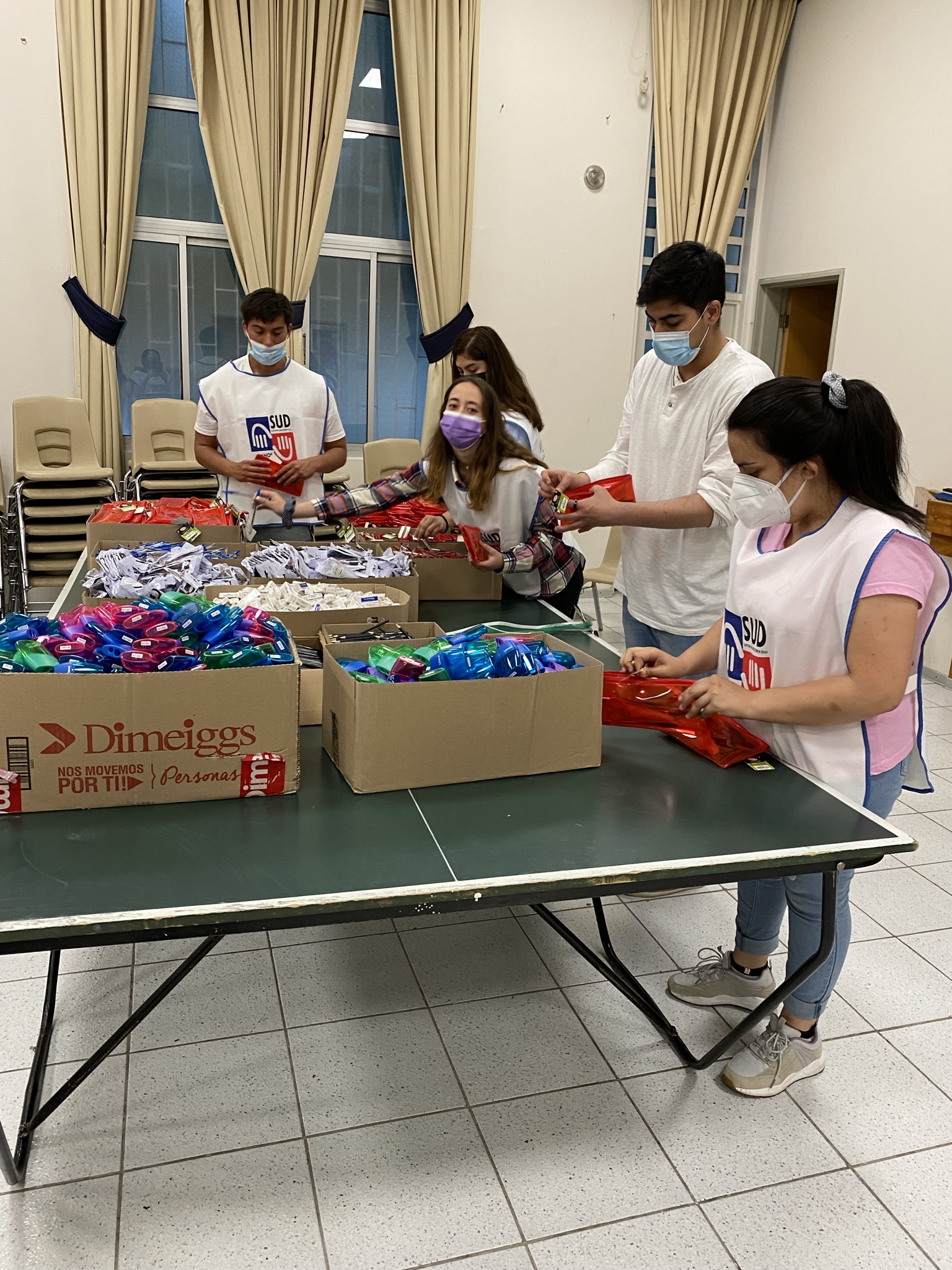
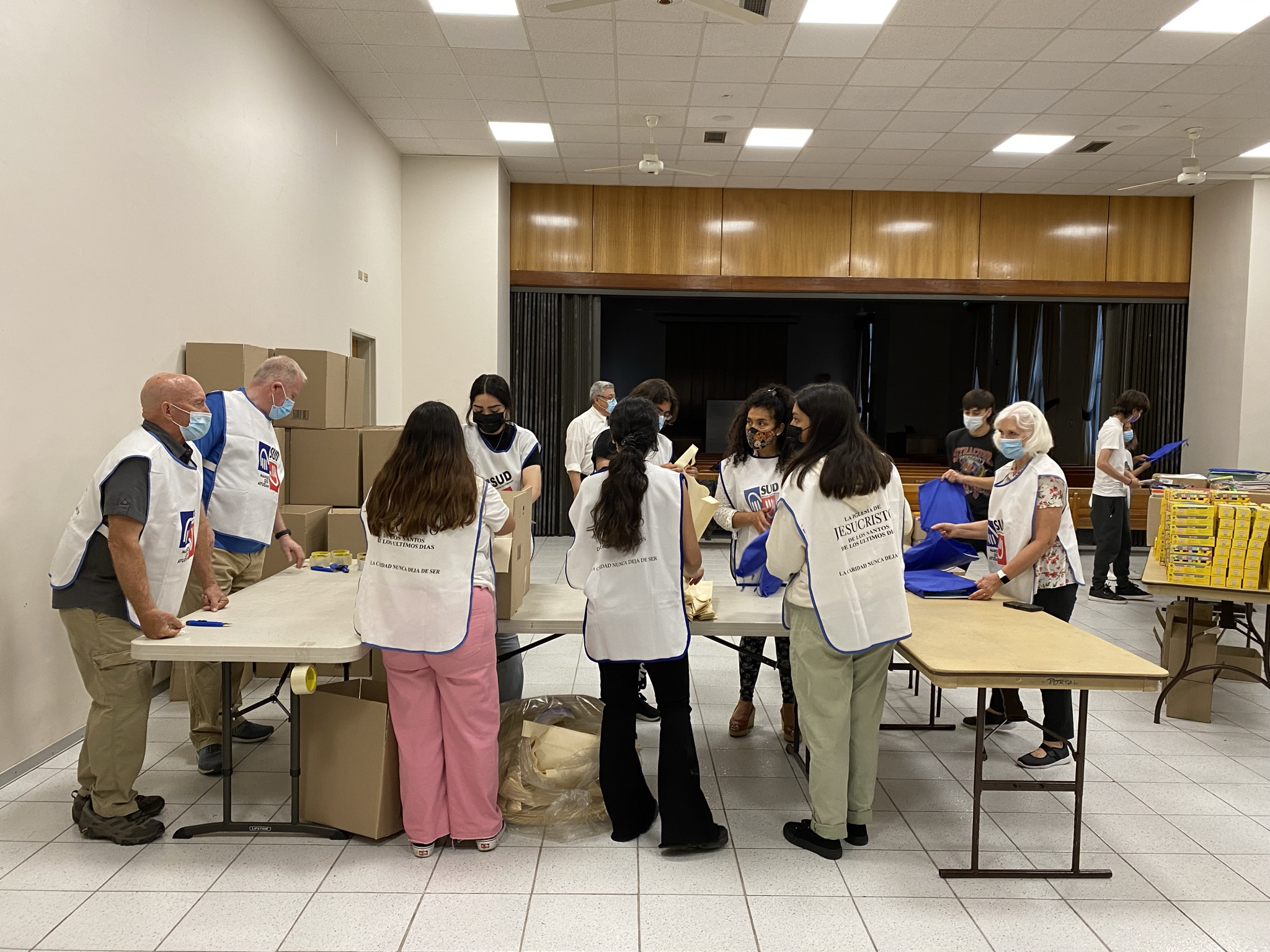
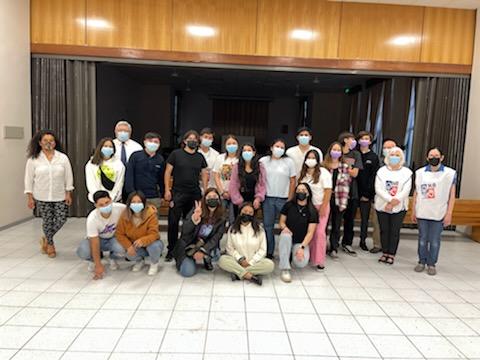
We woke up Wednesday morning in Puerto Montt to NO water and NO electricity. We had an emergency project- a fire in San Fernando- that we were trying to do the paperwork for when the internet went out. We worked all morning answering emails on our phones that still worked, took a spit bath with our 8-ounce water bottles, and went to our JAS school kits assembly project. We assembled 630 kits that will be delivered to children in Chiloe and Puerto Varas. It was so wonderful to have visited the places that these kits will be delivered to on the two previous days. We arrived back at the hotel about 10:00 pm to find the lights on but only lukewarm water.

VALDIVIA
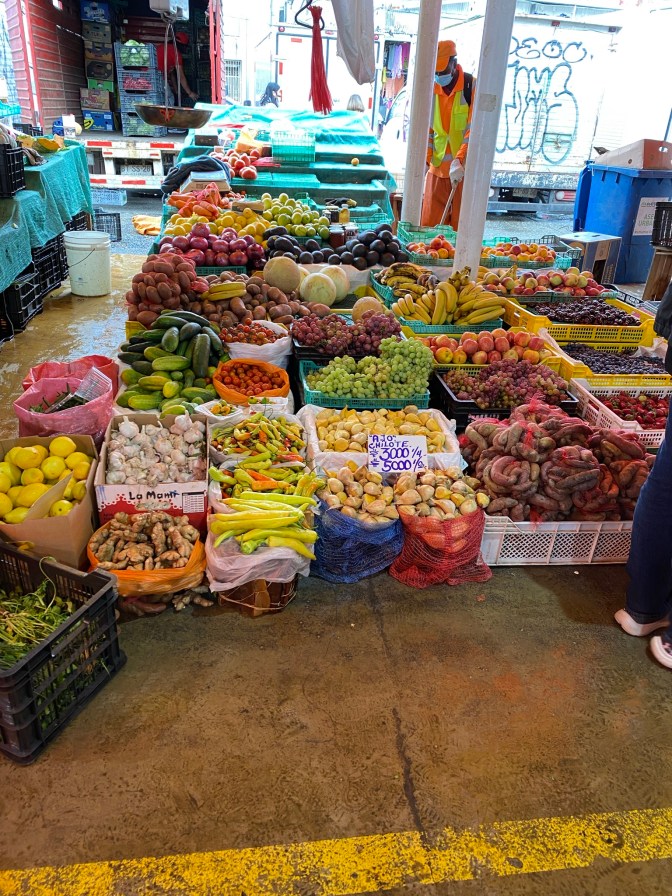
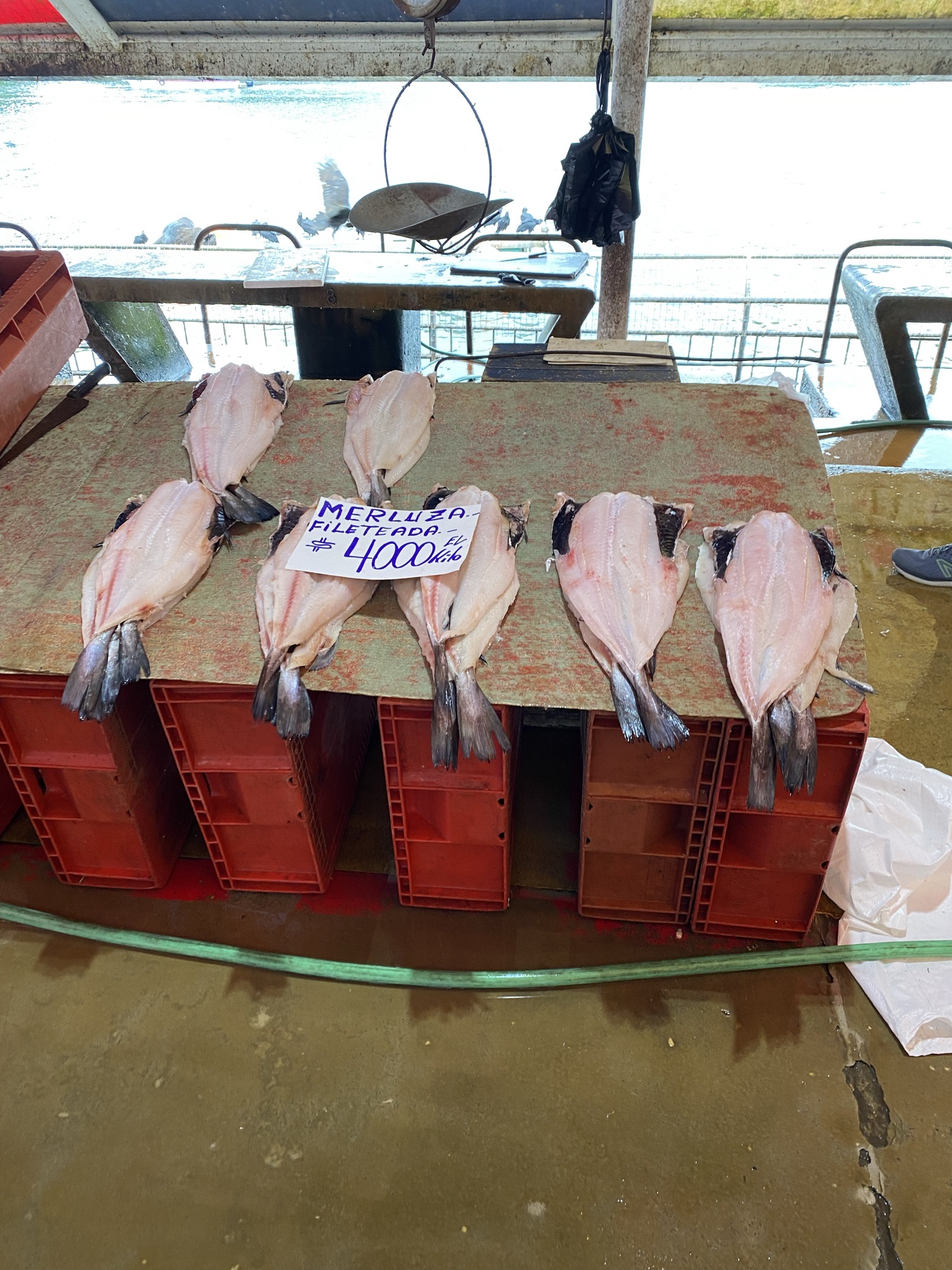
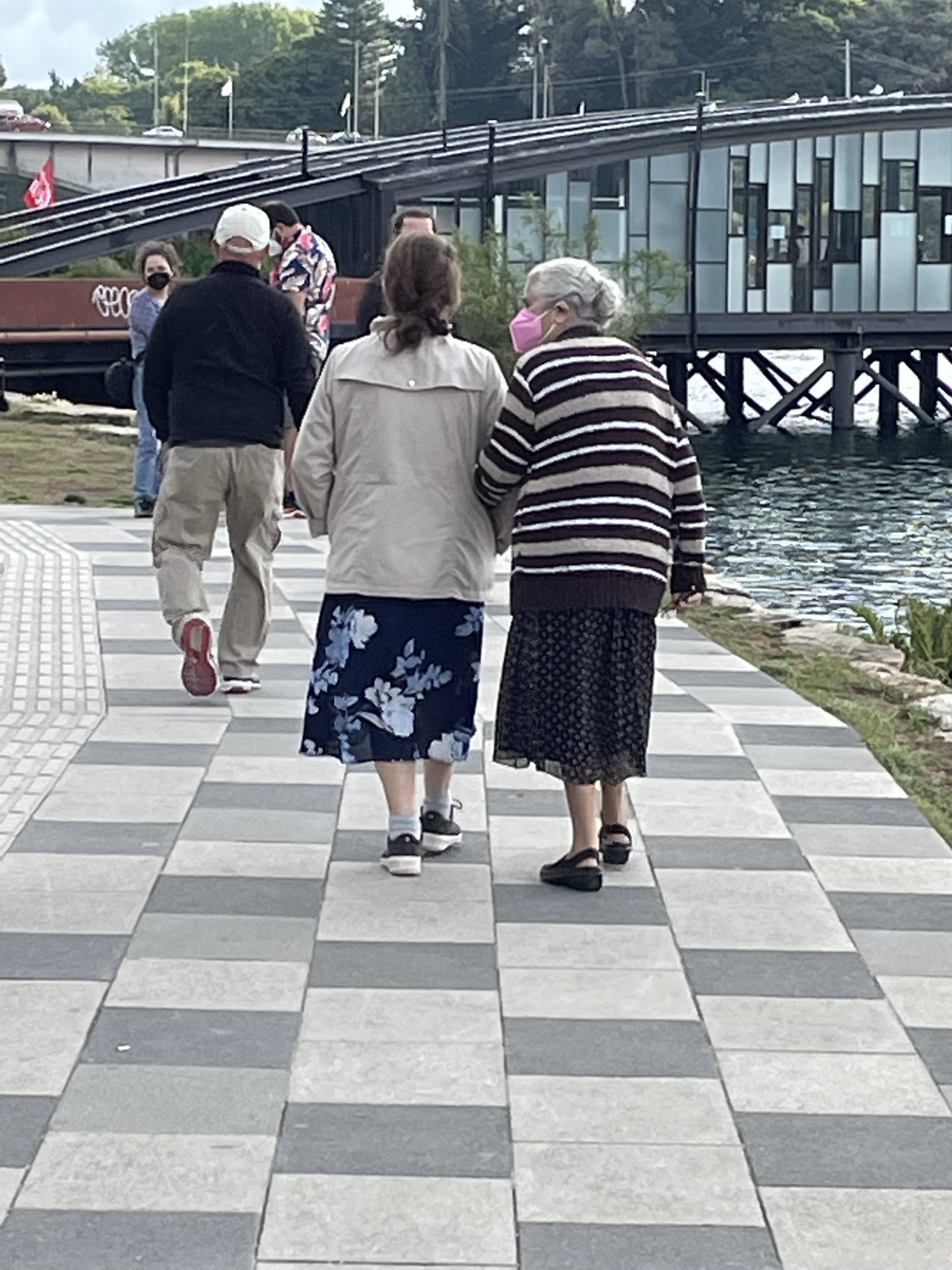
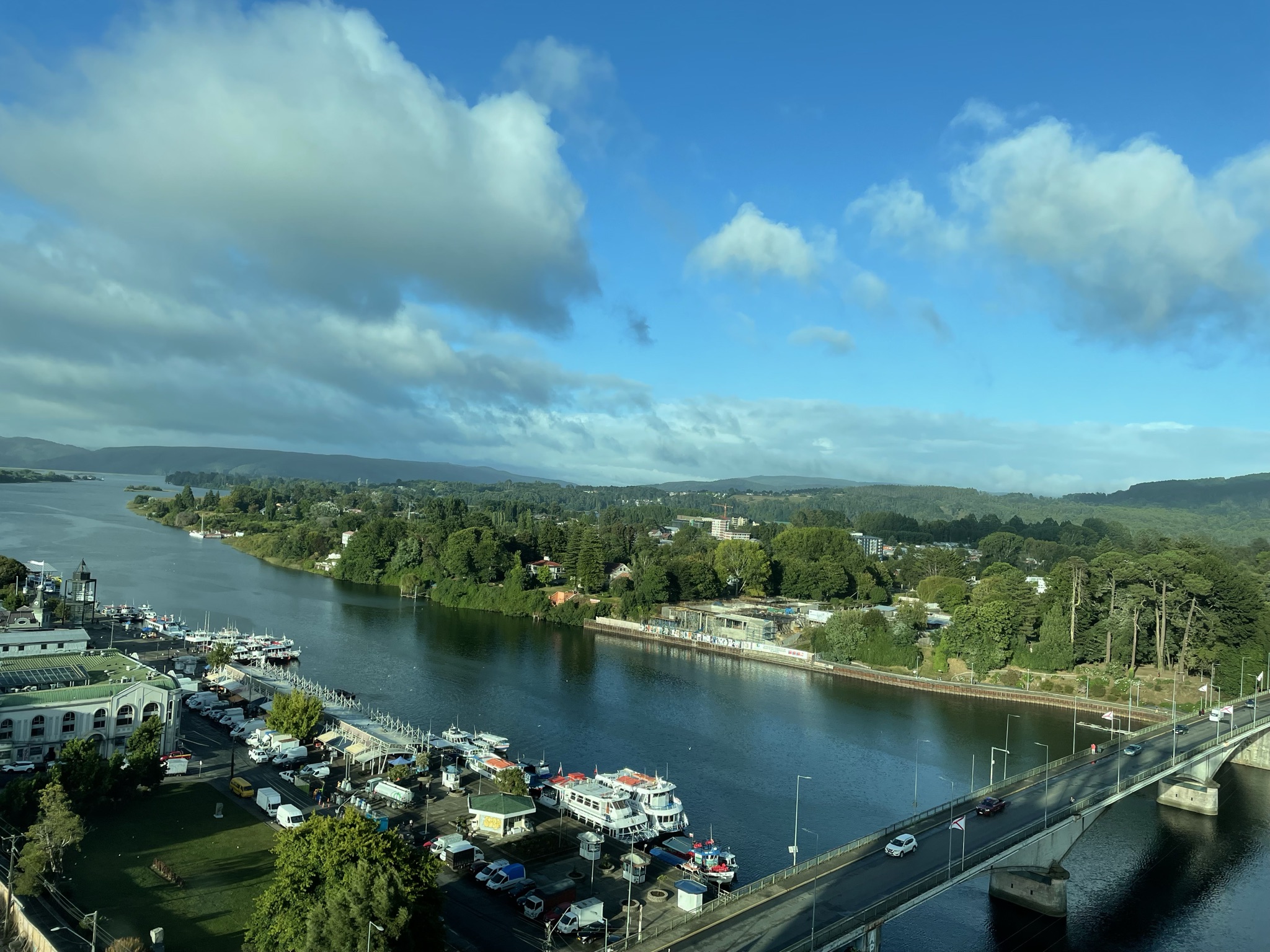
Thursday morning, we were only too happy to check out of the hotel. We drove to Osorno where we were supposed to have some project visits that unfortunately did not materialize so we continued on to Valdivia. As we drove, the geography changed to forested land. We enjoyed our walk along the river. Sea lions were right up on the boardwalk, the fish market was busy and street entertainers were performing. Families were navigating the river in paddle boats, kayaks, and rowboats. It was a very festive atmosphere. We came back to our room and enjoyed a hot shower for the first time in three days.





LANCO
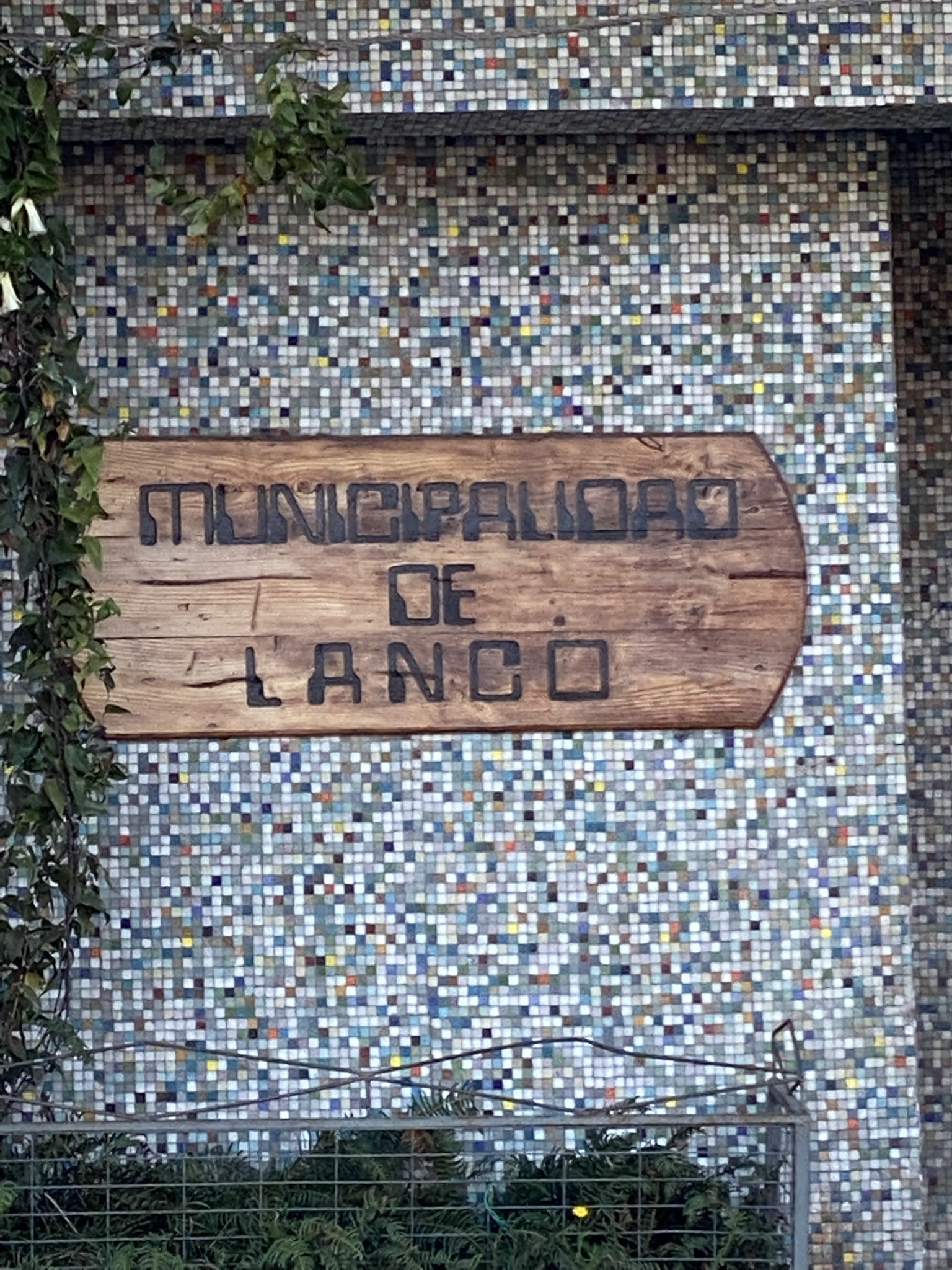
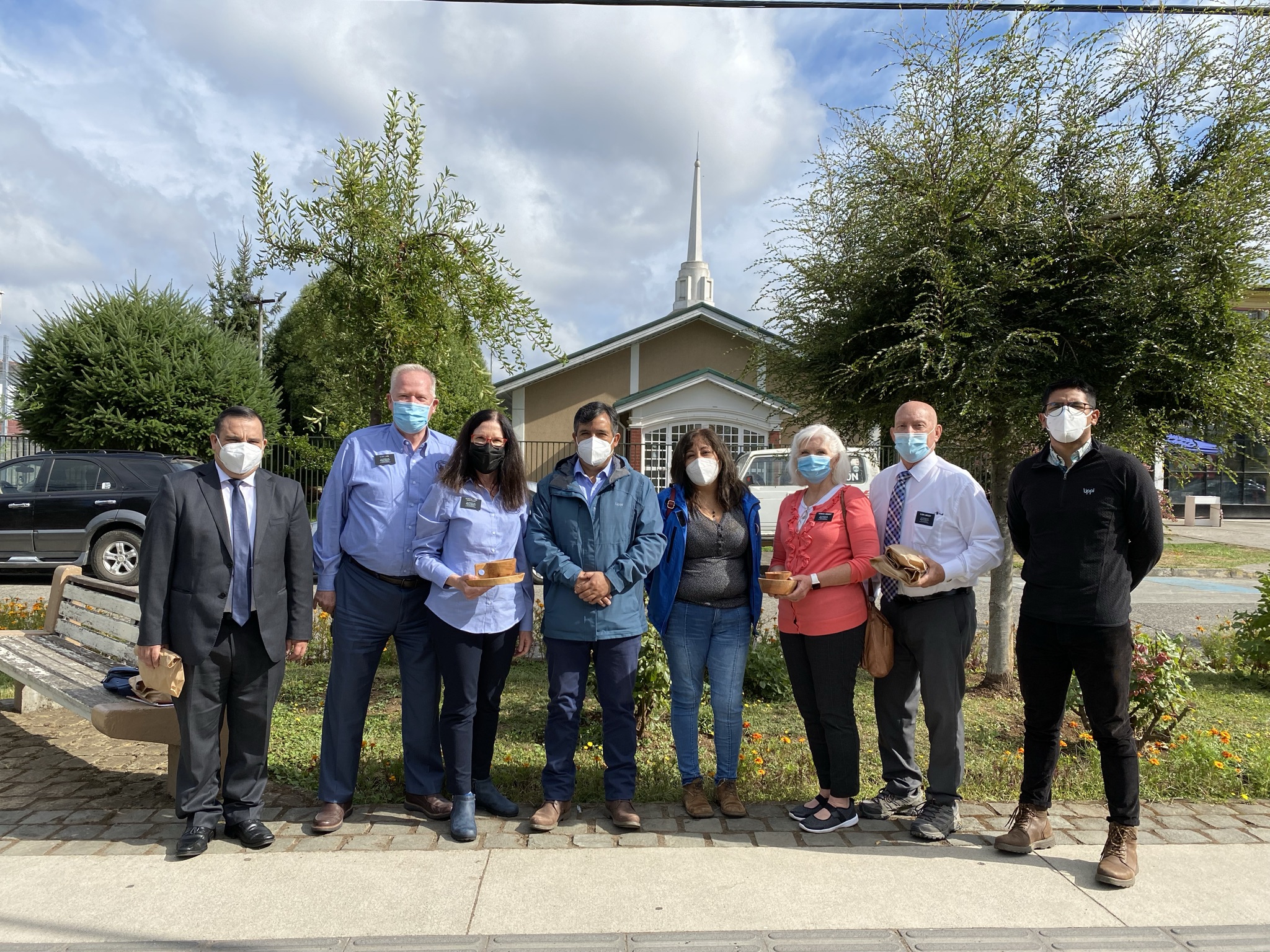
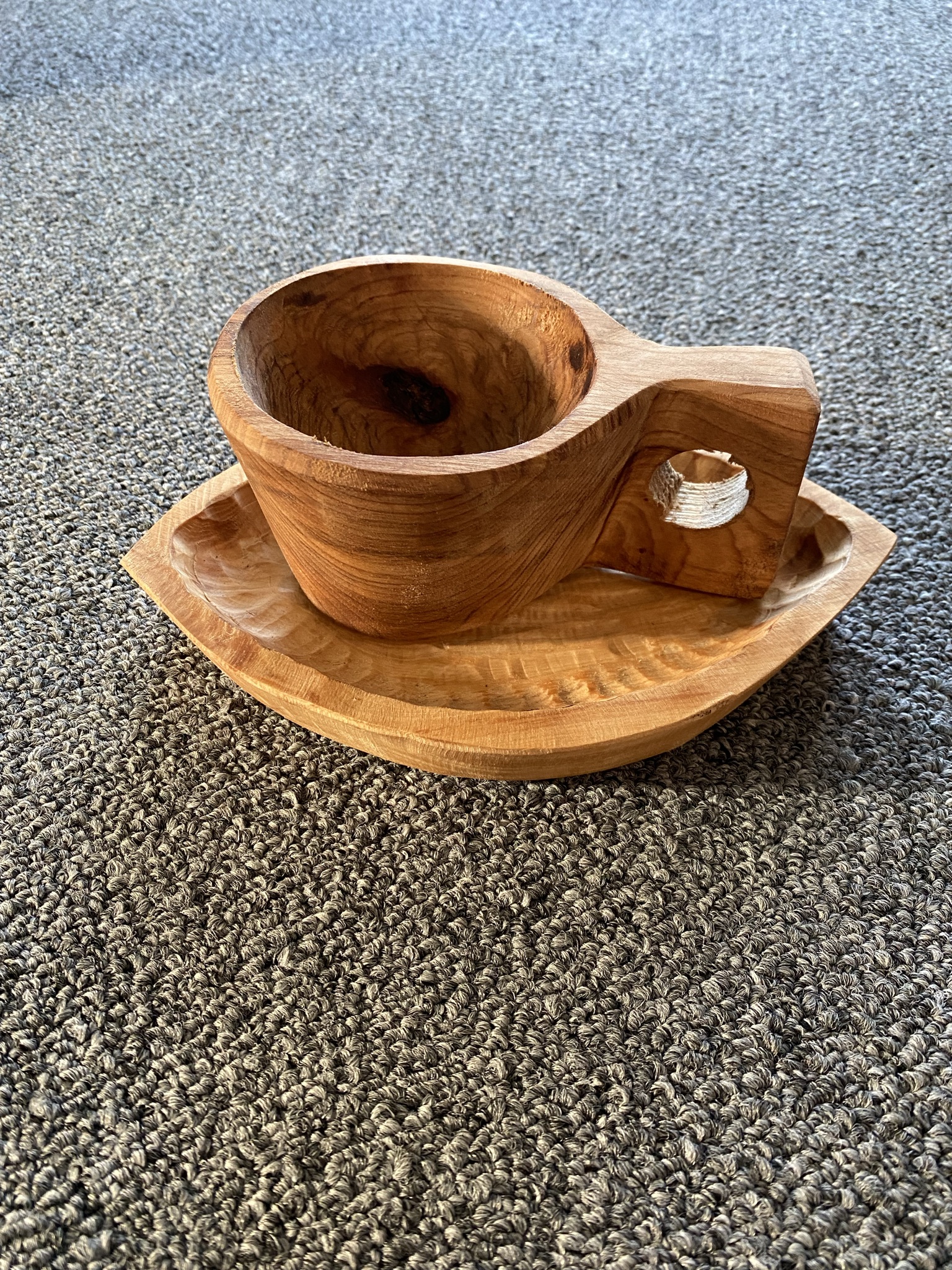
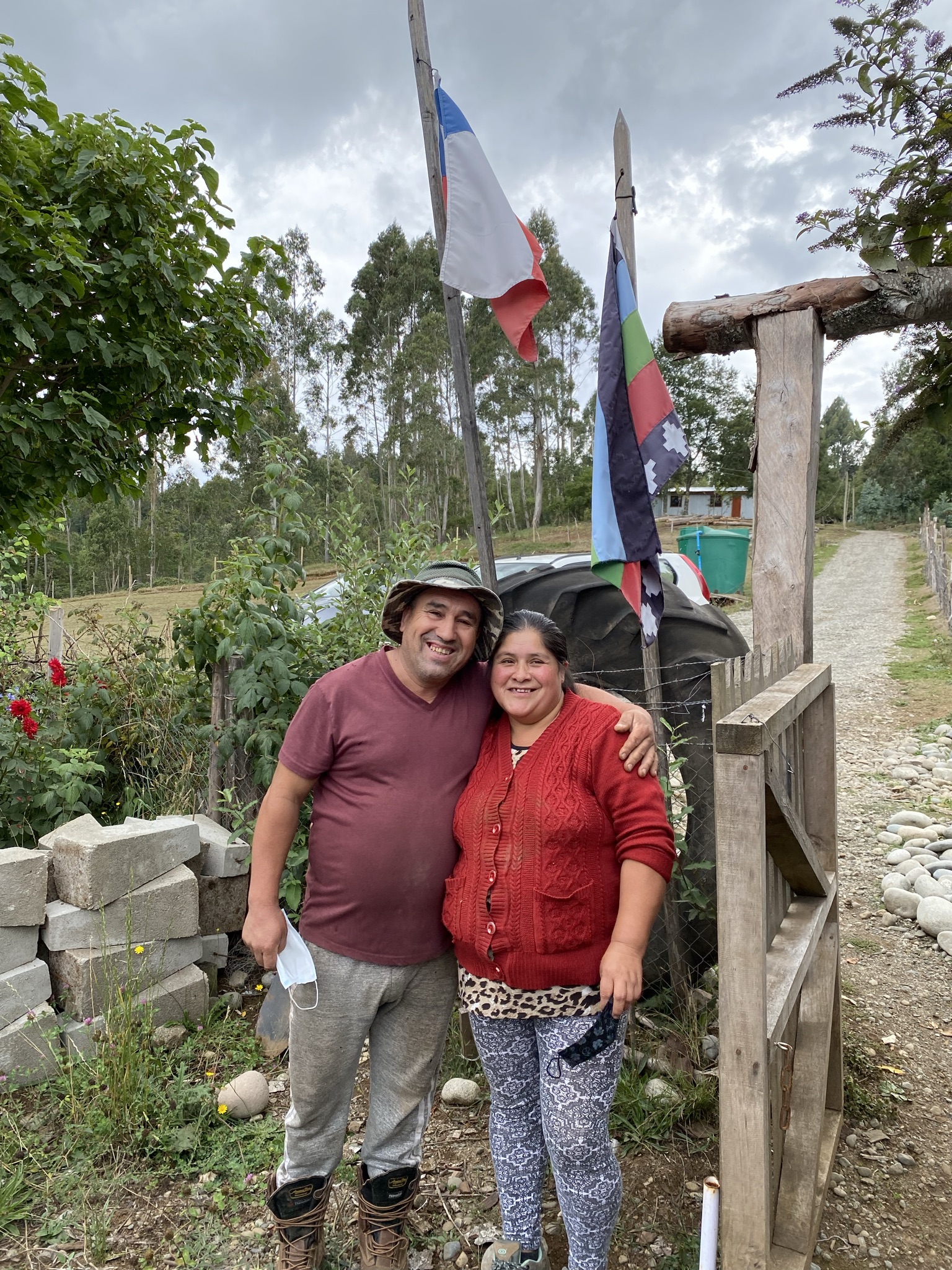
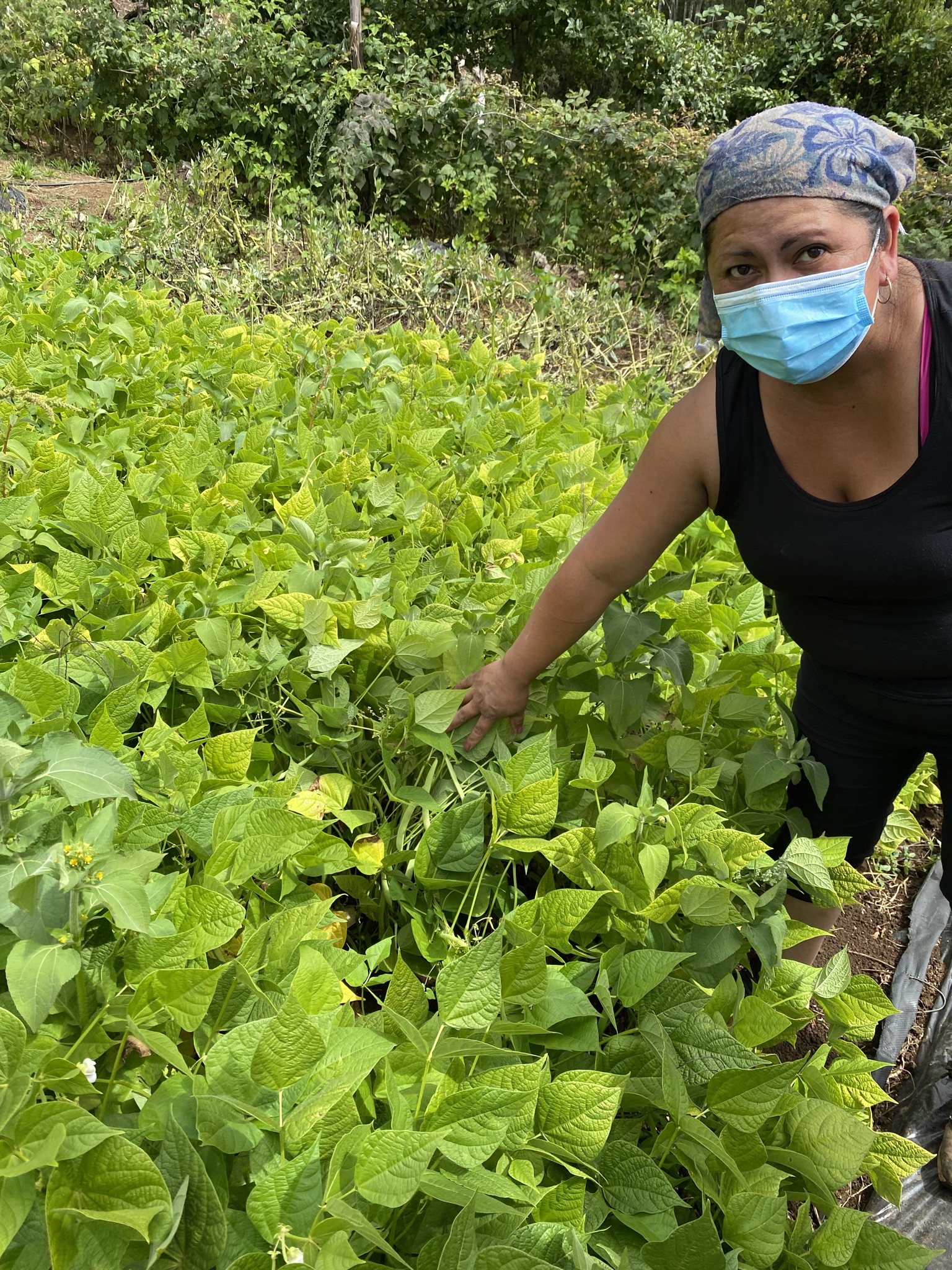
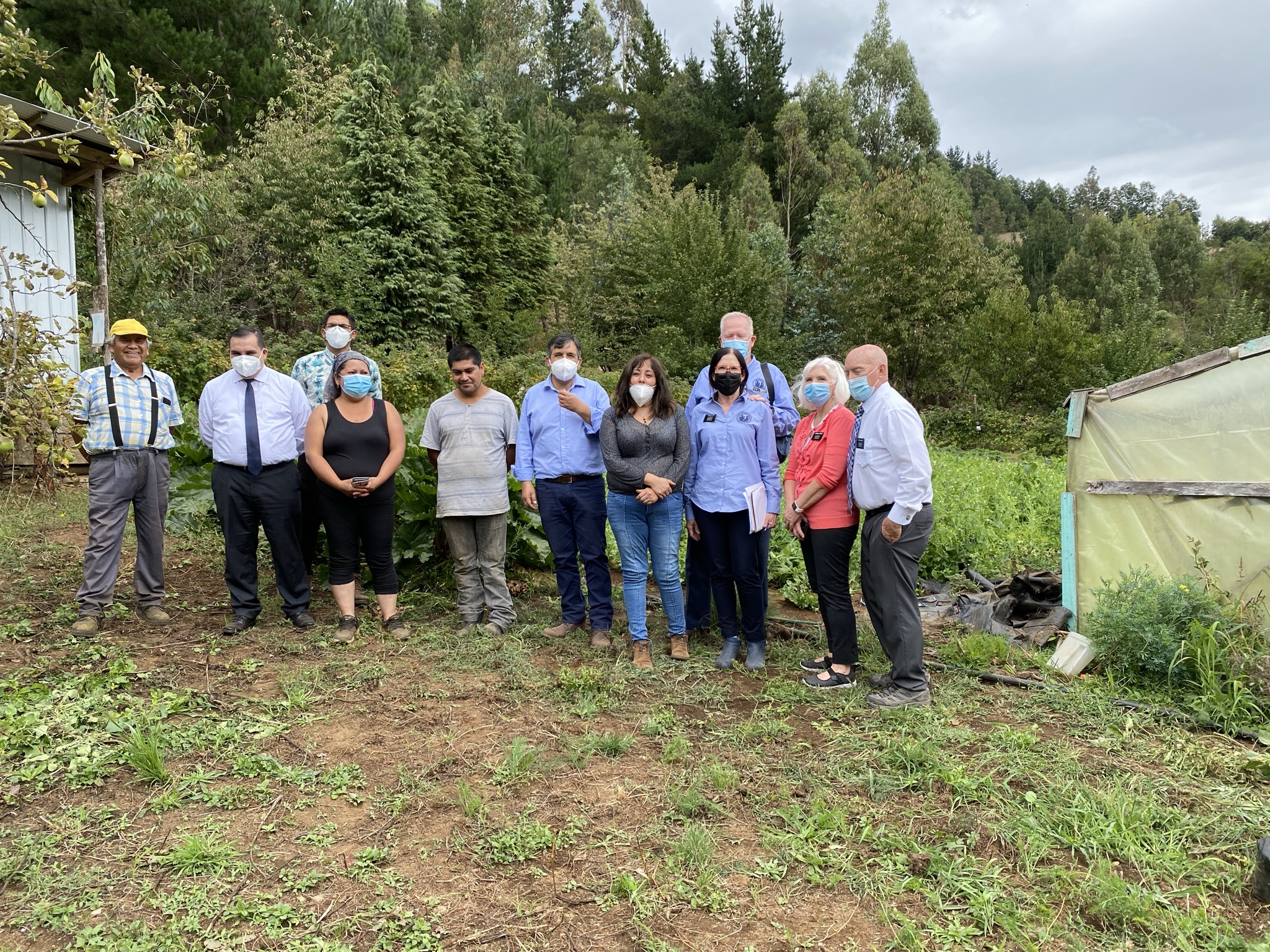
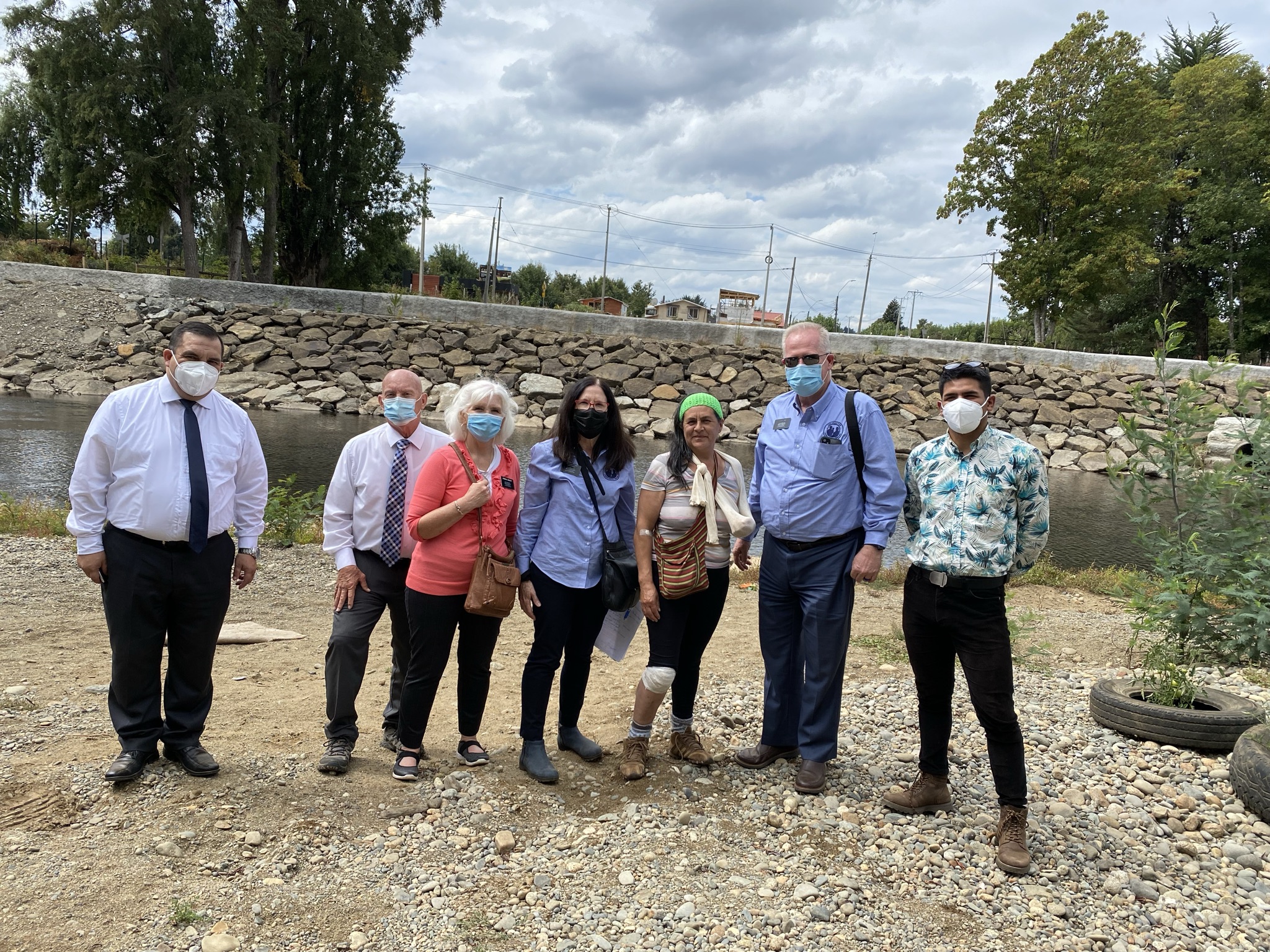
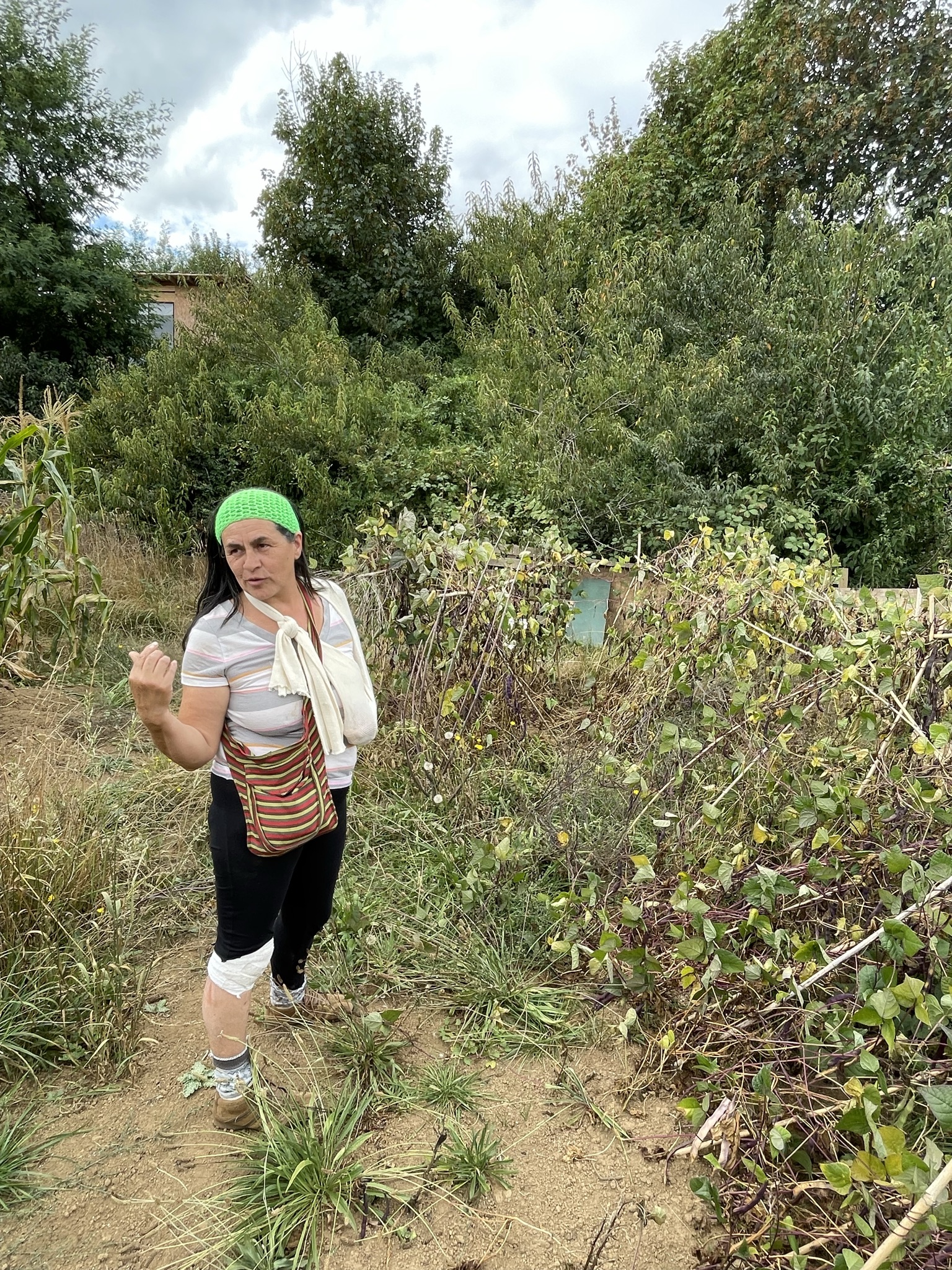
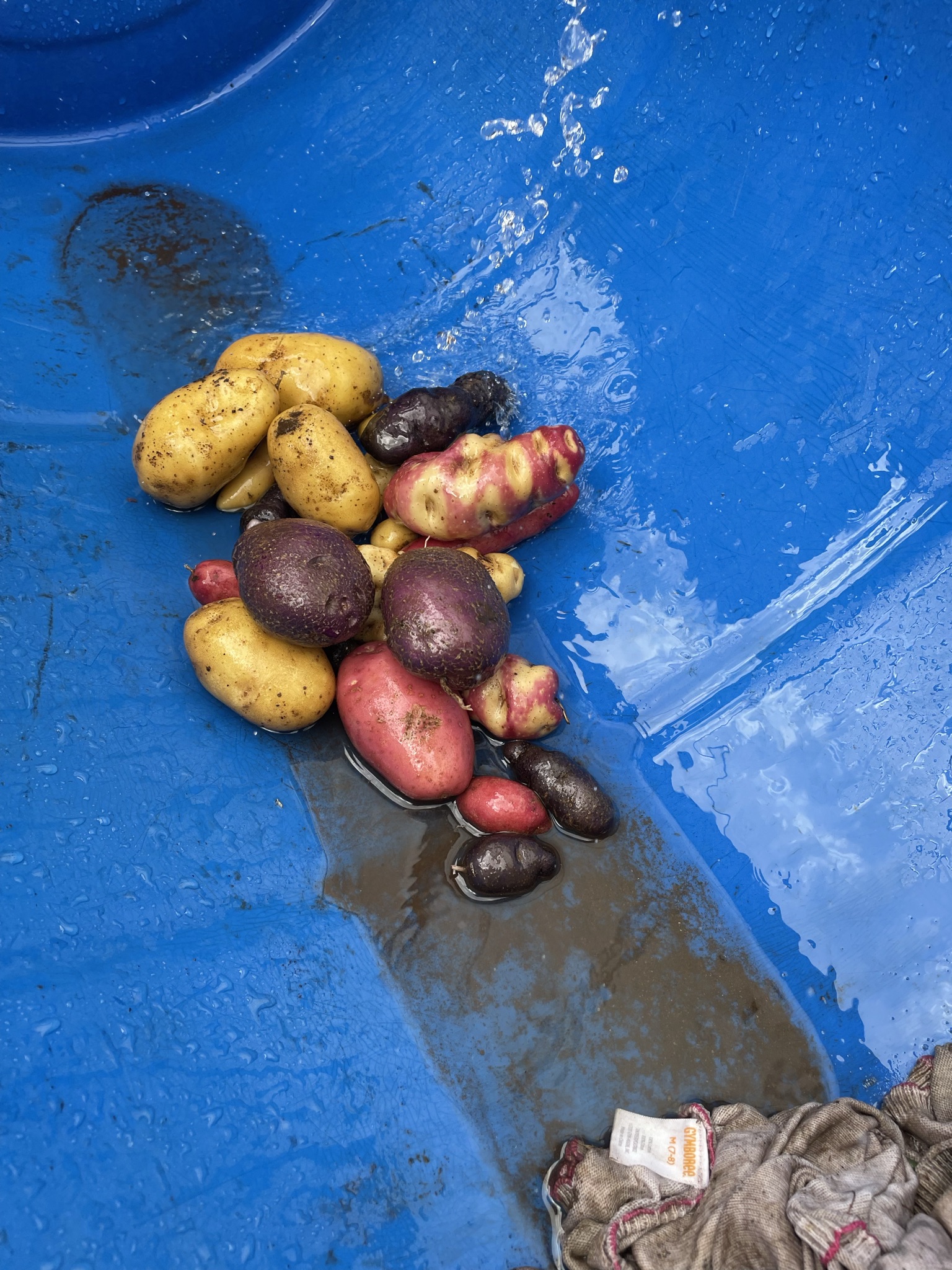
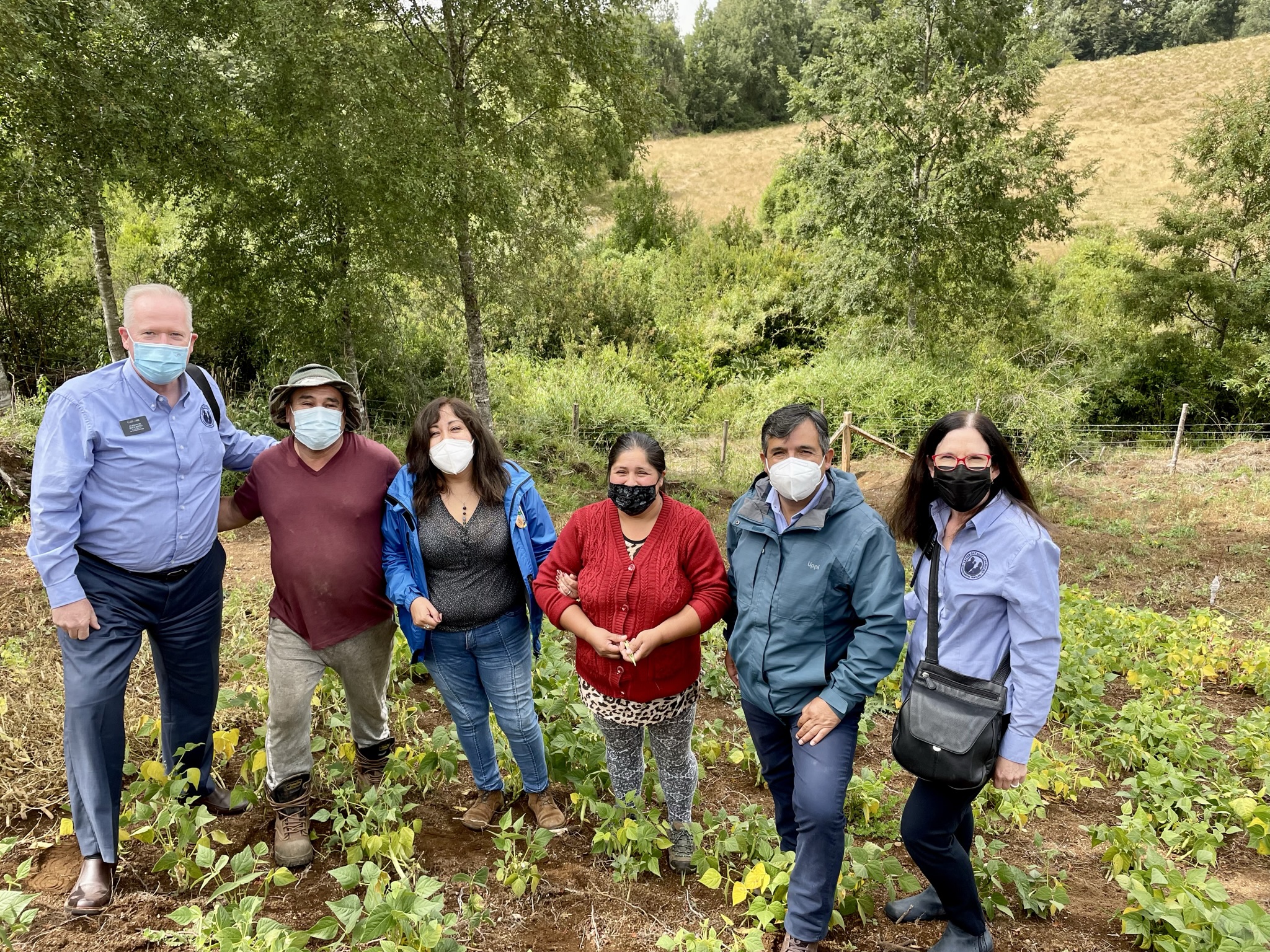
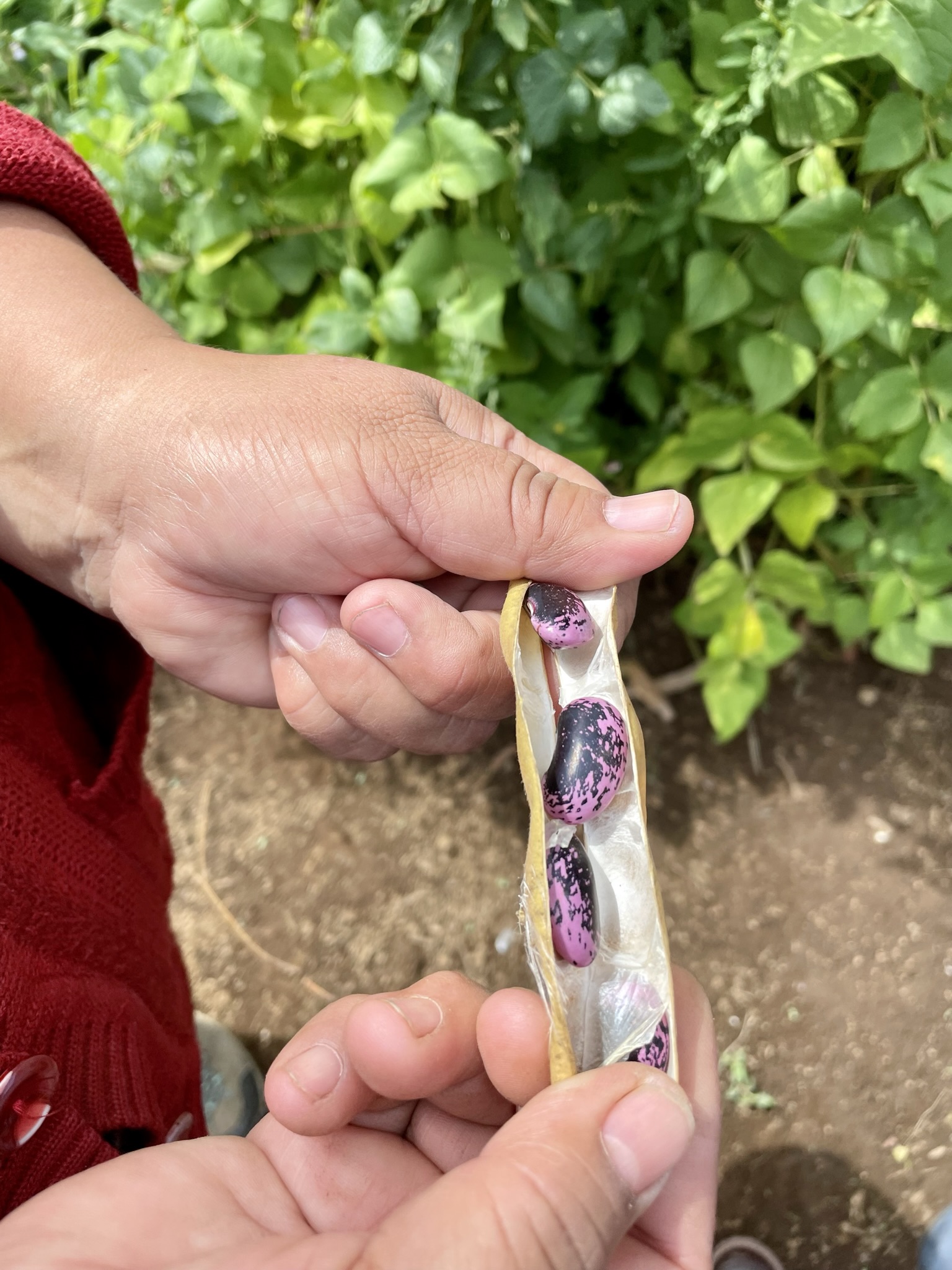
On Friday morning the local stake president, President Godoy, picked us up at 7:30 a.m. to travel to Lanco. We went for an evaluation visit to see the city and country gardens that were the result of the donation of seeds and fertilizer made in August. It was a lovely day. We began with a meeting with the mayor, the municipality director of indigenous affairs, and the person in charge of indigenous people (Sebastian) in the commune. After a discussion about the commune and the seed project, Sebastian offered a Mapuche prayer that greeted the ancestors and good spirits and asked them to bless us with the strength of mind, body, and heart. He then presented us with a traditional Mapuche hand-carved plate and cup that they pass to welcome people to their community.
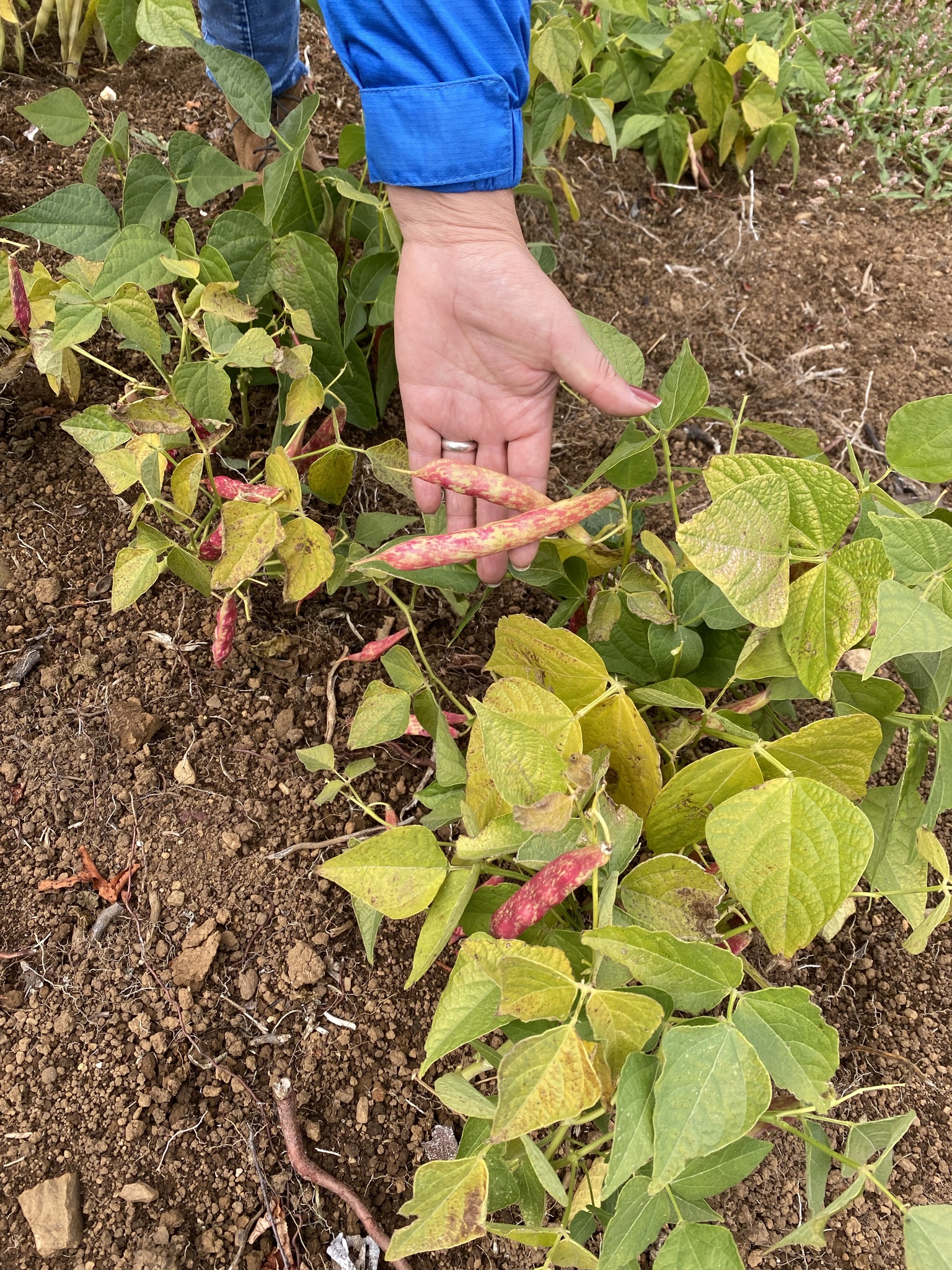
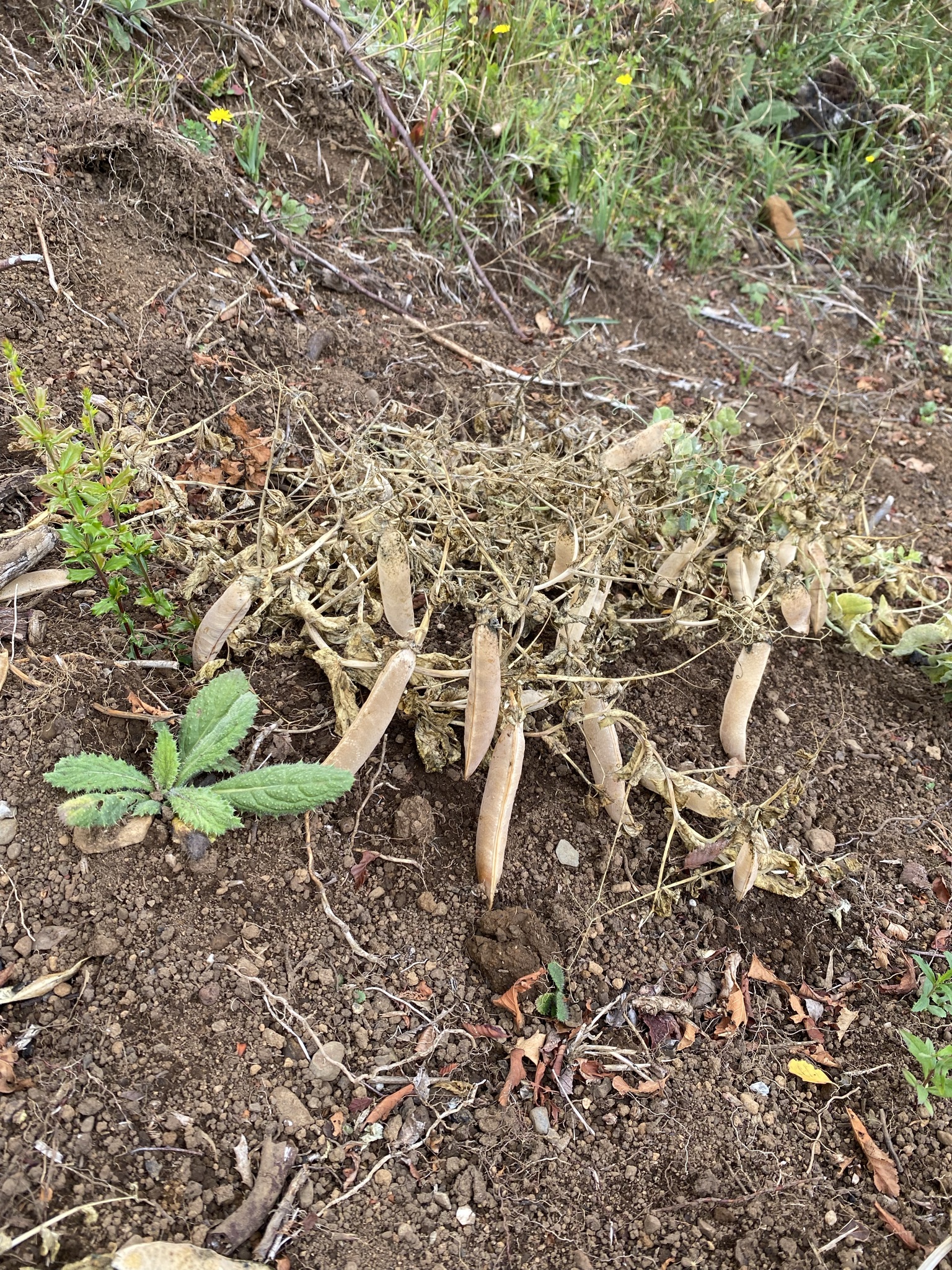
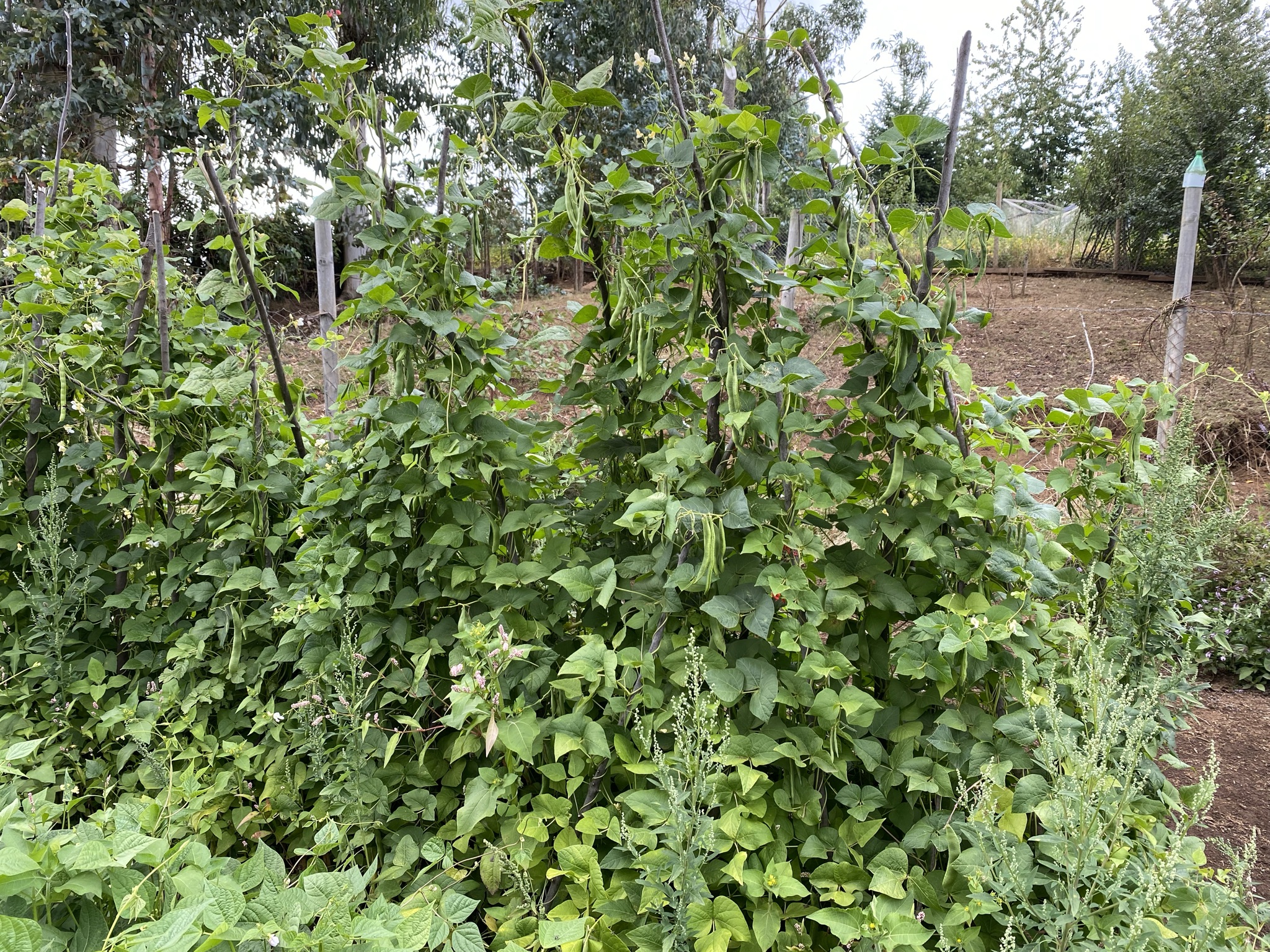
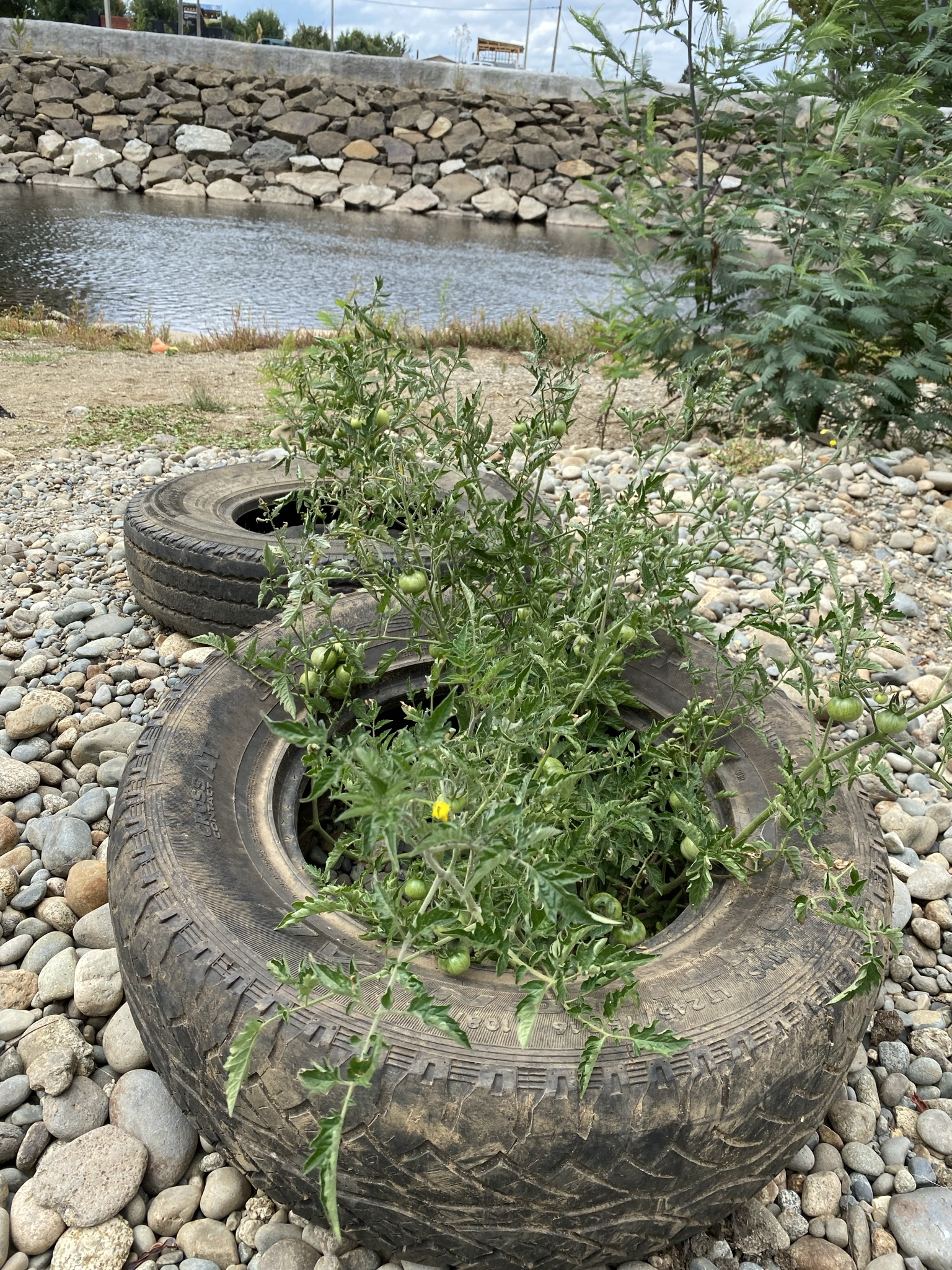
We then spent the day visiting gardens that had been planted with the donated seeds. Focusing on Women heads of households and the indigenous Mapuche people, the City of Lanco requested support in developing orchards in urban and rural spaces through the donation of Seed Kits. Leaders from neighboring areas are teaching planting and the cultivation of both fresh vegetables and medicinal plants, which will contribute directly to the family economy and healthy eating practices. This project will maintain itself through seed extraction and harvesting.


VALDIVIA
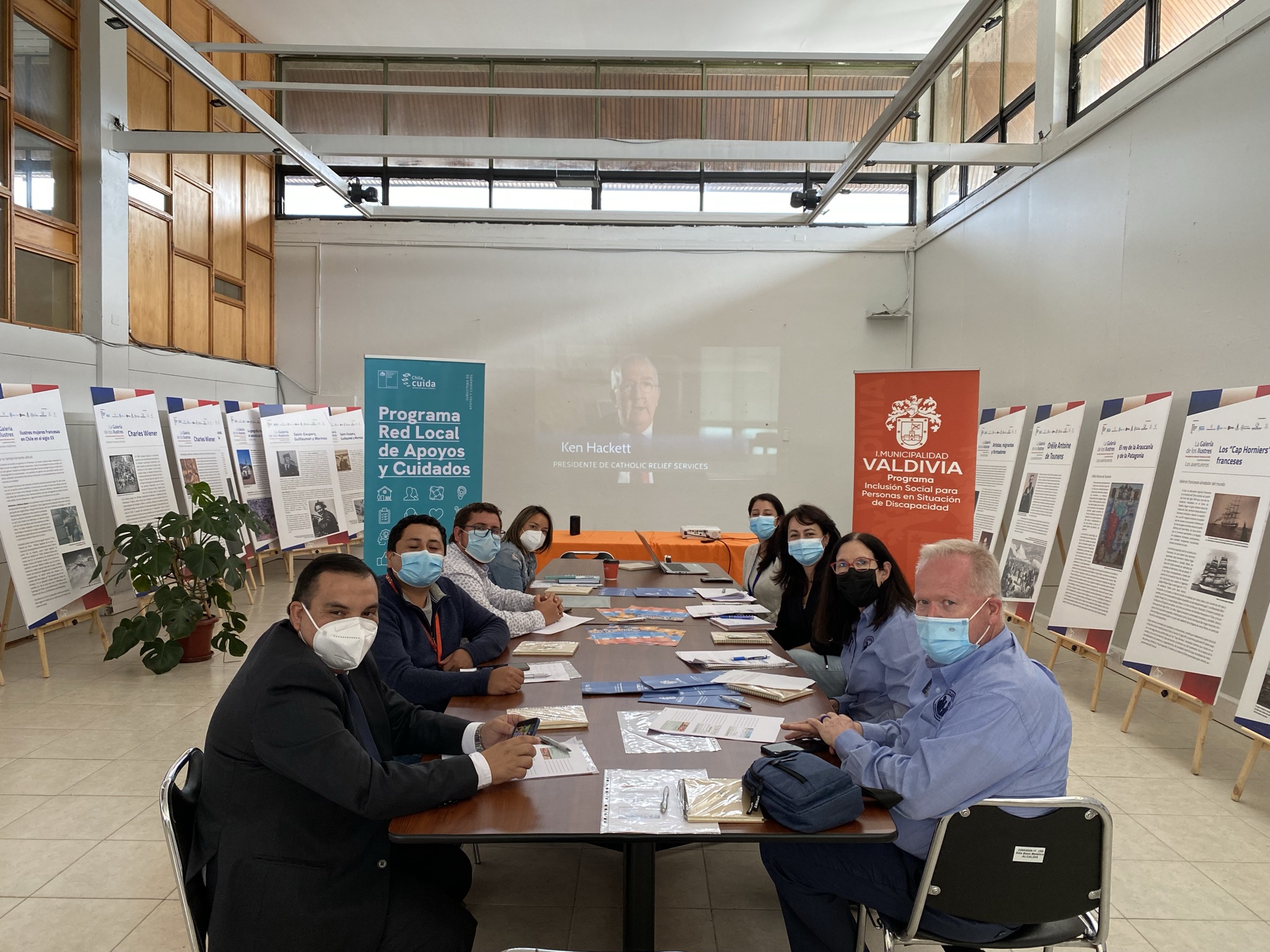
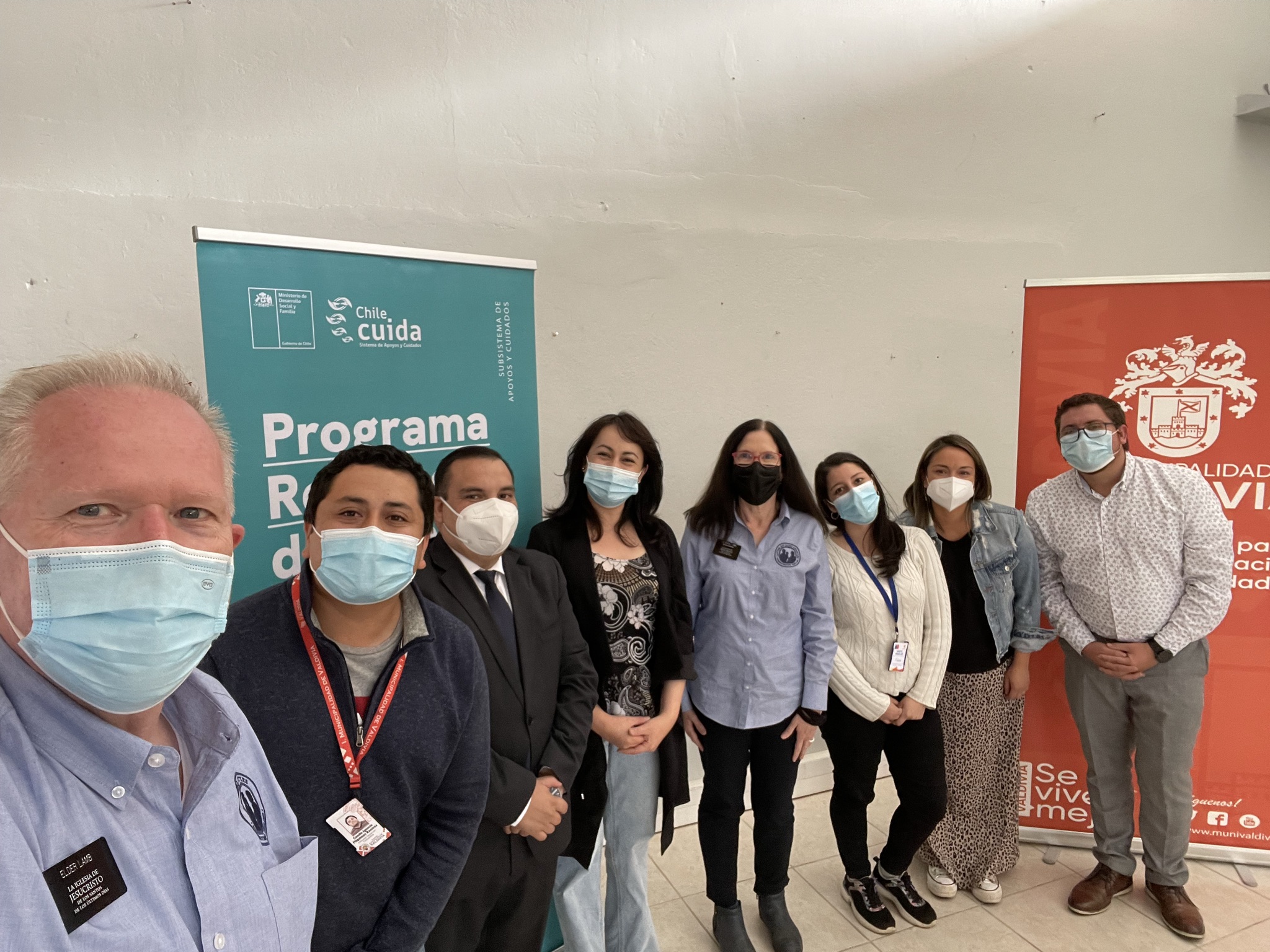
We then drove back into Valdivia for a late afternoon meeting with the municipality who presented a solicitude for a donation of equipment for physically handicapped community members.
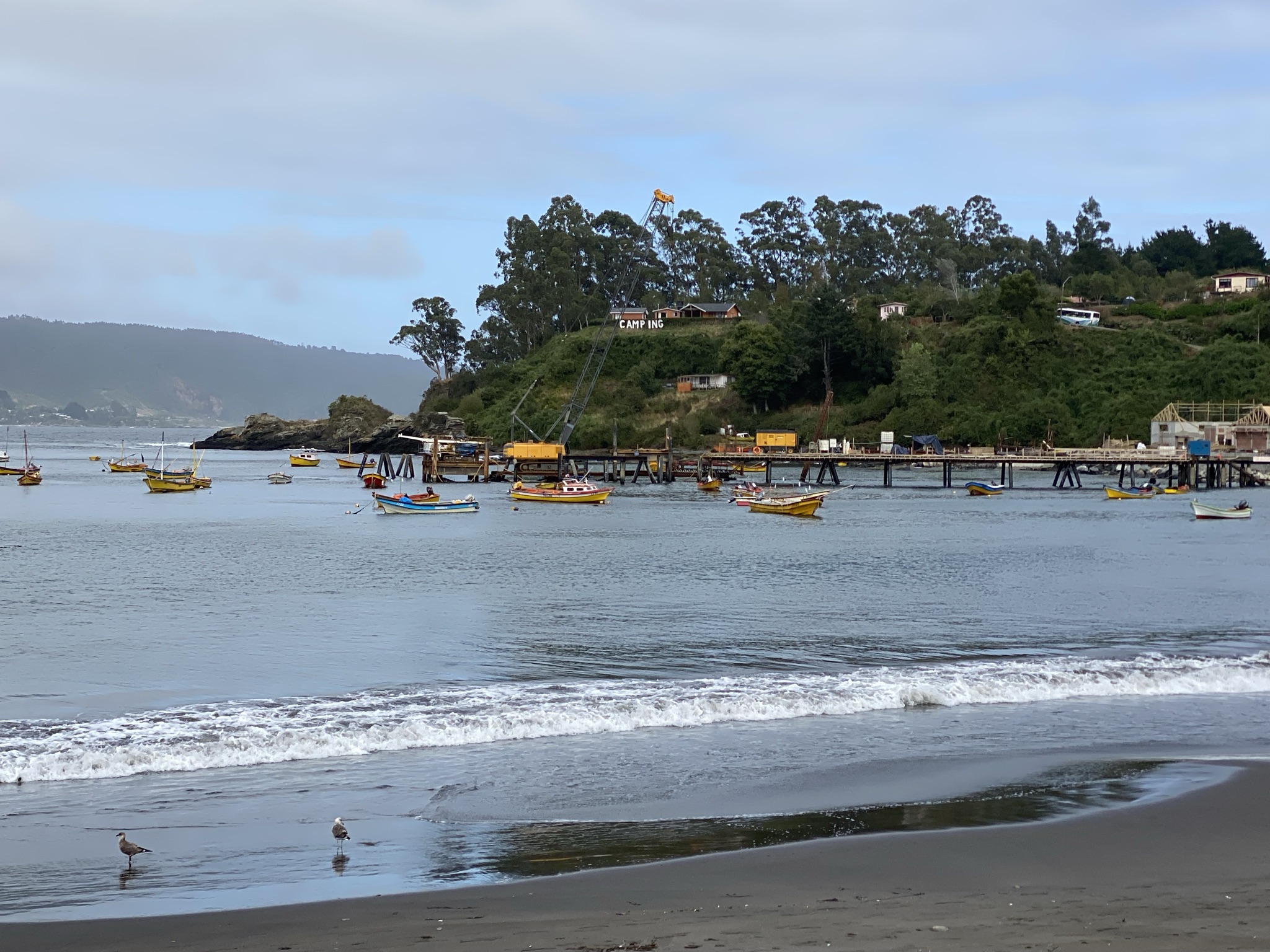
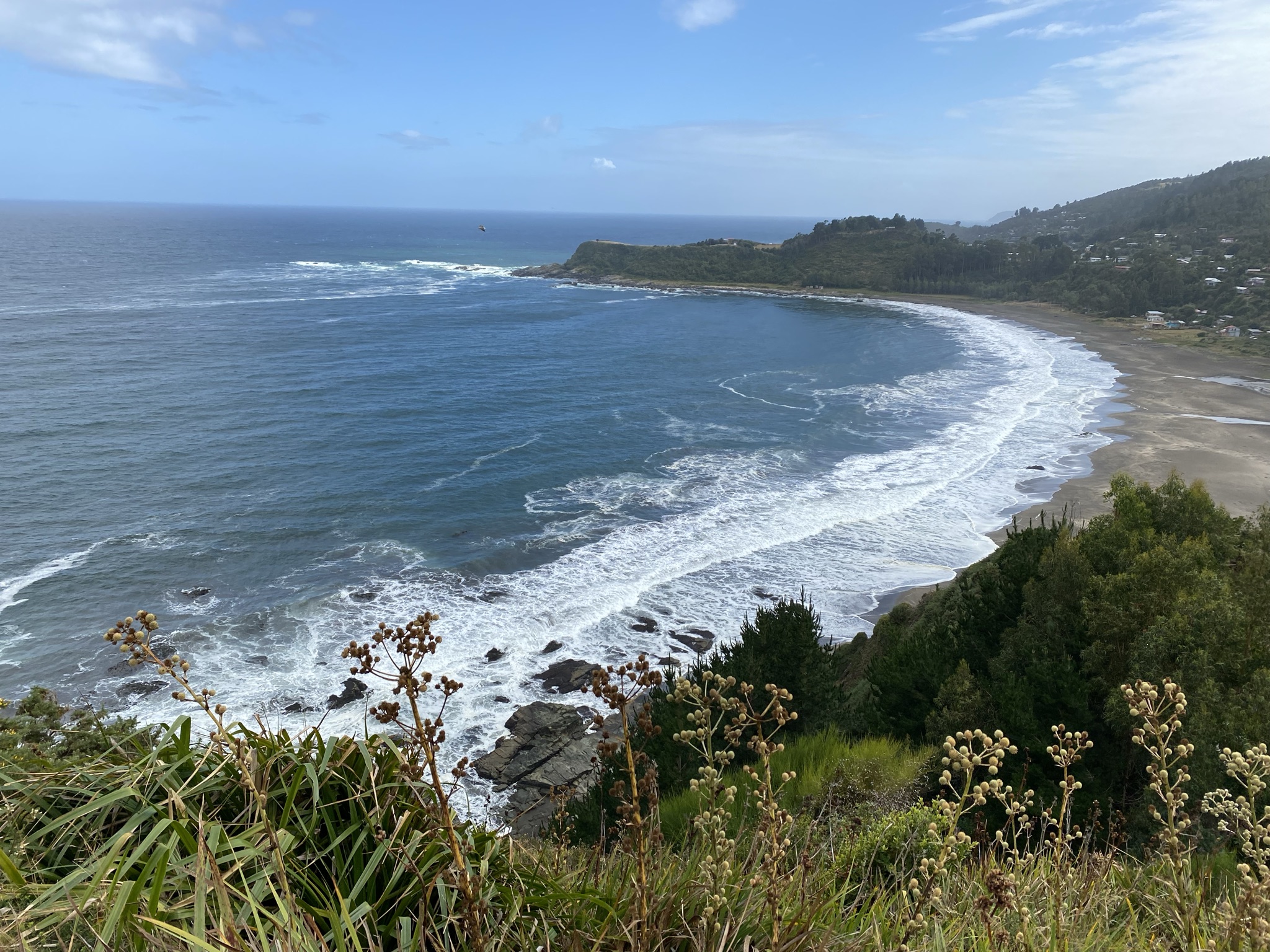
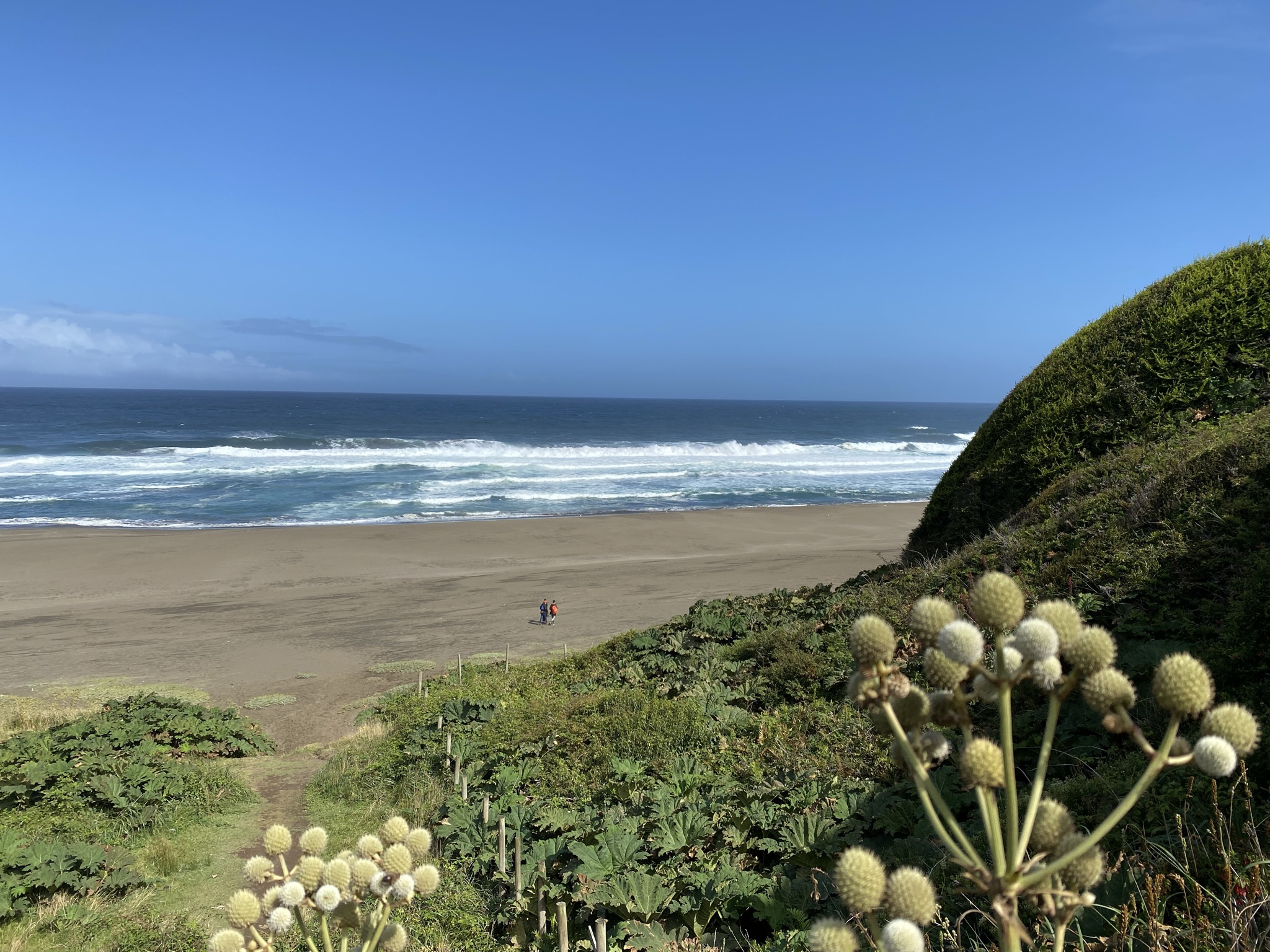
On Saturday morning we drove across the bay to Niebla and beyond. The forests stretch as far as the eye can see. The green of the trees and the blue of the ocean make for a beautiful sight. The beaches are rocky and or muddy like the northwest US and most of them are not accessible, but we enjoyed the views. We took a late afternoon flight back to Santiago. We thoroughly enjoyed our visit to southern Chile. We saw the beautiful country and met beautiful people.
With love, Elder y Hermana Lamb, (aka Ed & Debbie, Mom & Dad, Pop-Pop & Tu Tu)
 Lambs in Central Europe