PROJECTS FROM START TO FINISH
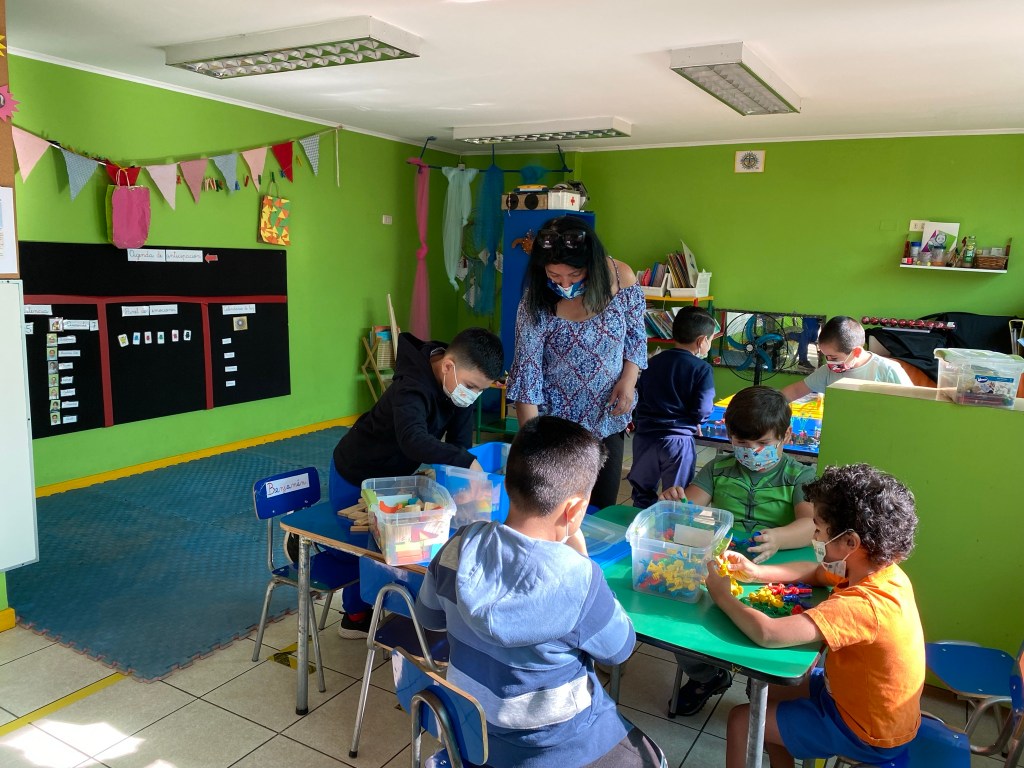
We started out last week by visiting a new project possibility at Fundación Educational Alegría y Alma. The school focuses on preschool students with autism. Early childhood education and intervention are close to Sister Lamb’s heart. We look forward to doing whatever we can to help these sweet children. This is the first step in a humanitarian project; we receive a request and go visit the organization to discuss their needs.


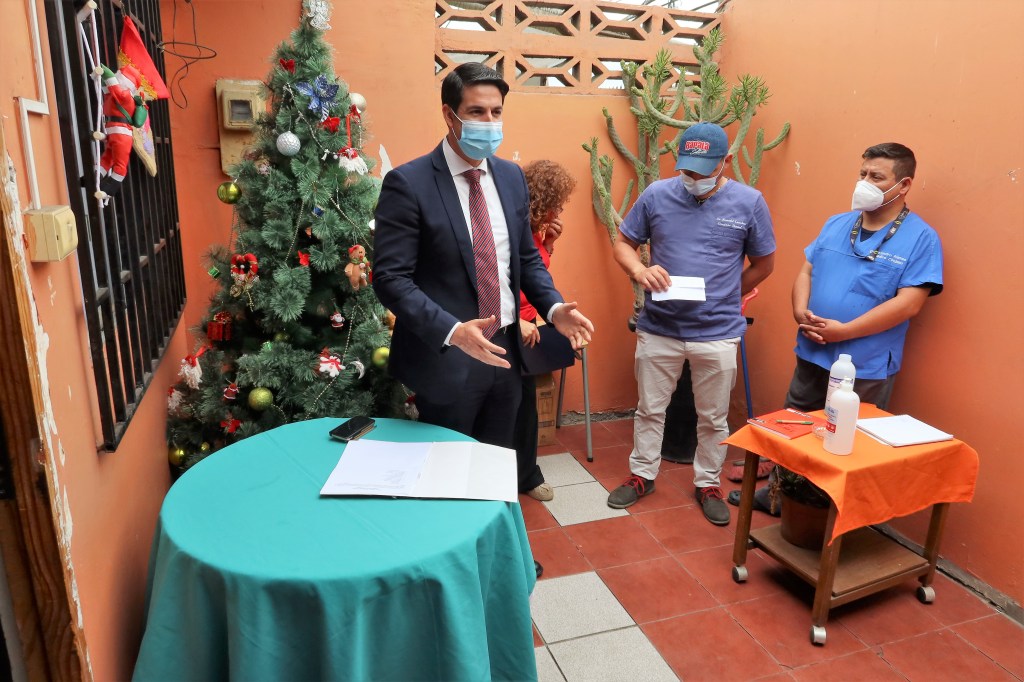
We ended the week by flying 850 miles north to Antofagasta for two delivery ceremonies. This happens towards the end of a humanitarian project. (Follow-up, evaluations, and a lot of paperwork remain.) After all the approved items are delivered there is a handover ceremony. In Chile, we call it an entrega ceremony. Legal papers are signed, and possession is transferred to the recipient as they acknowledge the donation. The stake president (local church leader) conducts the meeting. Organization leaders and municipal officials attend. These ceremonies are taken very seriously with many photos and video interviews. Recipients are so very grateful for the donation. To quote our fellow humanitarian missionaries in Cambodia, Elder and Sister Anderson, “As we often say to the recipients of the Church’s generosity who thank us, the people you need to thank are not here. They are the thousands and thousands of members and friends of our church who make what we do here possible. To you, for them, the well-worn words “thank you” seem inadequate. Yet we know of no better way to say it.”
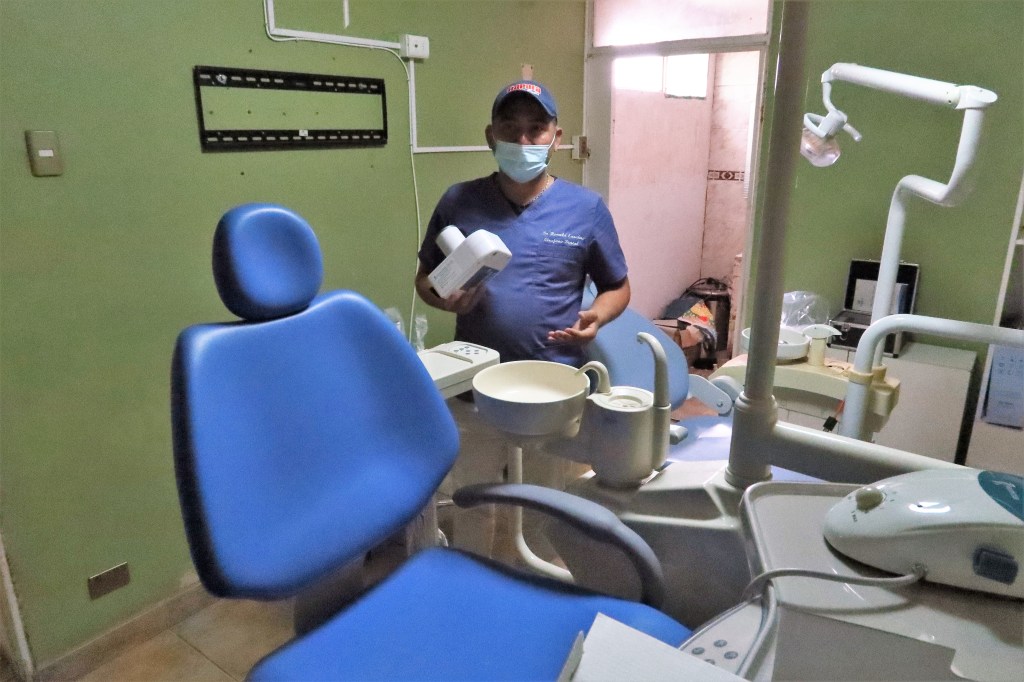
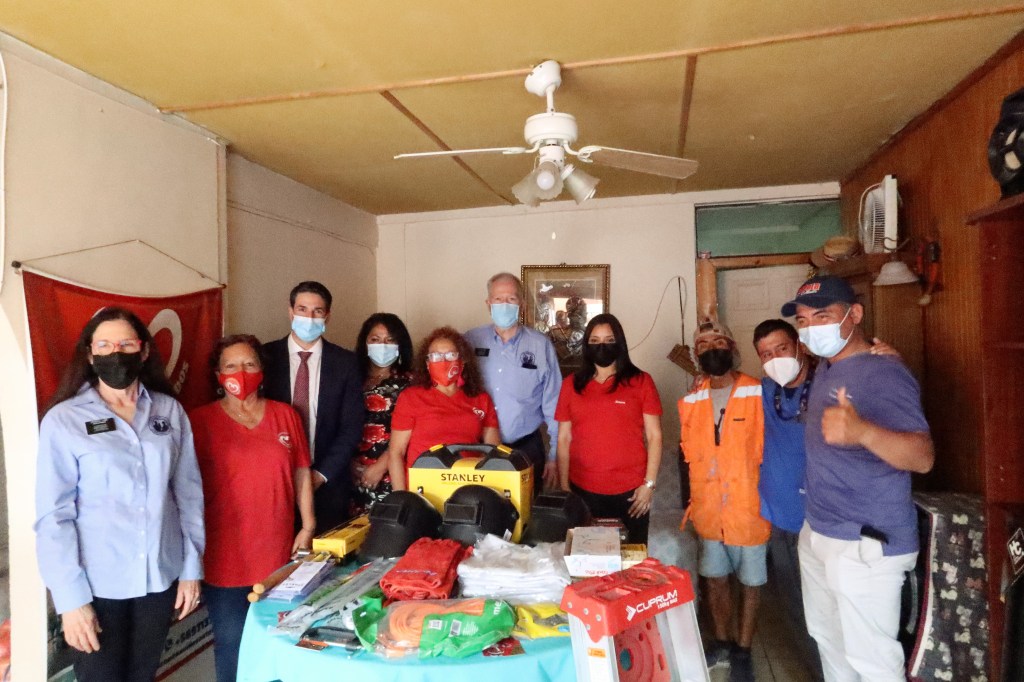
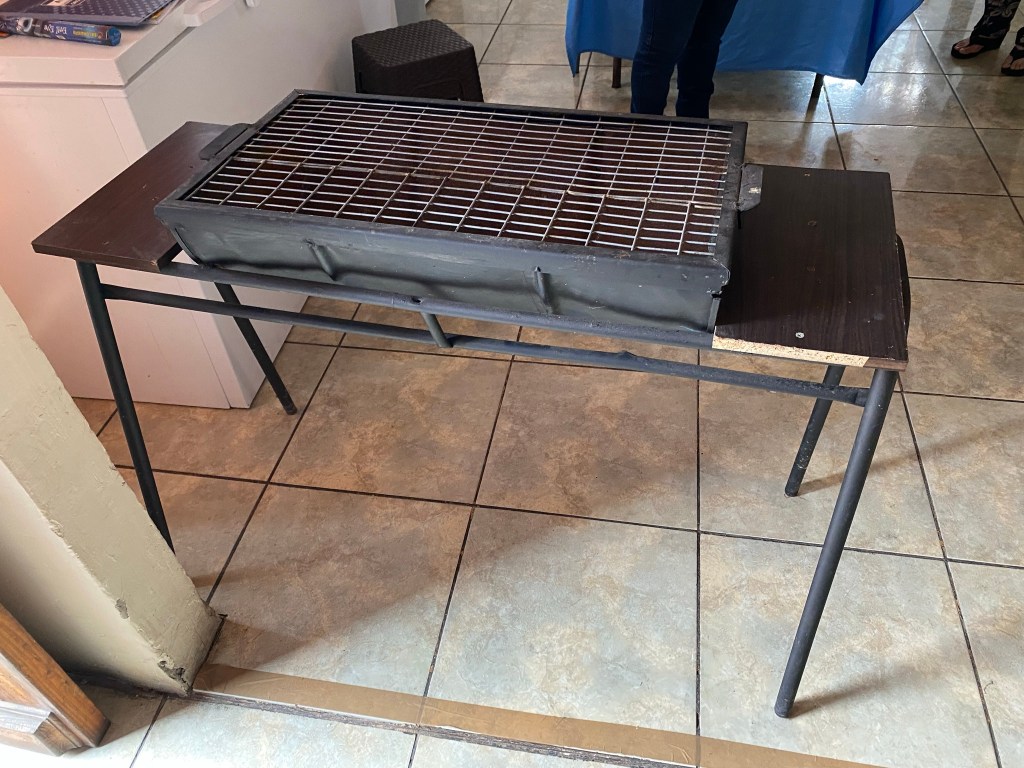
One entrega ceremony was at Corazones Unidos. This is the first project that we have managed from start to finish. It was wonderful to meet in person the people we have only communicated with virtually. Corazones Unidos is a voluntary non-profit organization with a mission to help people who are homeless become self-sufficient. Volunteers provide food, clothing, medical and dental services, counseling, and job training opportunities for these people. This donation of dental equipment and tools to start a carpentry and welding workshop will help restore destitute people to productive self-reliant living. The first welding class will teach skills necessary to make grills that students will be able to sell. One of the main purposes of the humanitarian efforts of our church is to help people become self-sufficient. These donations are not intended as a long-term handout but a means for a person to change his/her circumstances by learning a trade or skill.

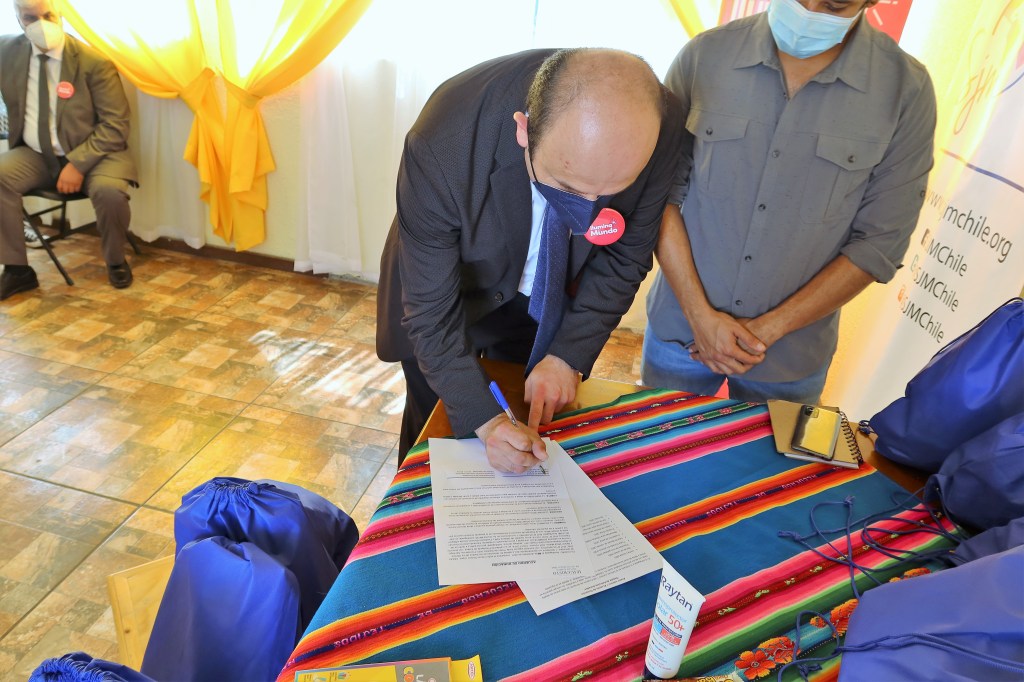
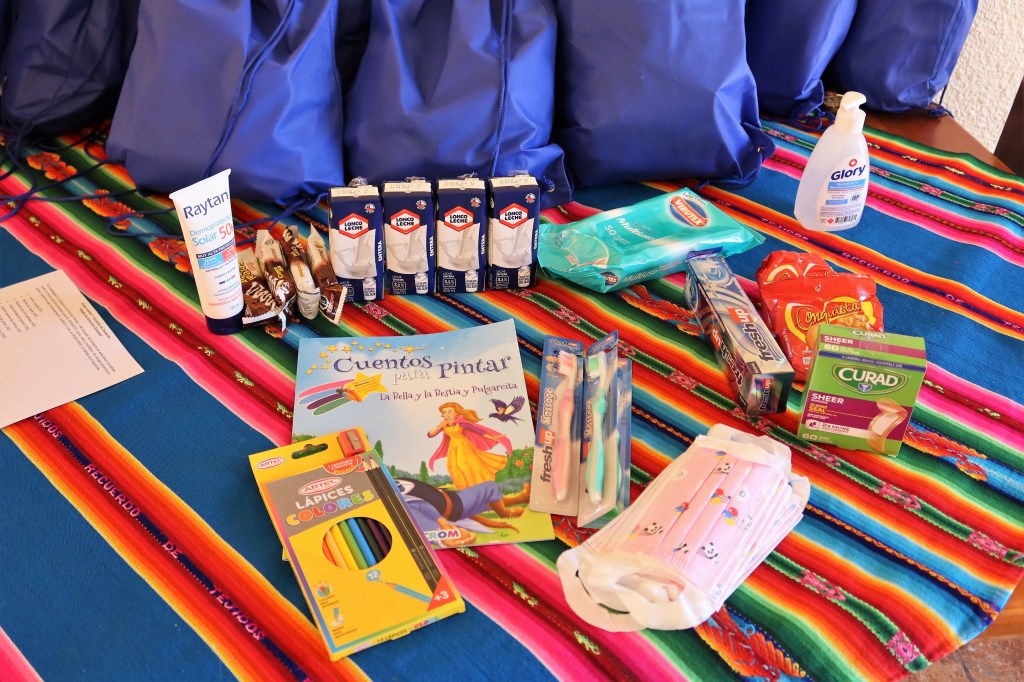
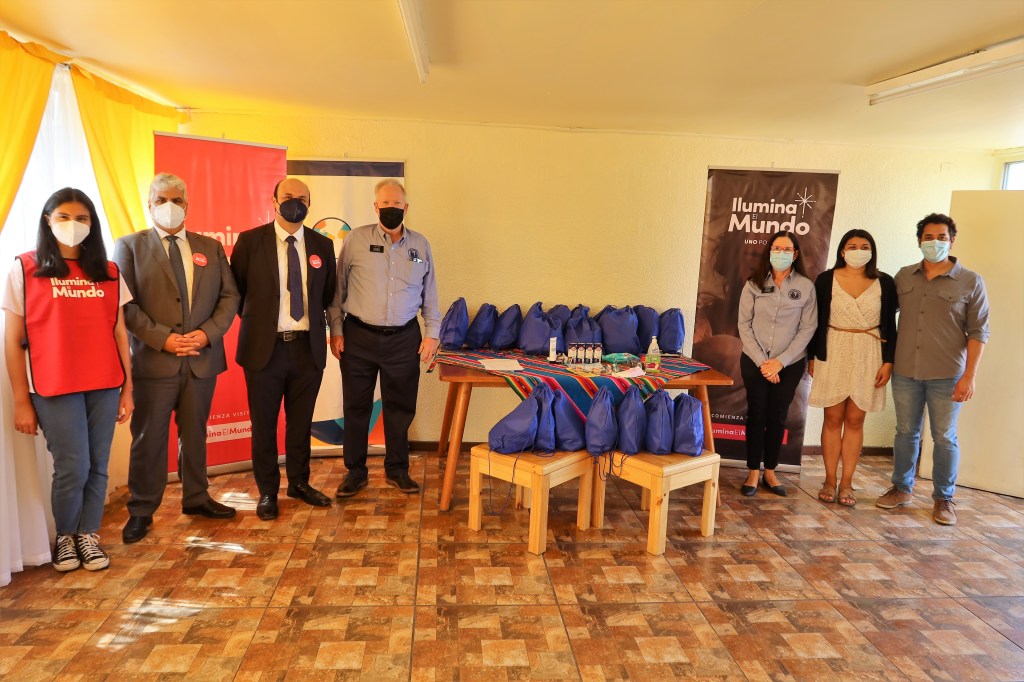
The next entrega ceremony was at Servico Jesuita a Migrante. This project provided items for 200 comfort kits for refugee children that included milk, diapers, cookies, wet wipes, colored pencils, coloring books, masks, toothbrushes, toothpaste, and band-aids. Since August, 700 immigrants arrived in Antofagasta from Venezuela and were sleeping in the bus terminals. This exodus forced the displacement of thousands of families and continues today.
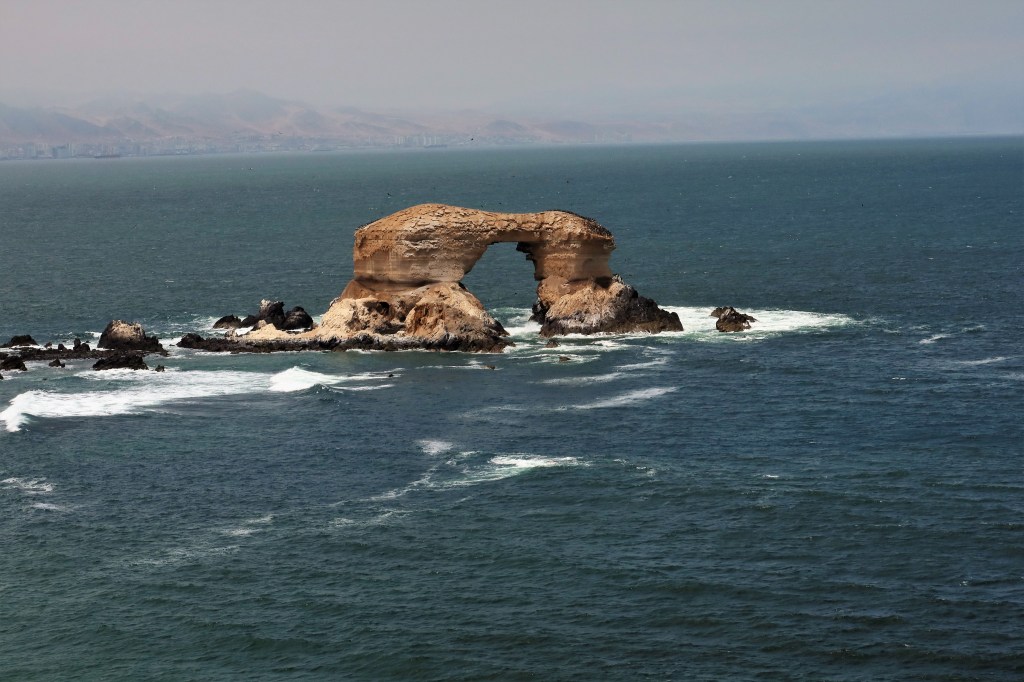
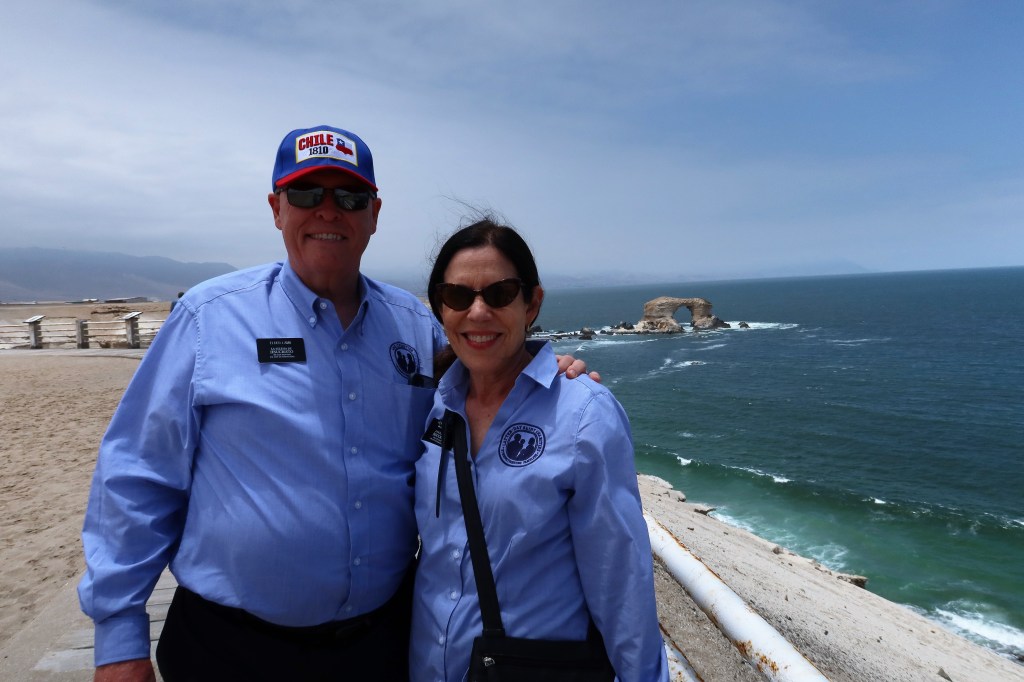
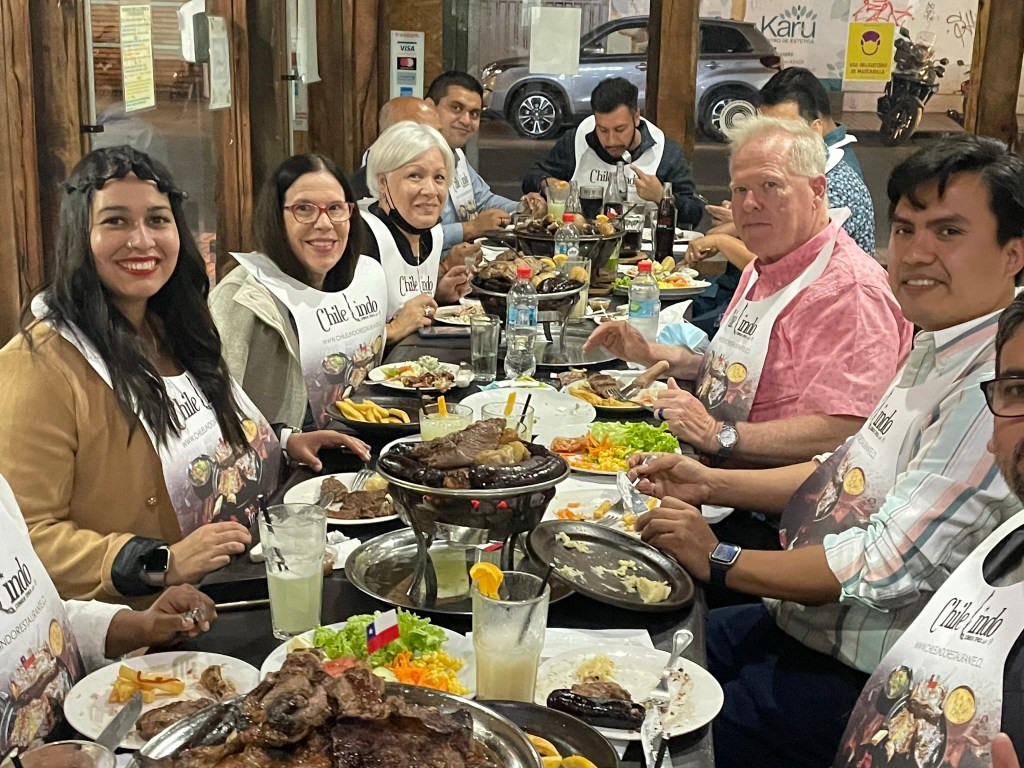
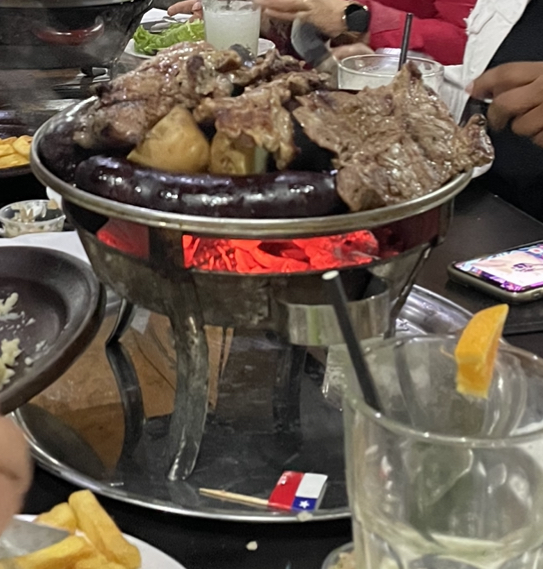
While in Antofagasta we were able to meet Élder y Hermana Woodhouse, temple construction missionaries. They are from NYC and have lived all over the world as he served in the Airforce with duty stations in Hawaii, Azores, and Panama. They raised their four children mostly in San Antonio. They arrived in Chile three weeks ago and will be here until the temple is finished which will take two to three years. We stood on their 19th-floor apartment balcony to see the temple site and then we got a close-up view from their office balcony on the temple block. This is their second mission. They served as humanitarian missionaries in the Dominican Republic and were only home for 6 months before coming to Chile to serve. We visited La Portada, a picturesque archway, created by Mother Nature. The temple contractor hosted a Christmas dinner and we were invited to join them. It was a typical Chilean barbeque (a la Parrilla or Asado.)

PERSONAL DAYS
Since we were in the vicinity we decided to take a couple of personal days and visit the Atacama Desert. It is a desert plateau in South America covering a 1,600 km strip of land on the Pacific coast, west of the Andes mountains. It was quite the adventure. We stayed in the little town of San Pedro de Atacama and did day trips from there.
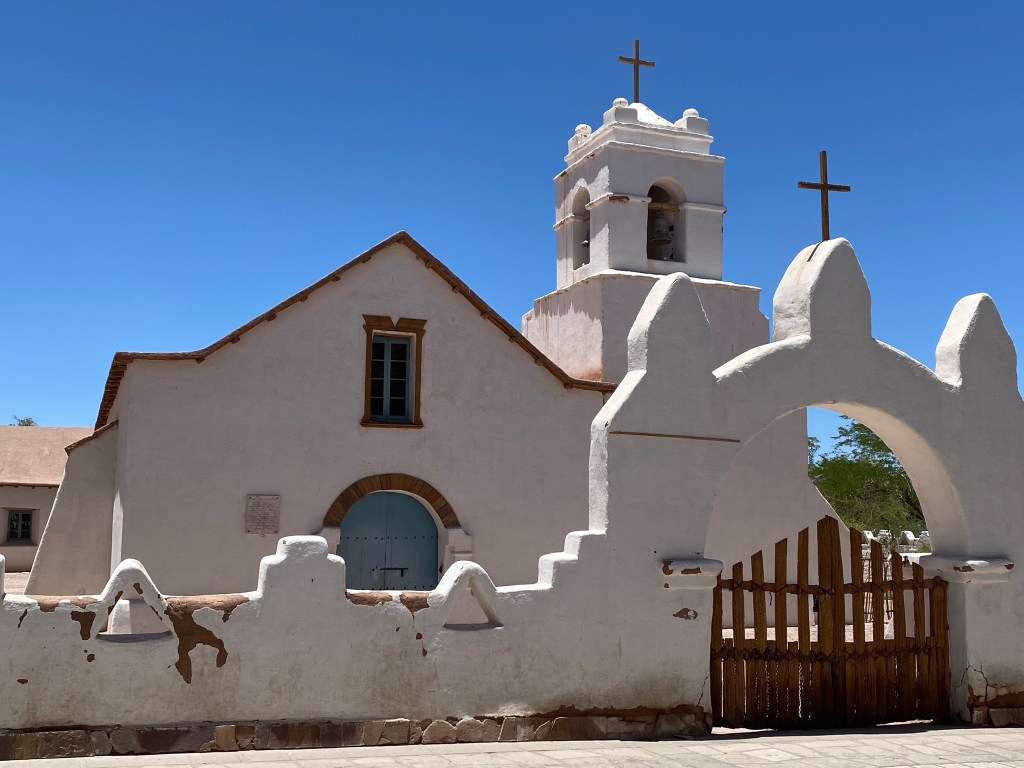
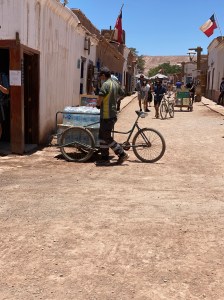
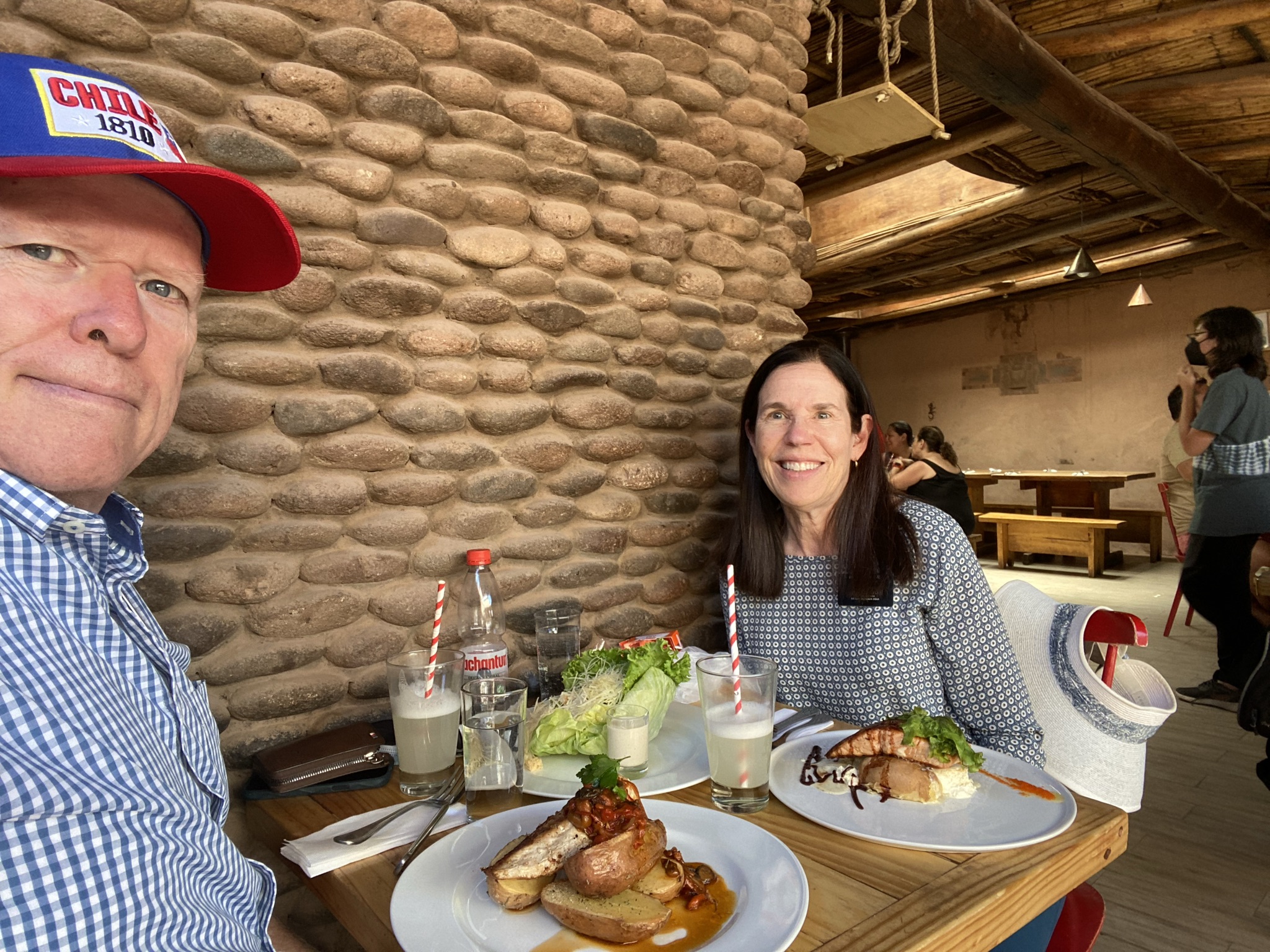
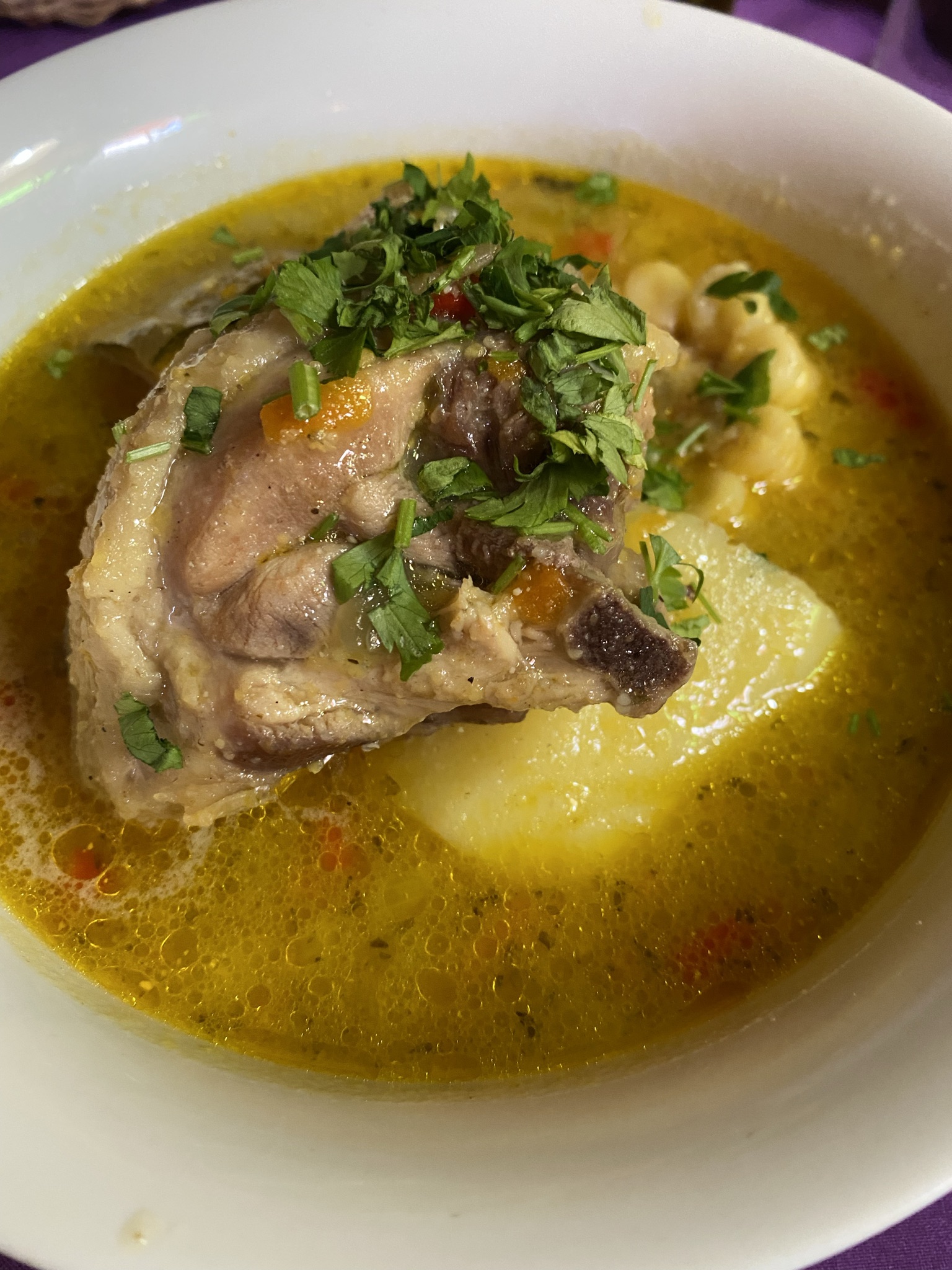
San Pedro de Atacama’s streets of whitewashed and mud-colored buildings were so unique. We found delicious food in this desert. The Chilean soup is called Cazuela and contains chicken, pumpkin, potatoes, and corn.

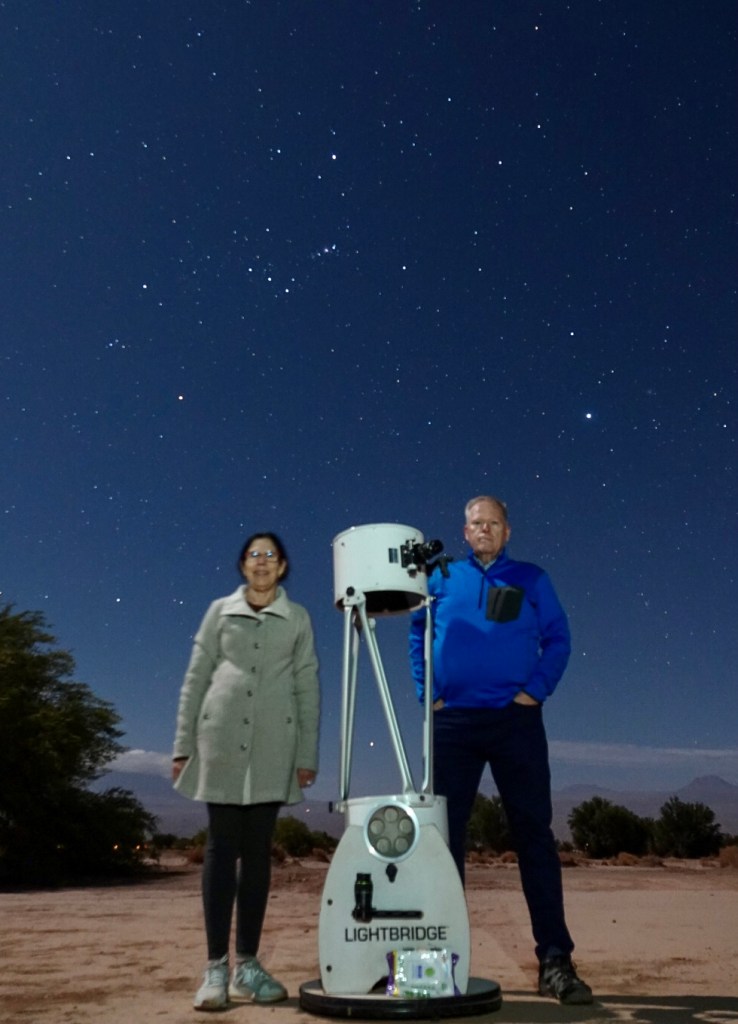
Our stargazing excursion was fabulous despite an almost full moon. The largest telescope array in the world is found here. This desert is the driest nonpolar desert in the world and has some of the stillest and driest air in the world which makes Chile and telescopes a match made in heaven. After an astronomy lecture, our guide led us on a walk into the dark desert where we found a 12-inch telescope, chairs, and blankets waiting for us. We were overwhelmed during the lecture and again during the actual stargazing because of the magnificence and order of the universe that testifies to us that there is a God in heaven.
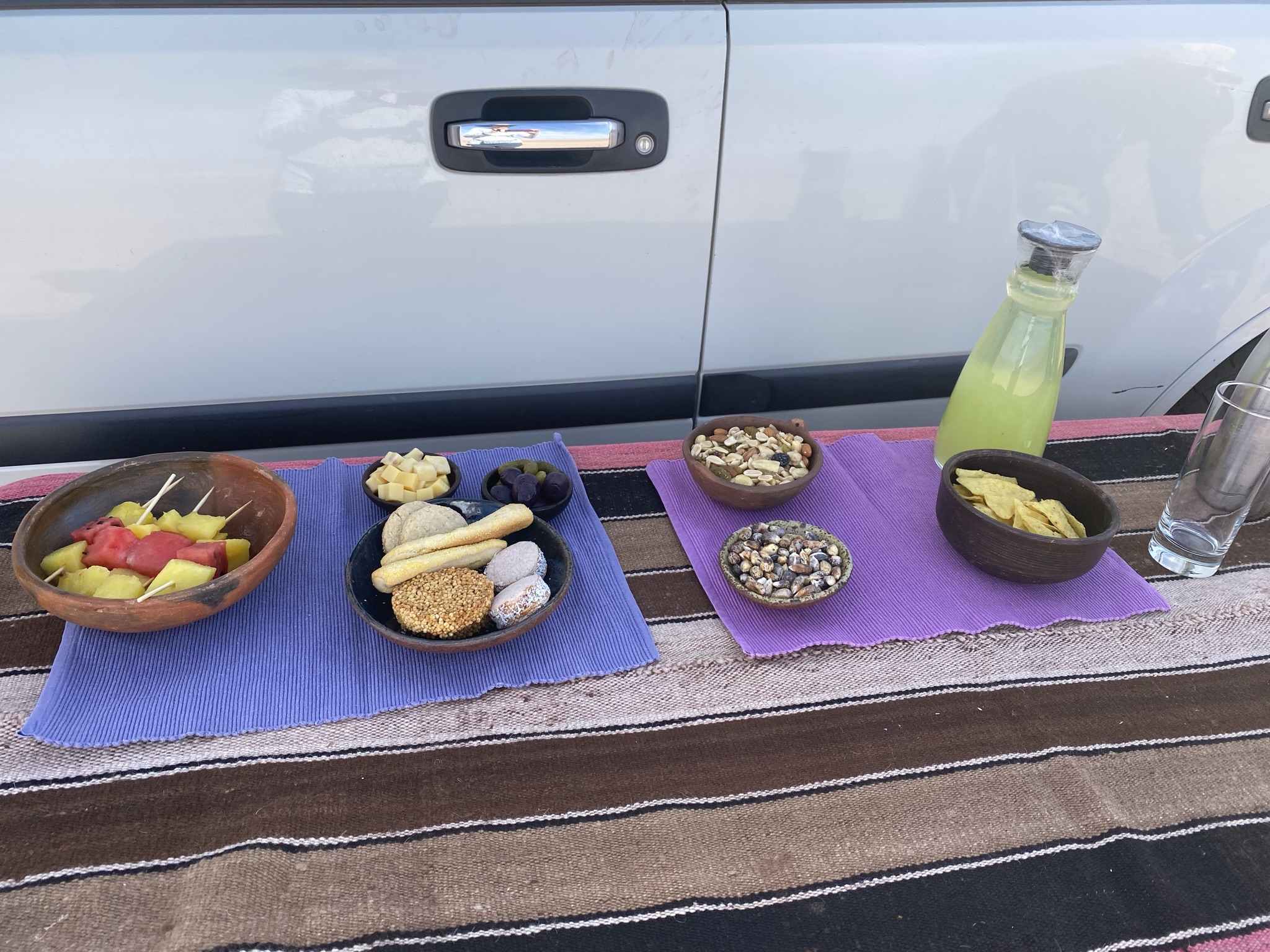
One afternoon we crossed the Cordillera Salt Flats on a washboard gravel road. It was utter desolation. It made the Nevada/Arizona deserts look lush. We came upon some saltwater lagoons with turquoise and green water surrounded by white salt deposits. This icy water in the middle of the driest desert in the world was a true oasis. It was an interesting sensation to feel weightless in the water. Our wonderful guide had a garden sprayer ready to rinse us off with clean water. On our way back to the hotel he stopped at the side of the road, pulled out a table, tablecloth, and an afternoon snack with cool melon juice. This outdoor meal service reminded me of our African Safari.


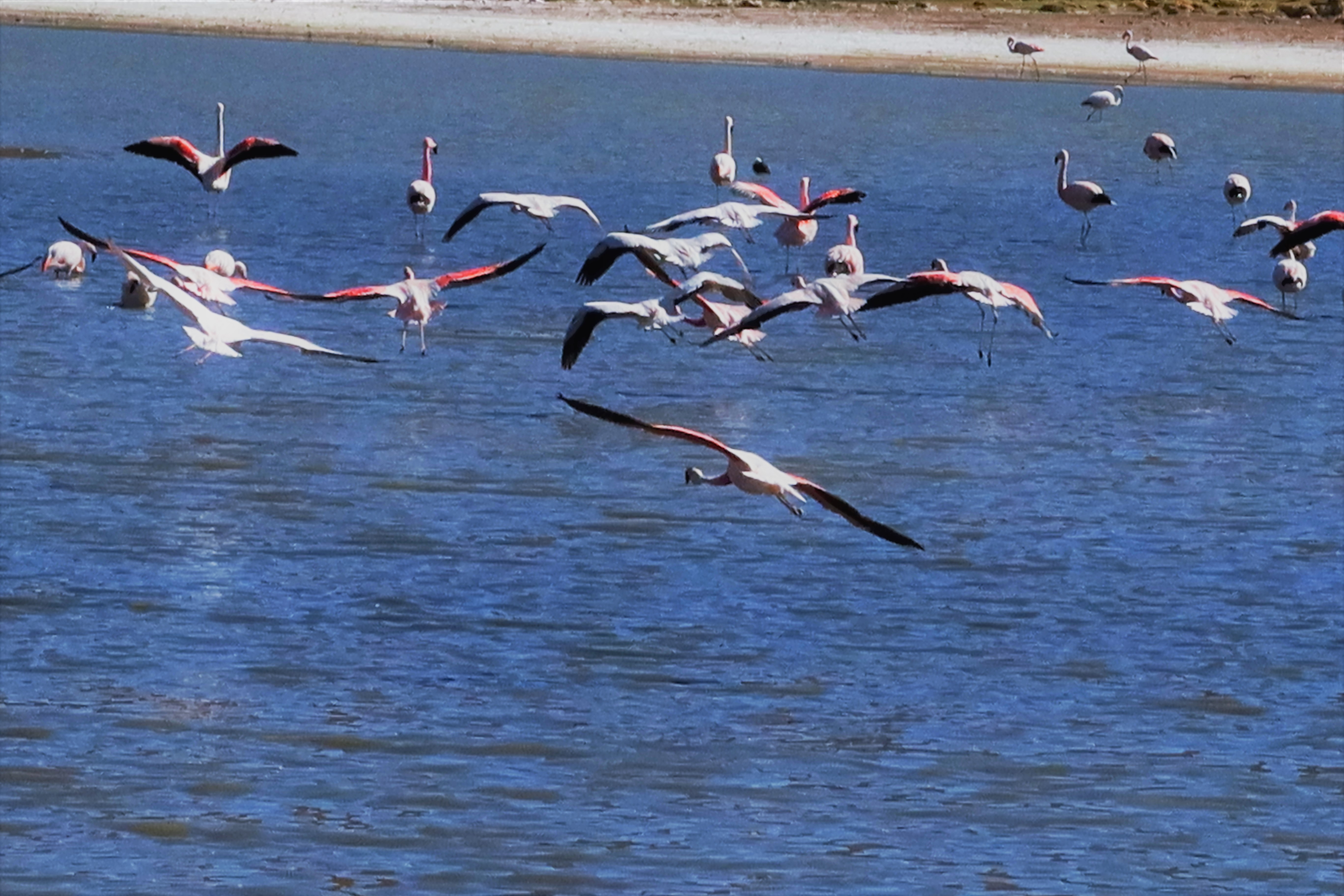
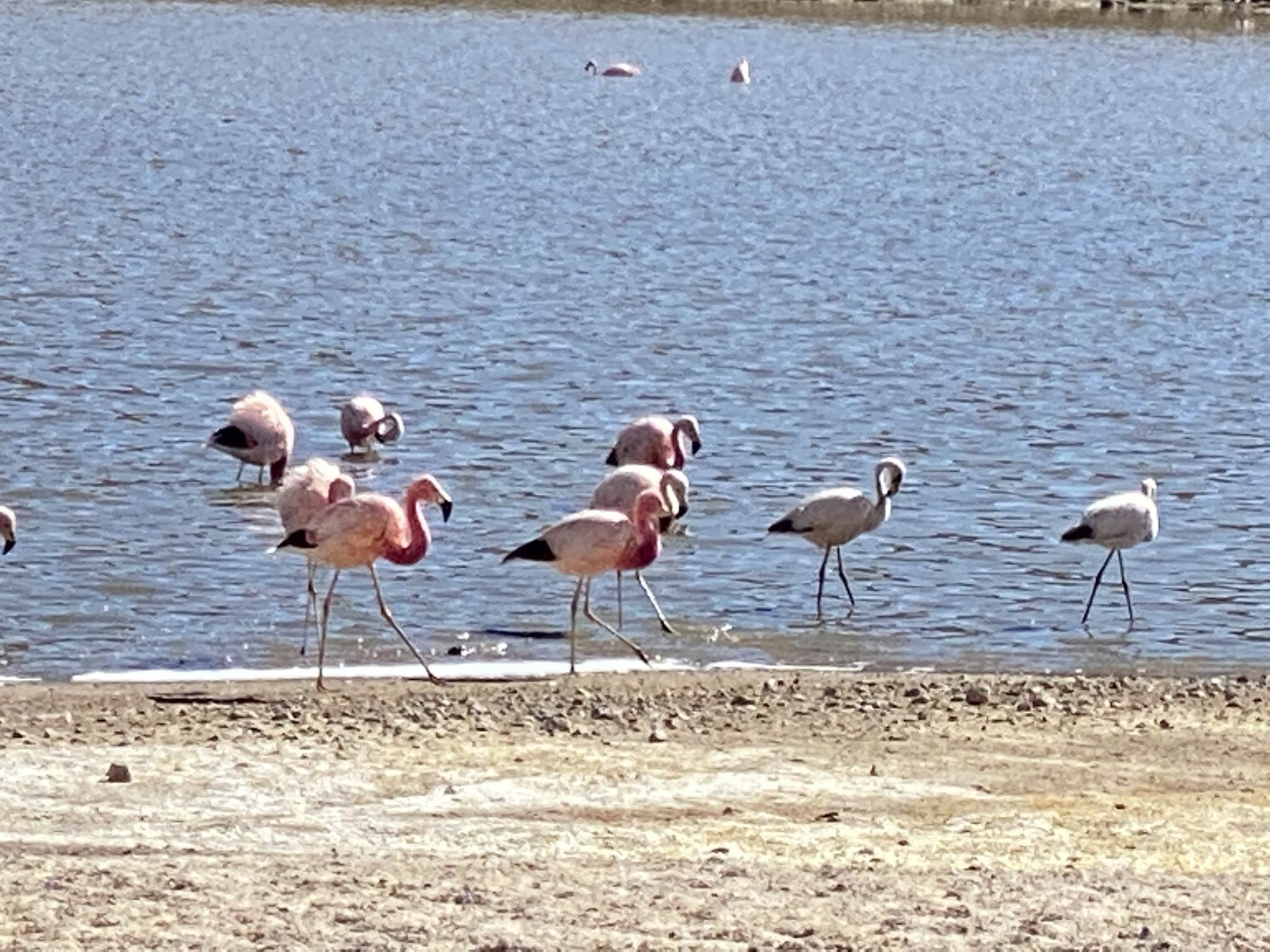
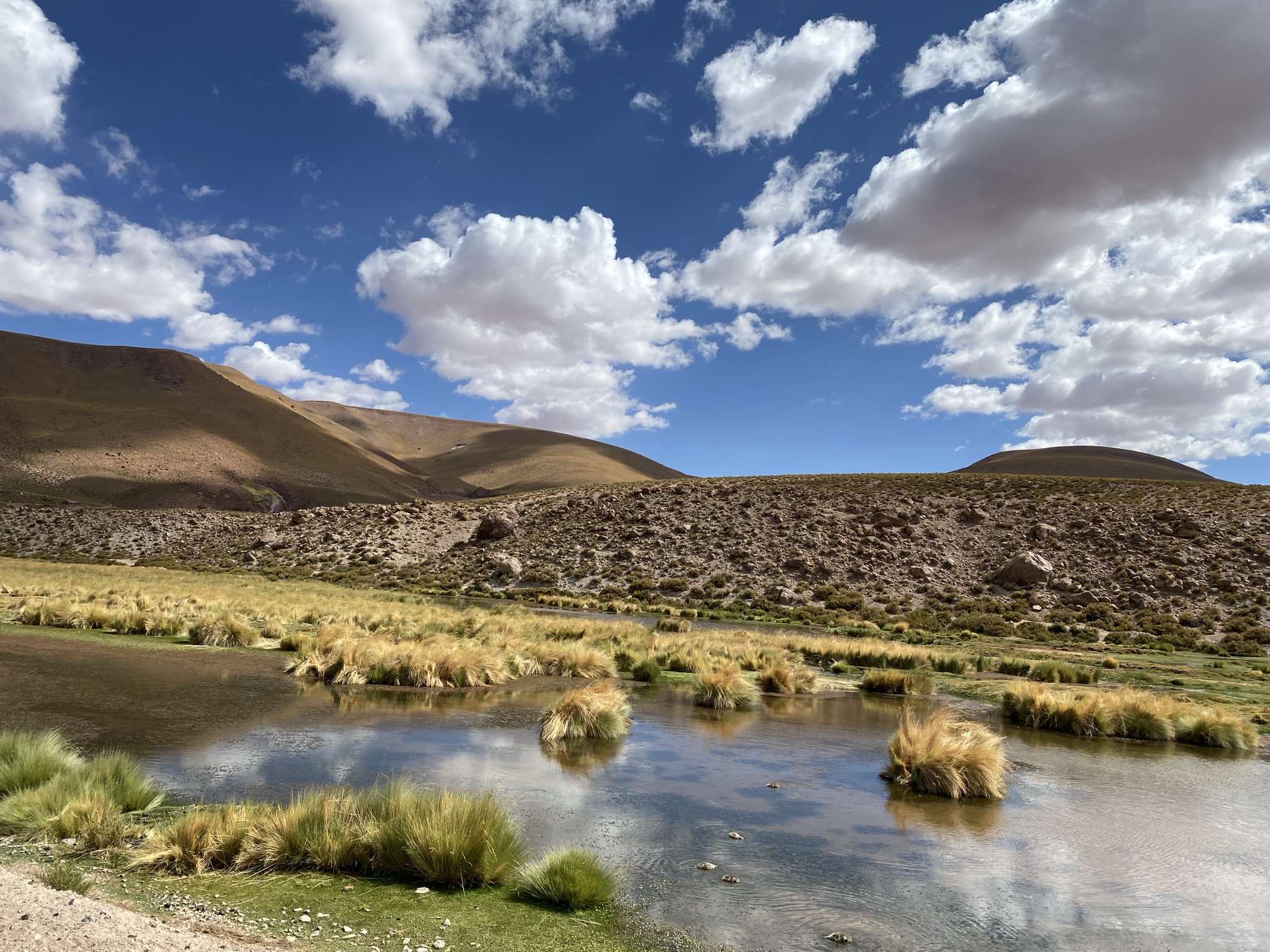
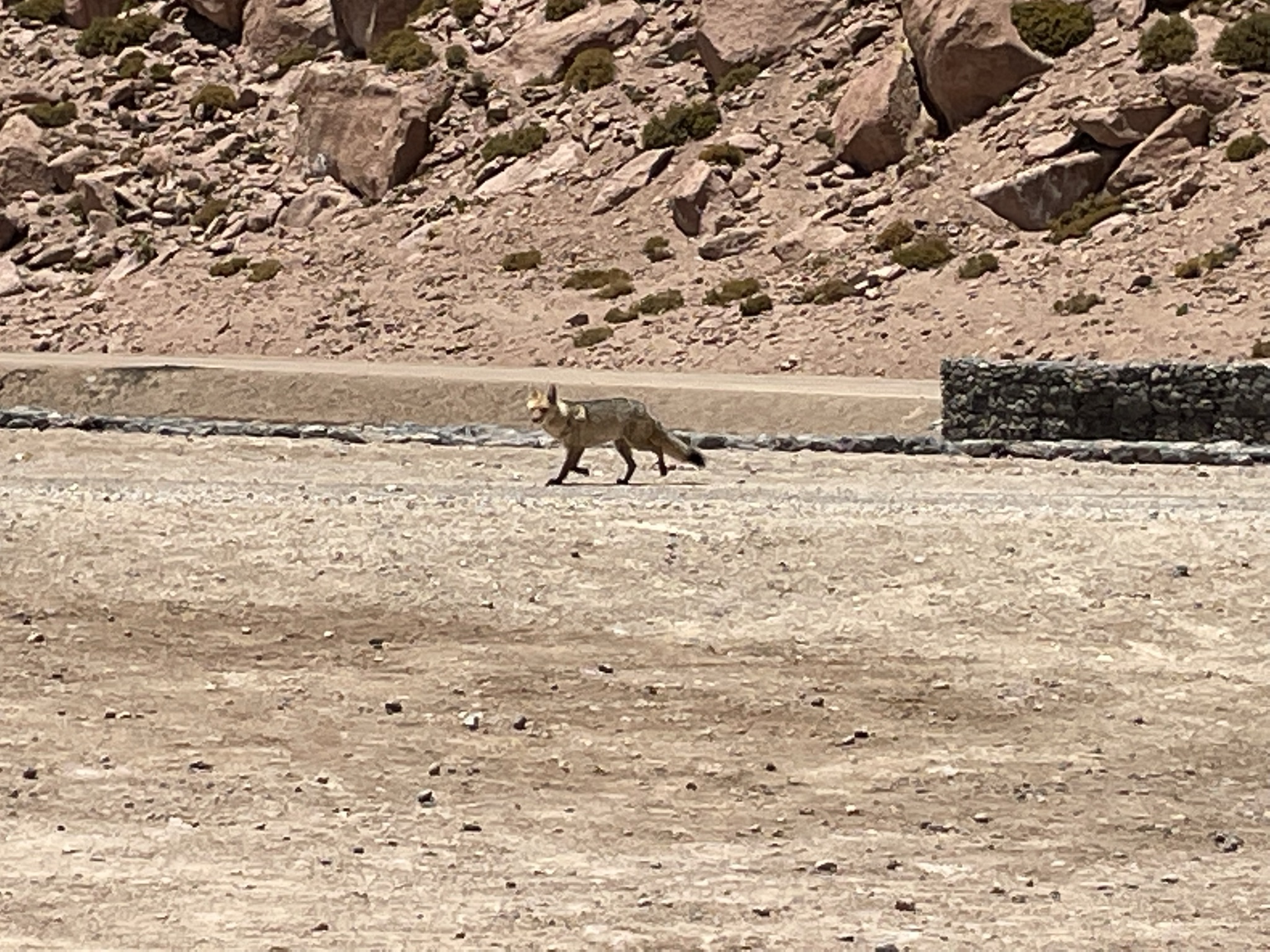
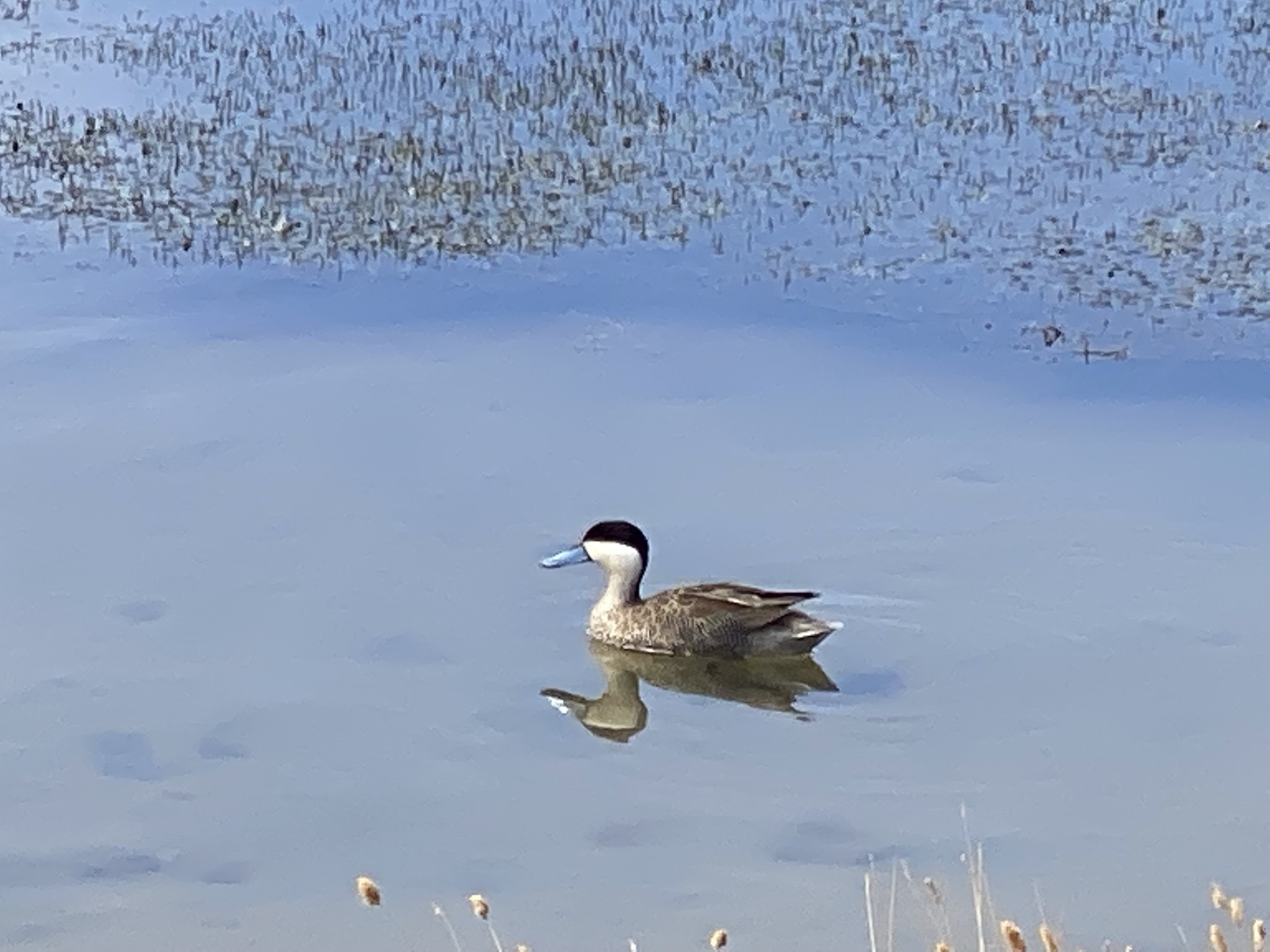
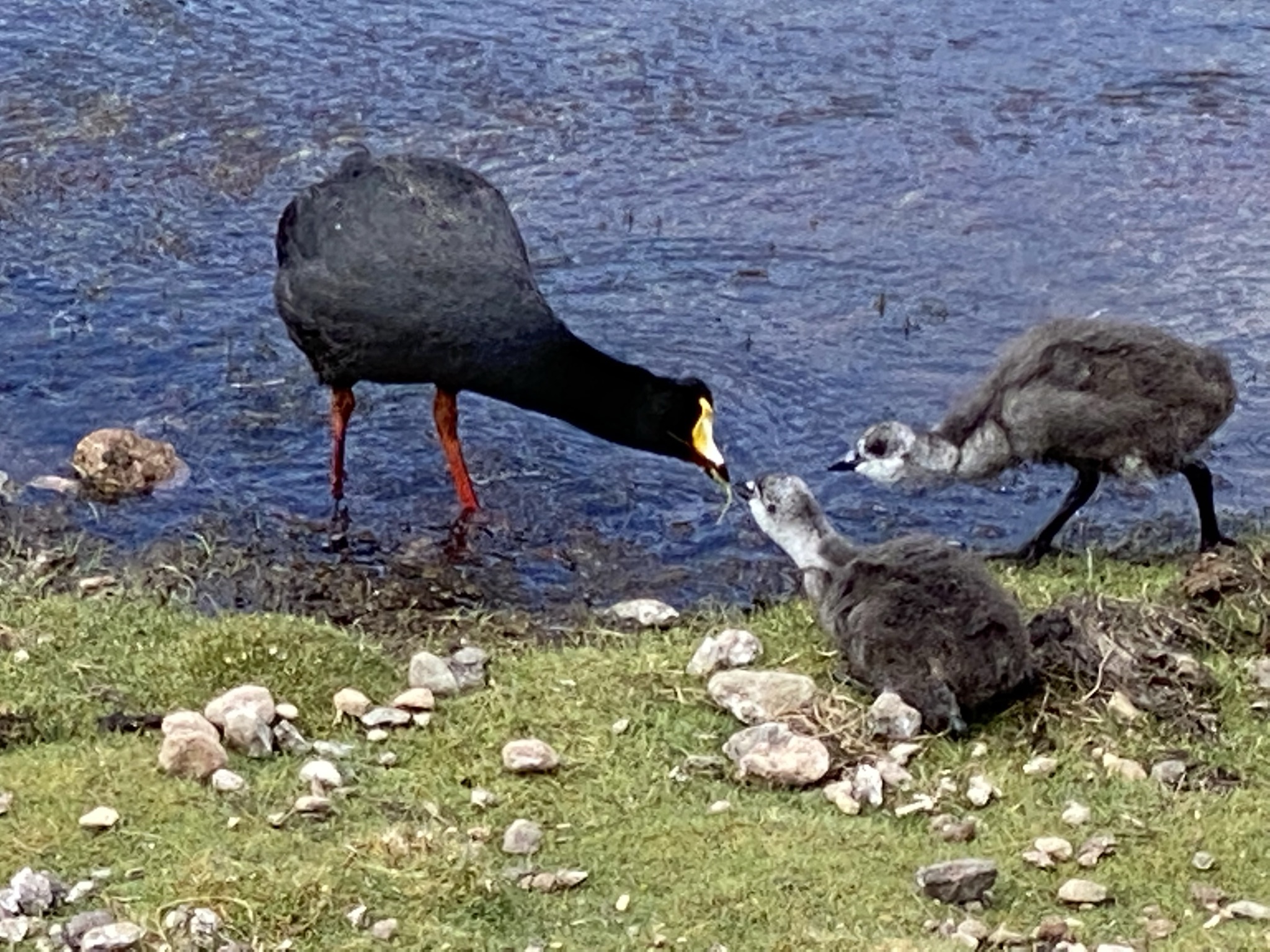
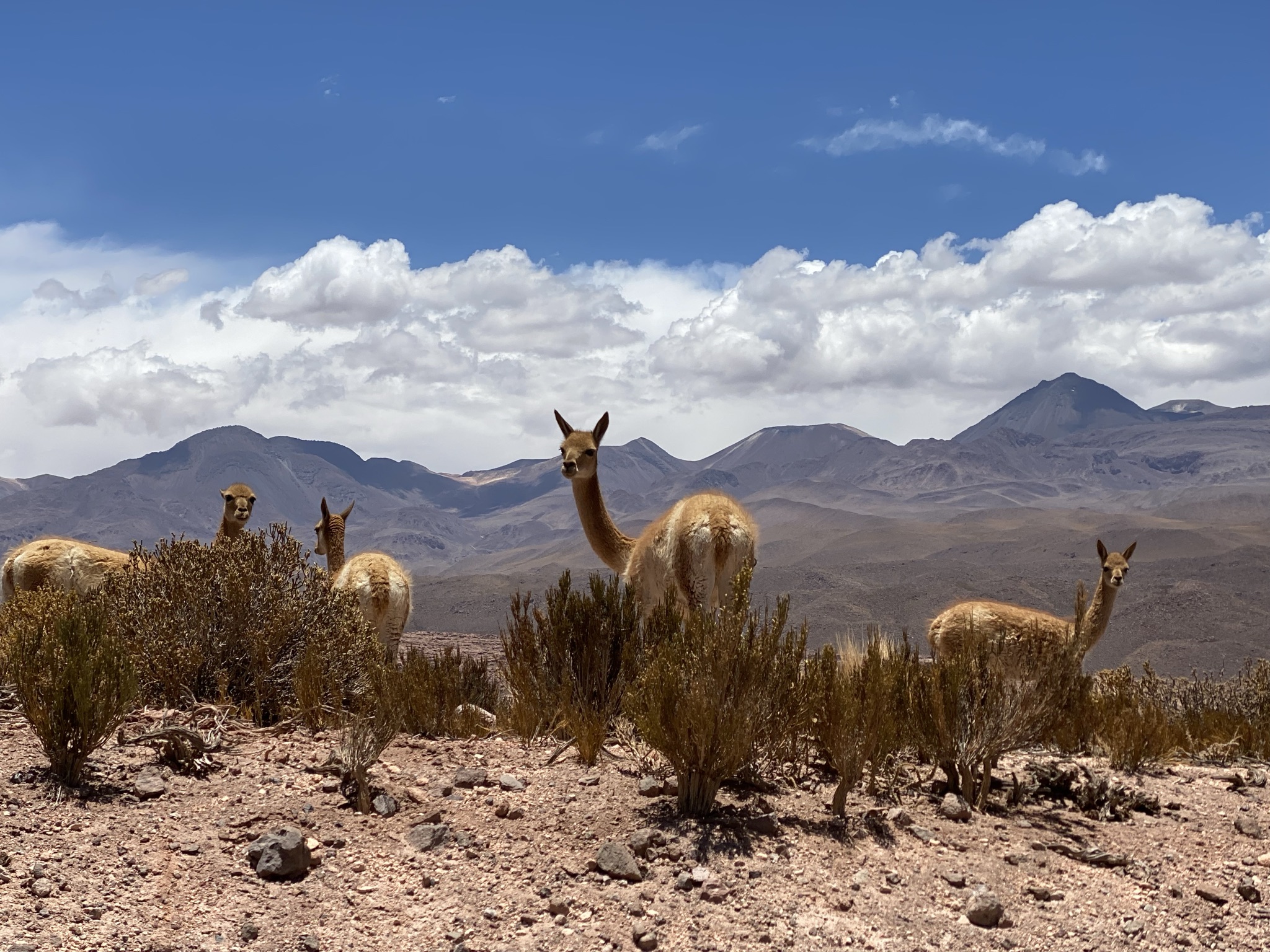
The next day we went to Los Flamencos National Reserve. It was another bumpy dirt road with lots of curves and steep climbs. We reached an altitude of 13,000 feet and were not far from the Bolivian border. We saw hundreds of flamingos in a lagoon. At one point some took flight. We are told that is a rare sight. The different high-altitude ecosystems we drove through were so diverse. A favorite was the wetlands. The mirror-reflection lagoons, surrounded by yellow grass with the backdrop of mountains and volcanoes were amazing. We watched orange-footed coots feeding their babies and saw blue-billed ducks, a fox, and grazing vicuna. Vicunas are related to the llama and are believed to be the wild ancestor of the domesticated alpaca. They are one of two wild South American camelids which live in the high alpine areas of the Andes. After another snack buffet in the wilderness and we headed back into San Pedro de Atacama.
This trip was a unique, once-in-a-lifetime experience. We enjoyed a very private experience because of the lack of tourists.

CHRISTMAS WISHES
We have taken liberties to paraphrase a thought by Jared Halverson, an institute teacher at the University of Utah: My dear friends all around the world, wherever this Christmas finds you, enjoy all the gifts, and don’t’ forget Him who is the source of every good gift. Enjoy the Christmas lights, and don’t forget the Light of the World. Enjoy your thoughts of Old Saint Nick and think about Him that can make saints out of each of us. Depending on where you live, enjoy your white Christmas, and please remember Him who can take your scarlet sins and make them white as snow. Enjoy leaving out the milk and cookies and try to find more meaning in the bread and water. Enjoy your full stockings, but do not forget the empty tomb. Let Christmas be a time of great joy and a time to remember the Man of Sorrows acquainted with grief, who carries us through our sorrows.
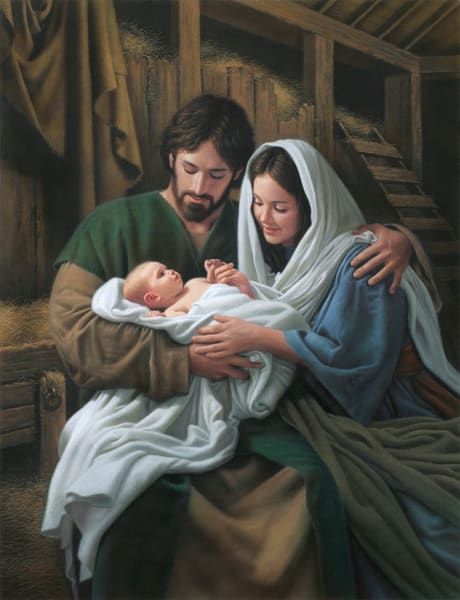
We wish you a very Merry Christmas and a Happy New Year!
With love, Élder y Hermana Lamb, (aka Ed & Debbie, Mom & Dad, Pop Pop & Tu Tu)
 Lambs in Central Europe